Volkswagen, one of the world's leading automakers, has recently announced that it will build its second battery factory for electric car battery cells in Valencia, Spain. The factory, which will be operated by PowerCo, Volkswagen's newly created battery and energy subsidiary, is expected to start production of the so-called unit cell in 2026 and will directly employ more than 3,000 people in the future.
The unit cell is a prismatic battery cell that Volkswagen unveiled at its Power Day event in 2021. It is designed to be compatible with most of Volkswagen's electric vehicles and to offer high performance, long-range, and fast charging capabilities. The unit cell will also be produced with green electricity and recycled materials as part of Volkswagen's commitment to sustainability and climate protection.
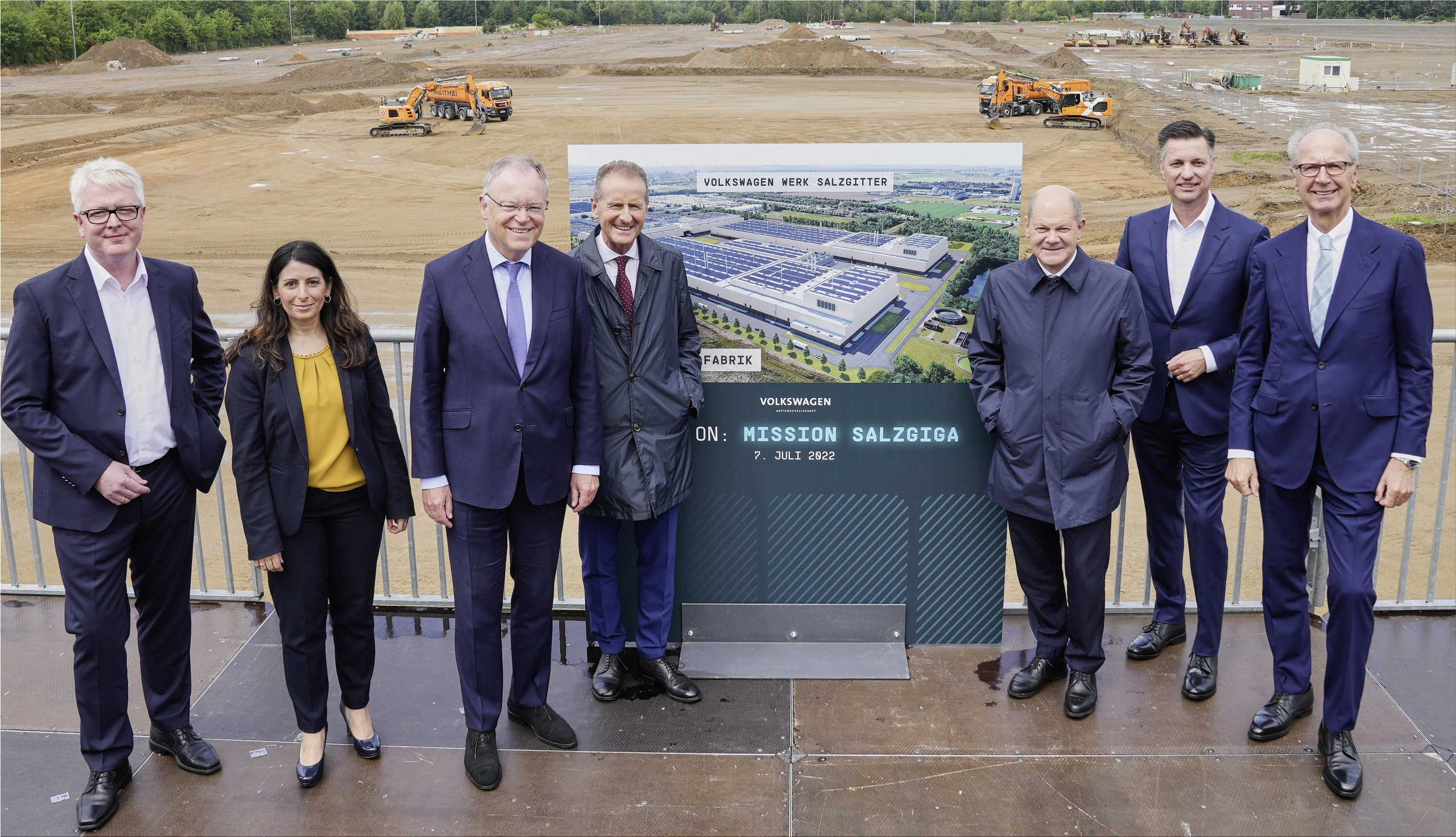
The Valencia factory is part of Volkswagen's global battery offensive, which aims to make PowerCo a leading player in the battery business and secure the battery supply for its growing electric vehicle portfolio. PowerCo was launched in July 2022 and has already determined three locations for cell factories in Salzgitter (Germany), Valencia (Spain) and St. Thomas (Canada), two of which are already under construction.
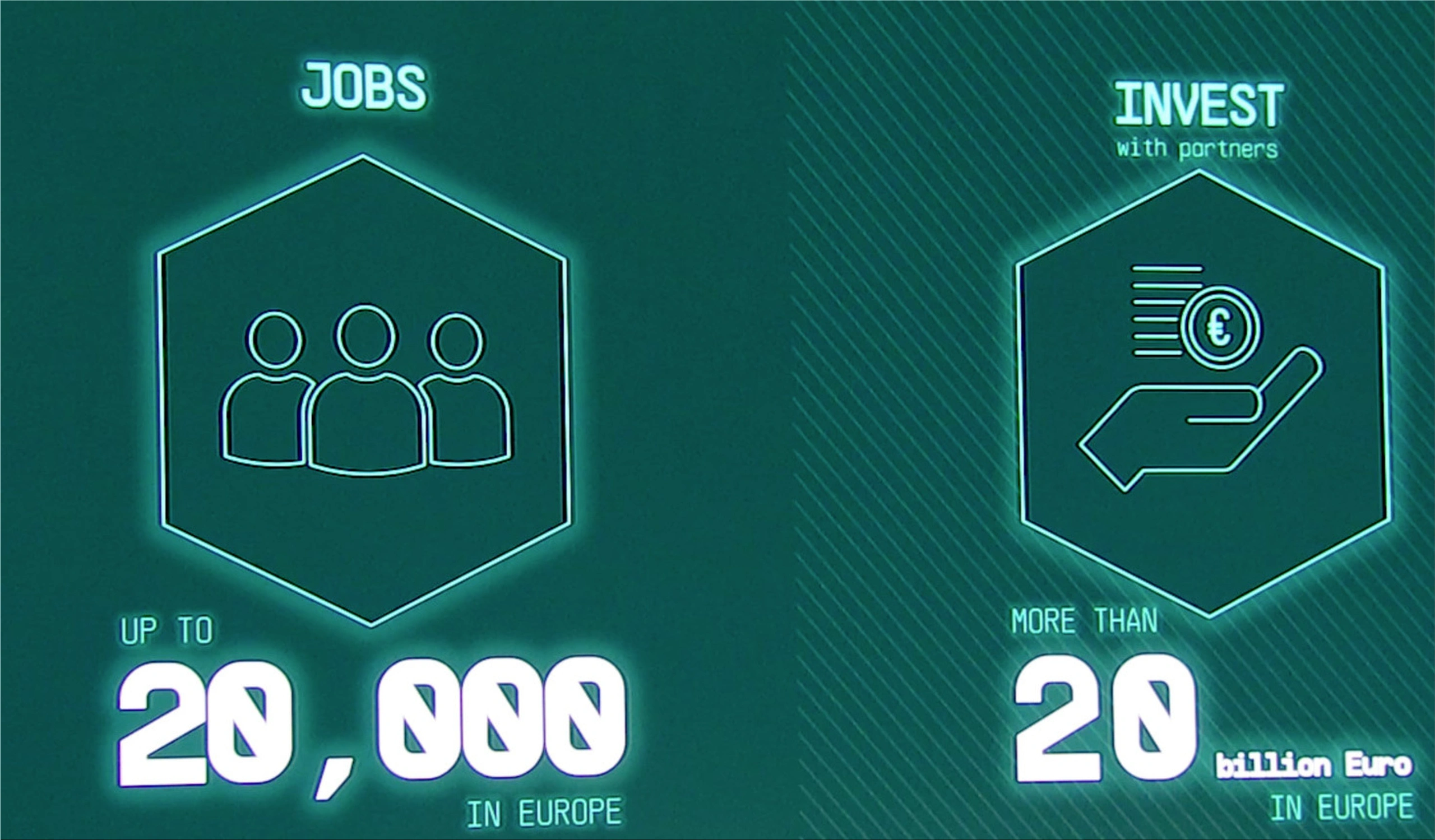
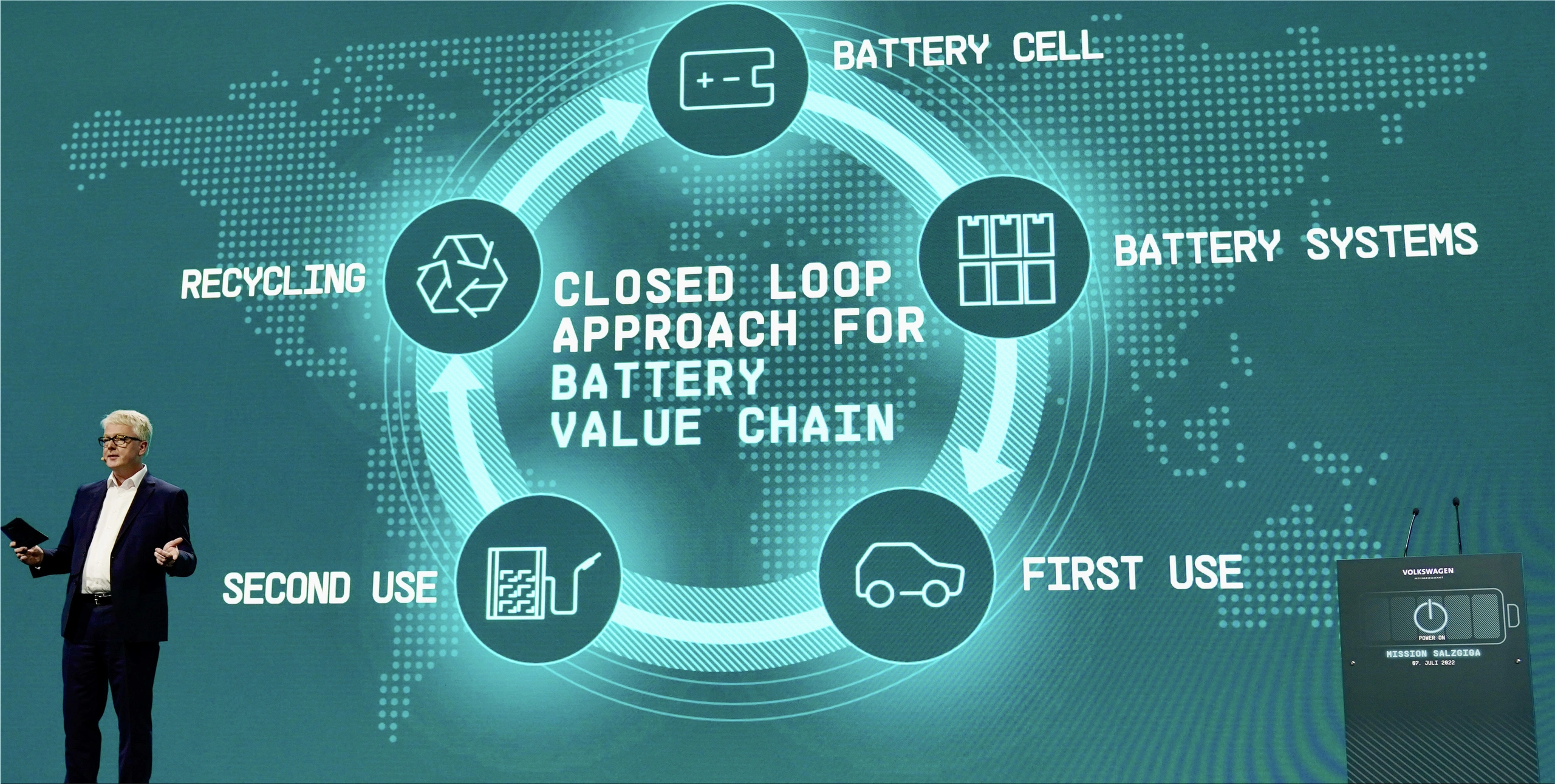
PowerCo plans to invest more than €20 billion together with partners in developing its business area by 2030 to generate annual sales in excess of €20 billion and employ up to 20,000 people in Europe alone. PowerCo will also be responsible for activities along the entire battery value chain, from processing raw materials to developing new technologies and business models based on reusing discarded car batteries and recycling their valuable components.
Video file
Video title
Sagunto x VW PowerCo Gigafactory
The Valencia factory will have an initial annual production capacity of 40 GWh but can be expanded to 60 GWh "in the future." The factory will be built on an area of around 130 hectares in Sagunto, near Valencia. Together with a planned supplier park that will be built parallel to the PowerCo factory, the area amounts to 200 hectares.
Volkswagen chose Valencia as its second European location for several reasons:
- The availability of cheap green electricity from solar and wind sources.
- The regional science and innovation cluster includes universities and research centers.
- The good transport connections by road, rail and sea.
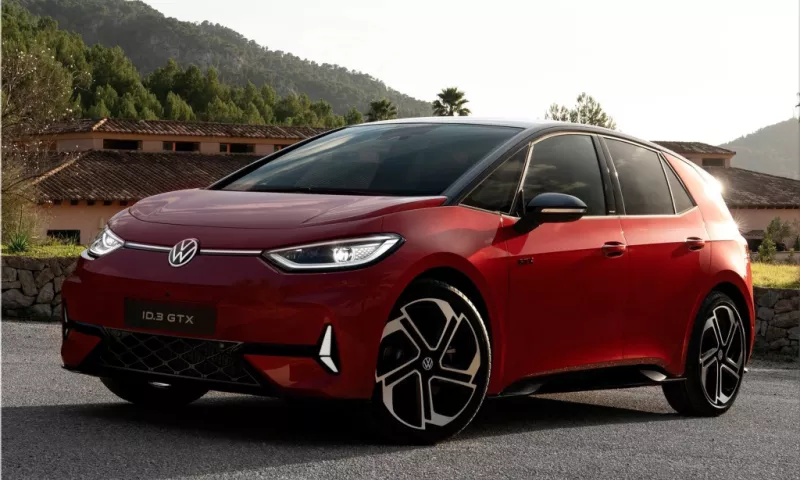
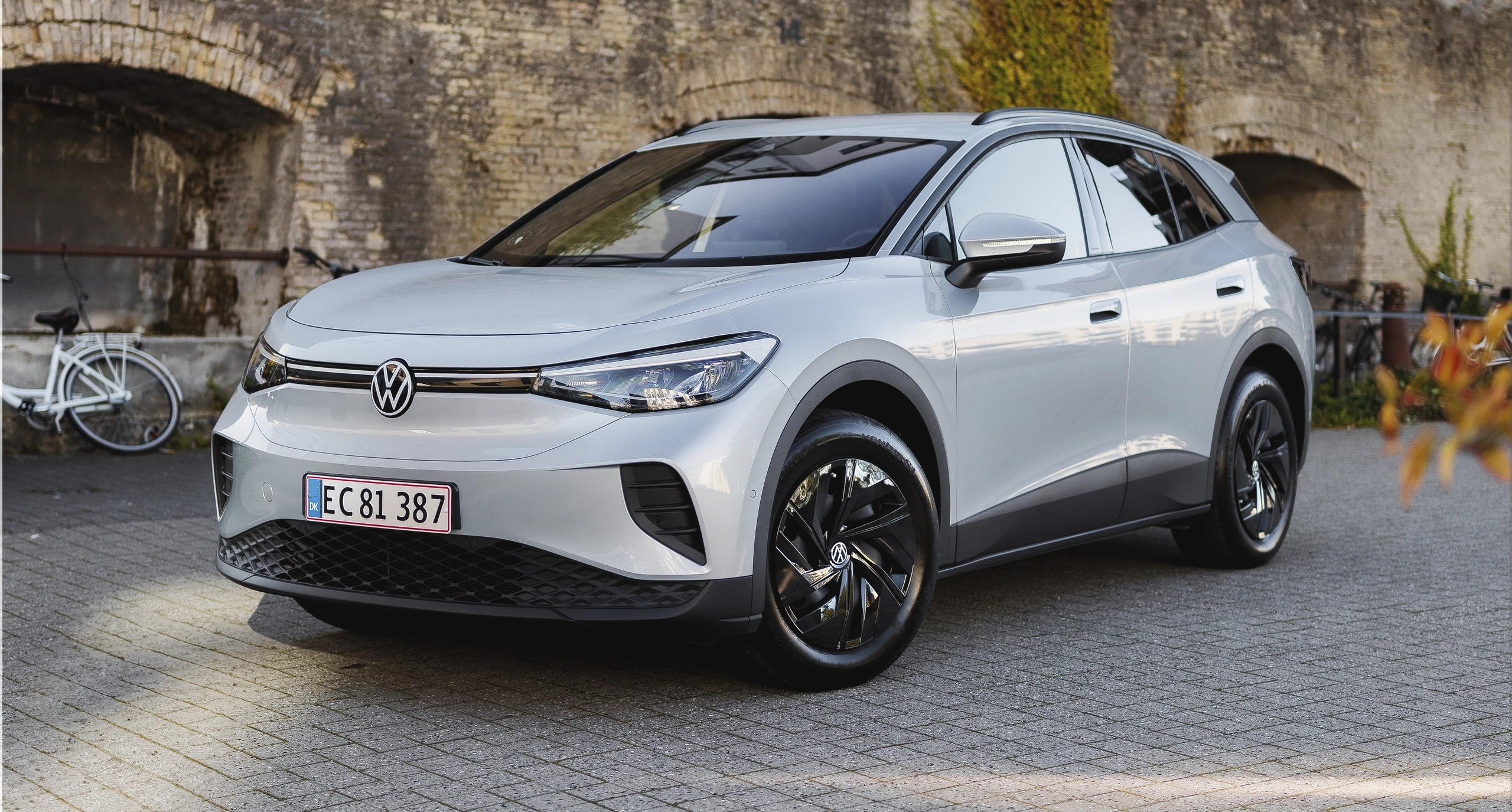
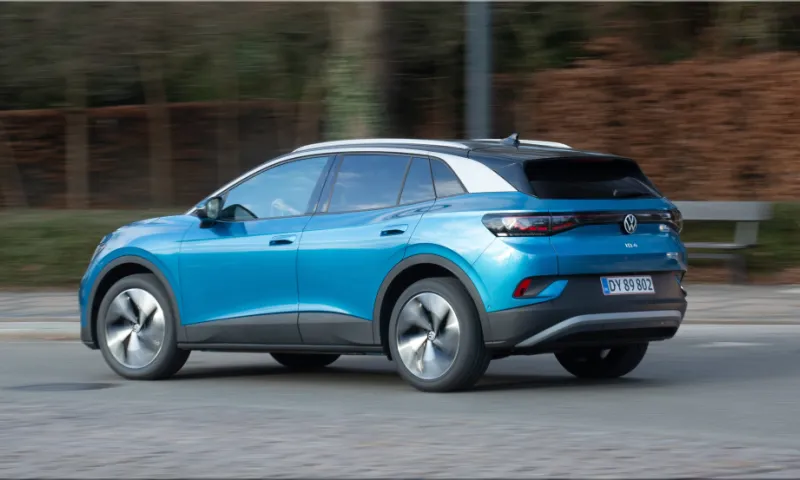
- The proximity to Volkswagen's vehicle plants in Martorell (Spain) and Palmela (Portugal) produces some of its electric models such as the Volkswagen ID.3 hatchback and the Volkswagen ID.4 electric SUV.
Thomas Schmall, Board Member for Group Technology at Volkswagen AG and Chairman of the PowerCo Supervisory Board, said: "We are in the fast lane with PowerCo. Our goal is clear: We want to make PowerCo a global player in the battery business and pave the way for better mobility with sustainably manufactured battery cells. The Gigafactory Valencia is an important milestone in this."
The Gigafactory Valencia is a strategic investment for Volkswagen and a boost for Spain's economy and industrial sector. According to Volkswagen's estimates, up to 30,000 more indirect jobs could be initiated at suppliers and partners in Spain due to its battery project. Moreover, Volkswagen intends to support Spain's transition towards e-mobility by collaborating with local authorities, institutions and stakeholders on topics such as charging infrastructure, education and innovation.
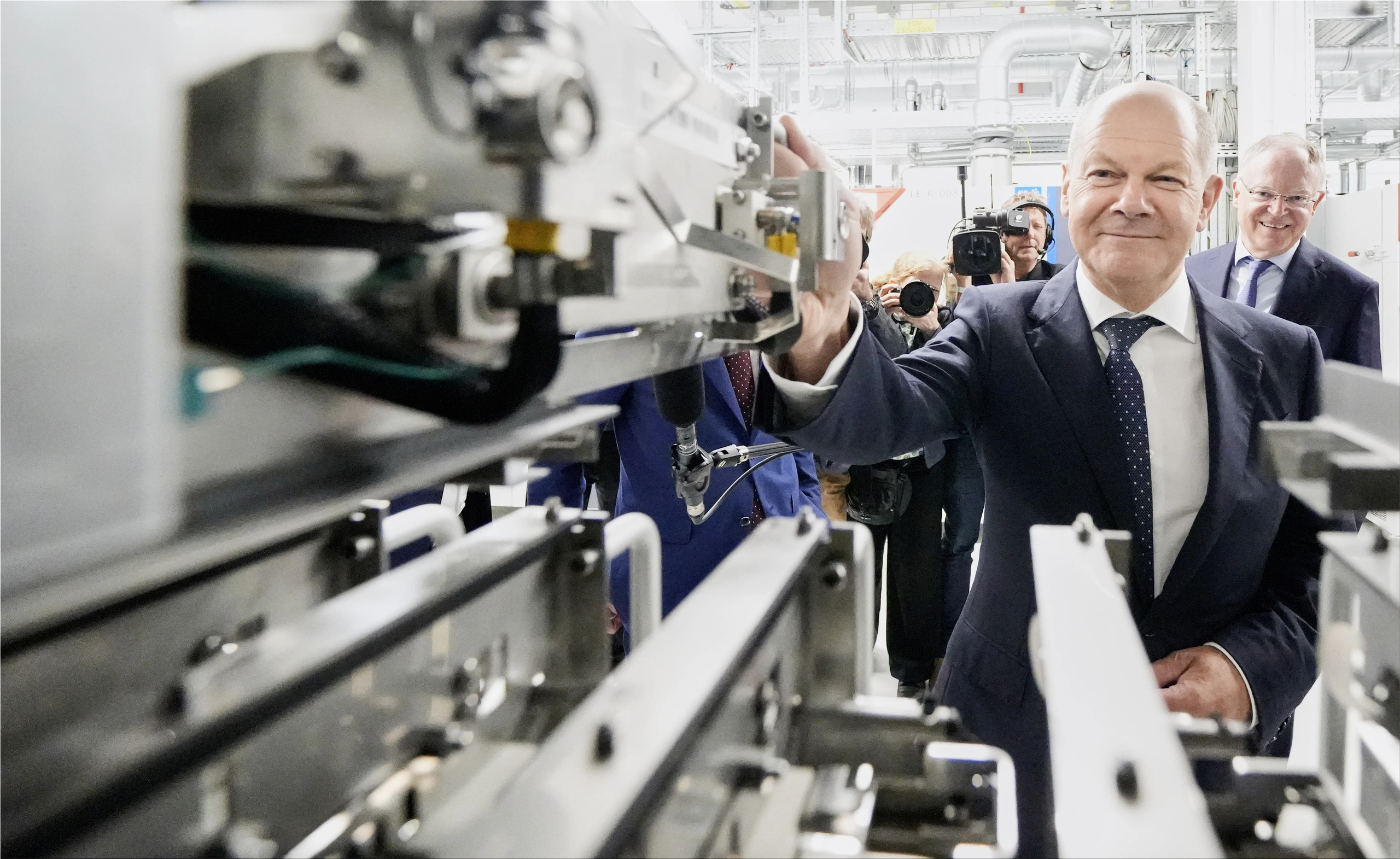
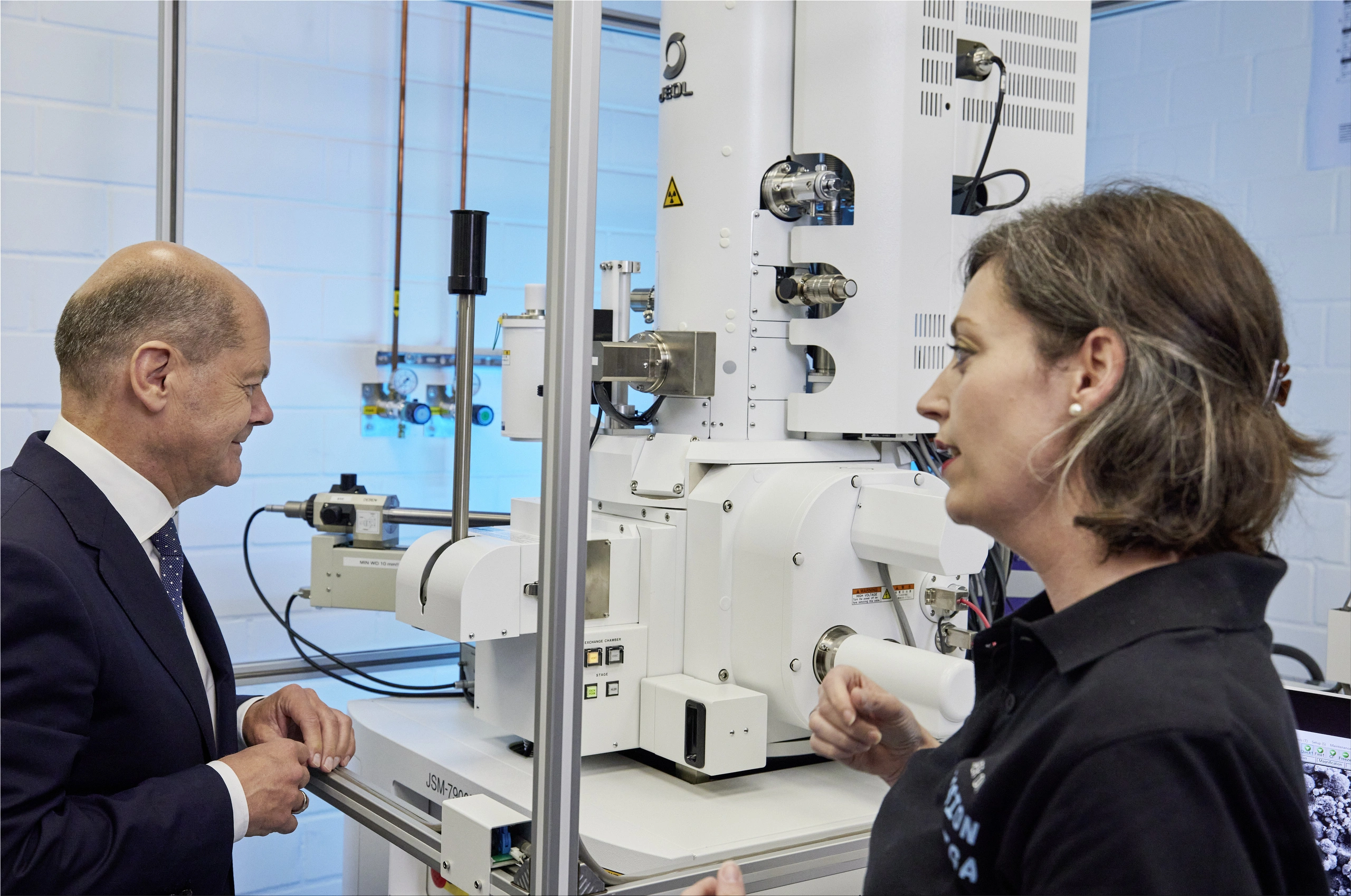
With its ambitious plans for battery production, Volkswagen is positioning itself as one of the frontrunners in e-mobility and as a key contributor to Europe's Green Deal goals. By establishing its own cell factories, Volkswagen aims to reduce its dependence on external suppliers, to increase its competitiveness and innovation potential, and ultimately, to offer better products and services to its customers. @via PowerCo.
- Add new comment
- 258 views