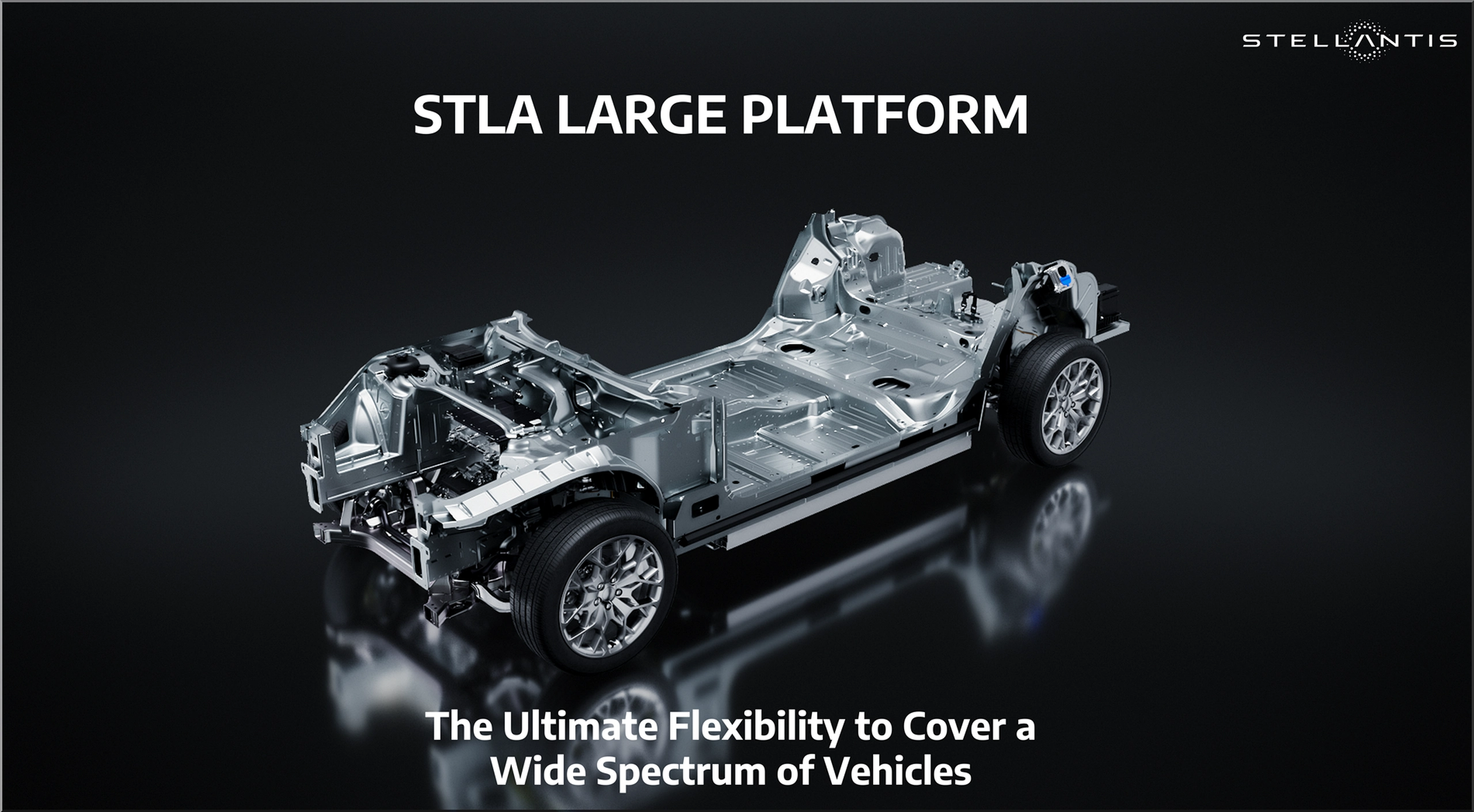
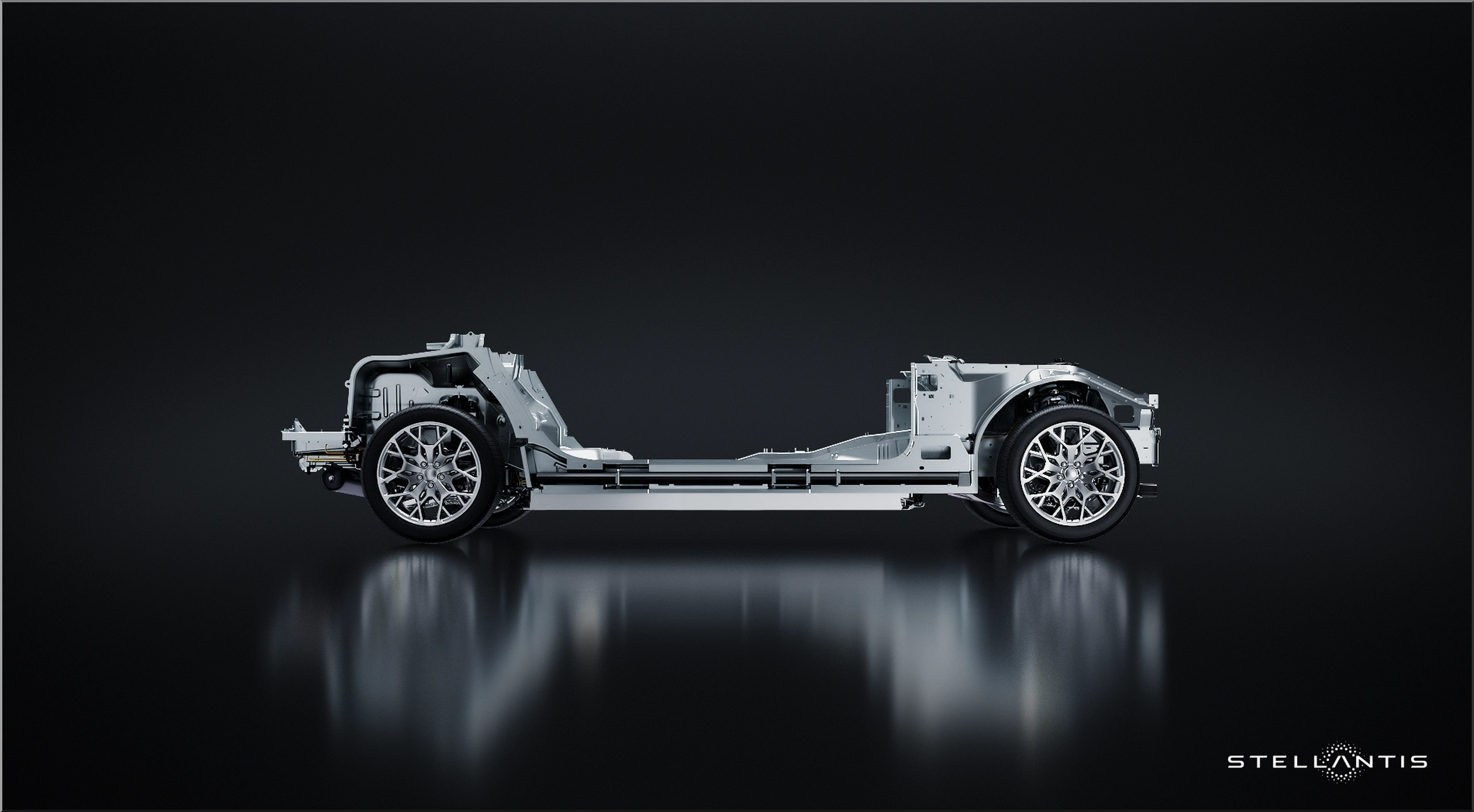
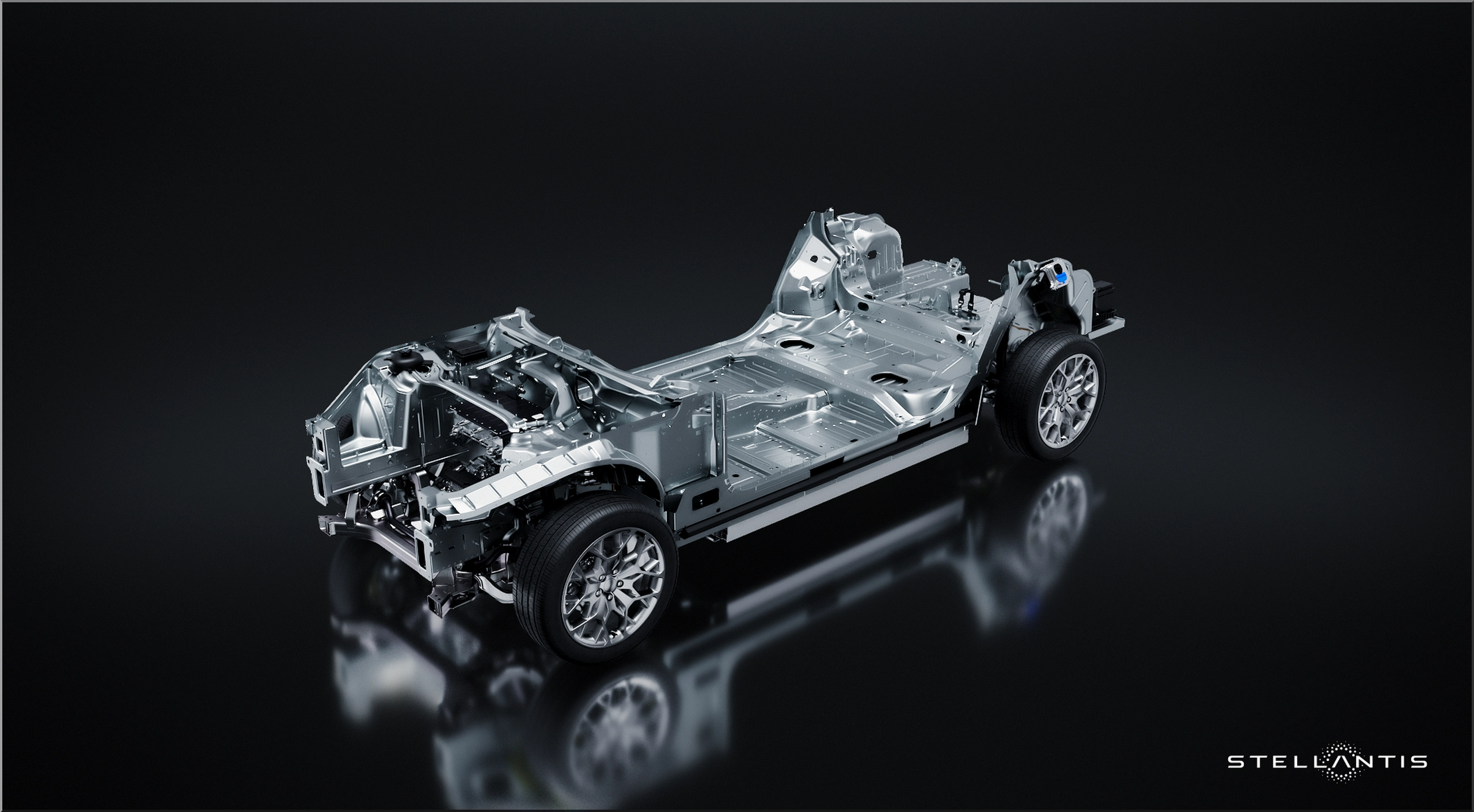
Stellantis, the world’s fourth-largest automaker, has revealed its latest innovation in electric vehicle technology: the STLA Large platform. This platform is designed to underpin a wide range of vehicles in the D and E segments, from sedans to SUVs, and offer segment-leading capabilities in range, performance, charging efficiency, and off-road driving.
The STLA Large platform is part of Stellantis’ ambitious plan to electrify its entire portfolio of 14 brands by 2030, as announced on EV Day 2021. The company aims to launch 21 battery electric vehicles (BEVs) and 10 plug-in hybrid electric vehicles (PHEVs) by 2025, and achieve a BEV+PHEV mix of 70% in Europe and 40% in the US by 2030.
What makes the STLA Large platform unique?
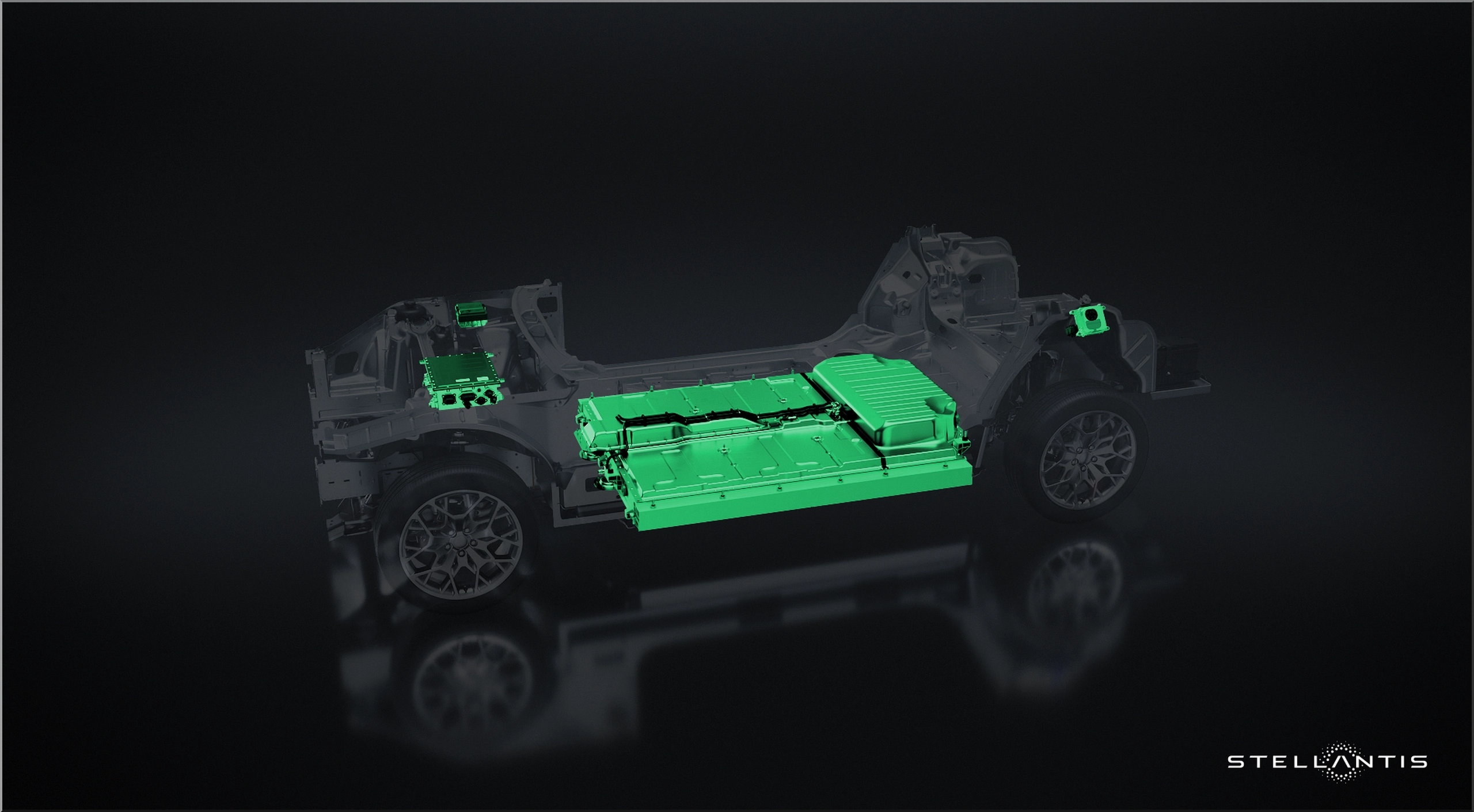
The STLA Large platform is a BEV-native platform. It is designed from the ground up for electric propulsion, unlike some platforms adapted from existing internal combustion engine (ICE) vehicles. This gives the platform several advantages, such as:
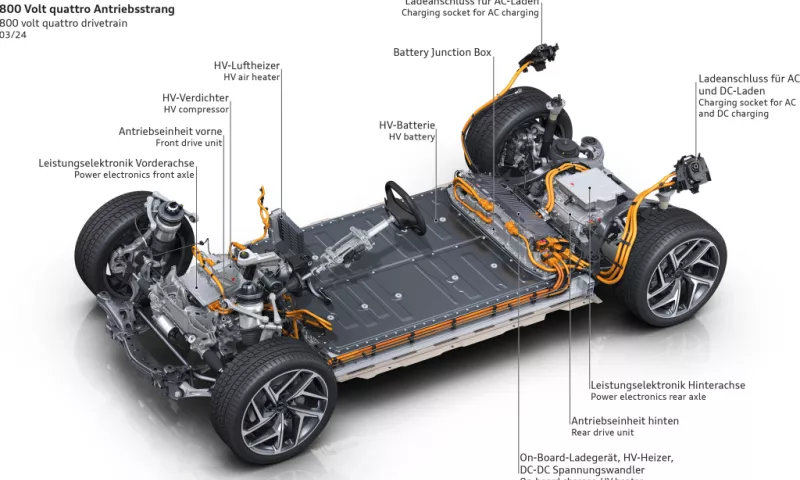
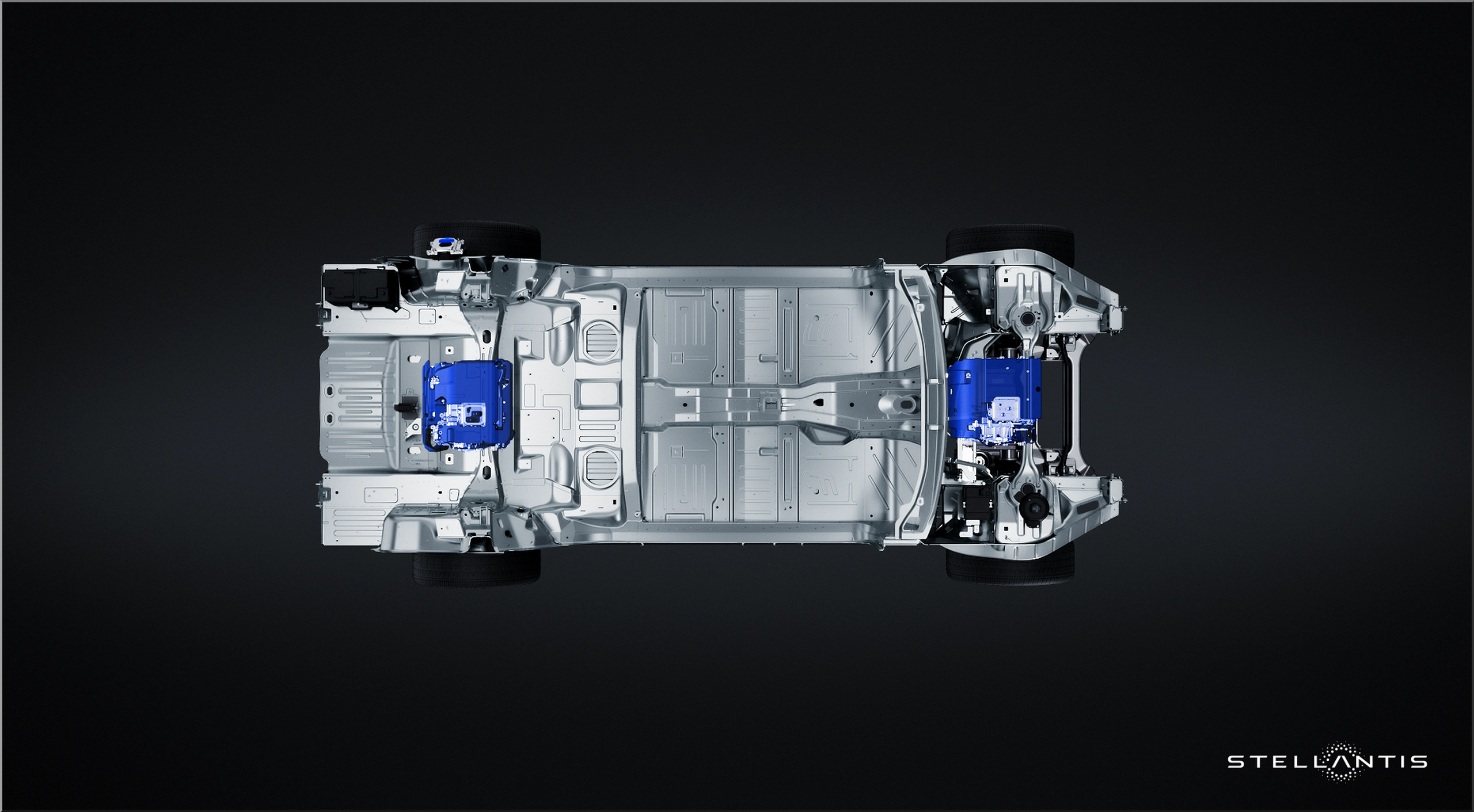
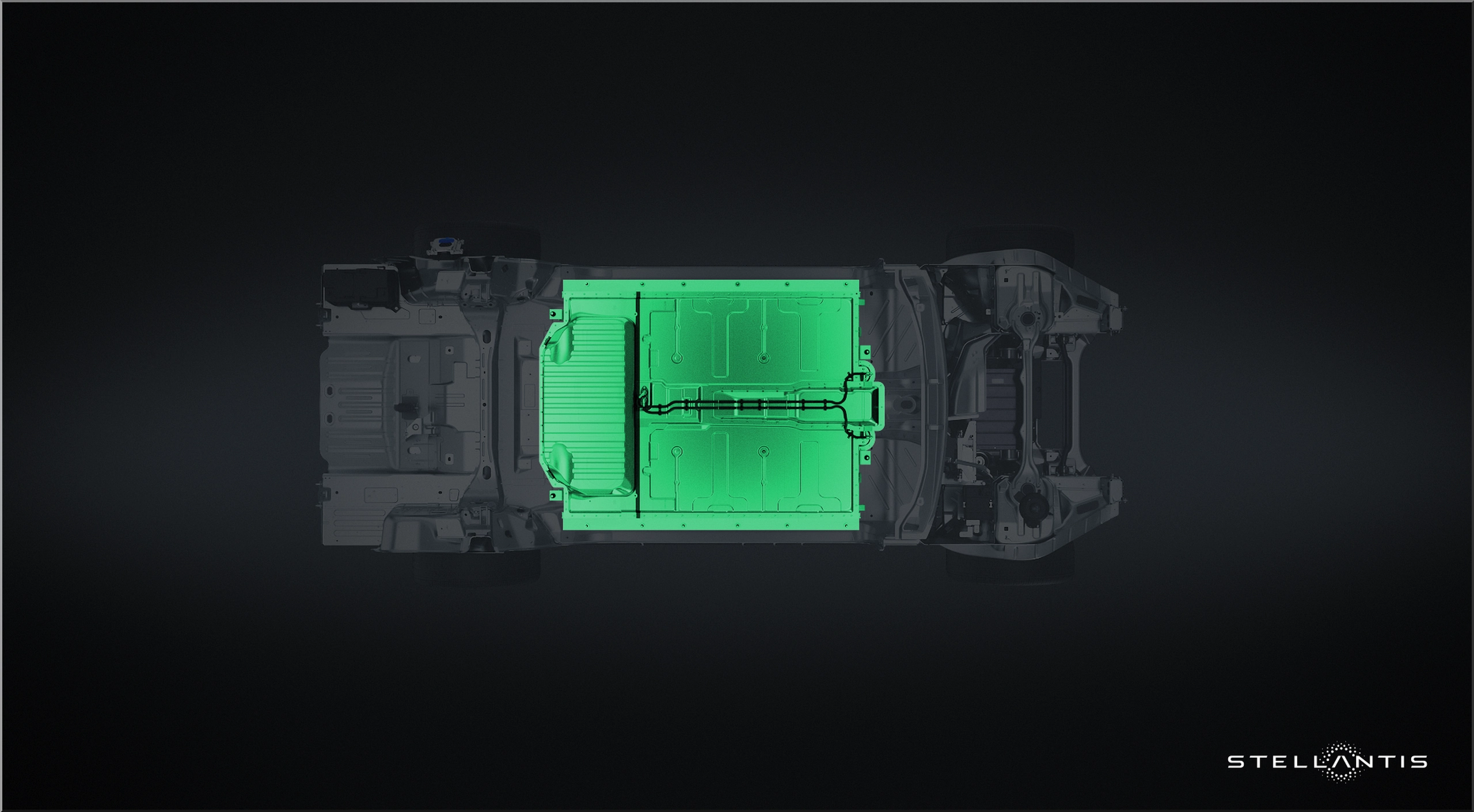
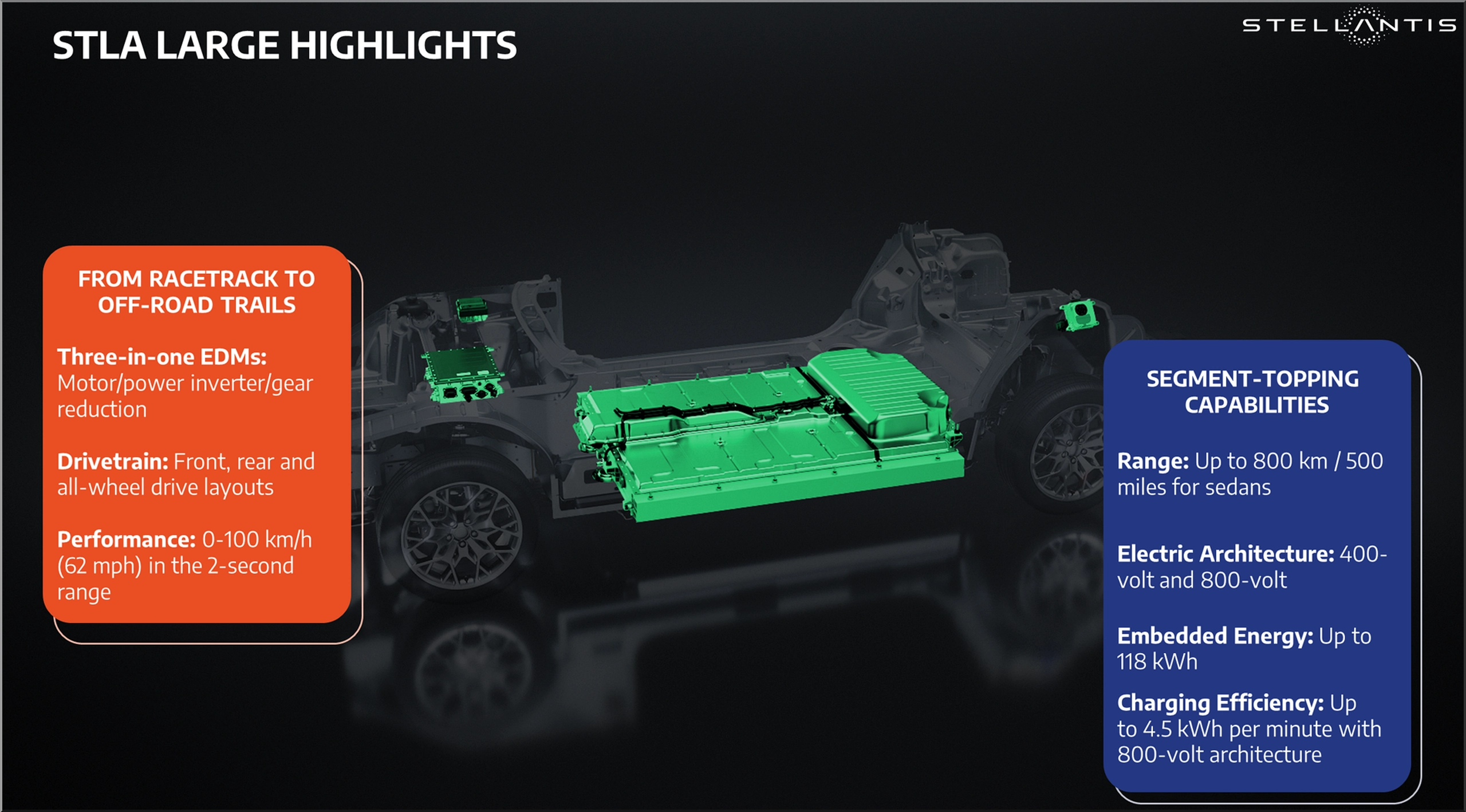
- Optimized packaging: The platform can accommodate a large battery pack of up to 118 kWh, which is integrated into the floor of the vehicle, creating a low center of gravity and freeing up space for passengers and cargo. Depending on the vehicle type and performance level, the platform can also fit various electric motors, ranging from 150 kW to 330 kW.
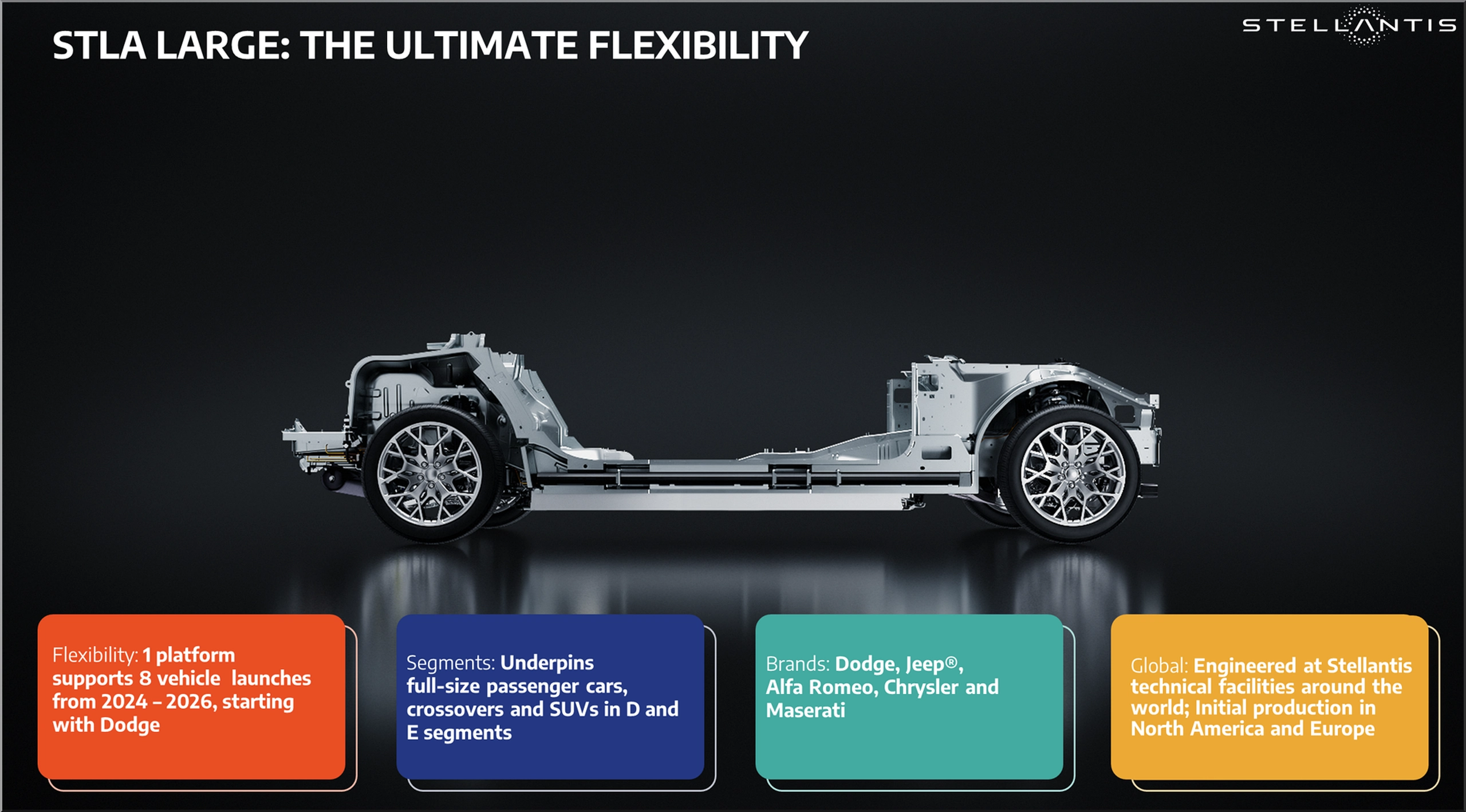
- High flexibility: The platform can support 400-volt and 800-volt BEV architectures, allowing for different charging speed and power output levels. The platform can also underpin different vehicle types, from cars to crossovers to SUVs, and different brands, from Dodge to Jeep to Maserati. The platform can be customized to suit the specific identity and features of each brand and model while maintaining a common set of components and processes that ensure quality and efficiency.
- Segment-leading capabilities: The platform enables several segment-leading capabilities, such as:
- Range: The platform targets an overall range of 800 km/500 miles for sedans, which is comparable to some of the best-performing BEVs in the market, such as the Tesla Model S and the Lucid Air. The platform is also engineered to easily accept future energy storage technologies when they reach production readiness, such as solid-state batteries, which could offer higher energy density and lower cost than current lithium-ion batteries.
- Performance: The platform holds the potential to deliver acceleration of 0-100 km/h (62 mph) in the 2-second range, which is faster than most ICE sports cars and supercars. The platform also enables high-performance vehicle dynamics, such as torque vectoring, adaptive suspension, and four-wheel steering, which enhance the handling and stability of the vehicle.
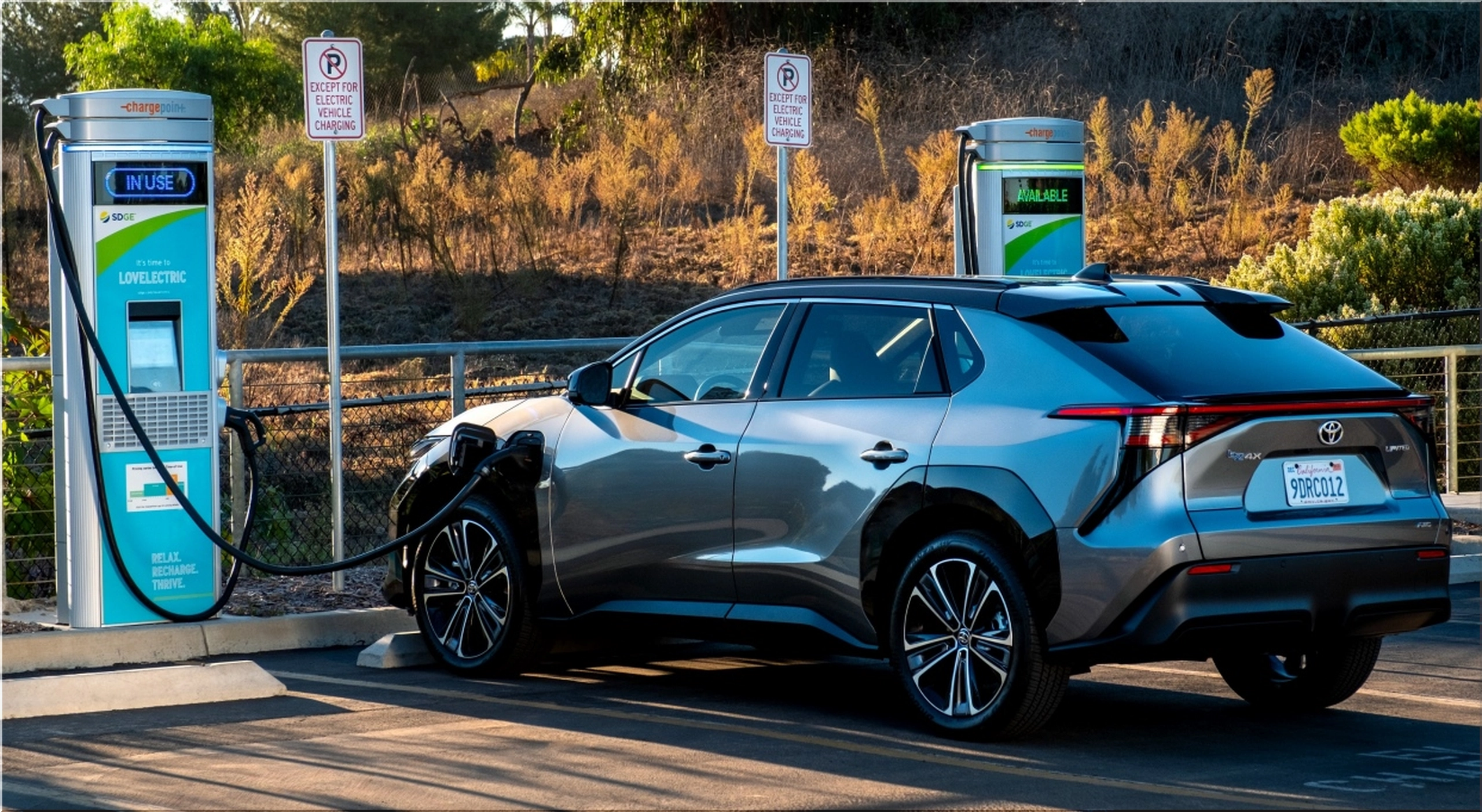
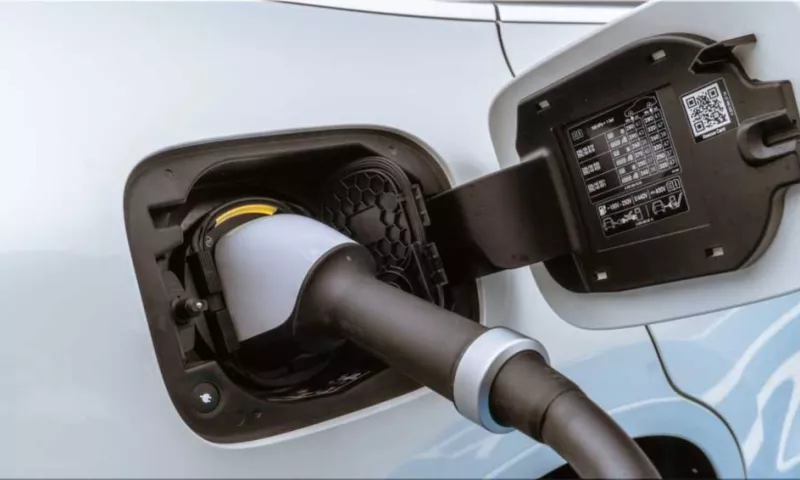
- Charging efficiency: The platform can achieve a charging efficiency of 4.5 kWh per minute, which means that it can add up to 200 km/125 miles of range in just 10 minutes of charging, depending on the vehicle type and the charger type. The platform can support both AC and DC charging and is compatible with various charging standards and networks, such as CCS, CHAdeMO, and Tesla Supercharger.
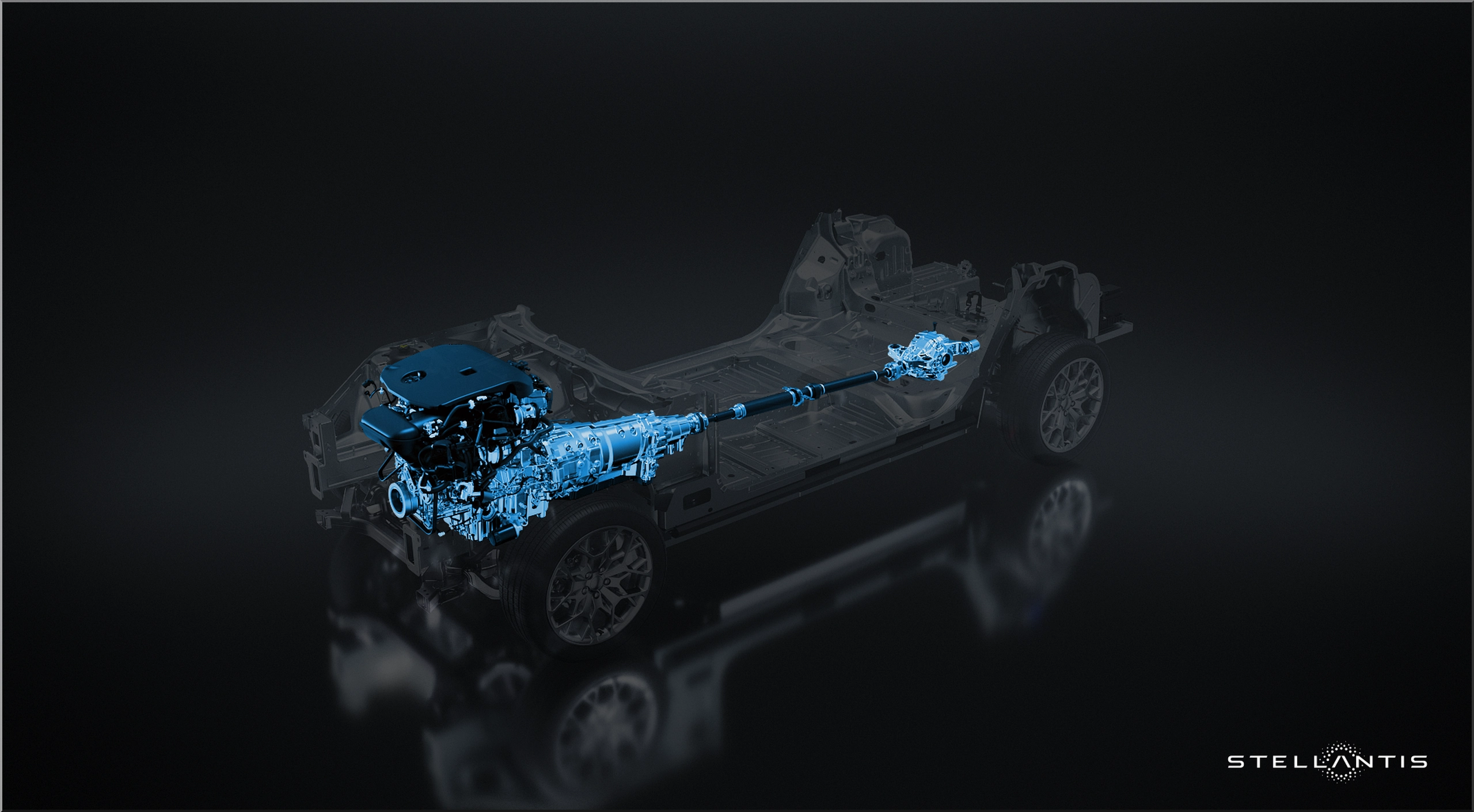
- Off-road driving: The platform can enable Trail Rated off-road driving, a Jeep brand trademark. The platform can provide features such as high ground clearance, skid plates, tow hooks, locking differentials, low-range gearing, and selectable drive modes, which allow the vehicle to tackle various terrains and conditions, such as rocks, sand, mud, snow, and water.
What are the upcoming vehicles based on the STLA Large platform?
Stellantis plans to launch eight vehicles based on the STLA Large platform from 2024 to 2026 across five brands. The first two brands to use the platform will be Dodge and Jeep, followed by Alfa Romeo, Chrysler, and Maserati. The specific models and features of these vehicles will be announced later this year, but the company and the media have given some hints.
- Dodge: Dodge will launch its first BEV in 2024, which will be based on the STLA Large platform. The company has teased that the vehicle will be a “muscle car of the future”, which will combine the heritage and performance of the Dodge brand with the innovation and efficiency of electric propulsion. The vehicle is expected to have a retro-futuristic design inspired by the 1968 Dodge Charger and a powerful electric motor capable of delivering over 600 hp and a sub-3-second 0-60 mph time. The vehicle will also have a range of over 500 miles and a fast-charging capability of 150 kW.
- Jeep: Jeep will launch its first full-size BEV in 2024, which will be based on the STLA Large platform. The vehicle will be a three-row SUV, which will compete with the likes of the Ford Expedition and the Chevrolet Tahoe. The vehicle will have a range of over 400 miles and a fast-charging capability of 350 kW. The vehicle will also have a Trail Rated off-road capability, which will make it the most capable and eco-friendly SUV in its class. The vehicle will also have a unique feature called the “Freedom Panel”, which will allow the driver to remove the roof and the doors of the vehicle, creating an open-air experience.
- Alfa Romeo: Alfa Romeo will launch its first BEV in 2025, based on the STLA Large platform. The vehicle will be a luxury sedan that will compete with the likes of the Mercedes-Benz S-Class and the BMW 7 Series. The vehicle will have a range of over 600 miles and a fast-charging capability of 450 kW. The vehicle will also have a high-performance variant, which will have a power output of over 800 hp and a 0-60 mph time of under 2 seconds. The vehicle will also have a sleek and elegant design, inspired by the Alfa Romeo 8C and the Alfa Romeo Giulia.
- Chrysler: Chrysler will launch its first BEV in 2025, which will be based on the STLA Large platform. The vehicle will be a minivan, which will compete with the likes of the Toyota Sienna and the Honda Odyssey. The vehicle will have a range of over 300 miles and a fast-charging capability of 250 kW. The vehicle will also have a spacious and versatile interior, which will offer seating for up to eight passengers and various configurations for cargo and entertainment. The vehicle will also have a futuristic and aerodynamic design inspired by the Chrysler Portal concept.
- Maserati: Maserati will launch its first BEV in 2026, which will be based on the STLA Large platform. The vehicle will be a supercar that will compete with the likes of the Ferrari SF90 Stradale and the Lamborghini Sian. The vehicle will have a range of over 700 miles and a fast-charging capability of 500 kW. The vehicle will also have a power output of over 1000 hp and a 0-60 mph time of under 1.5 seconds. The vehicle will also have a stunning and aggressive design inspired by the Maserati MC20 and the Maserati Alfieri.
How does the STLA Large platform fit into Stellantis’ overall strategy?
The STLA Large platform is one of four global BEV platforms that Stellantis has developed to achieve its electrification goals. The other three platforms are:
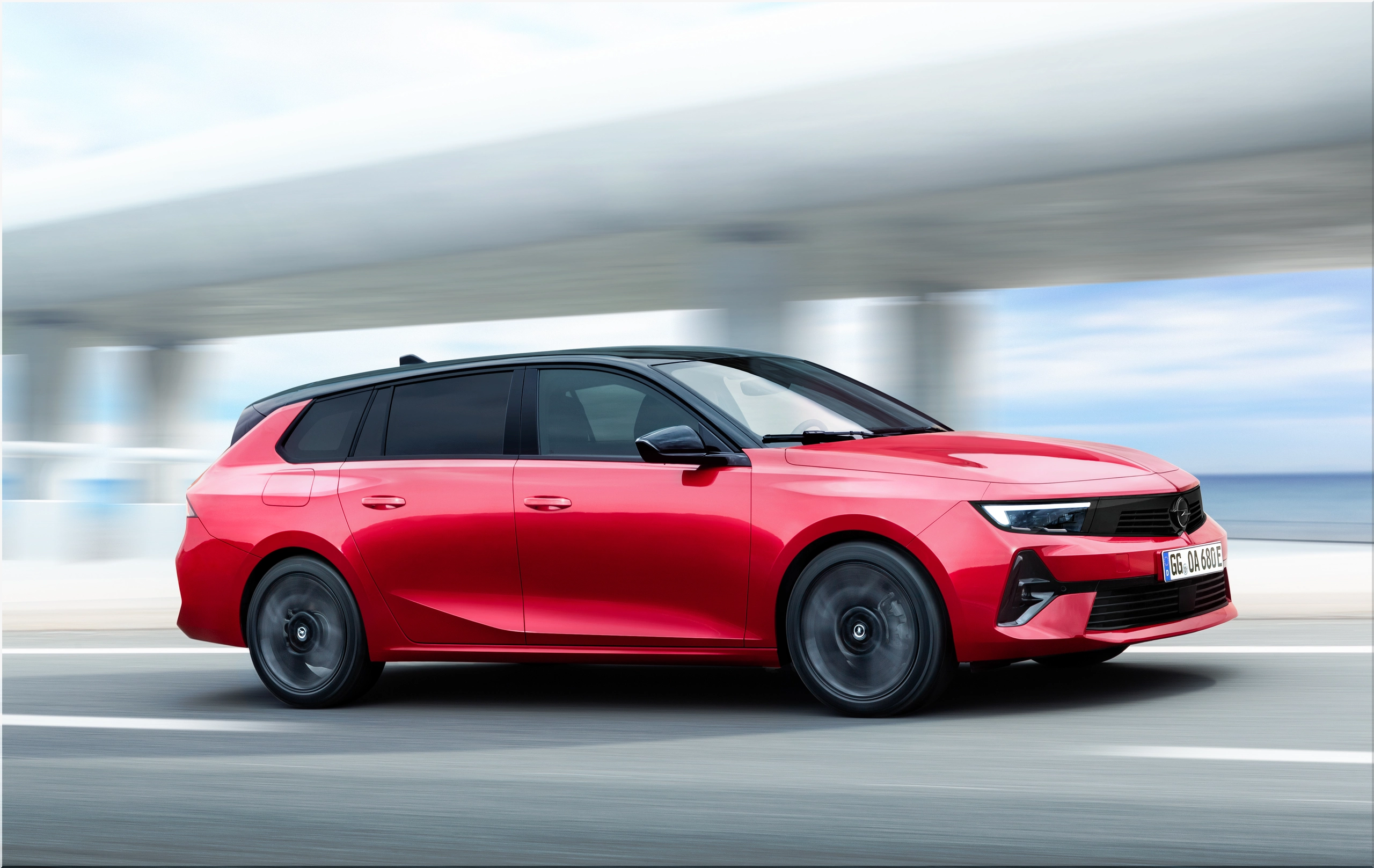
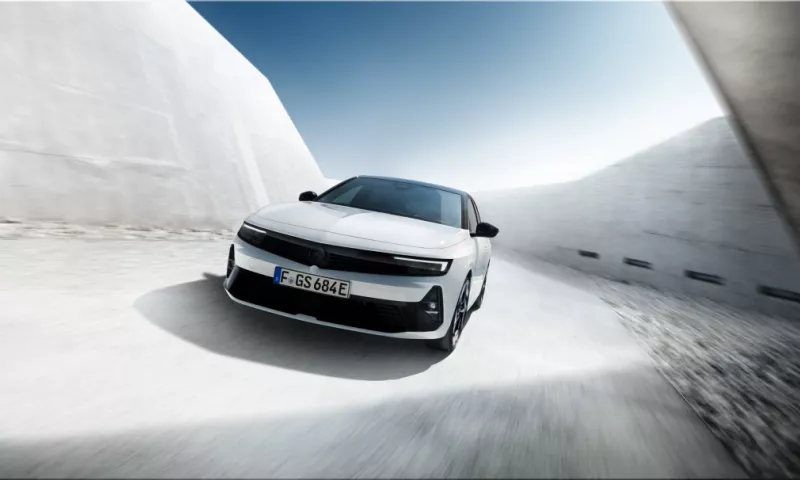
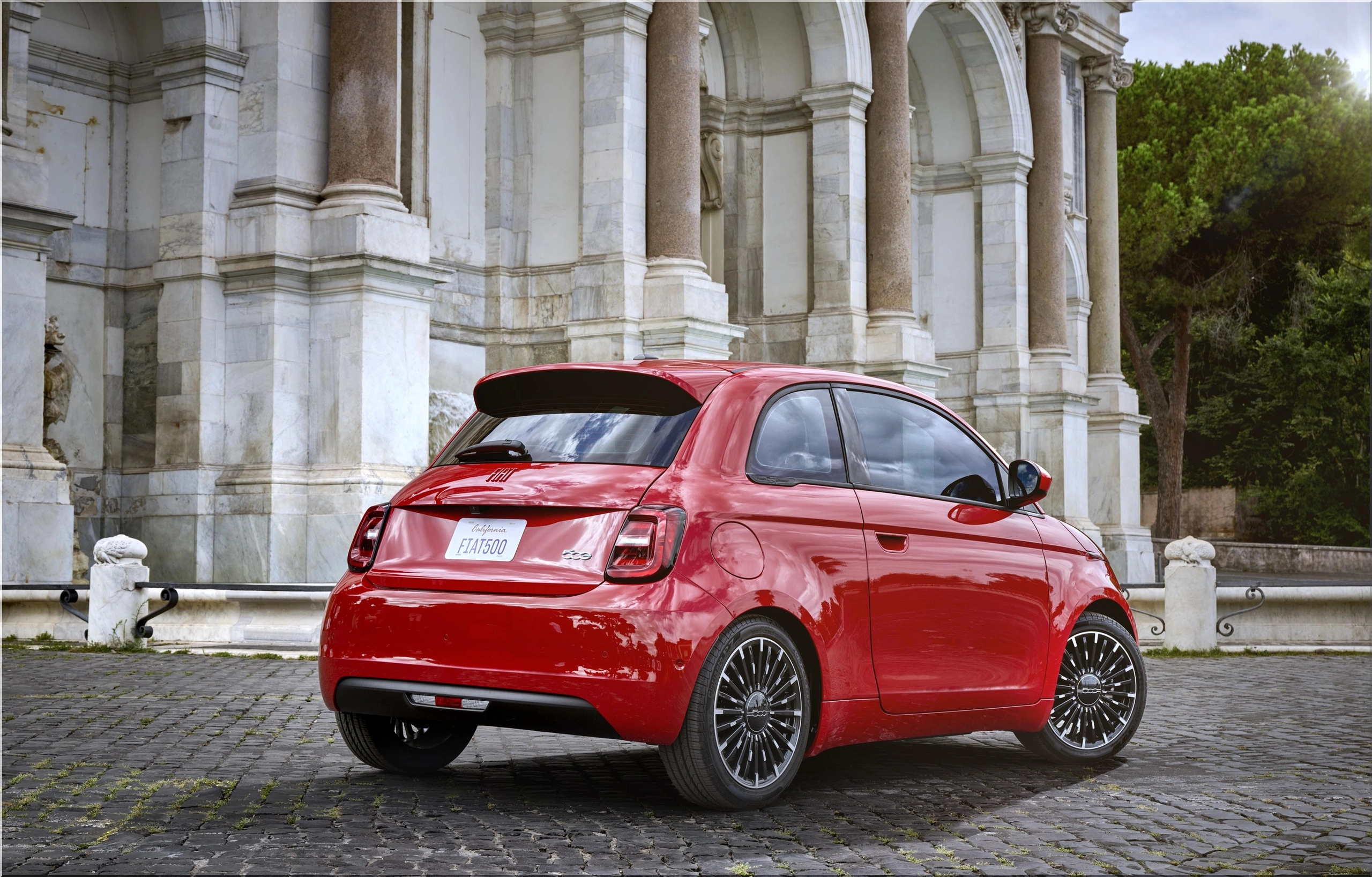
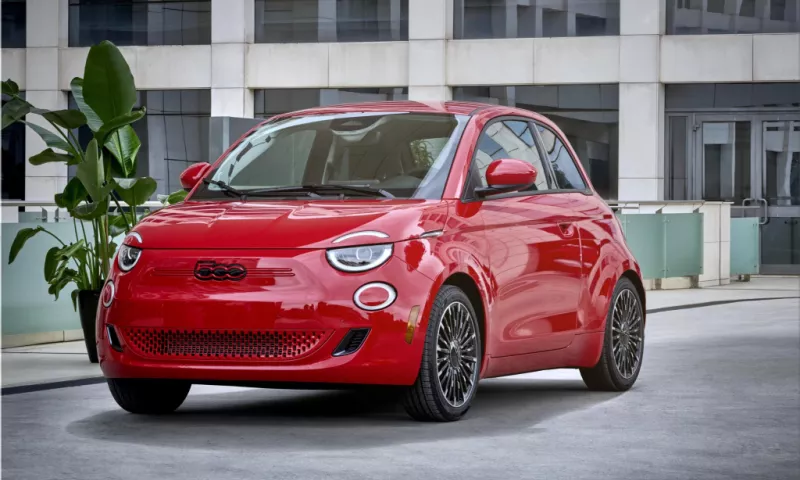
- STLA Small: This platform is designed for vehicles in the A, B, and C segments, such as city cars, hatchbacks, and compact SUVs. The platform targets a range of 500 km/300 miles and a charging efficiency of 3 kWh per minute. The platform will be used by brands such as Fiat, Opel, Peugeot, and Citroën and will launch 10 vehicles from 2023 to 2026.
- STLA Medium: This platform is designed for vehicles in the C and D segments, such as sedans, wagons, and midsize SUVs. The platform targets a range of 700 km/400 miles and a charging efficiency of 4 kWh per minute. The platform will be used by brands such as Jeep, Alfa Romeo, DS, and Lancia and will launch 11 vehicles from 2023 to 2026.
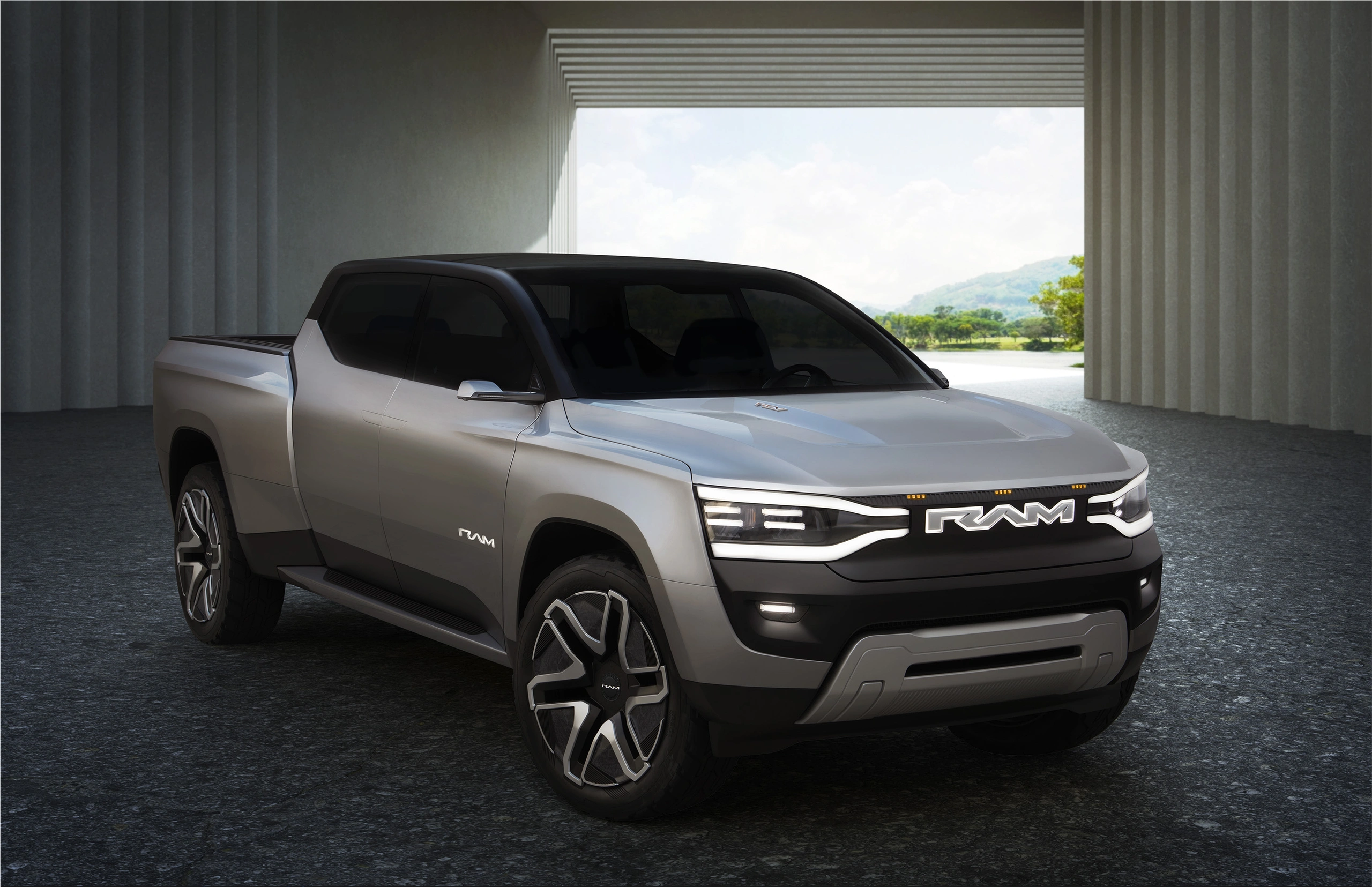
- STLA Frame: This platform is designed for vehicles in the E and F segments, such as full-size SUVs, pickups, and commercial vehicles. The platform targets a range of 800 km/500 miles and a charging efficiency of 4.5 kWh per minute. The platform will be used by brands such as Ram, Jeep, and Peugeot and will launch six vehicles from 2024 to 2027.
These four platforms will cover 96% of the global market demand for BEVs, according to Stellantis. The company also has a fifth platform, called STEV, which is dedicated to electrified supercars, such as the upcoming Maserati MC20 Folgore. The company expects to invest €30 billion ($33.6 billion) in electrification and software development from 2021 to 2025 and to achieve a BEV+PHEV cost parity with ICE vehicles by 2026.
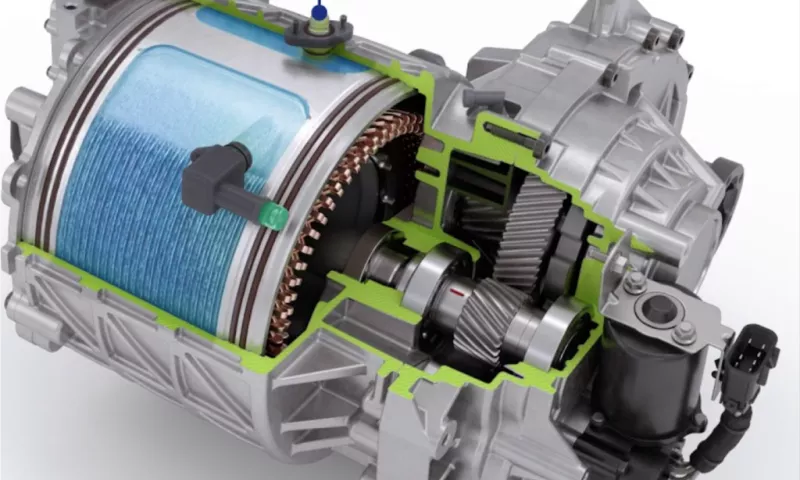
Stellantis is confident that its BEV platforms will give it a competitive edge in the rapidly growing electric vehicle market and will enable it to offer a diverse and attractive portfolio of products that will appeal to different customer segments and preferences. The company has also invested in developing its own software and hardware solutions, such as the STLA Connect infotainment system, the STLA Drive electric powertrain, and the STLA Battery cell and pack. These solutions will enhance the user experience, performance, and efficiency of the vehicles based on the BEV platforms.
Stellantis is not only focused on developing its own BEV platforms and solutions but also on creating a comprehensive and sustainable battery ecosystem, which will ensure the availability, affordability, and recyclability of the battery materials and components. The company has established strategic partnerships with several battery suppliers, such as CATL, BYD, LG Energy Solution, Samsung SDI, and SVOLT, to secure a long-term supply of battery cells for its BEV platforms. The company has also announced plans to build five gigafactories in Europe and North America, with a total capacity of 260 GWh by 2030, to produce its own battery cells and packs. The company has also launched several initiatives to promote the circular economy of batteries, such as the Battery Repair and Reuse Center in France, the Battery Recycling Center in Germany, and the Second Life Battery Project in Italy.
Stellantis is not only a leader in electrification but also a pioneer in innovation. The company has launched several groundbreaking products and technologies, such as the e-Ducato, the first electric commercial vehicle in its segment, the Jeep 4xe, the first plug-in hybrid SUV with Trail Rated off-road capability, the Peugeot e-208, the first electric car to win the European Car of the Year award, and the e-Legend concept, a futuristic reinterpretation of the iconic Peugeot 504 Coupe. The company has also showcased its vision for the future of mobility, such as the Airflow Vision, a concept vehicle that explores the potential of autonomous and connected driving, the Opel Rocks-e, a concept vehicle that offers a fun and affordable solution for urban mobility, and the Citroën Ami, a concept vehicle that redefines the concept of personal mobility.
Stellantis is a company that dares to challenge the status quo, embrace change, and create value for its customers, shareholders, employees, and society. With its BEV platforms and solutions, the company is ready to lead the automotive industry's transformation and offer a new and exciting way of driving. Stellantis is a company that dares to be electric.
- Add new comment
- 246 views