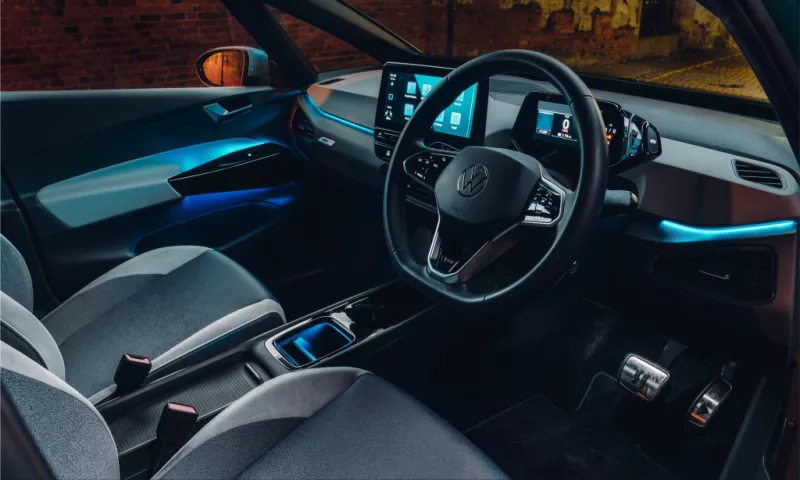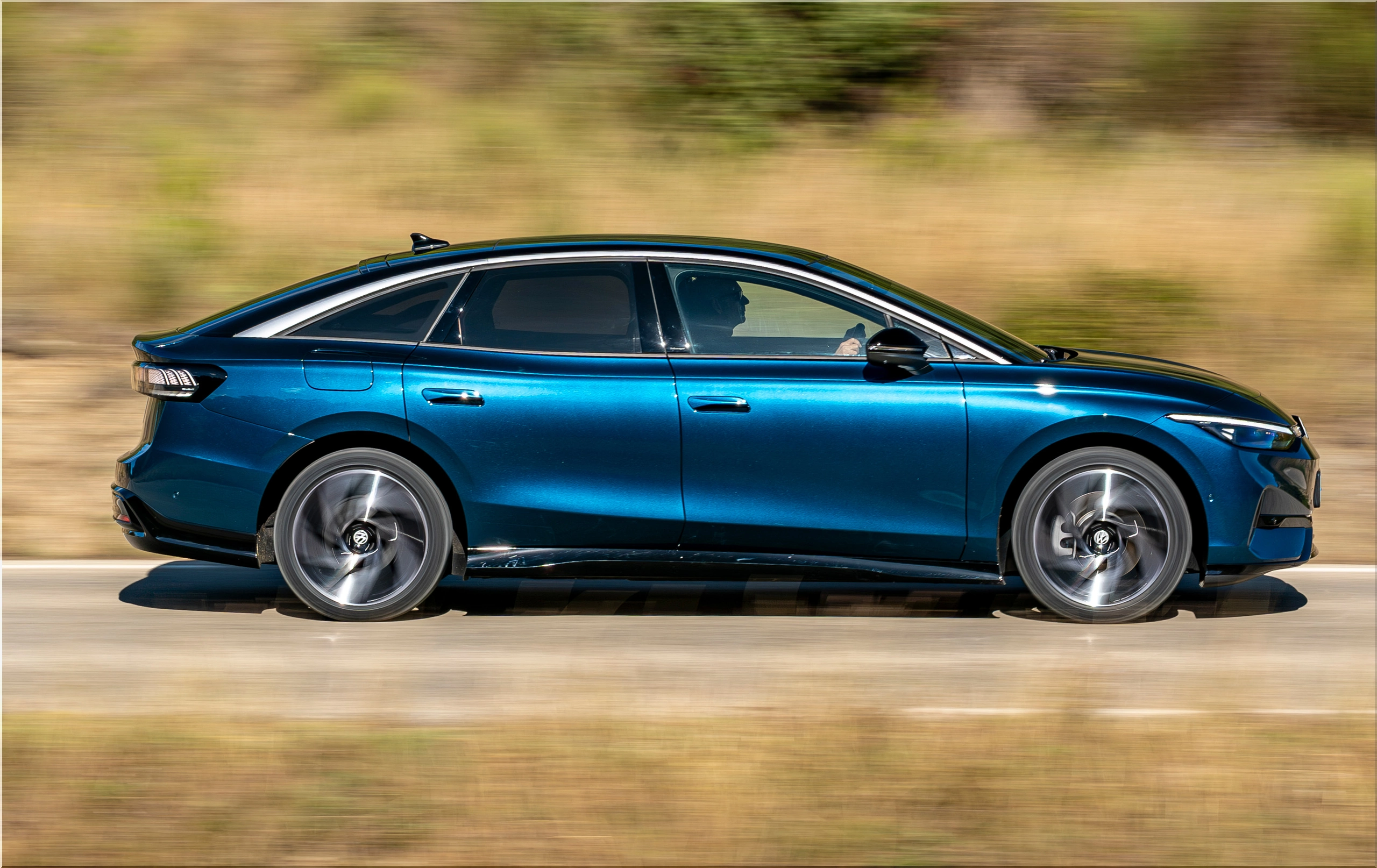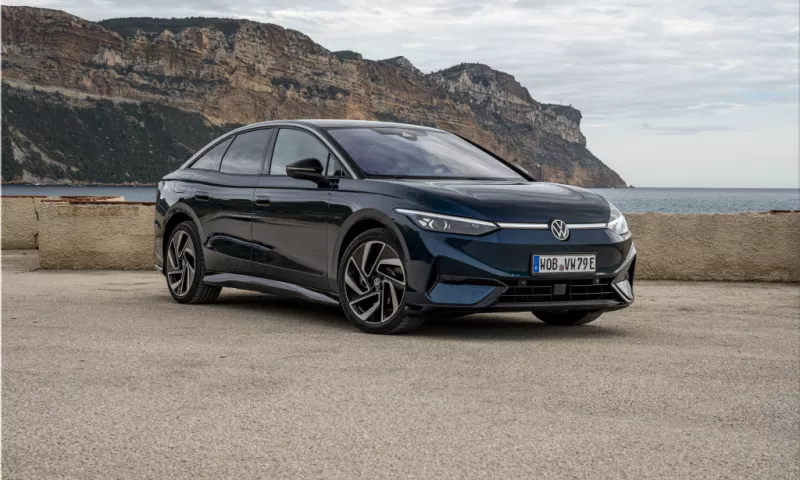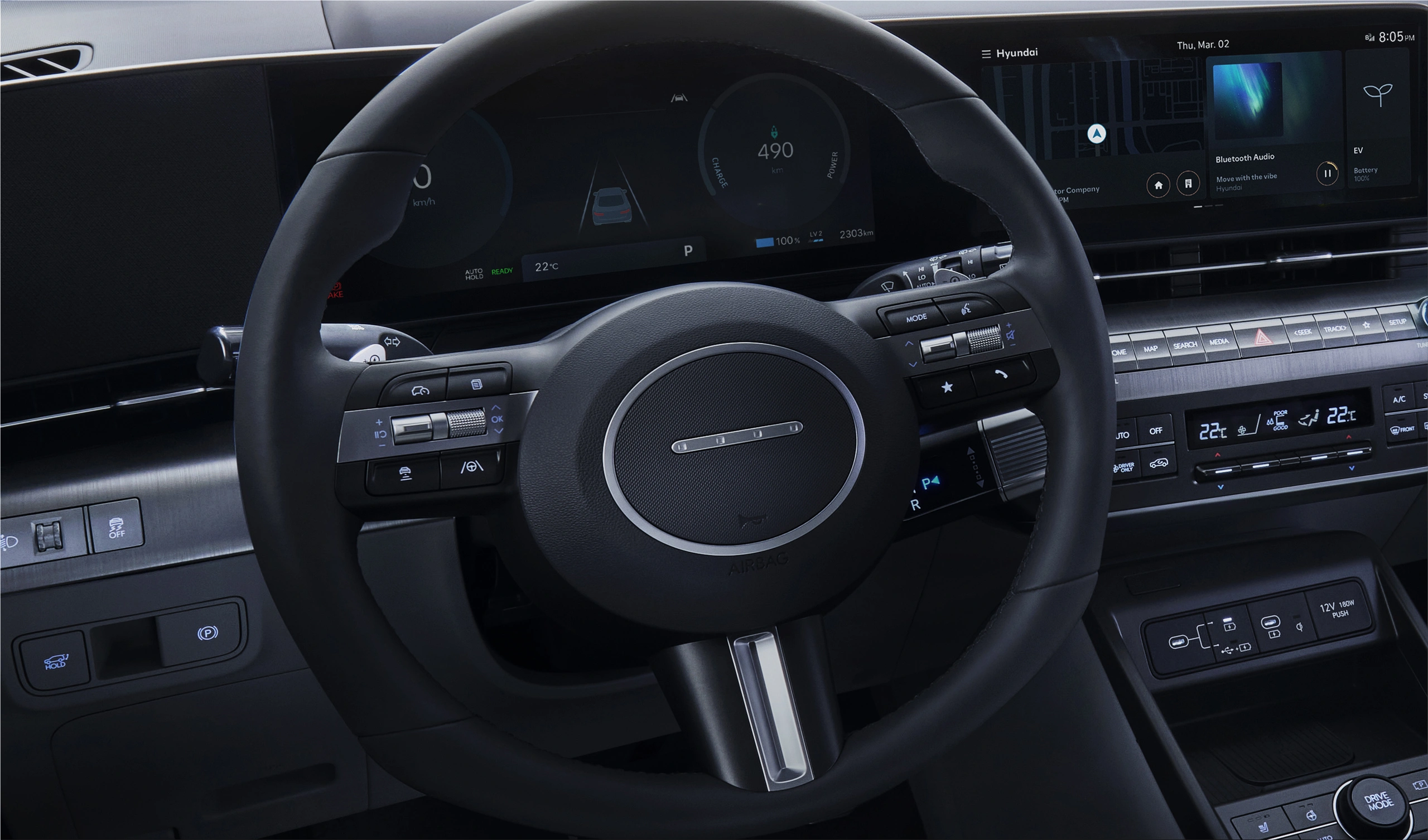
Volkswagen has made a bold move by integrating ChatGPT, an artificial intelligence-based chatbot, into its IDA voice assistant. ChatGPT, developed by OpenAI, is a text-generating system that can answer questions, provide information, and engage in natural language conversations. Volkswagen claims that ChatGPT will enhance the driving experience by offering a seamless and intuitive interaction with the vehicle’s functions and features.
What is ChatGPT, and how does it work?
ChatGPT is a large language model that uses deep neural networks to learn from a massive corpus of text data. It can generate coherent and relevant texts based on a given input, such as a question, a topic, or a keyword. ChatGPT can also adapt to the style, tone, and context of the conversation, making it more human-like and engaging.
ChatGPT is not a pre-programmed system that relies on fixed rules or scripts. Instead, it is a self-learning system that constantly improves performance by analyzing new data and feedback. ChatGPT can also handle complex and diverse queries beyond conventional voice assistants' scope.
How does Volkswagen integrate ChatGPT into its vehicles?
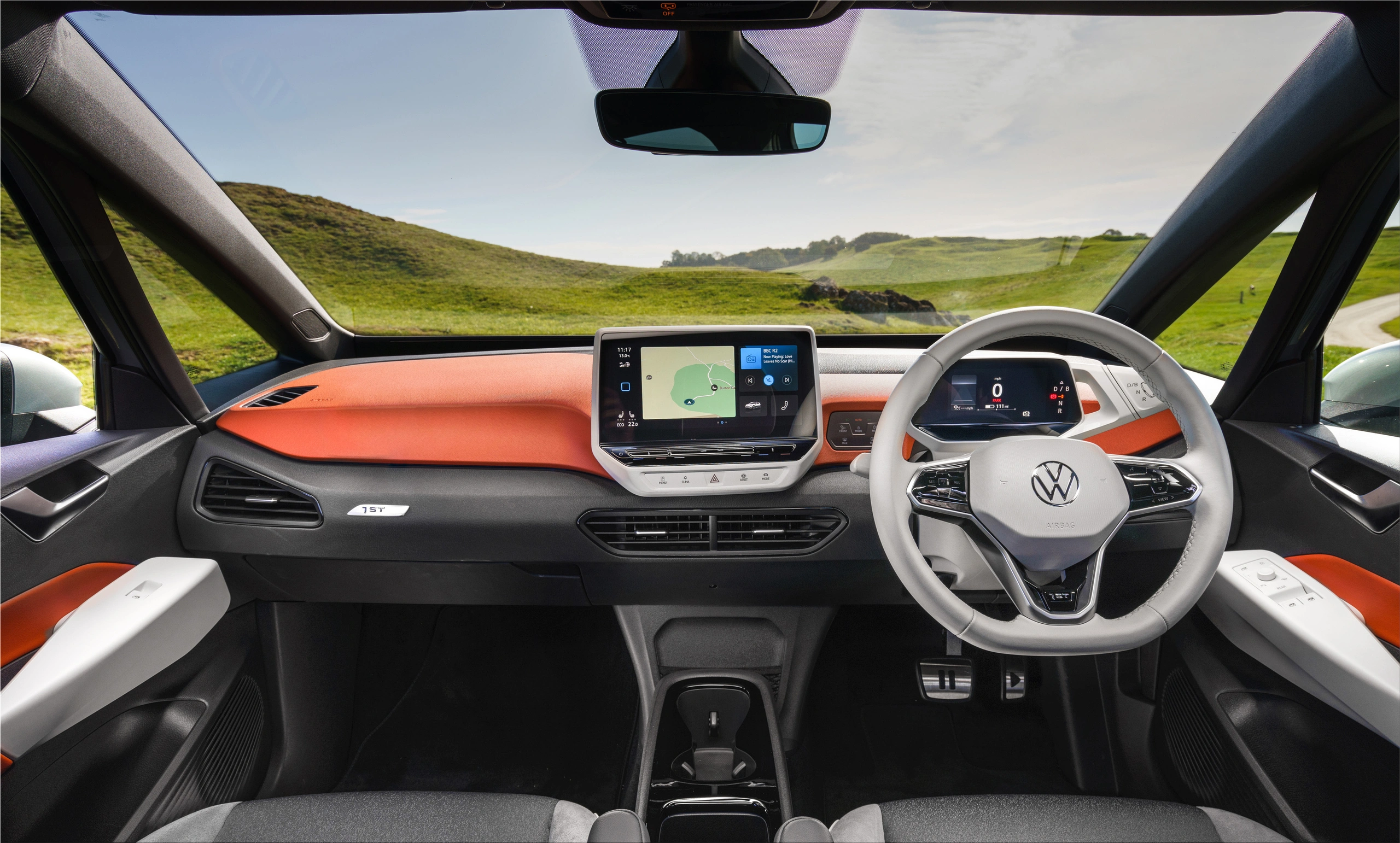
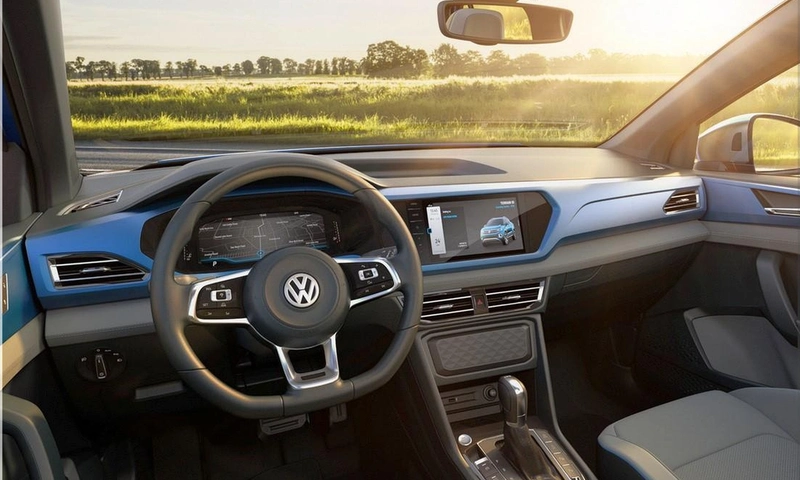
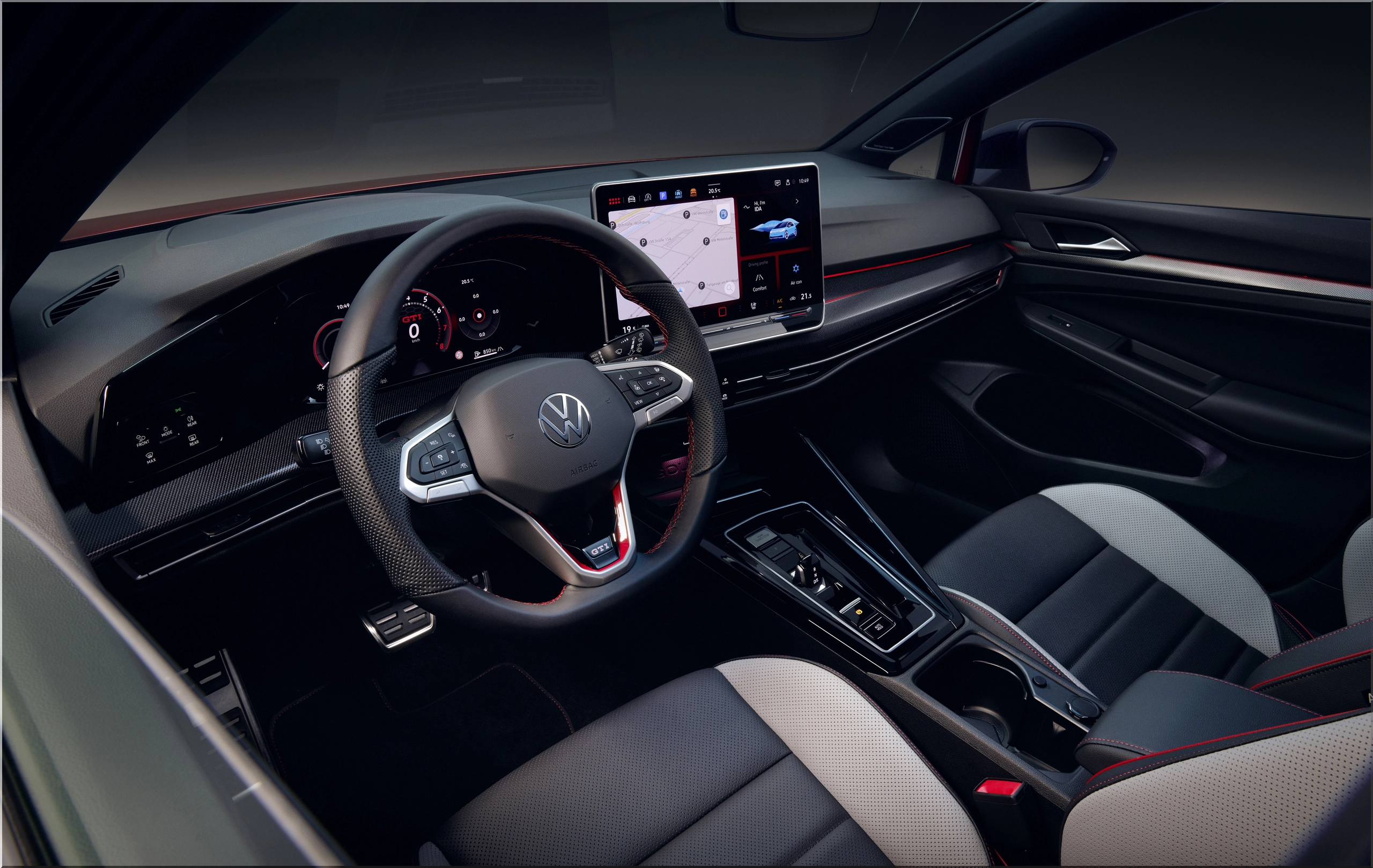
Volkswagen has partnered with Cerence Inc., a leading provider of voice and AI solutions for the automotive industry, to integrate ChatGPT into its IDA voice assistant. IDA, which stands for Intelligent Digital Assistant, is Volkswagen’s in-car voice control system that allows drivers to operate the infotainment, navigation, and climate control systems using natural language commands.
Volkswagen has integrated ChatGPT into the backend of IDA, enabling it to access the chatbot’s database and capabilities. Drivers can activate IDA by saying “Hello IDA” or pressing a button on the steering wheel. IDA will then prioritize the driver’s request and execute the appropriate vehicle function or search for the desired information. If IDA cannot answer the request, it will be forwarded anonymously to ChatGPT, which will generate a suitable response. The response will be delivered by IDA using the familiar Volkswagen voice.
Volkswagen has also ensured that ChatGPT does not access any vehicle data or drivers' personal information. The questions and answers are deleted immediately after the interaction to protect the privacy and security of the users.
Which Volkswagen models will feature ChatGPT?
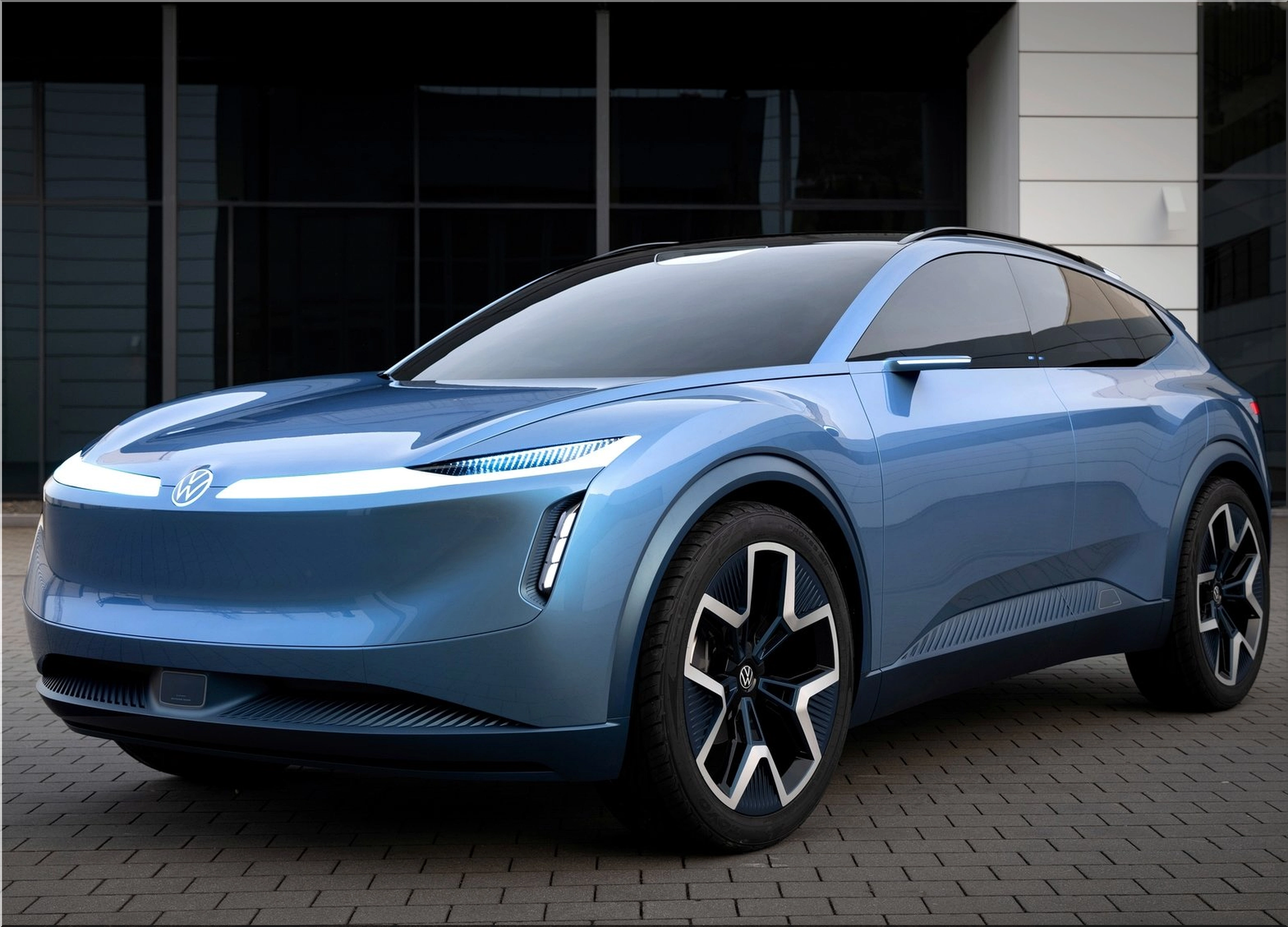
Volkswagen will be the first volume manufacturer to offer ChatGPT as a standard feature from the second quarter of 2024 in many production vehicles. The new chatbot will be available in conjunction with the latest generation of infotainment in the following models:
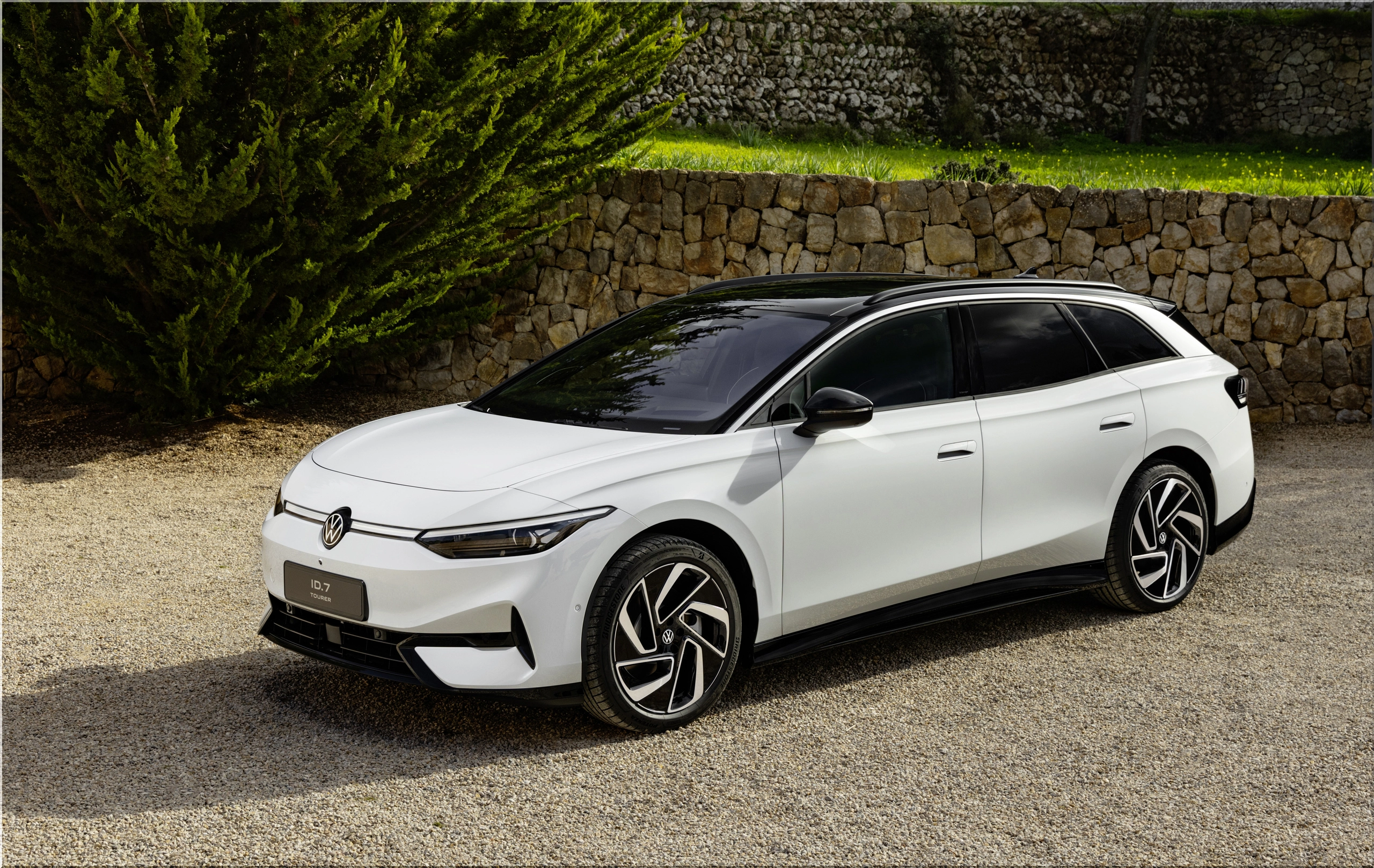
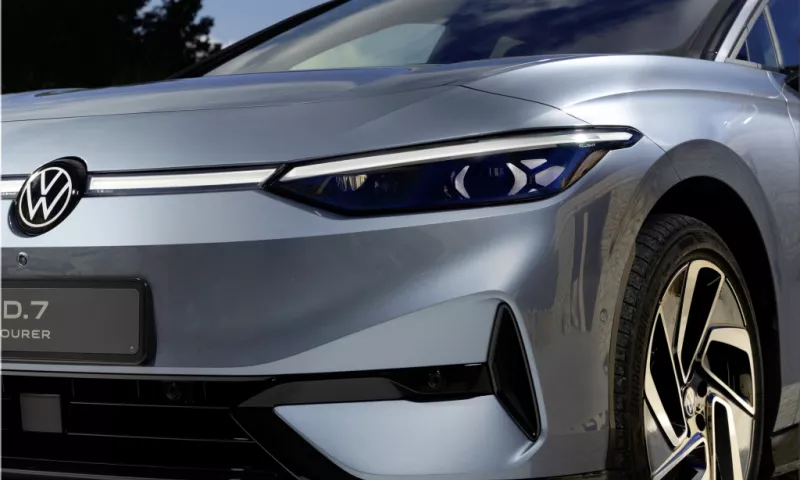
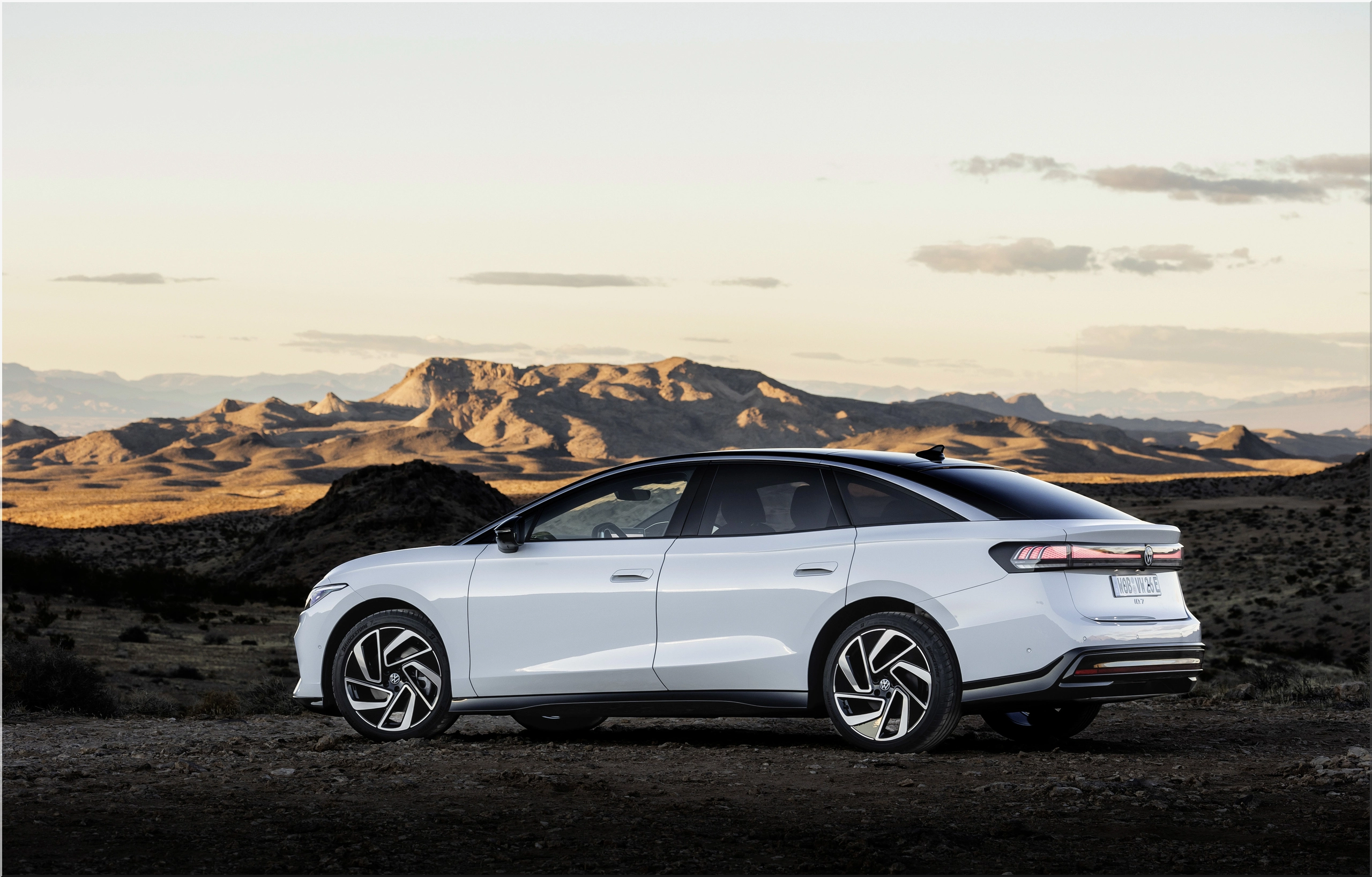
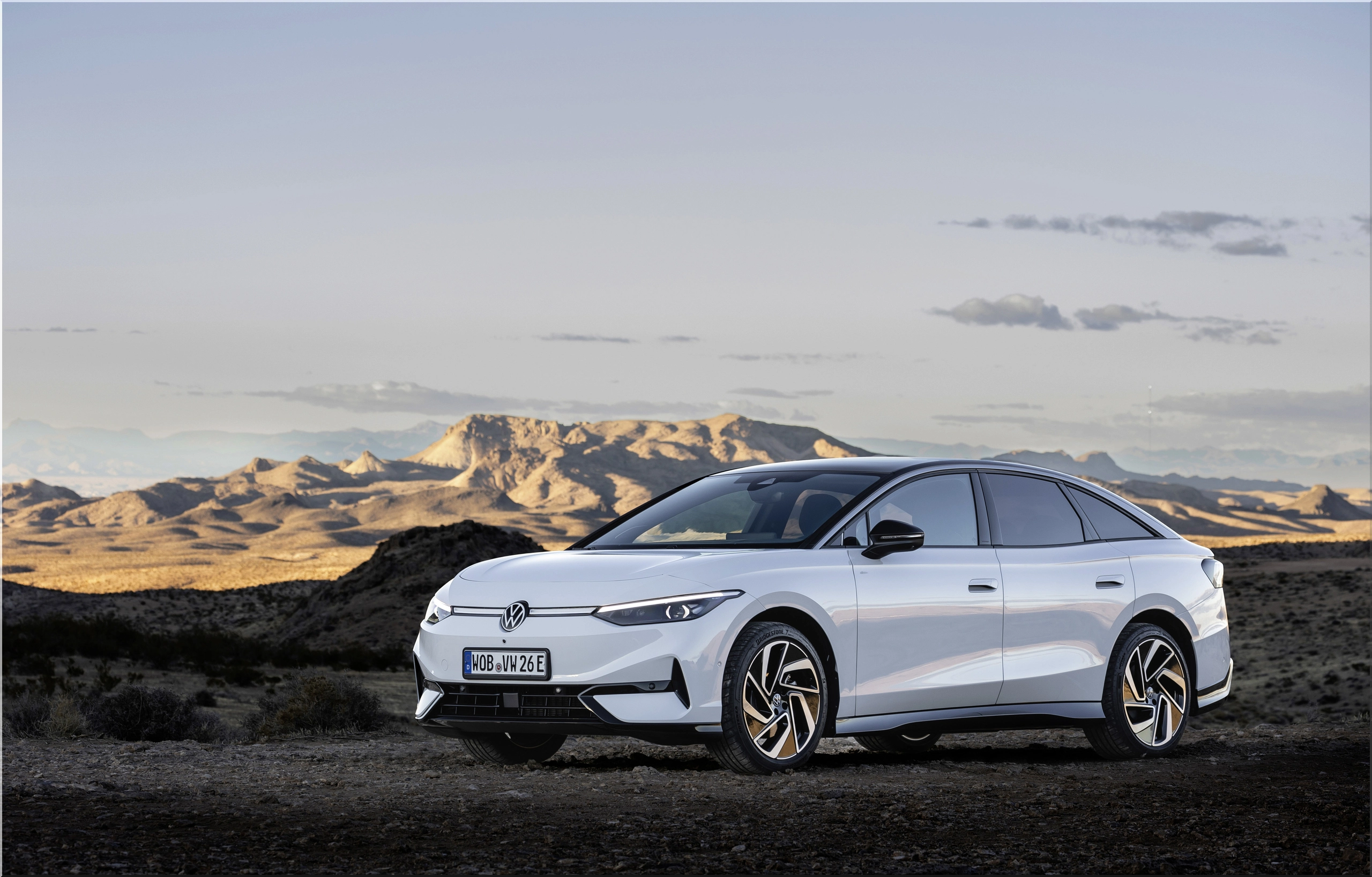
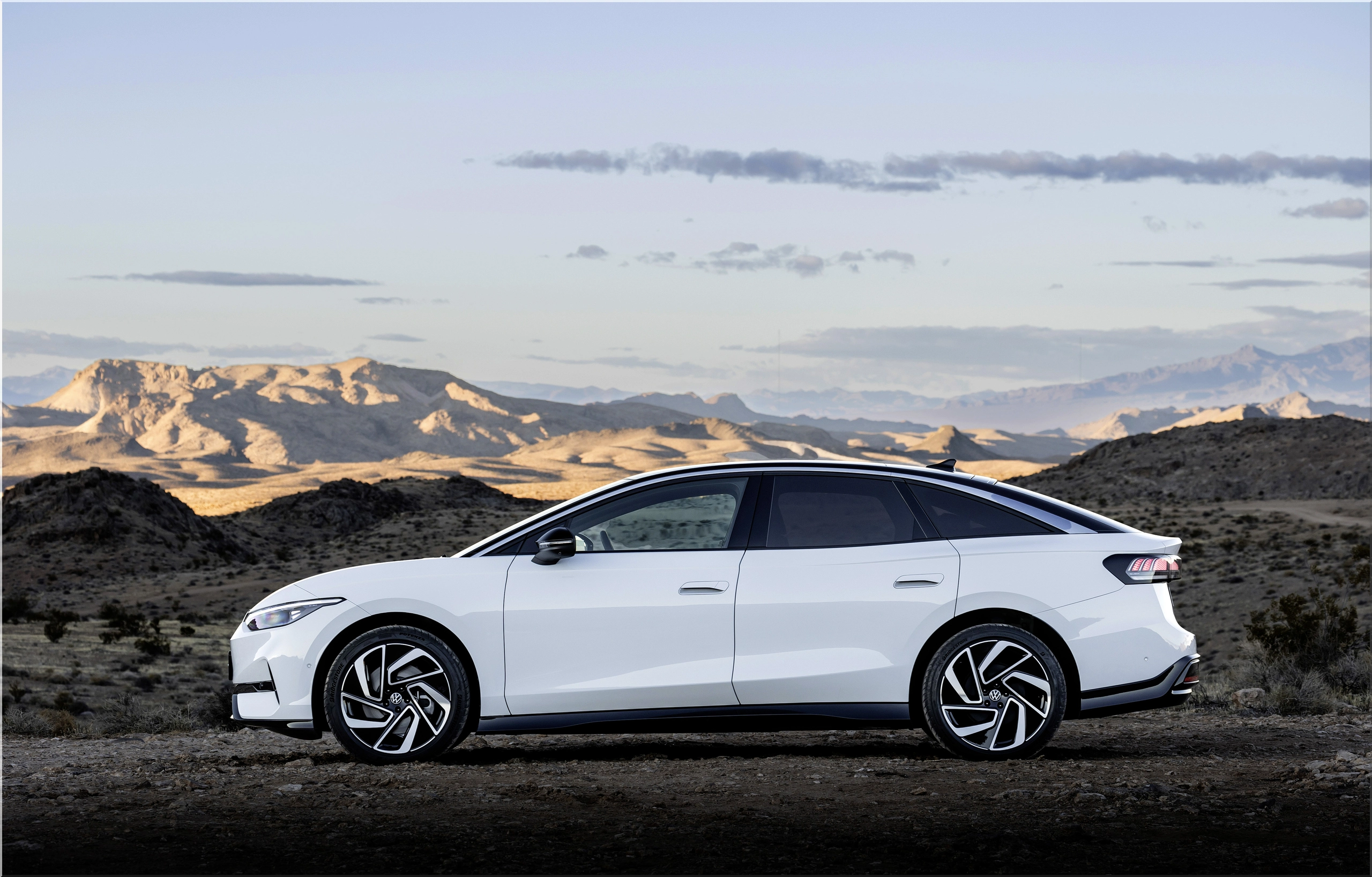
- ID.7: Volkswagen’s flagship electric SUV that offers a spacious interior, a high-performance battery, and a range of advanced driver assistance systems.
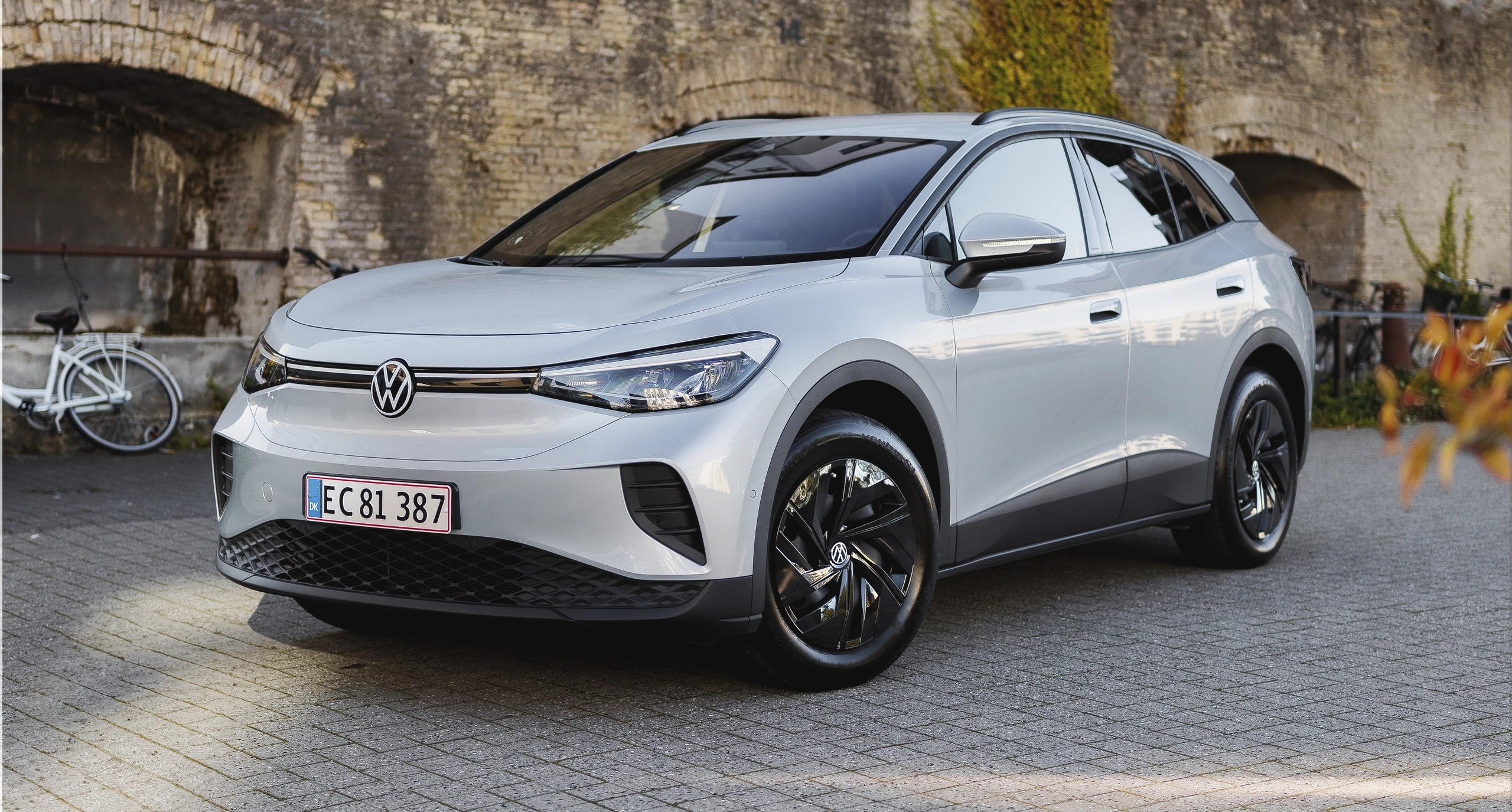
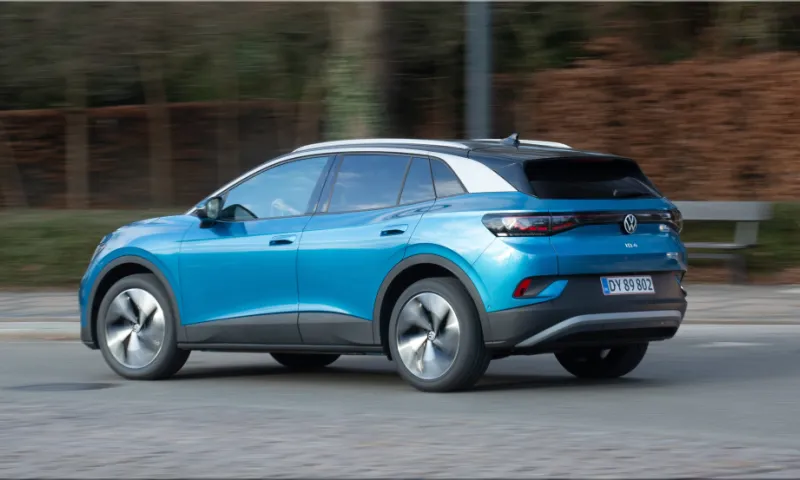
- ID.4: Volkswagen’s compact electric SUV that combines a sleek design, a versatile cabin, and a dynamic driving experience.
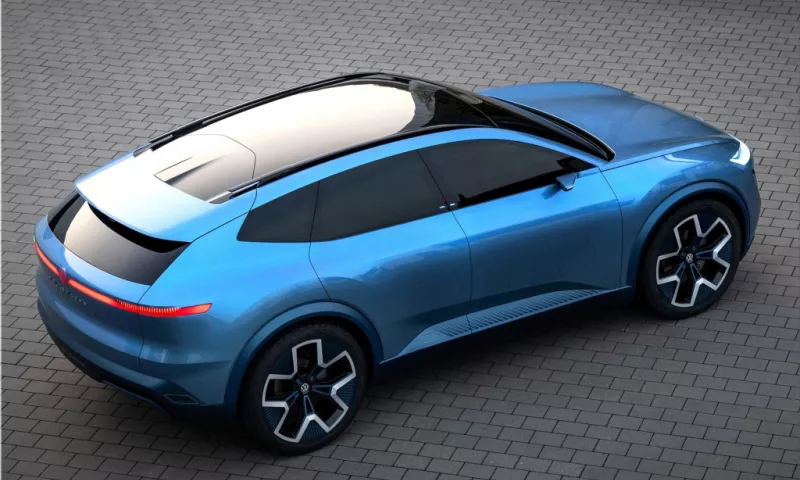
- ID.5: Volkswagen’s coupe-style electric SUV that features a sporty silhouette, a panoramic roof, and a powerful motor.
- ID.3: Volkswagen’s hatchback electric car that delivers a fun and agile ride, a smart digital cockpit, and a fast charging capability.
- Tiguan: Volkswagen’s best-selling SUV that boasts a refined exterior, a spacious interior, and a range of efficient engines.
- Passat: Volkswagen’s midsize sedan that offers a sophisticated design, a comfortable ride, and a host of safety and connectivity features.
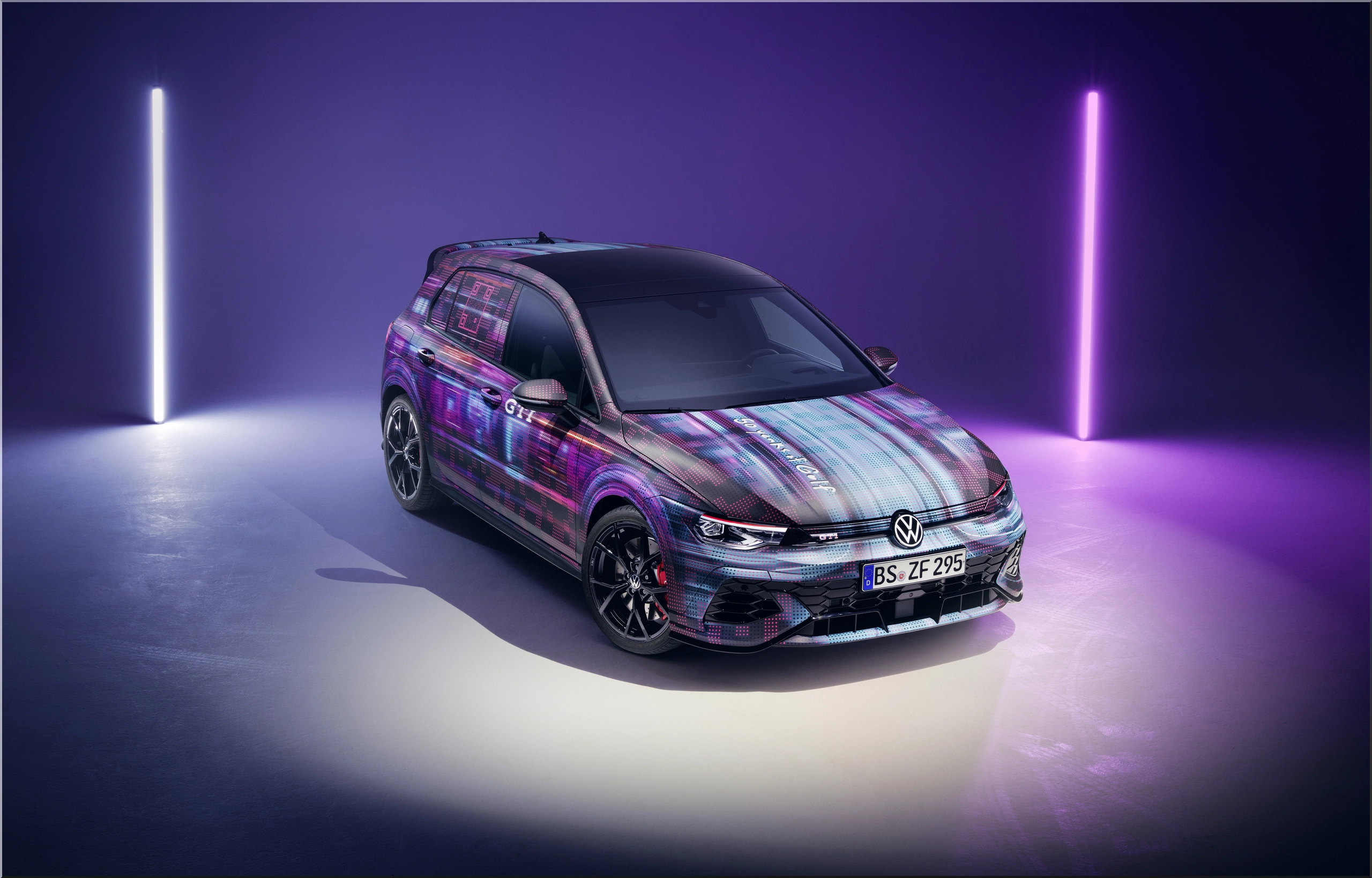
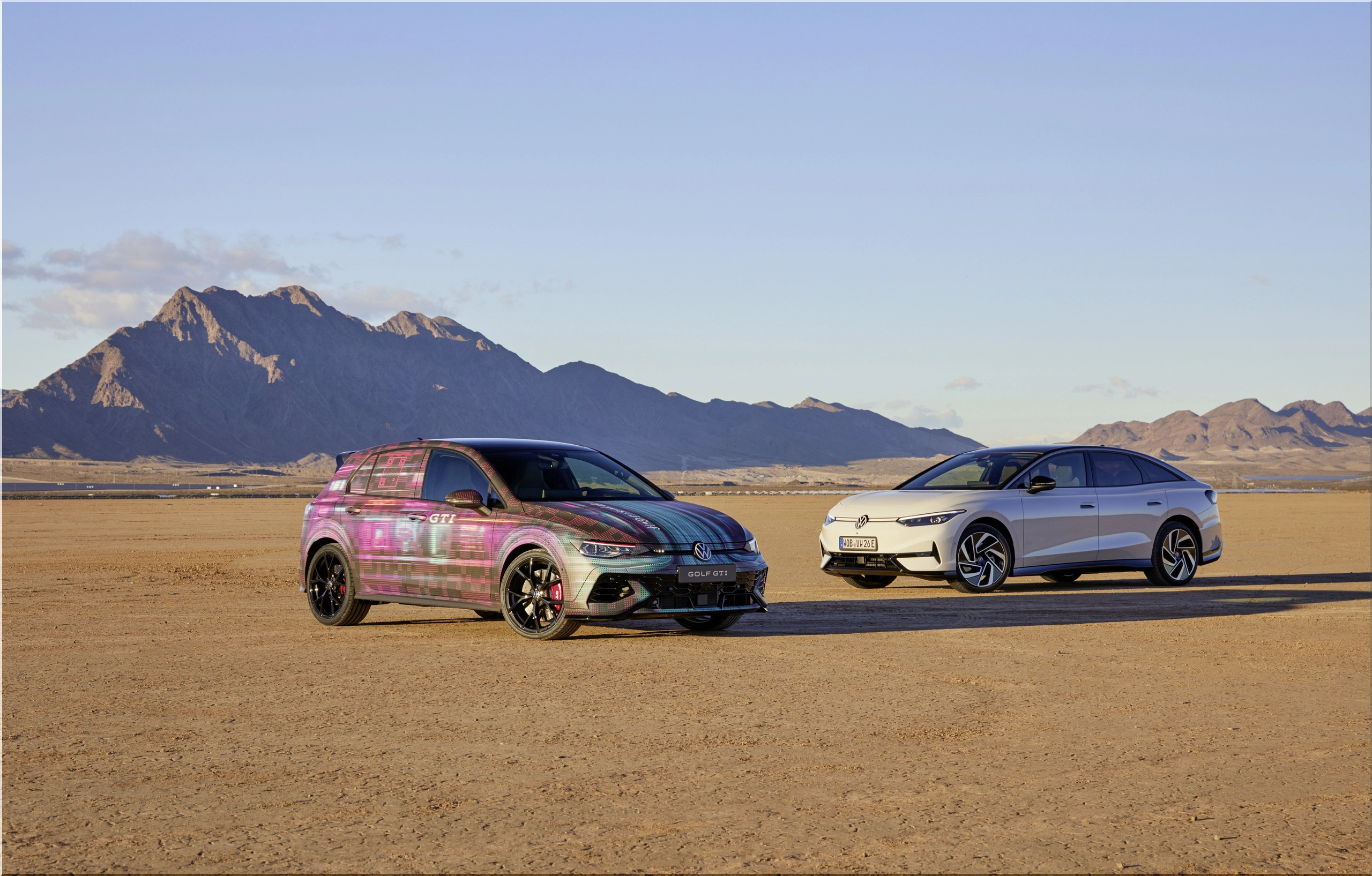
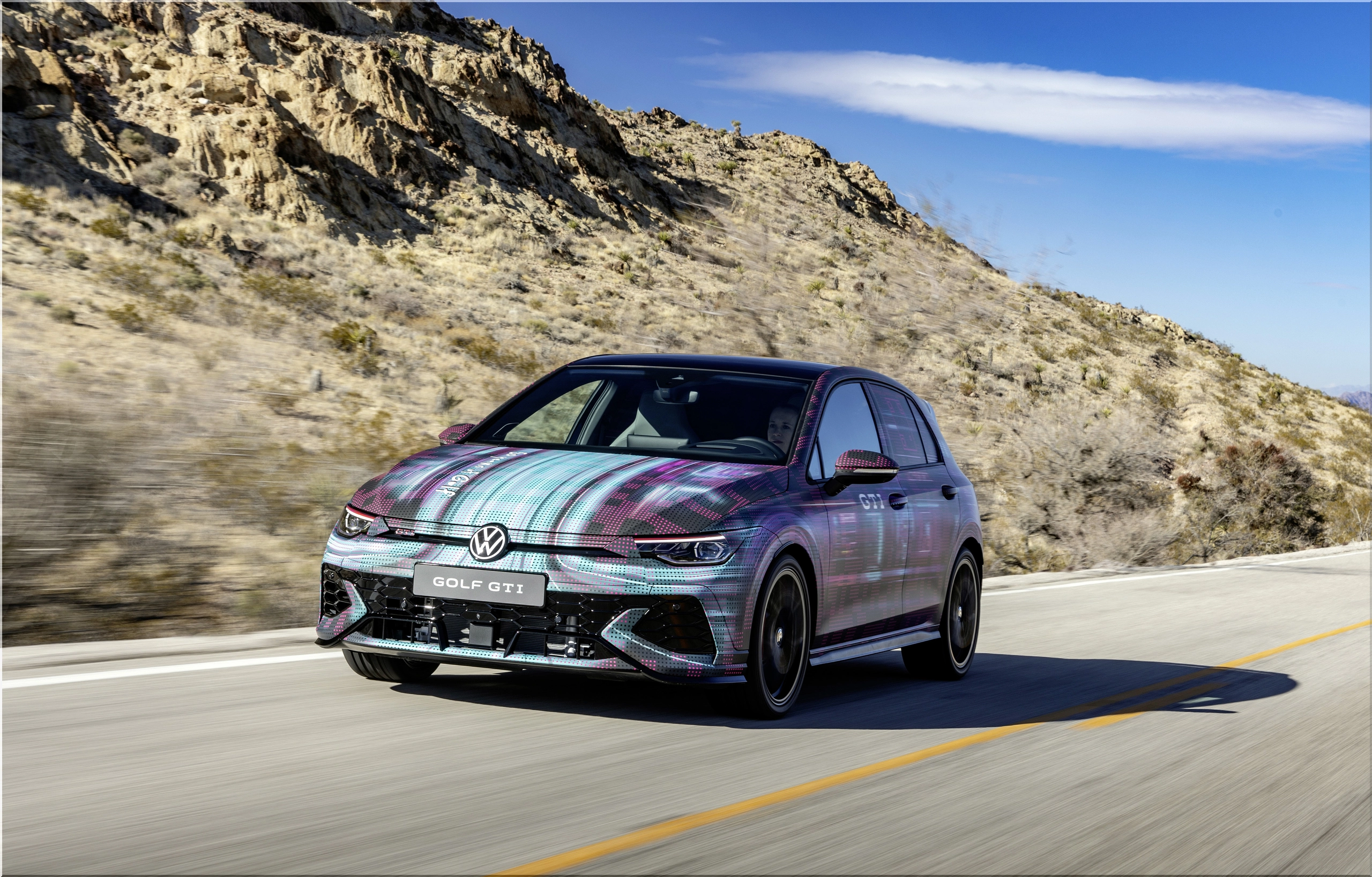
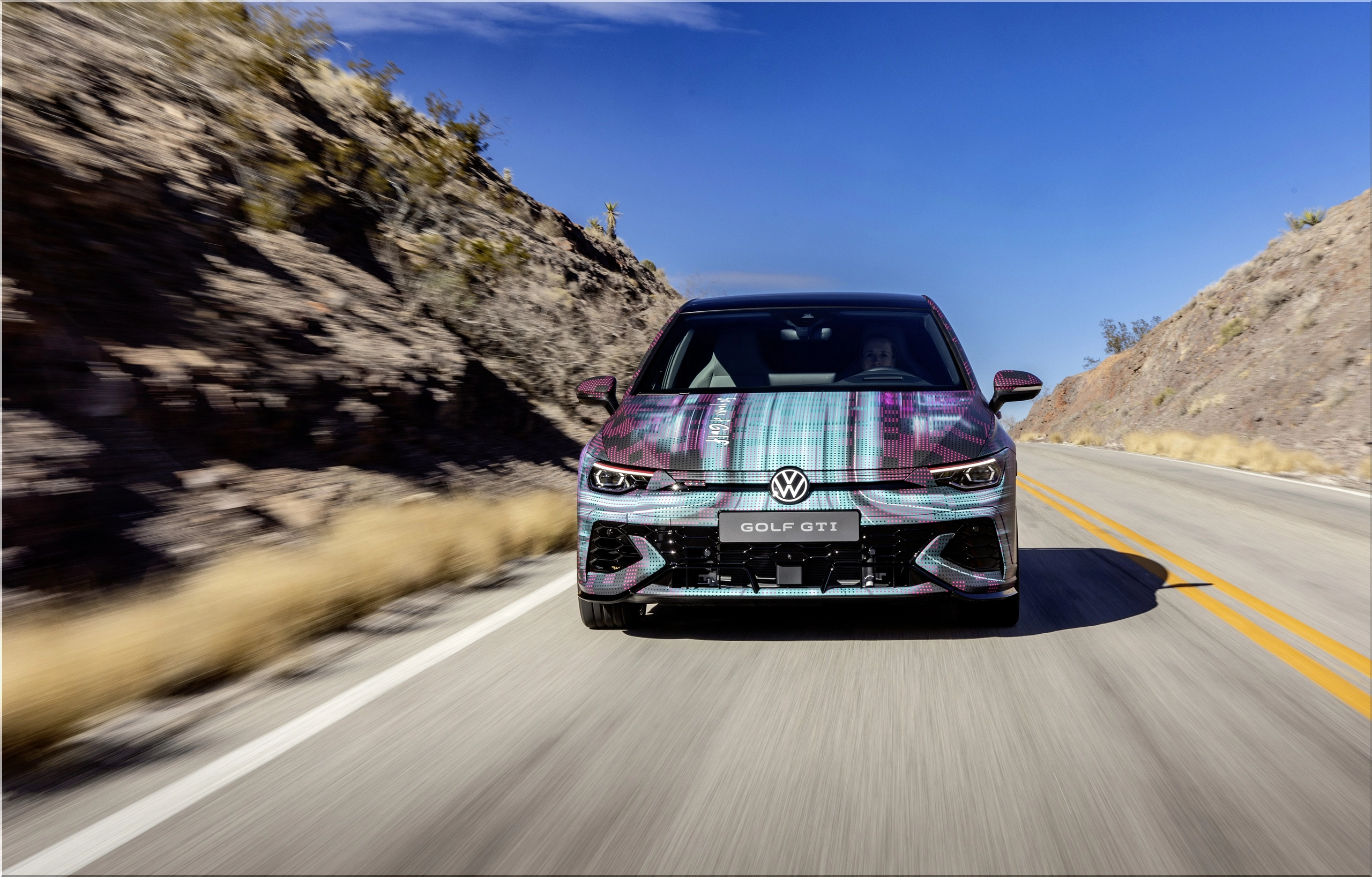
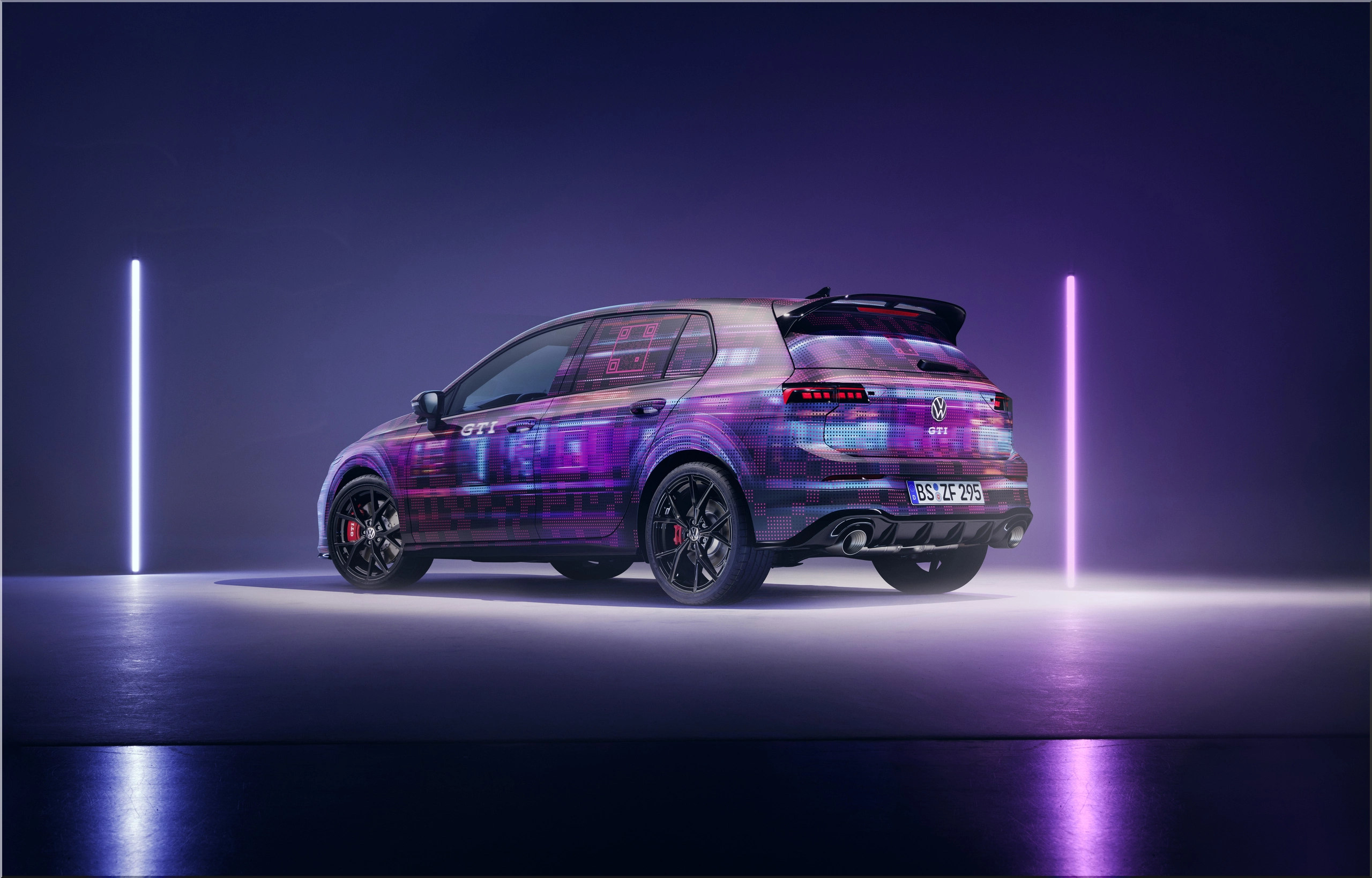
- Golf: Volkswagen’s iconic hatchback that combines a classic look, a dynamic performance, and a high-quality interior.
What are the benefits of ChatGPT for Volkswagen drivers?
Volkswagen believes that ChatGPT will provide several benefits for its drivers, such as:
- Enriching conversations: ChatGPT can answer general knowledge questions, provide interesting facts, and engage in casual chats, making the driving experience more enjoyable and entertaining.
- Clearing up questions: ChatGPT can clarify doubts, explain concepts, and provide additional information, making the driving experience more informative and educational.
- Interacting in intuitive language: ChatGPT can understand natural language, slang, and colloquialisms, making the driving experience more user-friendly and accessible.
- Receiving vehicle-specific information: ChatGPT can provide useful tips, suggestions, and reminders related to the vehicle’s functions and features, making the driving experience more convenient and comfortable.
What are the challenges and limitations of ChatGPT for Volkswagen drivers?
While ChatGPT is a remarkable innovation, it is not without its challenges and limitations, such as:
- Accuracy and reliability: ChatGPT may not always generate accurate or reliable texts, especially for complex or ambiguous queries. It may also produce irrelevant, inappropriate, or offensive texts, depending on the input and the data source.
- Data protection and security: ChatGPT may pose risks to the data protection and security of the drivers, especially if the chatbot is hacked, manipulated, or misused by malicious actors. It may also raise ethical and legal issues regarding the ownership, consent, and accountability of the generated texts.
- Human interaction and trust: ChatGPT may affect the human interaction and trust between the drivers and the vehicle, especially if the chatbot is perceived as too artificial, impersonal, or intrusive. It may also create unrealistic expectations or dependencies on the chatbot’s capabilities and performance.
Conclusion
Volkswagen’s integration of ChatGPT into its IDA voice assistant is a bold and innovative move that aims to enhance the driving experience by offering a seamless and intuitive interaction with the vehicle’s functions and features. ChatGPT is an artificial intelligence-based chatbot that can generate coherent and relevant texts based on a given input, such as a question, a topic, or a keyword. ChatGPT can also adapt to the style, tone, and context of the conversation, making it more human-like and engaging.
However, ChatGPT is not a perfect system and may have some challenges and limitations, such as accuracy and reliability, data protection and security, and human interaction and trust. Therefore, Volkswagen drivers should use ChatGPT with caution and discretion and always verify the information and advice provided by the chatbot.
Volkswagen will offer ChatGPT as a standard feature from the second quarter of 2024 in many production vehicles, including its line of electric cars and SUVs, as well as its best-selling models, such as the Volkswagen Tiguan, the Volkswagen Passat, and the Volkswagen Golf. Volkswagen hopes that ChatGPT will provide a number of benefits for its drivers, such as enriching conversations, clearing up questions, interacting in intuitive language, and receiving vehicle-specific information.
Volkswagen’s ChatGPT is a glimpse into the future of in-car conversation, where artificial intelligence and natural language will play a key role in creating a more enjoyable, informative, and user-friendly driving experience.
- Add new comment
- 89 views