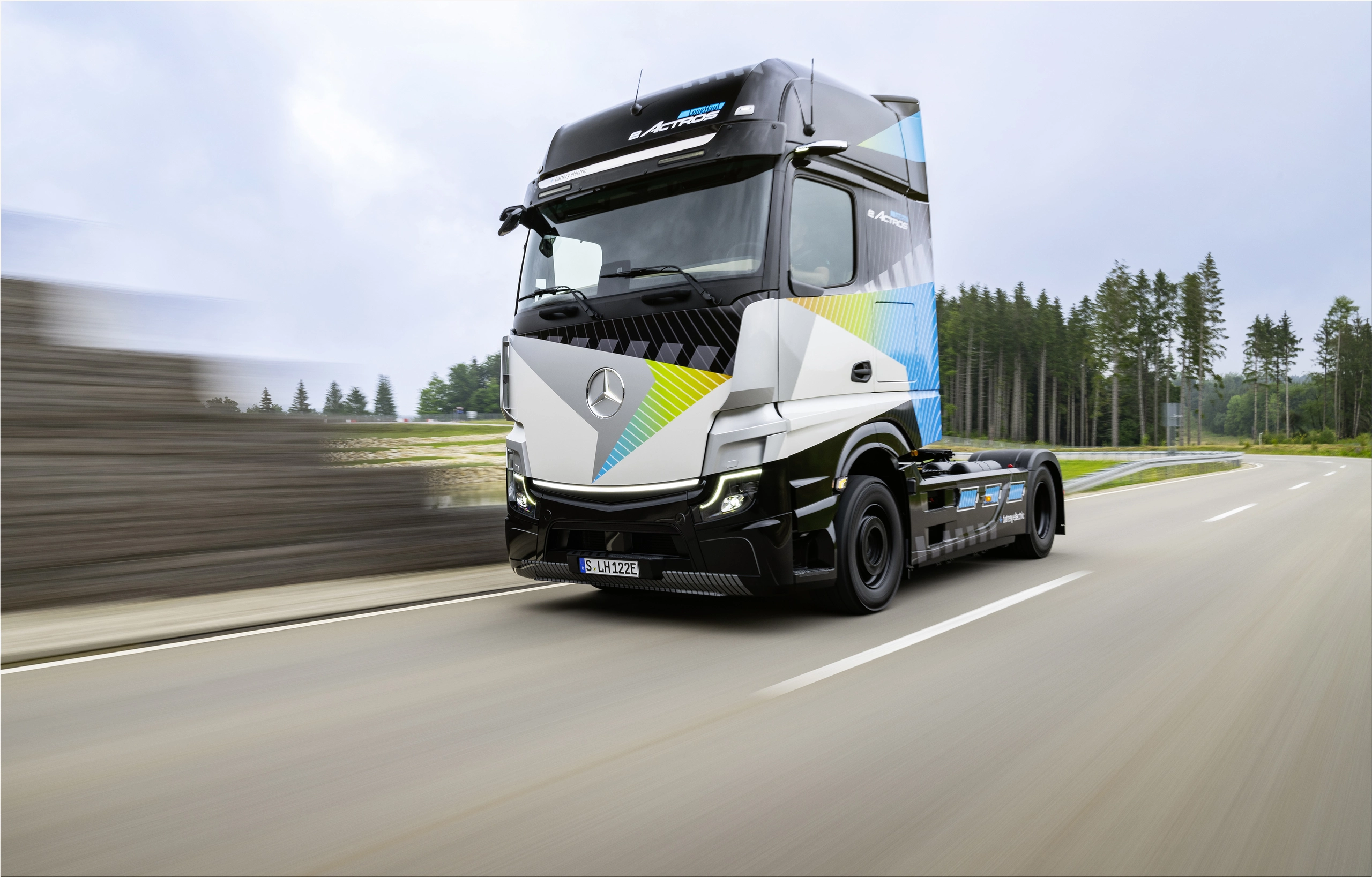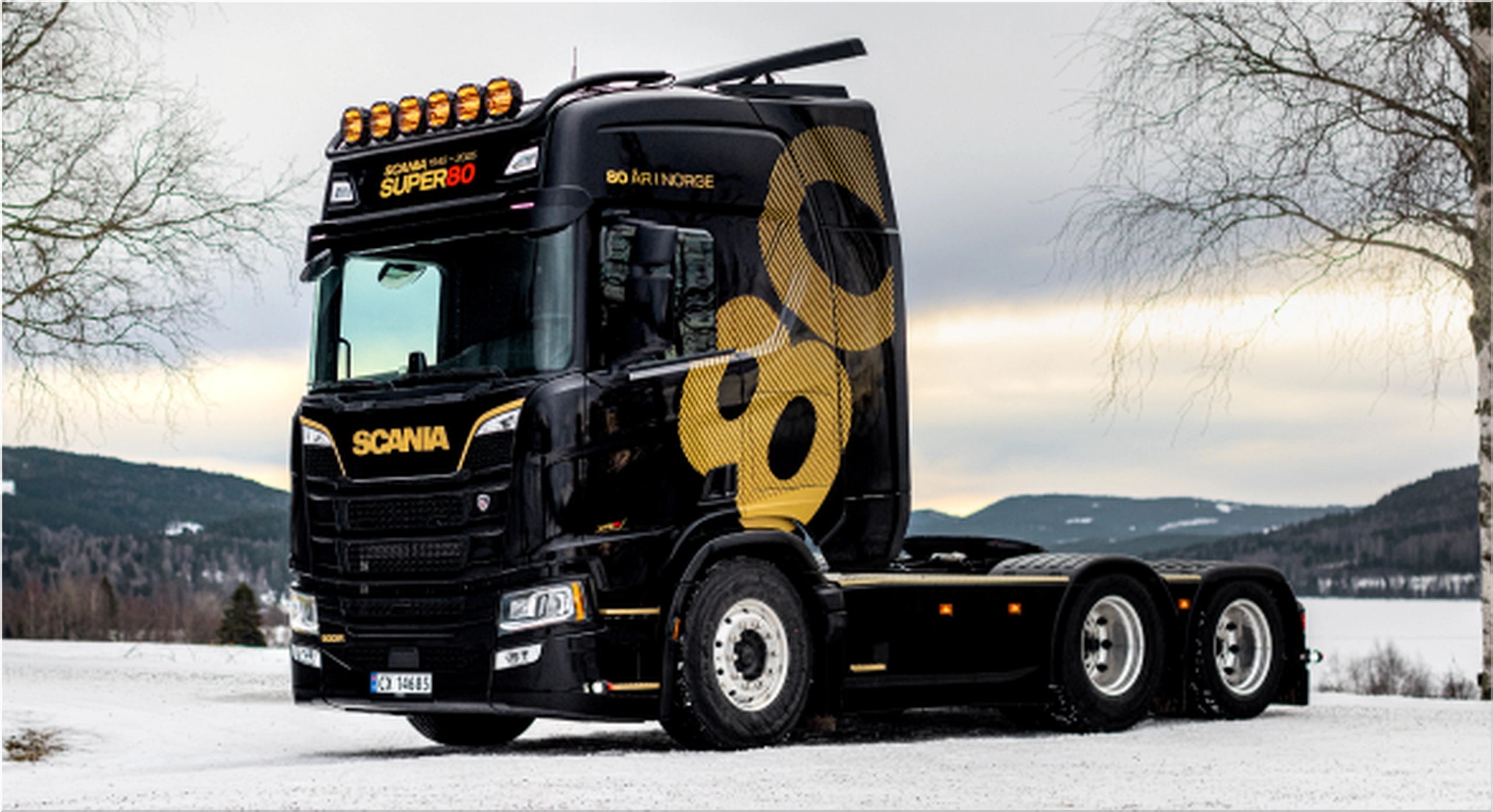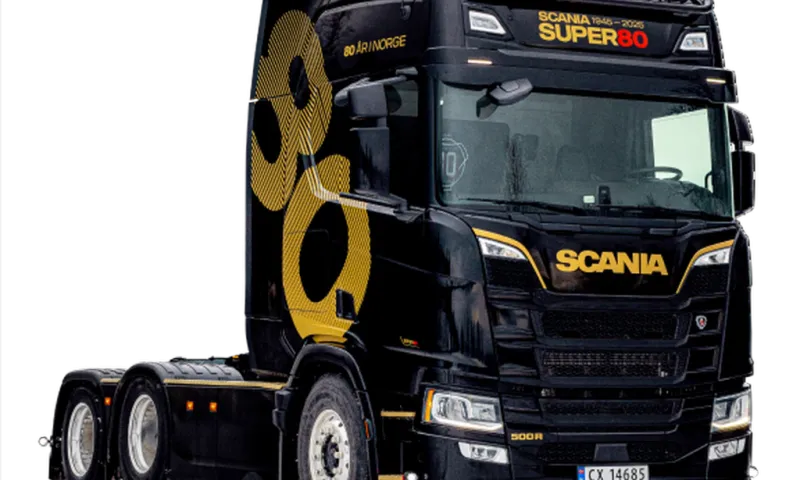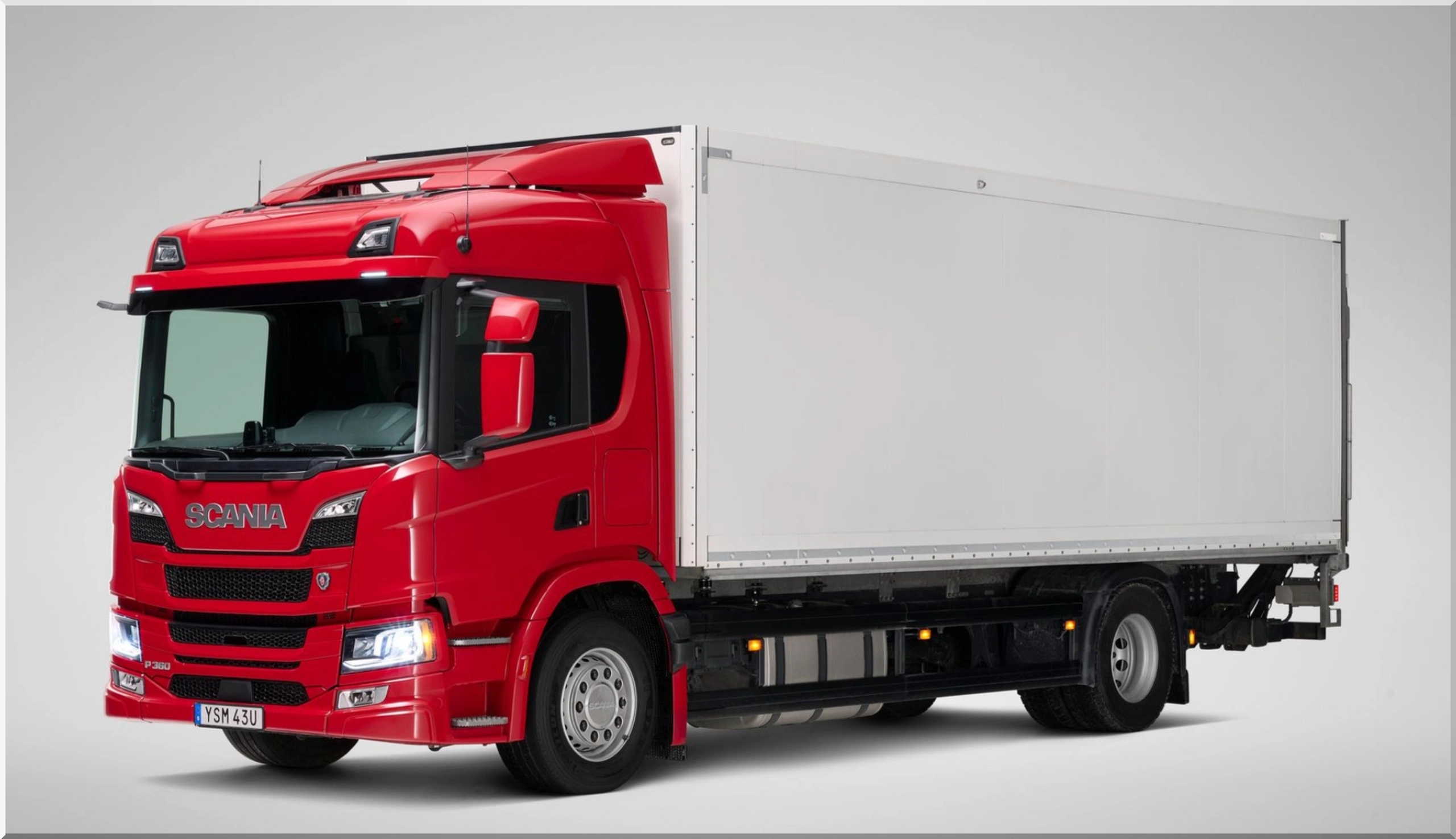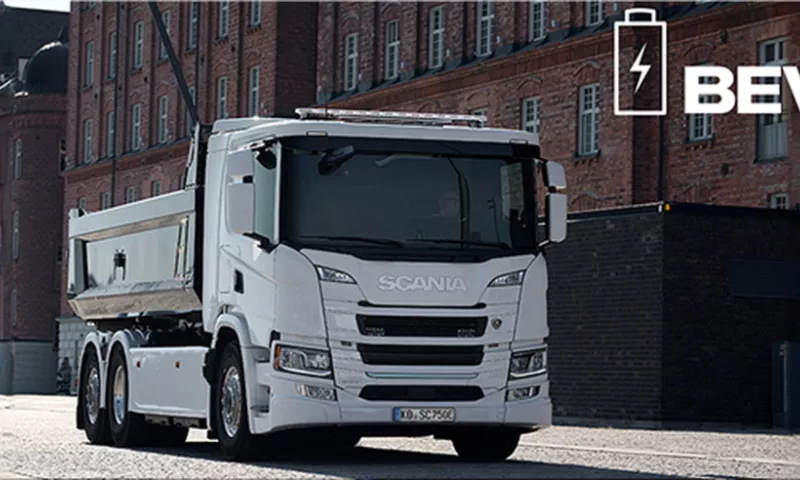
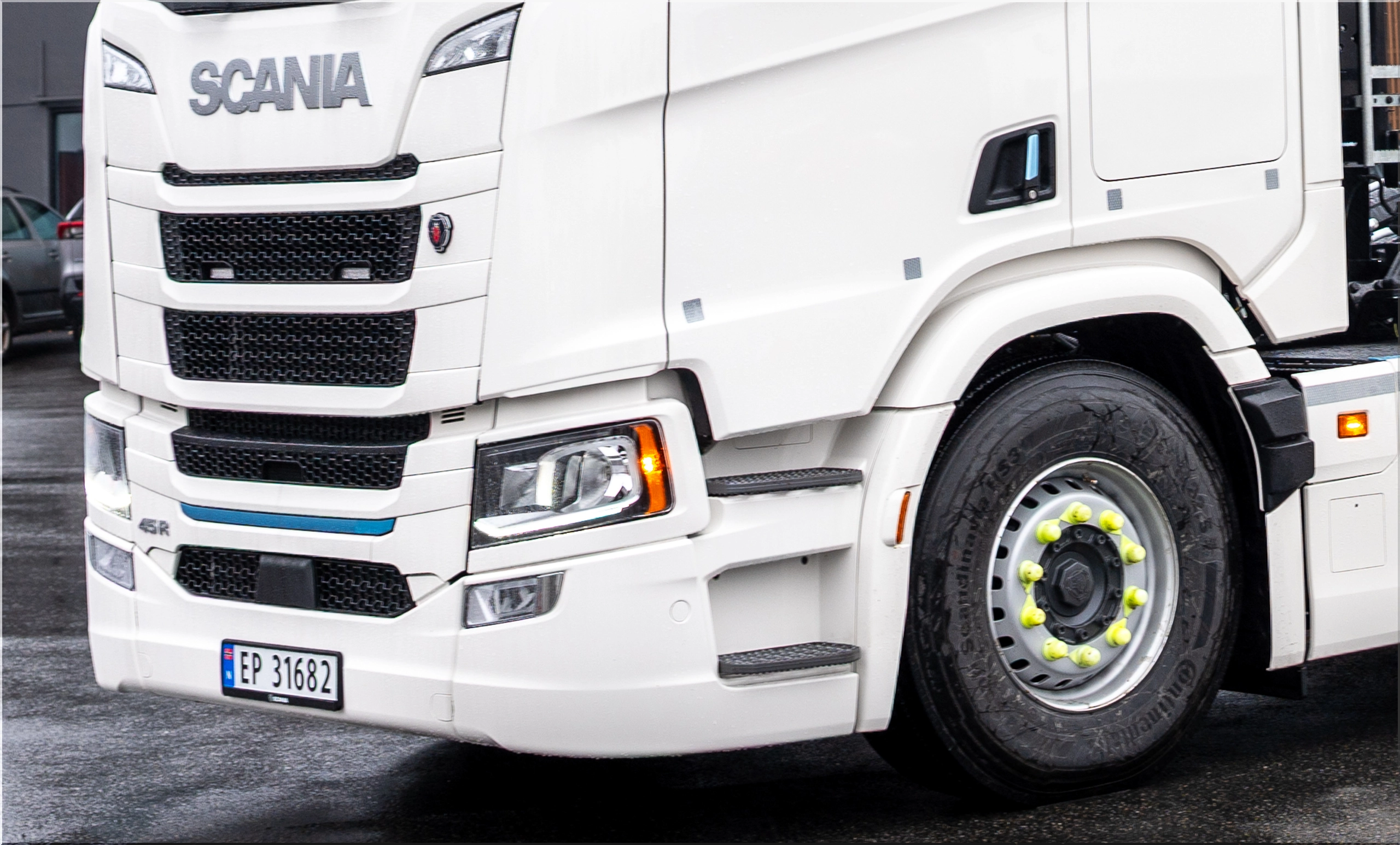
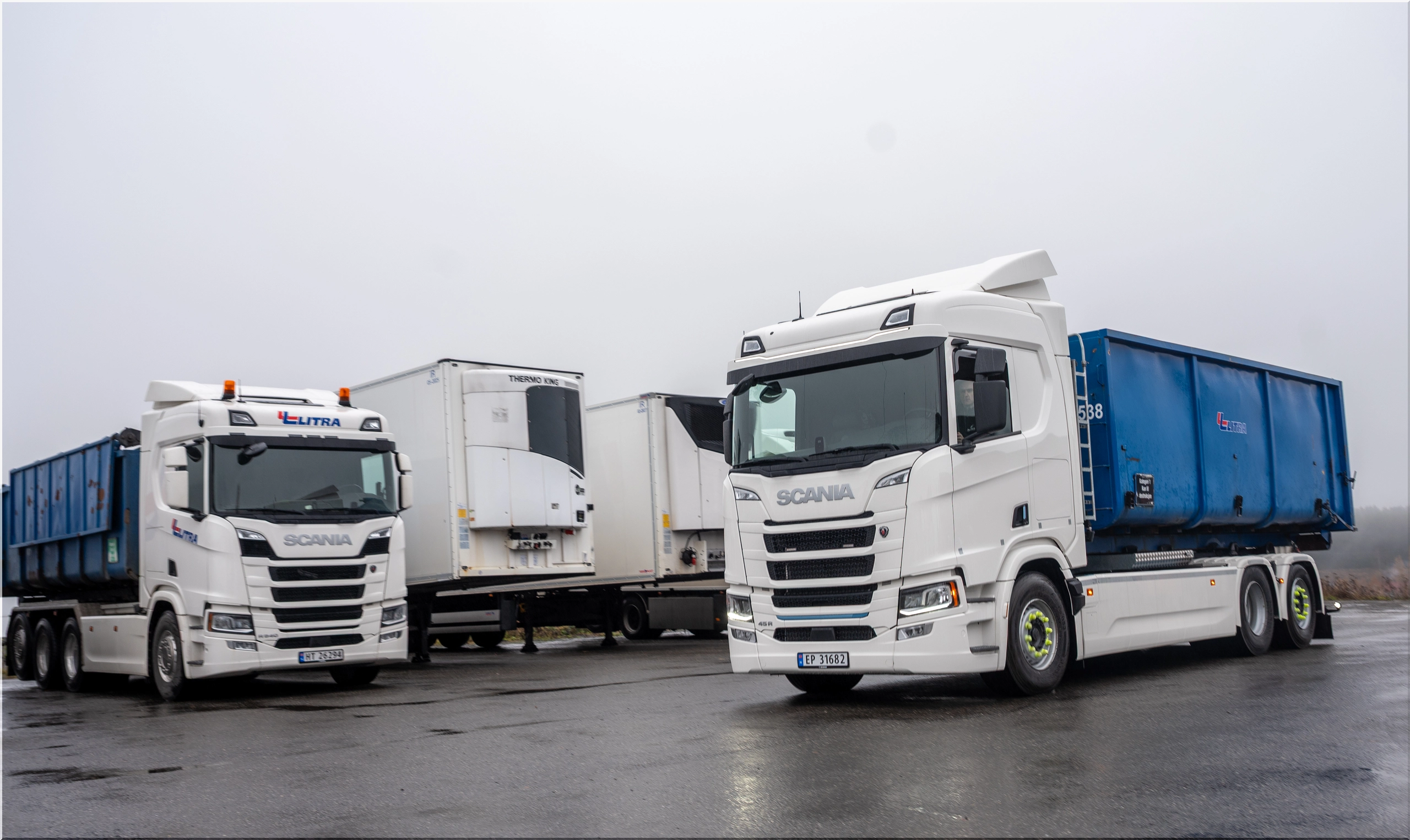
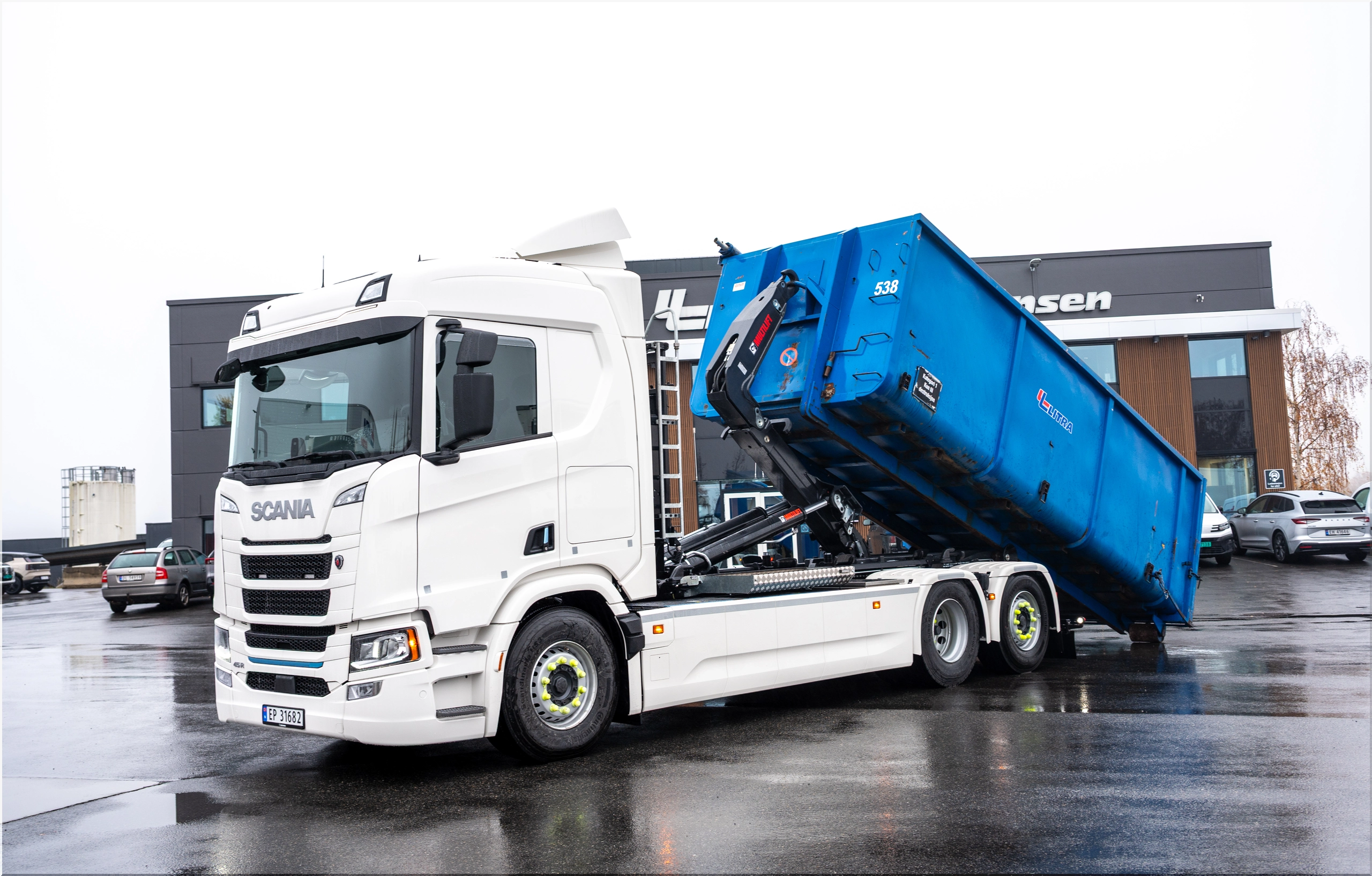
Litra, one of Norway's leading logistics companies, has officially adopted electric Scania trucks in its heavy transport fleet — a clear signal that the shift toward zero-emission freight is gaining real traction in the Nordic market.
A Step Toward Zero-Emission Heavy Transport
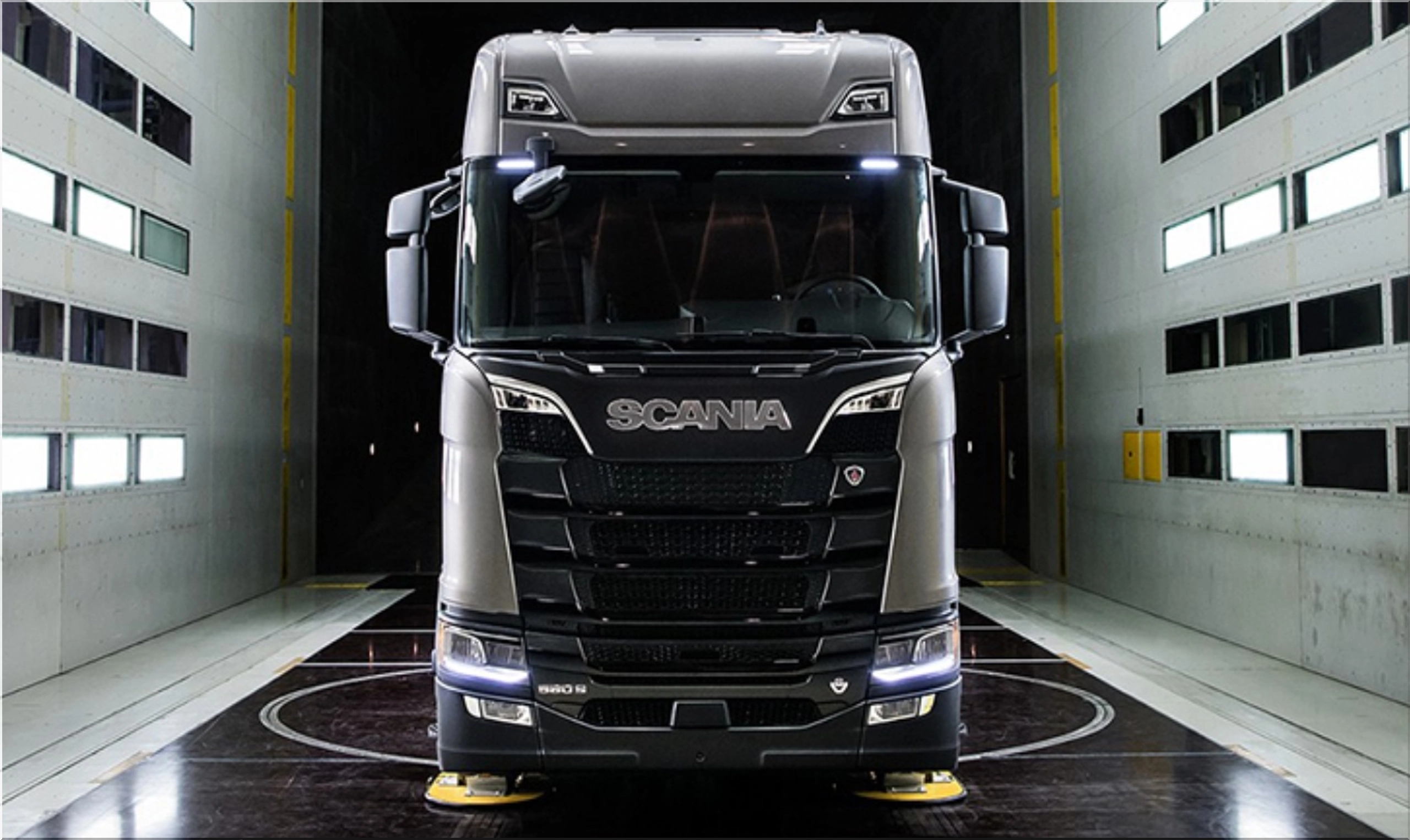
The partnership between Litra and Scania represents a practical, data-backed move to cut transport emissions without sacrificing operational performance. Scania delivered a fleet of battery-electric trucks designed for regional haulage, meeting Norway’s tightening carbon regulations.
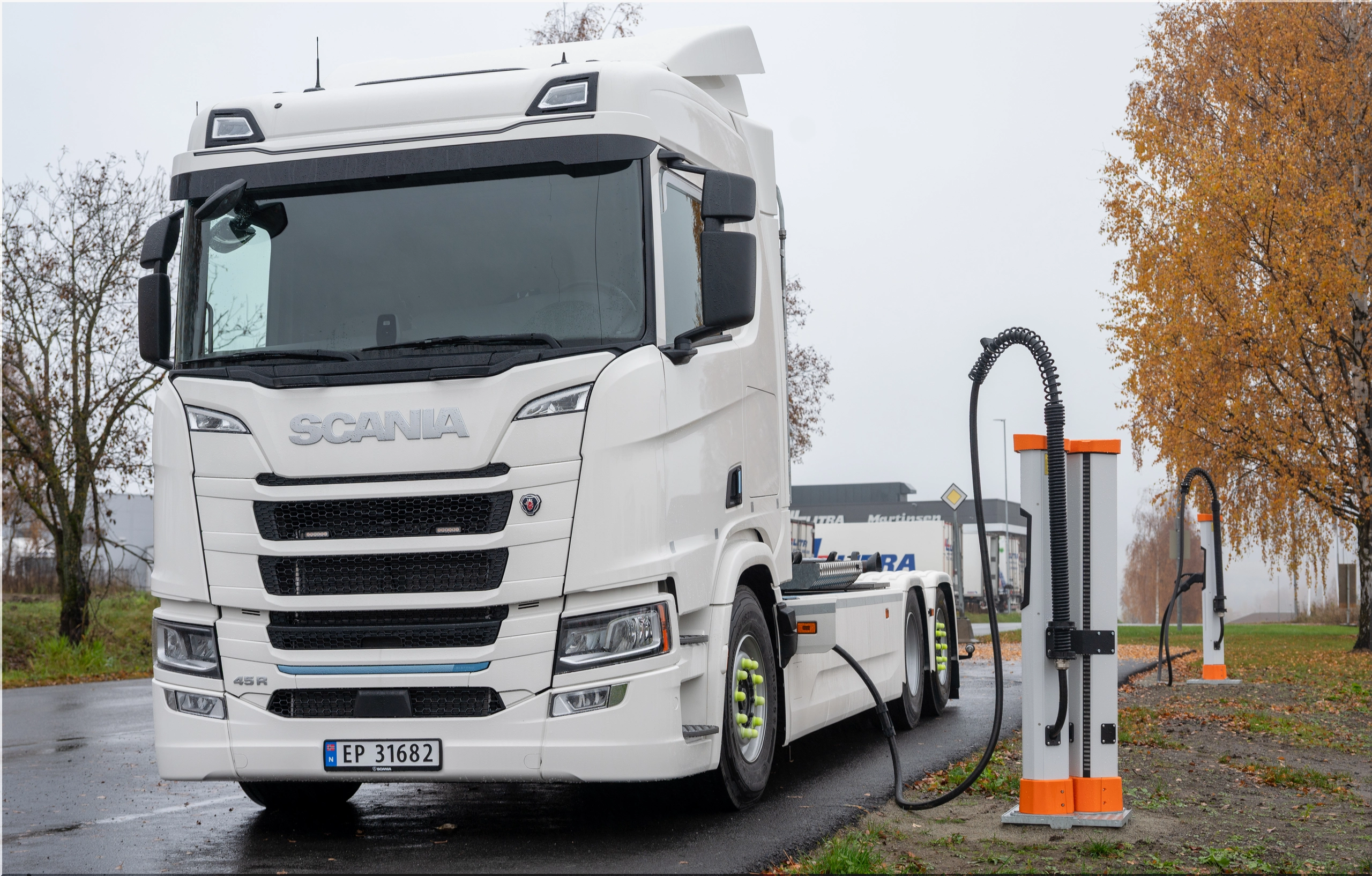
Each truck delivers around 320–360 km (200–225 miles) per charge, depending on the route profile and load. With megawatt charging systems being rolled out across Scandinavia, range anxiety in commercial logistics is rapidly becoming a non-issue.
Key Specs:
- Model: Scania 45R BEV
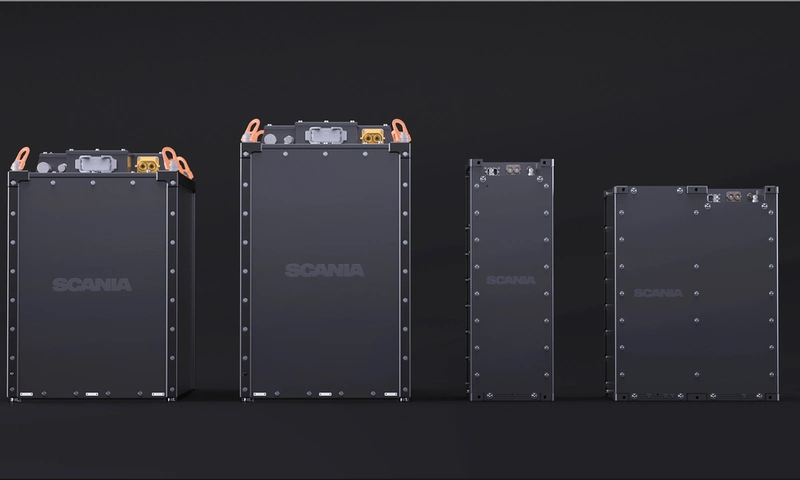
- Battery capacity: 624 kWh
- Power output: 400–450 kW (≈ 536–603 hp)
- Range: Up to 360 km (≈ 225 miles)
- Charging speed: 375 kW DC fast charging
- Payload: Comparable to diesel counterparts
Strategic Electrification for Freight Efficiency
Litra’s transition follows a measurable strategy: replace diesel trucks on fixed regional routes where charging infrastructure and route predictability make electrification feasible. This targeted deployment model maximizes uptime while maintaining transport reliability.
The cost of ownership remains a deciding factor. According to Scania’s internal analysis, the total cost per kilometer for electric trucks becomes competitive with diesel at $0.65–$0.70/km, once electricity pricing and maintenance savings are factored in. Litra expects operational cost parity within two years, driven by lower energy costs and reduced servicing.
Operational Benefits:
- 60% lower energy cost per km
- Up to 40% less maintenance downtime
- Zero local emissions in city delivery zones
- Reduced driver fatigue due to quieter operation
Infrastructure and Government Support
Norway remains Europe’s leader in transport electrification. Government incentives such as ENOVA’s transport grants and reduced road tolls for zero-emission trucks accelerate commercial adoption.
Litra’s fleet operates between Oslo, Lillehammer, and Trondheim, areas covered by expanding public fast-charging corridors. The company is also building private depot chargers with Scania’s support to maintain control over charging cycles and cost efficiency.
Industry-Wide Implications
Litra’s decision extends beyond internal sustainability goals. It positions the company as an early mover in a logistics market facing EU carbon compliance requirements. Starting in 2025, large transport operators will face emissions reporting under the EU Corporate Sustainability Reporting Directive (CSRD).
By integrating electric trucks now, Litra is mitigating compliance risk and gaining measurable data to optimize fleet performance.
Analyst View:
| Metric | Diesel Truck | Electric Scania 45R |
|---|---|---|
| Energy cost per km | $1.60 | $0.70 |
| Annual maintenance cost | $12,000 | $7,000 |
| CO₂ emissions per km | 0.9 kg | 0 kg |
| Noise level (dB) | 80 | 60 |
Scania's Role in Decarbonizing Freight
Scania’s push into battery-electric heavy vehicles is accelerating across Europe. The brand projects that 50% of its truck sales in Europe will be electric by 2030. The collaboration with Litra strengthens Scania’s credibility in real-world, high-mileage operations.
The electric Scania 45R uses LFP (lithium iron phosphate) batteries optimized for durability, with over 1.5 million km lifespan expected under fleet conditions. This long-term reliability is critical for logistics companies managing tight delivery margins.
The Bottom Line
Litra’s integration of electric Scania trucks demonstrates that heavy-duty electrification has reached commercial maturity. Real-world economics, infrastructure growth, and regulatory incentives now align to make electric freight transport operationally practical — not theoretical.
For Norway’s logistics sector, this represents a tipping point: decarbonization without disruption.
For Scania, it reinforces a message the rest of Europe is starting to hear — the future of freight is electric, and it’s already running routes through Oslo.
- Add new comment
- 209 views