
Electric Power Solutions Beyond Trucks
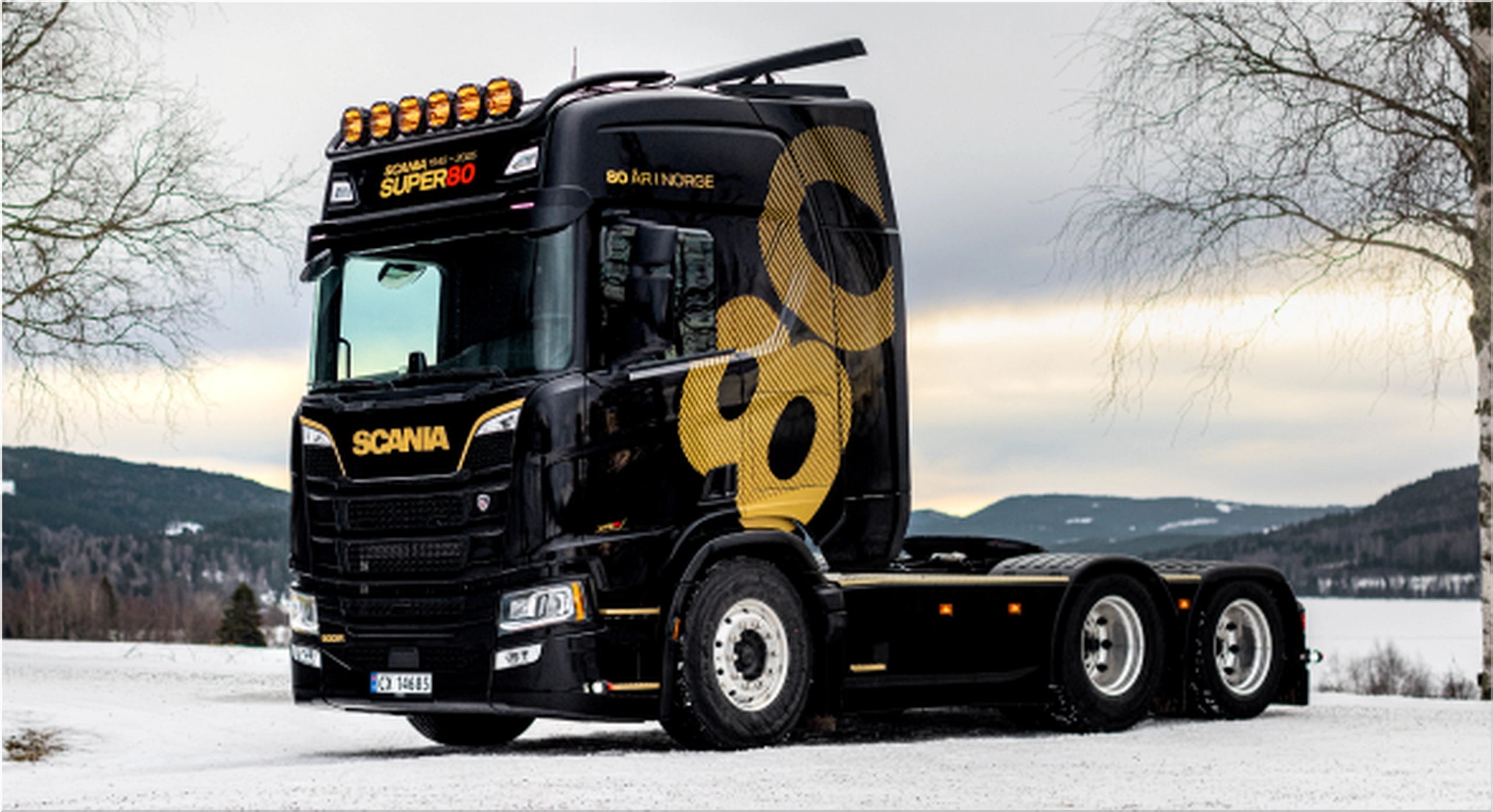
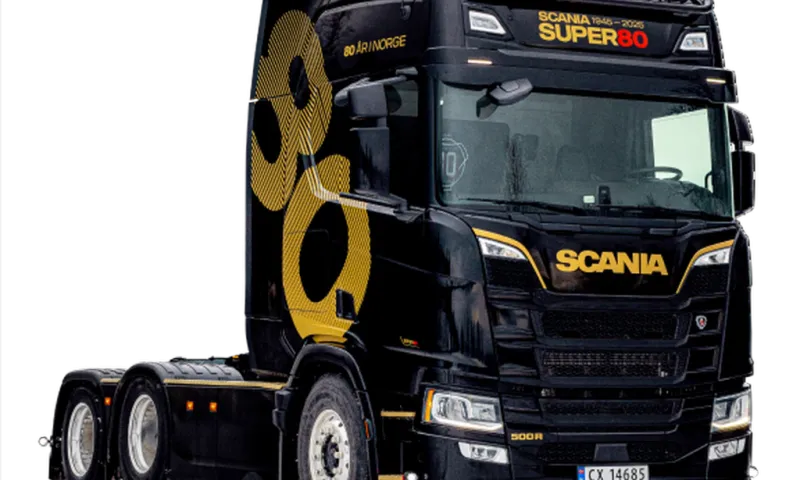
Scania, best known for its heavy trucks and buses, has expanded into electric power systems for industrial and marine use. The company now applies the same proven technology from its electric trucks to sectors like agriculture, construction, shipping, and stationary power generation.
This move reflects Scania’s shift from being only a vehicle manufacturer to a broader supplier of low-emission energy solutions.
Why Scania Is Entering This Market
Demand for sustainable industrial power is rising. Governments impose stricter rules on diesel engines, especially in Europe and North America. Industrial operators face rising fuel costs and mounting pressure to reduce emissions.
Scania sees an opening. By supplying battery-electric and hybrid systems, it helps companies cut emissions and control long-term costs. Importantly, Scania can repurpose existing components rather than develop new technology from scratch. That reduces both cost and lead time.
The Technology
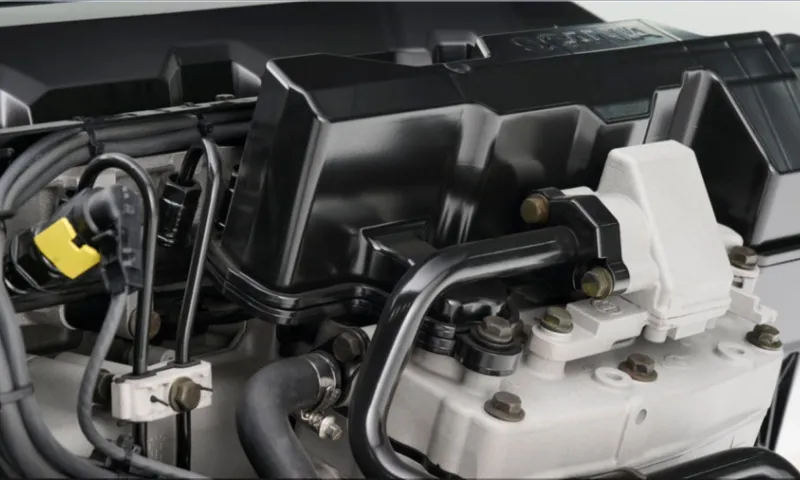
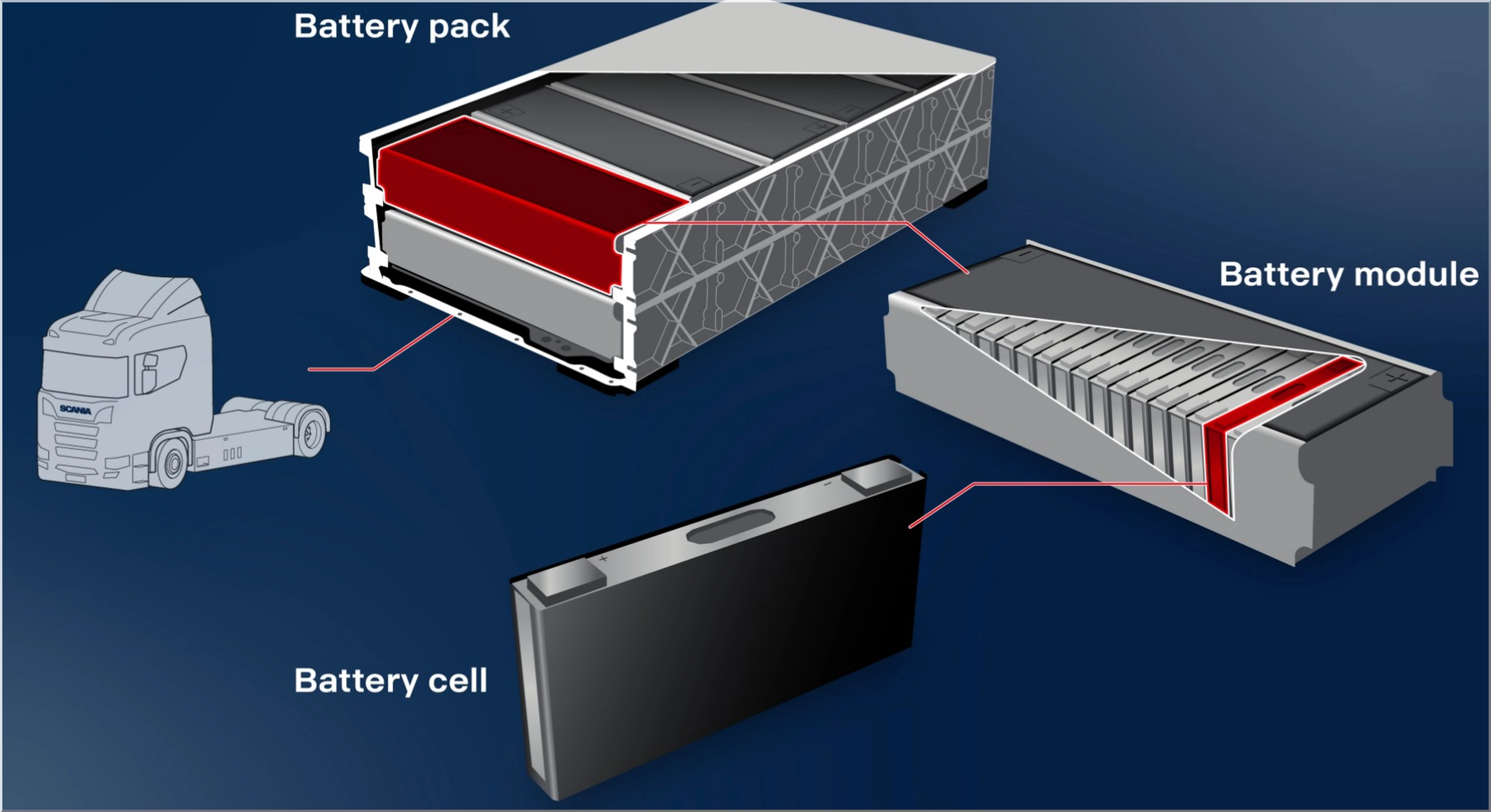
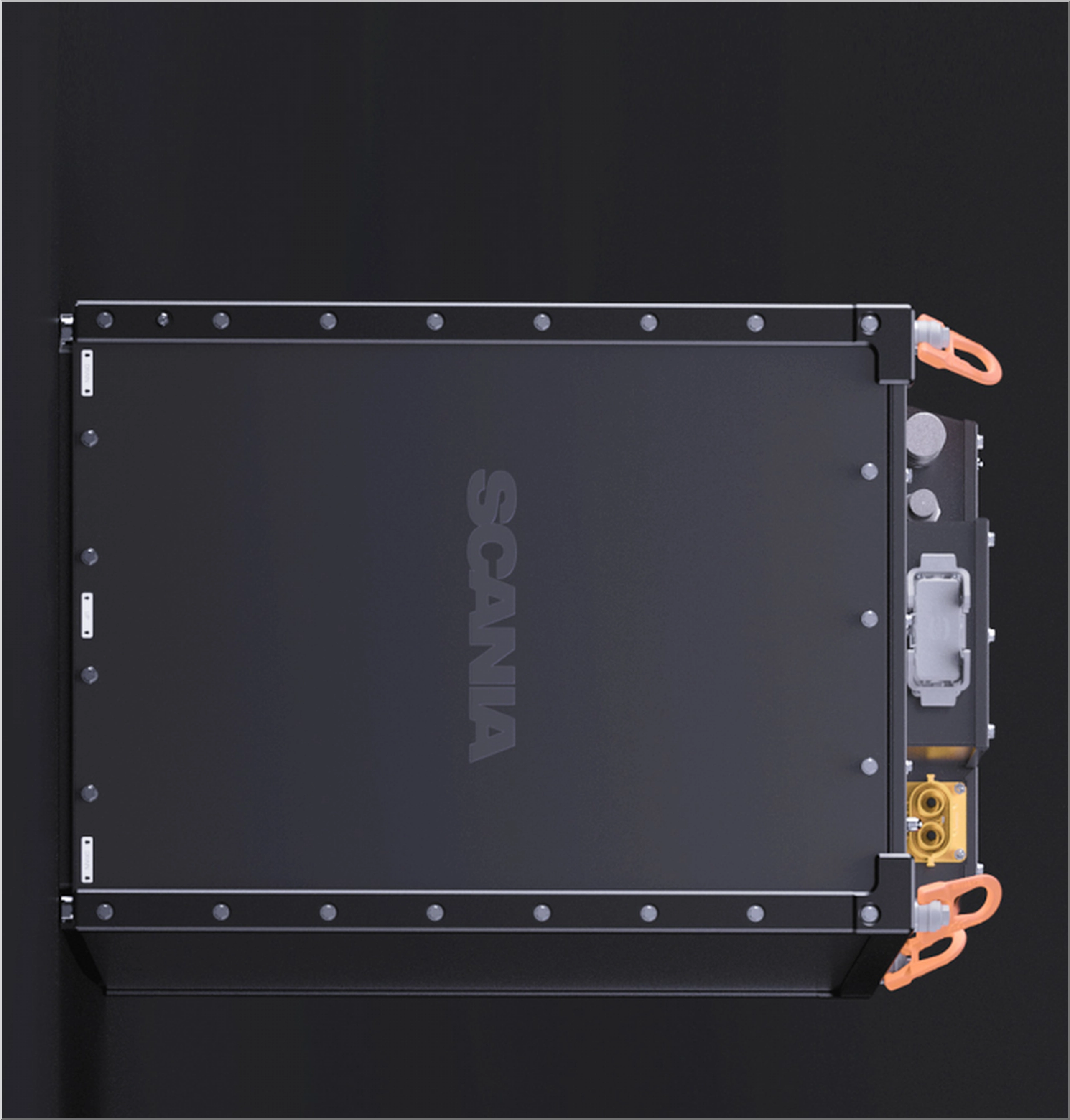
Scania’s industrial systems use the same battery packs, motors, and inverters that already power its electric trucks. Components are modular, making them adaptable for different applications.
- Battery capacity: 104 kWh to 416 kWh
- Energy density: Optimized for heavy-duty performance
- Voltage architecture: Designed for high-load applications
- Scalability: Systems can be combined for larger installations
- Charging: Compatible with existing truck infrastructure
By using established truck systems, Scania reduces engineering time for OEMs. It also allows operators to adopt electric systems with minimal retraining.
Table: Scania Battery System Overview
| Specification | Value | Application Use Case |
|---|---|---|
| Battery capacity | 104 – 416 kWh | Tractors, loaders, ferries |
| Voltage range | 650 – 750 V | Industrial and marine power systems |
| Charging power | Up to 130 kW (DC fast charge) | Truck depots, ports, construction |
| Cycle life | 3,000+ cycles | Heavy-duty use under full load |
| Integration | Modular packs | Flexible scaling for large equipment |
Applications in Industry
Scania’s industrial electric solutions serve multiple sectors:
- Construction: Excavators, cranes, and loaders can run in urban areas without exhaust emissions.
- Agriculture: Electric tractors and harvesters reduce both fuel and maintenance costs.
- Marine: Ferries, tugboats, and coastal vessels lower emissions in harbors and shipping lanes.
- Stationary power: Fast-response backup systems for factories, hospitals, and data centers.
Each application reduces reliance on diesel while providing measurable cost benefits.
Benefits for Operators
Industrial operators often focus on costs and uptime. Scania targets those concerns directly.
- Lower fuel costs: Electricity is cheaper than diesel on a per-kWh basis.
- Regulatory compliance: Meets EU Stage V and US Tier 4 emission requirements.
- Lower noise levels: Critical for urban construction and port operations.
- Reduced maintenance: Electric motors require fewer service intervals.
- Scalable adoption: Operators can begin with hybrids and move to full electric later.
Diesel vs Electric Lifetime Costs
The upfront cost of an electric system is higher. But over time, savings from lower fuel and reduced maintenance offset that investment.
Table: Diesel vs Electric Operating Costs (10-Year Estimate)
| Factor | Diesel Engine | Scania Electric System |
|---|---|---|
| Purchase price | USD 70,000 – 150,000 | USD 100,000 – 400,000 |
| Fuel / Energy cost | USD 2.00 – 3.00 per gallon | USD 0.12 – 0.20 per kWh |
| Annual fuel spend | USD 80,000 (typical loader) | USD 30,000 (equivalent duty cycle) |
| Maintenance cost | USD 15,000 per year | USD 5,000 per year |
| 10-year total cost | USD 1.15 million | USD 950,000 |
Electric systems reduce total ownership costs by about 15 to 20 percent over ten years.
Competition
Scania enters a crowded market. Volvo Penta, Caterpillar, and Cummins already sell electric and hybrid solutions. But Scania holds one key advantage: its systems are production-ready.
Unlike competitors still testing prototypes, Scania repurposes technology from its commercial trucks, already in full-scale production. That speeds adoption and lowers supply chain risk.
Challenges to Adoption
Even with proven systems, challenges remain:
- Charging infrastructure: Construction sites and ports need fast-charging solutions to avoid downtime.
- Battery durability: Heavy loads shorten cycle life.
- Environmental conditions: Dust, water, and temperature extremes test battery resilience.
- Financing: Higher upfront costs require creative leasing or government subsidies.
Impact on Industry
Scania’s entry marks a shift in how industrial sectors view electrification. Companies in mining, agriculture, and shipping once saw electric systems as impractical. Now, with a turnkey solution, the barrier to entry is lower.
This strategy also diversifies Scania’s revenue. By moving into industrial power solutions, the company reduces its dependence on truck sales. That positions it to grow even if road transport electrification slows.
Market Outlook
Industrial electrification is still early but accelerating. Analysts forecast that electric power systems for non-road equipment could account for 15 percent of the market by 2035.
Scania’s bet is clear: industrial companies will need a reliable supplier of electric systems. With proven truck technology, the company has the chance to become a top-tier supplier in this segment.
Conclusion
Scania’s expansion into electric industrial power systems signals more than a product launch. It reflects a larger trend: industries once reliant on diesel now face stricter emission rules and higher fuel costs.
By adapting its truck technology, Scania lowers barriers to adoption and positions itself as a trusted partner in industrial electrification.
The economics favor long-term cost savings. The technology is proven. And the demand is only set to grow.
- Add new comment
- 426 views