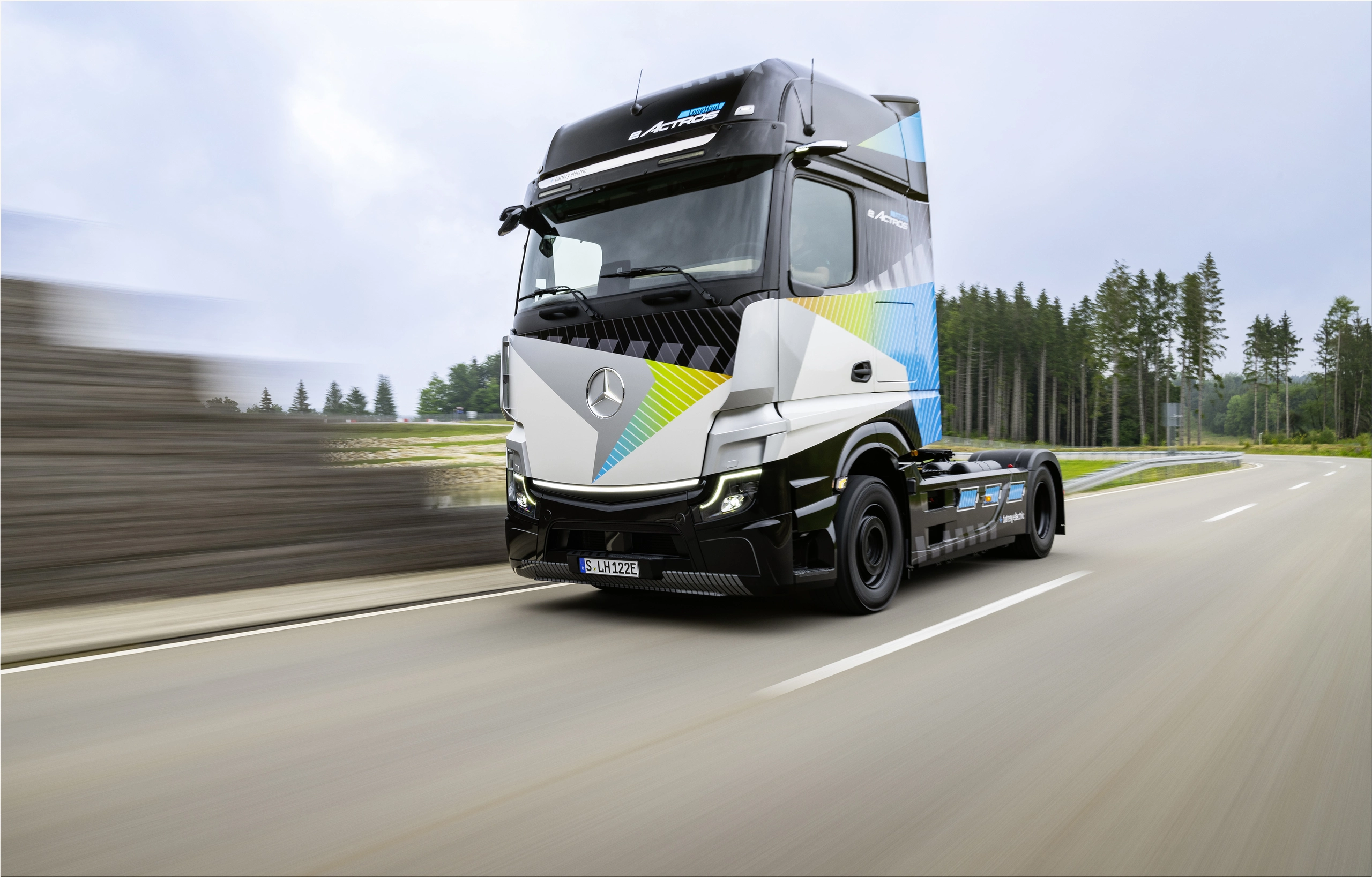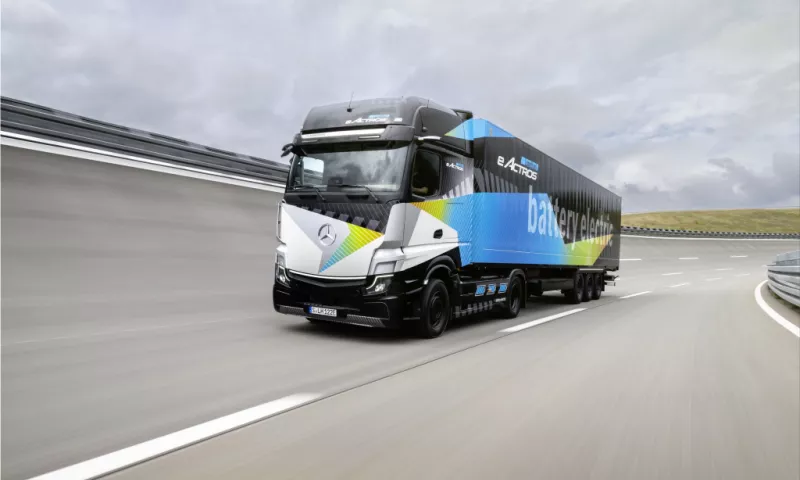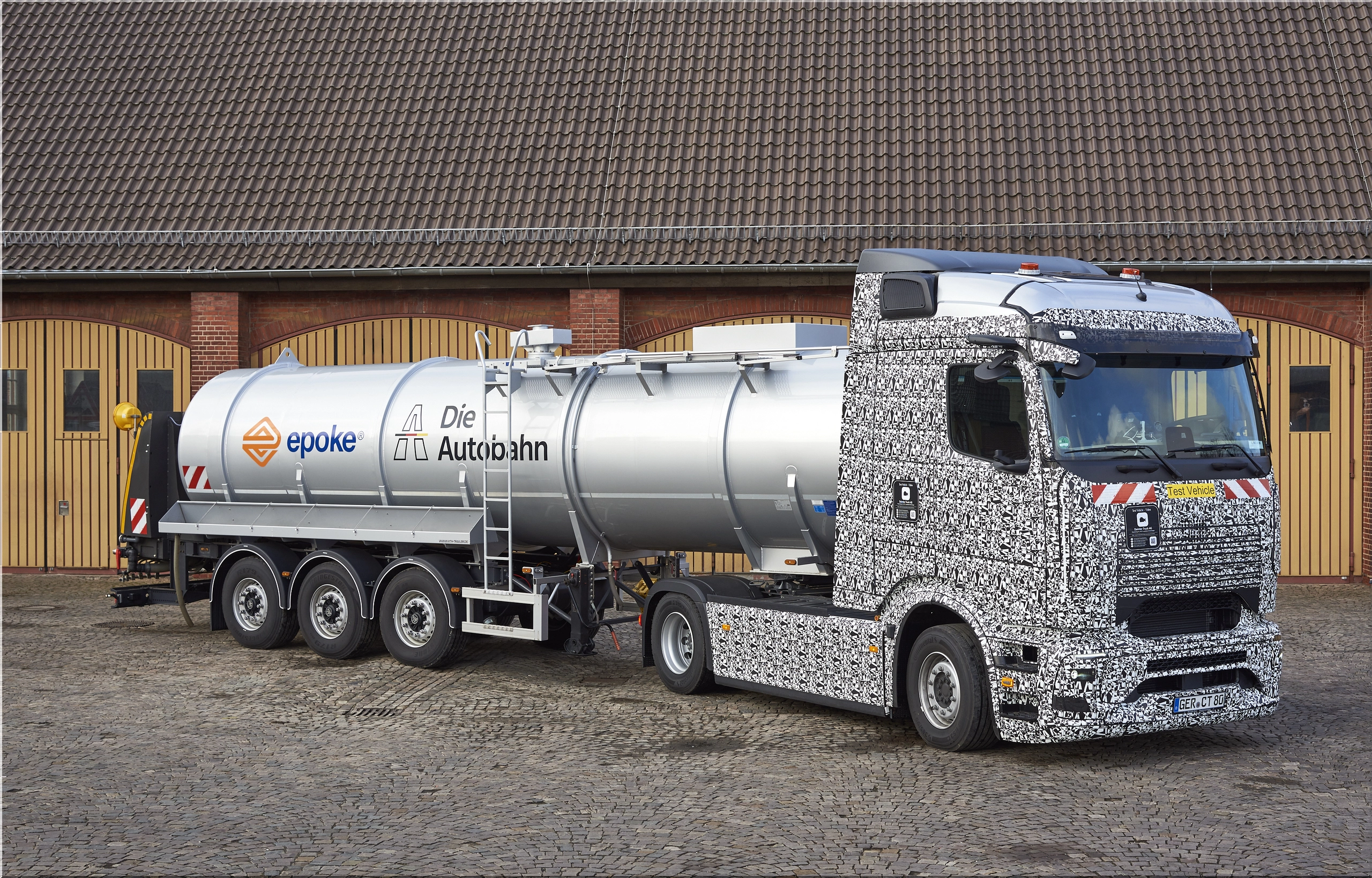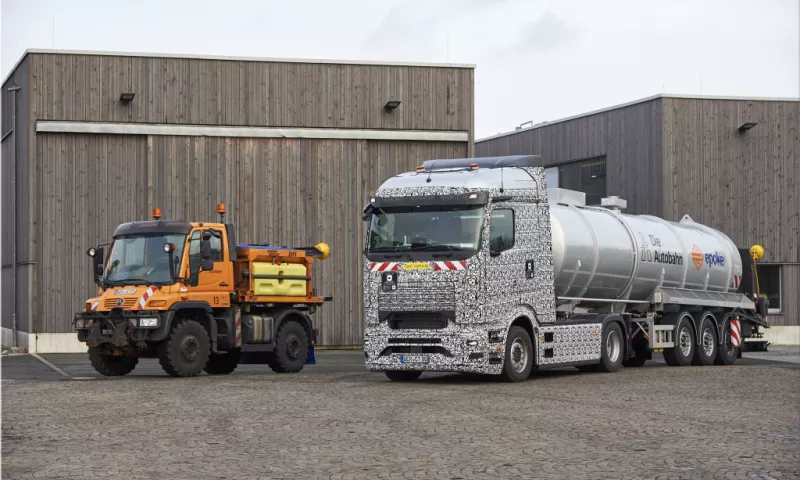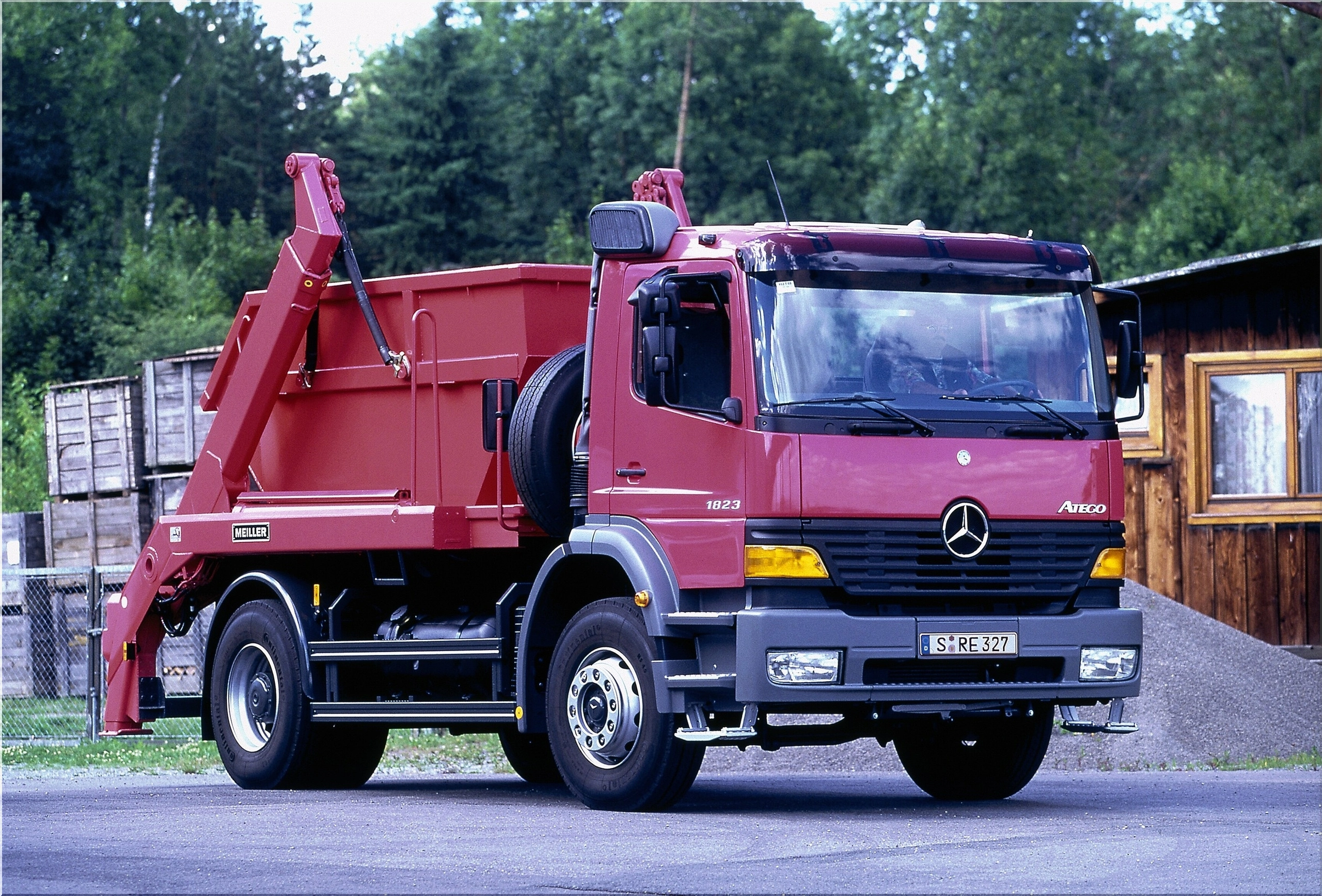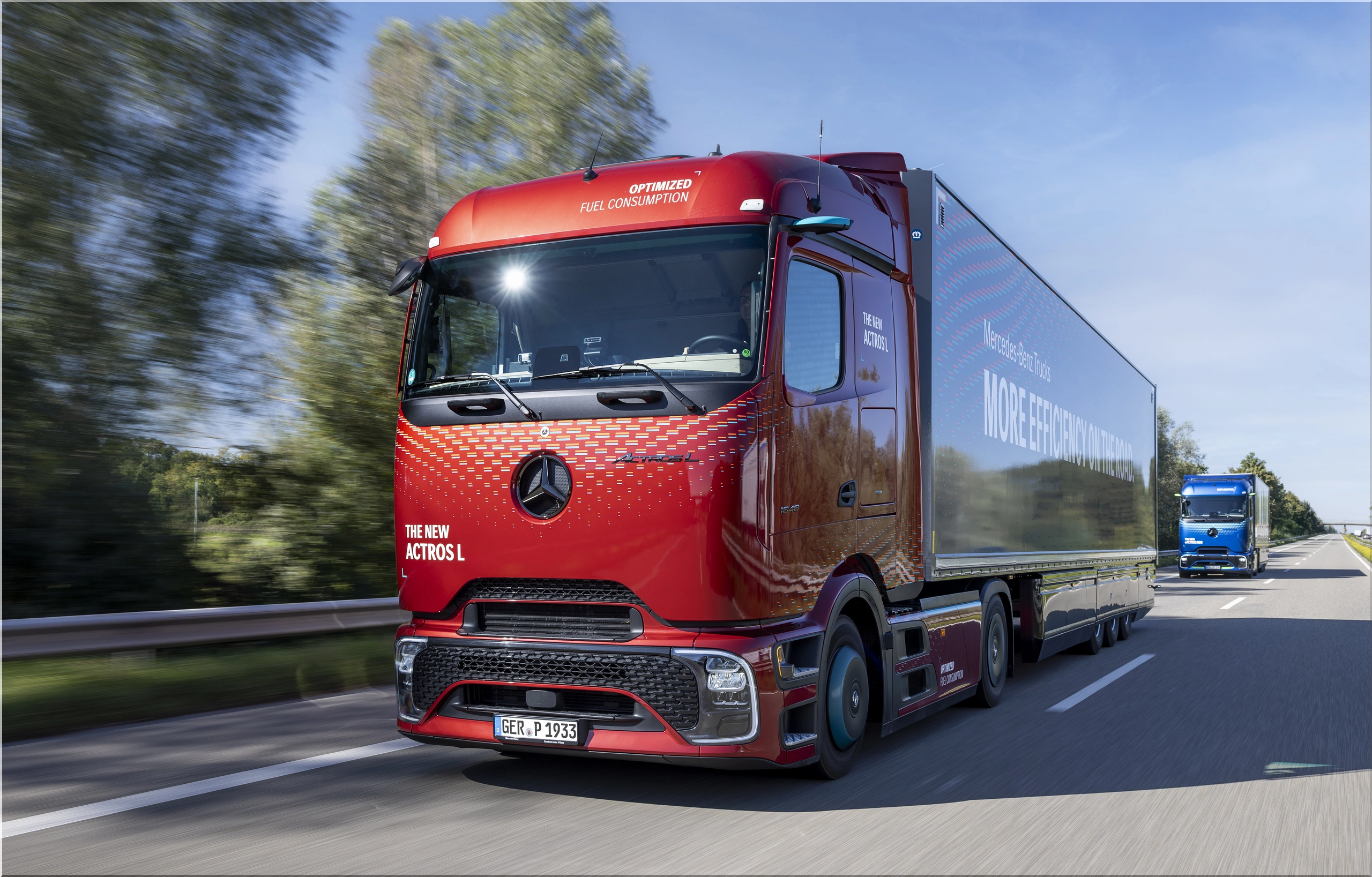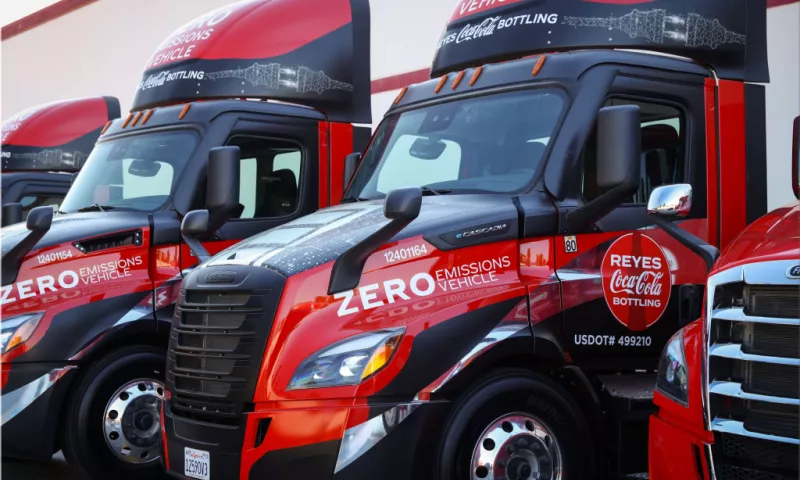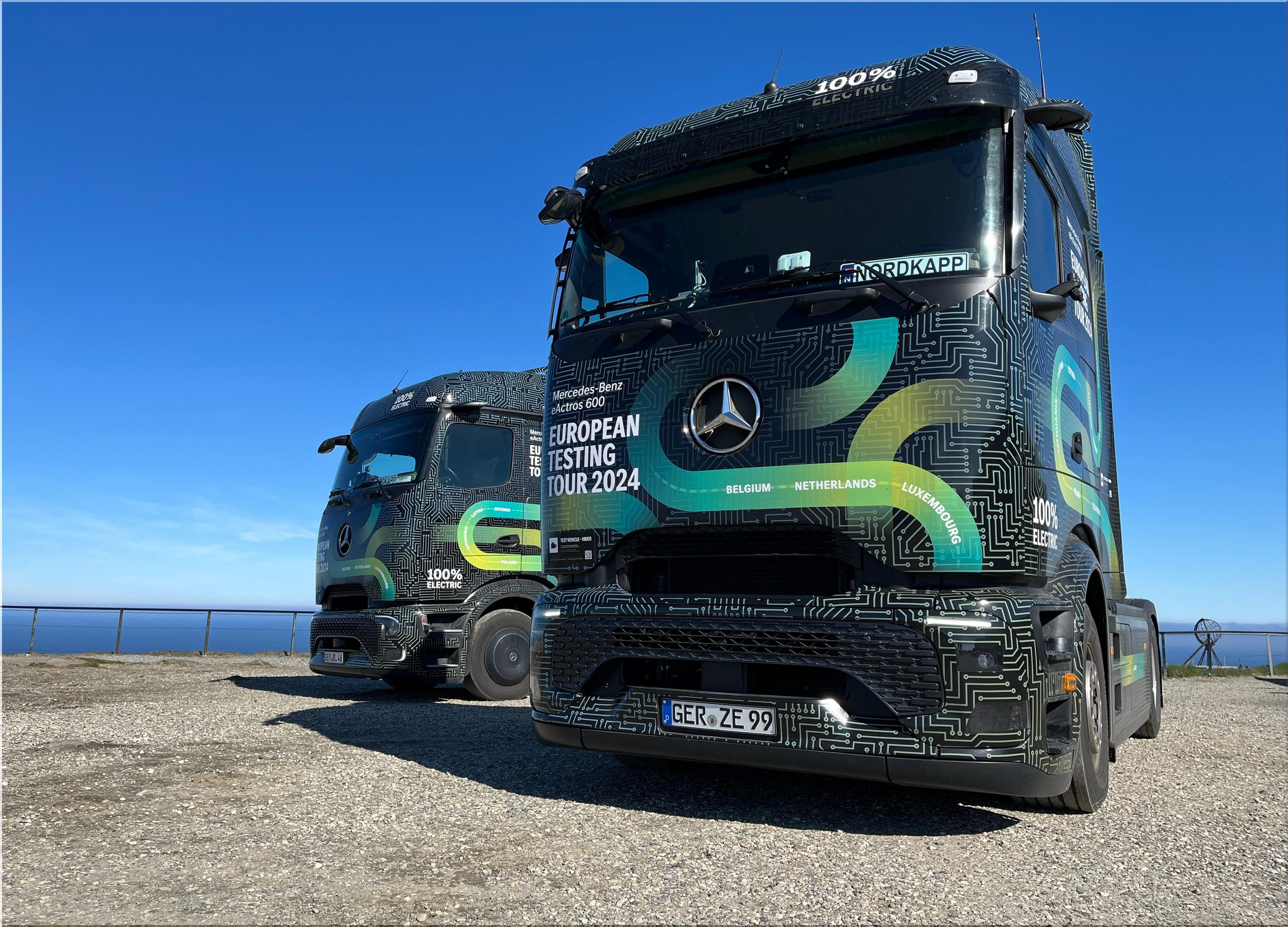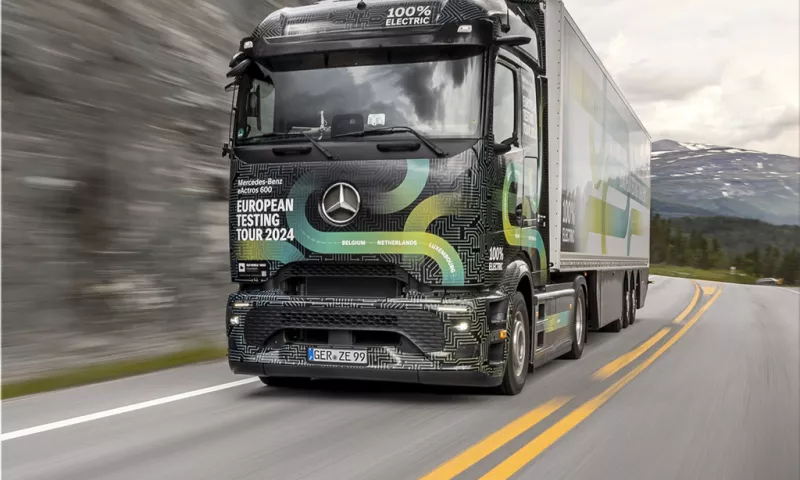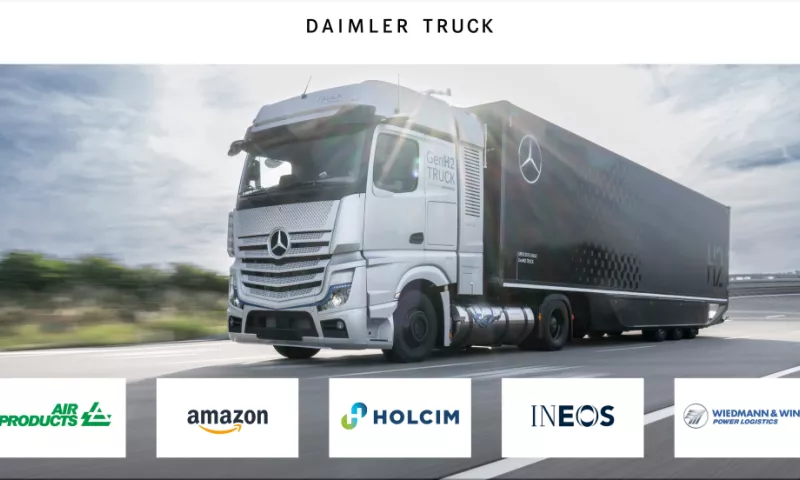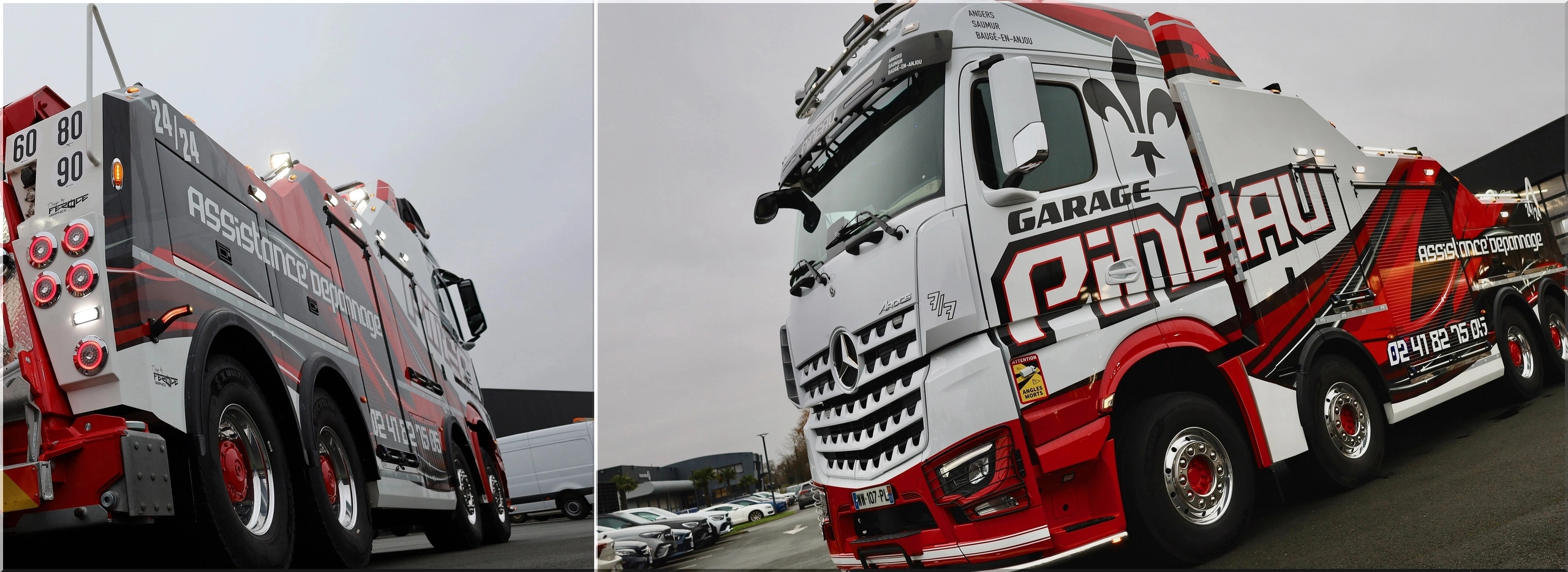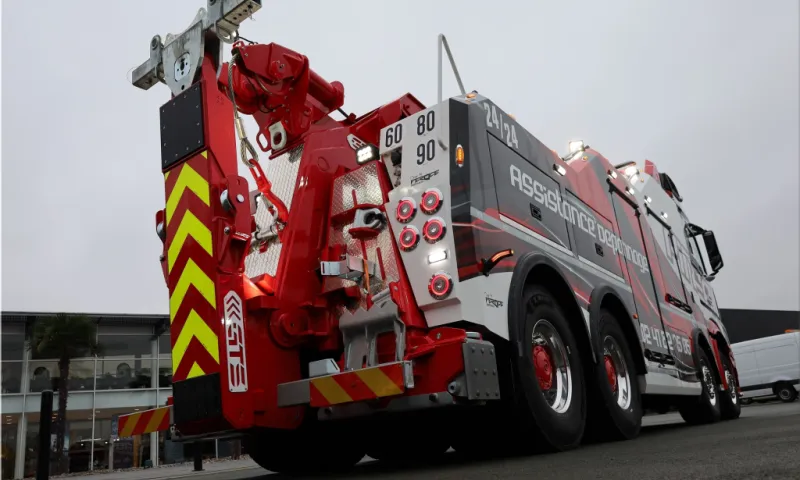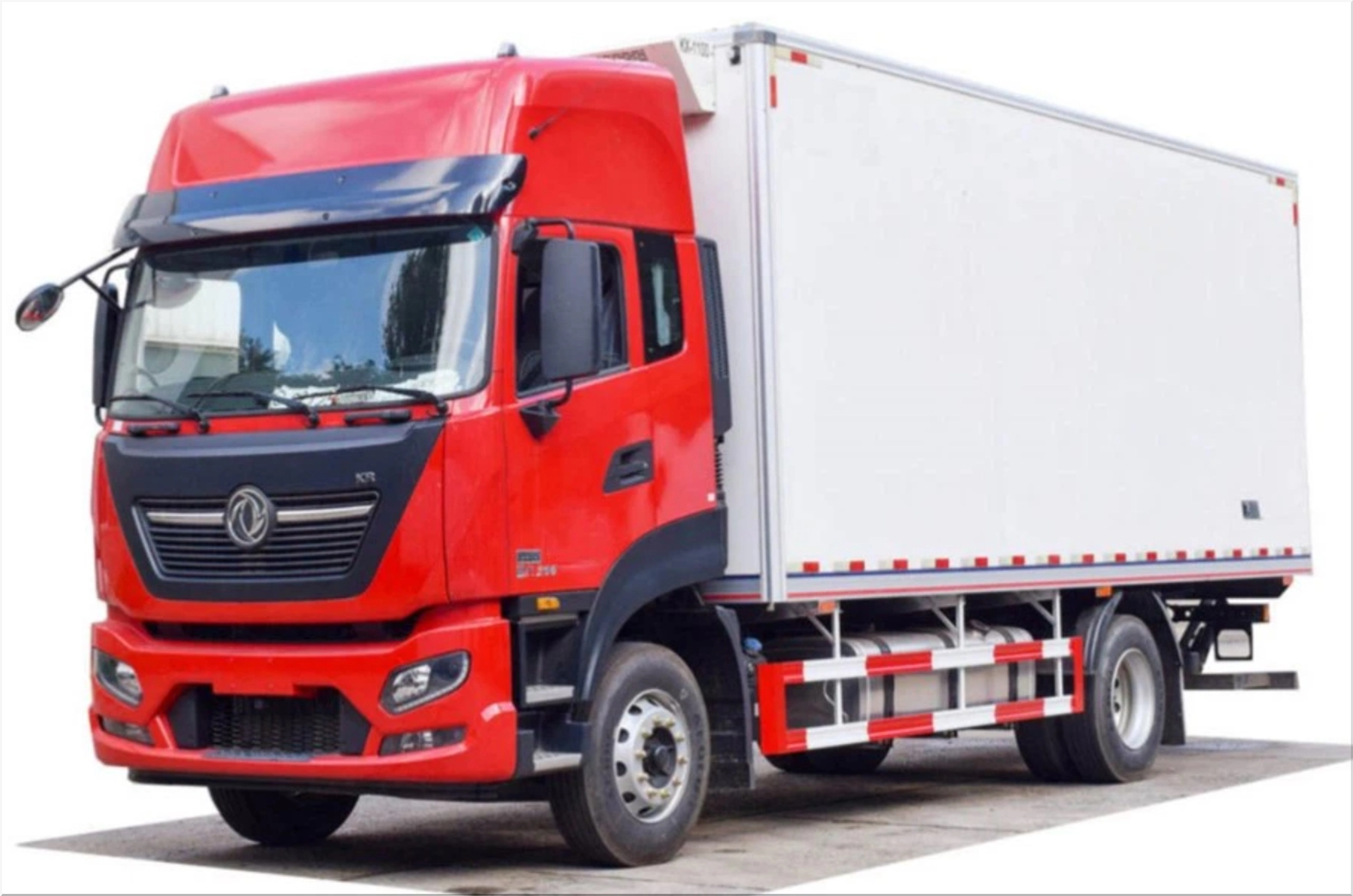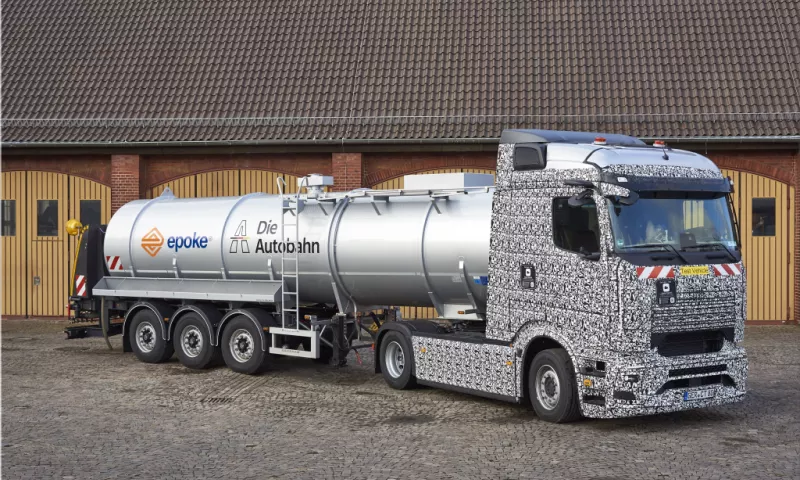
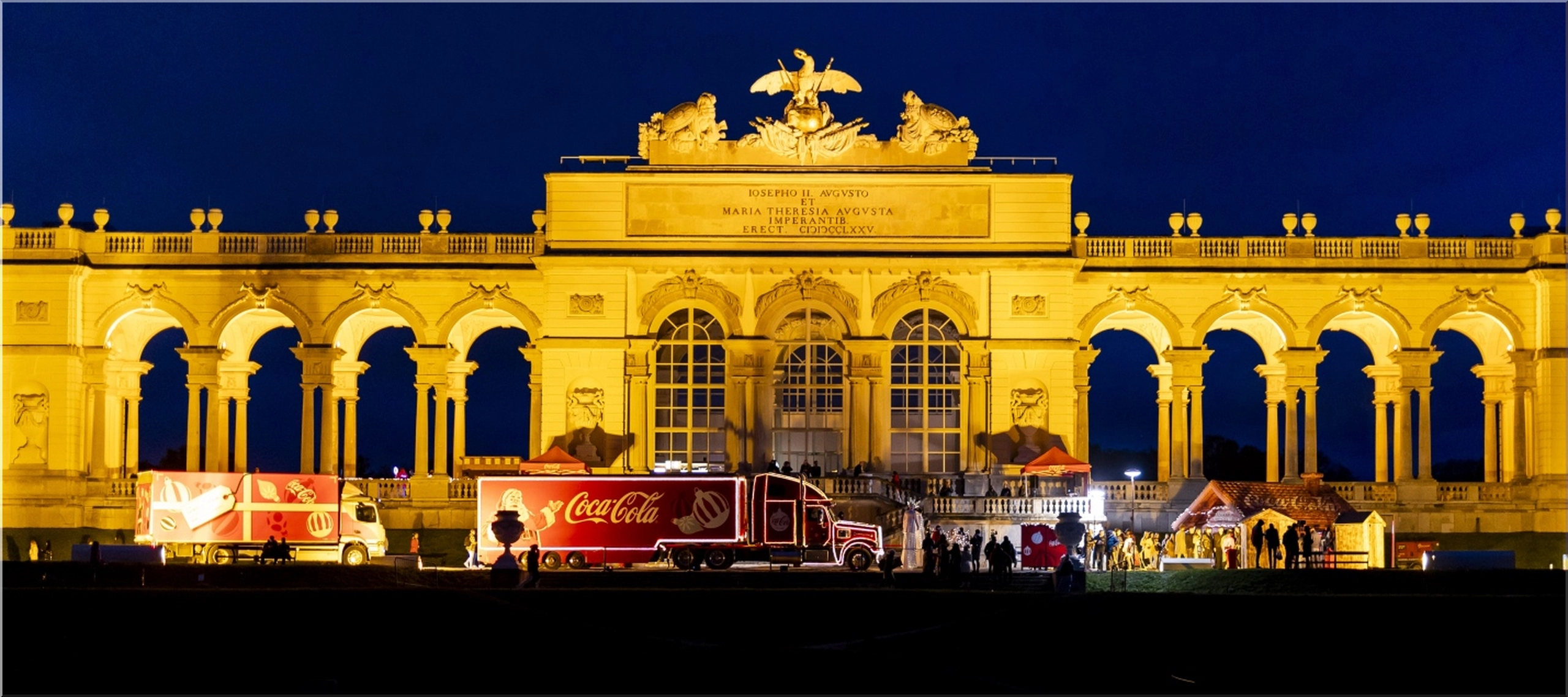
Coca-Cola is a global brand synonymous with happiness, celebration, and joy. But did you know that Coca-Cola is also committed to reducing its environmental impact and promoting sustainable transport? Now, you’ll discover how Coca-Cola partnered with Mercedes-Benz to use the eActros, an innovative electric truck, to deliver its products across Austria during the festive season.
What is the eActros?
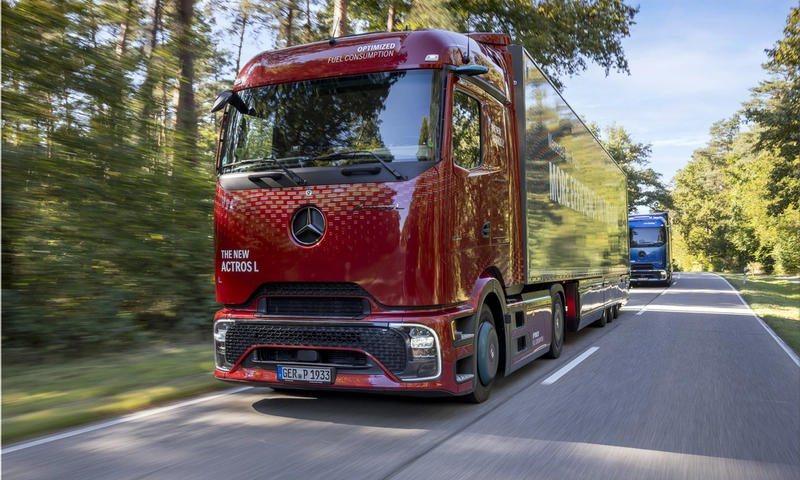
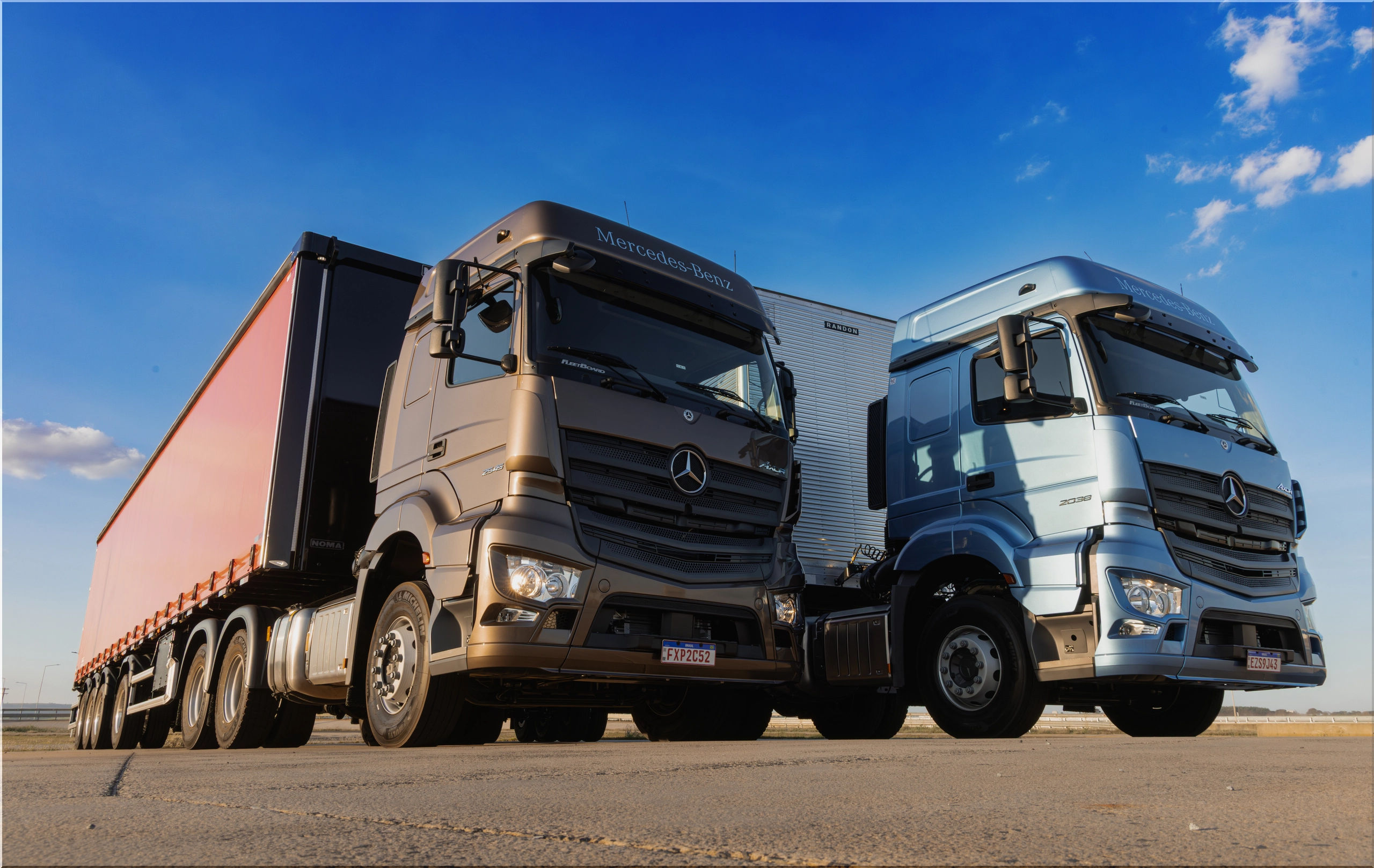
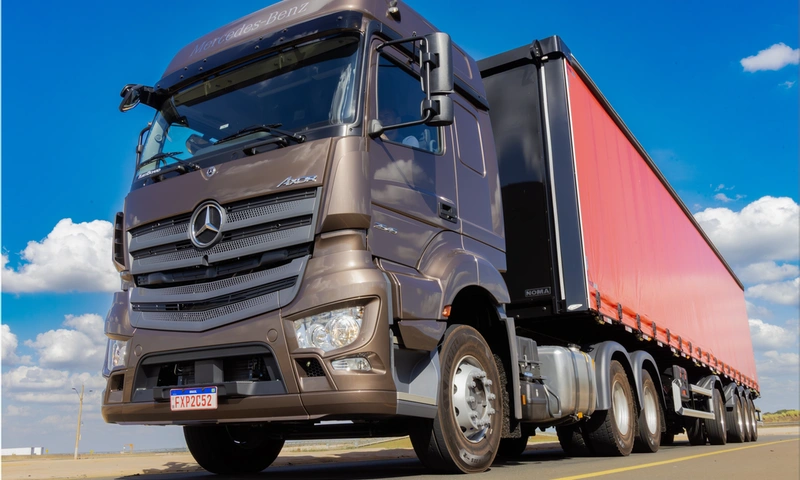
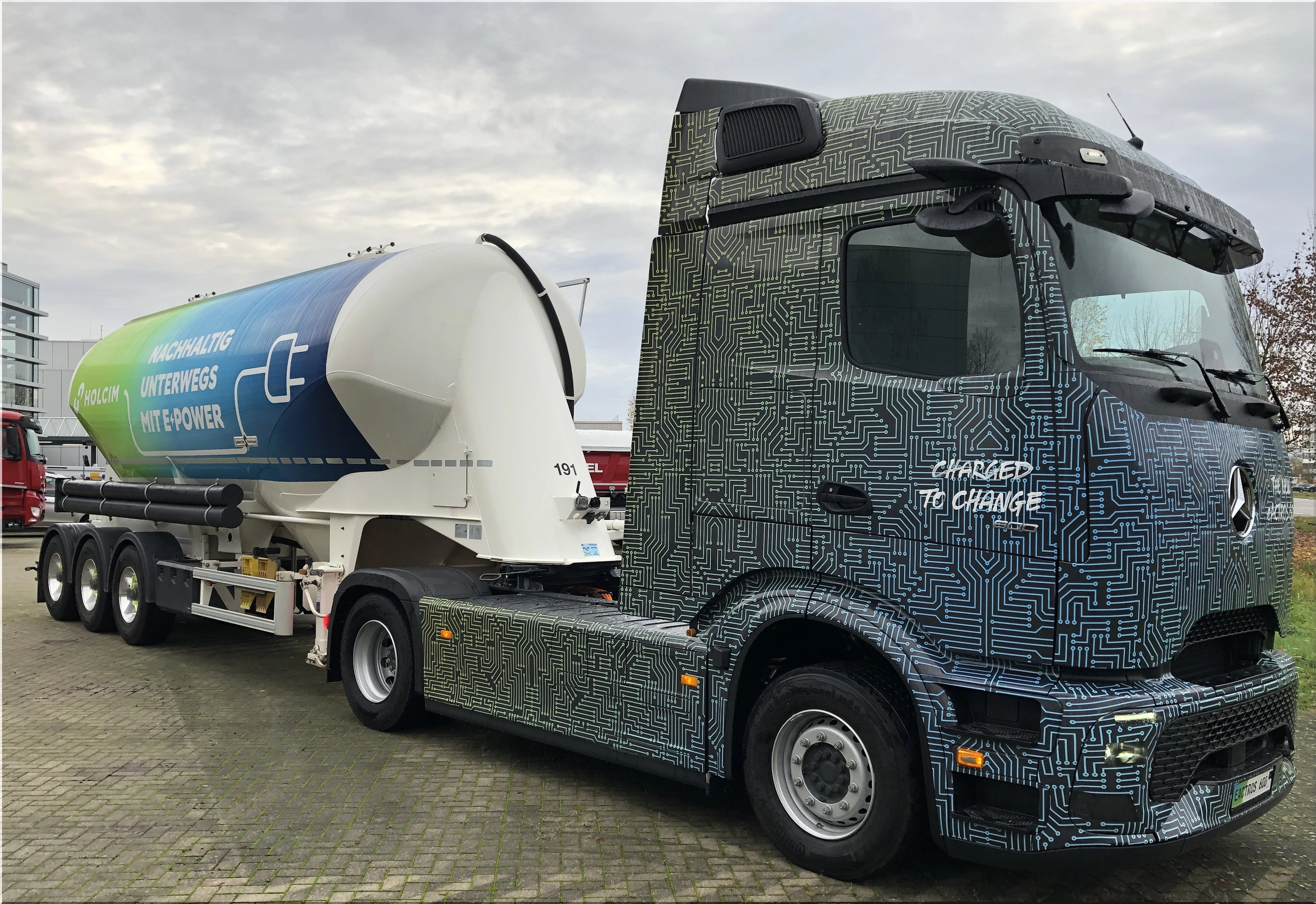
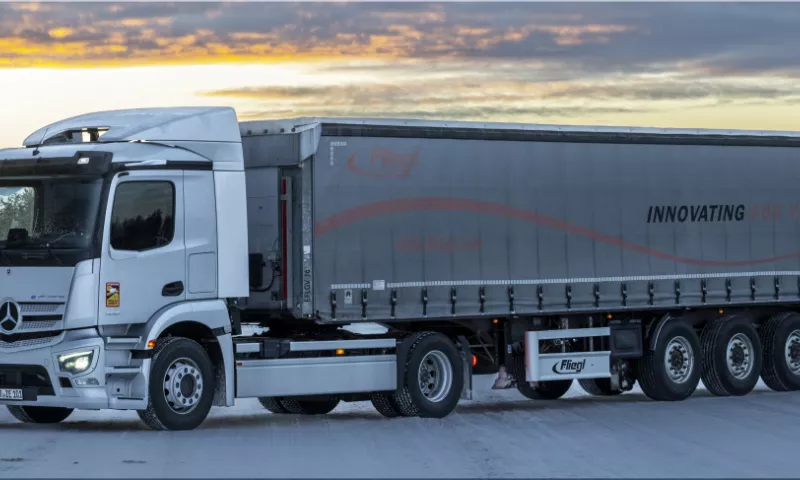
The Mercedes-Benz eActros is a heavy-duty truck that runs on electricity instead of diesel. It was developed by Mercedes-Benz, a leading manufacturer of commercial vehicles, as part of its vision to achieve carbon-neutral transport by 2039.
The eActros has a range of up to 200 kilometers (124 miles) on a single charge, depending on the load and the route. It can carry up to 18 tons of cargo and has a maximum speed of 85 kilometers per hour (53 miles per hour).
The Mercedes-Benz eActros is powered by two electric motors that are located close to the rear axle. The motors are connected to the wheels by a single-speed transmission. The electric power comes from lithium-ion batteries that are mounted on the frame of the vehicle. The batteries have a capacity of 240 kilowatt-hours and can be fully charged in about two hours.
The eActros also features many advanced technologies that enhance its performance, safety, and comfort. For example, it has a MirrorCam system that replaces the conventional rear-view mirrors with cameras and displays. It also has a Sideguard Assist system that warns the driver of moving objects in the blind spot. It has a Multimedia Cockpit that provides the driver with all the relevant information and controls on a digital dashboard.
Why did Coca-Cola choose the eActros?
Coca-Cola is one of the world’s largest beverage companies, with more than 500 brands and 1.9 billion servings per day. Coca-Cola is also one of the world’s largest consumers of road transport, with more than 100,000 trucks and vans in its fleet.
Coca-Cola has a long history of supporting environmental and social causes, such as water conservation, recycling, and community development. Coca-Cola also has a sustainability strategy that aims to reduce its greenhouse gas emissions by 25% by 2030, compared to 2015 levels.
One of the ways that Coca-Cola is pursuing its sustainability goals is by investing in alternative fuels and low-emission vehicles. Coca-Cola has been using natural gas, biodiesel, ethanol, and hybrid vehicles in some of its markets for years. Coca-Cola has also been testing electric vehicles, such as the eActros, in various countries, such as Germany, Switzerland, Belgium, and the Netherlands.
Coca-Cola decided to use the eActros in Austria for several reasons. First, Austria is a country that has a high share of renewable energy in its electricity mix, which makes electric vehicles more environmentally friendly. Second, Austria is a country that has a lot of mountainous terrain, which poses a challenge for electric vehicles. Third, Austria is a country that has a strong tradition of celebrating Christmas, which creates a high demand for Coca-Cola products.
How did Coca-Cola use the eActros?
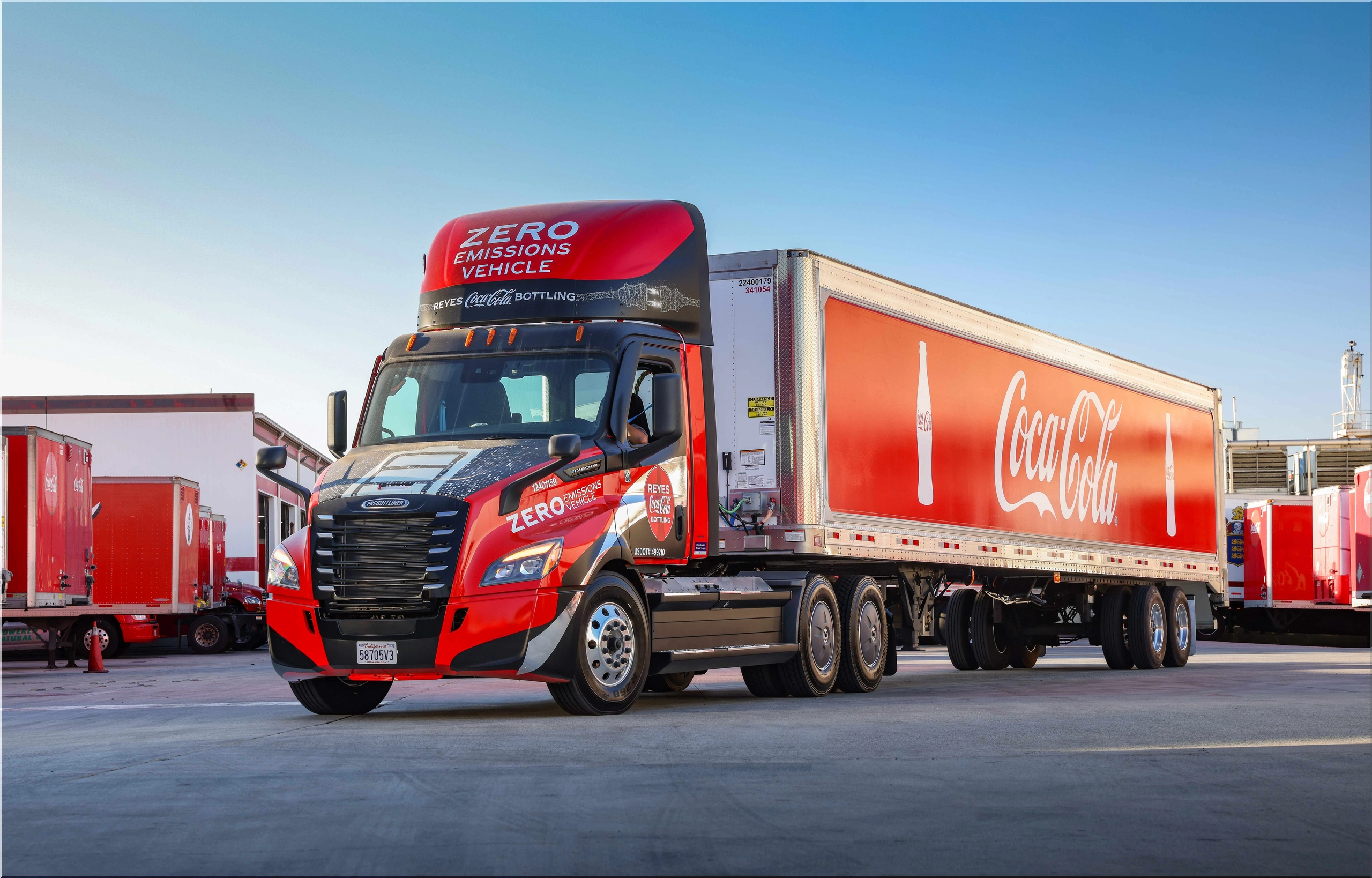
During the Christmas truck tour, Coca-Cola used the eActros electric truck to deliver its products to various locations in Austria. The Christmas truck tour is a popular event that has been organized by Coca-Cola since 1997. The tour involves a convoy of brightly decorated trucks that travel across different cities and towns, spreading festive cheer and giving out free drinks and gifts.
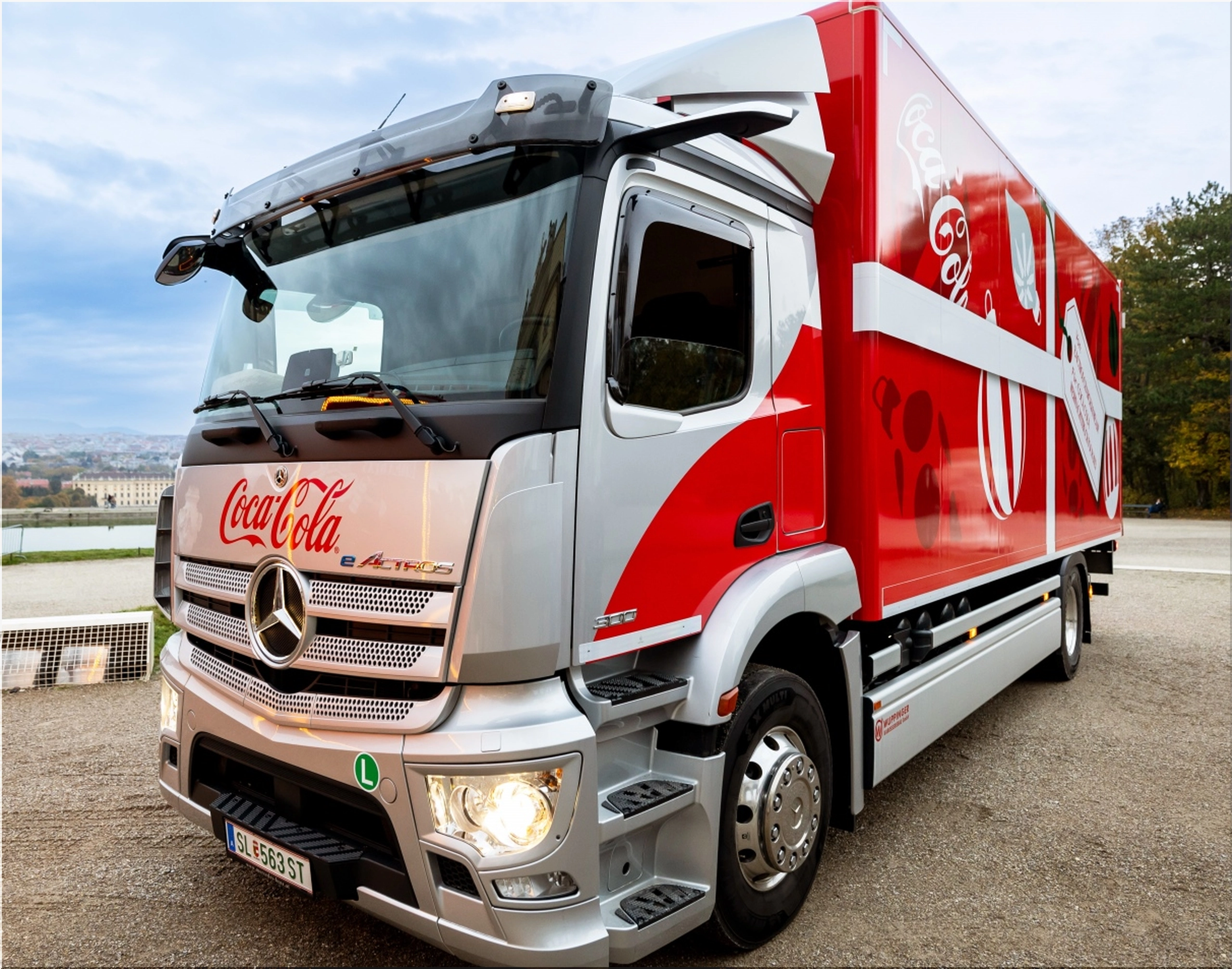
The eActros was part of the Christmas truck tour from November 15 to December 24, 2023. The eActros covered a total distance of about 2,800 kilometers (1,740 miles) and delivered about 36,000 crates of Coca-Cola products. The eActros was driven by two drivers who alternated every four hours. The eActros was charged at night at the Coca-Cola warehouse in Vienna, which was also loaded with the products.
The Mercedes-Benz eActros performed well during the Christmas truck tour despite the challenging weather and road conditions. The eActros did not encounter any technical issues or breakdowns. The eActros also received positive feedback from the drivers, who praised its smooth and quiet operation, spacious and comfortable cabin, and easy and intuitive handling.
The eActros also attracted a lot of attention and curiosity from the public, who were impressed by its futuristic design, zero-emission operation, and association with Coca-Cola. The eActros was featured in several media outlets, such as newspapers, TV channels, and social media platforms. The eActros also generated a lot of interest and inquiries from other potential customers, such as logistics companies, retailers, and municipalities.
What are the benefits of the eActros?
The eActros offers a number of benefits for both Coca-Cola and the environment. Some of the benefits are:
- Reduced emissions: The eActros does not emit any carbon dioxide, nitrogen oxides, or particulate matter, which are harmful to the climate and human health. The eActros also reduces noise pollution, improving the residents' and drivers' quality of life. According to Mercedes-Benz, the eActros can save up to 60 tons of carbon dioxide per year compared to a conventional diesel truck.
- Lower costs: The eActros has lower operating costs than a diesel truck due to its higher energy efficiency, lower maintenance needs, and cheaper electricity prices. The eActros also benefits from tax incentives and subsidies for electric vehicles in some countries. According to Mercedes-Benz, the eActros can save up to 20% of the total cost of ownership compared to a diesel truck.
- Improved image: The eActros enhances the image and reputation of Coca-Cola as a responsible and innovative company that cares about the environment and society. The eActros also helps Coca-Cola differentiate itself from its competitors and attract and retain customers who value sustainability and quality.
What are the challenges of the eActros?
The eActros also faces some challenges that must be overcome before it can become widely adopted. Some of the challenges are:
- Limited range: The eActros has a limited range of up to 200 kilometers (124 miles) on a single charge, which limits its suitability for long-distance transport. The range of the eActros also depends on the load, the route, the weather, and the driving style. The eActros needs to be recharged frequently, which requires access to charging stations and sufficient time.
- High price: The eActros has a high purchase price due to the high cost of the batteries and the electric motors. The eActros is currently about three times more expensive than a diesel truck, according to Mercedes-Benz. The eActros also has a high depreciation rate due to the rapid development and innovation of electric vehicle technology. The eActros needs to achieve economies of scale and technological breakthroughs to become more affordable and competitive.
- Lack of infrastructure: The eActros requires a reliable and adequate infrastructure to support its operation and maintenance. The eActros needs access to charging stations that can provide enough power and speed to recharge the batteries. The eActros also needs access to service centers that can provide specialized and qualified technicians and spare parts. The Mercedes-Benz eActros needs to have a coordinated and standardized infrastructure across different regions and countries to enable seamless and efficient transport.
Conclusion
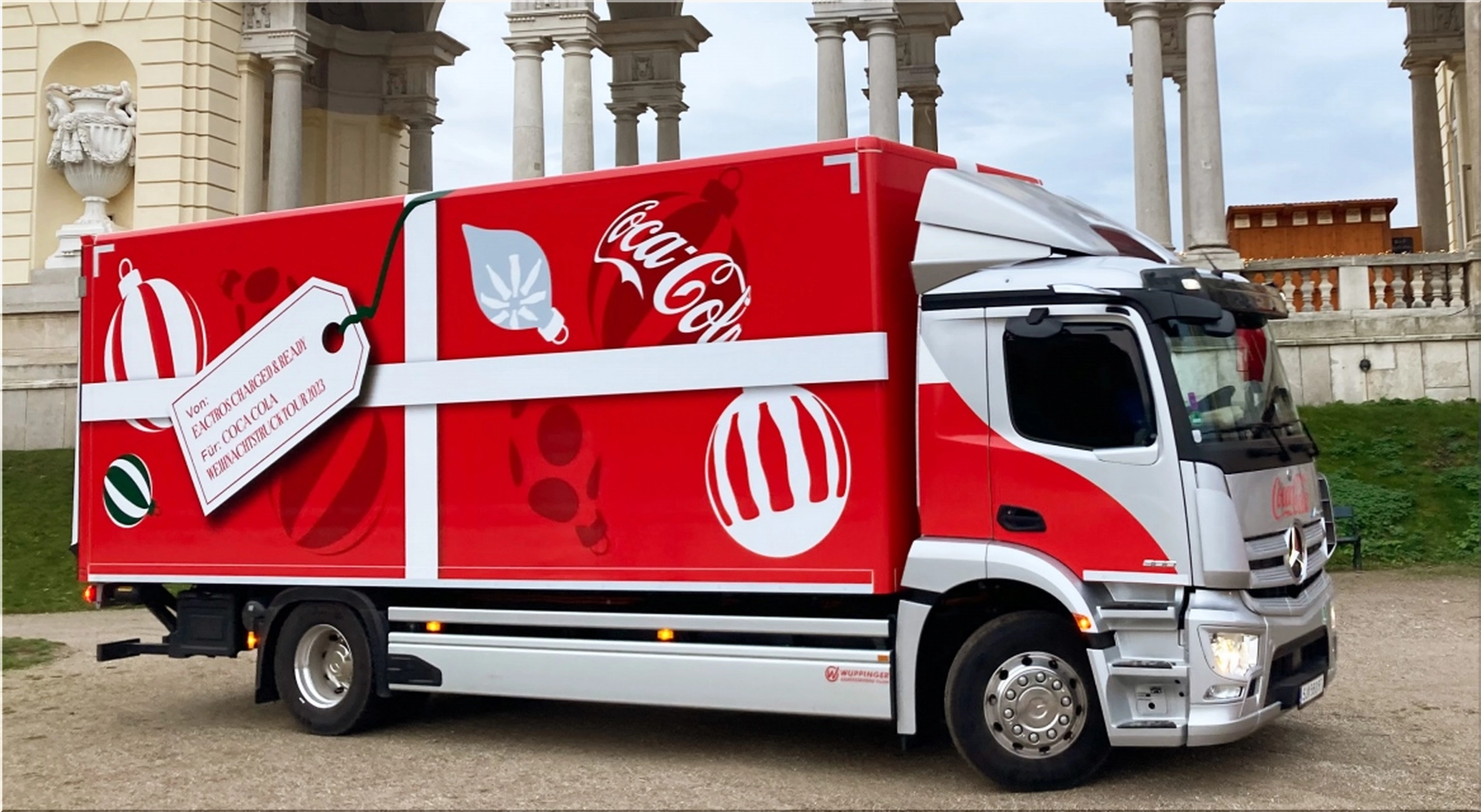
The Mercedes-Benz eActros is a revolutionary electric truck that offers a sustainable and cost-effective alternative to diesel trucks. The eActros was successfully used by Coca-Cola to deliver its products across Austria during the Christmas truck tour, demonstrating its performance, reliability, and appeal. The eActros also has some challenges that need to be addressed, such as its limited range, high price, and lack of infrastructure. The eActros is still in the testing and development phase, but it can potentially become a game-changer for the transport industry and the environment.
- Add new comment
- 167 views