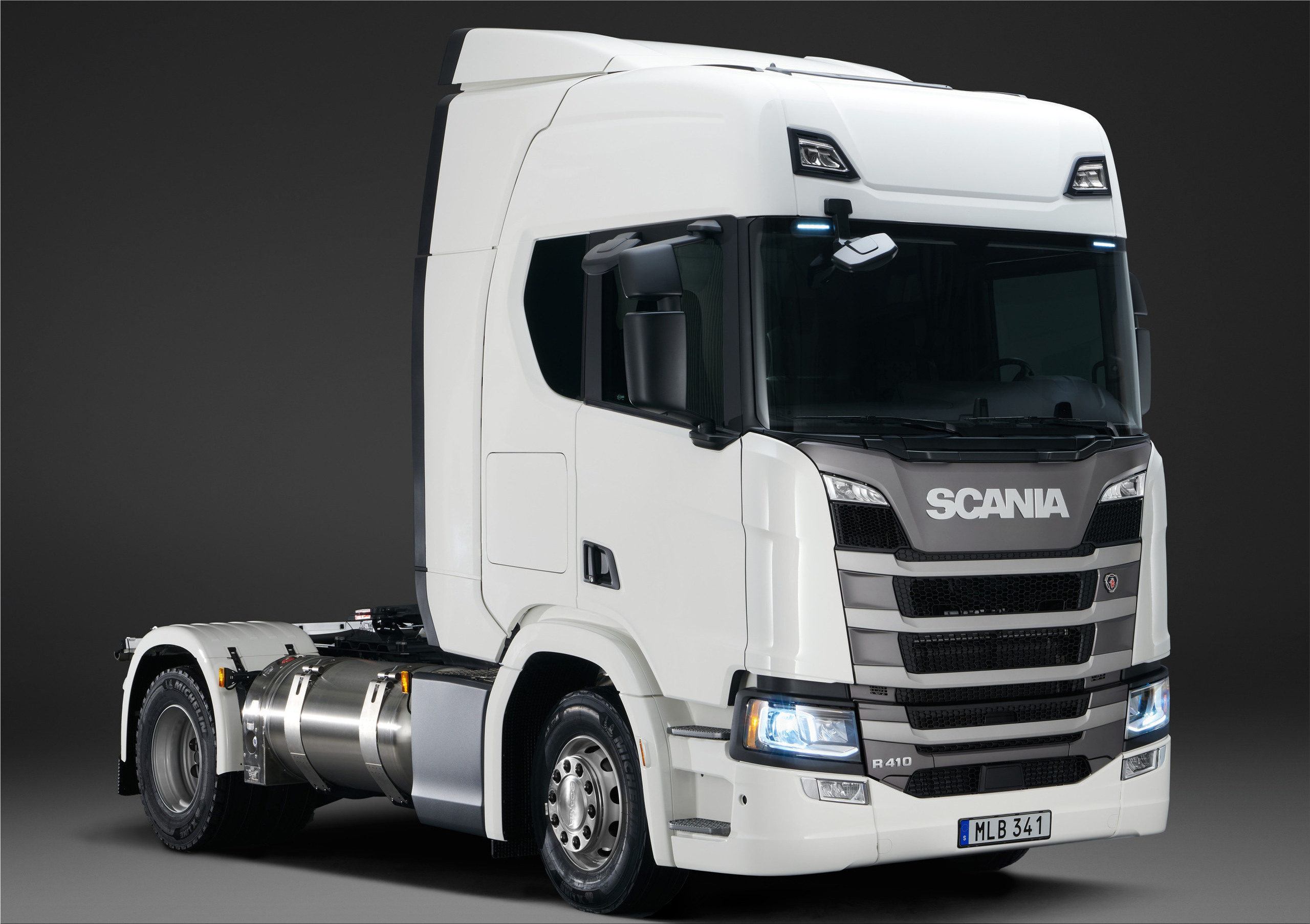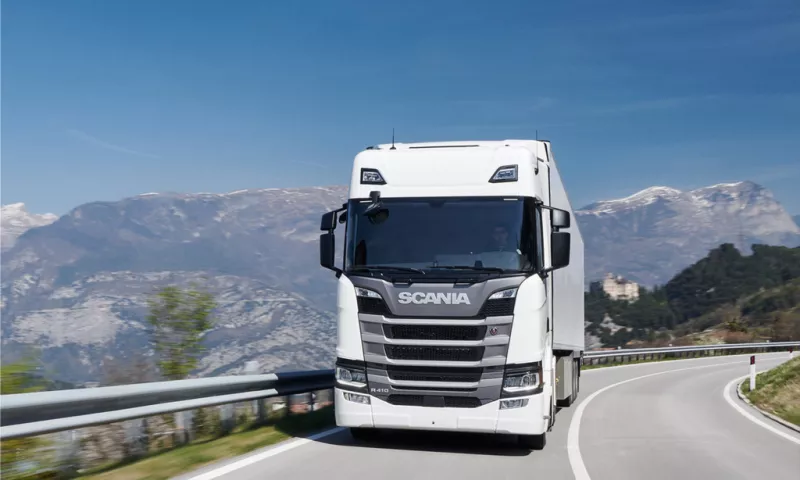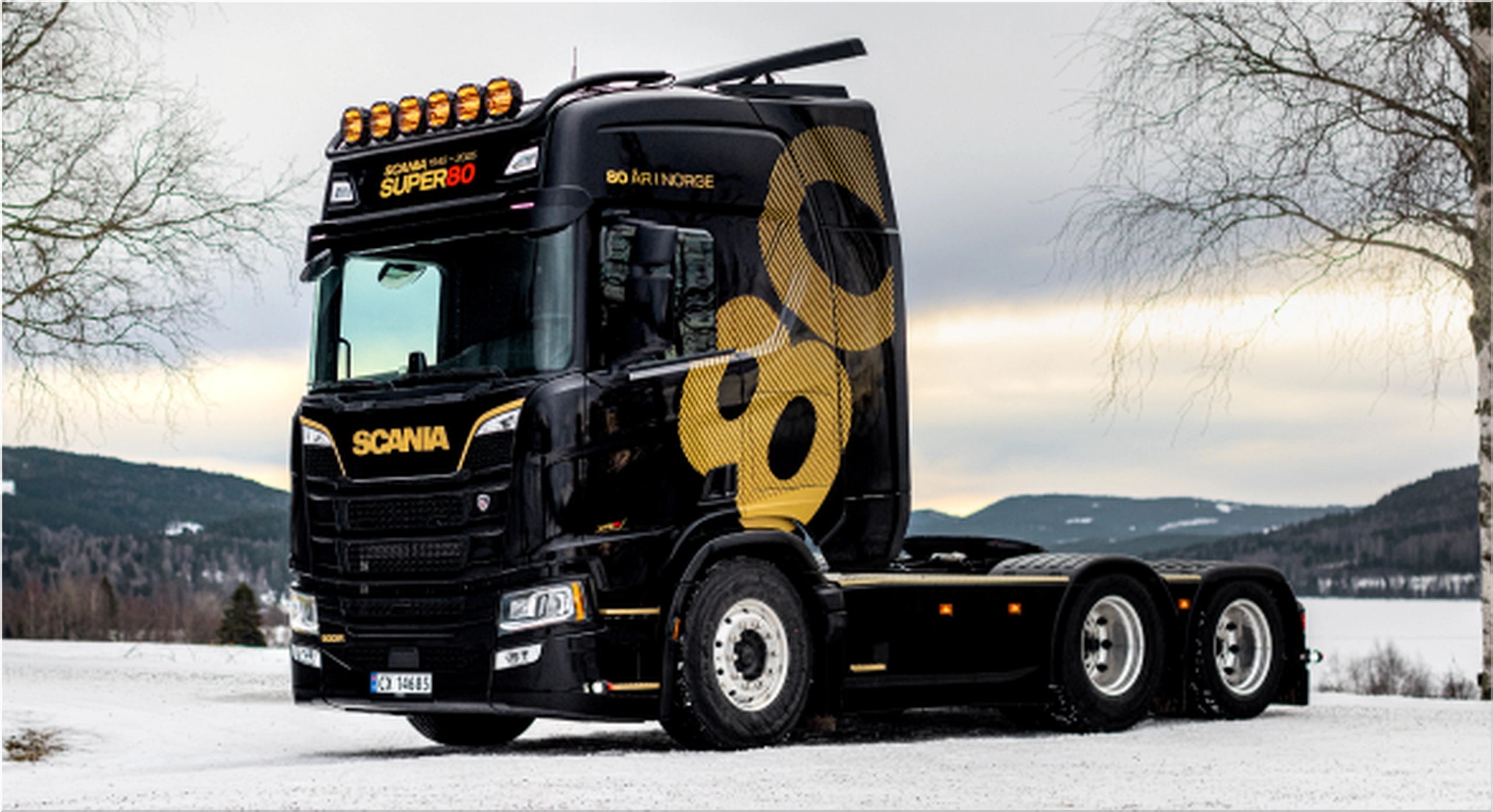

Overview: What Is the Scania Super 11?
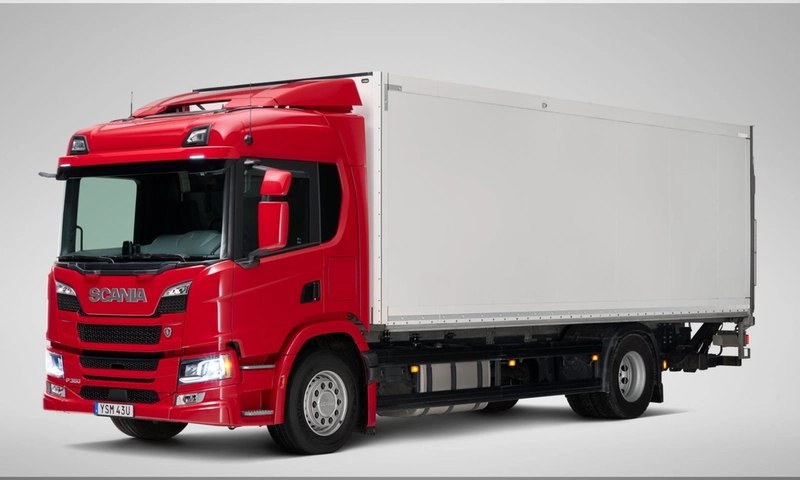
Scania has introduced the Super 11 engine, a new inline-six diesel engine targeting the core of heavy-duty, weight-sensitive transport. Positioned between Scania’s 9-liter and 13-liter offerings, the Super 11 promises reduced weight, lower fuel consumption, and longer maintenance intervals—all optimized for modern logistics demands.
Why the Super 11 Matters for Fleet Operators
The Super 11 engine addresses three core challenges in freight transport:
- Payload efficiency
- Fuel cost reduction
- Compliance with stricter emissions regulations
The engine is built on Scania’s modular Super powertrain platform, designed for high-volume logistics, tippers, and regional haulage operations.
Key Performance Metrics: Super 11 vs. Super 13
| Feature | Super 11 Engine | Super 13 Engine |
|---|---|---|
| Weight | 85 kg lighter | Heavier |
| Fuel Consumption | Up to 7% lower | Baseline |
| Horsepower Options | 350 / 390 / 430 hp | 420 – 560 hp range |
| Torque | Up to 2,200 Nm | Up to 2,800 Nm |
| Emissions Compliance | Euro 4, 5, 6 | Euro 6 |
Super 11 Variants and Specifications
Three engine configurations are available:
- 350 hp, 1,800 Nm torque
- 390 hp, 2,000 Nm torque
- 430 hp, 2,200 Nm torque
All meet Euro 6 standards and are also available for Euro 4 and Euro 5 markets.
Fuel Efficiency and Emission Control
- Fuel Savings: Delivers up to 7% lower fuel usage than Scania’s 9-liter engine.
- AdBlue Optimization: Uses Scania’s turbo dosing system for precise aftertreatment.
- Biofuel Ready: Supports HVO (all variants) and FAME biodiesel on 390 and 430 hp models.
Engineering Highlights: Designed for Fleet Uptime
The Super 11 introduces several technologies to extend maintenance intervals and improve driving comfort:
- Cam Phaser Technology
- Variable valve timing improves cold starts and lowers emissions.
- Variable Valve Brake (VVB)
- Adds 344 kW engine braking power.
- Reduces reliance on service brakes on downhill or heavy load conditions.
- Balanced Engine Block Design
- Inline-six layout with balance shafts for reduced vibrations.
- Improves driver comfort and long-haul operability.
- Longer Maintenance Intervals
- Up to 30% longer service gaps using Scania LDF-5 oil.
- Reduces time off-road and cuts service costs.
Payload Advantage: Less Engine, More Cargo
85 kg weight reduction versus the Super 13 engine enables higher cargo loads, especially valuable in:
- Bulk tipper operations
- Fuel and fluid logistics
- Waste and recycling transport
- Beverage and general goods deliveries
Every kilogram saved on the engine translates into more cargo potential without changing truck configuration.

Versatility Across Use Cases
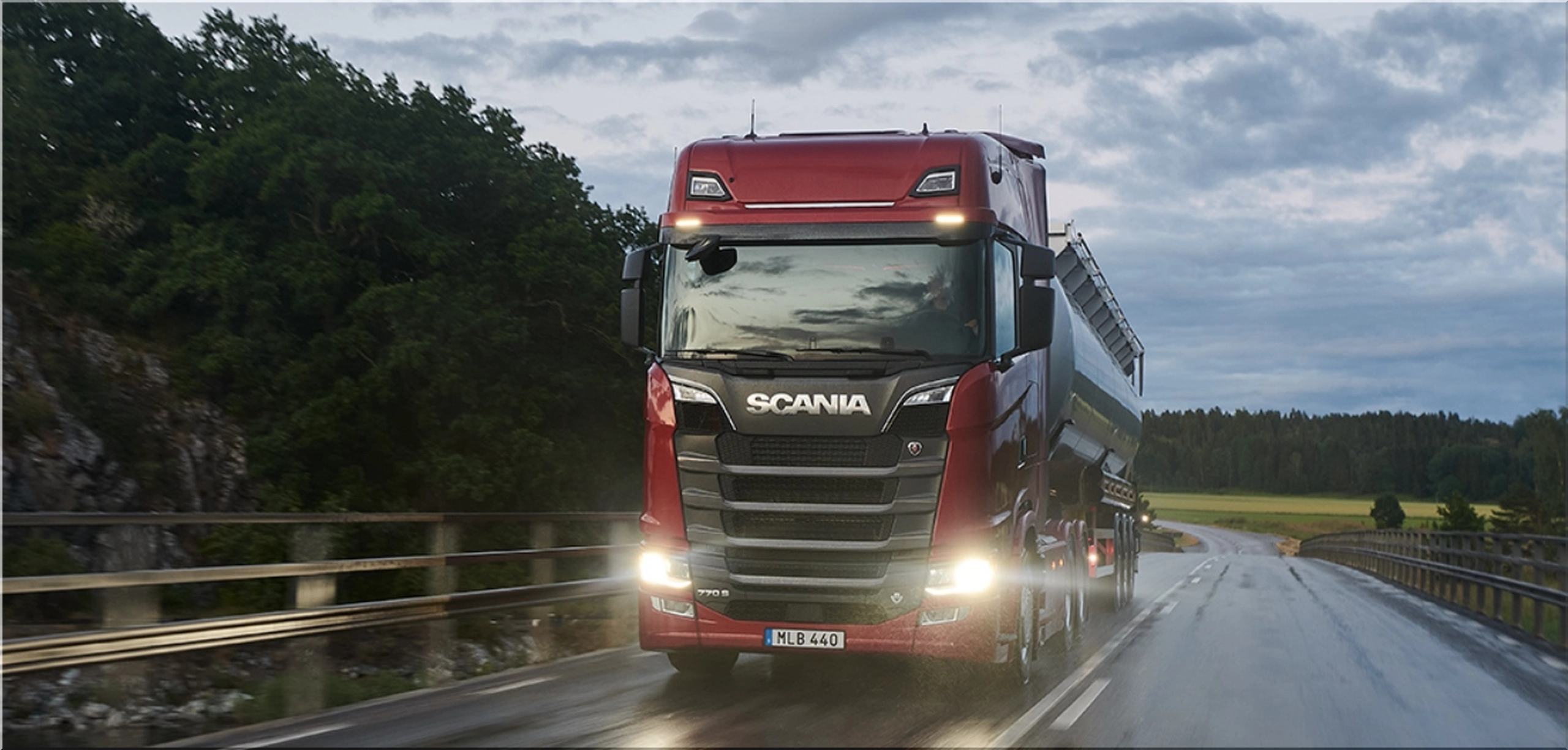
The Super 11 fits a wide range of applications:
- Urban and Regional Haulage
- Tanker and Bulk Material Transport
- Refuse Collection and Hooklift Vehicles
- Temperature-Controlled Transport
- Firefighting and Emergency Vehicles
Its compact size and light build allow easier integration across rigid and tractor platforms.
Target Customers and Use Cases
This engine is ideal for:
- Fleet operators seeking fuel and service cost reductions
- Transporters working under gross vehicle weight (GVW) constraints
- Fleets expanding into biofuel-compliant operations
- Municipal and utility services needing Euro 4–6 adaptability
Release Date and Availability
Scania begins offering the Super 11 from June 2025. Truck configurations using the new engine will roll out across European and select international markets in Q3.
Fleets can pre-configure vehicle orders starting Q2 2025 via authorized Scania dealers.
Conclusion: Scania Super 11 Is Built for Cost-Efficient Freight
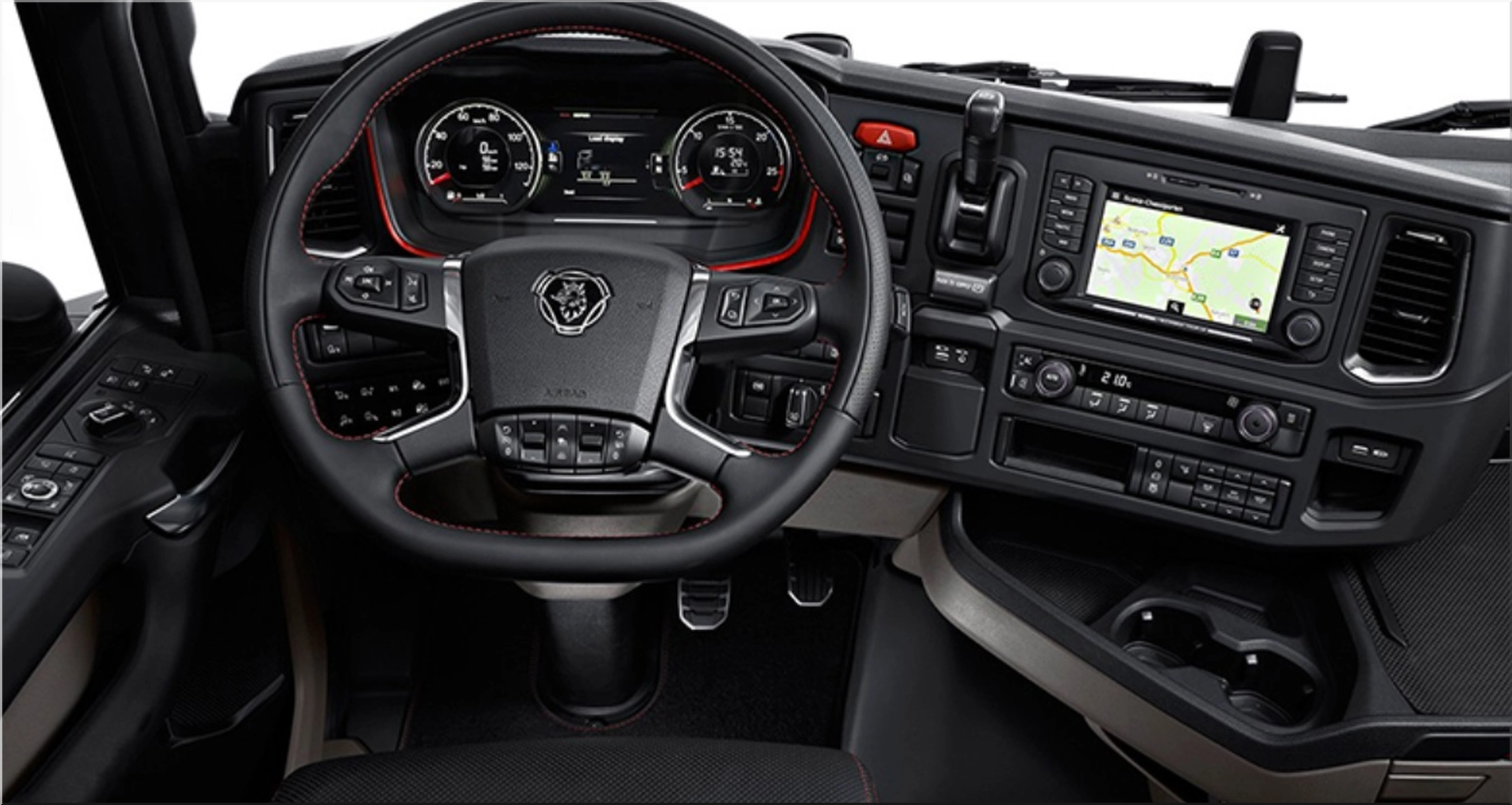
The Scania Super 11 is built to meet the core demands of modern transport operators:
- Lower fuel use
- Extended uptime
- Flexible compliance with global emission standards
- Weight advantage without compromising power
This engine is not experimental. It’s production-ready, tested under real-world loads, and engineered to minimize costs in every operational area.
- Add new comment
- 1429 views