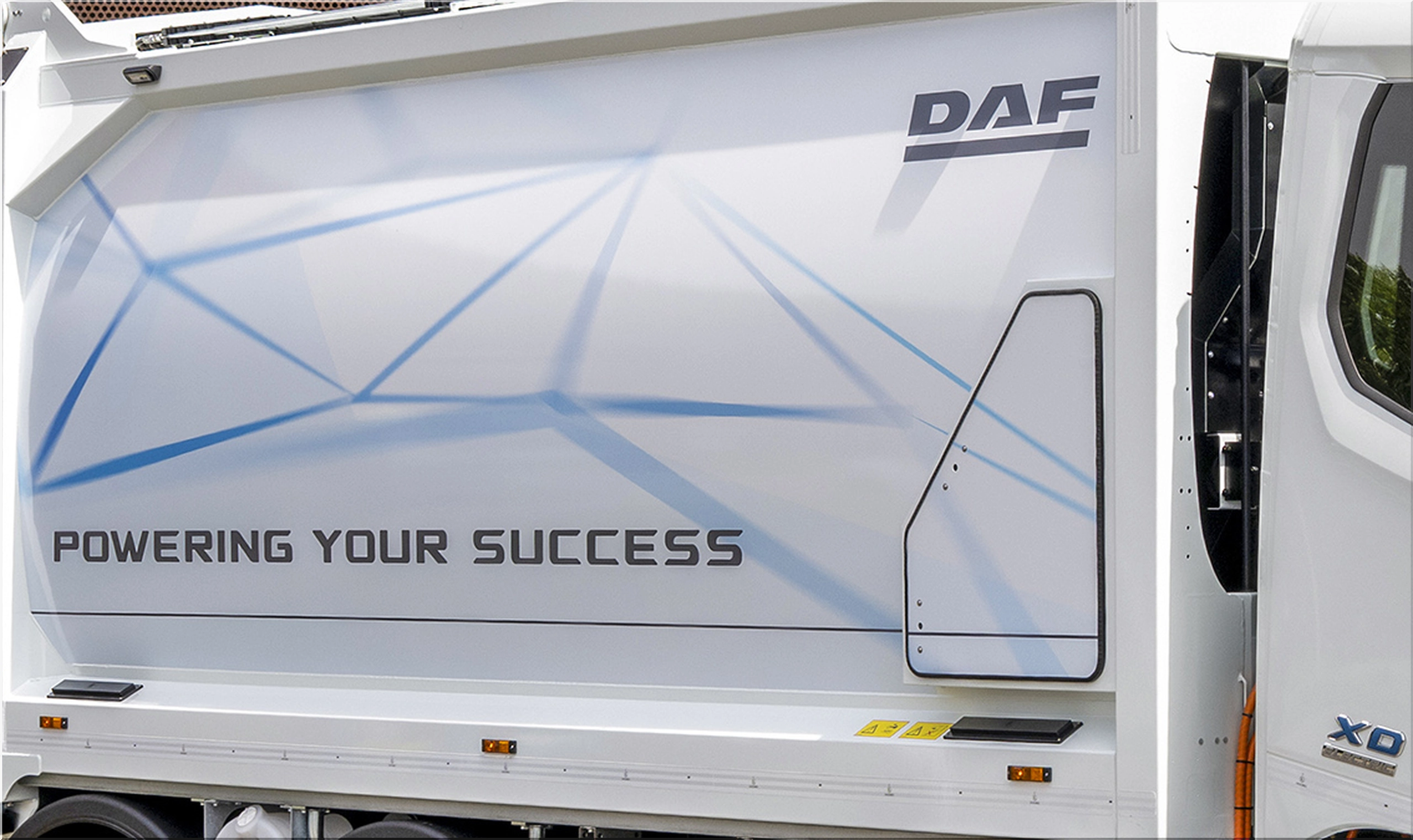
Amsterdam's shift to zero-emission waste collection
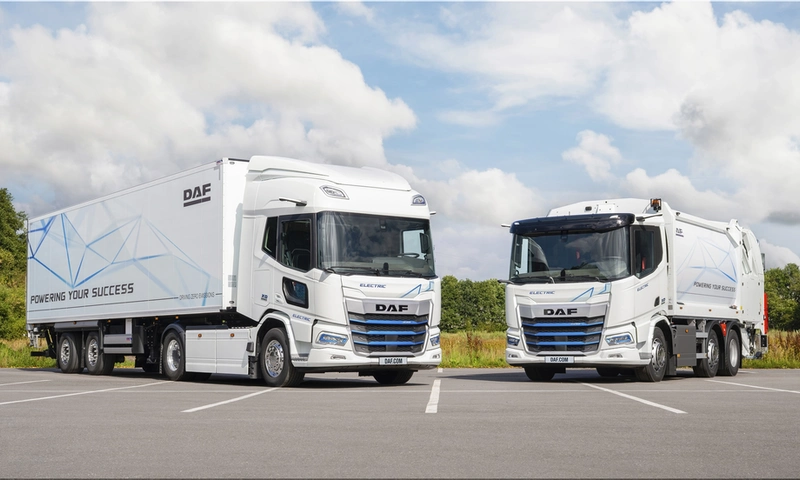
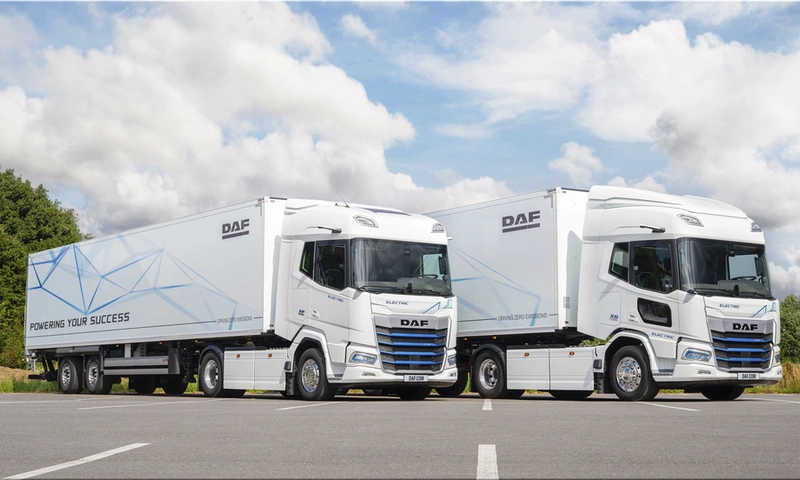
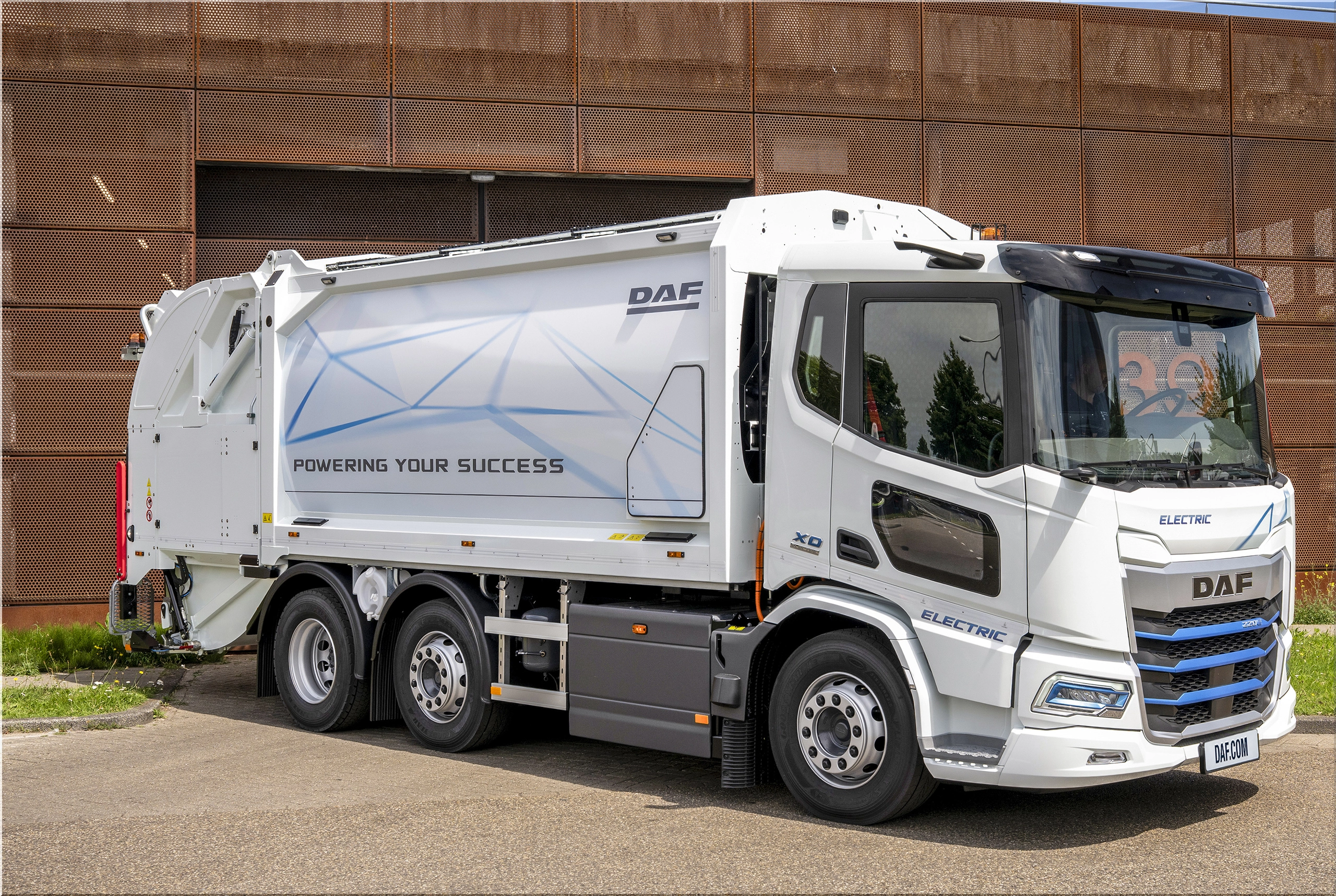
The City of Amsterdam has ordered 40 fully electric DAF XD trucks to collect household and office waste. Delivery begins in 2026. The move is part of Amsterdam's plan to cut CO2 emissions and improve air quality across the city.
The deal, made through DAF dealer Truckland and bodybuilder VDL-Translift, introduces electric trucks into one of Europe's busiest capitals.
Why Amsterdam chose DAF XD Electric
Amsterdam selected the DAF XD Electric for several practical reasons:
- Battery pack placement flexibility: DAF allows mounting in multiple chassis positions. This saves time and cost during bodywork installation.
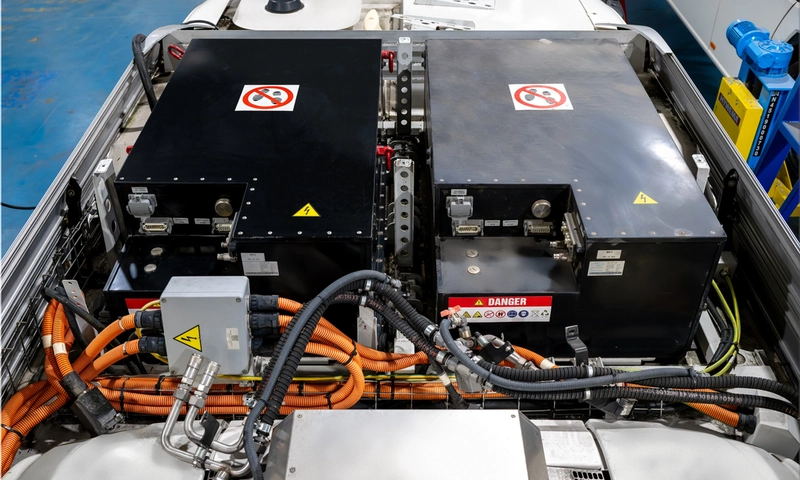
- LFP battery chemistry: The trucks use lithium iron phosphate (LFP) batteries, free of cobalt and nickel. They provide long lifespan, high safety, and consistent performance even after full charging cycles.
- Urban safety features: The trucks include large windscreens, low belt lines, and DAF Corner View cameras. These give drivers better visibility of cyclists, pedestrians, and children.
Battery capacity and power output
Each DAF XD Electric truck for Amsterdam will carry three LFP battery packs, with 105 kWh per pack. This equals 315 kWh total capacity.
- Motors: 170 kW or 220 kW output
- ePTO: 90 kW electric power take-off to operate cranes and bodywork
- Maximum capacity: Up to five packs (525 kWh), though Amsterdam’s trucks will use three
This setup provides enough range and energy for daily urban waste collection without diesel backup.
Battery details
| Feature | Specification |
|---|---|
| Battery type | LFP (Lithium Iron Phosphate) |
| Packs per vehicle | 3 (expandable to 5) |
| Capacity per pack | 105 kWh |
| Total installed capacity | 315 kWh |
| Motor options | 170 kW / 220 kW |
| ePTO output | 90 kW |
Four bodywork configurations
The new fleet will include four different bodywork types:
- 13 rear-end loaders
- 10 crane and hook lift vehicles
- 17 front loaders
This mix allows Amsterdam to collect nearly all waste streams, from household bins to large office containers, using only electric vehicles.
Designed for city operations
Amsterdam’s choice reflects how trucks are adapting to dense urban environments.
Key design advantages:
- Low entry step with two ergonomically placed steps for faster access.
- Cab seating for up to three, useful for waste collection crews.
- High visibility cab that reduces accidents with vulnerable road users.

Cost efficiency through design
The DAF XD Electric’s bodybuilder-friendly layout lowers operating costs. By positioning battery packs flexibly, DAF reduces modifications for different waste collection systems. This keeps integration costs down and increases truck uptime.
Expected impact on Amsterdam
The fleet of 40 trucks will support Amsterdam’s goal of cutting urban emissions. Roland Heijnen, Director of Waste and Resources, said the city has full confidence in electric trucks as part of its sustainability plan.
The city expects the trucks to:
- Lower CO2 emissions
- Improve air quality for residents
- Reduce noise pollution in dense neighborhoods
Broader context: Electric trucks in Europe
European cities are under pressure to adopt zero-emission zones. From 2025, many Dutch cities will restrict diesel trucks in urban areas. Amsterdam’s adoption of electric waste trucks is a step ahead of regulations.
Other European capitals are testing electric fleets, but Amsterdam’s order is among the largest dedicated to municipal waste collection.
Looking ahead
By 2026, Amsterdam will run waste operations using fully electric heavy-duty trucks. If successful, the city may expand electrification to other municipal fleets.
The decision demonstrates how commercial EV adoption is now driven by regulatory pressure, cost efficiency, and urban safety needs, not just environmental goals.
- Add new comment
- 371 views