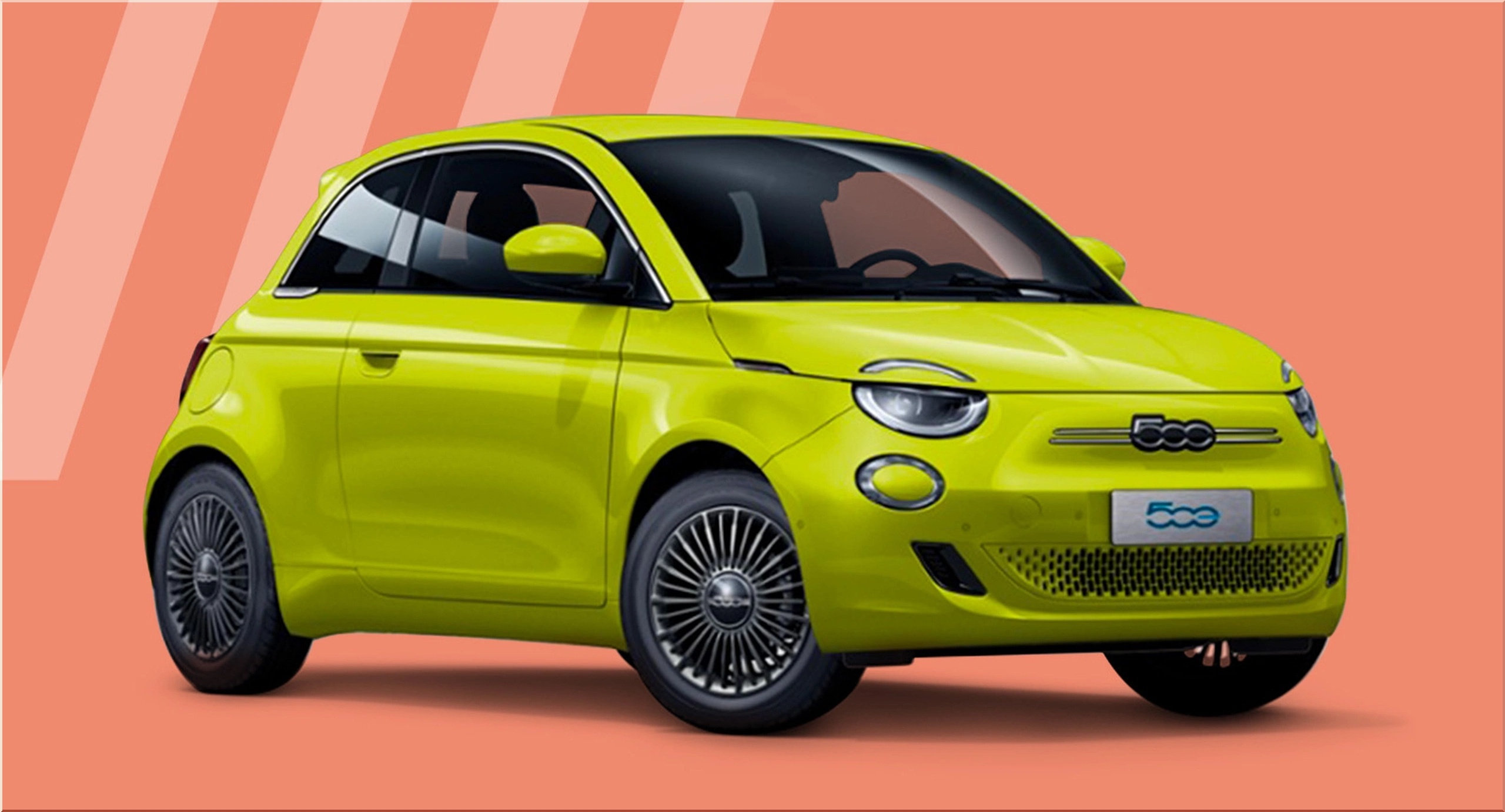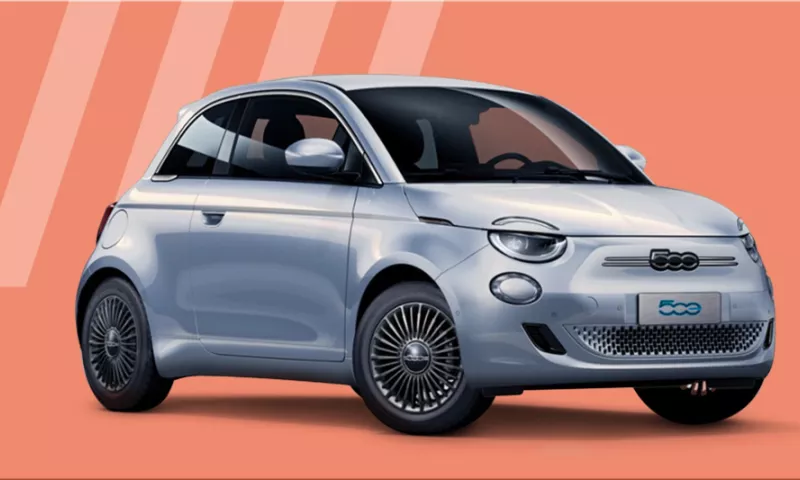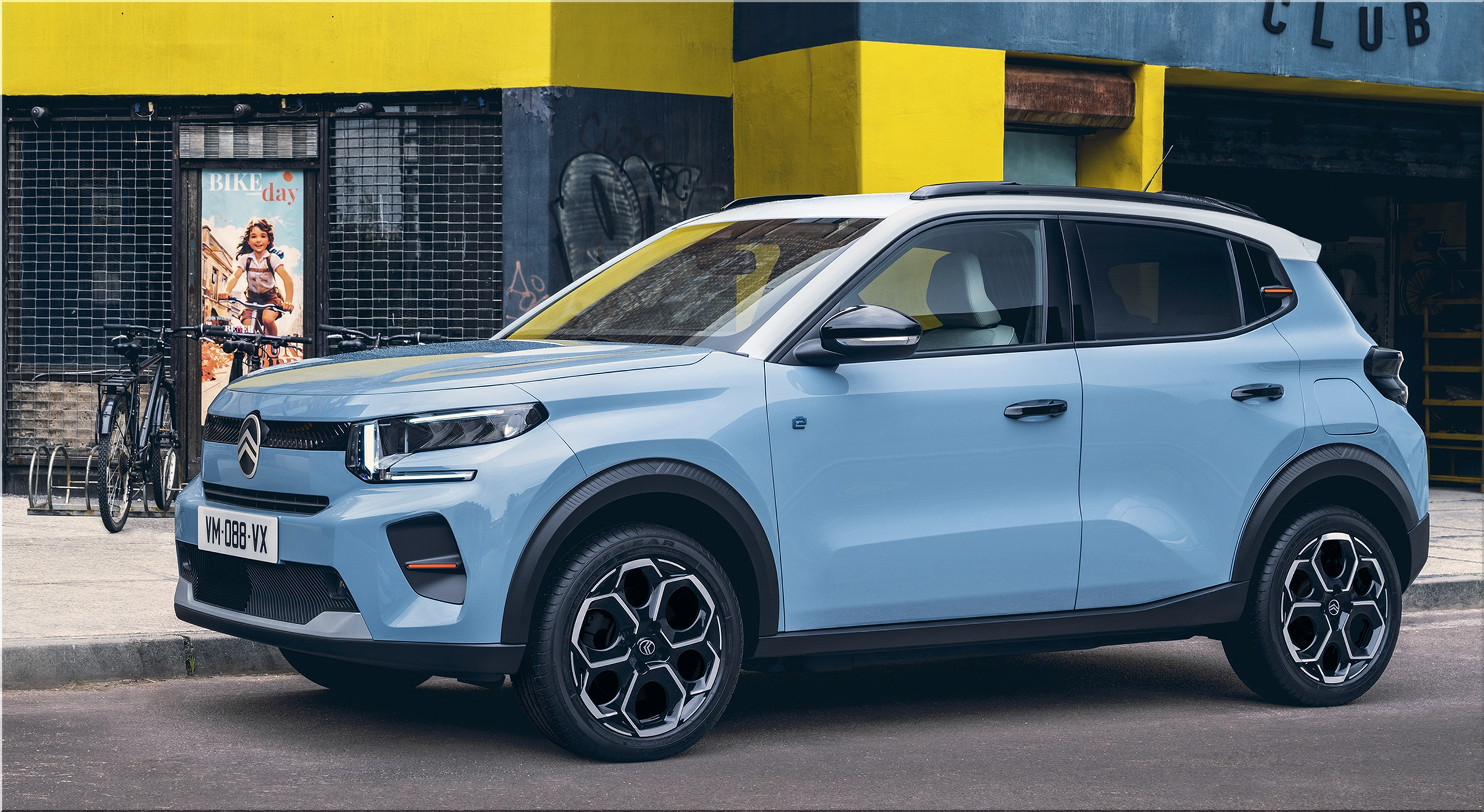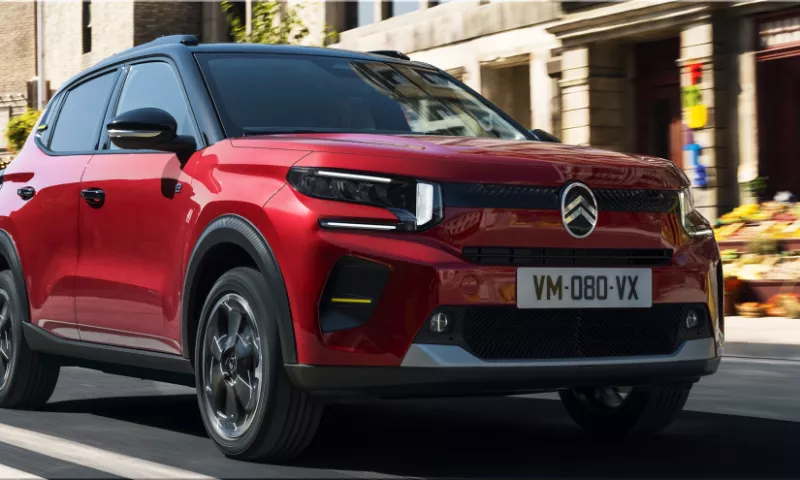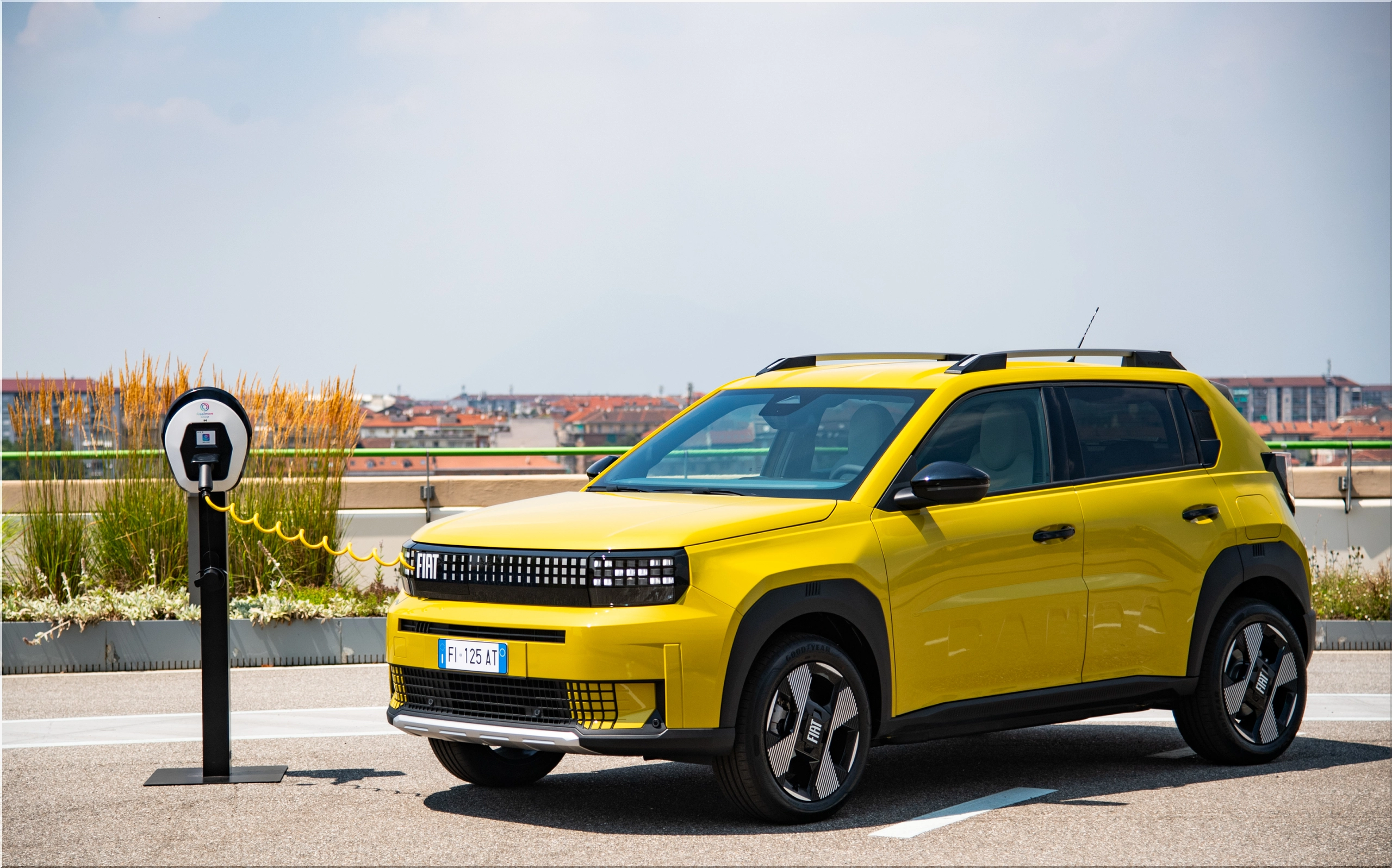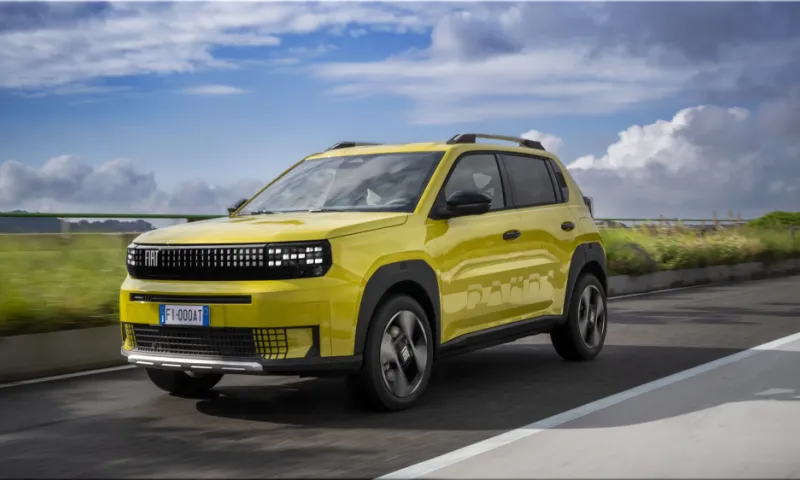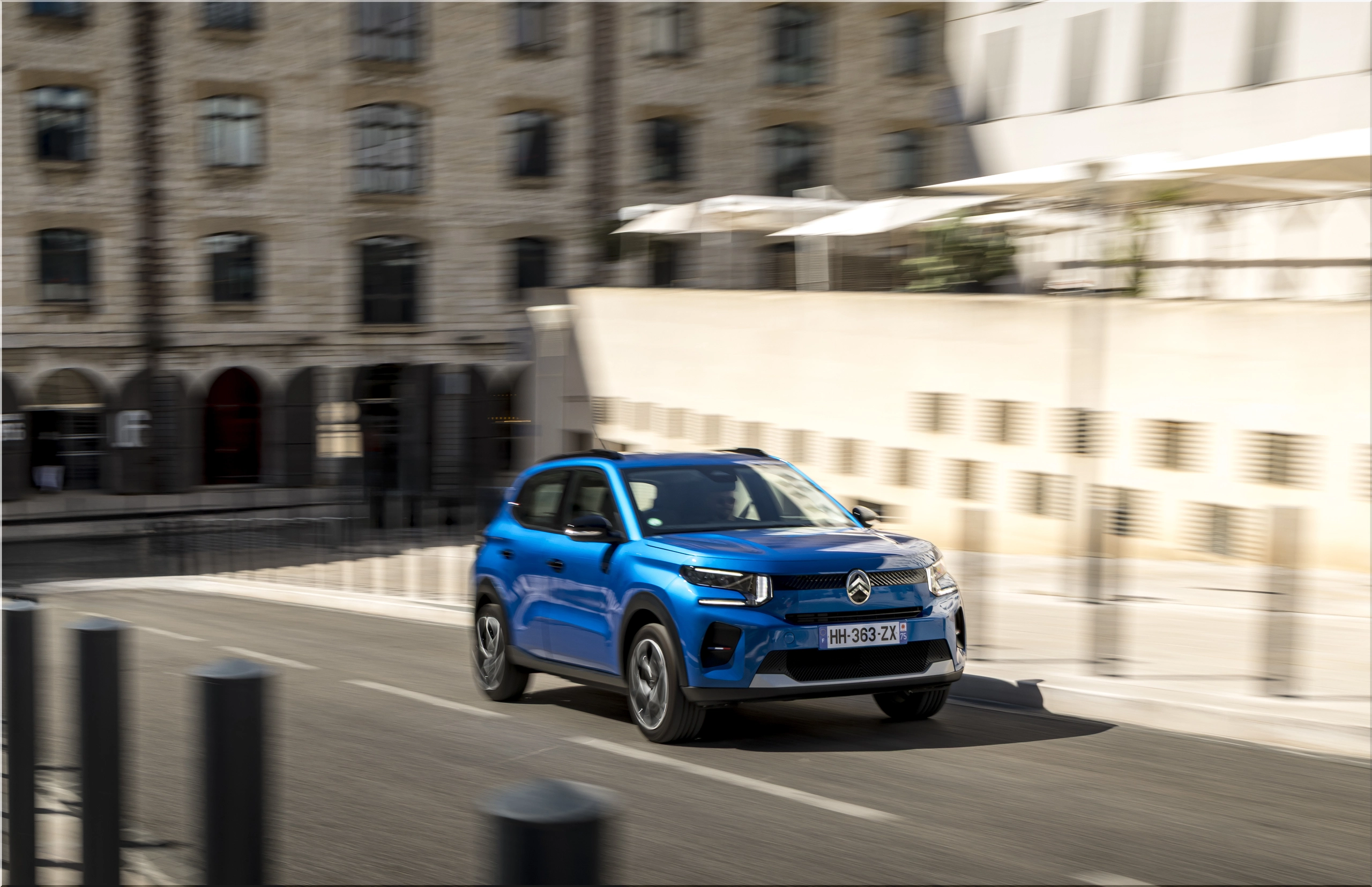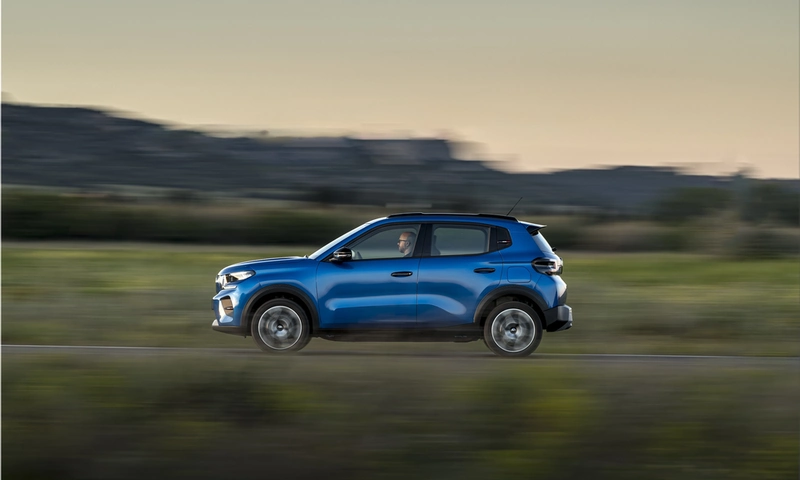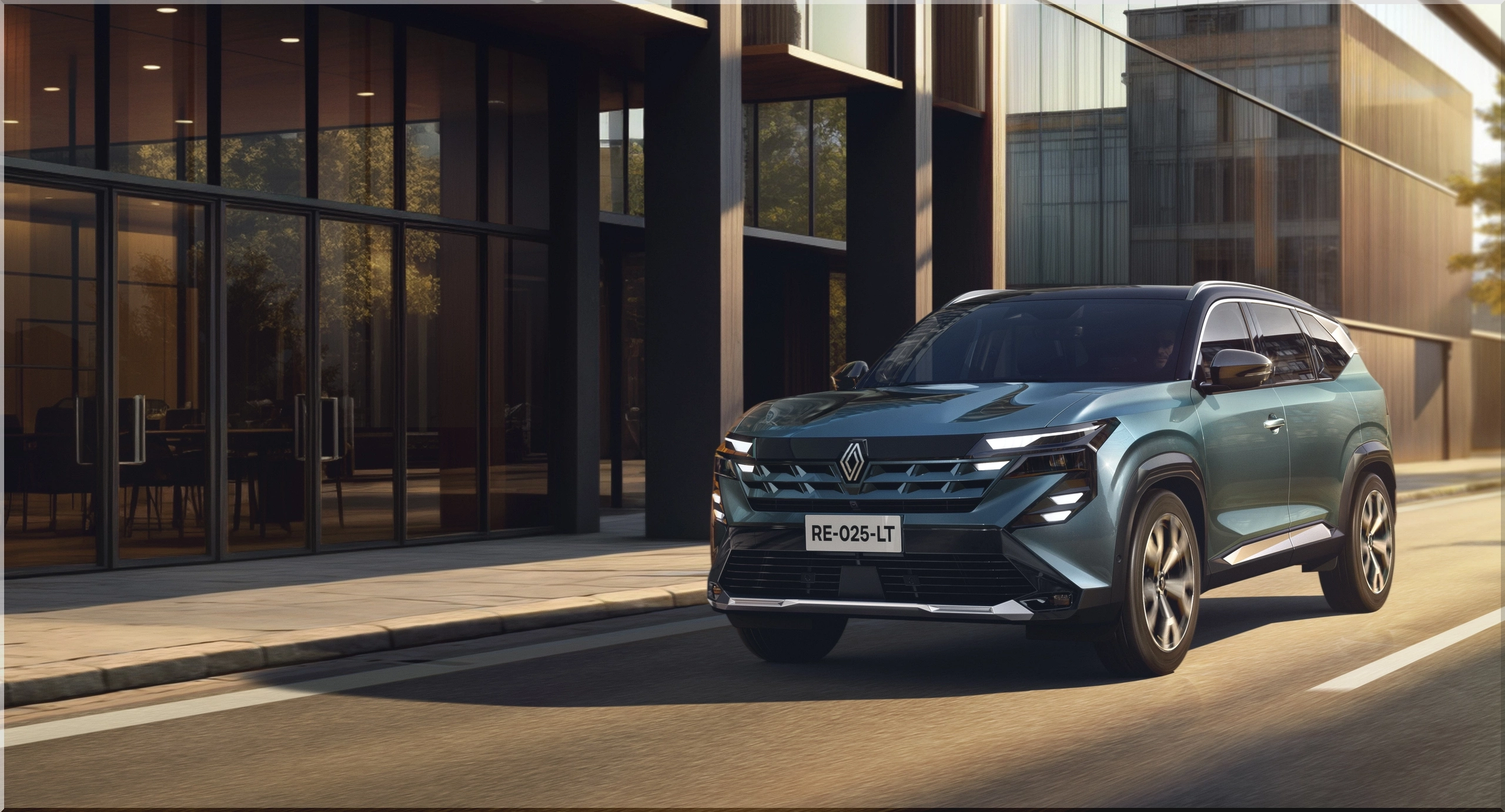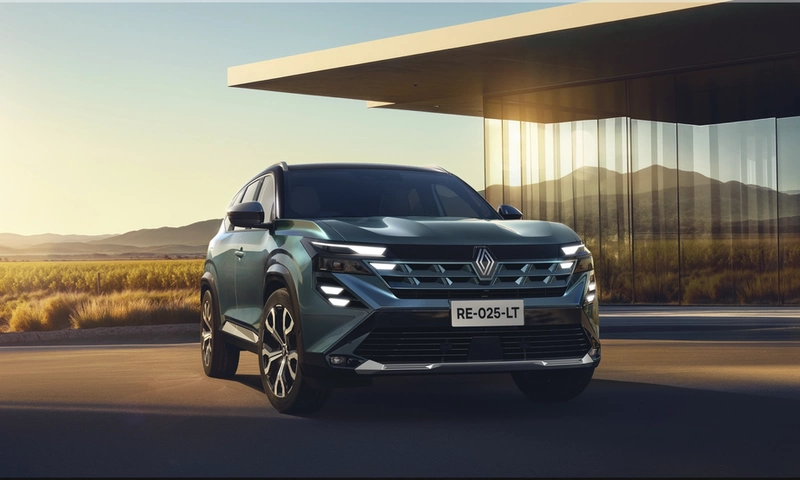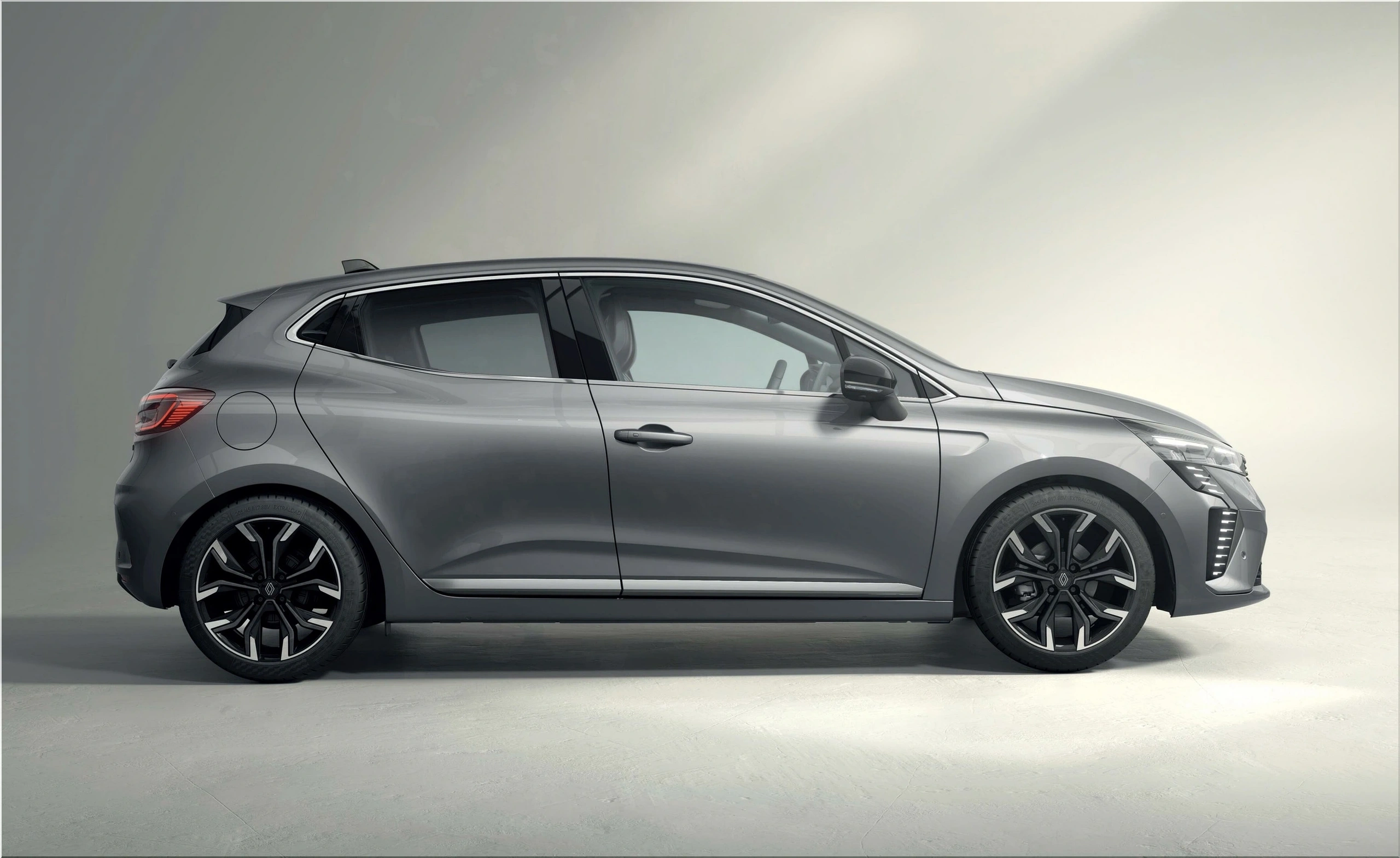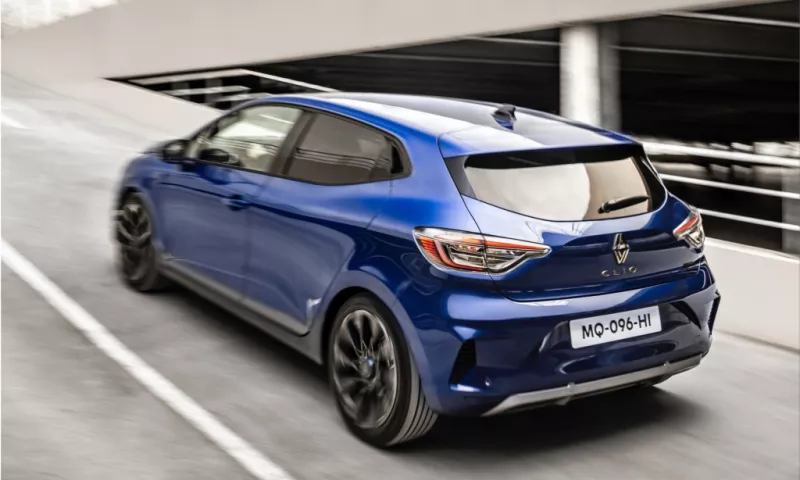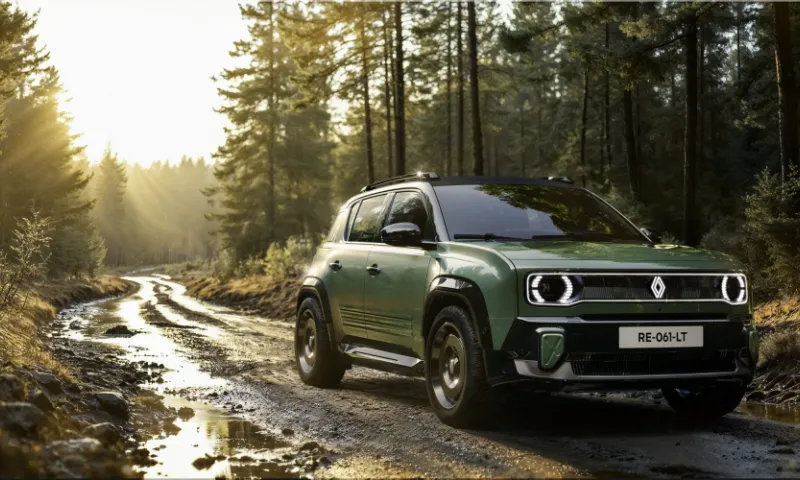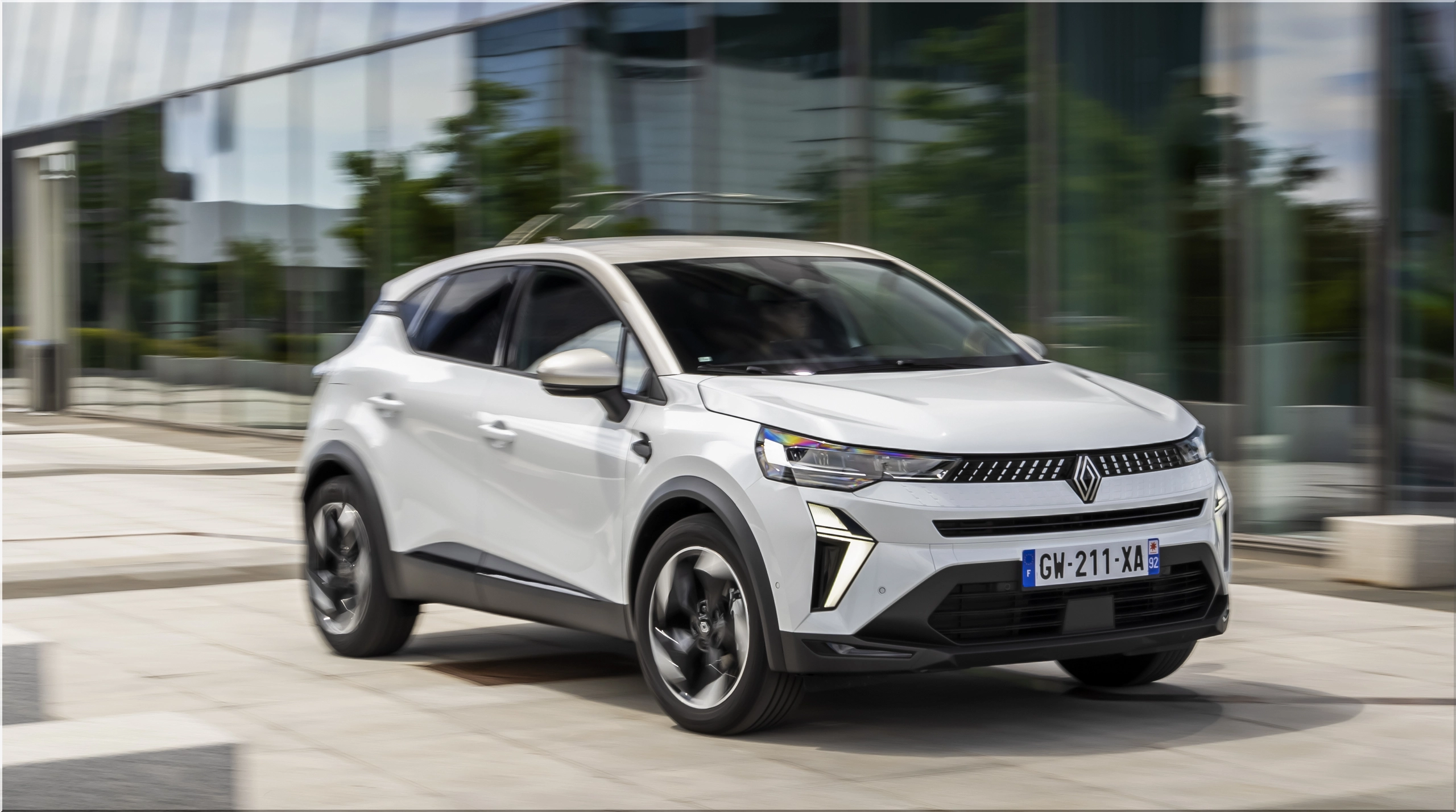
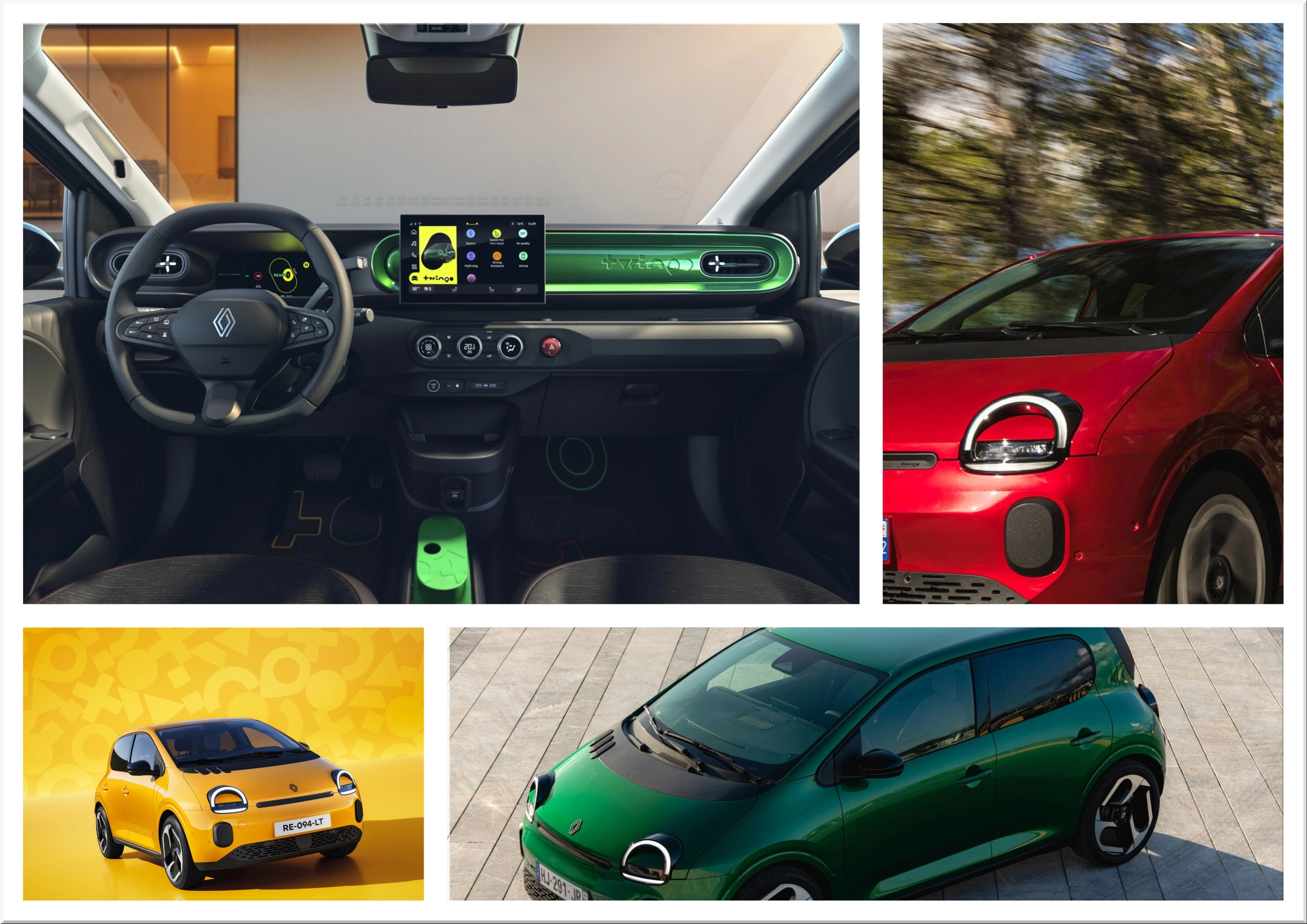
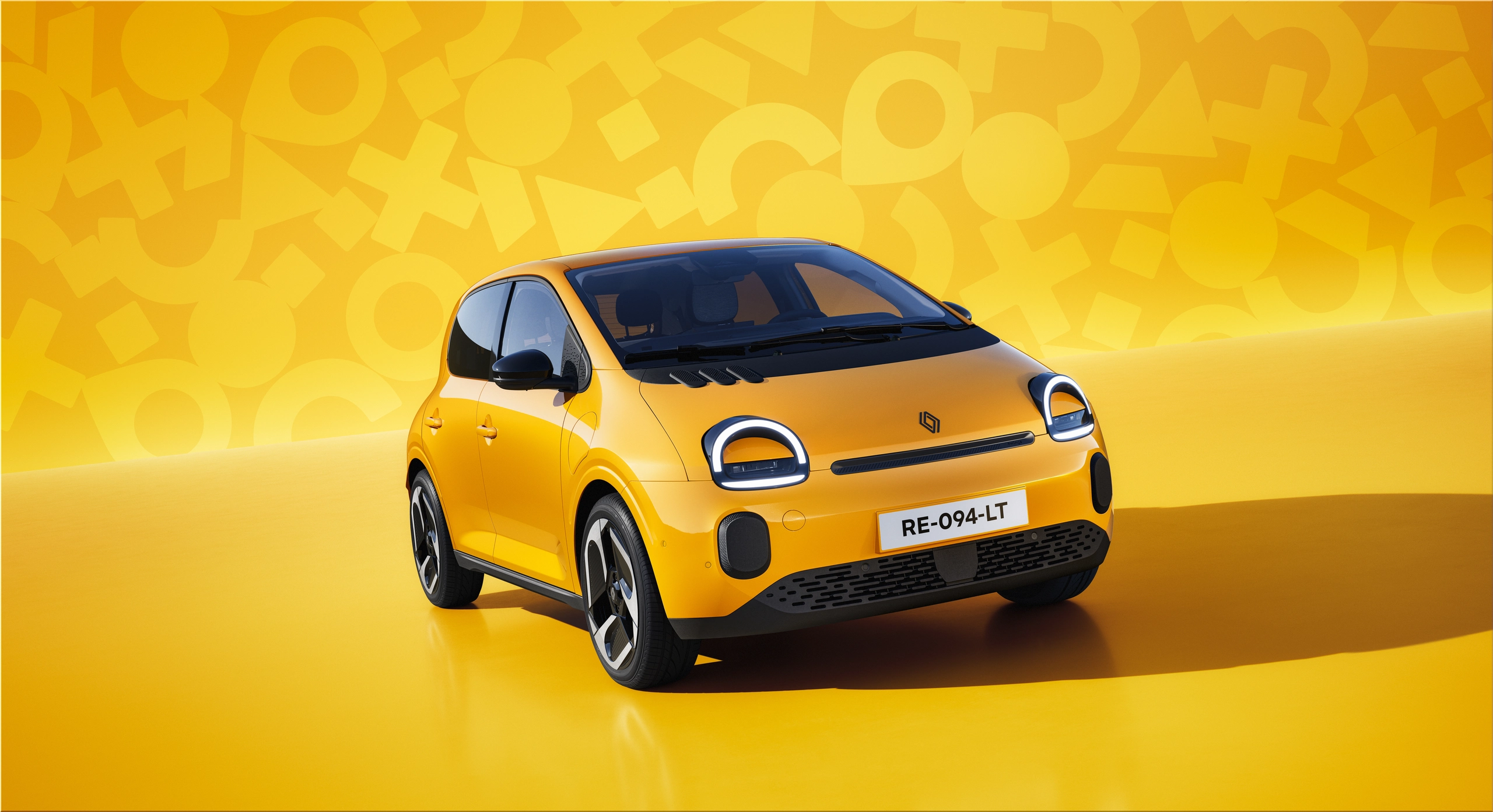
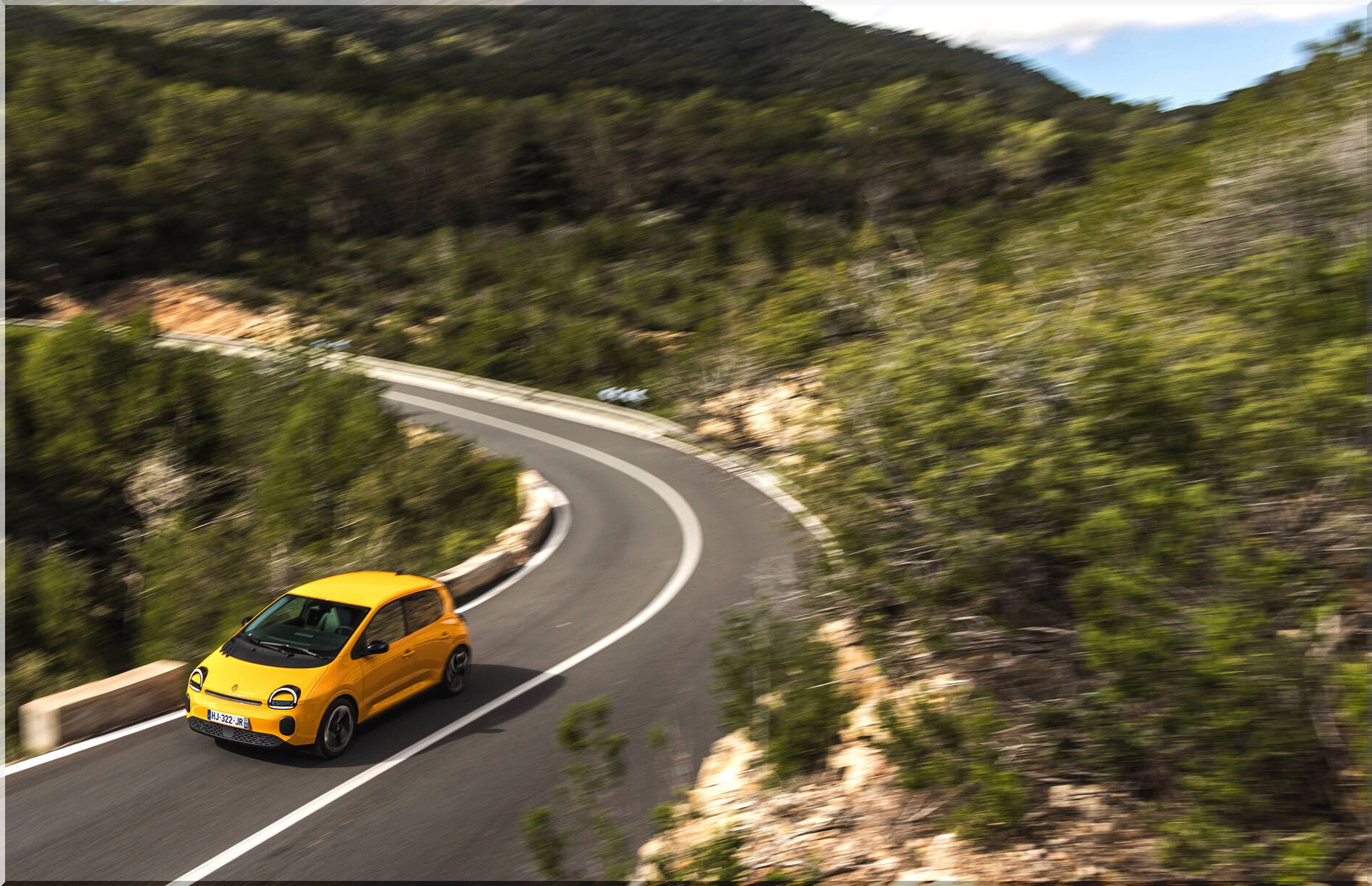
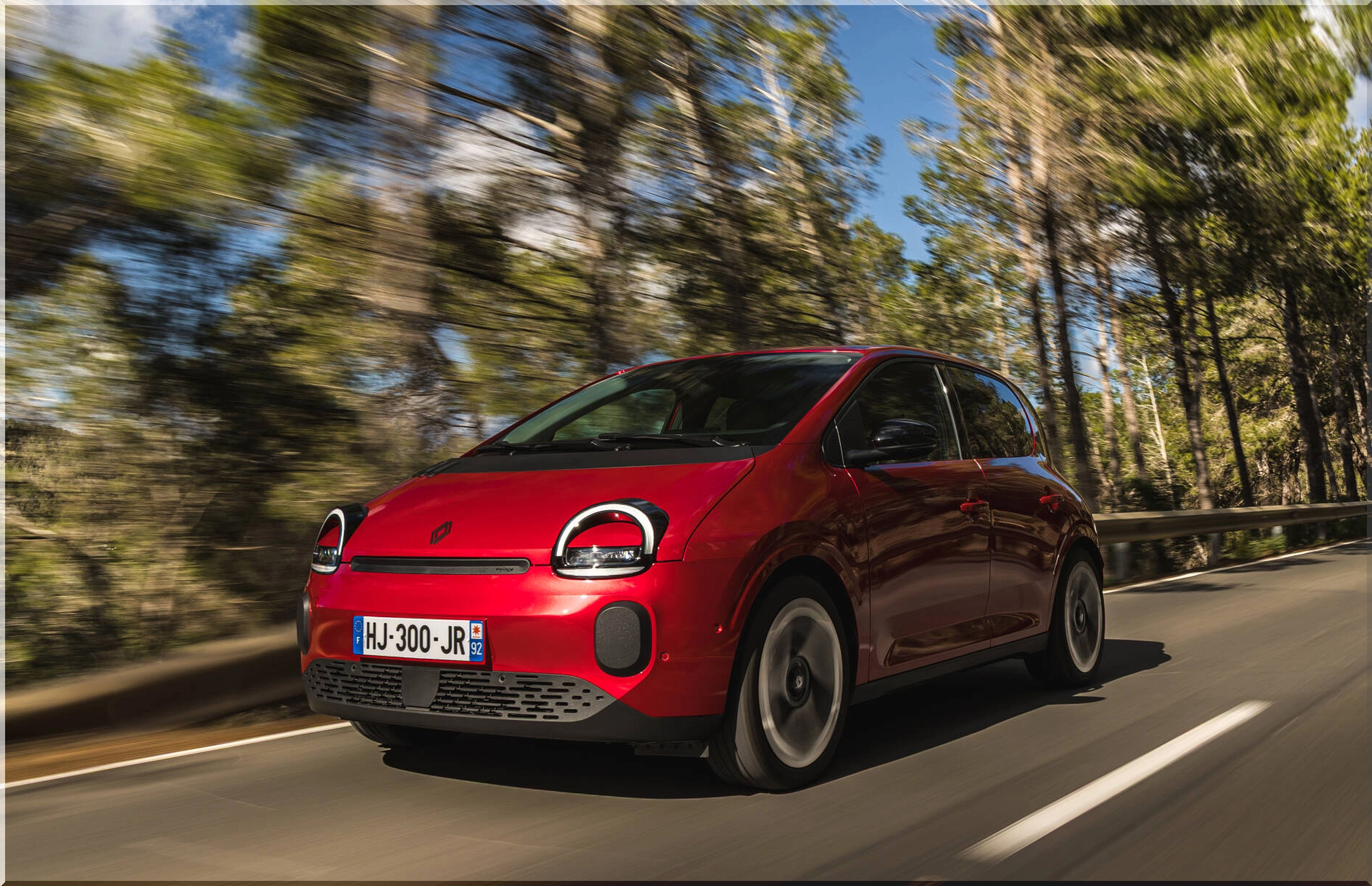
Renault has put a sharp European price on its smallest electric car. The new Renault Twingo E-Tech Electric starts at about €19,700, giving Renault a credible entry point below many European electric hatchbacks and well below larger B-segment EVs such as the Renault 5 E-Tech.
Image
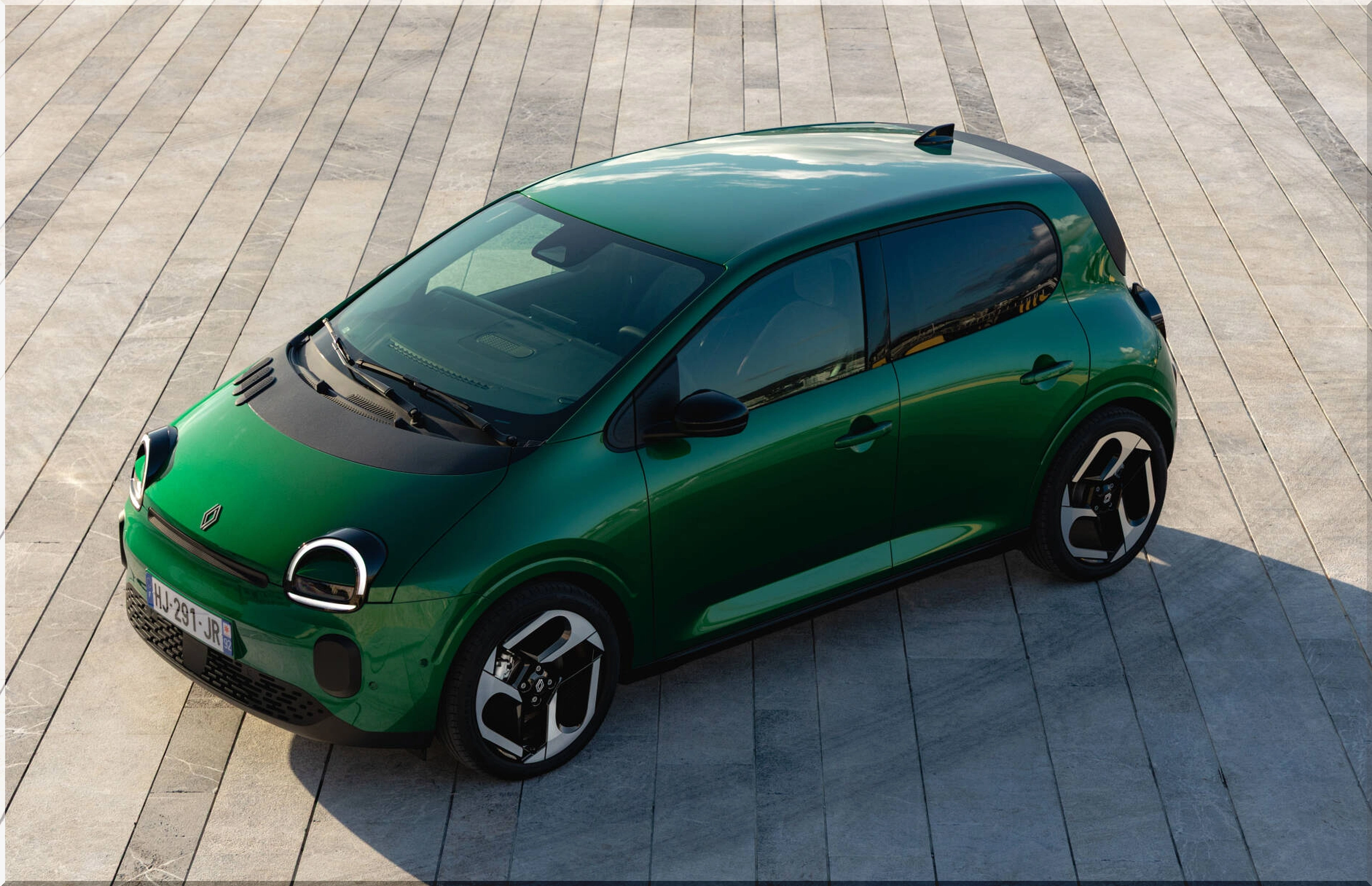
That price matters. The European city car segment has lost many petrol models because safety rules, emissions targets, and production costs punish cheap cars harder than expensive ones. In addition, Renault wants the 2027 Renault Twingo to prove that a modern EV can still work as a low-cost urban tool rather than a premium gadget with four wheels and a finance plan that makes buyers wince.
Renault Twingo Price And European Launch Details
The Danish launch gives buyers two simple choices. The entry Twingo Evolution starts at about €19,700, while the higher Twingo Techno costs about €21,050. That roughly €1,350 step-up keeps the range simple and avoids the usual small-car problem: a cheap headline price followed by an options list that bites like a tax audit.
| Renault Twingo E-Tech Variant | Approx. Euro Price | Key Standard Equipment |
|---|---|---|
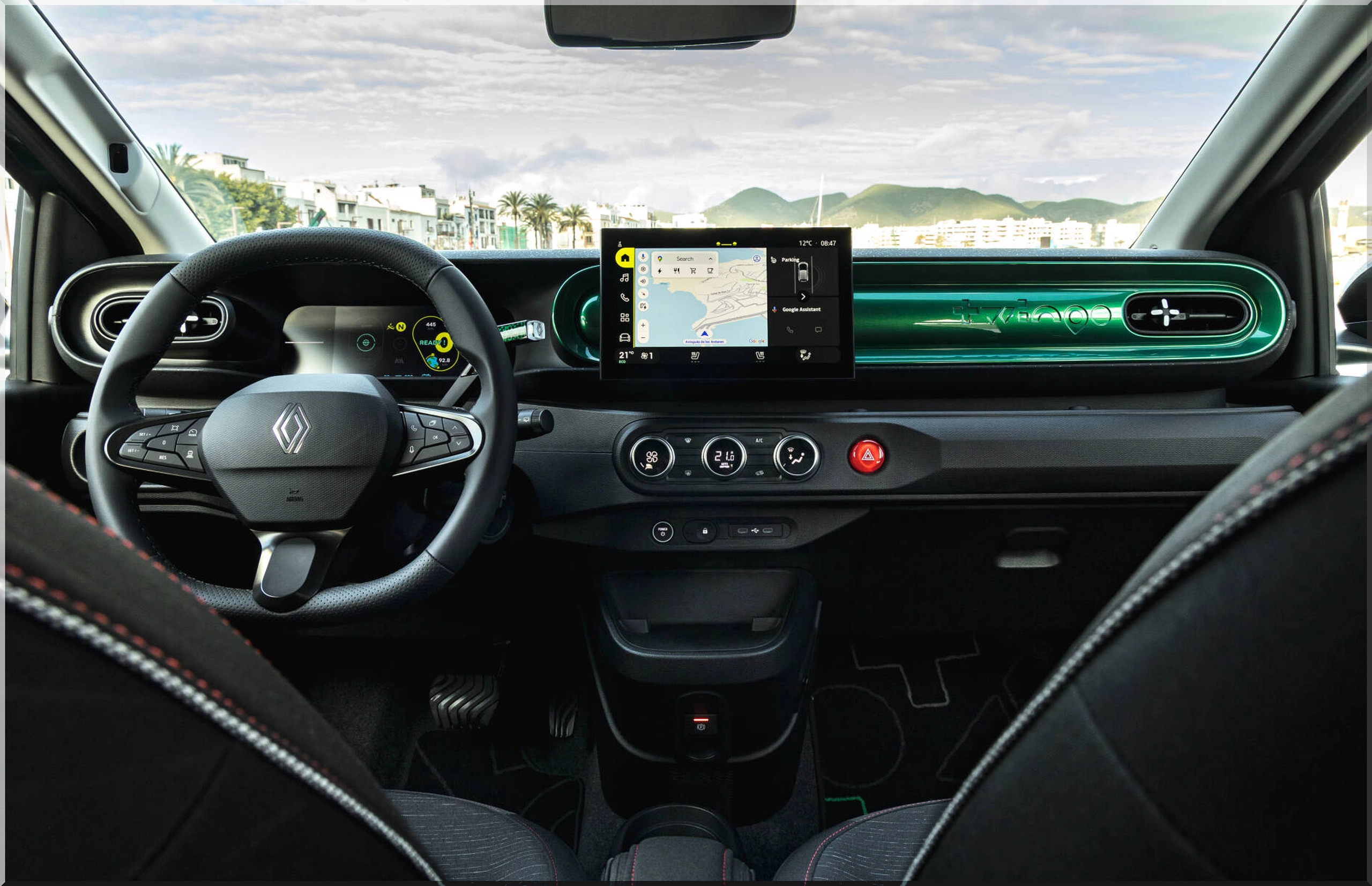
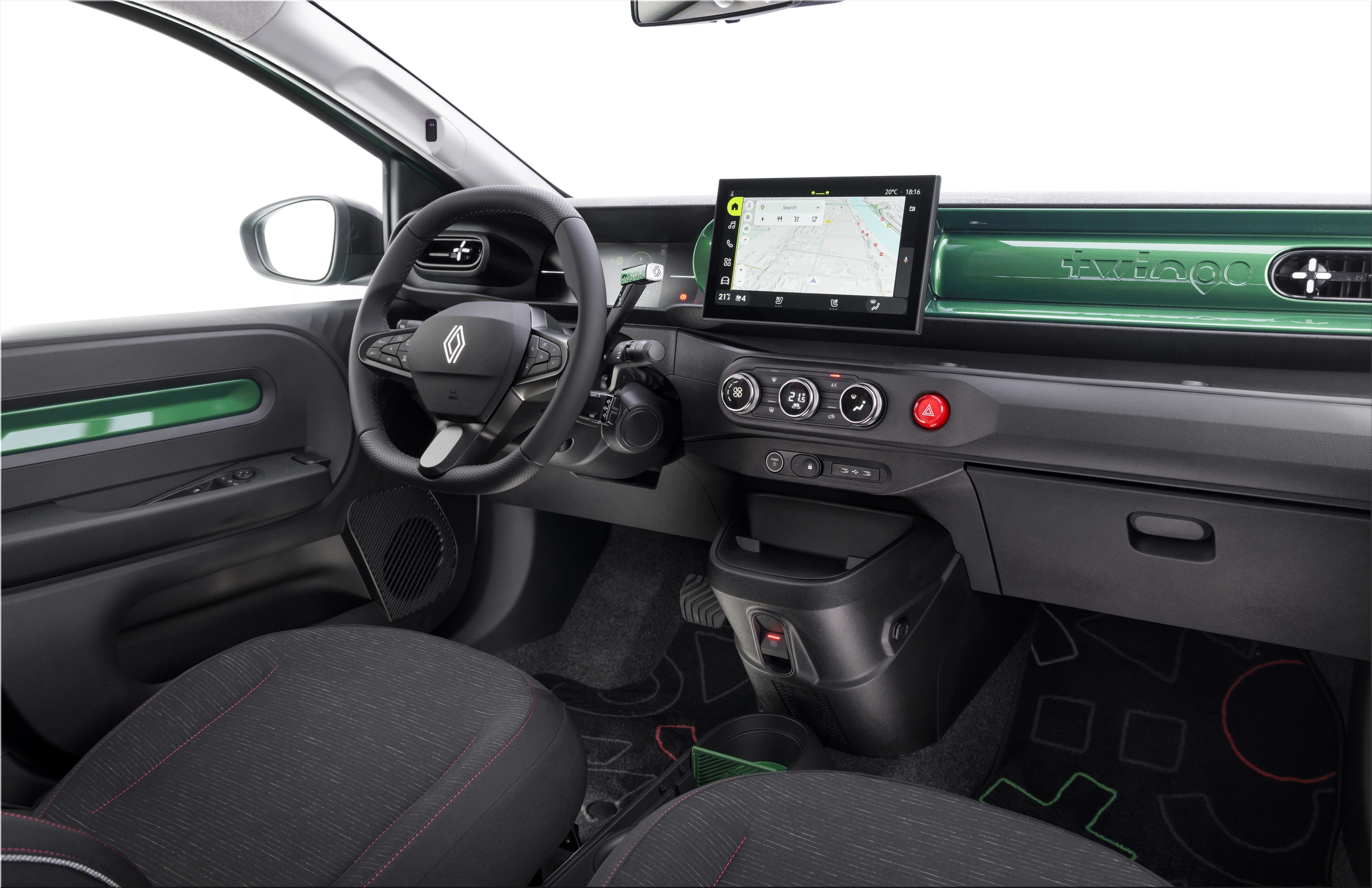
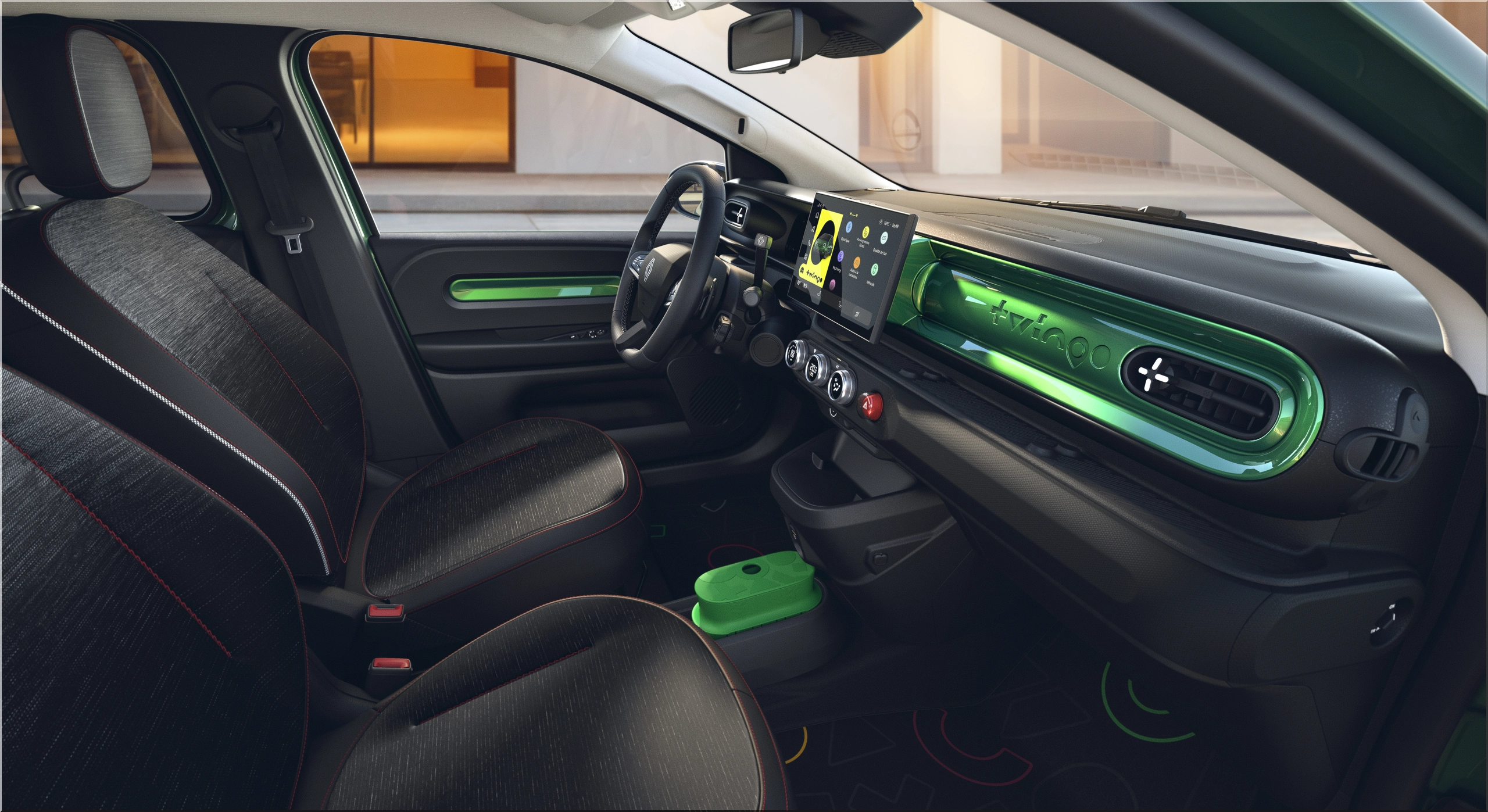
| Twingo Evolution | About €19,700 | 16-inch wheels, 7-inch driver display, 10-inch centre screen, smartphone replication, cruise control, manual air conditioning, height-adjustable driver's seat, rear parking sensors |
| Twingo Techno | About €21,050 | Higher equipment grade, more convenience features, stronger value for buyers who want added tech without moving into a larger EV |
Looking at the data, Renault has priced the Twingo to sit close to the psychological floor for a usable European electric car. It undercuts many mainstream EVs while offering more cabin tech than the price suggests.
Image
Battery, Range, Motor And Charging Specs
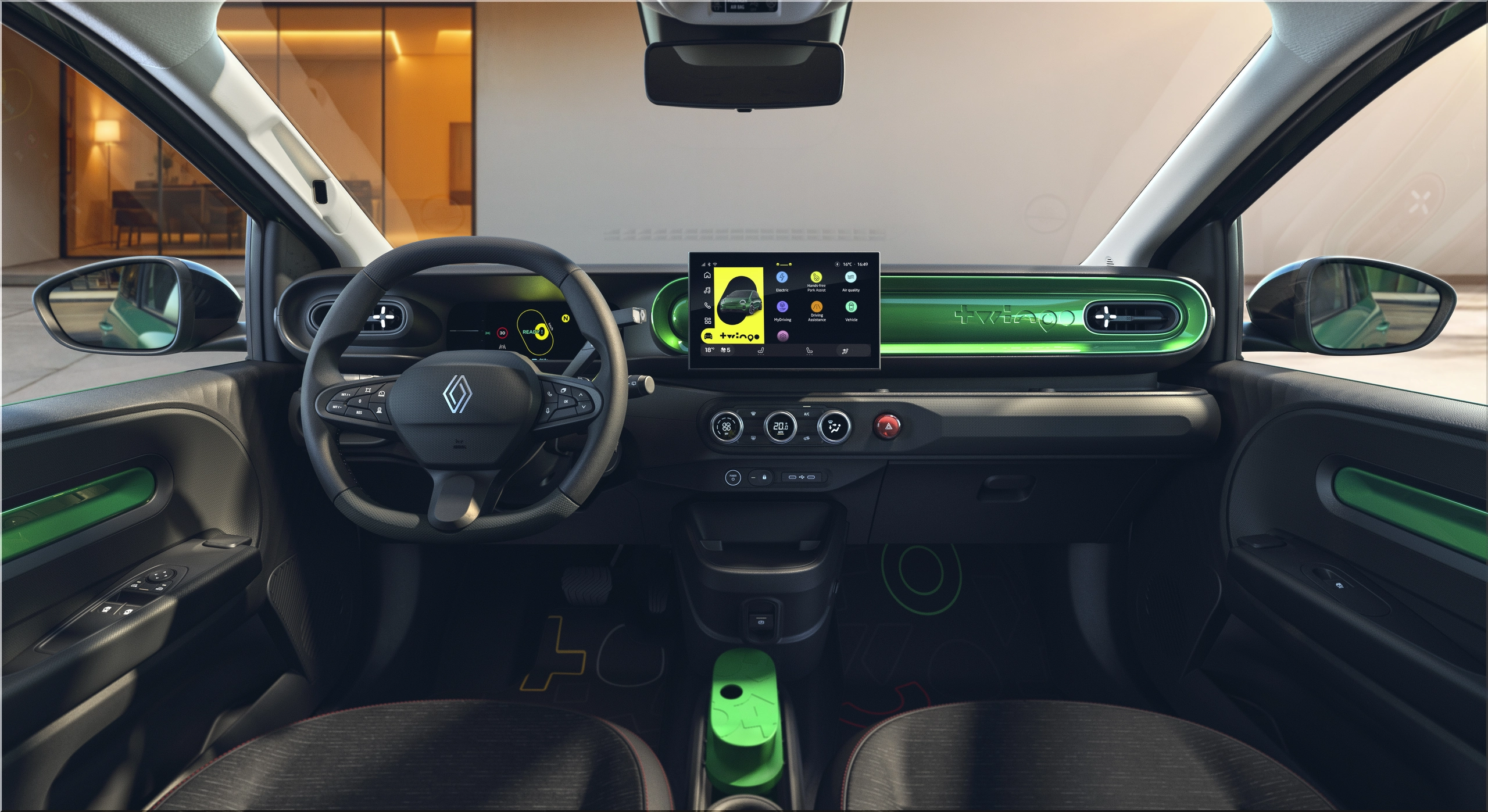
The Renault Twingo E-Tech Electric uses a 27.5 kWh LFP battery and a 60 kW electric motor, equal to 82 hp. Renault claims up to 263 km WLTP range, or about 163 miles, which suits city driving, school runs, short commutes, and suburban errands.
The battery chemistry explains much of the pricing logic. LFP batteries cost less than nickel-rich packs, tolerate frequent charging well, and avoid cobalt. The trade-off comes through lower energy density, so Renault uses a compact battery rather than chasing motorway range numbers that most Twingo buyers rarely need.
| Technical Data | Renault Twingo E-Tech Electric |
|---|---|
| Battery type | LFP lithium iron phosphate |
| Usable battery capacity | 27.5 kWh |
| Electric motor output | 60 kW / 82 hp |
| Claimed WLTP range | Up to 263 km / 163 miles |
| Standard AC charging | 6.6 kW |
| Optional AC charging | 11 kW |
| Optional DC charging | 50 kW |
| DC charge time | 10-80% in around 30 minutes |
| Body length | 3,790 mm / 149.2 in |
| Width | 1,720 mm / 67.7 in |
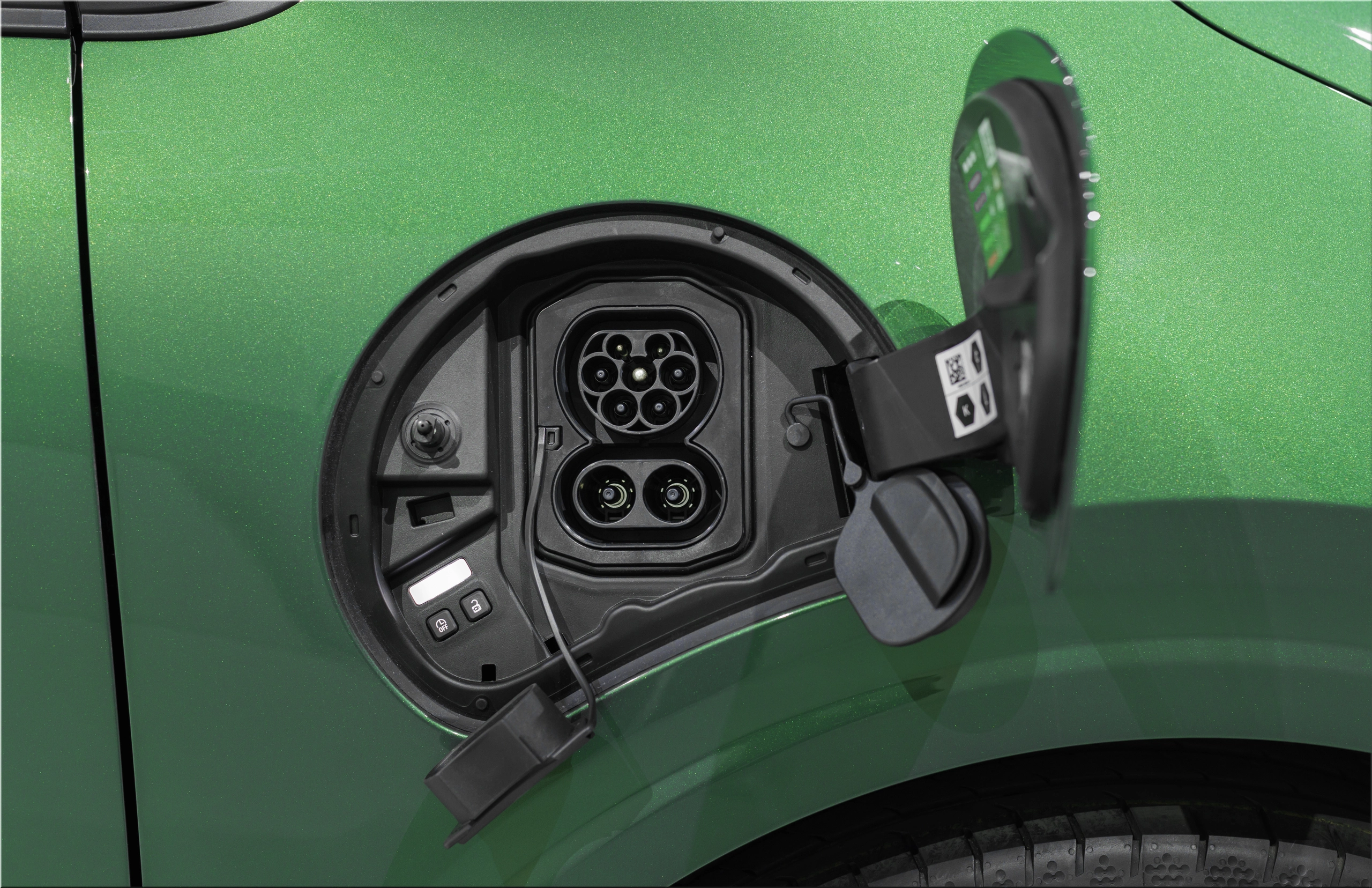
Specifically, the optional faster charging package turns the Twingo from a pure overnight-charge city car into a more flexible regional EV. A 50 kW DC peak will not impress Tesla drivers, but it matches the battery size. A small pack does not need giant charging power to recover useful range quickly.
Why The New Twingo Uses A Small-Car Formula
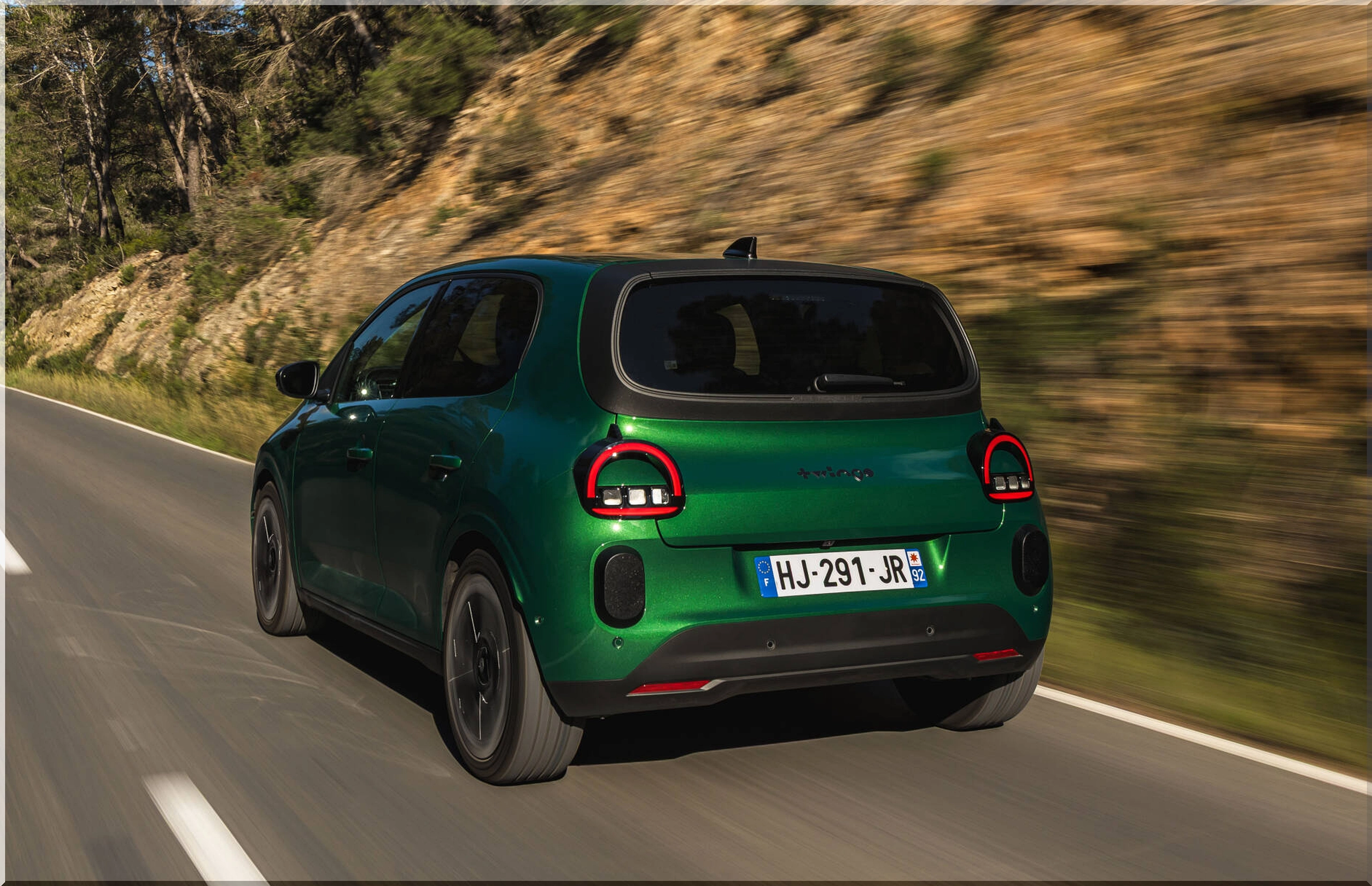
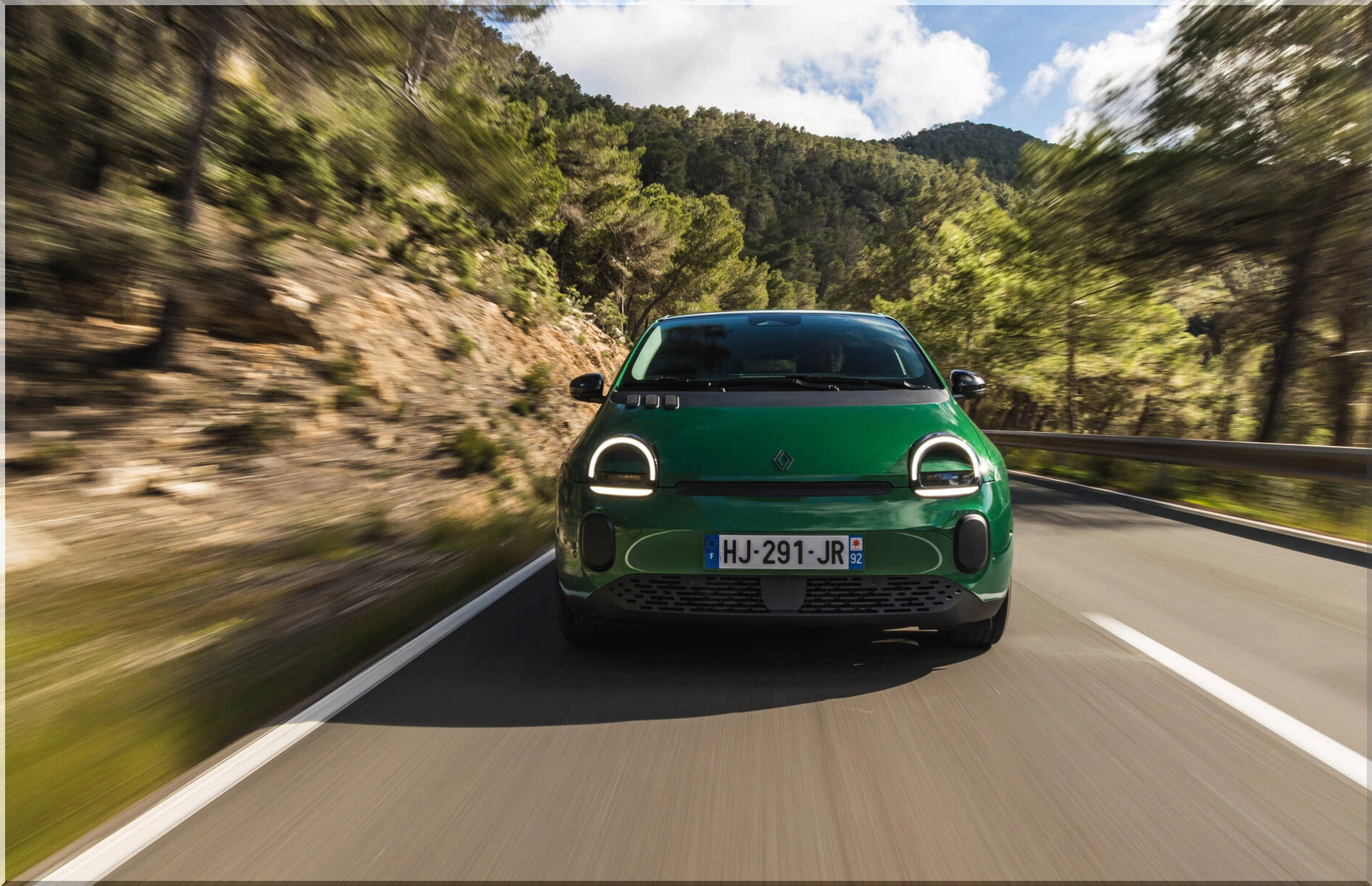
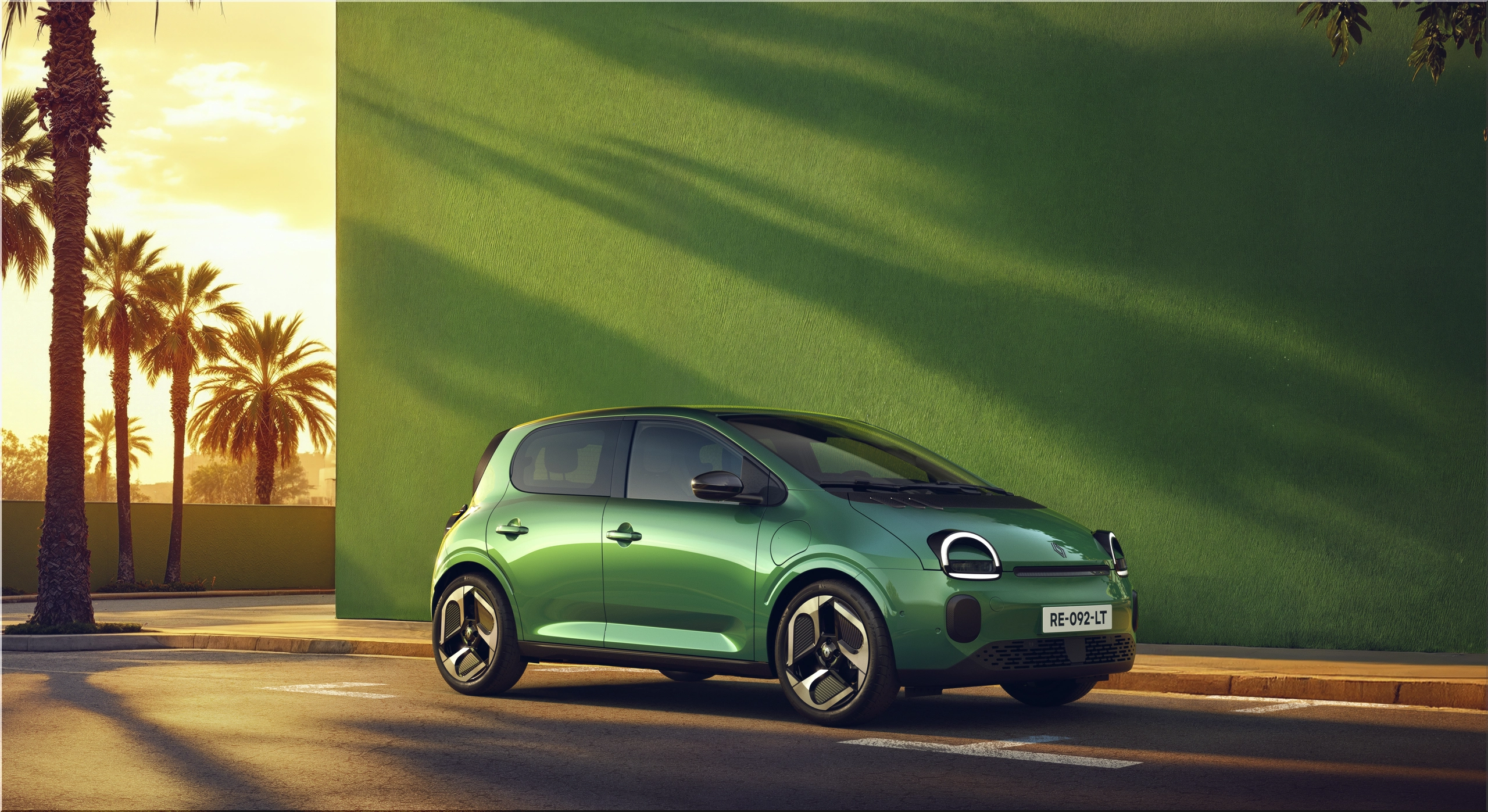
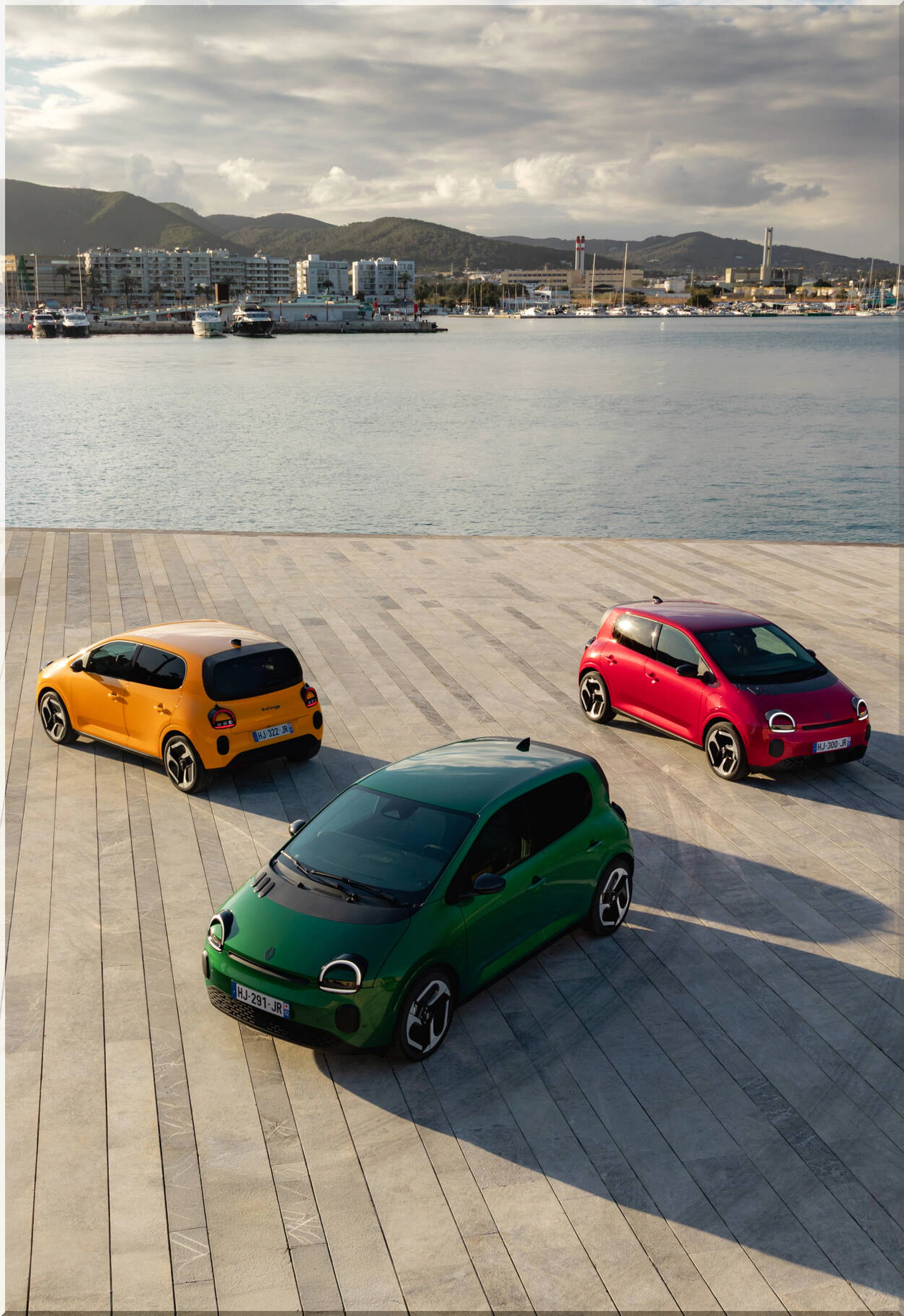
Renault kept the new Twingo electric car short, upright, and practical. At 3.79 metres long, it measures 350 mm shorter than the Renault 4 E-Tech and 130 mm shorter than the Renault 5 E-Tech. By comparison, that puts it deep in city-car territory, where kerb space and turning room count more than 0-100 km/h bragging rights.
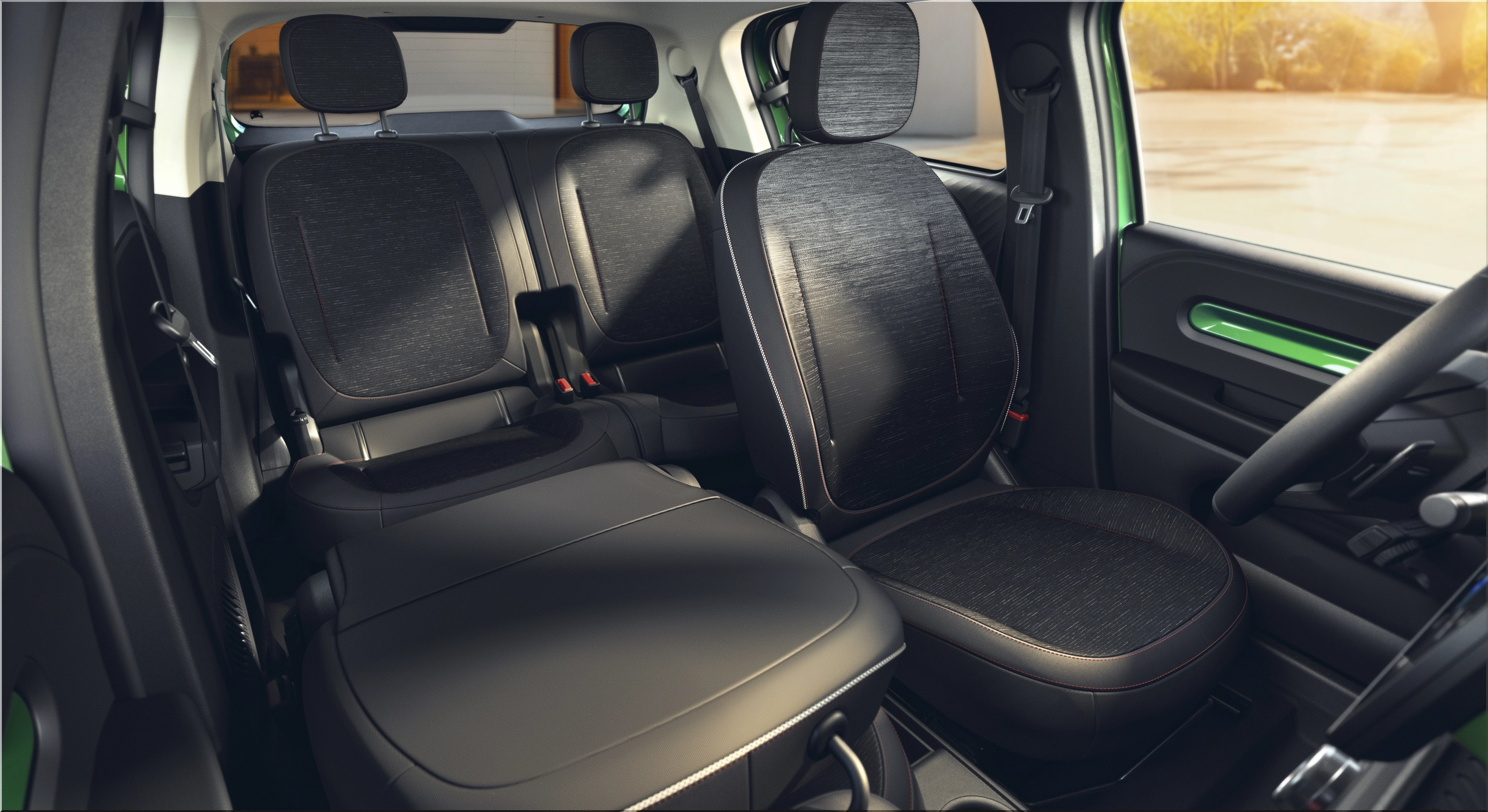
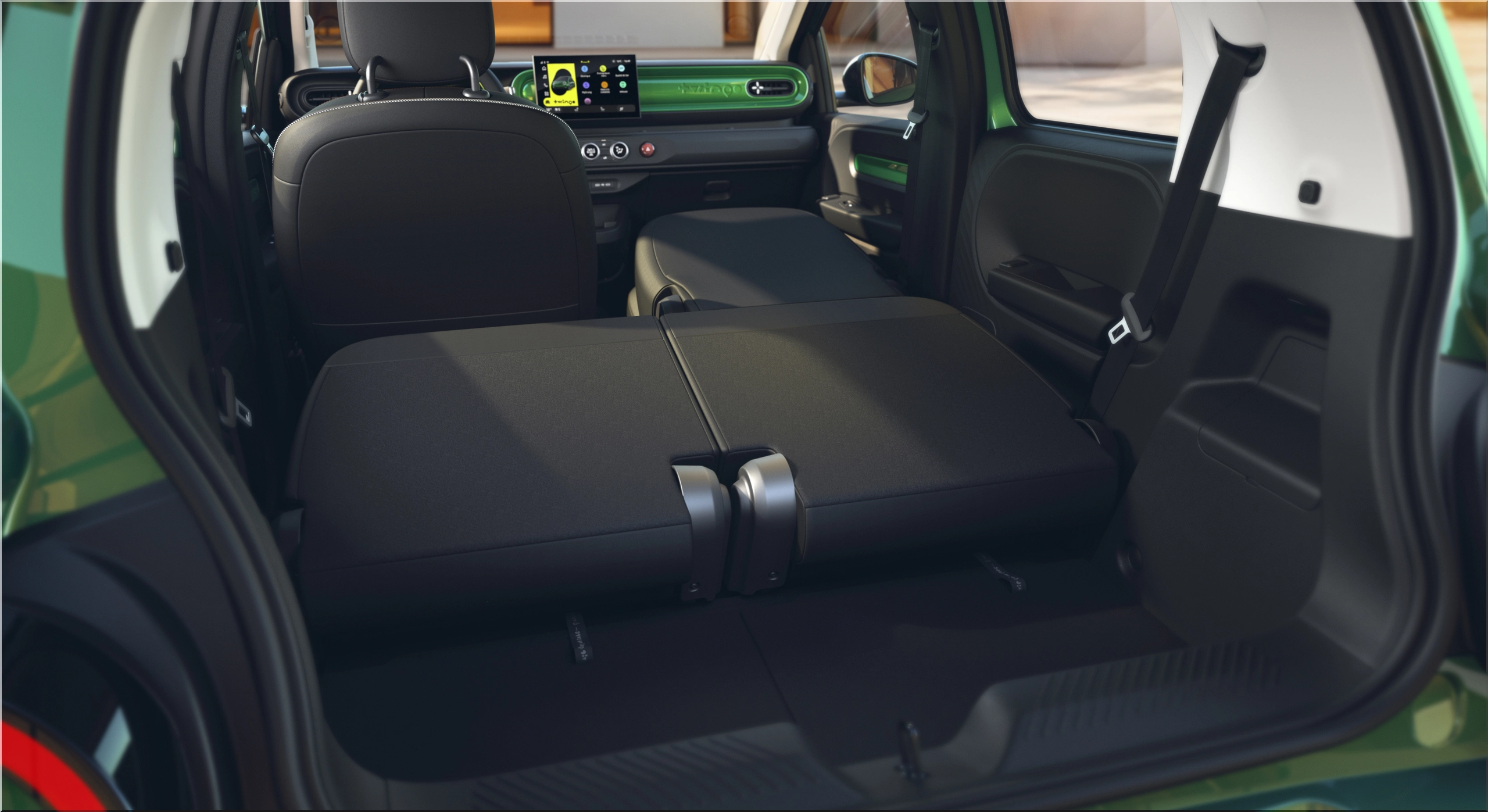
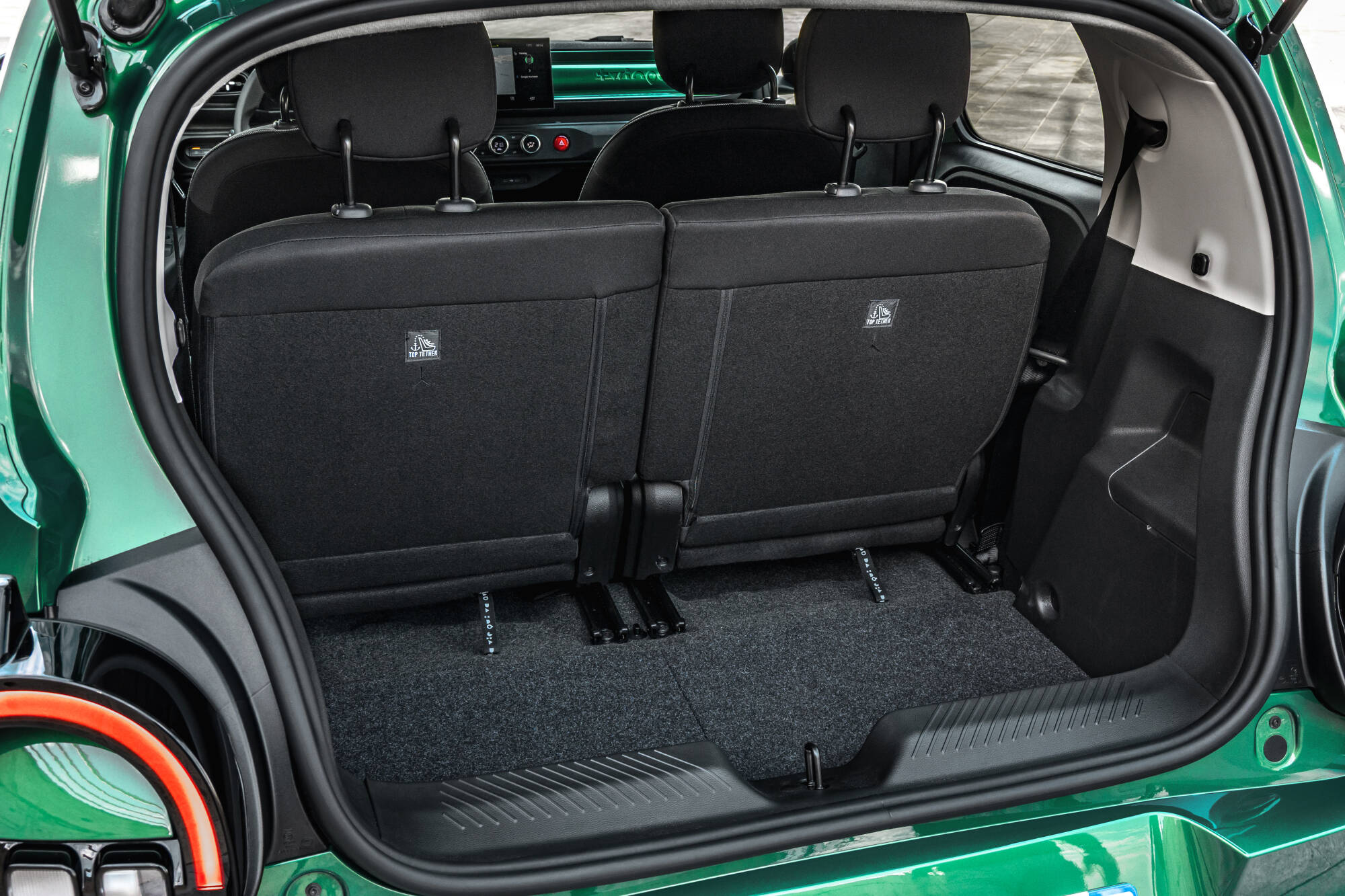
In addition, Renault gives the Twingo five doors and sliding rear-seat functionality in markets that list the feature. That packaging strategy attacks a long-running weakness in budget EVs: many cheap electric cars feel small from the outside and smaller inside. The Twingo instead uses its tall roofline and flexible second row to make short-distance passenger use more realistic.
Pro-Tips For Buyers
- Choose the Evolution trim if price controls the purchase.
- Choose Techno if you want extra convenience without moving up to Renault 5 money.
- Add faster charging if you lack home charging or plan regular longer city-to-city trips.
- Treat the 263 km WLTP figure as a best-case official number, not a cold-weather motorway promise.
- Compare insurance, tyres, servicing, and finance costs before focusing only on the list price.
Renault Twingo Vs Budget EV Rivals
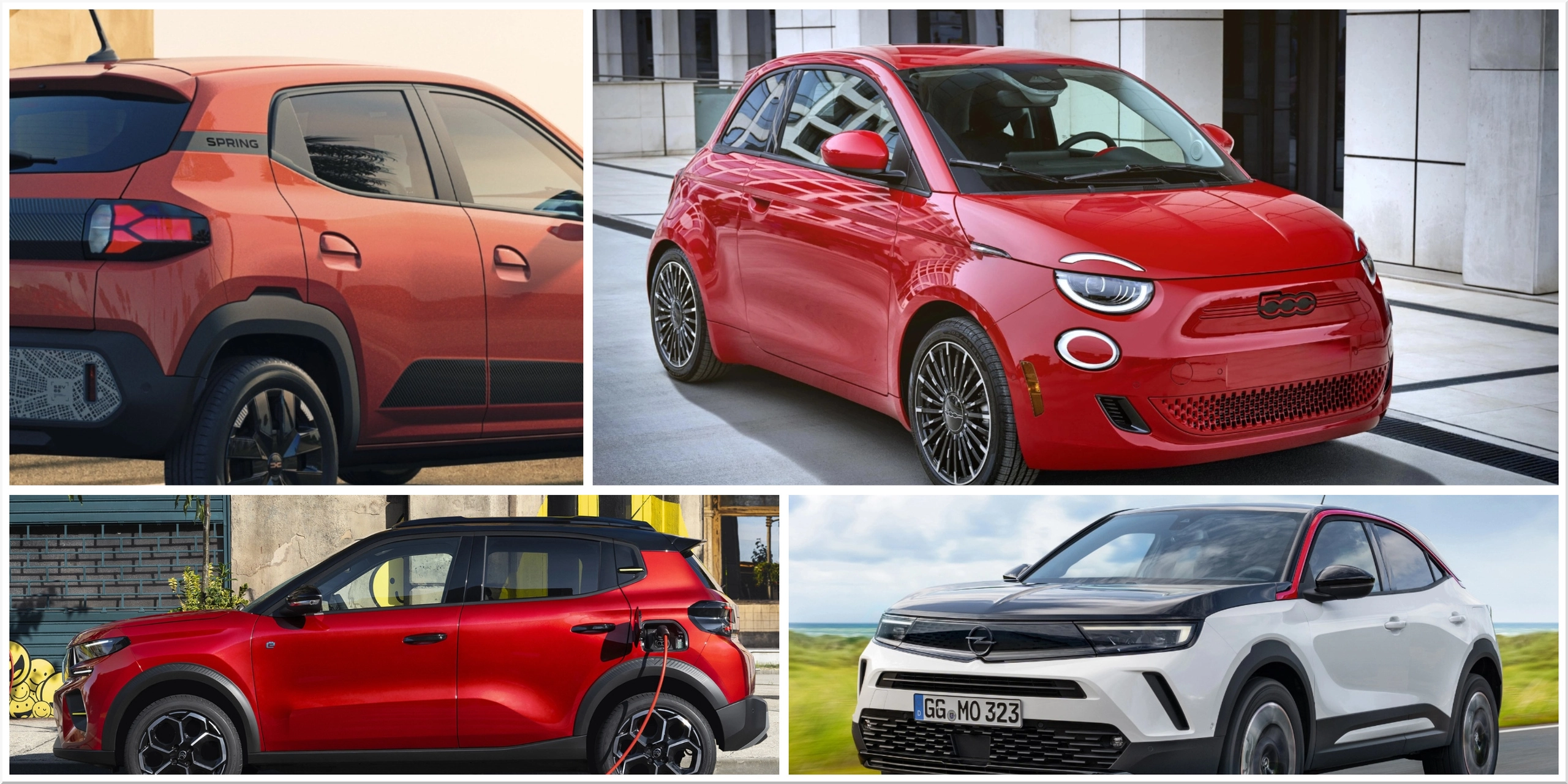
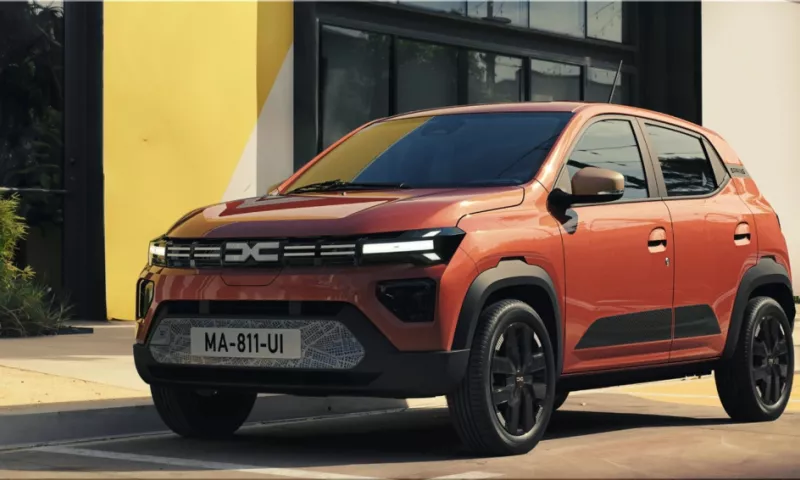
The Renault Twingo E-Tech enters a tougher small-EV class than Europe had five years ago. The Dacia Spring, Hyundai Inster, and Leapmotor T03 all chase buyers who want electric running costs without family-SUV pricing.
| Model | Positioning | Main Strength | Buyer Logic |
|---|---|---|---|
| Renault Twingo E-Tech | Retro-styled urban EV | Price, efficiency, cabin tech | Best for city drivers who want a familiar European badge |
| Dacia Spring | Lowest-cost EV | Purchase price | Best for buyers who put cost above power and refinement |
| Hyundai Inster | Small EV with crossover attitude | Range of trims and practical shape | Best for buyers wanting more equipment choice |
| Leapmotor T03 | Value-focused Chinese EV | Aggressive pricing | Best for buyers open to newer brands |
From an expert perspective, Renault has one key advantage: trust. Many European buyers know the Twingo name, and Renault already sells EVs through a mature dealer network. Consequently, the new Twingo can reach cautious buyers who want a cheap EV but do not want an unknown ownership story.
Should Buyers Choose The Renault Twingo E-Tech?
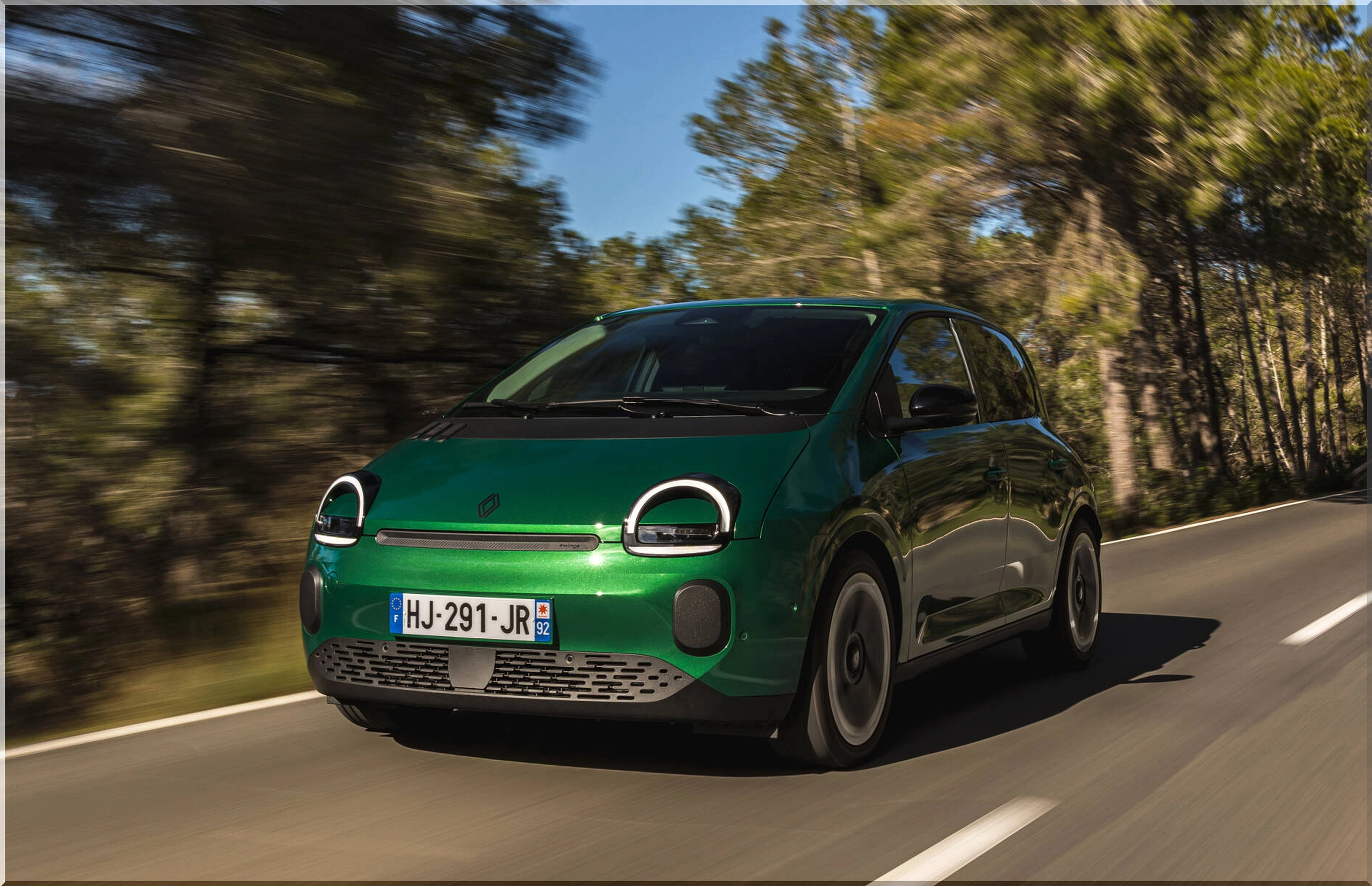
Yes, if the use case fits. The Renault Twingo from about €19,700 makes the most sense for urban households, first-time EV buyers, commuters with predictable mileage, and families that need a second car rather than a single do-everything vehicle.
It makes less sense for drivers who cover long motorway distances, carry adults in the rear seats daily, or need a large boot. Small battery EVs reward realistic use. Buy the Twingo for cities, suburbs, tight parking, low energy use, and manageable monthly costs, and the numbers start to look persuasive.
- Add new comment
- 116 views