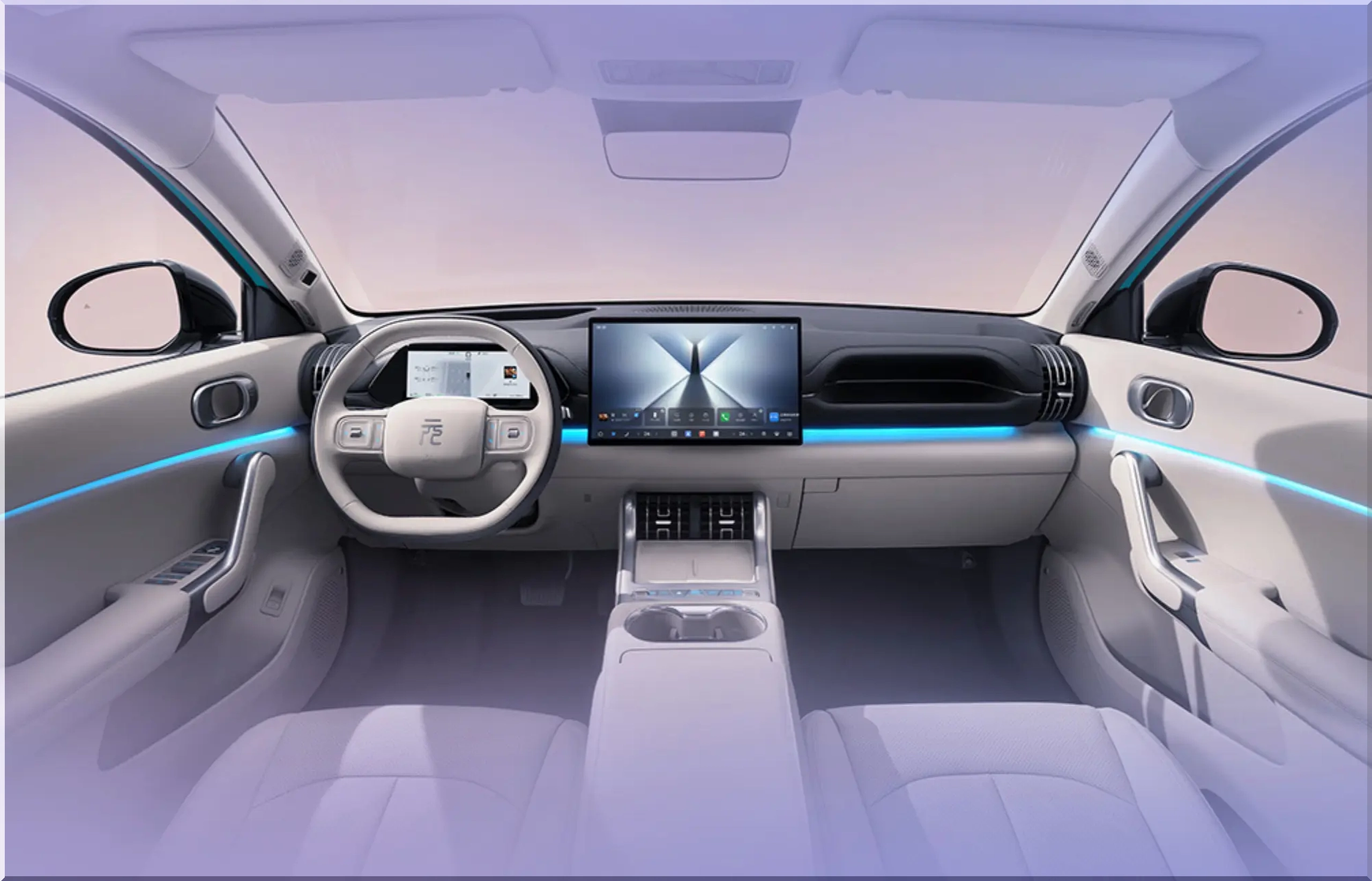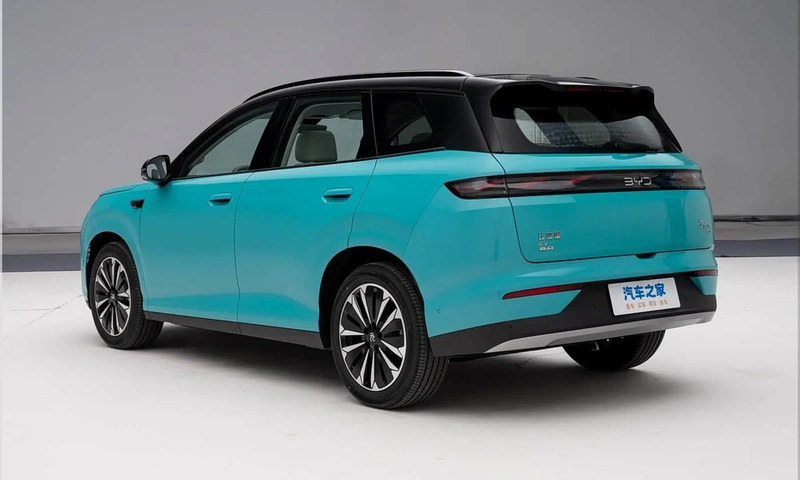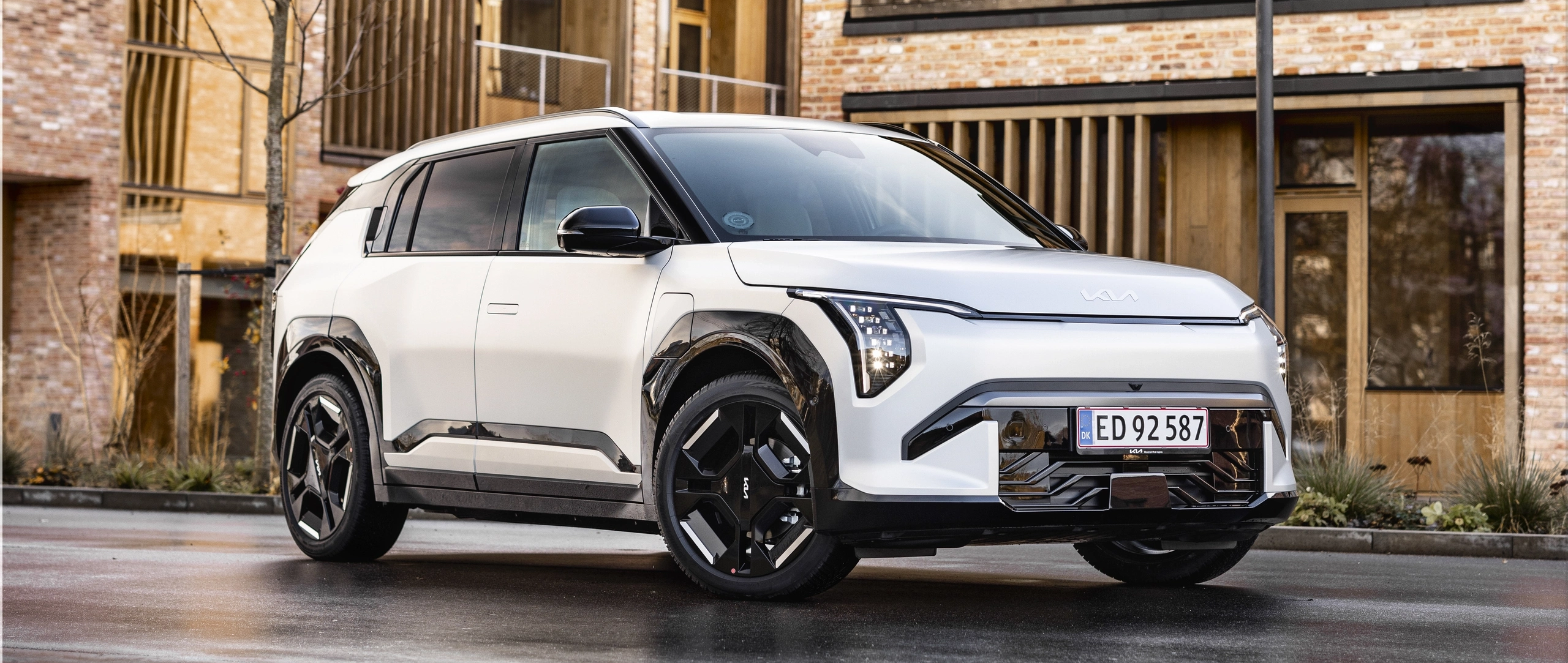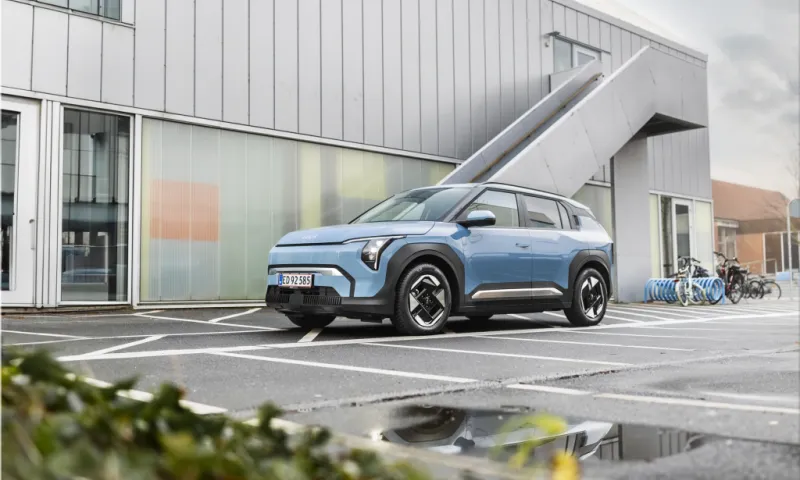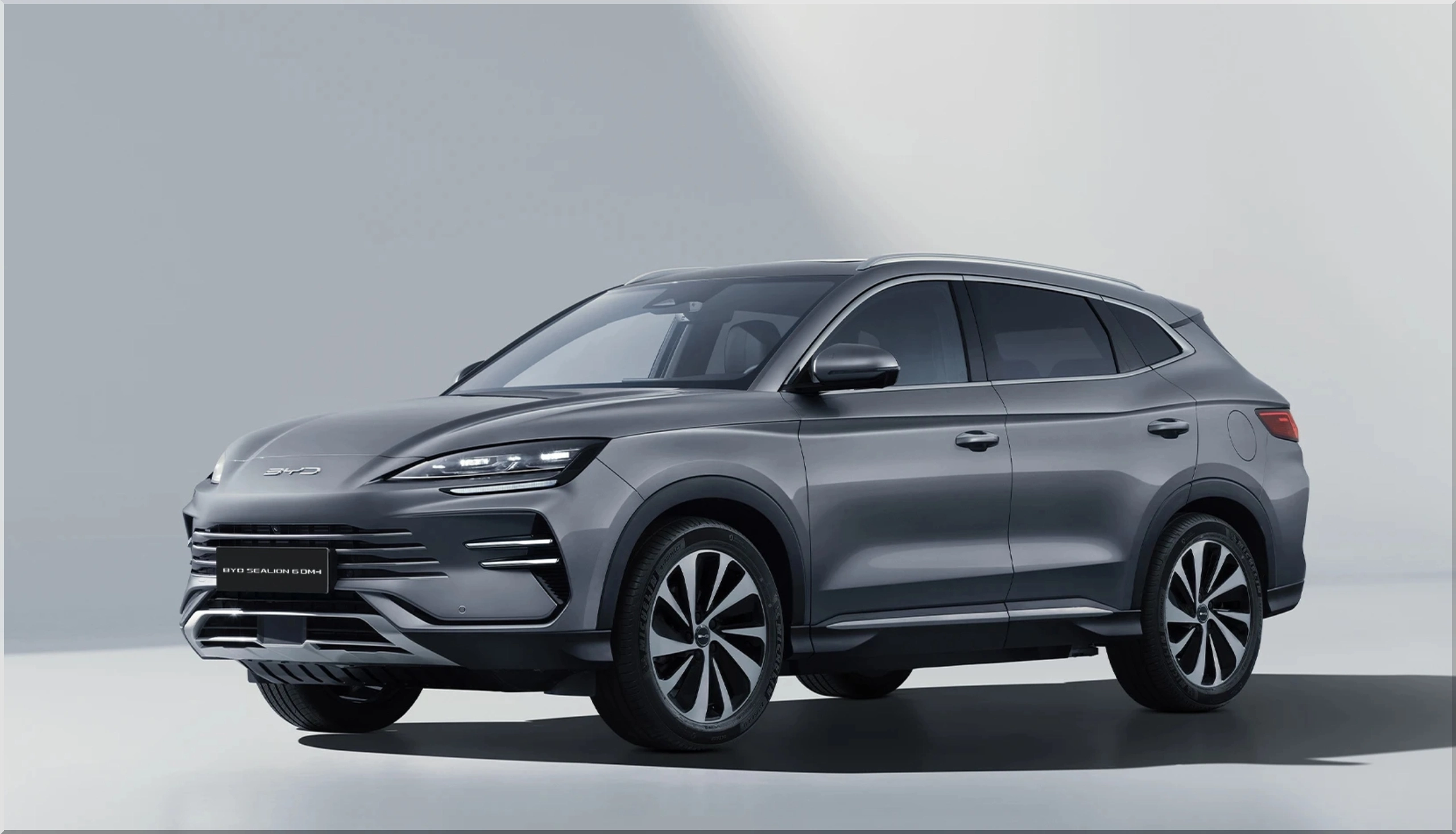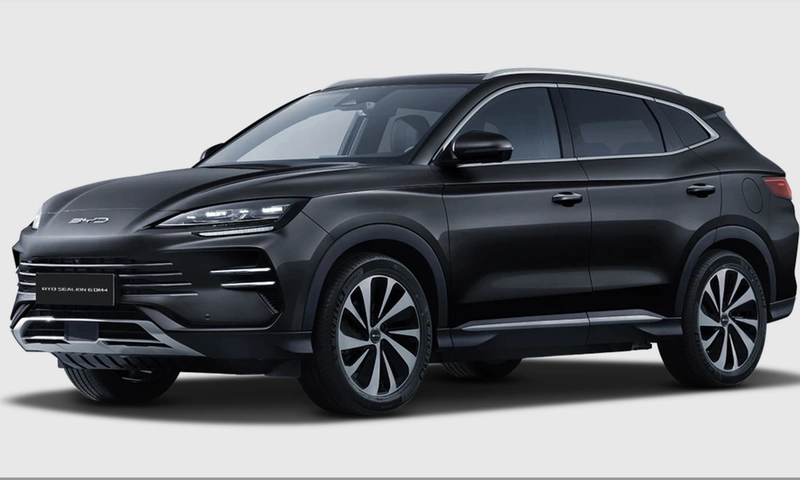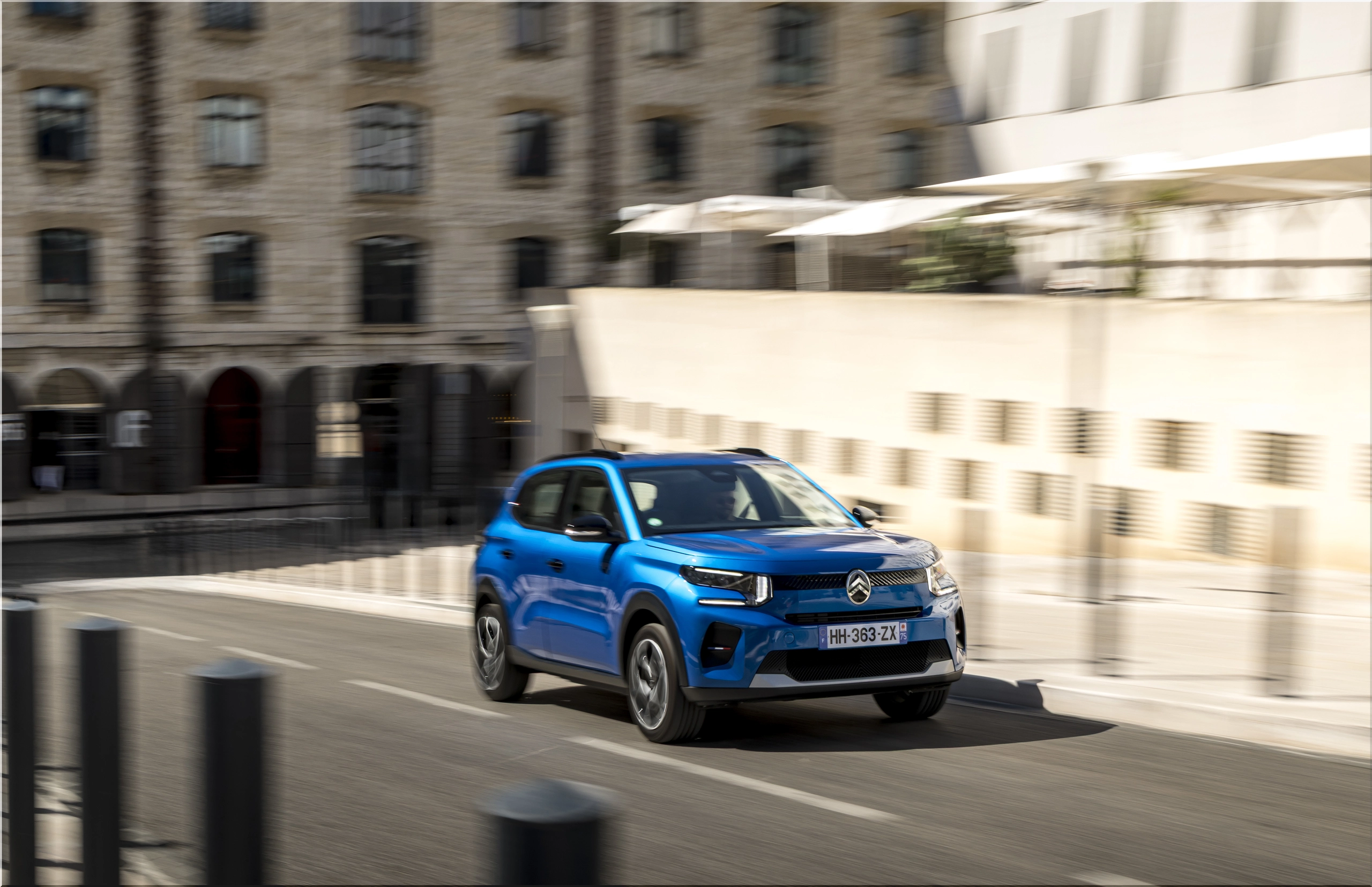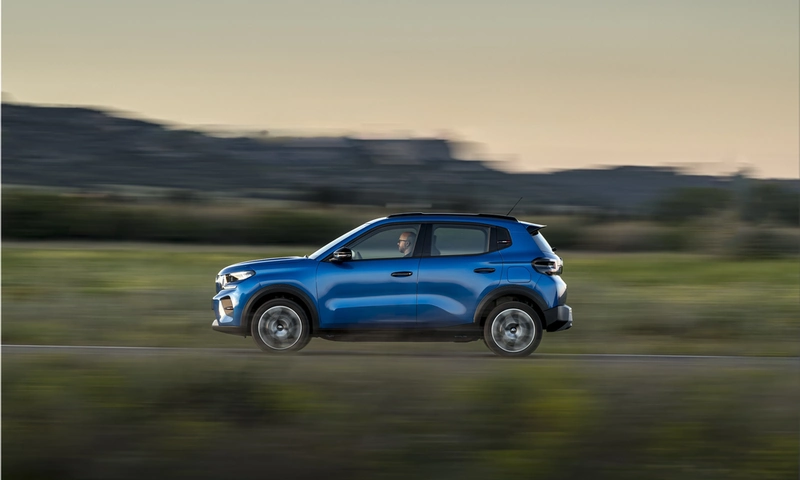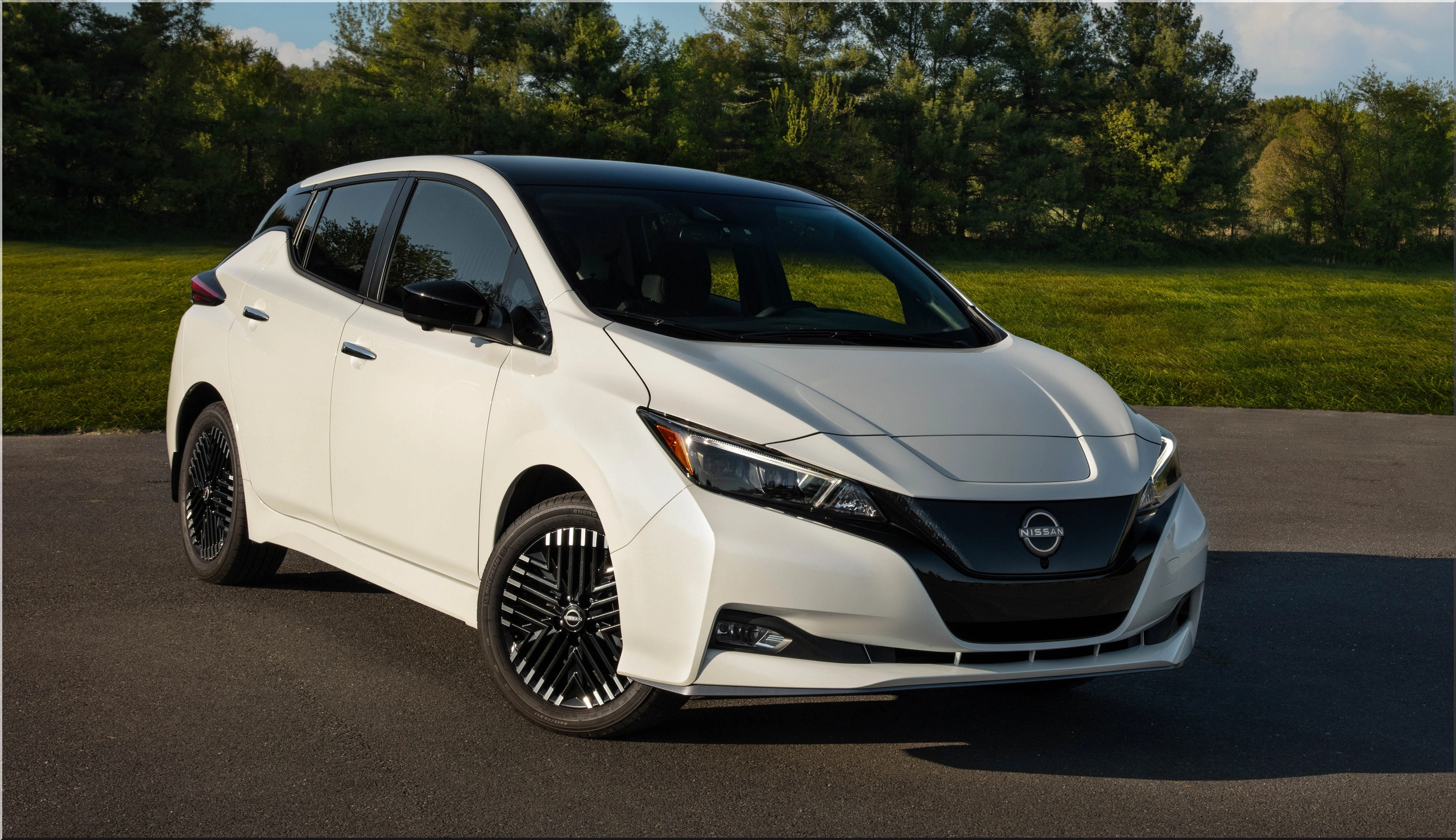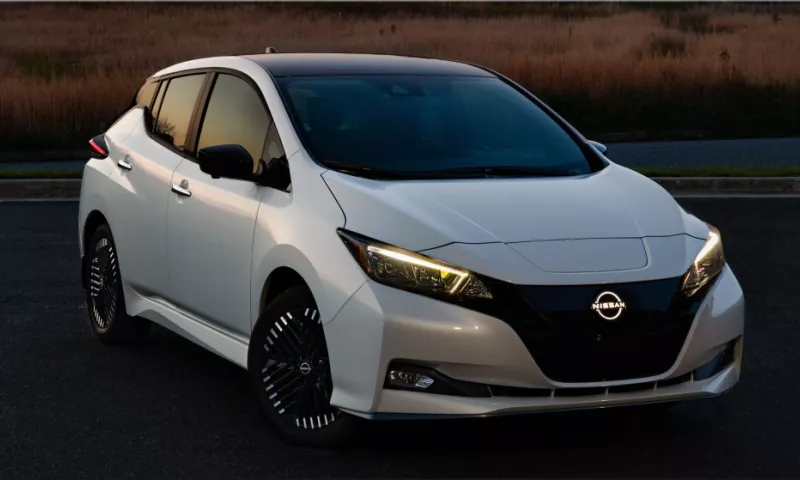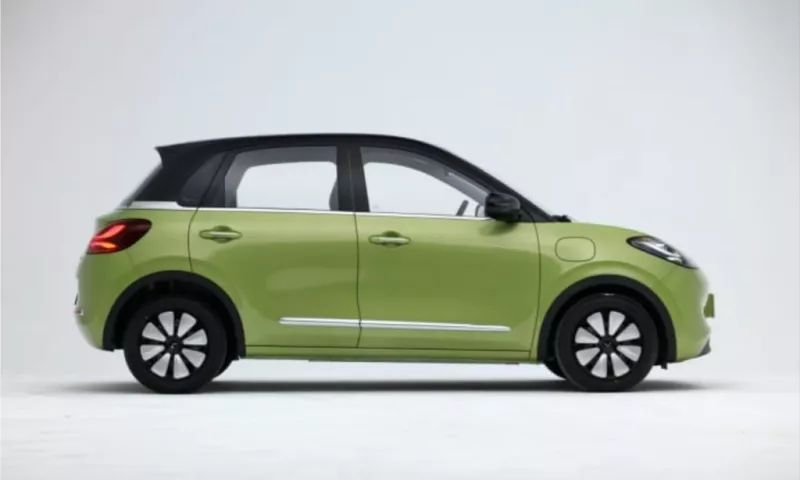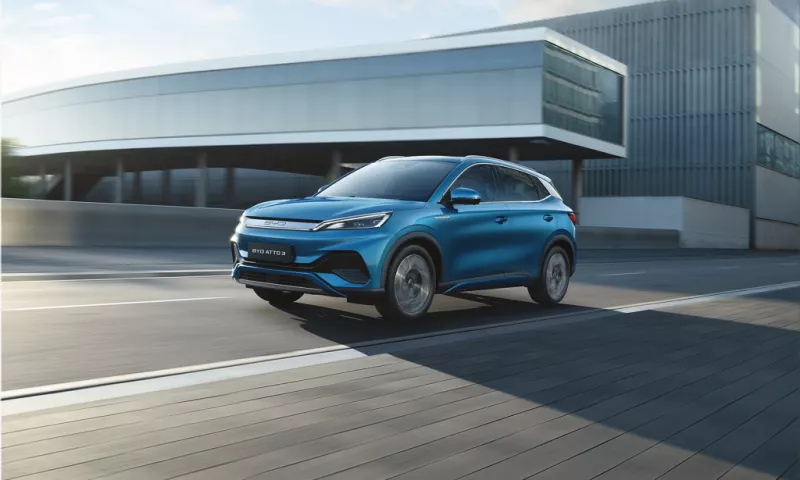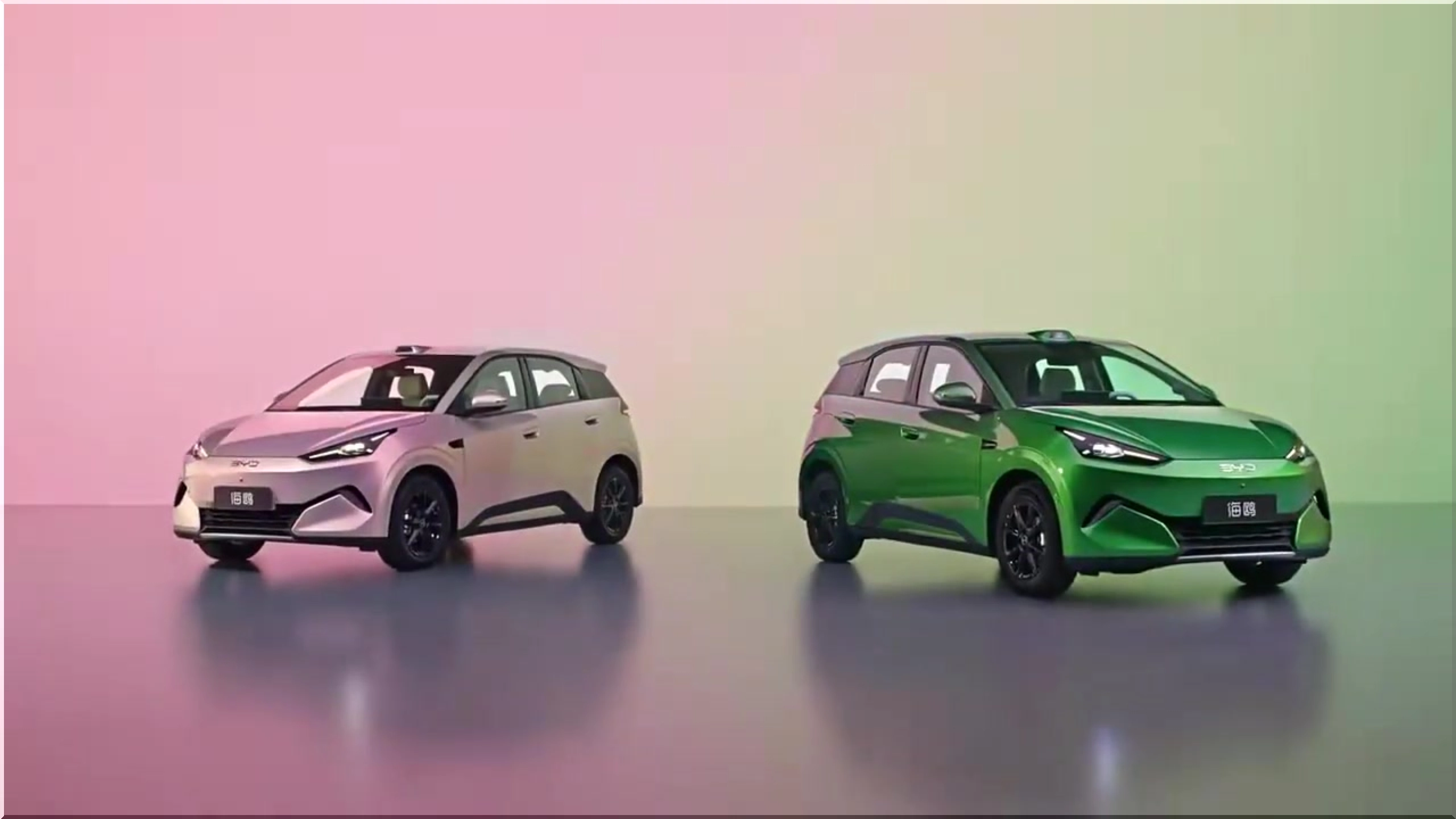
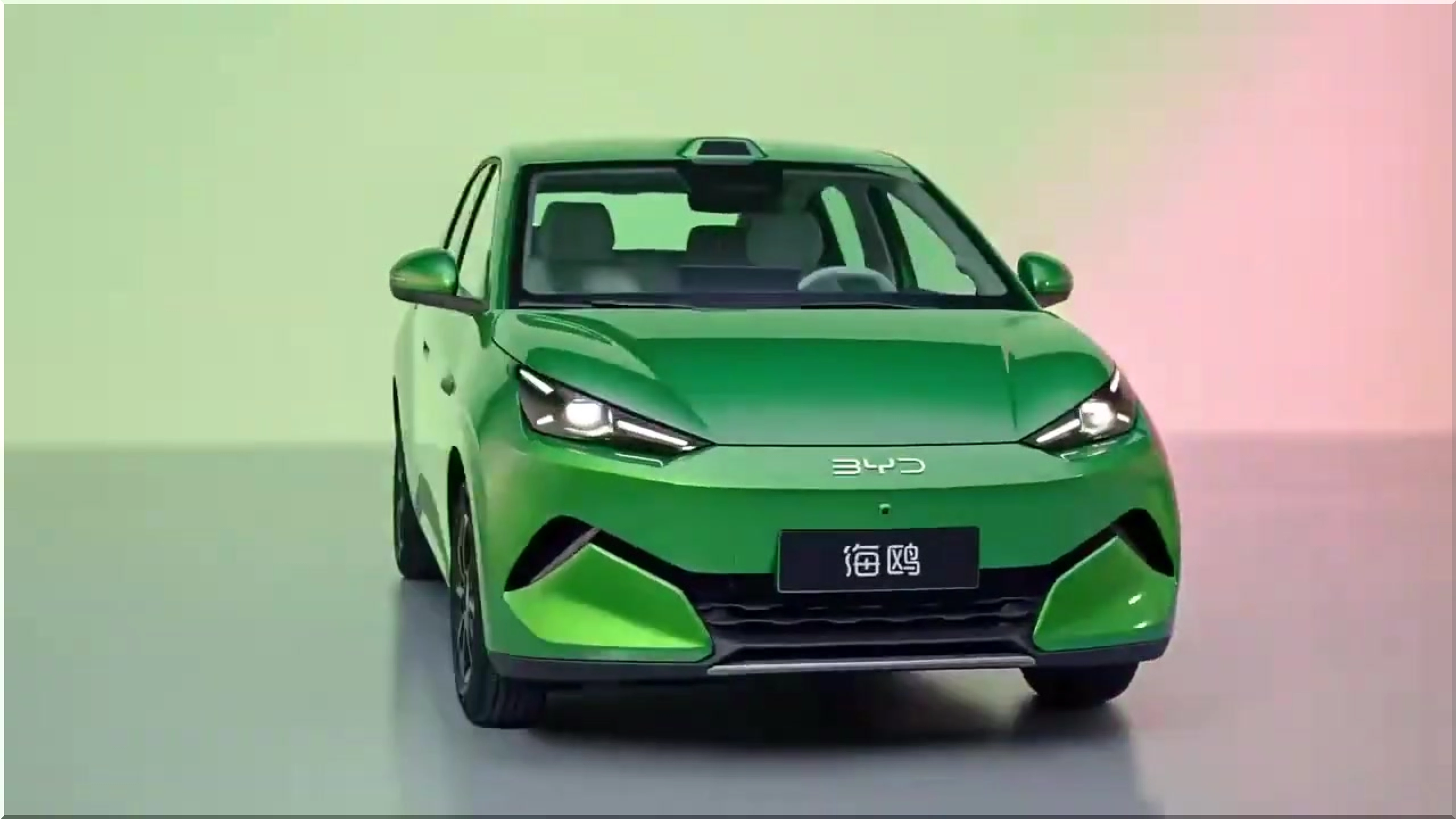
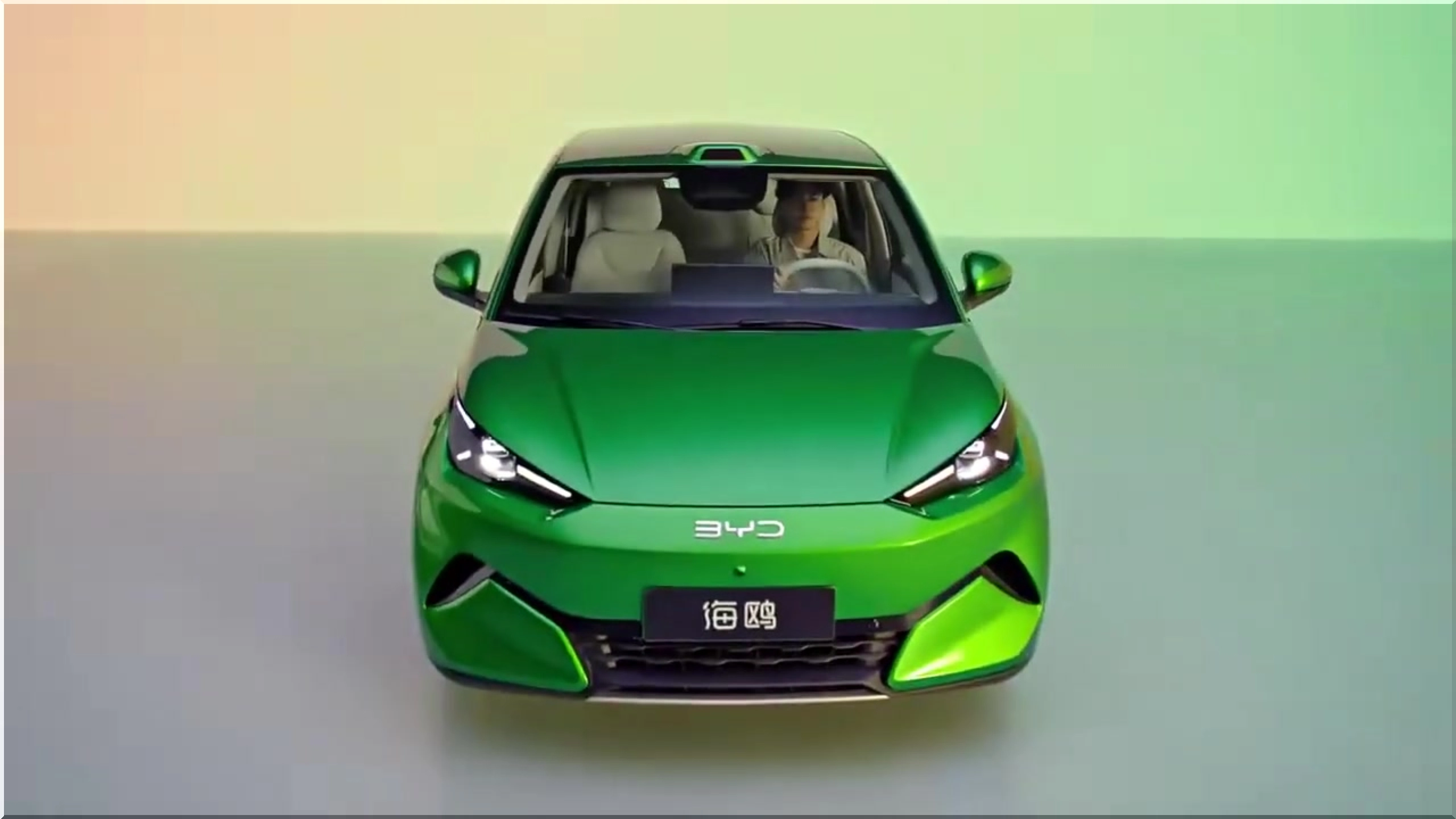
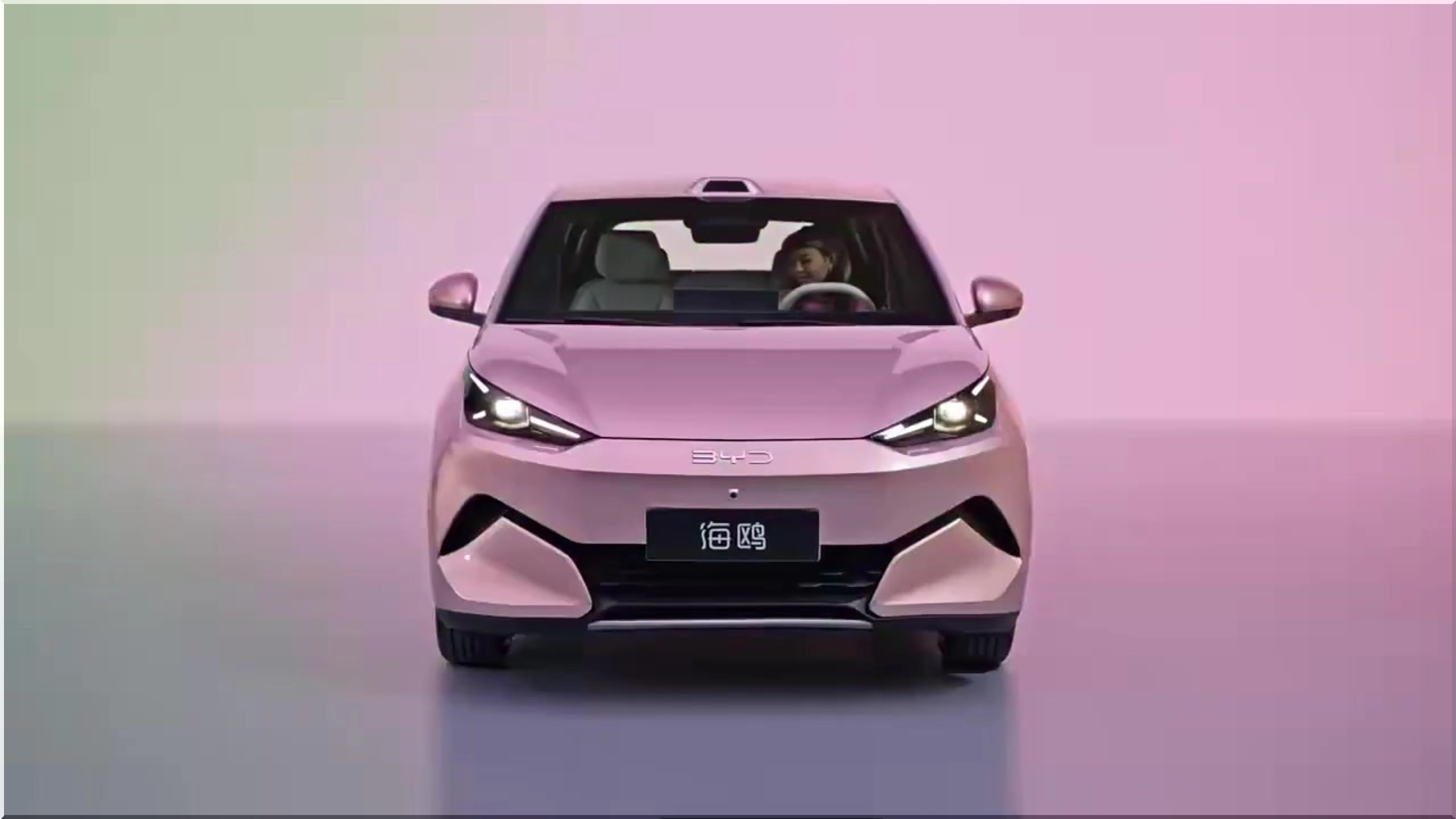
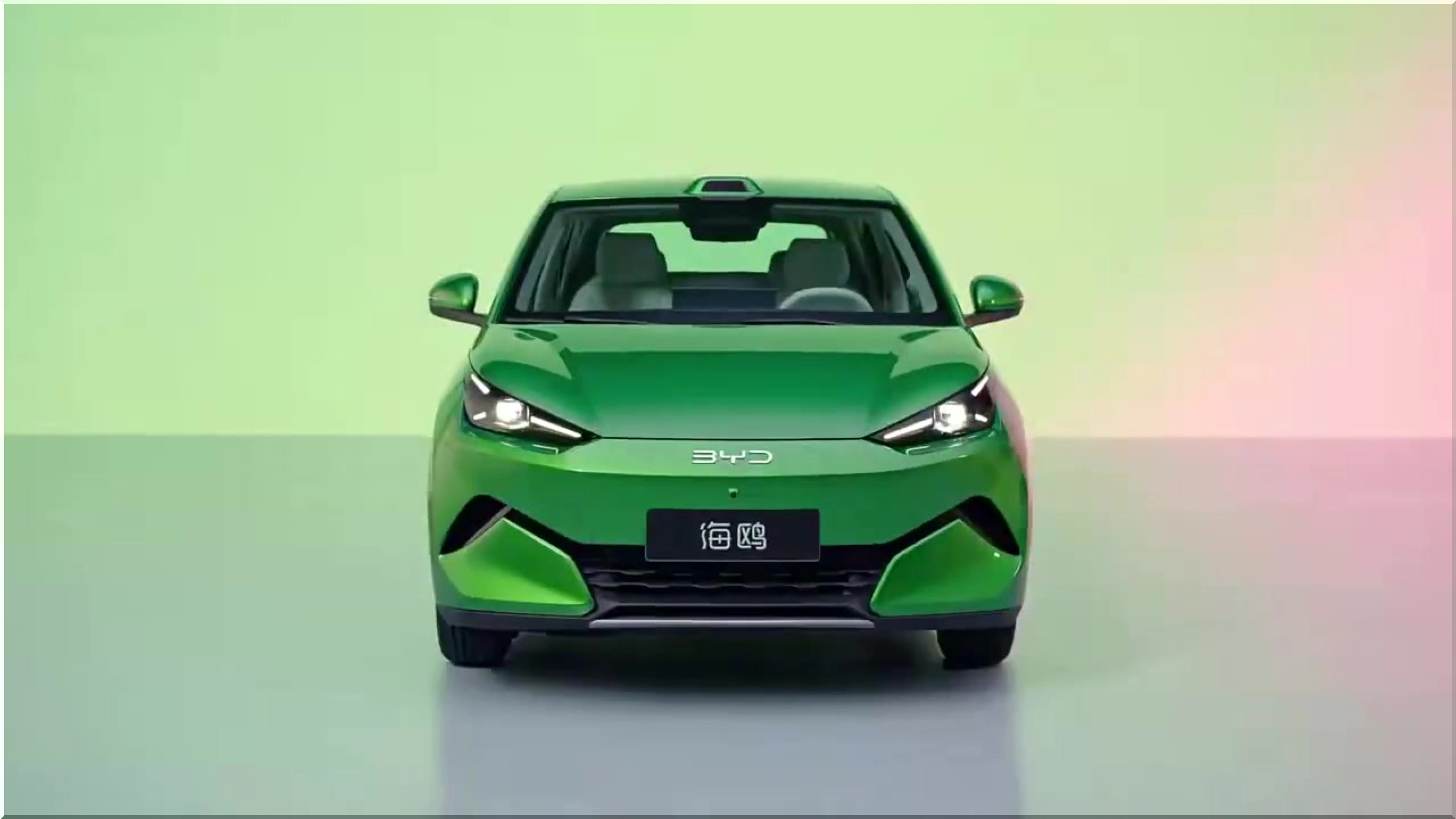
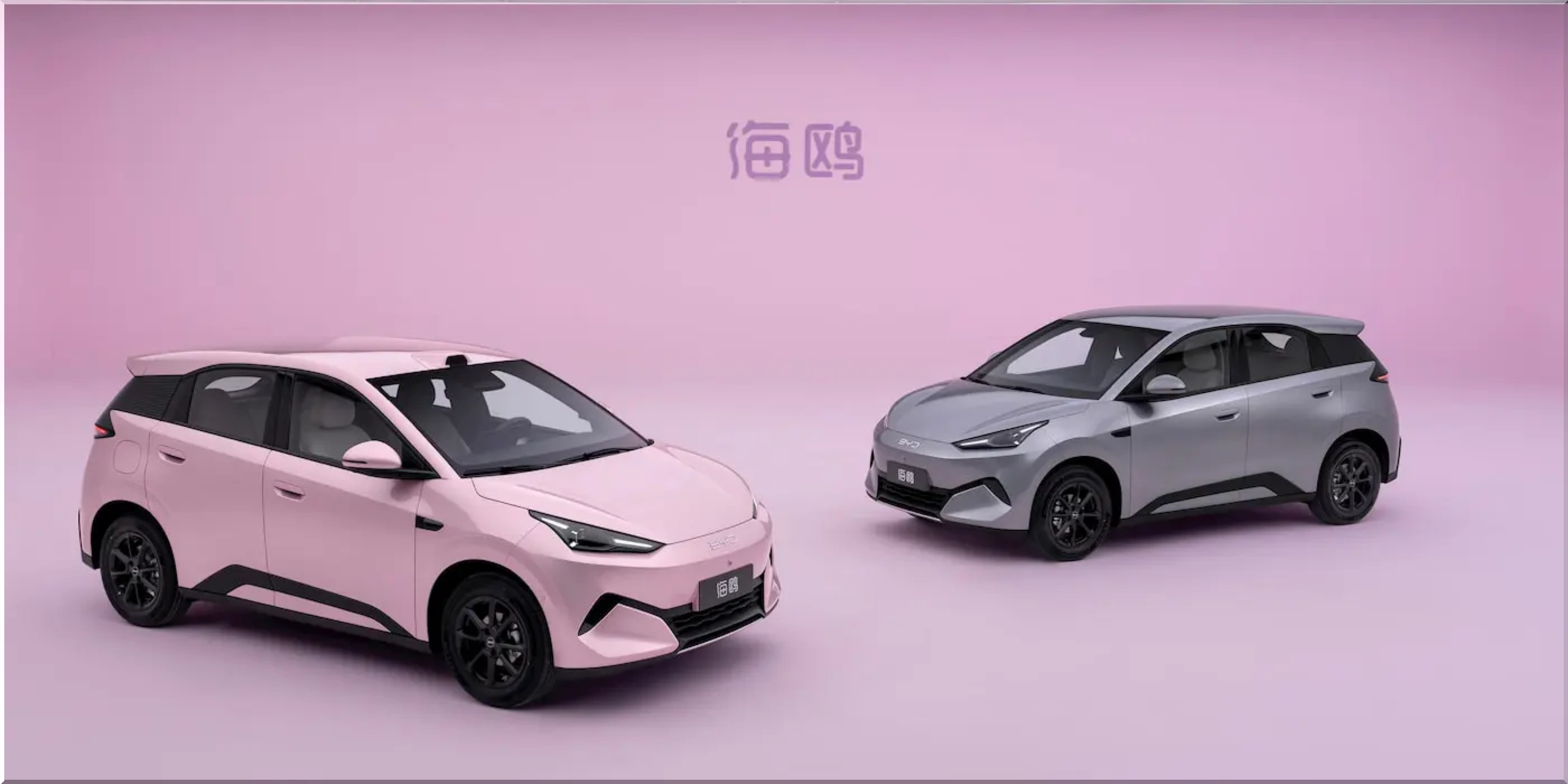
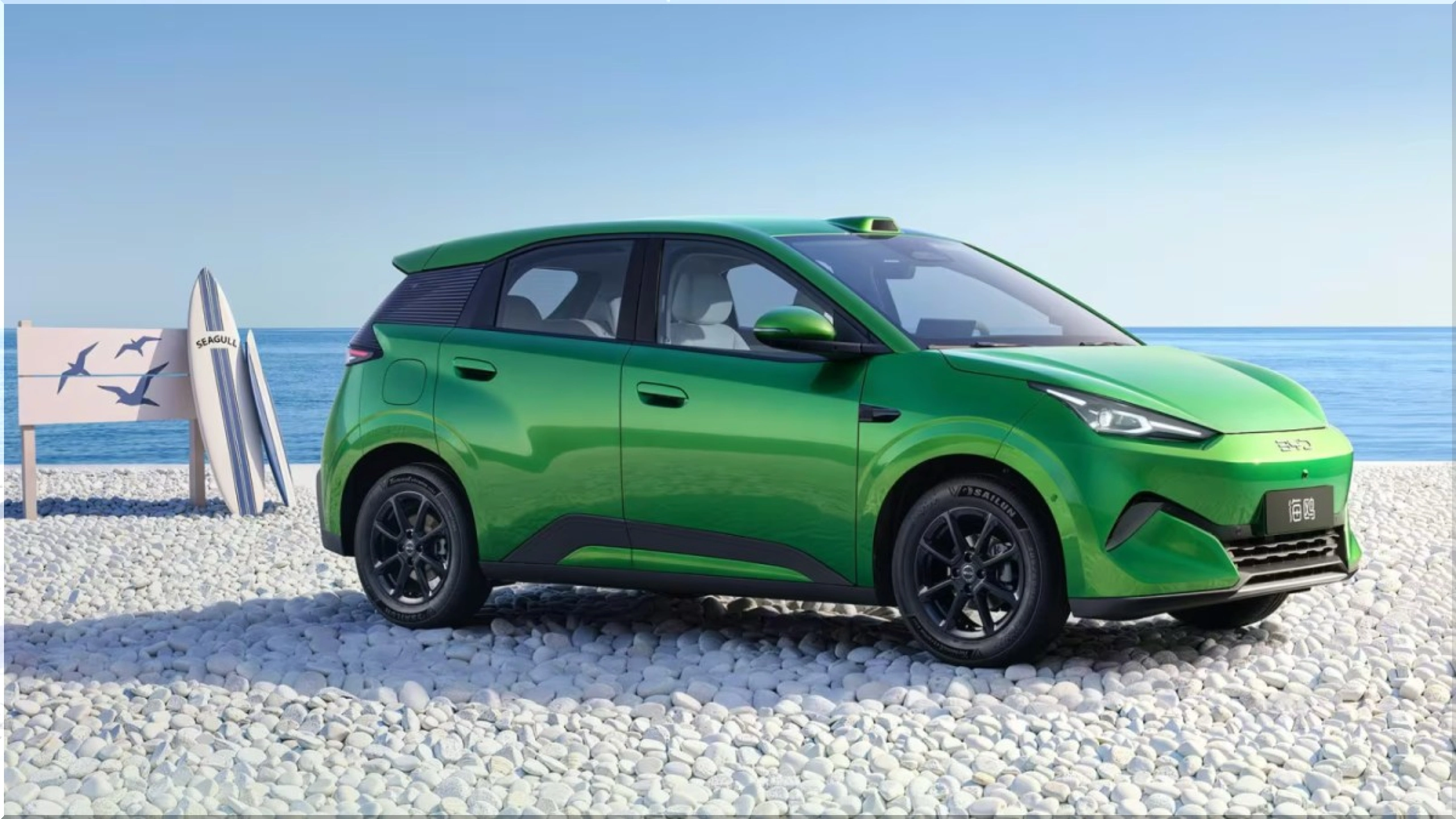
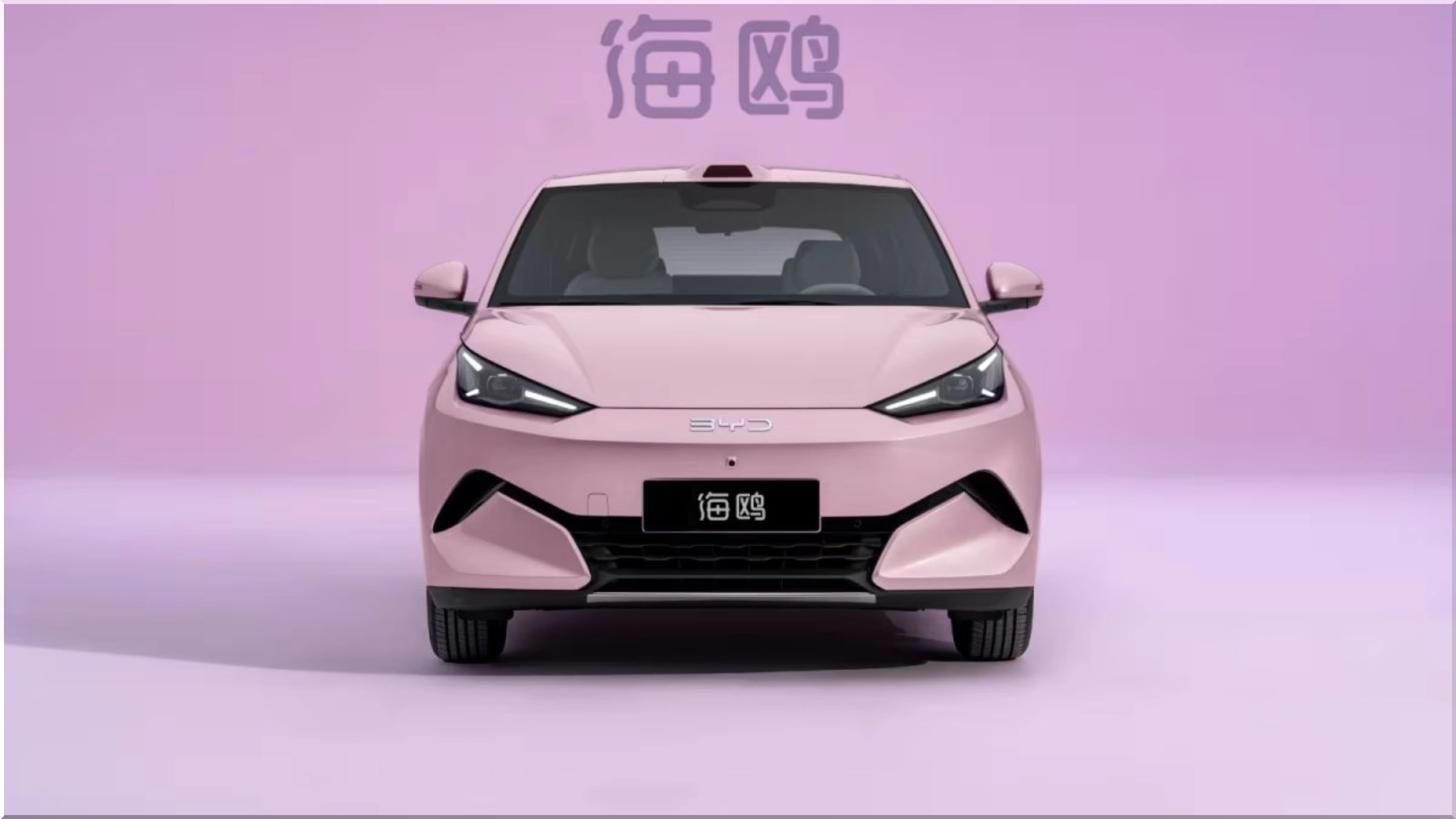
The 2027 BYD Seagull trades its tiny footprint for five seats, rear-wheel drive and a much faster charging option. BYD launched the second generation in China on October 2026, with an entry price equivalent to approximately €8,830. There is a catch behind the charging headline: buyers need the roughly €10,170 Ease Edition or higher for Flash Charging.
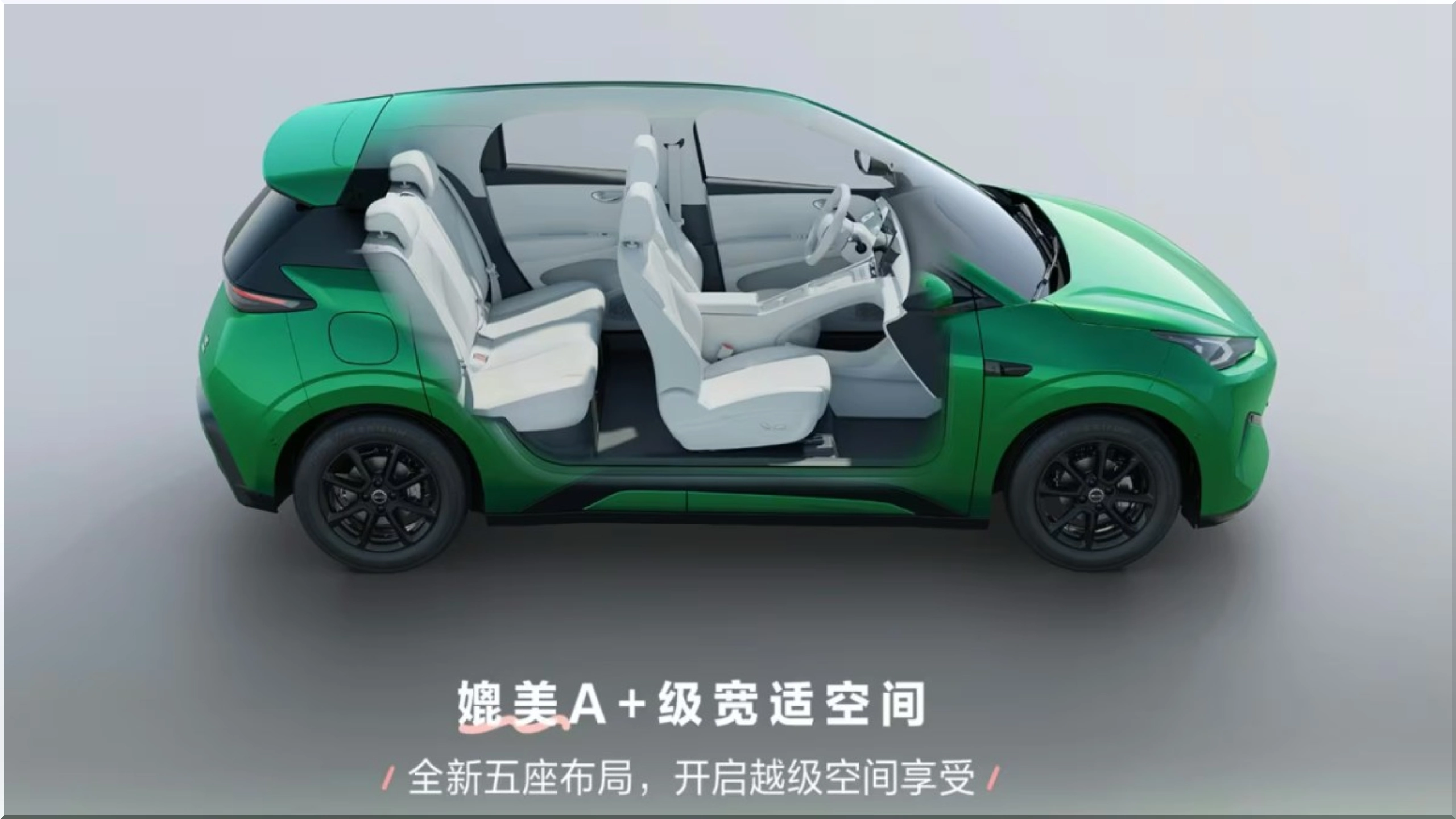
- Five seats replace the outgoing car's four-seat layout.
- Two batteries deliver quoted ranges of 320 km or 420 km CLTC.
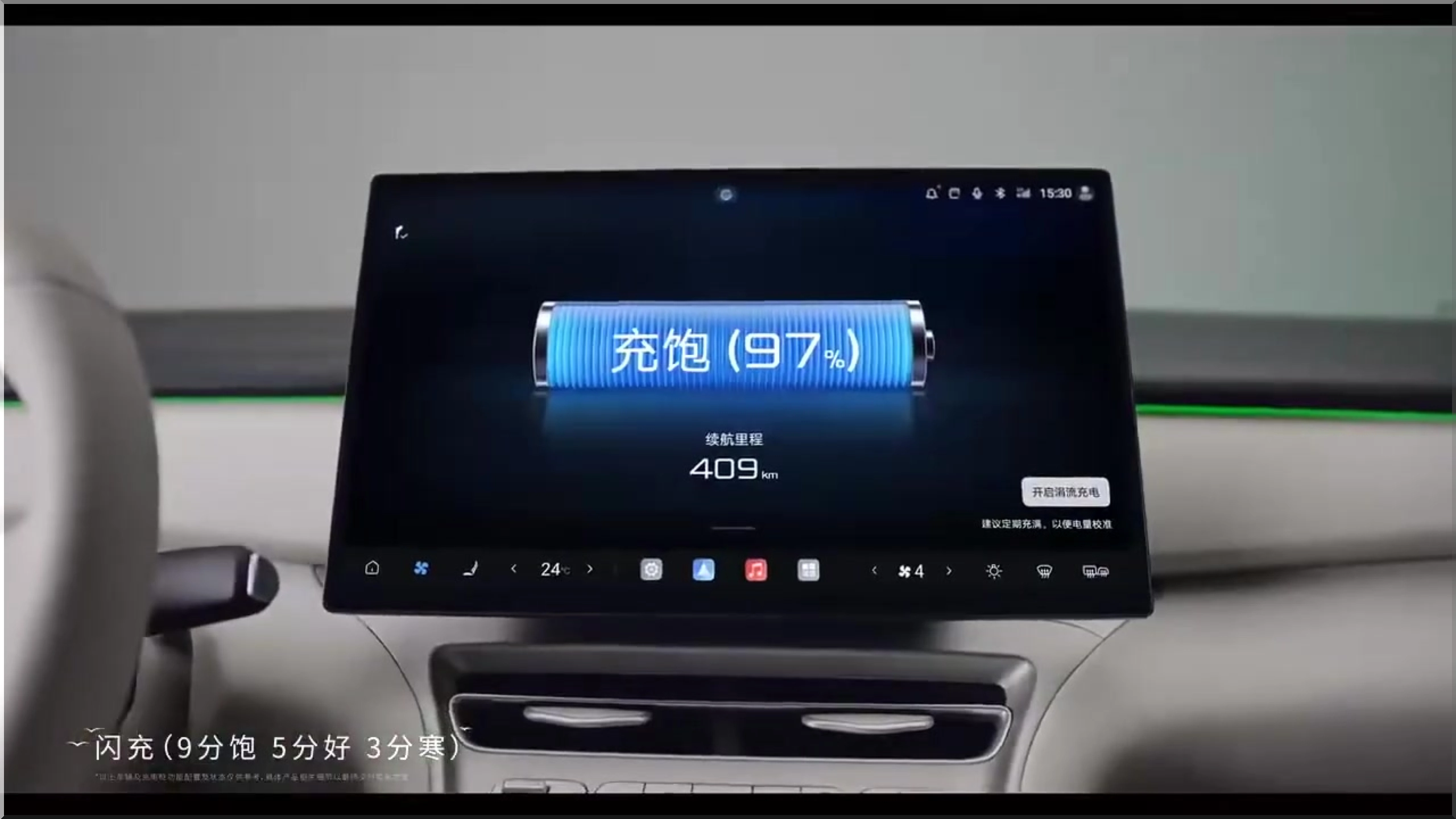
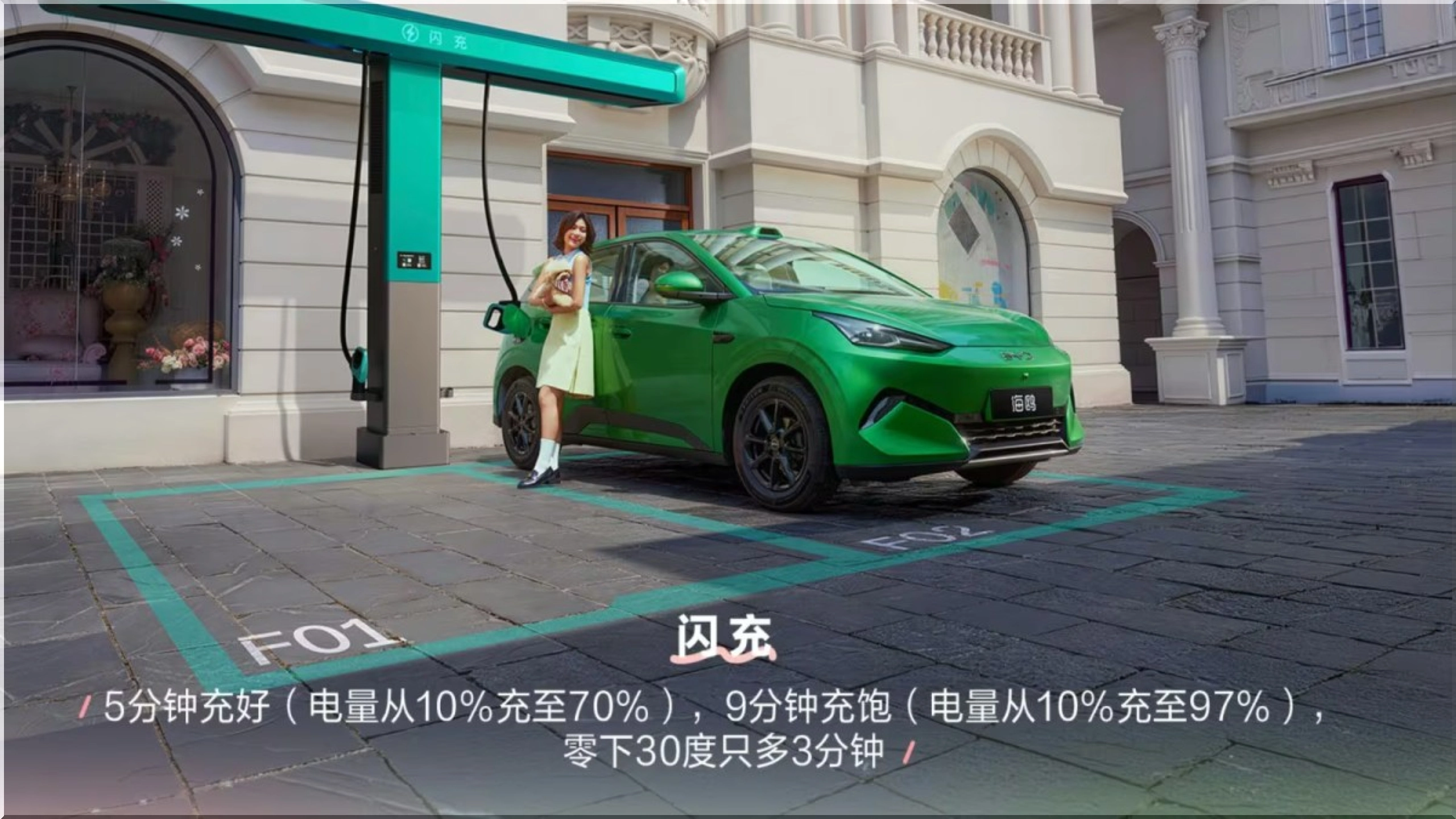
- Flash-Charging versions claim 10-70% in five minutes.
- China prices do not establish European retail prices.
Image
China Prices: Where Flash Charging Starts
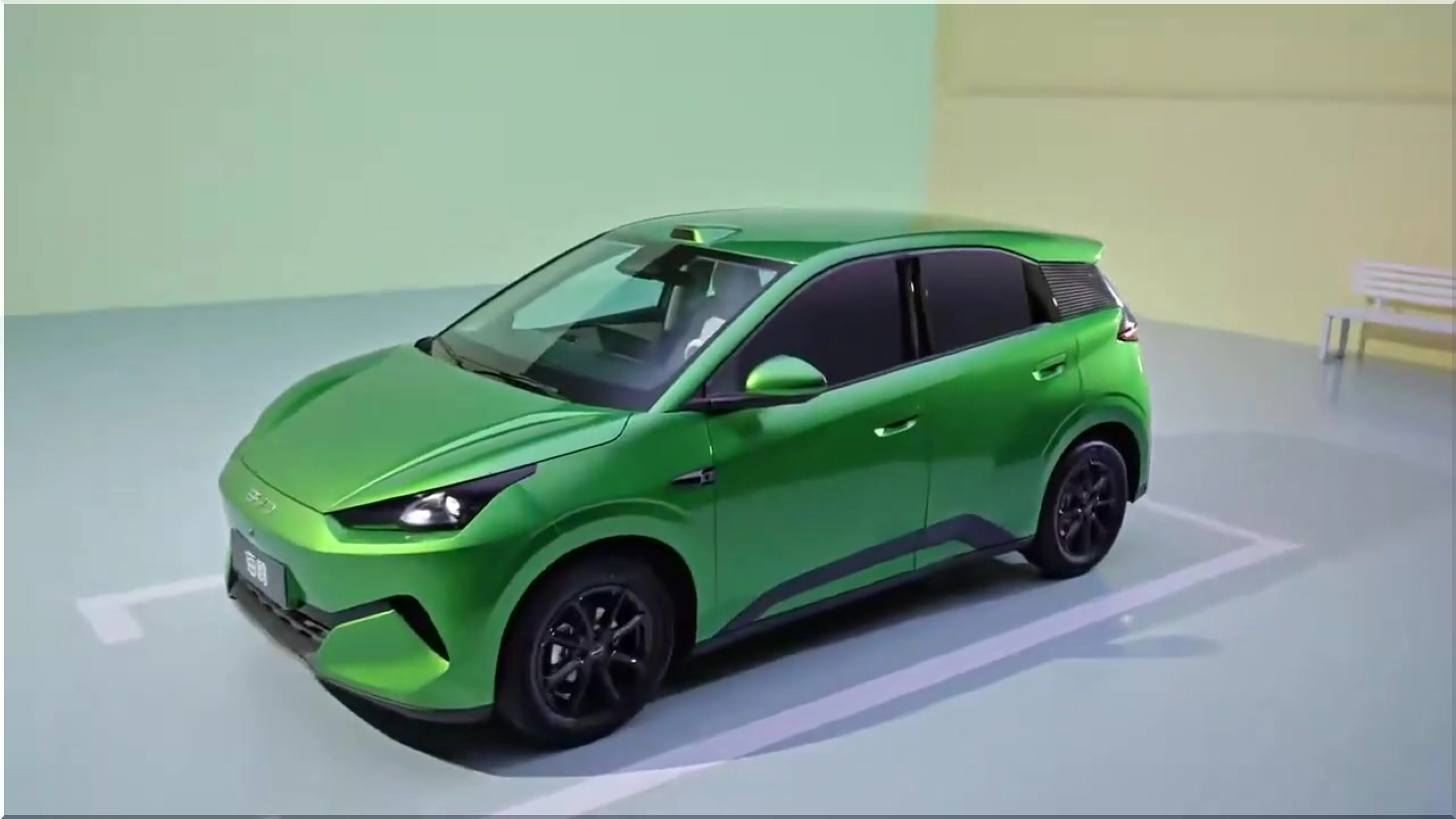
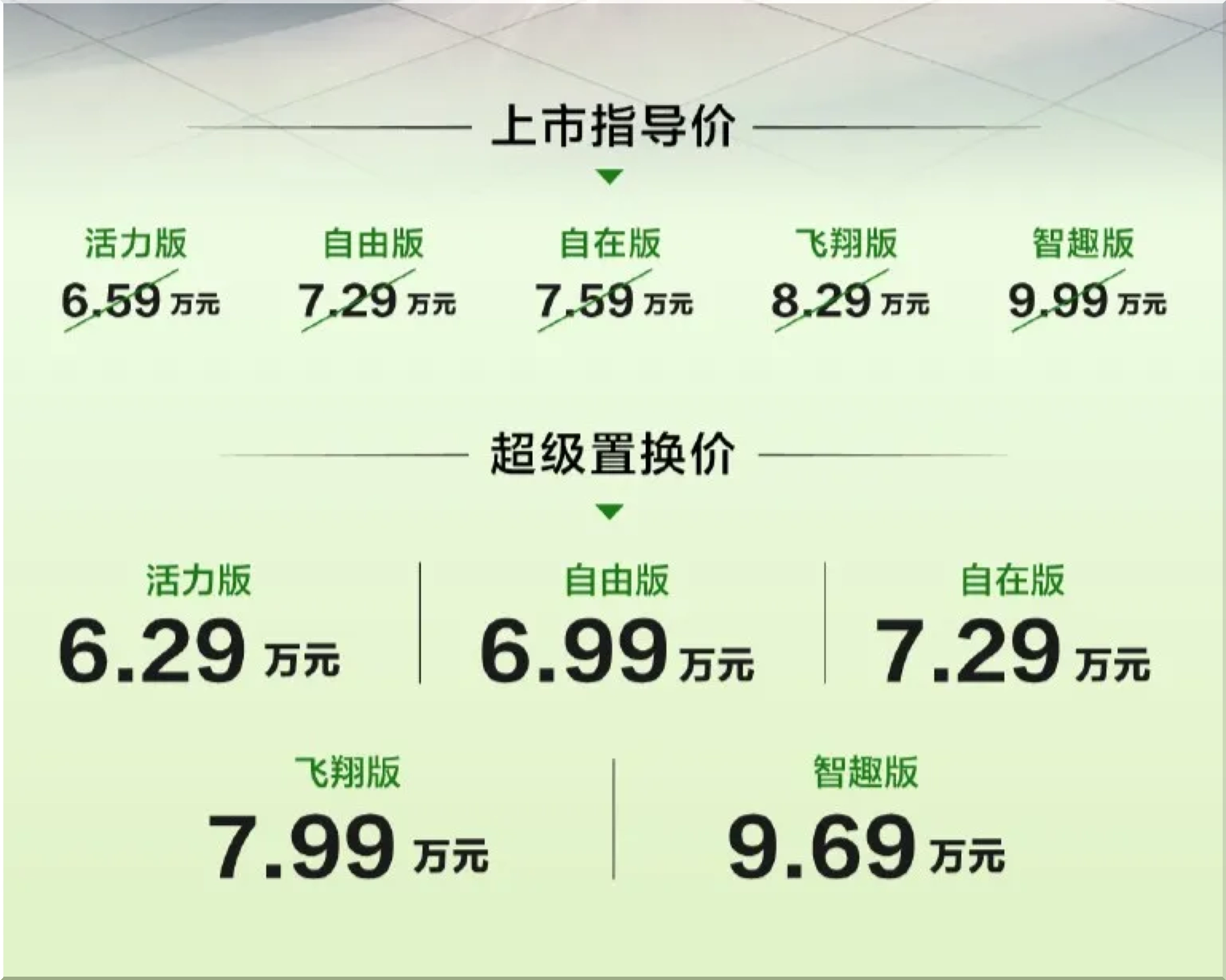
BYD offers five versions. The two cheaper trims use a 30.1 kWh battery; the upper three pair a 39.2 kWh pack with Flash Charging. Choose the battery before considering cabin extras.
| China-market trim | Approximate price in euros | Battery | Quoted CLTC range | Flash Charging |
|---|---|---|---|---|
| Vitality | €8,830 | 30.1 kWh | 320 km | No |
| Freedom | €9,760 | 30.1 kWh | 320 km | No |
| Ease | €10,170 | 39.2 kWh | 420 km | Yes |
| Flight | €11,100 | 39.2 kWh | 420 km | Yes |
| Smart | €13,380 | 39.2 kWh | 420 km | Yes |
They exclude European import and registration costs. Eligible Chinese trade-in buyers can deduct about €400, taking the entry price to approximately €8,420; buyers without a qualifying trade-in pay the advertised price.
Image

A Larger Body Changes the Seagull's Job
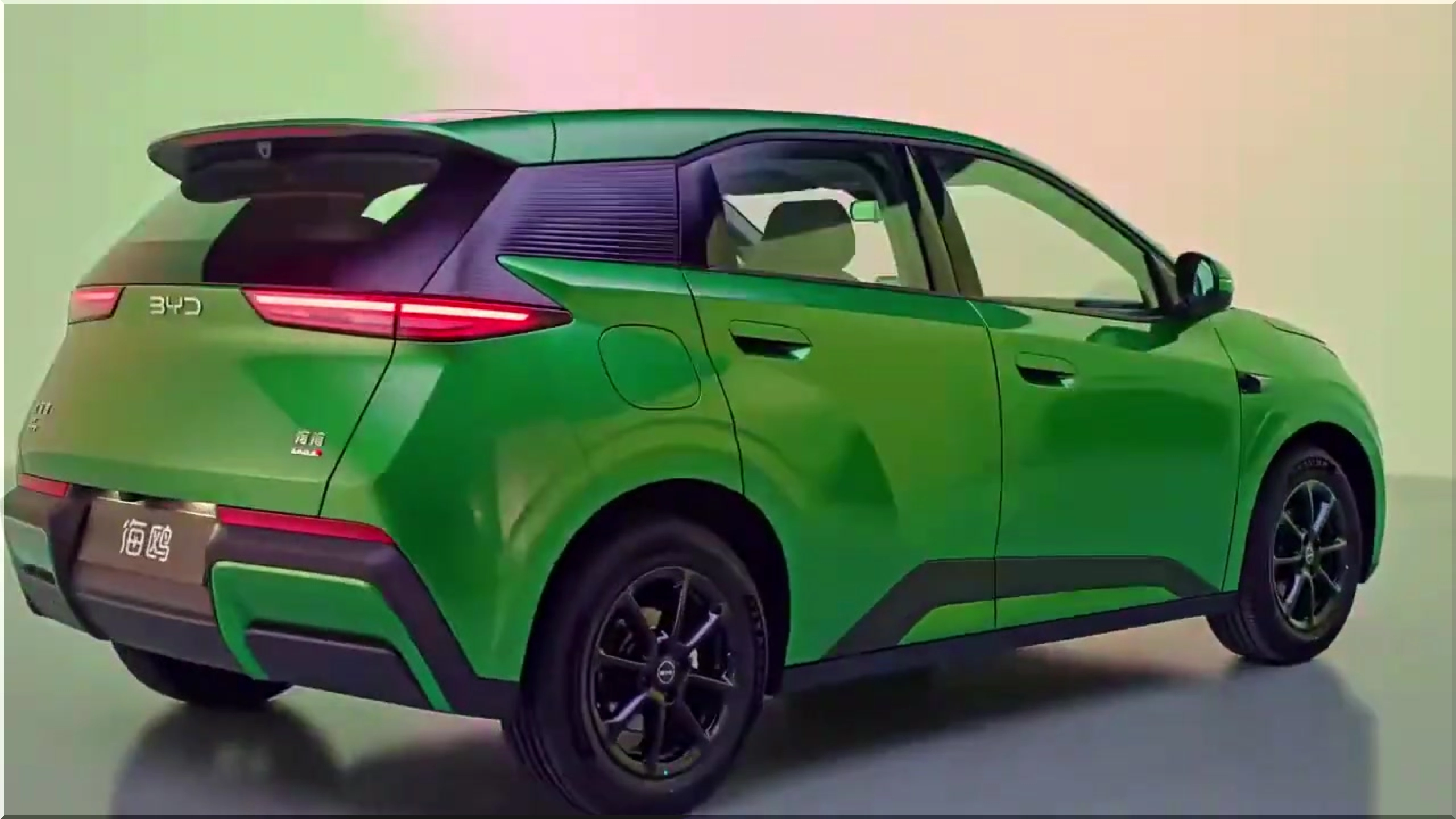
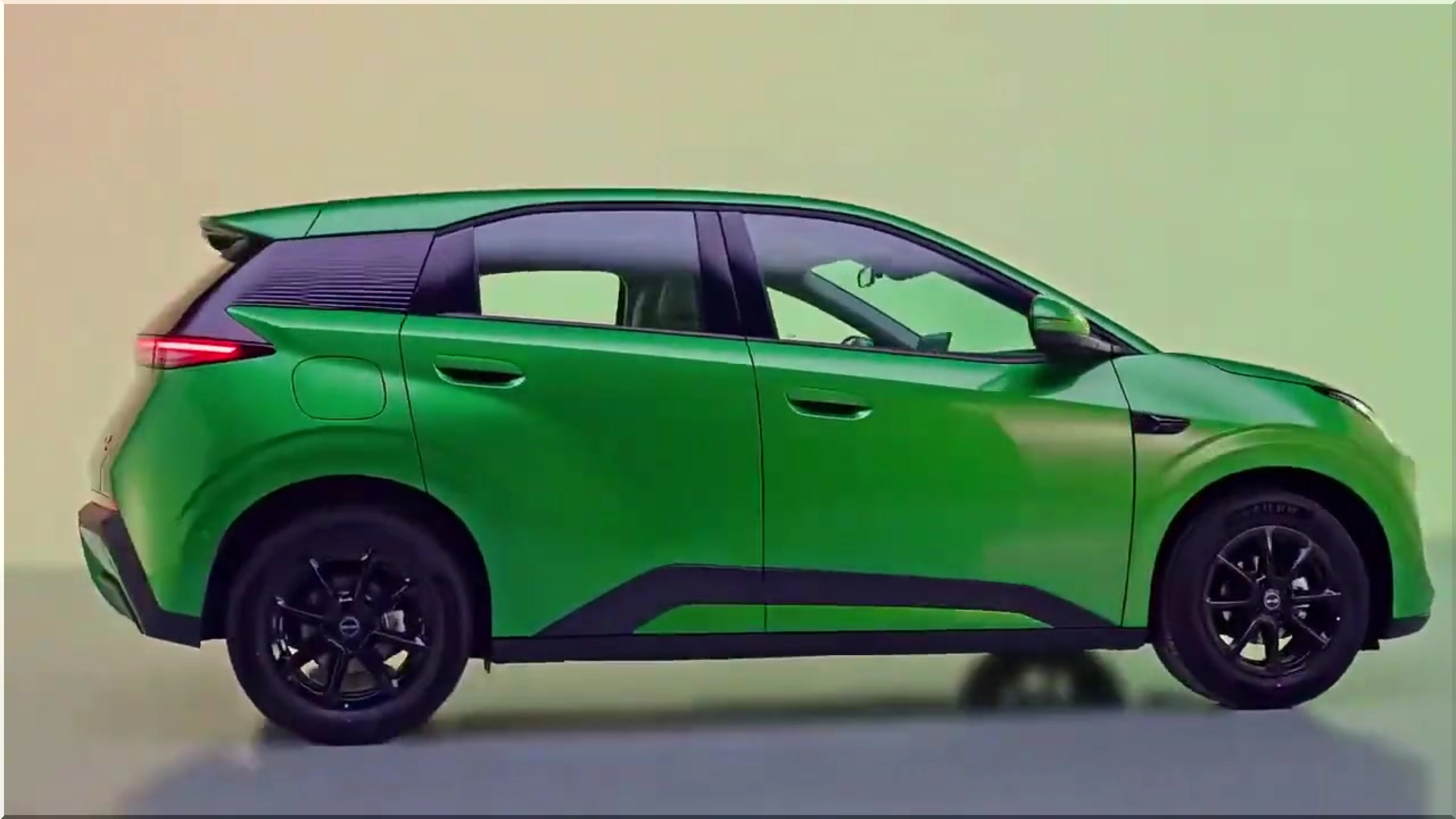
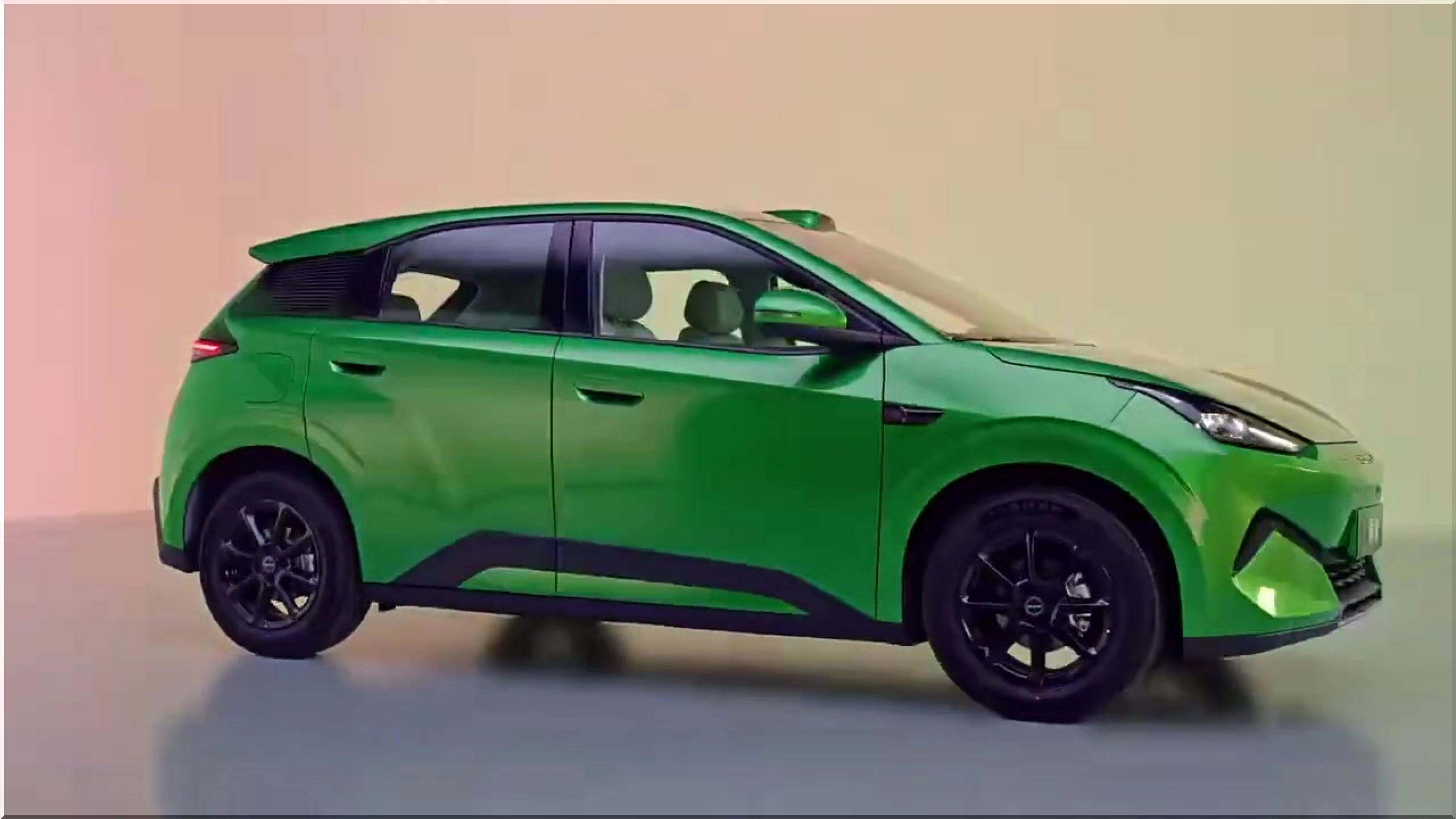
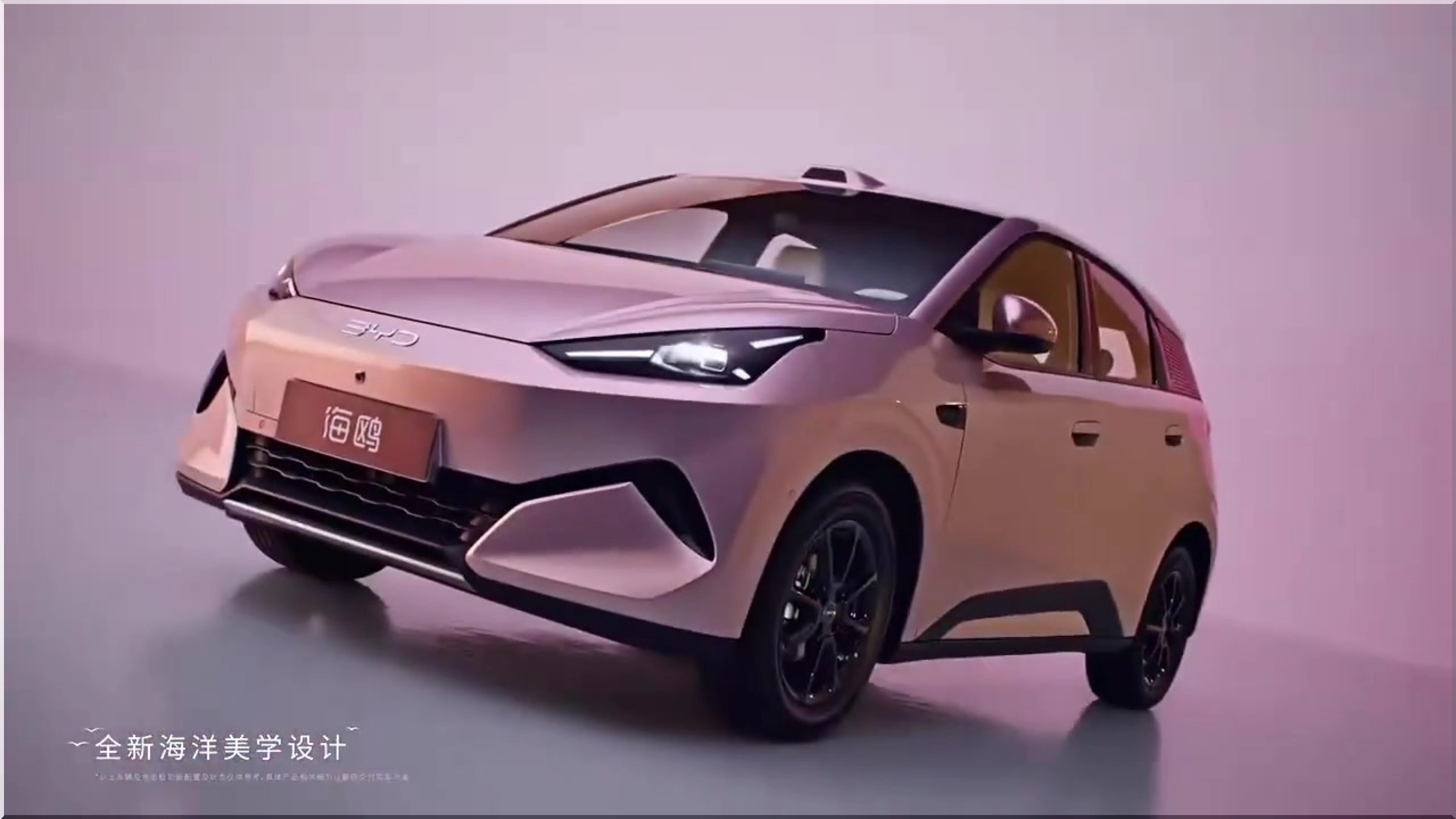
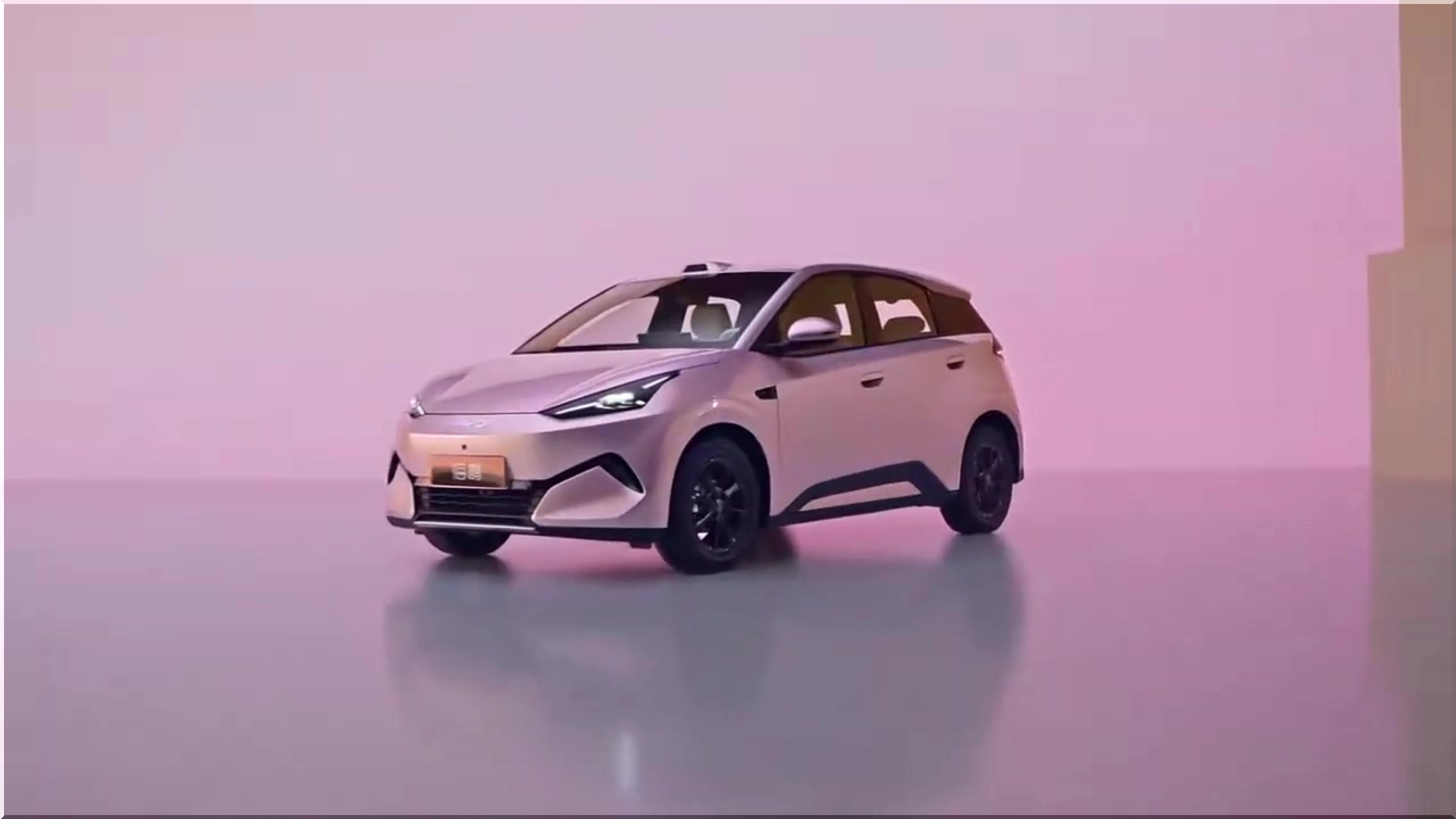
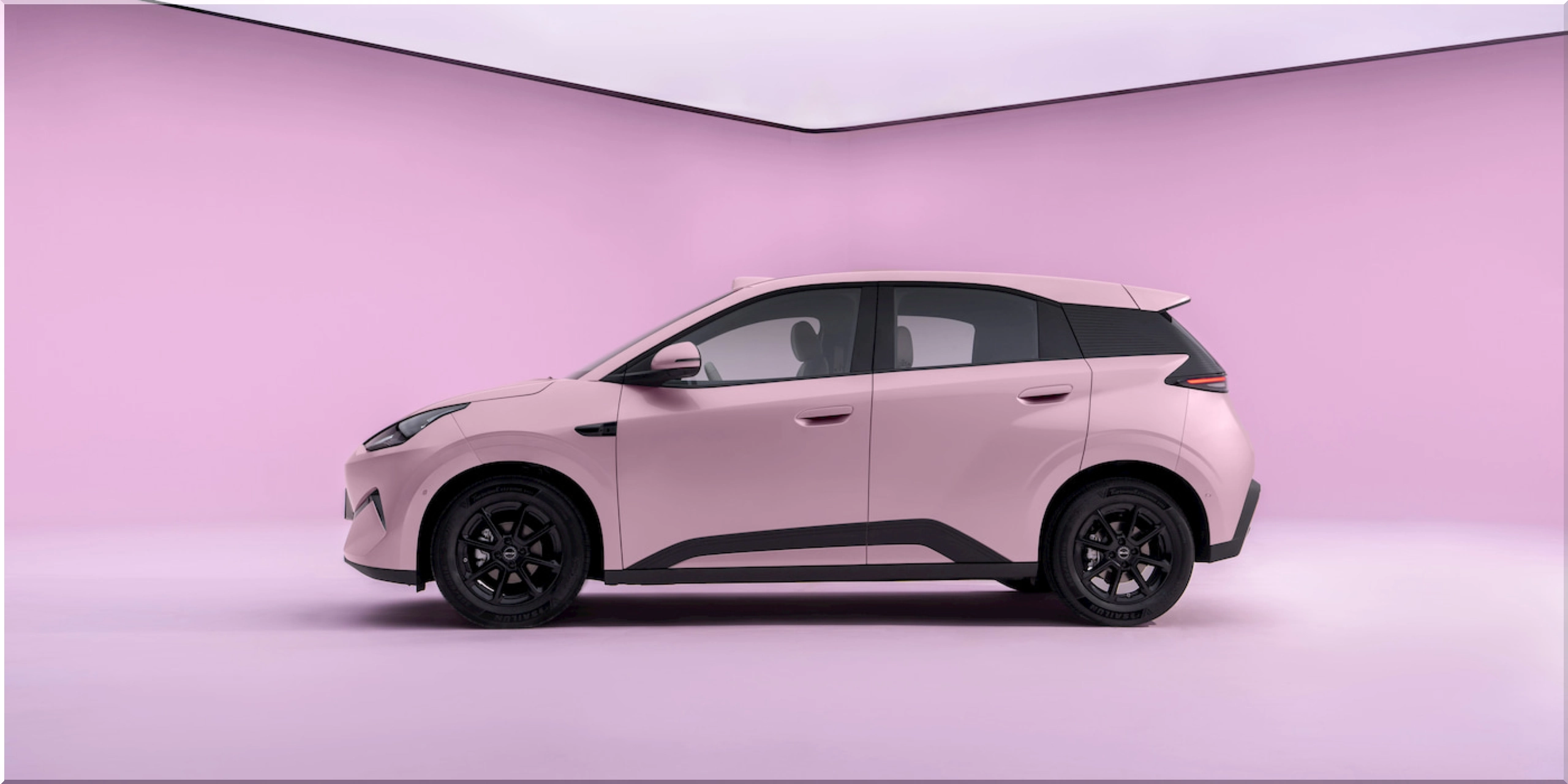
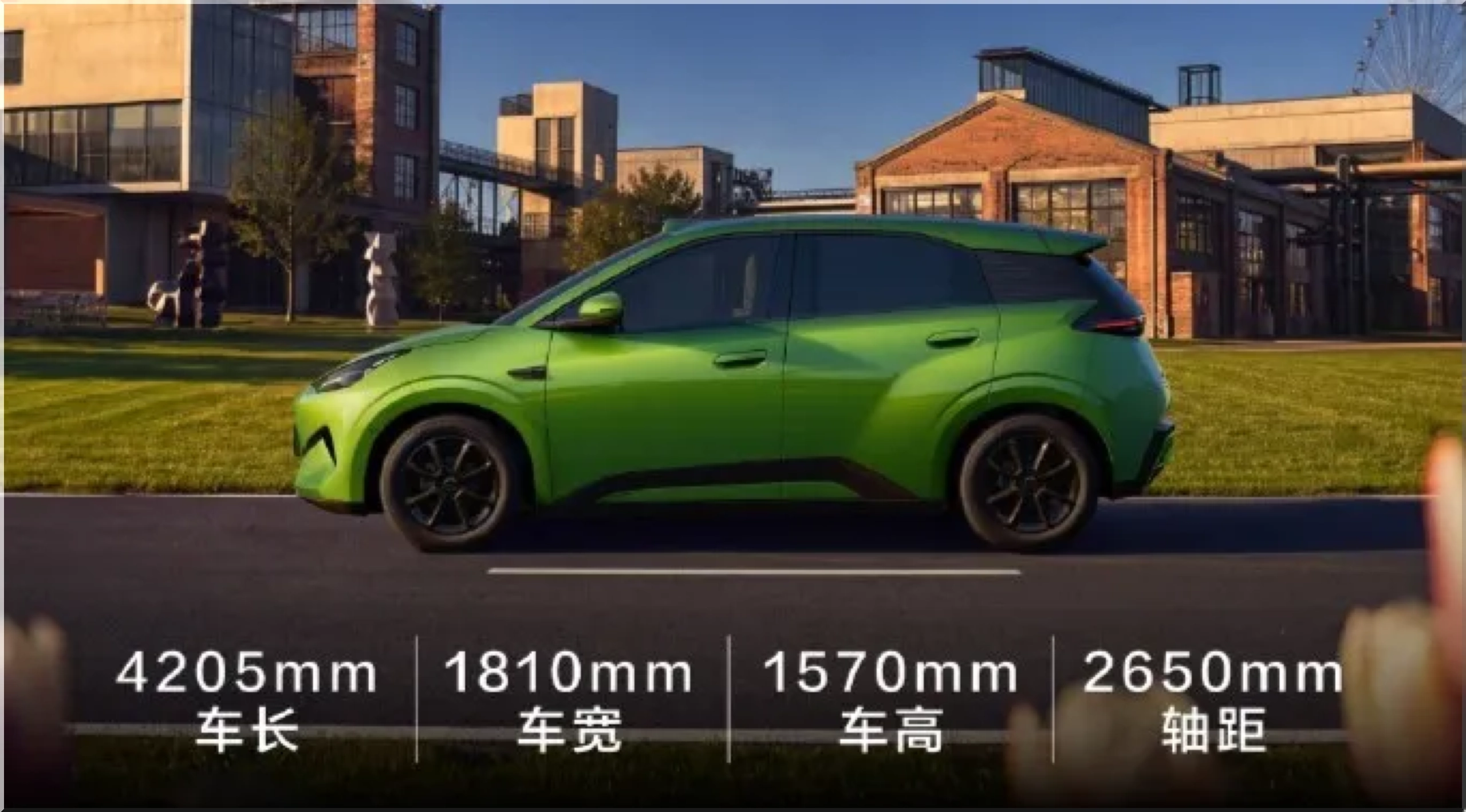
The new hatchback measures 4,205 mm long, 1,810 mm wide and 1,570 mm tall, or approximately 165.6, 71.3 and 61.8 inches. Its 2,650 mm wheelbase measures 104.3 inches. Against the outgoing Chinese Seagull, BYD adds 425 mm in length, 95 mm in width and 150 mm between the axles.
A fifth seat makes occasional family duty easier. The longer wheelbase gives BYD more room between the wheel housings. A 94-litre front boot separates cables from luggage, and folding the rear seats expands rear cargo capacity to 1,380 litres. That last figure describes maximum loading space, rather than luggage room with five occupants aboard.
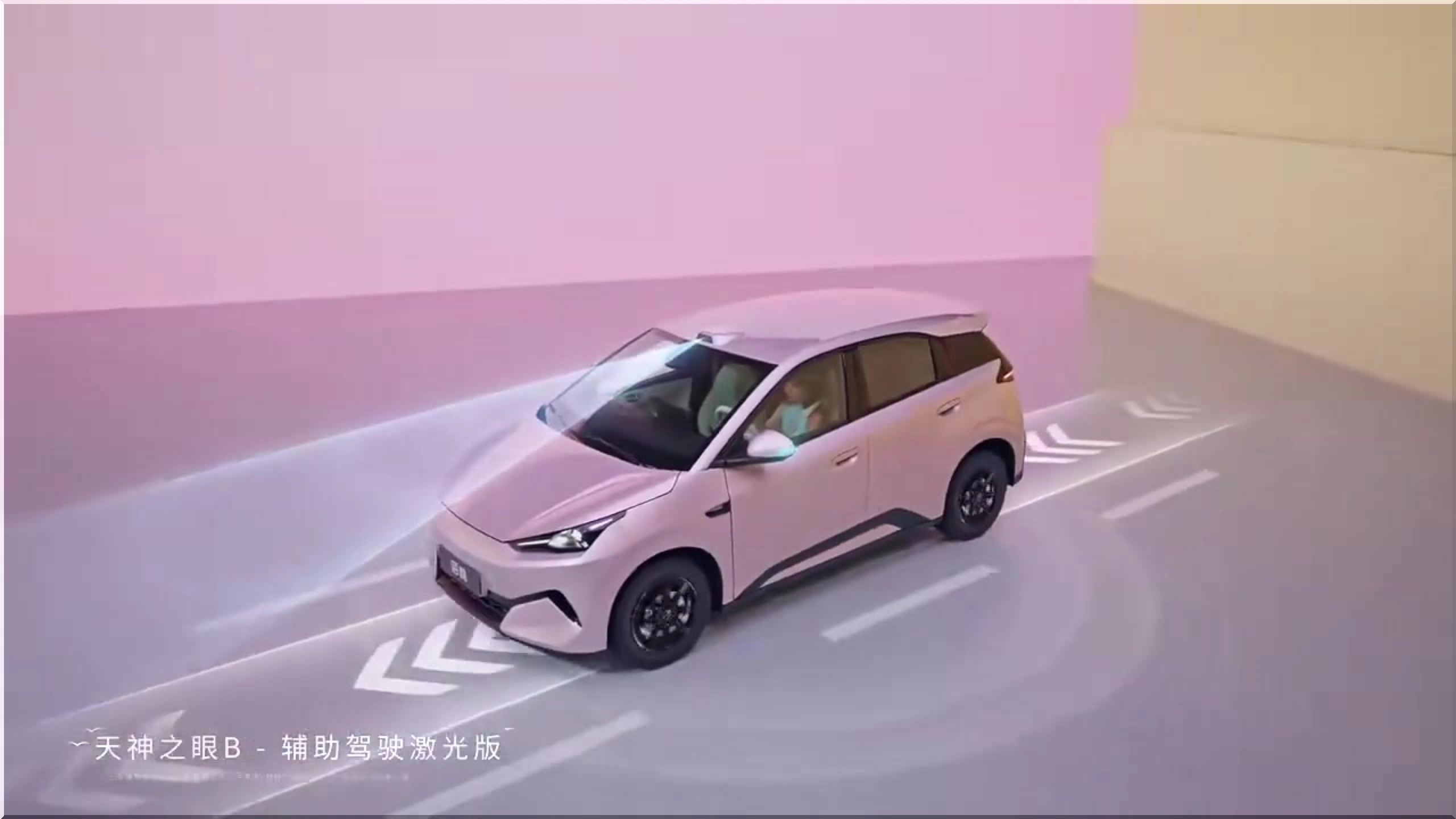
BYD also switches to rear-wheel drive and a multi-link independent rear suspension. Moving propulsion to the rear separates drive forces from the front steering wheels; independent rear wheel movement gives engineers more freedom to tune bump control. Neither change guarantees better handling without a road test, but both give this budget hatchback more chassis tuning scope.
Video file
Video title
2027 BYD Seagull
Five-Minute Charging: What the Number Actually Means
Motor outputs reach 85 kW or 95 kW, approximately 114 hp or 127 hp, with 130 Nm of torque. Both outputs exceed the outgoing car's 55 kW. The second-generation Blade Battery uses lithium iron phosphate chemistry, and BYD quotes consumption of 9.0 kWh/100 km.
For the 39.2 kWh battery, a 10-70% session represents roughly 23.5 kWh using nominal capacity. Delivering that energy in five minutes implies approximately 282 kW average battery-side charging power, before adjusting for usable capacity and losses. This calculation does not establish a published peak rating.
Buyers need compatible BYD Flash-Charging infrastructure to pursue that time. Battery temperature, starting charge and charger output also affect the result. A five-minute stop covers 60 percentage points, so it says nothing about a complete recharge.
CLTC describes China's laboratory range cycle. It does not supply a fixed conversion to WLTP, and neither supplied launch report establishes a certified European range for this generation.
How It Compares With Three Budget EV Rivals
These named Chinese-market versions share the CLTC range cycle. The smaller Leapmotor T03 supplies a city-car benchmark alongside Geely's Xingyuan and Wuling's Bingo S.
| Model/version | Motor output | CLTC range | Seagull's numerical advantage or deficit |
|---|---|---|---|
| Seagull, higher-output 420 km version | 95 kW | 420 km | Reference |
| Geely Xingyuan, 410 km | 85 kW | 410 km | 10 kW more; 10 km more |
| Wuling Bingo S, 430 km | 75 kW | 430 km | 20 kW more; 10 km less |
| Leapmotor T03, 403 Comfort | 80 kW | 403 km | 15 kW more; 17 km more |
Looking at the data, BYD wins this power comparison but does not lead every range comparison. Power alone cannot rank acceleration: vehicle mass, gearing and traction also matter. Geely already offers rear-wheel drive and independent rear suspension, so BYD now contests that hardware advantage rather than inventing it.


Which Seagull Should Buyers Choose?
For Chinese buyers who regularly charge away from home, the 2027 BYD Seagull Ease Edition looks like the sensible starting point. Its roughly €1,340 premium over Vitality buys 9.1 kWh more battery capacity, 100 km more quoted CLTC range and Flash Charging. Home-charging commuters should weigh that premium against their actual weekly mileage.
Pro-Tips: Before ordering, check:
- Compatible Flash-Charging stations along regular routes.
- The trim's exact comfort and driver-assistance equipment.
- Trade-in eligibility and the dealer's complete on-road quote.
European readers should keep the BYD Dolphin Surf separate from this China launch. BYD's current European specification quotes up to 85 kW DC charging and 10-80% in 30 minutes. The consulted launch material confirms neither a European arrival date nor European pricing for the second-generation Seagull.
- Add new comment
- 17 views