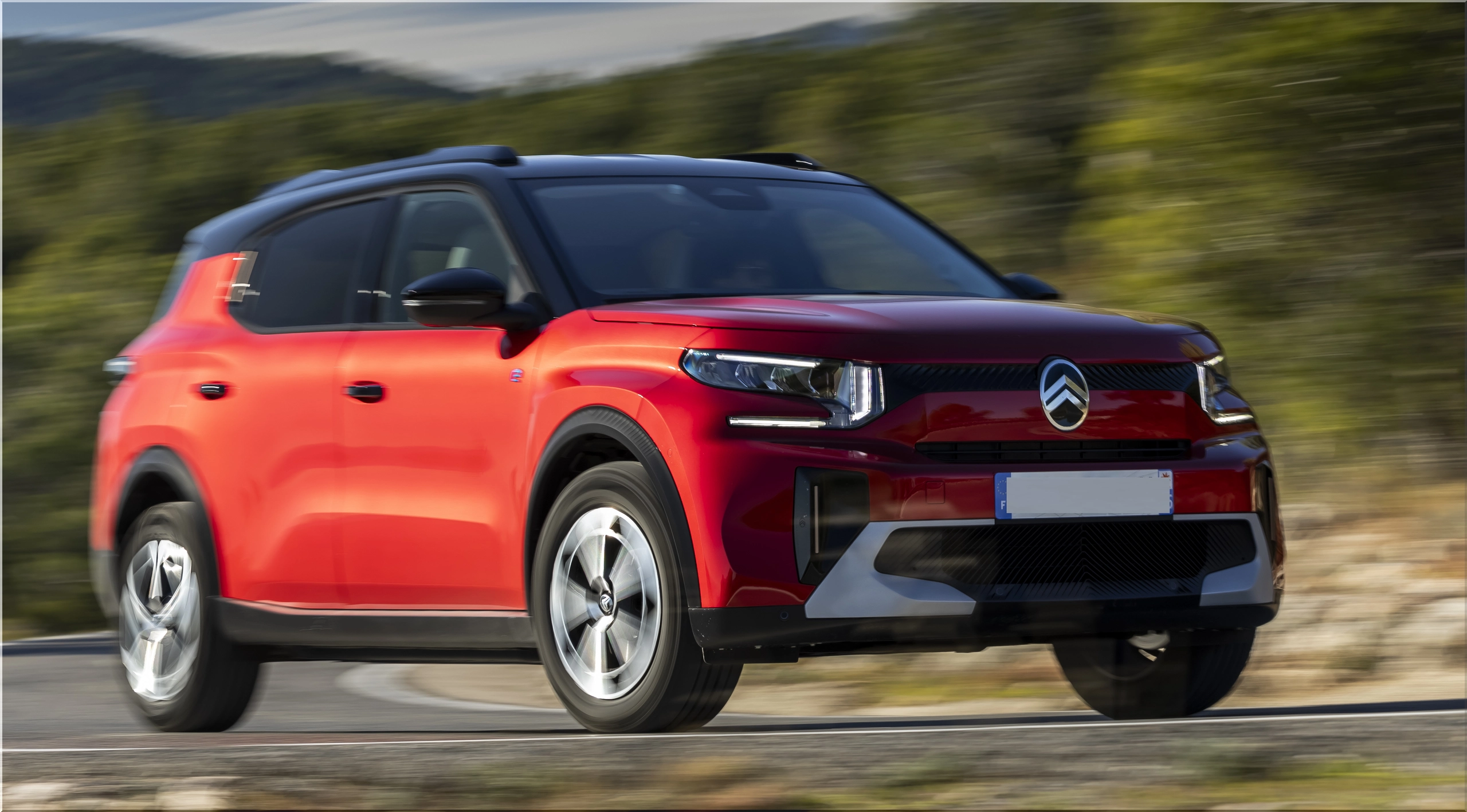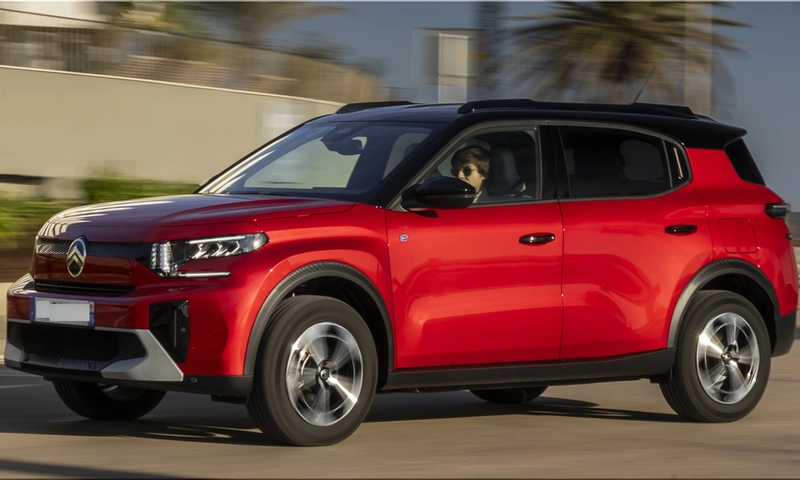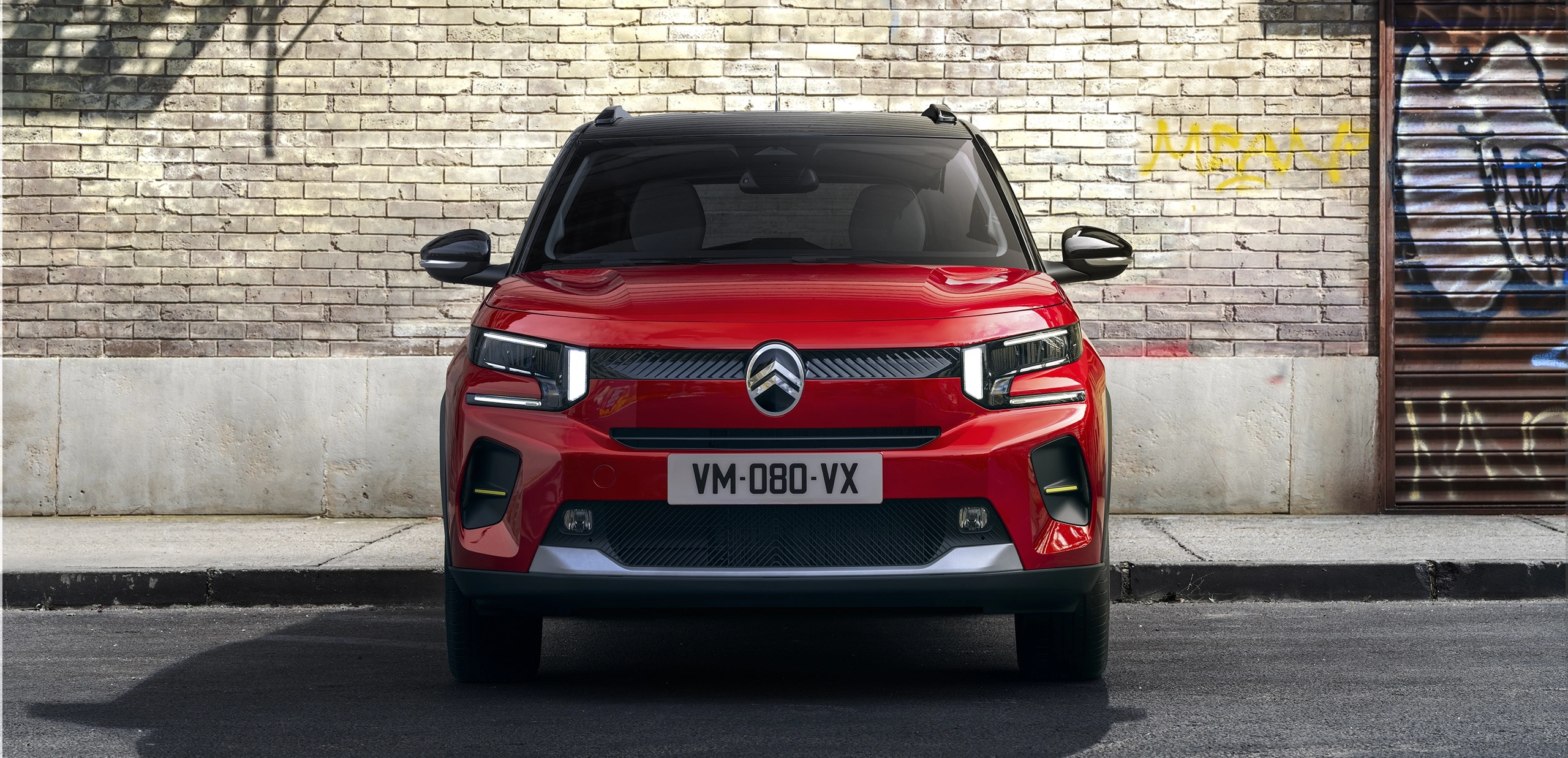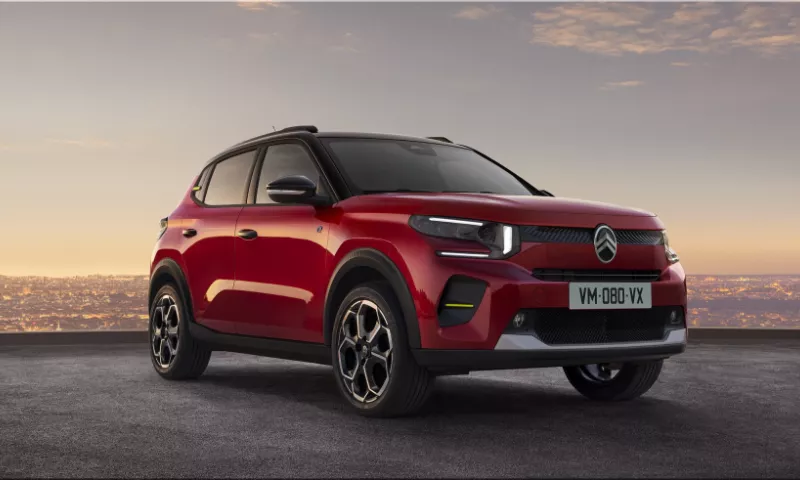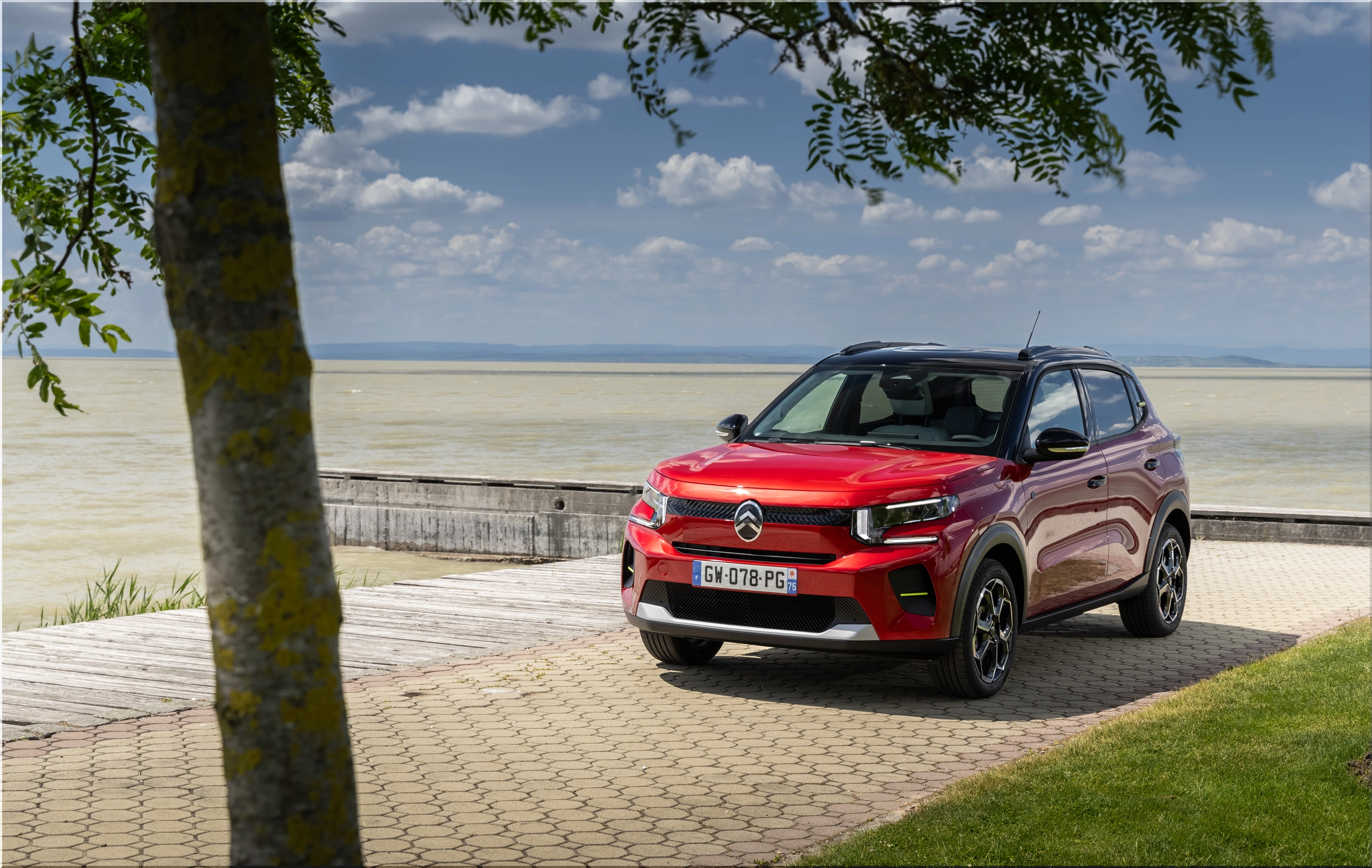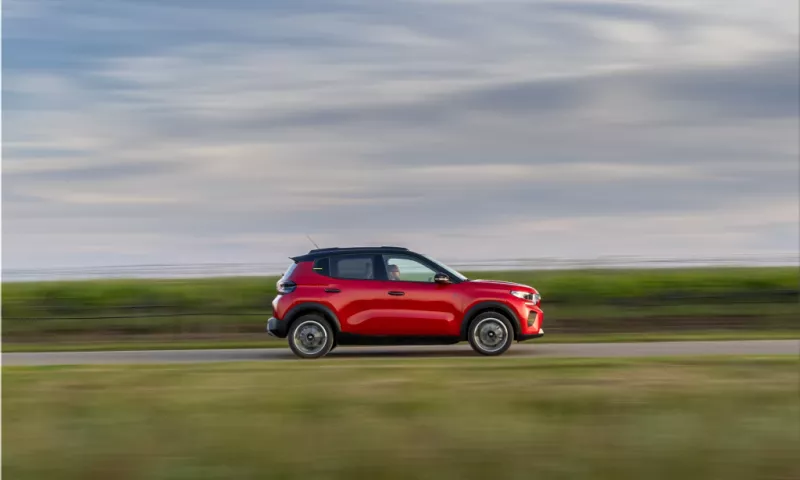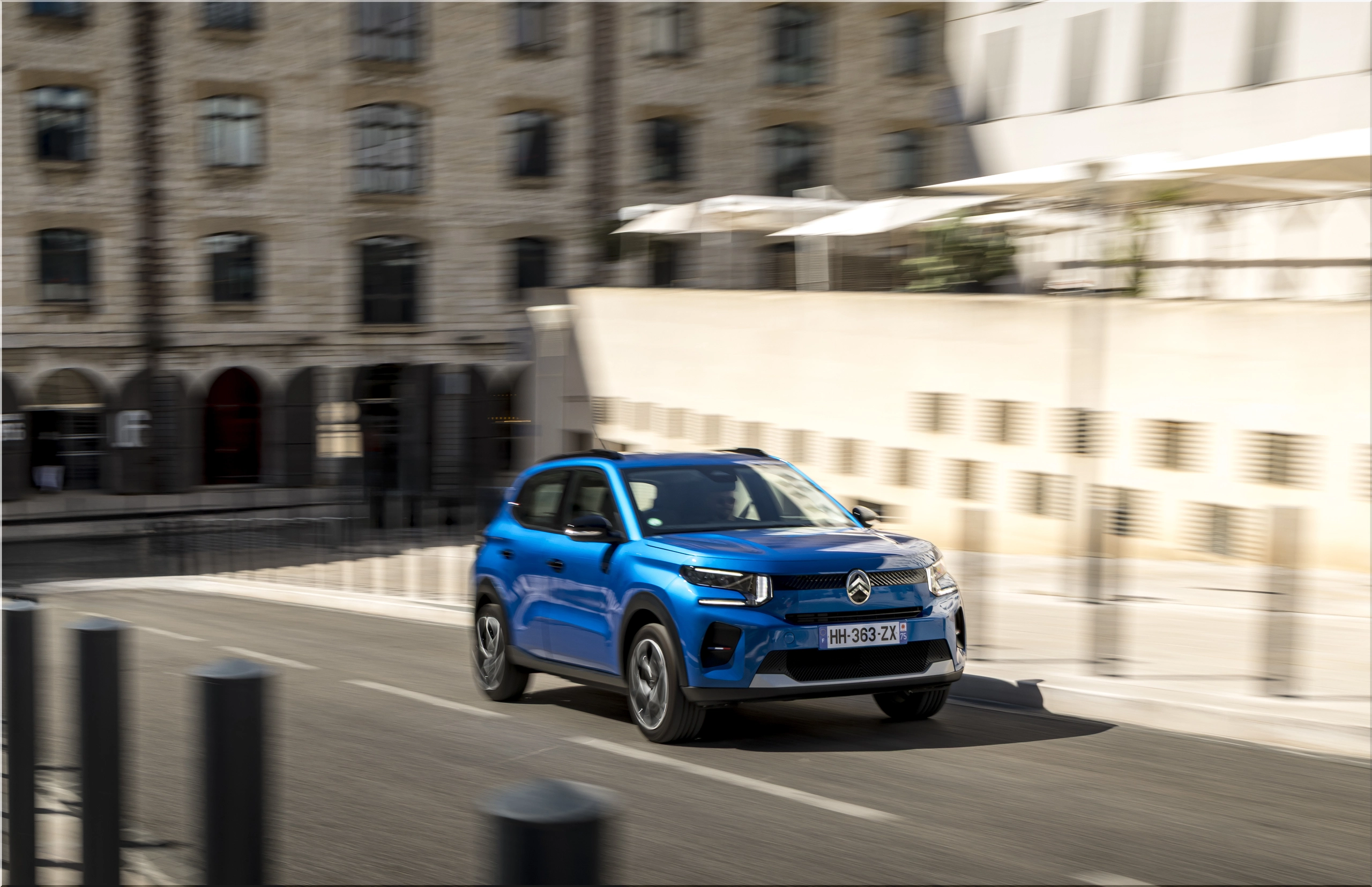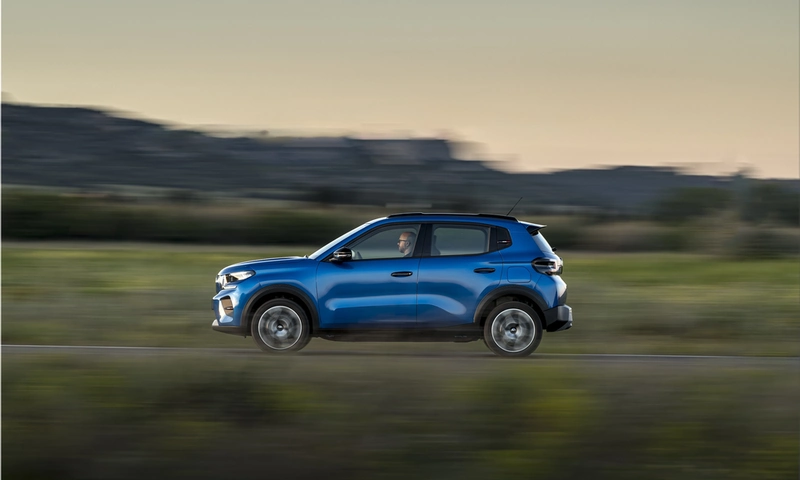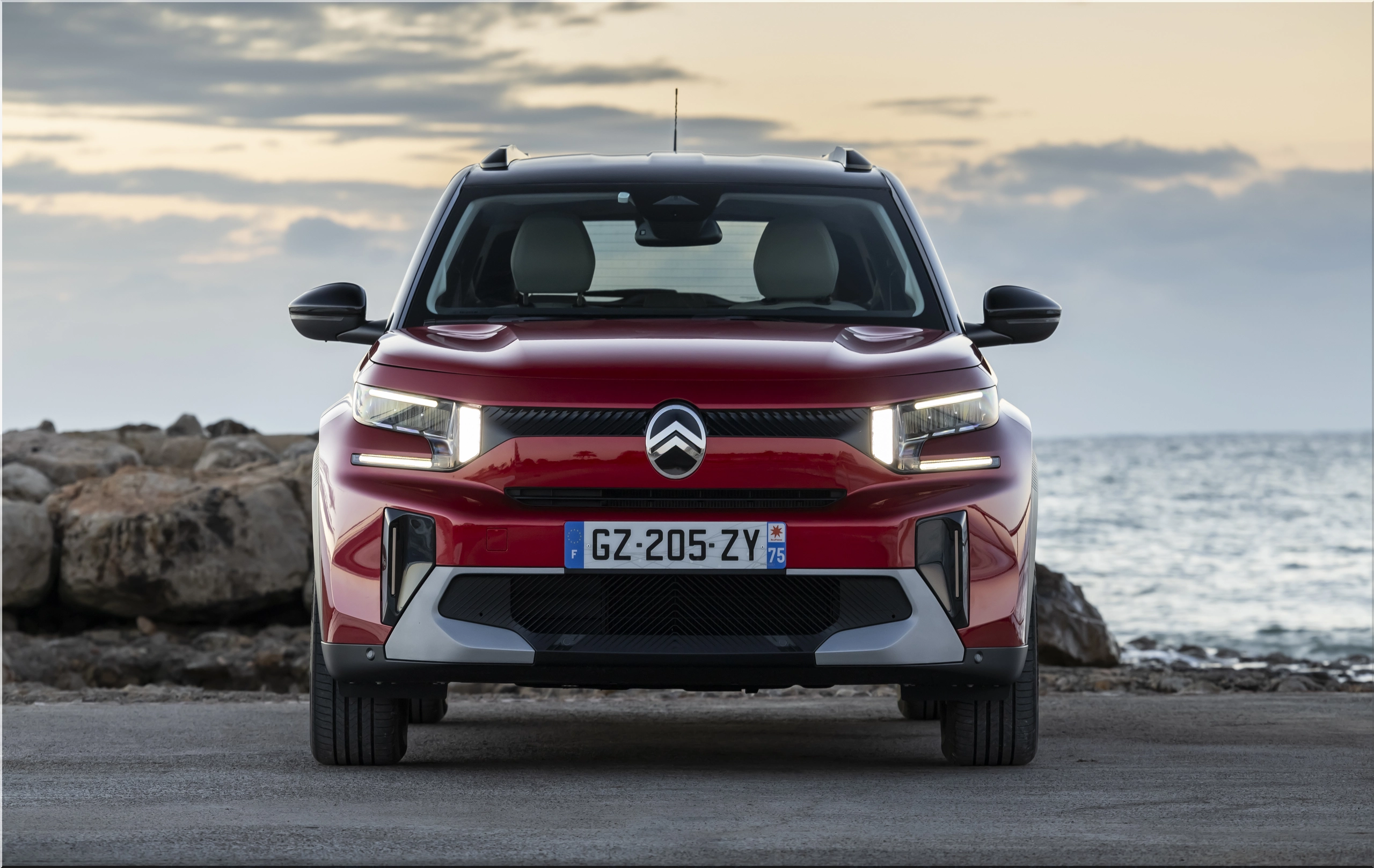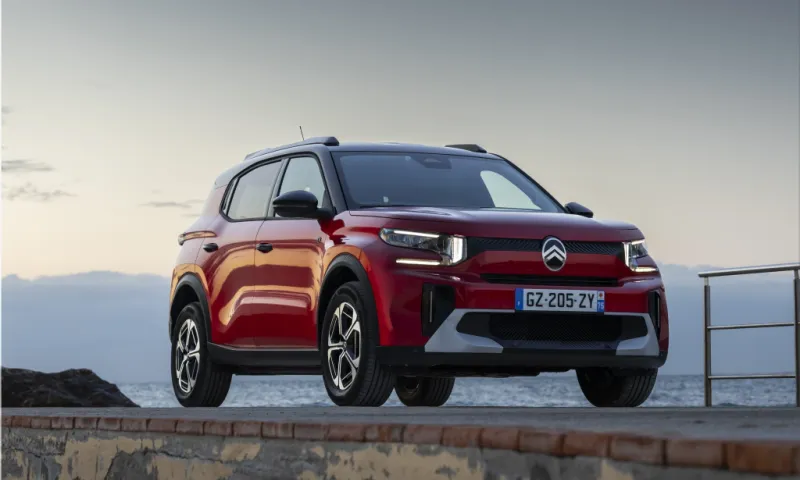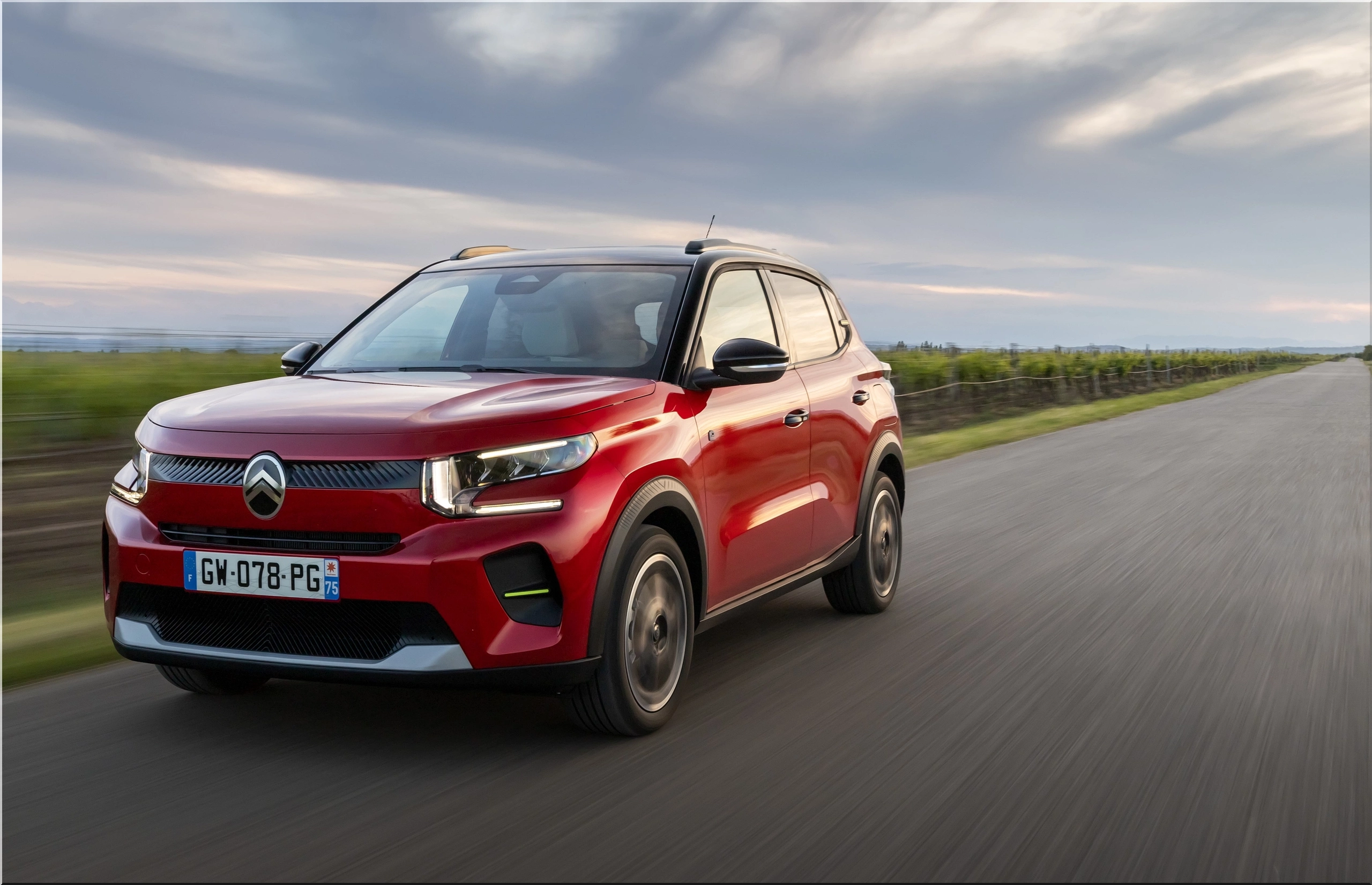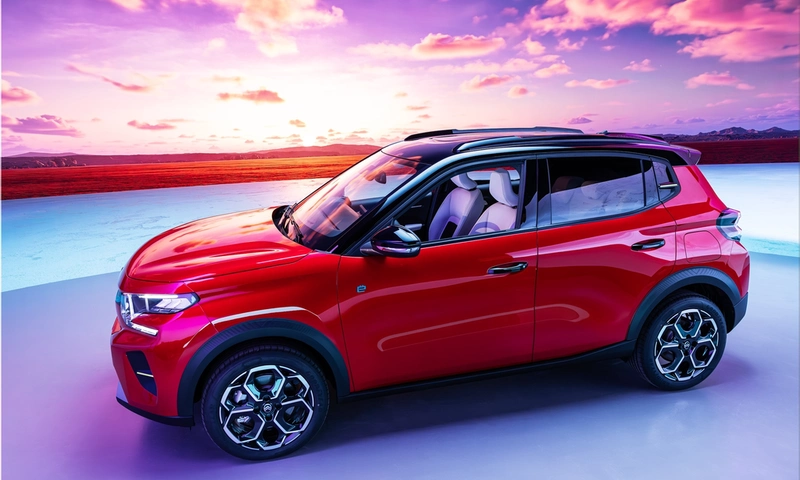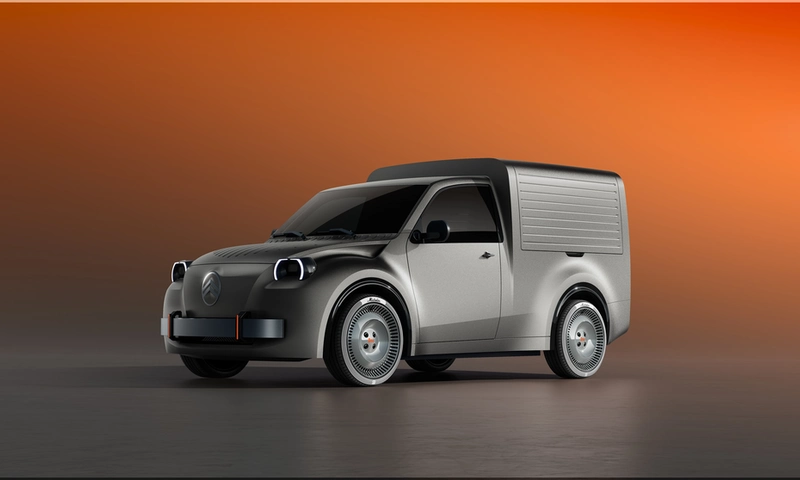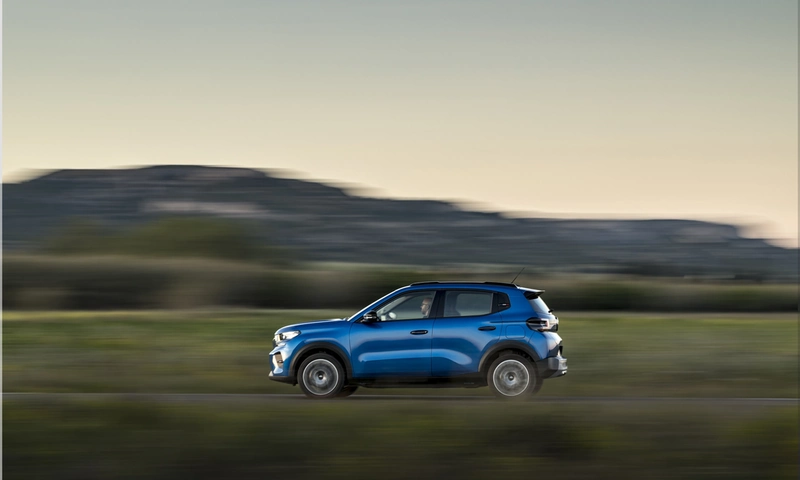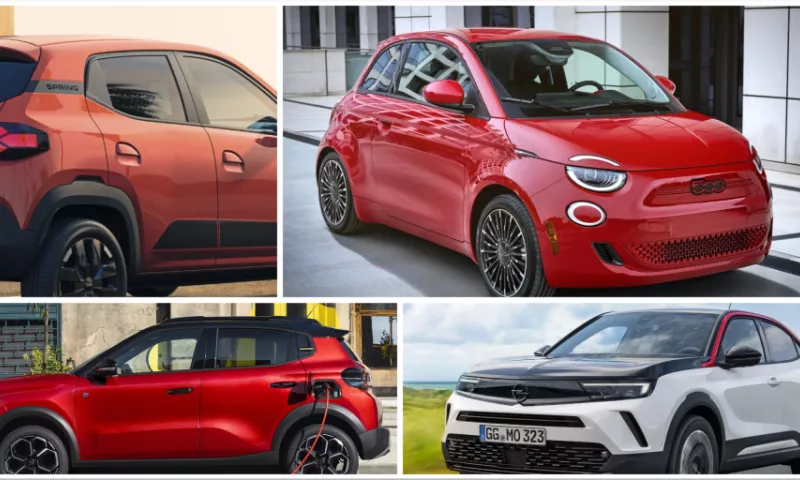

The price matters
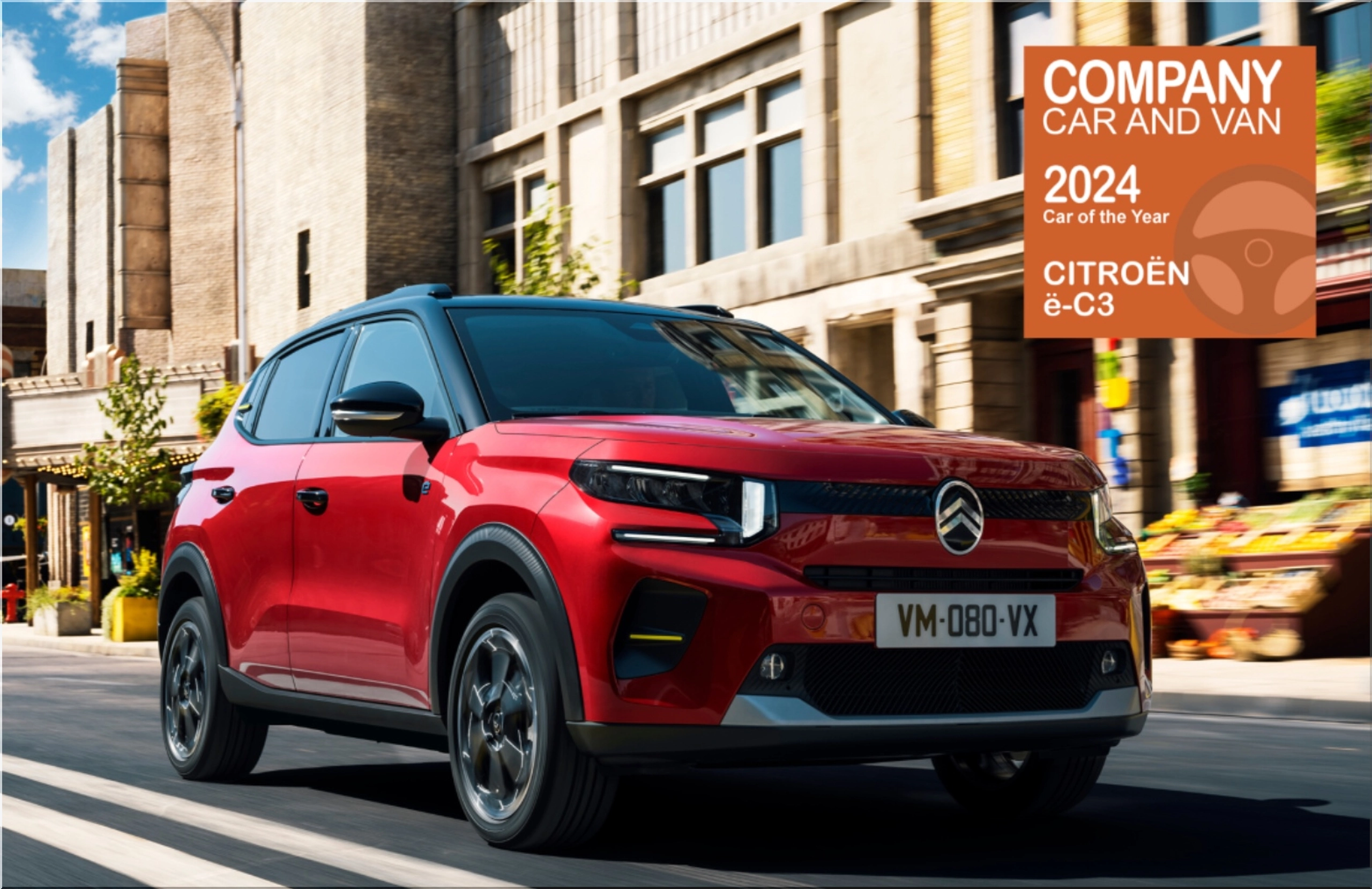
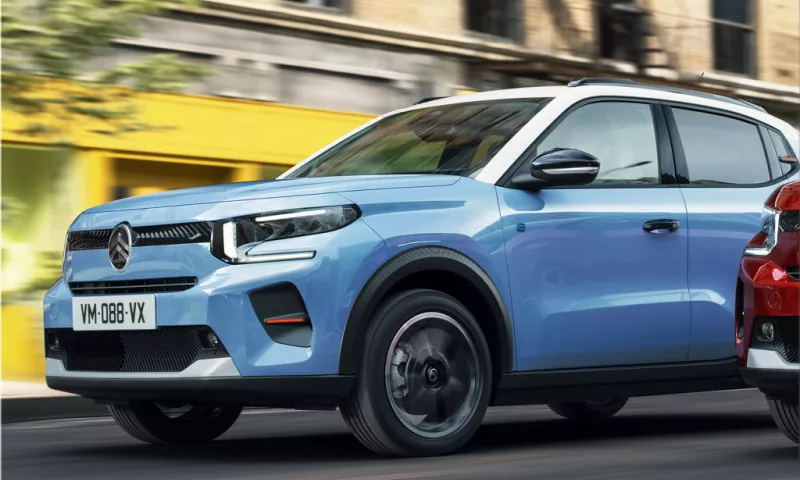
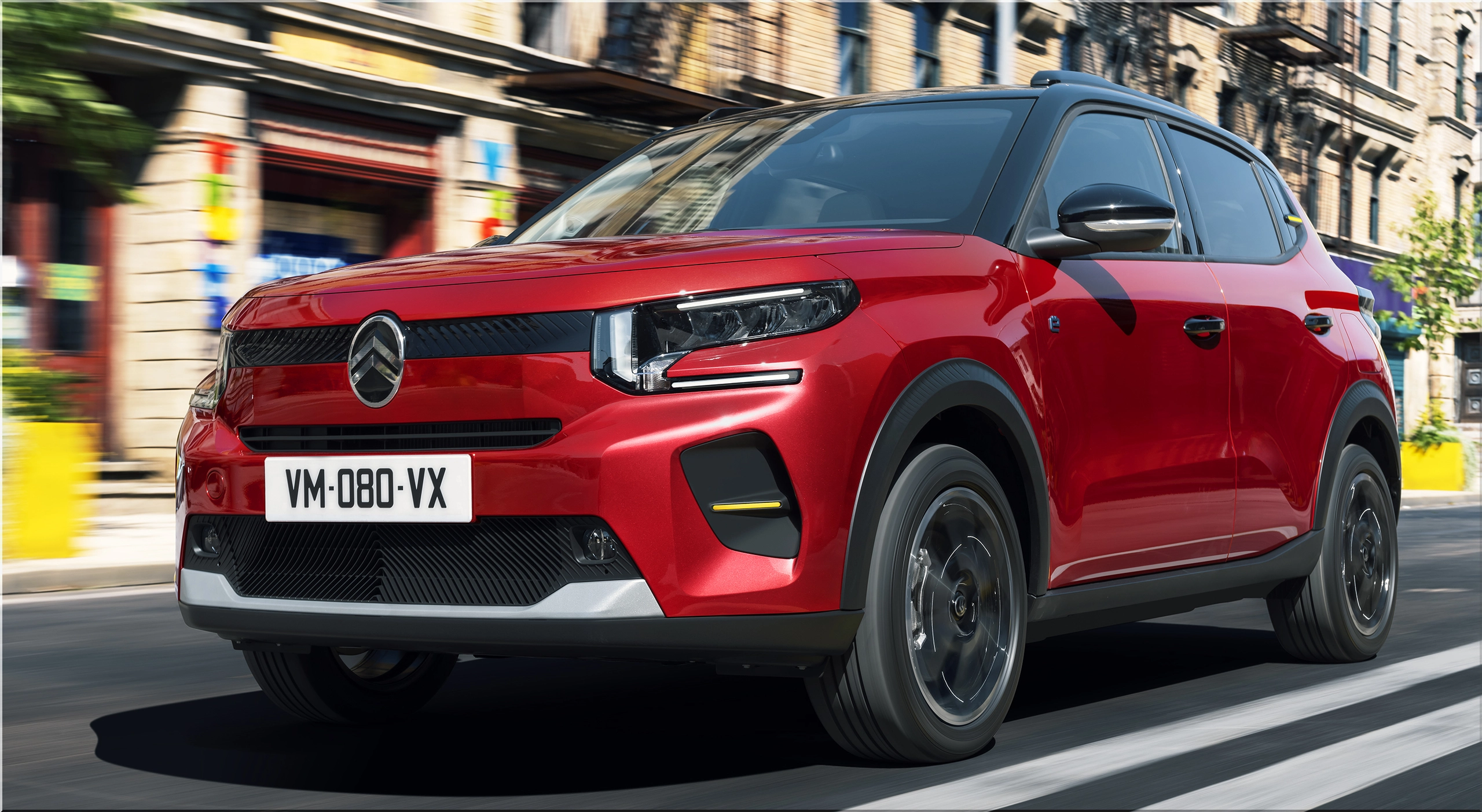
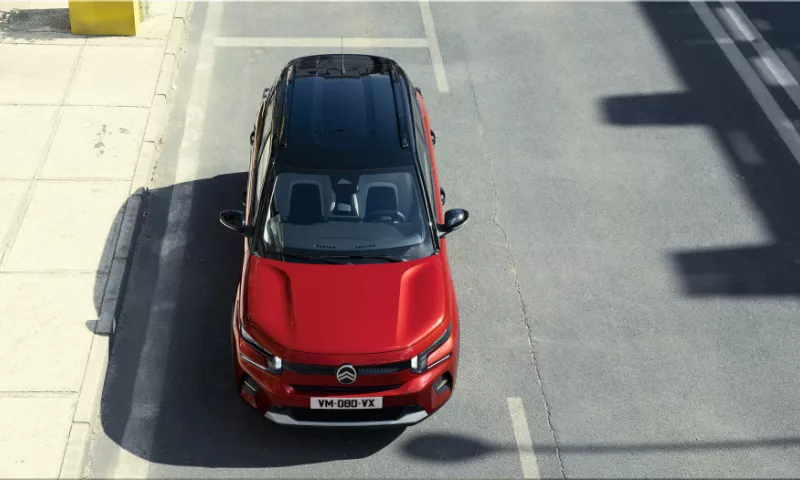
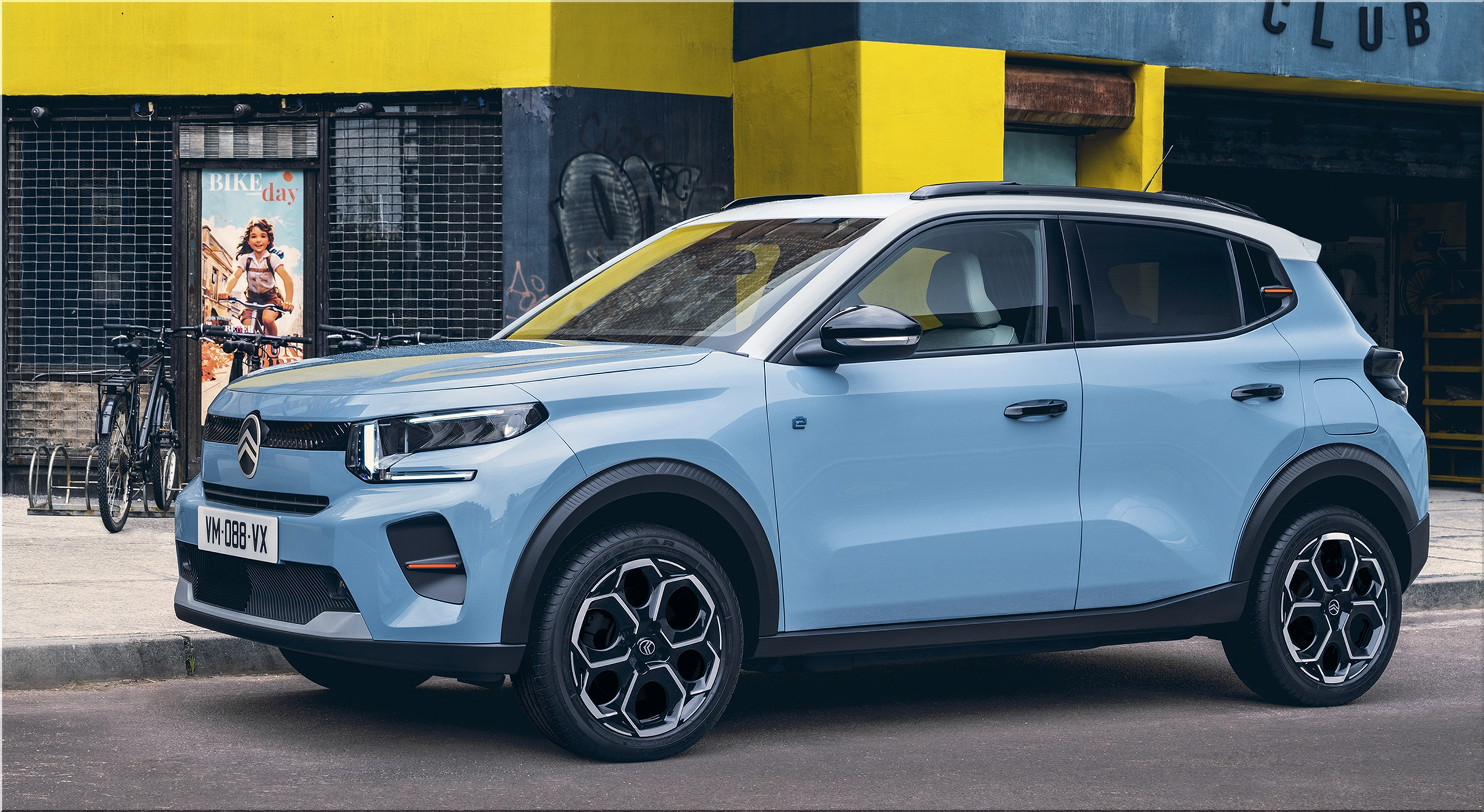
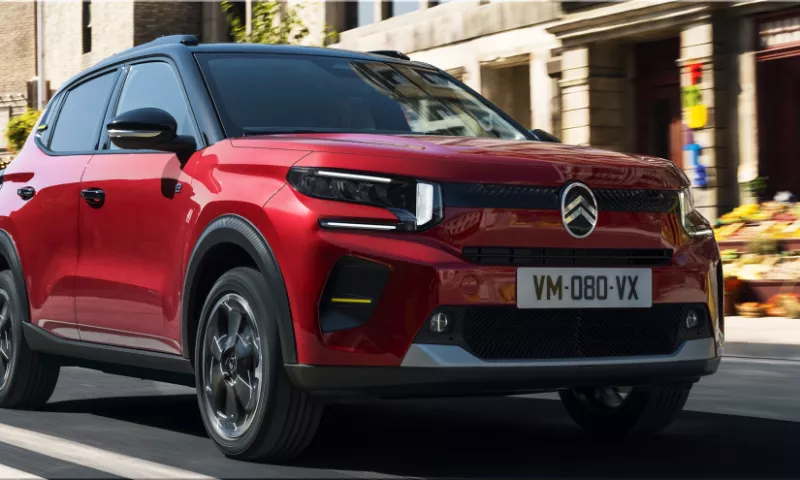
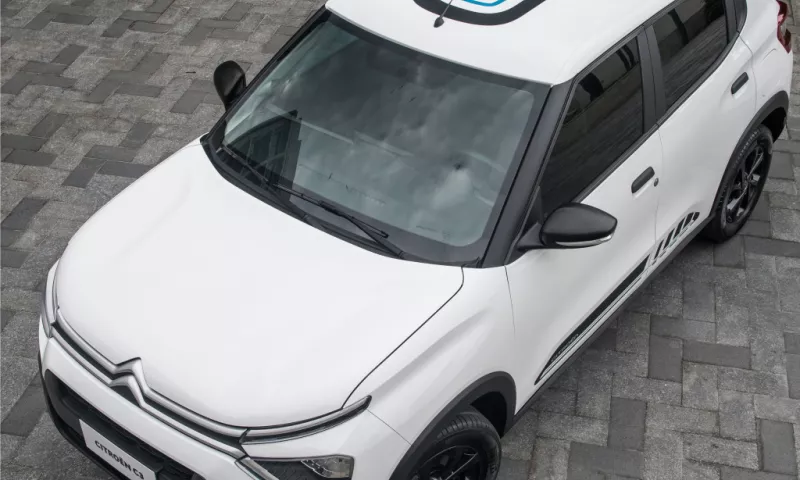
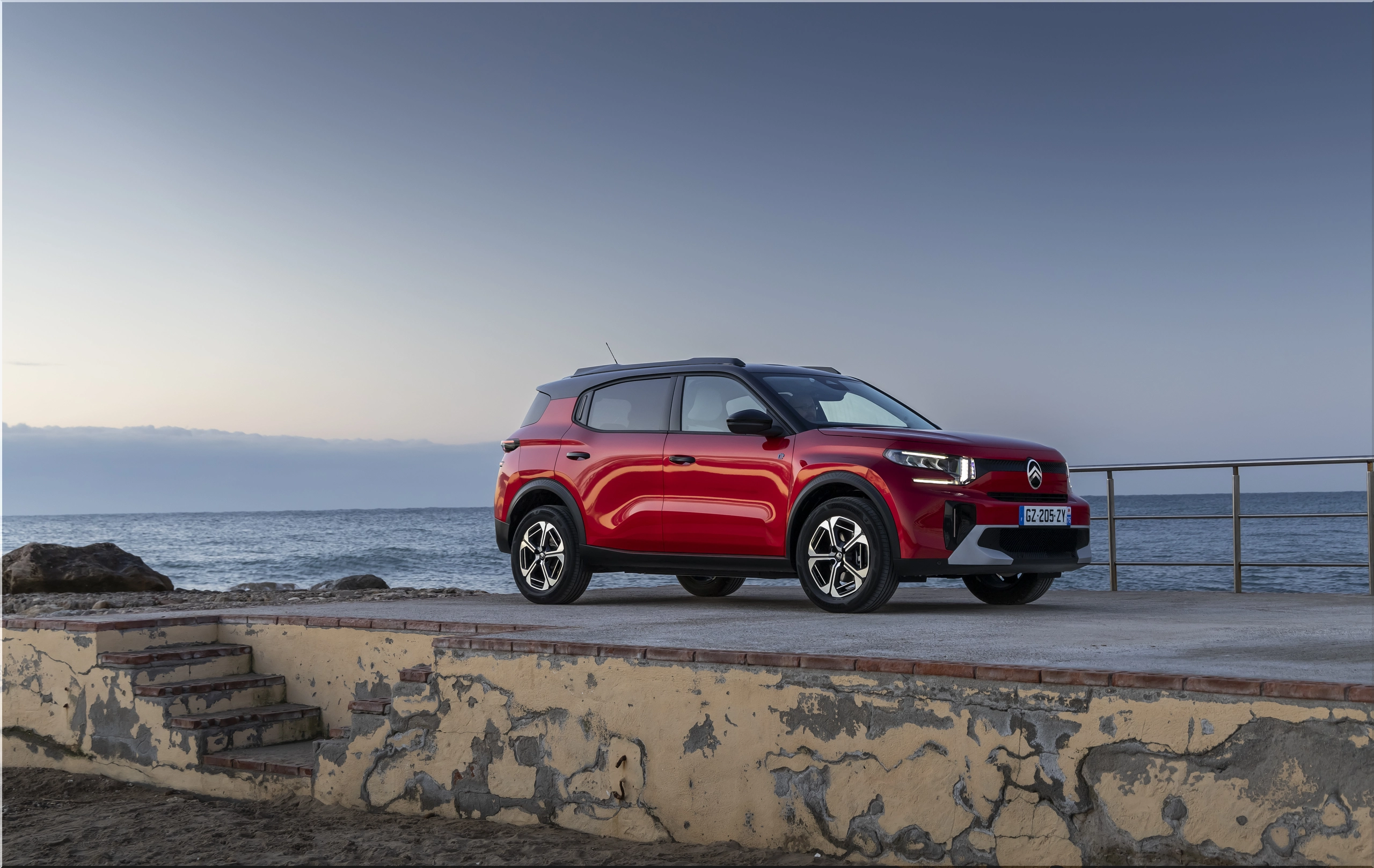
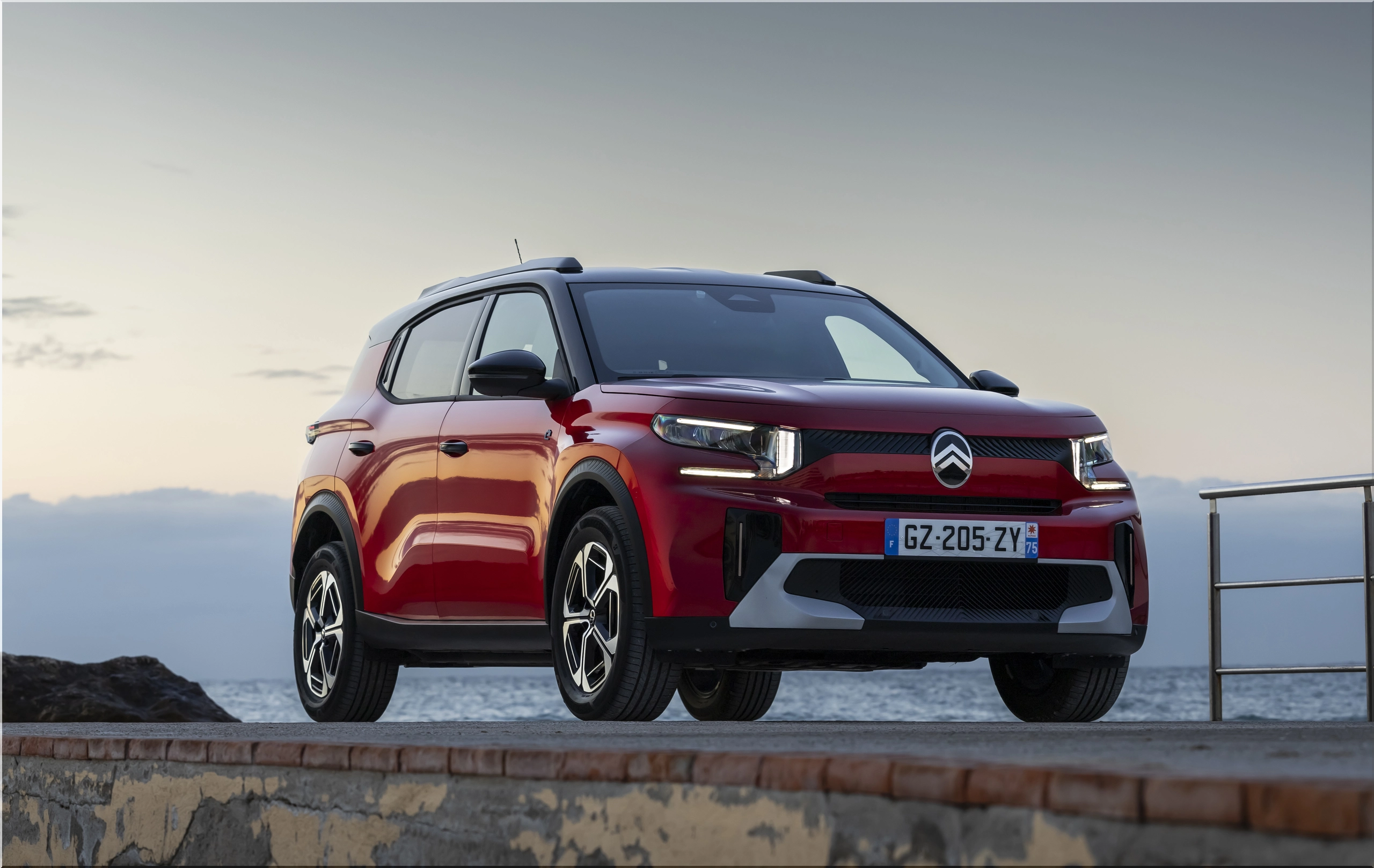
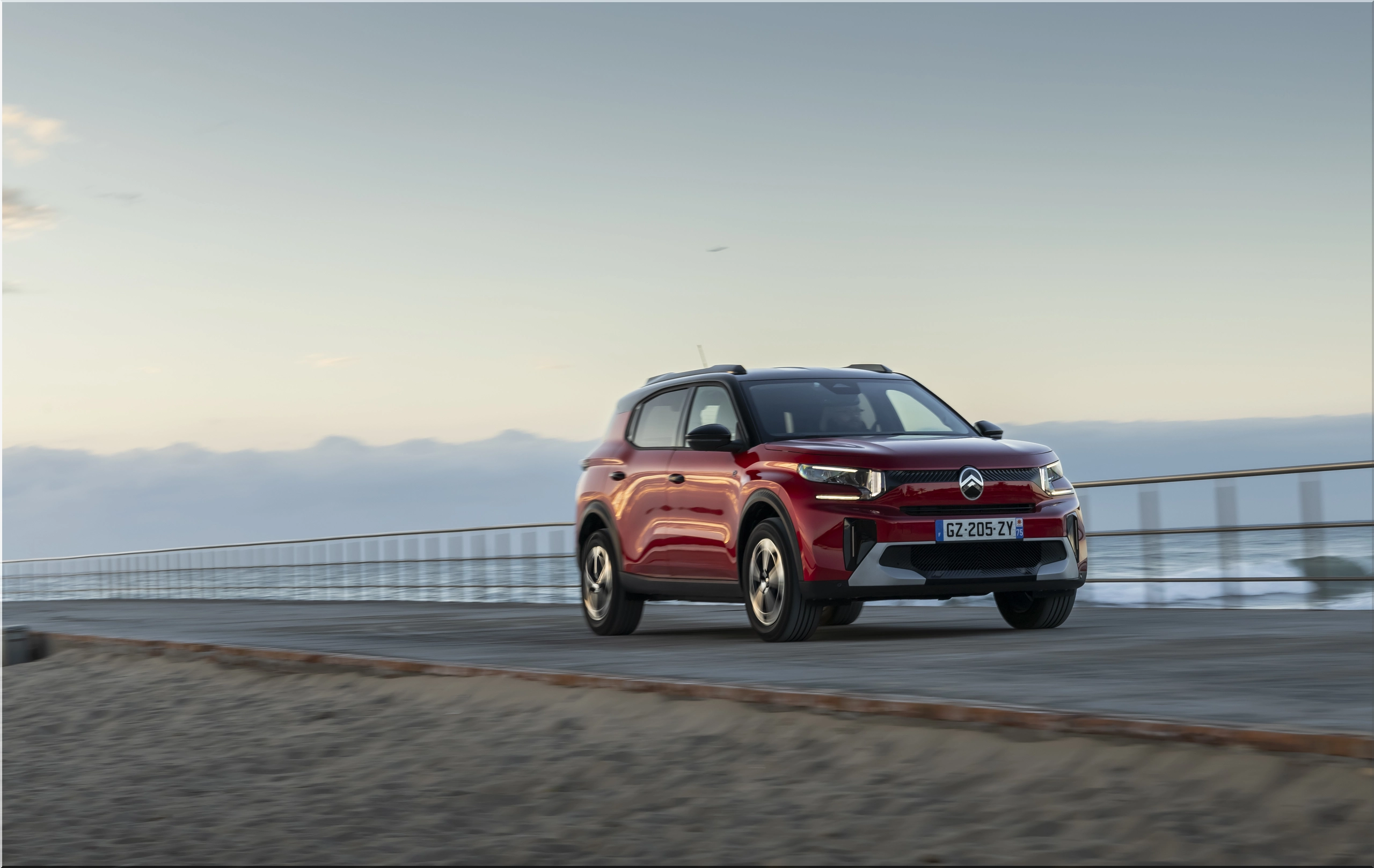
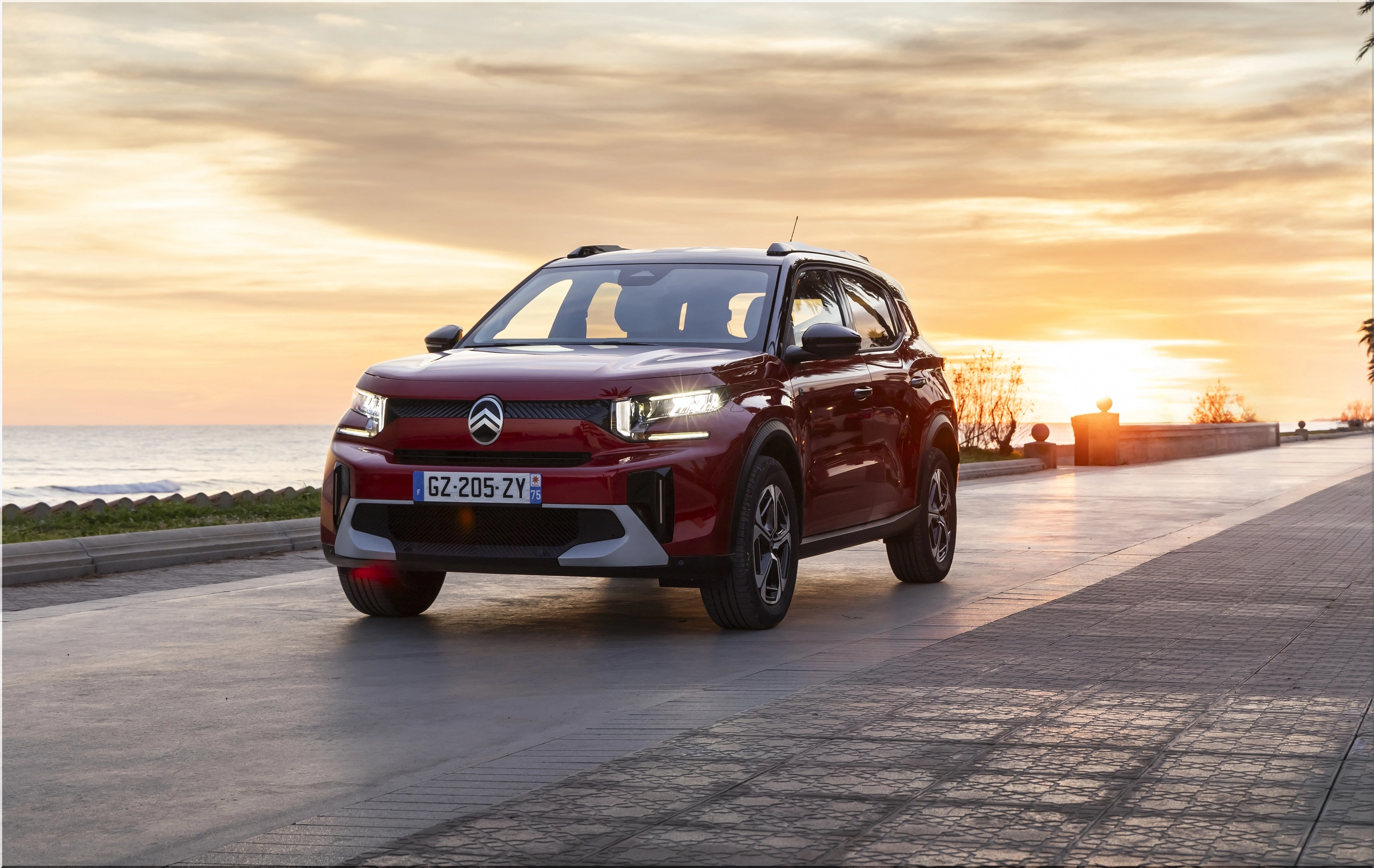
The Citroën ë-C3 sets a new reference point. The entry price is €8,900 (~$10,400) with Italy’s 2025 EV incentives and brand promotions. Citroën aims for volume, not headlines. The company targets buyers who want a simple, affordable electric car that works today.
Citroën builds the car in Europe. The package focuses on range, charging speed, and everyday comfort. The company backs ownership with long coverage. Buyers get a clear path to lower running costs and fewer service visits.
What you get for the headline price
Citroën ties the discount to public funds and scrappage rules. Buyers must meet income and residency conditions. Dealers apply the program at sale. The result is a compact EV at a price many households can reach.
- The ëC3 YOU starts at €8,900 (~$10,400) with incentives.
- Citroën keeps the same 44 kWh LFP battery across trims.
- The 113 hp motor supports daily driving without drama.
- Fast charging moves the battery from 20% to 80% in 26 minutes.
- Urban range reaches 440 km. WLTP combined range reaches 330 km.
These numbers matter. Range covers typical weekly use for city drivers. Charging fits a short stop on longer days. The battery chemistry favors durability and stable costs.
Key specs that affect daily use
- Battery: 44 kWh LFP. LFP supports long cycle life.
- Power: 113 hp. Acceleration suits urban and suburban traffic.
- Range: 330 km WLTP. Urban cycles can reach 440 km.
- Charging: 100 kW DC; 20% to 80% in 26 minutes.
- Seats: Five adults. Length stays around four meters.
- Emissions: Zero tailpipe emissions.
Drivers should plan home or workplace charging. Public networks now cover most major routes. The car’s DC speed fits a weekly top-up strategy. The onboard AC charger supports overnight charging at home.
Trim levels and pricing, with USD equivalents
Citroën keeps the lineup tight. Each trim adds features without changing the powertrain. Prices below reflect incentive-backed promotions, where stated by Citroën.
| Trim (ëC3) | Price (EUR) | Approx. Price (USD) | What changes |
|---|---|---|---|
| YOU | €8,900 | ~$10,400 | Core features; same battery and motor |
| PLUS | €9,900 | ~$11,600 | Added comfort and tech |
| MAX | €10,900 | ~$12,800 | More driver aids and upgrades |
Citroën reports strong demand in 2025. The ëC3 leads its segment by sales through nine months. Low price and clear specs likely drive that trend.
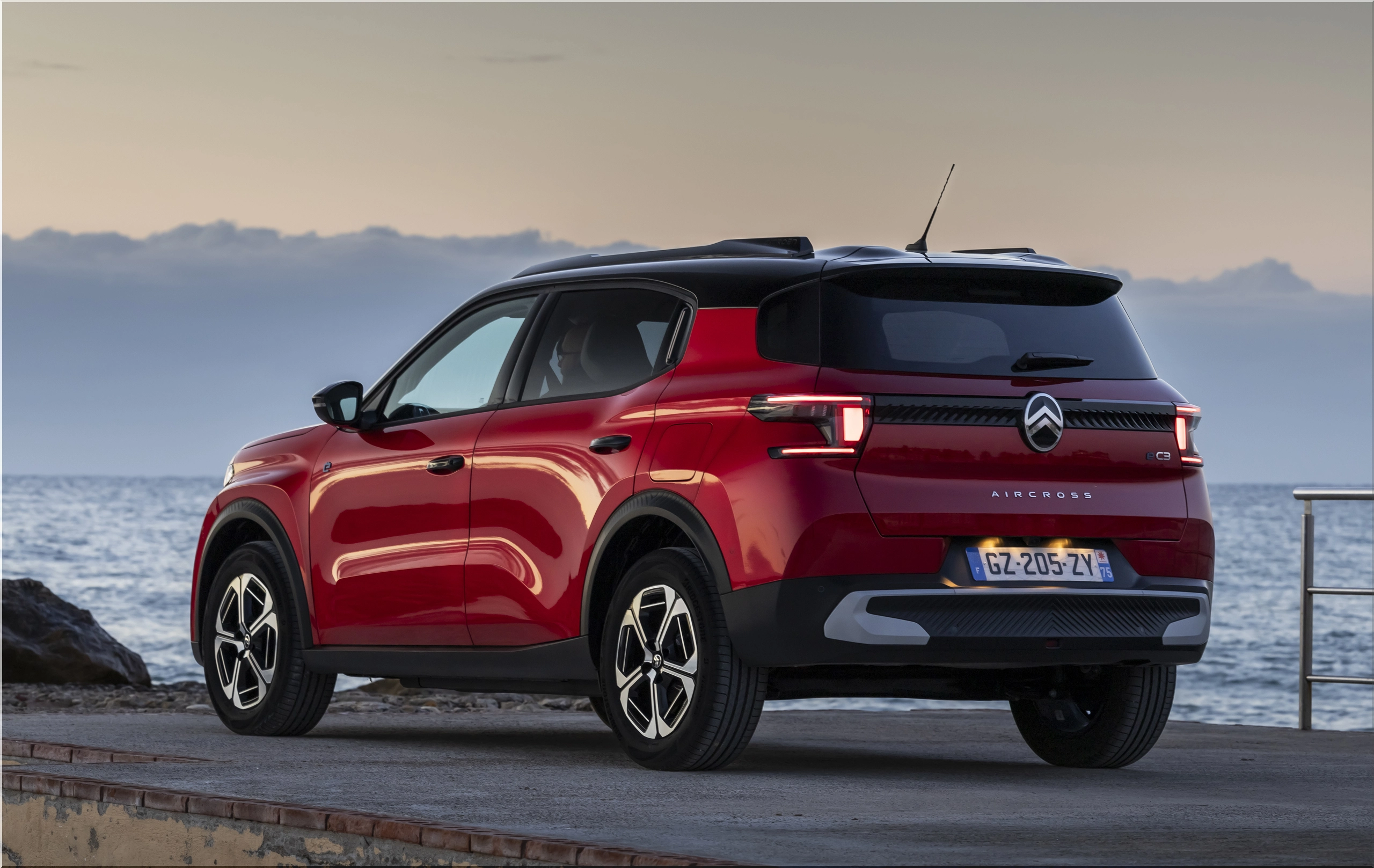
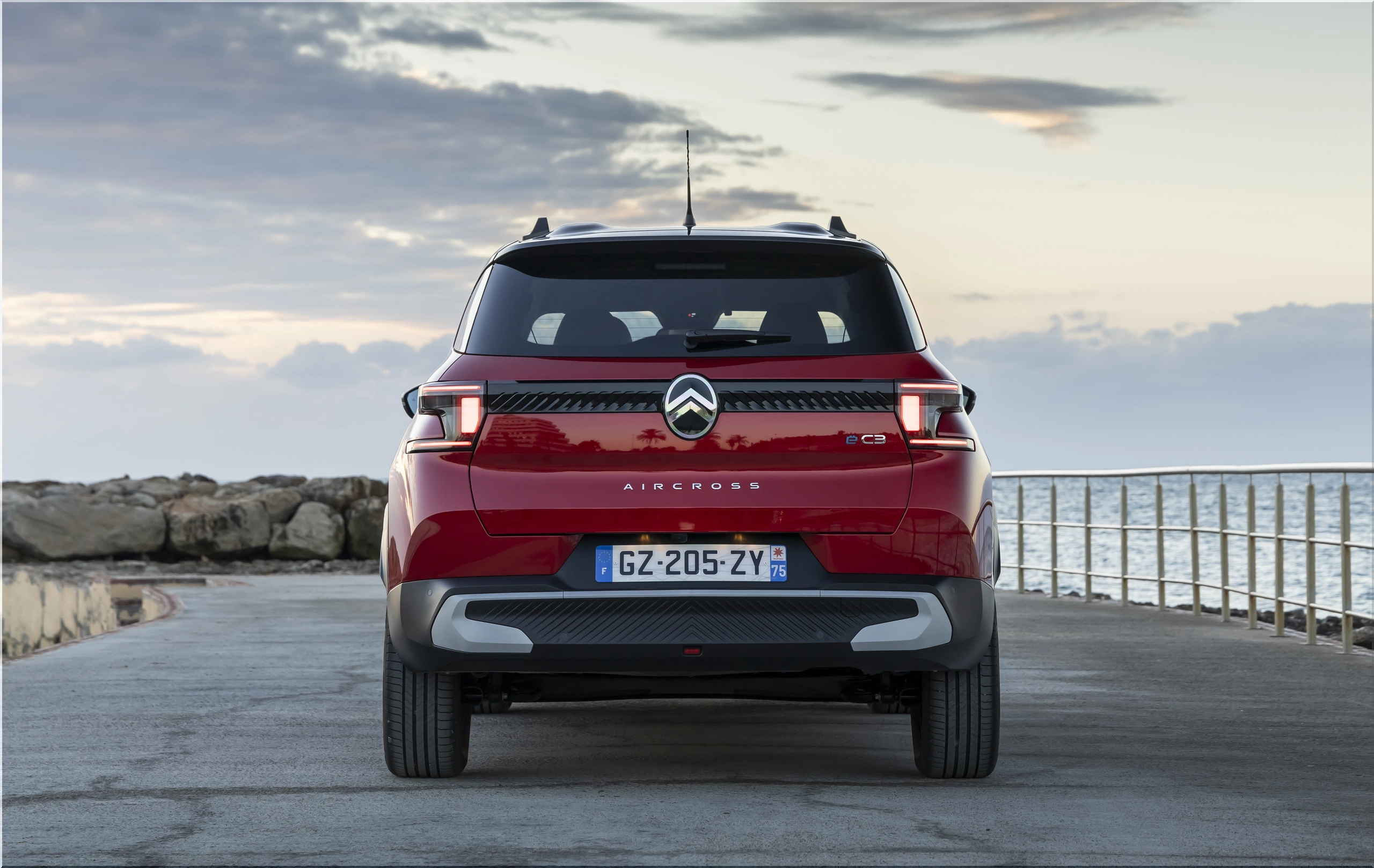
The family option: ëC3 Aircross at €11,900 (~$13,900)
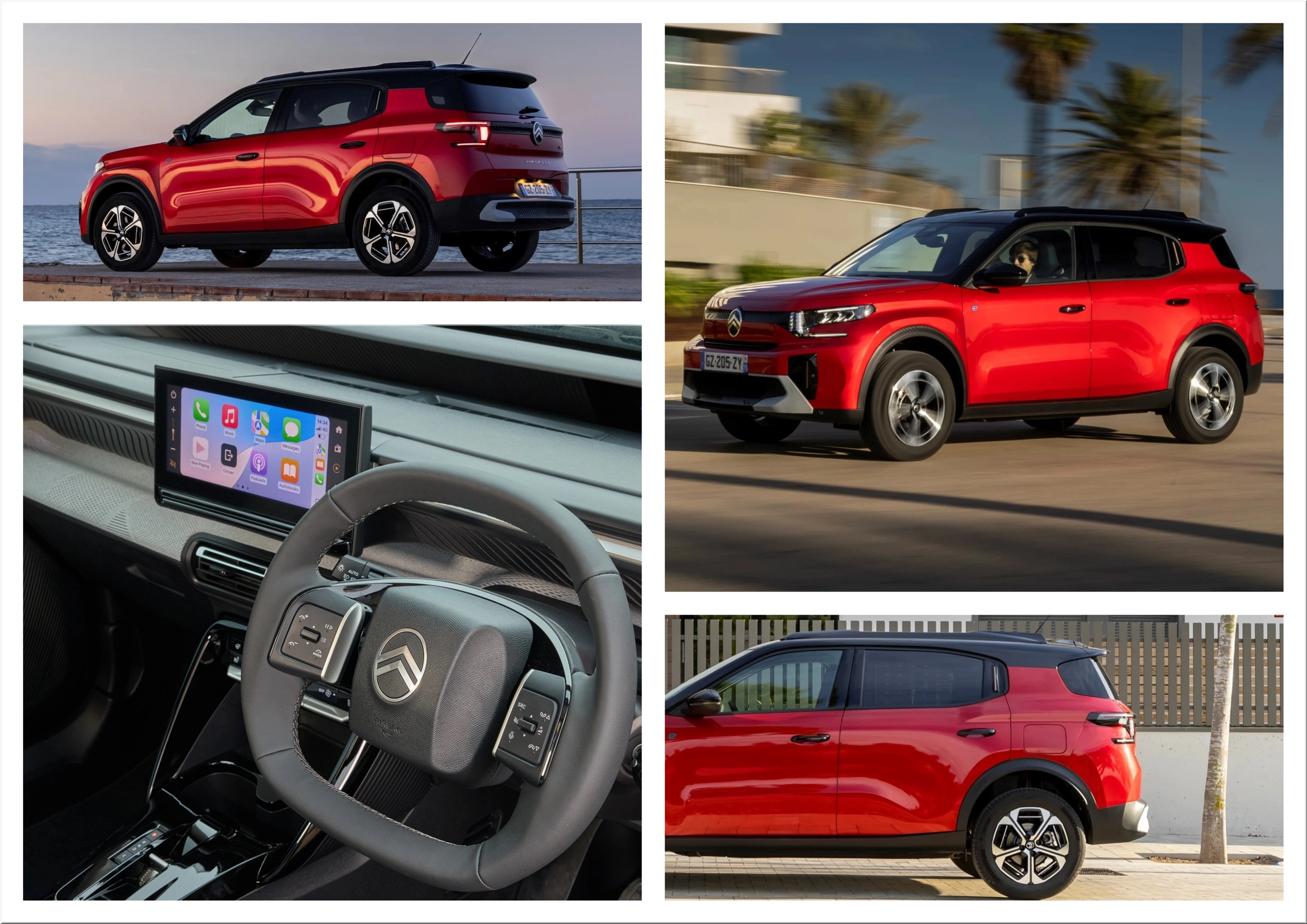
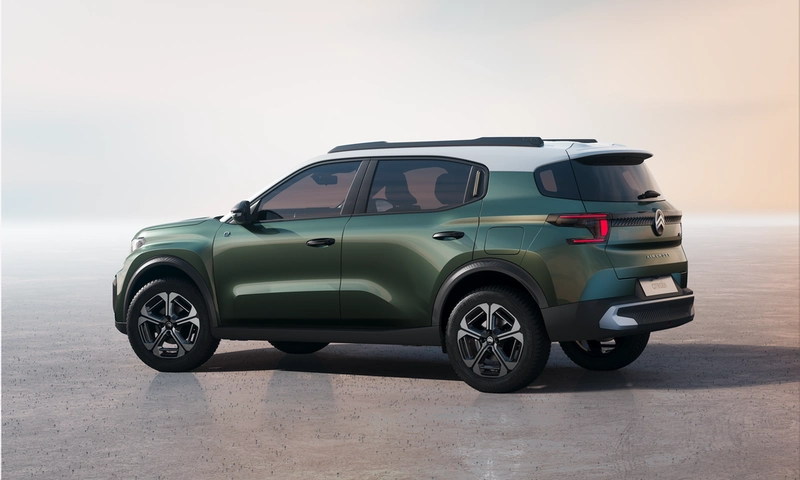
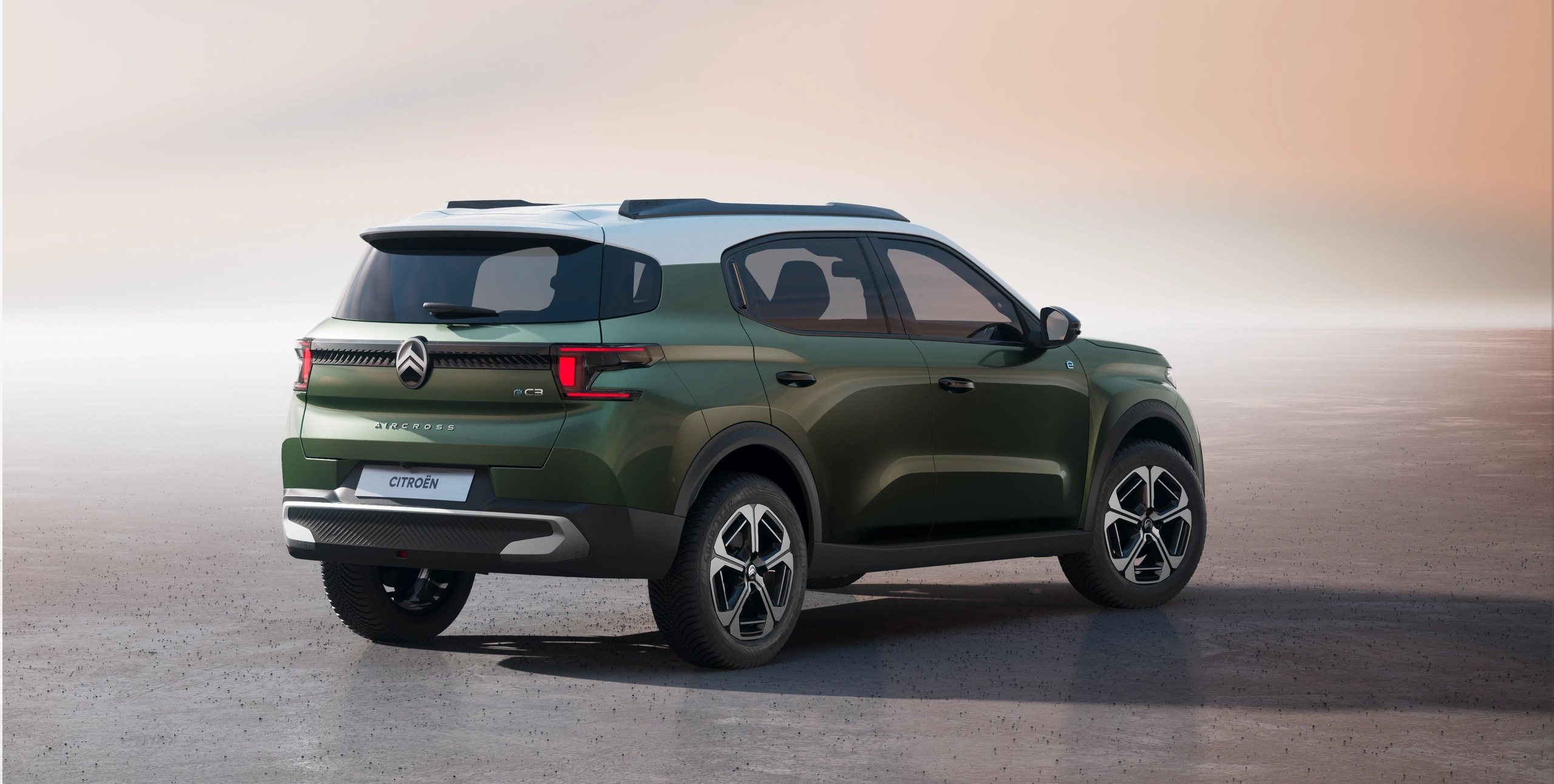
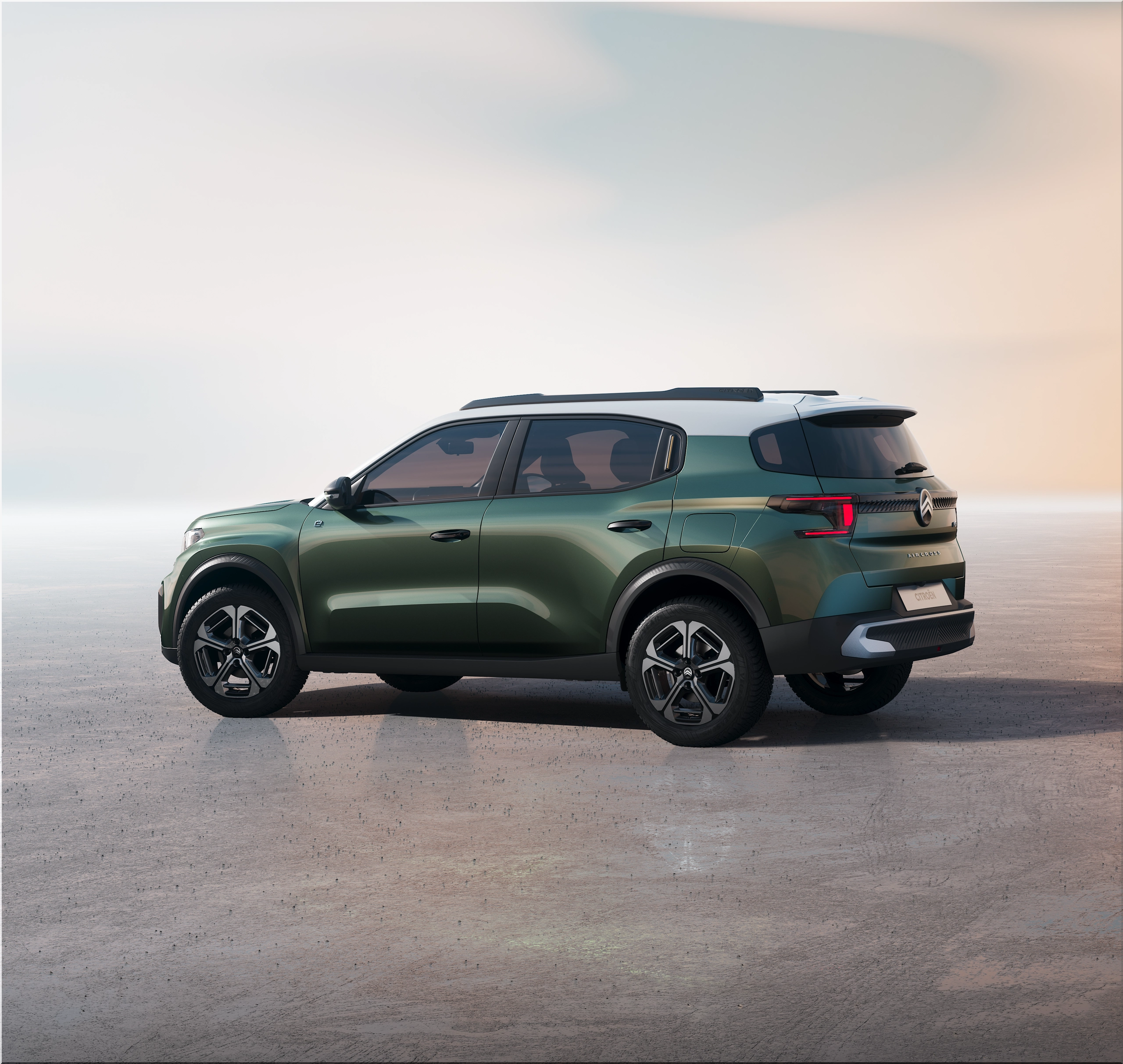
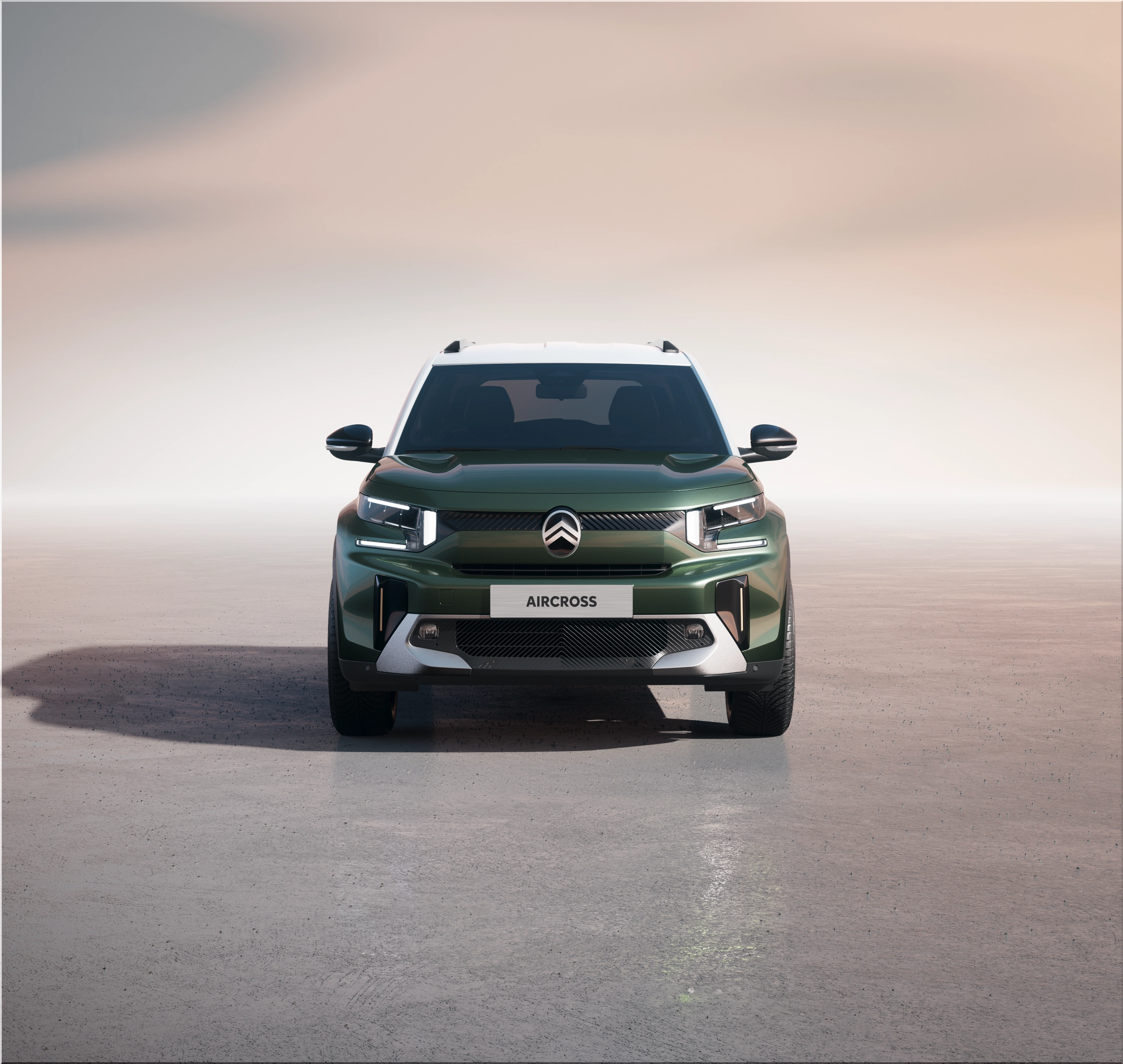
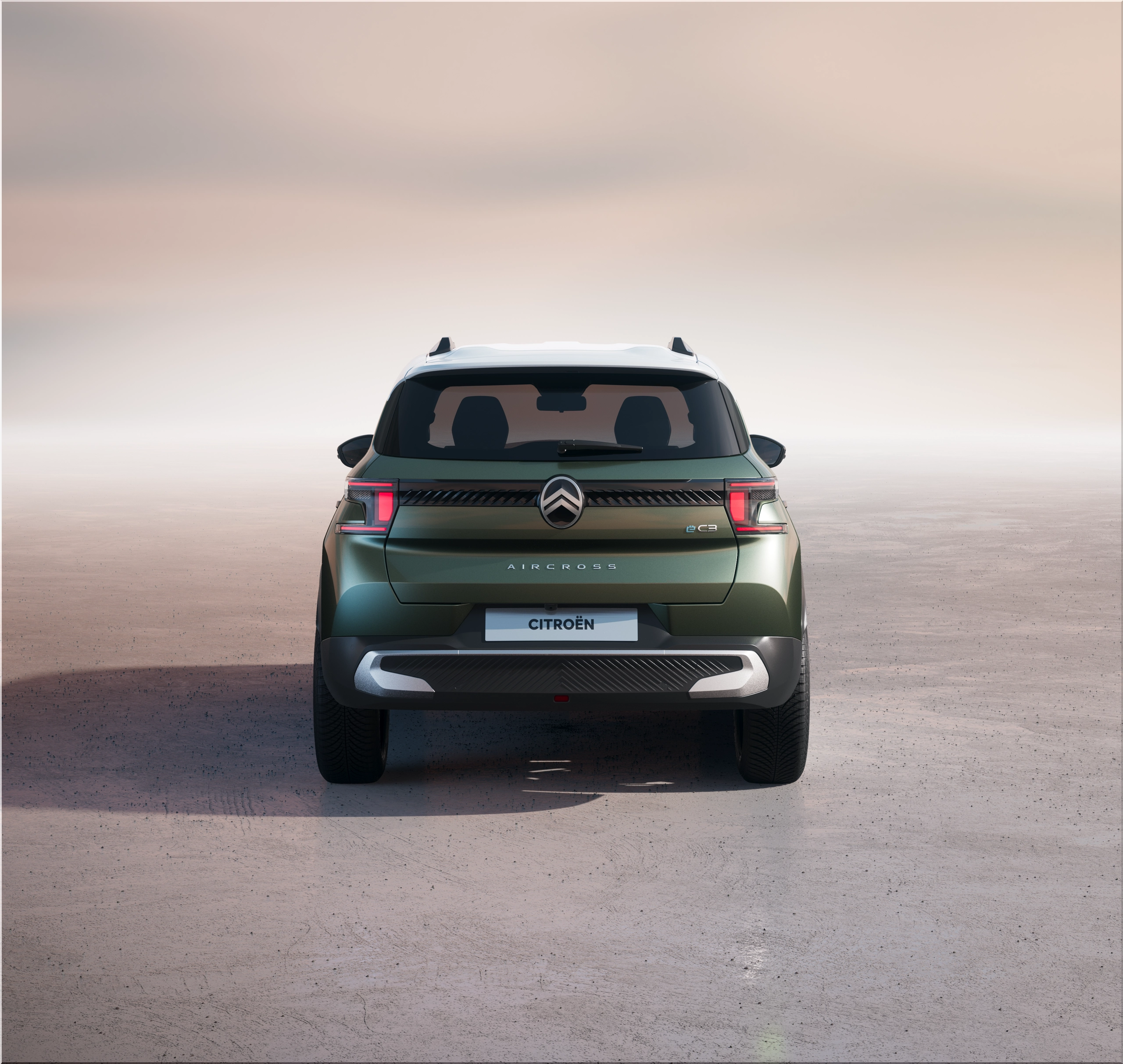
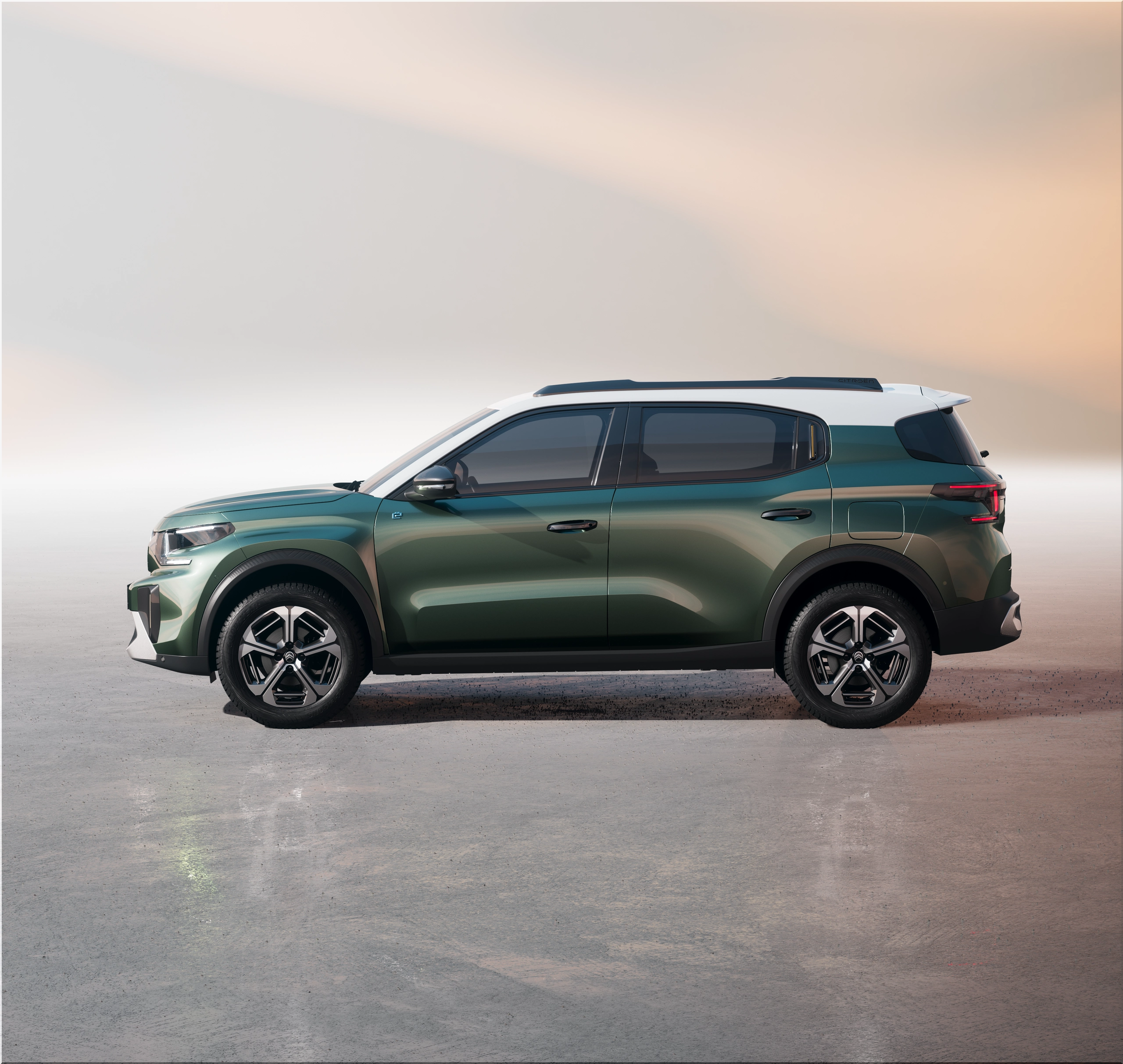
The ëC3 Aircross expands the pitch. It adds space and an optional third row in a compact body. The car measures 4.39 m and can seat up to seven. The battery targets city and suburban needs.
- Standard range targets 320 km WLTP.
- DC fast charging supports quick top-ups.
- Two rows are standard; a third row fits occasional use.
| Trim (ëC3 Aircross) | Promo Price (EUR) | Approx. Price (USD) |
|---|---|---|
| YOU | €11,900 | ~$13,900 |
| PLUS | €11,900 | ~$13,900 |
| MAX | €12,900 | ~$15,100 |
Citroën reports that ëC3 Aircross sales doubled in September 2025 versus 2024. The company positions the model for practical family use and ride-hailing fleets.
How Italy’s 2025 EV incentives work
Italy ties incentives to income, scrappage, and location. Buyers in defined functional urban areas (FUA) qualify. Scrappage of an older combustion car is mandatory. Buyers must keep the new car for a set period.
Consumer incentives
- ISEE ≤ €30,000: Up to €11,000 (~$12,900) toward a new EV.
- ISEE €30,001–€40,000: €9,000 (~$10,500) toward a new EV.
- Vehicle cap: List price ≤ €35,000 (~$41,000) before tax and options.
- Ownership: Keep the vehicle for at least 24 months.
- Category: New M1-class EVs with up to eight seats.
- Scrappage: Replace a Euro 5 or older combustion car.
Microenterprise support
- N1/N2 commercial EVs: Incentives cover 30% of price.
- Per vehicle cap: Up to €20,000 (~$23,400) each.
Programs draw from a limited budget. Dealers track availability daily. The offer runs through October 31, 2025, unless funds run out earlier.
Warranty and service: longer coverage, fewer surprises
Citroën bundles long coverage under We Care. The program can reach 8 years or 160,000 km. Coverage extends when owners complete scheduled maintenance at the network. The approach reduces risk for first-time EV buyers.
Battery confidence drives adoption. The LFP chemistry supports long service life and stable performance. Owners also avoid many combustion service items. That reduces total running costs over time.
Total cost: why the math now works
Purchase price matters most. The ëC3 YOU at €8,900 (~$10,400) changes buyer math. Insurance and charging costs vary by region. Still, electricity often costs less per mile than gasoline. Home charging gives the largest savings.
- Lower entry price cuts finance payments.
- Electricity costs less per mile than fuel in many regions.
- Service intervals shrink. There is no oil, timing belt, or exhaust system.
- Long coverage reduces large repair risks.
Households running short urban trips benefit most. Fleets with predictable duty cycles also benefit. The 44 kWh pack hits the sweet spot between cost and range.
Practical purchase checklist
Use this step-by-step list before you sign.
- Confirm eligibility. Check ISEE brackets and FUA residence.
- Prepare scrappage. Confirm you own an eligible Euro 5 or older car.
- Verify model cap. Keep list price at or under €35,000 (~$41,000).
- Lock timing. Incentive funds can move fast near month-end.
- Plan charging. Confirm home or workplace access and socket capacity.
- Compare trims. Upgrades may matter less than range and support.
- Review coverage. Understand We Care terms and service intervals.
Risks and constraints to watch
- Budget limits. Incentive funds can run out. Move early in the cycle.
- Ownership rule. Sell early and you can lose the benefit.
- Usage impact. Range varies with speed, temperature, and payload.
- Charging access. Home charging delivers the best economics.
- Option creep. Extra options can push price over the cap.
How the ëC3 compares in the real world
Buyers often face a choice: used combustion or new electric. The ëC3 shifts that choice. A new EV at around $10,400 with coverage can beat many used options. The total cost over four years can be lower. The experience is quieter and simpler.
The ëC3 Aircross solves a different problem. Families need seats. City households often lack a second large car. A compact seven-seater at €11,900 (~$13,900) offers flexibility without high fixed costs.
What dealers and fleets should do now
- Stock the YOU trim. Price drives foot traffic and orders.
- Train sales teams. Lead with EV incentives and coverage facts.
- Target fleets. Short-trip fleets can right-size to 44 kWh today.
- Promote home charging. Help customers set up reliable overnight charging.
- Track funds daily. Incentive budgets can change without much warning.
Actionable takeaways for buyers
- Set a clear budget. Prioritize the YOU trim if price is key.
- Secure your ISEE documentation before visiting a dealer.
- Arrange scrappage in advance. That step speeds delivery.
- Ask for a written out-the-door price in EUR and USD.
- Schedule a charger assessment for your parking space.
- Confirm We Care coverage milestones and service intervals.
A quick look at list prices without incentives
Citroën also publishes list prices for context. These reflect the vehicle before any public support. They show the size of the funded discount.
| Model | List Price (EUR) | Approx. Price (USD) |
|---|---|---|
| ëC3 (base list) | €23,900 | ~$28,000 |
| ëC3 Aircross (base list) | €26,790 | ~$31,400 |
The gap between list and promo shows the incentive effect. It also shows why timing and eligibility matter.
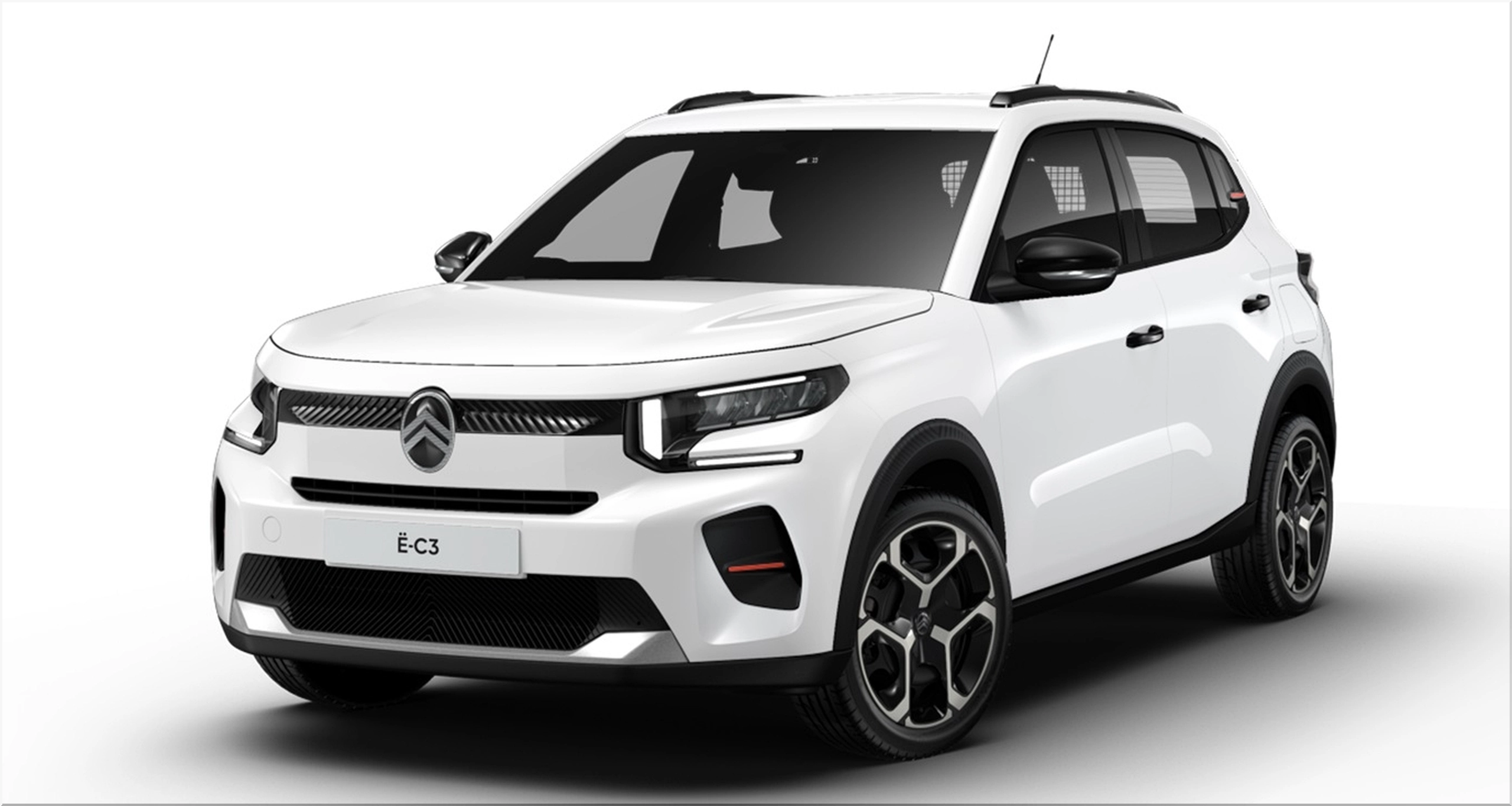



Decision: who should buy the ëC3 right now
Choose the Citroën ëC3 if you live in a qualifying FUA, own an eligible car to scrap, and meet ISEE thresholds. You get a new electric car at a used-car price. You also get long coverage and manageable charging needs.
Pick the ëC3 Aircross if you need flexible seating. You trade some range for capacity. You still keep a low entry price. You retain DC fast charging for weekend trips.
Citroën’s offer strengthens EV access in 2025. The pricing, coverage, and incentives work together. That combination can speed adoption in cities and suburbs. The result is clear: more households can afford to go electric today.



Price and policy quick reference
- ëC3 YOU: €8,900 (~$10,400)
- ëC3 PLUS: €9,900 (~$11,600)
- ëC3 MAX: €10,900 (~$12,800)
- ëC3 Aircross YOU/PLUS: €11,900 (~$13,900)
- ëC3 Aircross MAX: €12,900 (~$15,100)
- Consumer incentives: €11,000 (~$12,900) or €9,000 (~$10,500) by ISEE tier
- Commercial cap: €20,000 (~$23,400) per N1/N2 EV
- Vehicle price cap: €35,000 (~$41,000) list, before tax and options
- Coverage: 8 years or 160,000 km under We Care
- Promotion window: through October 31, 2025, subject to funds
- Add new comment
- 263 views