Hydrogen Electric Power Targets Practical Gains
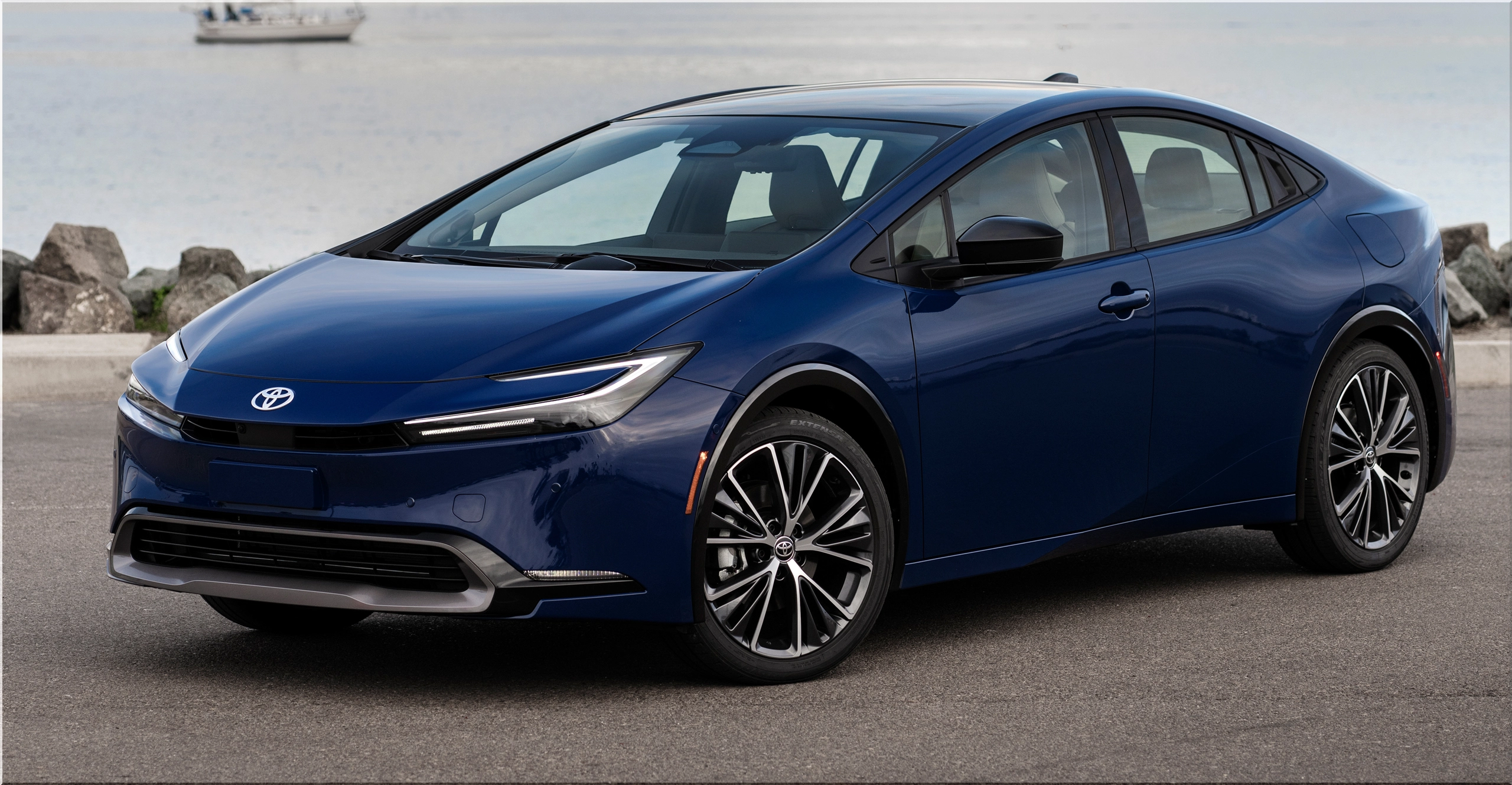
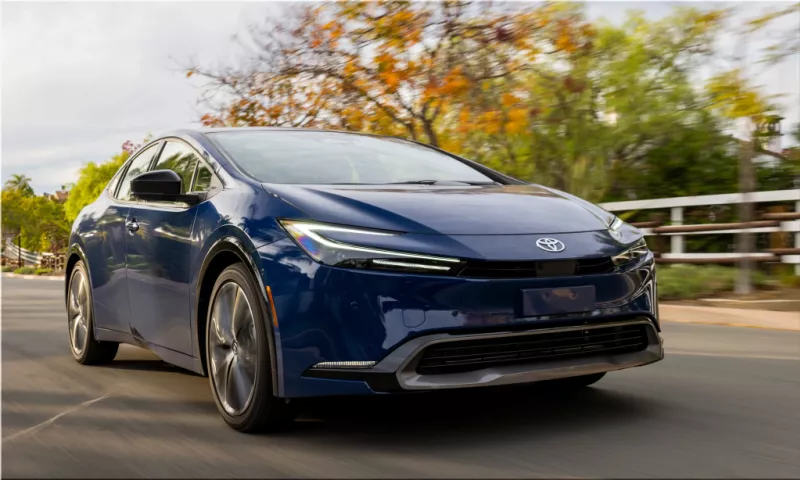
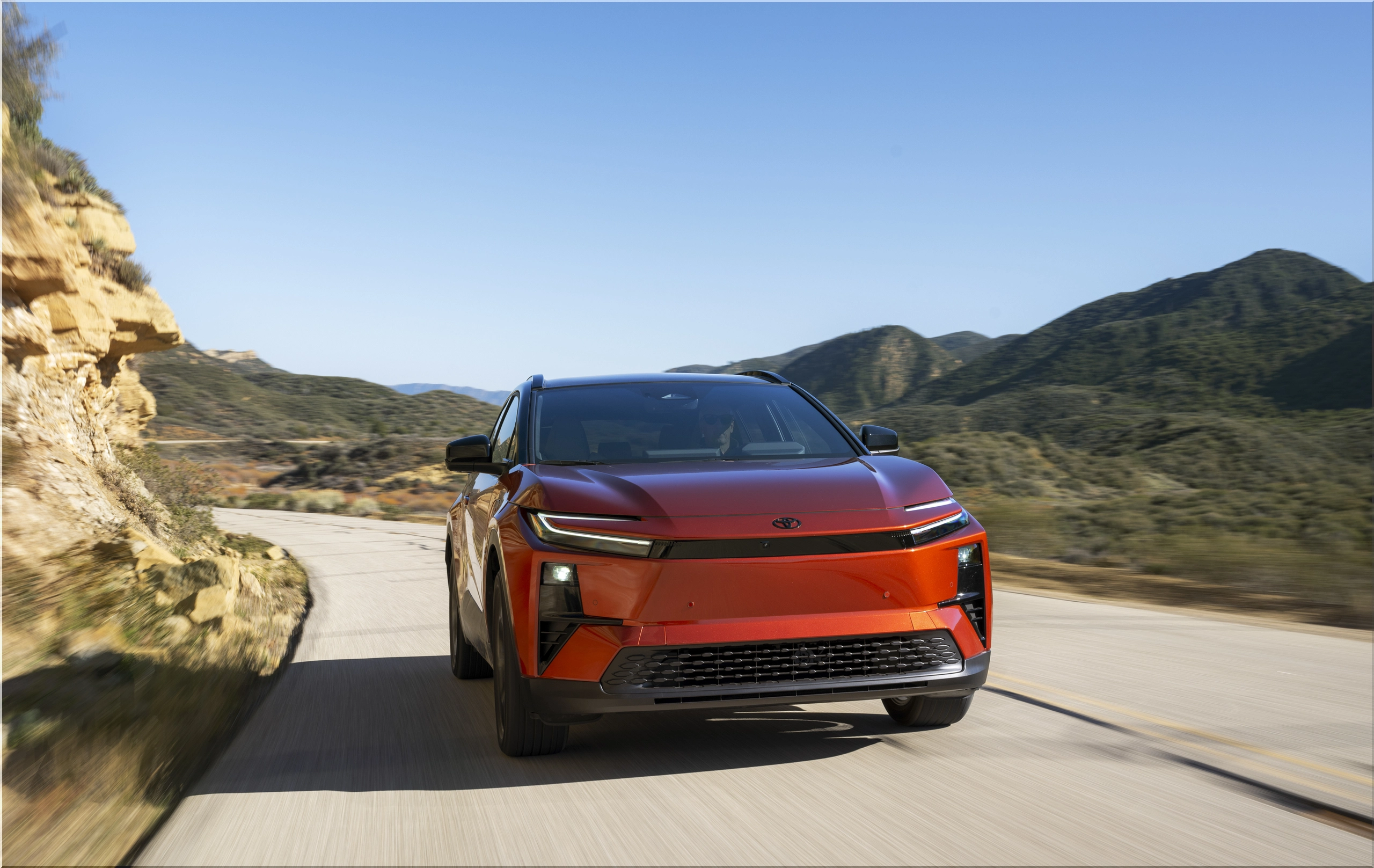
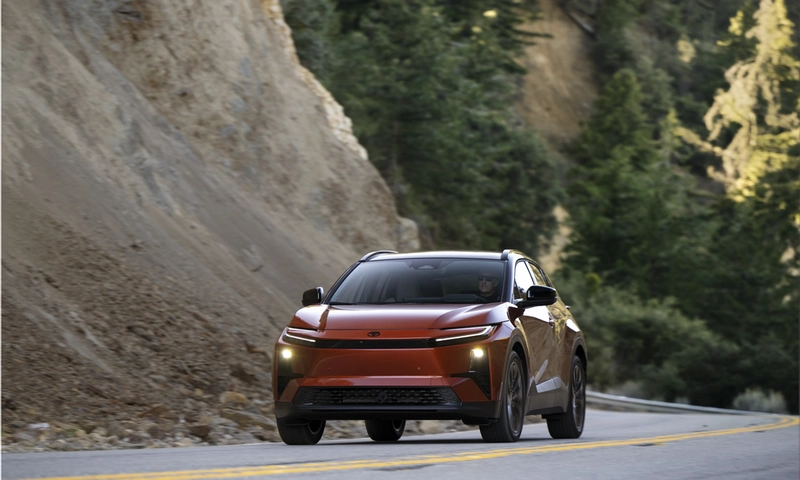
Toyota pushes forward with the 2026 Toyota Mirai, a hydrogen fuel cell sedan built for drivers who want electric mobility without charge times. The car uses compressed hydrogen to generate electricity inside the vehicle. The only byproduct is water. The system operates quietly and responds quickly in daily driving.
Pricing starts at $51,795 USD, plus a $1,195 USD processing fee. Toyota supports early adoption with $15,000 USD worth of complimentary hydrogen for new buyers. The offer reduces running costs during the first years of ownership and makes hydrogen more predictable for long-distance drivers.
The fuel cell stack produces 182 horsepower. The EPA estimate lists 402 miles of range. Drivers who track efficiency will see consistent output regardless of weather or accessory use. Range remains stable because the vehicle does not depend on external chargers or grid conditions.
Image
Fuel Cell System Designed for Daily Use
The Fuel Cell Electric Vehicle (FCEV) layout creates electricity when stored hydrogen reacts with oxygen drawn from the air. The process powers the rear-mounted AC synchronous motor. The motor drives the rear wheels with steady torque and no vibration.
A lithium-ion battery stores excess electricity from the fuel cell and regenerative braking. Pressing the accelerator delivers immediate power. The system reacts quickly, similar to a battery-electric vehicle.
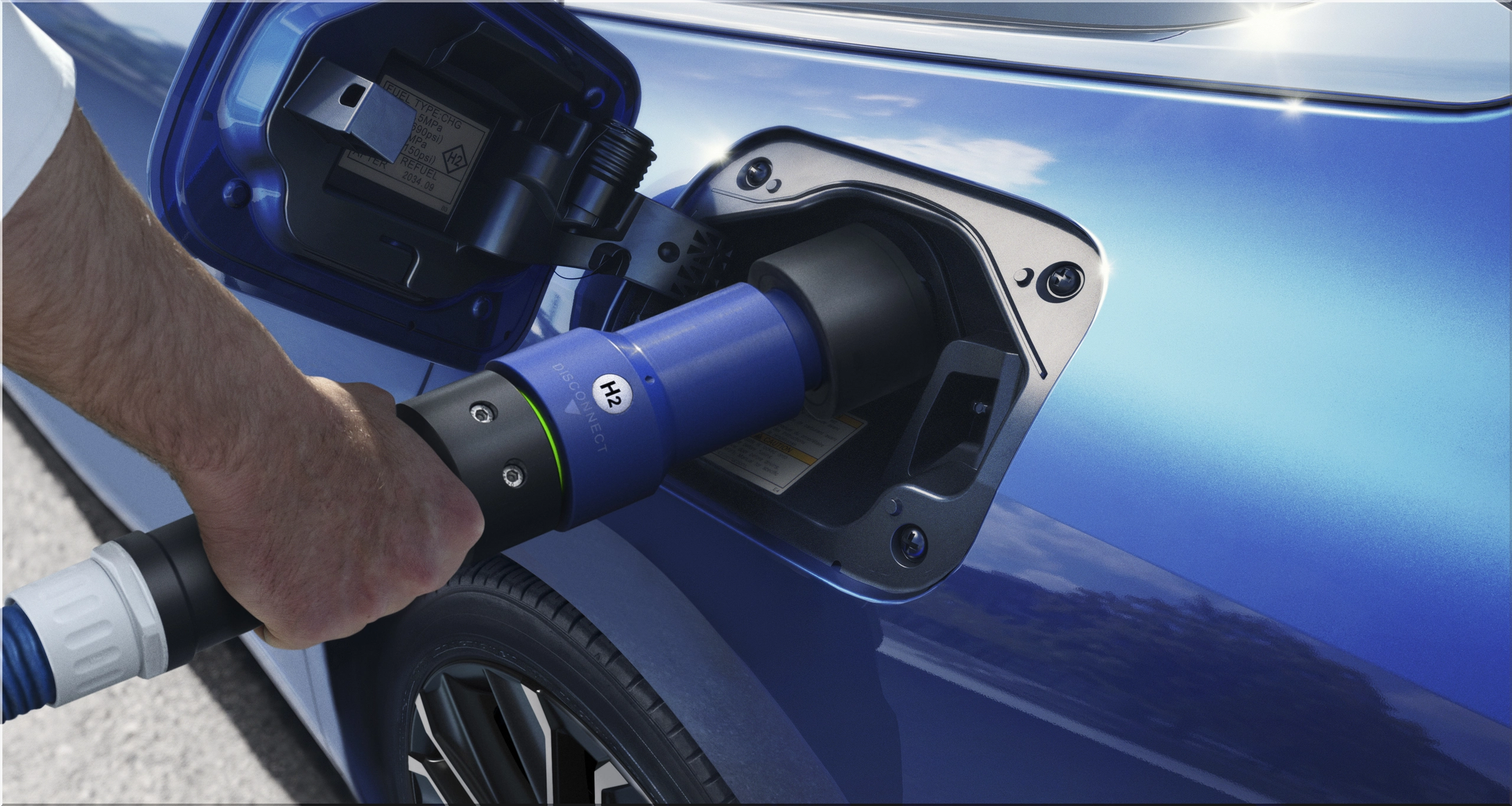
Refueling takes only minutes. Hydrogen pumps fill the tanks under the rear seats. Drivers gain predictable range after each stop. This appeals to commuters and fleet users who want consistent planning and low downtime.
Toyota includes an electrostatic air cleaner and charcoal filter to lower intake noise and keep airflow clean. The setup improves cabin quietness during acceleration and highway cruising.
Image
Platform and Handling
The Mirai rides on Toyota's GA-L rear-wheel-drive platform. The structure supports two hydrogen tanks while maintaining balanced weight distribution. The low center of gravity improves confidence in turns.
Toyota uses laser screw welding and adhesive bonding to strengthen the body. A multilink suspension controls movement over uneven roads. Steering responds quickly to small inputs. Body roll stays limited during lane changes.
Standard features include:
- Active Cornering Assist to reduce understeer
- Hill Start Assist Control for controlled launches
- Rear-wheel-drive traction for stable acceleration
These systems give the Mirai a confident feel on tight streets and urban ramps.
Exterior Design and Lighting
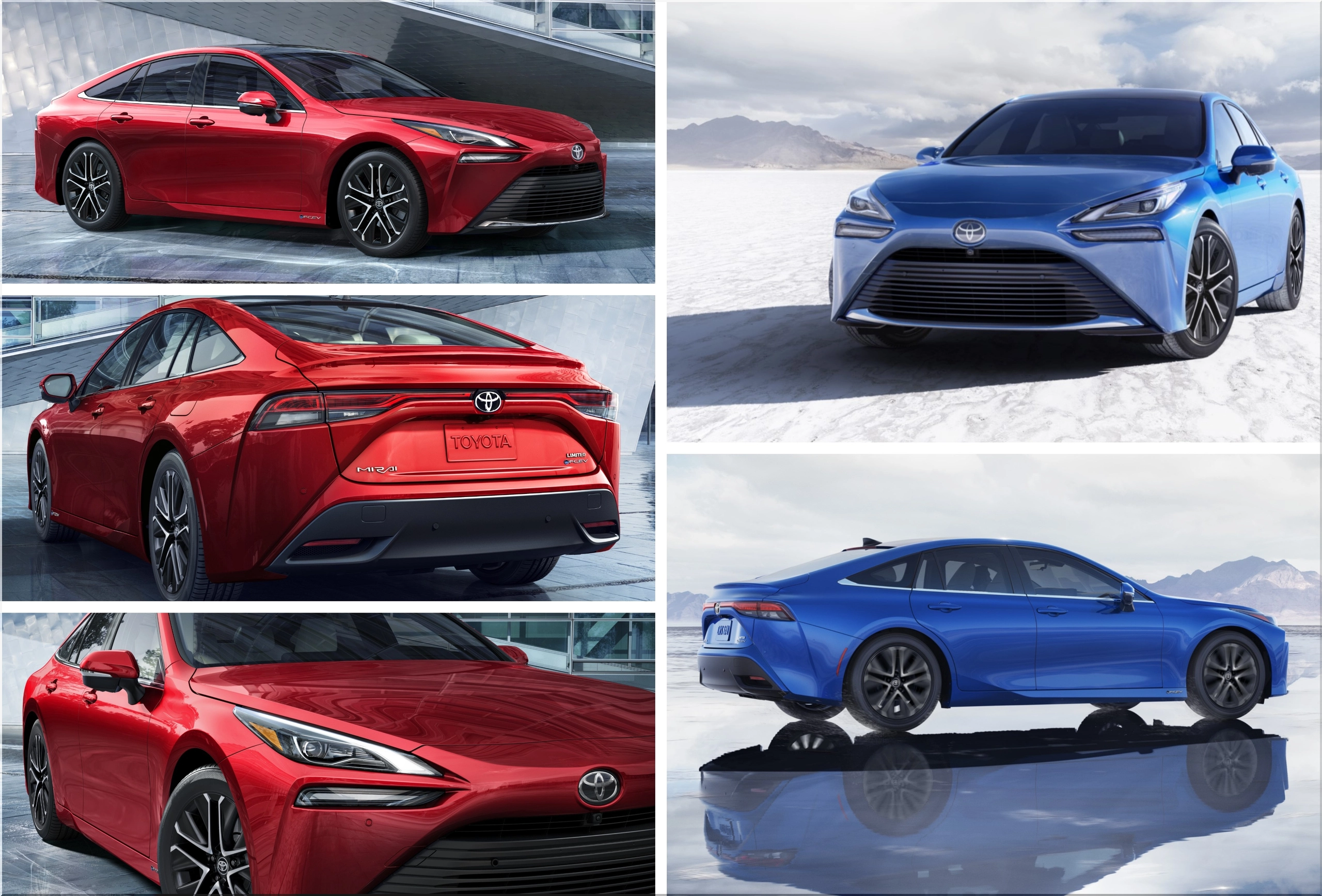
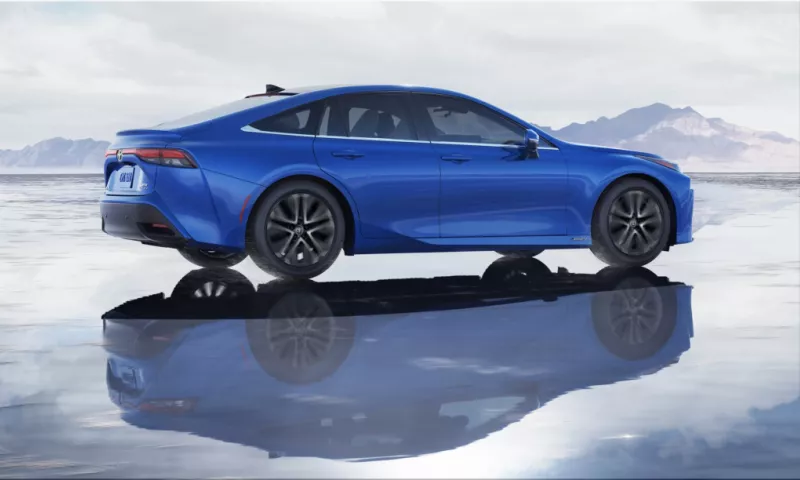
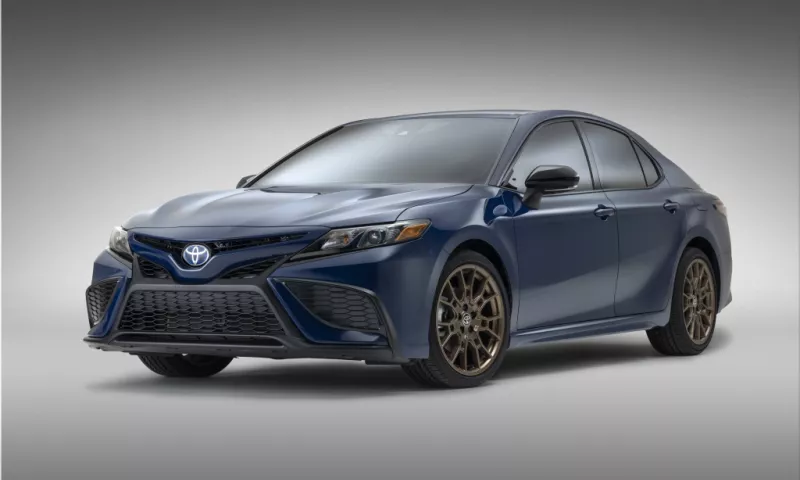
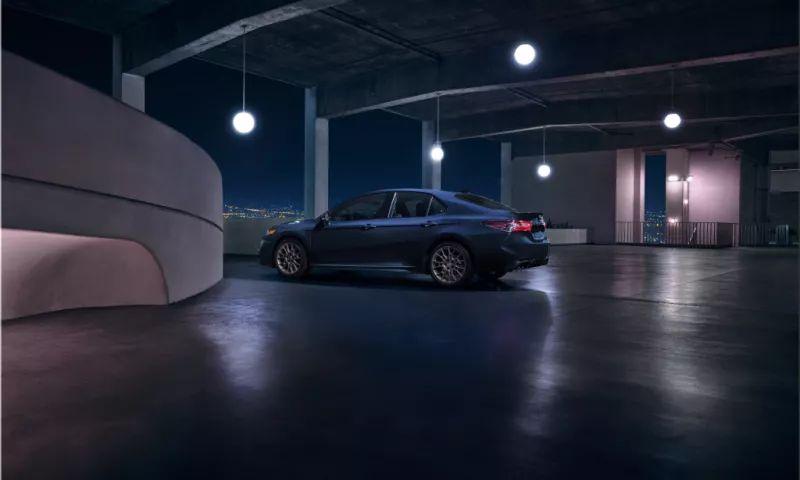
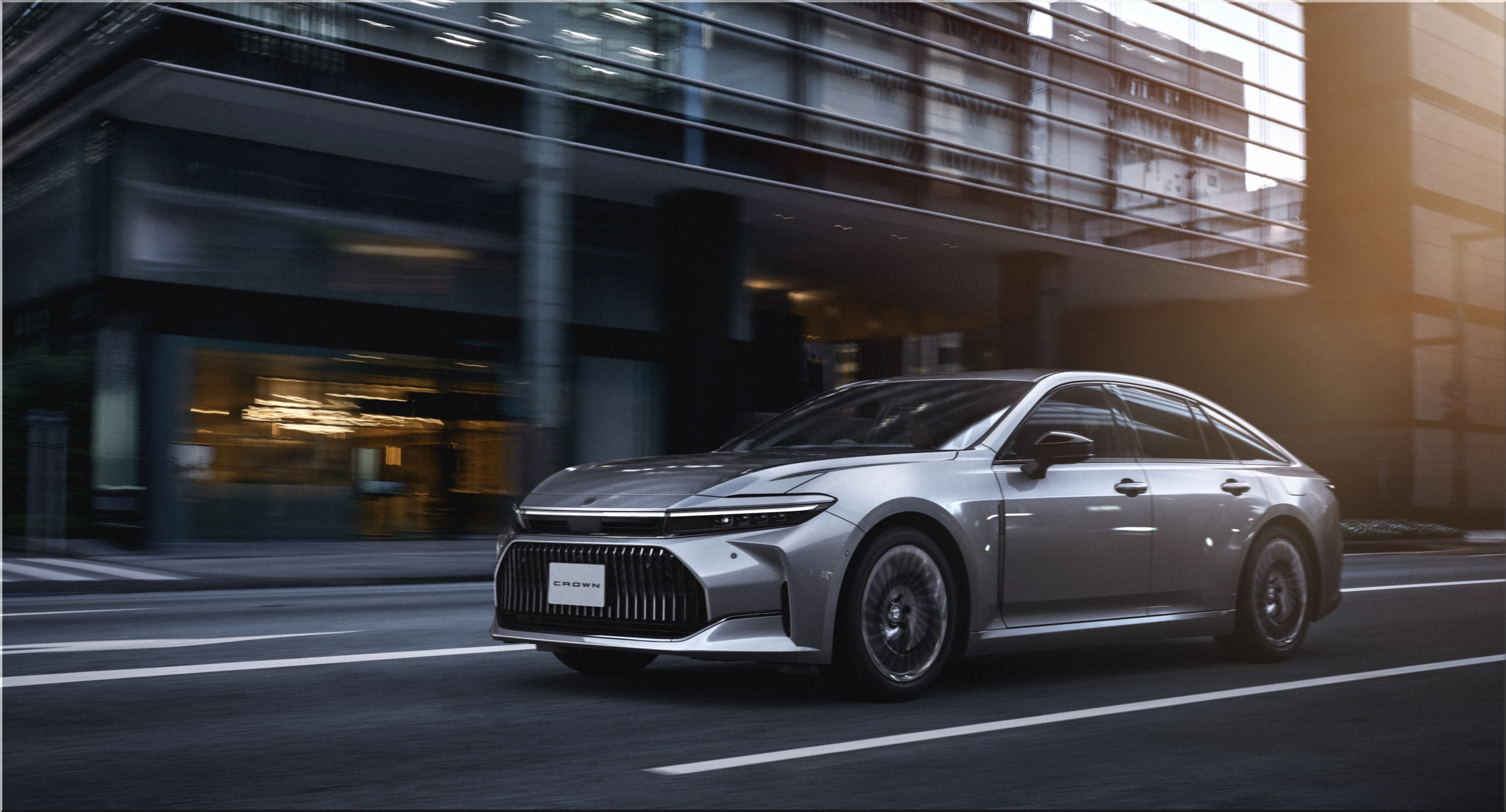
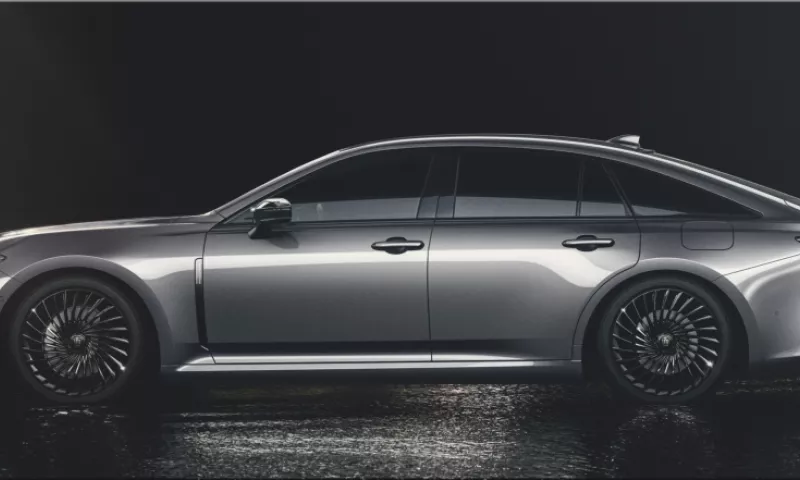
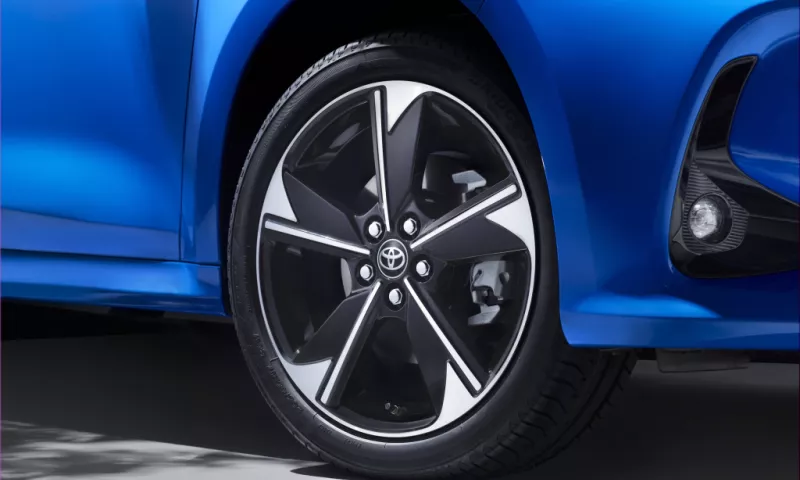
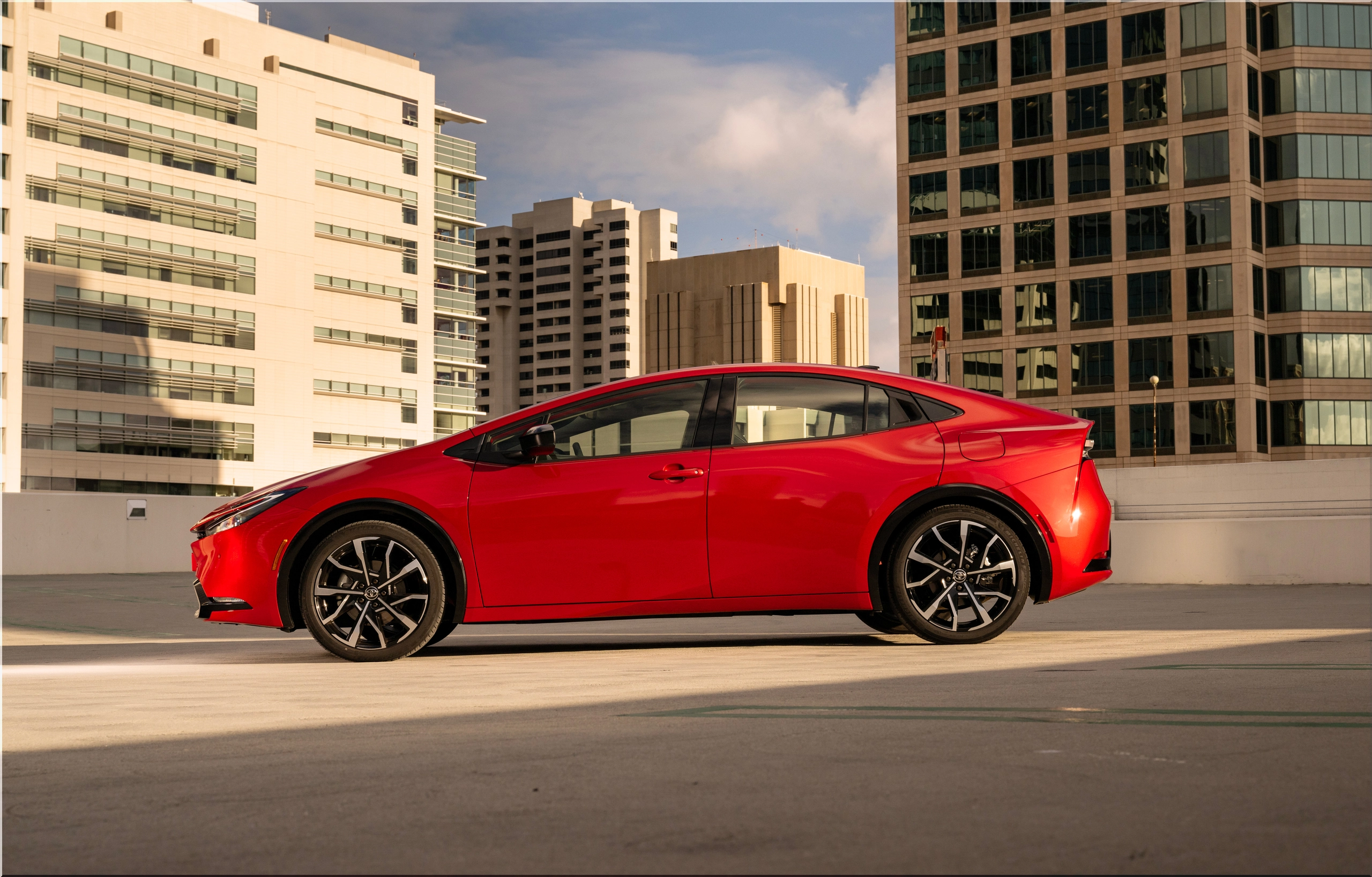
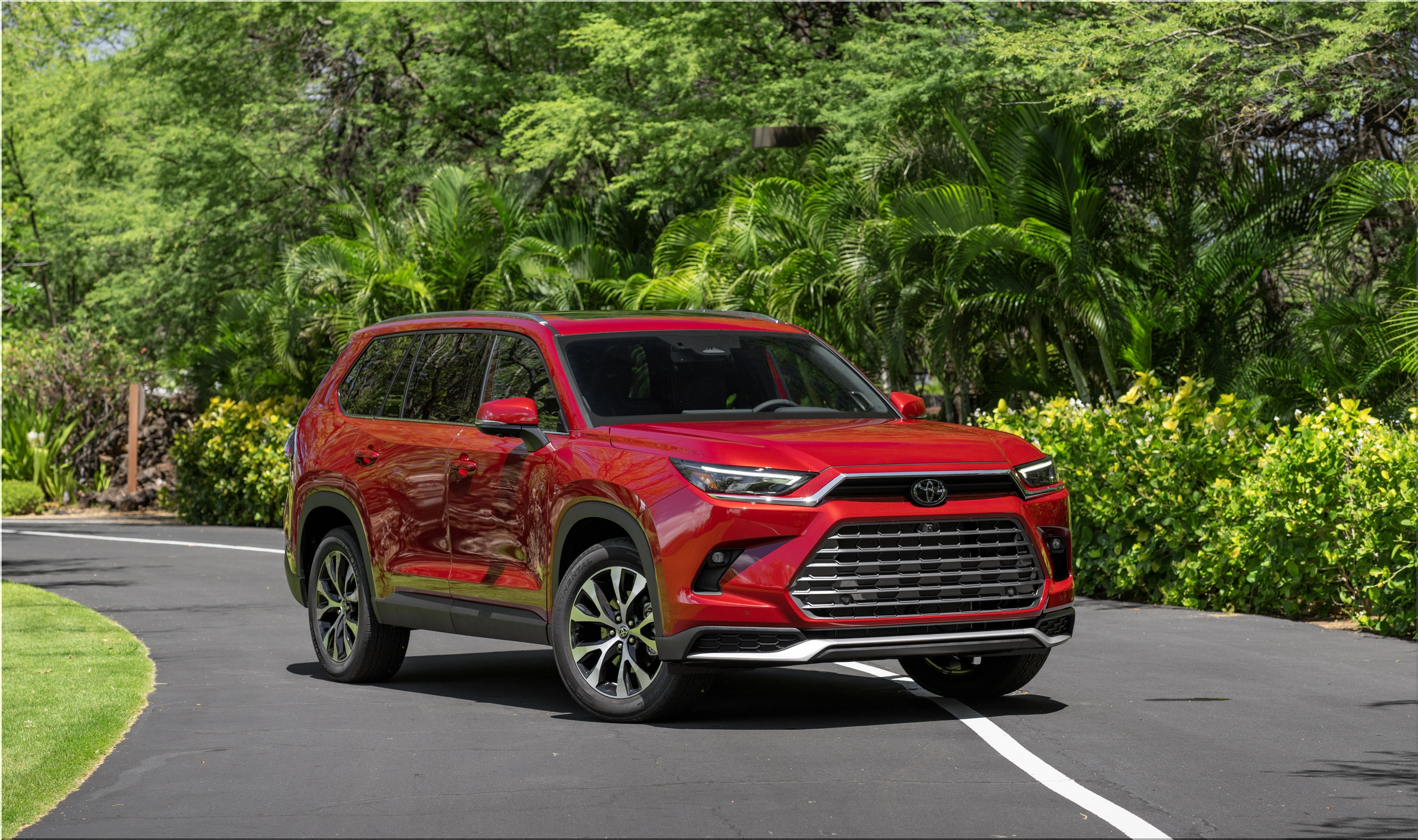
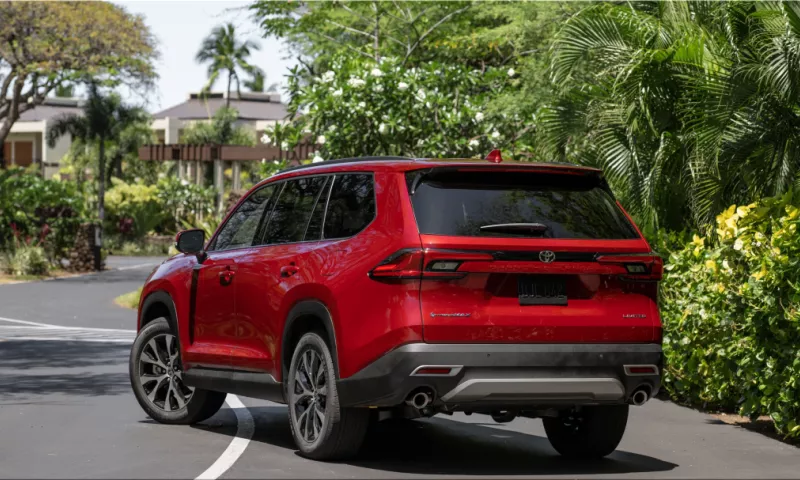
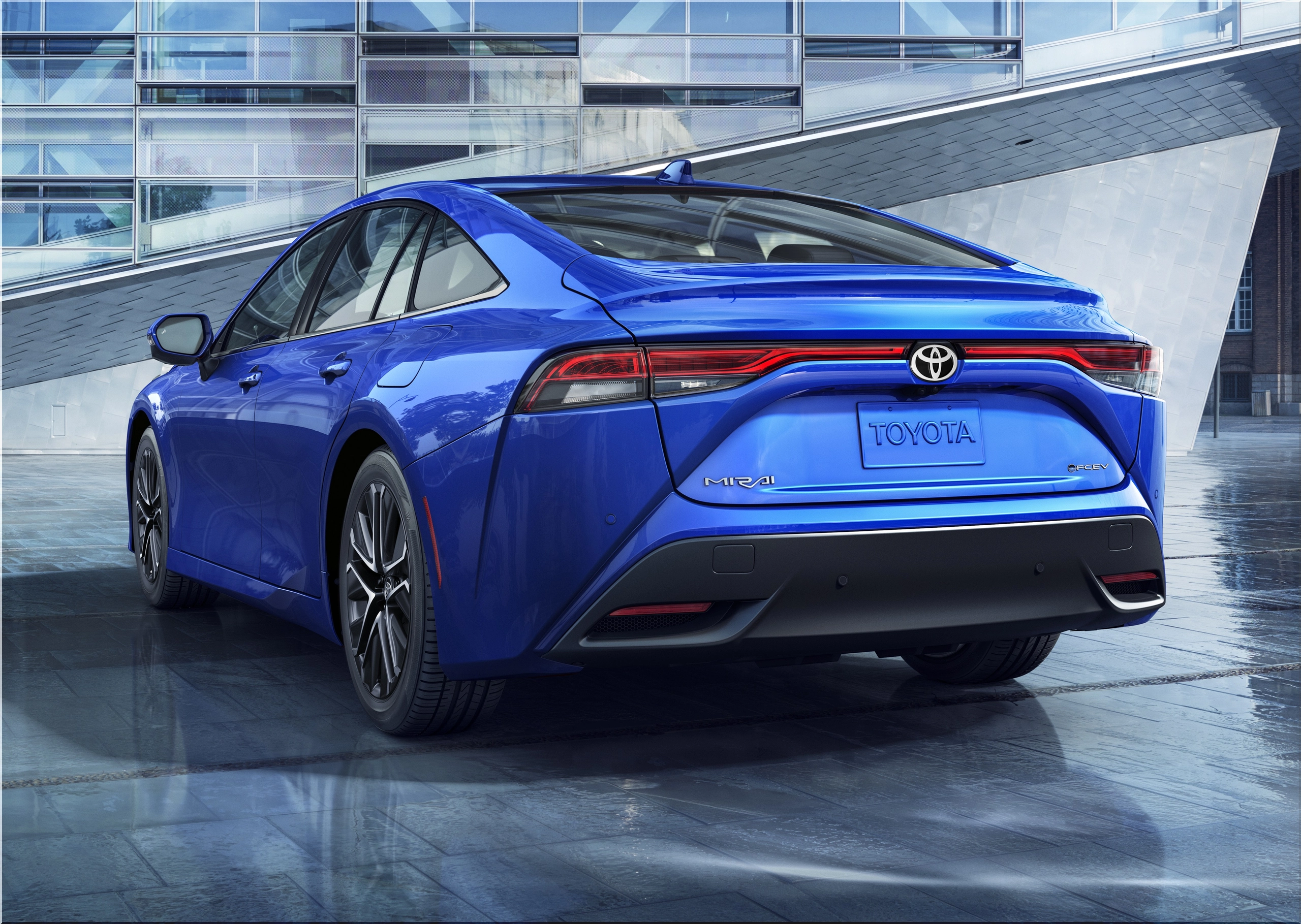
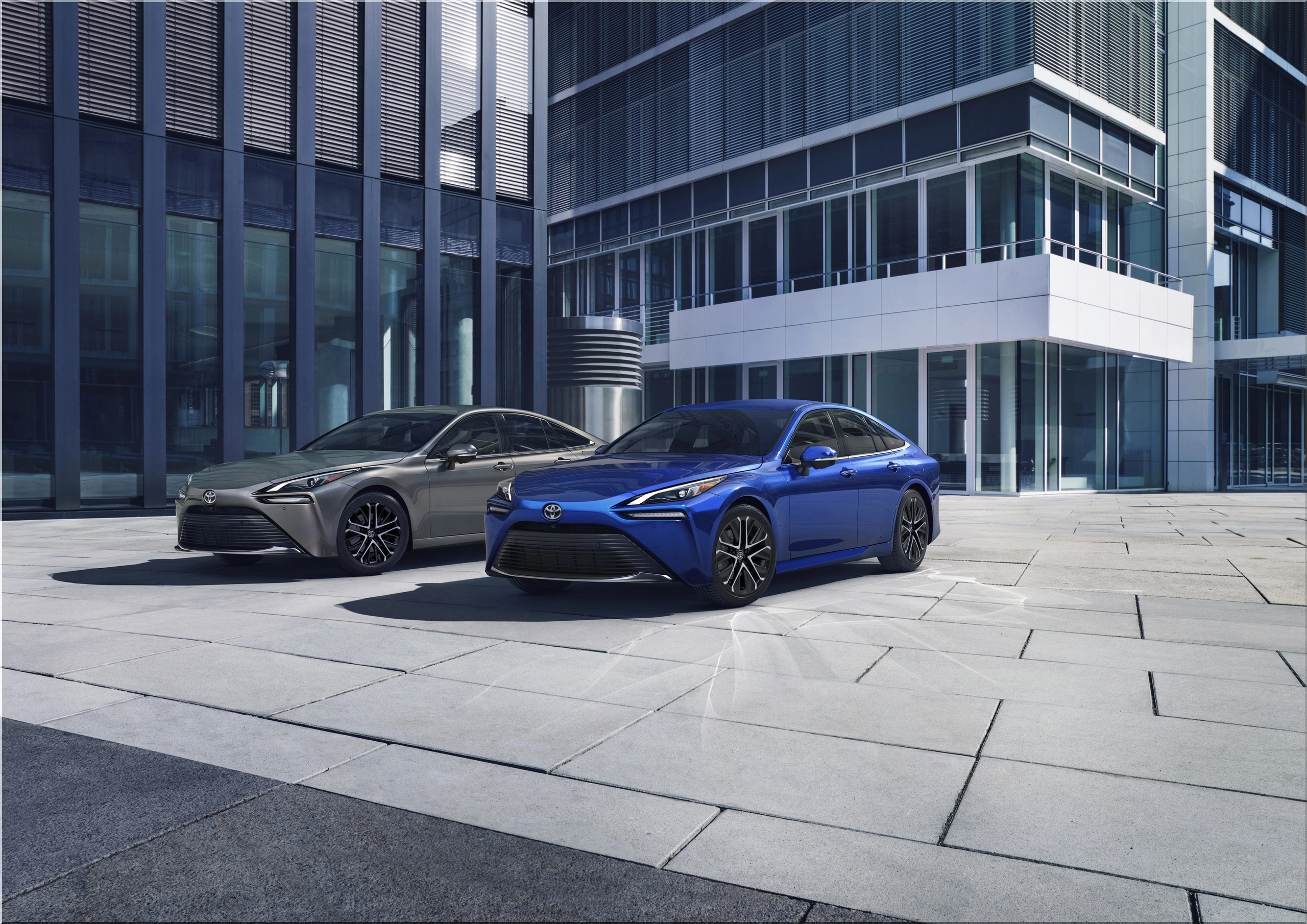
The 2026 model introduces new 19-inch black machine-finished alloy wheels. The stance remains wide and low. A long hood and short rear deck create a clean profile that focuses on aerodynamics.
Lighting plays a large role in visibility and identification. The car uses:
- Auto-leveling bi-beam LED headlights
- Multi-LED front and rear turn indicators
- LED daytime running lights
- LED side marker lamps etched with the Mirai logo
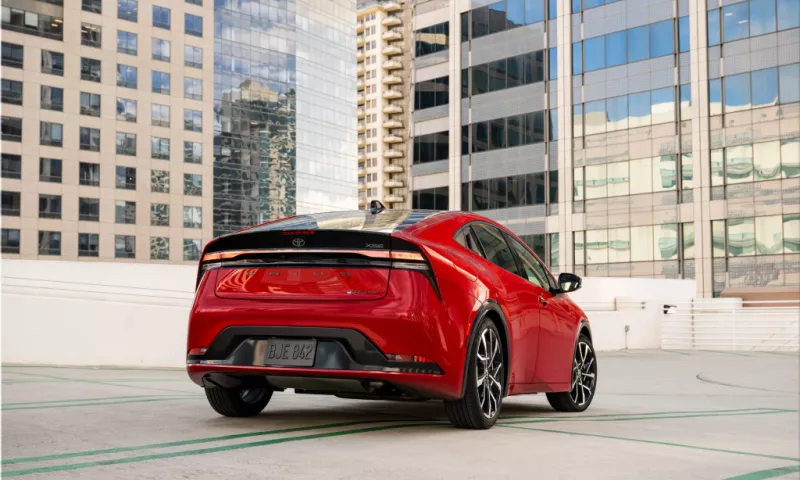
- A wide LED taillight bar with three gradation lines
Exterior mirrors include heating, power-folding, blind spot indicators, defrosters, puddle lights, and integrated turn signals. These features support daily driving in varied weather conditions.
The color range includes Black, Oxygen White, Heavy Metal, and Hydro Blue. Premium shades carry an added fee.
Interior Comfort and Controls
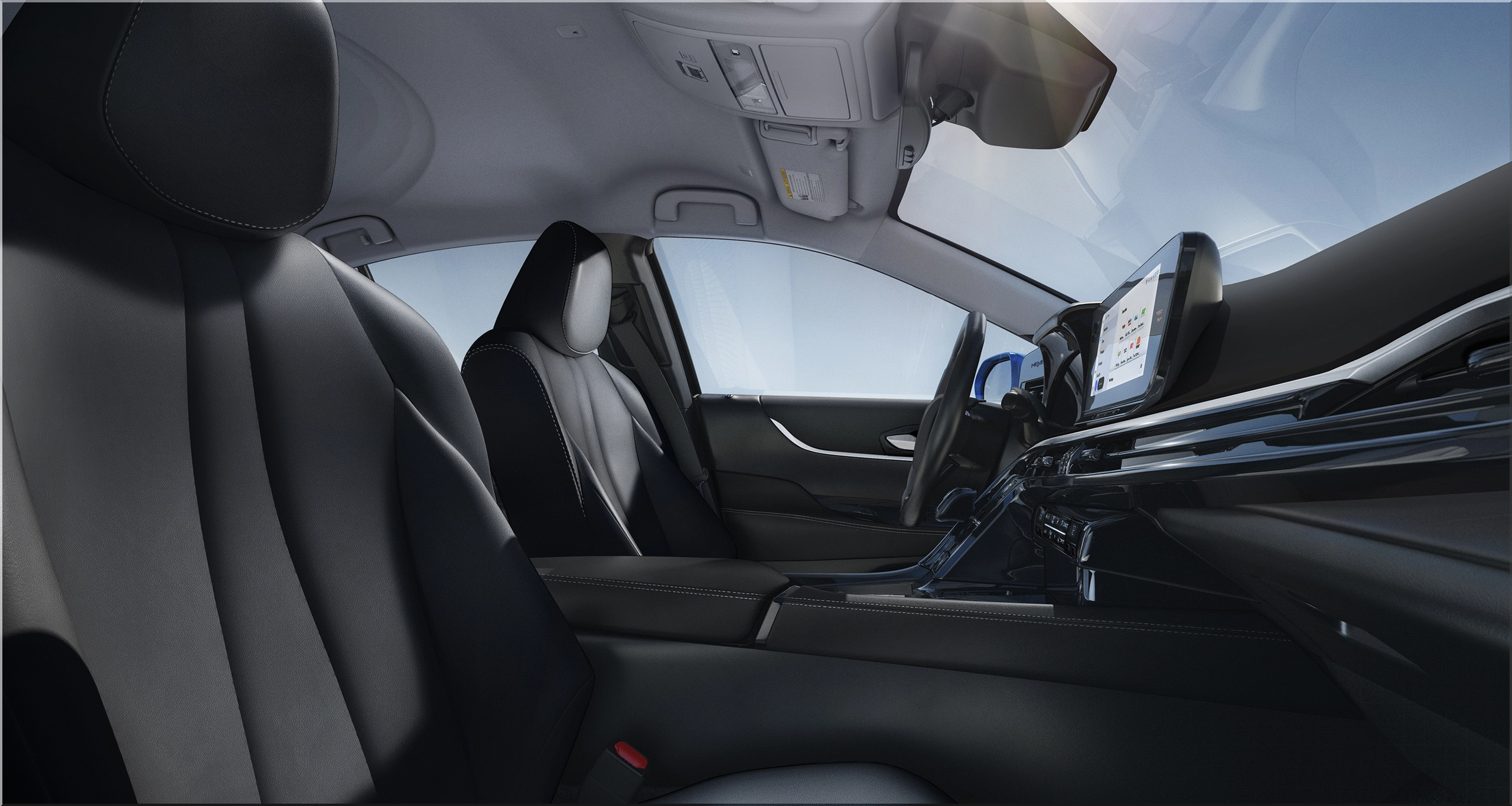
Inside, the cabin uses SofTex heated front seats. The driver seat provides eight-way power adjustments. The passenger seat offers four-way adjustments. Footwell lighting adds visibility during entry and exit.
Dual-zone climate control allows each front occupant to select a preferred temperature. Cabin controls remain simple, with clear icons and quick-access buttons.
Space supports weekly errands, business trips, and general commuting. The trunk offers steady room for luggage and work equipment.
Dual 12.3-Inch Displays and Connected Features
The Mirai integrates a 12.3-inch multimedia touchscreen and a 12.3-inch digital gauge cluster. Drivers see range, hydrogen levels, and efficiency guidance in real time. The displays respond quickly and remain readable in strong sunlight.
The technology package includes:
- Wireless Apple CarPlay
- Wireless Android Auto
- Dual Bluetooth device pairing
- JBL Premium Audio
- A Panoramic View Monitor with overhead imaging
- Qi wireless charging
- USB-C ports and a 12V socket
A Wi-Fi Connect trial provides data for up to five devices. Drivers can link streaming accounts for on-road playback.
A Drive Connect trial enables voice recognition through the phrase “Hey Toyota.” The system handles directions, climate commands, and audio controls.

Connected Services and Ownership Value
Toyota supports the Mirai with an extended ToyotaCare plan covering three years or 35,000 miles. New owners receive 21 complimentary rental days during the first three years. This helps drivers manage trips that exceed hydrogen station access.
Warranty coverage includes:
- Eight-year/100,000-mile FCEV component protection
- Ten-year/150,000-mile hybrid battery protection
Services such as Safety Connect, Service Connect, and Remote Connect include multi-year trials. Drivers gain automatic collision alerts, maintenance updates, remote vehicle access, and digital key capability.
Safety and Driver Assistance
The Mirai includes Toyota Safety Sense 3.0 as standard equipment. The suite covers:
- Pre-Collision System with Pedestrian Detection
- Full-Speed Range Dynamic Radar Cruise Control
- Lane Departure Alert with Steering Assist
- Lane Tracing Assist
- Road Sign Assist
- Automatic High Beams
- Proactive Driving Assist
Additional features include Traffic Jam Assist, Blind Spot Monitor, Rear Cross-Traffic Alert, and Parking Assist with Automatic Braking.
A Forward Step for Hydrogen Cars
The 2026 Toyota Mirai focuses on practical gains: high range, quick refueling, predictable ownership costs, strong warranty support, and a clear user interface. Toyota positions hydrogen as a direct alternative for drivers who want electric power without charging downtime. The package targets commuters, business users, and drivers who track total operating costs and seek long-term value in an electric platform.
- Add new comment
- 355 views