Audi Nuvolari Targets the Supercar Class With Hybrid Firepower
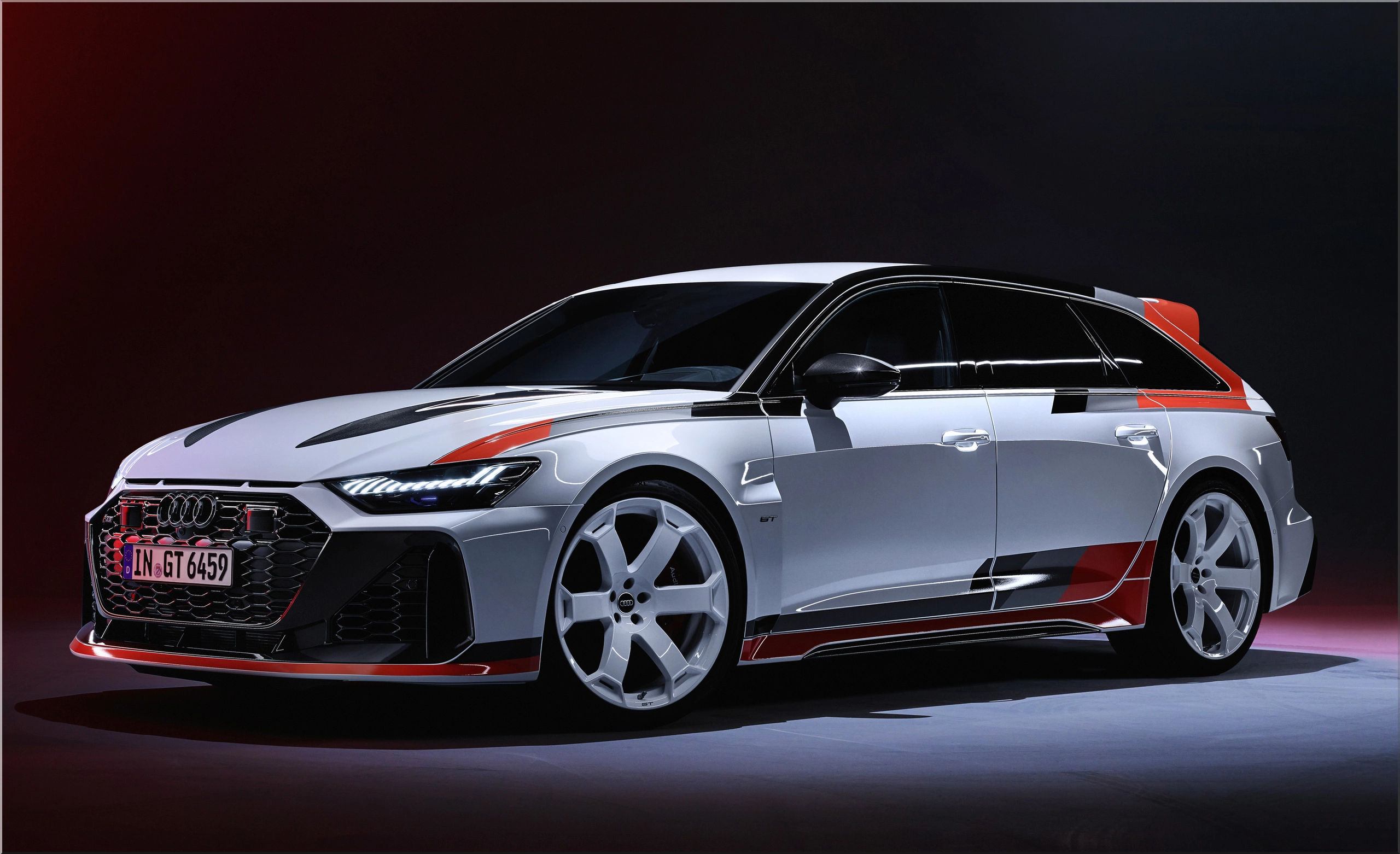
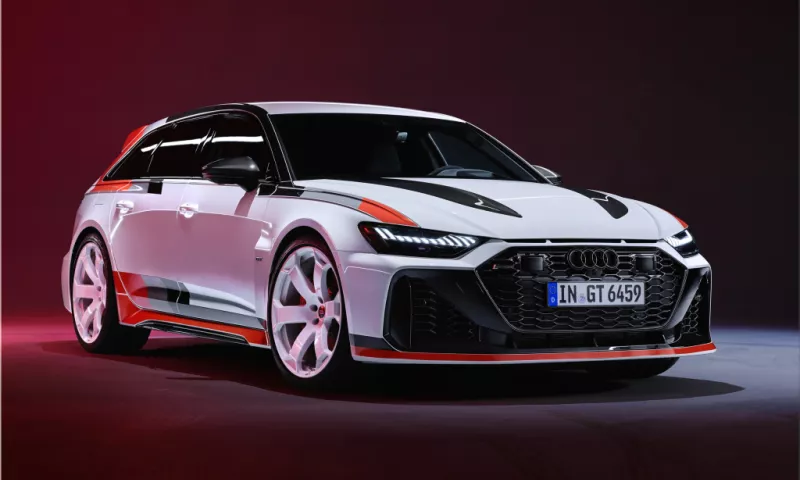
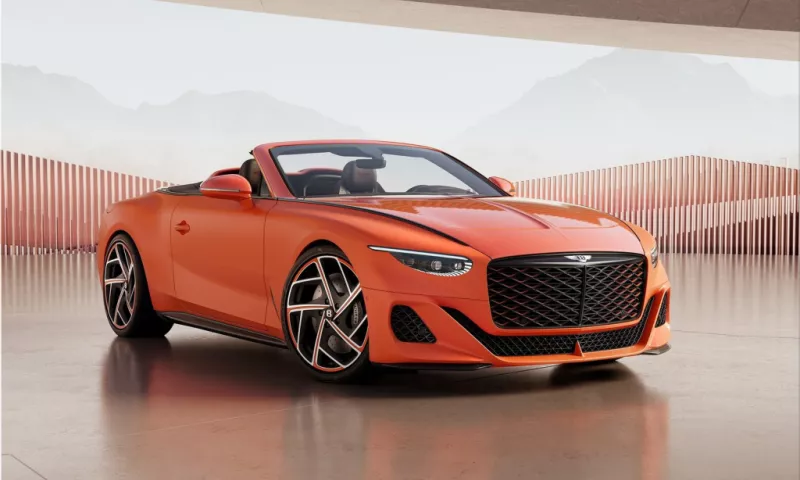
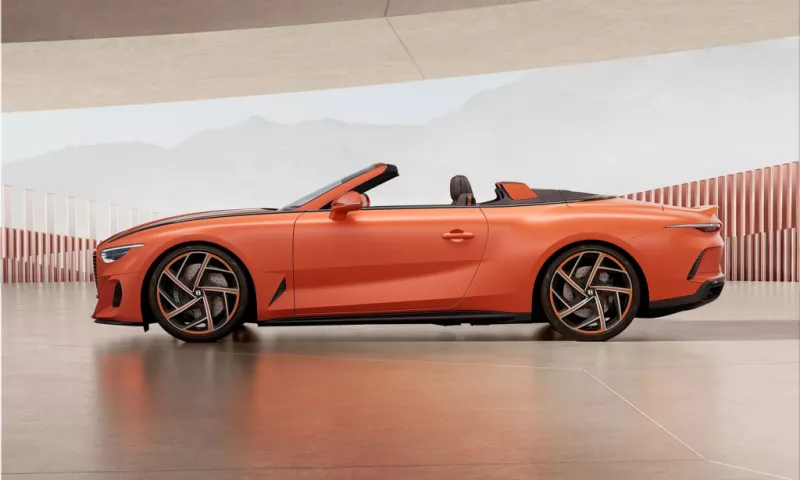
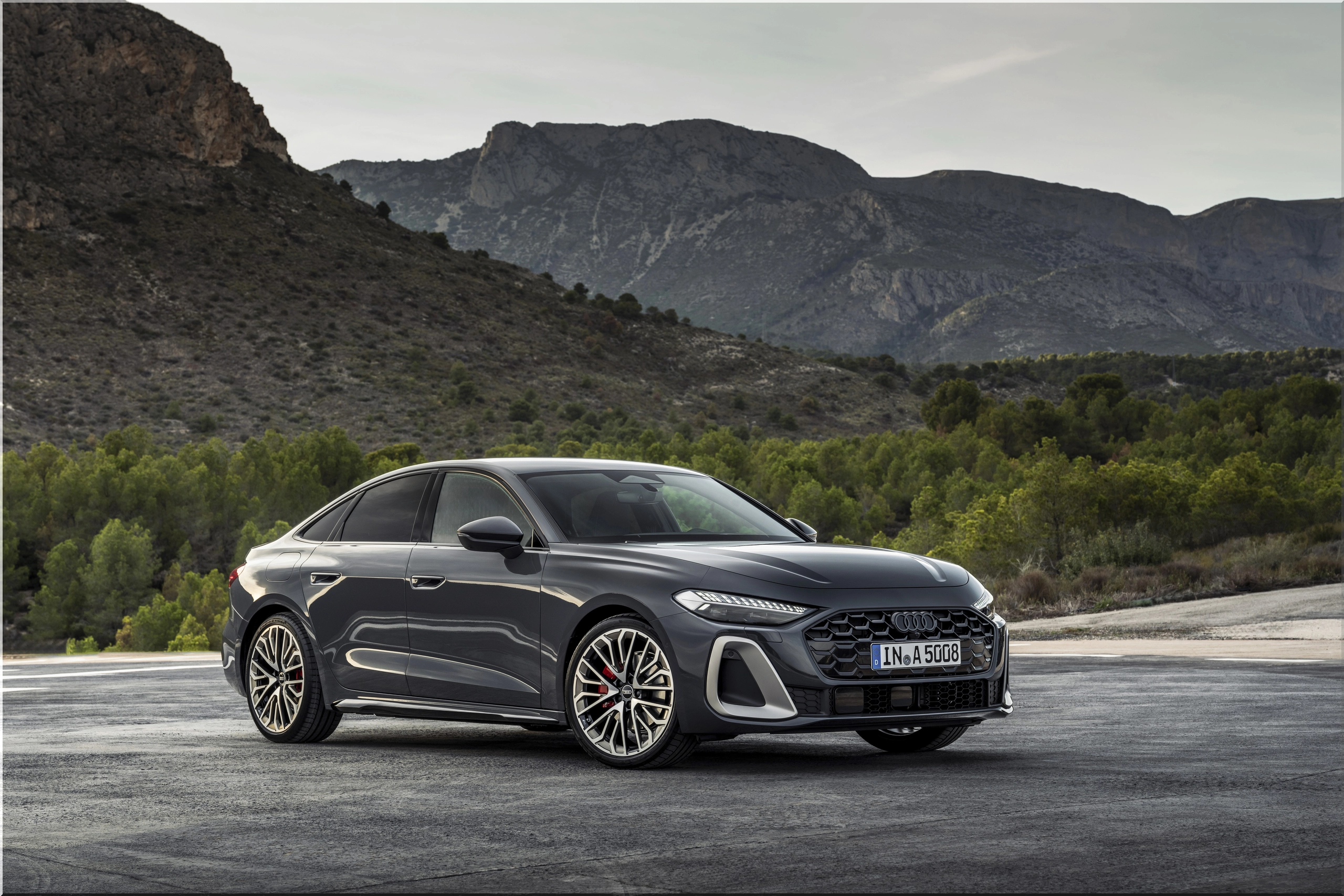
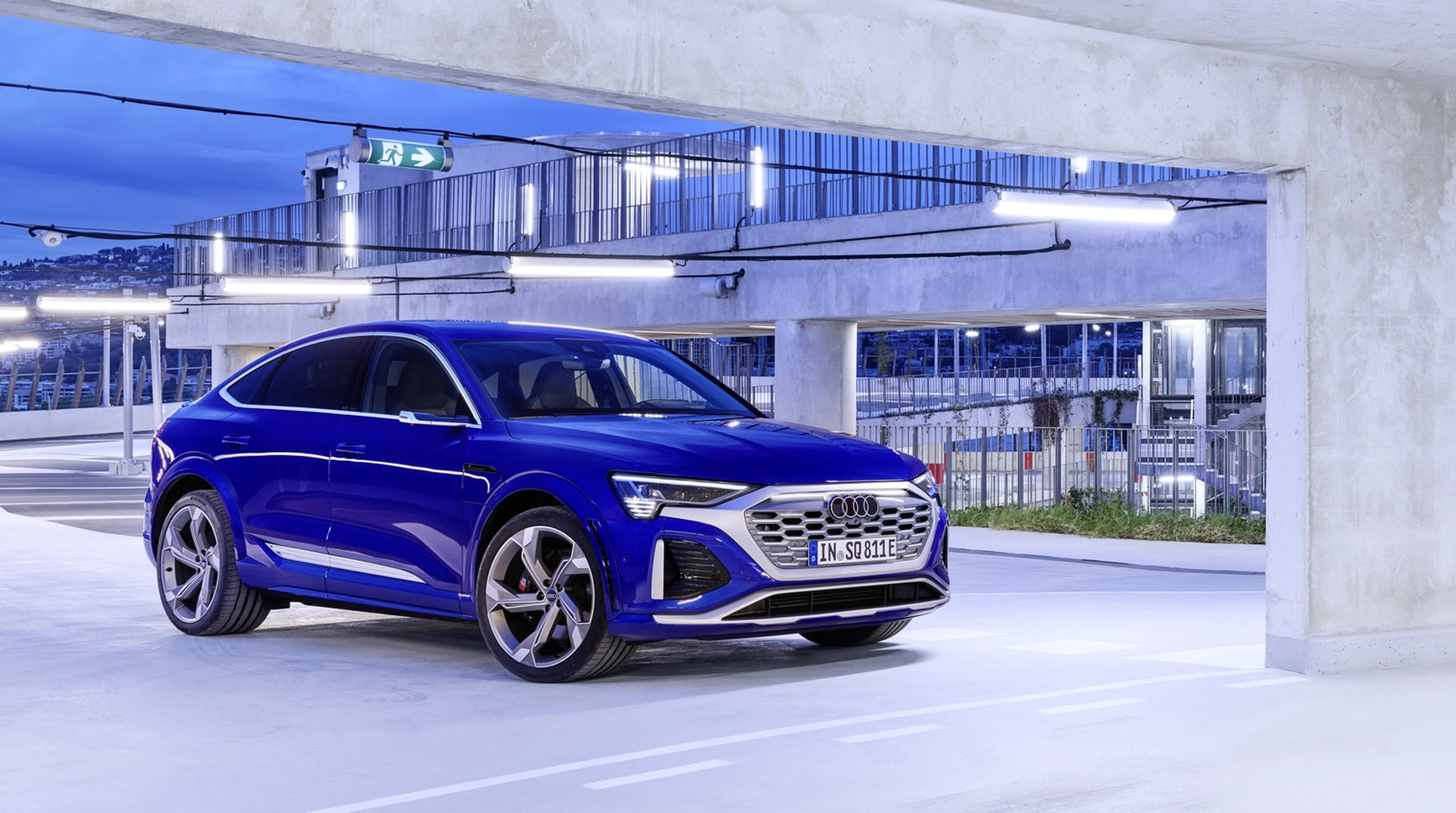
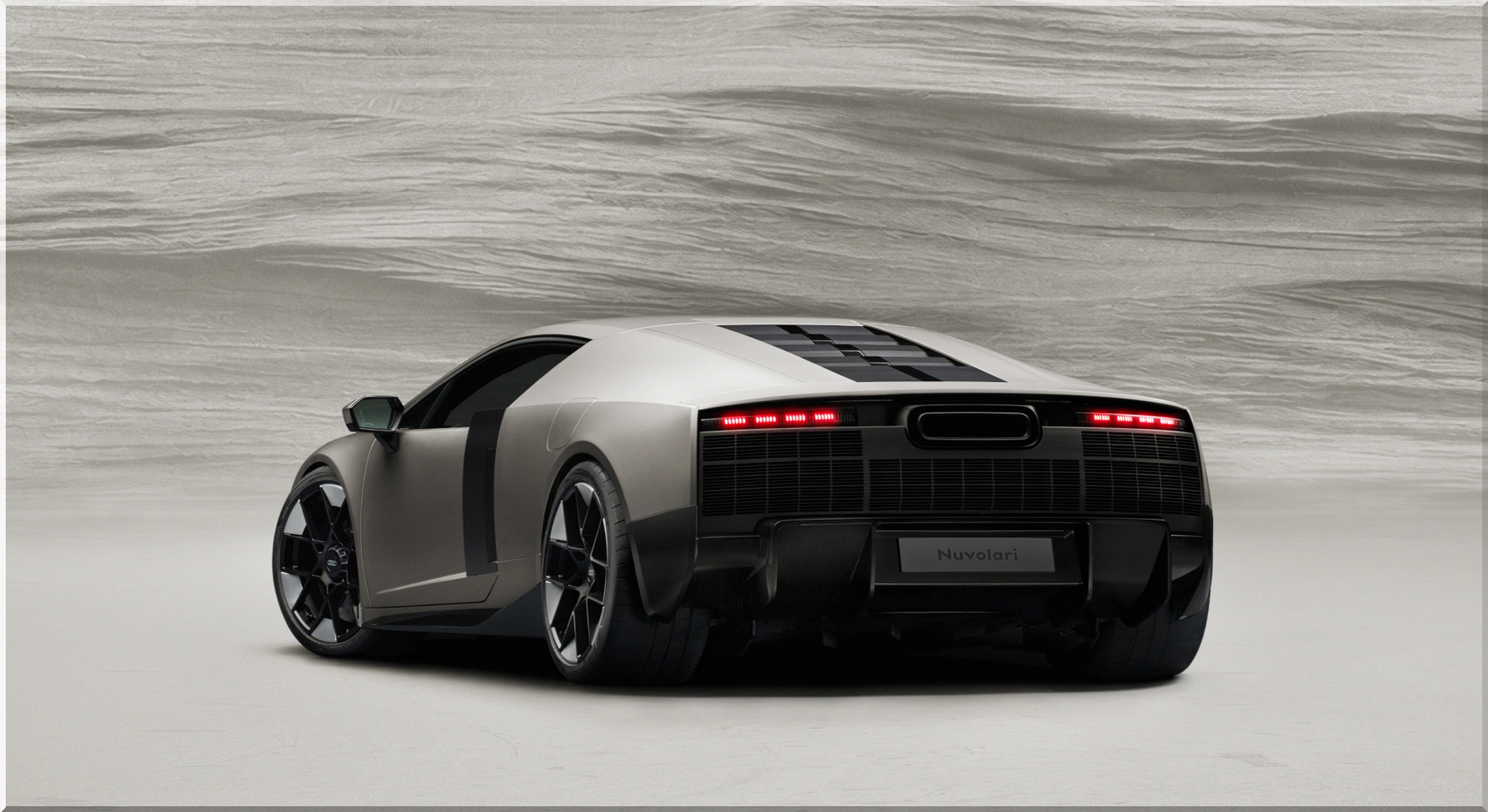
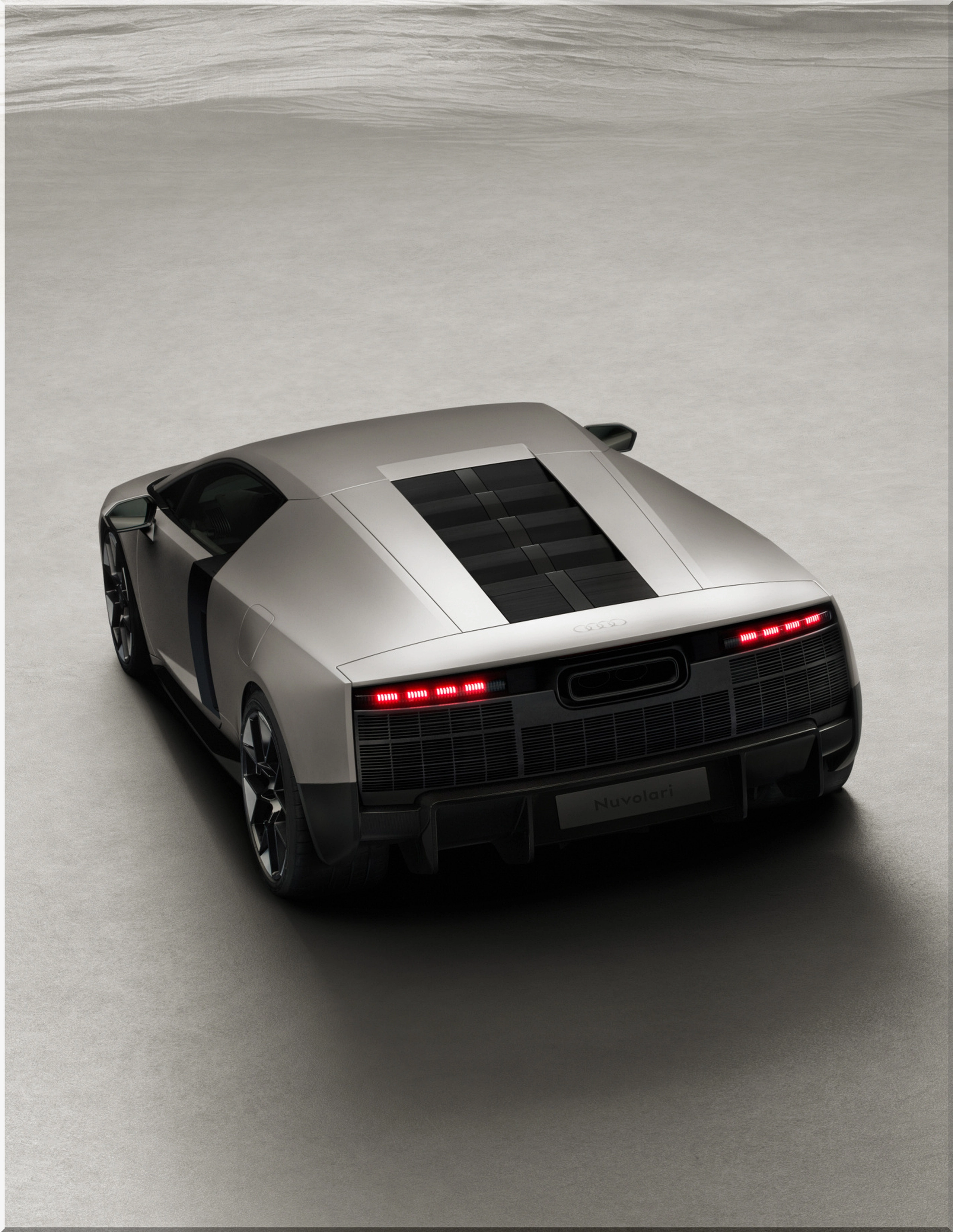
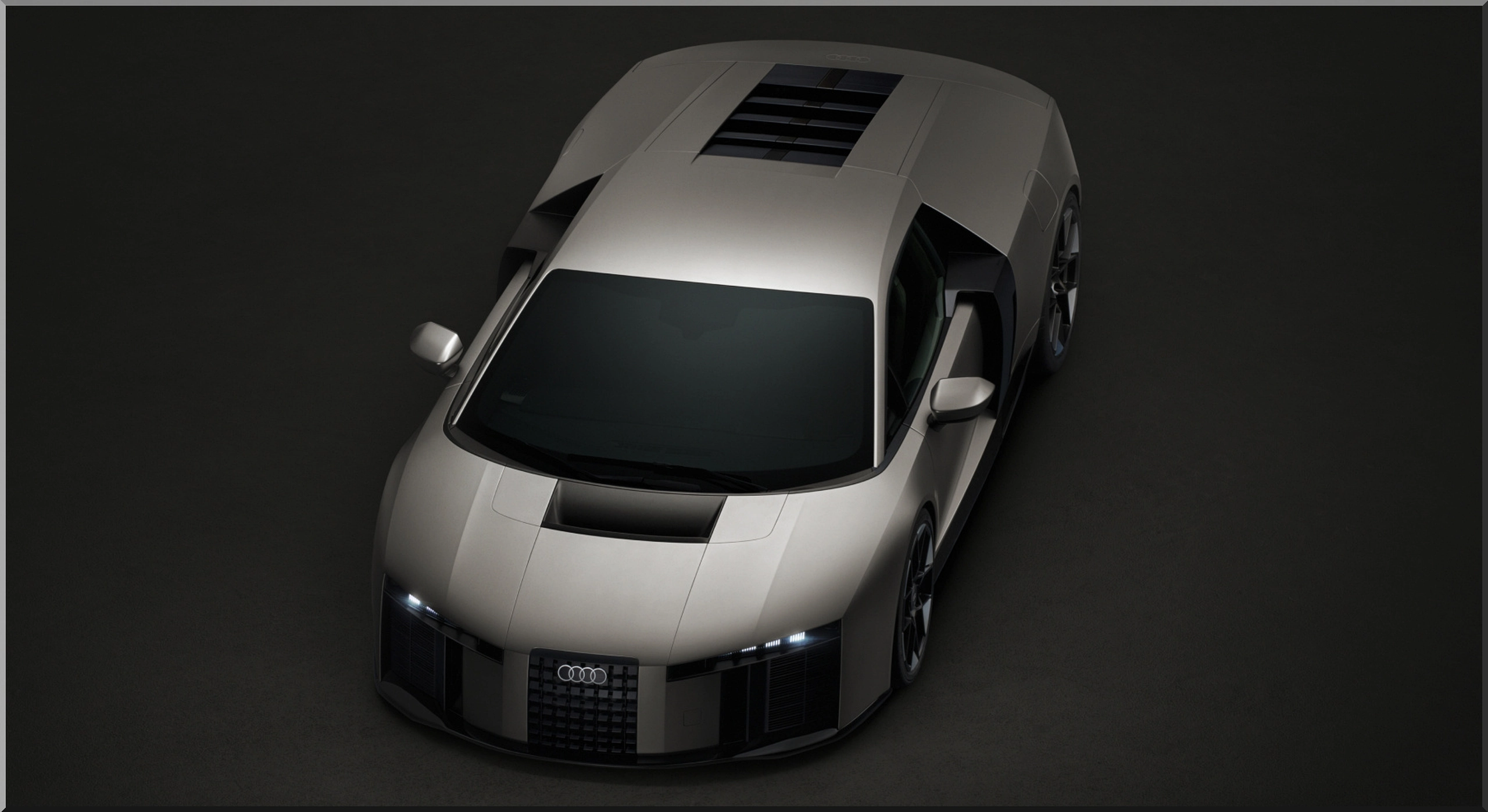
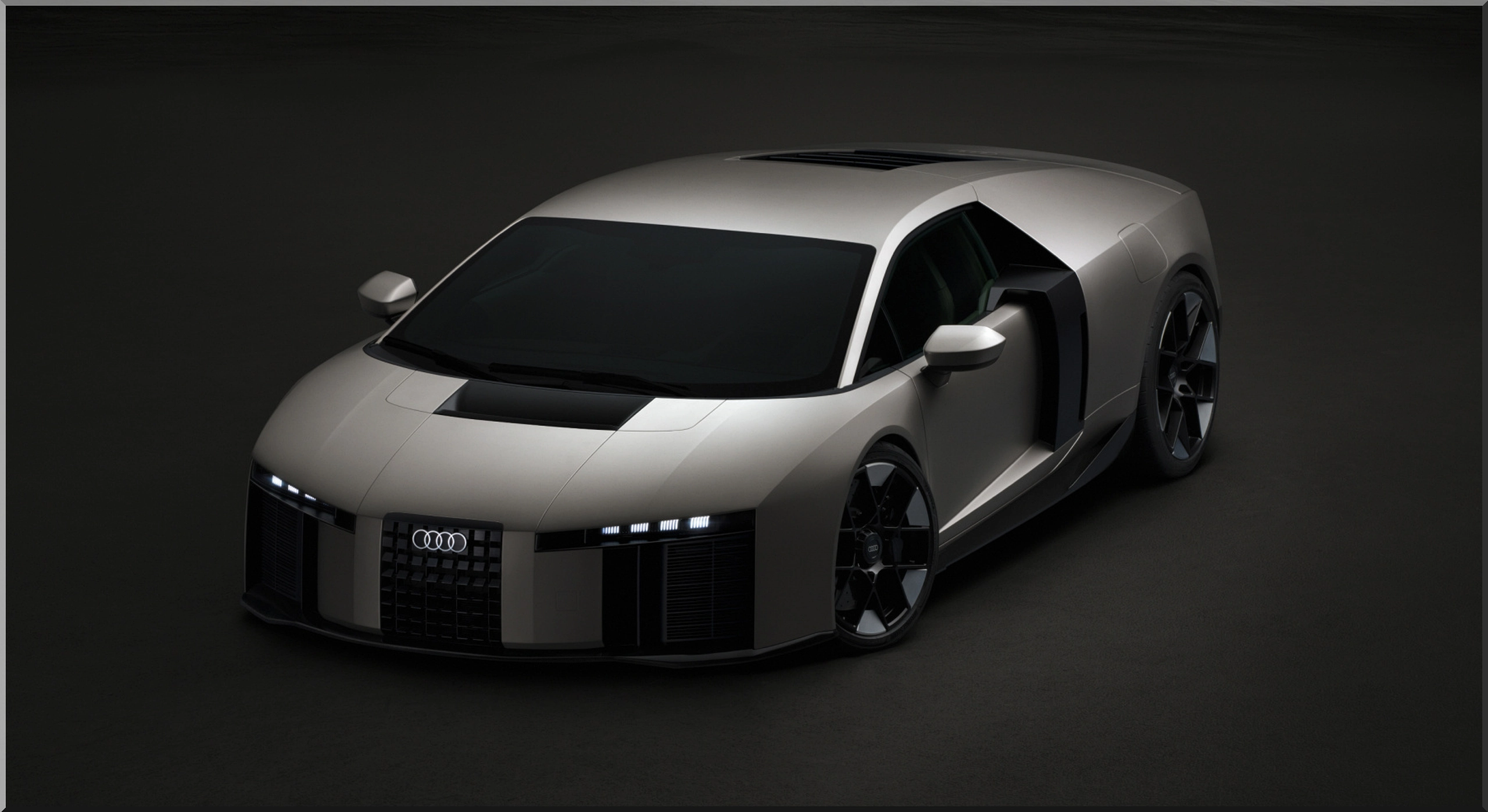
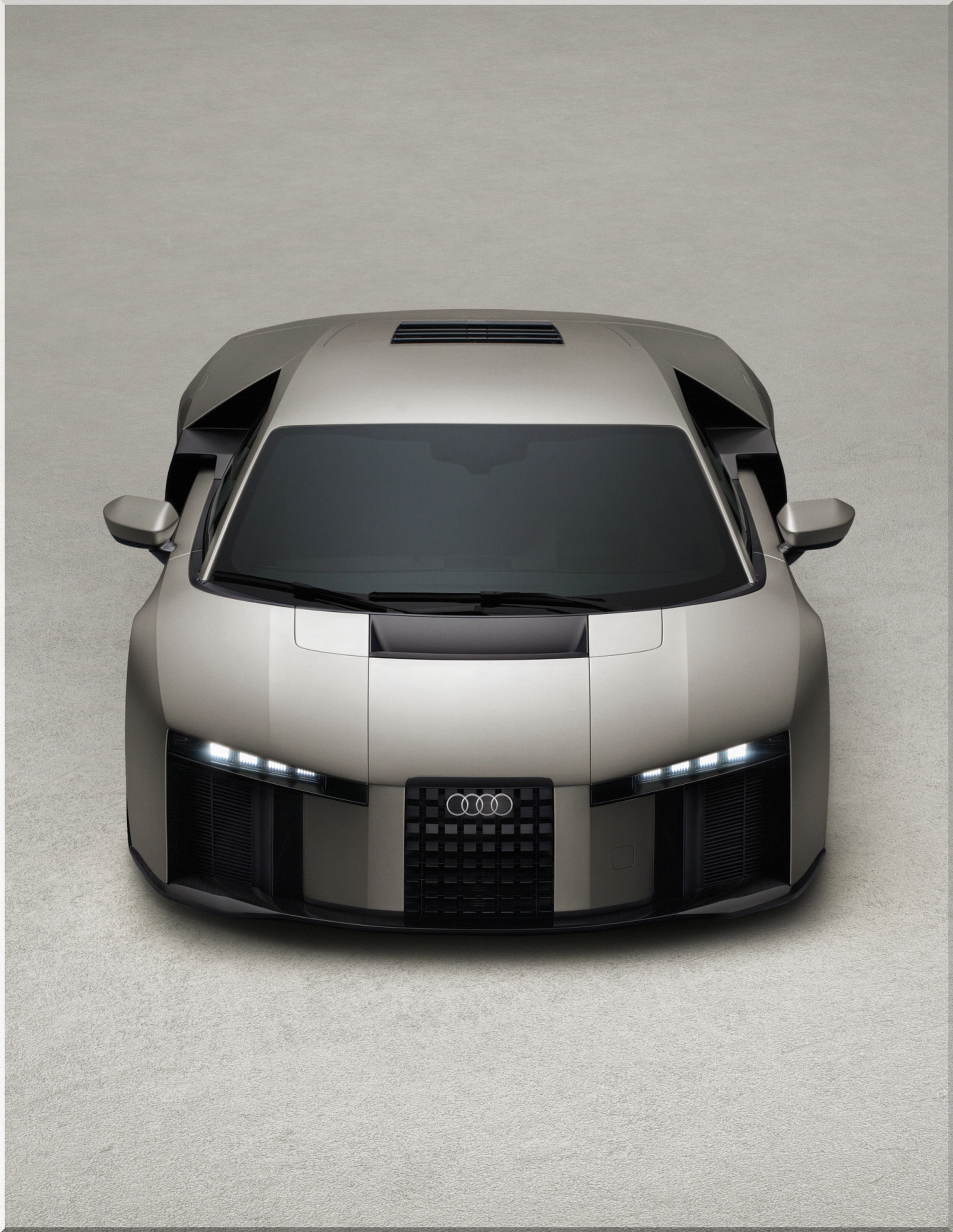
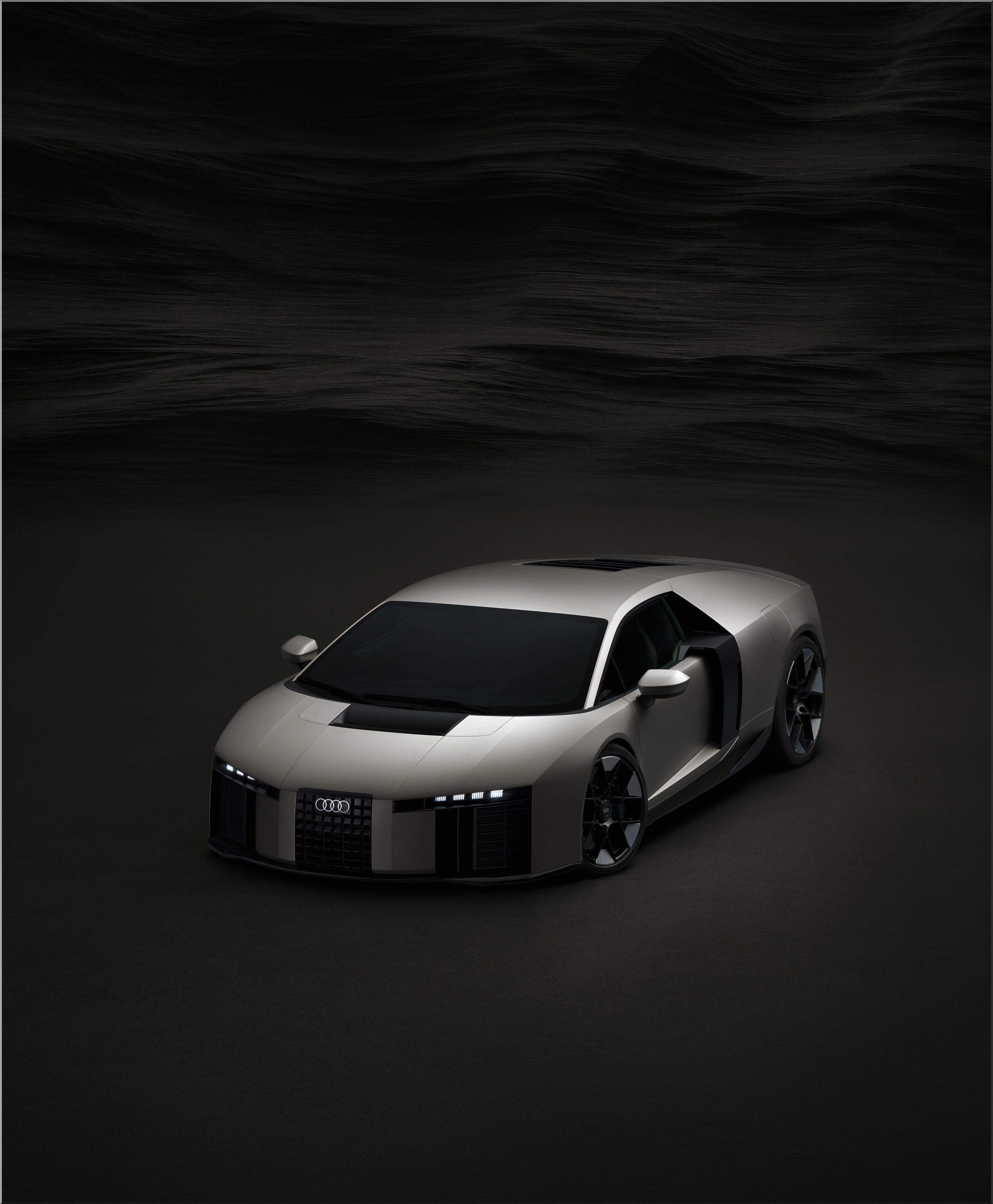
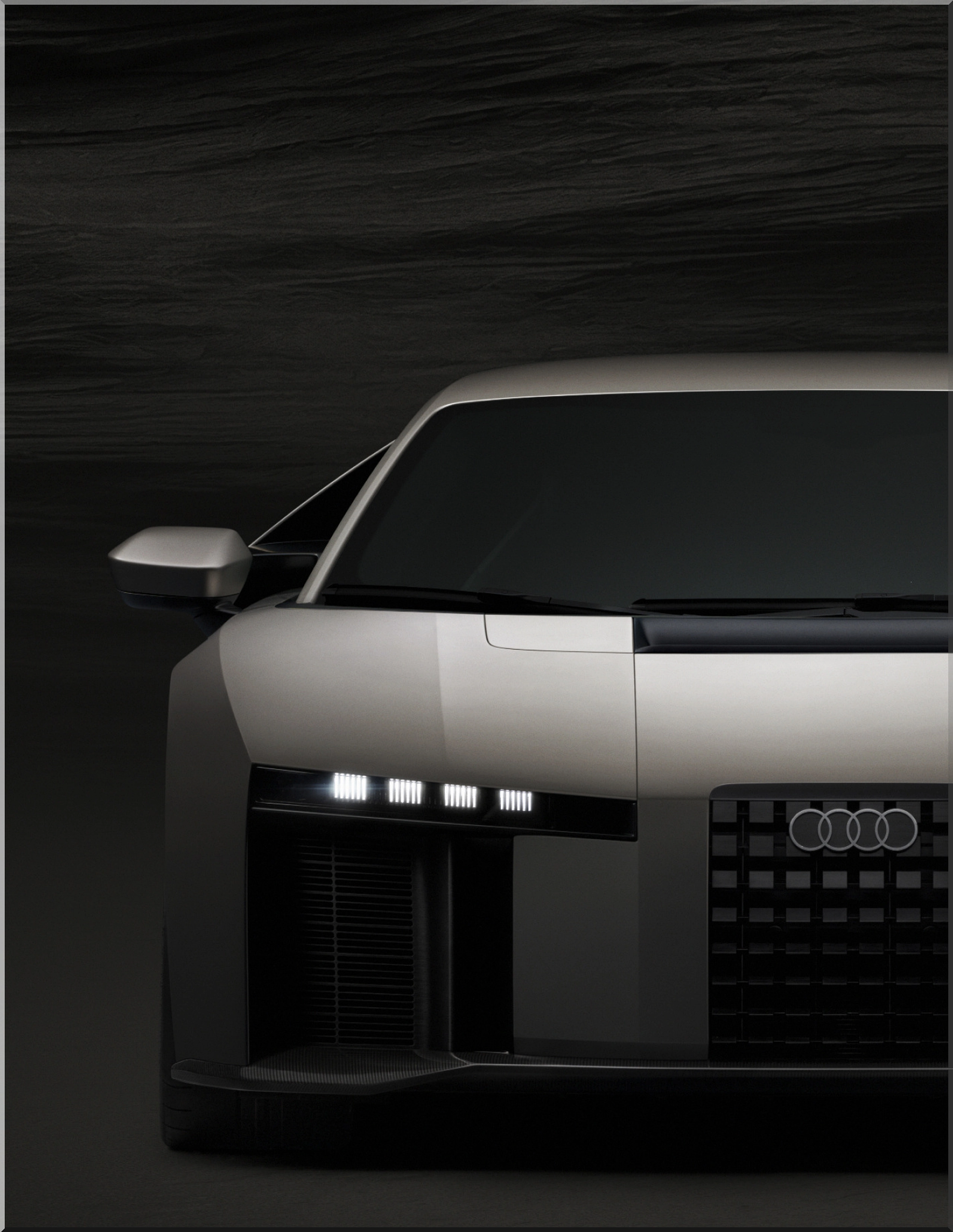
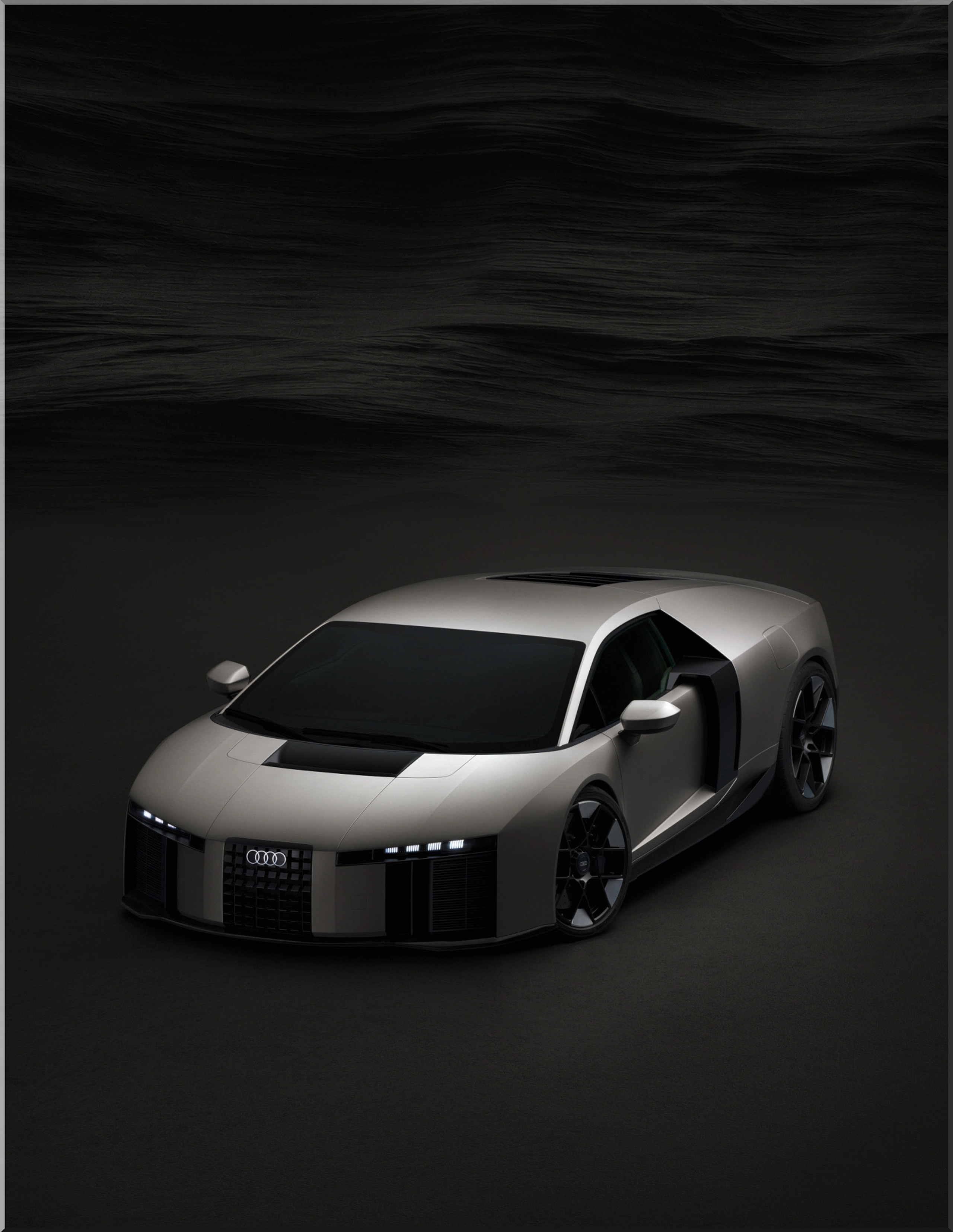
Audi has built the Nuvolari as its first production high-performance hybrid supercar, and the numbers set a clear intent. The mid-engine flagship combines a 4.0-litre V8 biturbo engine with three axial-flux electric motors for 736 kW, or 1,001 PS, which equals about 987 hp. That makes it the most powerful production Audi announced so far.
Image
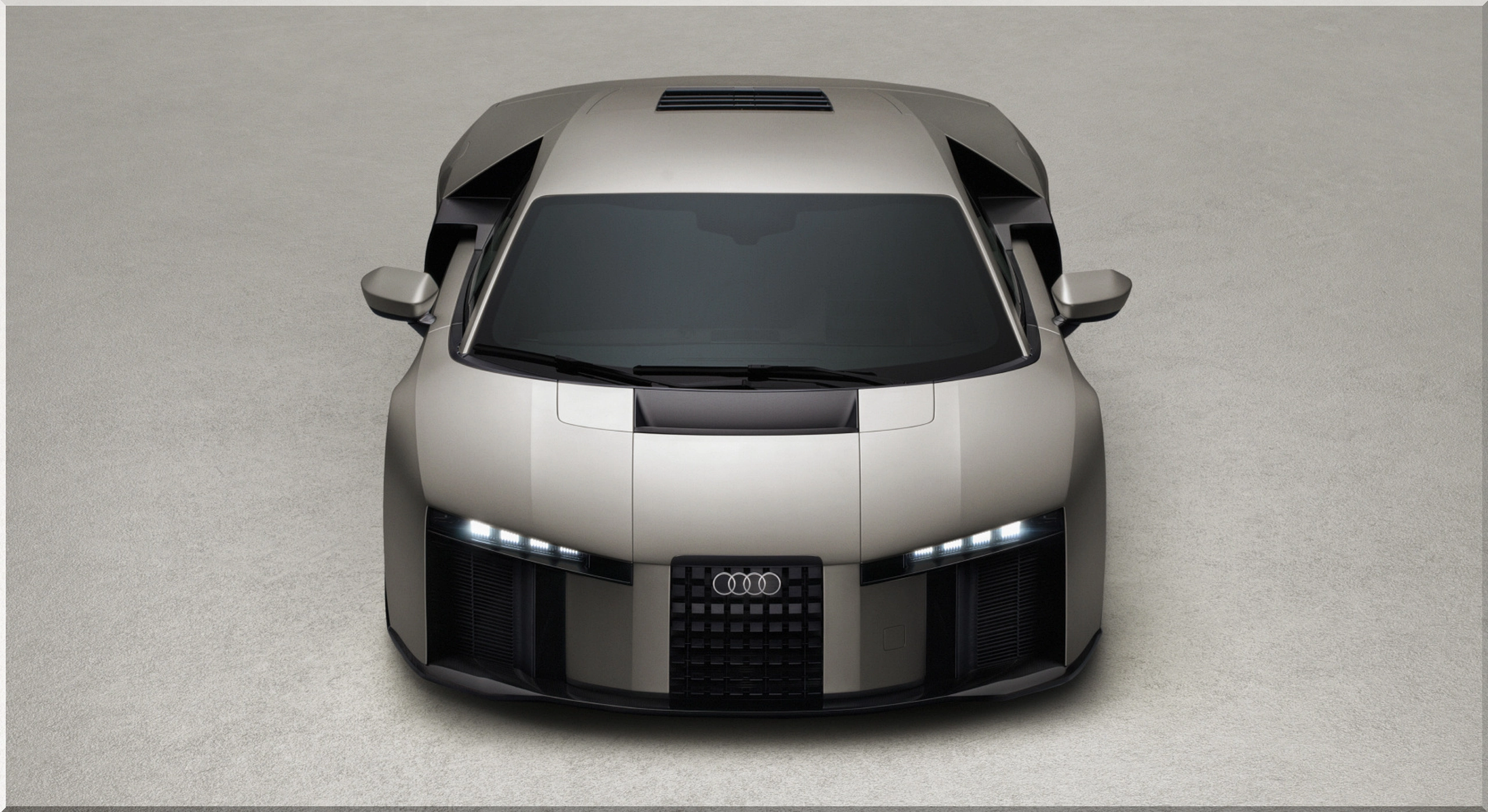
Specifically, the V8 produces 588 kW, or 800 hp, and 730 Nm before electric assistance joins the fight. The engine revs to 10,000 rpm, a figure that places this Audi closer to endurance racing hardware than a conventional road-car V8. A 7.3 kWh lithium-ion battery supports short-distance electric driving and sharp torque fill.
| Audi Nuvolari Core Data | Figure |
|---|---|
| System output | 736 kW / 1,001 PS / 987 hp |
| Combustion engine | 4.0-litre V8 biturbo |
| V8 output | 588 kW / 800 hp |
| V8 torque | 730 Nm |
| Electric motors | 3 axial-flux units |
| Battery capacity | 7.3 kWh gross |
| Production run | 499 units |
| Deliveries | First half of 2027 |
Performance: The Numbers Do the Talking
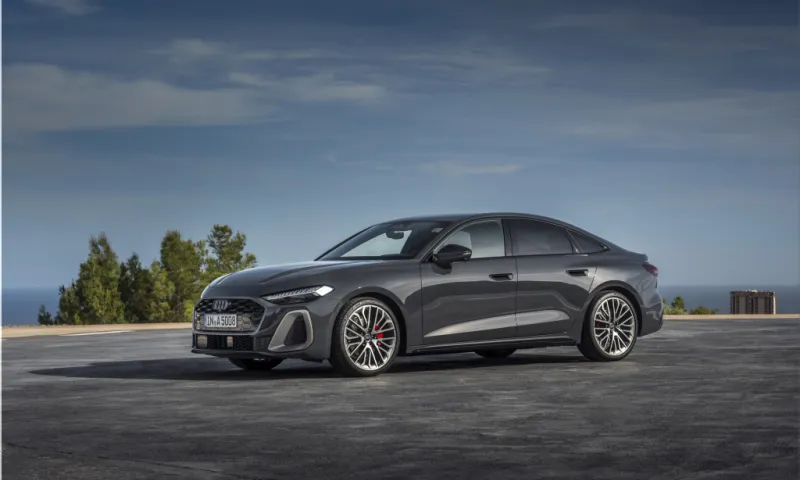
The Audi Nuvolari hybrid supercar reaches 100 km/h in 2.6 seconds and 200 km/h in 6.8 seconds, provided the battery starts above 80 percent state of charge and above 28 degrees Celsius. That condition matters because electric boost depends on battery temperature and charge.
Image
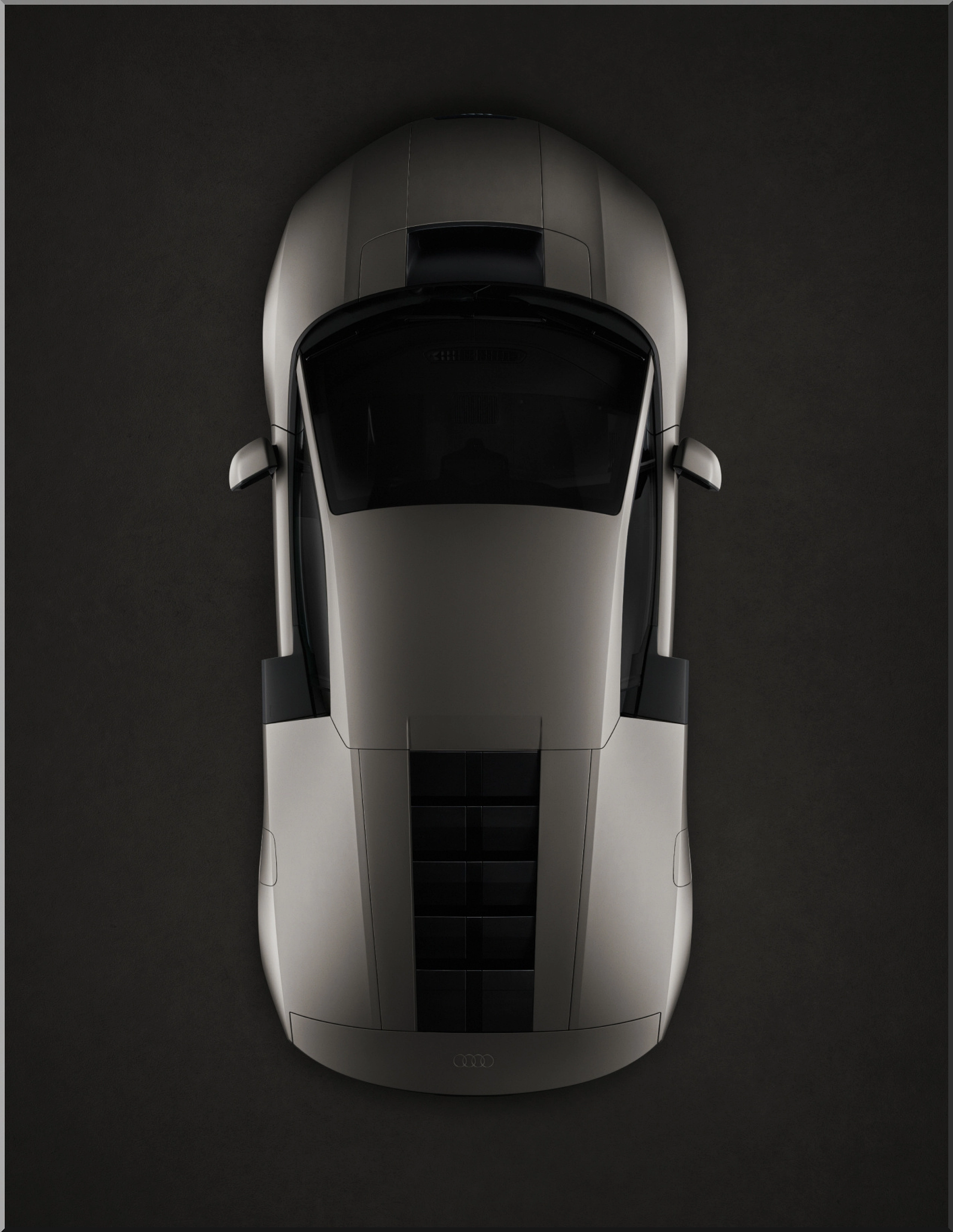
Looking at the data, Audi wants the Nuvolari to serve as a technical flagship rather than a simple R8 successor.
| Performance Measure | Audi Nuvolari |
|---|---|
| 0-100 km/h | 2.6 seconds |
| 0-200 km/h | 6.8 seconds |
| Top speed | More than 350 km/h |
| Weighted fuel use | 11.3 litres/100 km preliminary |
| Weighted power use | 7.8 kWh/100 km preliminary |
| Weighted CO2 emissions | 270 g/km preliminary |
| Fuel use with empty battery | 14.7 litres/100 km preliminary |
Quattro Predictive Ride Adds Control Before Slip Arrives
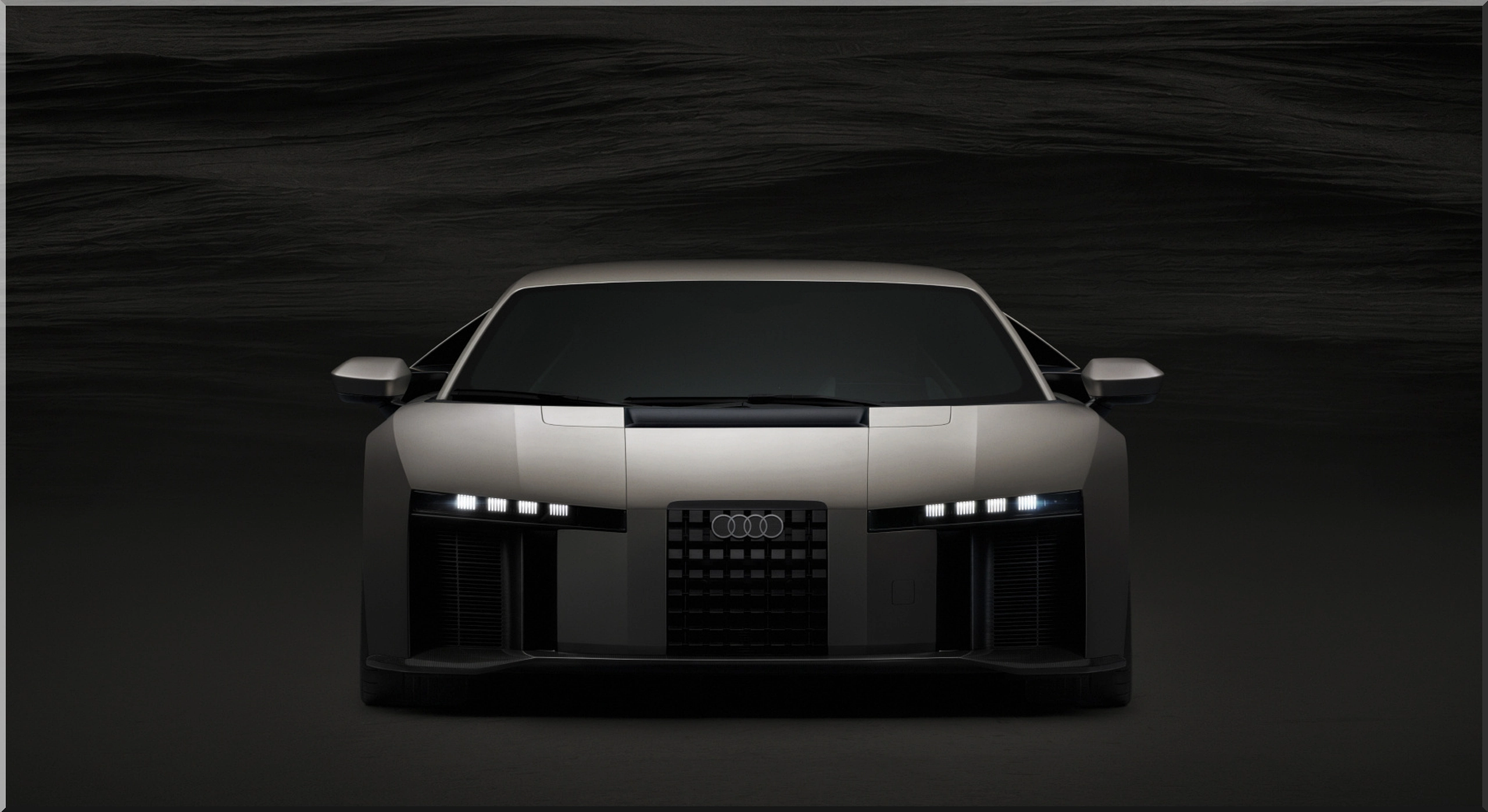
The new quattro predictive ride system gives the Nuvolari its real technical edge. It reads steering angle, acceleration, yaw rate, and grip level, then coordinates torque distribution, braking, and active aerodynamics before the car wastes traction.
In addition, the two front electric motors deliver up to 2,150 Nm at the front axle. This setup gives Audi direct torque vectoring without waiting for a mechanical differential to react.
Drivers get:
- E-Hybrid for electric short-distance driving
- Balanced for road driving
- Dynamic for sharper response
- Dynamic+ for maximum powertrain aggression
- Track Mode with Wet, Dry, Race, and TC Off settings
Carbon Structure and Active Aero Explain the Strategy
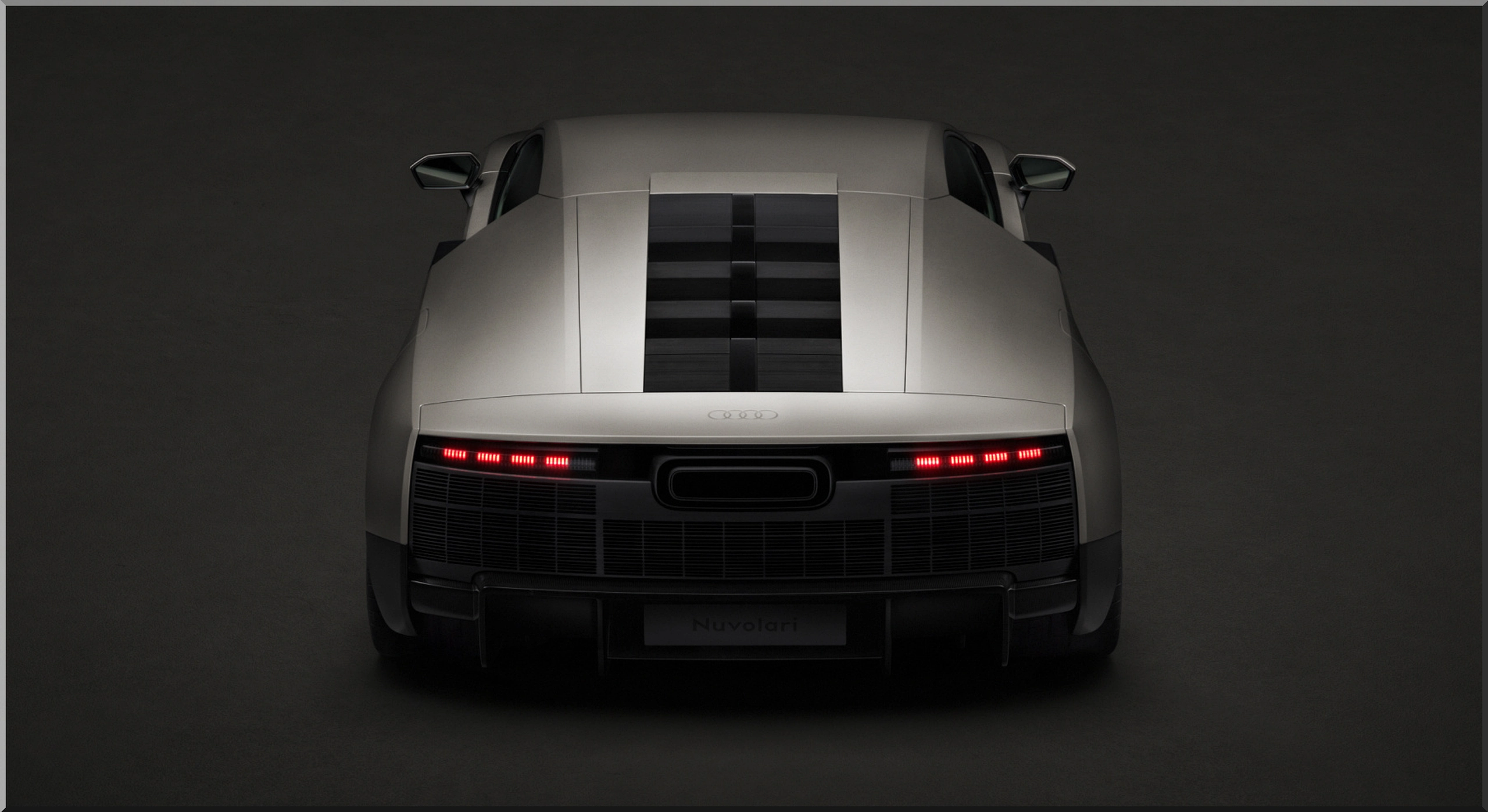
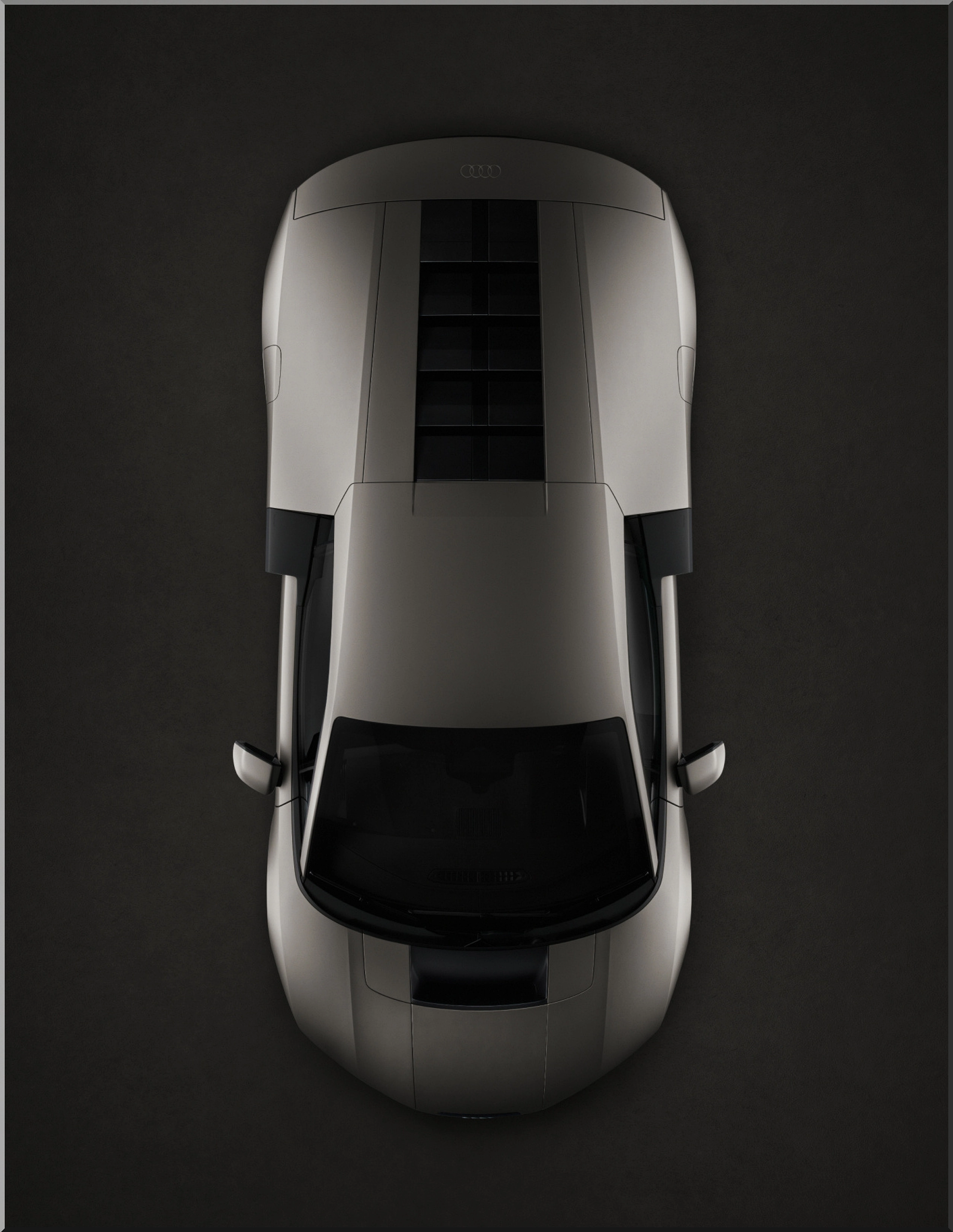
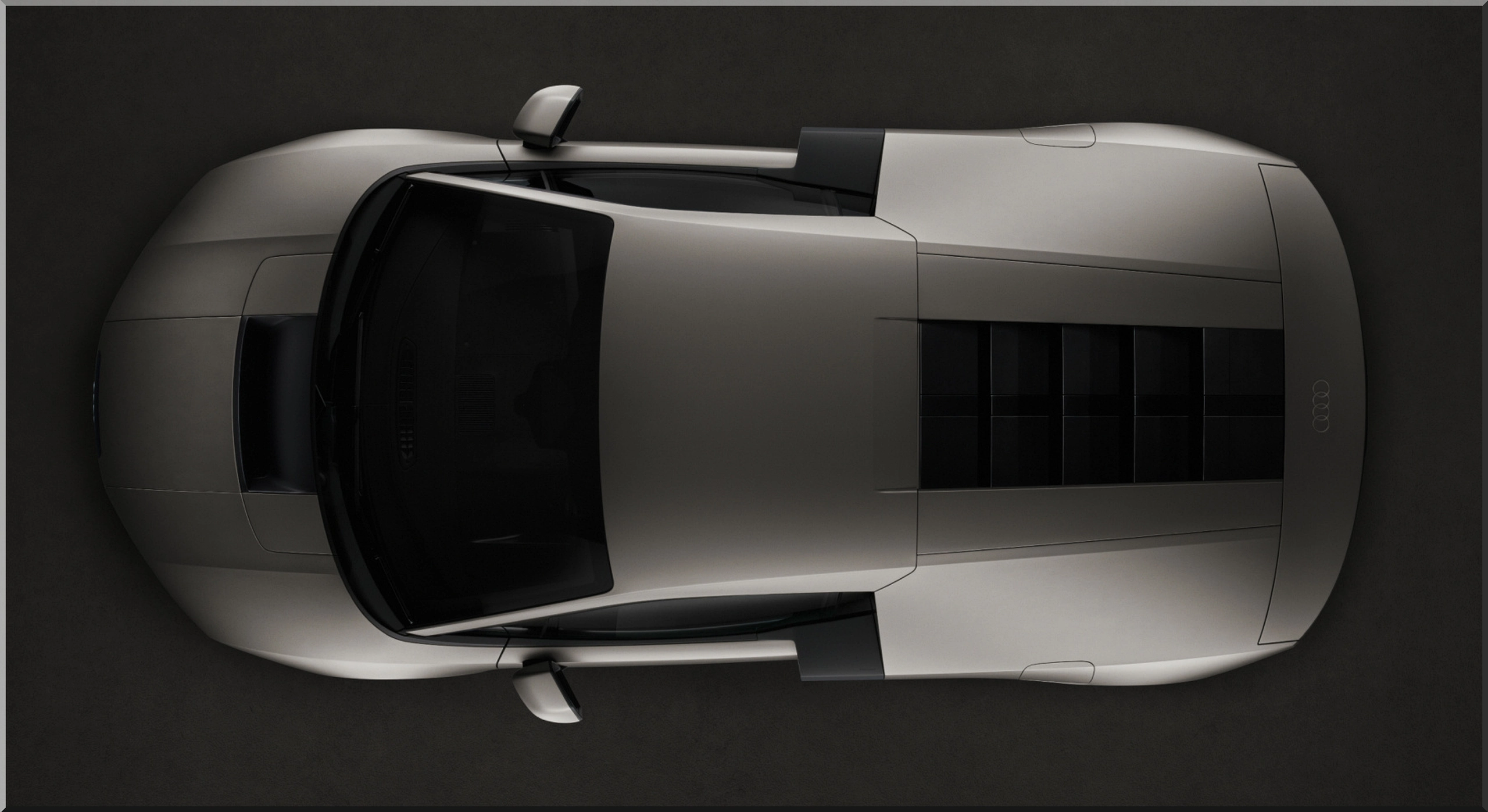
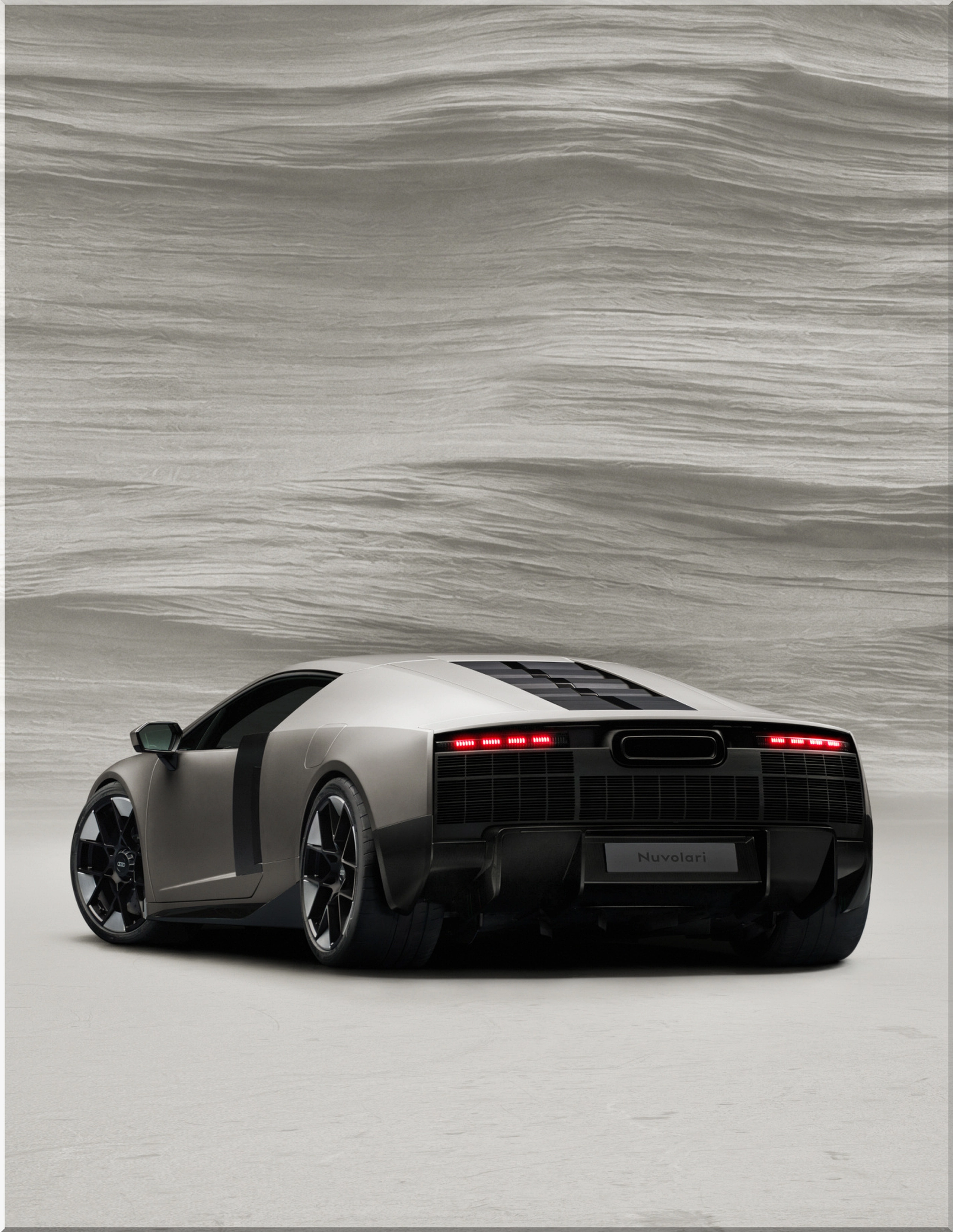
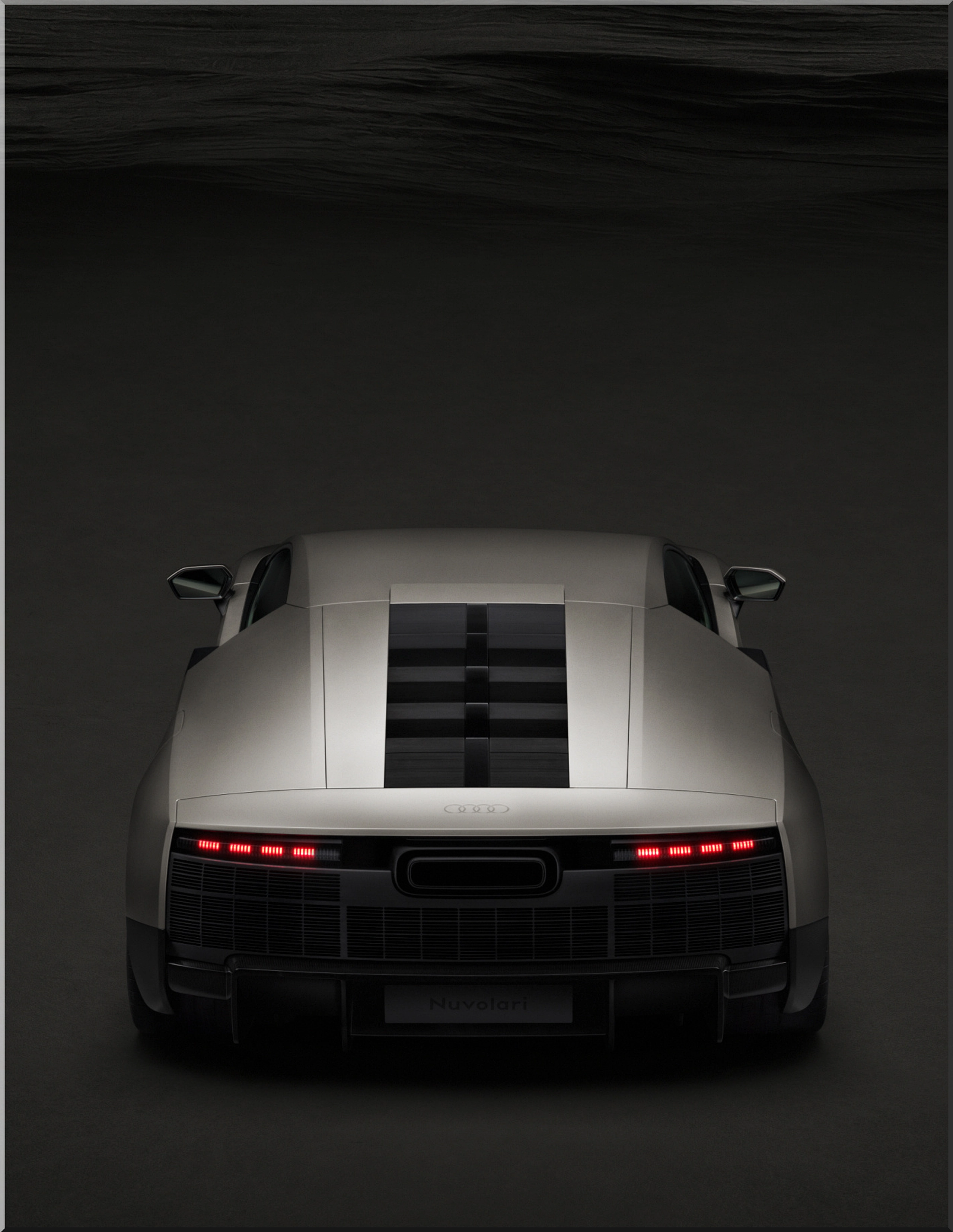
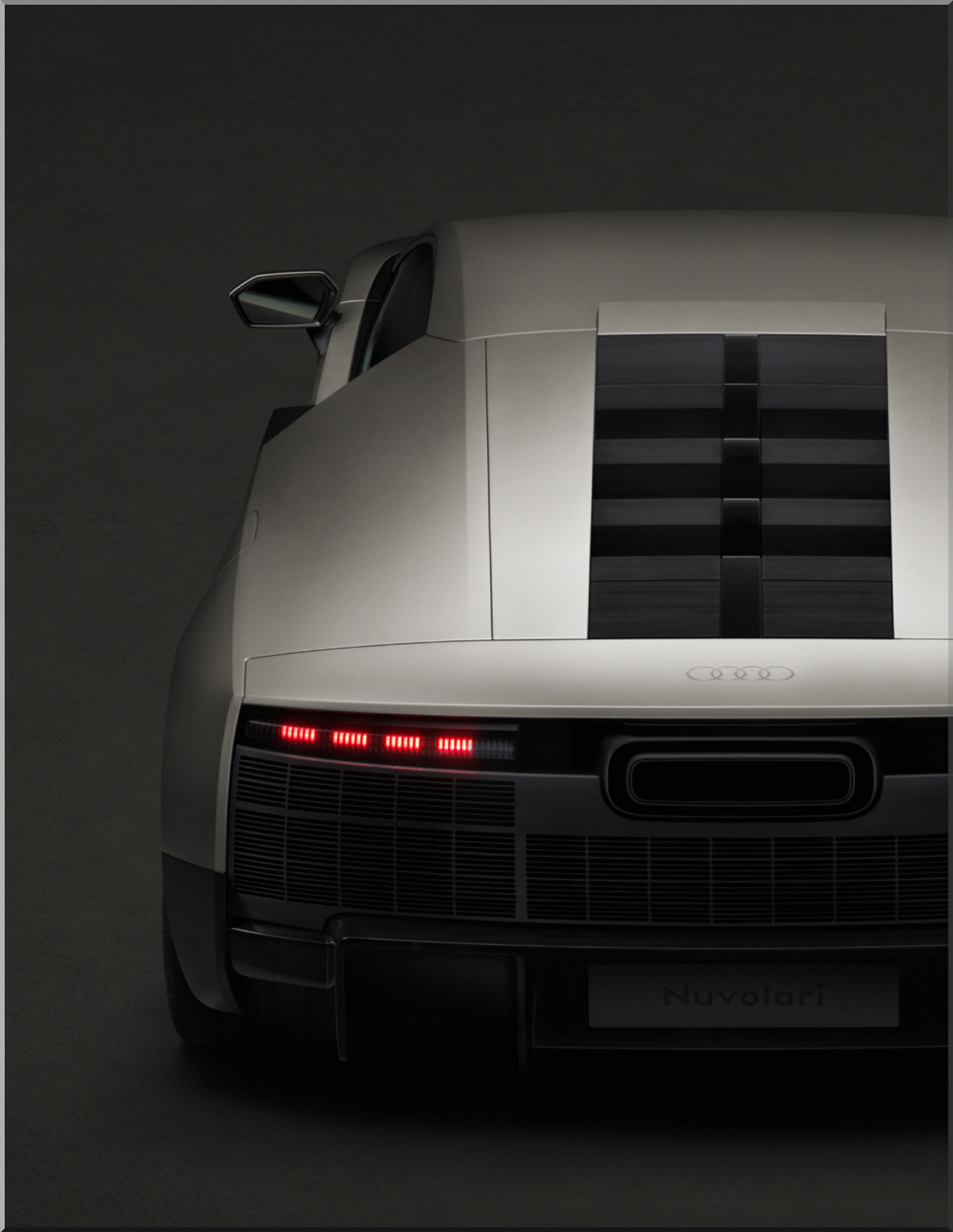
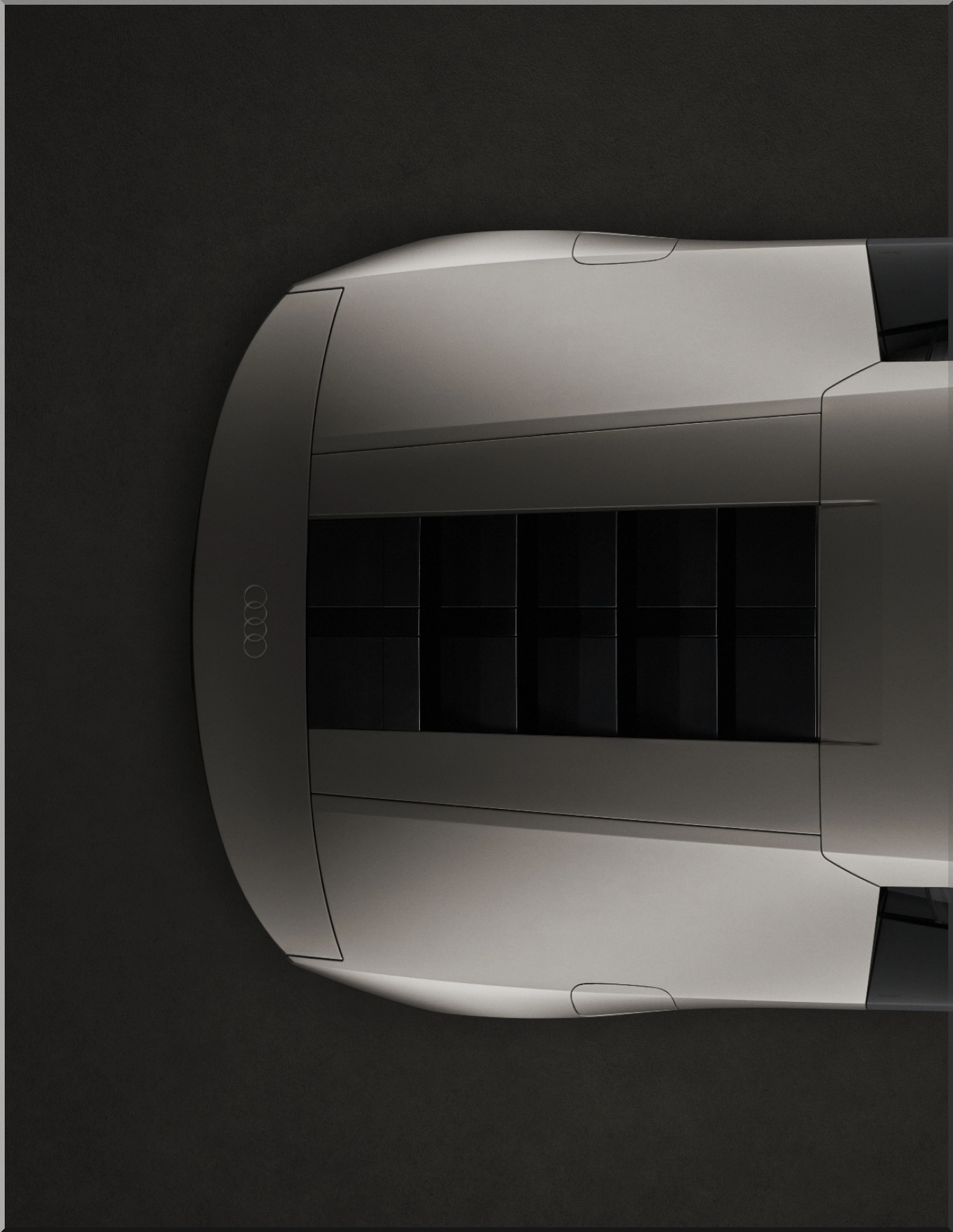
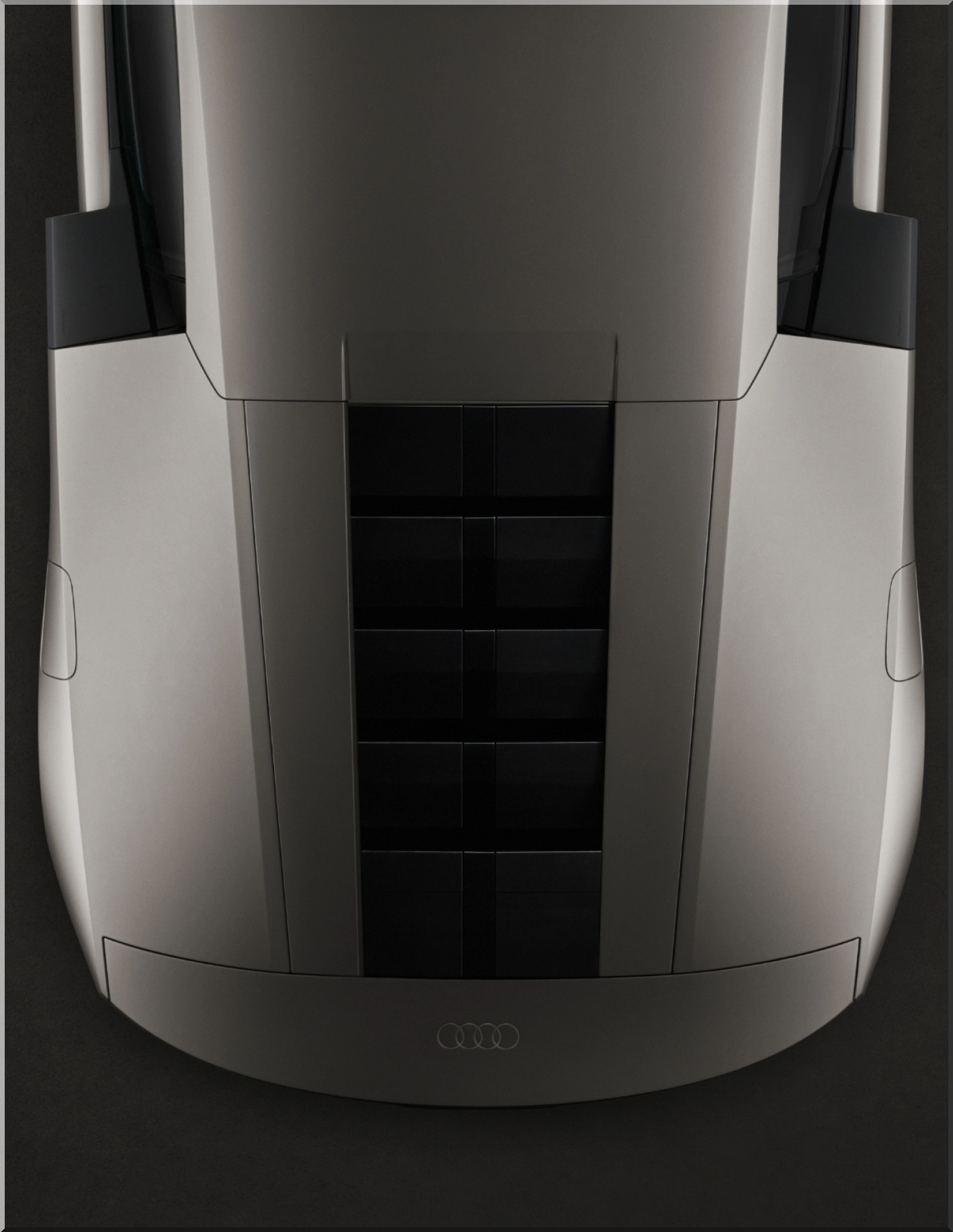
Audi combines an Audi Space Frame with a carbon exterior, and almost all exterior panels use CFRP. Consequently, the structure targets high torsional rigidity, low mass, and precise aero surfaces. Forged centre-lock wheels also make their production Audi debut.
The active rear wing runs three configurations: Closed, Low Downforce, and High Downforce. Under braking and cornering, the high-downforce setting can generate more than 400 kg of downforce, which equals about 882 lb.
Pro-Tips for Buyers
- Track-day buyers should watch battery temperature and state of charge before judging launch performance.
- European buyers should treat the 270 g/km preliminary CO2 figure as a tax and registration signal, not an efficiency win.
- Collectors should move fast. A 499-unit production cap will keep supply tight.
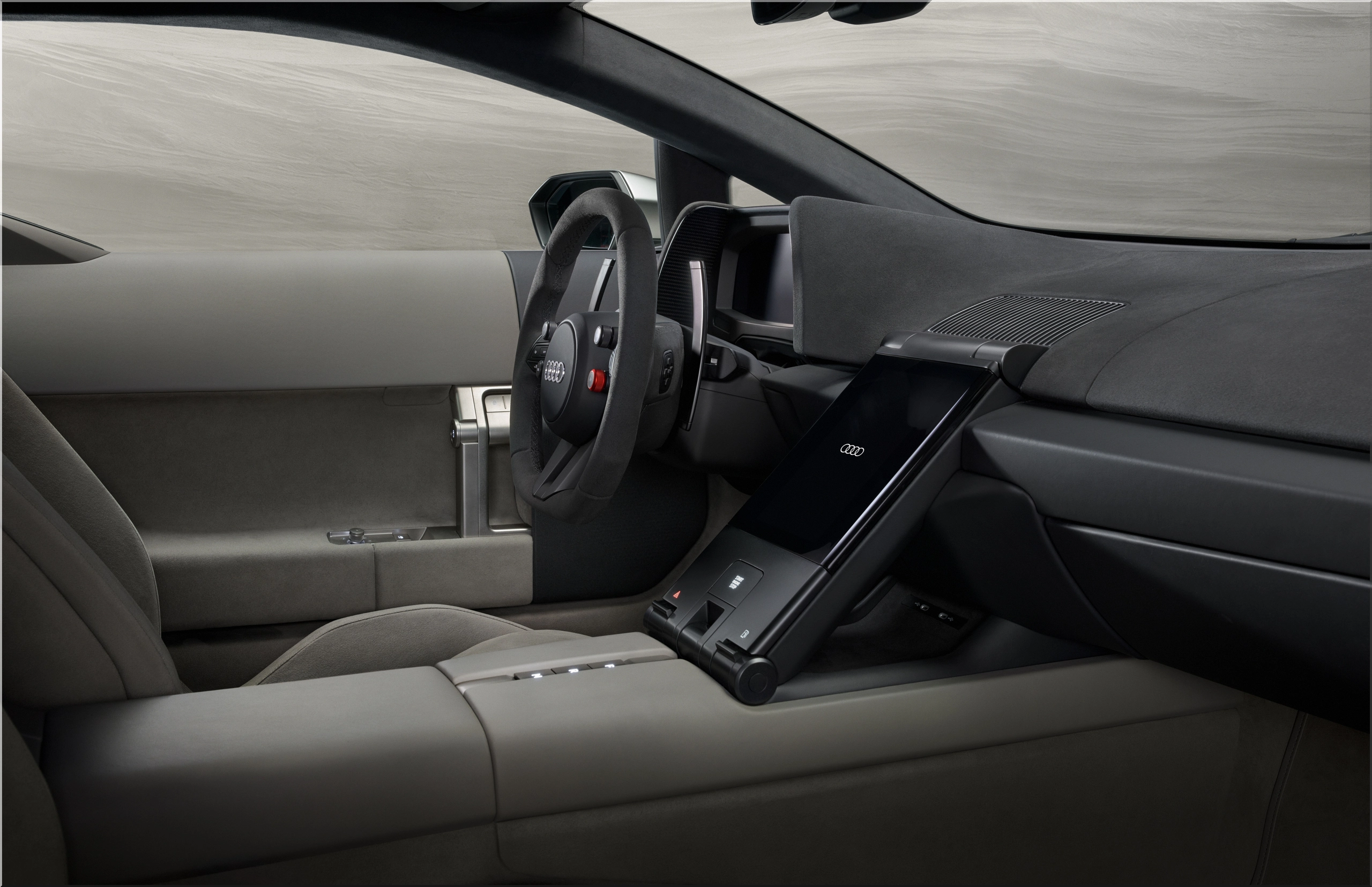
Should You See the Audi Nuvolari as the New R8?
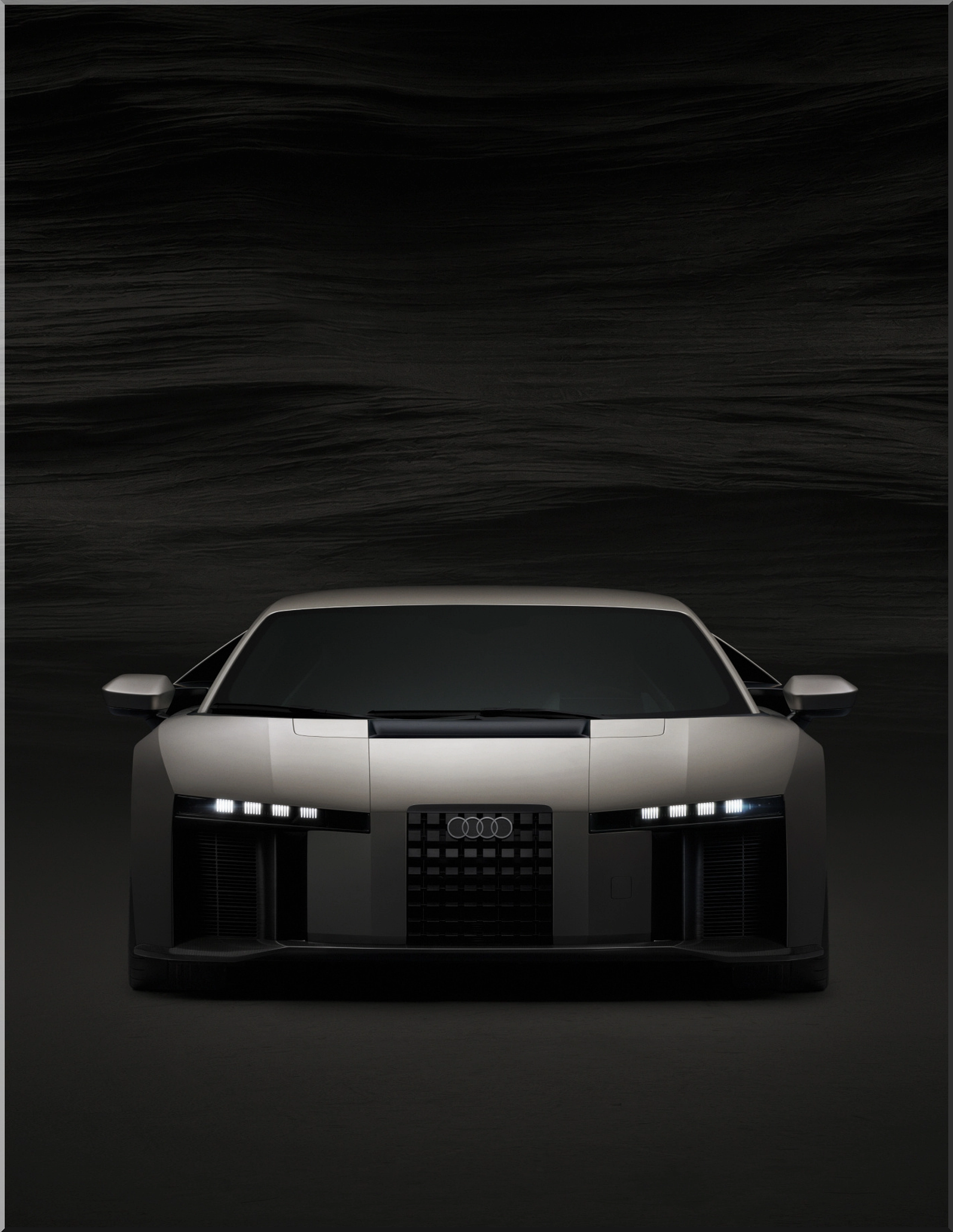
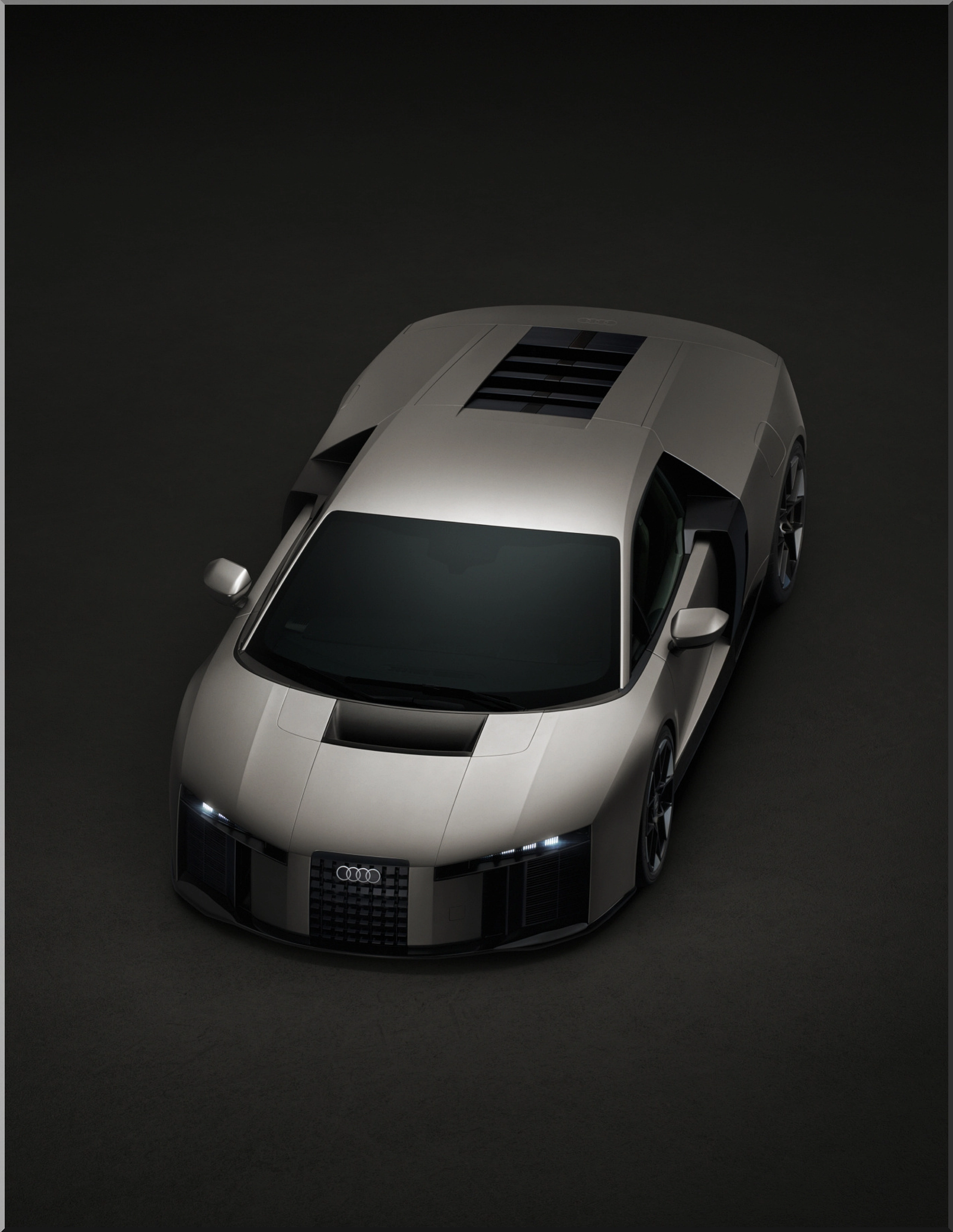
No. From an expert perspective, the Audi Nuvolari sits above the R8 in power, rarity, hybrid complexity, and price positioning. The R8 gave Audi a daily-drivable supercar. The Nuvolari gives Audi a 1,001 PS technology flagship with Formula 1-influenced systems, carbon construction, active aerodynamics, and next-generation quattro logic.
- Add new comment
- 77 views