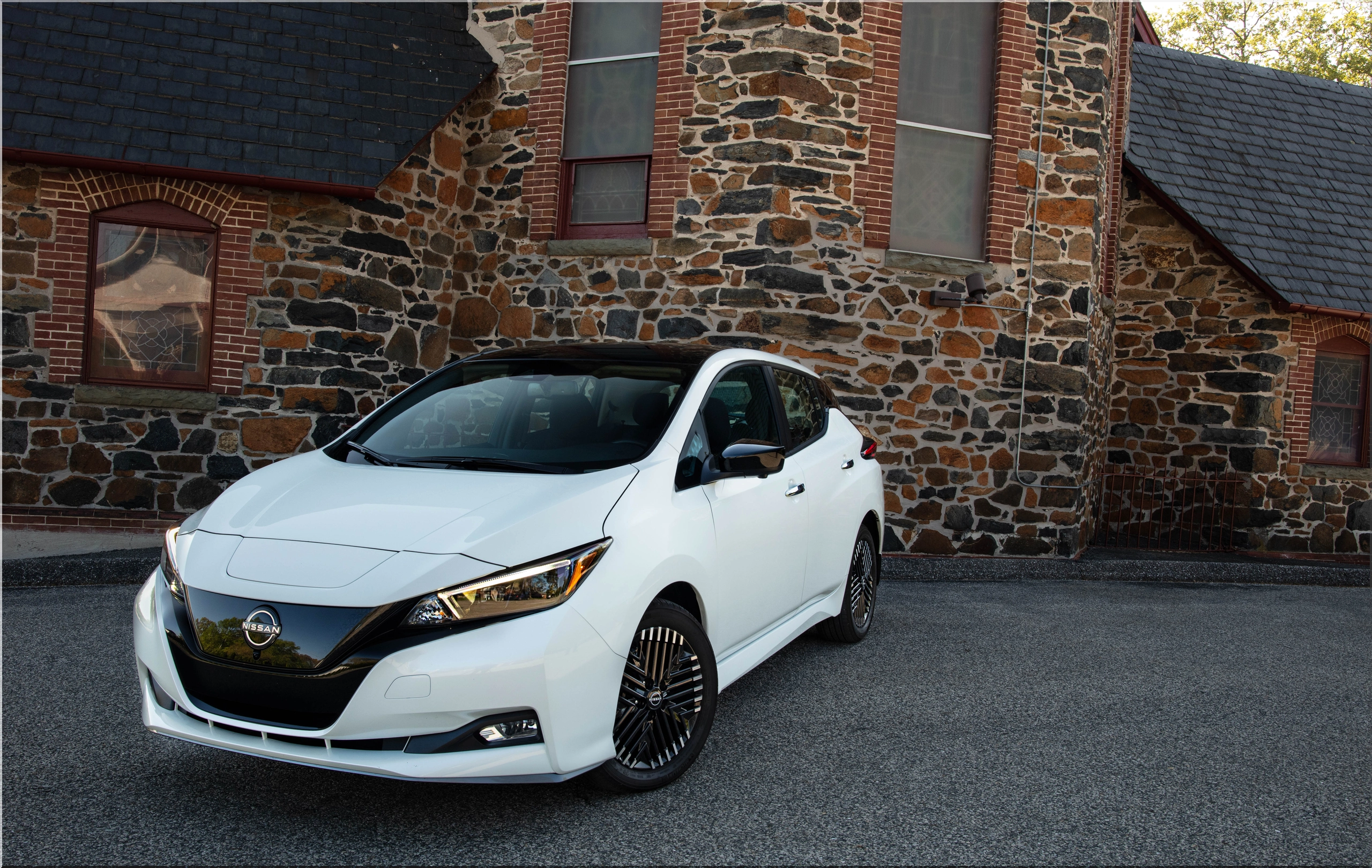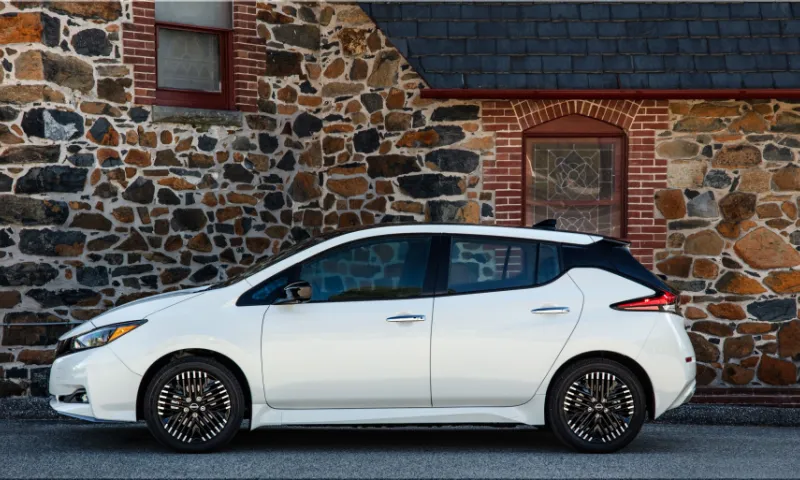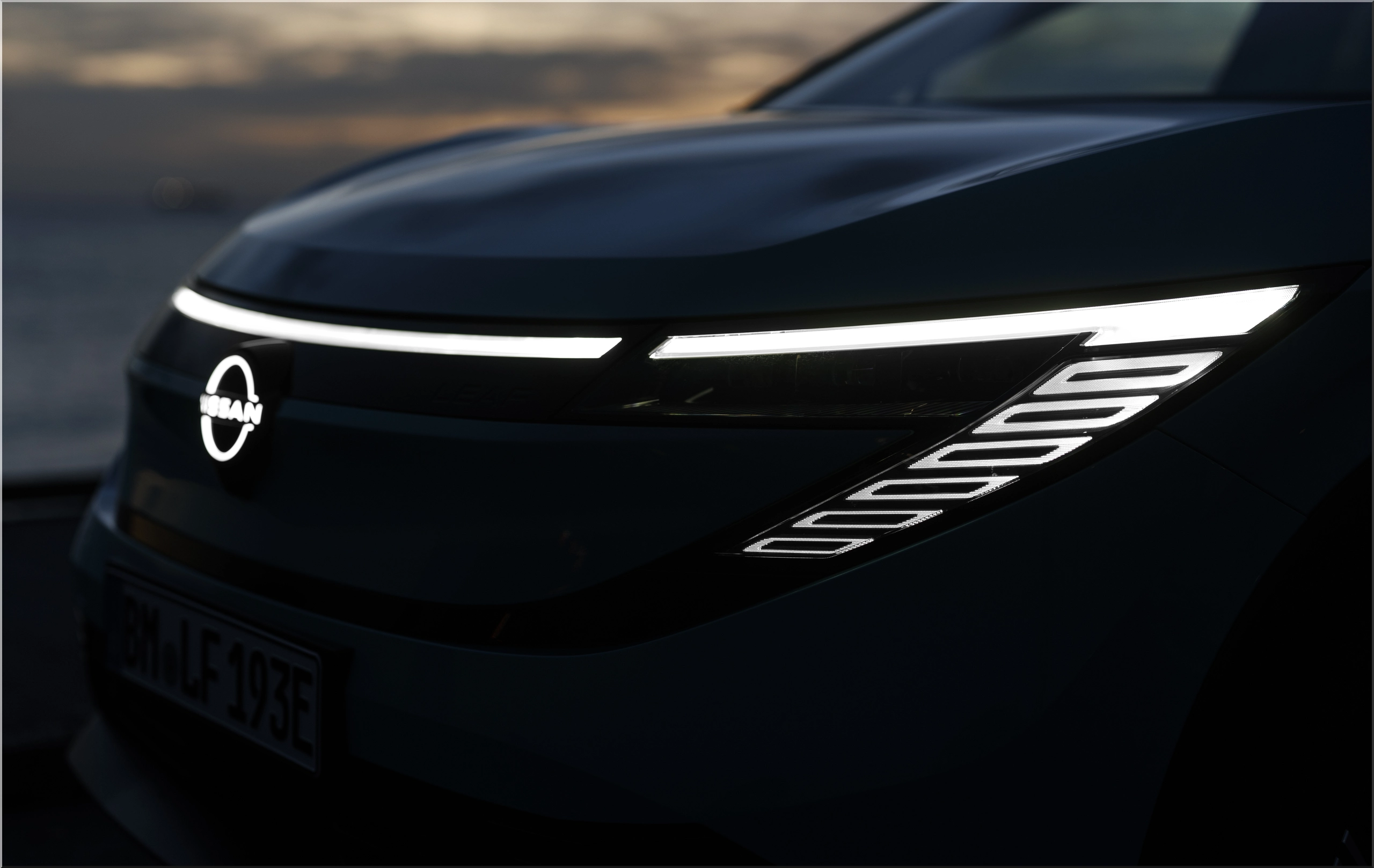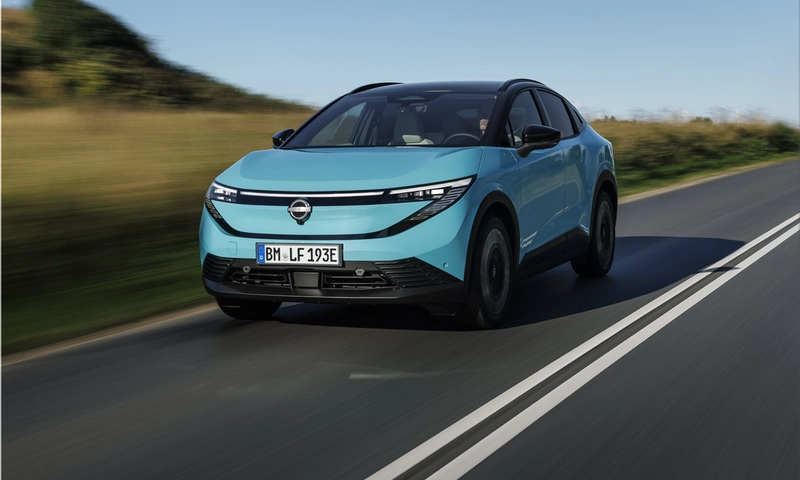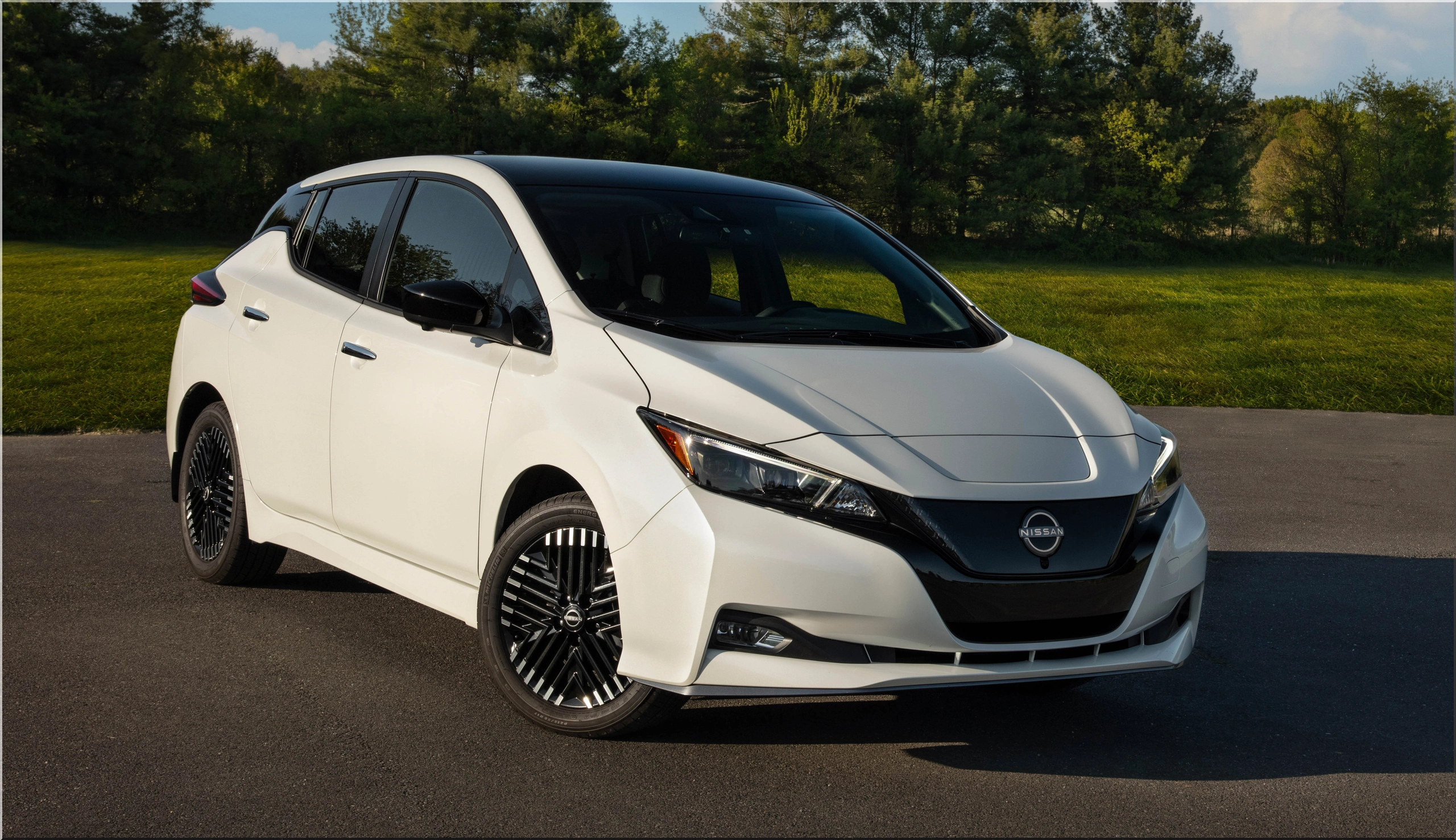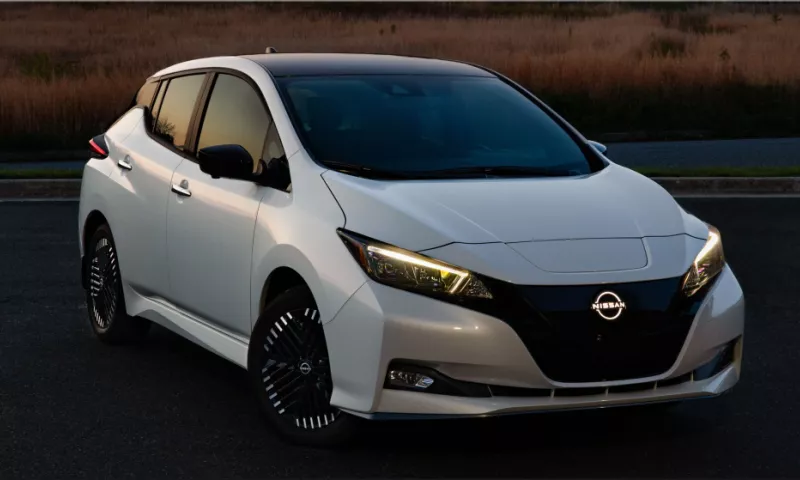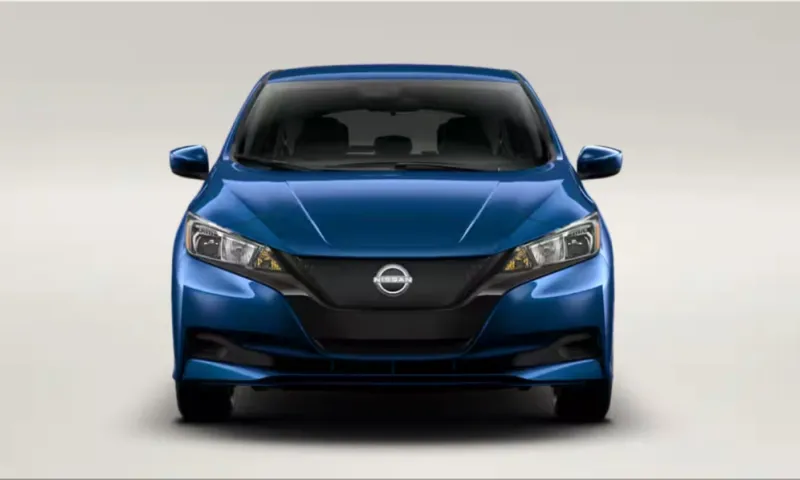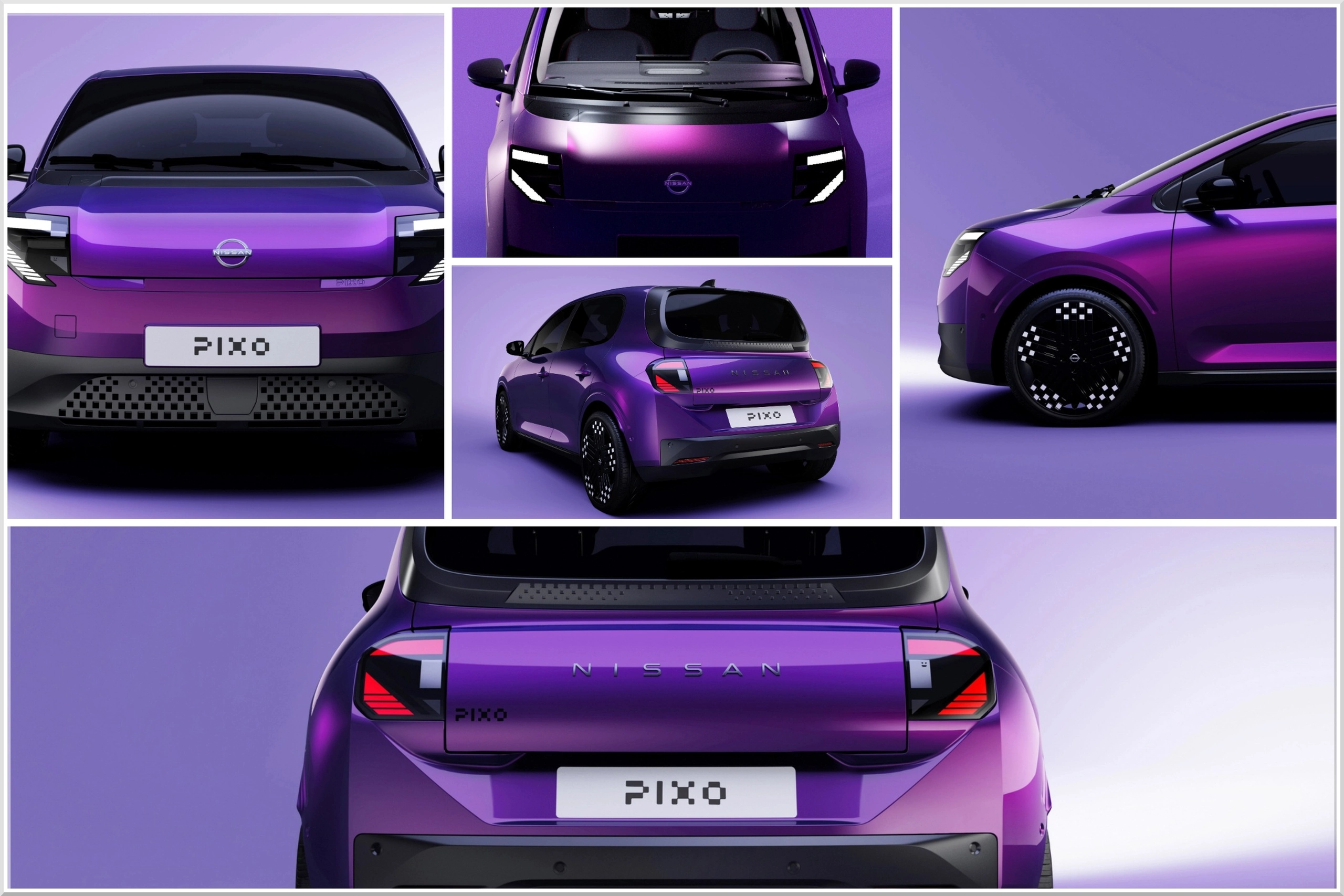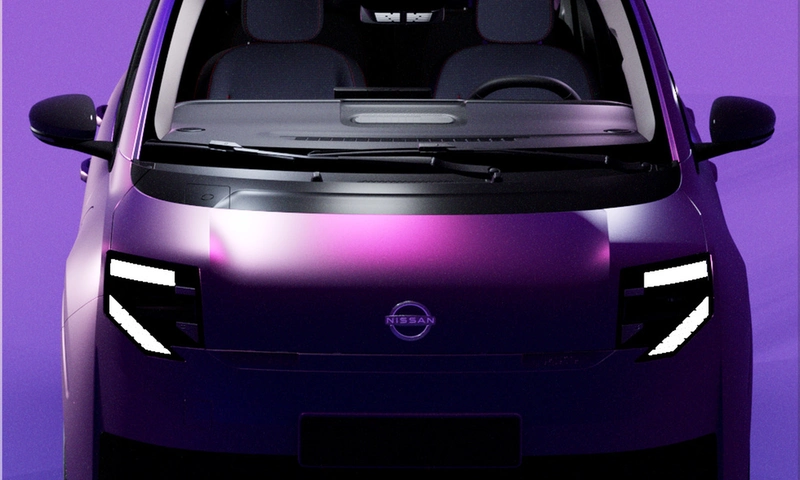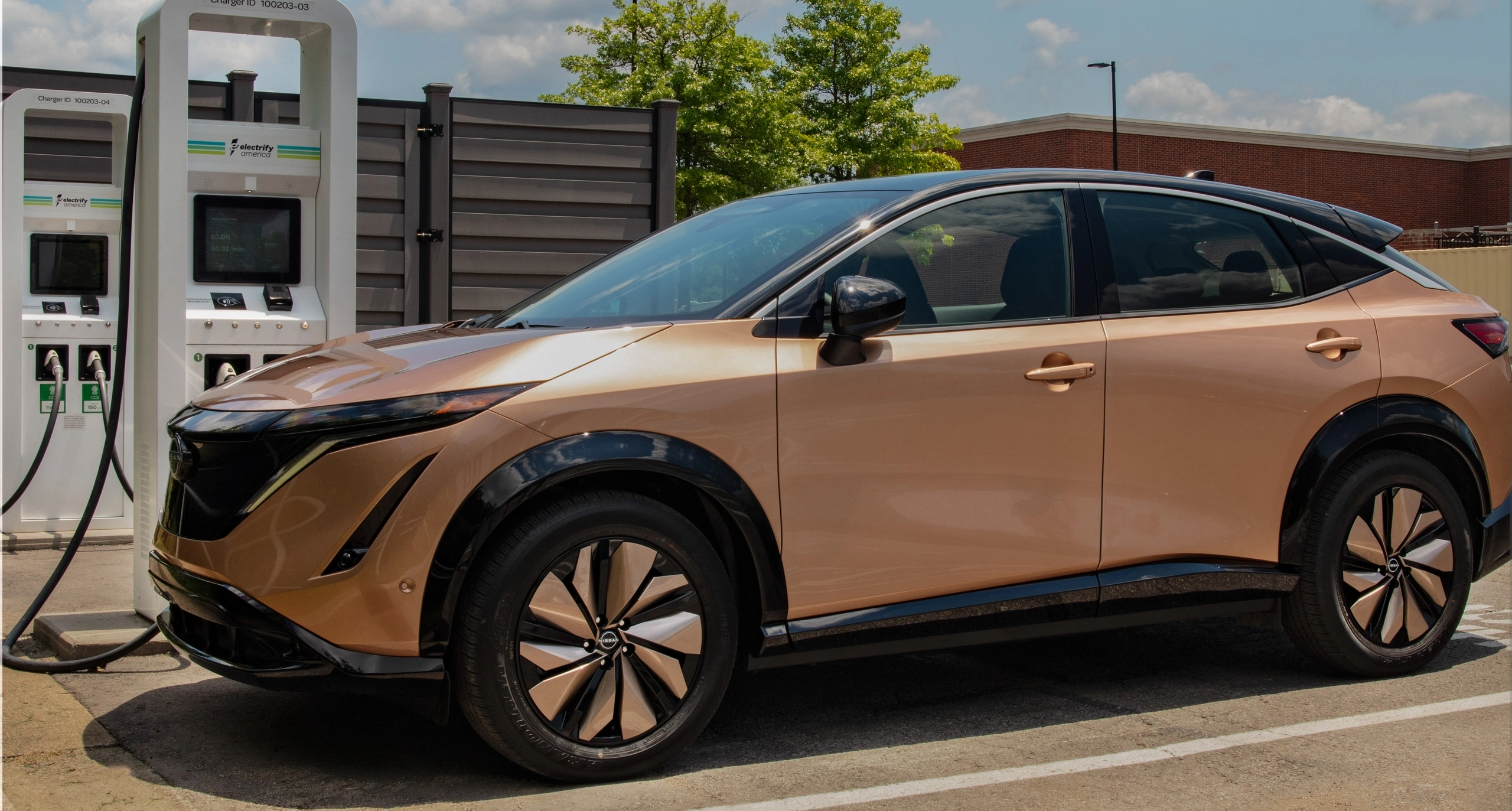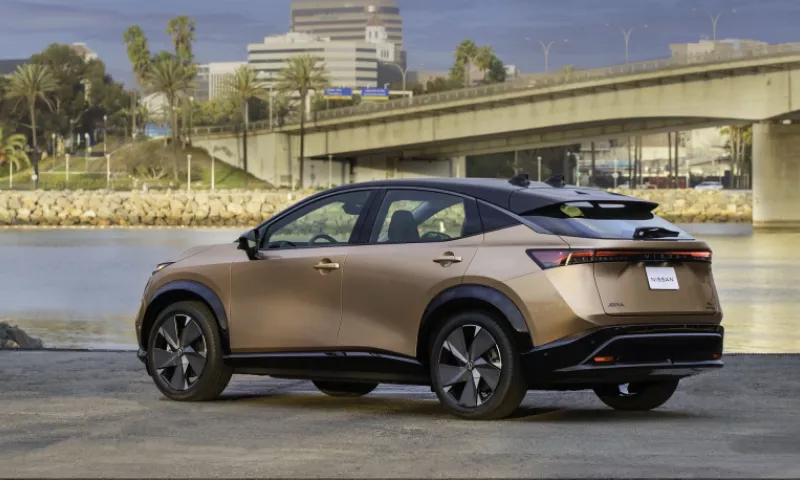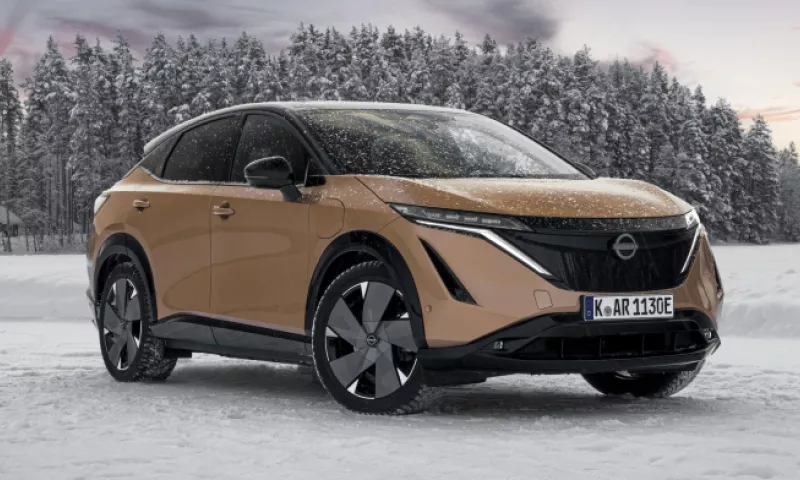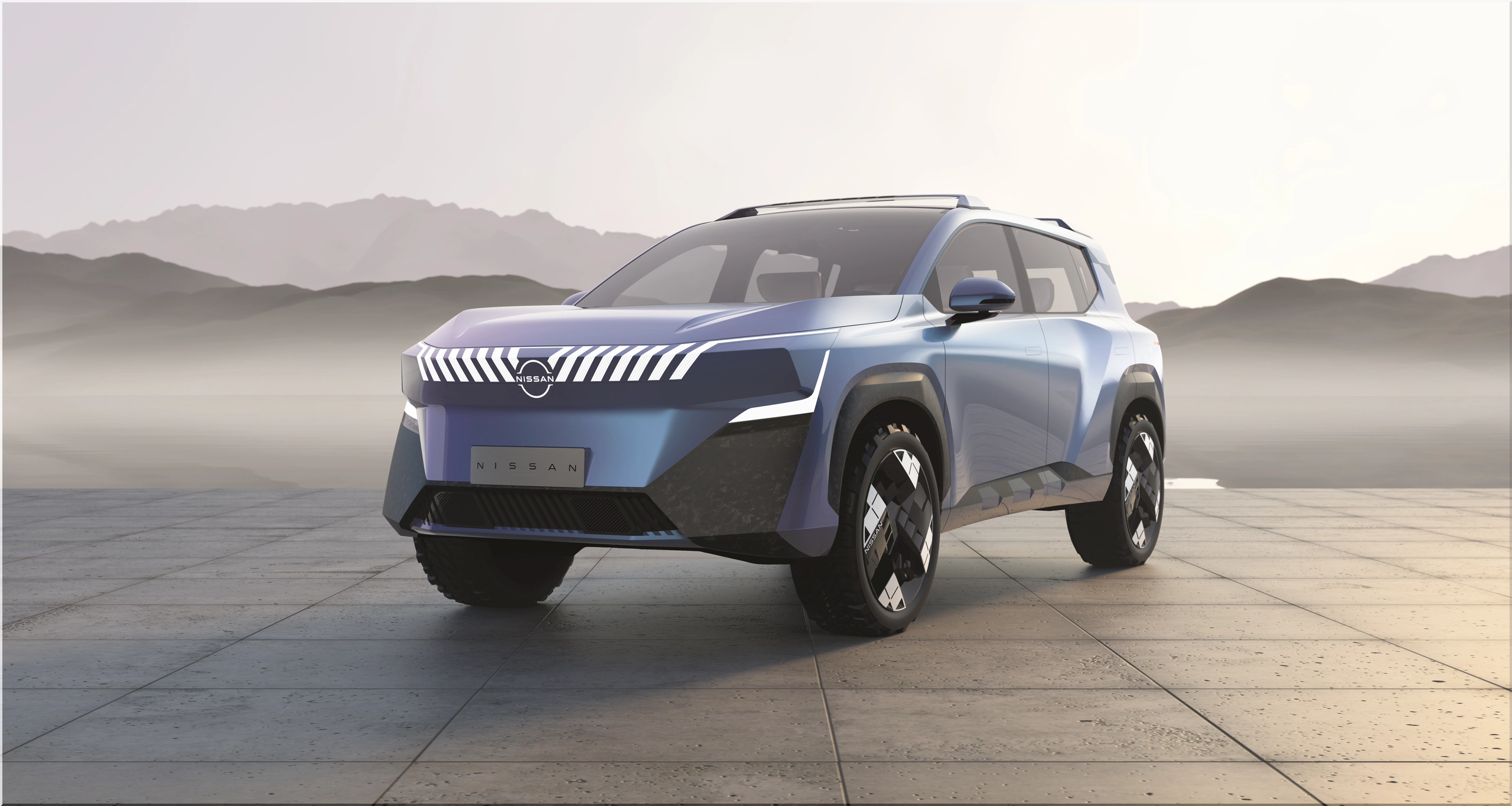
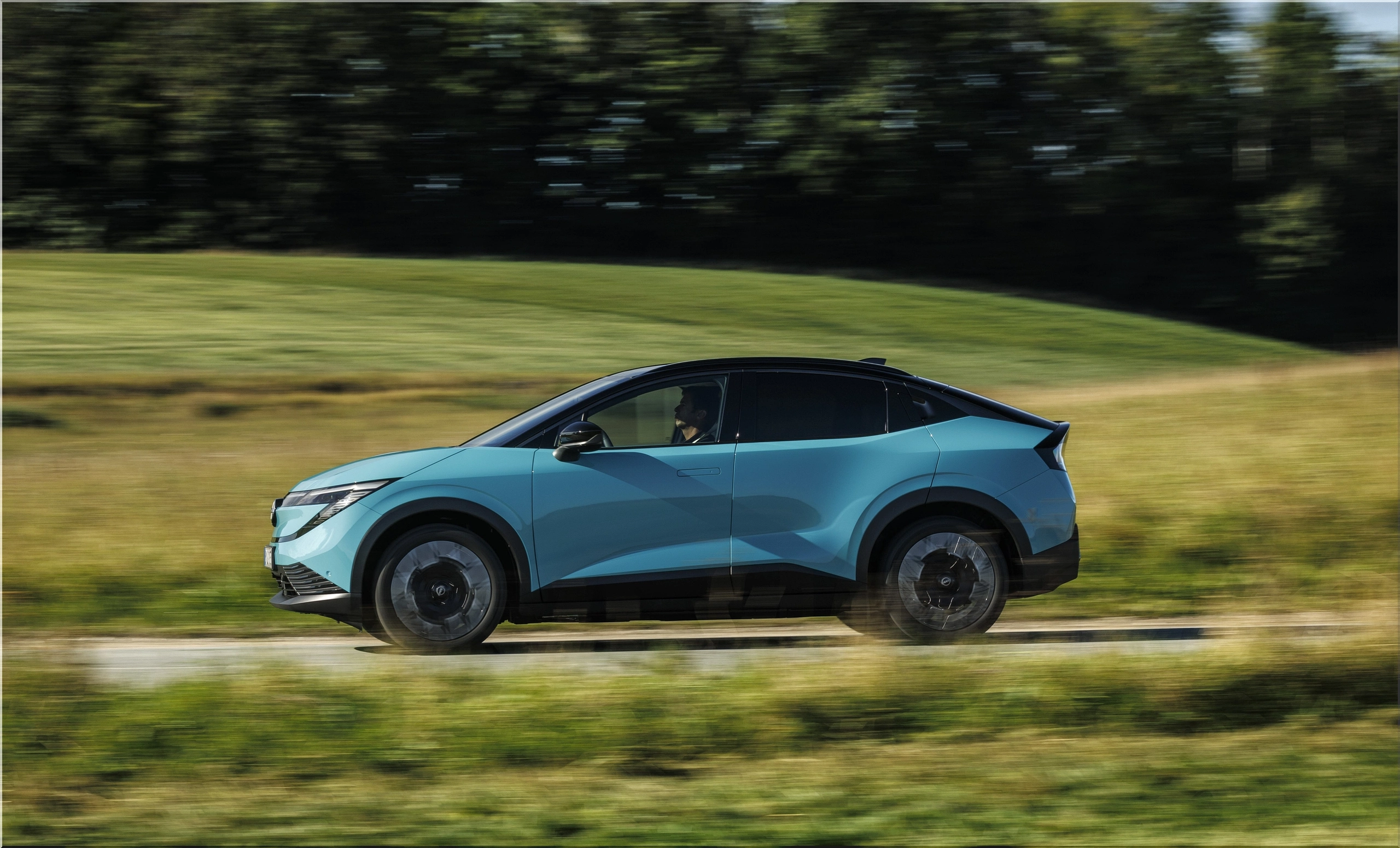
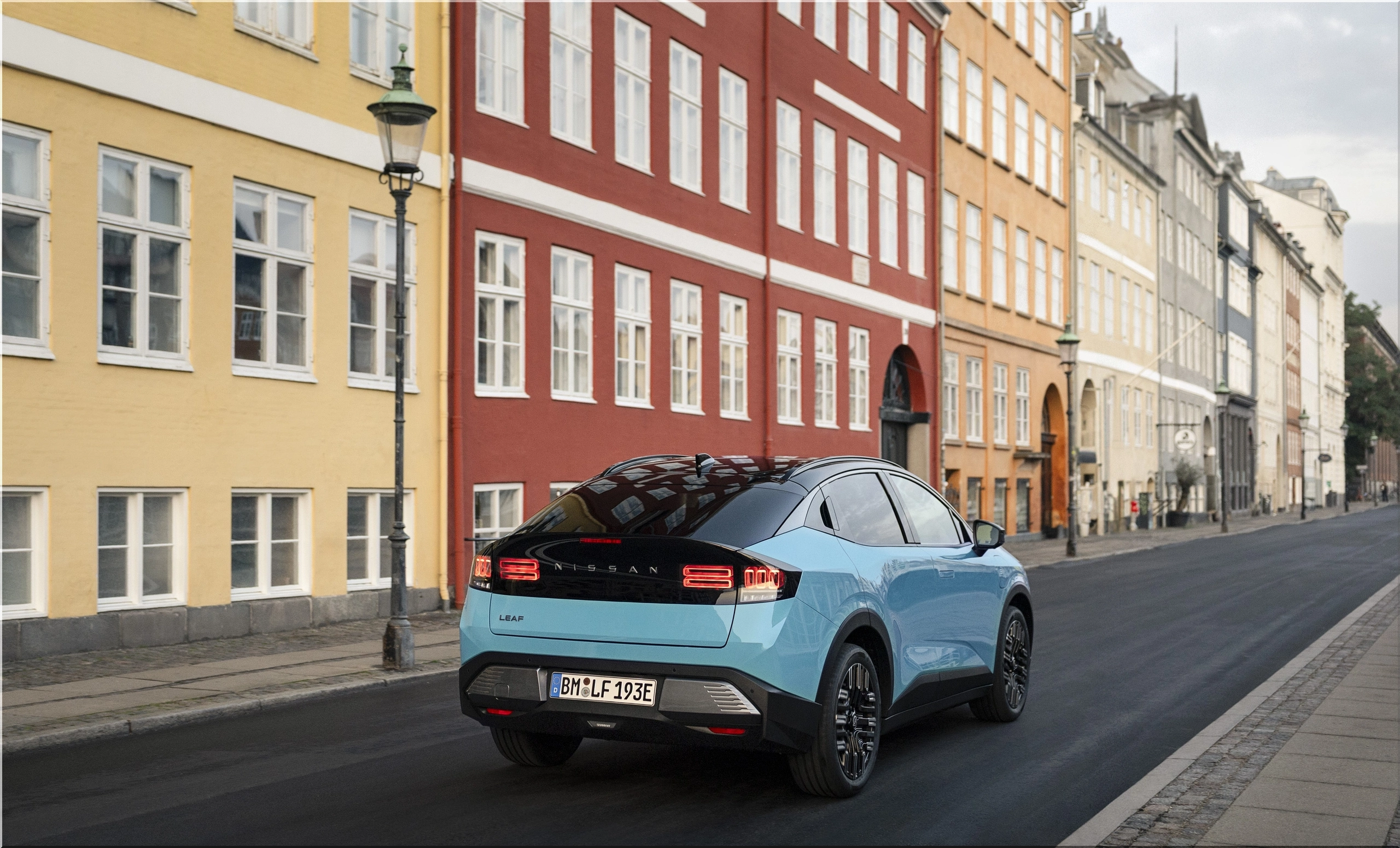
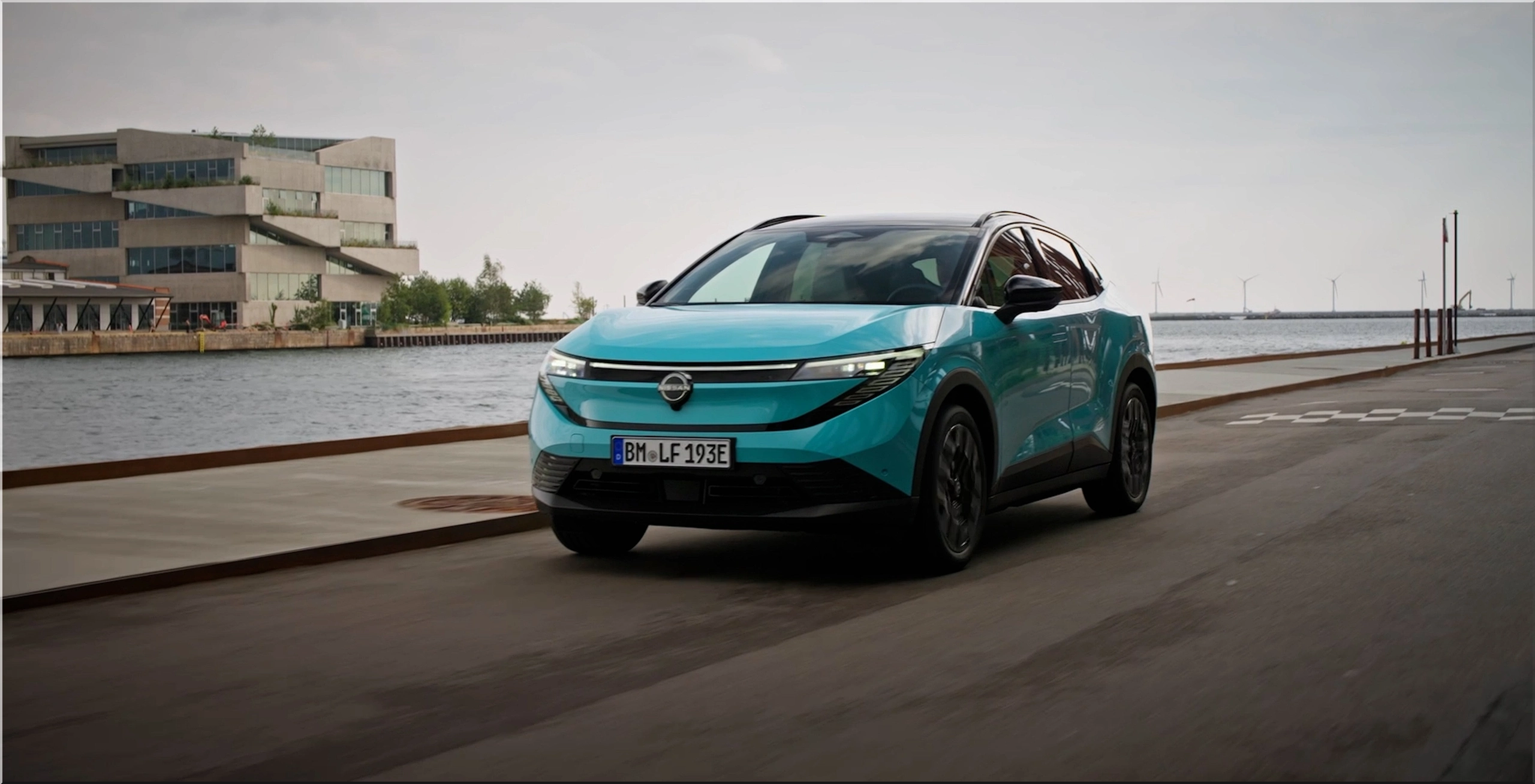
The third-generation Nissan LEAF marks a reset. Nissan rebuilt its most recognized electric vehicle around manufacturing discipline, cost control, and repeatable quality. This car targets scale, not spectacle. Production happens at Nissan's Sunderland plant in the UK. The site operates as a core node in Nissan's global EV plan, not a symbolic outpost. Every process, material choice, and workflow aims at output stability and long-term volume.
This LEAF arrives at a moment when EV buyers focus less on novelty and more on reliability, supply chain strength, and real-world efficiency.
Sunderland: Nissan's EV Manufacturing Backbone
Sunderland houses Nissan's most productive European factory. The facility produces hundreds of thousands of vehicles per year across multiple nameplates. For the LEAF, Nissan applies lessons learned from more than a decade of EV production.
The plant runs advanced automation alongside human-led quality checks. Robots handle repeatable, high-precision tasks. Skilled technicians manage inspection, calibration, and final verification.
Key production characteristics include:
- Advanced automation for body welding and battery installation
- Inline quality assurance systems that flag deviations instantly
- Localized supplier integration to reduce logistics exposure
- High training density across production roles
This mix supports consistency across high volumes. Nissan avoids overreliance on full automation, which limits flexibility during design updates or supplier changes.
Image
CMF-EV Platform: Manufacturing Efficiency First
At the center of the third-generation LEAF sits the CMF-EV platform. This architecture underpins multiple Nissan and Alliance EVs. Its goal stays simple: reduce complexity while improving structural rigidity and packaging efficiency.
For manufacturing teams, CMF-EV brings measurable gains:
- Shared mounting points across models
- Standardized battery housing modules
- Reduced part variation across trims
- Faster line changeovers
These gains translate into lower per-unit costs and fewer assembly errors. From a buyer perspective, that means tighter panel fit, predictable performance, and fewer early-life defects.
Definition:
CMF-EV refers to Common Modular Family for Electric Vehicles, a shared EV architecture designed to support multiple body styles and power outputs without retooling entire factories.
Battery Assembly and Installation Process
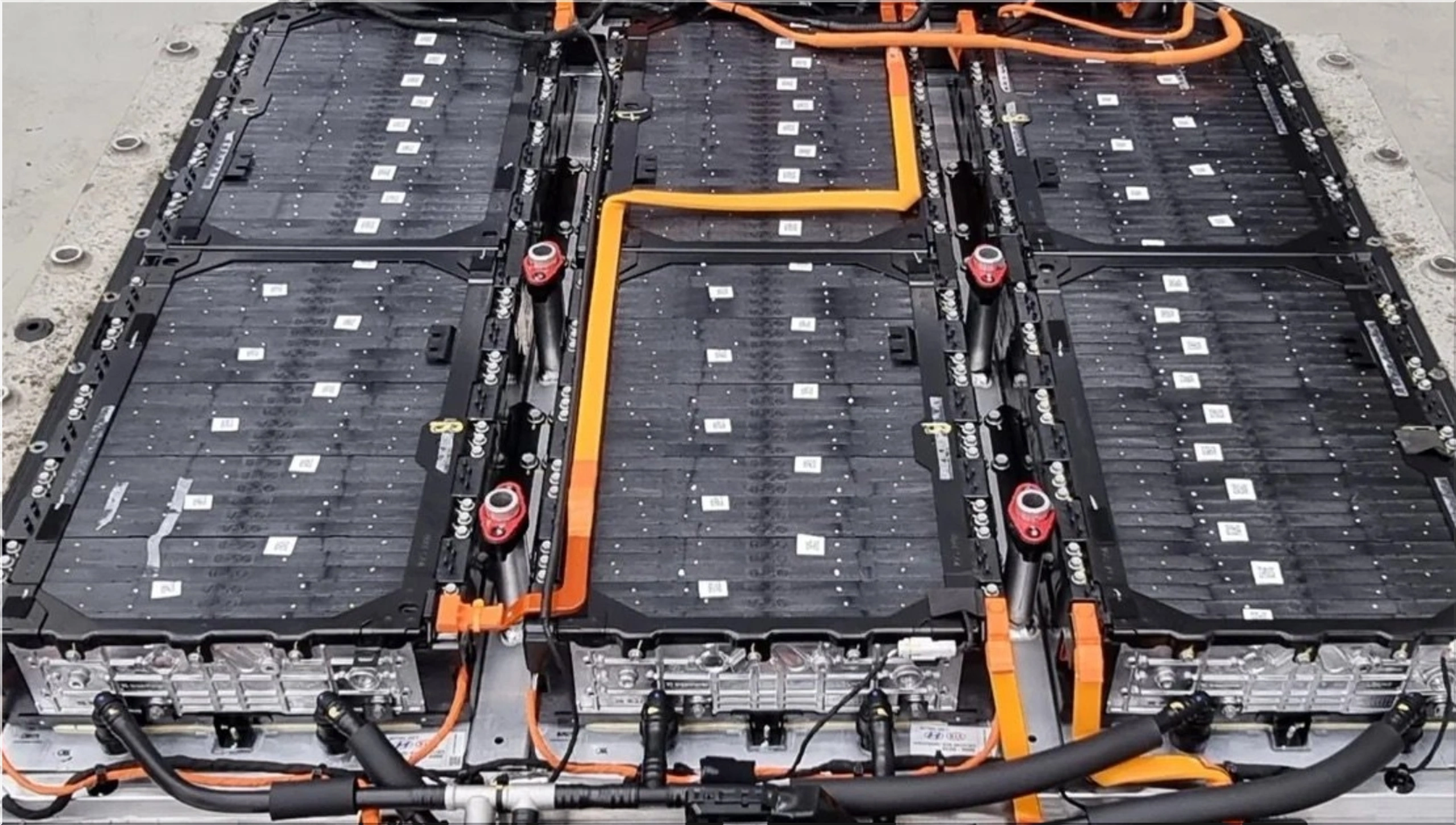
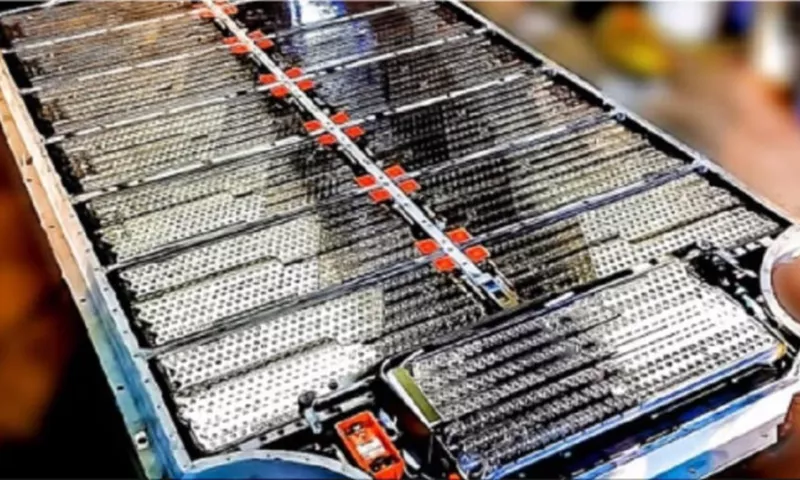
Battery production and installation remain the most scrutinized steps. Nissan treats the battery pack as a structural component, not an add-on.
Each pack undergoes multiple checks before integration:
- Cell module inspection
- Thermal management verification
- Electrical continuity testing
- Pack sealing validation
Once approved, automated systems install the pack from below with millimeter accuracy. Torque tools record every fastener value. The system flags anomalies immediately.
This process limits variance and reduces long-term degradation risks. It also supports serviceability, which matters for fleet buyers and long-term owners.
EV36Zero: Manufacturing With Lower Carbon Load
The Sunderland plant operates under Nissan's EV36Zero initiative. The program targets lower emissions across production, energy use, and logistics.
Up to 20 percent renewable electricity powers the site. Nissan also prioritizes short-haul suppliers and local battery sourcing where possible.
Operational outcomes include:
- Lower transport emissions
- Reduced exposure to global shipping delays
- Stable production scheduling
From a business standpoint, EV36Zero supports resilience. From a consumer standpoint, it adds credibility to Nissan's environmental messaging without inflating vehicle cost.
Workforce Strategy: Humans Stay in the Loop
Nissan leans on workforce expertise rather than replacing it. Teams rotate roles to reduce fatigue and improve fault detection. Engineers remain present on the line to monitor process drift.
Interviews with production leadership emphasize one theme: repeatability beats novelty. That mindset shapes how Nissan builds this LEAF.
Pro-Tip:
Manufacturing consistency often predicts long-term reliability better than headline performance figures.
Where the Third-Generation LEAF Fits in the EV Market
The LEAF targets mainstream EV buyers. It competes on cost stability, proven architecture, and global service support. Nissan avoids chasing extreme range or premium features that inflate price and complexity.
Below is a market comparison based on segment peers.
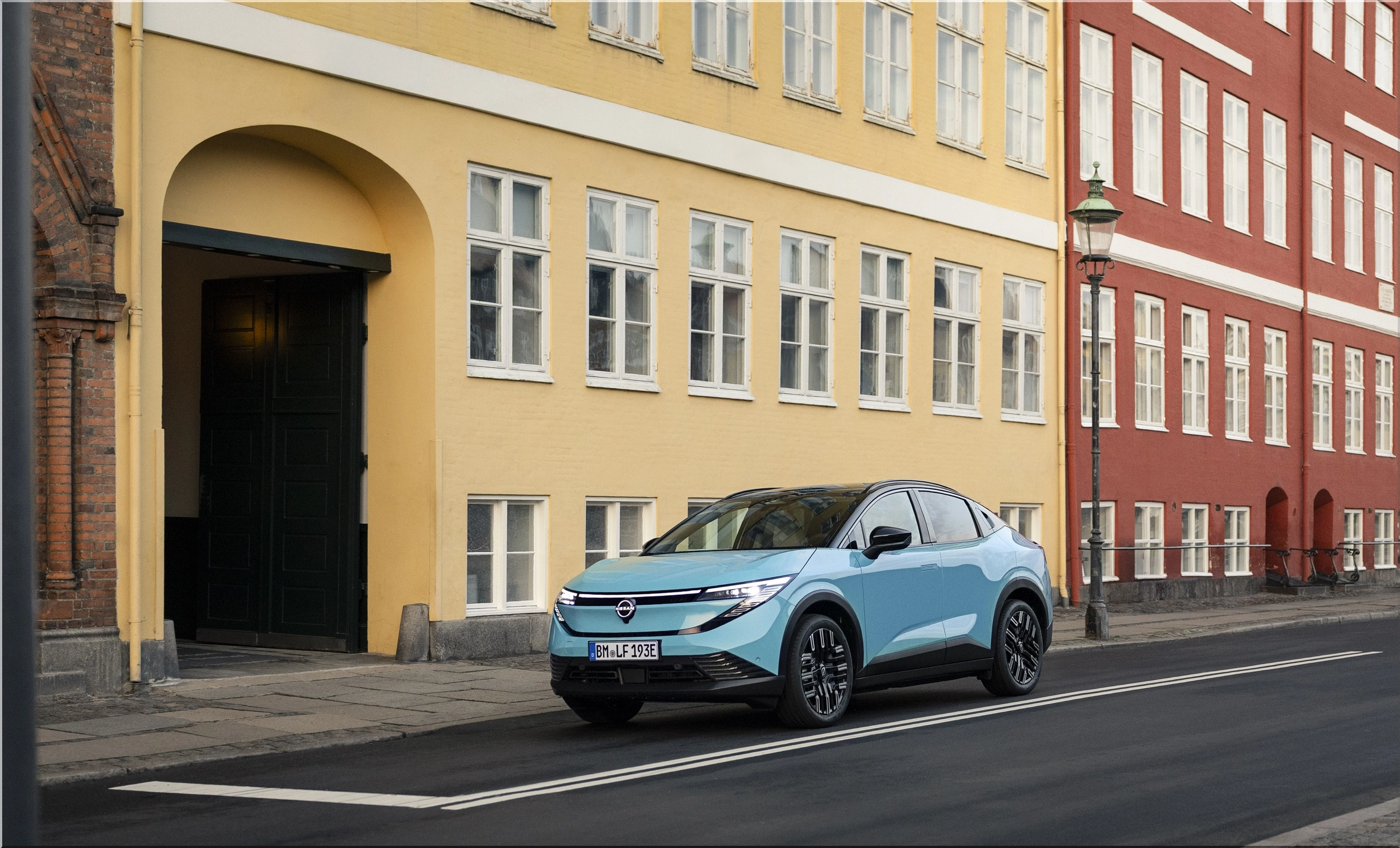
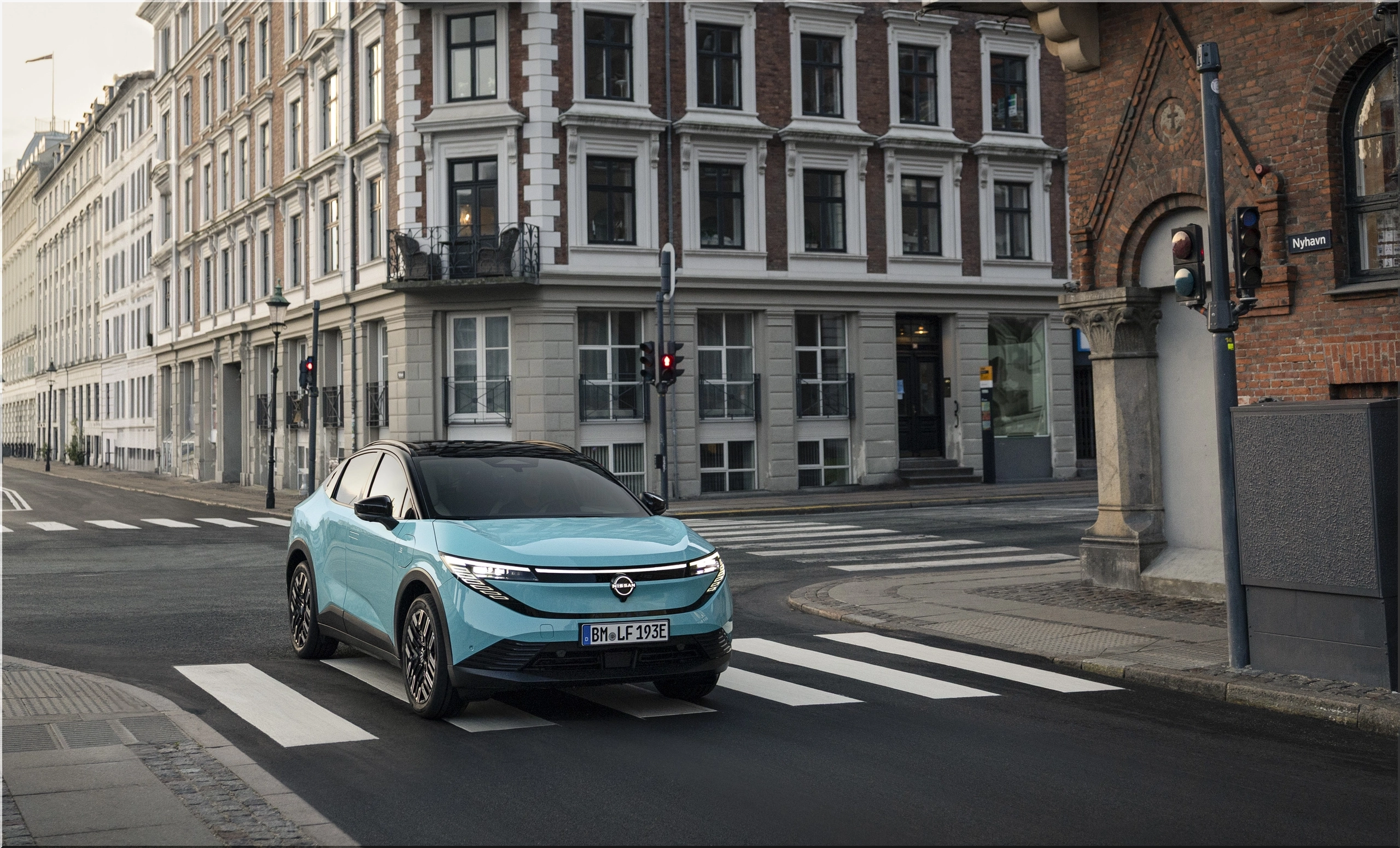
Compact EV Market Comparison
| Model | Platform | Assembly Region | Approx. Starting Price (USD) | Manufacturing Focus |
|---|---|---|---|---|
| Nissan LEAF (3rd Gen) | CMF-EV | UK | ~$33,000 | Volume efficiency |
| Volkswagen ID.3 | MEB | EU | ~$38,000 | Modular scale |
| Hyundai Kona Electric | E-GMP | Korea/EU | ~$34,500 | Power density |
| Renault Megane E-Tech | CMF-EV | France | ~$36,000 | Interior packaging |
The LEAF undercuts some rivals on price while matching them on manufacturing maturity. Nissan banks on production discipline to maintain margins without sacrificing quality.
Quality Control From Line to Road
Every LEAF undergoes dynamic testing before shipment. This includes:
- Rolling road performance checks
- Software validation
- Charging system verification
Nissan integrates software updates into final inspection. That reduces dealer rework and speeds delivery readiness.
The goal stays clear: ship cars ready for immediate use. Nissan limits post-production fixes that add cost and erode trust.
What Now for Buyers and the Market
The third-generation LEAF signals Nissan's intent to stay in the EV volume race. This car prioritizes manufacturability, supply chain strength, and predictable ownership.
Actionable takeaways:
- Buyers gain a proven EV built at scale
- Fleet operators gain predictable production capacity
- Nissan gains margin stability through shared platforms
This LEAF does not chase headlines. It focuses on execution. In today's EV market, that approach often wins.
- Add new comment
- 129 views