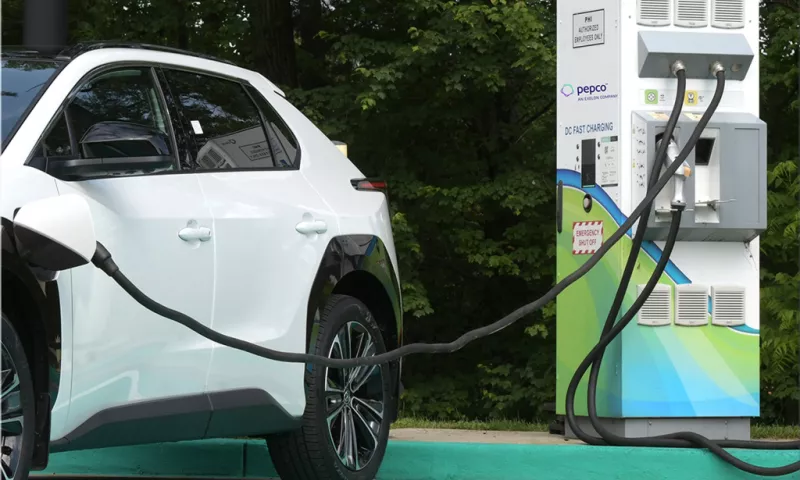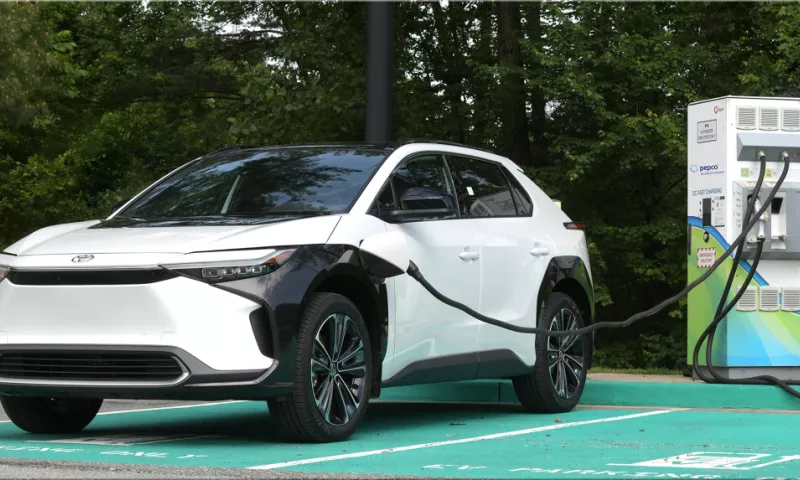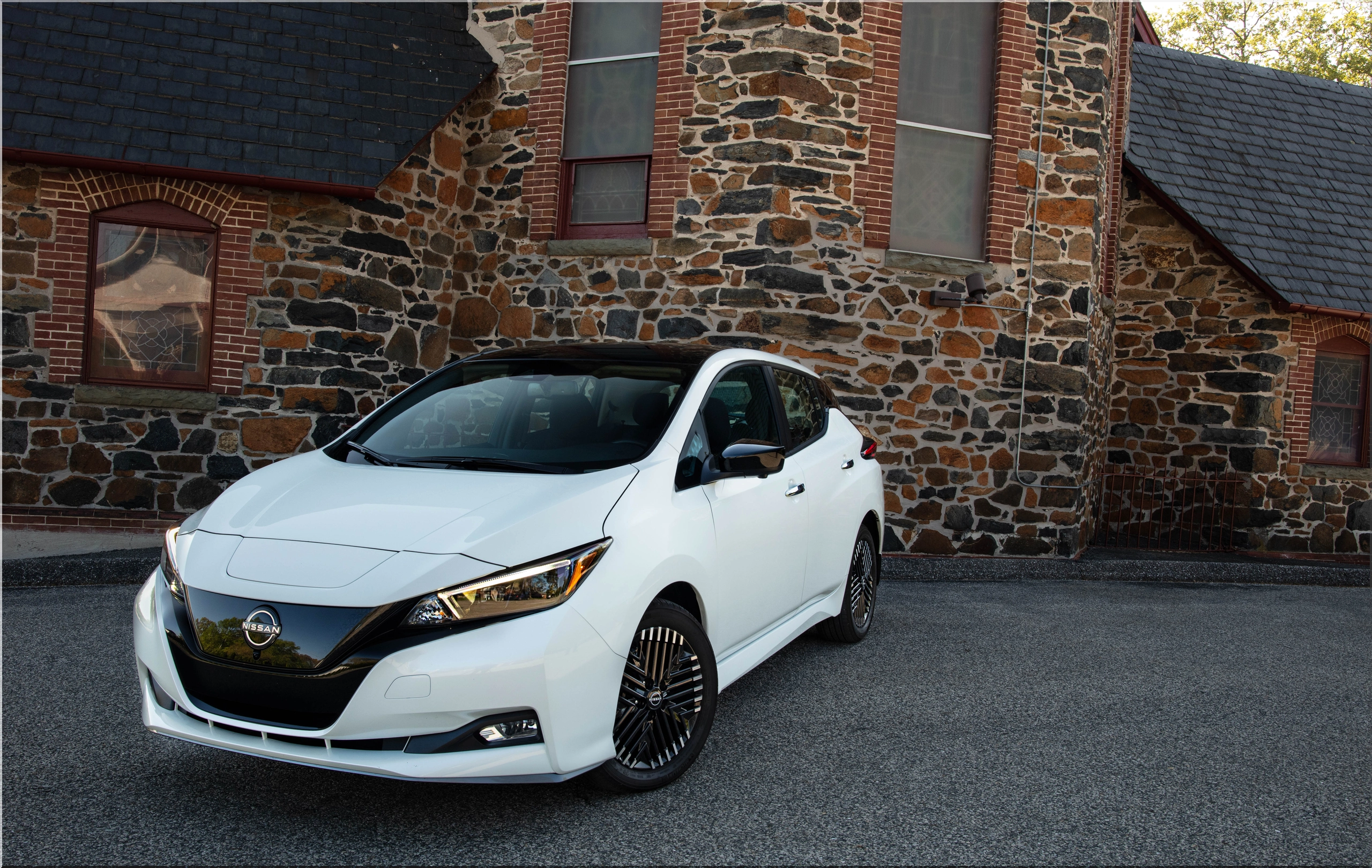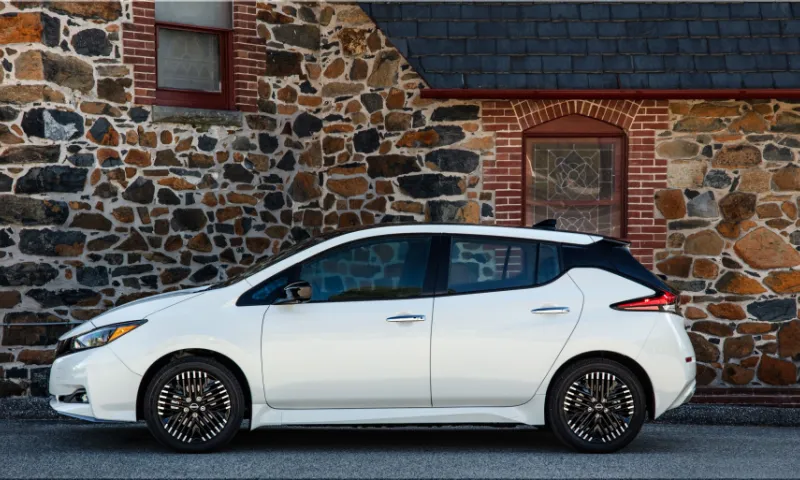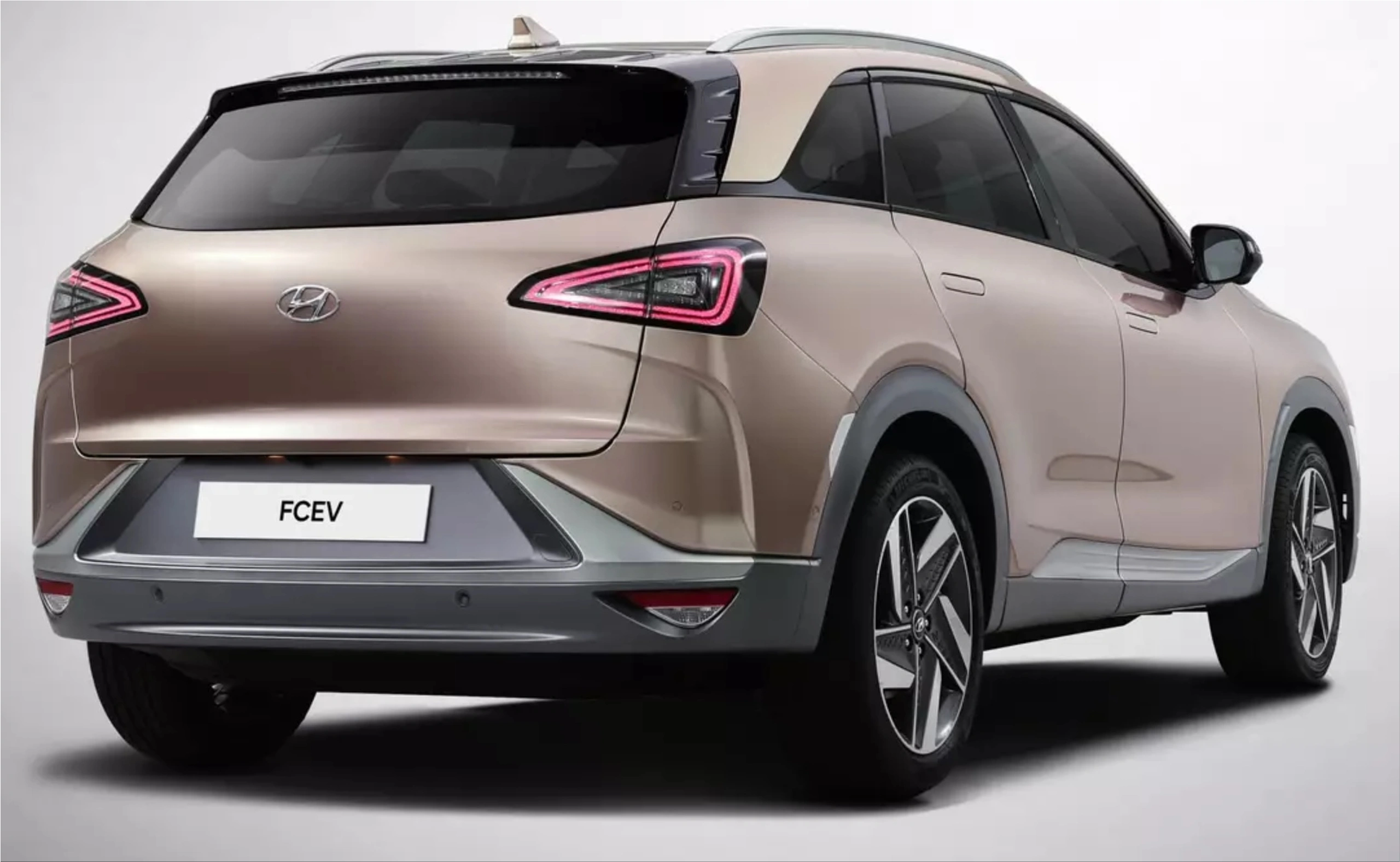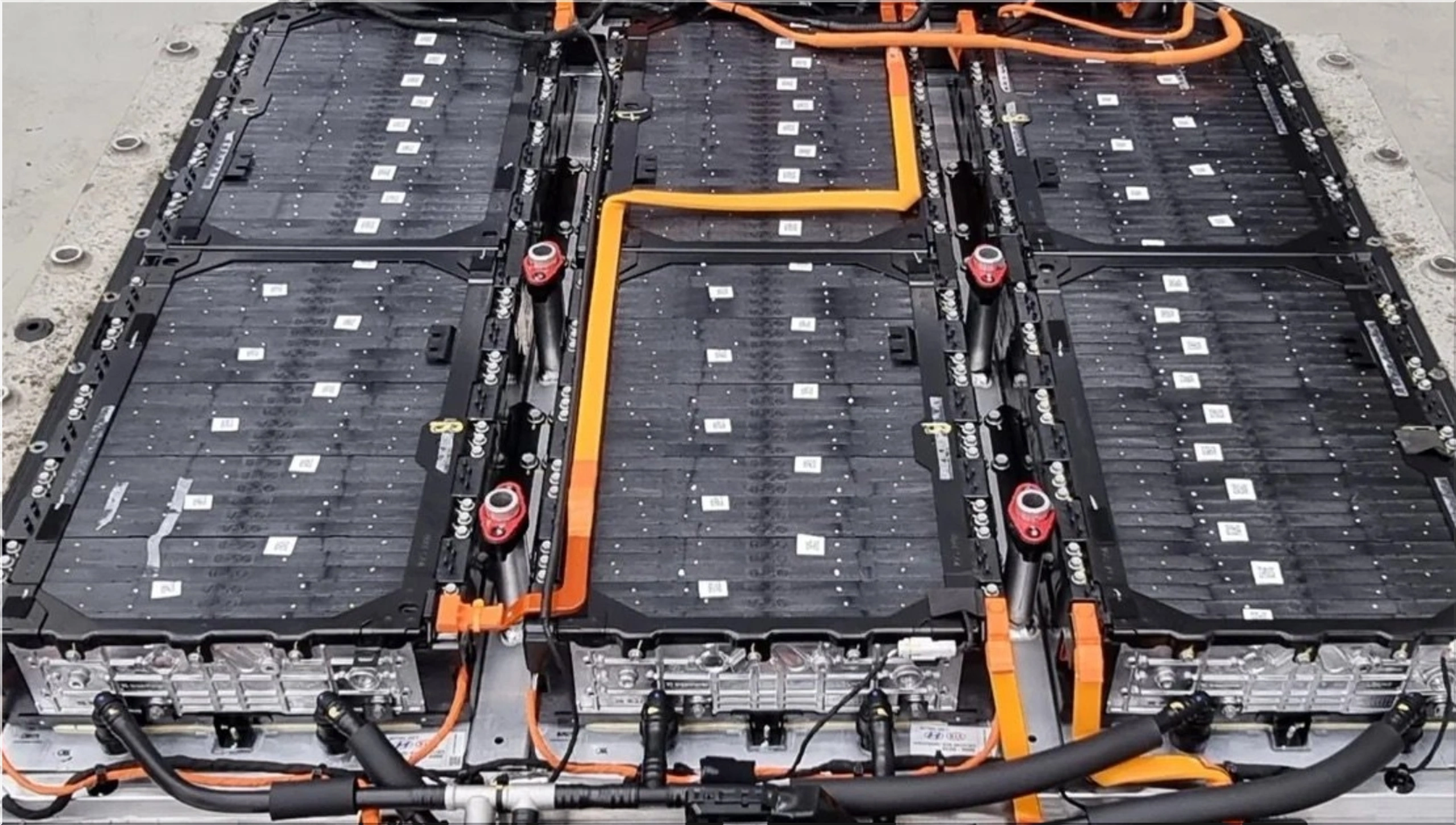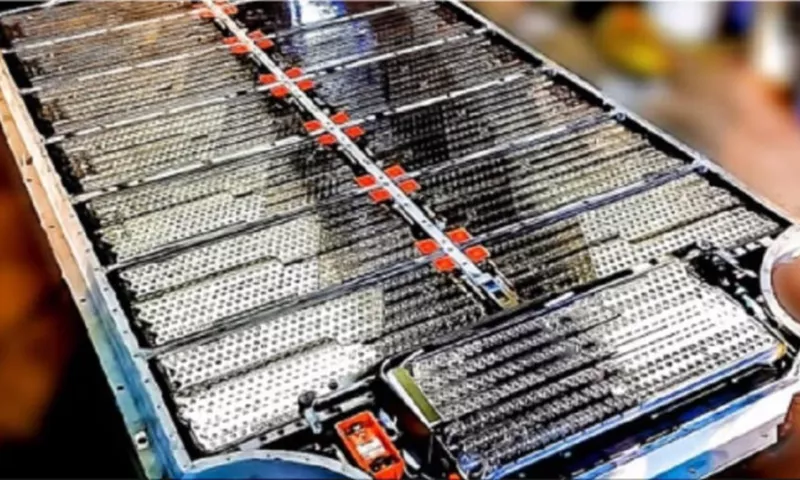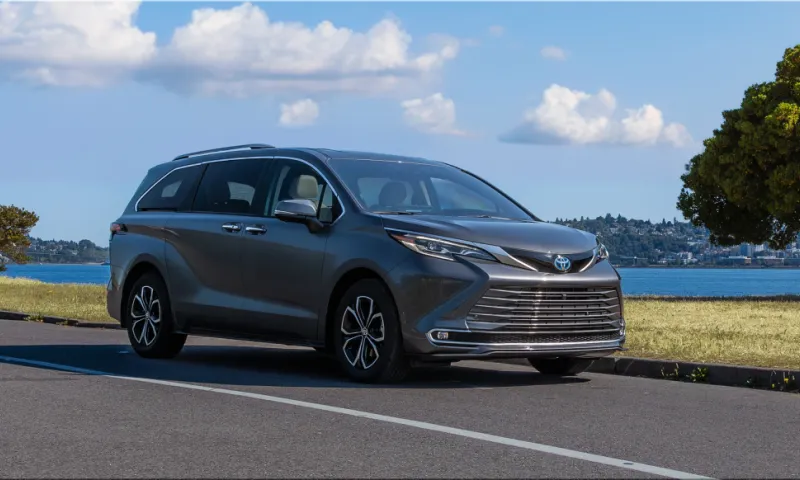
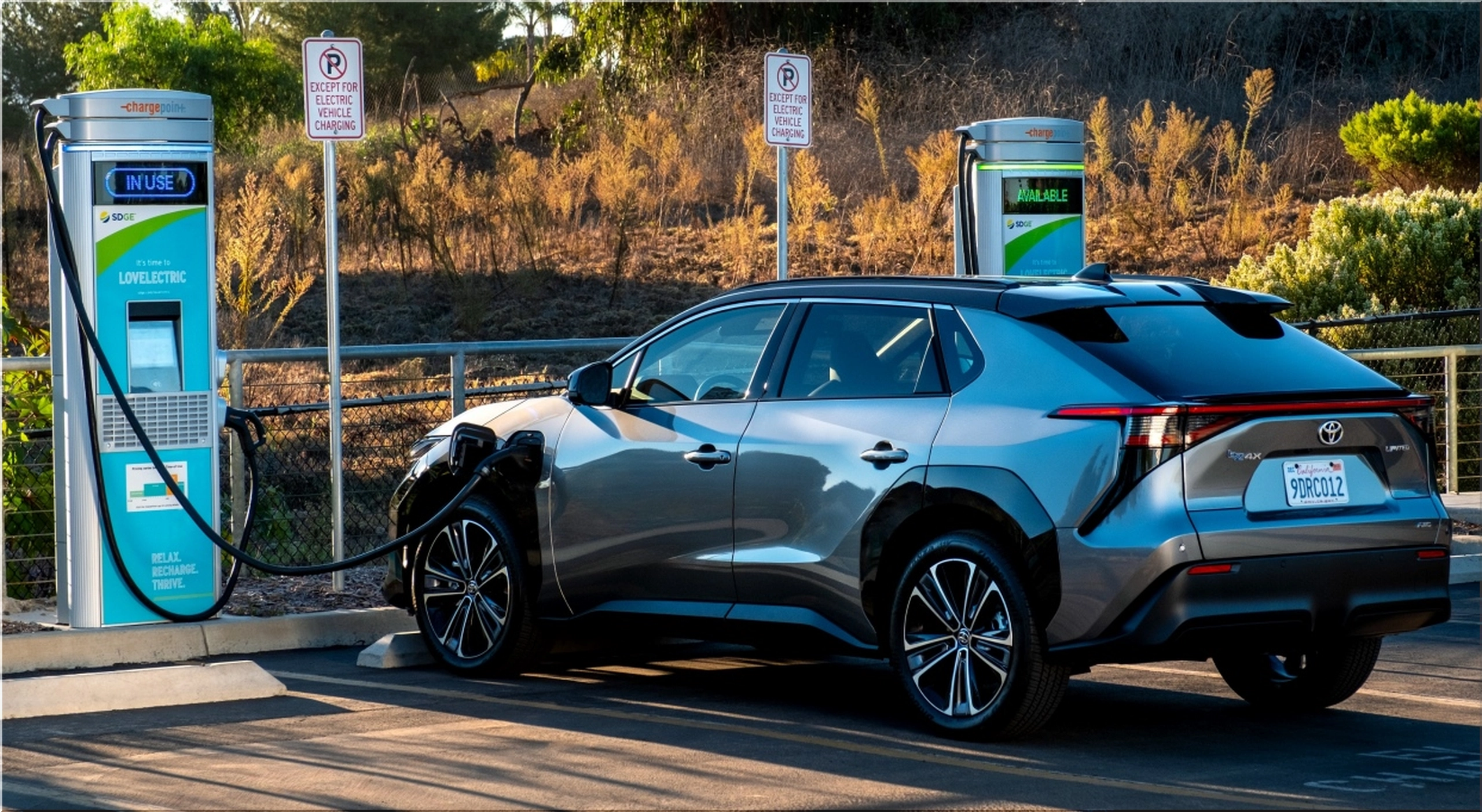
Toyota, one of the world’s leading automakers, is expanding its research on vehicle-to-grid (V2G) technology, which allows electric vehicles (EVs) to supply electricity back to the grid when needed. The company announced a new collaboration with San Diego Gas & Electric Company (SDG&E), the largest electric utility in San Diego and southern Orange counties, to conduct a pilot project using Toyota’s battery electric vehicles (BEVs) and V2G chargers.
What is Vehicle-to-Grid Technology, and Why is it Important?
Vehicle-to-grid technology is a system that enables bidirectional power flow between EVs and the grid. This means that EVs can not only charge their batteries from the grid but also discharge electricity back to the grid when there is excess demand or a supply shortage. By doing so, EVs can act as distributed energy resources (DERs) that can provide various benefits to the grid, such as:
- Peak shaving: reducing the peak demand on the grid by discharging EV batteries during periods of high electricity consumption, such as hot summer days or cold winter nights.
- Frequency regulation: maintaining the balance between electricity supply and demand by adjusting the power output of EVs in response to fluctuations in grid frequency, which can be caused by renewable energy sources, such as wind and solar, or sudden changes in load.
- Voltage support: improving the power quality and reliability of the grid by injecting or absorbing reactive power from EVs to maintain the optimal voltage level at different points of the grid.
- Emergency backup: providing backup power to the grid or critical loads in case of grid outages or blackouts, such as during natural disasters or cyberattacks.
Vehicle-to-grid technology can also benefit EV owners by:
- Lowering electricity bills: allowing EV owners to participate in demand response programs or dynamic pricing schemes that offer incentives or discounts for charging or discharging EVs at optimal times, such as when electricity prices are low or high, respectively.
- Increasing battery lifespan: reducing the stress and degradation of EV batteries by optimizing the charging and discharging patterns and avoiding extreme states of charge or discharge, such as fully empty or full.
- Enhancing EV performance: improving the driving range and efficiency of EVs by maintaining the optimal temperature and state of charge of the batteries, especially in cold or hot weather conditions.
How Does the Toyota-SDG&E Collaboration Work?
The Toyota-SDG&E collaboration is the first of its kind for Toyota in the US and the first time that SDG&E has worked with an original equipment manufacturer (OEM) on EV integration and smart charging. The collaboration consists of two phases:
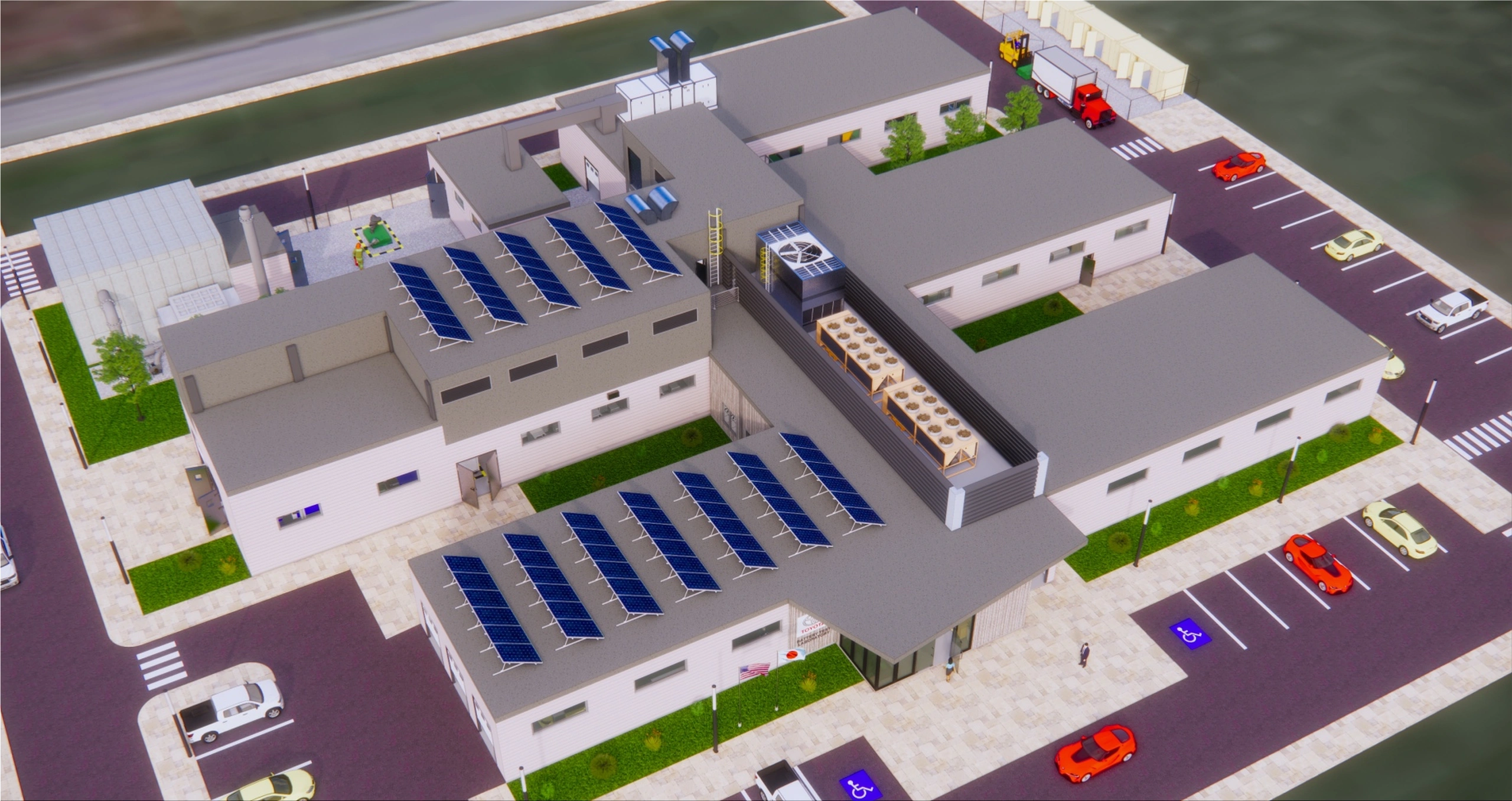
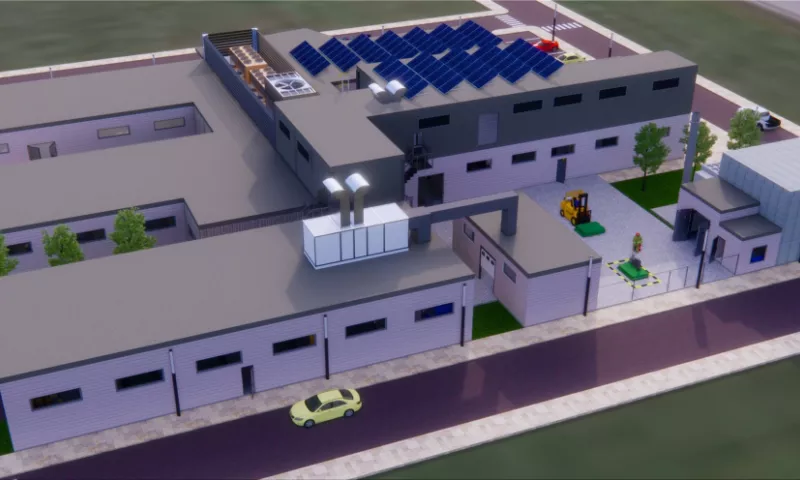
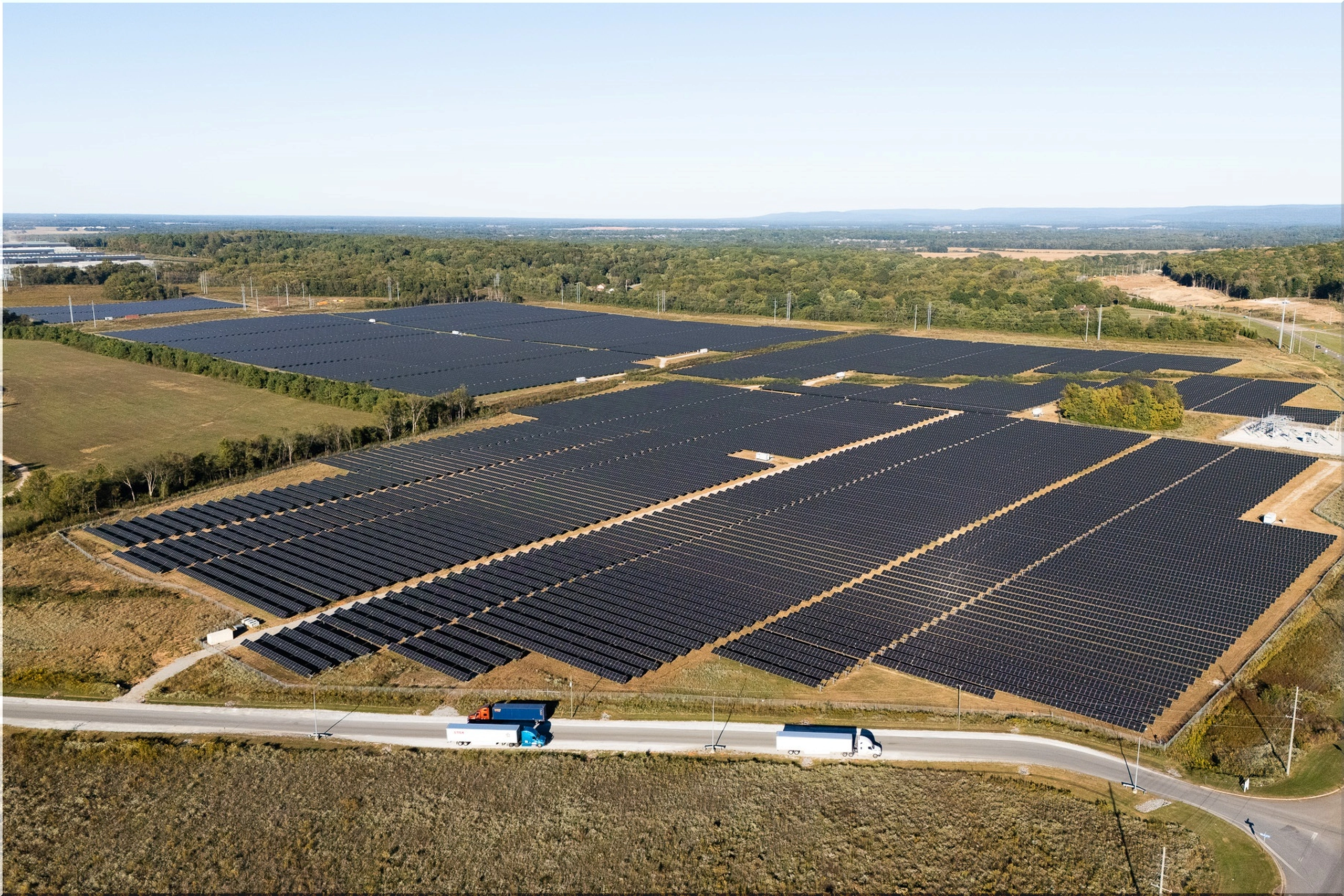
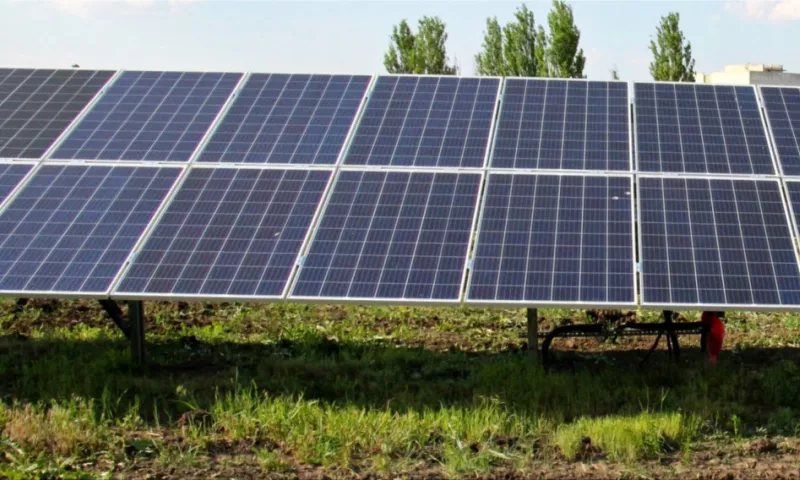
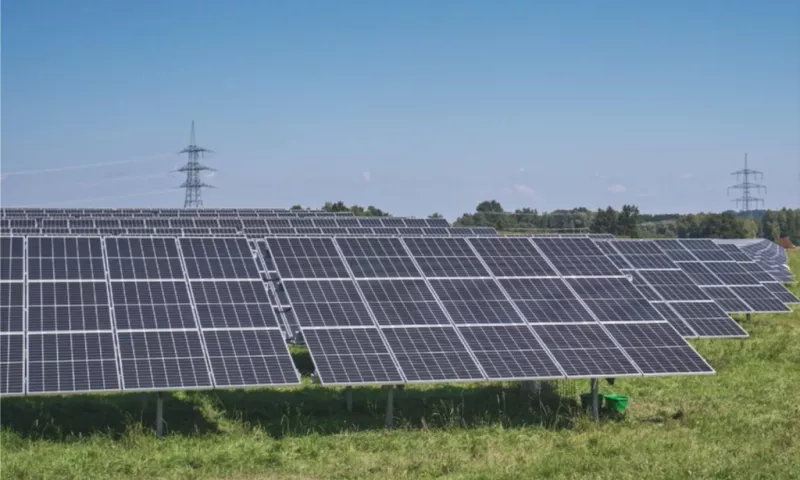
- Phase 1: The project's first phase will be hosted at SDG&E’s System Operating Services Facility (SOSF) microgrid in Lancaster, south of Toyota’s national headquarters in Plano, Texas. The SOSF microgrid comprises four interconnected microgrids that can be controlled independently or operated in parallel, tandem, or combined into a single, larger system. The microgrid also includes a V2G charger, solar panels, and battery storage for testing and evaluation. At this site, Toyota and SDG&E will use a BEV to understand the interconnectivity between EVs and utilities better and to demonstrate the feasibility and benefits of V2G technology.
- Phase 2: The project's second phase is slated for 2023 and will include a V2G pilot where testing will be conducted with BEVs connected at homes or businesses within SDG&E’s service territory. This phase will aim to assess the customer experience and satisfaction with V2G technology and to explore the potential for scaling up the deployment of V2G chargers and EVs in the region.
The collaboration will leverage Toyota’s expertise in EV technology and SDG&E’s experience in grid operations and customer service. The project will also use Toyota’s Electric Vehicle Charging Solutions (EVCS) team, which is responsible for developing and deploying EV charging infrastructure and services for Toyota’s customers and dealers in North America.
What are Toyota’s Goals and Plans for Vehicle-to-Grid Technology?
Toyota is one of the pioneers and leaders in developing and adopting hybrid and electric vehicles. The company has a long-term vision of achieving carbon neutrality by 2050 and has set a goal of selling 8 million electrified vehicles, including 2 million BEVs, by 2030. The company also plans to launch 15 new BEV models globally by 2025, including seven under the new bZ (Beyond Zero) brand.
Toyota sees V2G technology as a key enabler for its electrification strategy and a way to enhance the value proposition of its EVs for its customers and society. The company believes that EVs can provide more than just mobility but also a source of clean and reliable energy that can power homes, communities, and even the grid in times of need.
Toyota has been conducting V2G research and demonstration projects in various countries, such as Japan, Europe, and Australia, since 2007. The company has also been collaborating with other stakeholders, such as utilities, regulators, academia, and industry associations, to advance the technical, regulatory, and business aspects of V2G technology. The collaboration with SDG&E is an important step for Toyota to understand the needs and opportunities of the US market, which is one of the largest and most competitive EV markets in the world.
What are the Challenges and Opportunities for Vehicle-to-Grid Technology?
Vehicle-to-grid technology is still in its early stages of development and deployment and faces several challenges and barriers, such as:
- Technical challenges: V2G technology requires the integration and coordination of various hardware and software components, such as EVs, chargers, batteries, inverters, communication systems, and grid management systems. These components need to be compatible, interoperable, secure, and reliable to ensure the safe and efficient operation of V2G systems. Moreover, V2G technology needs to address the potential impacts of bidirectional power flow on the performance and lifespan of EV batteries, such as increased cycling, degradation, and thermal management.
- Regulatory challenges: V2G technology involves the participation and interaction of multiple actors, such as EV owners, utilities, grid operators, regulators, and service providers. These actors need to have clear and consistent rules and standards for the roles, responsibilities, rights, and obligations of each party in the V2G value chain. Furthermore, V2G technology needs to comply with the existing and evolving regulations and policies for the electricity sector, such as grid codes, interconnection rules, metering and billing practices, tariffs and fees, and market mechanisms.
- Economic challenges: V2G technology requires significant upfront and operational costs for the installation and maintenance of V2G chargers and EVs, as well as the provision and management of V2G services. These costs need to be balanced by the revenues and savings that can be generated from V2G technology, such as payments for grid services, incentives for demand response, discounts for dynamic pricing, and lower electricity bills. Moreover, V2G technology needs to account for the risks and uncertainties that may affect the profitability and viability of V2G systems, such as changes in electricity prices, grid conditions, customer behavior, and battery degradation.
Despite these challenges, V2G technology also offers significant opportunities and benefits, such as:
- Environmental benefits: V2G technology can contribute to the reduction of greenhouse gas emissions and air pollution by increasing the penetration and utilization of renewable energy sources, such as wind and solar, and reducing the reliance on fossil fuel-based power plants. Moreover, V2G technology can support the circular economy and resource efficiency by extending the lifespan and value of EV batteries and enabling their reuse and recycling.
- Social benefits: V2G technology can enhance the energy security and resilience of the grid and society by providing backup power and emergency services in case of grid outages or disasters. Moreover, V2G technology can improve the energy access and affordability of customers by enabling them to manage their energy consumption and costs more effectively and efficiently.
- Innovation benefits: V2G technology can foster the innovation and competitiveness of the EV and electricity sectors by creating new markets and business models for V2G services and products. Moreover, V2G technology can stimulate the research and development of new technologies and solutions for V2G systems, such as smart chargers, advanced batteries, and artificial intelligence.
Conclusion
Vehicle-to-grid technology is an emerging and promising technology that can transform the role and value of electric vehicles in the energy system and society. Toyota, as a global leader in electrified mobility, is expanding its research on V2G technology in the US market through a new collaboration with San Diego Gas & Electric Company, one of the largest electric utilities in California. The collaboration aims to demonstrate the feasibility and benefits of V2G technology and to explore the potential for scaling up the deployment of V2G chargers and EVs in the region. The collaboration also reflects Toyota’s vision and commitment to achieving carbon neutrality and enhancing the customer experience and satisfaction with its EVs. Vehicle-to-grid technology faces several technical, regulatory, and economic challenges but also offers significant environmental, social, and innovation opportunities and benefits. The successful development and deployment of V2G technology will require the collaboration and coordination of various stakeholders, such as automakers, utilities, regulators, customers, and service providers.
- Add new comment
- 122 views