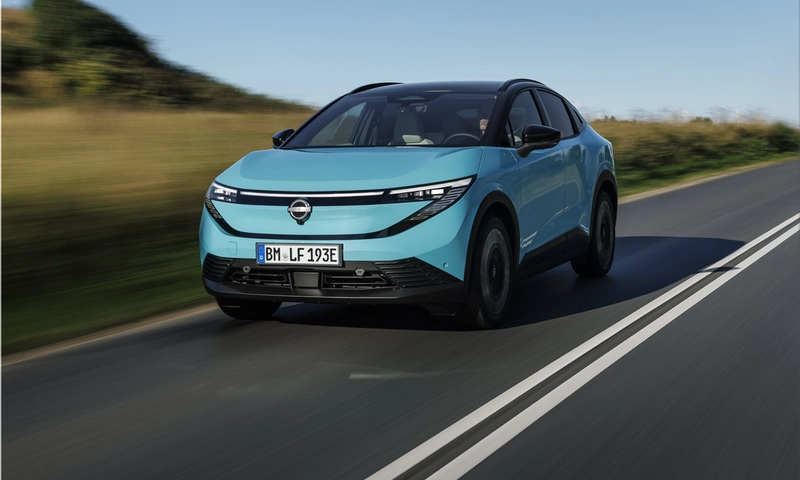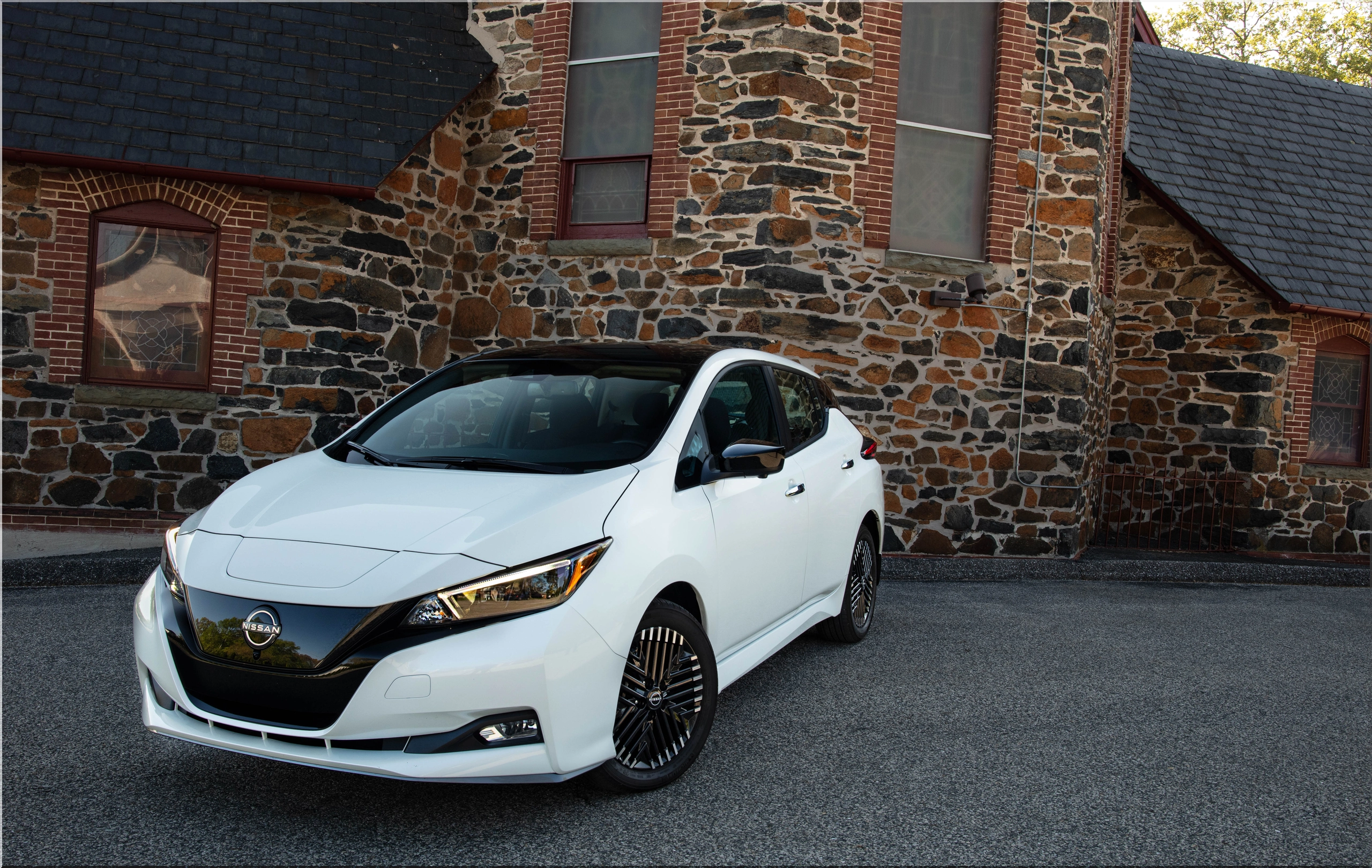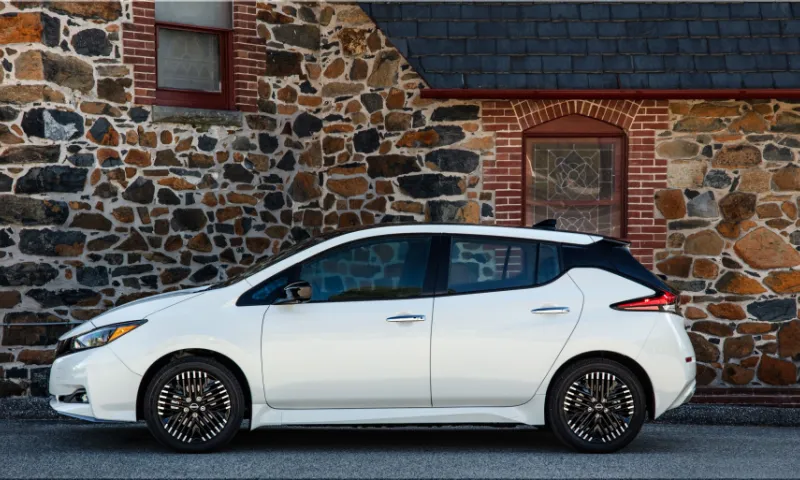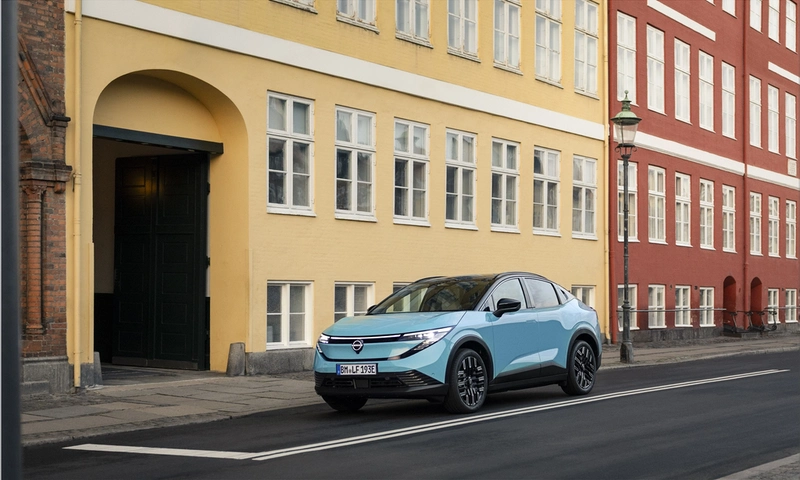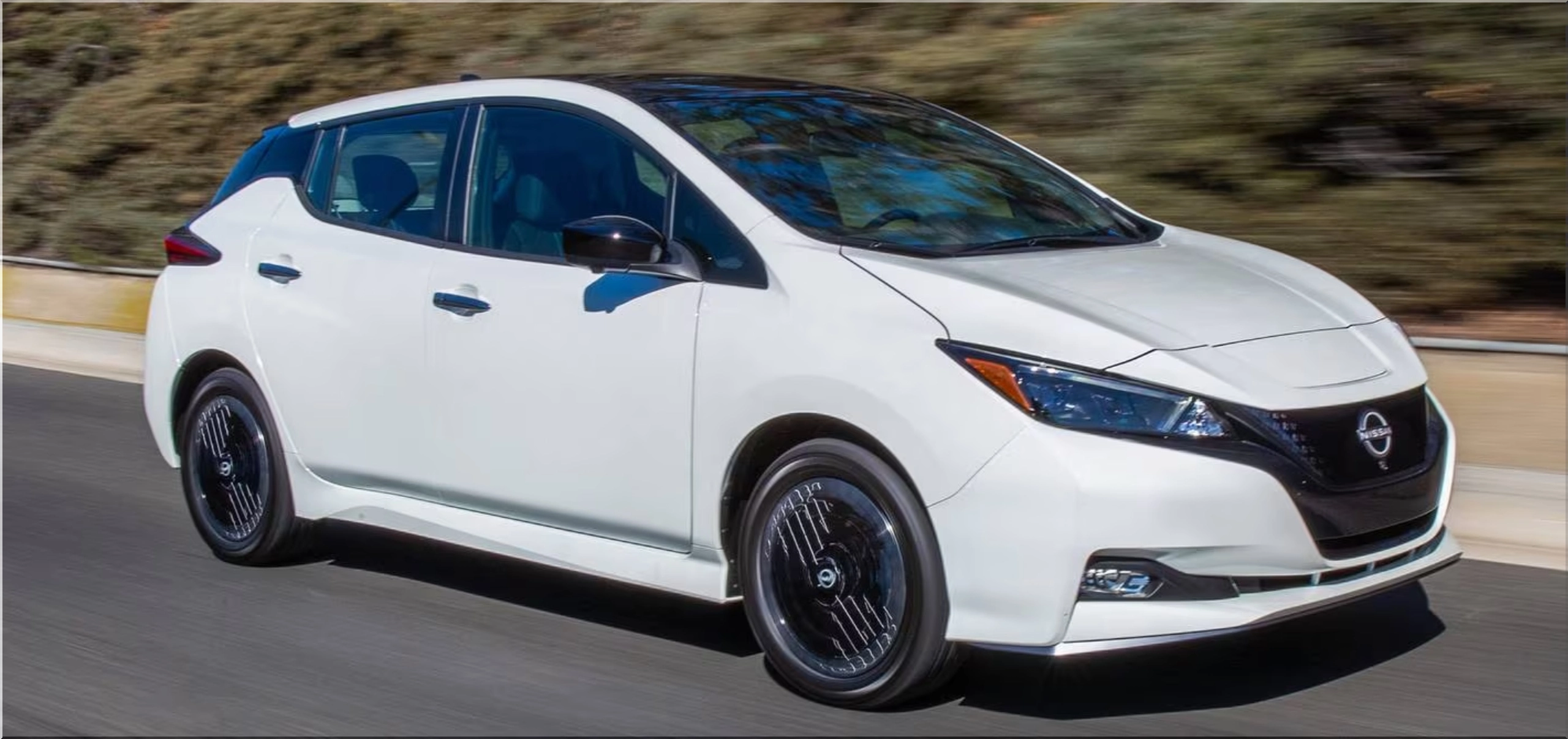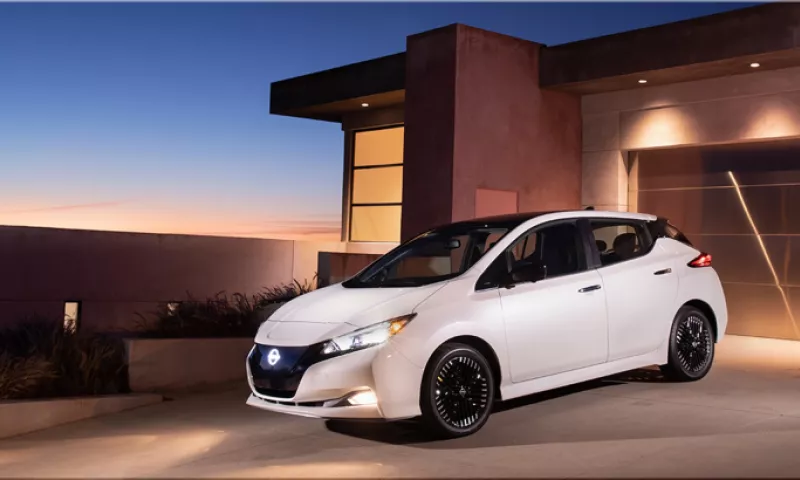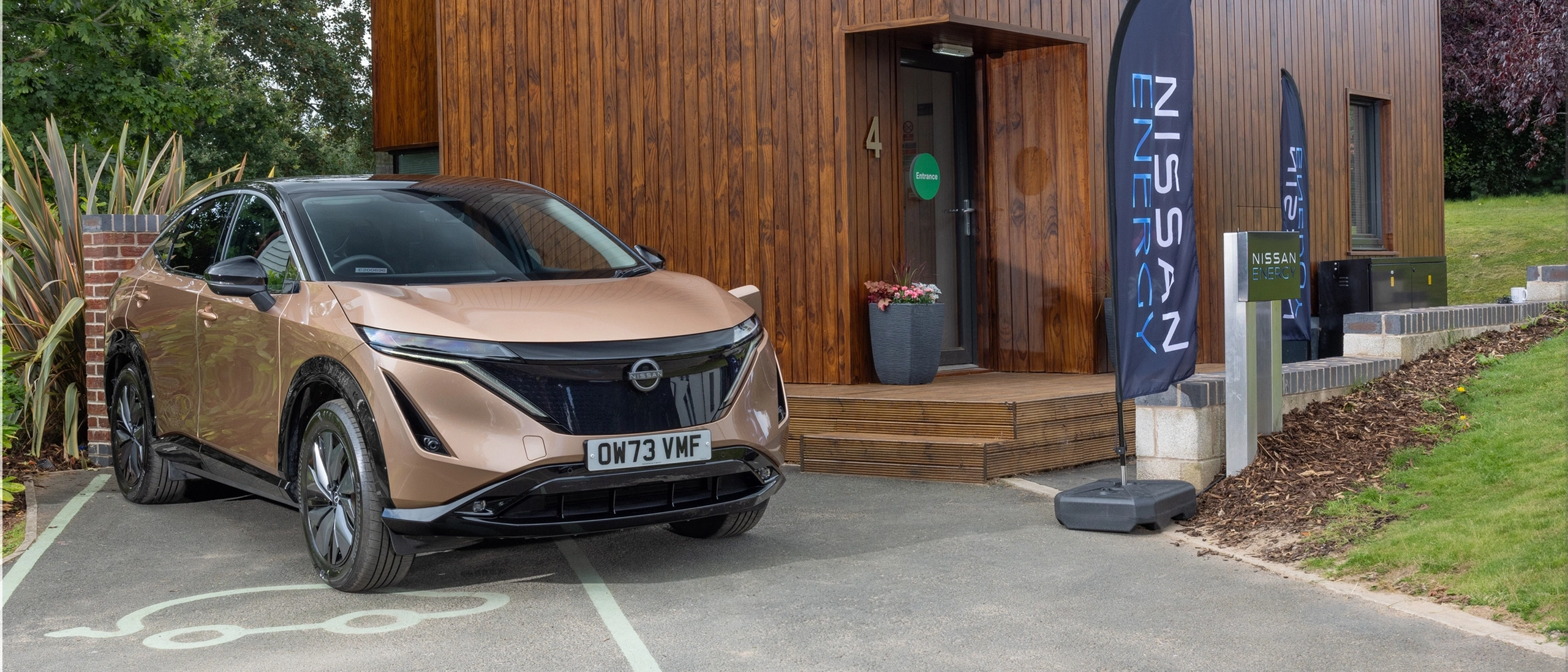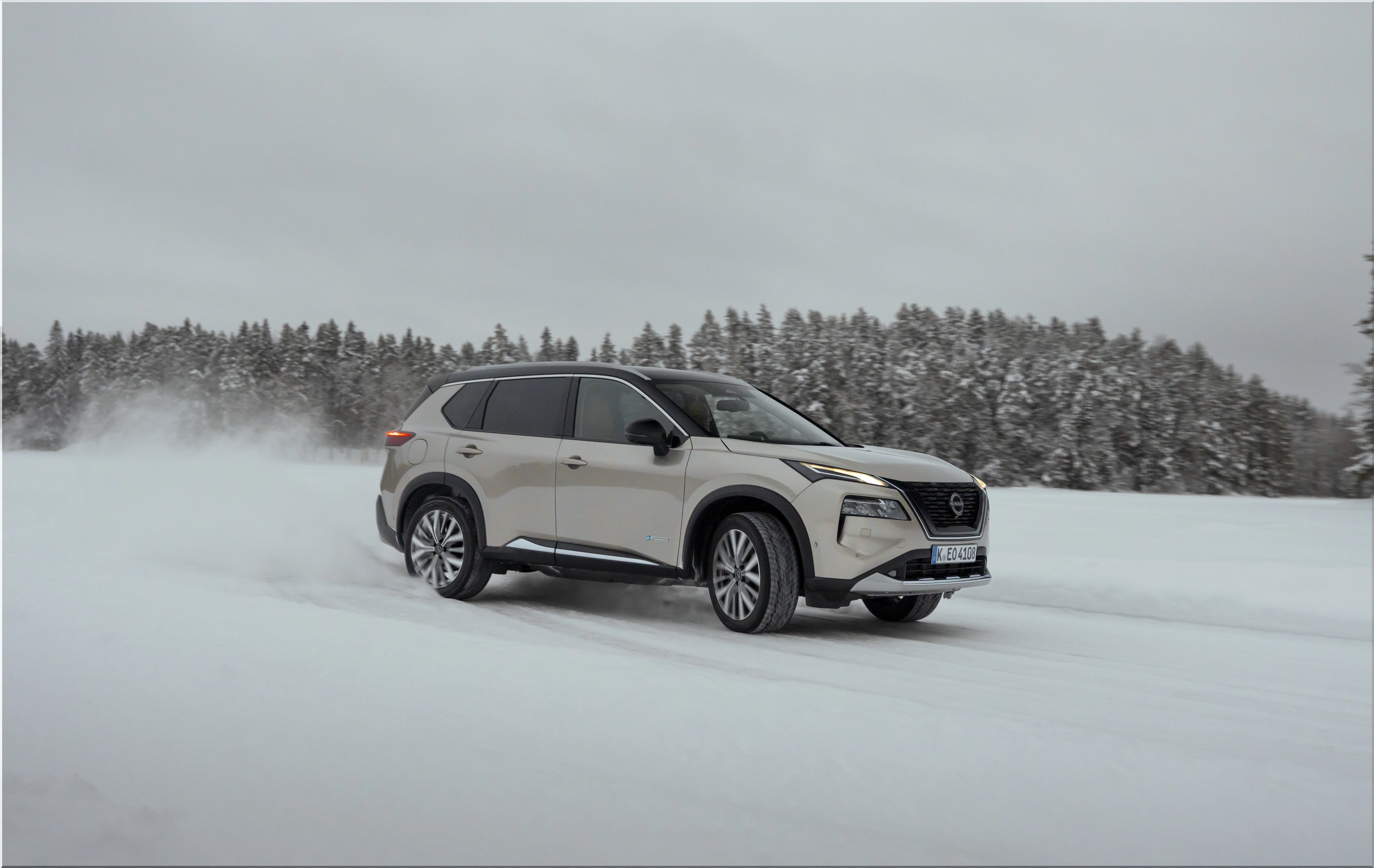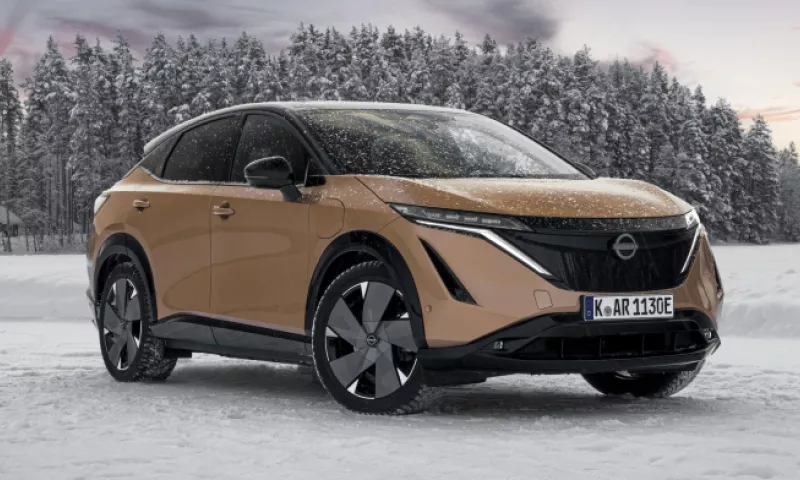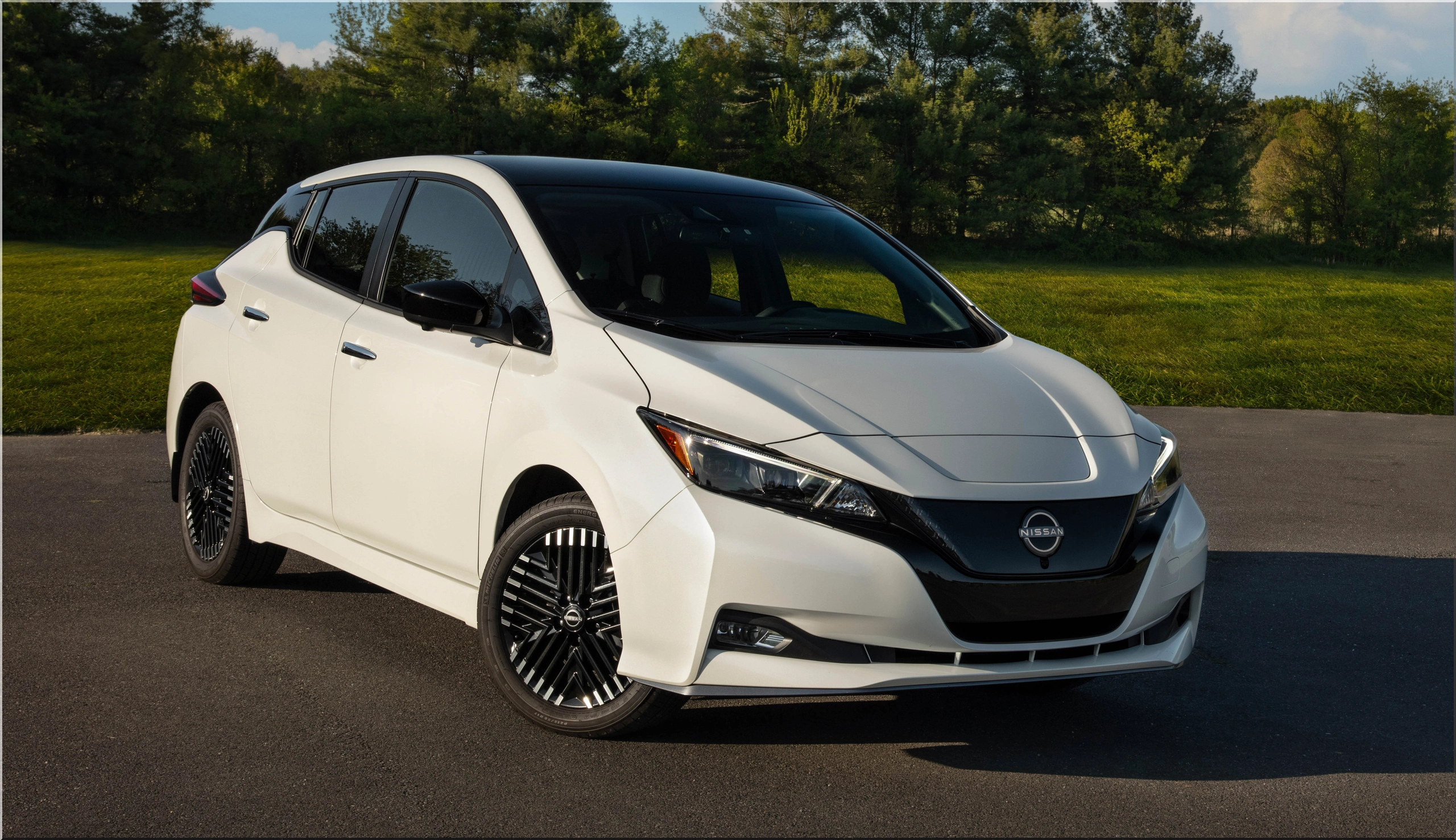
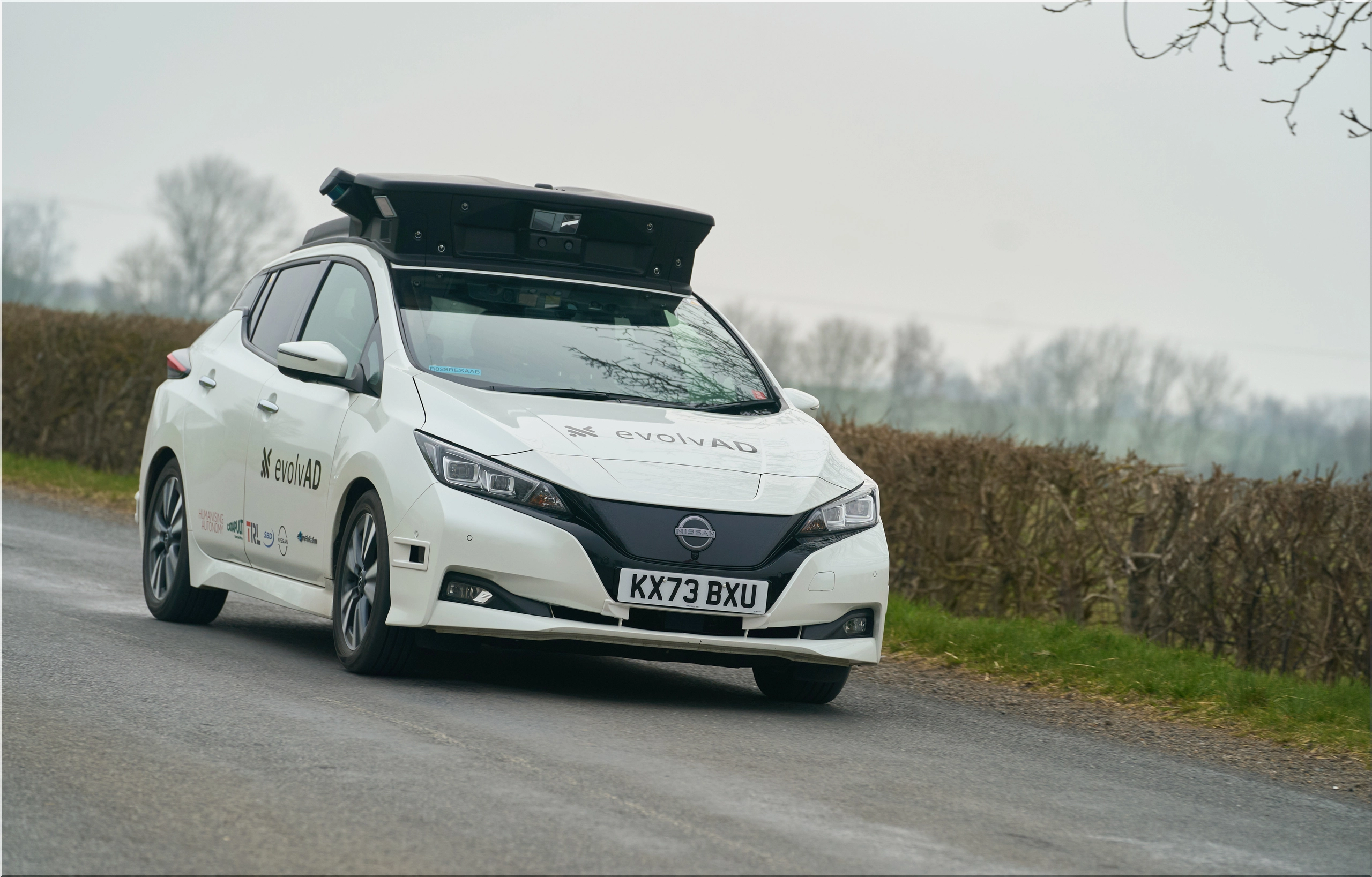
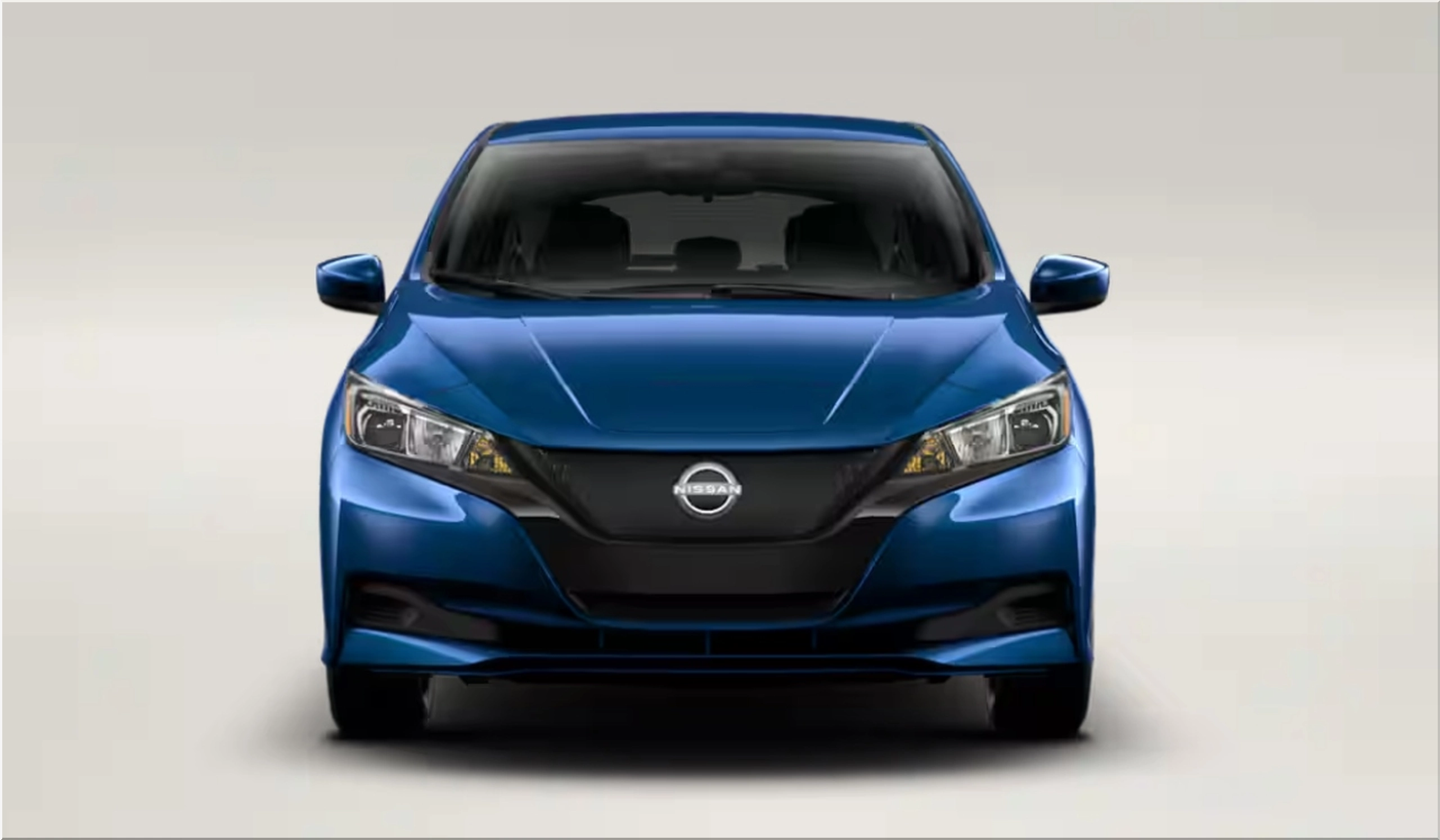
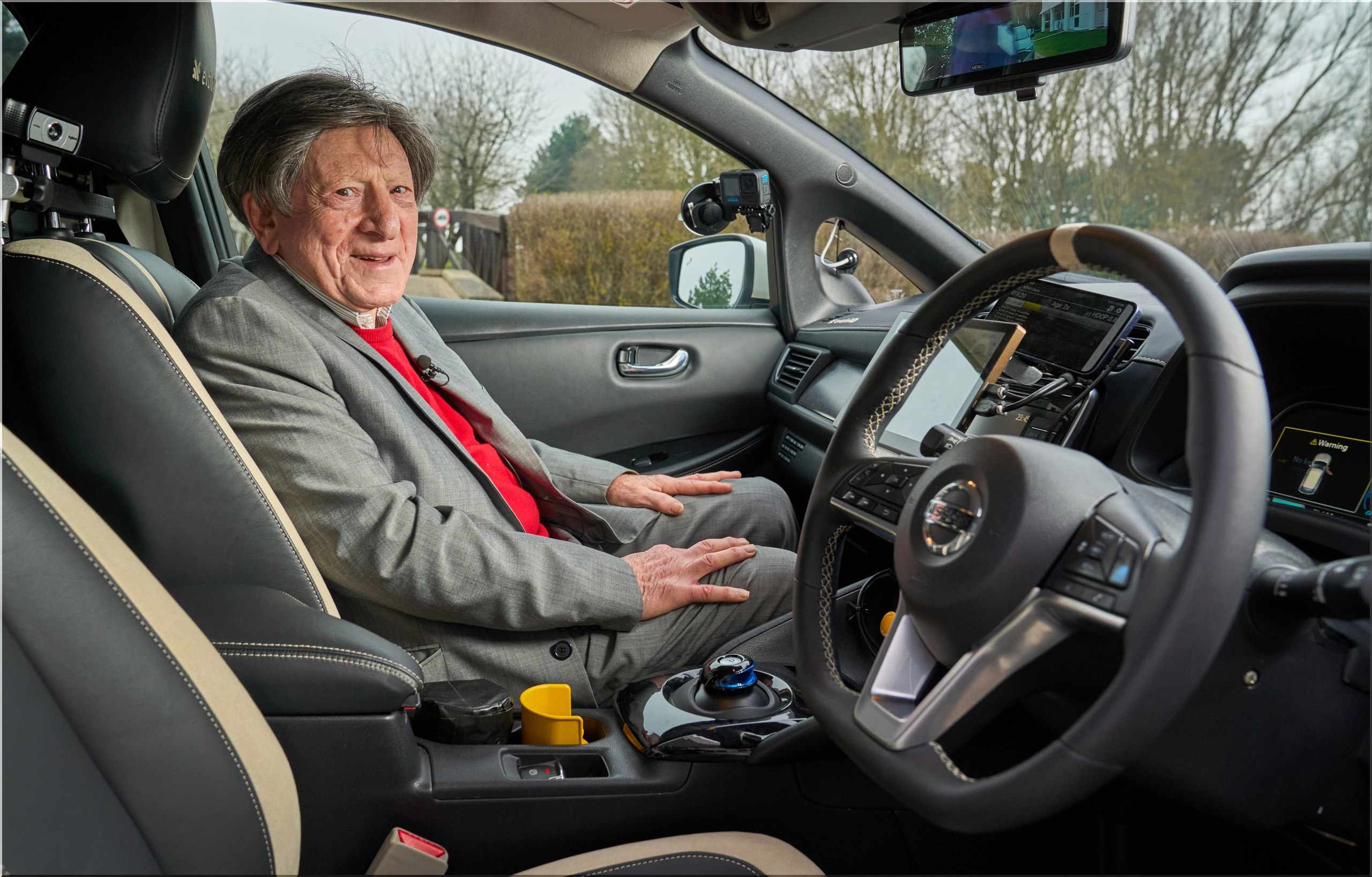
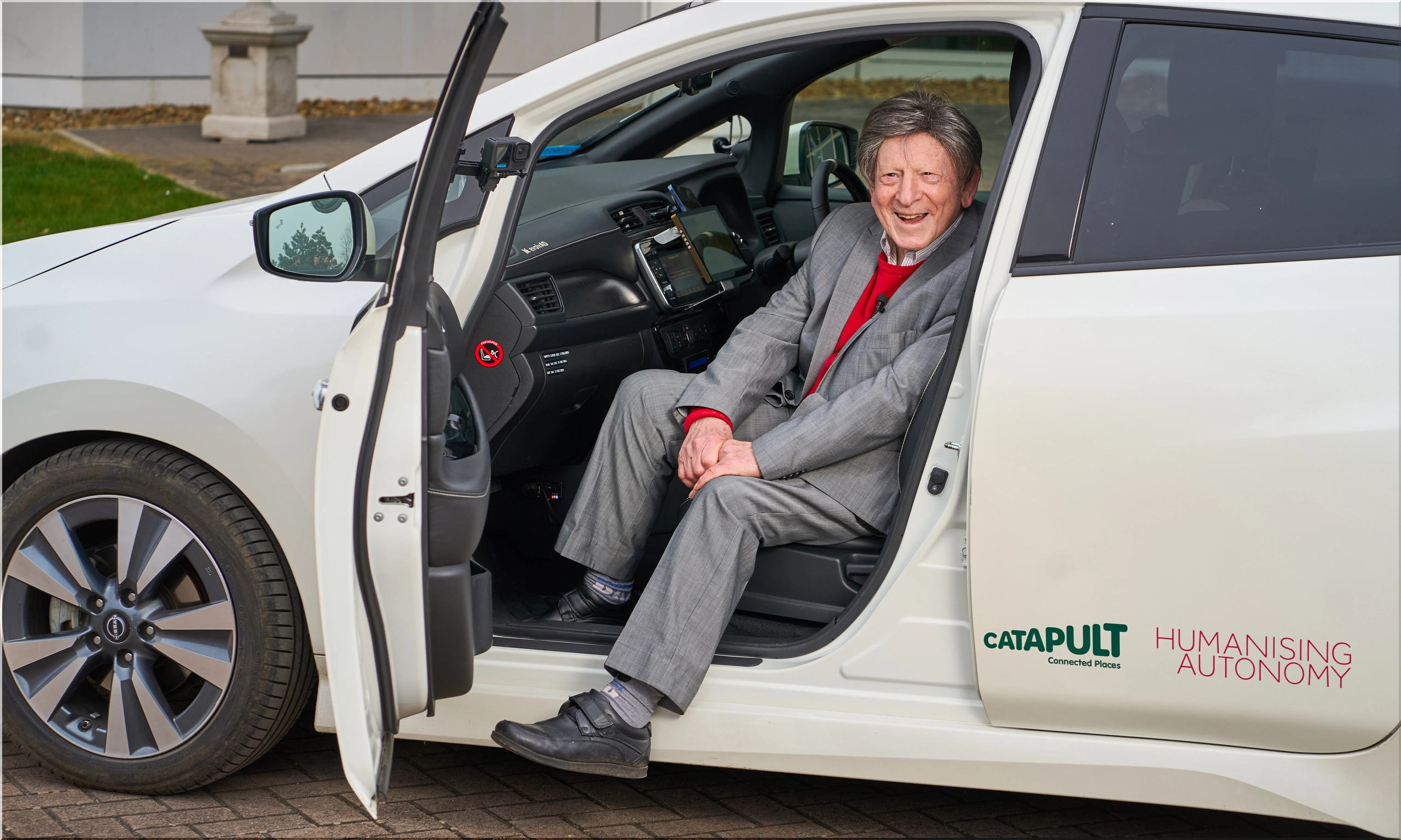
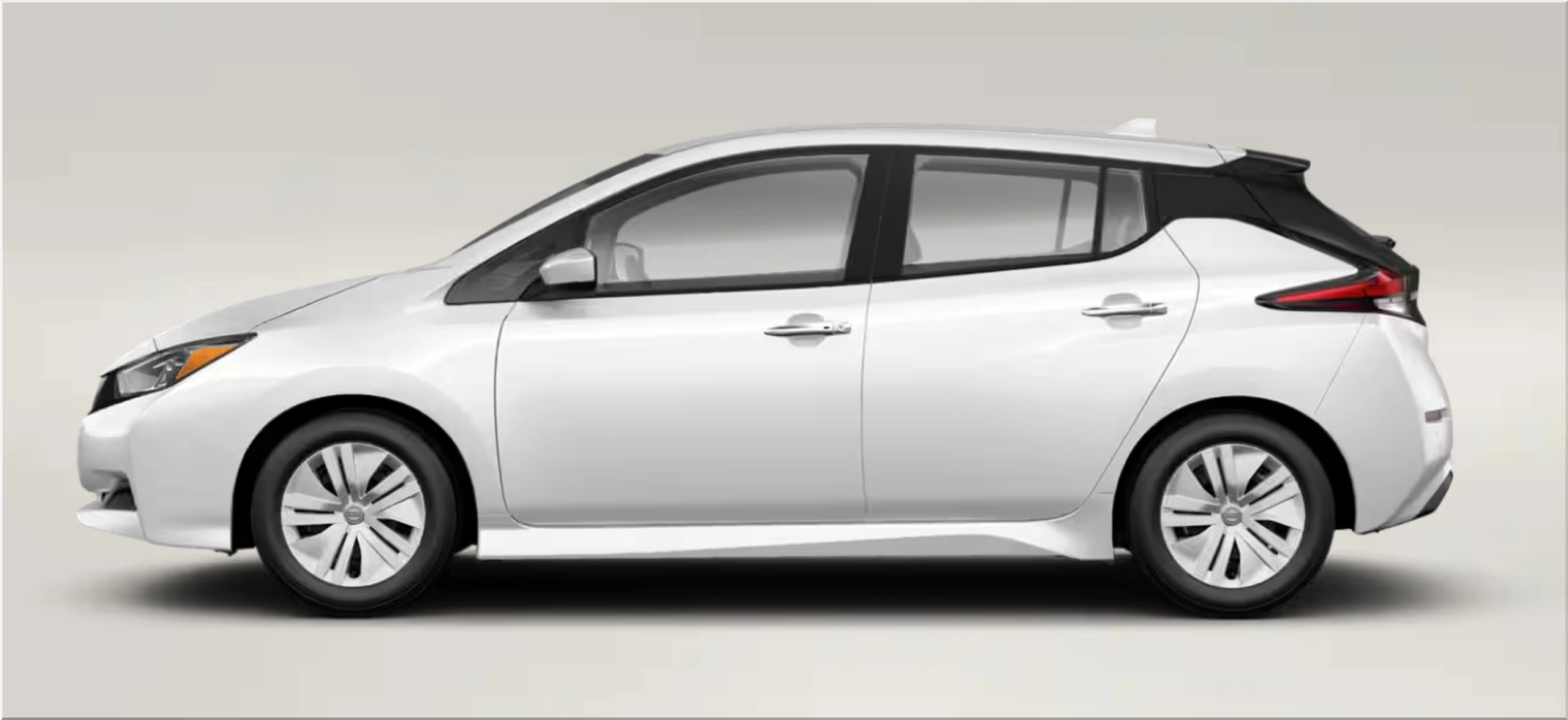
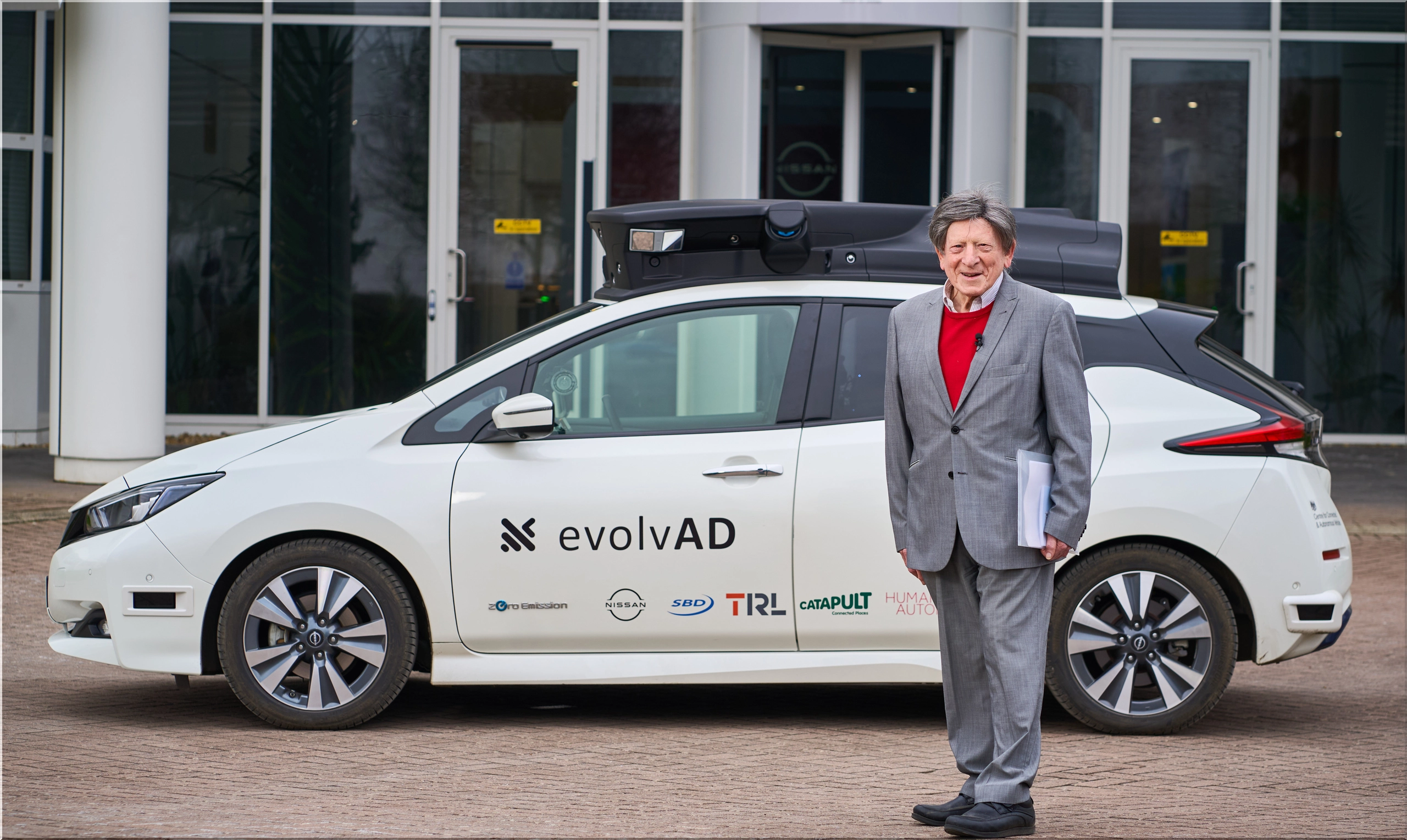
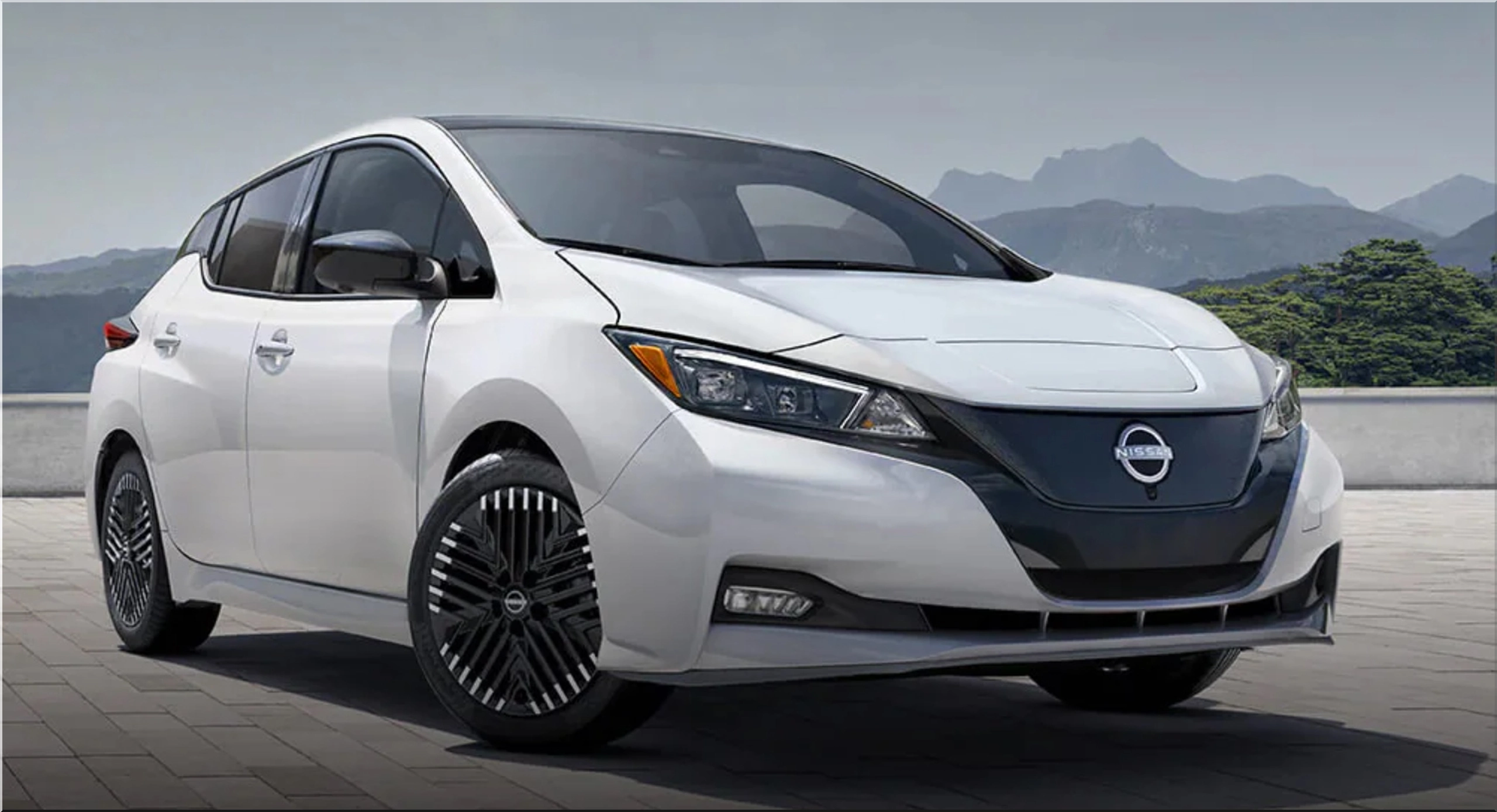
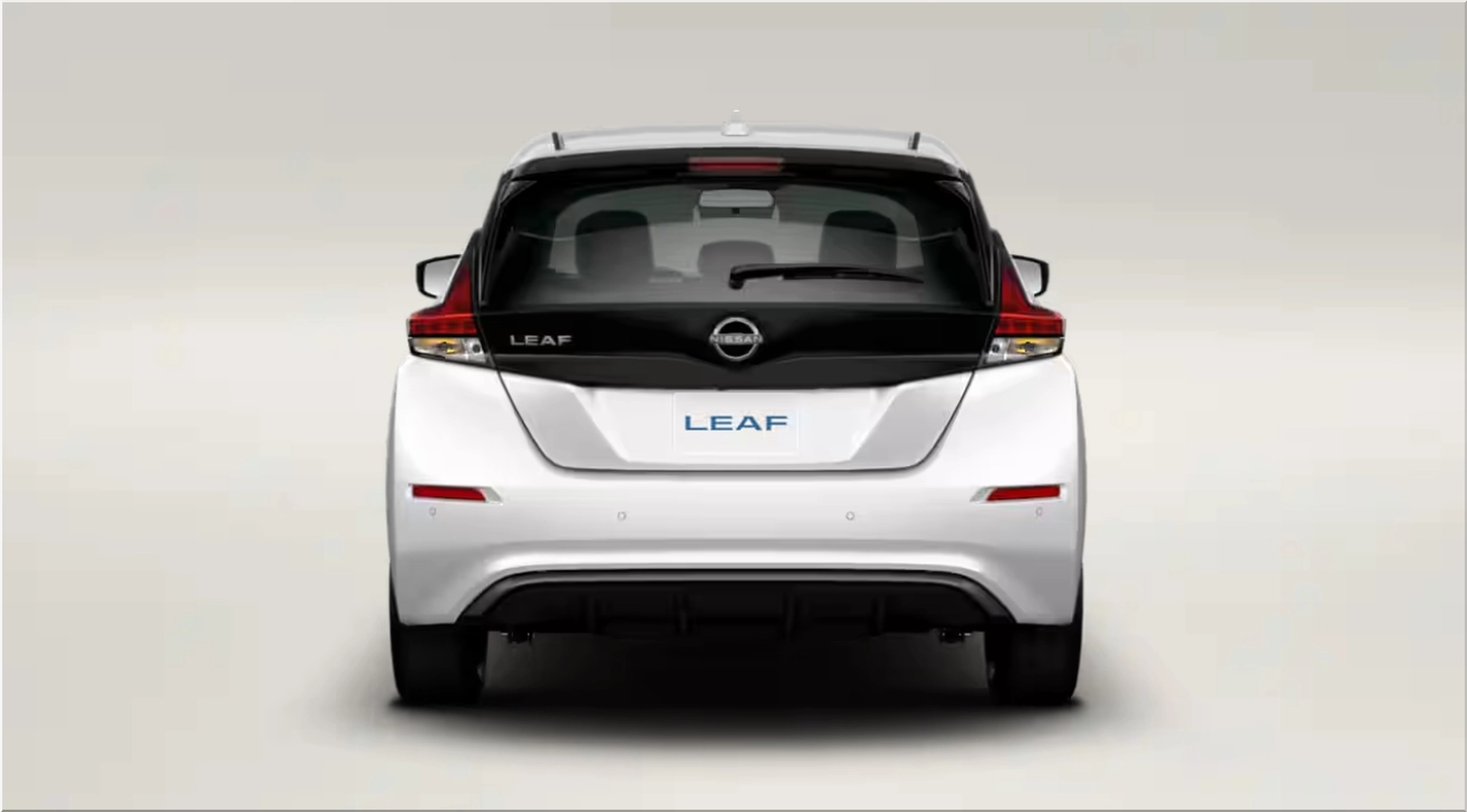
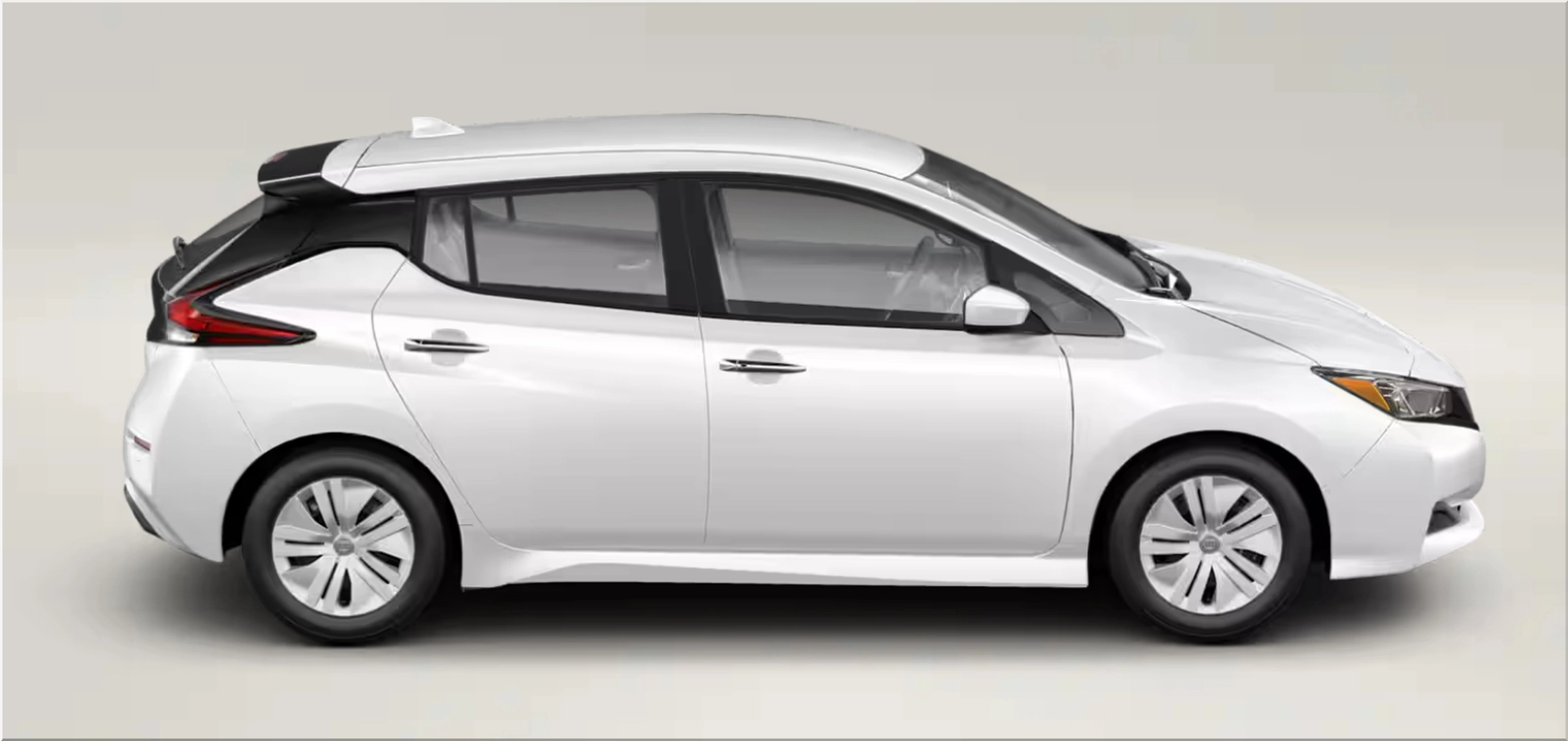
At 93, Brad Ashton experienced a glimpse into the future of motoring. His journey in a self-driving Nissan LEAF left him proclaiming, "This is the future of motoring!" This event not only highlights the advancements in autonomous vehicle technology but also underscores its potential to transform mobility for the elderly.
The Autonomous Experience
Brad's Perspective
Brad Ashton, a retired scriptwriter and grandfather of five, recently had the opportunity to ride in a self-driving Nissan LEAF. His reaction was overwhelmingly positive, stating, "This is the future of motoring!" Such enthusiasm from an individual of his age underscores the potential of autonomous vehicles to revolutionize transportation for all age groups.
Nissan's Commitment to Innovation
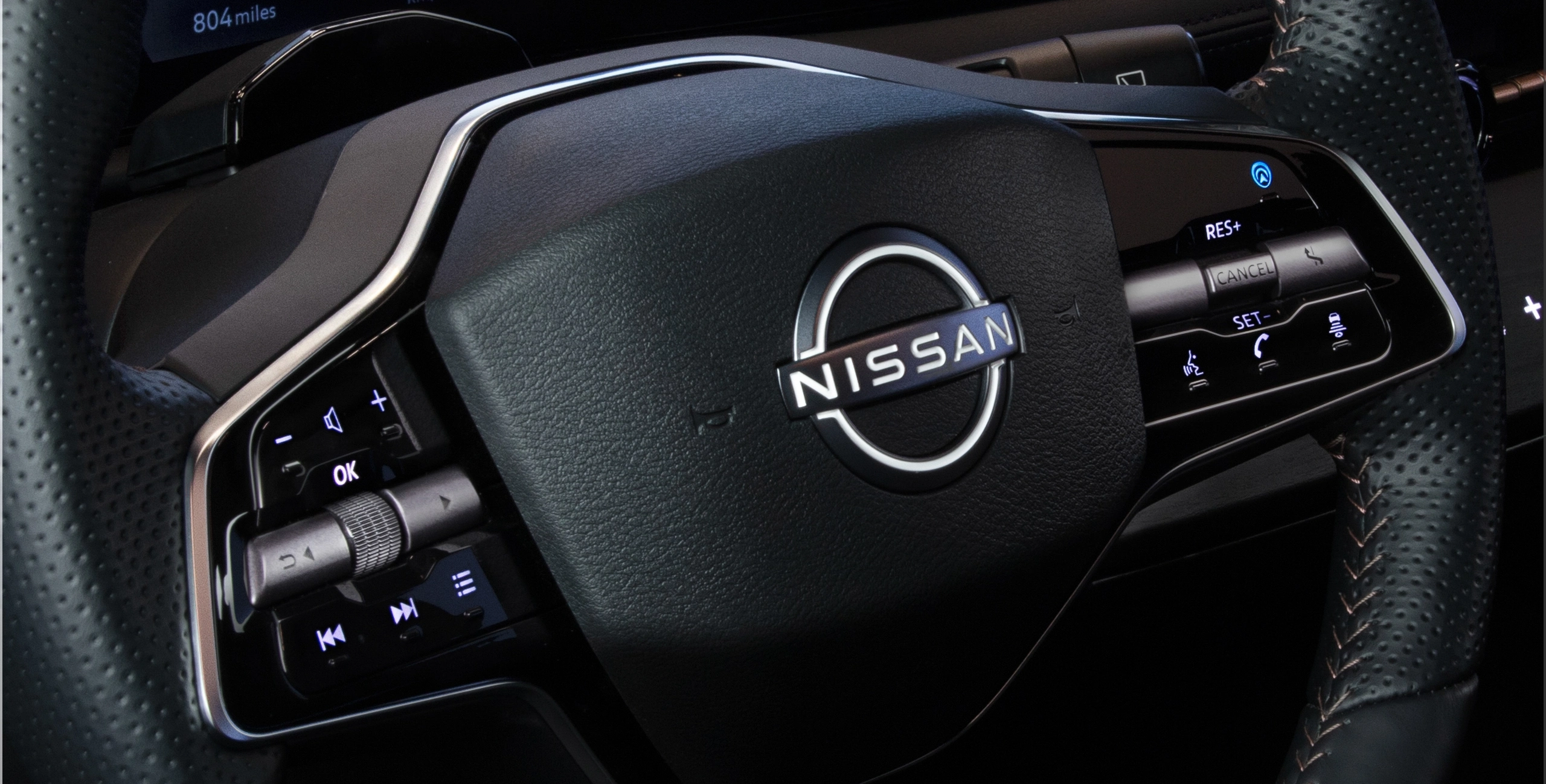
Nissan has been at the forefront of developing autonomous driving technologies. The company's ProPILOT Assist system exemplifies this commitment, offering features like:
- Lane Centering: Keeps the vehicle centered within its lane.
- Adaptive Cruise Control: Maintains a set speed and safe distance from the vehicle ahead.
- Traffic Jam Pilot: Assists in congested traffic conditions by controlling acceleration, braking, and steering.
These advancements aim to enhance driver comfort and safety, paving the way for fully autonomous vehicles in the near future.
Addressing Social Isolation Among the Elderly
The Mobility Challenge
A significant number of elderly individuals face social isolation due to mobility challenges. A recent survey revealed:
- 25% of elderly Brits feel socially isolated because they don't drive.
- This percentage rises to 36% among those living in rural areas, compared to 9% in urban settings.
These statistics highlight the profound impact that limited mobility can have on the social well-being of older adults.
Autonomous Vehicles as a Solution
The introduction of autonomous vehicles offers a promising solution to this issue. Key benefits include:
- Enhanced Independence: Elderly individuals can travel without relying on others.
- Improved Social Engagement: Easier access to social events, healthcare, and daily activities.
- Reduced Isolation: Increased mobility can lead to better mental health and overall well-being.
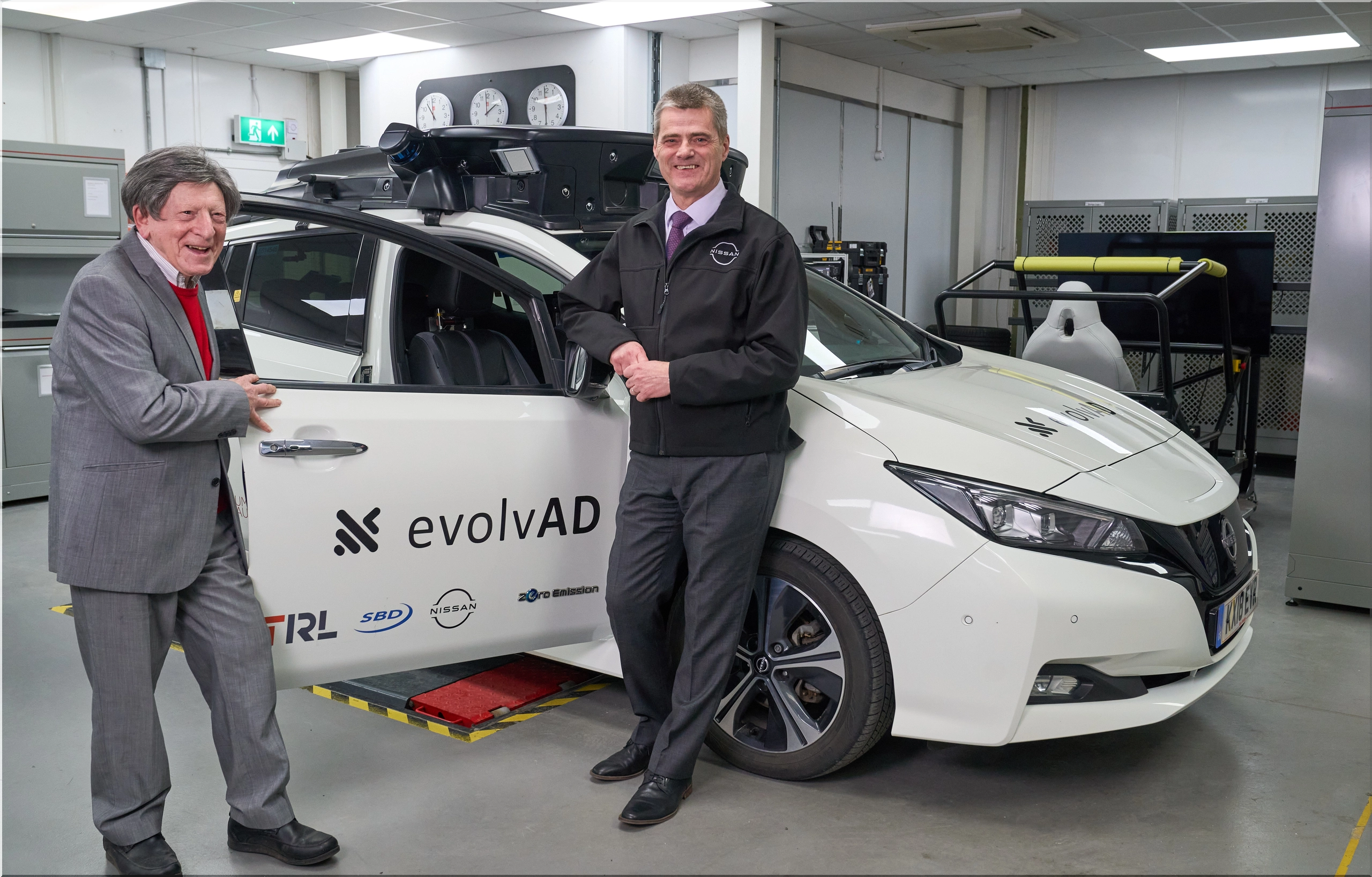
Brad Ashton's positive experience with the self-driving Nissan LEAF exemplifies how autonomous vehicles can restore a sense of freedom and independence to the elderly population.
Nissan's Technological Advancements
ProPILOT Assist 2.0
Nissan's ProPILOT Assist 2.0 represents a significant leap in driver-assistance technology. Features include:
- Hands-Off Driving: Allows drivers to remove their hands from the steering wheel under certain conditions.
- Lane Change Assist: Facilitates automated lane changes on highways.
- Navigation Integration: Utilizes high-definition mapping for precise vehicle positioning.
These advancements contribute to a safer and more comfortable driving experience, moving closer to full autonomy.
Seamless Autonomous Mobility (SAM)
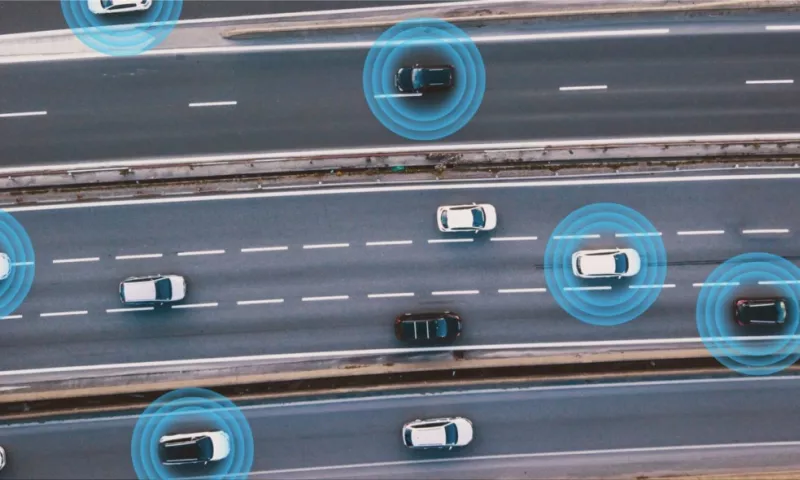
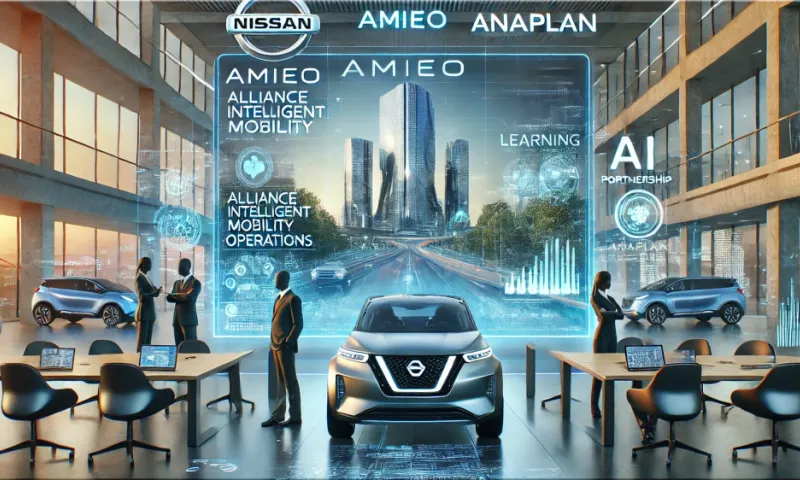
Nissan's Seamless Autonomous Mobility (SAM) system integrates artificial intelligence with human support to navigate complex driving scenarios. Key components are:
- In-Vehicle AI: Manages routine driving tasks and makes real-time decisions.
- Remote Human Assistance: Human operators provide guidance in unusual or unpredictable situations.
- Cloud-Based Learning: Aggregates data from all vehicles to continuously improve the system's performance.
This hybrid approach ensures safety and reliability as autonomous vehicles become more prevalent.
Safety and Public Perception
Enhancing Safety
Autonomous vehicles have the potential to significantly reduce traffic accidents. Studies suggest that widespread adoption could:
- Reduce Traffic Accidents by 90%: Leading to substantial savings in healthcare and property damage costs.
- Improve Traffic Flow: Optimized driving patterns can alleviate congestion.
- Lower Emissions: Efficient driving reduces fuel consumption and emissions.
These benefits highlight the transformative impact of autonomous vehicles on public safety and the environment.
Public Acceptance
While technological advancements are crucial, public acceptance plays a key role in the adoption of autonomous vehicles. Factors influencing acceptance include:
- Trust in Technology: Confidence in the safety and reliability of autonomous systems.
- Regulatory Support: Clear guidelines and standards to ensure safety.
- Educational Initiatives: Informing the public about the benefits and limitations of autonomous vehicles.
Positive experiences, like that of Brad Ashton, can help build trust and accelerate acceptance among the broader population.
The Road Ahead
Ongoing Developments
Nissan continues to invest in autonomous driving technologies. Recent initiatives include:
- Urban Testing: Conducting driverless vehicle tests in busy city environments to refine system performance.
- Collaboration with Industry Leaders: Partnering with companies like Waymo to enhance technological capabilities.
- Regulatory Engagement: Working with governments to establish frameworks for autonomous vehicle deployment.
These efforts demonstrate Nissan's commitment to making autonomous driving a reality in the near future.
Societal Implications
The widespread adoption of autonomous vehicles will have far-reaching implications, including:
- Economic Shifts: Changes in industries like insurance, logistics, and public transportation.
- Urban Planning: Redesigning cities to accommodate autonomous vehicles and reduce congestion.
- Environmental Benefits: Potential reductions in emissions through optimized driving patterns.
Addressing these implications requires collaboration among policymakers, industry leaders, and the public to ensure a smooth transition to an autonomous future.
Conclusion
Brad Ashton's experience in a self-driving Nissan LEAF offers a glimpse into the transformative potential of autonomous vehicles. As technology advances, the promise of enhanced mobility, especially for the elderly, becomes increasingly attainable. Nissan's innovations in this field underscore a commitment to a future where transportation is safer, more efficient, and accessible to all.
Key Takeaways
- Autonomous Vehicles: Represent the future of transportation, offering enhanced safety and convenience.
- Elderly Mobility: Autonomous technology can significantly improve the quality of life for older adults by providing independence and reducing social isolation.
- Nissan's Innovations: Systems like ProPILOT Assist 2.0 and SAM are at the forefront of making autonomous driving a reality.
- Public Acceptance: Positive experiences and trust in technology are crucial for widespread adoption.
- Future Outlook: Collaborative efforts are essential to address the societal and economic impacts of autonomous vehicles.
By embracing these advancements, we move closer to a future where mobility is a seamless and inclusive experience for everyone.
- Add new comment
- 127 views