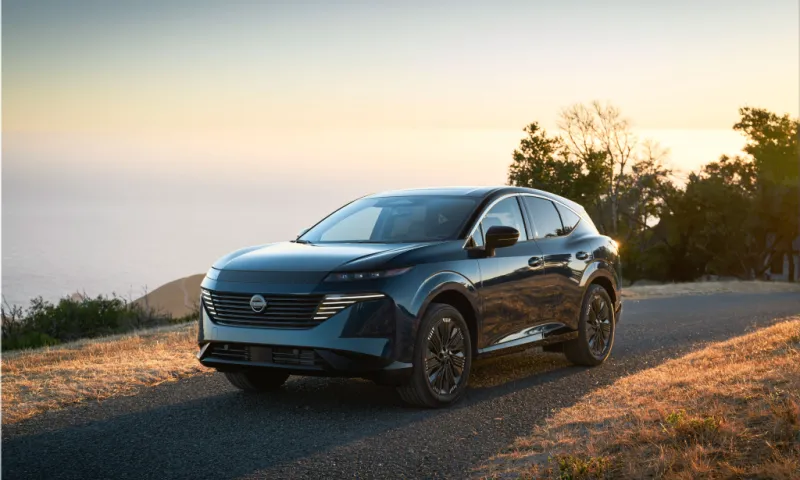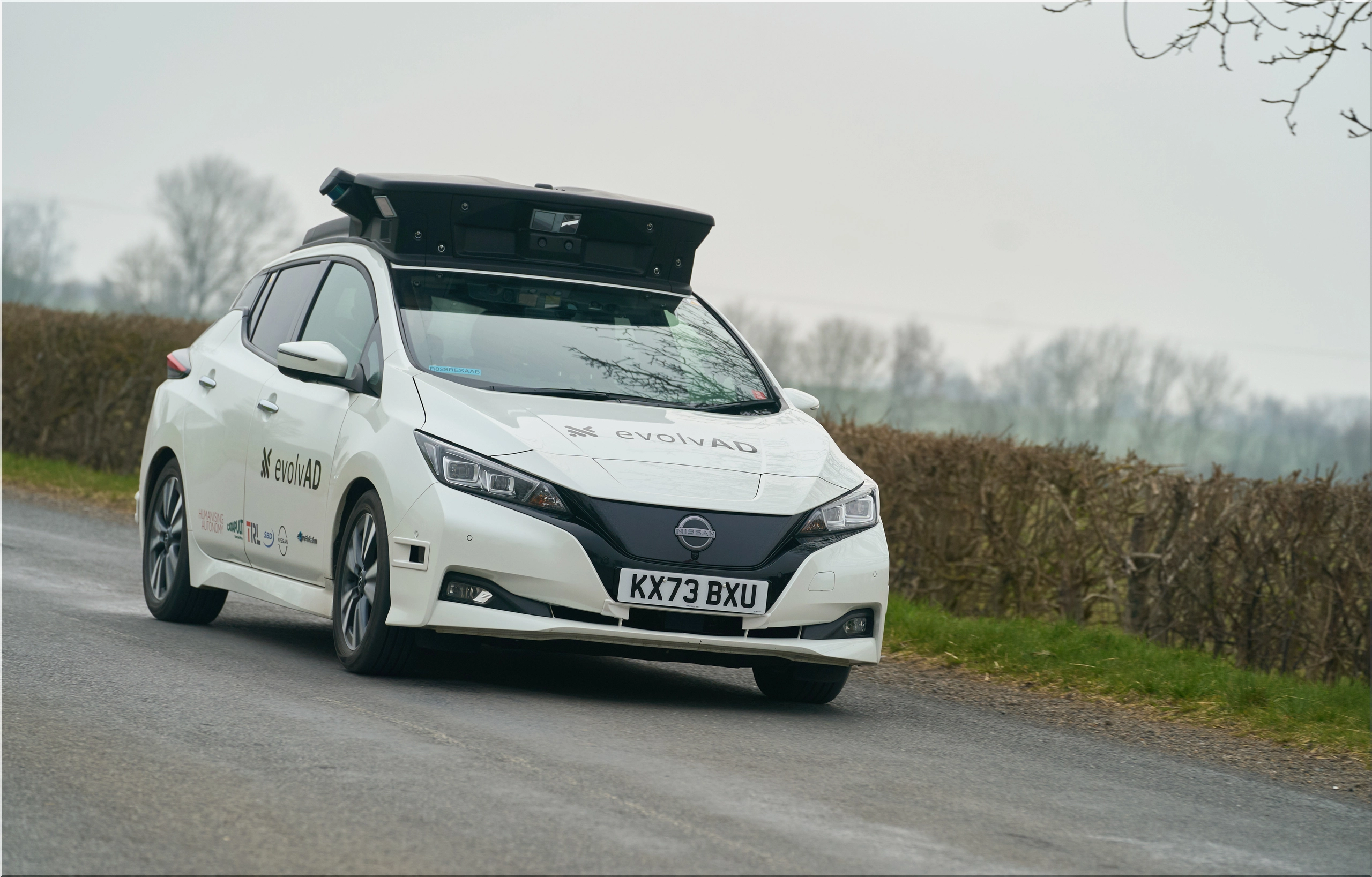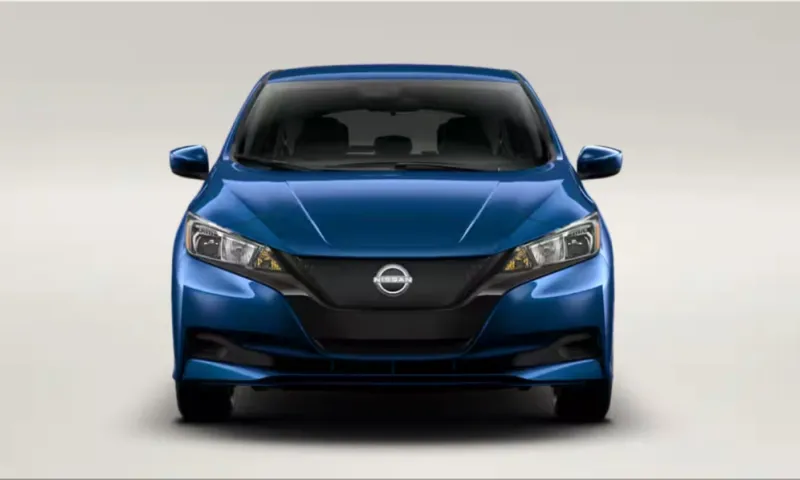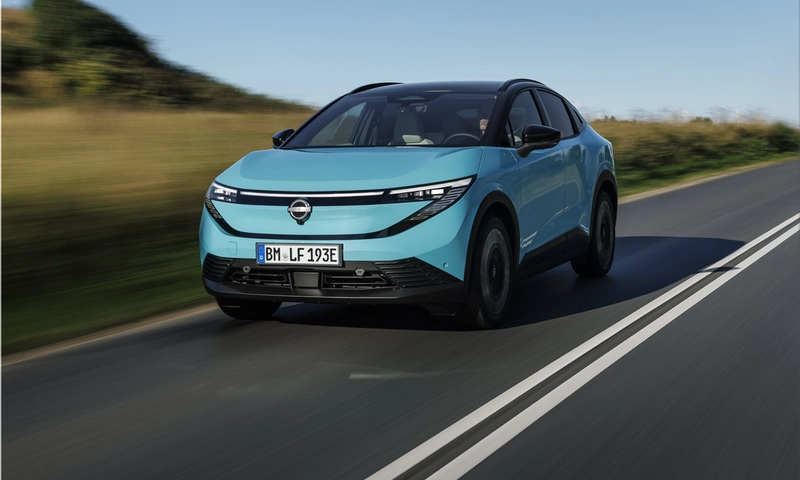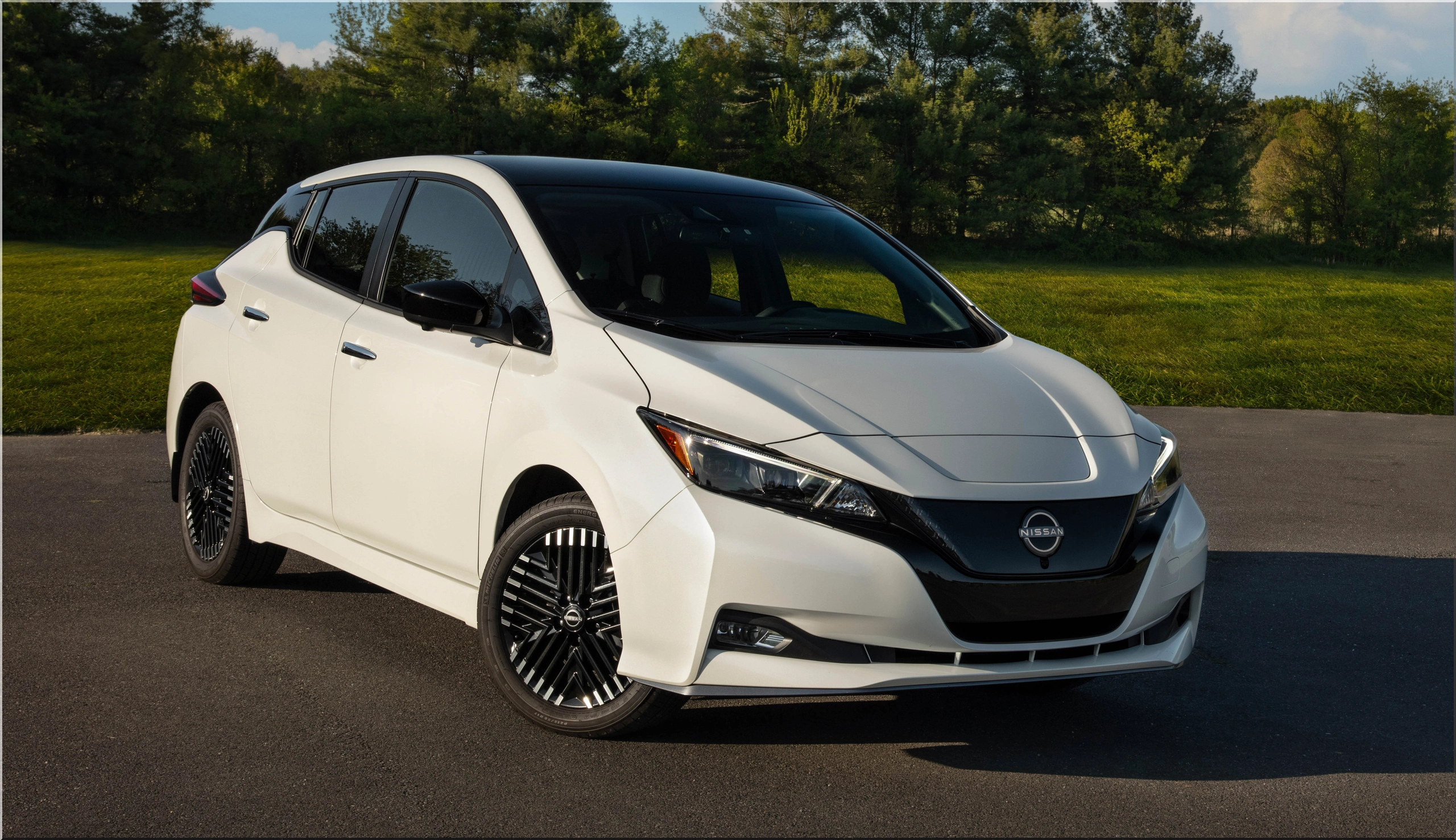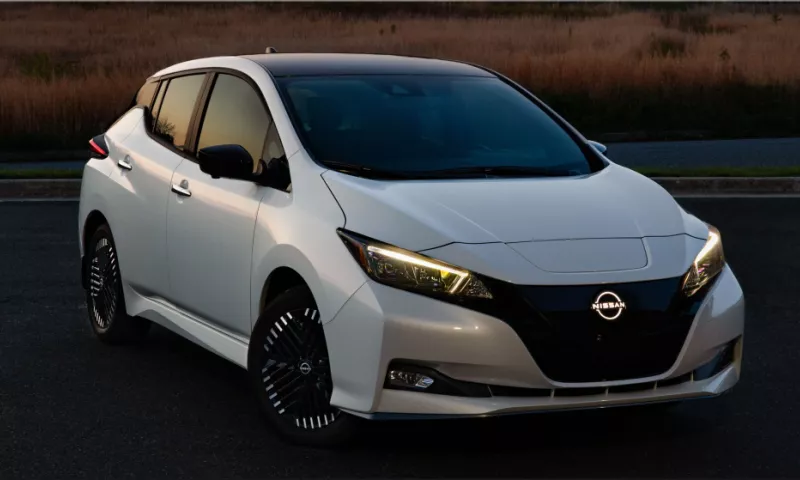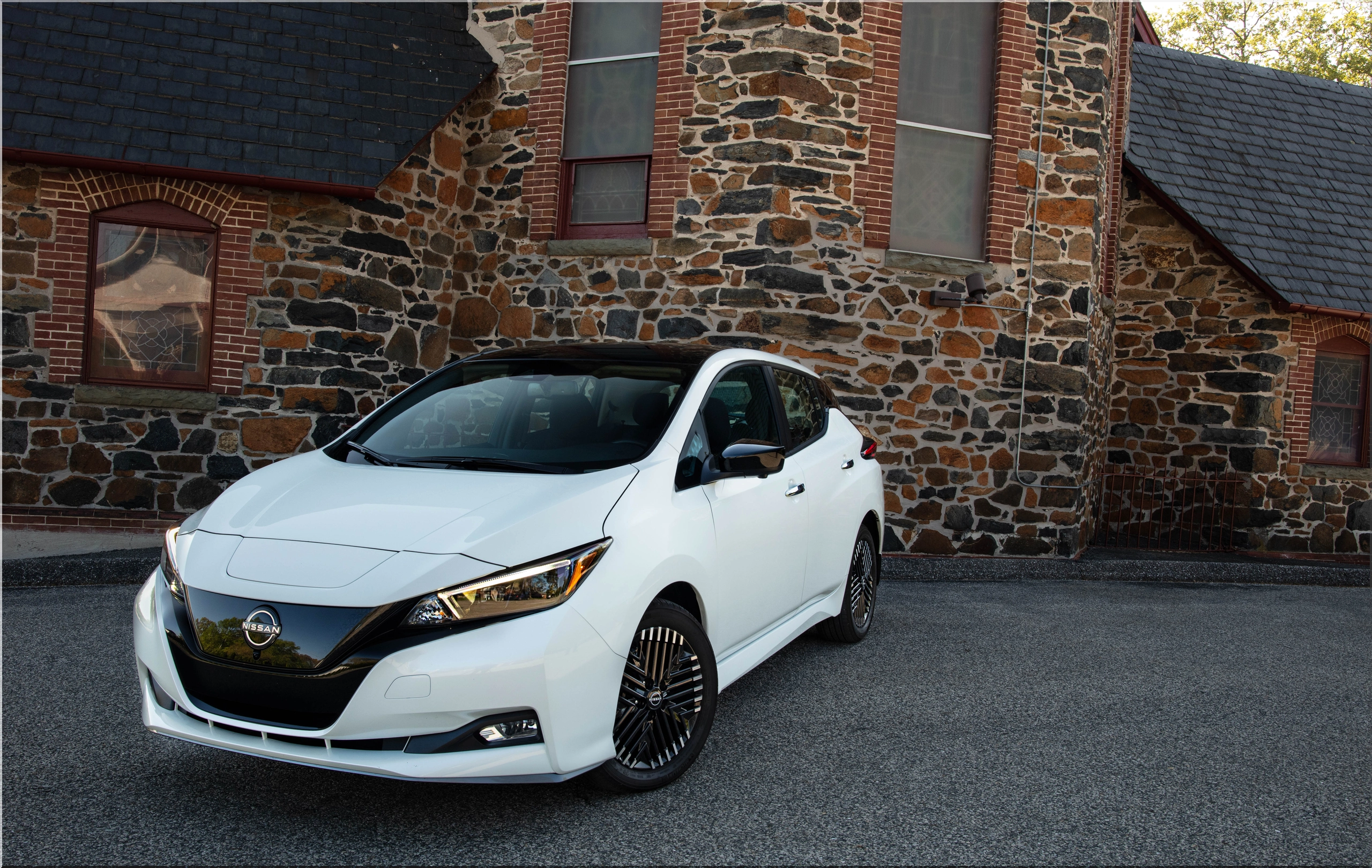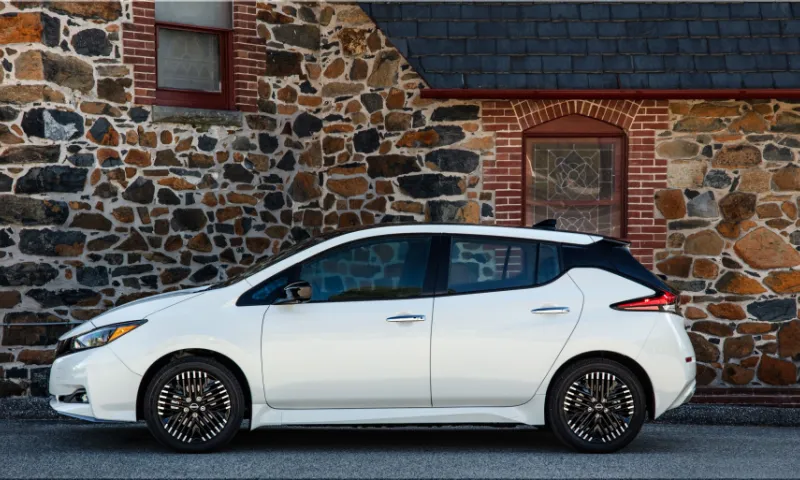
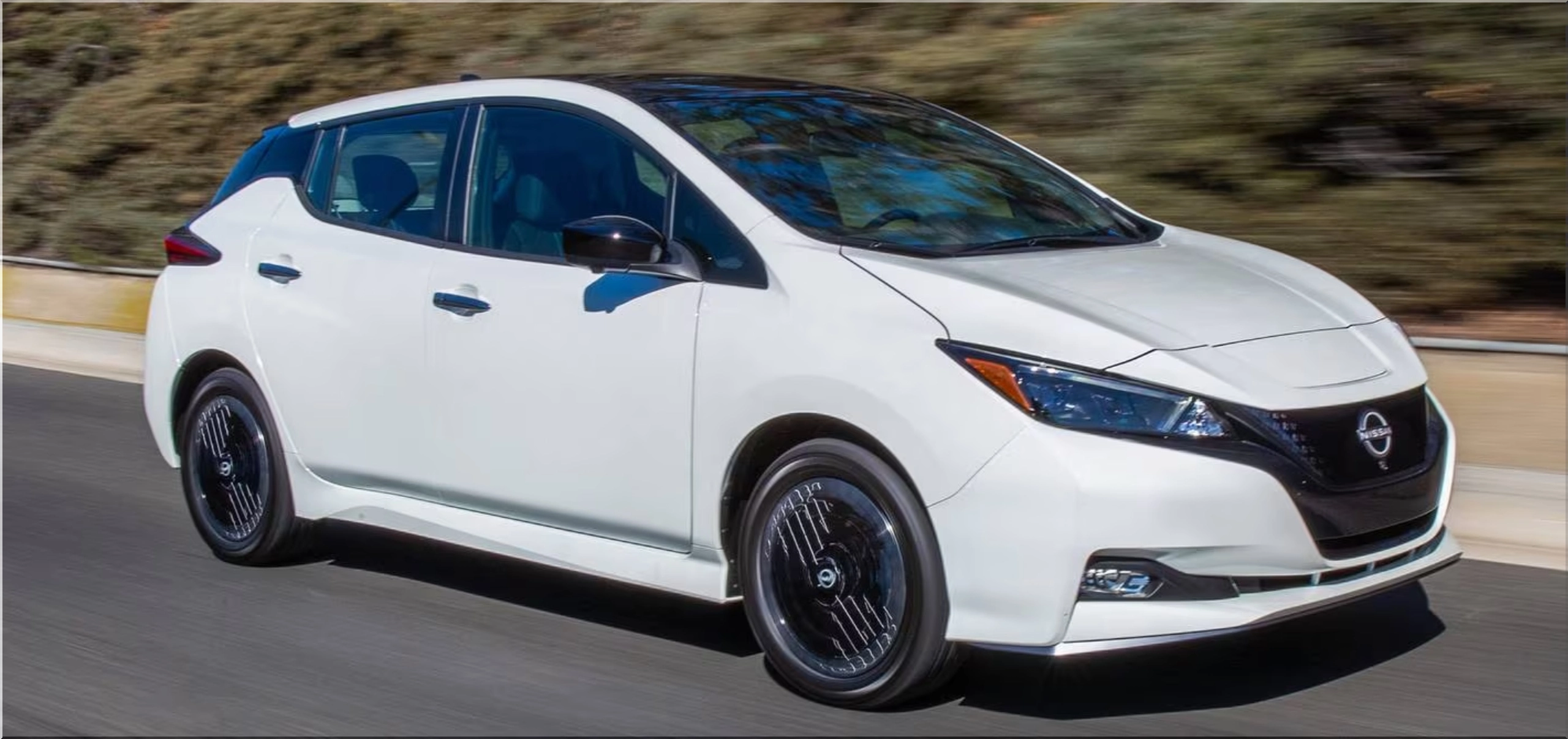
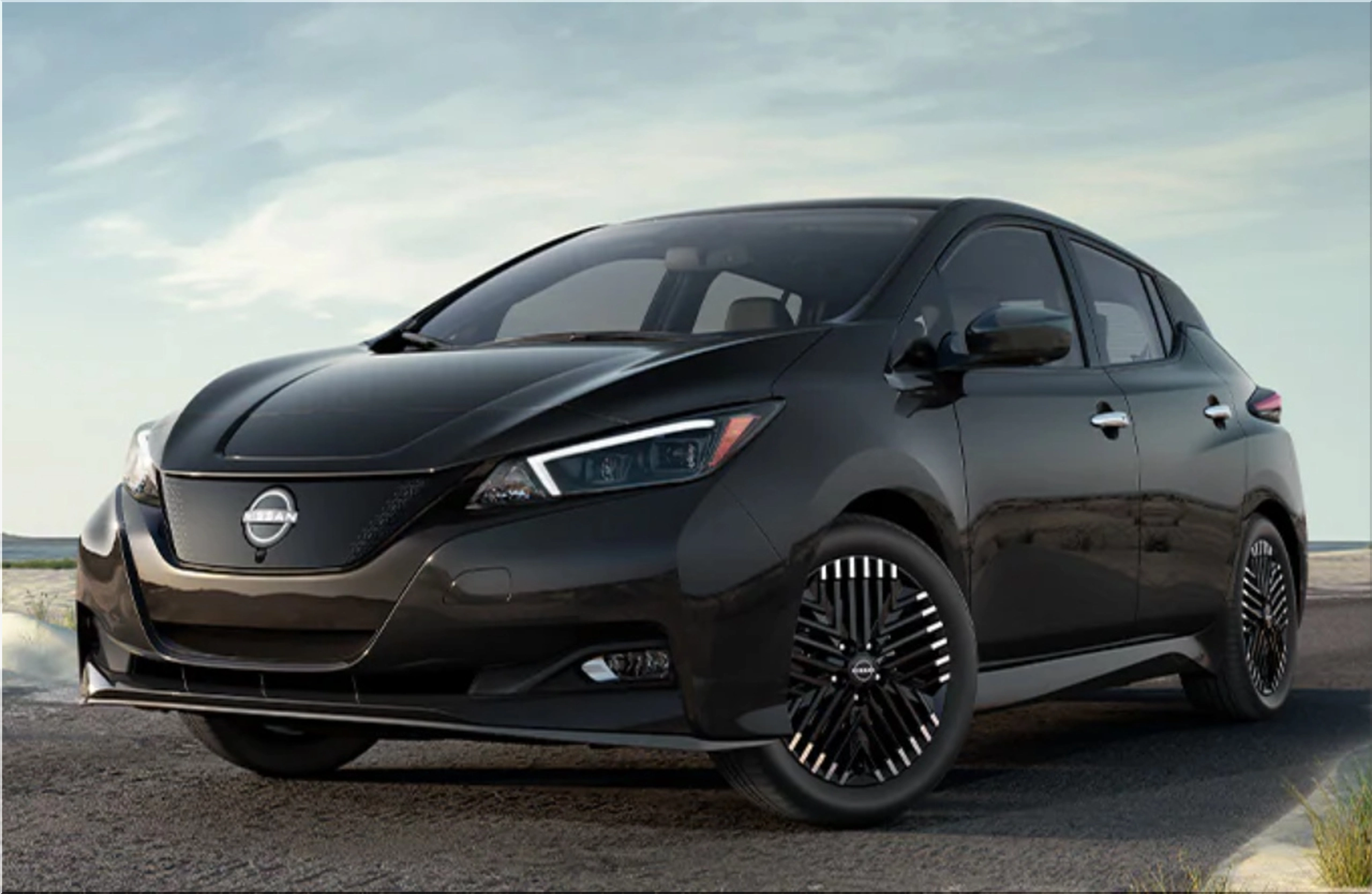
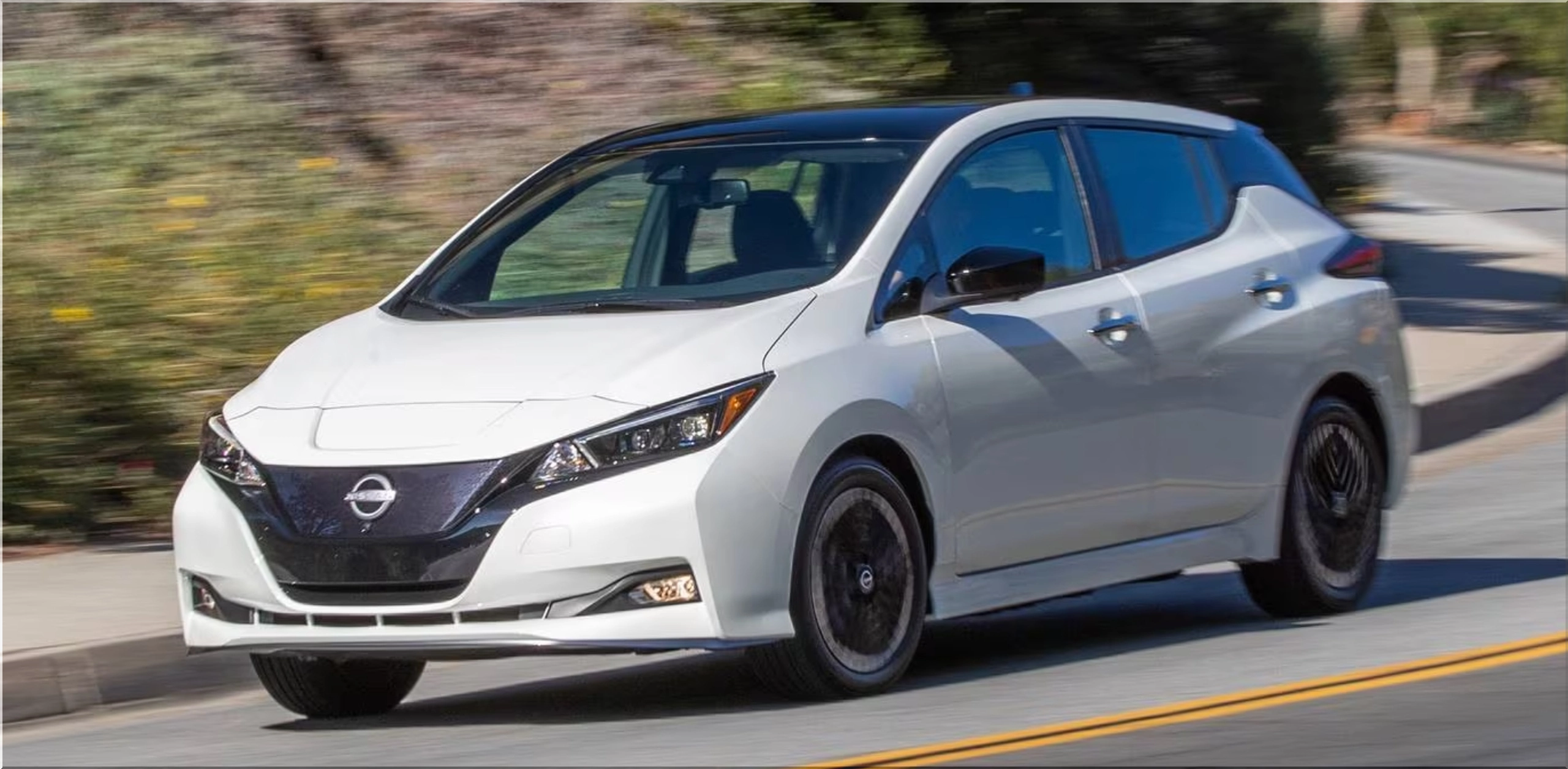
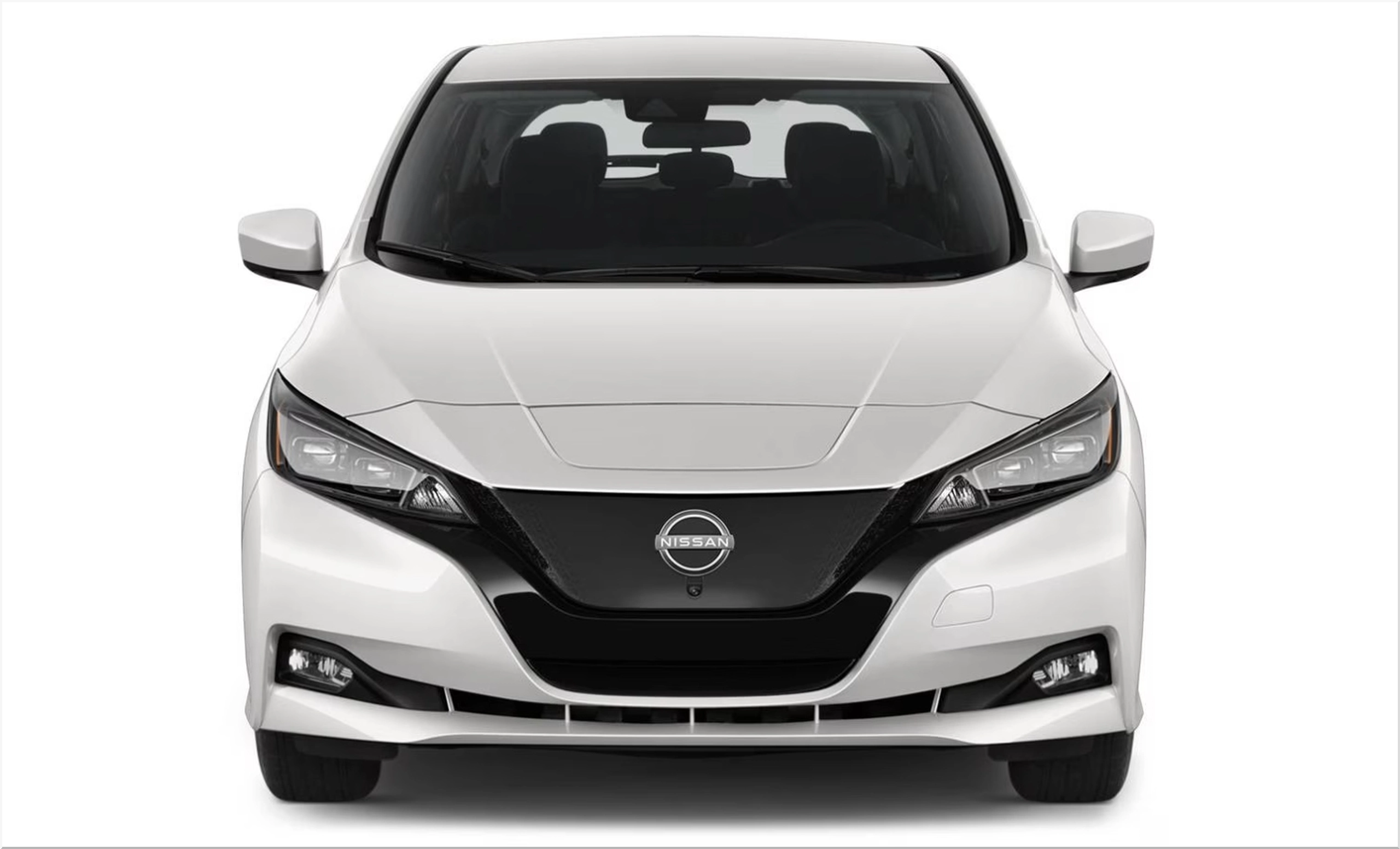
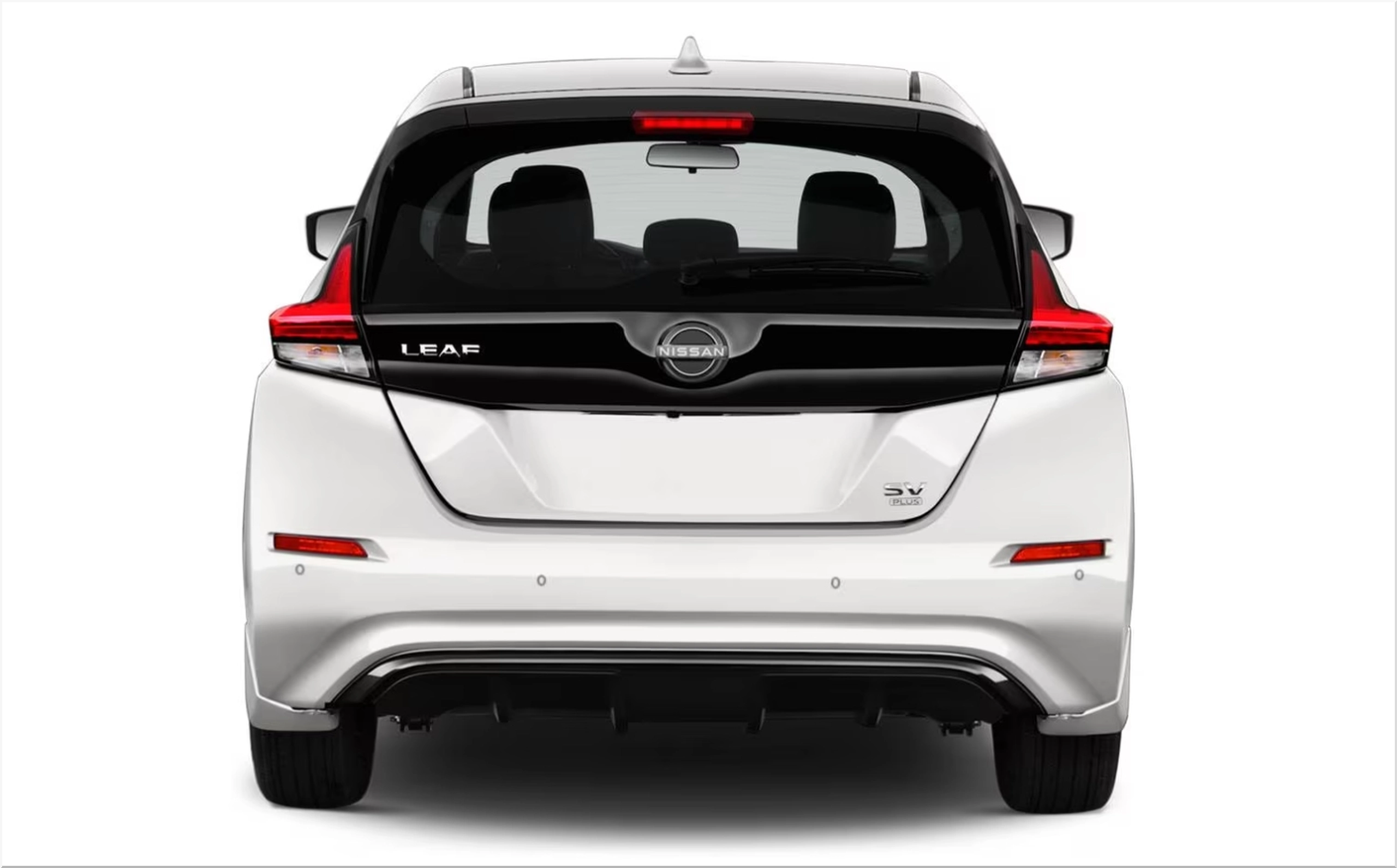
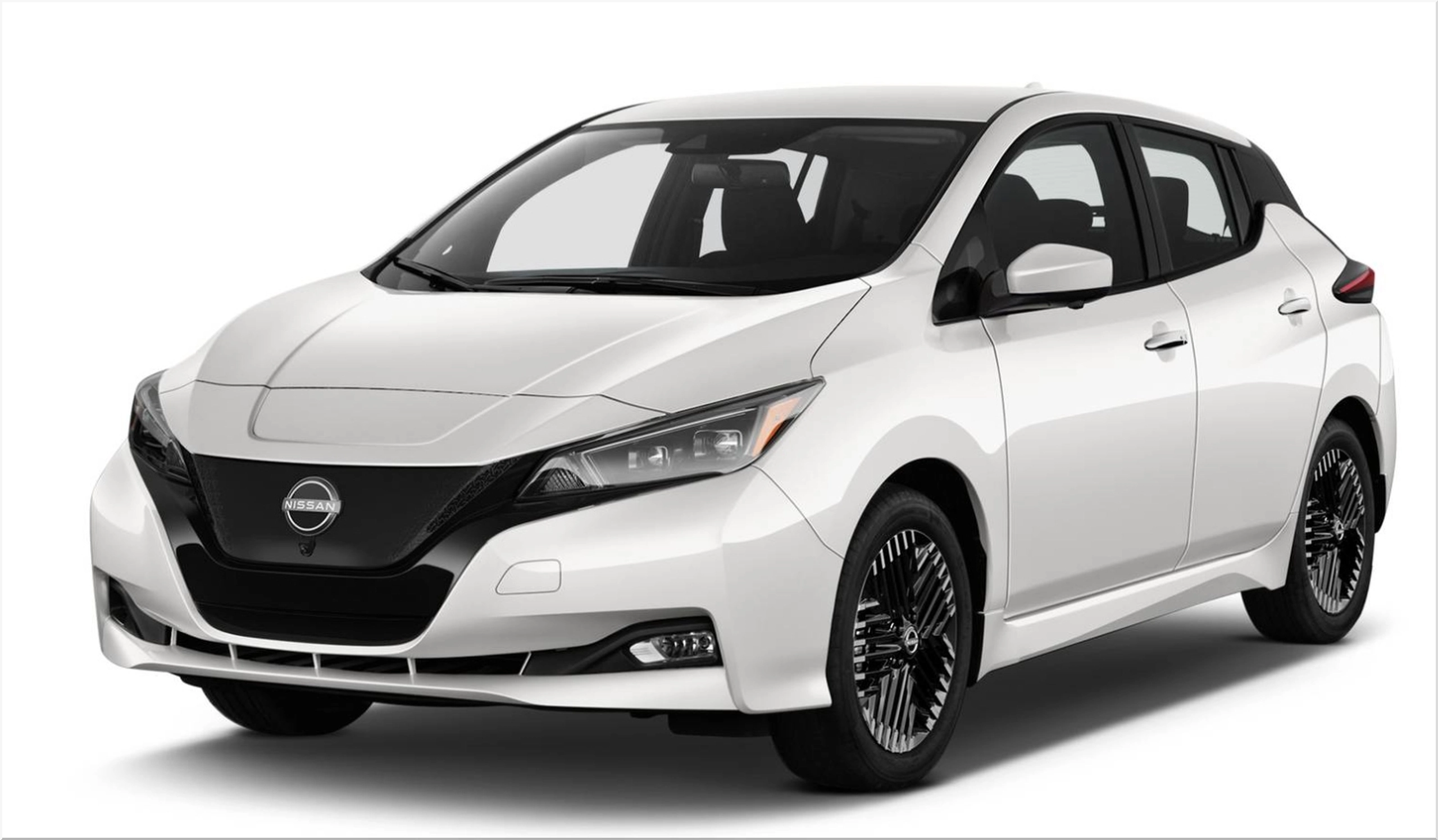
The Nissan Leaf is not a new name in the electric vehicle (EV) market.In 2024, the Leaf has gained a new advantage that makes it one of the most affordable EVs in the US: it has regained eligibility for part of the federal EV tax credit.
What is the EV tax credit and why did the Leaf lose it?
The EV tax credit is a government incentive that offers buyers of new EVs up to $7,500 in tax savings. The amount of the credit depends on the battery capacity and the manufacturer’s sales volume. Once a manufacturer sells 200,000 EVs in the US, the credit begins to phase out for its vehicles.
Nissan reached this threshold in 2018, and the Leaf’s tax credit was reduced to $3,750 in 2019 and then to zero in 2020. This made the Leaf less competitive with other EVs that still had the full or partial credit, such as the Tesla Model 3, the Chevrolet Bolt, and the Hyundai Kona Electric.
How did the Leaf regain the tax credit in 2024?
In 2022, Congress passed the Inflation Reduction Act, which modified the EV tax credit to encourage more domestic production and sourcing of EV components. The act added two new requirements for EVs to qualify for the credit:
- The EV must have at least 50% of its parts made in the US, including at least 25% of its battery components.
- The EV must not use any critical minerals that are imported from countries that are subject to sanctions or pose a national security risk, such as China, Russia, and Iran.
The act also increased the credit amount to $10,000 for EVs that meet both requirements and reduced it to $5,000 for EVs that meet only one requirement. EVs that do not meet any requirements are not eligible for the credit.
The Nissan Leaf, which is built in Tennessee, met the first requirement but not the second one because it used some critical minerals from China in its battery. This made it ineligible for the credit in 2023 when the act took effect.
However, in 2024, Nissan announced that it had changed its battery supplier and certified that the Leaf met the “battery component” requirement of the act. This made it eligible for a $3,750 tax credit, which is half of the $7,500 credit that applies to EVs with less than 200,000 sales.
What does this mean for the Leaf’s price and competitiveness?
With the $3,750 tax credit, the Nissan Leaf’s starting price drops from $28,140 to $24,390, making it one of the cheapest EVs in the US. For comparison, the Tesla Model 3 starts at $39,990, the Chevrolet Bolt at $31,995, and the Hyundai Kona Electric at $37,390. All of these models have no tax credit available, as their manufacturers have exceeded the 200,000 sales limit.
The Leaf’s price advantage is even more pronounced when combined with other state and local incentives that are available in some regions. For example, in California, the Leaf can qualify for a $2,000 rebate from the Clean Vehicle Rebate Project, a $1,500 rebate from the Clean Fuel Reward Program, and a $1,000 rebate from the San Joaquin Valley Air Pollution Control District. This can bring the Leaf’s price down to $19,890, which is less than half of the price of some of its rivals.
Of course, price is not the only factor for EV buyers. The 2024 Nissan Leaf must also compete with other aspects of performance, range, features, and design. The Leaf offers two battery options: a 40 kWh pack that delivers 150 miles of range and a 62 kWh pack that delivers 226 miles of range. The latter option costs an extra $6,600, which reduces the Leaf’s price advantage.
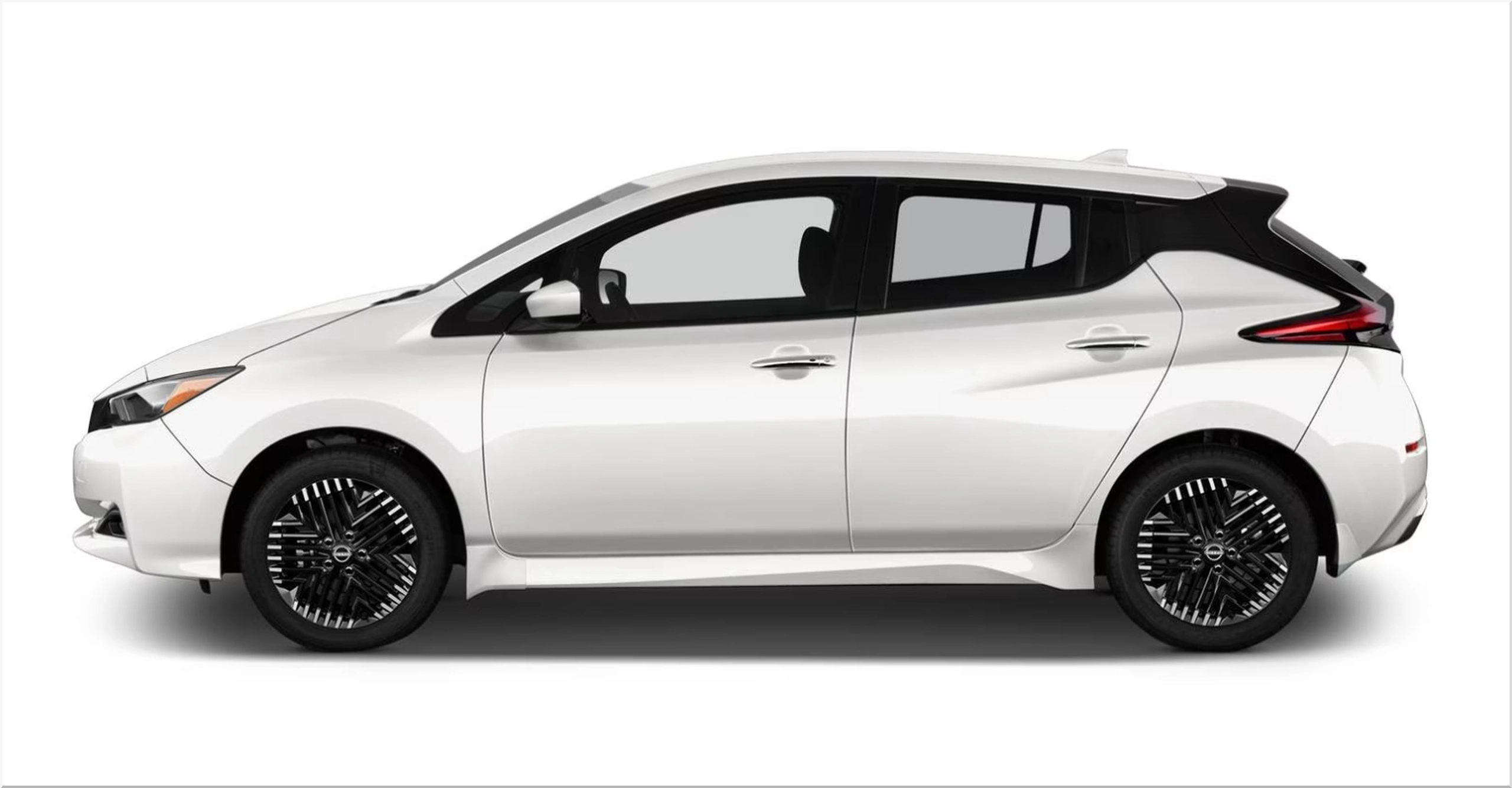
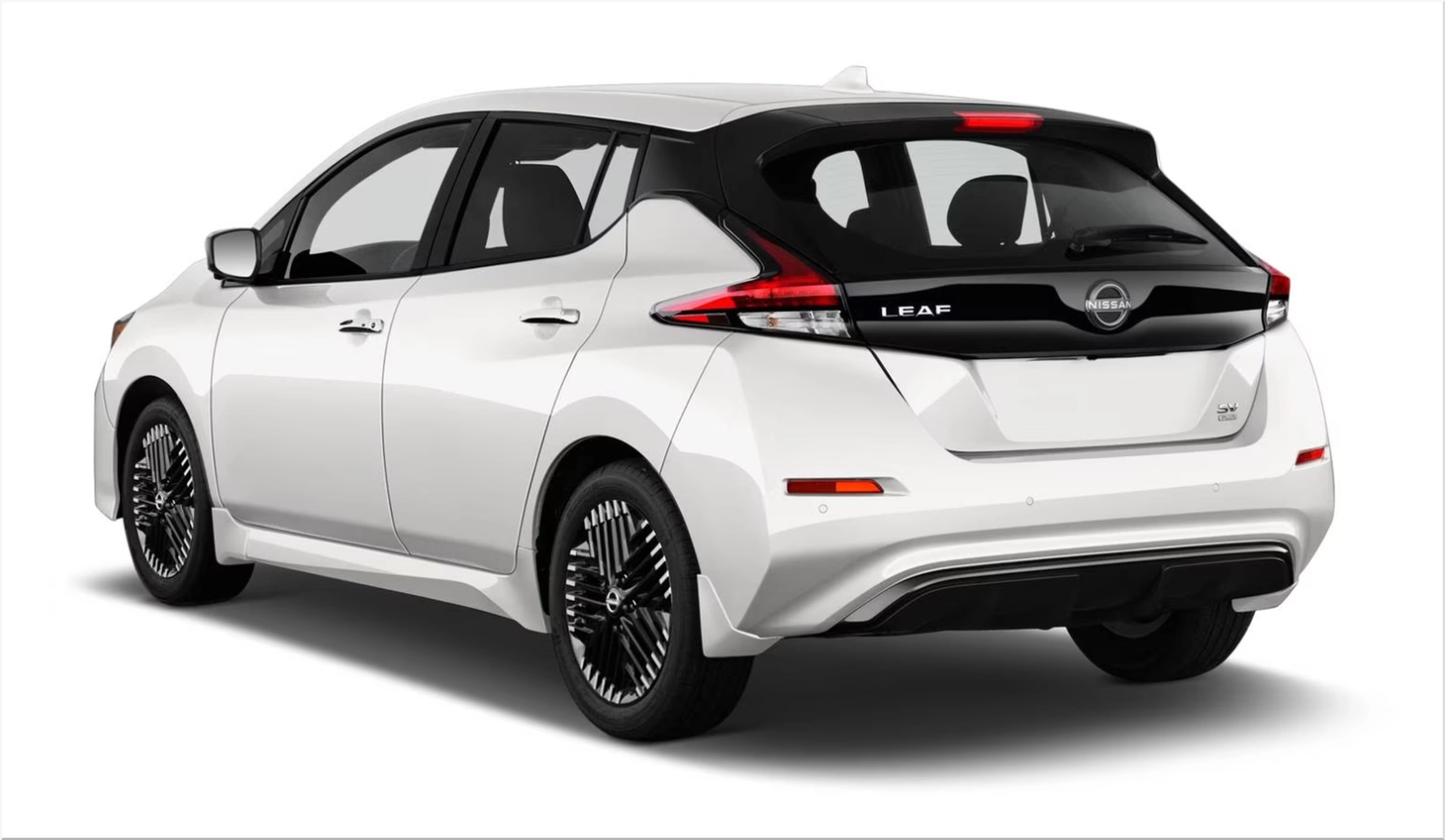
The 2024 Nissan Leaf also faces some criticism for its lack of a thermal management system for its battery, which can affect its longevity and efficiency in extreme temperatures. Moreover, the Leaf’s design has not changed much since its debut, which may make it look outdated compared to newer and sleeker EVs.




How does the Leaf compare with other EVs in its segment?
To help you decide if the Leaf is the right EV for you, here is a comparison table that shows some of the key specifications and features of the Leaf and four of its closest competitors: the Tesla Model 3, the Chevrolet Bolt, the Hyundai Kona Electric, and the Kia Niro EV.
| Model | Starting Price | Tax Credit | Final Price | Range | Battery | Power | Charging | Features |
|---|---|---|---|---|---|---|---|---|
| Nissan Leaf | $28,140 | $3,750 | $24,390 | 150 miles | 40 kWh | 147 hp | 50 kW | ProPILOT Assist, e-Pedal, Apple CarPlay, Android Auto |
| Tesla Model 3 | $39,990 | $0 | $39,990 | 263 miles | 54 kWh | 201 hp | 250 kW | Autopilot, Full Self-Driving, Sentry Mode, Netflix, Spotify |
| Chevrolet Bolt | $31,995 | $0 | $31,995 | 259 miles | 66 kWh | 200 hp | 55 kW | Super Cruise, Regen on Demand, Wireless Charging, HD Surround Vision |
| Hyundai Kona Electric | $37,390 | $0 | $37,390 | 258 miles | 64 kWh | 201 hp | 100 kW | Smart Cruise Control, Lane Keeping Assist, Heads-Up Display, Wireless Charging |
| Kia Niro EV | $39,090 | $0 | $39,090 | 239 miles | 64 kWh | 201 hp | 100 kW | Smart Cruise Control, Lane Following Assist, UVO Link, Harman Kardon Sound System |
As you can see, the Leaf has the lowest final price and range among the five models. It also has the lowest power and the slowest charging speed. However, it does offer some unique features, such as the ProPILOT Assist, which is a semi-autonomous driving system that can steer, accelerate, and brake for you on highways, and the e-Pedal, which is a one-pedal driving mode that allows you to control the speed and braking of the car with the accelerator pedal.
The Leaf also has a loyal fan base and a proven track record of reliability and customer satisfaction. It has won several awards and accolades, including the 2010 Green Car of the Year, the 2011 World Car of the Year, and the 2019 Kelley Blue Book 5-Year Cost to Own Award for electric vehicles.

Is the Leaf worth buying in 2024?
The answer to this question depends on your personal preferences, needs, and budget. The Leaf is not the best EV in terms of range, performance, or design, but it is one of the most affordable electric cars in the market, thanks to the tax credit and other incentives. It also has some distinctive features and a solid reputation that makes it stand out.
If you are looking for a low-cost, practical, and reliable EV that can meet your daily driving needs, the Leaf may be a good choice for you. But if you are looking for a more advanced, longer-range, or stylish EV that can offer more excitement and innovation, you may want to consider other options.
The bottom line is that the Leaf is a great EV for some but not for everyone. The best way to find out if it is right for you is to do your own research, compare different models, and test-drive them yourself. You may be surprised by what you discover.
- Add new comment
- 126 views