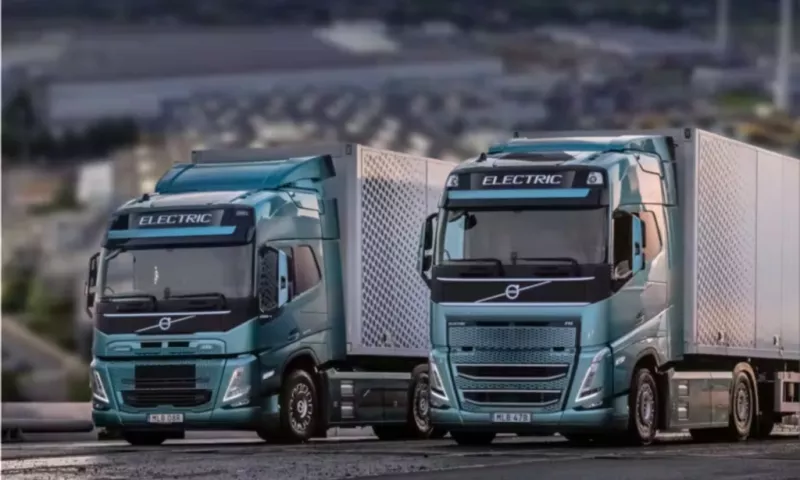
Volvo, the Swedish carmaker known for its safety and reliability, is also becoming a leader in the fast-growing premium electric car market. The company has announced a new model program that will accelerate the conversion of Danish consumers to electric vehicles. By 2030, Volvo plans only to sell fully electric cars and phase out any car with an internal combustion engine, including hybrids. This ambitious goal is driven by the increasing demand for electrified cars and the company’s commitment to reducing its carbon footprint.
Volvo’s new electric model program
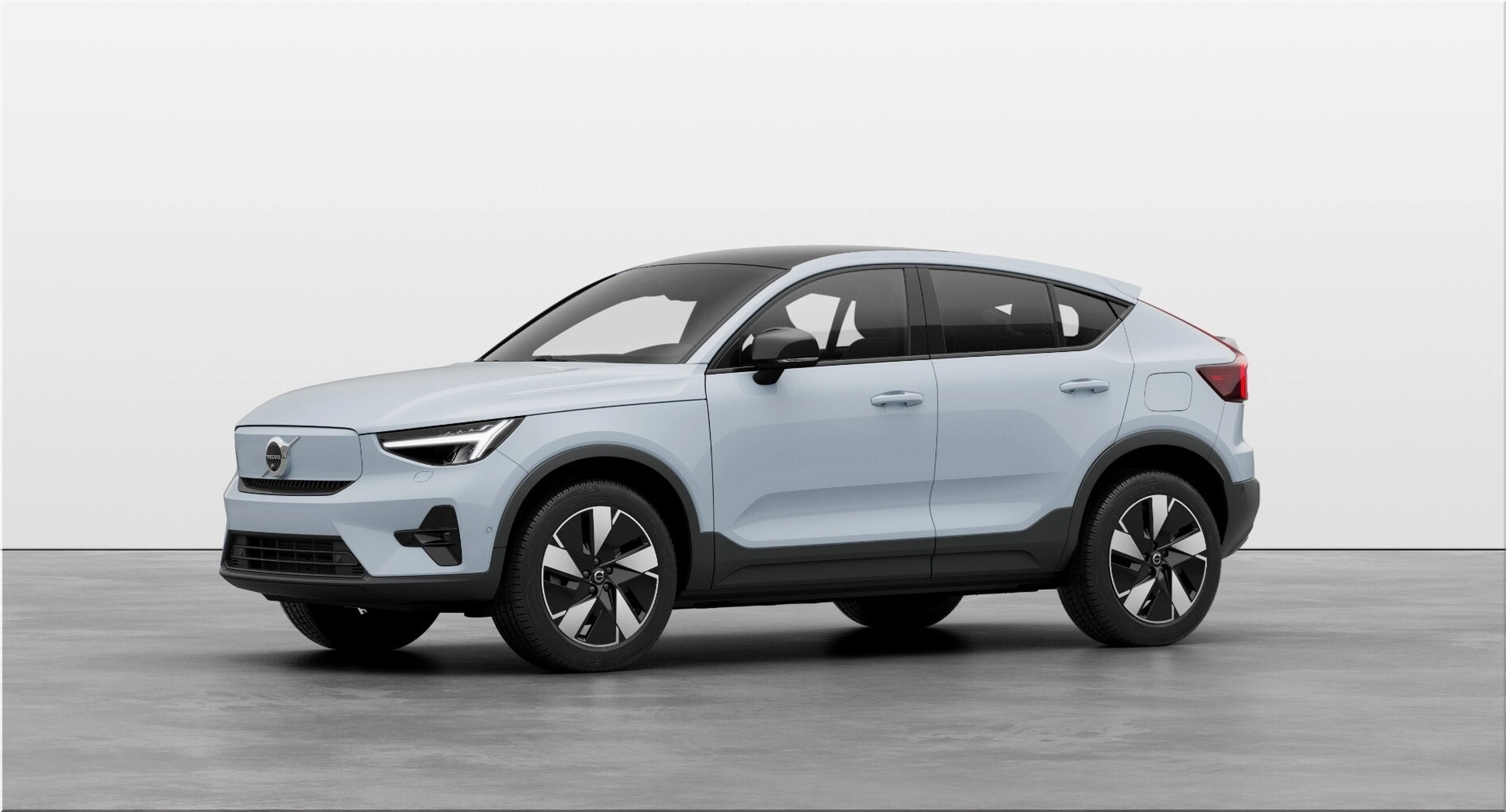
Volvo’s new electric model program consists of several new and updated models that will offer more range, performance, and design options for customers. The program includes:
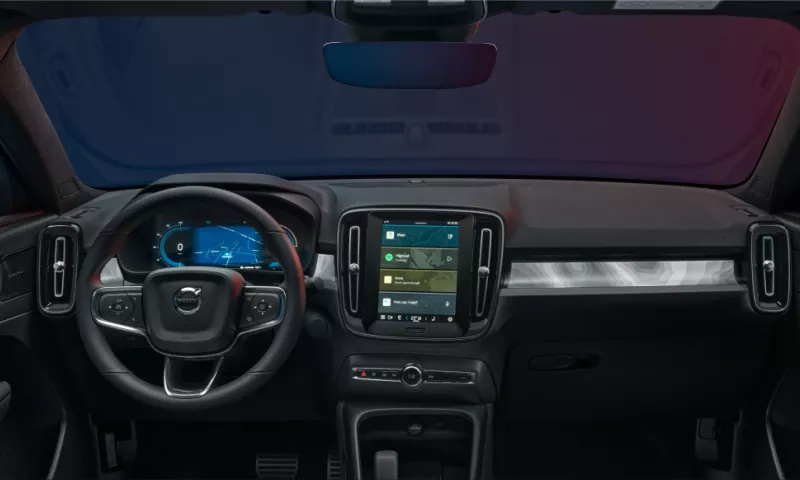
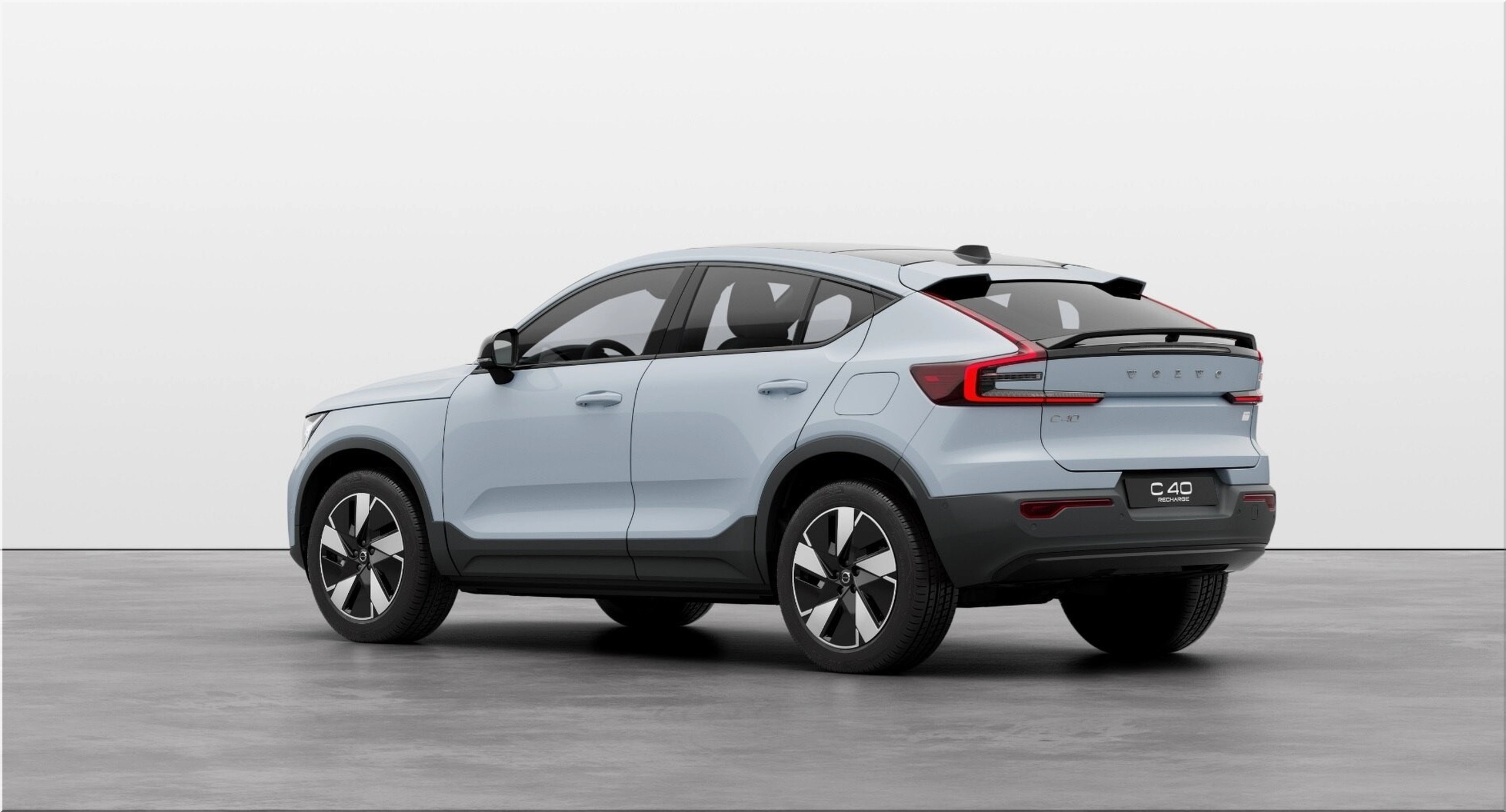
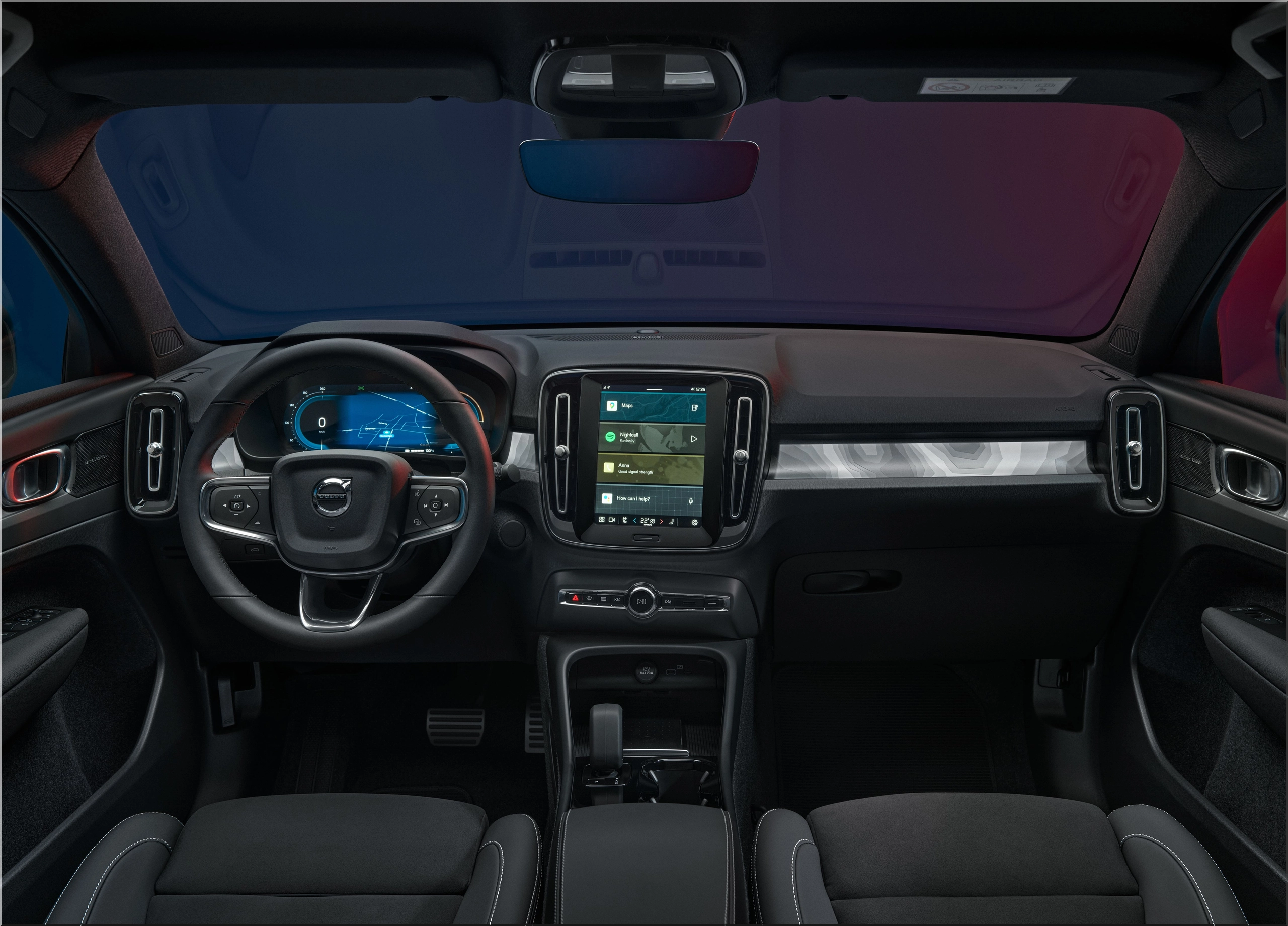
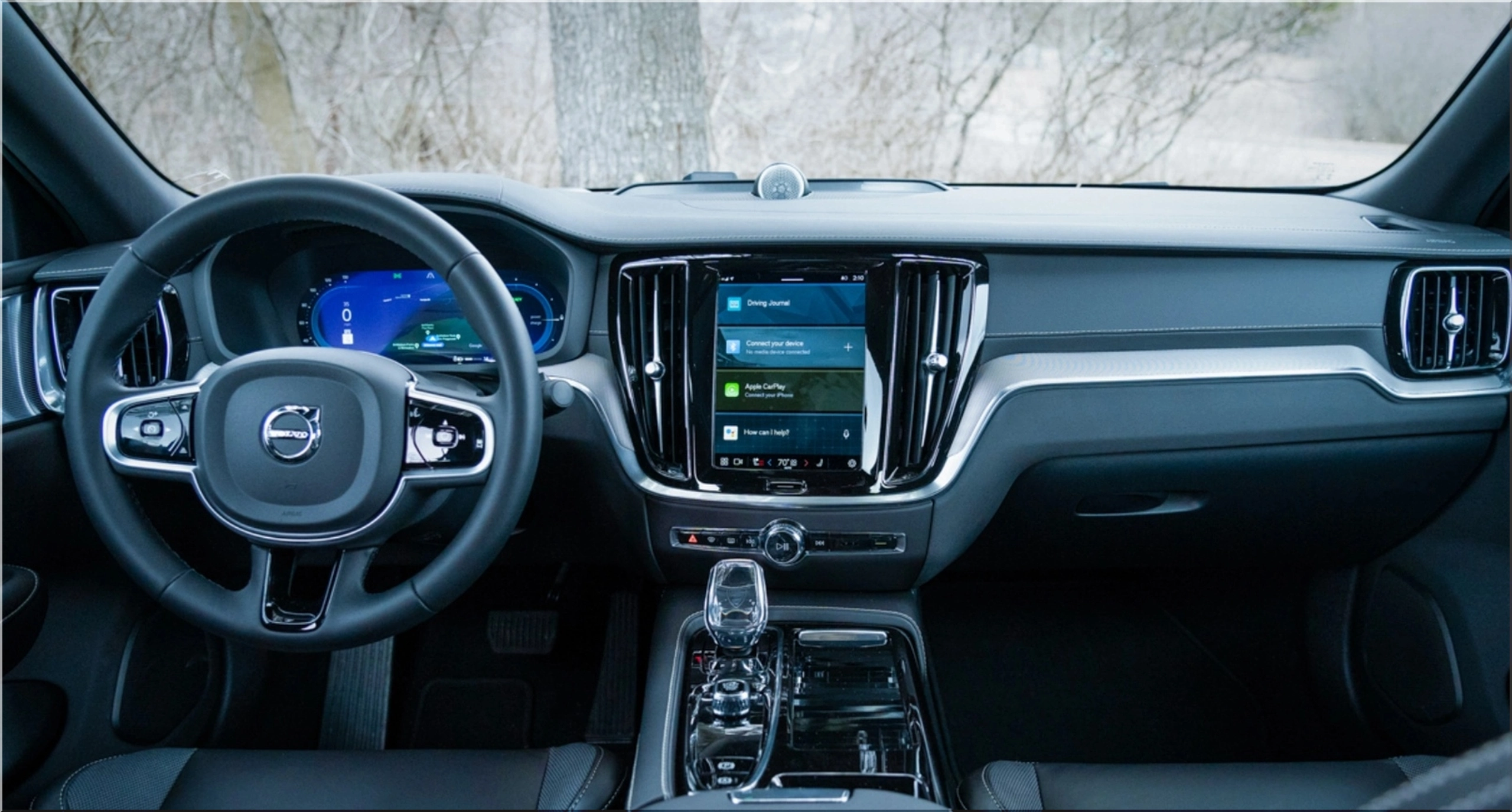
- The Volvo C40 Recharge, a fully electric coupe-style SUV that combines the high ride height of the XC40 Recharge with a sleeker and lower roofline. The Volvo C40 Recharge has a range of up to 297 miles on a single charge and can accelerate from 0 to 60 mph in 4.9 seconds. The C40 Recharge also features a new infotainment system powered by Google, which offers seamless integration with Google services such as Maps, Assistant, and Play Store.
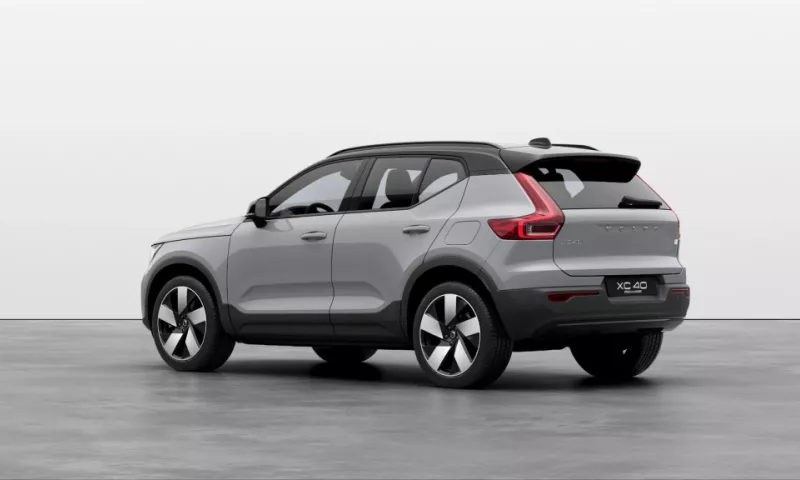
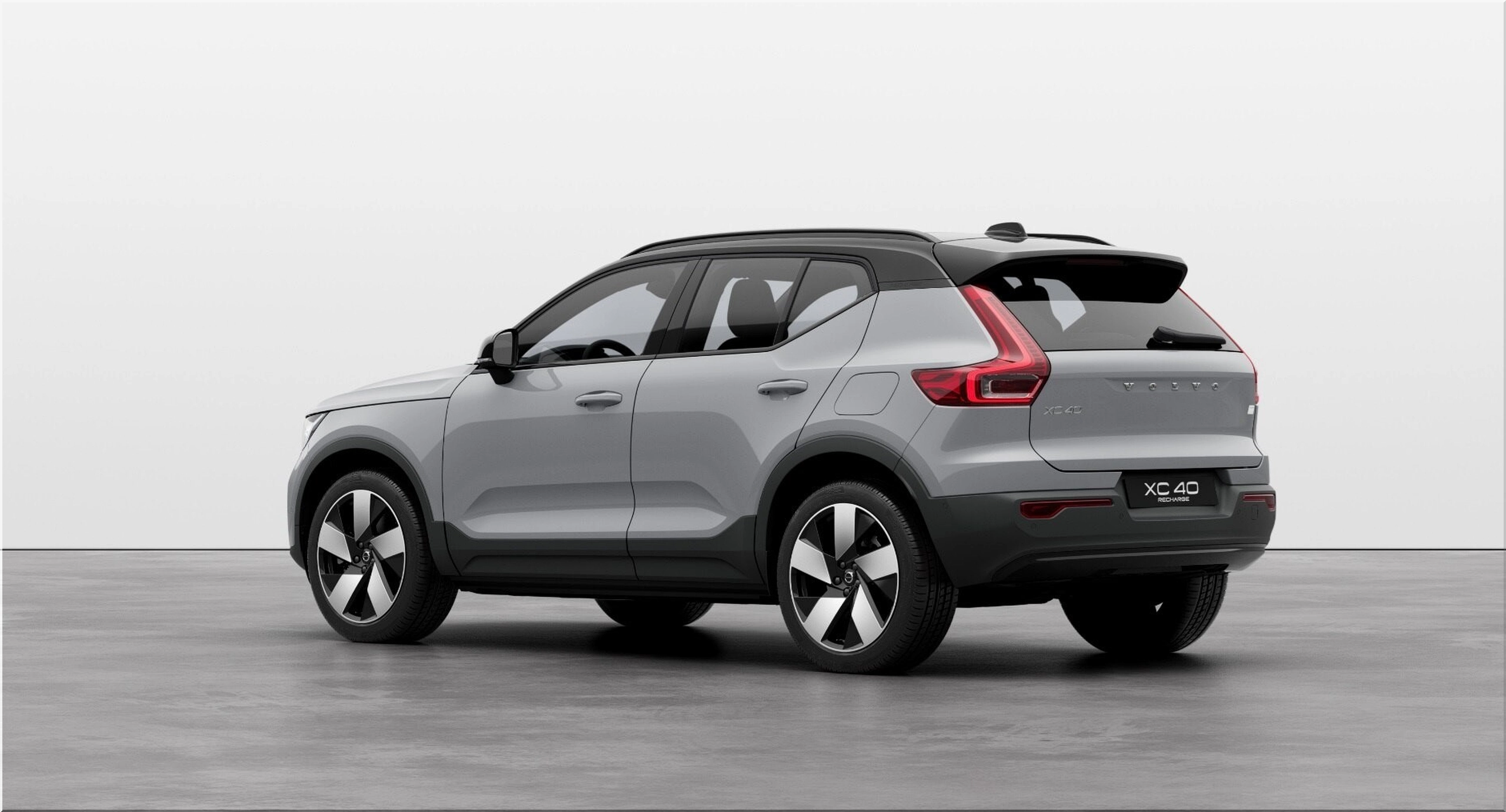
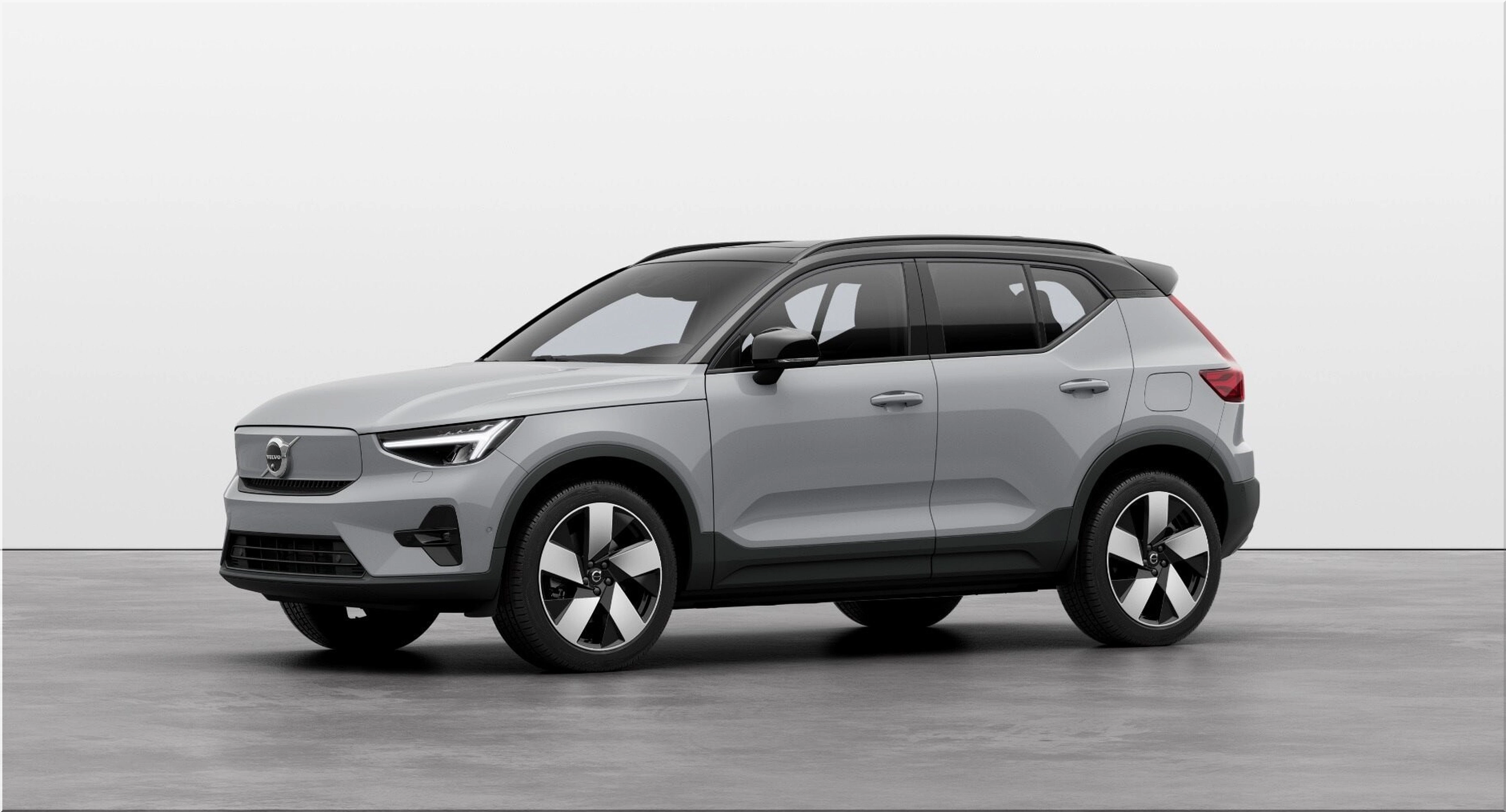
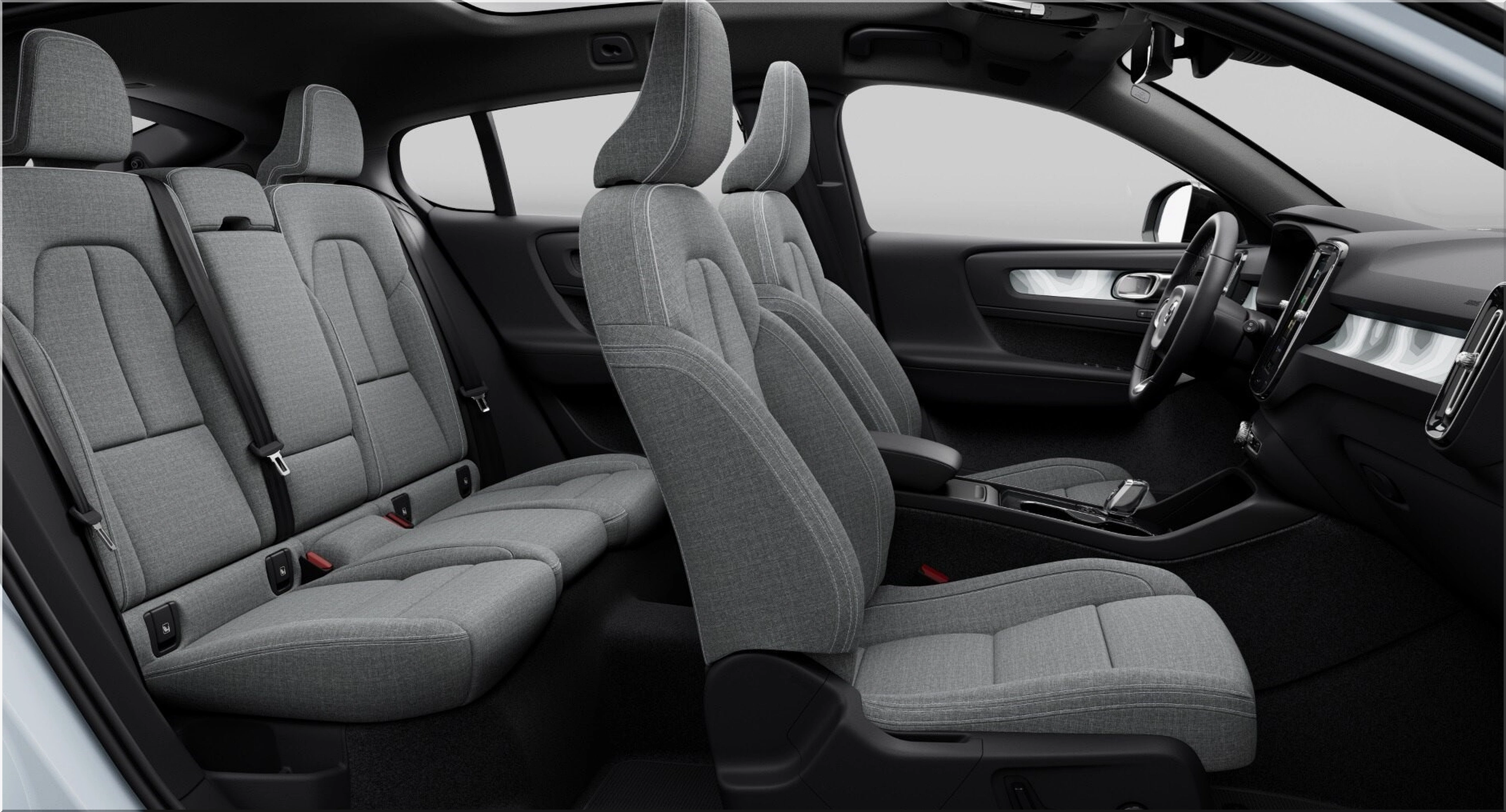
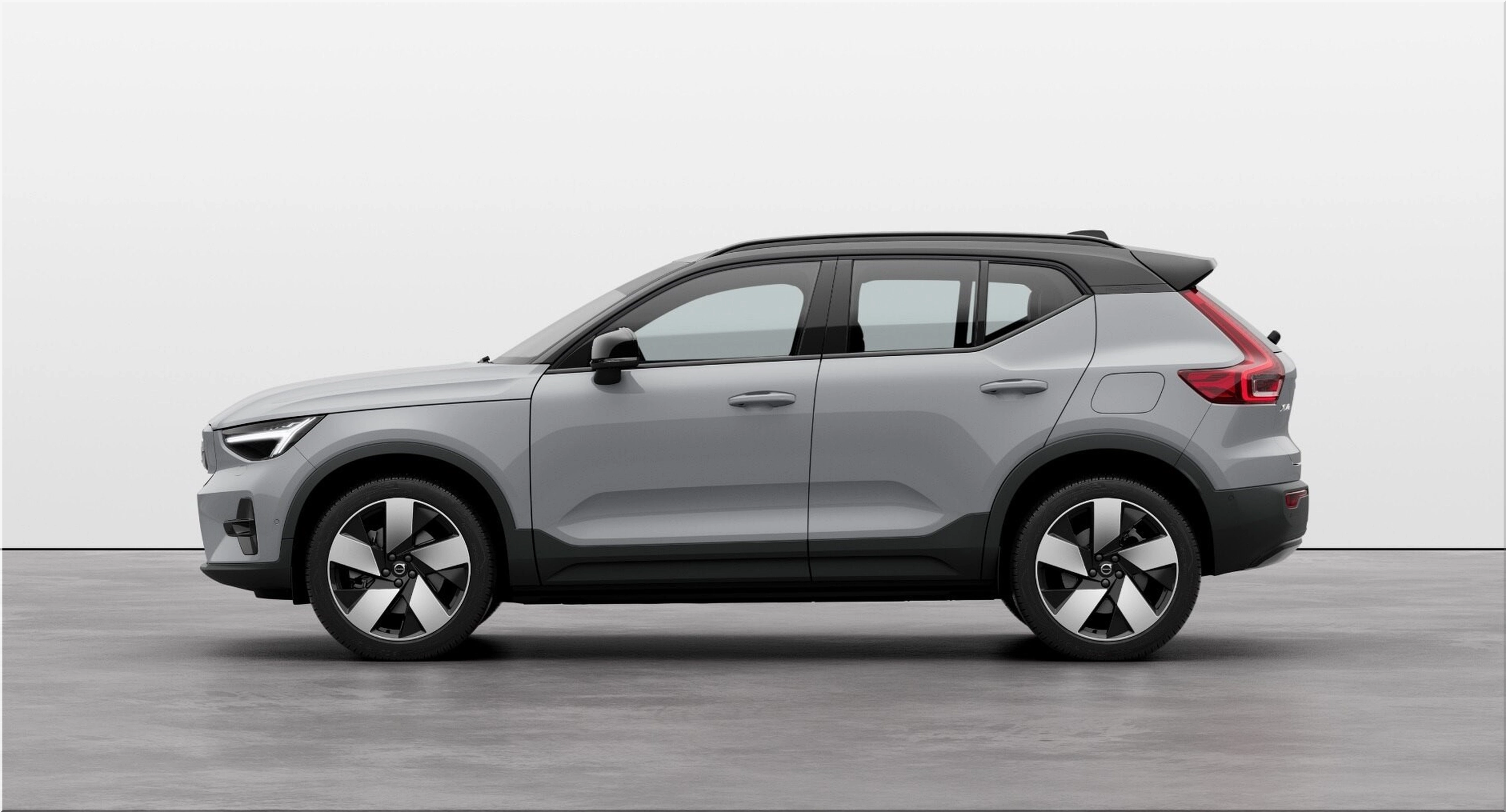
- The Volvo XC40 Recharge, a fully electric compact SUV that offers a spacious and versatile interior, a high level of safety, and a range of up to 293 miles on a single charge. The XC40 Recharge can also accelerate from 0 to 60 mph in 4.7 seconds and has a towing capacity of up to 2,000 lbs. The XC40 Recharge is available in two new powertrain variants: a single-motor rear-wheel drive option that provides improved range and efficiency and a twin-motor all-wheel drive option that delivers more power and traction.
- The Volvo XC90 Recharge, a fully electric luxury SUV that will debut in 2024 as the flagship model of Volvo’s electric lineup. The XC90 Recharge will offer a spacious and luxurious interior, a high level of safety and technology, and a range of over 300 miles on a single charge. The XC90 Recharge will also feature a new generation of Volvo’s Scalable Product Architecture (SPA), which is designed to optimize the performance, efficiency, and flexibility of electric vehicles.
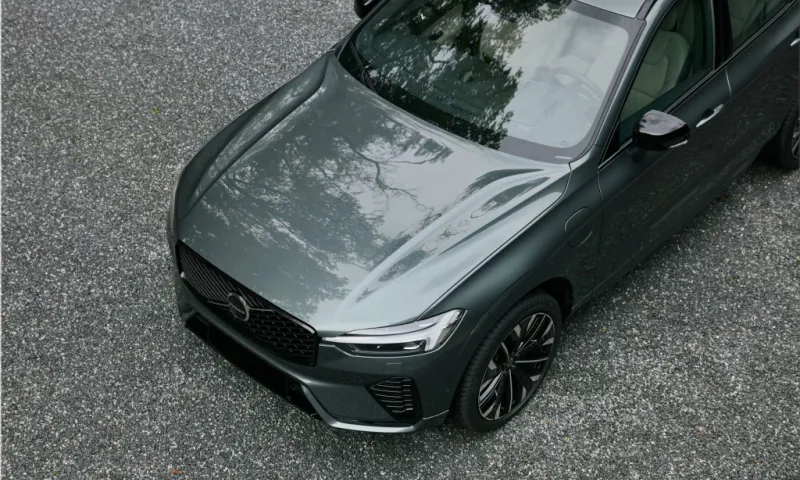
- The Volvo XC60 Recharge, a fully electric midsize SUV that will launch in 2024 as a successor to the popular plug-in hybrid version. The XC60 Recharge will offer a dynamic and refined driving experience, a comfortable and elegant interior, and a range of over 250 miles on a single charge. The XC60 Recharge will also share the same platform and technology as the XC90 Recharge, making it a versatile and attractive option for customers.
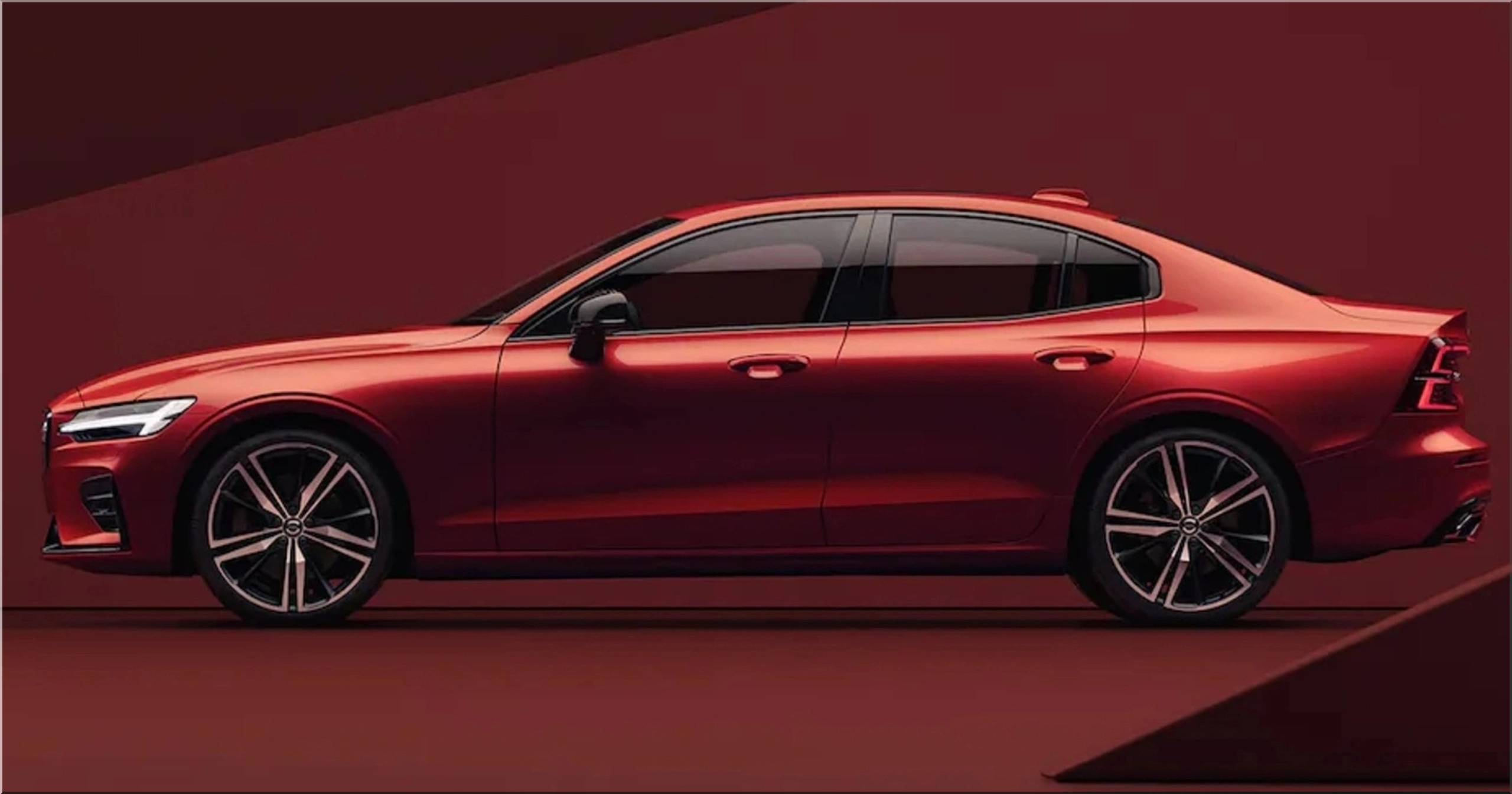
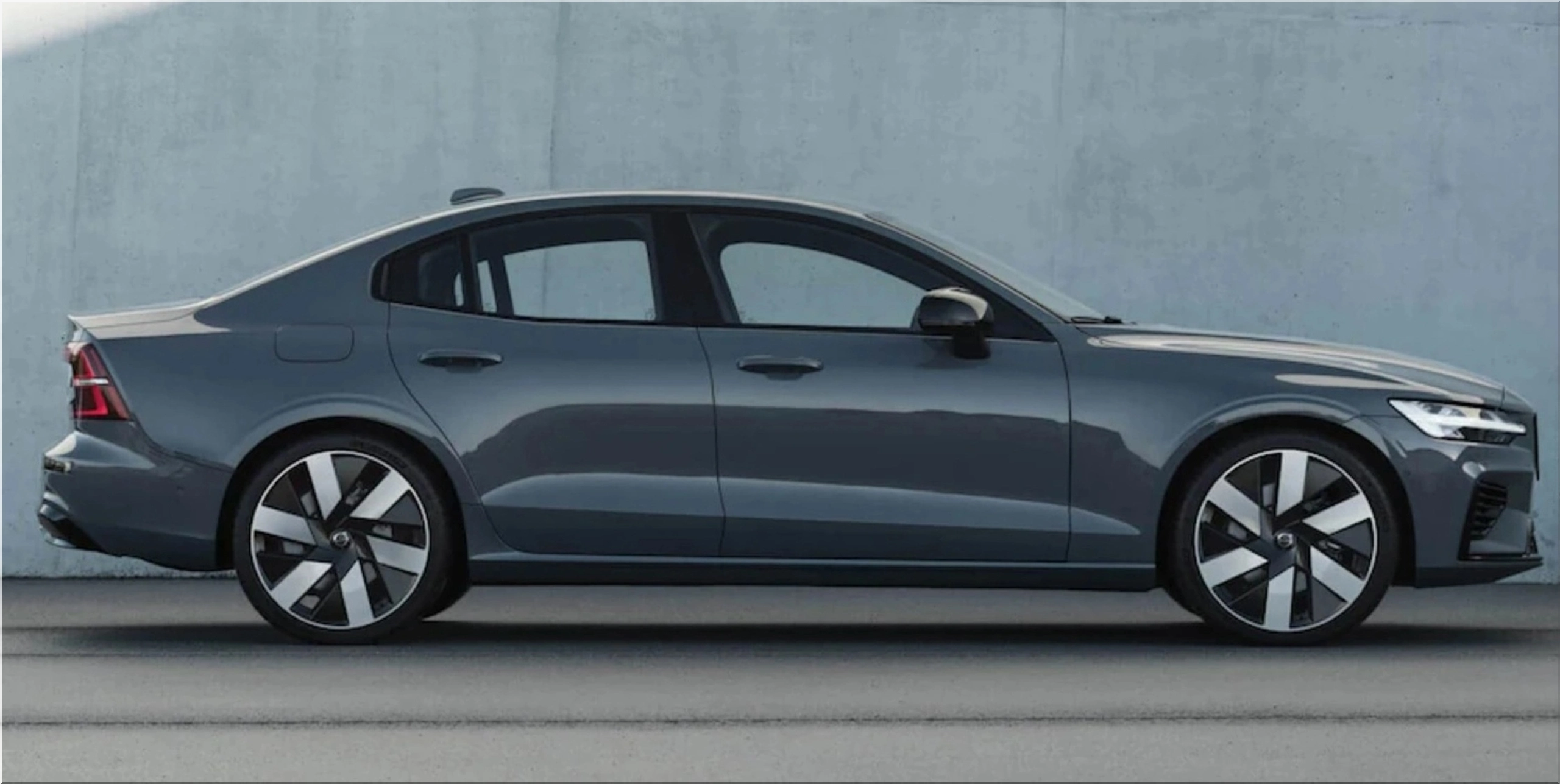
- The Volvo S60 Recharge and Volvo S90 Recharge, fully electric sedans that will offer a sporty and sophisticated alternative to the SUVs. The S60 Recharge and S90 Recharge will offer a range of over 200 miles on a single charge and a performance that matches or exceeds their gasoline counterparts. The S60 Recharge and S90 Recharge will also feature a sleek and aerodynamic design, a spacious and premium interior, and a high level of safety and technology.
Volvo’s electric car market share in Denmark
Volvo’s new electric model program is expected to boost the company’s market share in Denmark, where electric vehicles are becoming increasingly popular. According to the latest figures from the Danish Motor Vehicle Agency, electric vehicles accounted for 21.2% of new car registrations in January 2024, up from 17.7% in the same month last year. Volvo was the second most popular brand among electric vehicles, with a market share of 18.7%, behind Tesla’s 23.4%.
Volvo’s strong performance in the electric car market is partly due to its comprehensive and accessible charging infrastructure, which includes over 12,800 charging stations across the country. Volvo also offers a range of incentives and benefits for electric car buyers, such as free electricity for one year, free installation of a home charging station, and free access to over 200,000 public charging points in Europe through the Volvo On Call app.
Volvo’s electric car market share is also driven by its loyal and satisfied customer base, which values its brand identity and reputation. According to a survey conducted by the Danish Automobile Association, Volvo ranked first among car brands in terms of customer satisfaction, with a score of 8.7 out of 10. Volvo also ranked first in customer loyalty, with 83% of customers saying they would buy a Volvo again.
Volvo's electric car competitors
Volvo’s electric car market share in Denmark is not without challenges, as the company faces competition from other established and emerging brands. Some of the main competitors are:
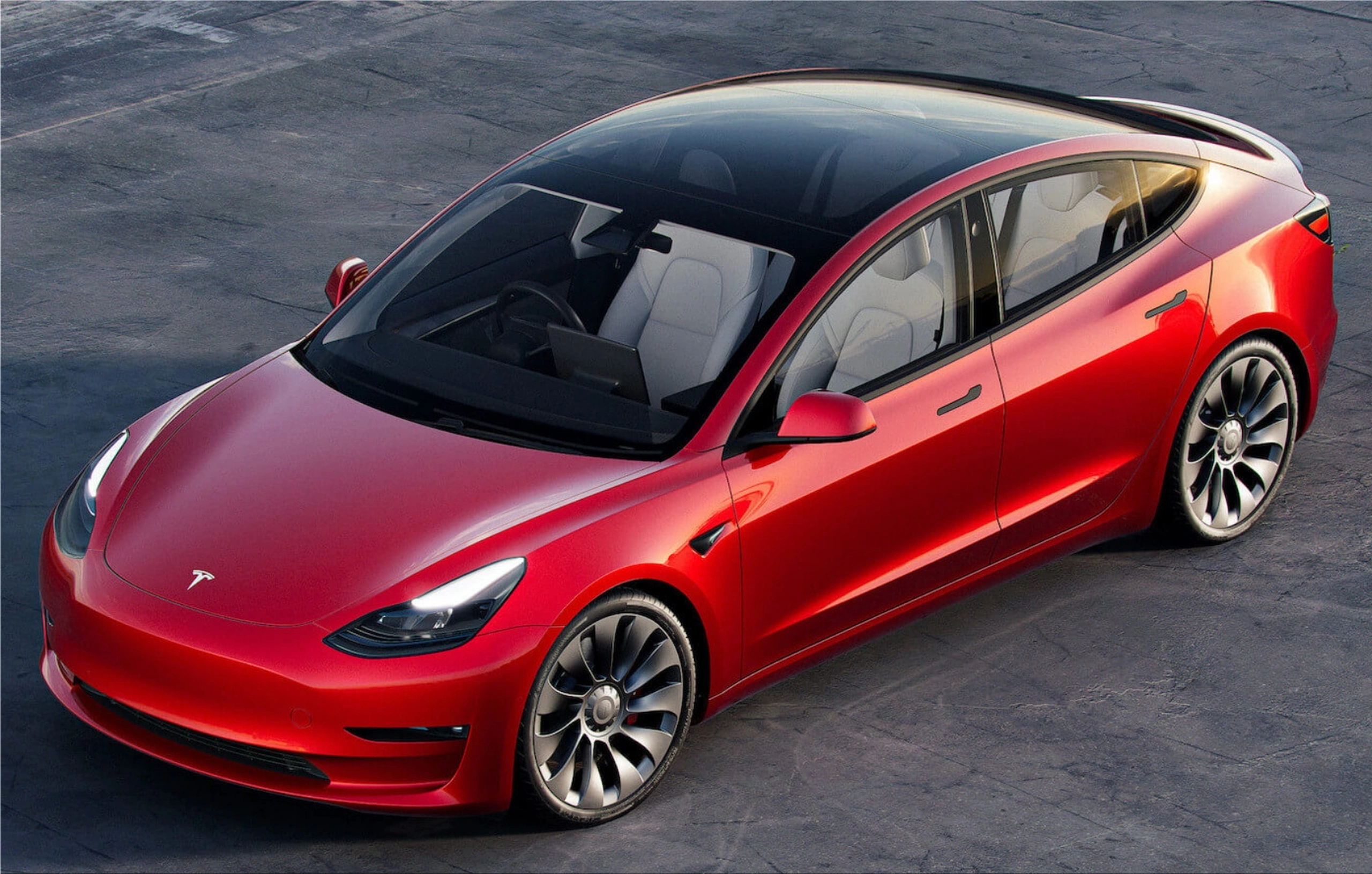
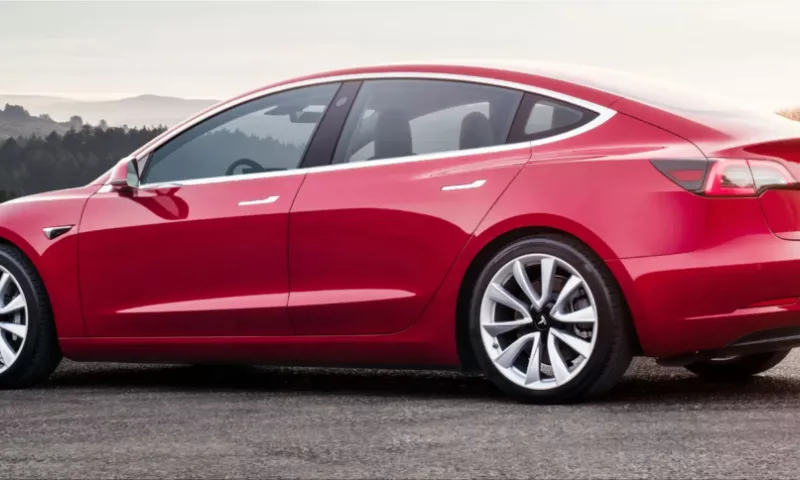
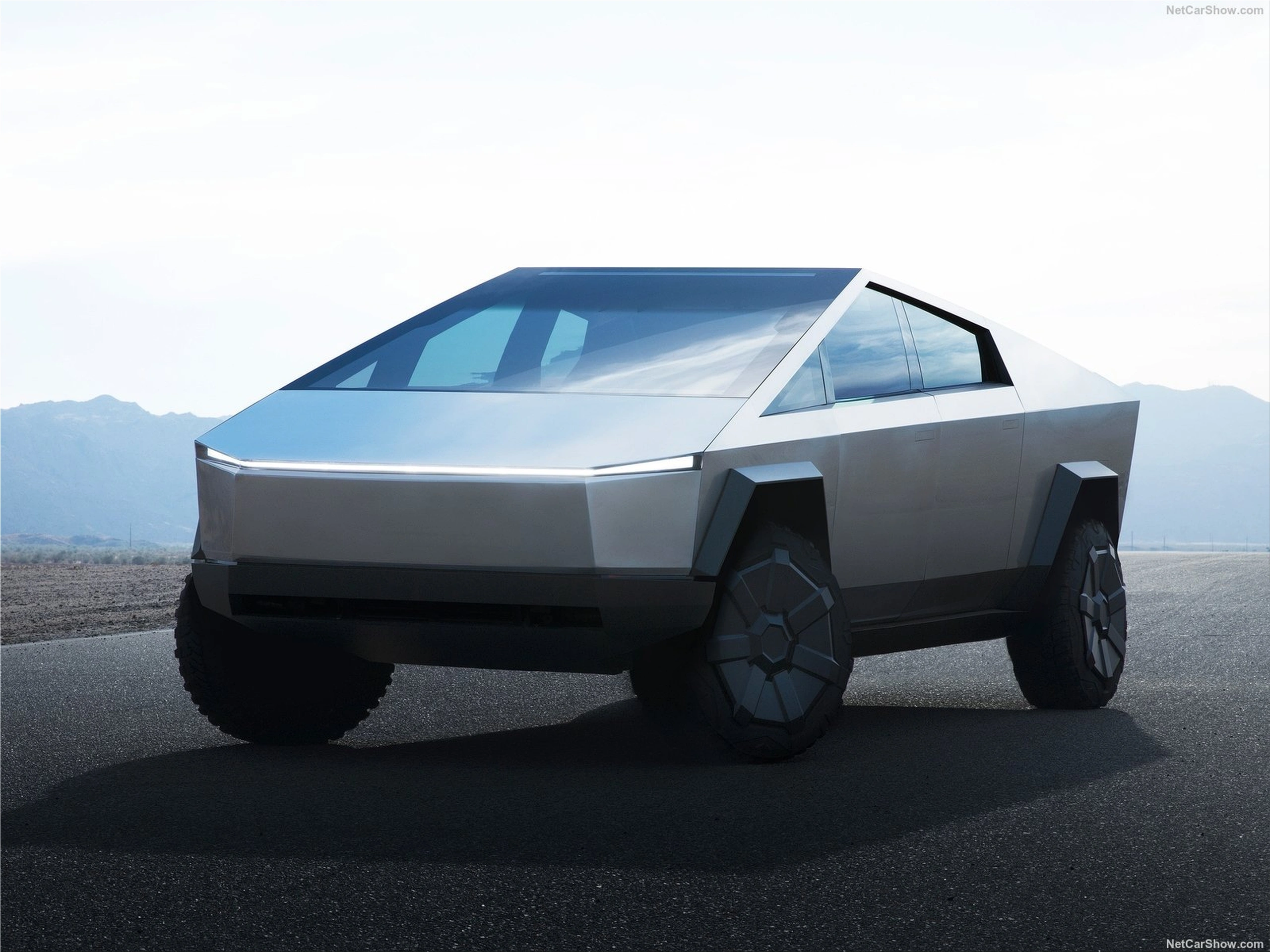
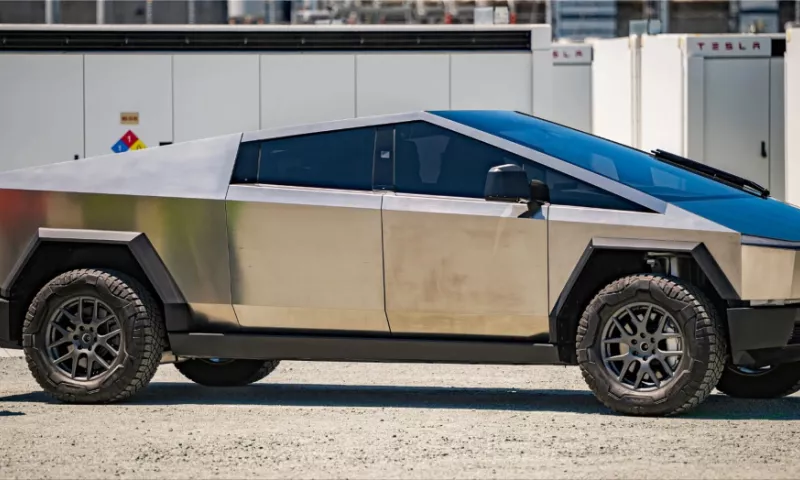
- Tesla, the American electric car maker that dominates the global and Danish markets with its innovative and high-performance models. Tesla offers four models in Denmark: the Model 3, the Model Y, the Model S, and the Model X, which range from compact sedans to full-size SUVs. Tesla’s models have a range of up to 560 miles on a single charge and can accelerate from 0 to 60 mph in as little as 2.1 seconds. Tesla also has a strong charging network, with over 100 Supercharger stations and over 600 Destination Charger locations in Denmark.
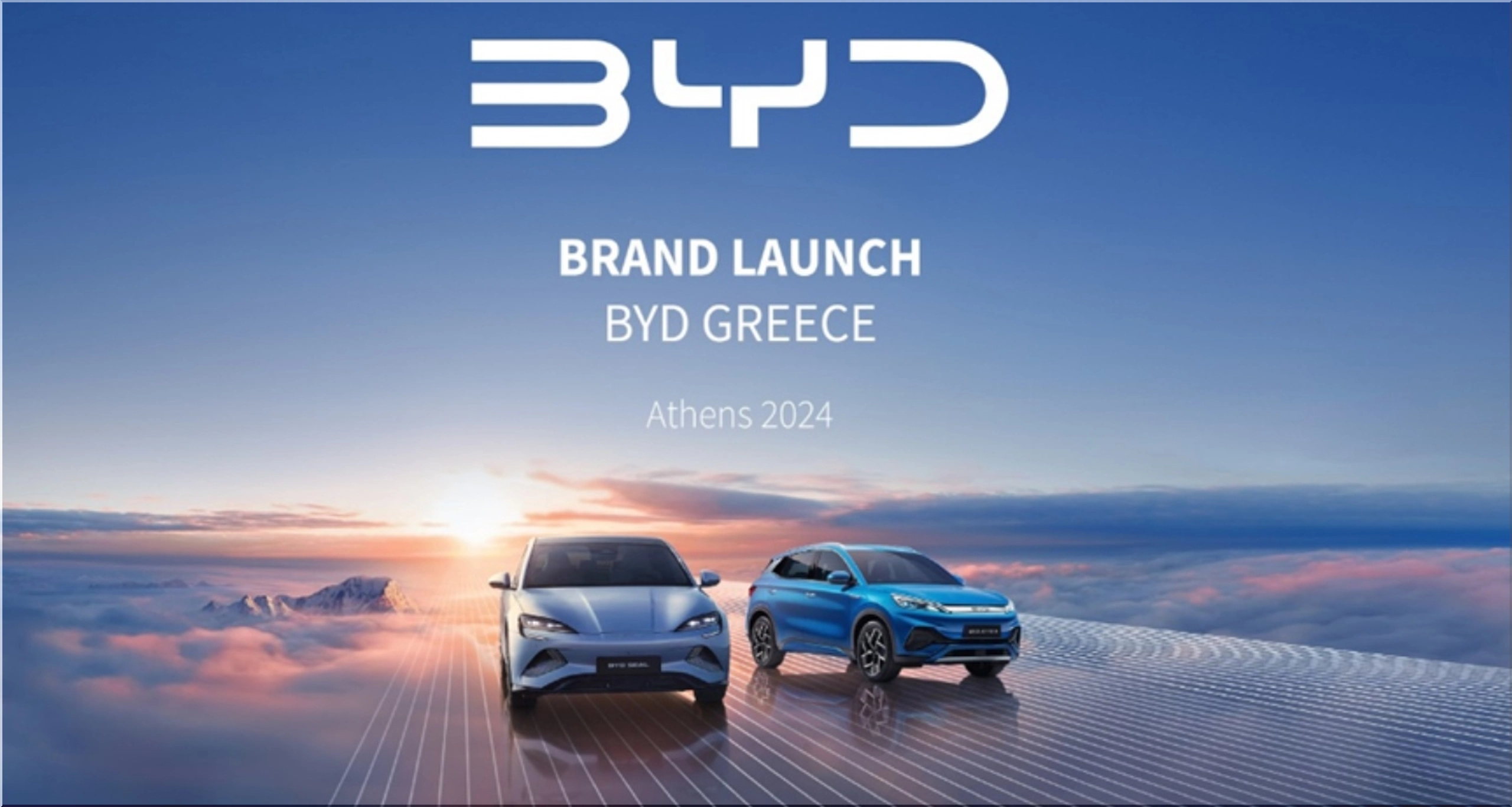
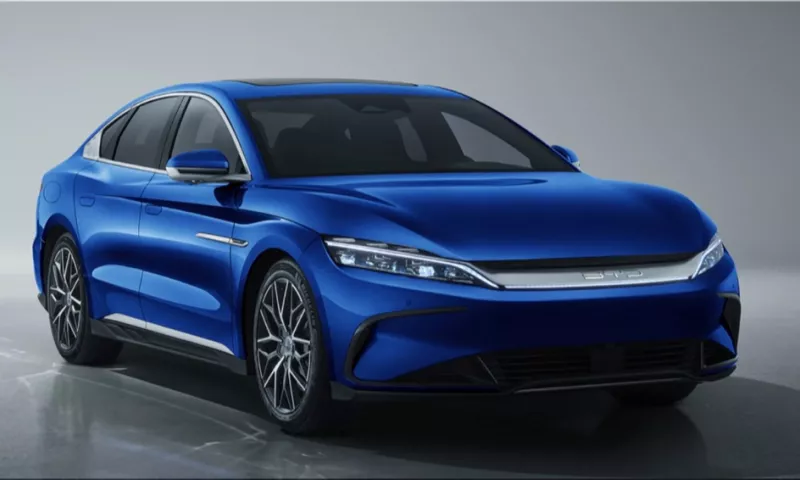
- BYD, the Chinese electric car maker that recently entered the European and Danish markets with its affordable and practical models. BYD offers two models in Denmark: the ATTO 3, a compact hatchback that has a range of 330 km on a single charge and can accelerate from 0 to 100 km/h in 7.3 seconds, and the SEAL, a midsize SUV that has a range of 485 km on a single charge and can accelerate from 0 to 100 km/h in 3.8 seconds. BYD also partners with Ionity, a European charging network offering fast and convenient electric vehicle charging.
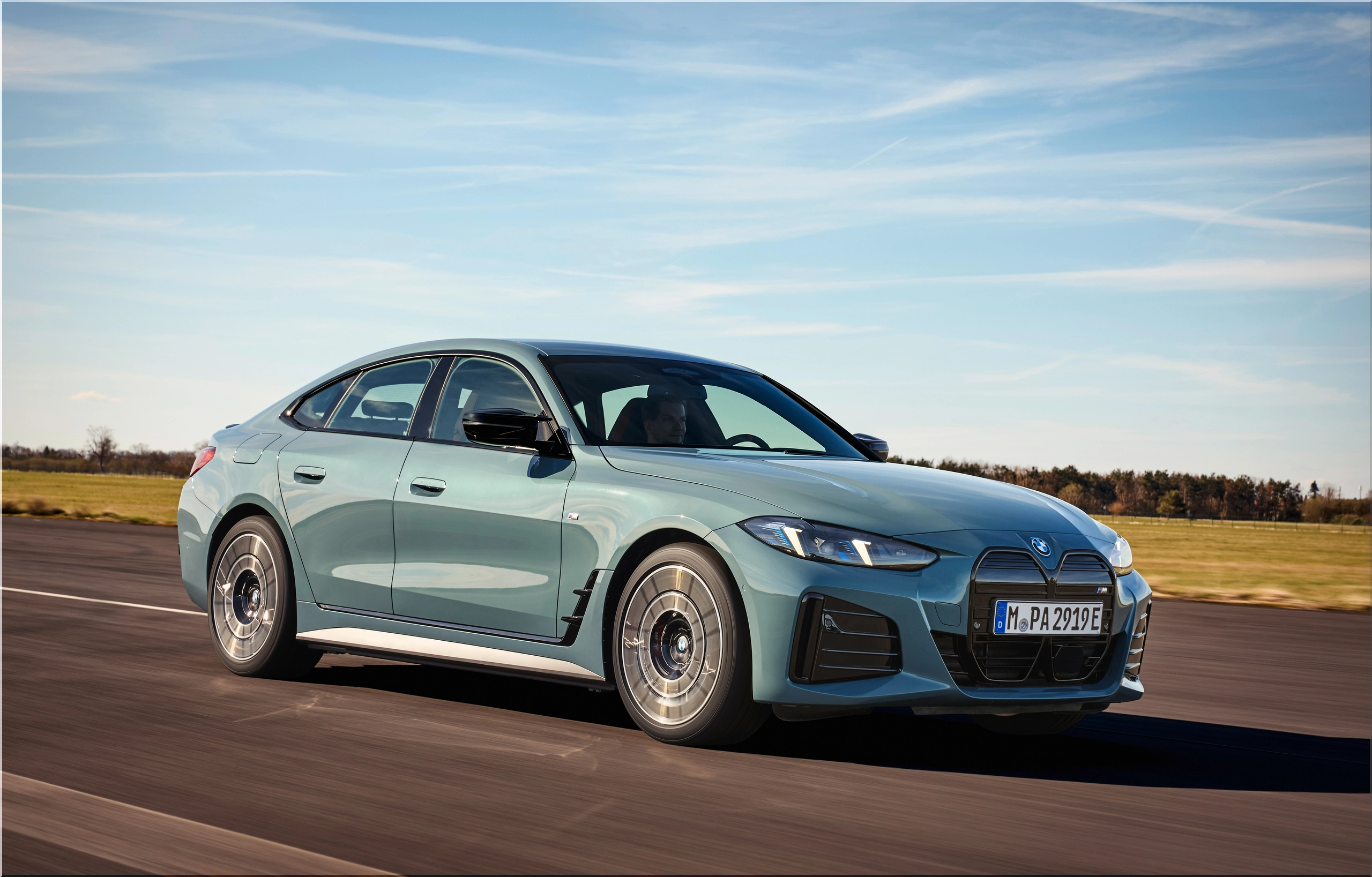
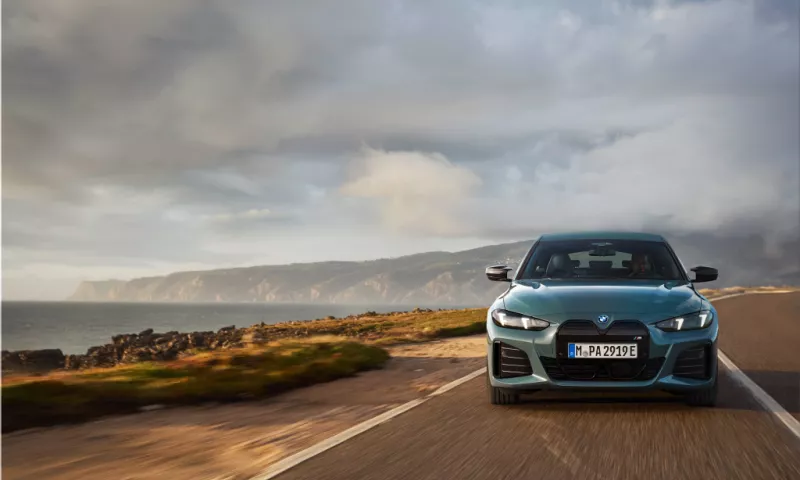
- BMW, the German luxury car maker, has a strong presence in the electric car market with its i-brand. BMW offers two models in Denmark: the BMW i4, a fully electric sedan that has a range of 515 km on a single charge and can accelerate from 0 to 100 km/h in 5.7 seconds, and the iX1, a fully electric compact SUV that has a range of 370 km on a single charge and can accelerate from 0 to 100 km/h in 5.6 seconds. BMW also has a comprehensive charging service, which gives customers access to over 200,000 charging points in Europe through the BMW Charging app.
The table below summarizes the main features and prices of Volvo’s electric car models and their competitors.
| Model | Range | 0-100 km/h | Price |
|---|---|---|---|
| Volvo C40 Recharge | 297 miles | 4.9 seconds | $65,850 |
| Volvo XC40 Recharge | 293 miles | 4.7 seconds | $69,850 |
| Volvo XC90 Recharge | 300+ miles | N/A | N/A |
| Volvo XC60 Recharge | 250+ miles | N/A | N/A |
| Volvo S60 Recharge | 200+ miles | N/A | N/A |
| Volvo S90 Recharge | 200+ miles | N/A | N/A |
| Tesla Model 3 | 420 miles | 6.1 seconds | $43,993 |
| Tesla Model Y | 350 miles | 6.9 seconds | $47,993 |
| Tesla Model S | 560 miles | 2.1 seconds | $110,993 |
| Tesla Model X | 465 miles | 3.8 seconds | $99,990 |
| BYD ATTO 3 | 330 km | 7.3 seconds | $42,998 |
| BYD SEAL | 485 km | 3.8 seconds | $50,990 |
| BMW i4 | 515 km | 5.7 seconds | $62,992 |
| BMW iX1 | 370 km | 5.6 seconds | $57,850 |
Volvo is leading the electric car revolution in Denmark with its new model program that offers customers more range, performance, and design options. The company is committed to becoming a fully electric car maker by 2030 and reducing its carbon footprint.
Volvo’s market share in Denmark is strong, thanks to its comprehensive and accessible charging infrastructure, loyal and satisfied customer base, and brand identity and reputation.
However, Volvo’s electric car market share is not without challenges, as the company faces competition from other established and emerging brands, such as Tesla, BYD, and BMW. Volvo will have to continue to innovate and differentiate itself in the electric car market to maintain its leadership position and attract new customers.
- Add new comment
- 223 views