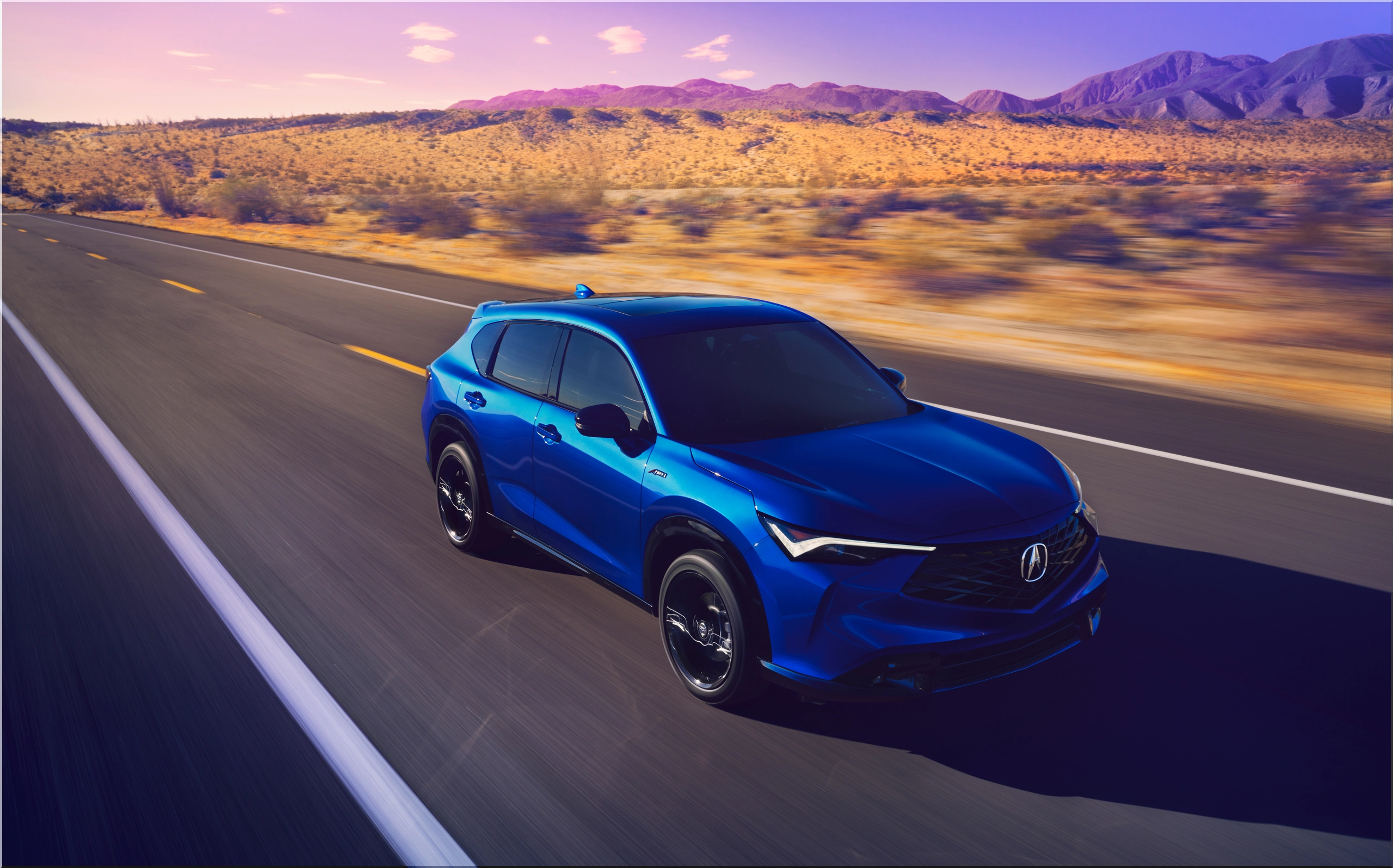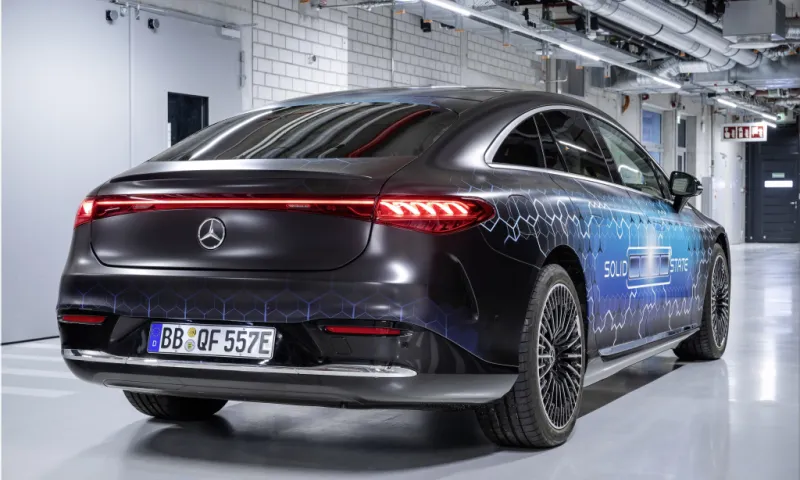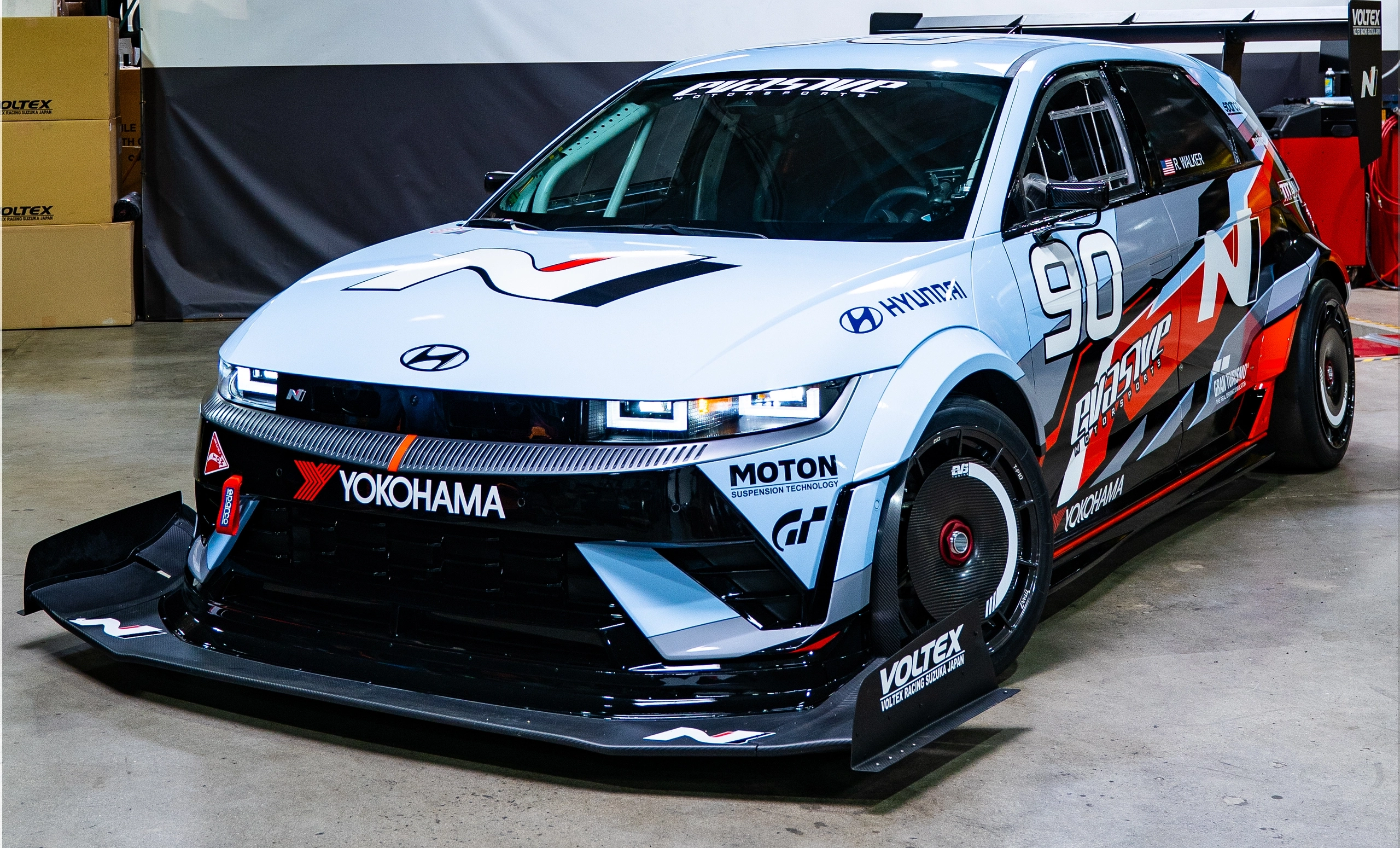
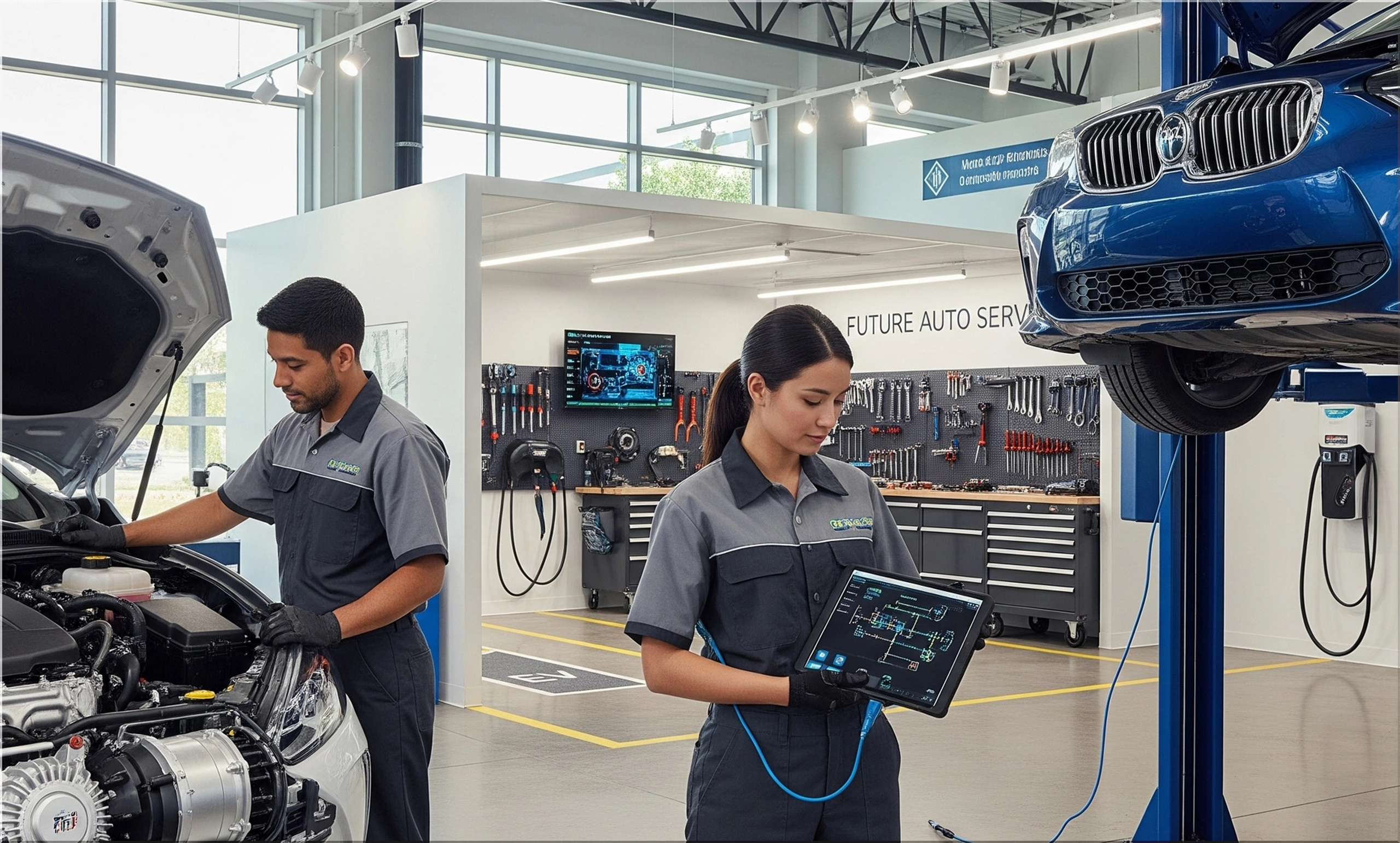
Step into your shop today and look around. It does not feel the same as it did ten or fifteen years ago, does it? Sure, the smell of oil is still there, and the tools still buzz, but the cars sitting in the bays tell a different story.
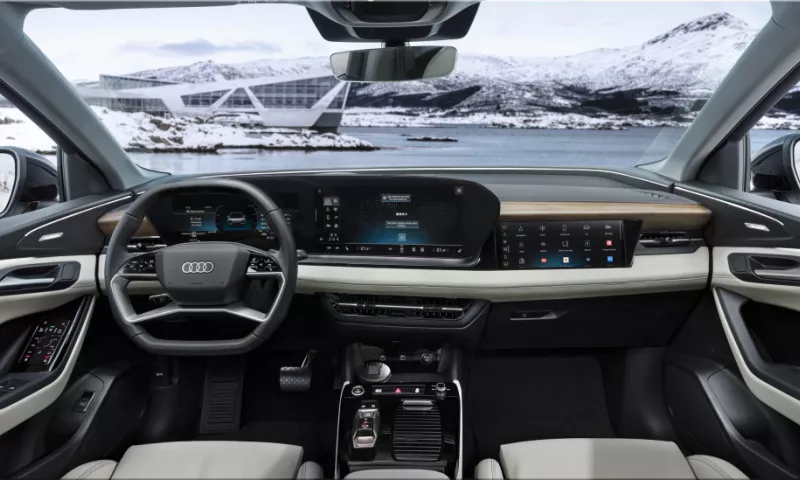
Some are hybrids. A few are fully electric. Even the so-called regular models come loaded with sensors, computers, and complex electronics.
For many shop owners, this shift feels like a double-edged sword. On one hand, it is exciting to see where the industry is headed. On the other, it can be intimidating to keep up. Customers expect speed, clarity, and professionalism, but the vehicles you are repairing now demand skills and systems that go far beyond a wrench and a paper invoice.
The reality is simple. Modern cars and hybrids need smarter shops. And the ones that adapt will be the ones customers keep coming back to.
The Cars Have Changed, and So Must the Shops
Take a look at the cars in your bays today. They are not just engines and wheels anymore. Many have more computing power than airplanes from a few decades ago.
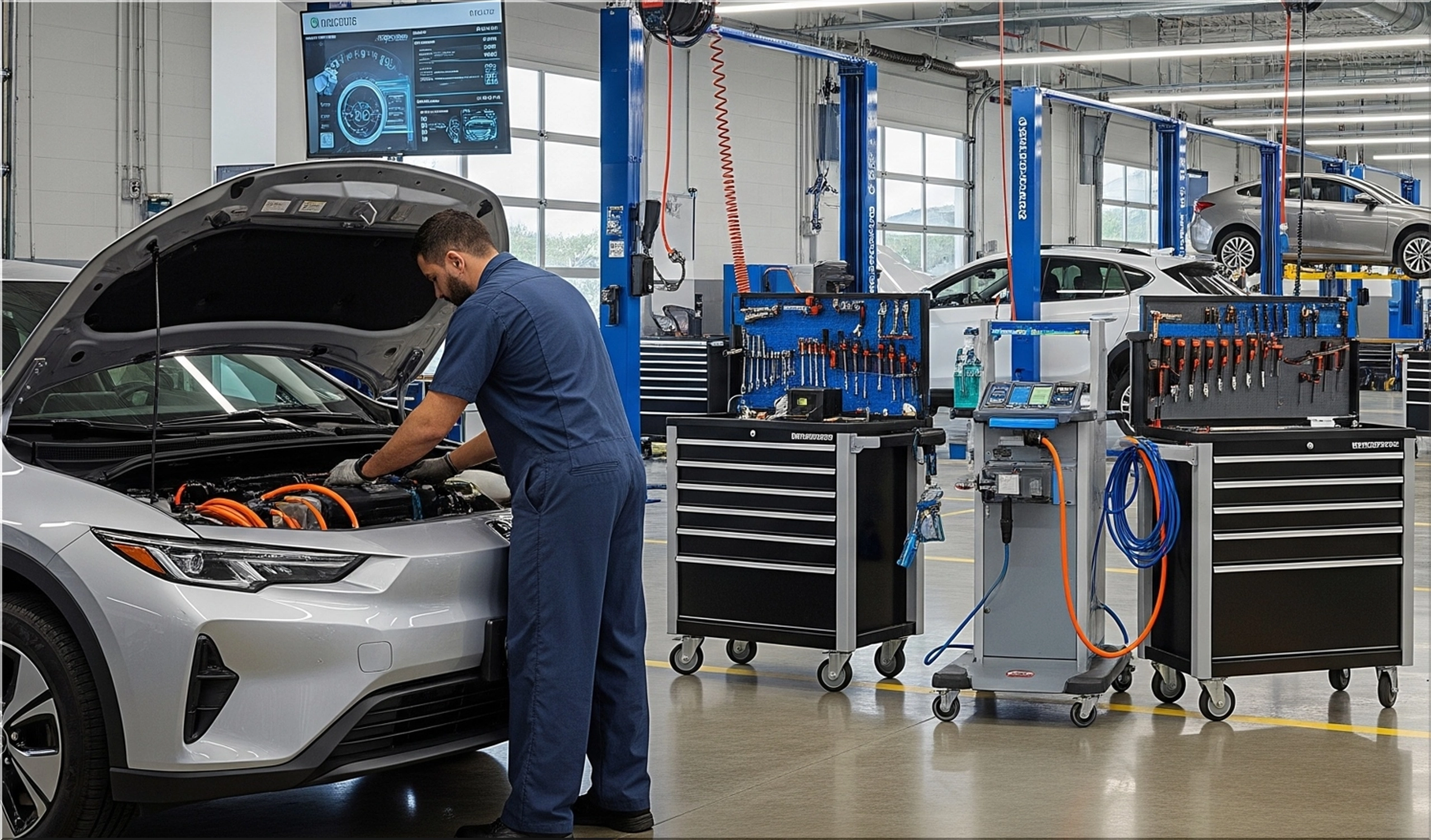
From advanced driver-assistance systems to complex battery packs in hybrids and electric vehicles, today’s cars are rolling networks of electronics.
Repairs are no longer as simple as turning a wrench or swapping a part. You need to decode error codes, manage diagnostics software, and keep up with constant manufacturer updates.
Here is the challenge. If your shop relies only on old methods, you will always be one step behind. Even skilled mechanics can struggle without smarter systems to back them up.
Why Traditional Workflows Hold Shops Back
Think about a scene you have probably lived through. A hybrid comes in with the check engine light on. The tech pulls the car in, but the repair order is scribbled on a notepad. The service writer is shuffling through old files, trying to match parts and labor. Meanwhile, the customer is standing at the counter, arms crossed, waiting for answers.
It is not that your team is not skilled. The problem is the system around them. What should be smooth ends up messy. And the longer it drags, the more frustrated everyone gets.
Here is where the cracks usually show:
- Diagnostics that take too long
- Paper notes that get lost or misread
- Jobs that take longer than promised
- Parts you thought you had in stock, but don’t
These are not just small hiccups. They cost you time, they cost you profit, and eventually, they cost you customer trust.
Smarter Shops Are Built for Modern Demands
Let’s clear something up first. A smarter shop does not mean replacing your technicians. It means giving them the tools they need to do their best work in a world where cars are changing faster than ever.
Think about how much smoother things could run with the right systems in place. Inspections done on a tablet instead of a clipboard. Scheduling handled through a digital workflow instead of sticky notes. Customers getting real-time updates on their phones instead of waiting for a call at the end of the day.
That kind of process makes your shop look modern, builds trust, and frees up hours that would otherwise be lost. This is what separates shops that just survive from shops that truly thrive.
The Role of Auto Repair Software
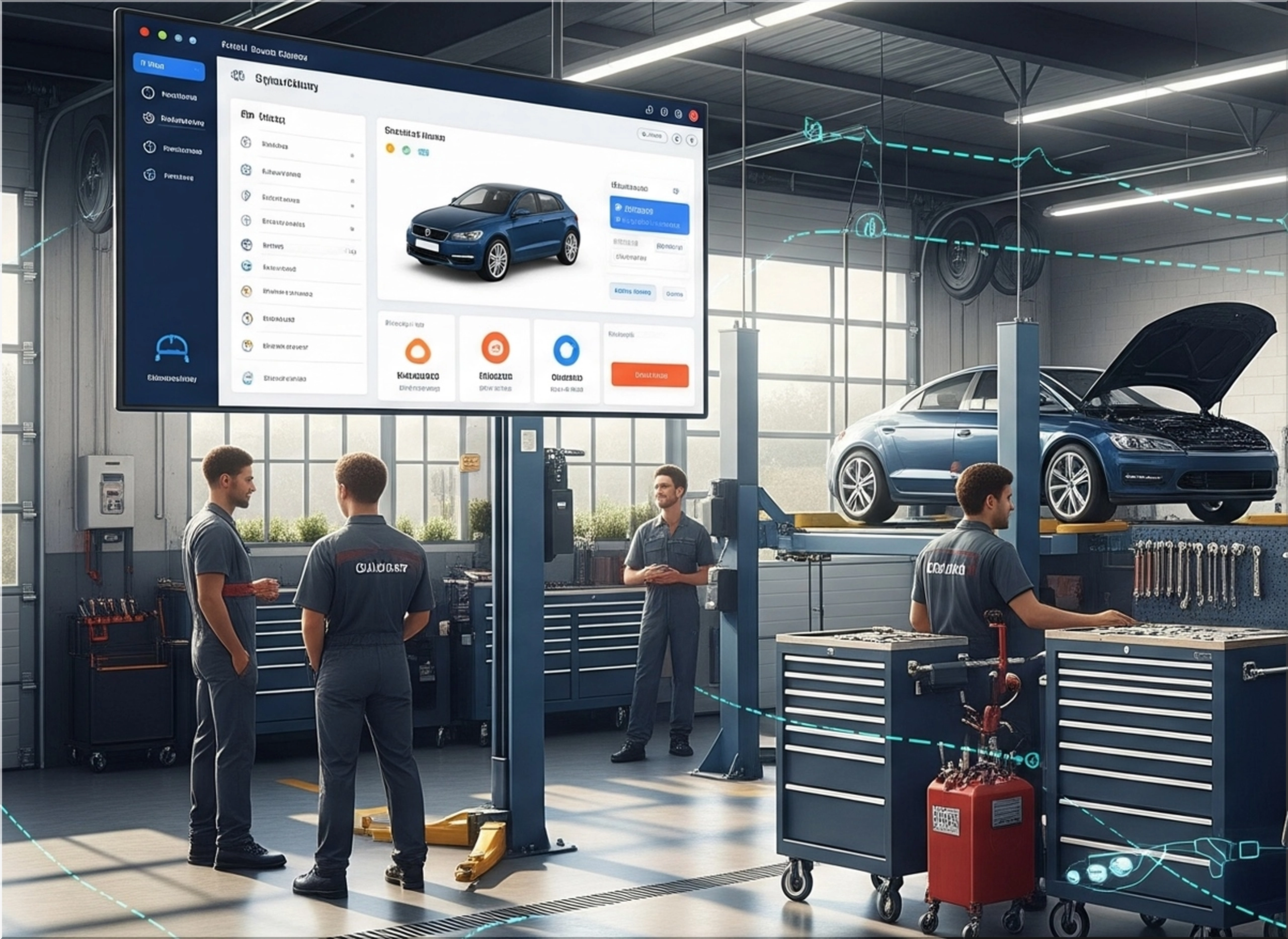
At the heart of every smooth-running shop is one thing, the right system. With the right auto repair software, all that confusion and complexity you deal with every day starts to make sense.
Here is what it can do for you:
- Streamlined diagnostics and workflow integration: Everything in one place, no more juggling notebooks or tools.
- Smarter scheduling and resource allocation: Match the right tech to the right job.
- Customer communication made simple: Send digital estimates and updates that keep customers in the loop.
- Efficiency that protects profit: Fewer mistakes, quicker approvals, and stronger margins.
Instead of fighting against the tide of change, shops can use software to ride it with confidence.
Preparing for the Hybrid and EV Future
Look around and you will see it. More hybrids. More EVs. They are not coming someday, they are already here.
In fact, about 22 percent of light-duty vehicles sold in the United States during the first quarter of 2025 were hybrid, plug-in hybrid, or fully electric, up from 18 percent just a year earlier.
Servicing them takes more than gloves and quick fixes. High-voltage systems, specialized parts, and software-driven components call for a different approach.
Shops need tools that track EV parts, manage service intervals, and keep records accurate. Auto repair software helps by organizing data and keeping your shop ready for this new wave of vehicles.
Shops that adapt now will lead. Those that wait will watch customers go elsewhere.
Final Thoughts
Modern cars and hybrids have changed the game. Hard work alone is no longer enough. Shops need smarter tools, tighter systems, and a customer experience that feels modern.
Those that bring in auto repair software are not just catching up, they are setting themselves up for the future. Clearer processes, faster workflows, and stronger trust with every customer.
The cars have evolved. Now it is the shop’s turn.
Image gallery
- Add new comment
- 288 views