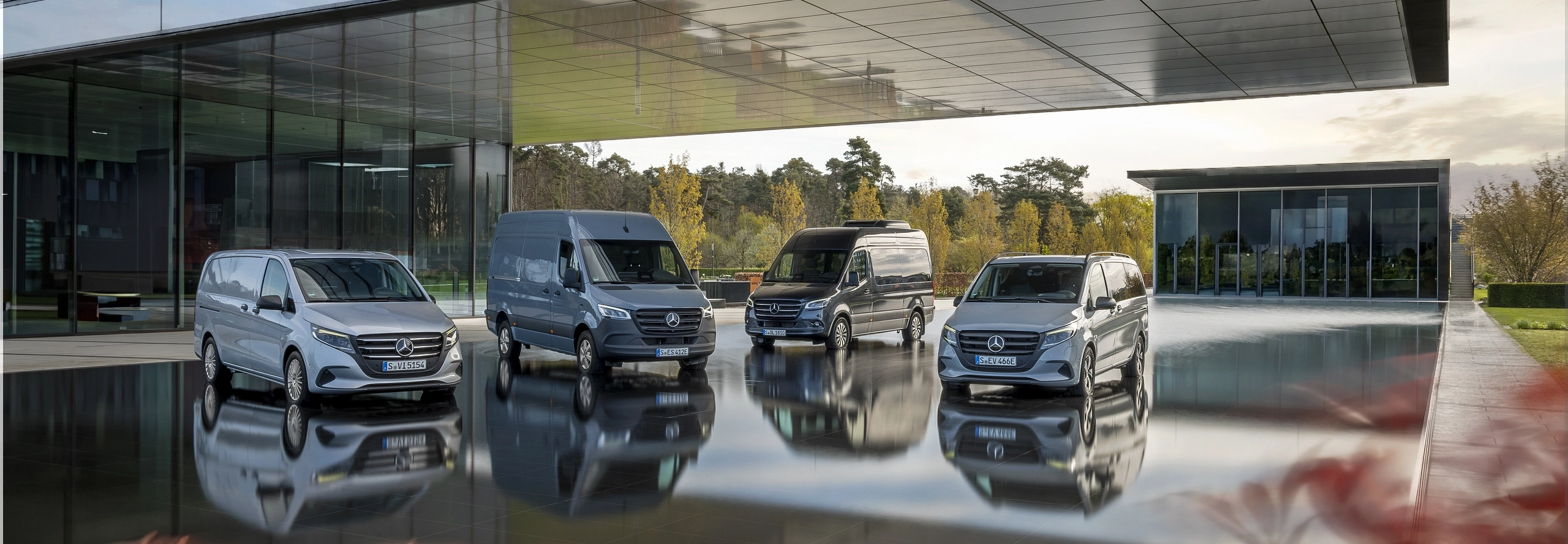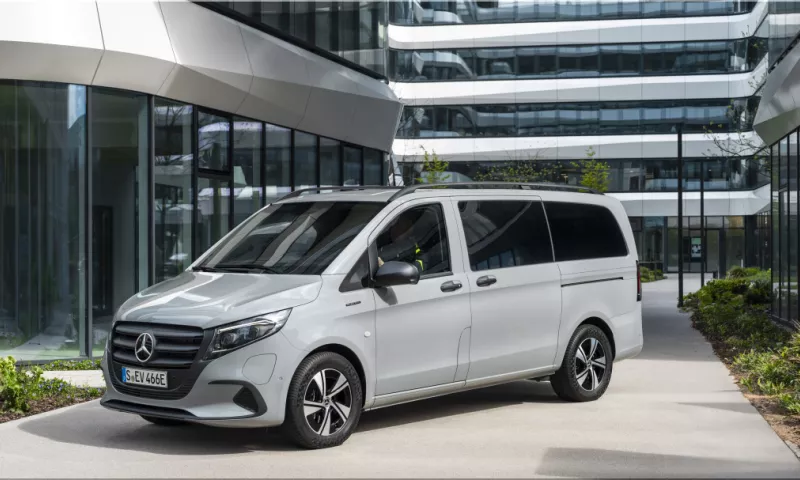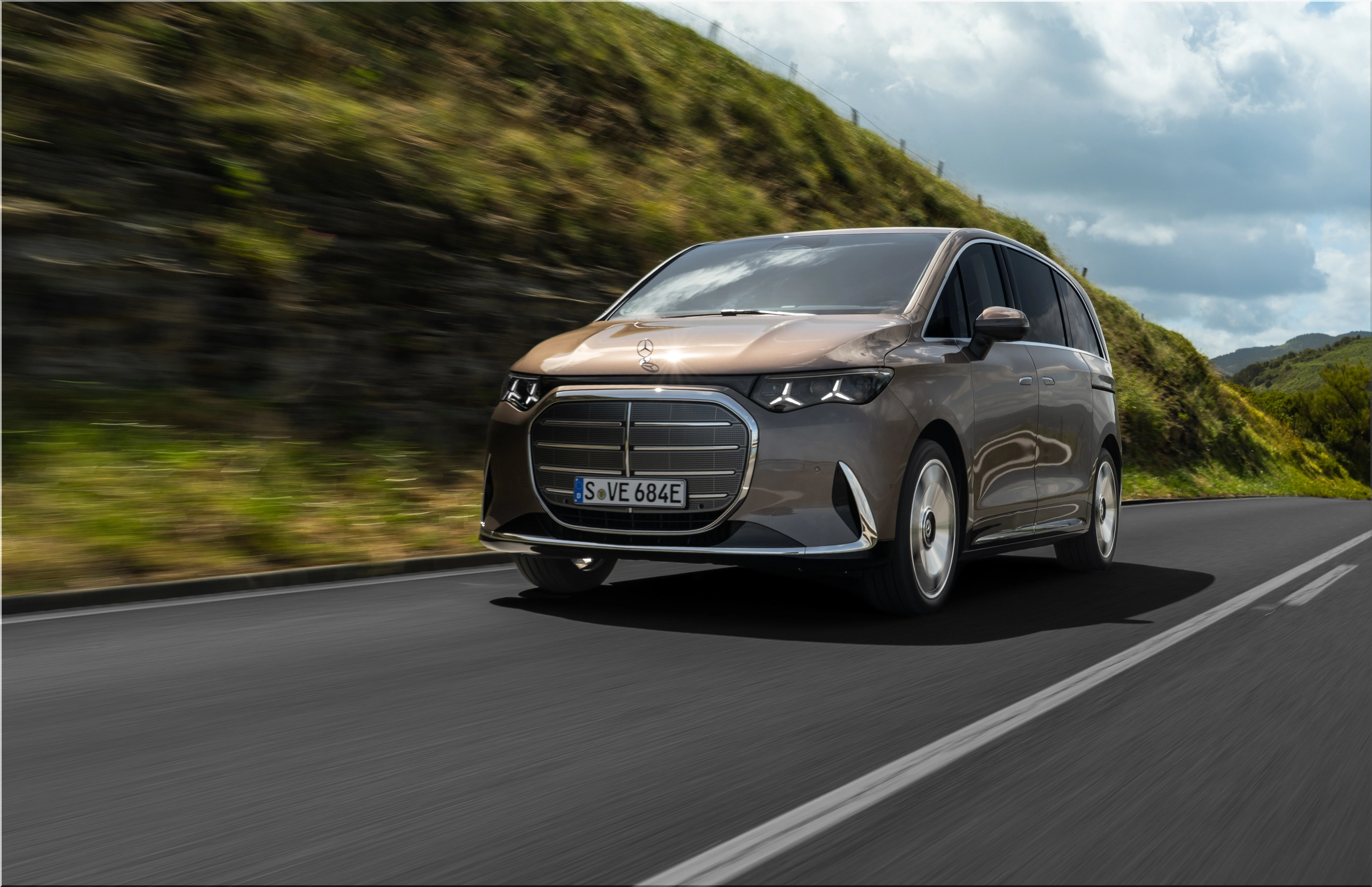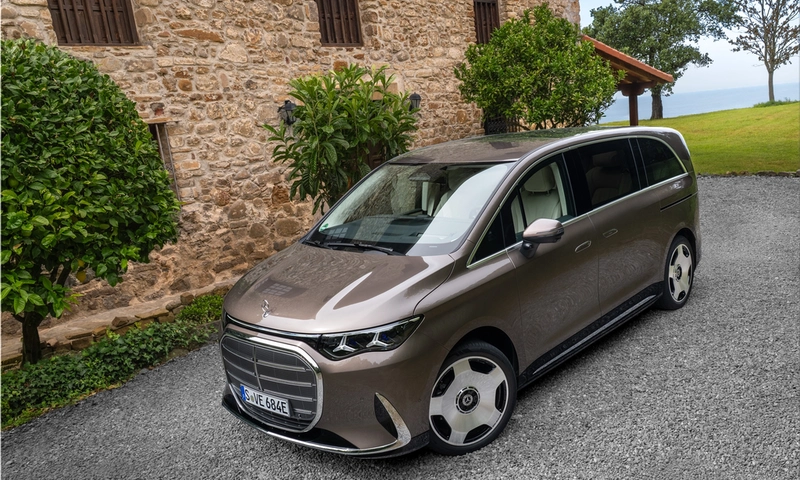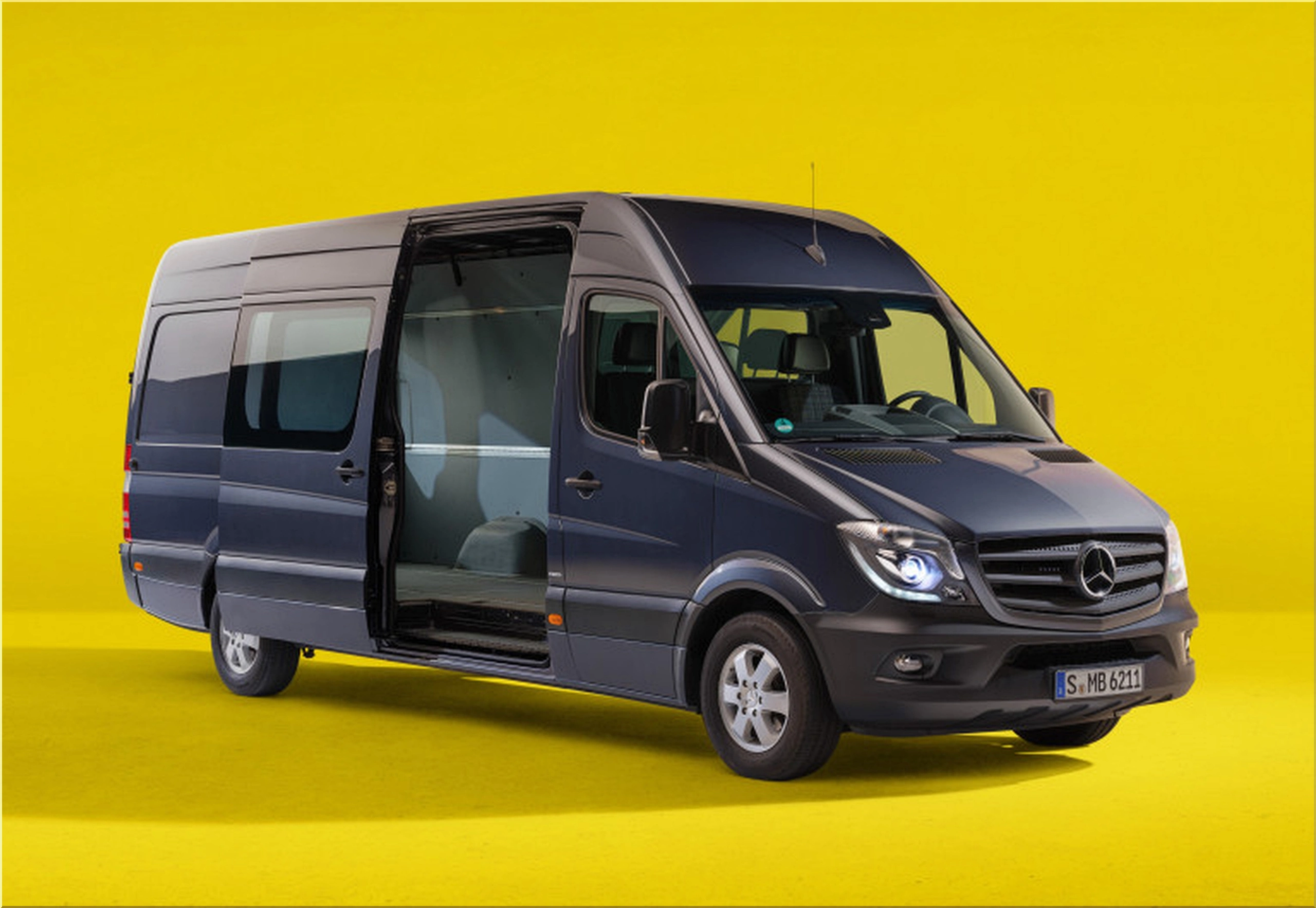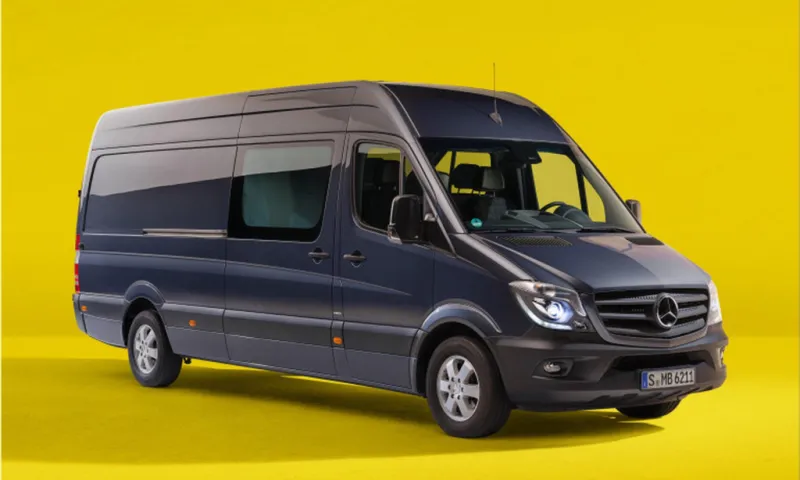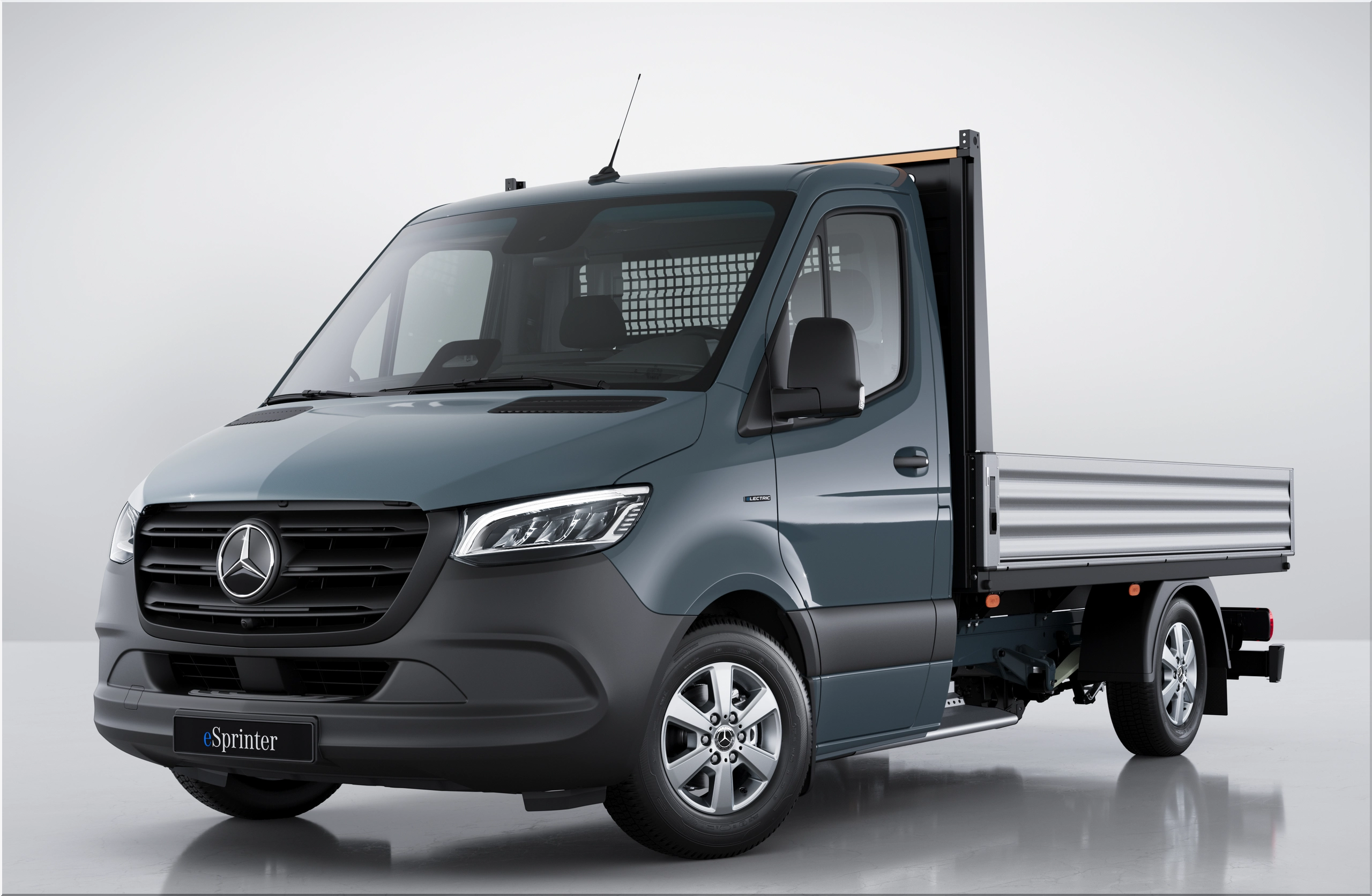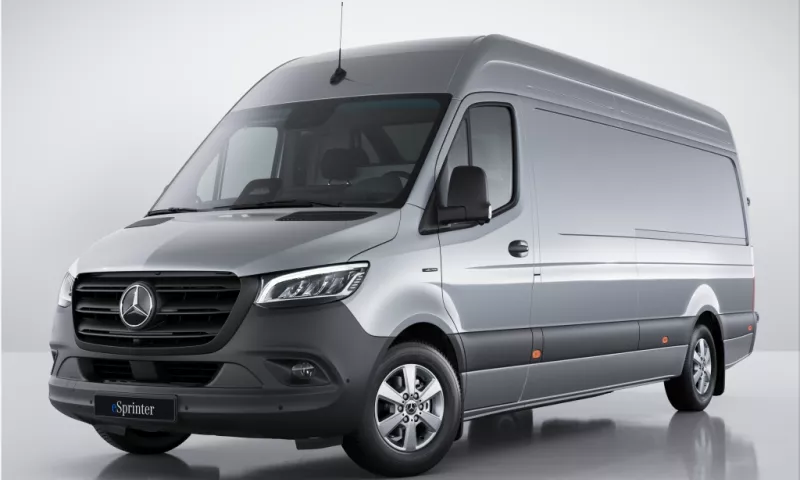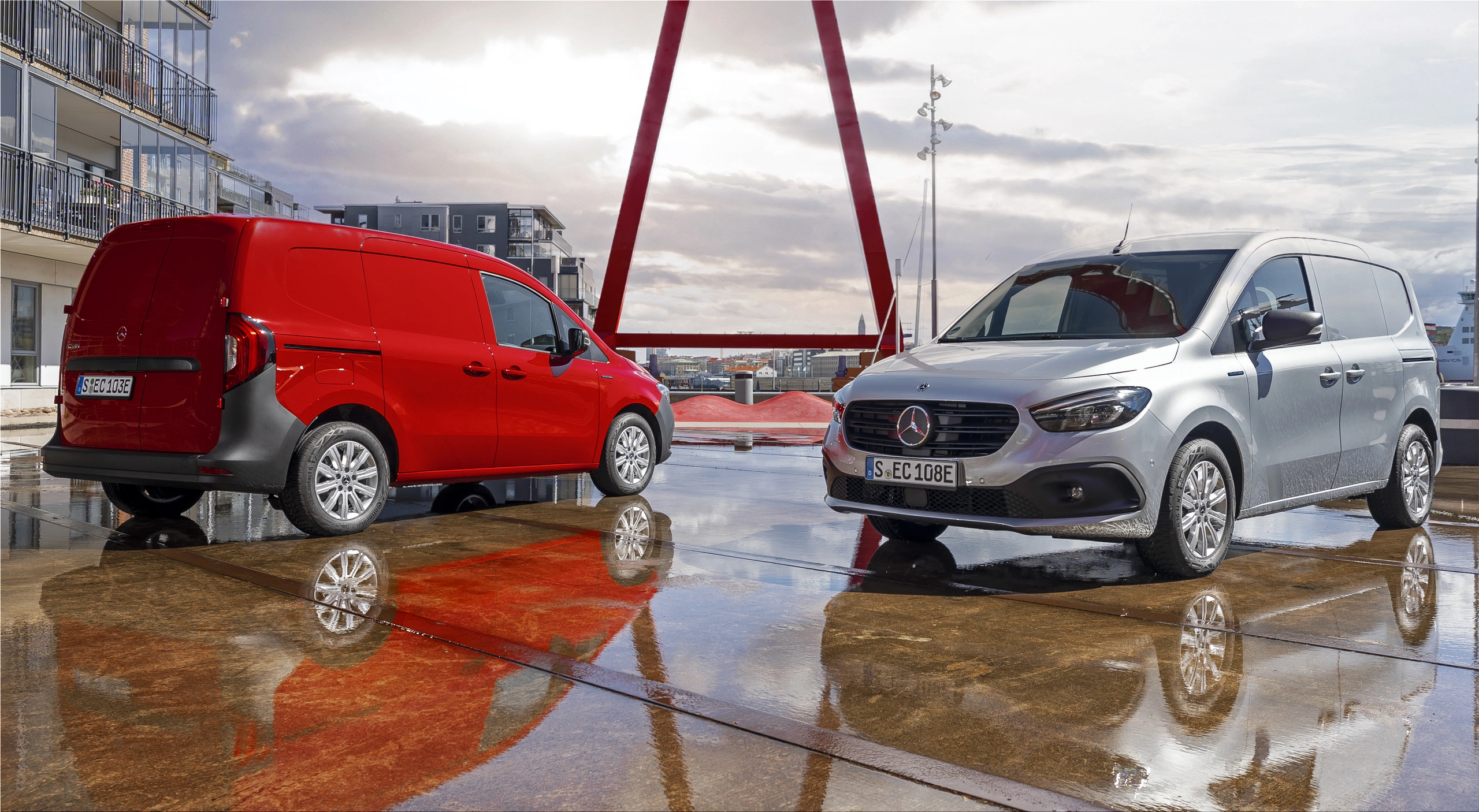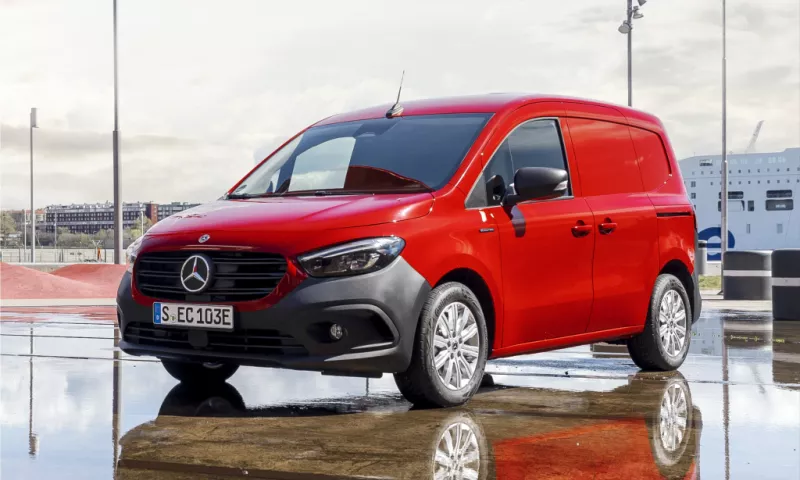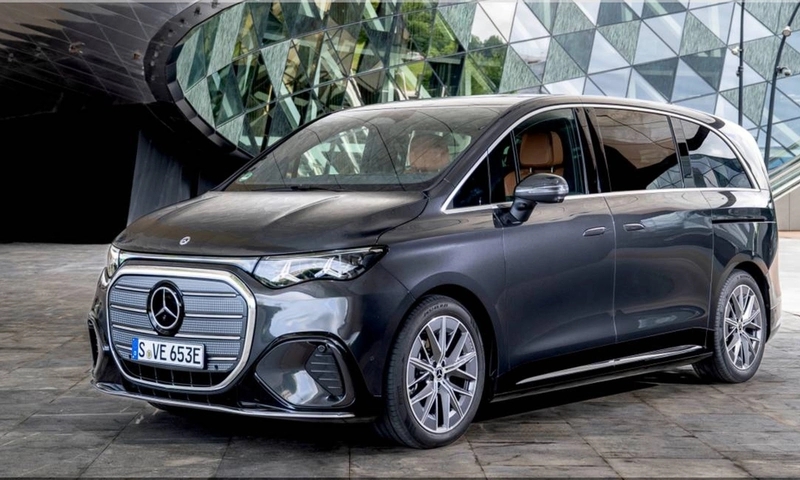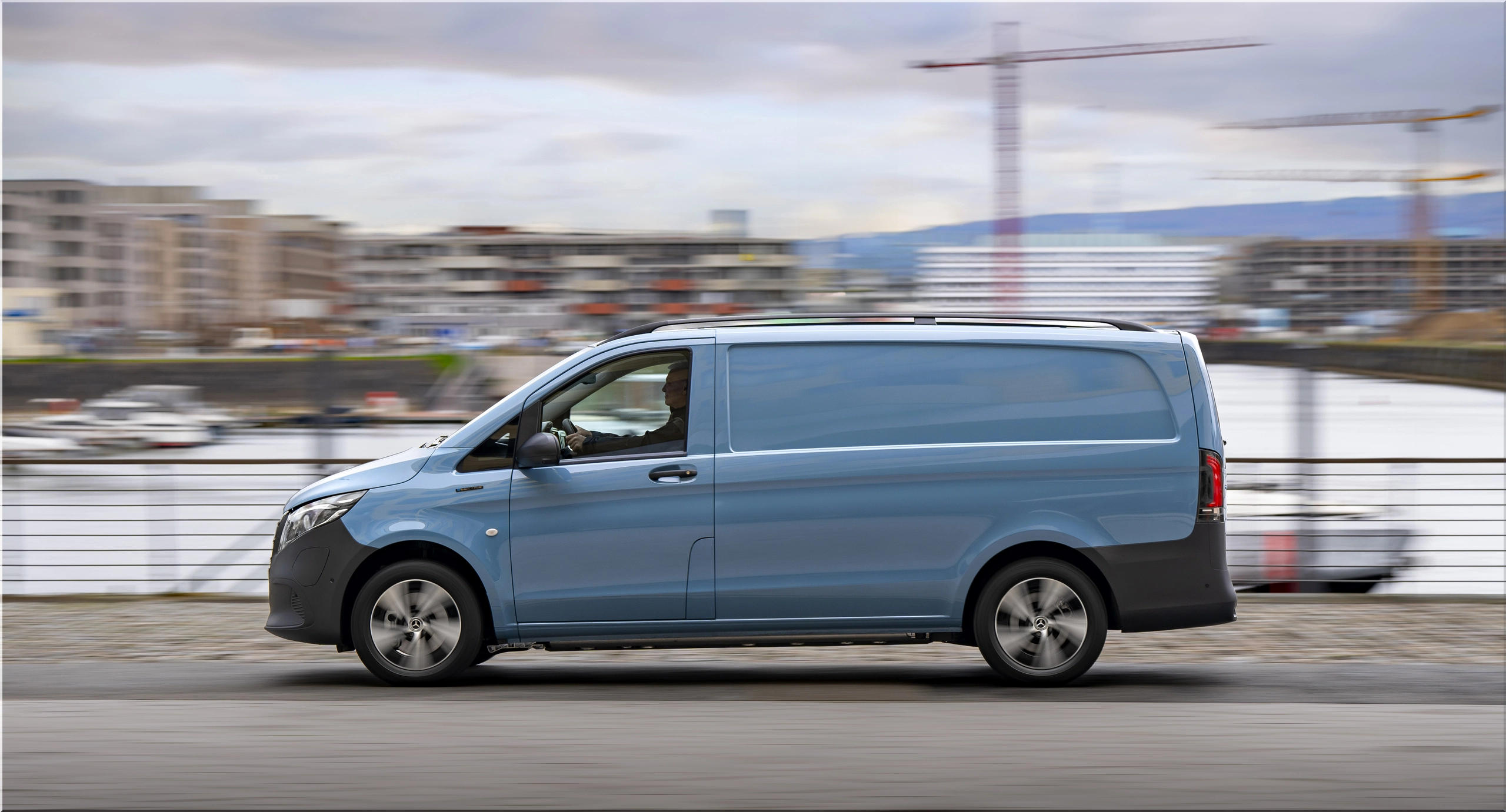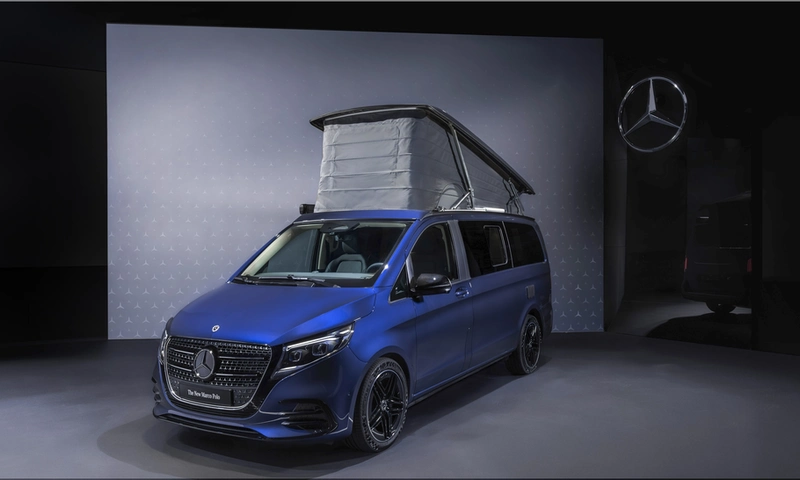
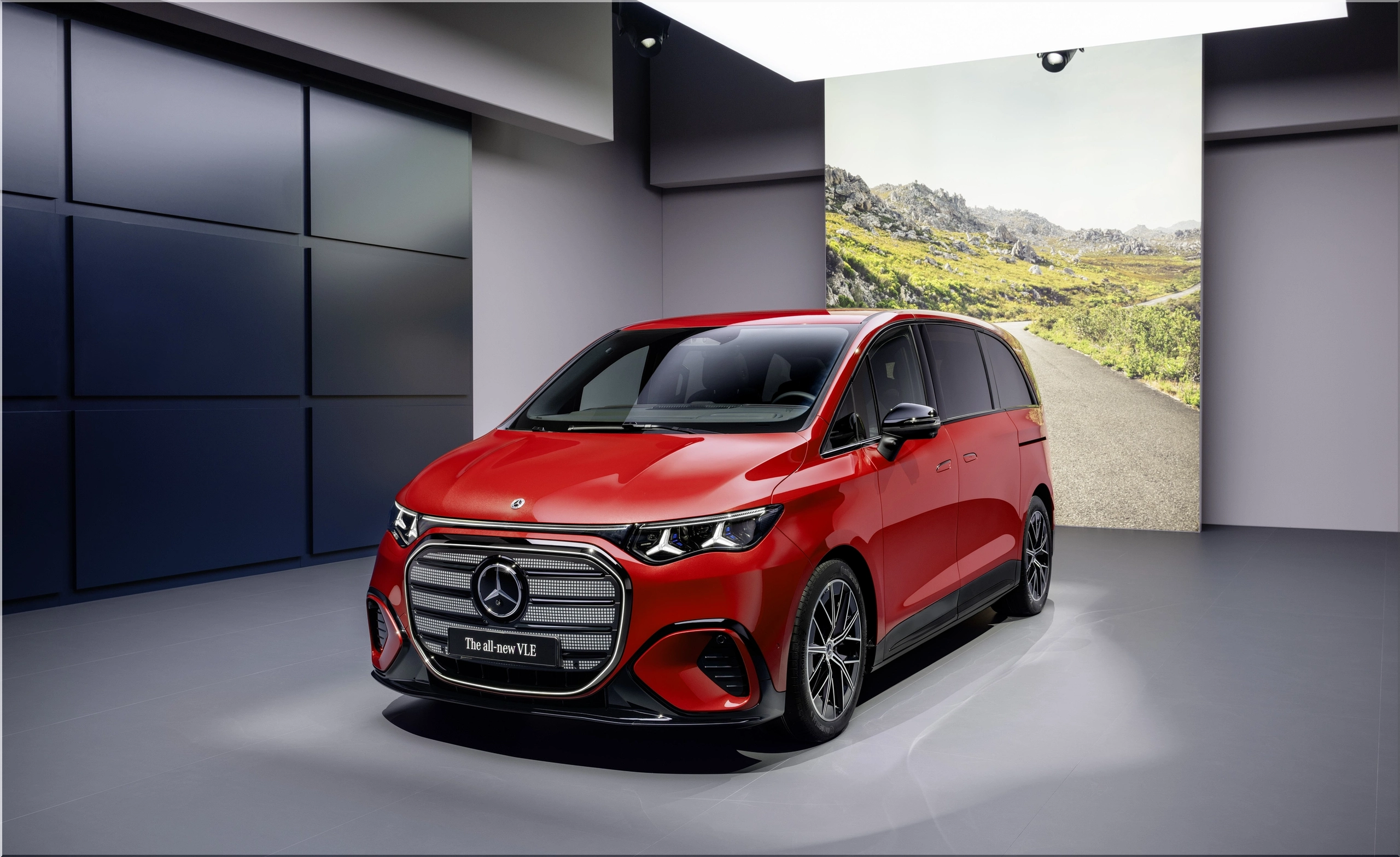
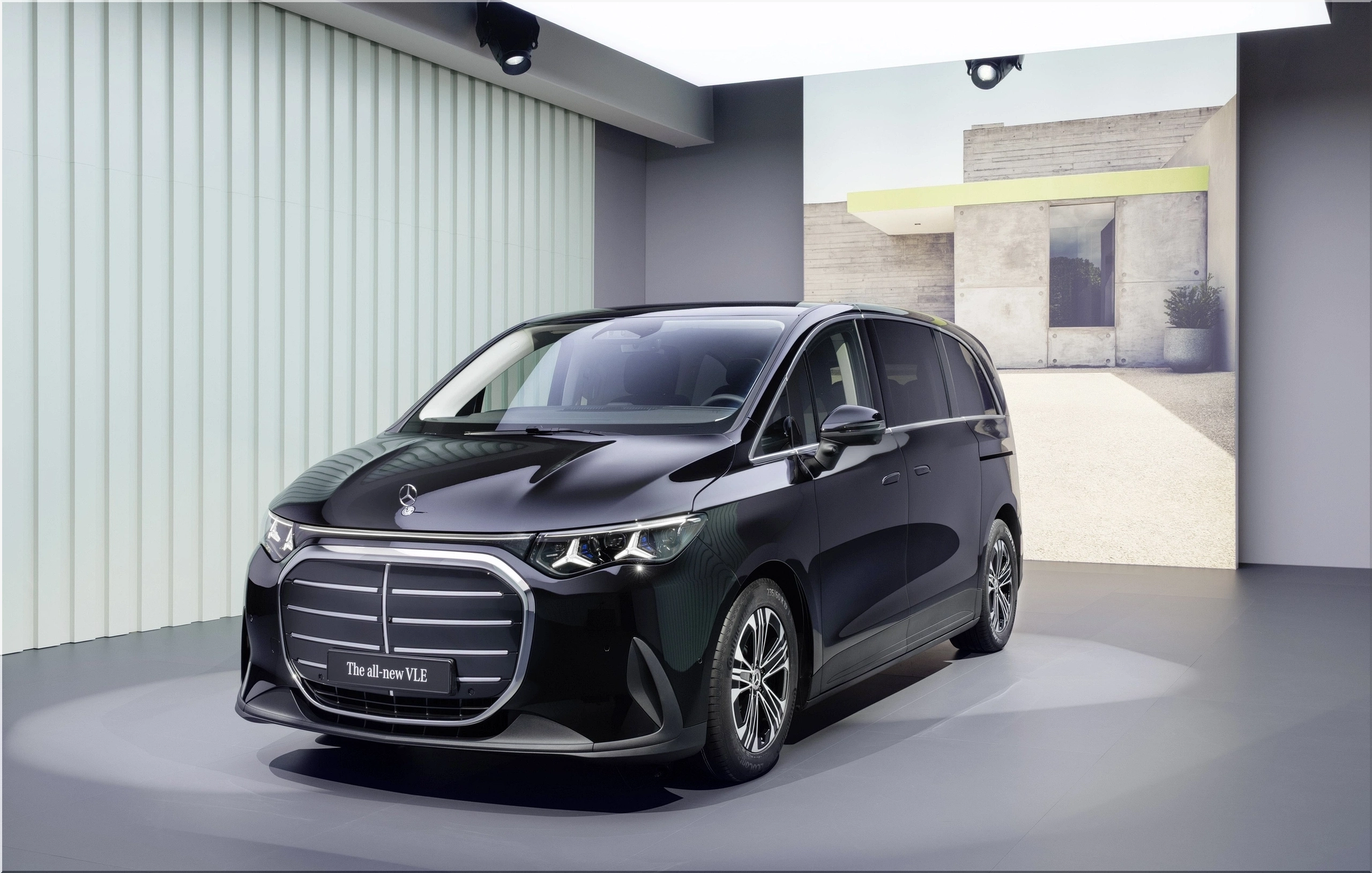
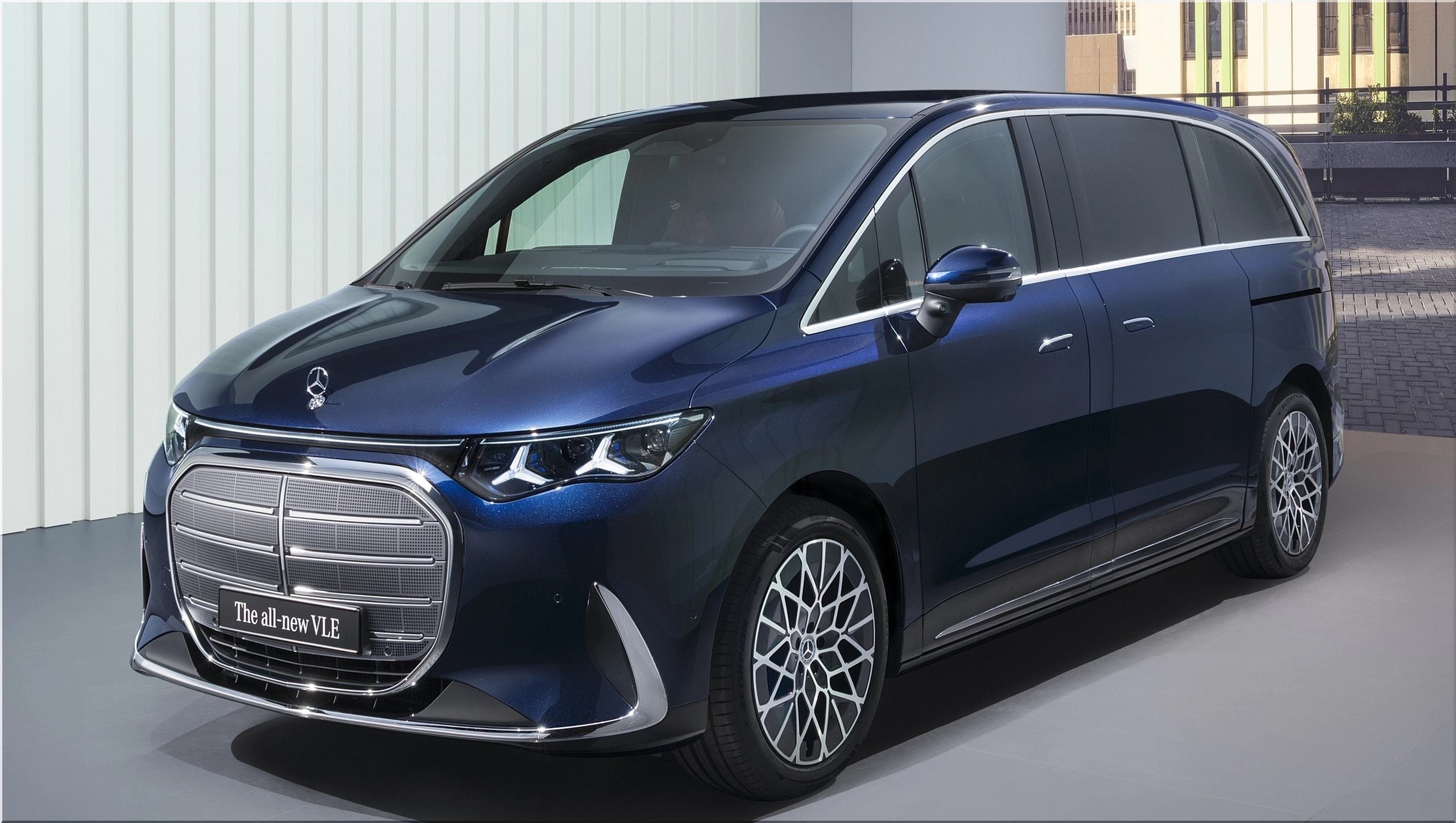
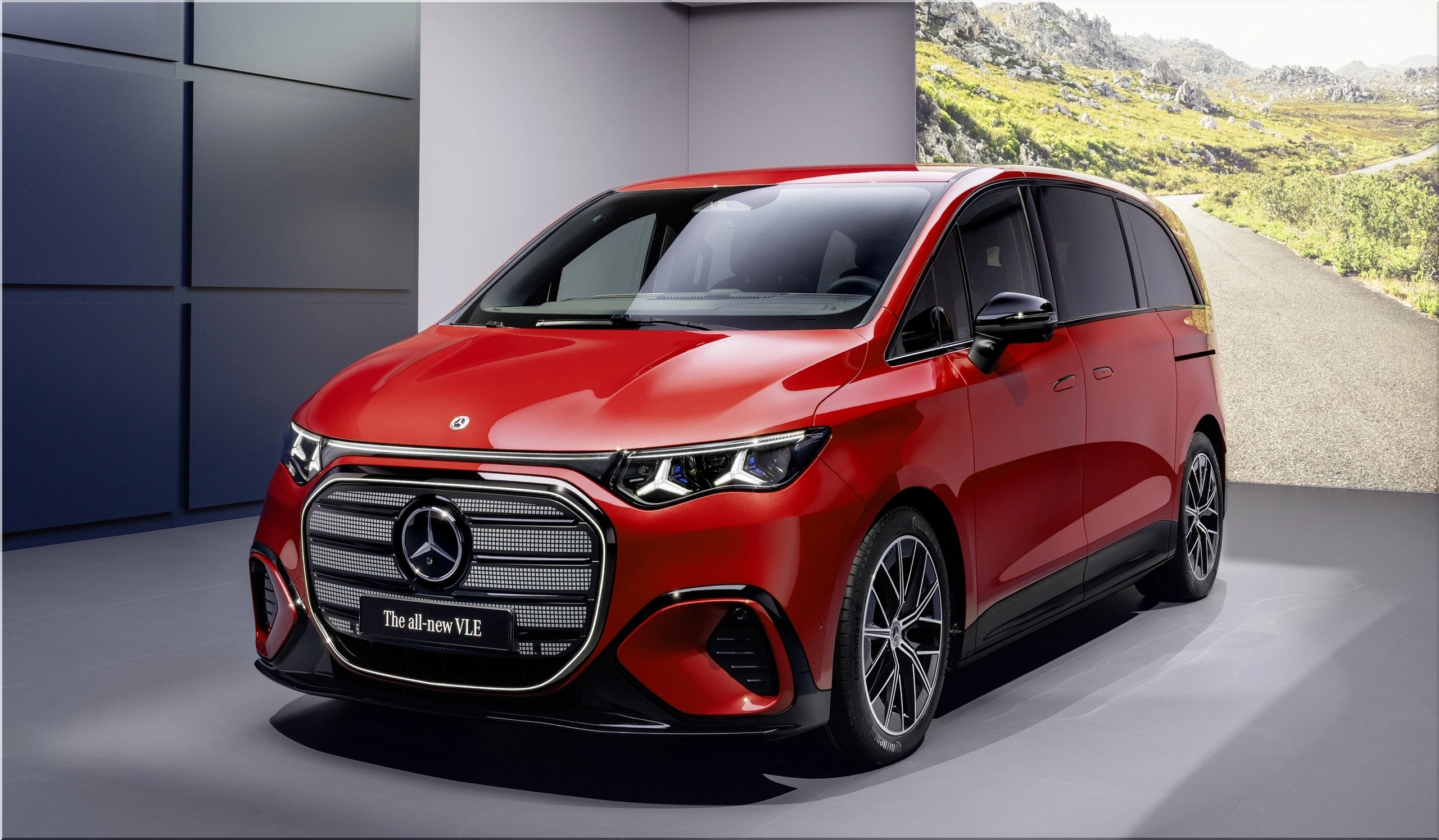
Automotive engineers usually treat the humble van like a basement renovation: functional, damp, and hidden from polite society. With the Mercedes-Benz VLE, the Stuttgart collective decided to stop apologizing for the boxy silhouette and instead filled it with enough 800-volt architecture to power a small municipality. This vehicle serves as the debut for the VAN Electric Architecture (VAN.EA), a modular platform that suggests Mercedes-Benz is finally tired of trying to shove batteries into chassis originally designed for diesel engines.
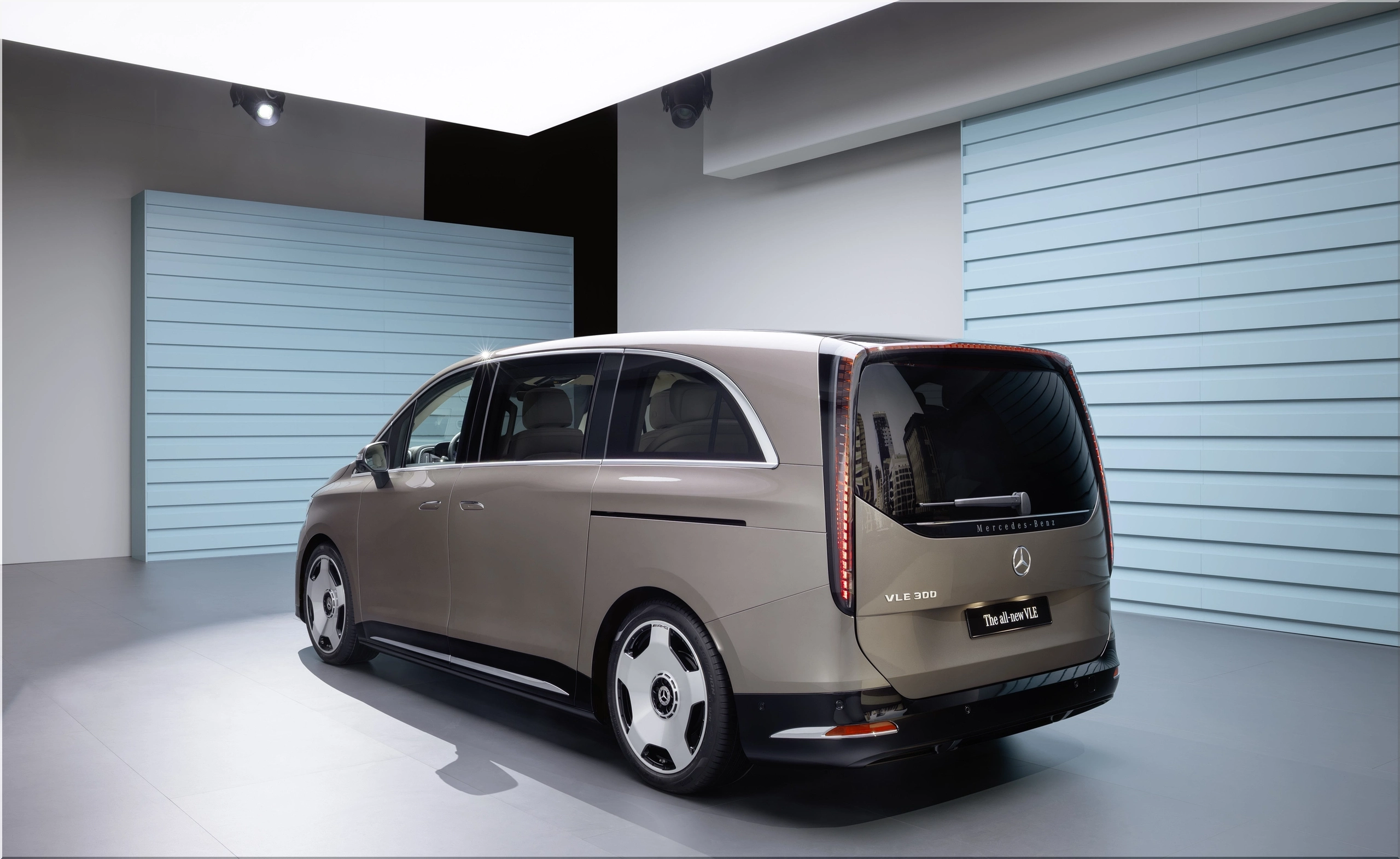
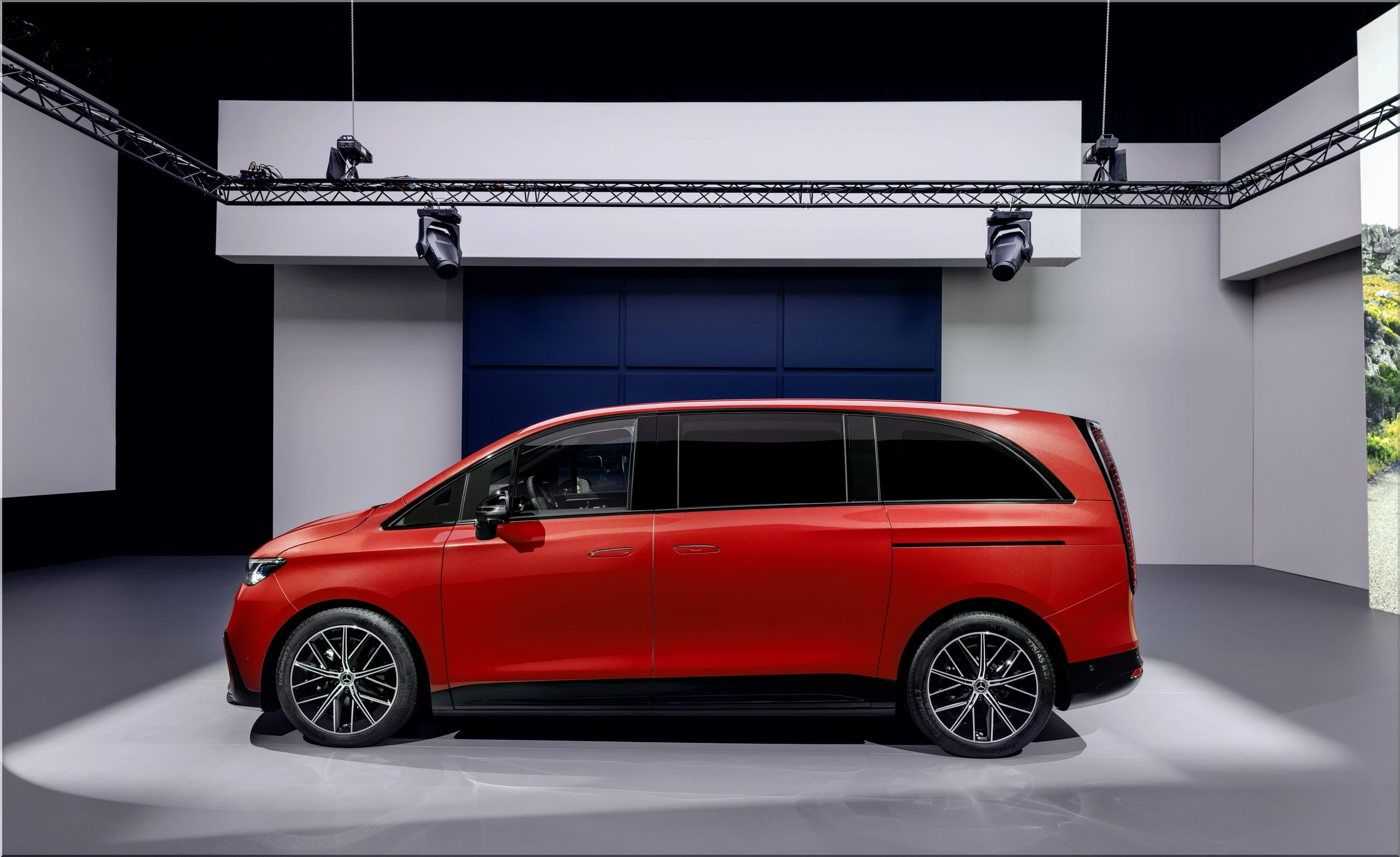
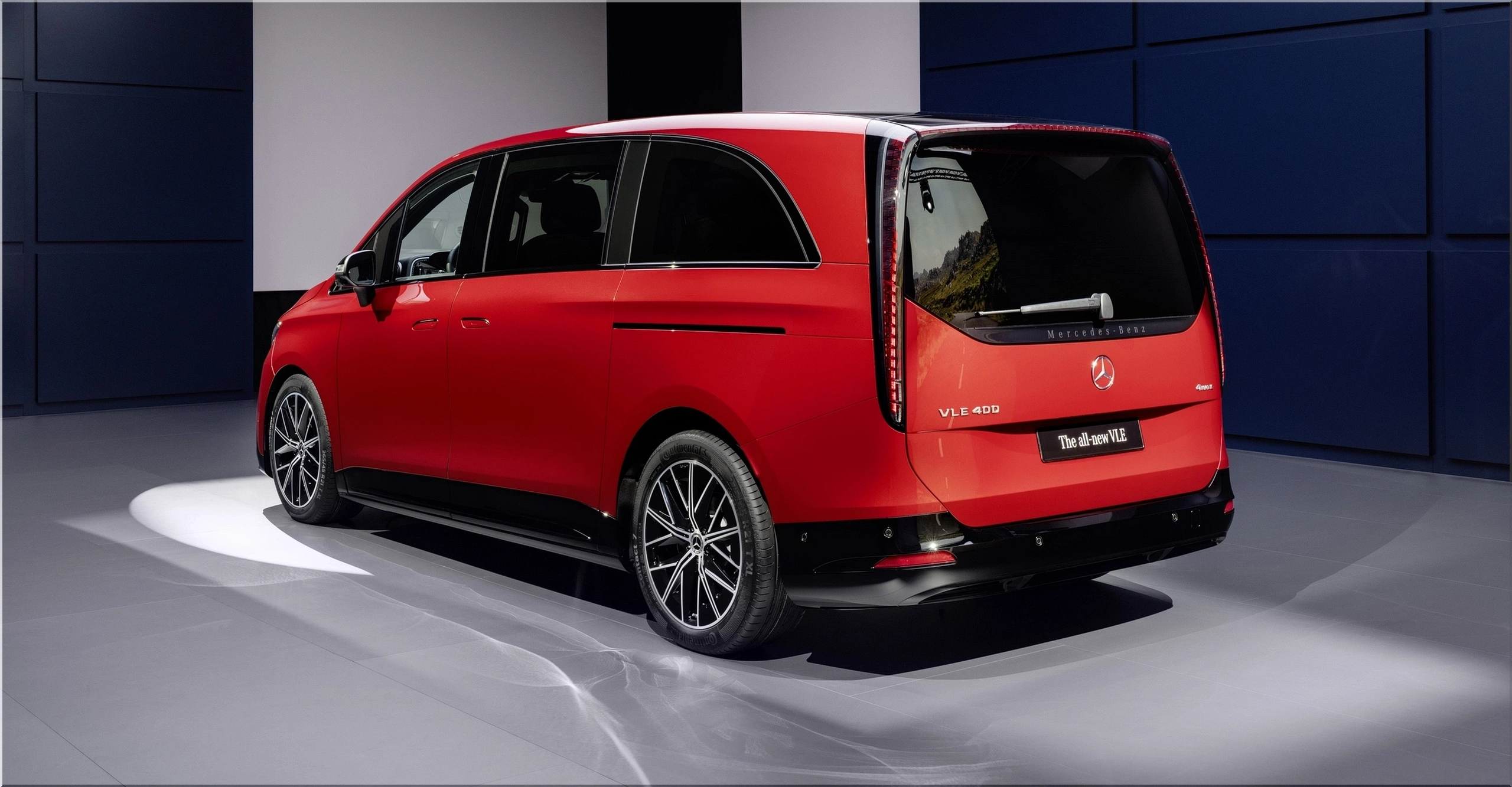
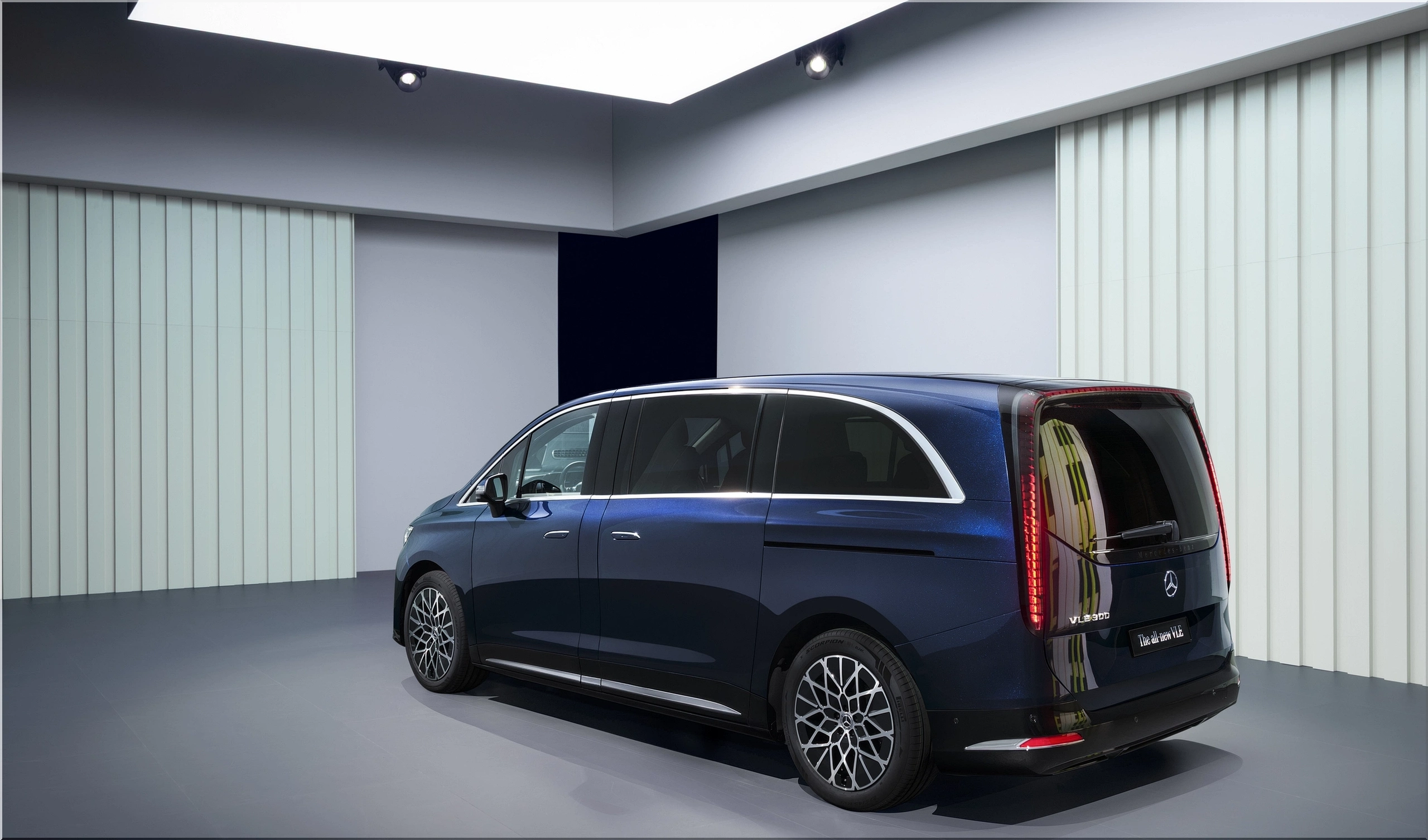
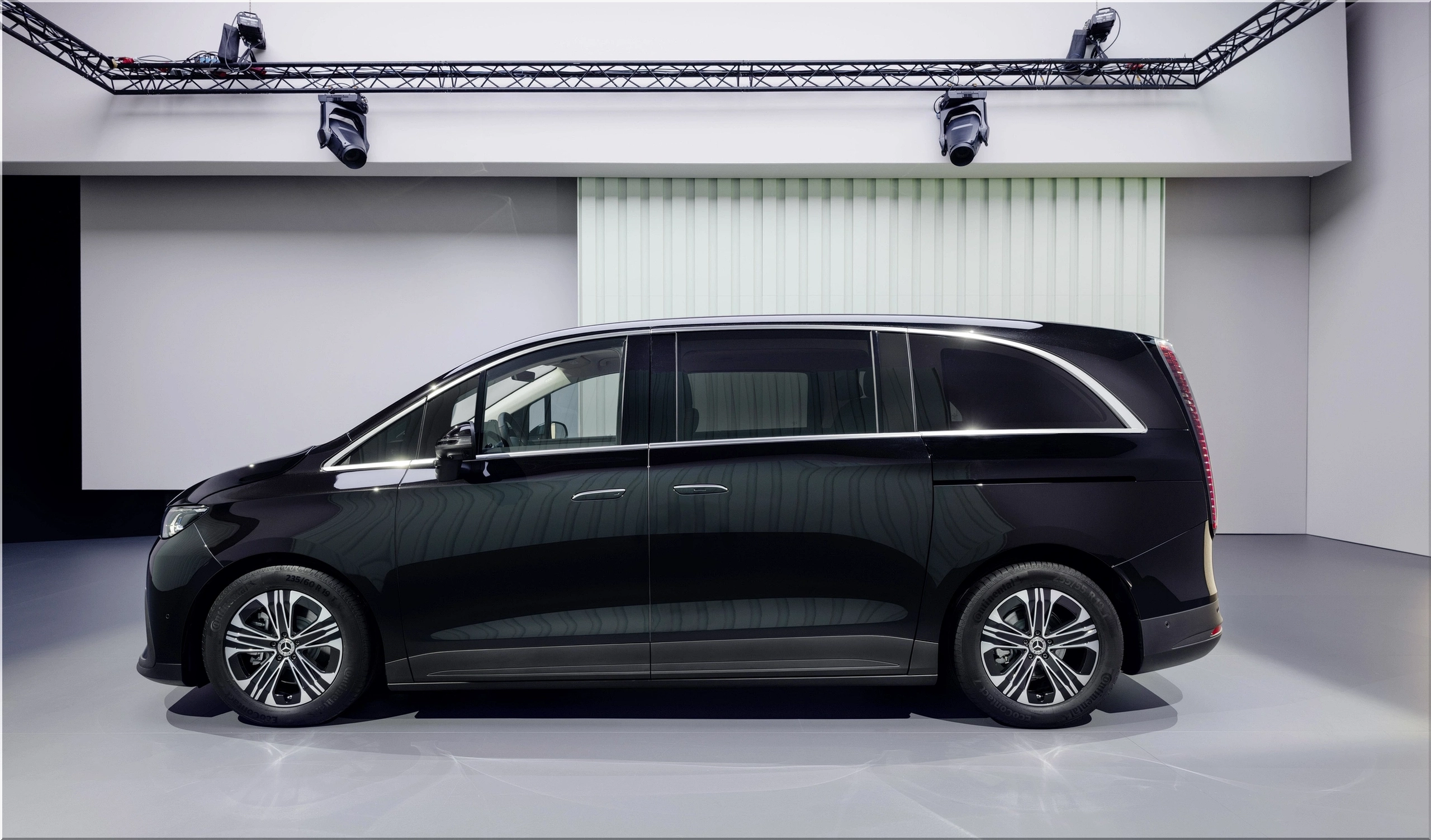
The result is a vehicle with a drag coefficient of 0.25. For context, that is more aerodynamic than most dedicated sports cars and roughly equivalent to a greased salmon. This efficiency allows the VLE to slice through the air rather than blunt-force its way to the grocery store. Consequently, the VLE 300 electric achieves a WLTP range of 435 miles (700 km), which is more than enough to drive from Berlin to Gothenburg without having to speak to a single person at a charging station.
Image
High-Voltage Therapy and 93 Percent Efficiency
The powertrain logic here is aggressively German. Mercedes-Benz developed a permanently excited synchronous motor (PSM) for the front axle that operates with a 93 percent battery-to-wheel efficiency. If humans were this efficient at converting calories to movement, a single cracker would fuel a marathon. In all-wheel-drive variants, a second motor sits on the rear axle, waiting for the driver to do something ambitious with the accelerator.
Specifically, the rear axle employs a Disconnect Unit (DCU). This mechanical chaperone decouples the rear motor and gearbox when the vehicle realizes you are just cruising on a flat highway. By doing so, it reduces drag losses by 90 percent at that axle. It is the engineering equivalent of turning off the lights in a room you aren't using, except the room is a multi-ton luxury shuttle moving at 70 mph.
Technical Specifications for the Detail-Obsessed
| Component | Metric | Data Point |
|---|---|---|
| Battery Capacity | Usable Energy | 115 kWh |
| Charging Power | 800V DC Fast | 320 km in 15 min |
| Turning Circle | Agility | 35.8 feet (10.9m) |
| Steering Angle | Rear Axle | 7 degrees |
| Aerodynamics | Cd Value | 0.25 |
| Operating System | Software | MB.OS |
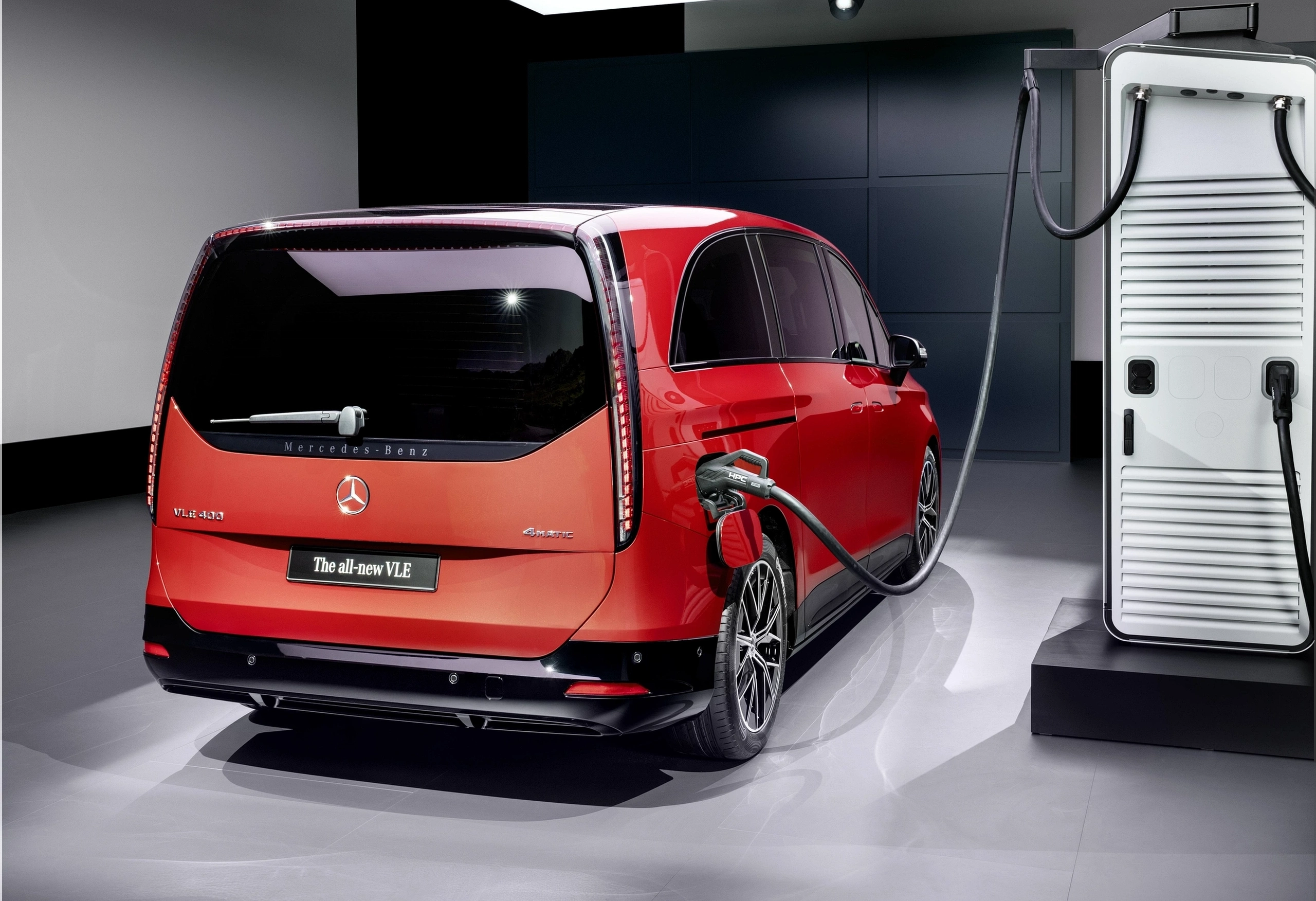
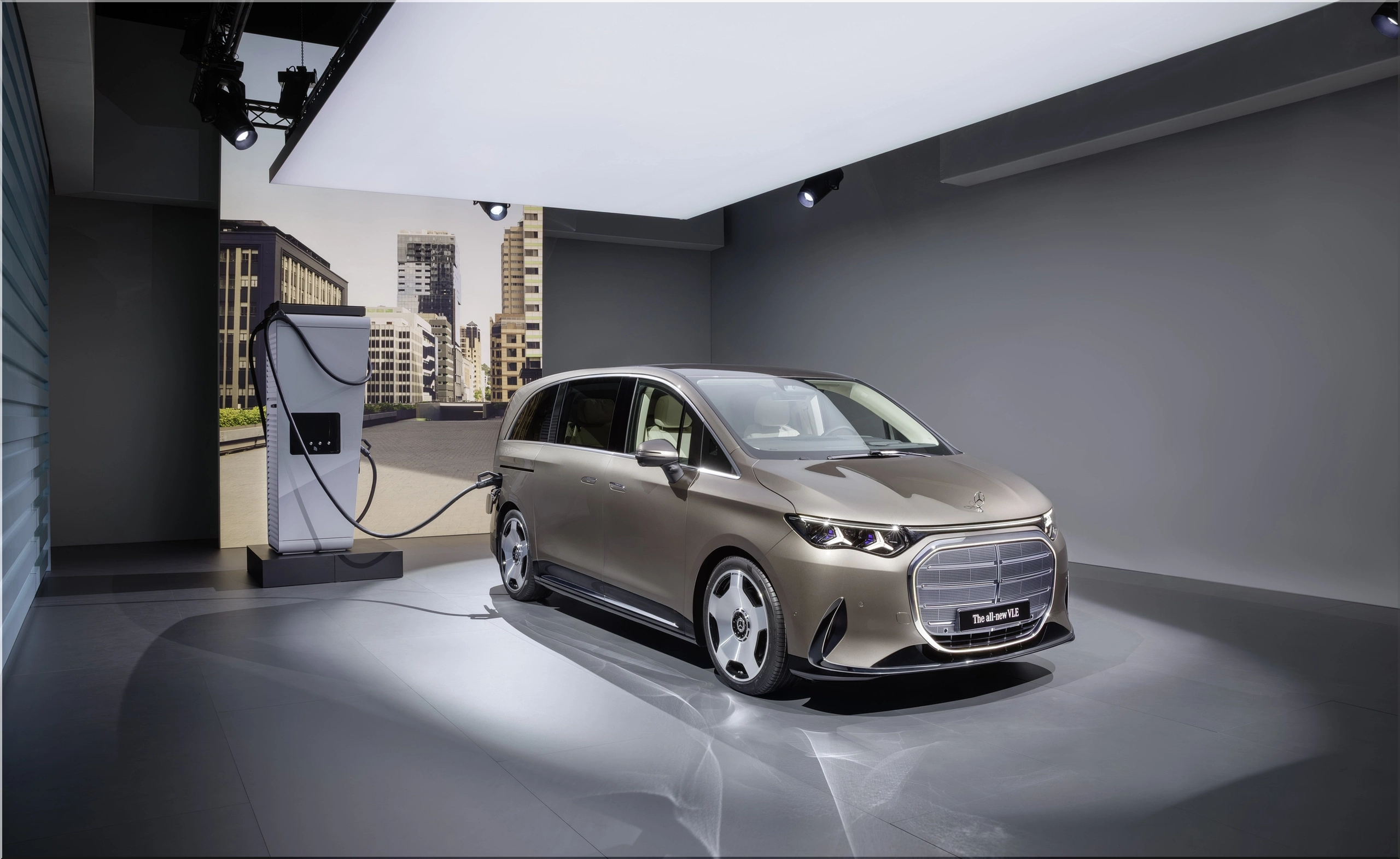
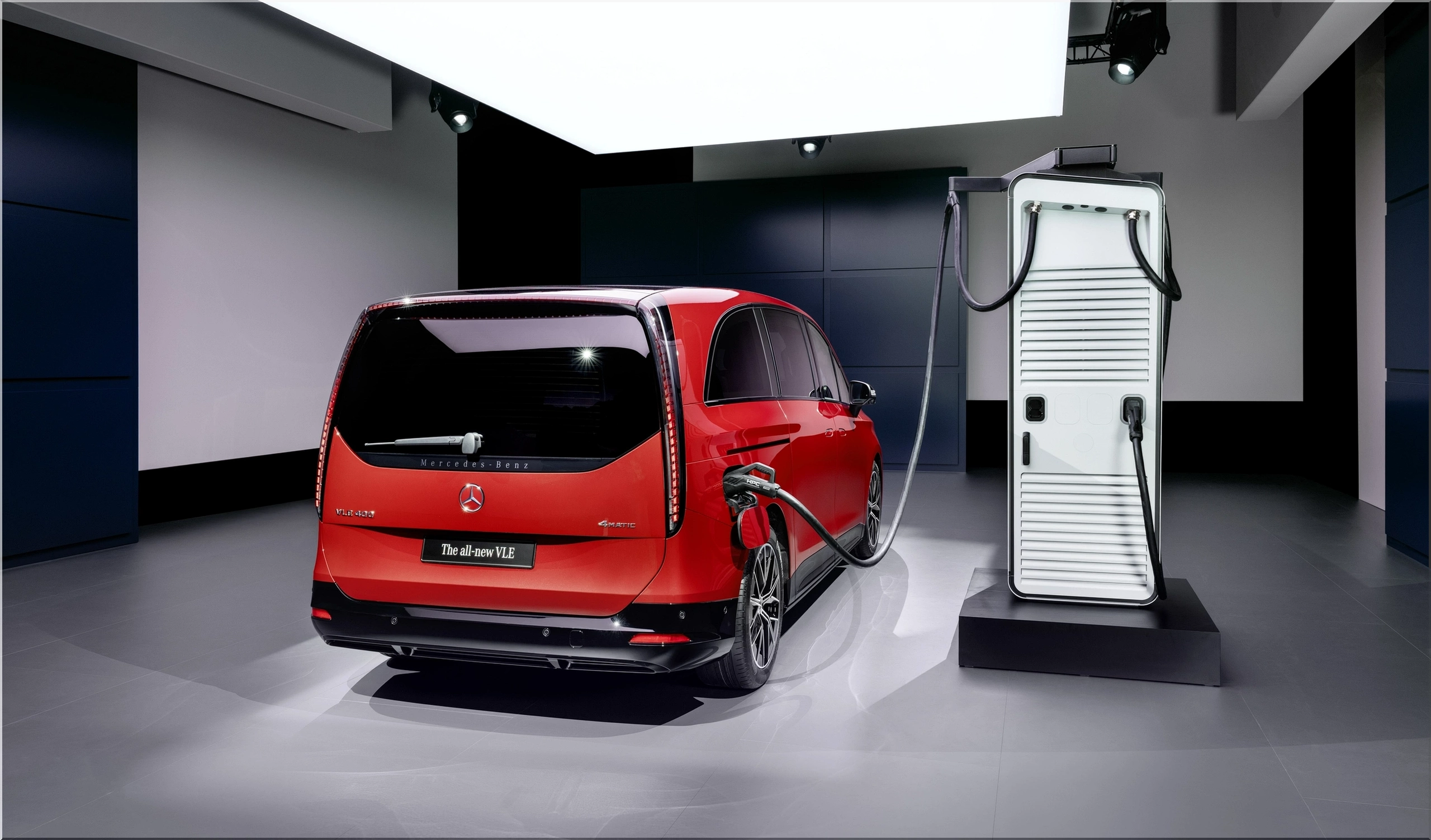
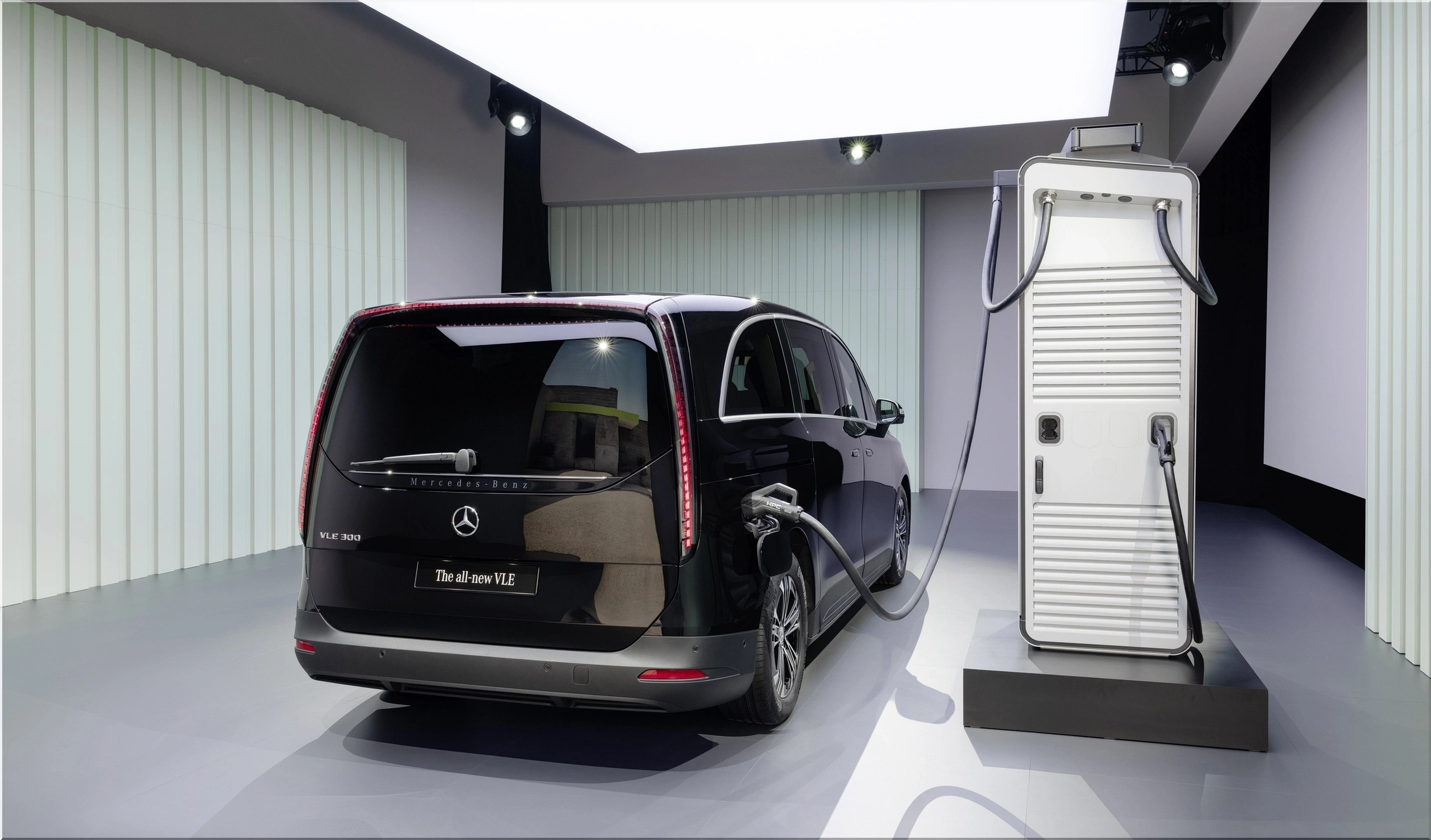
From an expert perspective, the transition to 800-volt technology is the most important part of the spec sheet. It means the VLE can ingest 200 miles of range in the time it takes to find a clean restroom at a rest stop. By comparison, older 400-volt systems feel like trying to fill a swimming pool with a cocktail straw.
The Interior: A Mobile Boardroom for Eight
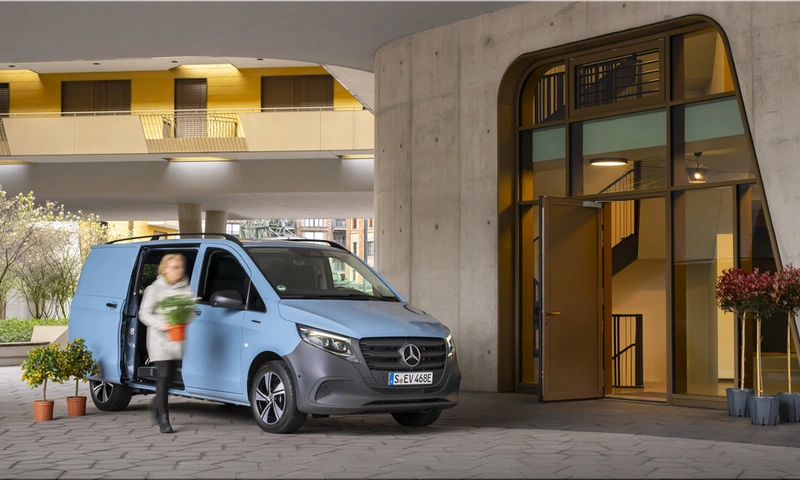
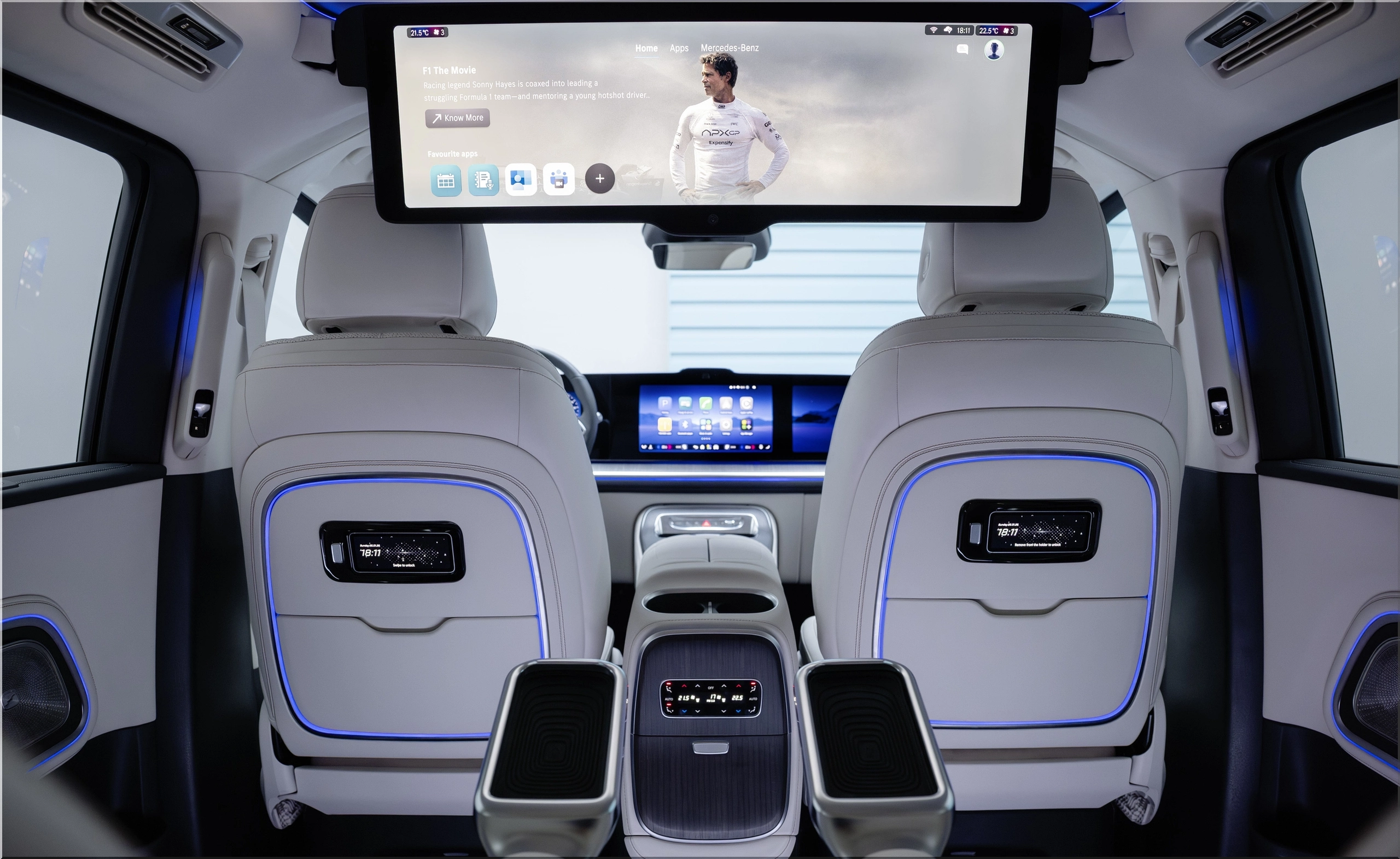
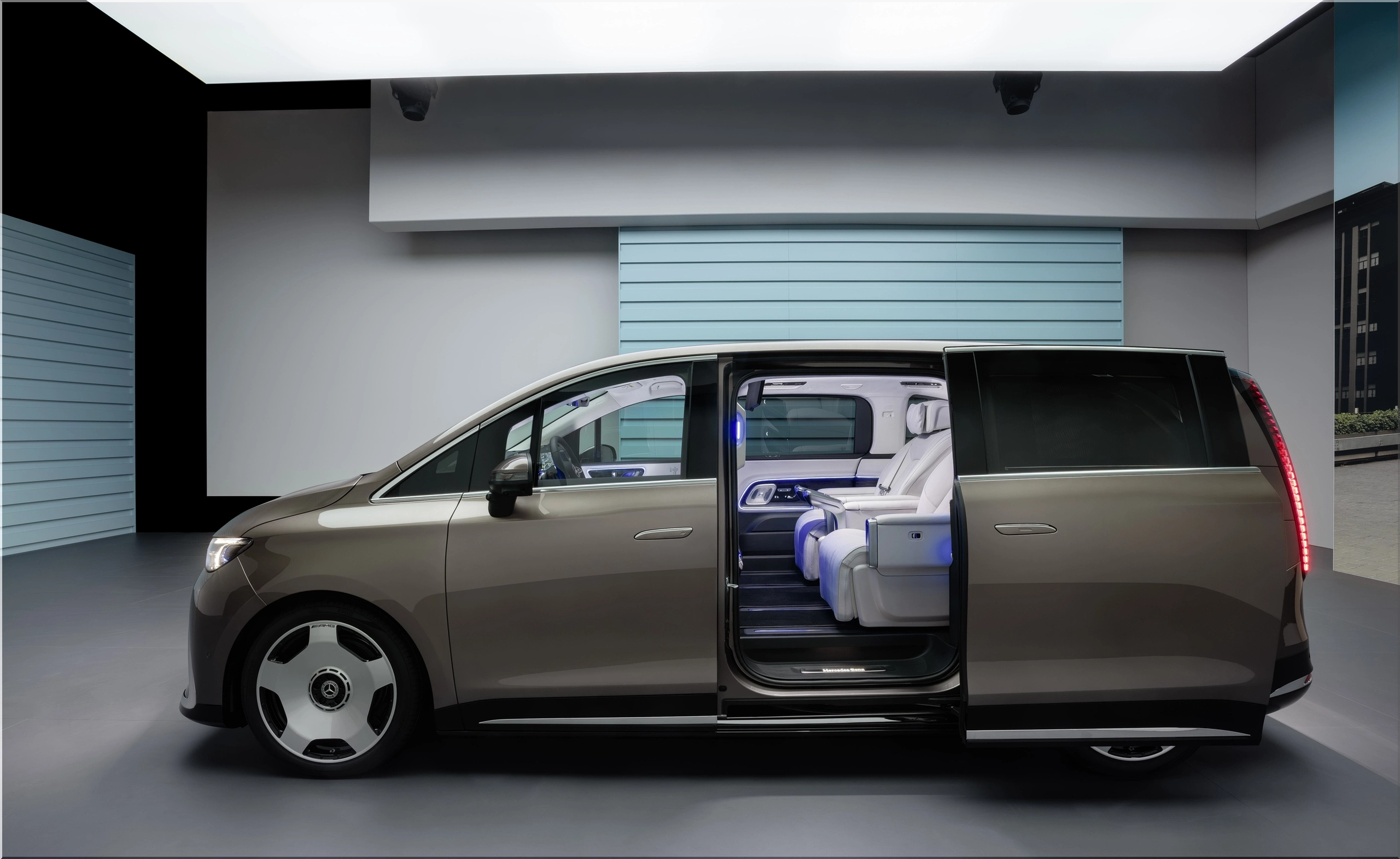
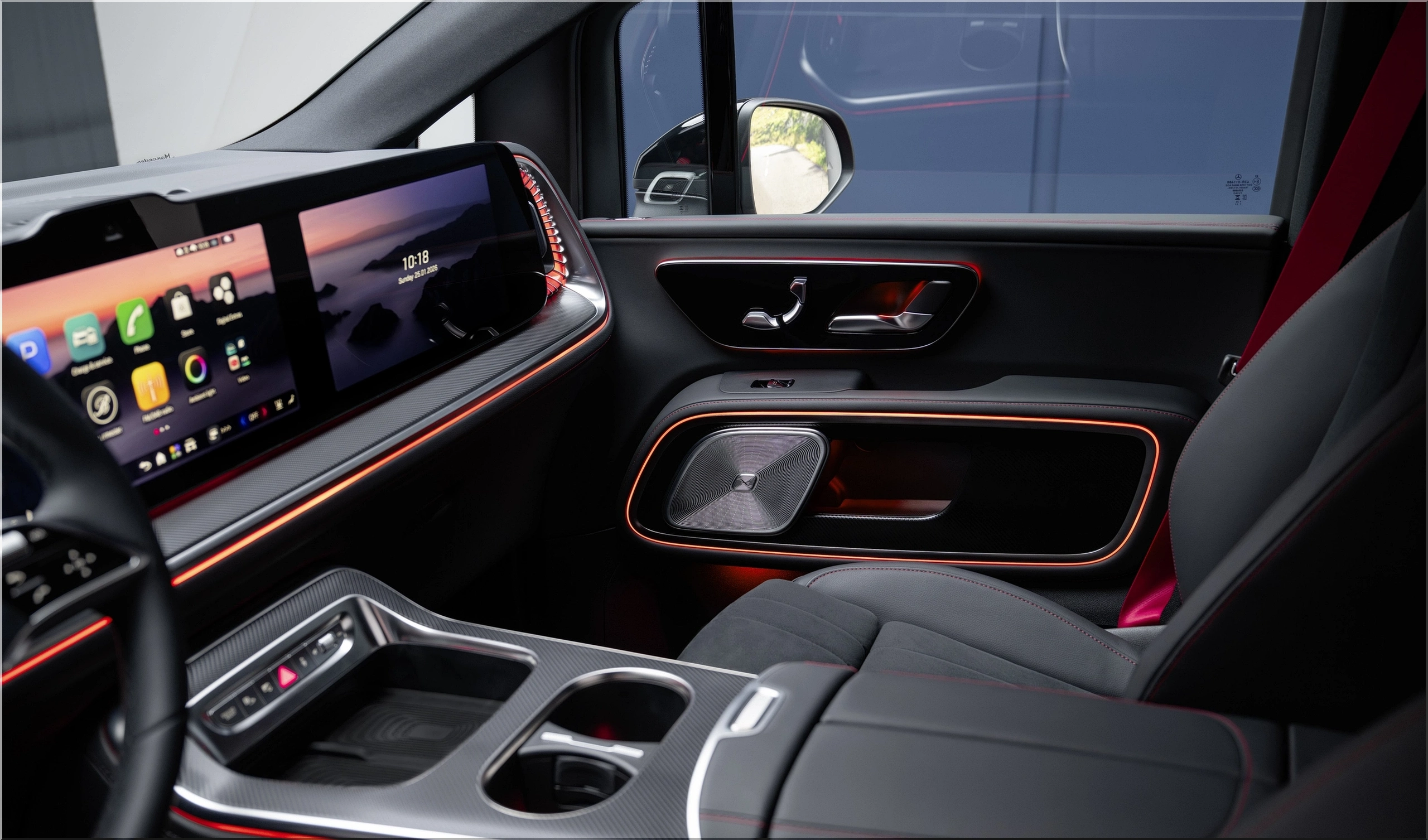
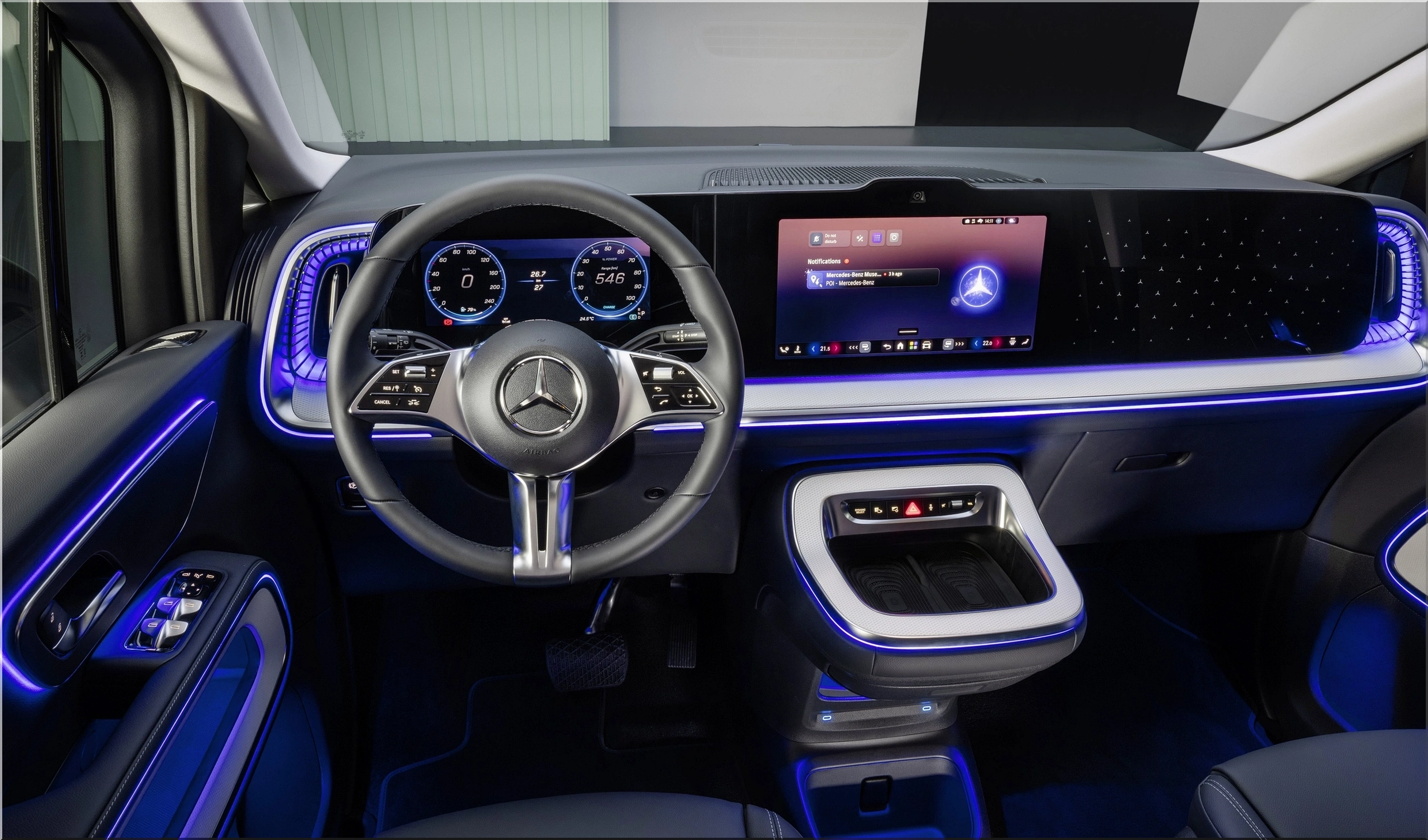
Inside, the VLE abandons the traditional "bench seat and crumbs" aesthetic for something approaching a private jet cabin. The cabin accommodates five to eight people, depending on how many relatives you actually like. Mercedes-Benz offers Luxury Seats in the rear that feature ventilation, massage functions, and calf rests, effectively turning the second row into a high-speed spa.
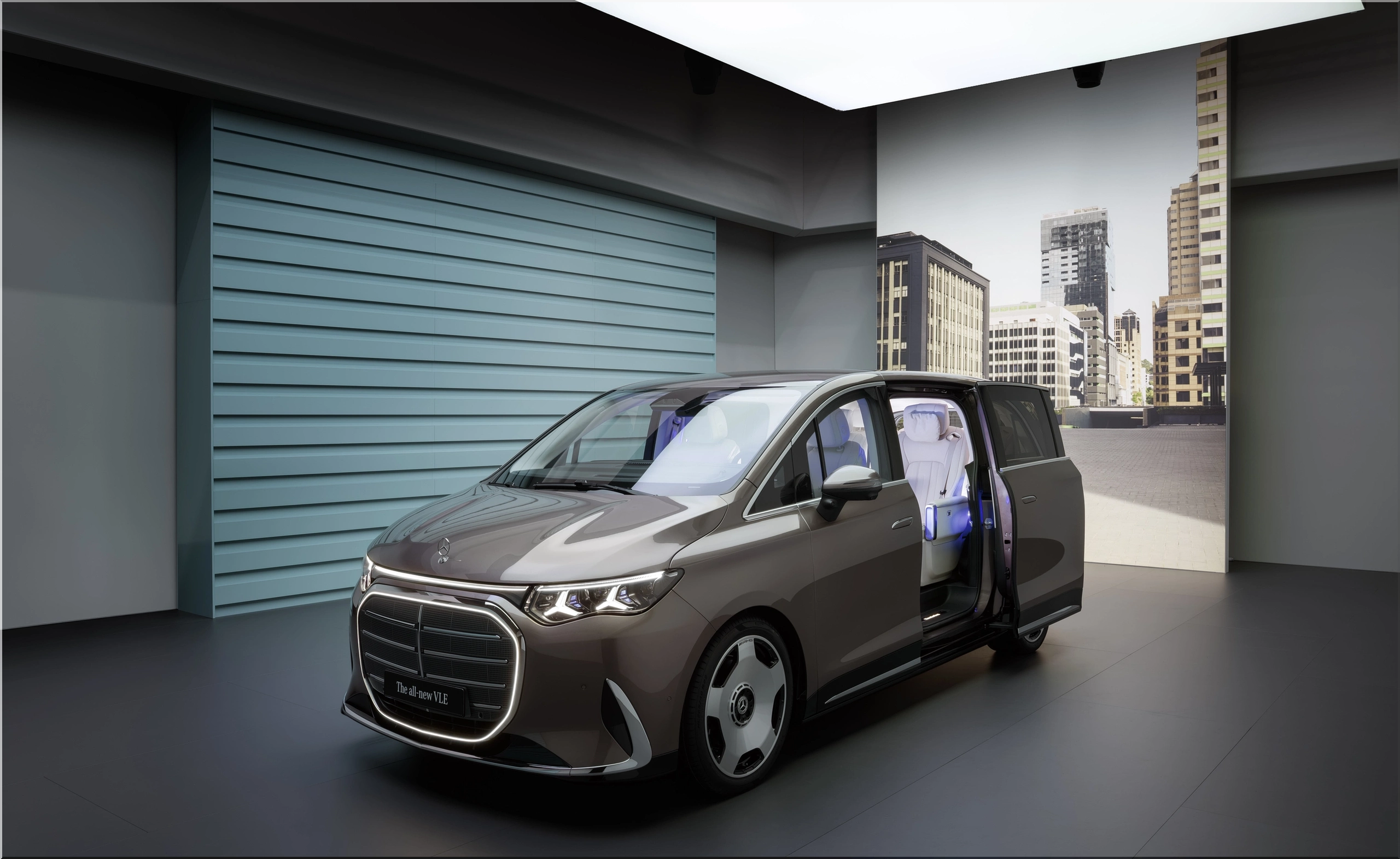
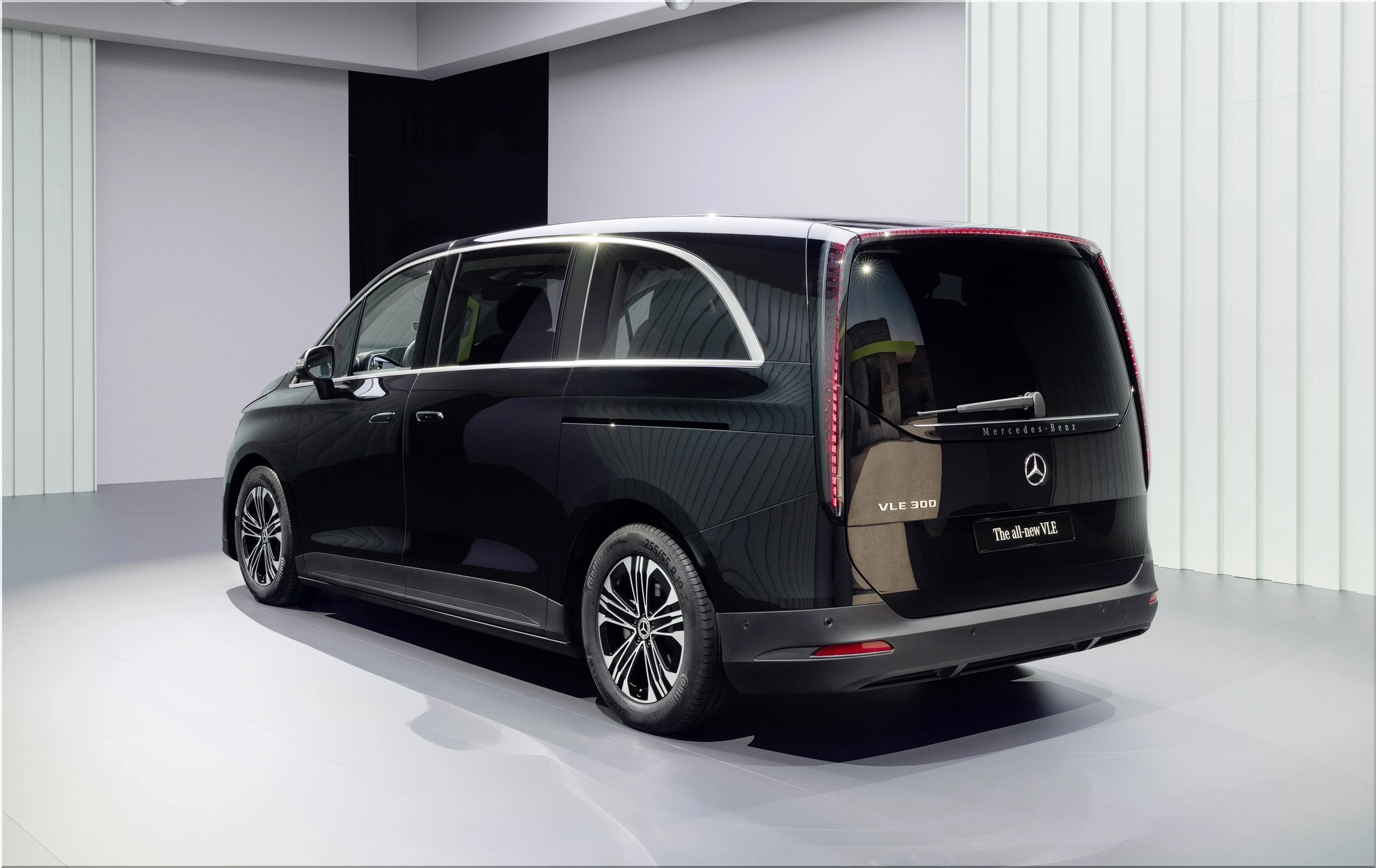
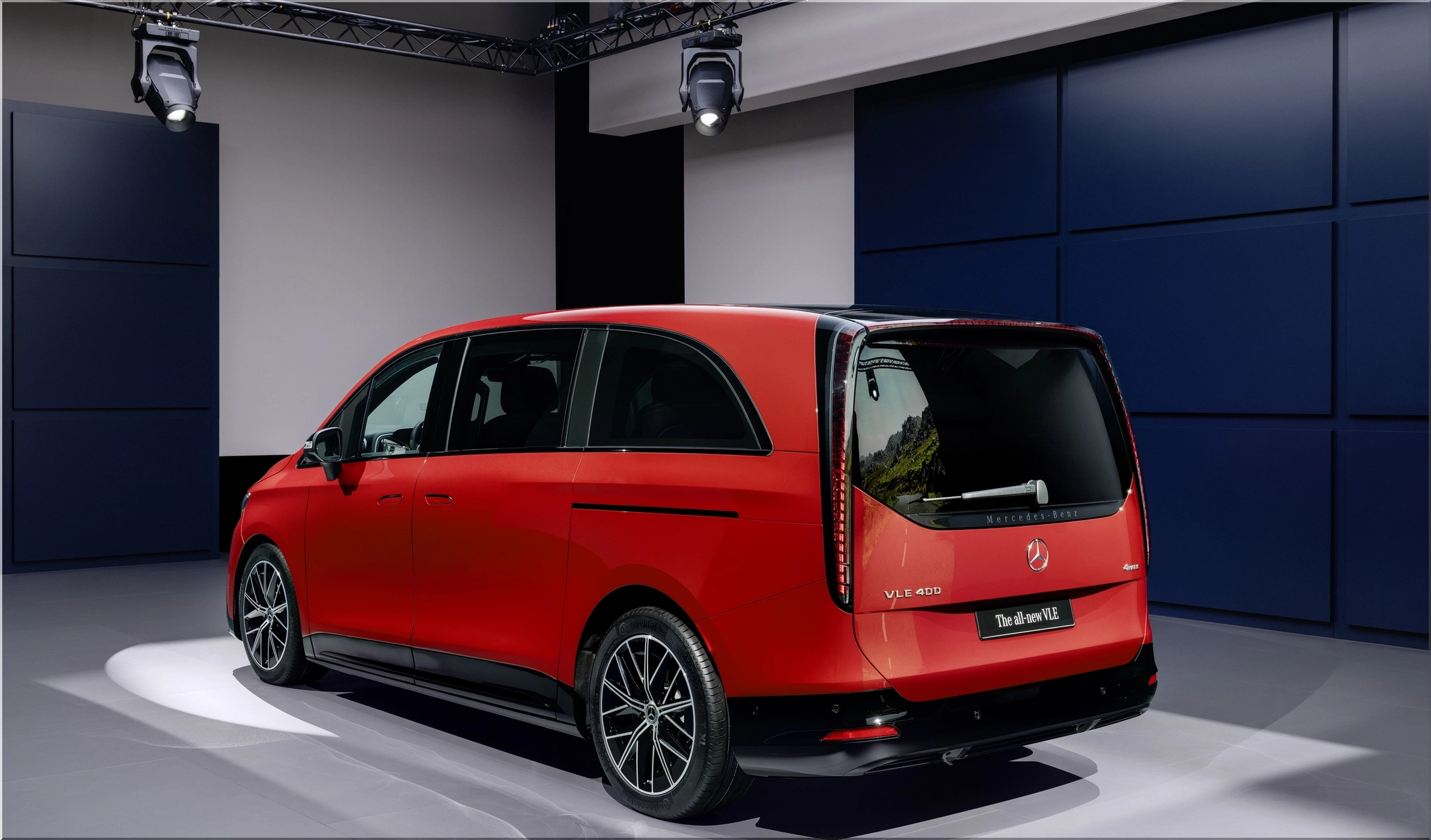
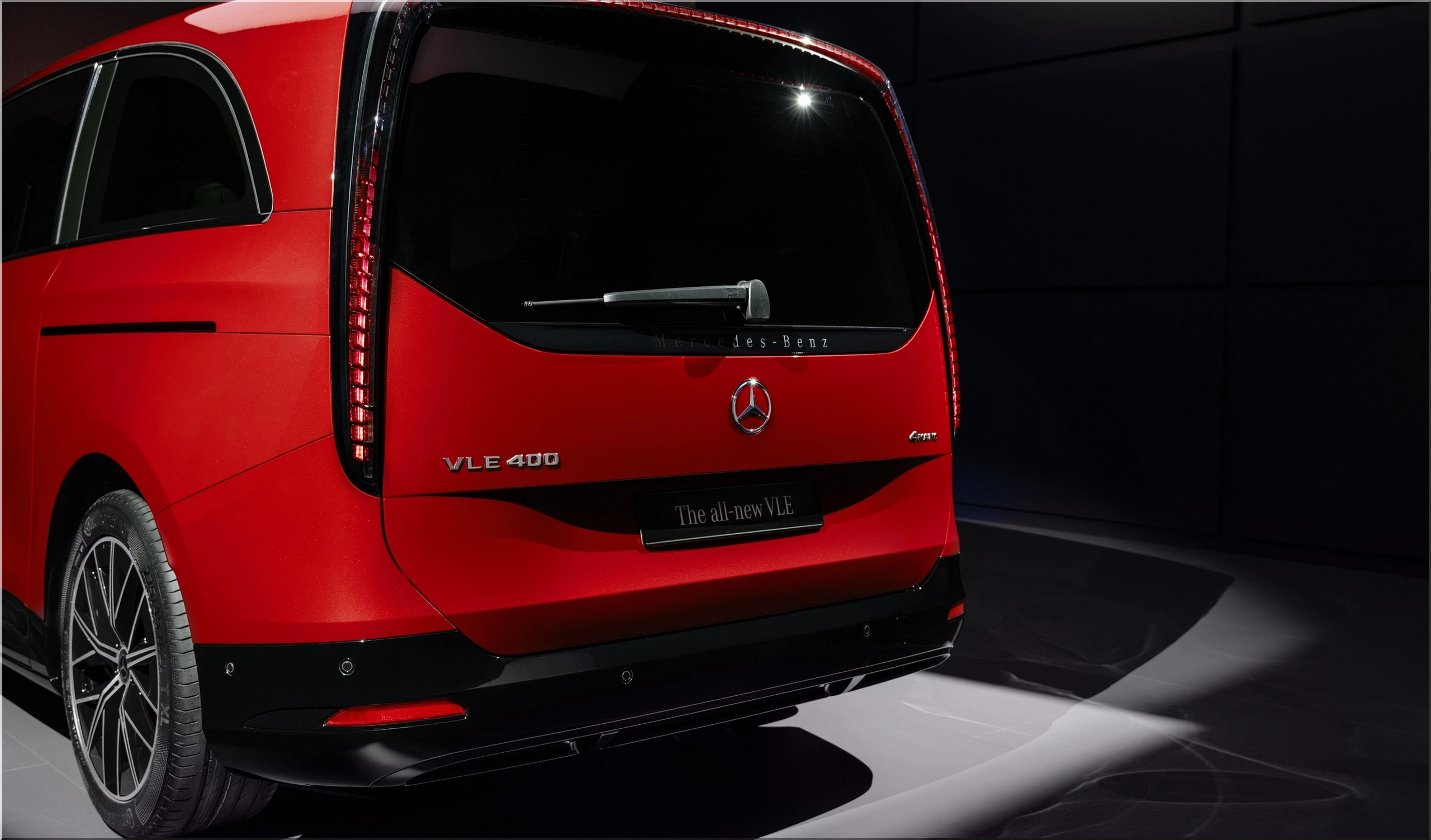
In addition, the vehicle features electric sliding doors on both sides. These are not merely for show; they include fully retractable electric windows. This allows rear passengers to experience the outside world without actually having to step into it. For those dealing with tight urban parking, the separately opening rear window in the tailgate allows for the insertion of small items without deploying the massive rear hatch like a cargo plane ramp.
Image
MB.OS: A Brain with Water Cooling
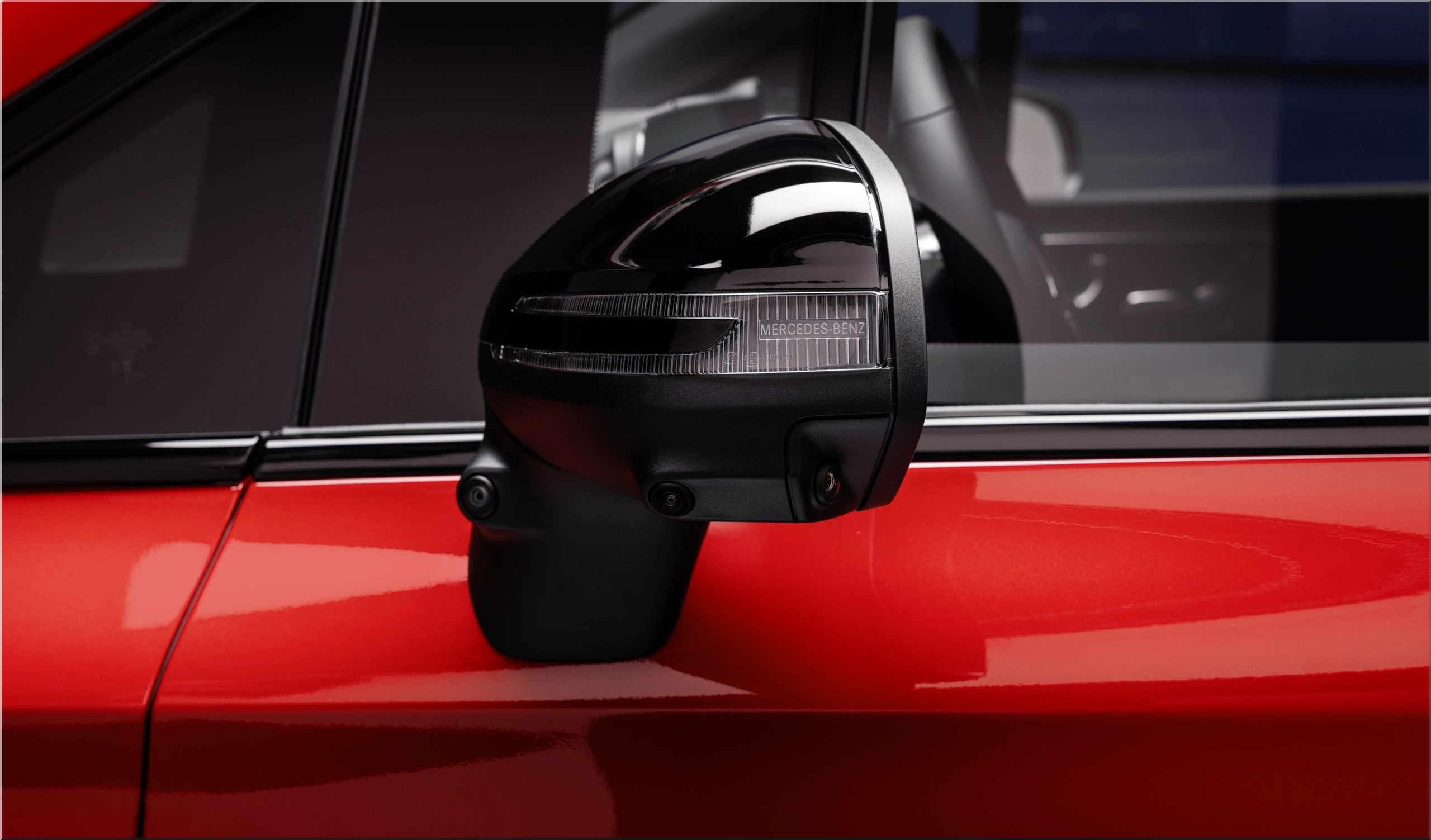
The Mercedes-Benz Operating System (MB.OS) acts as the digital supervisor for the entire experience. It runs on a water-cooled high-performance computer because apparently, air-cooling is for amateurs and base-model laptops. This system processes data from 10 cameras, five radar sensors, and 12 ultrasonic sensors, ensuring the car is significantly more aware of its surroundings than the average teenager.
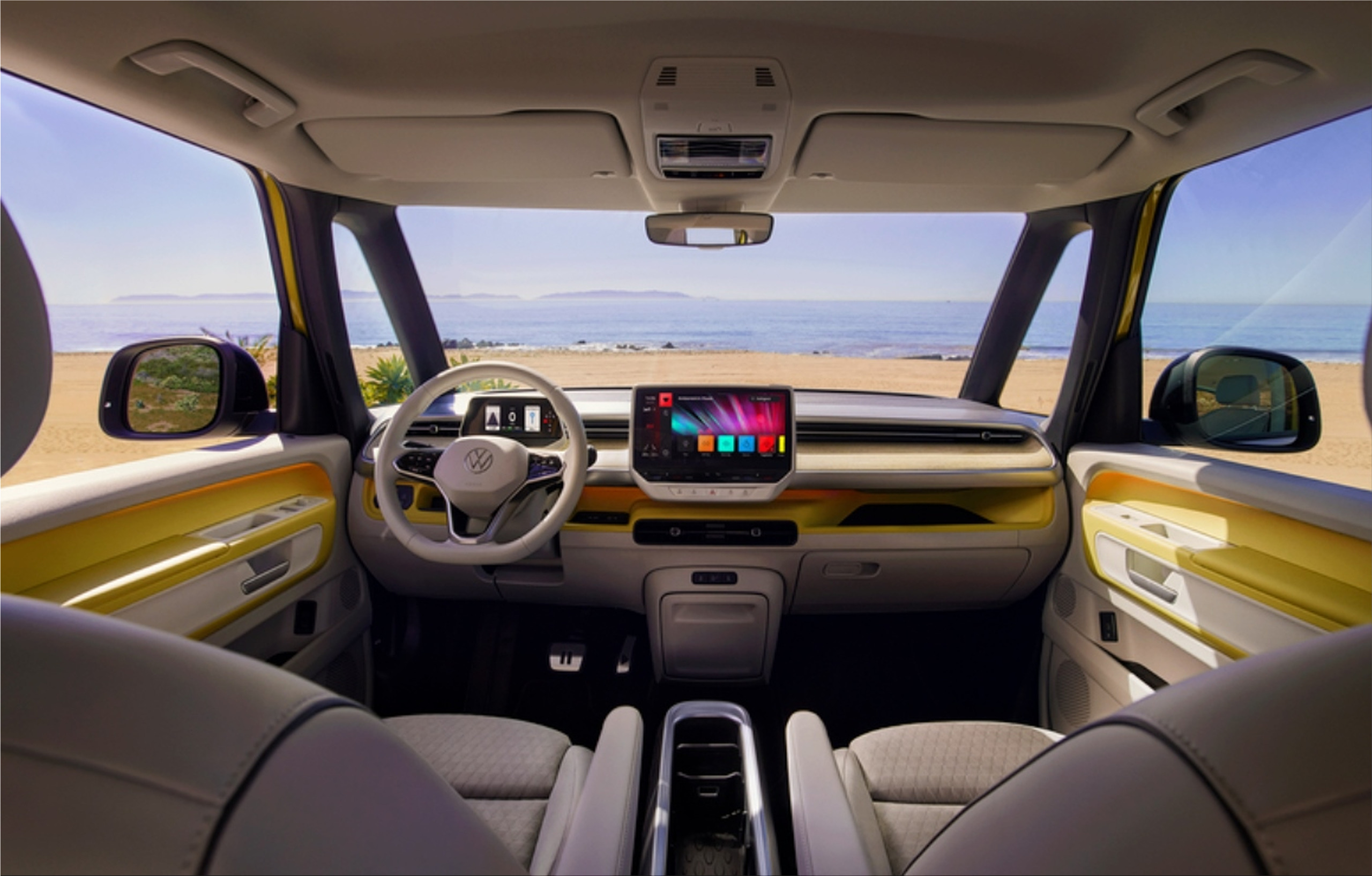
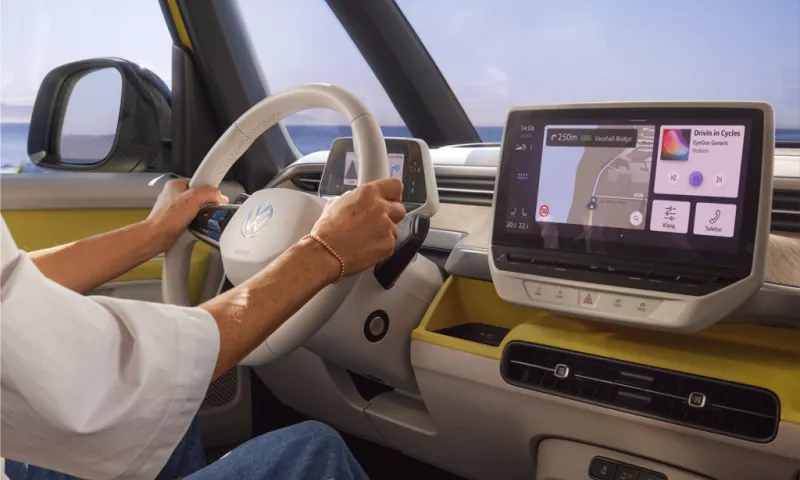
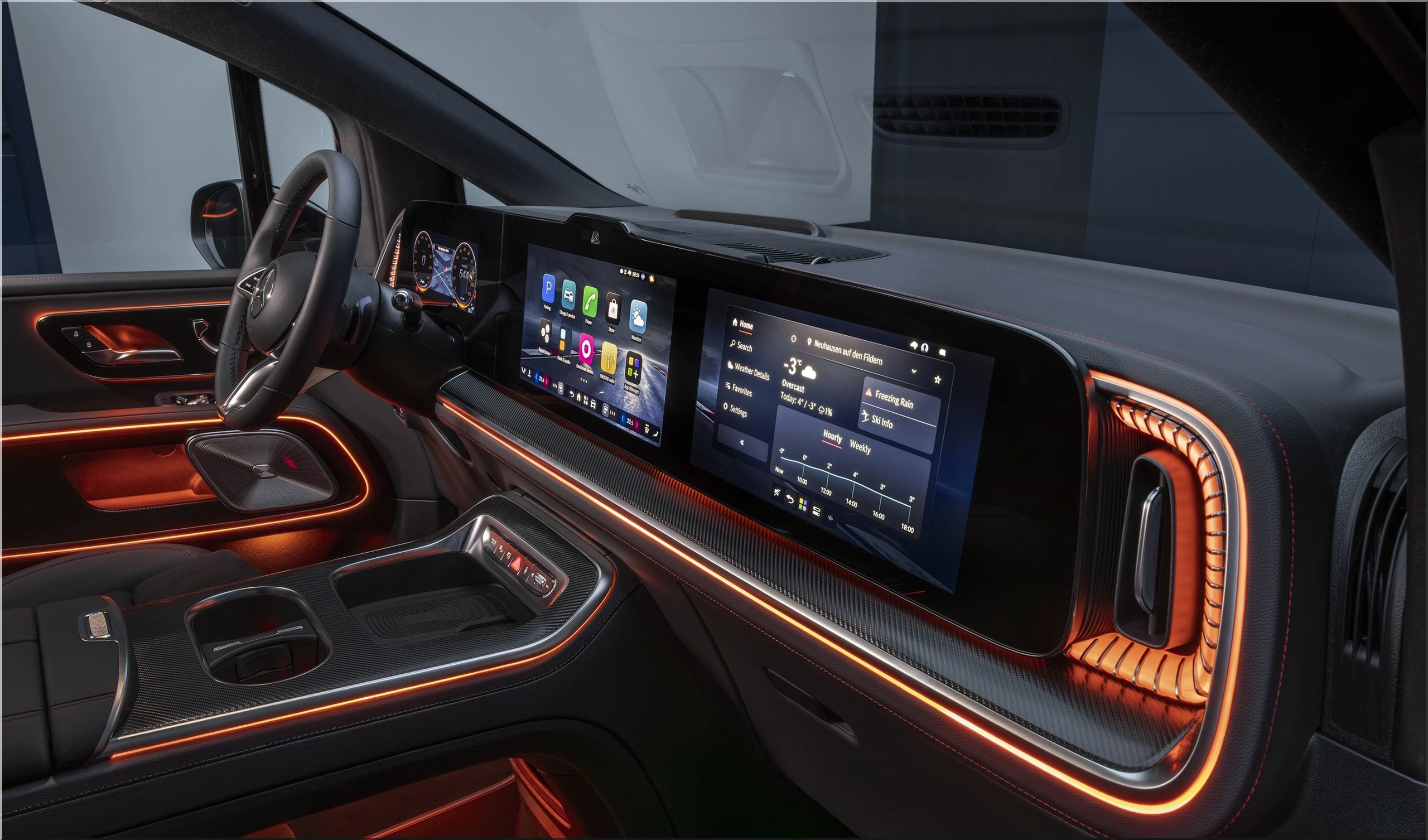
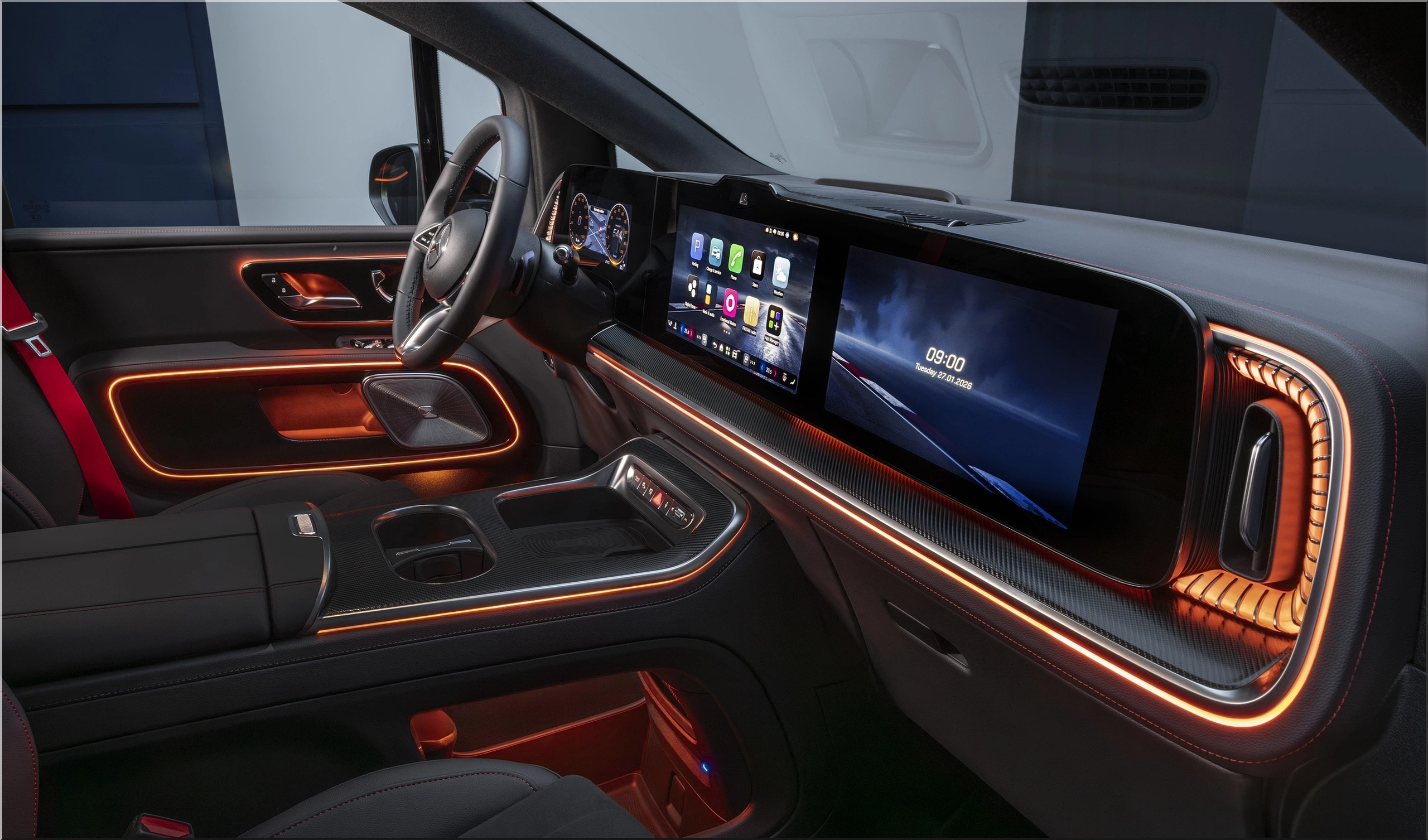
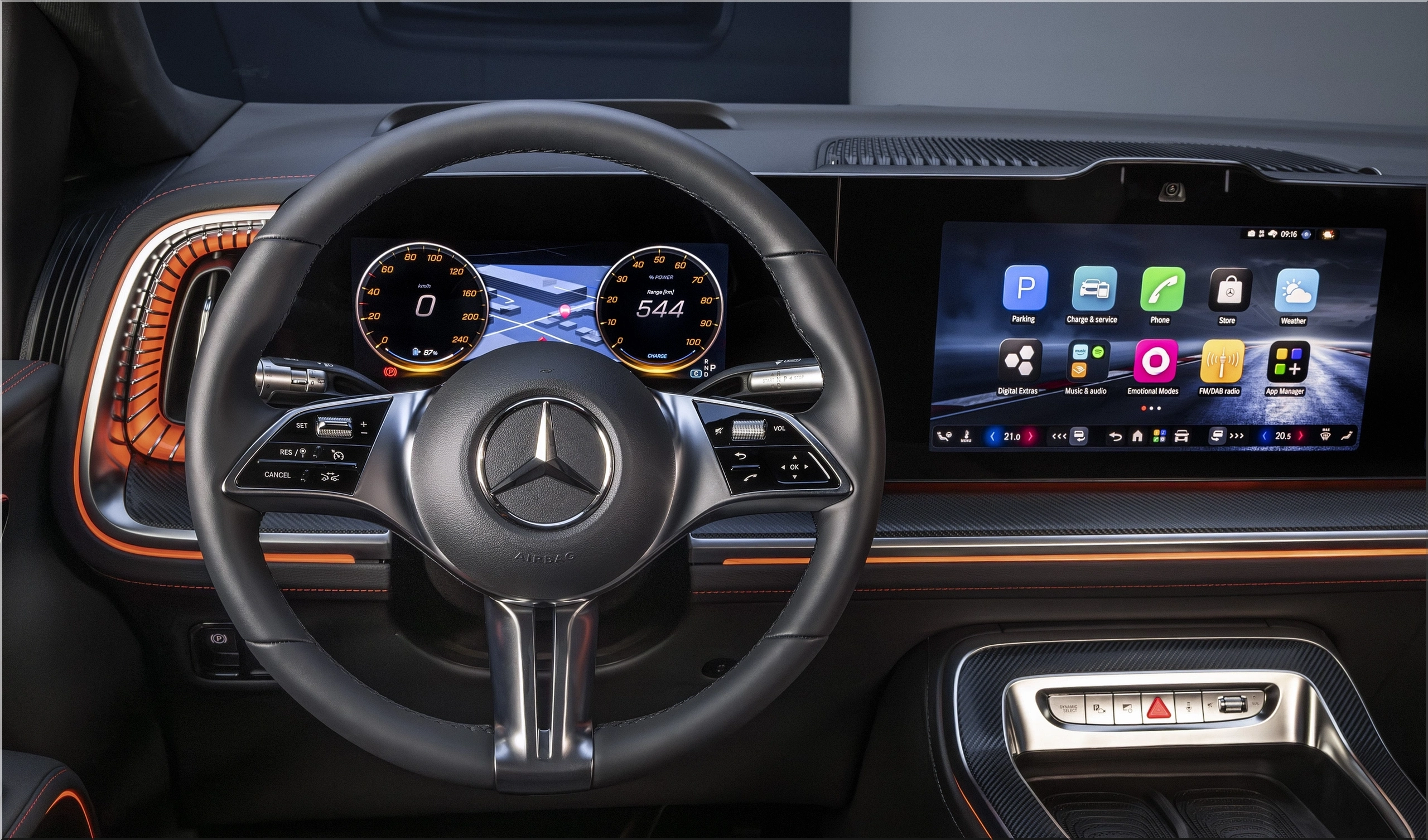
The MBUX Zero Layer interface uses Unity game engine graphics to render 3D environments on the dashboard. It prioritizes the most important apps on the top level of the screen. Consequently, the driver does not have to hunt through four sub-menus just to turn down the seat heaters. From an expert perspective, this is a calculated move to prevent the "digital clutter" that plagues modern luxury vehicles.
Image
Standard Safety and Driver Assistance Suites
- Distance Assist DISTRONIC: Maintains a polite gap between you and the car ahead.
- Active Lane Change Assist: Steers the vehicle into the next lane with the confidence of a professional chauffeur.
- Surround Navigation: Overlays 3D graphics on the display to make sure you don't miss the turn for the airport.
- MB.DRIVE: Supports braking and acceleration, including autonomous stopping at red lights in specific regions.
Turning Your Van into a Power Plant
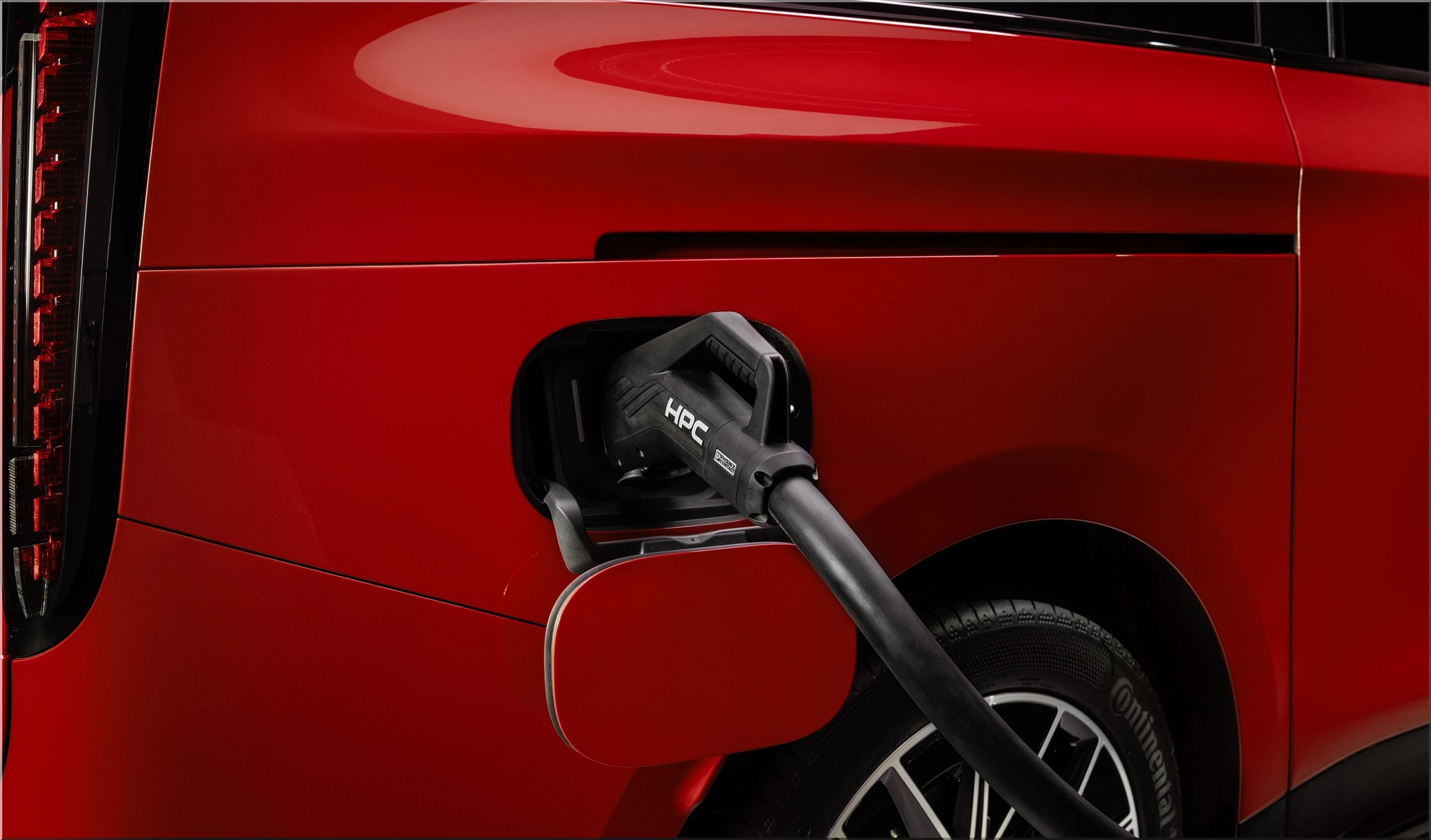
The VLE introduces bidirectional charging, a feature that allows the car to pay for itself—or at least its electricity. With Vehicle-to-Home (V2H) and Vehicle-to-Grid (V2G) capabilities, the 115 kWh battery becomes a massive mobile power bank. If the local power grid decides to take a nap, the VLE can power your house for several days, ensuring your refrigerator stays cold and your internet stays on.
Video file
Video title
Mercedes-Benz VLE
Specifically, owners can store cheap solar power during the day and feed it back into the house during peak pricing hours. Looking at the data, this transforms the vehicle from a depreciating asset into a functional piece of infrastructure. It is a logical engineering solution for anyone who views a blackout as a personal affront to their lifestyle.
Market Positioning and Competitive Analysis
The VLE competes in a segment that didn't really exist until Mercedes-Benz decided to invent it: the Grand Limousine. It attempts to offer the space of a commercial van with the refinement of an S-Class. This puts it in direct conflict with high-end electric SUVs that are essentially just cramped wagons with tall tires.
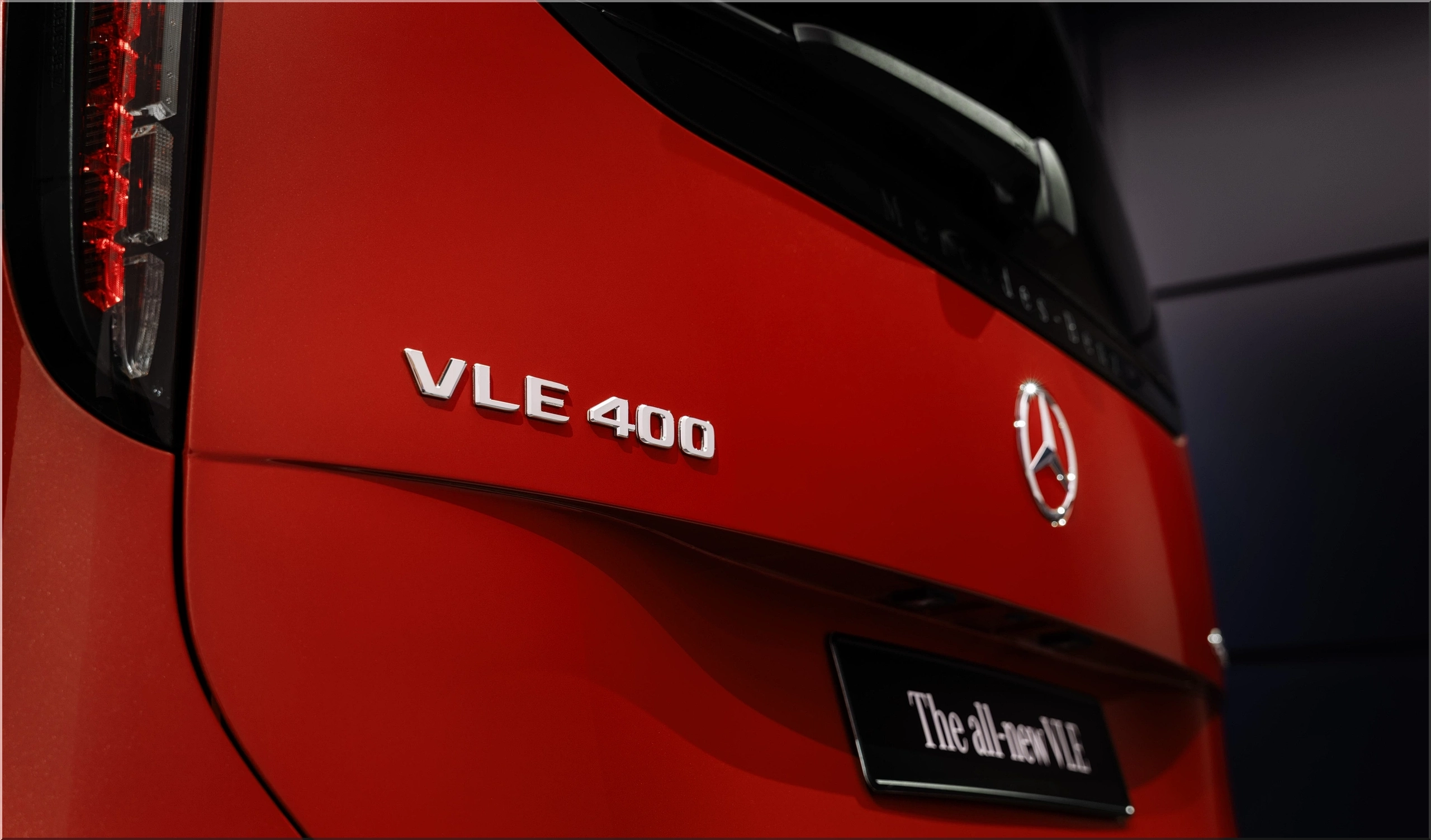
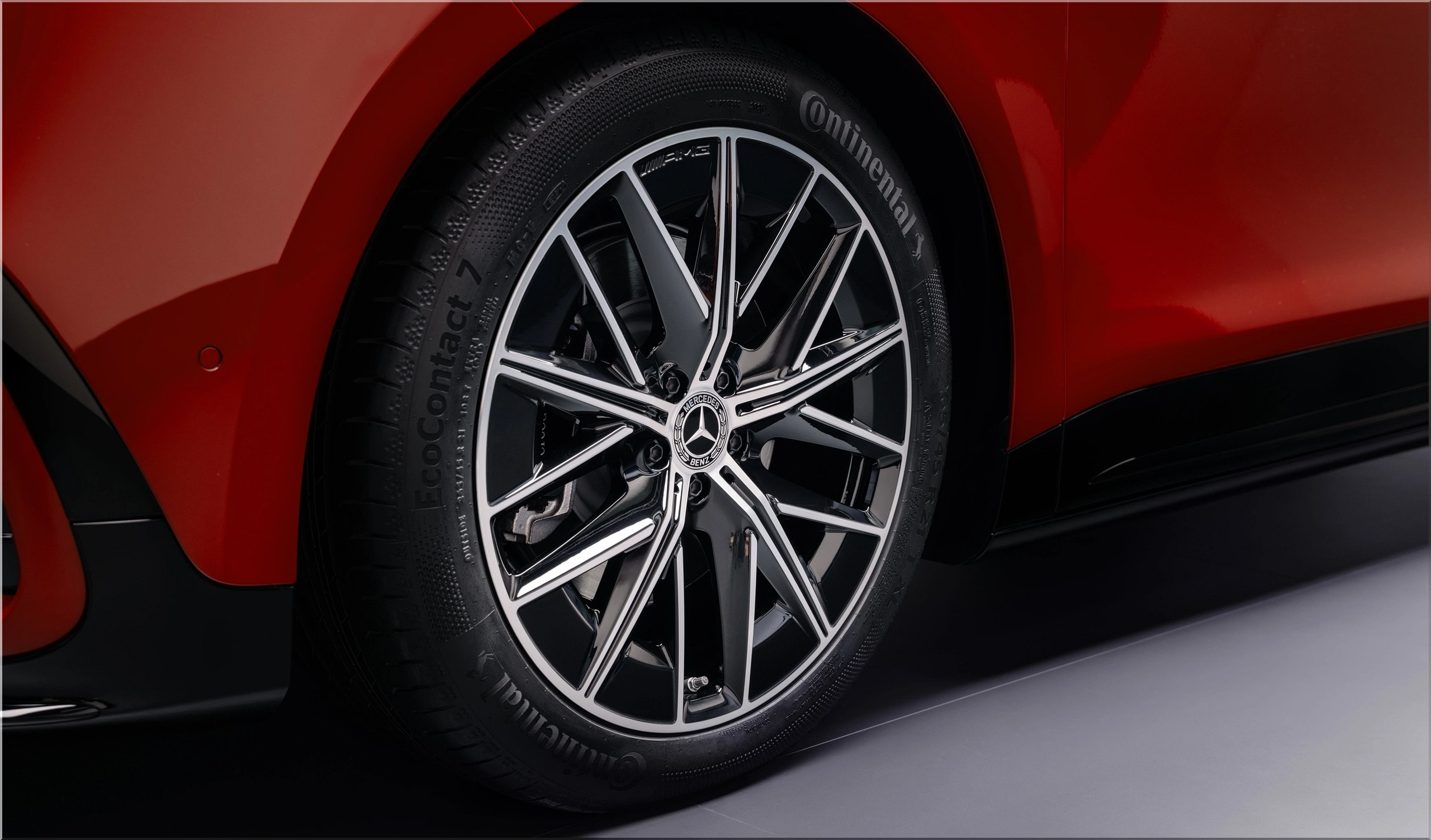
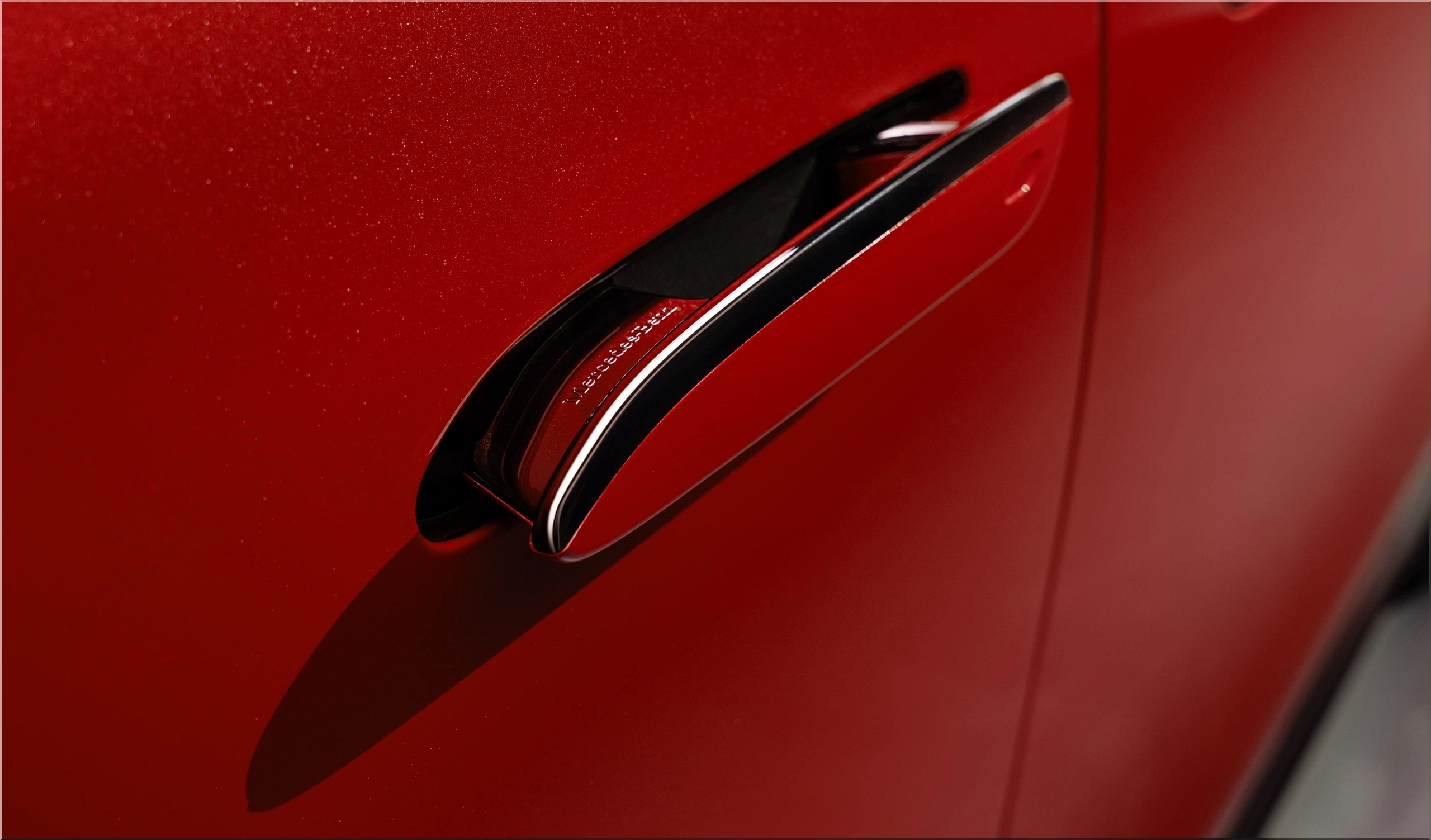
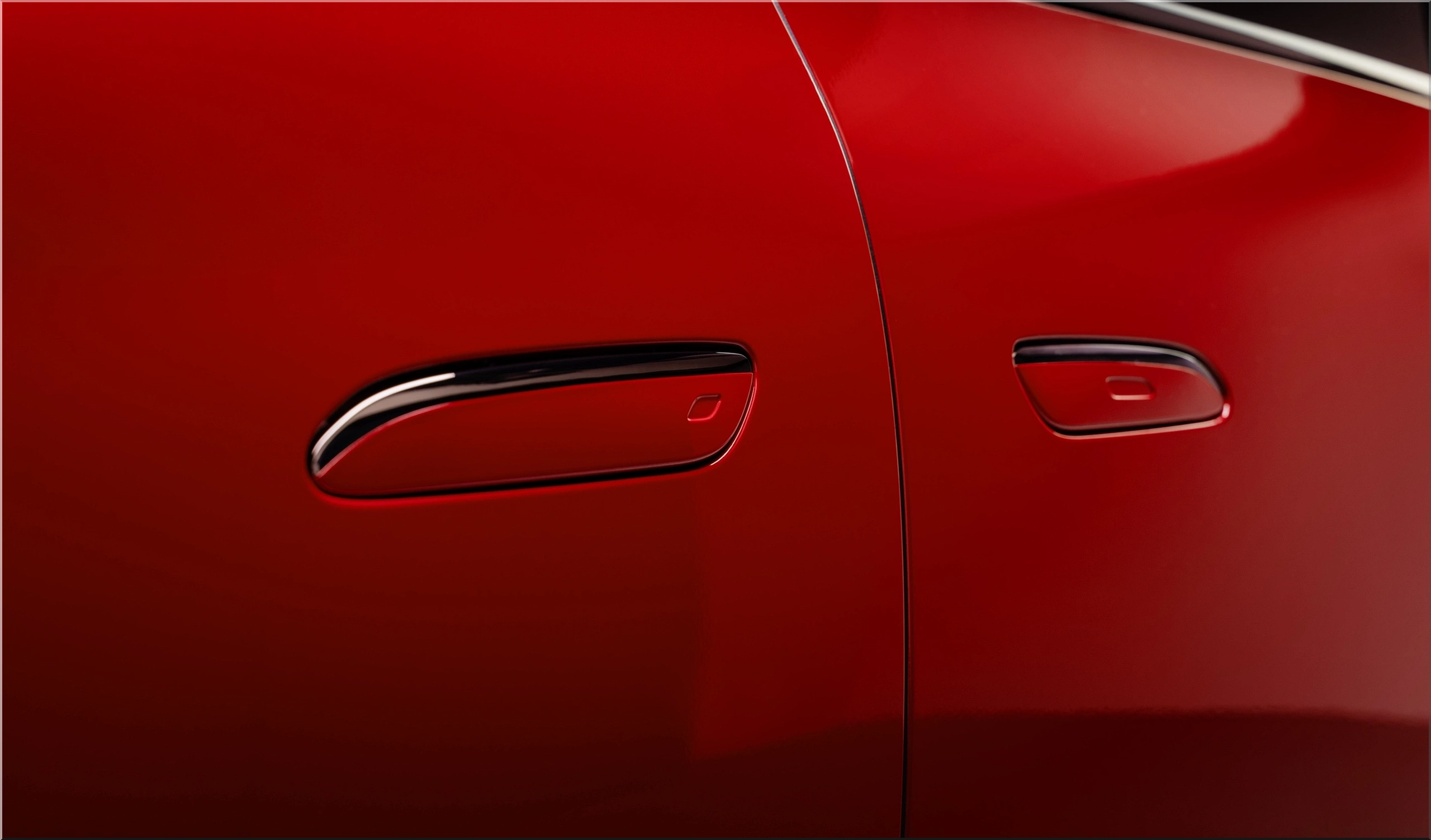
Luxury Transport Comparison Matrix
| Specification | Mercedes-Benz VLE | BMW ALPINA XB7 | Tesla Model X Plaid |
|---|---|---|---|
| Primary Fuel | Electrons | High-Octane Gasoline | Electrons |
| 800V Tech | Included | Not Applicable | No (400V) |
| Seating Max | 8 Adults | 7 (Tight) | 7 (Tighter) |
| Turning Circle | 35.8 feet | 41.3 feet | 40.7 feet |
| Dashboard | Unity-Powered MB.OS | iDrive 8.5 | 17-inch Touchscreen |
| Win Metric | Versatility/Tech | Speed/Noise | Supercharger Access |
| Loss Metric | Top Speed | Carbon Taxes | Build Consistency |
By comparison, the VLE wins on turning circle and maneuverability. Despite its size, the seven-degree rear-axle steering gives it a turning circle of just 10.9 meters. This allows the driver to navigate a narrow parking garage without performing a 12-point turn and reconsidering their life choices.
Pro-Tip: Activate the Electric Intelligence navigation even for familiar routes. The software calculates the most efficient battery temperature for charging, ensuring you hit the maximum DC intake rate the moment you plug in. This saves roughly ten minutes of standing around in a parking lot looking at your phone.
- Add new comment
- 102 views