How Retrofit Services Extend Electric Bus Value
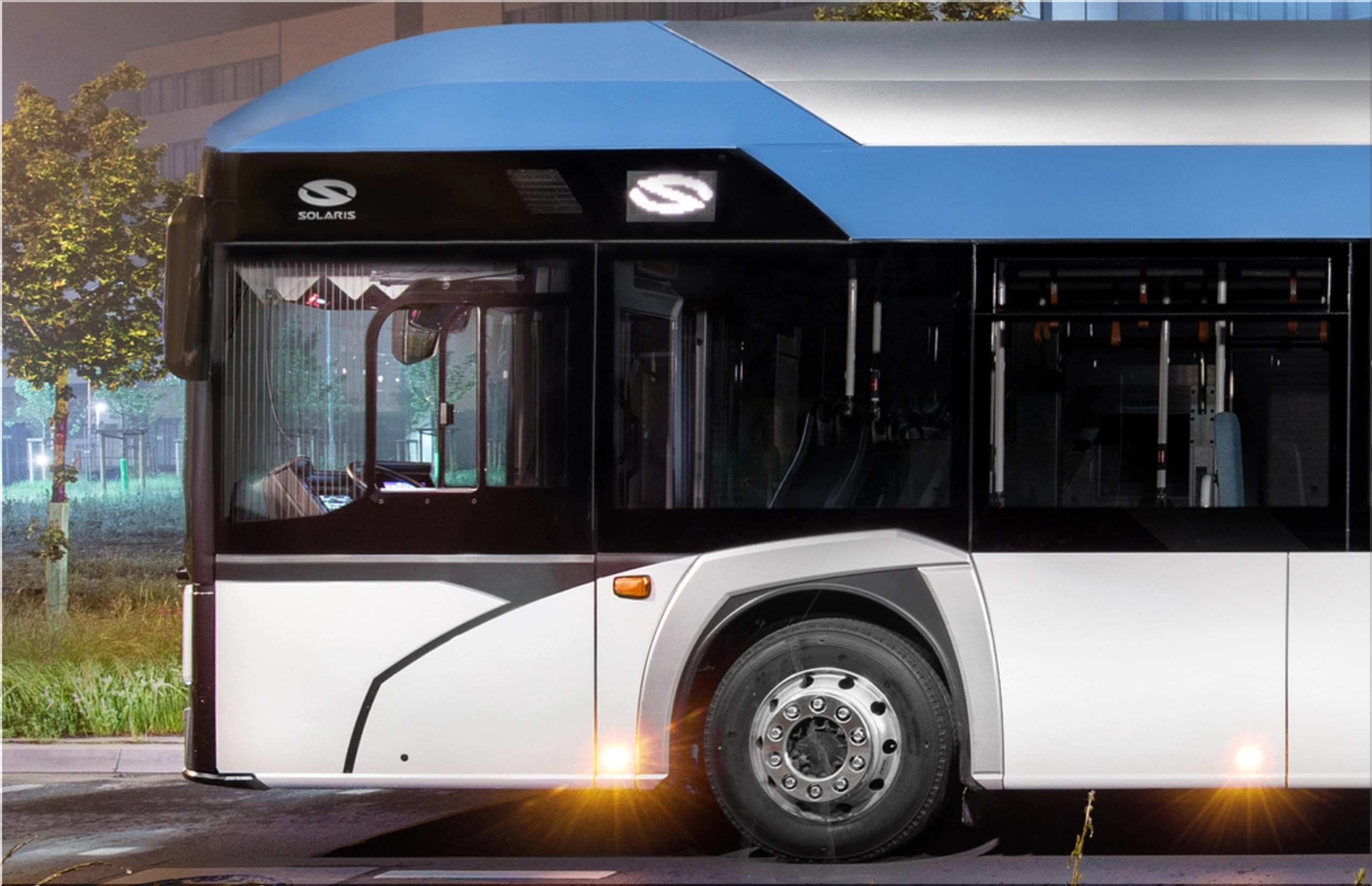
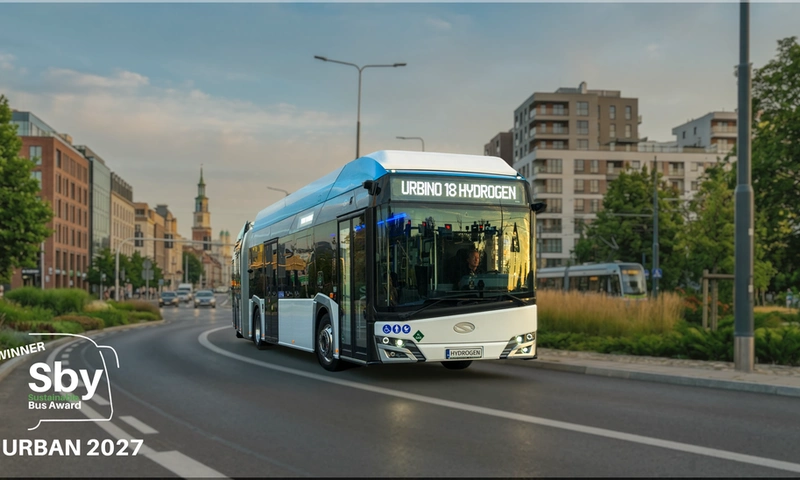
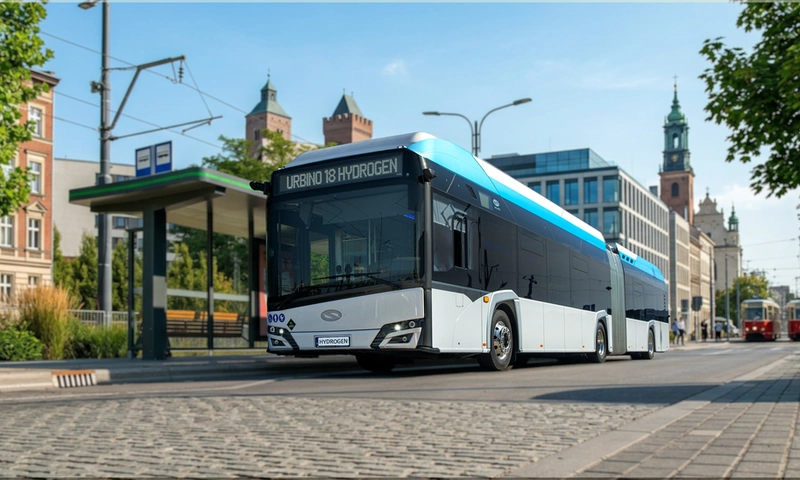
Cities push for lower operating costs and higher uptime. Operators seek longer fleet life without buying new vehicles. Solaris now offers a zero-emission vehicle retrofit program that upgrades aging electric buses with new batteries, updated drivetrain components, and stronger cooling systems. The service targets operators who want predictable costs and measurable gains in daily range.
The approach is direct: replace old components that limit performance. Operators increase range, cut energy waste, and stabilize maintenance budgets. New electric buses often reach USD 650,000 to USD 900,000, pushing many cities to extend existing fleets instead of replacing them.
Why Retrofit Matters for Electric Fleets
Electric buses deployed a decade ago run older energy-storage systems. Capacity has dropped. Charging speeds lag behind new standards. Thousands of Solaris buses already serve European cities, with some reaching one million kilometers. Many remain structurally strong but limited by outdated battery tech.
- Lower range due to aging packs
- Thermal regulation limits that reduce performance
- Charging compatibility gaps with modern hardware
- Higher downtime as older components degrade
The retrofit brings older fleets closer to current performance without the cost of a new purchase.
What Solaris Offers in the Retrofit Package
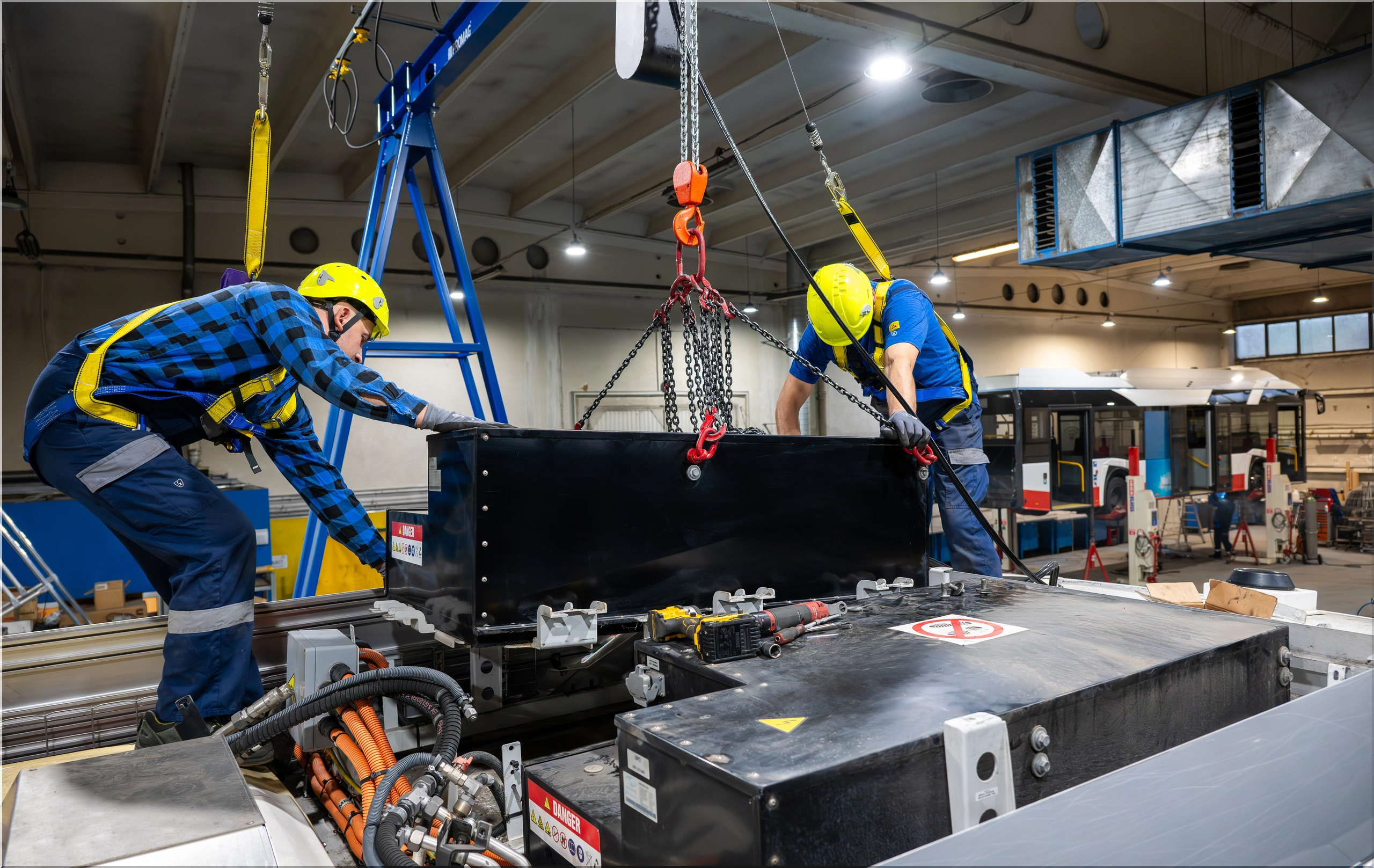
The package works as an end-to-end service. Solaris handles evaluation, documentation, logistics, installation, and battery disposal. Operators receive a predictable upgrade path.
Core Upgrades
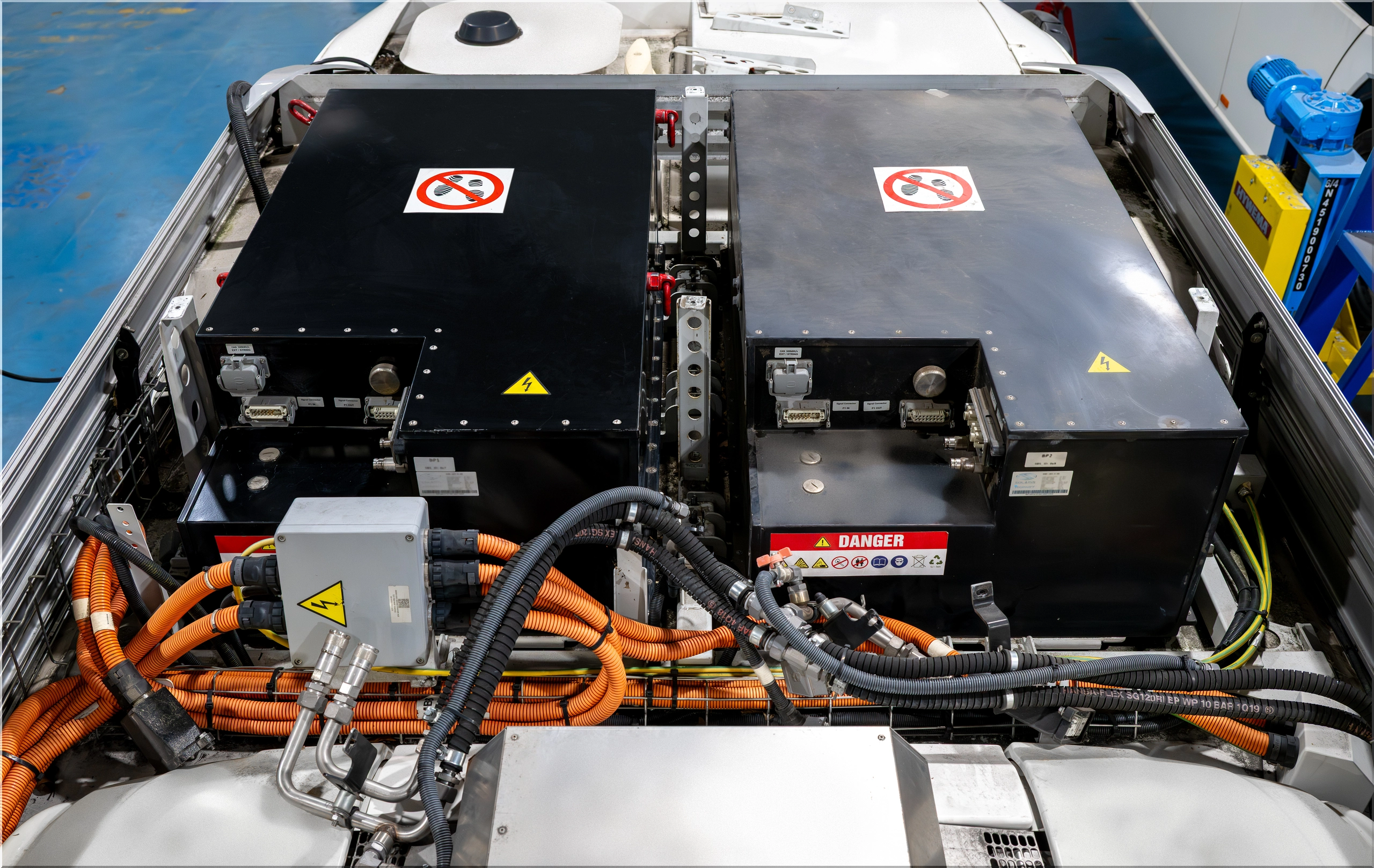
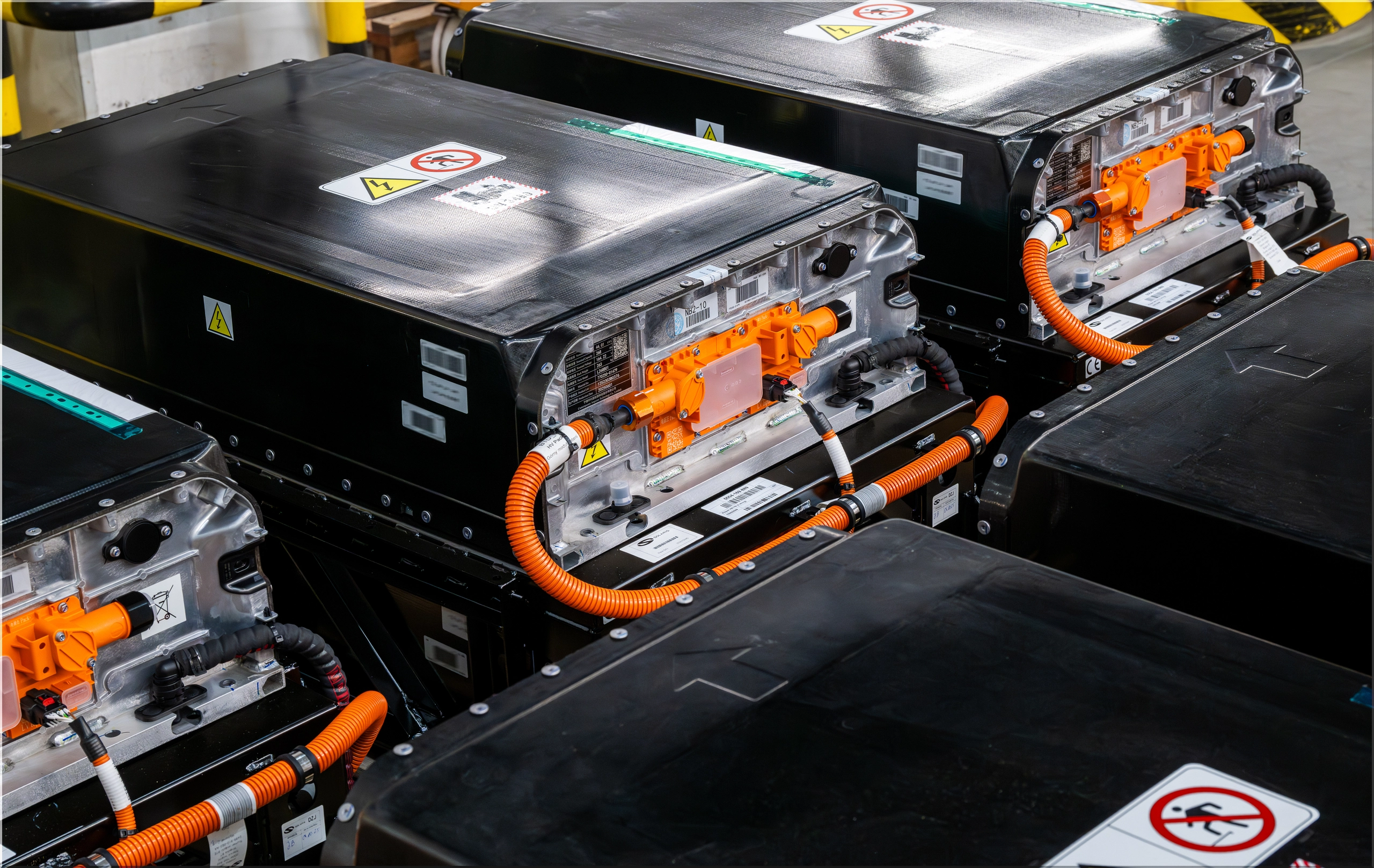
- High-density battery packs
- Drivetrain component replacements
- BTMS upgrades for cooling and heating
- BMS updates for accuracy and stability
- Charging compatibility checks
Supported Vehicle Types
- Electric buses
- Trolleybuses with onboard batteries
- Future hydrogen buses
Solaris supports multiple battery chemistries, including LFP, NMC, and LTO. Operators select options based on cycle life, energy demand, charging strategy, and cost.
Image
Key Evaluation Inputs
- Daily energy demand
- Preferred charging method
- Desired pack lifespan
- Route temperature patterns
- Budget goals
Early Deployments Show Rising Demand
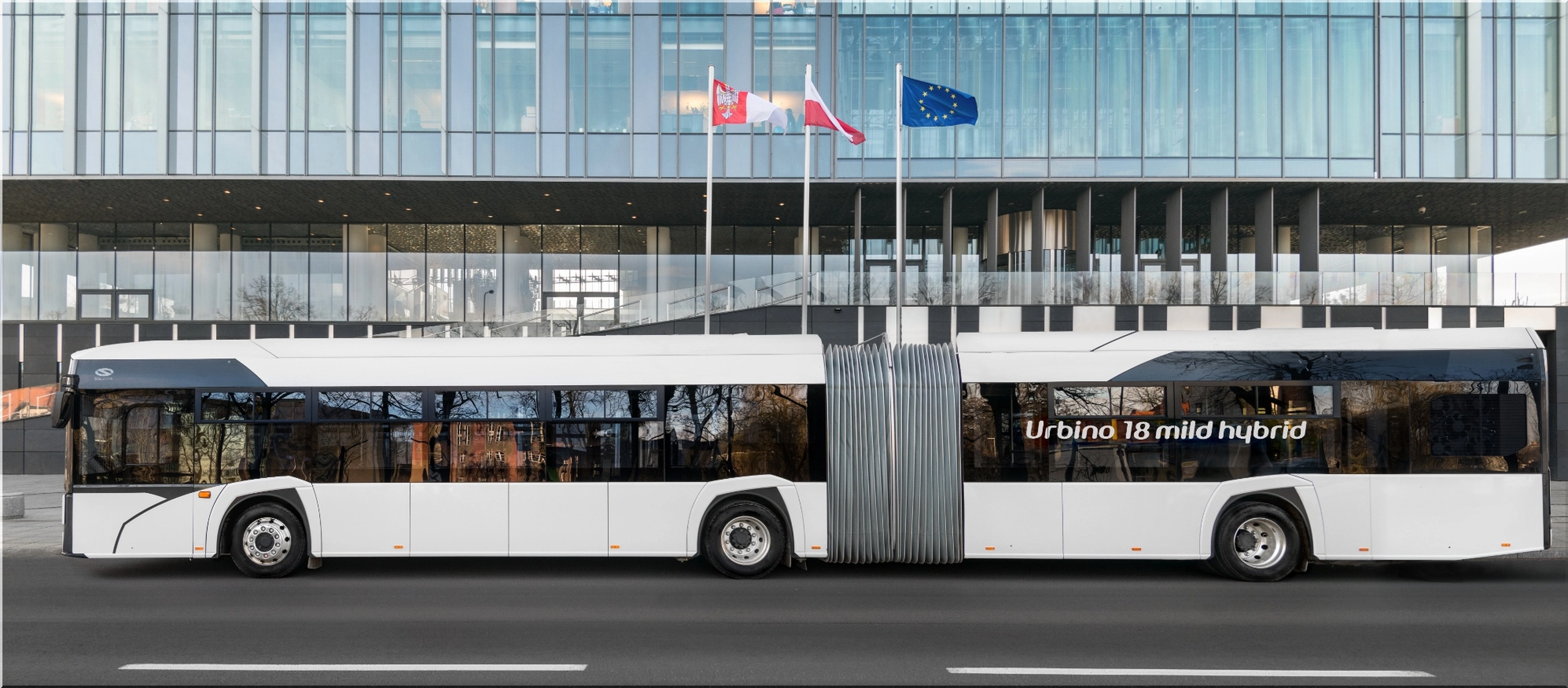
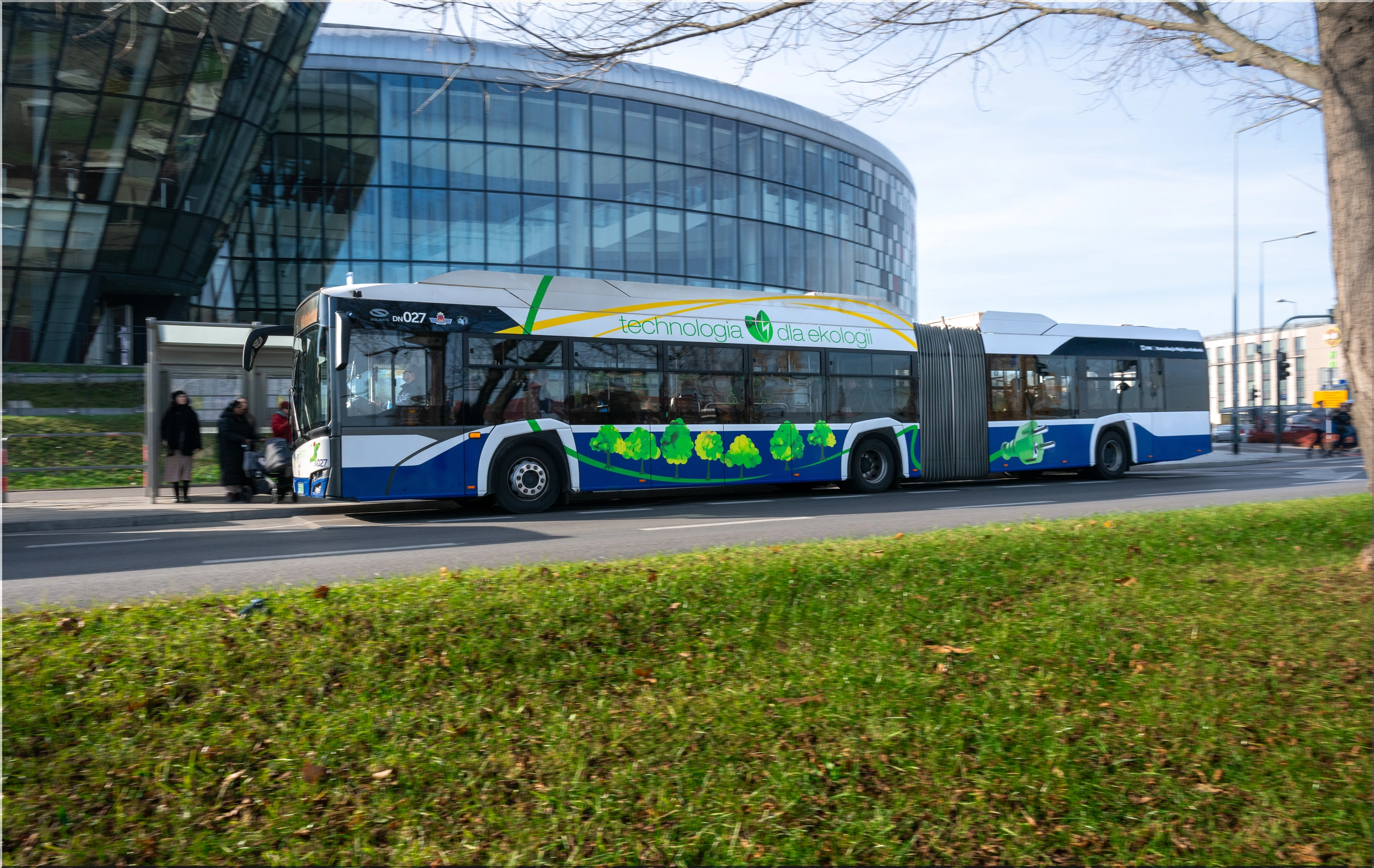
MPK Kraków contracted Solaris to retrofit 20 buses: seventeen Urbino 12 electric units and three Urbino 18 articulated units. Major cities such as Berlin, Hamburg, Paris, and Warsaw have similar orders underway.
Solaris reports more than 6,300 electric and hydrogen buses delivered across Europe. This gives the company extensive operational data to support retrofit services at scale.
Operator Benefits: A Data-Driven View
Retrofit gains vary by route and charging behavior, but operators see consistent improvements across four areas.
Benefit Breakdown
- Range recovery restores full-day operation for many fleets.
- Lower lifecycle cost when compared with new-bus purchases.
- Predictable maintenance through upgraded cooling systems.
- Better charging performance from optimized BMS logic.
| Area | Value Gain | Impact |
|---|---|---|
| Range | Restored capacity | Improves route stability |
| Charging speed | More consistent cycles | Increases depot efficiency |
| Thermal control | Stronger BTMS performance | Reduces battery aging |
| Maintenance | Lower unplanned service | Improves scheduling |
| Lifecycle cost | Lower capital burden | Extends fleet longevity |
Technical Advantages That Matter
Solaris focuses on measurable improvements that increase uptime and reduce cost per kilometer.
Energy-Storage Modernization
New battery packs use higher-density modules and improved cooling. This reduces heat stress and increases usable energy per charge.
Drivetrain Alignment
Updated converters and inverters match new energy systems to older motors without compatibility issues.
Software Refinement
New BMS logic supports faster charging and more accurate state-of-charge readings.
Compatibility Assurance
Solaris validates each depot's charging hardware to prevent communication errors and slowdowns.
How Retrofit Fits Into Transit Market Trends
Cities continue shifting away from diesel fleets. Many early electric buses face performance gaps caused by aging energy systems. Retrofit programs address these gaps and reduce waste by extending vehicle life.
European cities often run buses for twelve to eighteen years. Battery degradation interrupts that timeline. Retrofit services restore fleet life expectancy to standard operational windows.
What Operators Should Evaluate Before Committing
Decision paths should include:
- Daily energy use
- Current charge cycle count
- Remaining drivetrain life
- Depot charging readiness
- Projected service-life extension
- Budget limits
Market Outlook: Retrofit Demand Will Rise
Electric fleets continue to grow across Europe. Cities want predictable costs and consistent performance. Retrofit upgrades serve as a midpoint between buying new buses and retiring aging units.
Solaris uses its scale, network, and operational data to support the next phase of fleet modernization. Rising interest in major cities signals rapid expansion of retrofit services.
- Add new comment
- 83 views