Tactical Tech Meets Real-World Utility
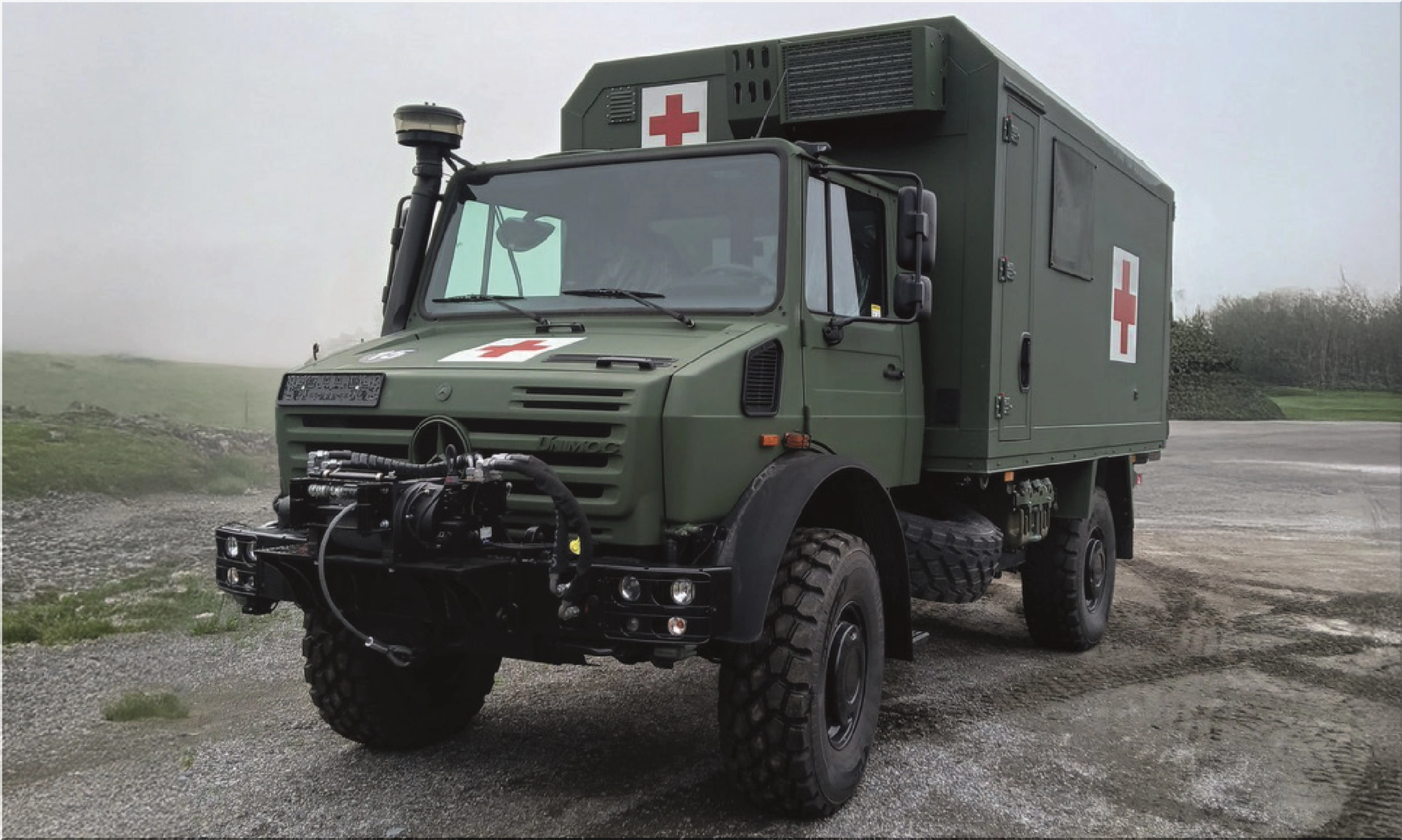
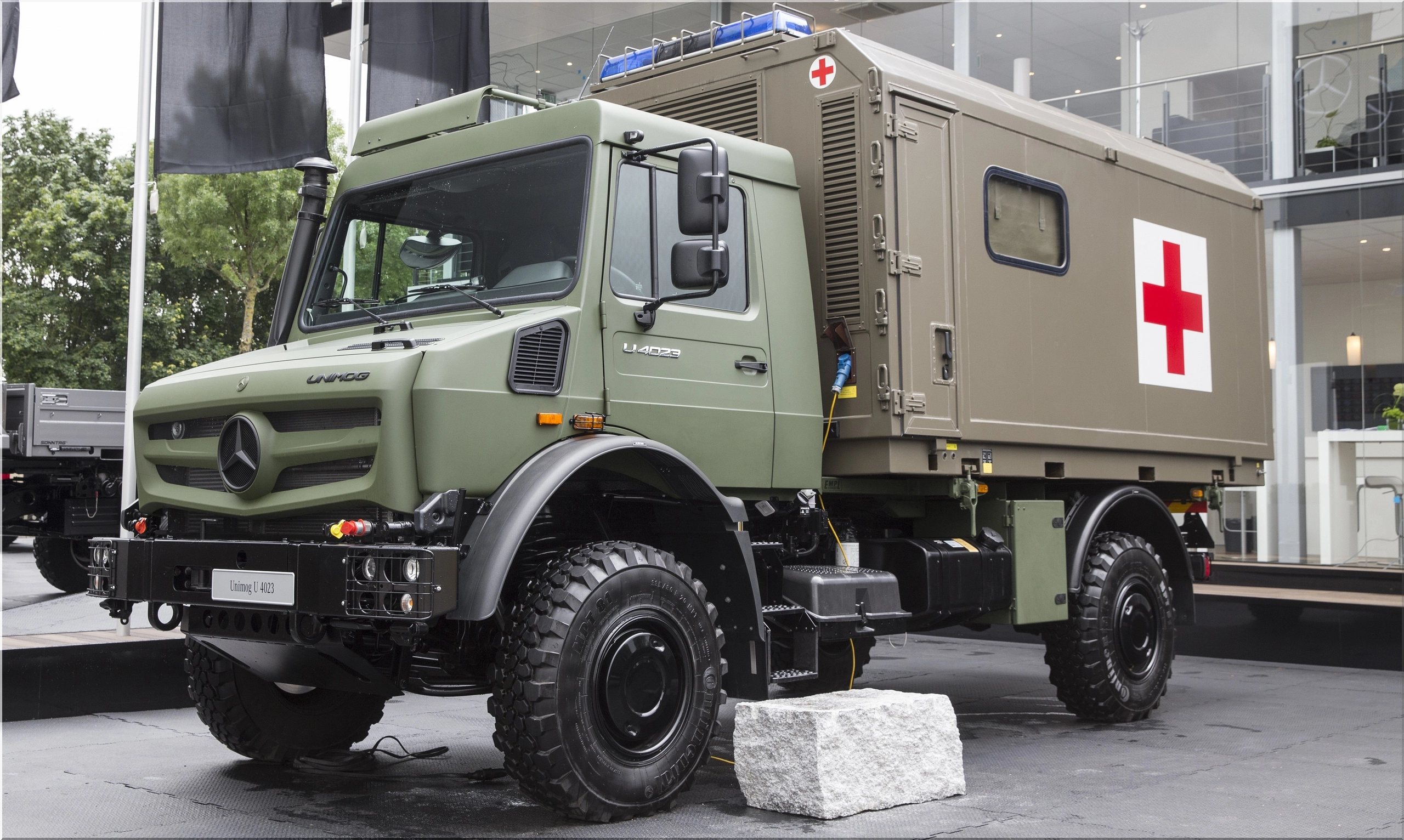
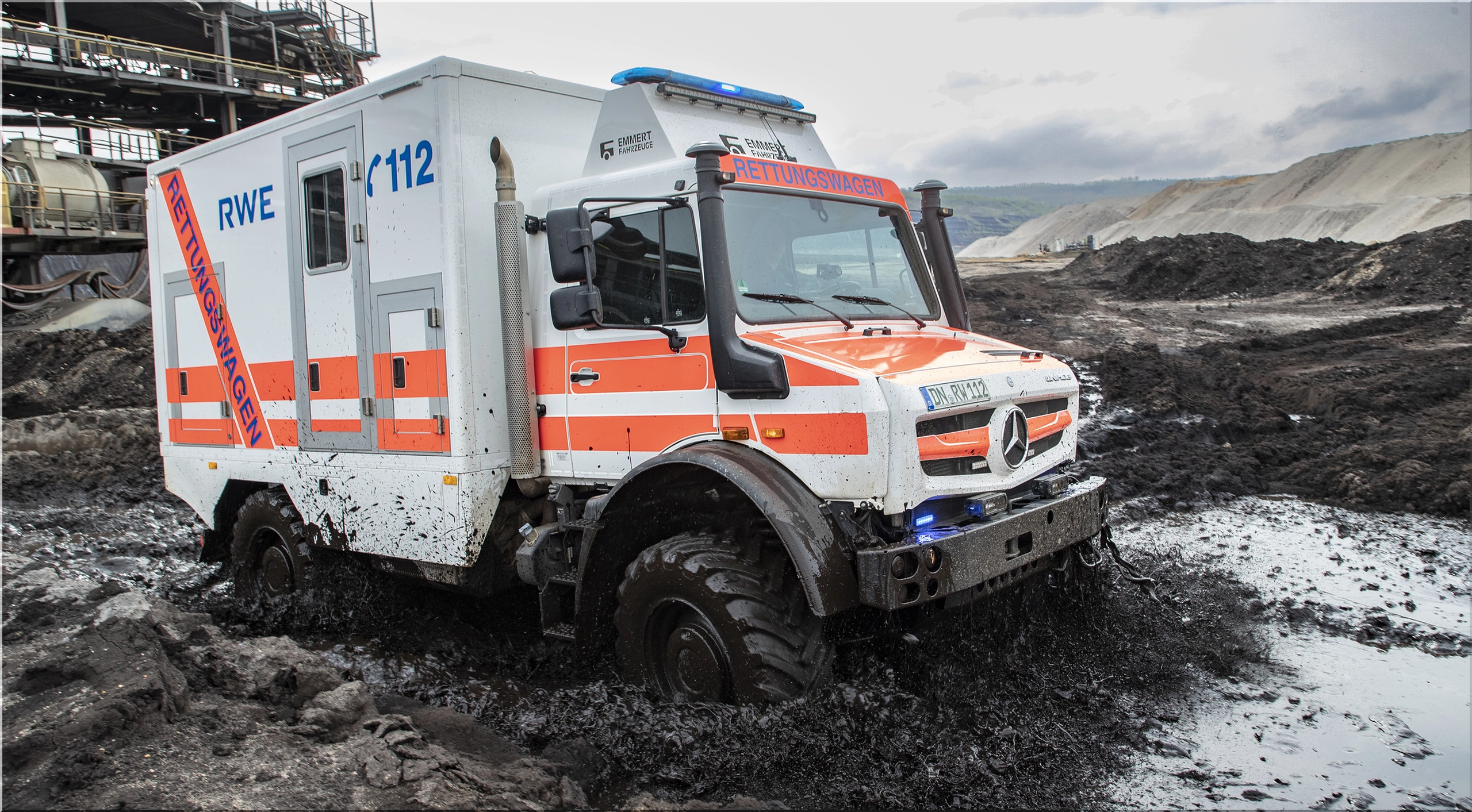
The Mercedes-Benz Unimog ambulance debuted in front of thousands at the “Day of the German Armed Forces” on June 28, 2025. This military-grade vehicle, outfitted by EMPL Fahrzeugwerk GmbH, demonstrated one clear value proposition: rugged, reliable medical mobility. With off-road capability, EN1789-compliant medical features, and real-world operational history, the Unimog is more than a defense asset—it’s a proven logistics workhorse.
What Sets the Unimog Ambulance Apart
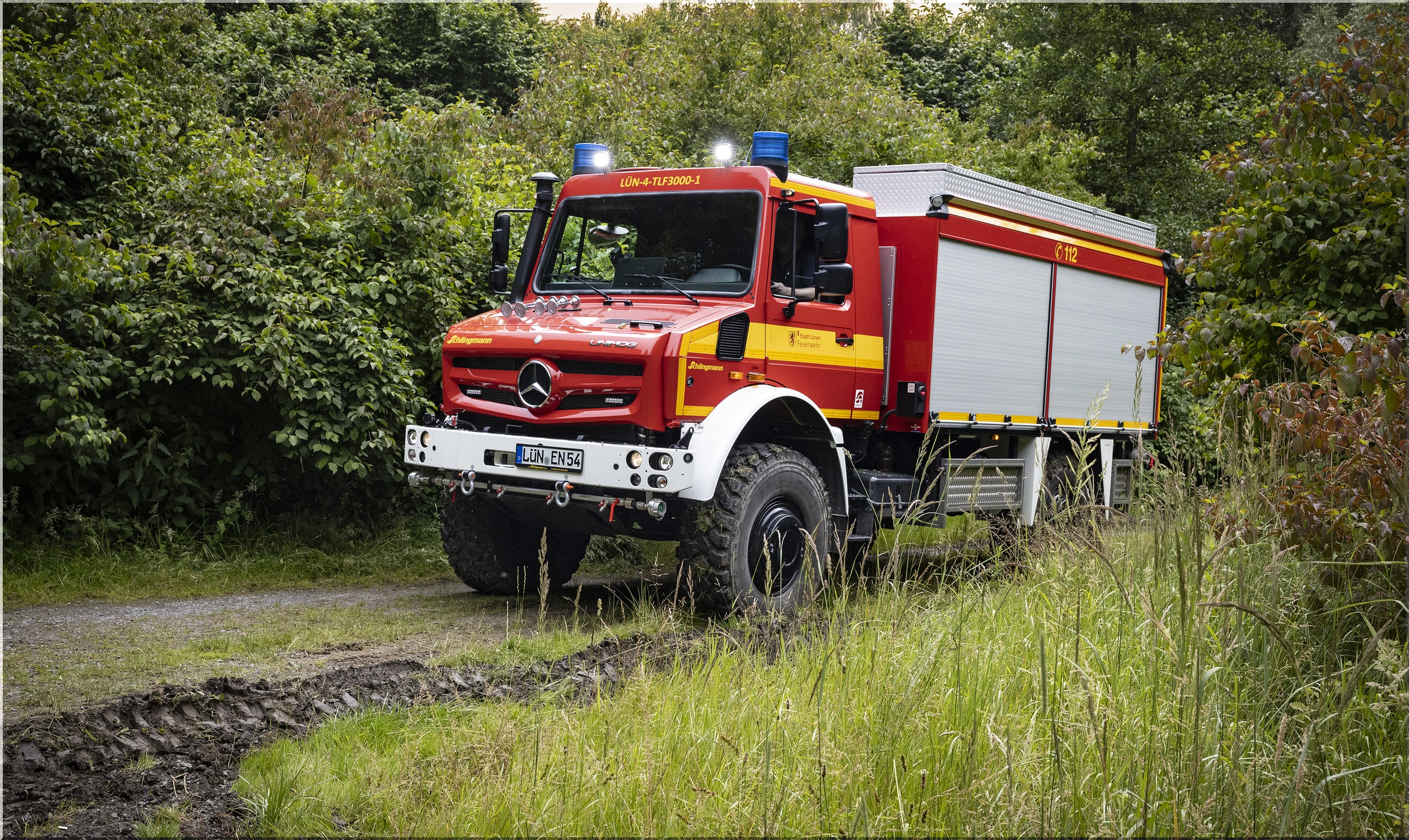
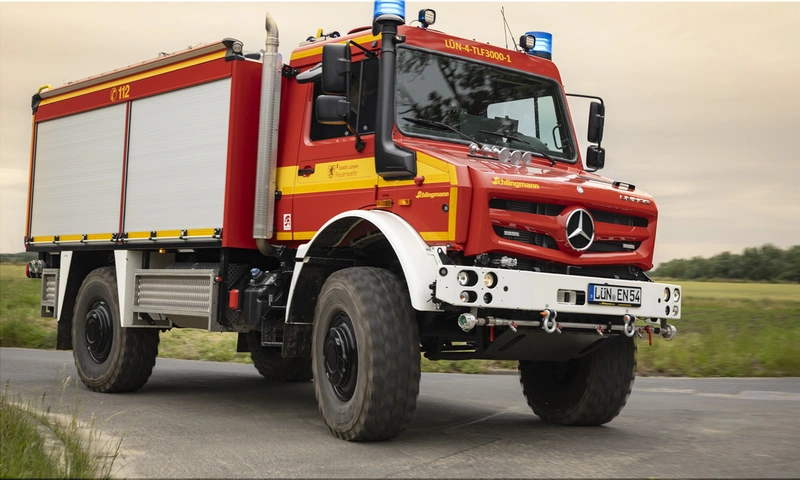
The Unimog featured at the Bundeswehr event is based on a long-standing truck platform trusted by military and civilian operators for decades. Key features include:
- All-wheel drive with extreme off-road capability
- Hydraulic front winch with 80 kN pulling force (approx. 17,985 lbs)
- Insulated, torsion-free box body suitable for combat zones and rough terrain
- Capacity for six seated or four stretcher patients
- Oxygen supply, HVAC, fresh air filtration, auxiliary heating
- Camouflage interior lighting mode for tactical operations
- Driver-to-medical-team intercom system
Every component is optimized for speed, efficiency, and durability. In short: it’s built to work when nothing else can.
Performance and Patient Logistics
Internal Medical Setup
The vehicle's interior follows EN1789 European ambulance standards, meaning it’s compliant for emergency services throughout the continent. The modular layout supports:
- Rapid equipment deployment
- Climate-controlled environment for patient stabilization
- Shock-resistant storage compartments
Lighting and communication are integrated to allow medics to operate under stress and coordinate with the driver in transit—key in combat evacuations or disaster zones.
Loadout Specifications
| Feature | Value |
|---|---|
| Patient Capacity | 4 lying or 6 seated |
| Winch Force | 80 kN (≈17,985 lbs) |
| Medical Standard | EN1789 compliant |
| Lighting | Glare-free, switchable to camouflage mode |
| HVAC System | Split air conditioning, auxiliary heating |
| Communications | Built-in intercom for medic-driver communication |
| Off-Road Features | Snow chains, tow bar, pioneer tools, and extra stowage |
This configuration is ready for combat deployment, natural disasters, or remote rescue operations—any setting where paved roads and ideal conditions don’t exist.
Real-World Deployment: Bundeswehr and Beyond
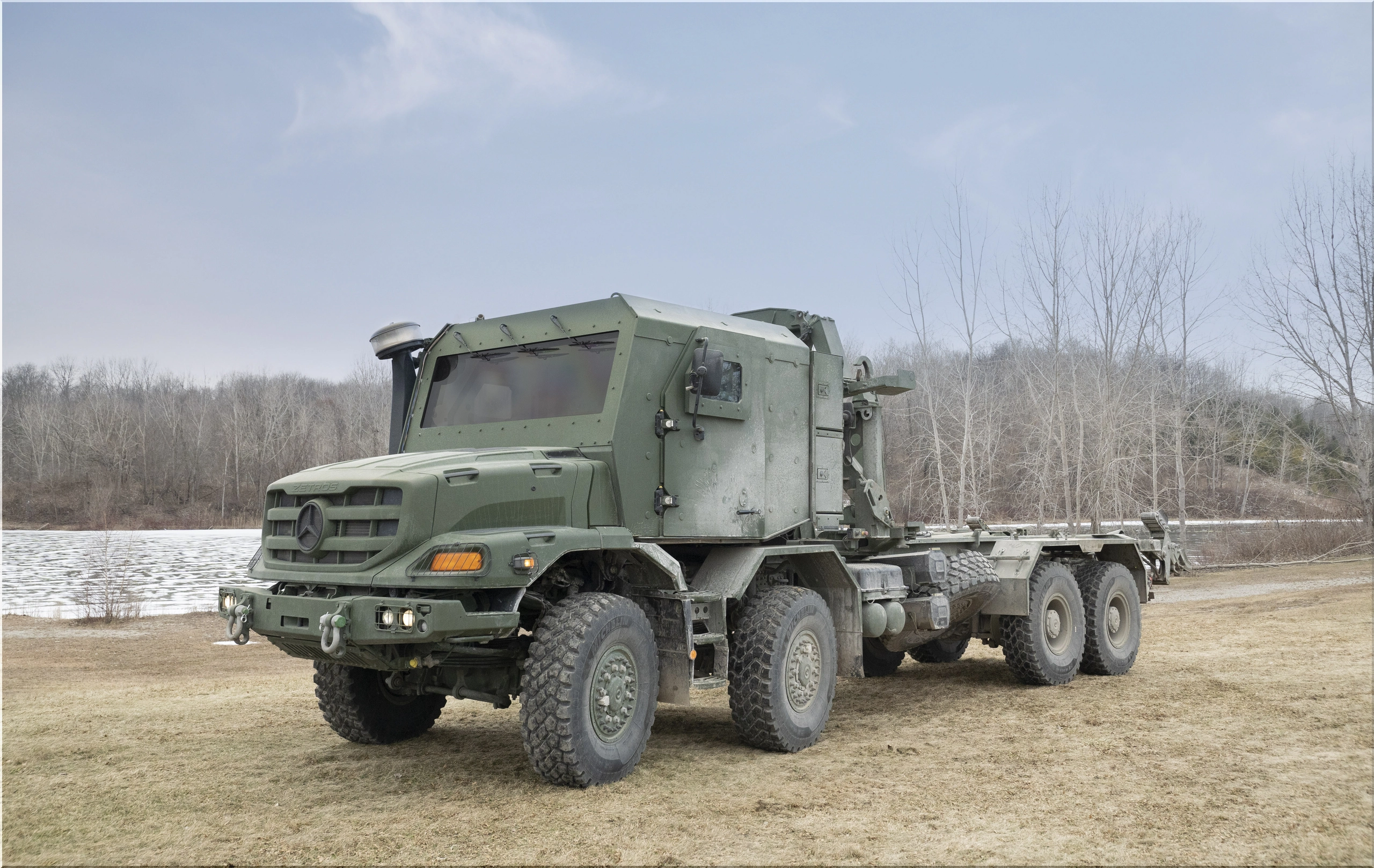
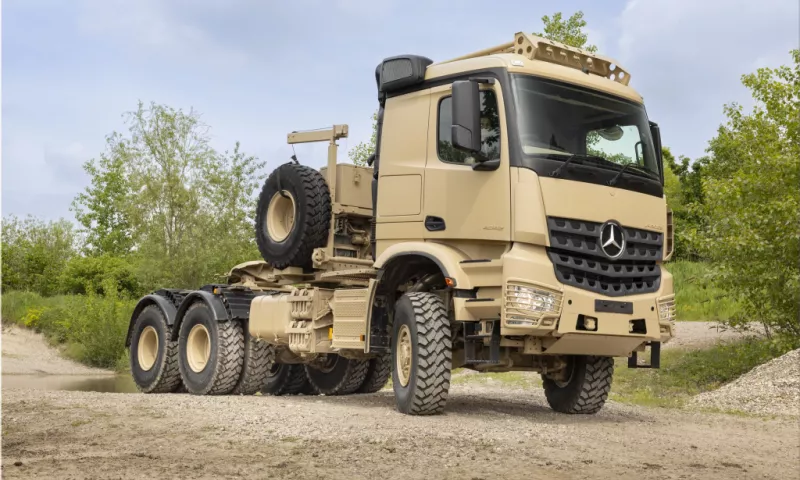
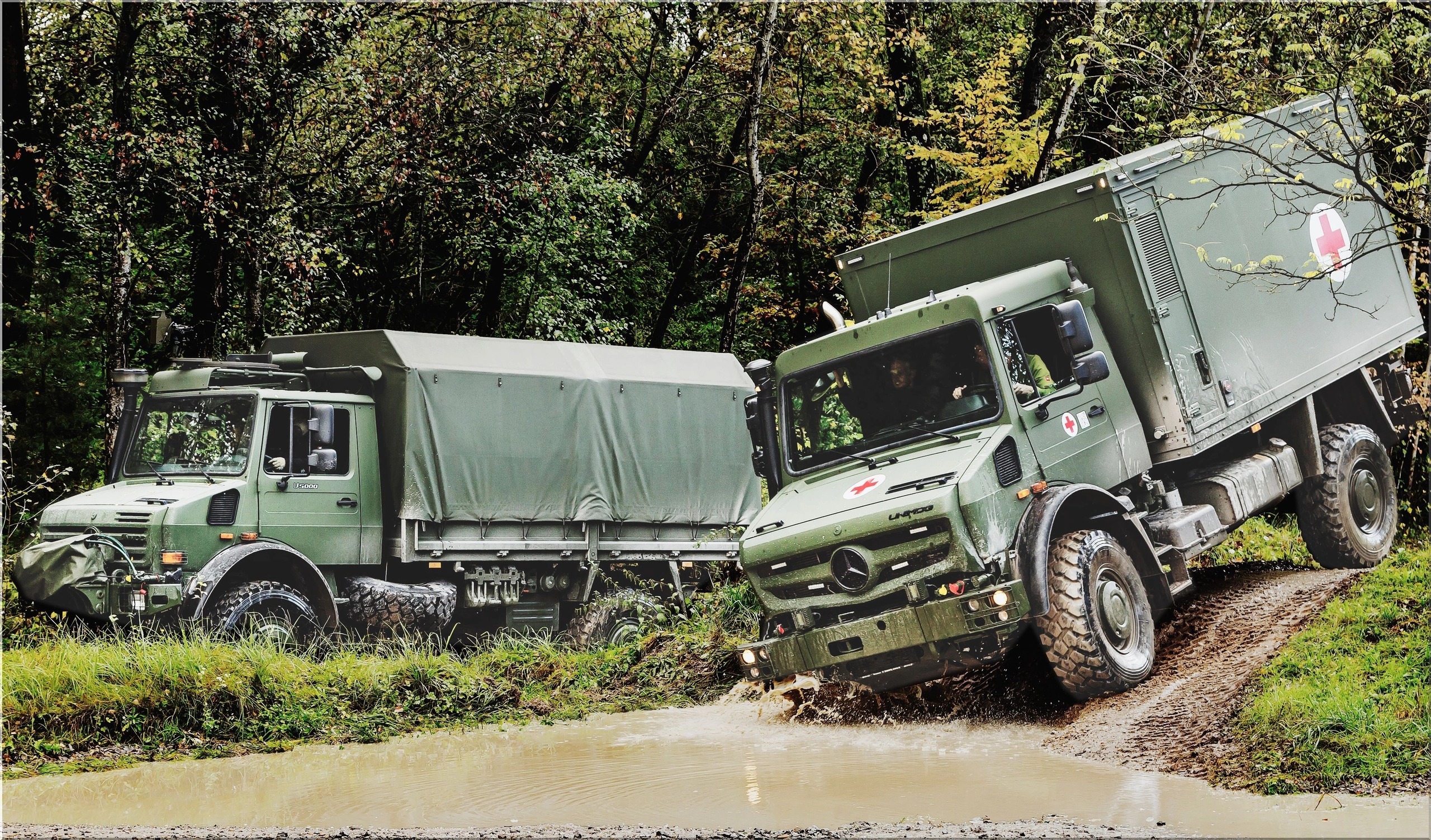
The German Armed Forces (Bundeswehr) have trusted the Unimog and Zetros series for decades. With new orders placed as recently as 2025, the Bundeswehr confirmed its plan to expand its fleet with a mid three-digit quantity of logistics trucks, solidifying Unimog’s role in modern defense mobility.
These vehicles aren’t locked to national borders either. They’ve performed in international missions—Afghanistan, Mali, Kosovo—where reliability under pressure is non-negotiable.
Strategic Military Support Use Cases:
- Disaster Relief: Earthquake or flood zones with blocked infrastructure
- Combat MedEvac: Forward operating bases and conflict zones
- Rural Medical Support: Areas without permanent medical infrastructure
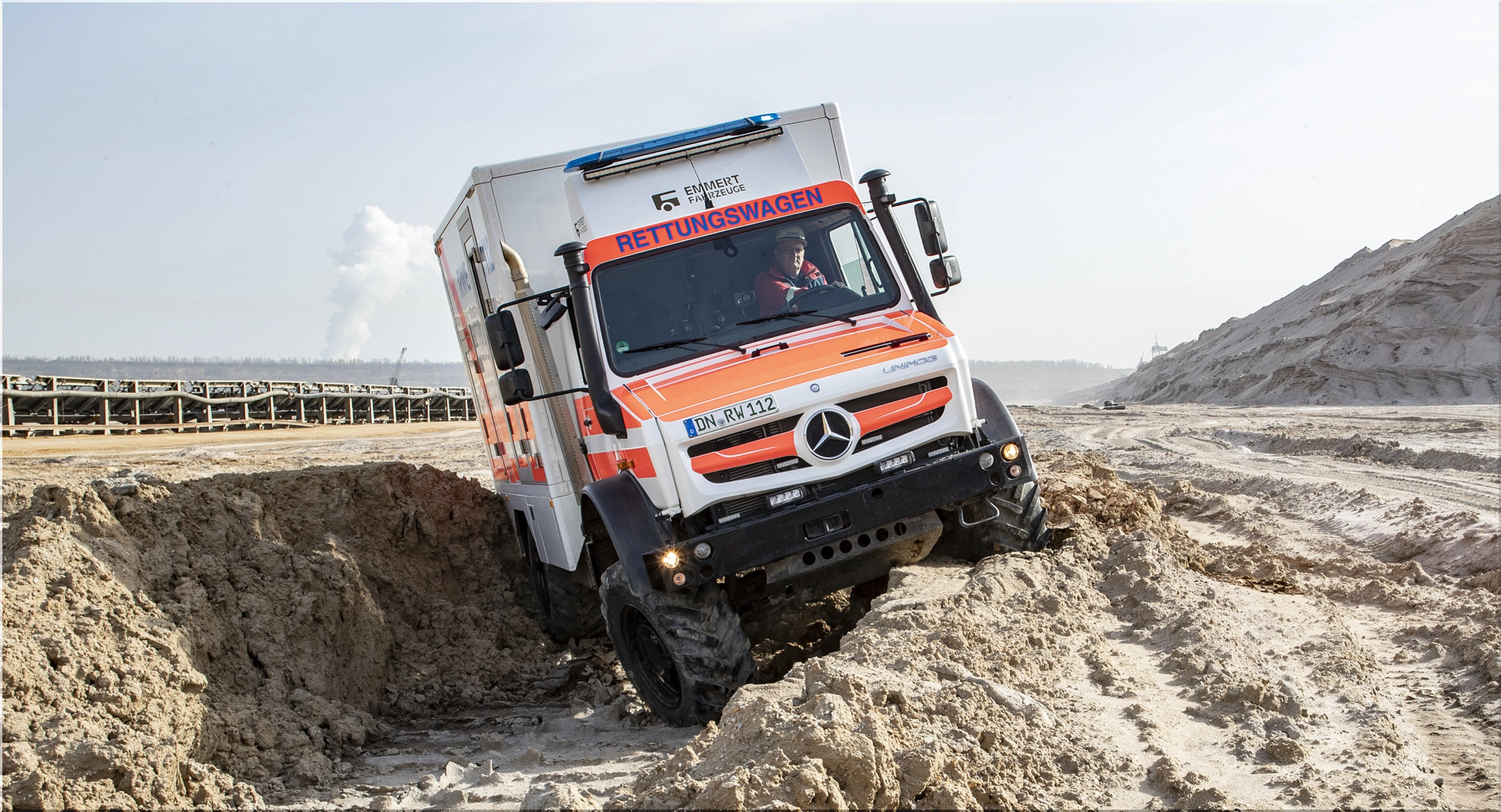
The Unimog’s rugged frame and modular body make it a platform—not just a vehicle. With rapid refitting, the same platform can switch from ambulance to mobile command post or supply hauler.
Competitive Positioning in the Tactical Market
Key Competitors
| Manufacturer | Model | Notable Feature |
|---|---|---|
| MAN Truck & Bus | HX Series | Modular cargo platforms |
| Rheinmetall | Survivor R | Armored protection with civilian variant |
| Oshkosh Defense (USA) | FMTV A2 | U.S. military standard for tactical logistics |
| Iveco Defence Vehicles | LMV | High mobility with protection capability |
Compared to these, the Unimog excels in multi-use adaptability. While others may offer armor or specific tactical upgrades, Mercedes-Benz Special Trucks focuses on operational reliability across multiple mission types.
Why Mercedes-Benz Special Trucks Is Doubling Down on Military-Grade Solutions
With global instability rising and climate disasters increasing, demand for off-road, mission-ready logistics vehicles is climbing. Daimler Truck’s investment in its Special Trucks division—including its support of events like the Bundeswehr's open day—is part of a broader strategy:
- Expand partnerships with national armed forces
- Increase production of modular logistics platforms
- Meet the growing demand for climate-resilient vehicle fleets
The company’s recent logistics truck order for the Bundeswehr, set for delivery within a year, marks a key revenue stream amid electrification challenges in urban fleets.
The Economics Behind Tactical Logistics
Military contracts remain one of the most stable revenue generators for OEMs. While passenger and commercial markets shift due to electrification, regulation, and consumer trends, governments remain focused on mobility readiness. The key business takeaways:
- Repeat contracts and long-term fleet support generate consistent income
- High durability products reduce lifecycle cost and increase brand loyalty
- Aftermarket services and parts create secondary income channels
Given the modular nature of the Unimog platform, Mercedes-Benz can service multiple verticals—military, disaster relief, industrial support—with only incremental changes to tooling and production lines.
Final Thoughts: The Unimog Ambulance Delivers What Operators Need
Forget style. This vehicle is about execution.
Mercedes-Benz Special Trucks has built the Unimog ambulance to perform in high-stakes conditions. From mechanical resilience to patient readiness, the vehicle is engineered for action—not showroom floors.
At the 2025 “Day of the German Armed Forces”, Daimler Truck didn’t just show off a product. It reinforced its position in a key market segment with global demand, using one of the world’s most proven off-road platforms.
If you're measuring success by uptime, field performance, and adaptability, the Unimog delivers.
- Add new comment
- 602 views