Citroen has restructured its powertrain portfolio to address shifting regulatory requirements and diverse consumer demands. The brand aims to provide flexible energy solutions for families, leisure enthusiasts, and professional fleet operators. This shift involves significant power increases for plug-in hybrids and the strategic return of internal combustion engines to the leisure activity vehicle segment. By diversifying the propulsion options, Citroen ensures that buyers can select an efficient engine that matches their specific range requirements and budget constraints.
The 2026 updates focus on the C5 Aircross, Berlingo, and SpaceTourer models. These changes reflect an engineering logic centered on driving pleasure and optimized fuel consumption. Specifically, the introduction of more powerful diesel units and high-capacity battery systems demonstrates a commitment to maintaining long-distance capability alongside zero-emission urban mobility. This technical evolution prepares the fleet for upcoming emissions protocols while maintaining the utility and comfort traditional buyers expect from the brand.
Engineering Power: The C5 Aircross Plug-in Hybrid 225 Technical Overhaul
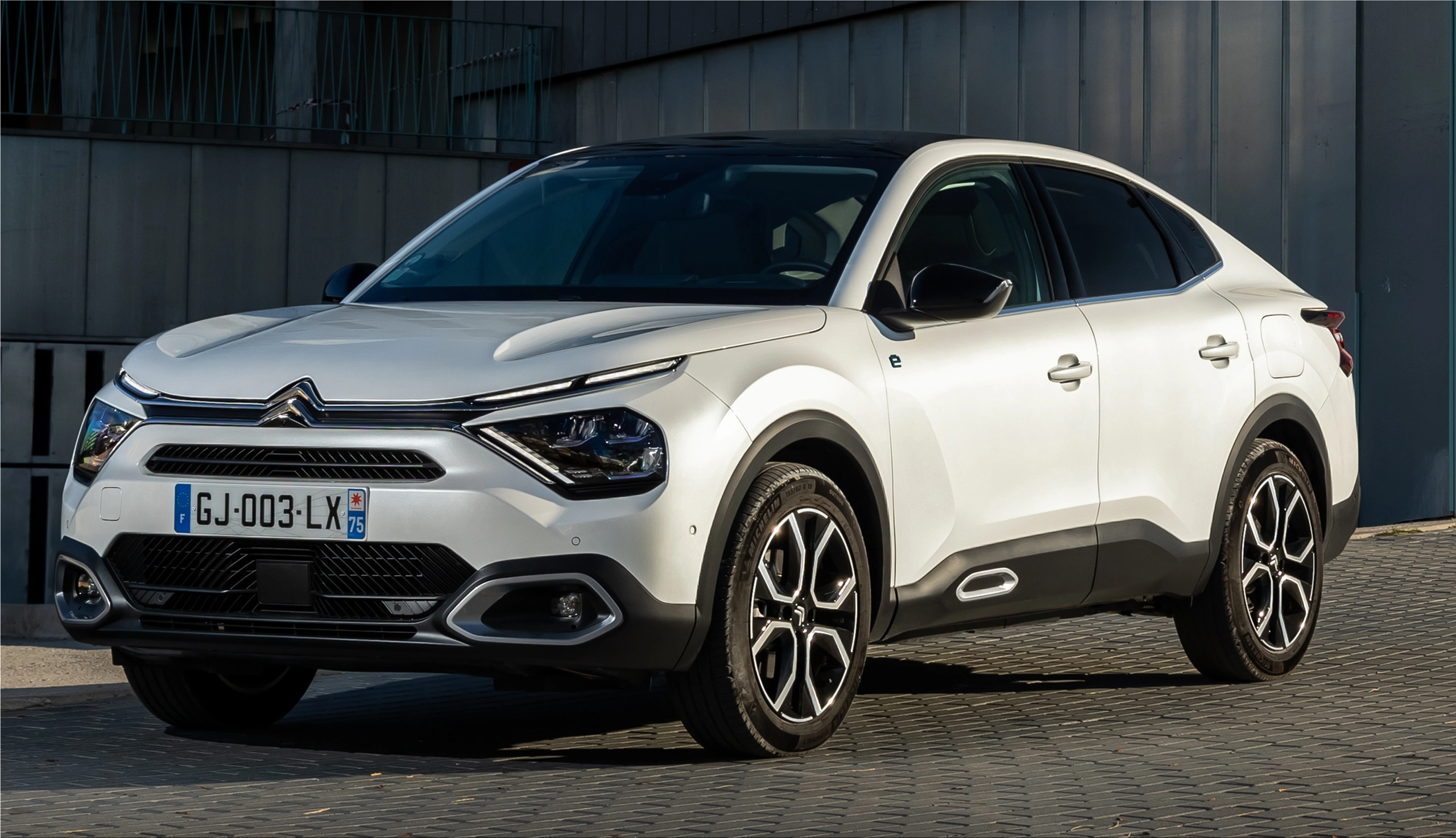
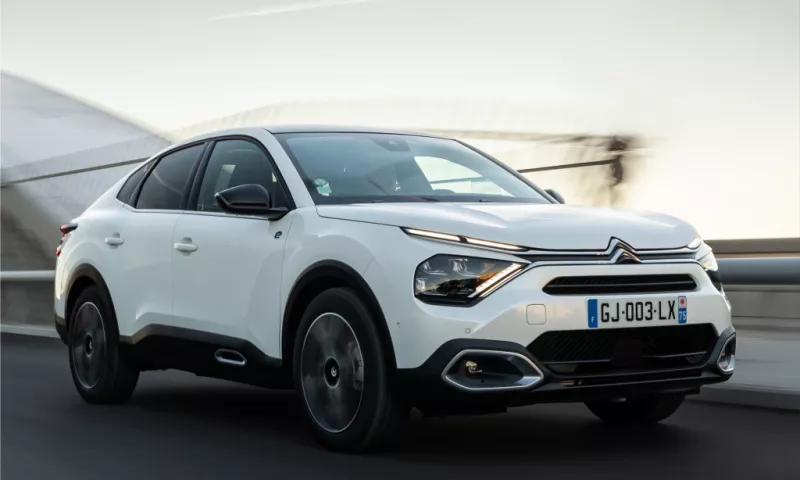
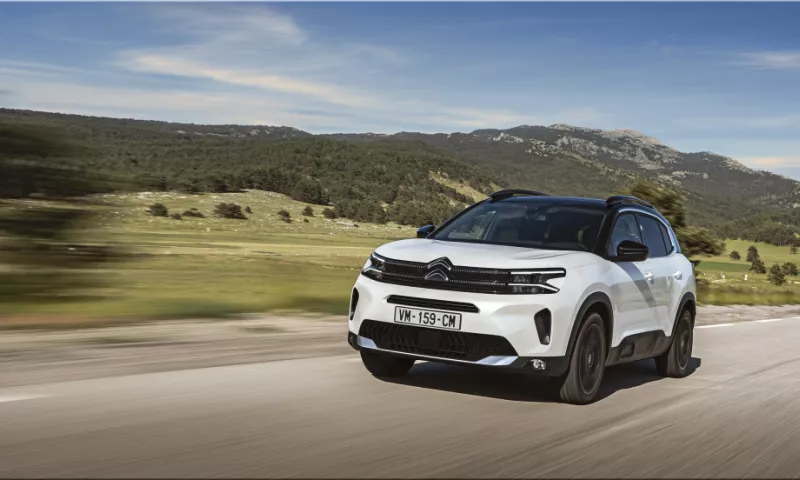
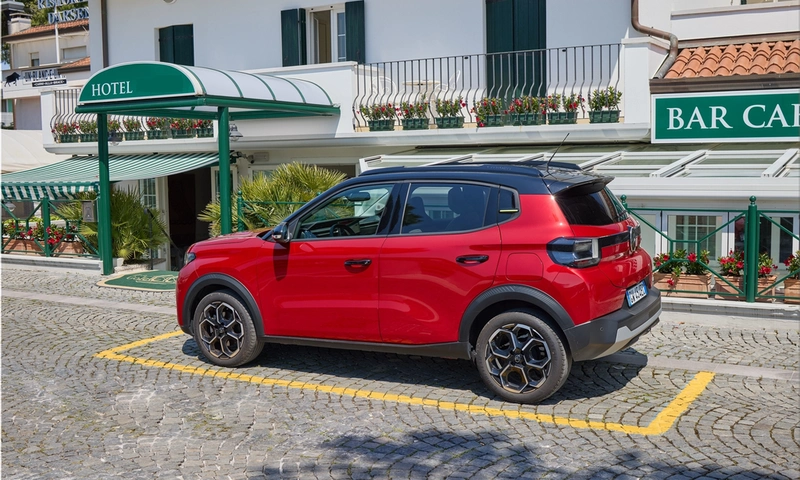
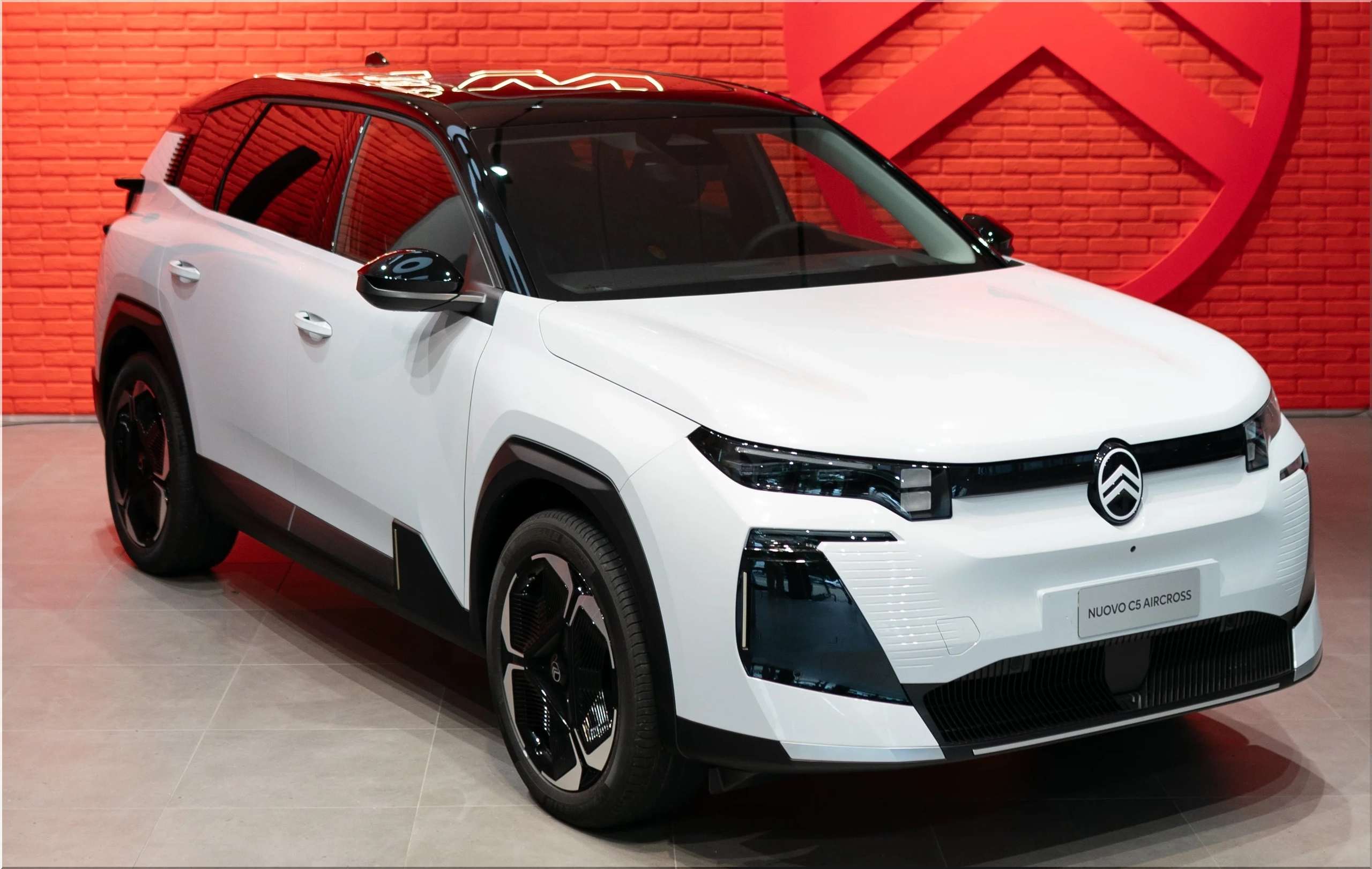
The C5 Aircross Plug-in Hybrid now delivers 225 hp, an increase from the previous 195 hp rating. This power bump occurs without hardware modifications to the internal combustion engine. Instead, it reflects a more accurate measurement of the combined system performance and anticipates the technical protocols associated with the Euro 7 standard. The powertrain integrates a 1.6-liter four-cylinder combustion engine producing 150 hp (110 kW) with a 125 hp (56 kW) electric motor.
Engineers paired these power units with a 7-speed eDCS dual-clutch automatic gearbox. This transmission manages the torque delivery from both the petrol engine and the electric motor, allowing them to operate in tandem or independently. Drivers can select from three distinct operating modes: Hybrid, Electric, and Sport. In Hybrid mode, the system optimizes the energy split to maintain a fuel consumption rate of 2.5 liters per 100 kilometers.
Battery Capacity and Charging Dynamics
The updated C5 Aircross utilizes a lithium-ion battery with a gross capacity of 21.5 kWh, of which 17.8 kWh is usable. This represents a substantial increase in energy density, enabling an electric range of 113 km in urban environments and 96 km in mixed driving conditions. This 33% range improvement over the previous generation allows most users to complete daily commutes of approximately 34 km without consuming petrol.
Image
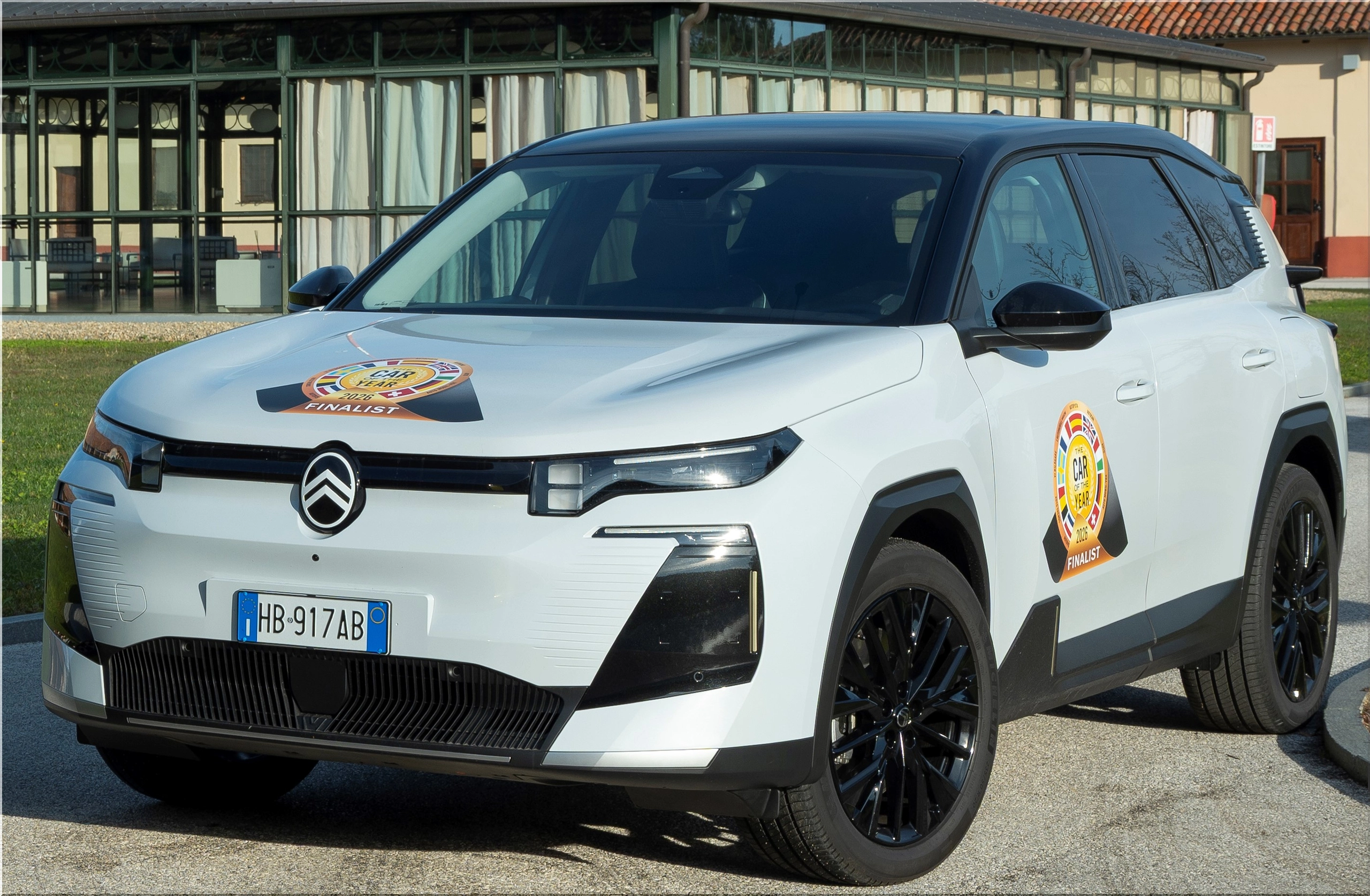
Charging the high-voltage battery depends on the selected on-board charger and the power source. Using a 7.4 kW wallbox, the standard 3.7 kW on-board charger completes a full cycle in 5 hours and 15 minutes. Upgrading to the optional 7.4 kW on-board charger reduces this time to 2 hours and 55 minutes. This flexibility ensures the vehicle remains ready for daily electric operation while the 55-liter fuel tank provides the necessary energy for long-distance travel.
Long-Distance Versatility and Performance
Citroen designed the C5 Aircross to handle extended travel with a total range exceeding 1,100 km. The 55-liter fuel tank is 28% larger than the previous version, allowing for highway stints of up to 650 km between refuelling stops. The vehicle remains a heavy-duty option in the C-SUV segment, supporting a towing capacity of 1,550 kg. This combination of high-torque electric assistance and petrol endurance makes it a viable primary vehicle for families who require both city efficiency and vacation capability.
| Specification | C5 Aircross PHEV 225 |
|---|---|
| Combined Power | 225 hp |
| Combustion Engine | 1.6L (150 hp) |
| Electric Motor | 125 hp |
| Battery Gross Capacity | 21.5 kWh |
| Electric Range (Urban) | 113 km |
| Fuel Tank Capacity | 55 liters |
| CO2 Emissions | 55 g/km |
| Max Towing Weight | 1,550 kg |
Berlingo Returns to Multi-Energy: Petrol and Diesel Options Reintroduced
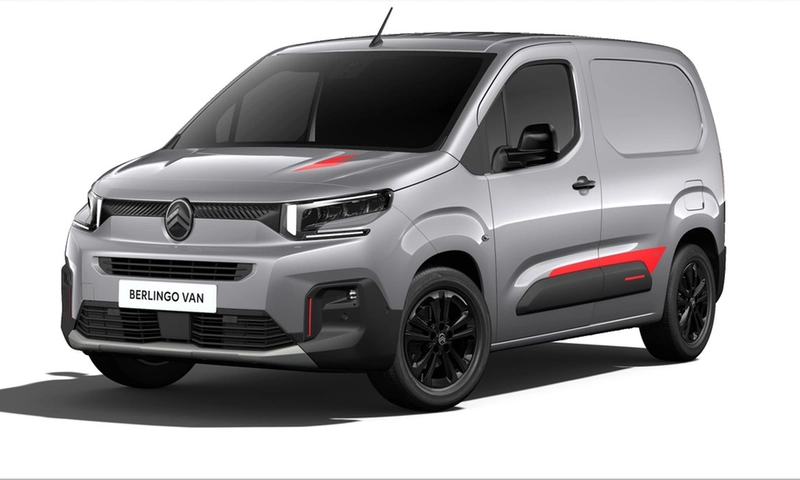
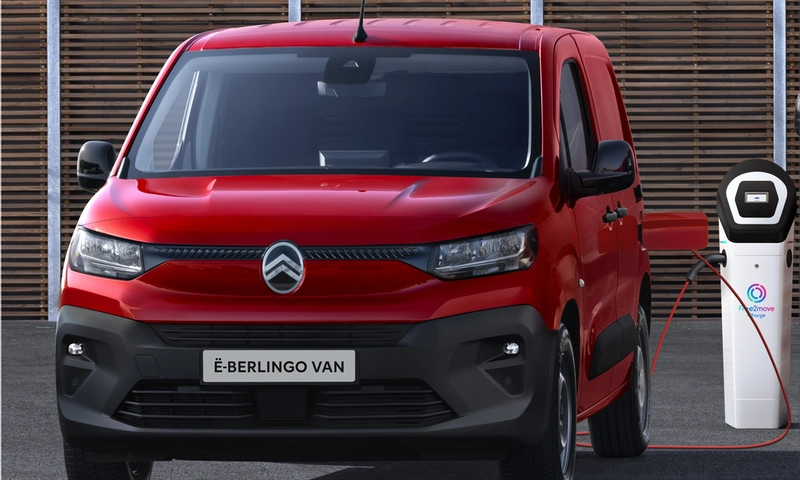
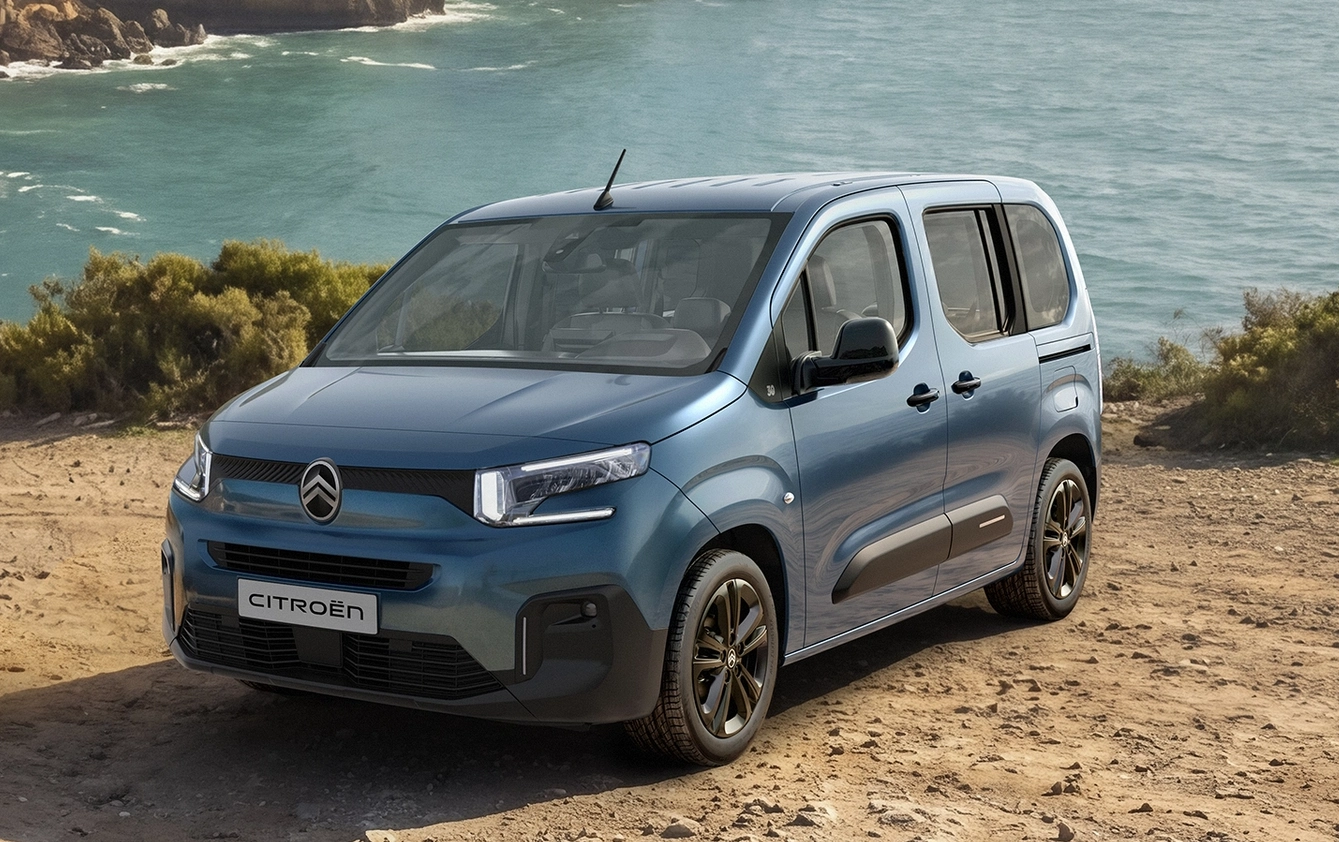
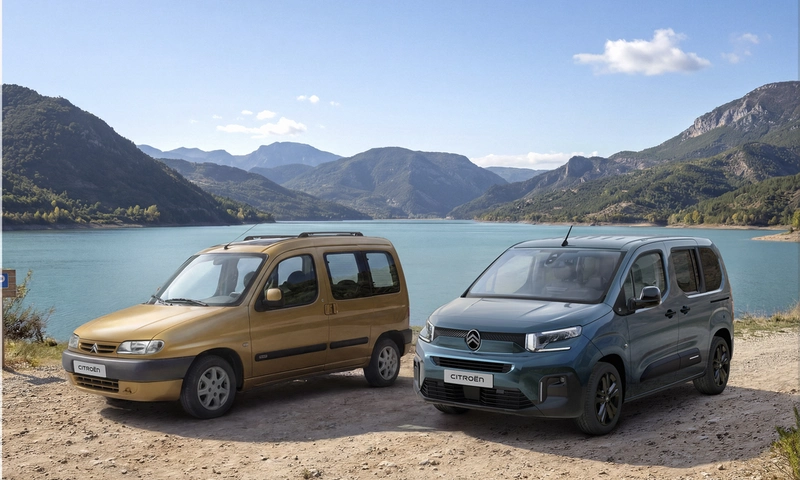
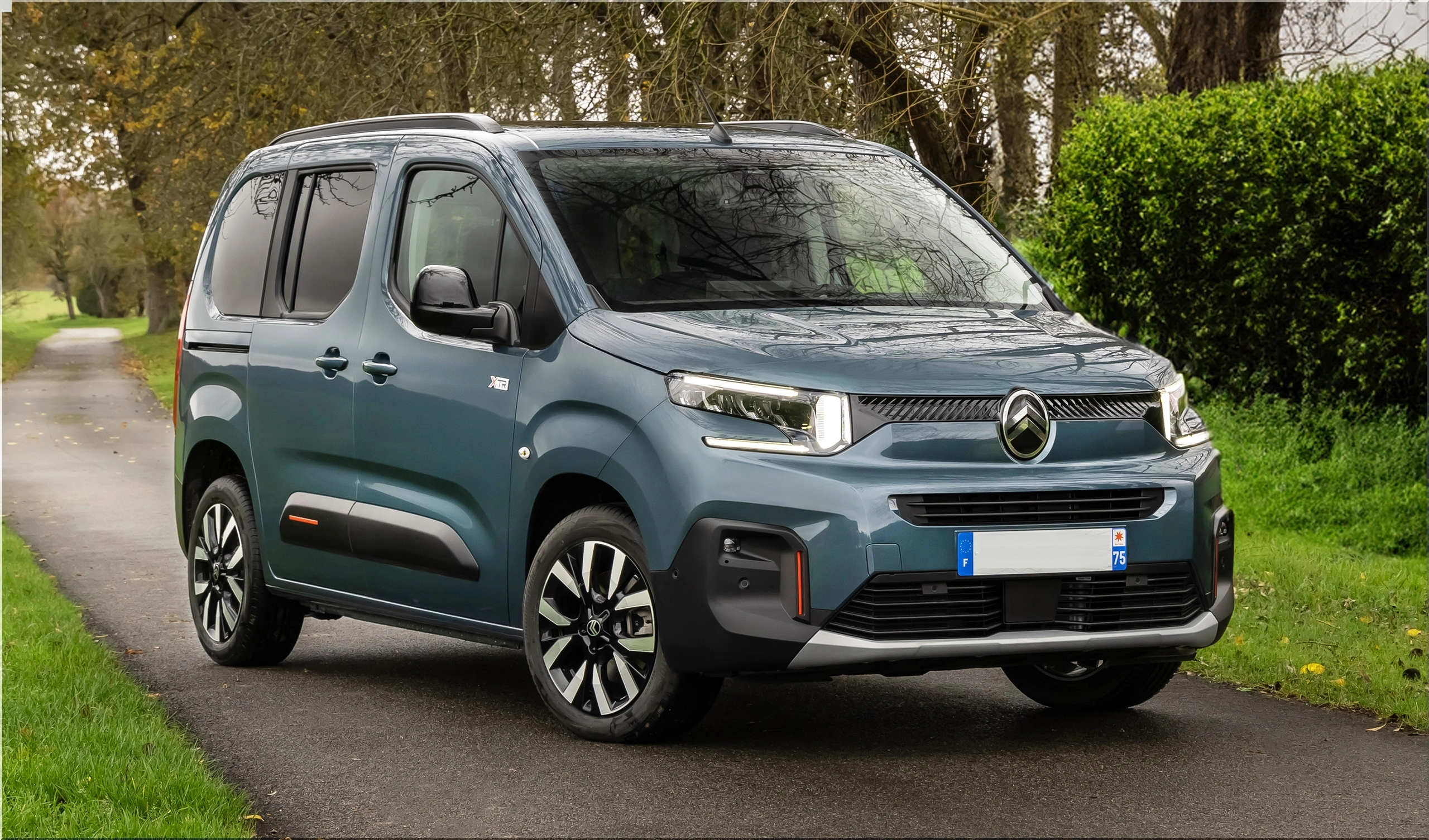
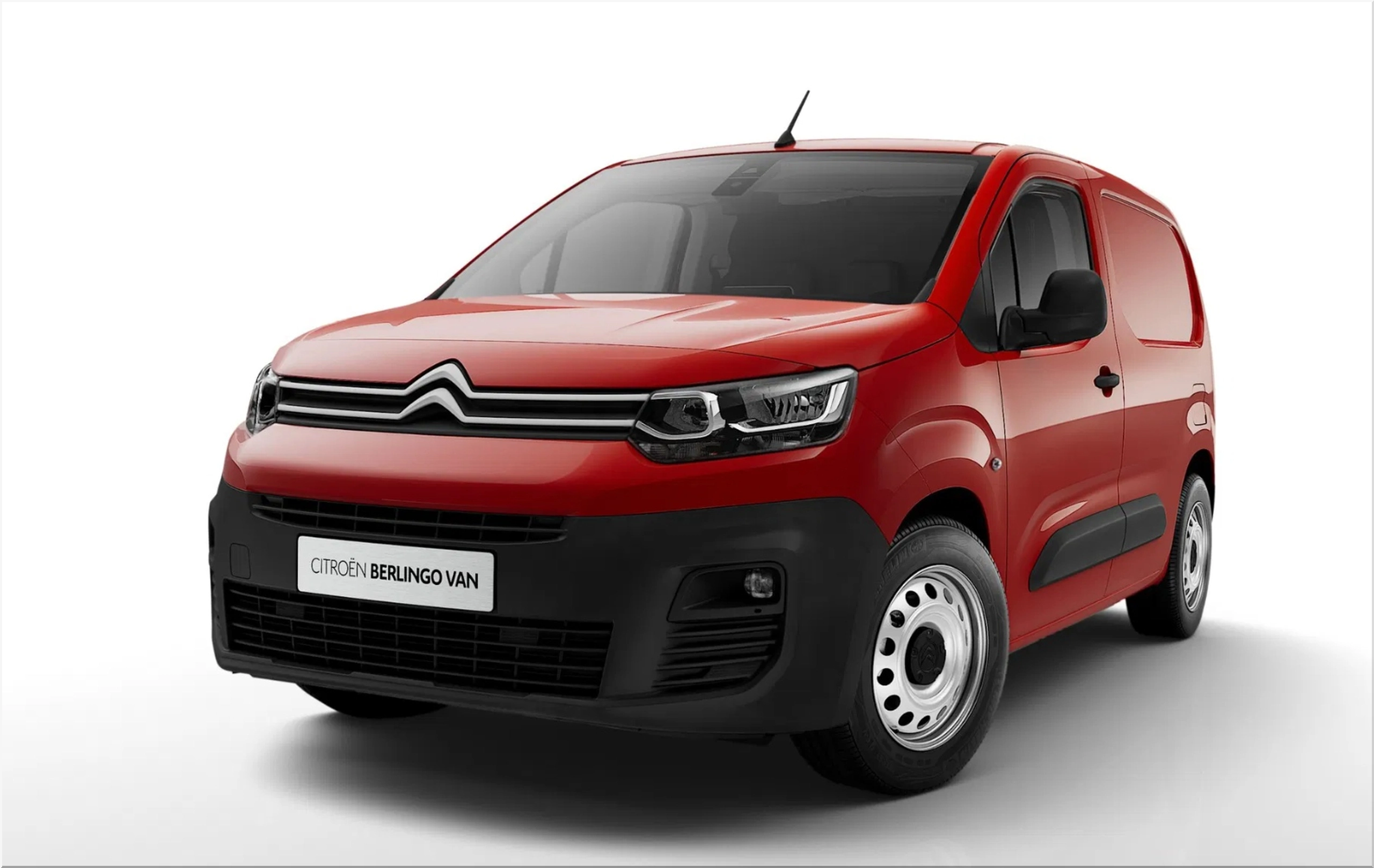
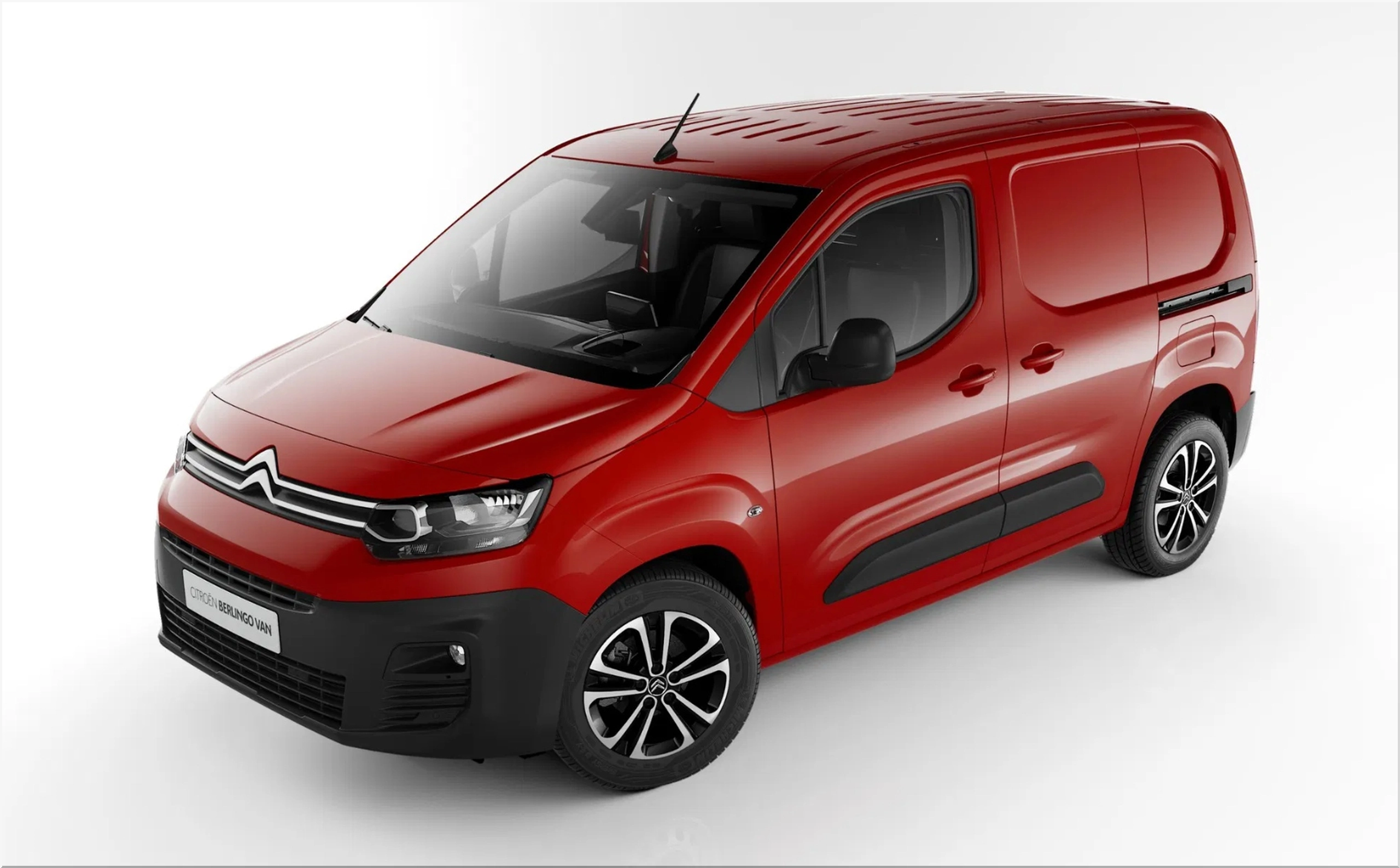
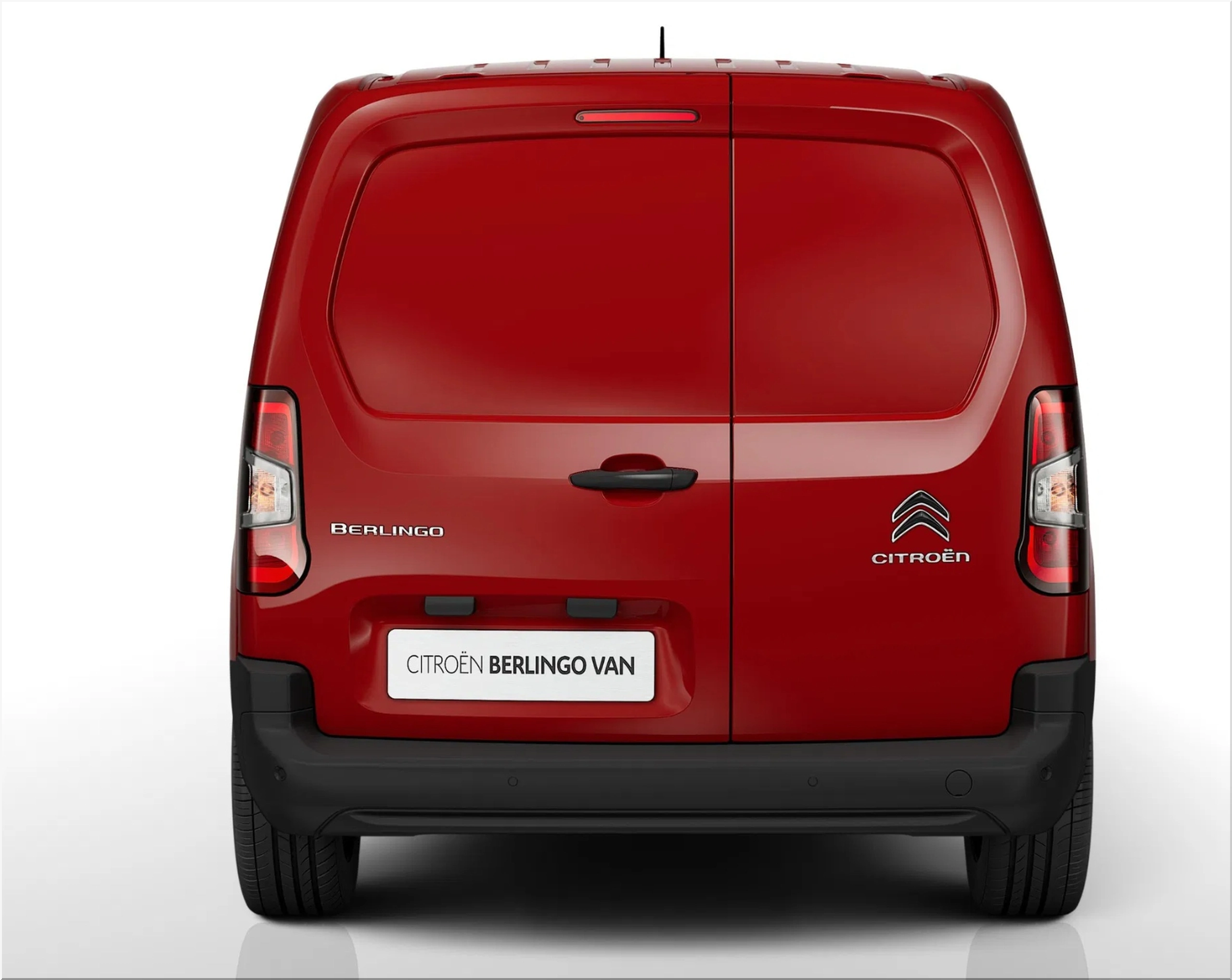
The Citroen Berlingo has expanded its powertrain lineup by reintroducing internal combustion engines alongside the electric ë-Berlingo. This decision addresses the needs of high-mileage drivers and families who lack access to consistent home charging infrastructure. The return of petrol and diesel units provides a lower entry price point while maintaining the modularity and space that defined the leisure activity vehicle segment since 1996.
The 110hp Petrol Entry Point
The new entry-level option features a 110 hp three-cylinder turbocharged petrol engine. This unit utilizes direct injection to produce 205 Nm of torque at low engine speeds. Specifically, the engine provides a responsive drive through a six-speed manual gearbox equipped with a Stop and Start system. This configuration achieves a combined fuel consumption of 6.3 liters per 100 km on the WLTP cycle. This petrol variant targets urban and suburban users who prioritize a quiet cabin and lower initial purchase costs.
BlueHDi Diesel Performance and Automatic Transmission
For 2026, the Berlingo again offers the 1.5-liter BlueHDi diesel engine in 100 hp and 130 hp configurations. The 130 hp version now includes an automatic gearbox option, a feature highly requested by long-distance travelers. These diesel engines are engineered for high efficiency, with CO2 emissions ranging between 138 and 151 g/km. The diesel powertrain provides rapid refuelling and superior highway range, making it the practical choice for active families and commercial users.
Image
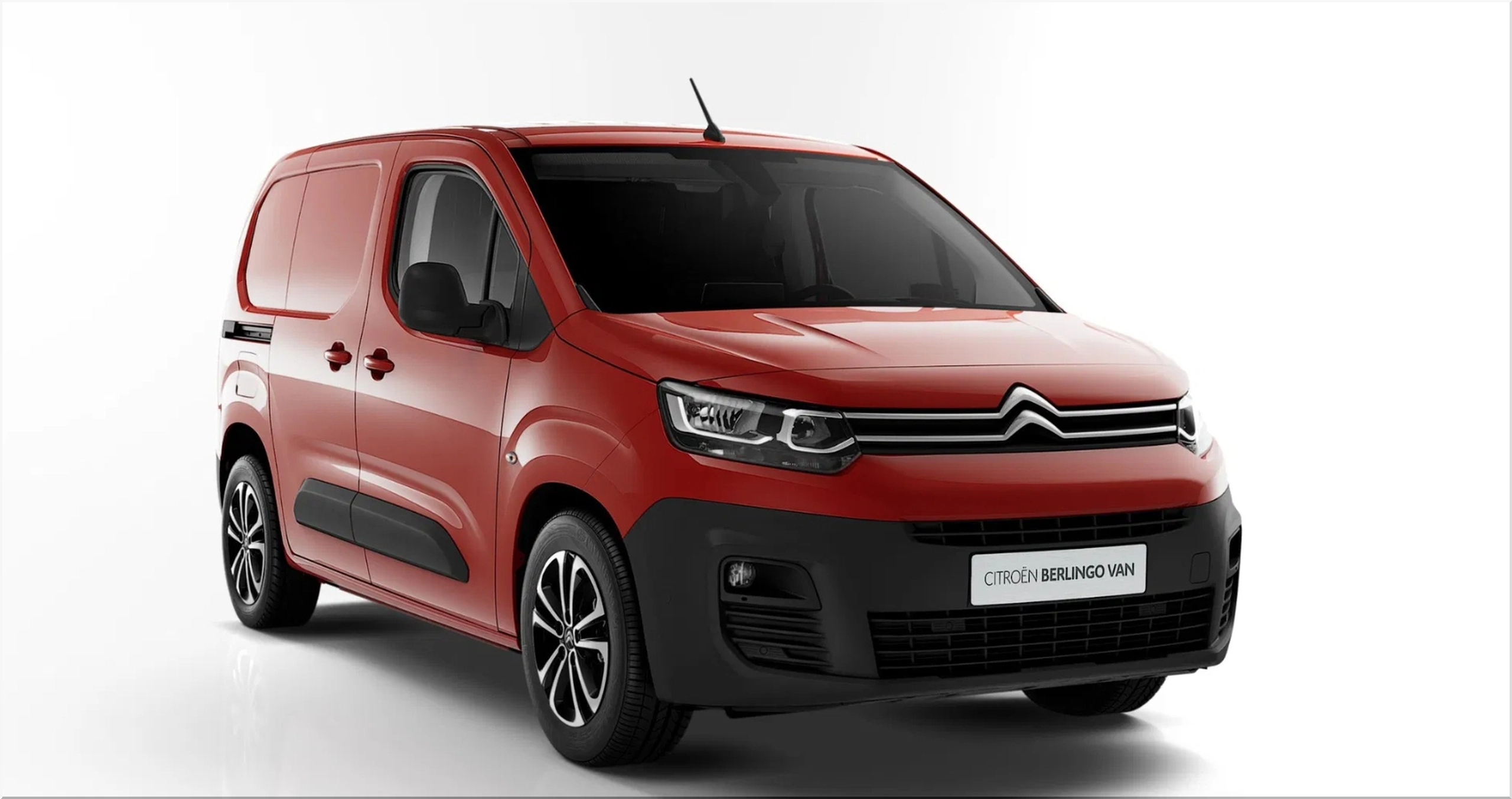
Pro-Tip: Large families in specific markets can mitigate environmental taxes through weight and CO2 credits. Citroen confirms that families with three or more children receive a reduction of 20 g/km in CO2 emissions and a 200 kg weight penalty credit per child, often eliminating the environmental penalty entirely for the Berlingo Diesel.
ë-Berlingo: The Zero-Emission Alternative
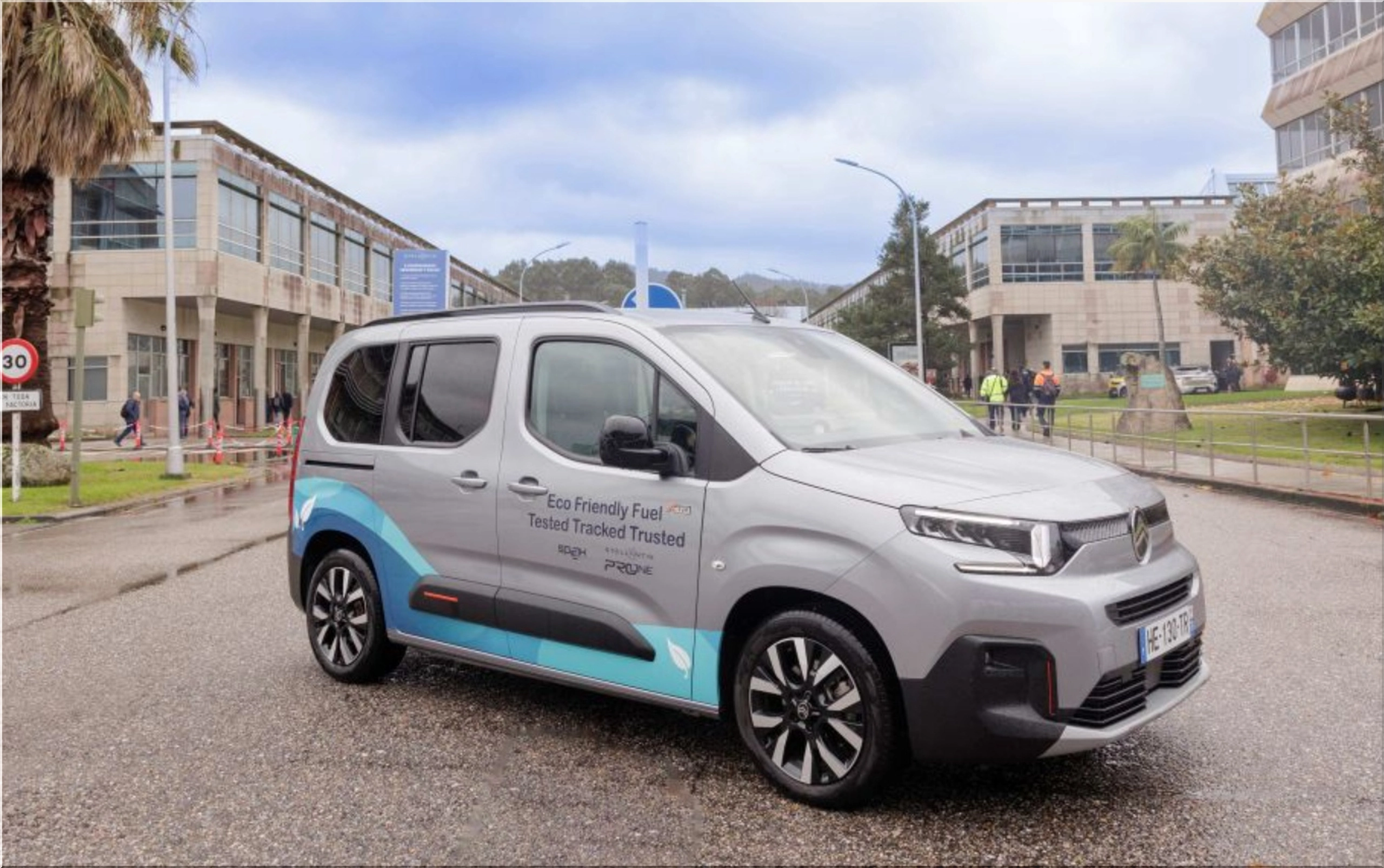
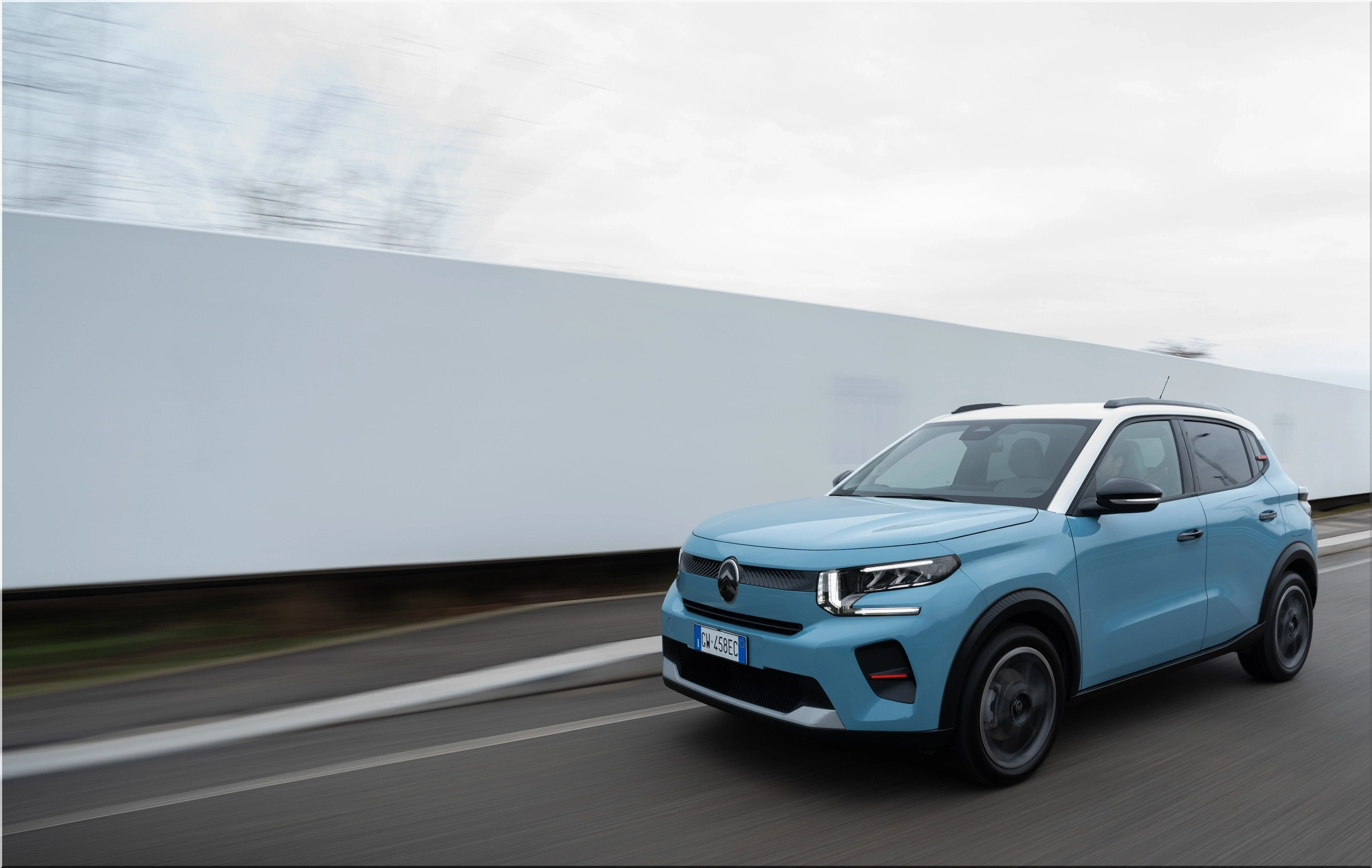
The ë-Berlingo remains a core component of the lineup, featuring a 50 kWh LFP battery that provides a 340 km range on the WLTP combined cycle. This model supports 100 kW fast charging, which replenishes the battery from 20% to 80% in 30 minutes. The electric version utilizes the e-ROUTES application to plan stops and optimize travel times. With its silent operation and zero tailpipe emissions, it serves as the primary solution for urban delivery and eco-conscious family transport.
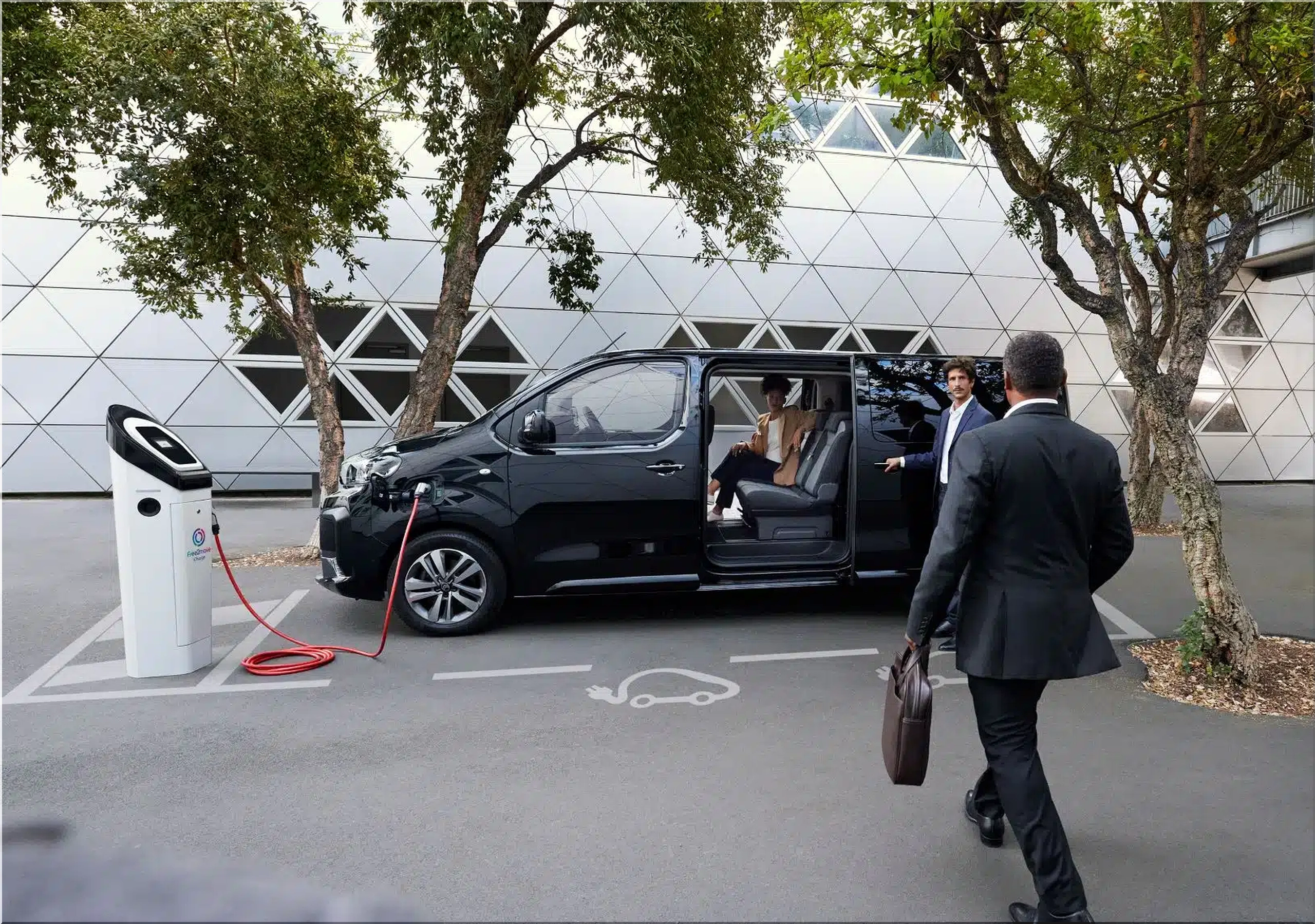
Next-Generation 2.2L Diesel for SpaceTourer and Jumpy
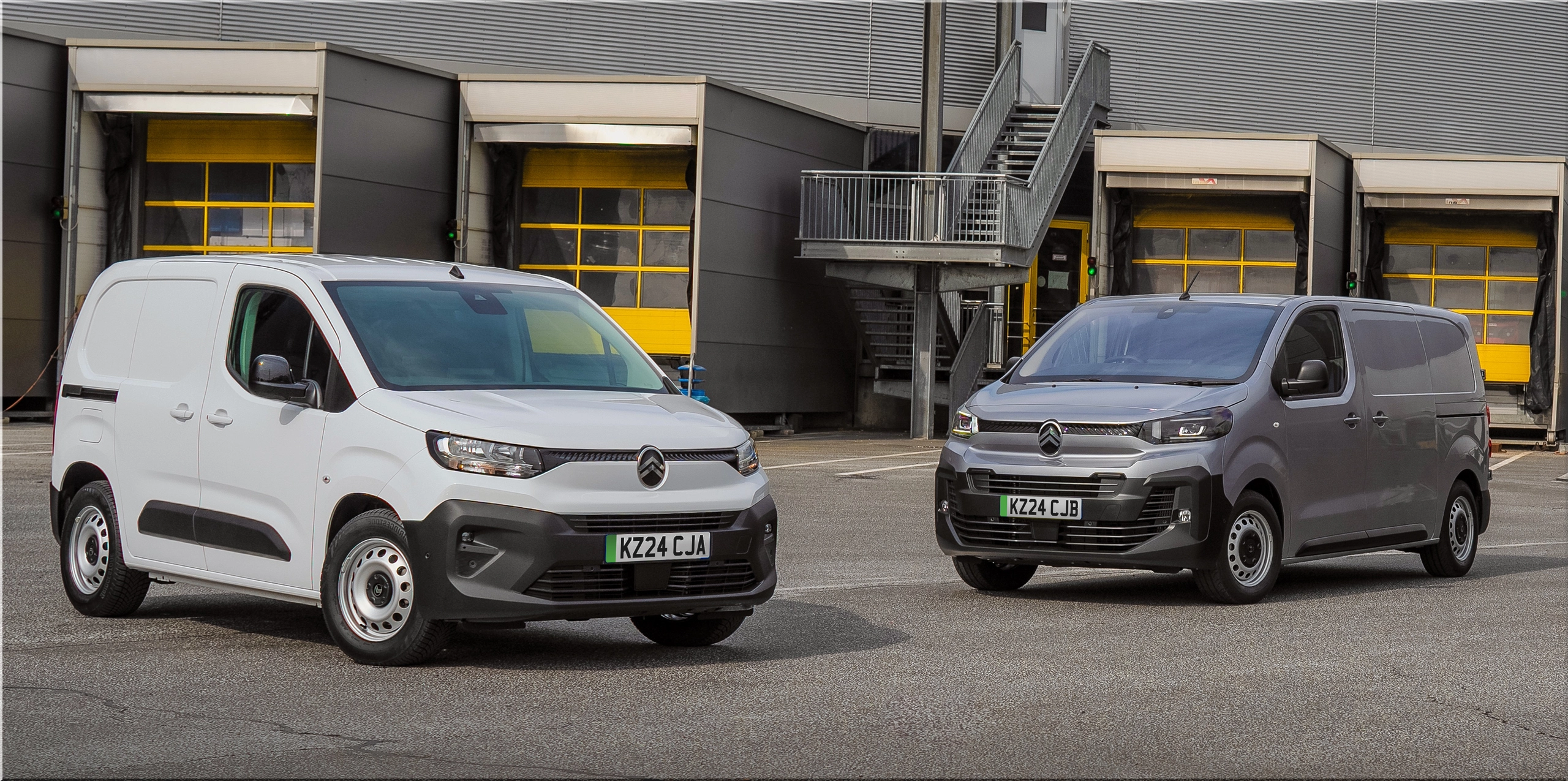
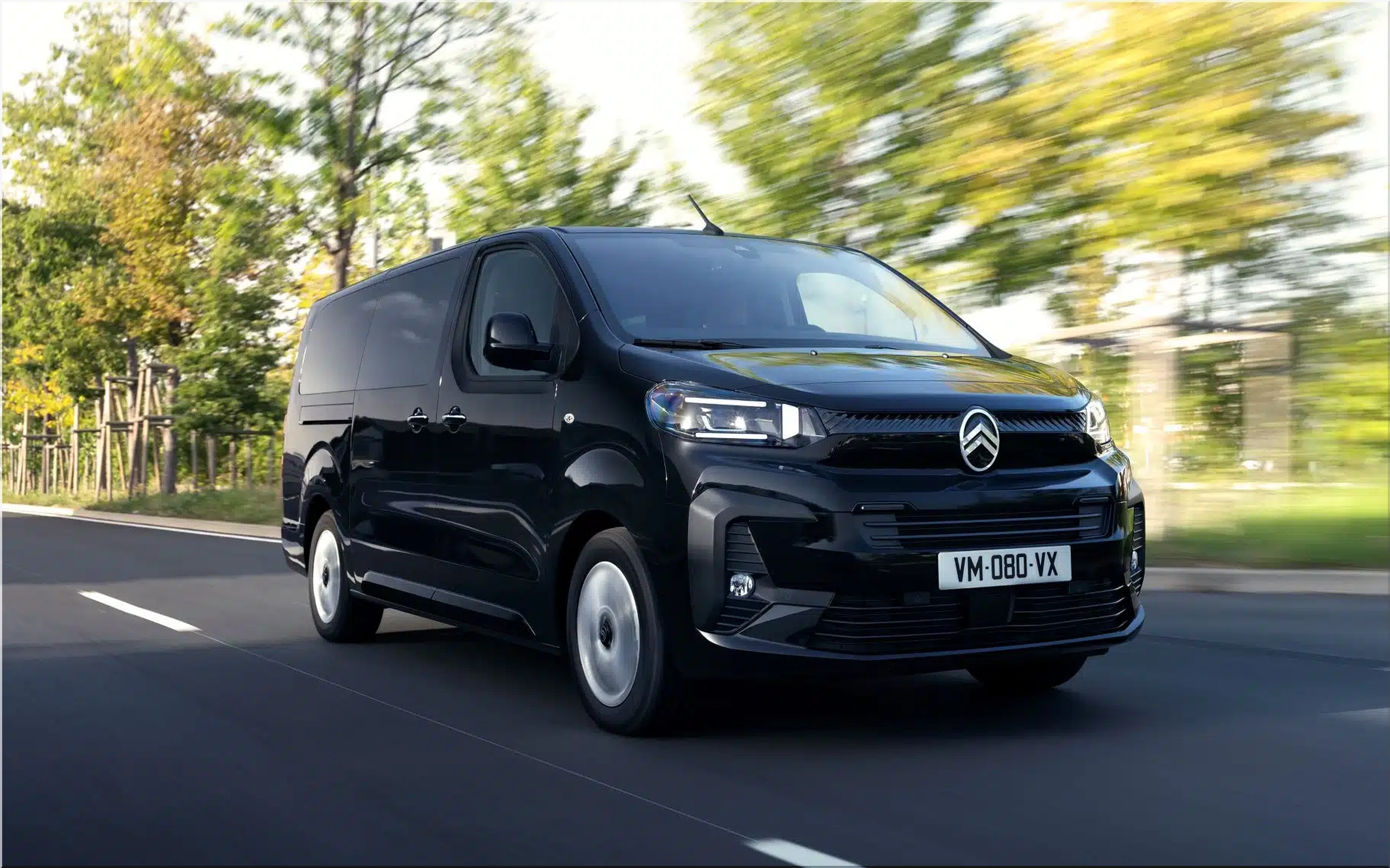
The SpaceTourer passenger van and the Jumpy utility vehicle have transitioned to a new 2.2-liter diesel engine, replacing the older 2.0-liter unit. This technical development ensures compliance with the €6.e emissions standard while simultaneously increasing performance. The 2.2-liter engine is available in two power levels: 150 hp and 180 hp. Both versions prioritize torque delivery at lower revolutions to improve driveability under heavy loads.
Technical Gains in Torque and Efficiency
On the 150 hp (110 kW) variant, torque has increased to 370 Nm, a 30 Nm improvement over the outgoing model. Crucially, this peak torque arrives at 1,500 rpm rather than the previous 2,000 rpm. This lower torque peak provides better acceleration and flexibility when overtaking or climbing gradients with a full passenger load. Despite the increase in displacement and power delivery, CO2 emissions have dropped by up to 21 g/km.
The 180 hp variant maintains a torque output of 400 Nm, but like the 150 hp version, this torque is now accessible from 1,500 rpm. Fuel consumption for the 180 hp unit has decreased by 0.3 liters per 100 km, resulting in a combined WLTP figure of 6.8 liters per 100 km. These efficiency gains result from improved combustion logic and reduced internal friction within the new 2.2-liter block.
Versatile Configurations: SpaceTourer and Holidays
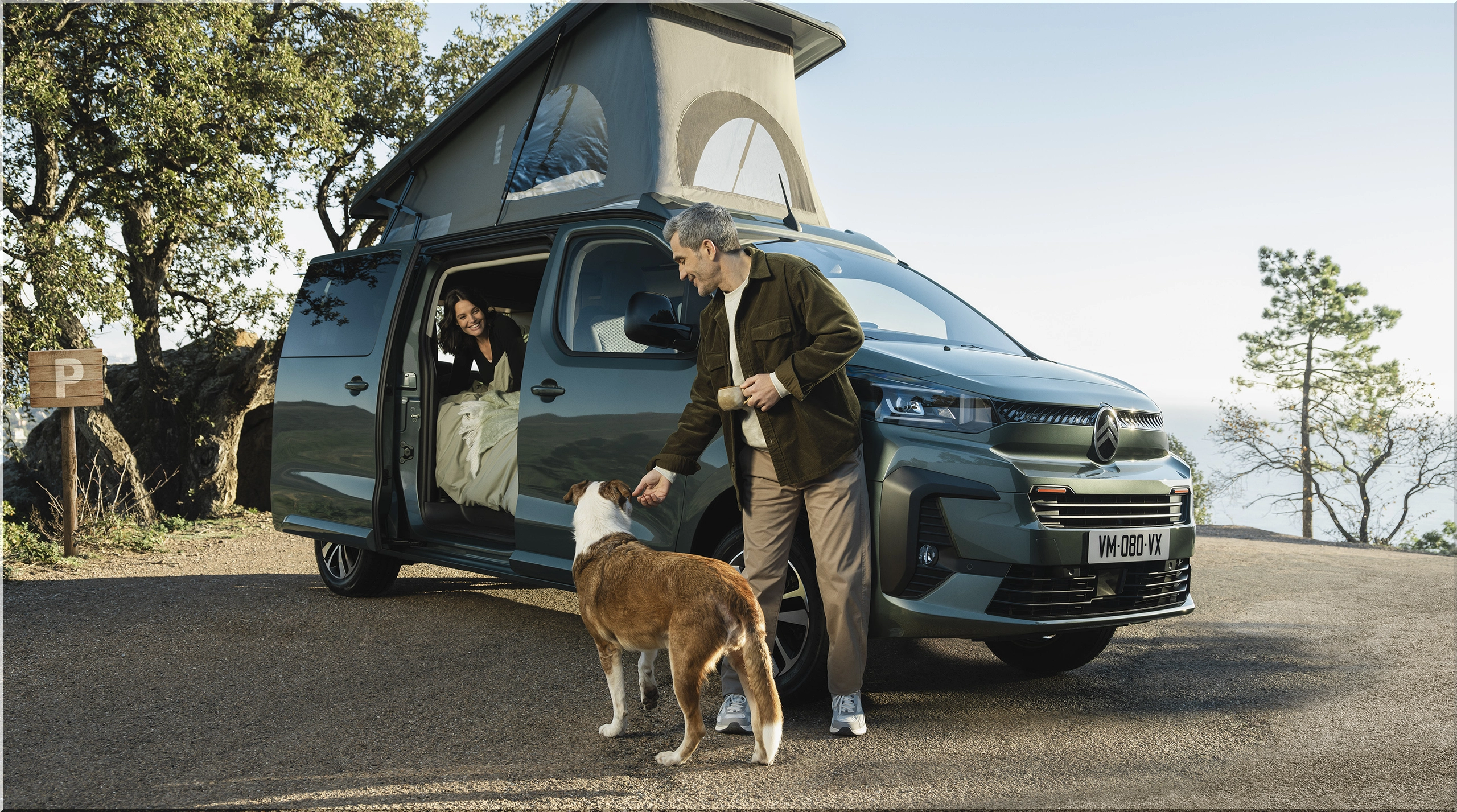
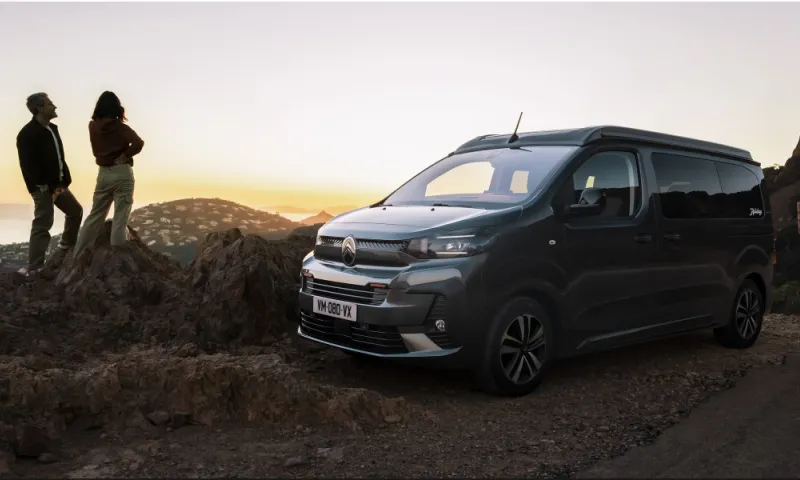
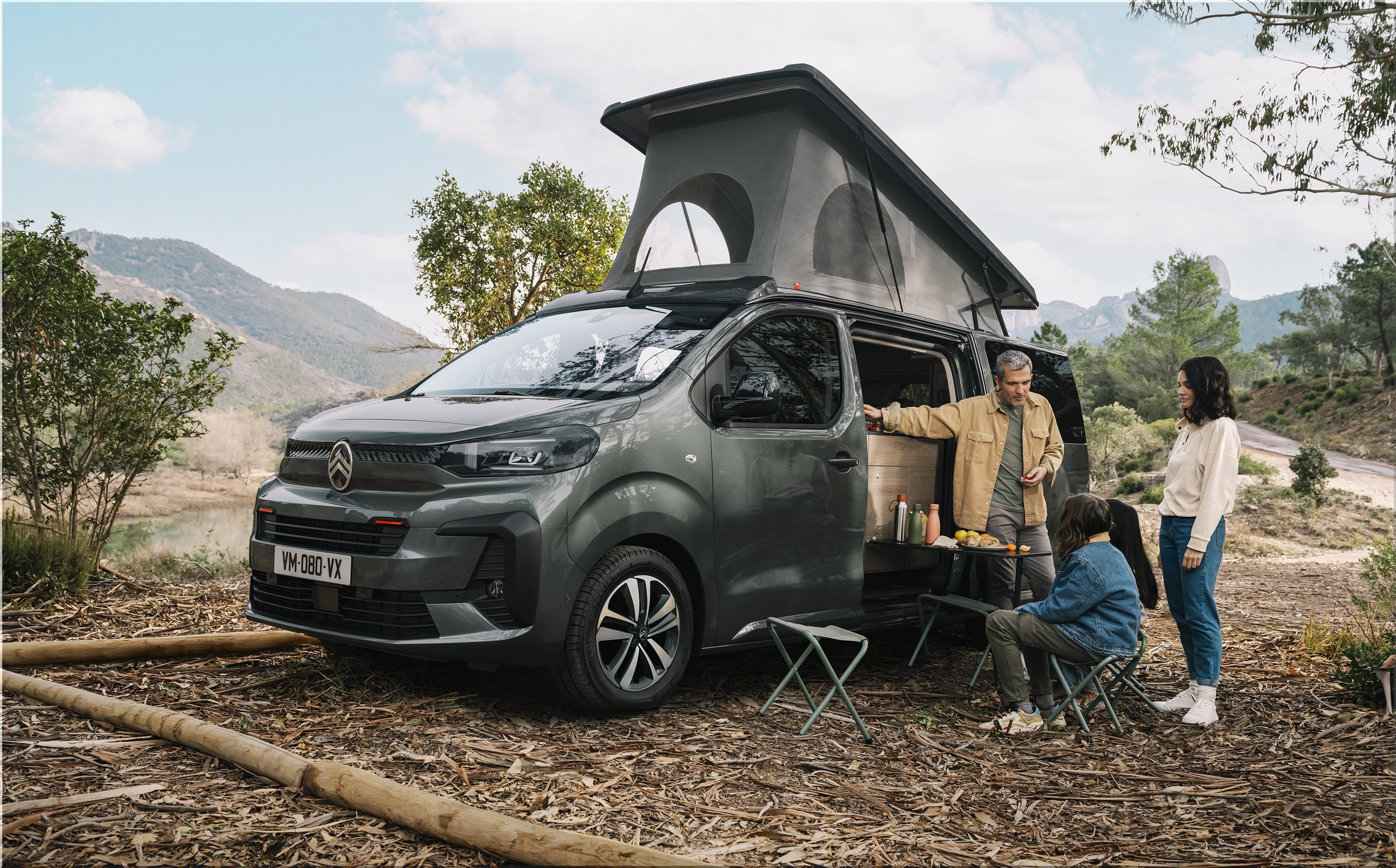
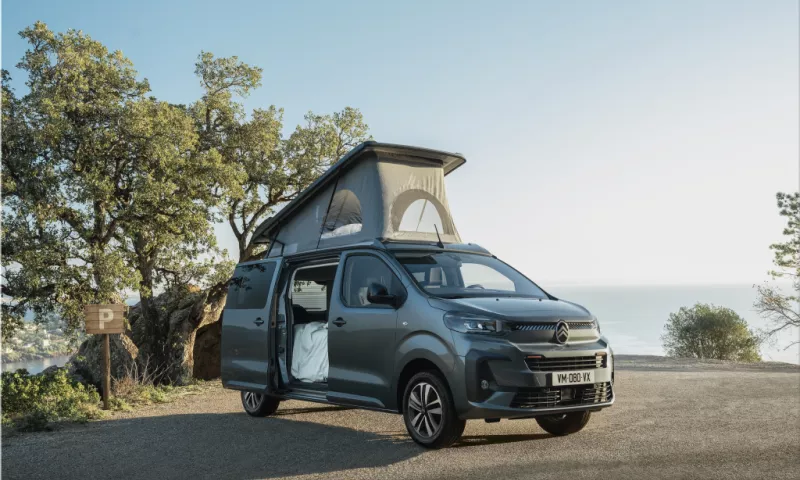
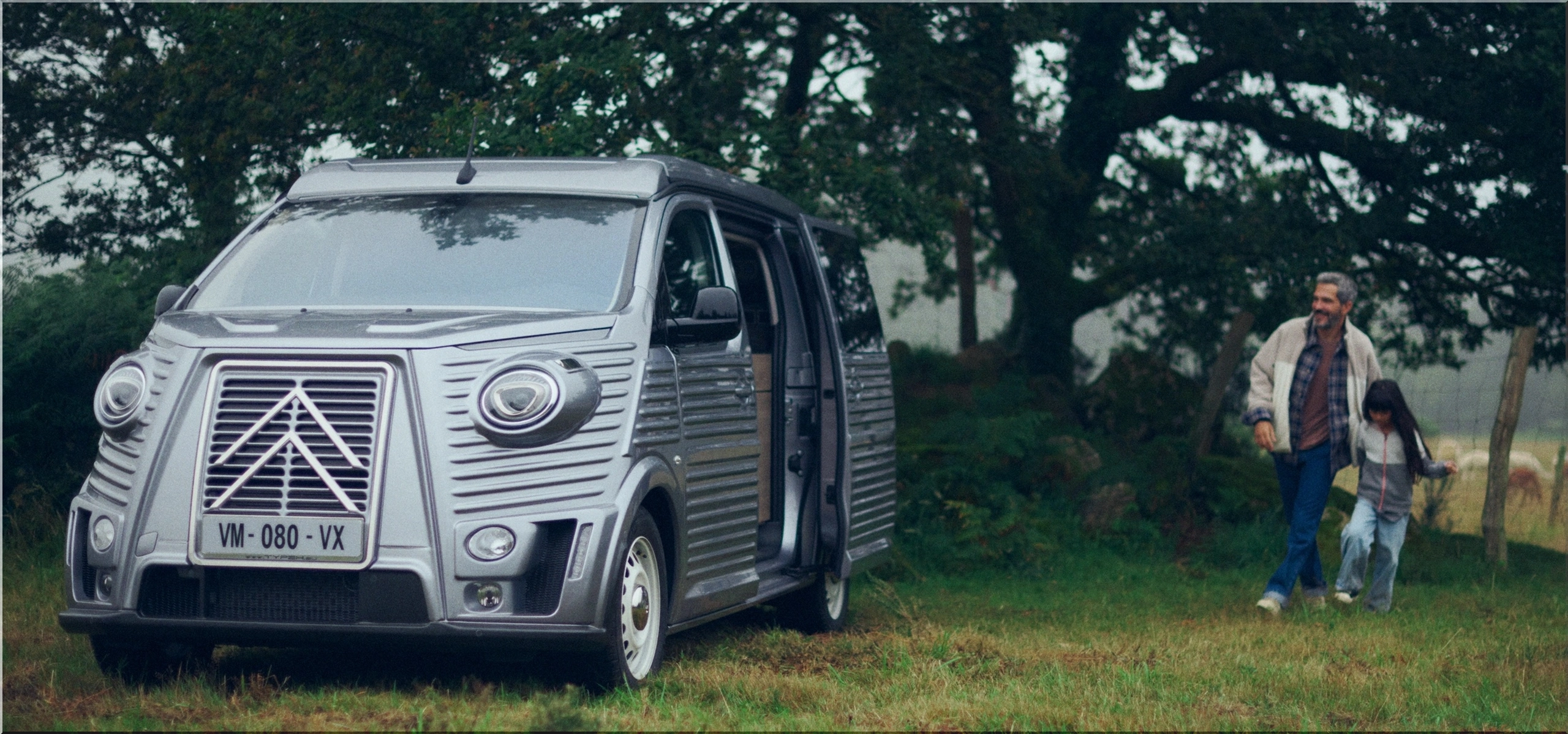
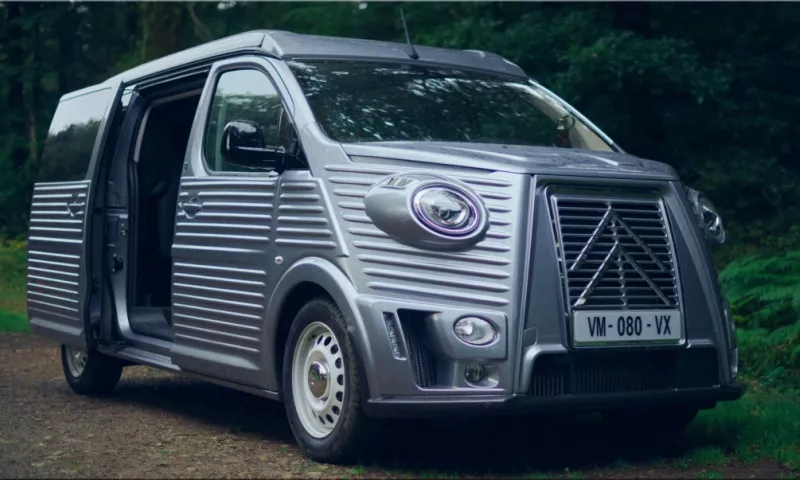
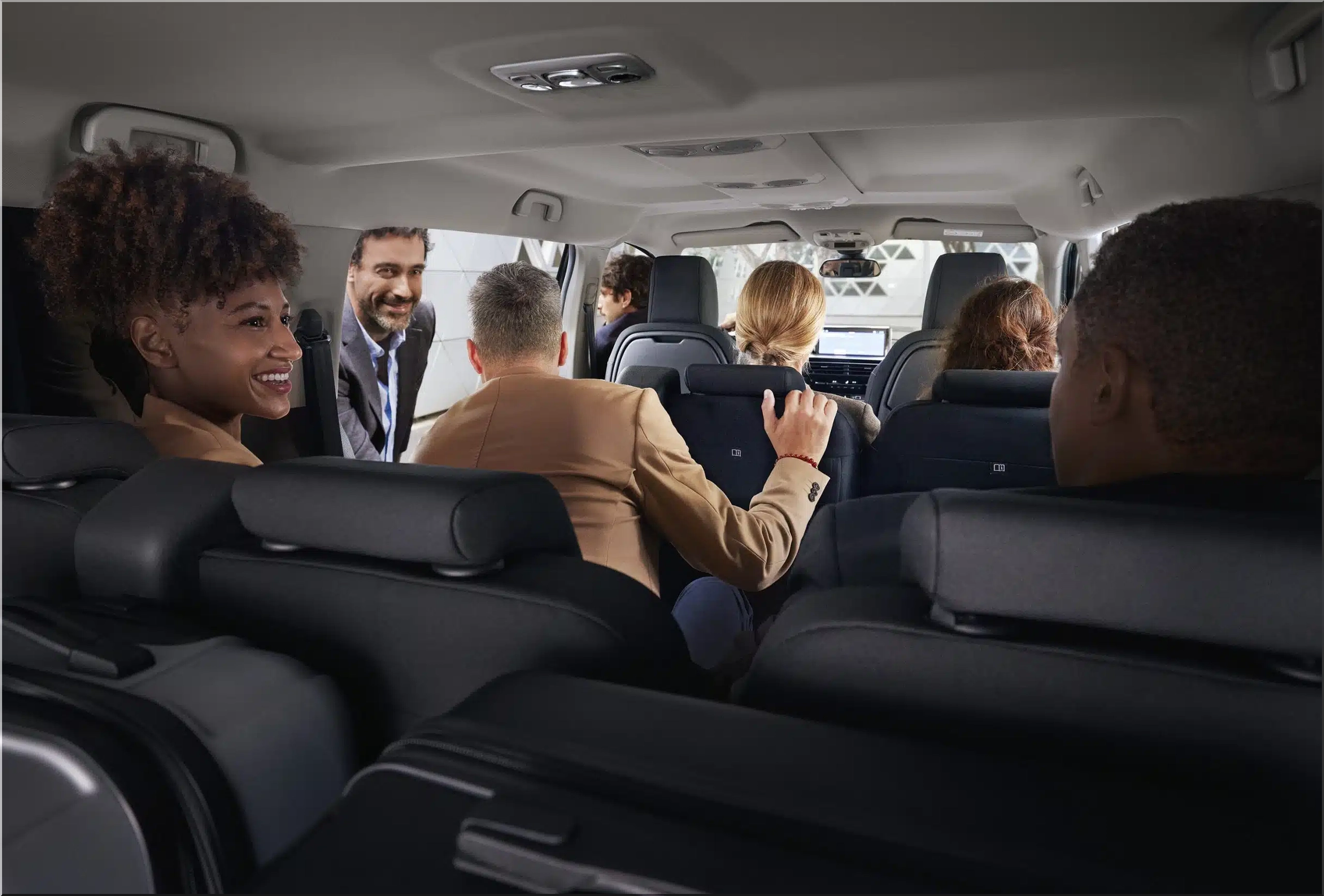
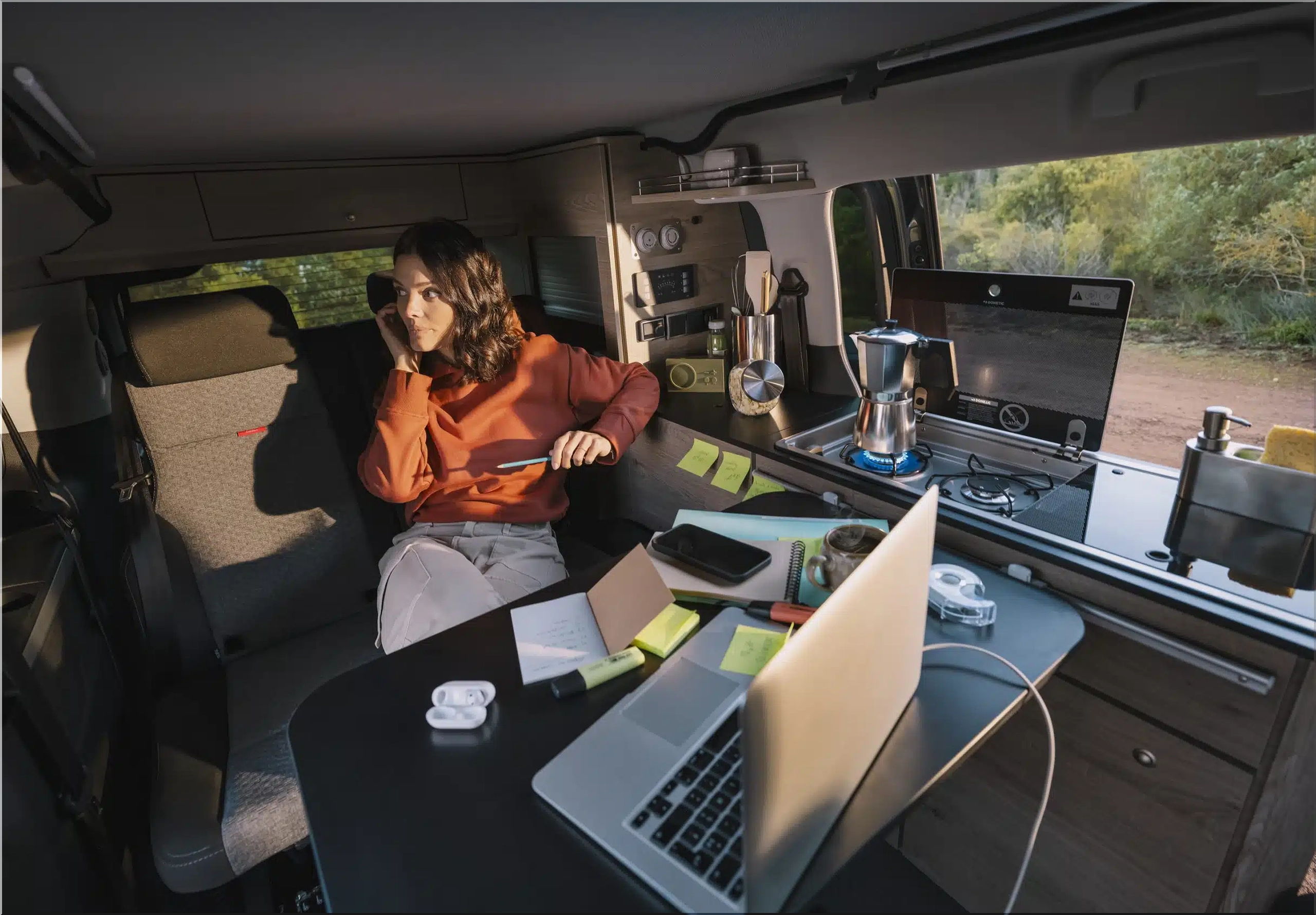
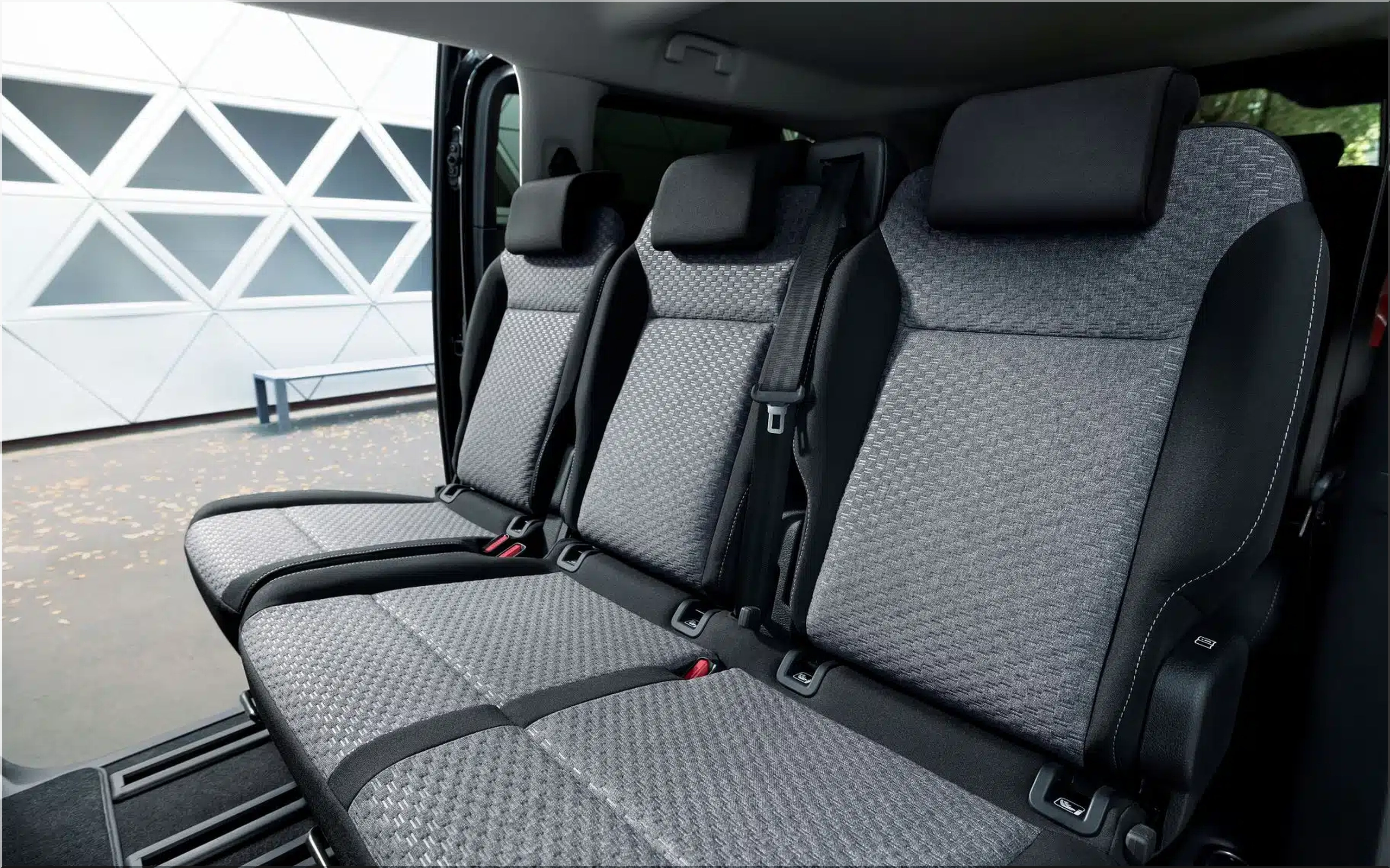
The Citroen SpaceTourer remains available in two lengths: the M version at 4.98 m and the L version at 5.33 m. It accommodates up to nine passengers while maintaining a height of 1.90 m, allowing access to standard underground parking structures. This platform also serves as the foundation for the Citroen Holidays camper van, which features:
- Four berths for overnight travel.
- A pop-up roof and swivel front seats.
- A fully equipped kitchen with two gas hobs and a 16-liter fridge.
- 10-liter fresh and waste water tanks.
- An optional rear shower with a 25-liter tank.
Professional Solutions: Jumpy and Electric Commercial Vehicles
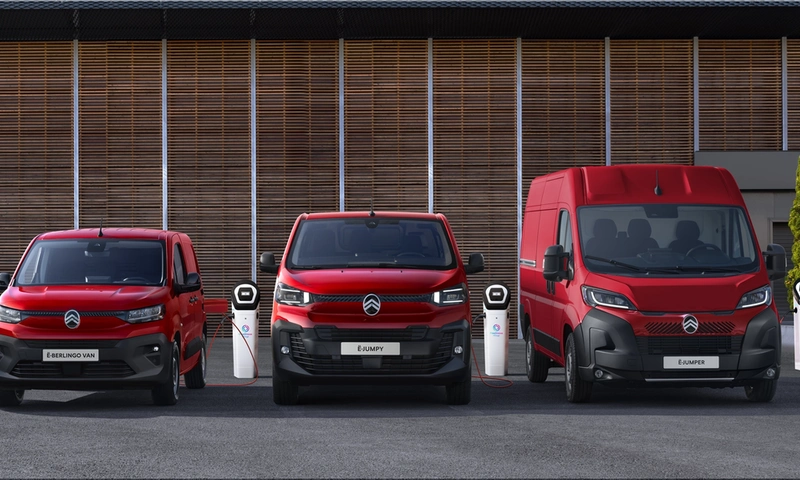
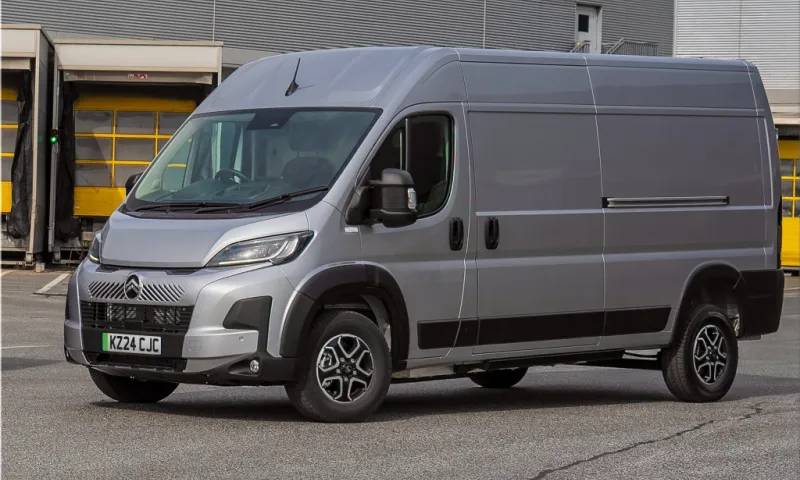
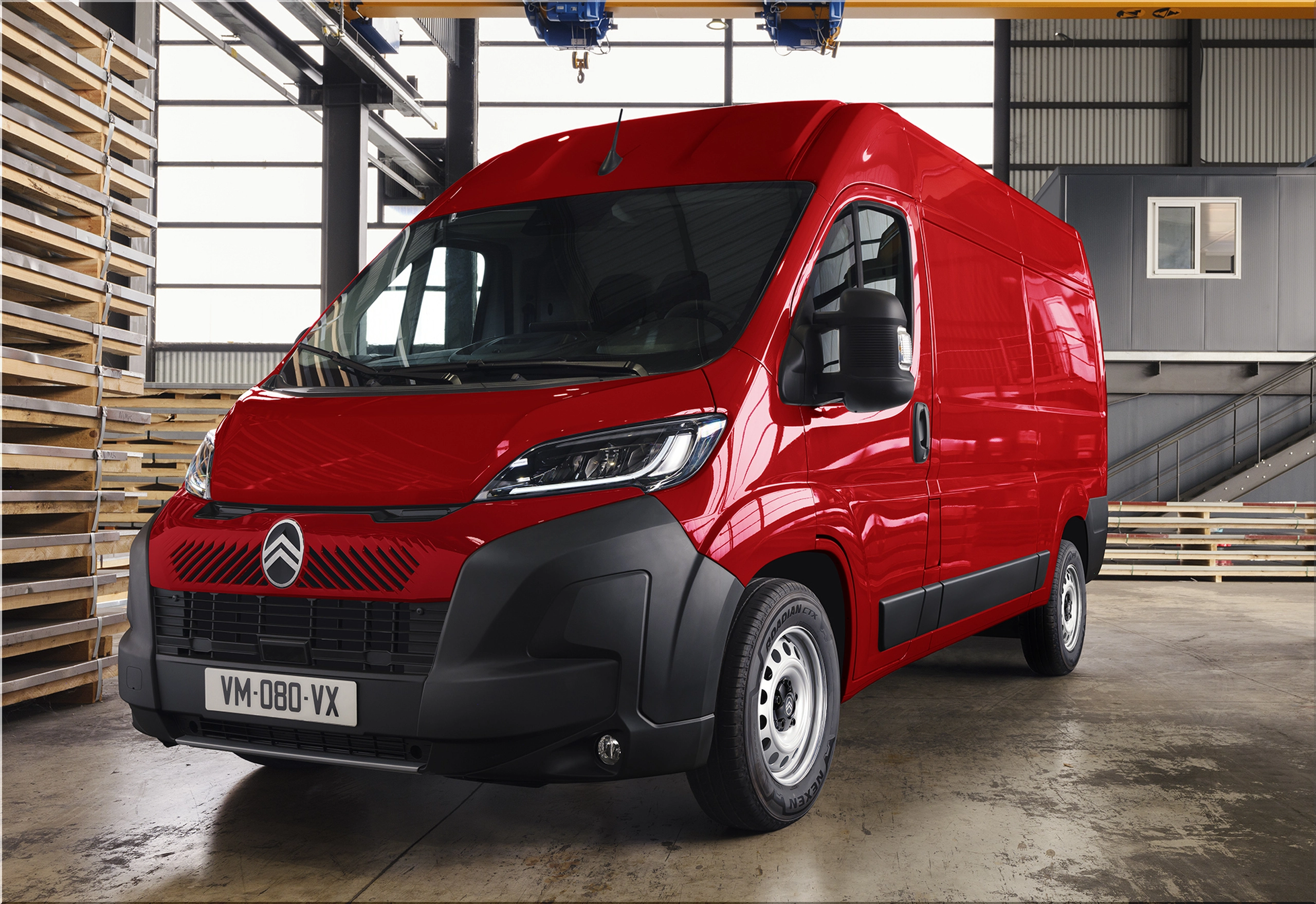
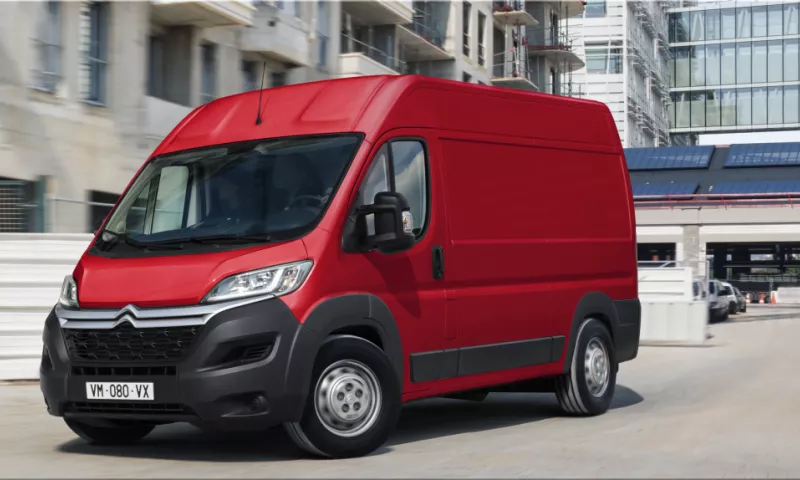
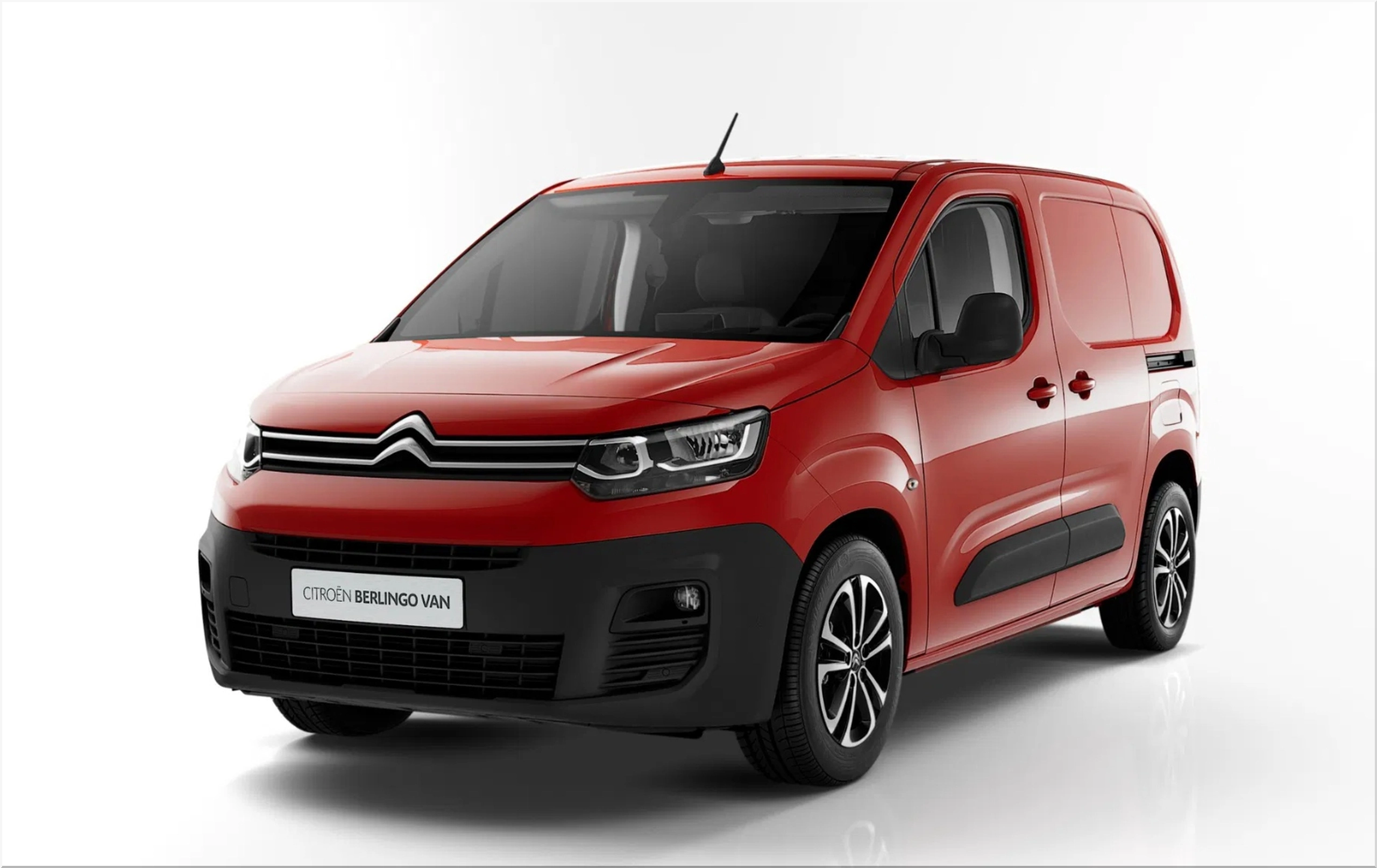
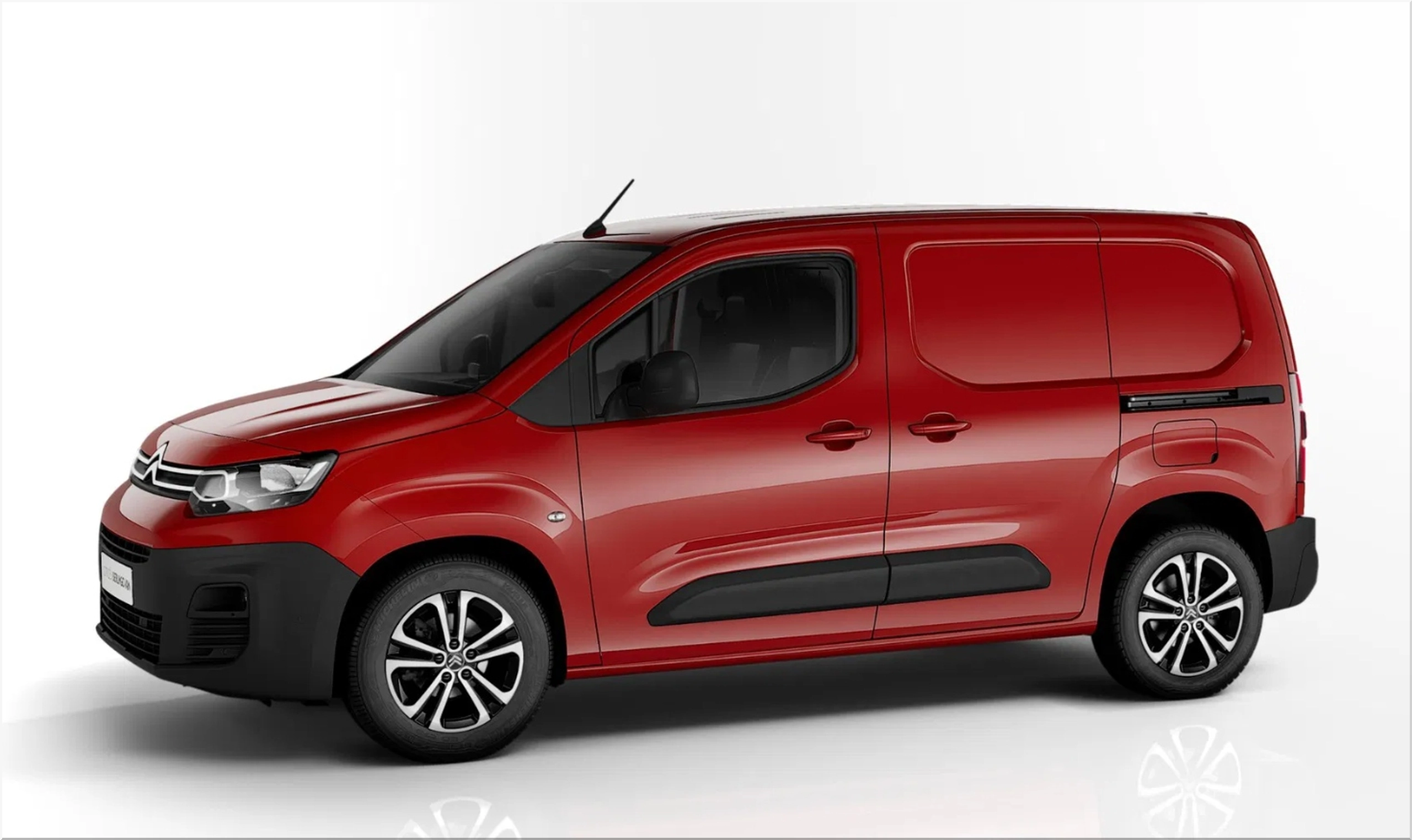
The Jumpy utility vehicle benefits from the same 2.2-liter diesel engine upgrades as the passenger versions. It maintains a maximum load volume of 6.6 cubic meters in the XL configuration and a payload capacity of 1,341 kg. For professionals operating in low-emission zones, the ë-Jumpy and ë-SpaceTourer provide two battery options to balance range and payload requirements.
Electric Battery and Charging Specifications
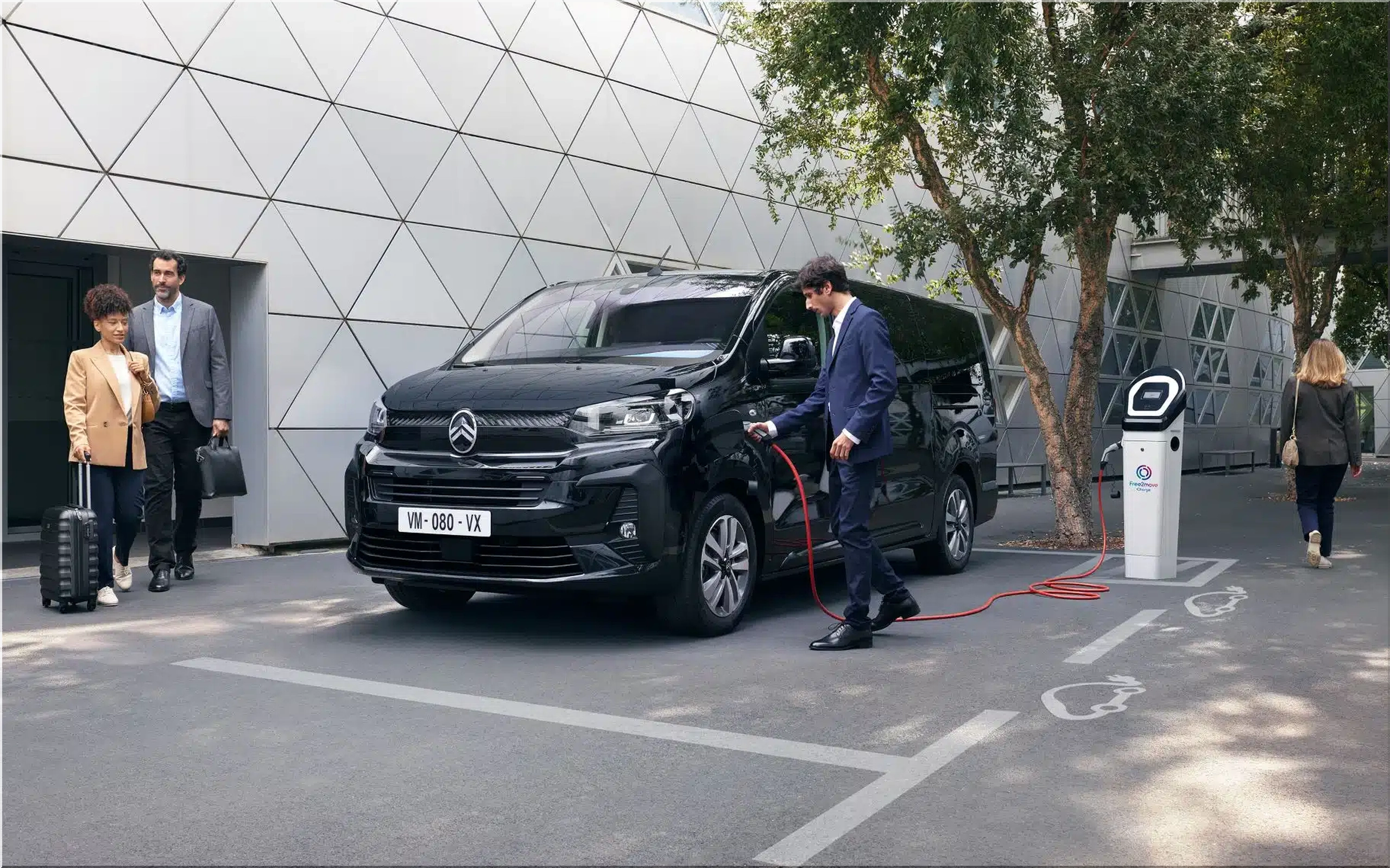
The 100 kW (136 hp) electric motor can be paired with either a 50 kWh or a 75 kWh lithium-ion battery. The 50 kWh battery provides a range of 224 km, ideal for local shuttles or city deliveries. The 75 kWh battery increases the range to 350 km, expanding the vehicle's utility for regional transport. Charging times are optimized for professional downtime:
- 7.4 kW Wallbox: 6 hours 40 minutes (50 kWh) or 11 hours 20 minutes (75 kWh).
- 11 kW Wallbox: 4 hours 50 minutes (50 kWh) or 7 hours 30 minutes (75 kWh).
- 100 kW Fast DC: 38 to 45 minutes to reach 80% charge from 20%.
The electric vans feature smooth, vibration-free operation, which reduces driver fatigue during long shifts. Reduced running costs and unrestricted access to city centers provide a competitive advantage for tradespeople and delivery fleets.
| Battery Size | Range (WLTP) | 100kW DC Charge (20-80%) | Ideal Use Case |
|---|---|---|---|
| 50 kWh | 224 km | 38 minutes | Urban shuttles / Last-mile delivery |
| 75 kWh | 350 km | 45 minutes | Regional transport / Long-distance taxi |
Comparative Market Analysis: C-SUV Segment
The C5 Aircross Plug-in Hybrid 225 competes in a crowded market segment. When looking at the data, the Citroen model distinguishes itself through its focus on suspension comfort and usable electric range. By comparison, competitors often prioritize stiffer handling or higher peak horsepower at the expense of ride quality.
| Feature | Citroen C5 Aircross 225 | VW Tiguan eHybrid | Peugeot 3008 PHEV |
|---|---|---|---|
| Electric Range | 113 km | 100 km | 87 km |
| Total HP | 225 hp | 204 hp | 225 hp |
| Suspension | Progressive Hydraulic | Standard / DCC | Standard |
| Fuel Tank | 55 Liters | 45 Liters | 43 Liters |
| Towing (Max) | 1,550 kg | 1,800 kg | 1,250 kg |
The C5 Aircross wins on pure electric urban range and fuel tank capacity, making it a superior long-distance cruiser. While the VW Tiguan offers a higher towing capacity, the Citroen provides a larger fuel reserve for extended highway travel. The Peugeot 3008 shares some architecture but offers less electric range in its standard plug-in configuration compared to the 2026 Citroen update.
Comfort and Technology: The Citroen Travel Experience
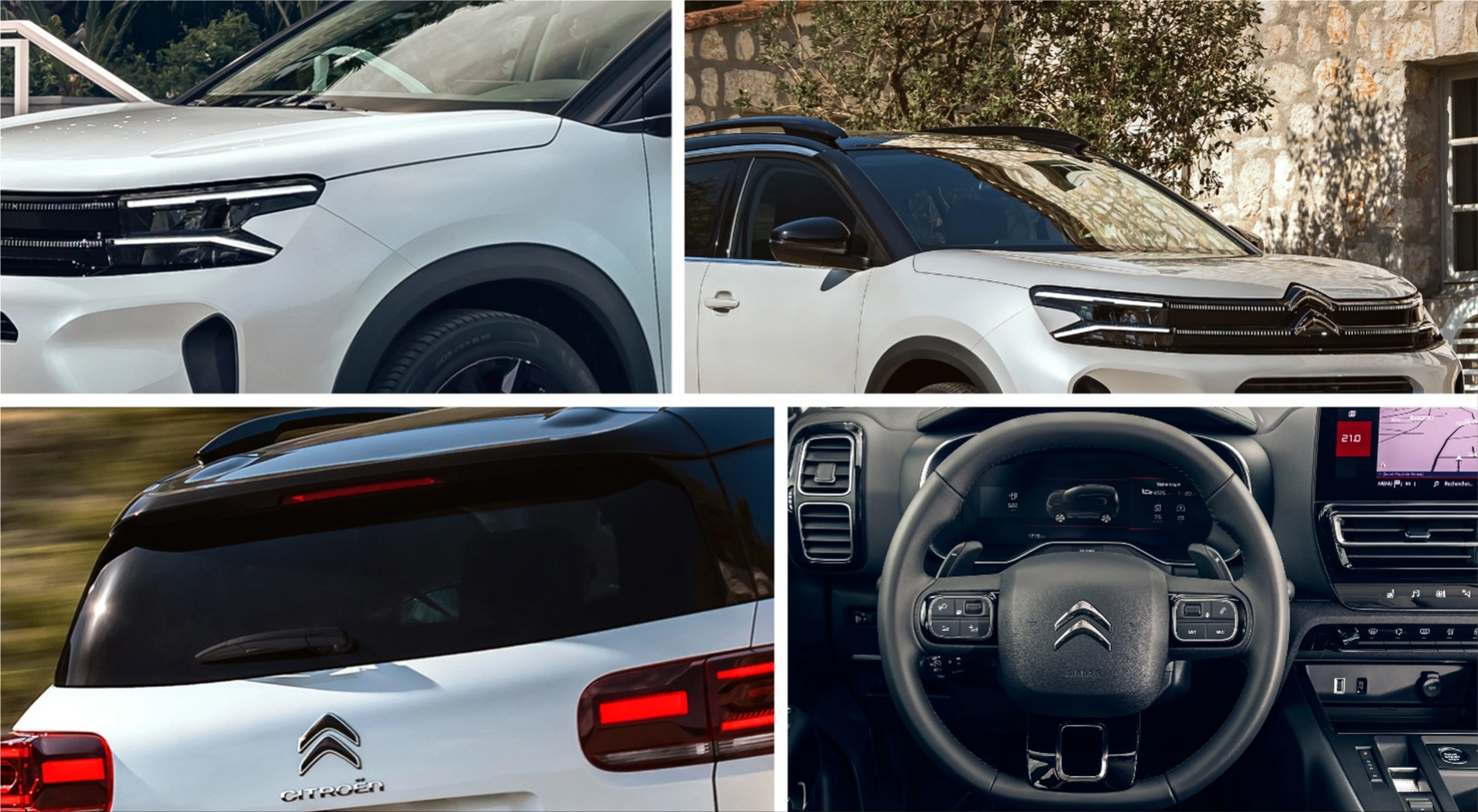
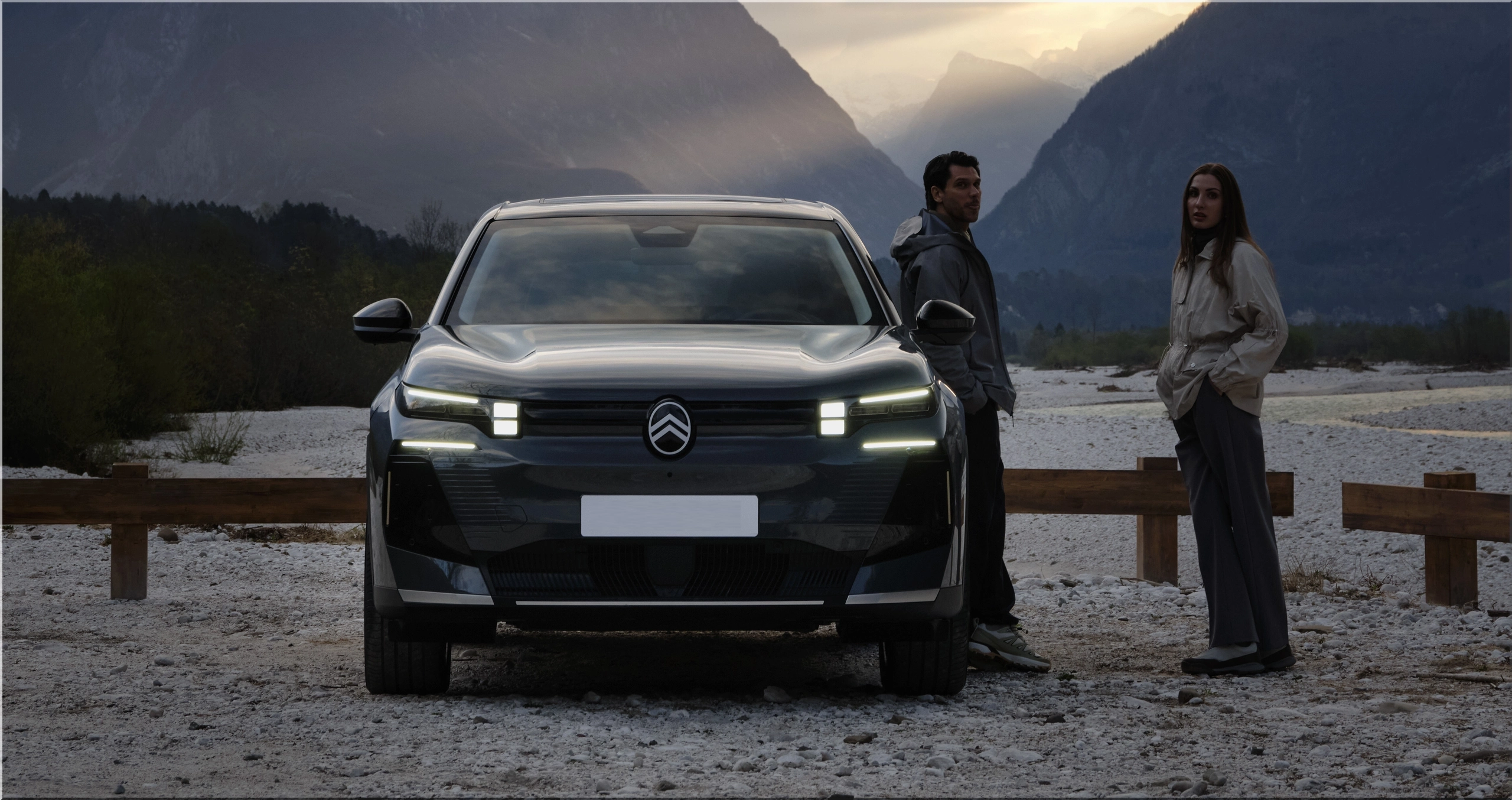
Citroen emphasizes a serene travel experience through the integration of the Advanced Comfort program. The C5 Aircross and Berlingo feature seats with high-density foam and thickened structural padding to prevent fatigue during long commutes. The Progressive Hydraulic Cushion suspension system is standard on the C5 Aircross, utilizing two hydraulic stops to manage compression and rebound, effectively smoothing out road imperfections.
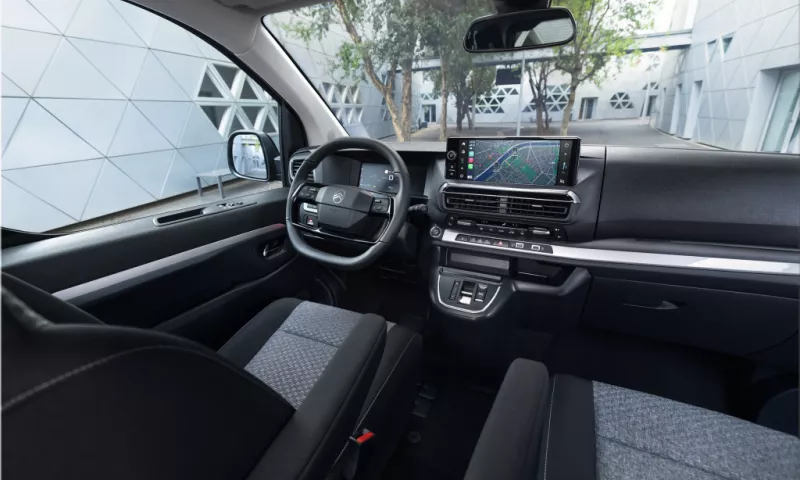
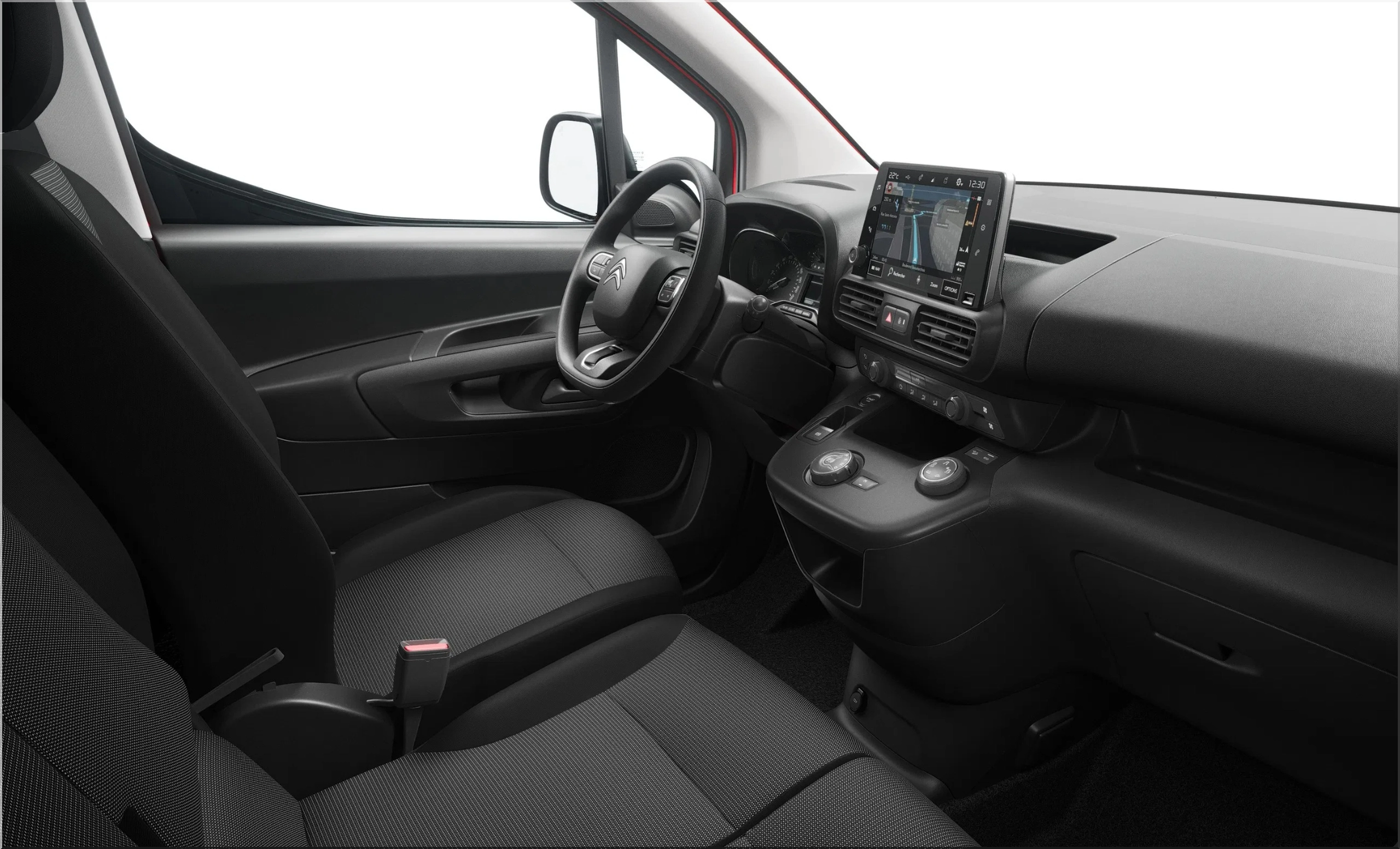
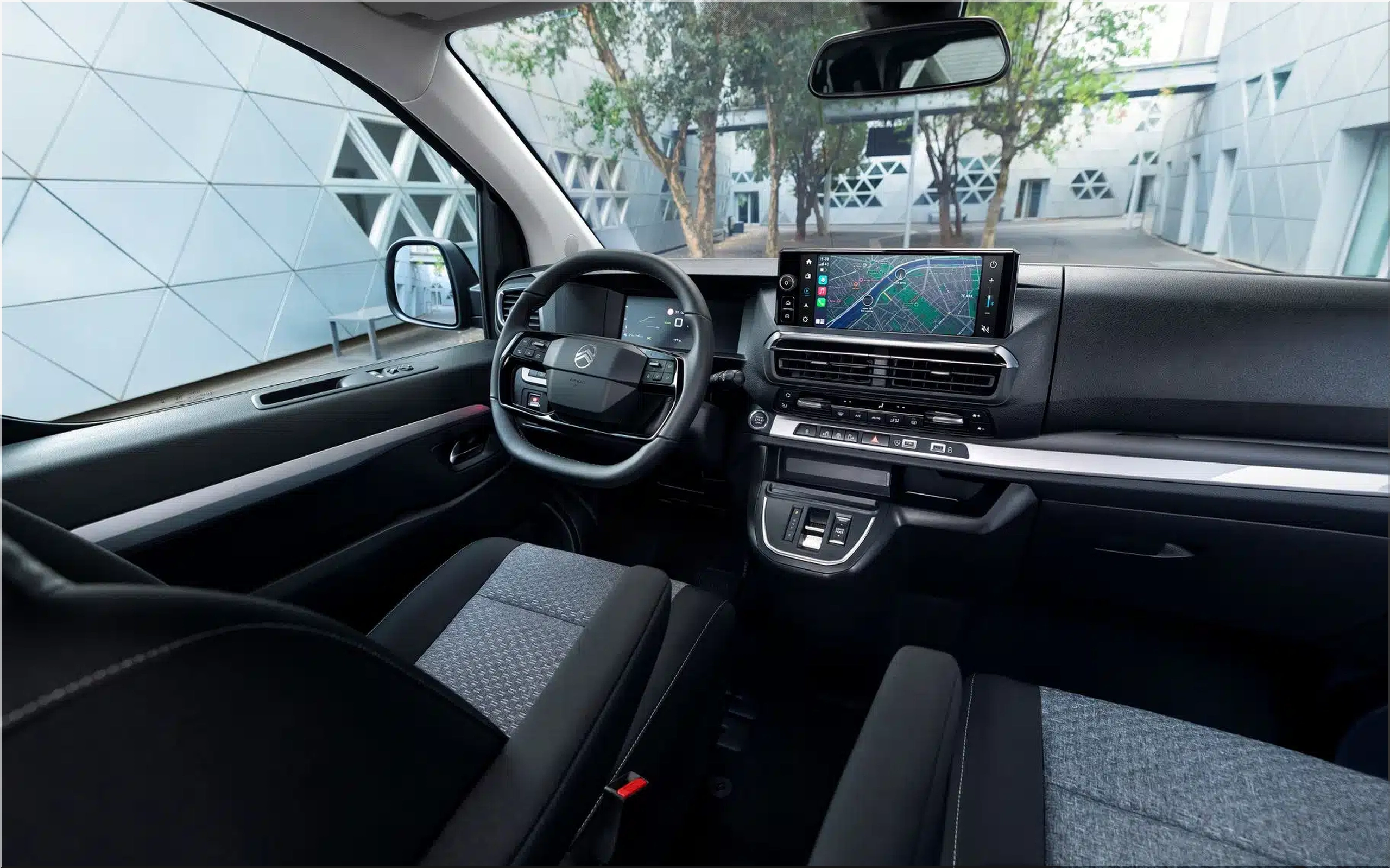
Onboard technology has been modernized with the Cascade touchscreen interface. This high-resolution display is designed for ergonomic interaction, housing the infotainment and vehicle settings in a simplified menu structure. Safety is supported by the Drive Assist 2.0 Pack, which includes Level 2 semi-autonomous driving features and Matrix LED headlights for improved nighttime visibility.
Modularity and Cargo Capacity
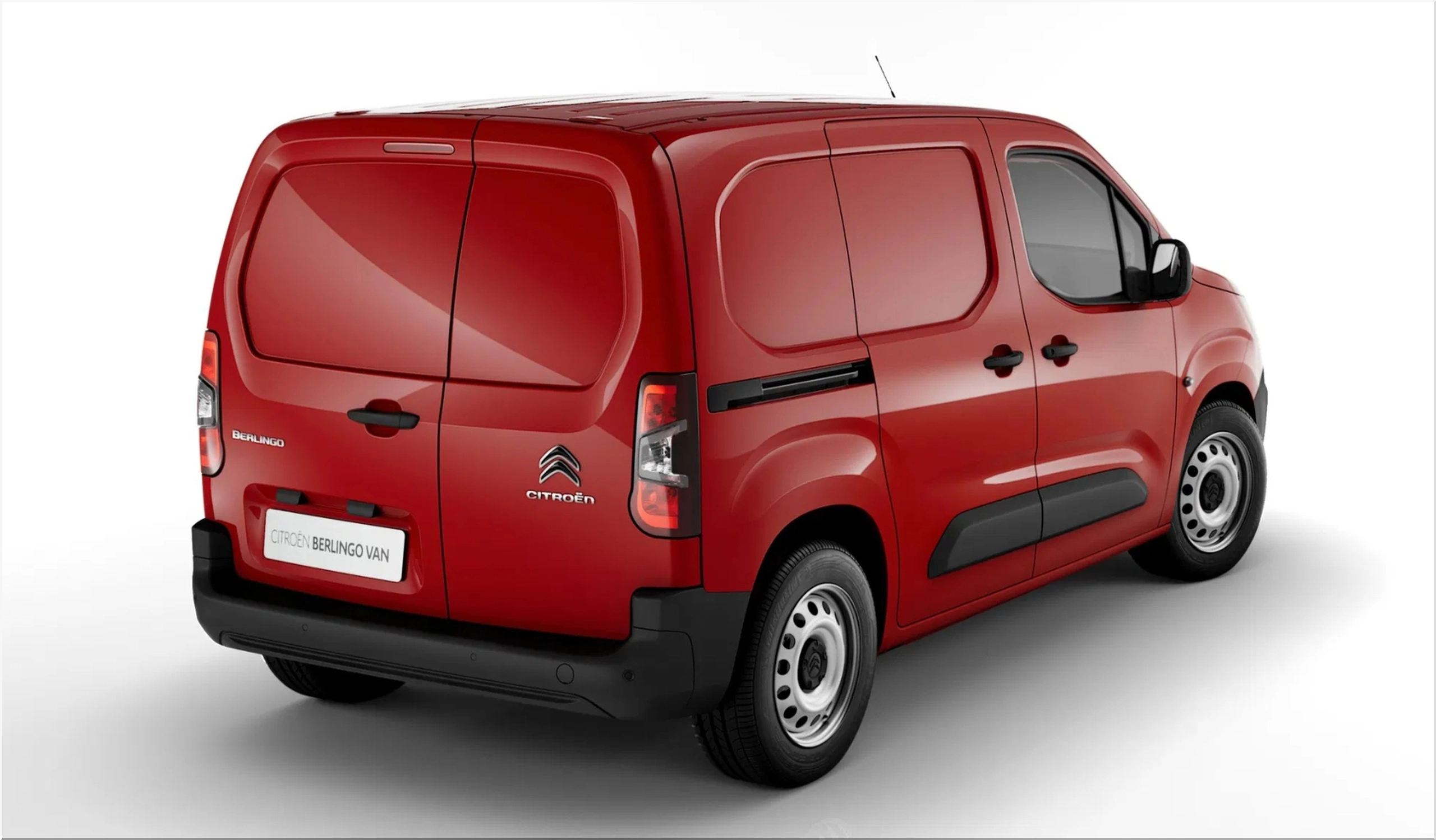
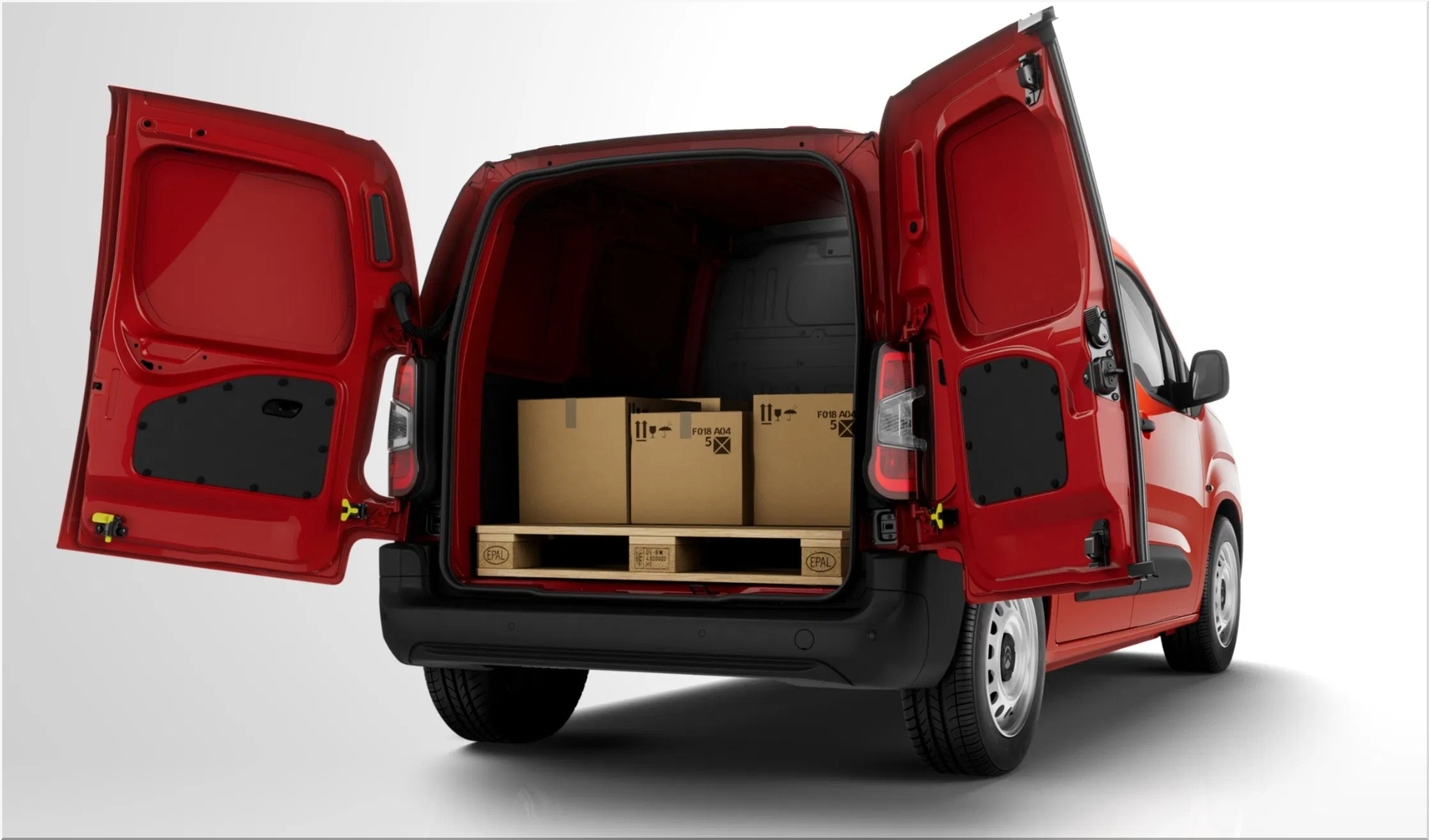
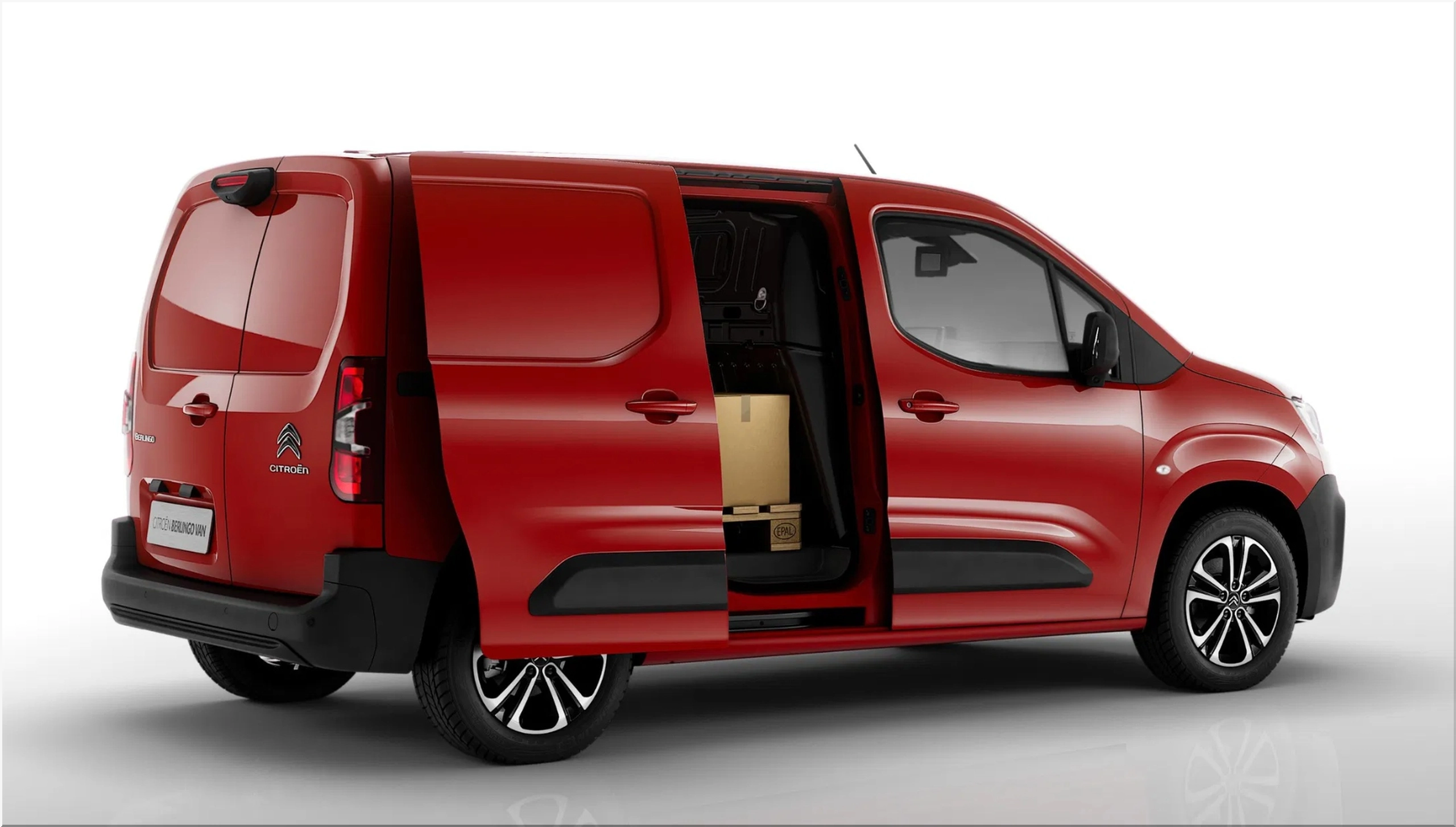
The Berlingo remains a leader in cargo flexibility. The M version provides a loading length of 2.70 m, which expands to 3.05 m in the XL version when the front passenger seat is folded. The second row features three independent, full-size seats that can be folded flat into the floor. This modularity allows the vehicle to transition from a five or seven-seat passenger carrier to a high-volume cargo van with a capacity of over 2,100 liters.
The SpaceTourer also focuses on practicality. Its 1.90 m height is a critical design choice that ensures compatibility with urban infrastructure. The interior includes multiple clever storage spaces and a 10-inch HD central touchscreen. Whether configured for family use or professional shuttle service, the vehicle prioritizes shared comfort and ease of access.
Strategic Logic and Euro 7 Readiness
The decision to increase the C5 Aircross power to 225 hp is a calculated move to align with the Euro 7 emissions protocol. This standard requires more stringent monitoring of real-world driving emissions and energy efficiency. By optimizing the operating logic between the combustion engine and the electric motor, Citroen has improved performance while lowering the actual fuel consumption.
Consequently, the return of diesel and petrol engines to the Berlingo lineup reflects a pragmatic approach to the energy transition. Citroen recognizes that a single-energy strategy is not yet viable for all global markets or user profiles. By offering petrol, diesel, and electric variants, the brand captures a wider market share and provides accessible mobility solutions for those in varying stages of charging infrastructure development.
Image
Pro-Tip: For professionals choosing between ë-Jumpy battery sizes, evaluate your daily mileage over a 30-day period. If 90% of your days involve less than 180 km of driving, the 50 kWh battery is the better investment, as it reduces vehicle weight and increases payload capacity by several hundred kilograms.
What Now?
For families and professionals looking to upgrade their fleet or personal vehicle, the 2026 Citroen lineup offers several distinct paths. If you commute primarily in urban areas but require a vehicle for long vacations, the C5 Aircross Plug-in Hybrid 225 provides the best balance of electric range and petrol endurance. Professionals should evaluate the ë-Jumpy with the 75 kWh battery for its 350 km range, which significantly reduces the need for midday charging stops.
Active families requiring maximum space on a budget should consider the Berlingo BlueHDi 130 with the new automatic gearbox. The combination of high-torque diesel efficiency and the lack of environmental penalties for large families makes it a highly cost-effective option. Visit a local Citroen showroom to test the Progressive Hydraulic Cushion suspension and determine which modular interior configuration best suits your lifestyle or business needs.
- Add new comment
- 88 views