How Daimler Truck, HoverAid, and the DEICHMANN Foundation Are Expanding Medical Access
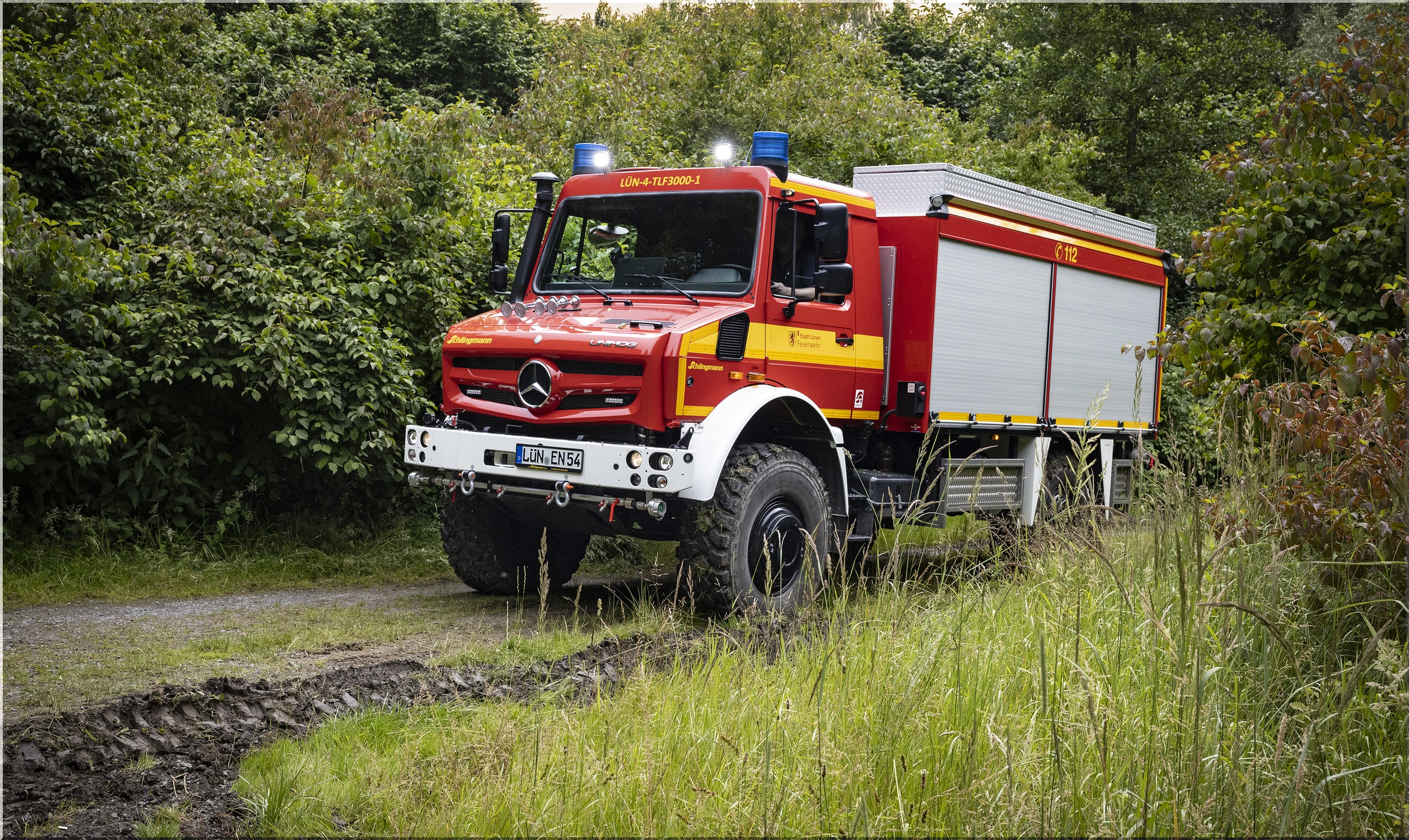
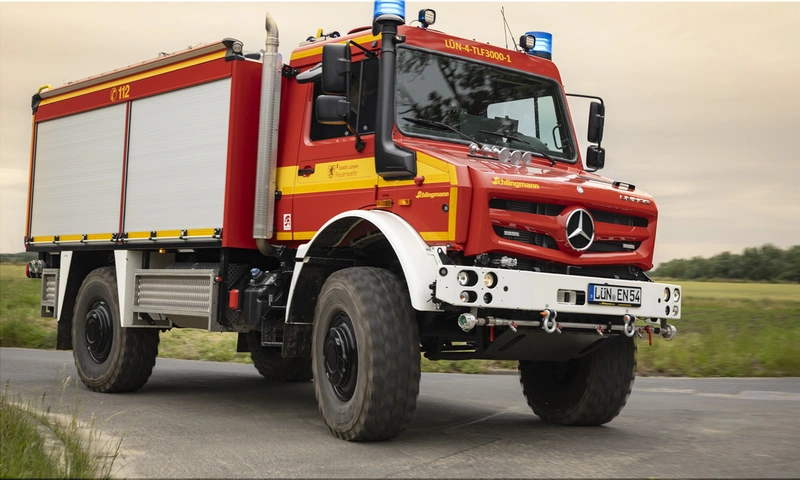
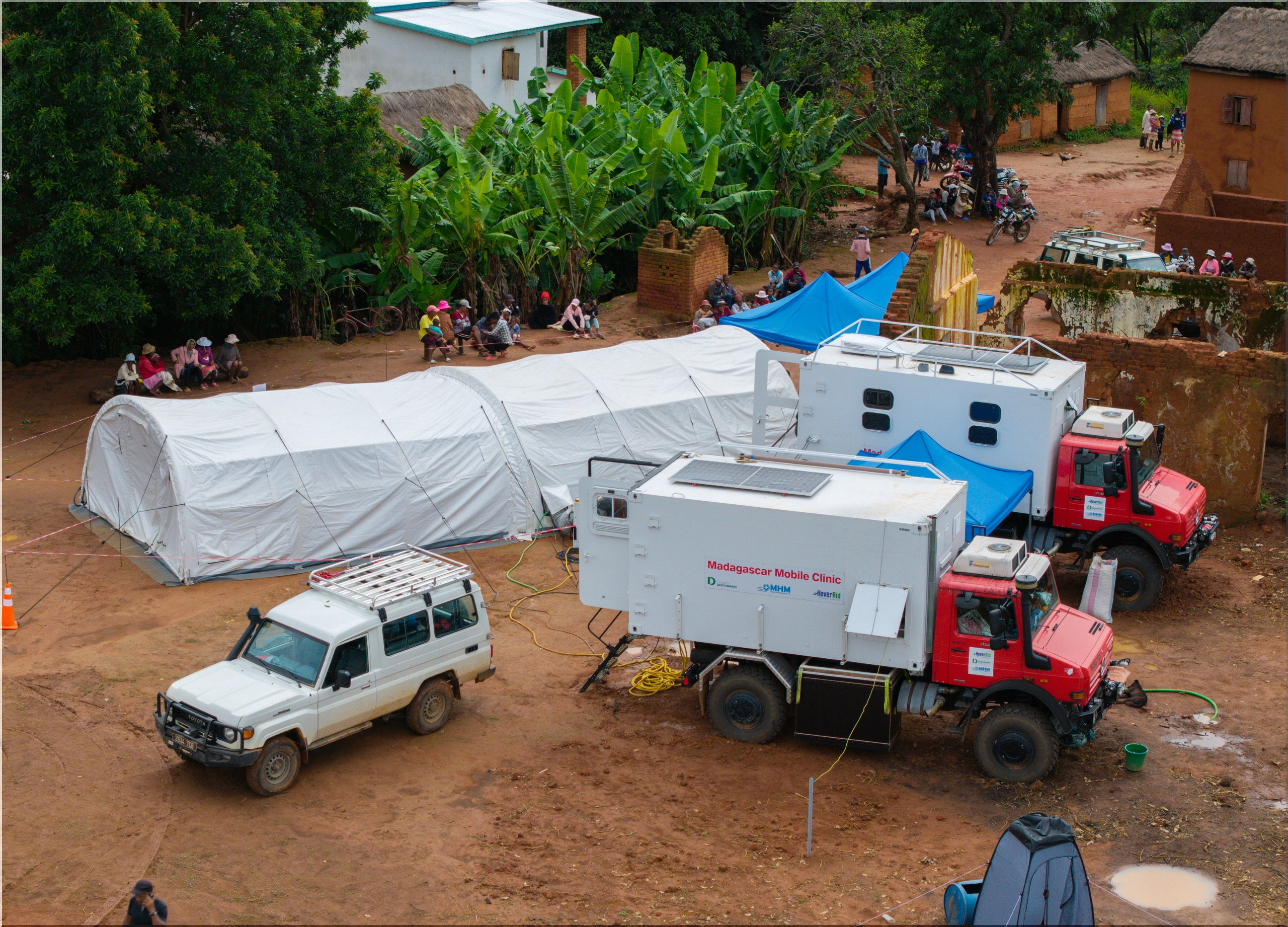
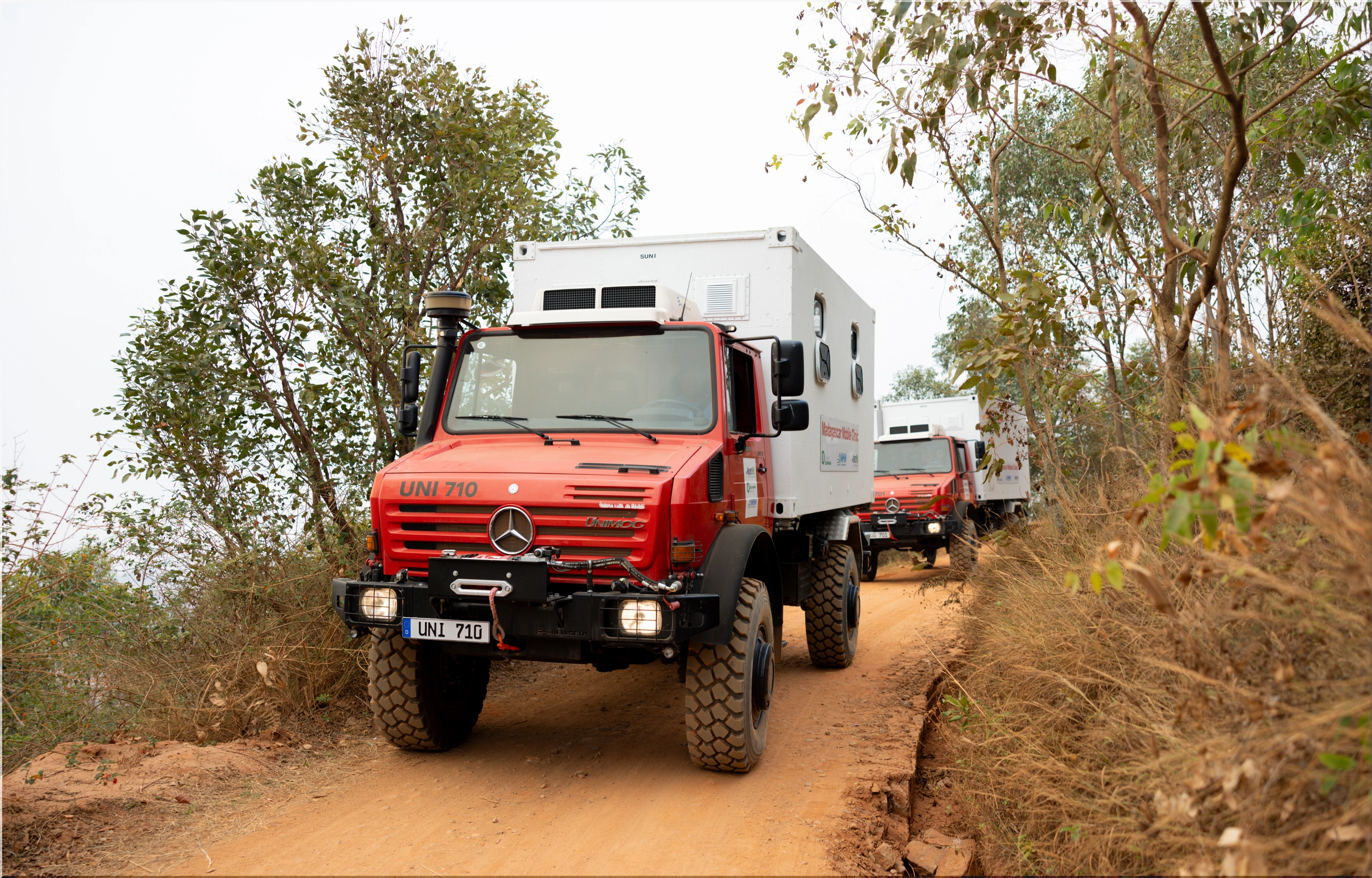
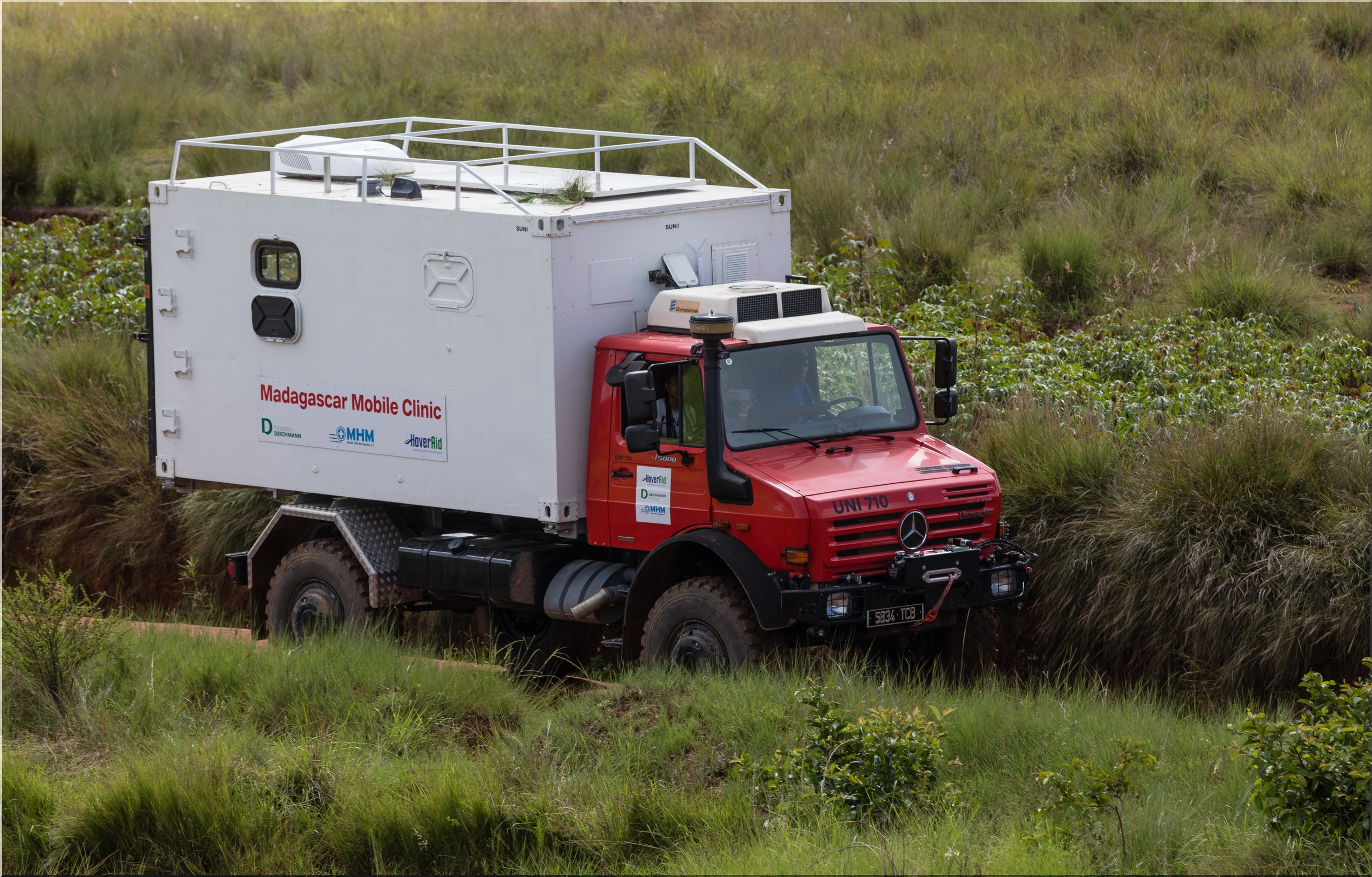
In a logistics-heavy, results-driven collaboration, Daimler Truck, the DEICHMANN Foundation, and HoverAid have launched a new healthcare initiative in Madagascar, deploying two Unimog U 5000 trucks retrofitted as mobile clinics. These vehicles, engineered for extreme off-road use, are now repurposed to deliver essential medical services across some of the world's most inaccessible terrain.
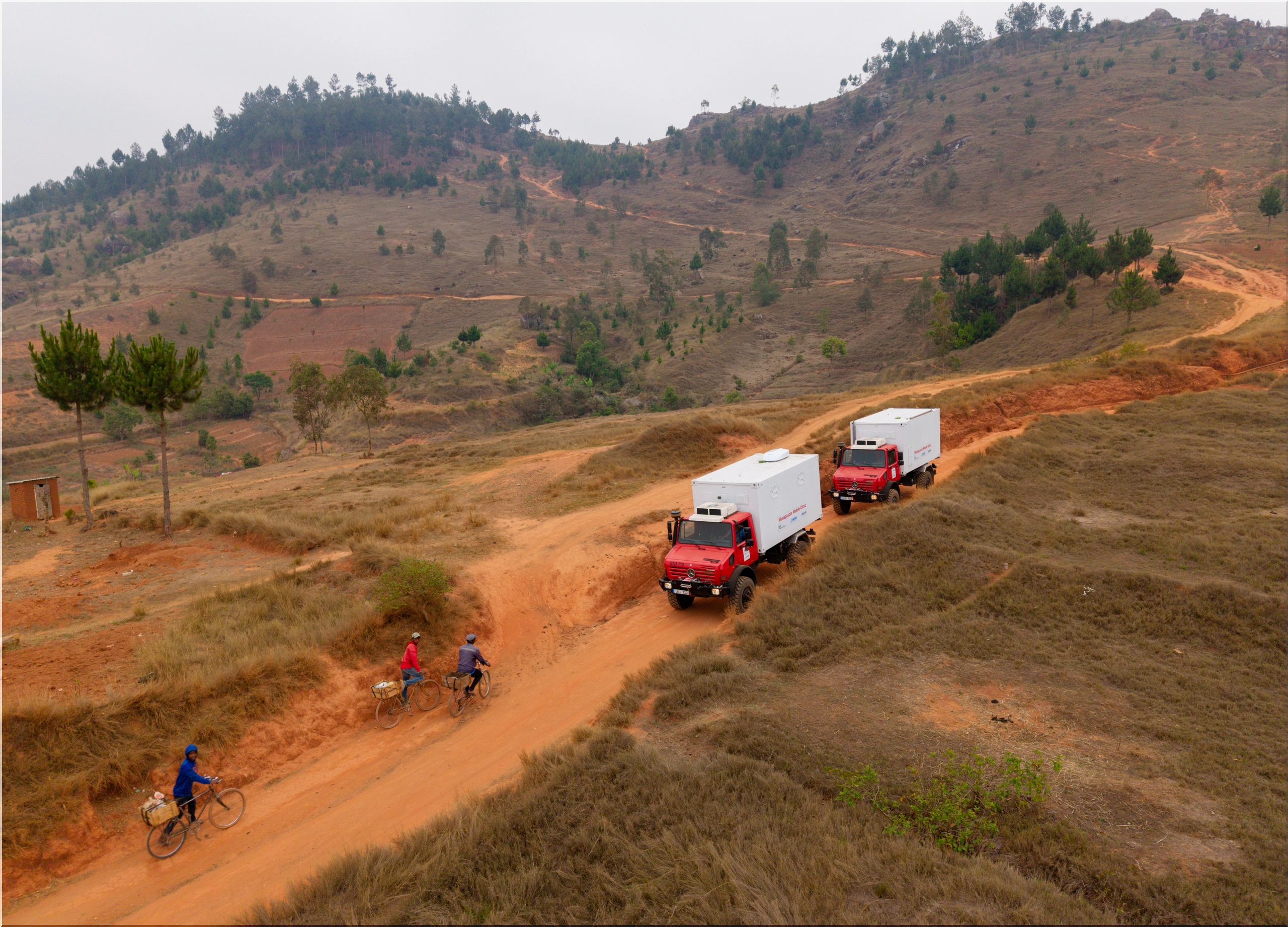
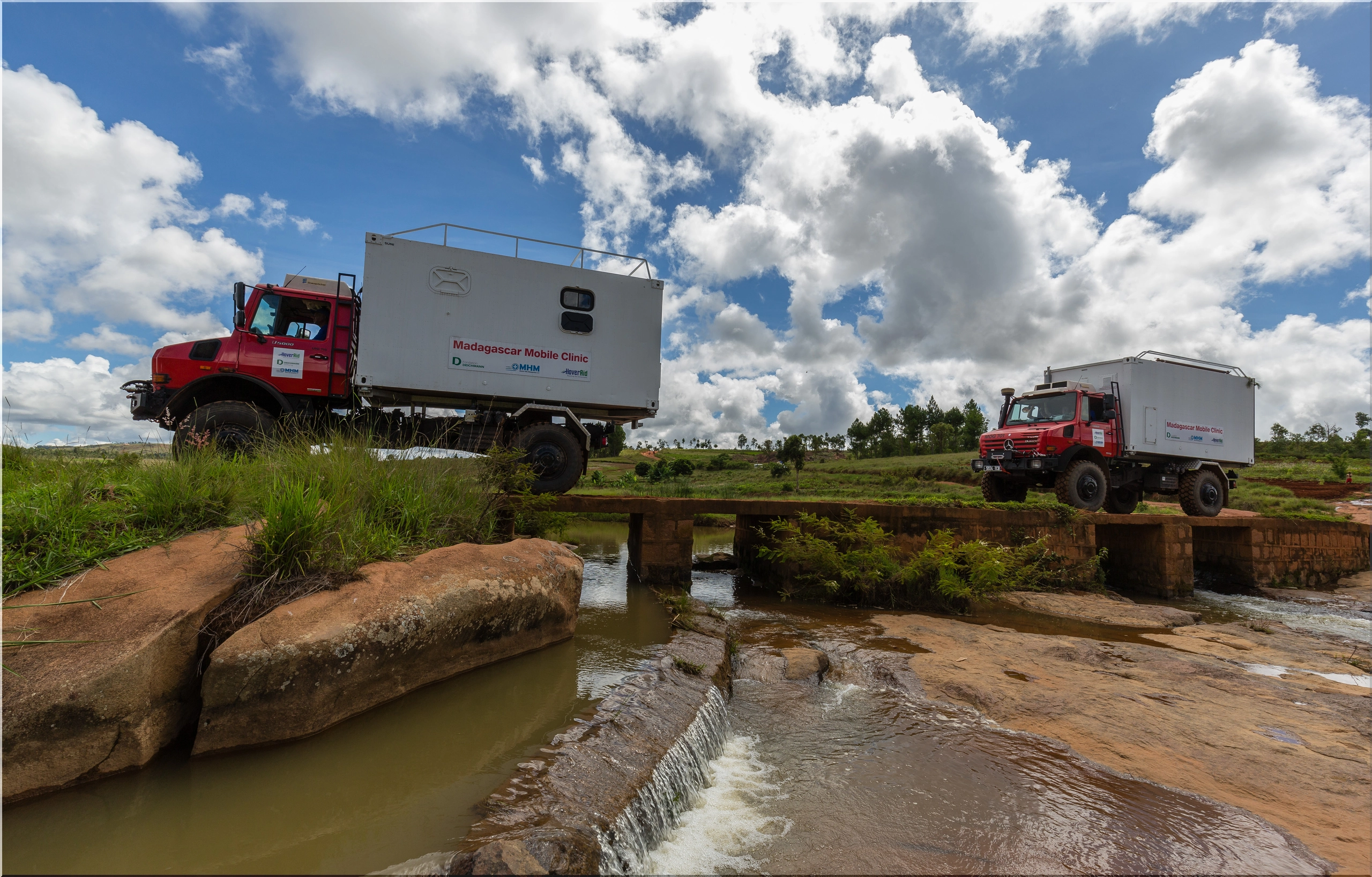
This move directly supports communities lacking permanent healthcare infrastructure, where traveling by vehicle often requires crossing rivers, muddy tracks, and mountainous paths.
Unimog U 5000: Built to Handle Any Terrain
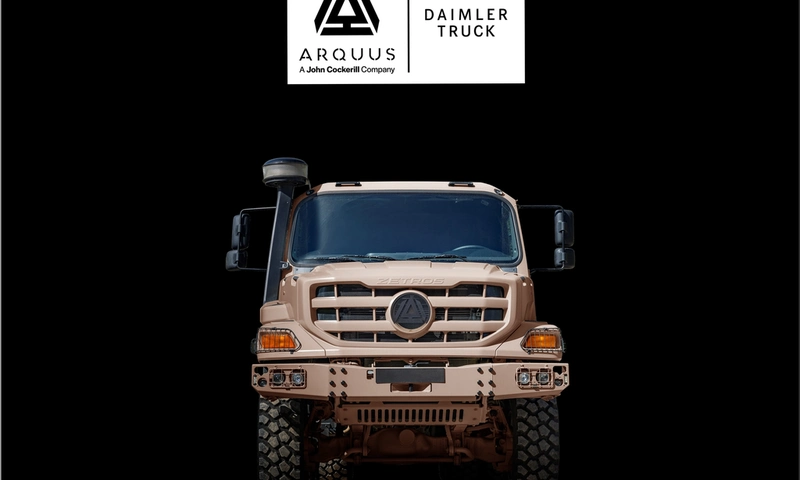
The Unimog U 5000 is part of Mercedes-Benz’s heavy-duty off-road line. Known for versatility and resilience, this model supports operations in regions where infrastructure is limited or non-existent. Its engineering is designed to prioritize mobility under adverse conditions.
Key Performance Specifications
| Specification | Details |
|---|---|
| Engine | 4-cylinder diesel, 218 hp (160 kW) |
| Torque | 597 lb-ft (810 Nm) |
| Transmission | 8-speed manual with crawler gear |
| Drive Configuration | Selectable 4x4 with three differential locks |
| Ground Clearance | High, using portal axles |
| Wading Depth | Up to 47 inches (1.2 meters) |
| Chassis | Flexible frame for rough terrain navigation |
| Tire System | Central tire inflation system (CTIS) capable |
These specifications enable reliable operation in deep mud, on riverbeds, through forests, and over steep terrain. No conventional ambulance or light-duty truck can match the Unimog U 5000’s off-road performance in this context.
Advanced Mobile Medical Clinics on Wheels
Both vehicles are now fully outfitted to serve as independent medical units. The conversions were completed in partnership with HoverAid and Mobile Hilfe Madagaskar. Modifications include:
- Onboard Diagnostics: Equipped with medical tools for basic triage, dental care, and wound treatment.
- Power Autonomy: Each vehicle includes a PTO-driven generator and battery backup, ensuring uninterrupted power supply.
- Water Supply: Integrated filtration and water storage systems support sanitation and basic treatment protocols.
- Climate Control: Full air conditioning units provide comfort and hygiene in tropical conditions.
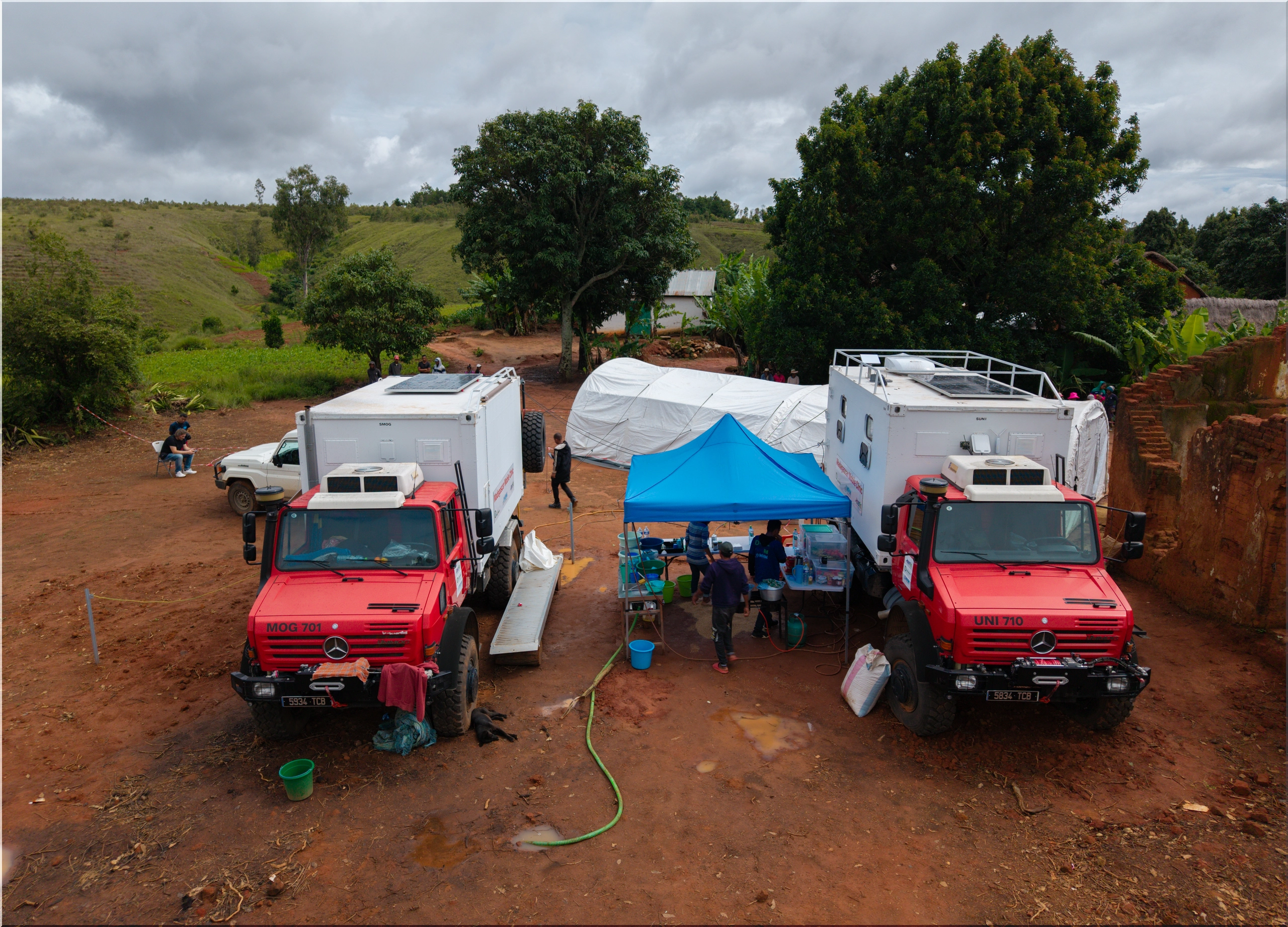
- Expandable Tent System: Fold-out medical tents attached to each truck increase patient capacity and accommodate community outreach events.
Each truck functions as a mobile field hospital capable of supporting 1–3 healthcare workers and treating up to 100 patients per day during operational missions.
Operational Strategy and Regional Deployment
Objectives and Reach
The project’s mission is straightforward: provide essential healthcare to people in hard-to-reach villages. Many of Madagascar’s roads are impassable for most vehicles. Seasonal flooding, erosion, and lack of maintenance turn logistics into a major challenge.
These Unimog-based mobile clinics are expected to conduct roughly 30 missions in 2025, visiting the most isolated communities in the country’s western and southern regions. Each mission is projected to last two to three weeks.
Core Services Delivered:
- Basic Medical Diagnostics
- Dental Examinations and Extractions
- Treatment for Infections and Wounds
- Child Health Check-ups
- Health Education Sessions
The program emphasizes preventative care and education alongside treatment. Nurses and doctors work directly with local leaders to coordinate visits and maximize community participation.
Why Unimog? Strategic Vehicle Choice
The DEICHMANN Foundation and HoverAid evaluated multiple vehicles for the mission. The Unimog U 5000 was selected due to its:
- Modular Build: The chassis allows for customized medical cabin installation.
- High Payload Capacity: Can support medical equipment, tents, power supplies, and water systems without sacrificing performance.
- Mechanical Simplicity: Easier to maintain in the field, even with limited parts availability.
- Field Serviceability: Parts and expertise are more accessible than for specialized hospital trucks.
By comparison, retrofitting light commercial vans or pickups would restrict range and payload, making them unsuitable for the demands of Madagascar’s off-grid terrain.
DEICHMANN Foundation and HoverAid: Strategic Partners
DEICHMANN Foundation's Role
Based in Germany, the DEICHMANN Foundation has operated development programs in Madagascar since 2008, with a focus on education, healthcare, and clean water access. In addition to the mobile clinic project, they are spearheading the restoration of 500 water wells in Madagascar’s southern and northeastern regions.
HoverAid's Contribution
HoverAid, a UK-based humanitarian organization, is known for using hovercraft and all-terrain vehicles to deliver aid. The group manages route planning, local partnerships, and technical training for operating the Unimogs in field conditions. HoverAid also manages data collection on mission outcomes for long-term reporting and funding purposes.
Local Staff and Impact
Madagascar-based NGO Mobile Hilfe Madagaskar supplies doctors and nurses, ensuring the clinics are culturally appropriate and language-compatible. This minimizes training needs and builds community trust.
Logistics and Deployment Costs
Outfitting each Unimog with medical equipment and necessary modifications cost approximately $350,000 USD per vehicle. This includes:
- Base vehicle acquisition: $220,000 USD
- Medical equipment: $60,000 USD
- Power, HVAC, water systems: $40,000 USD
- Tent and storage expansions: $30,000 USD
Operating costs for each mission, including staff, fuel, supplies, and logistics, are projected at $5,000 to $7,000 USD per deployment.
These figures are modest compared to the cost of building and operating a static clinic in rural Madagascar, where infrastructure development is slow and expensive.
Looking Ahead: Measurable Results and Expansion Potential
The pilot program is currently in its proof-of-concept phase. If successful, the partners plan to scale the project. A potential second fleet of four additional Unimogs could expand coverage into northern and central Madagascar.
Key performance metrics will include:
- Number of patients treated per mission
- Reduction in emergency medical evacuations
- Community satisfaction surveys
- Infrastructure compatibility reports
Should the project hit its targets, other aid organizations may adopt similar off-road mobile clinic strategies in Sub-Saharan Africa and Southeast Asia.
Conclusion
The Unimog U 5000 mobile clinic initiative in Madagascar proves that effective health delivery doesn’t require new hospitals—just the right mix of engineering, logistics, and boots on the ground.
With extreme mobility, power autonomy, and targeted healthcare capabilities, these off-road clinics will close the healthcare access gap for thousands. Backed by logistics-driven strategy and measurable goals, this collaboration sets a model for future deployments in underserved regions worldwide.
- Add new comment
- 199 views