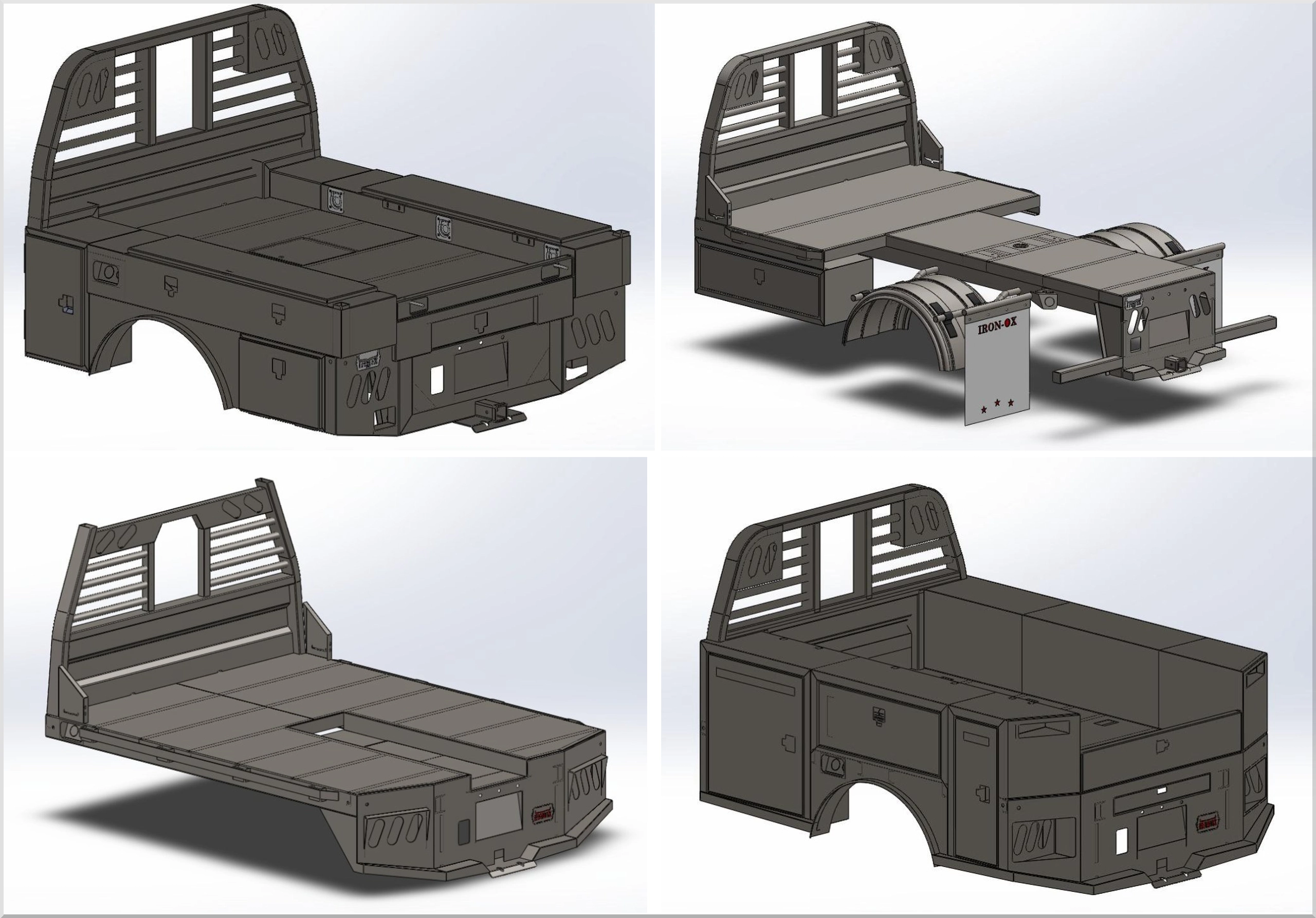
For construction, agriculture, trade services, and heavy material transport, work trucks serve as the main backbone. However, standard factory pickup beds often fail when meeting the heavy demands of daily commercial use. With stock sheet metal, denting happens very easily, tie-down flexibility remains limited, and specialized storage space for tools or heavy equipment is missing. By upgrading to a specialized utility, flatbed, or service body, you achieve much better daily efficiency, increase hauling capacity, and protect valuable cargo better.
When selecting the right replacement body, evaluating material durability, vehicle payload limits, mounting compatibility, and functional layout becomes necessary. Alongside detailed specifications—like those detailing commercial-grade truck-beds from Iron Ox Products—structural steel configurations, headache rack options, and heavy-duty towing setups get examined to give a helpful baseline for comparing frame strength, floor styles, and latching mechanisms across different work platforms. When you take time early to assess operational needs, years of safe, reliable service without compromising vehicle performance are guaranteed.
Step 1: Evaluating Truck Bed Types for Your Work Requirements
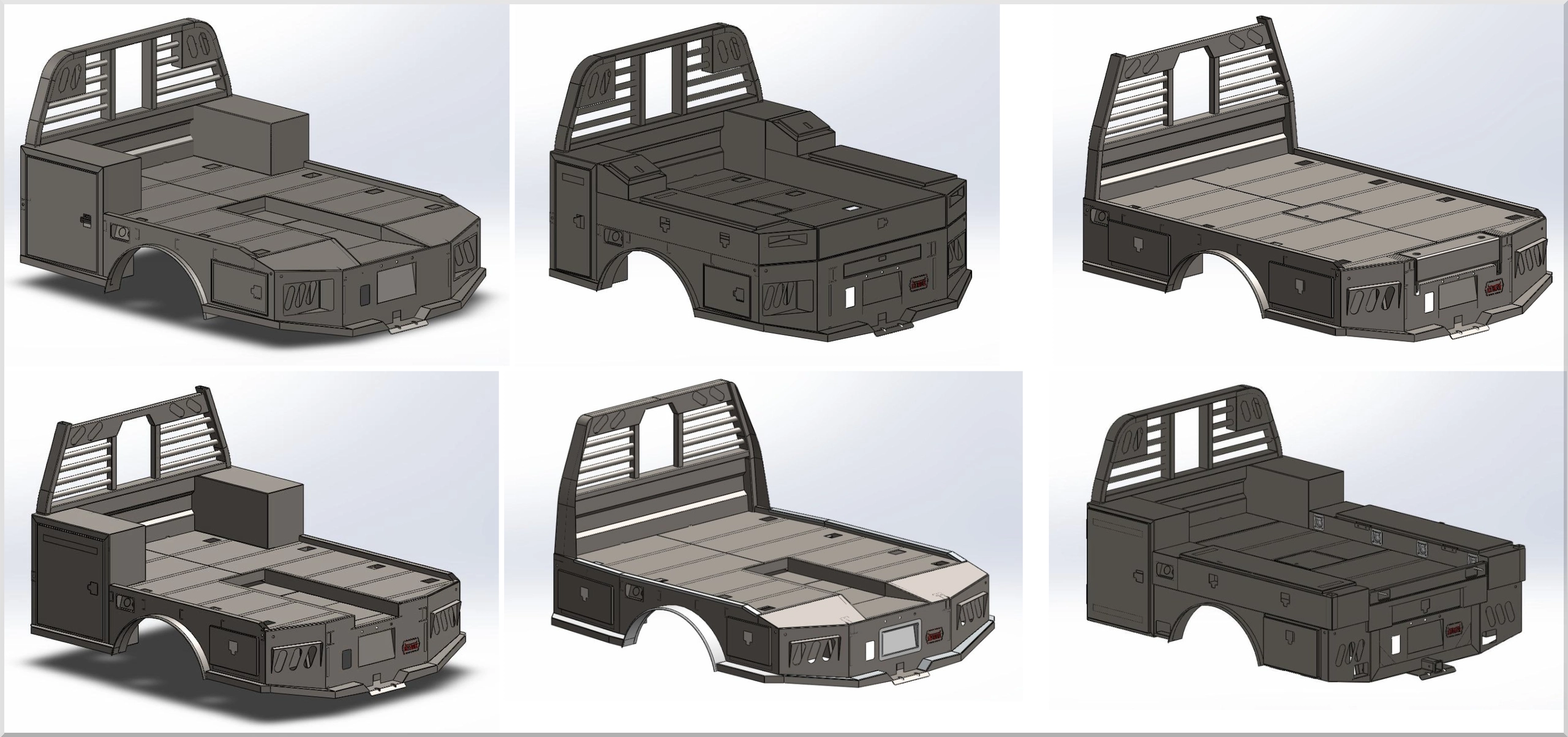
Because different industries exist, distinct bed designs are required. By understanding the structural advantages of each major style, narrowing down options based on day-to-day workflow gets much easier.
Flatbeds and Platform Beds
Instead of traditional recessed walls, flatbeds feature a wide, continuous flat surface that extends all the way to the outer edges of the vehicle frame.
- Key Advantages: What makes flatbeds ideal for hauling oversized cargo, lumber, construction materials, and palletized goods using forklifts is their unrestricted side and rear loading capability.
- Best Used For: Agriculture, heavy construction, timber transport, and general material hauling.
Utility and Service Bodies
Inside service beds, built-in external side compartments, toolboxes, and lockable storage drawers are integrated directly around the bed perimeter.
- Key Advantages: By using these compartments, keeping hand tools, power equipment, and specialized parts organized, secure, and protected against rain, dirt, or theft is easily accomplished.
- Best Used For: Electricians, plumbers, mobile mechanics, HVAC technicians, and field service professionals.
Dump Beds and Hauling Conversions
For discharging loose materials by tilting the bed floor, hydraulic or electric hoisting mechanisms are utilized in dump beds.
- Key Advantages: When transporting bulk materials like gravel, sand, soil, or demolition debris, manual unloading labor gets completely eliminated.
- Best Used For: Landscaping crews, masonry contractors, and site excavation teams.
Step 2: Selecting Materials: Steel vs. Aluminum Construction
On total weight, payload capacity, long-term durability, and maintenance requirements, the material composition of a truck bed has a big impact.
Heavy-Duty Steel Construction
Because of high tensile strength and strong impact resistance, steel stays the traditional choice for heavy-duty commercial applications.
- Pros: High resistance against gouging, denting, and bending under sharp or heavy loads is provided by steel. Also, through simple welding, steel beds can be modified or repaired without difficulty.
- Cons: Available payload capacity gets reduced by the heavier overall weight, which can also raise fuel consumption slightly. To prevent rust and corrosion, protective powder coating or paint is required.
Lightweight Aluminum Construction
A high strength-to-weight ratio together with natural resistance against atmospheric corrosion is offered by aluminum.
- Pros: By weighing up to 40% less than steel, higher payload capacity on the truck chassis becomes possible, and fuel efficiency improves. Rain and road salt rust are naturally resisted.
- Cons: Compared to steel, a higher initial purchase cost is generally required. Under sharp, heavy impacts, aluminum can scratch or dent more easily.
Step 3: Verifying Vehicle Specifications and Payload Limits
Before buying a replacement bed, confirming that dimensions and structural ratings match your truck's chassis specifications must be done. By installing a bed that exceeds vehicle weight ratings, dangerous driving conditions are created and component wear speeds up.
Understanding Gross Vehicle Weight Rating (GVWR)
The maximum allowable total weight of the vehicle when fully loaded—including chassis, engine, fuel, passengers, bed body, tools, and cargo—is what GVWR represents.
- Payload Calculation: By subtracting the curb weight of your truck (with the new bed installed) from the GVWR, you find your true maximum usable payload capacity.
- Axle Weight Ratings (GAWR): Making sure that the weight distribution of the bed stays under the specific gross axle weight ratings for front or rear suspensions is essential.
Measuring Frame and Cab Dimensions
For seamless mounting, accurate physical measurements are required:
- Cab-to-Axle (CA) Dimension: Measuring the distance starting from the back of the truck cab to the center line of the rear axle is necessary. What length bed fits correctly gets dictated by standard CA measurements (like 56 inches or 84 inches).
- Frame Rail Width: Measuring the outside width of the truck chassis frame rails ensures proper alignment of mounting brackets.
Step 4: Essential Features for Worksite Safety and Functionality
In a functional truck bed, integrated safety features and tie-down points must be included to secure heavy equipment while in transit.
Integrated Headache Racks and Cab Protectors
Mounted right behind the cab, a headache rack functions as a vertical steel or aluminum protective structure.
- Cab Protection: Loose cargo, shifting logs, or heavy tools are prevented from sliding forward and hitting the rear cab window during sudden stops.
- Lighting Mounts: Mounting spots for auxiliary work lights, directional turn signals, and strobe warning lights needed on active job sites are provided.
Cargo Retention and Towing Setup
- D-Rings and Stake Pockets: Heavy-duty recessed D-rings or perimeter stake pockets for attaching ratchet straps and tie-down chains must be present on the bed.
- Integrated Gooseneck or Receiver Hitches: If towing heavy trailers belongs to your daily work, choosing a bed with a built-in gooseneck hitch well or a reinforced rear receiver hitch rated for your trailering needs is recommended.
Step 5: Routine Maintenance Protocols for Long-Term Durability
To extend the operational lifespan of a replacement truck bed, consistent cleaning, surface touch-ups, and hardware checks are required.
- Inspect Protective Coatings Regularly: Checking powder coat or paint finishes for chips, scratches, or raw metal exposure should be done routinely. Touching up exposed steel quickly with rust-inhibiting primer and topcoat paint stops corrosion before it spreads.
- Lubricate Hinges and Latches: By applying silicone spray or grease to compartment door hinges, tailgate latches, and lock cylinders every few months, smooth operation is maintained and binding is prevented.
- Check Mounting Hardware Torque: Loosening of structural mounting bolts over time can be caused by operational vibration. Inspecting and re-torquing bed mounting bolts, safety chain anchors, and hitch assemblies periodically according to manufacturer specifications is necessary.
Checklist for Truck Bed Selection and Care
- [ ] Match Style to Workflow: Selecting between flatbed, service body, or dump configurations should depend on your primary cargo type.
- [ ] Choose the Right Material: Weighing the high impact resistance of steel against the weight savings and rust resistance of aluminum is required.
- [ ] Check Cab-to-Axle (CA) Length: Accurately measuring chassis dimensions must be done before placing an order for a replacement bed.
- [ ] Verify Payload Limits: Calculating GVWR and GAWR figures is necessary to avoid overloading your truck’s suspension or frame.
- [ ] Confirm Safety Infrastructure: Ensuring that the bed includes a solid headache rack, adequate tie-down points, and proper lighting is essential.
- [ ] Maintain Finishes and Hardware: Touching up paint chips, greasing moving latches, and checking mounting hardware periodically will prevent rust and mechanical looseness.
- Add new comment
- 85 views