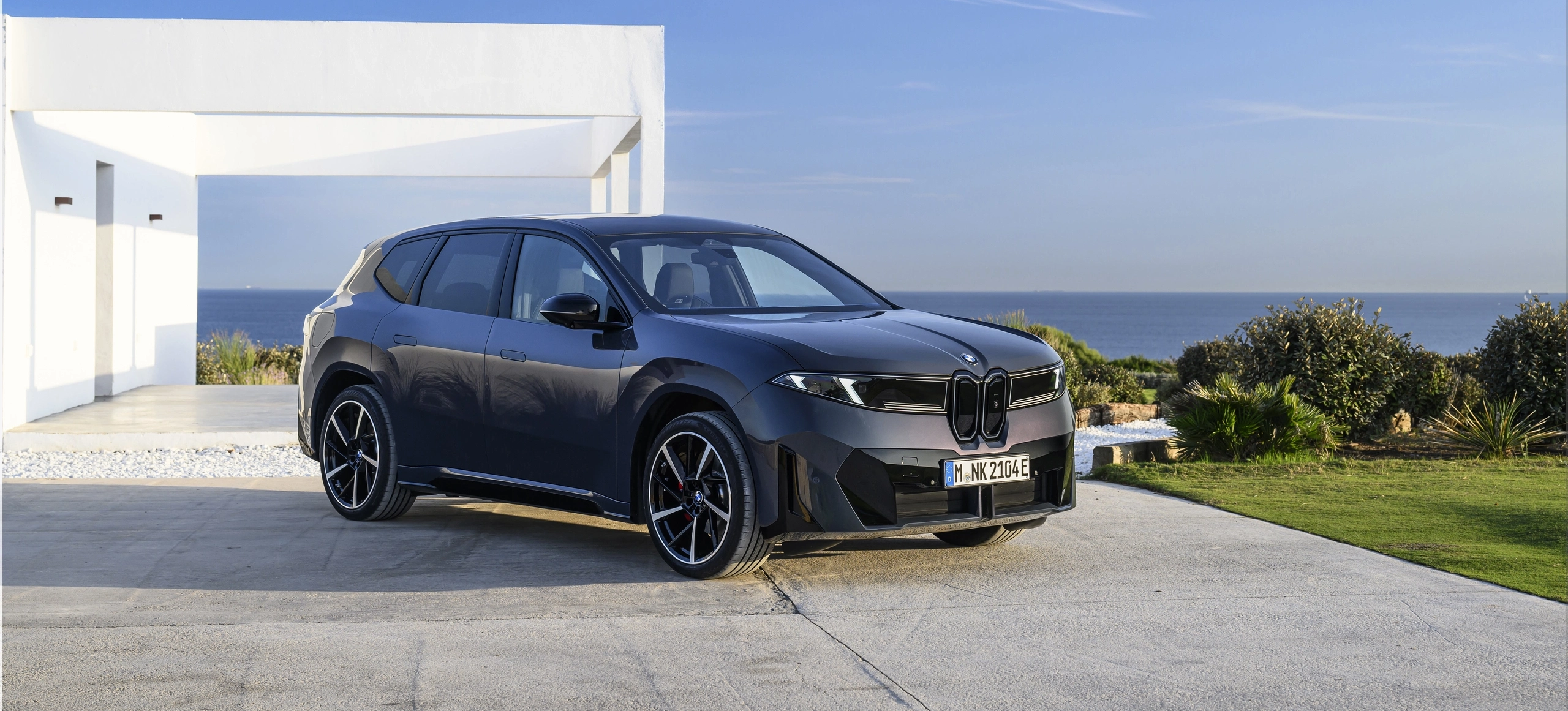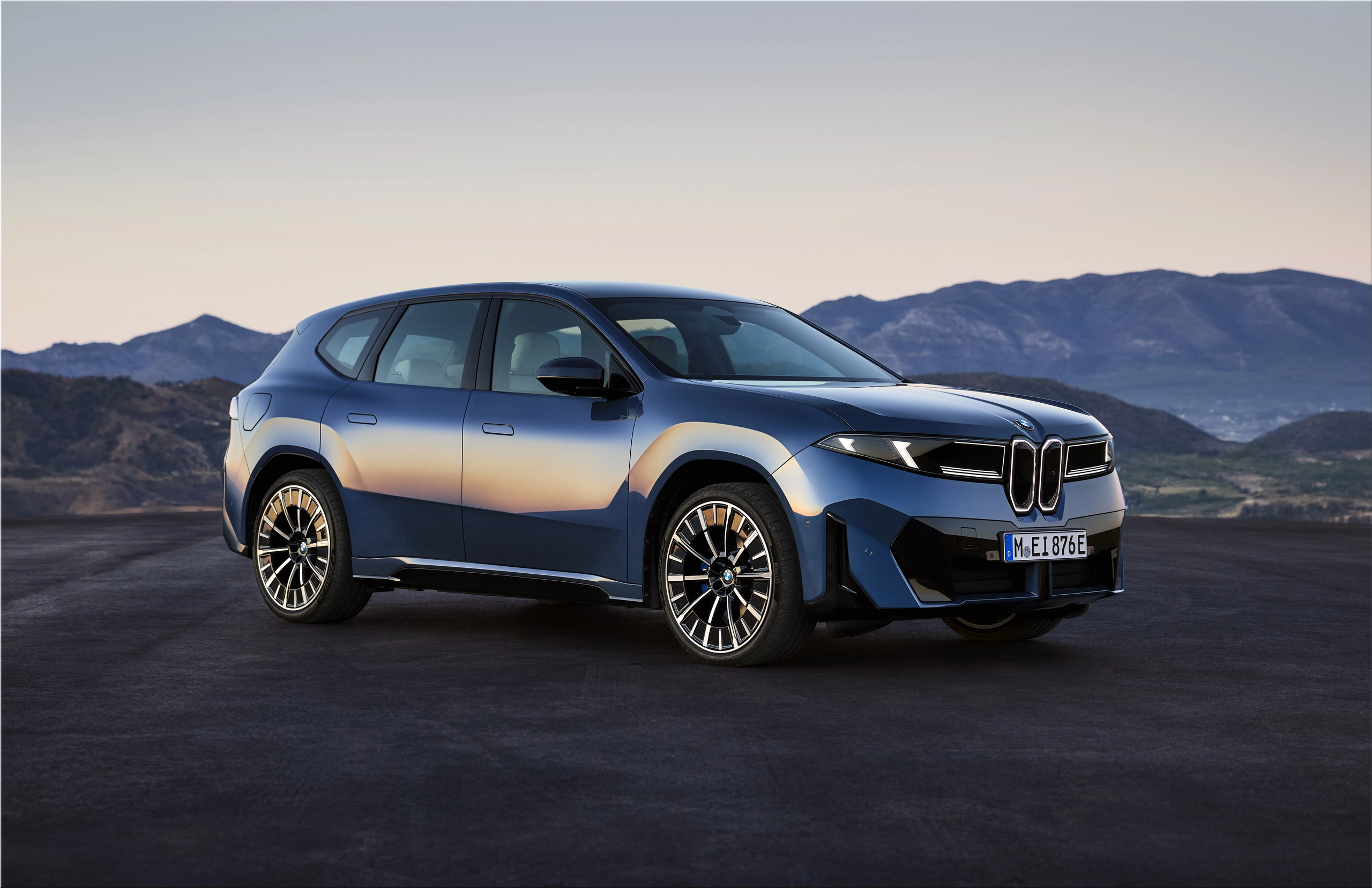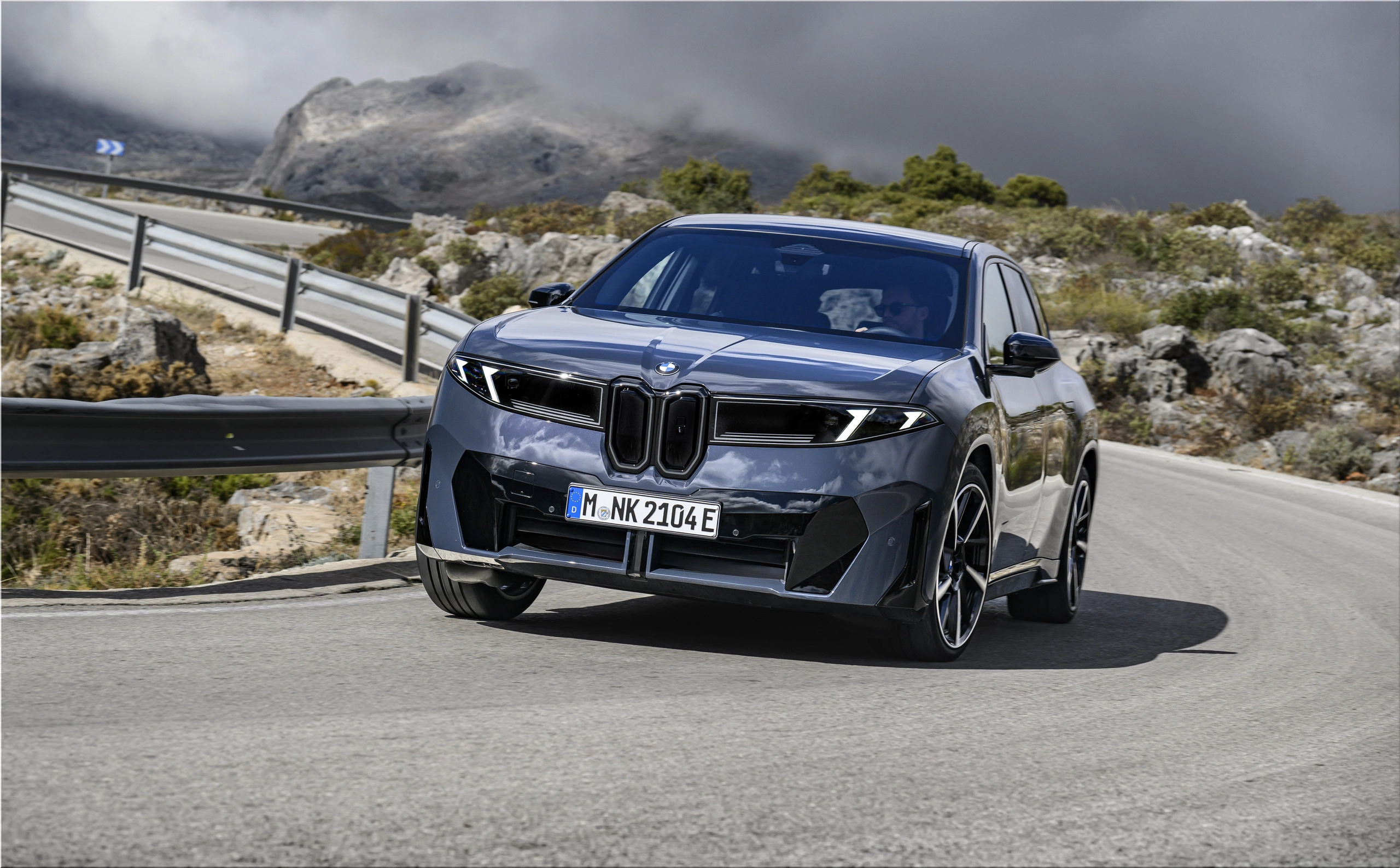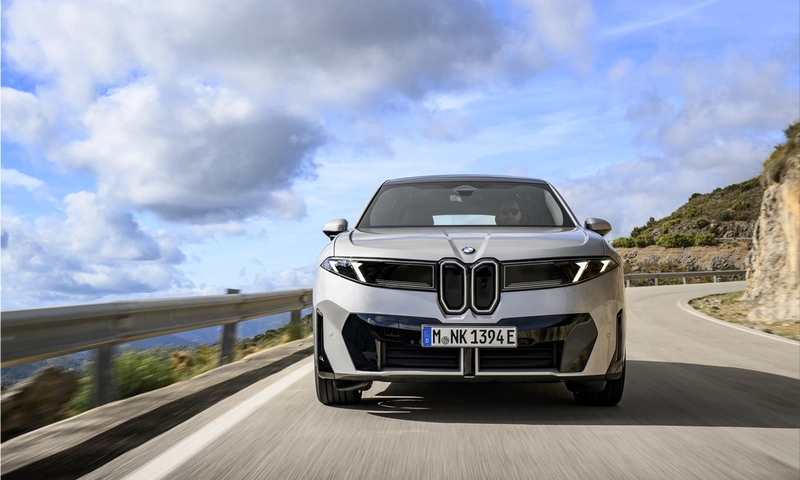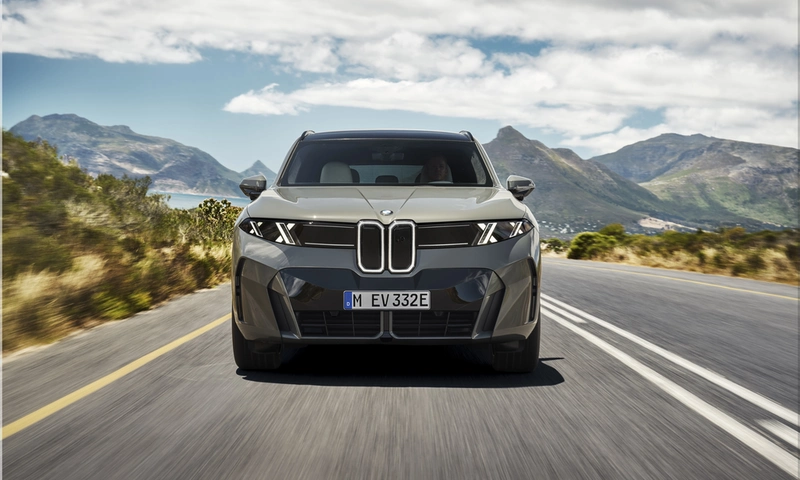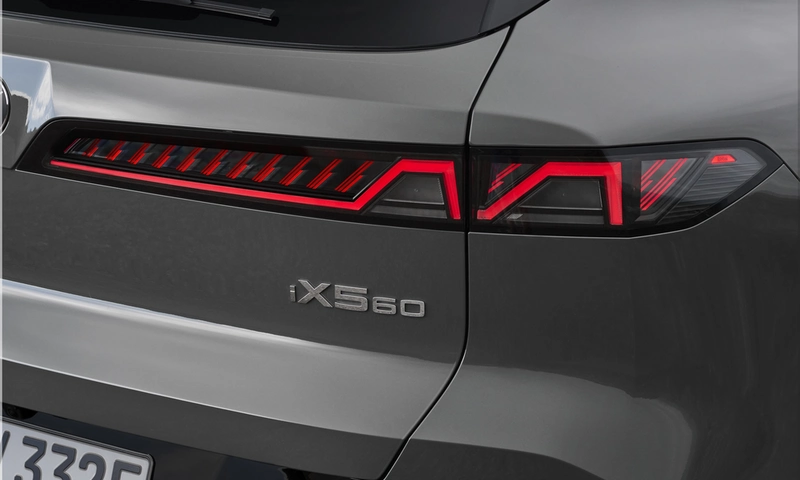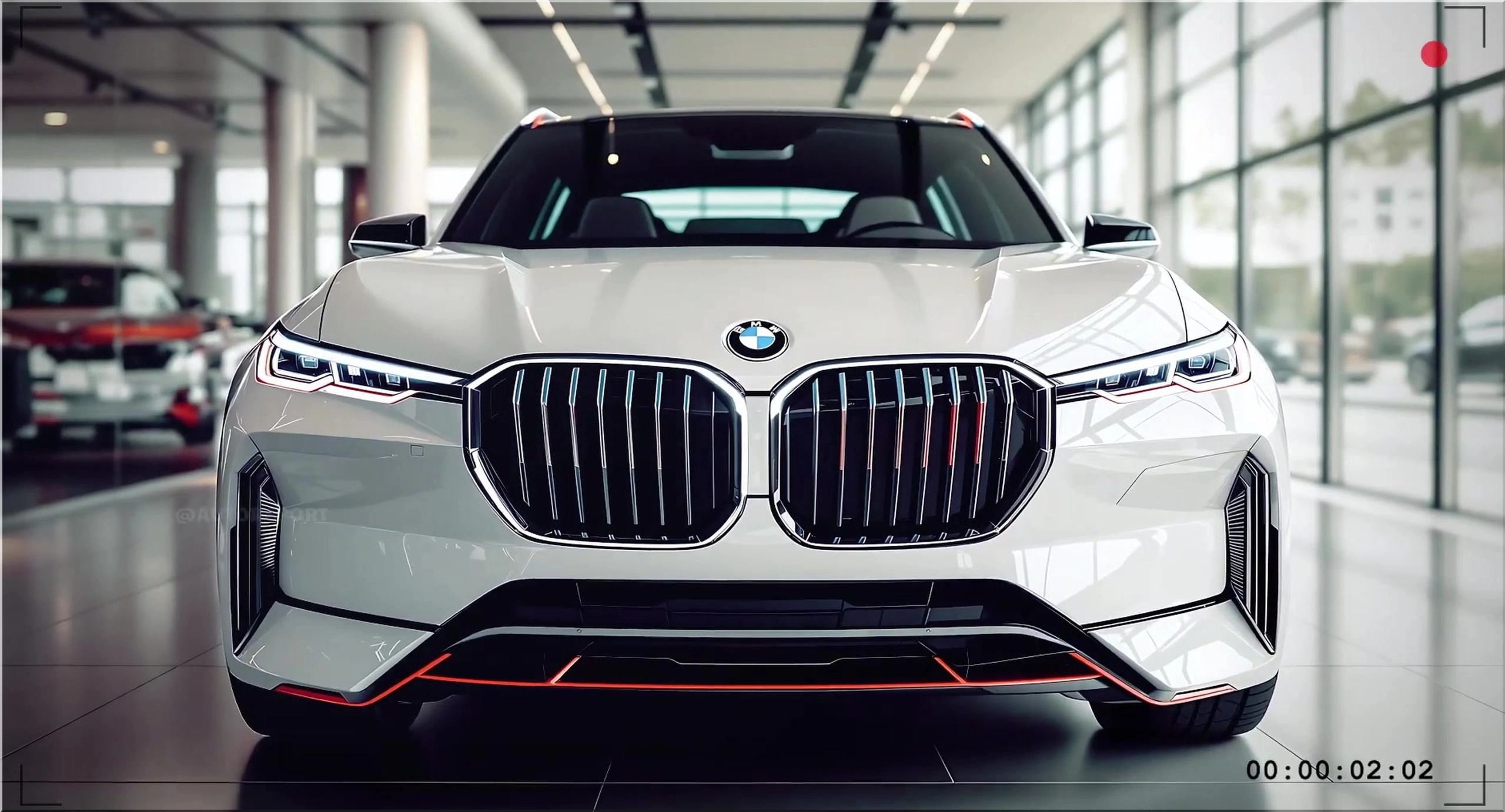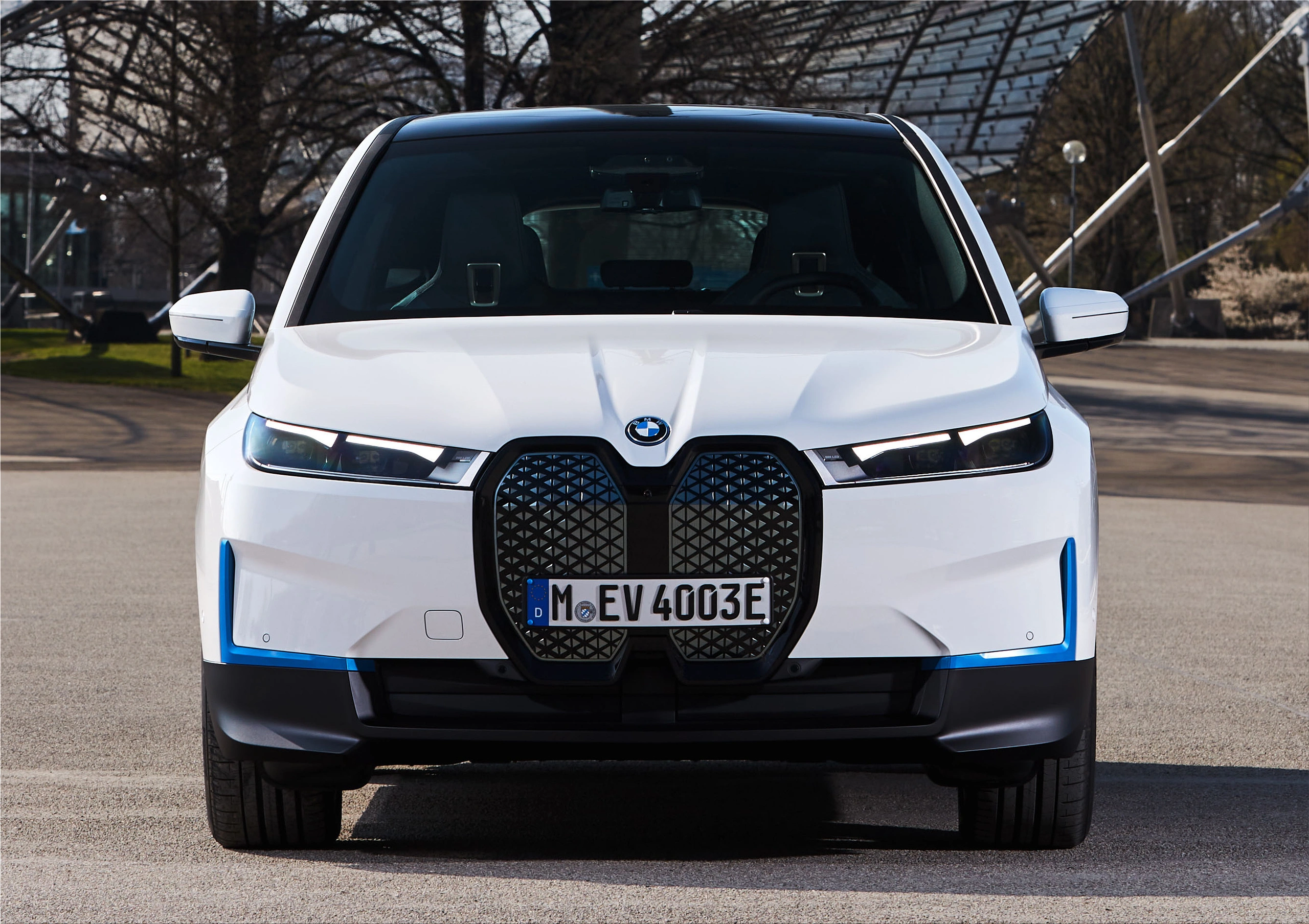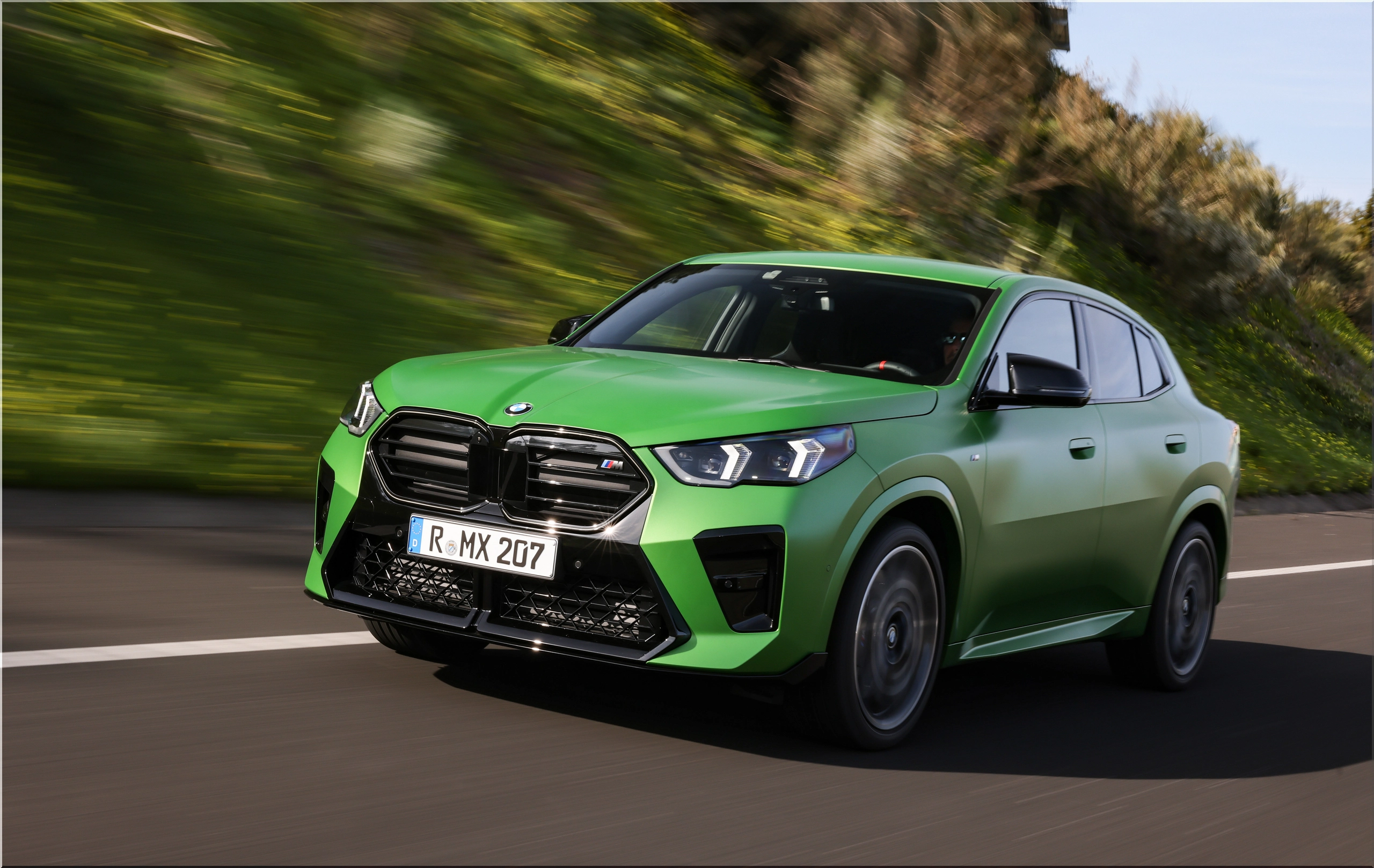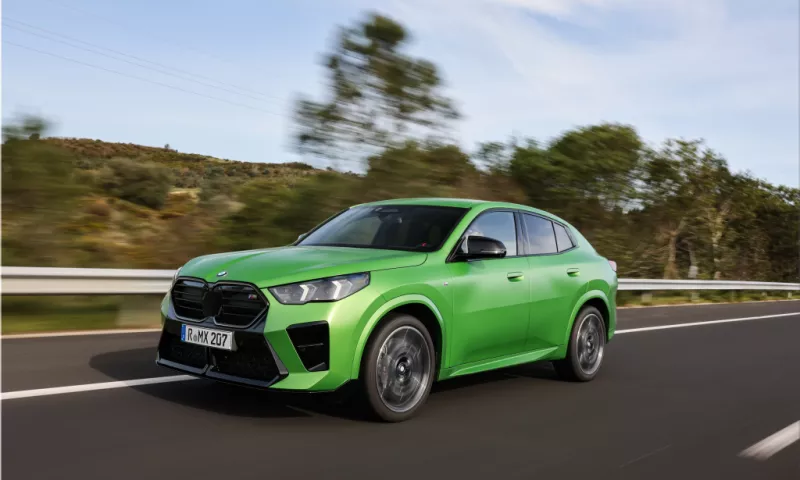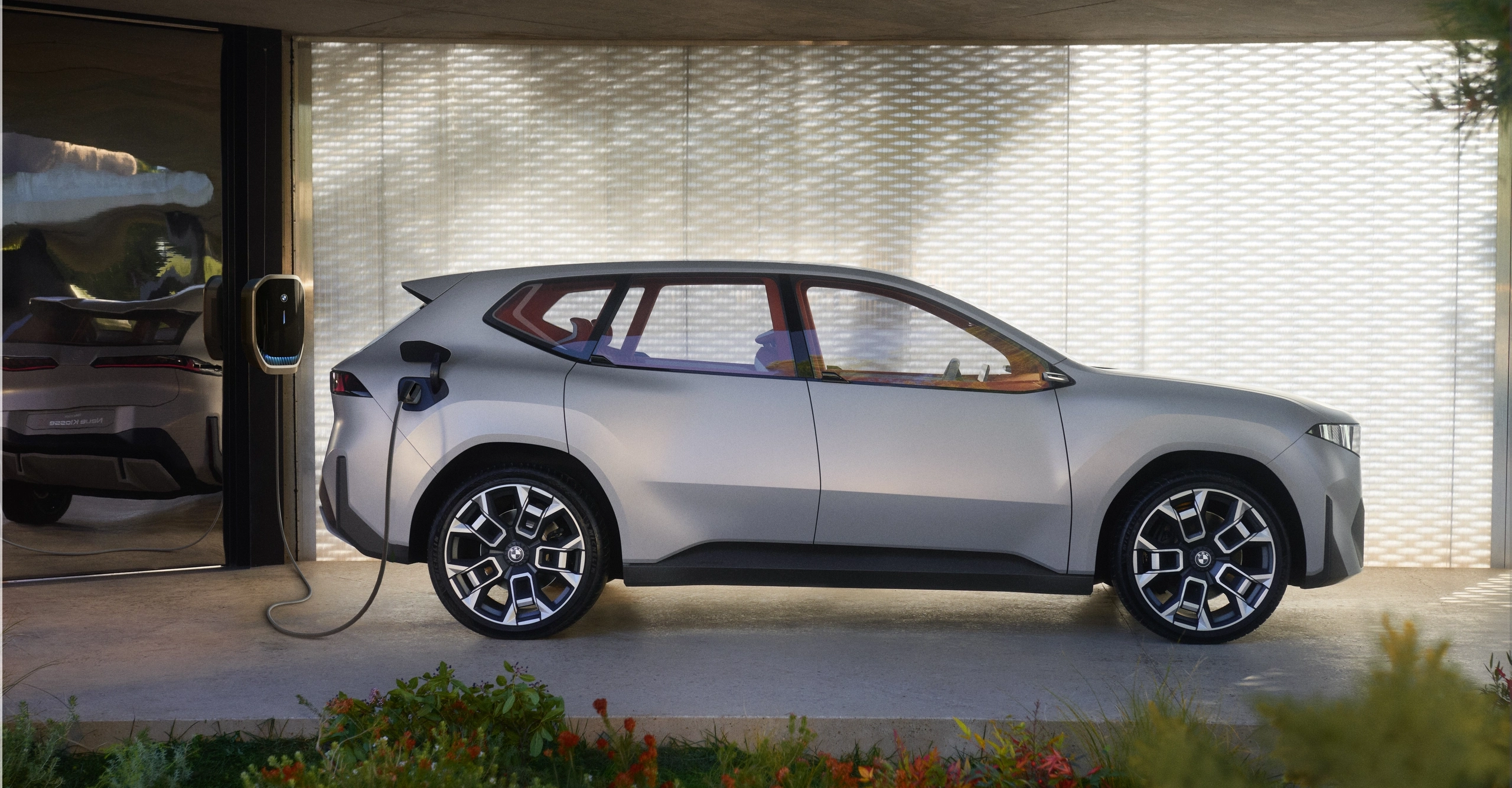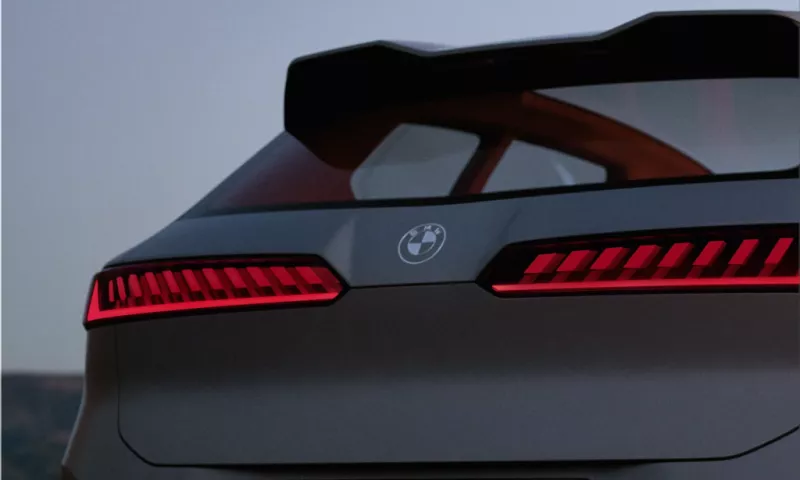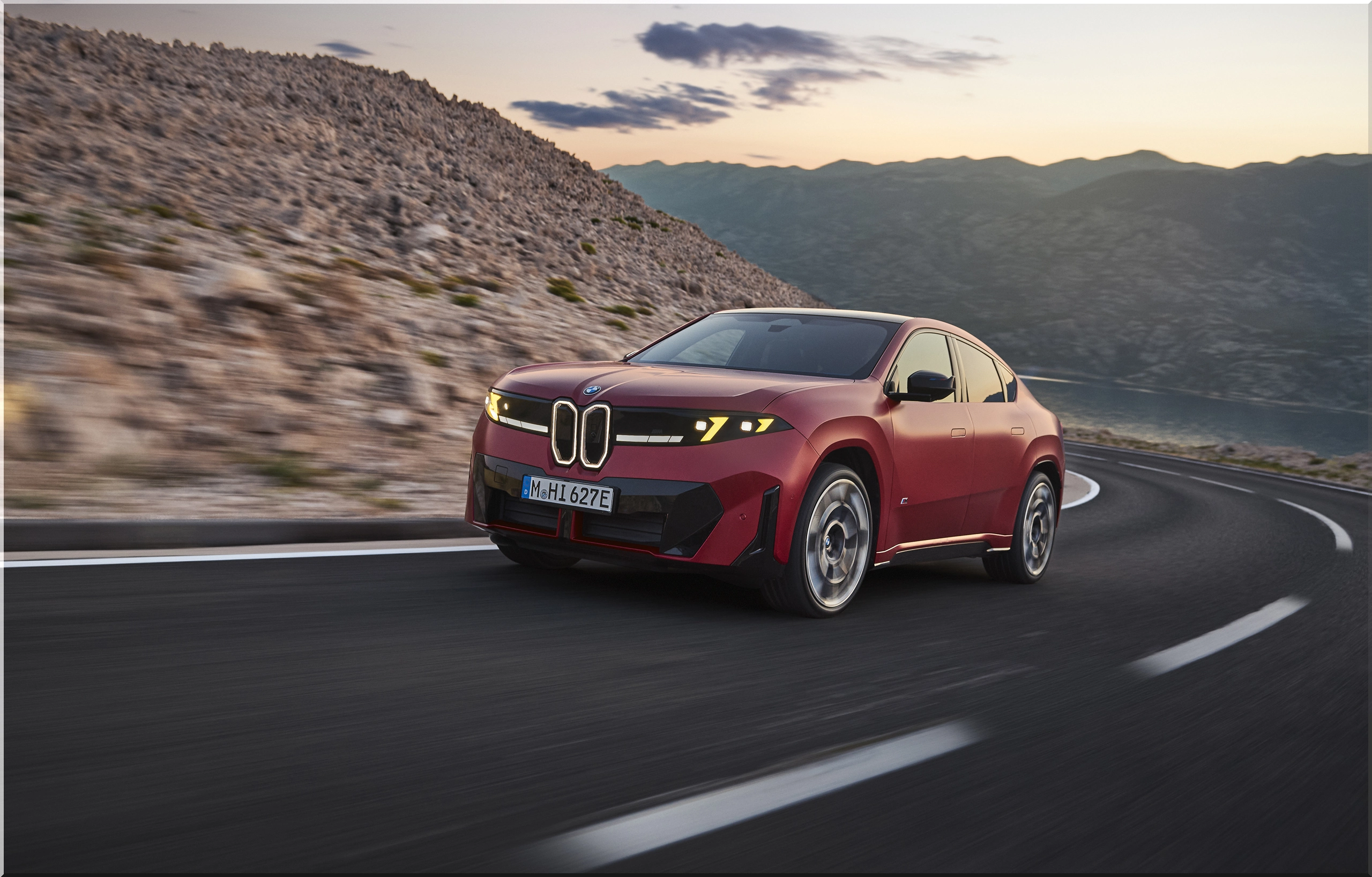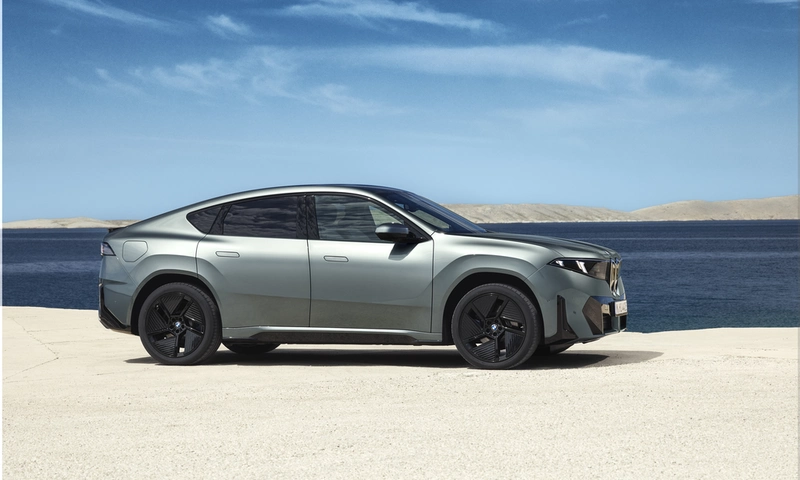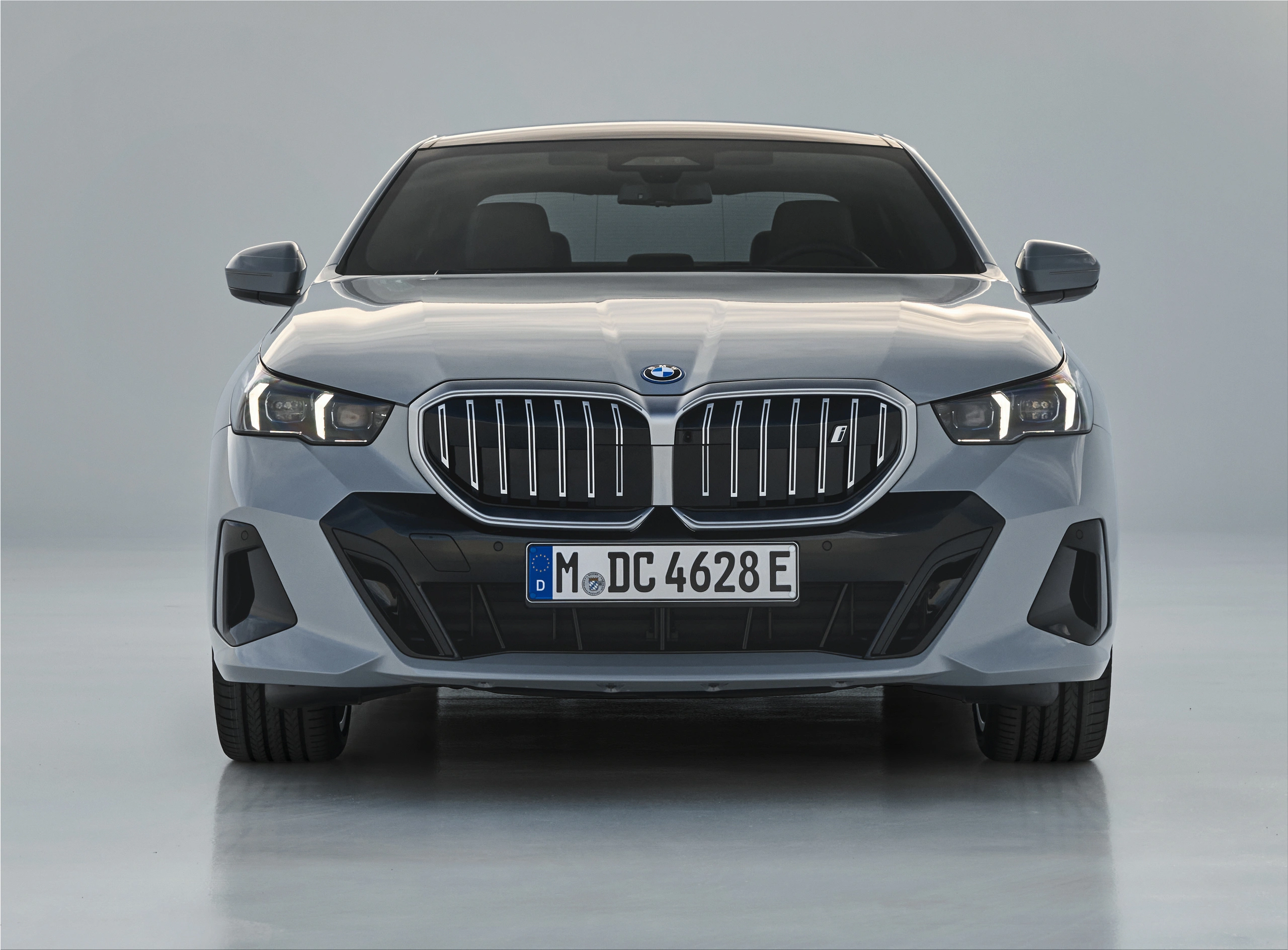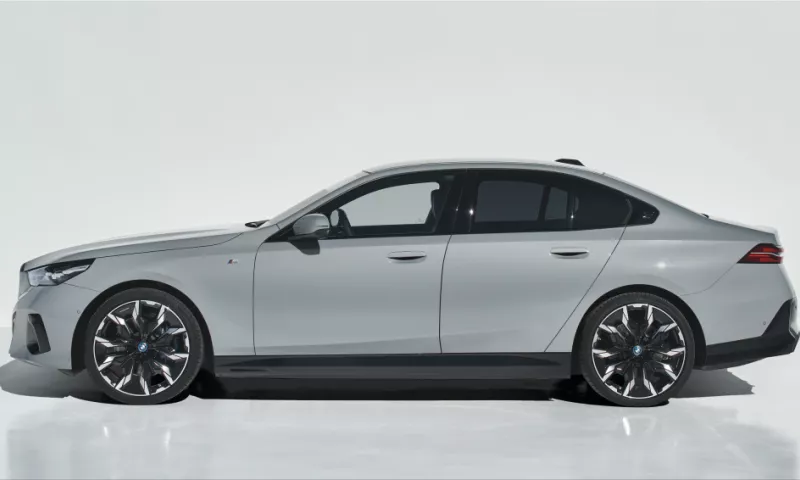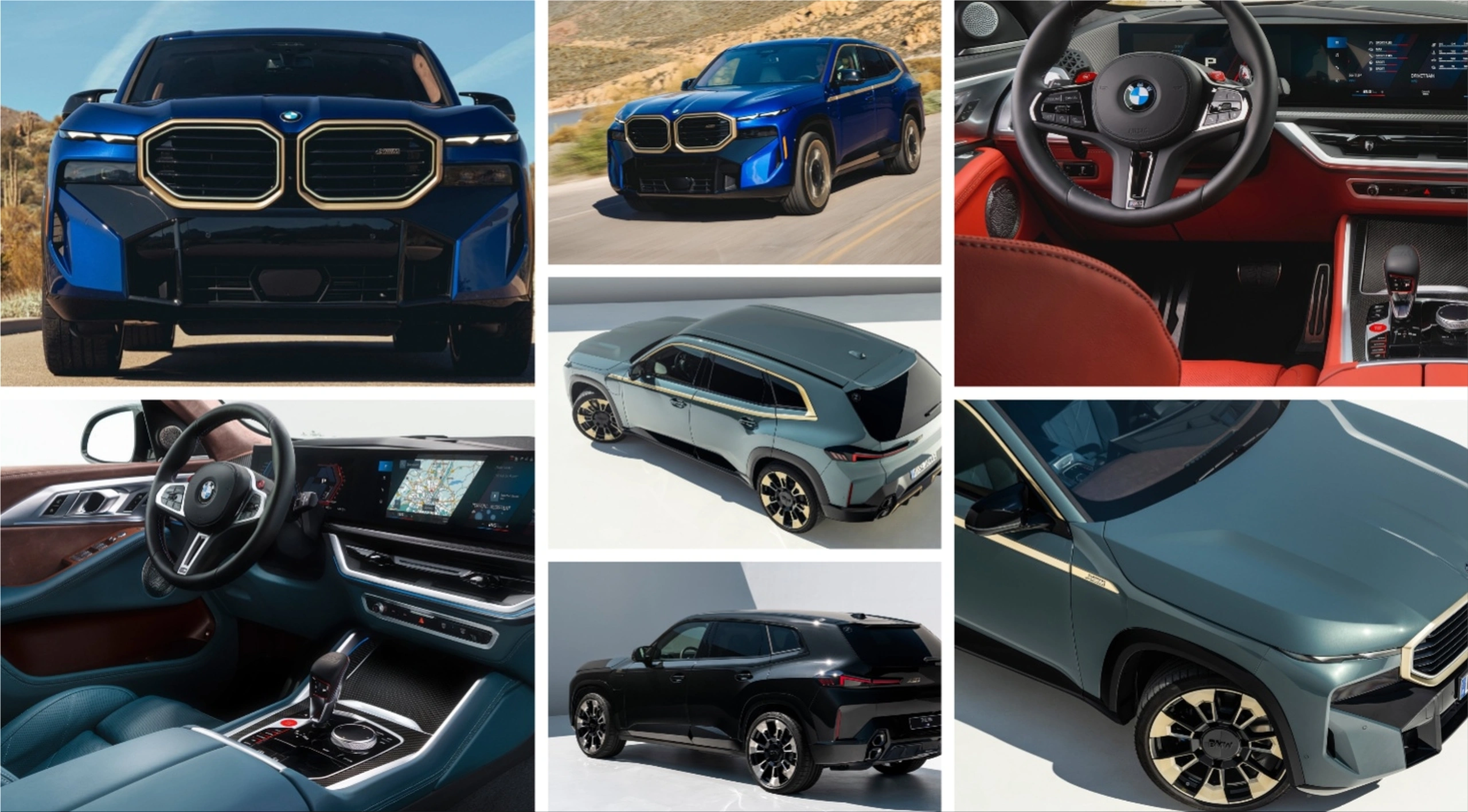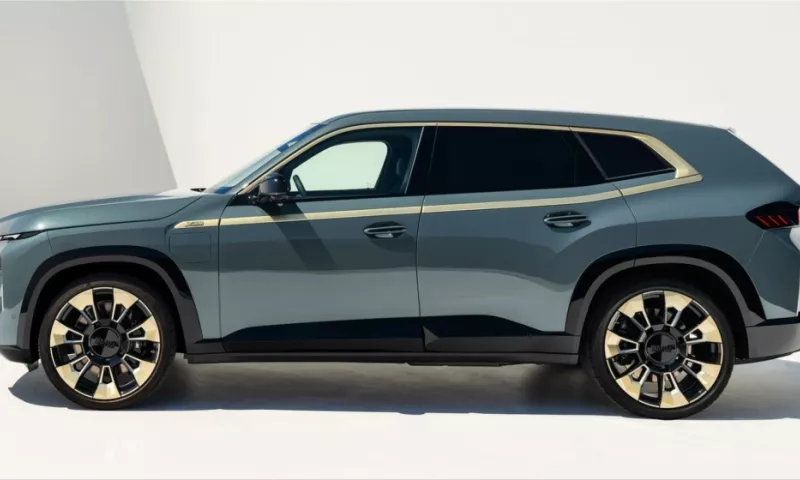
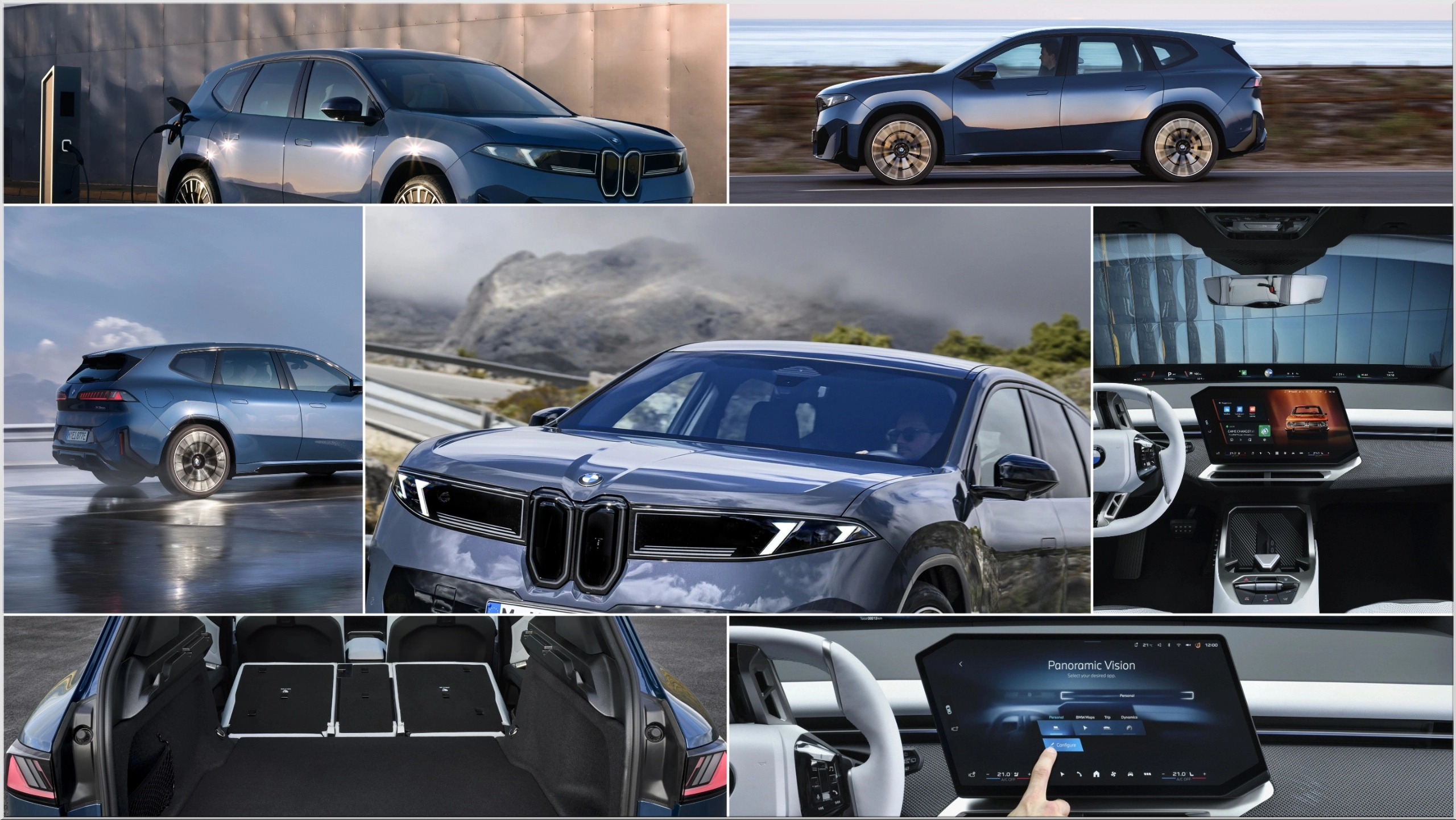
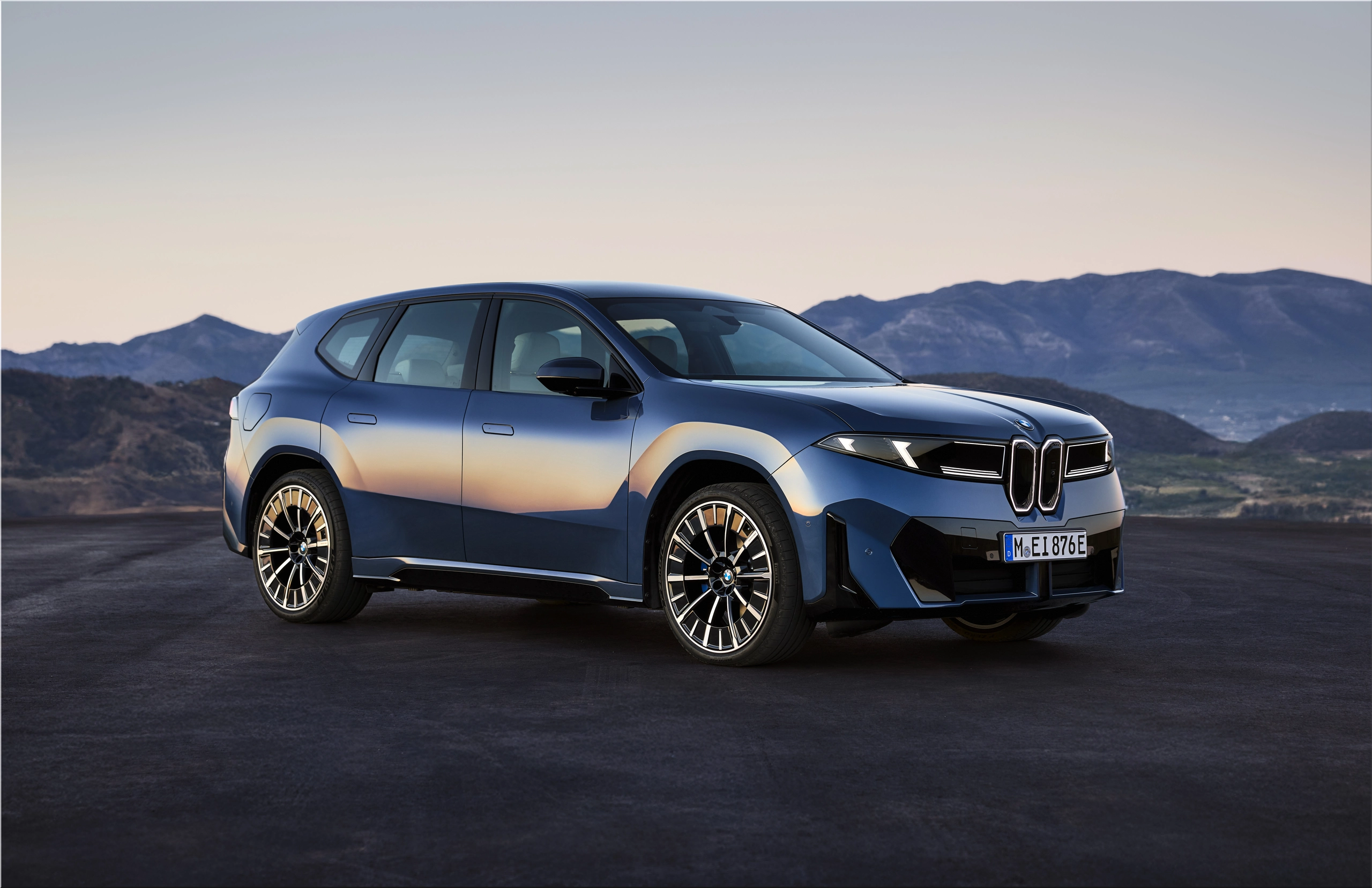
BMW has widened the new BMW iX3 range with the BMW iX3 40, a rear-wheel-drive entry model that gives the Neue Klasse SUV a sharper price point without cutting the core technology. That makes this version strategically useful. It gives BMW a lower-cost electric SUV against the Tesla Model Y, Audi Q6 e-tron and Mercedes-Benz GLC Electric, while keeping the same design, digital cockpit and Gen6 eDrive base as the more powerful iX3 50 xDrive.
Image
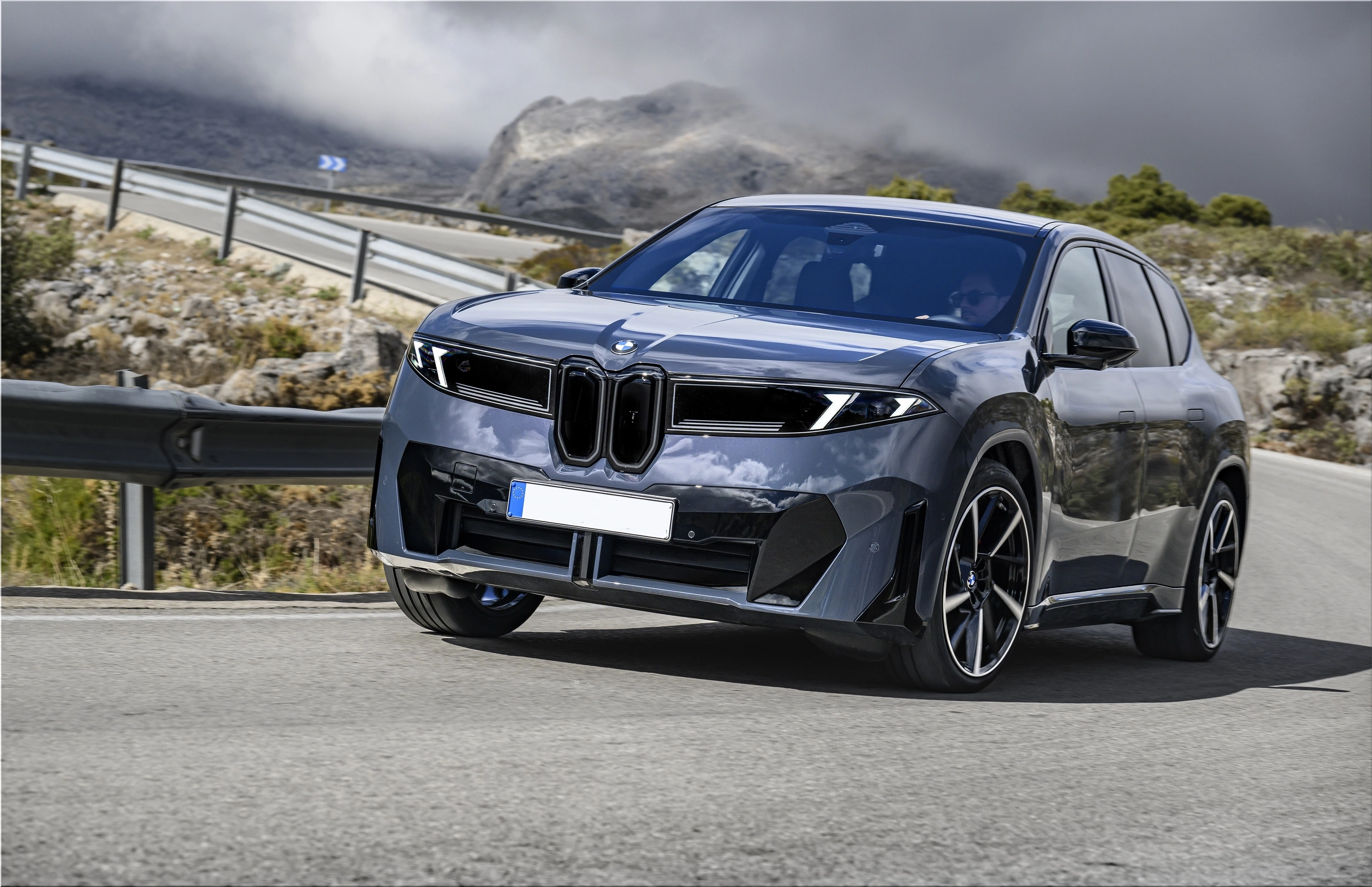
The BMW iX3 40 starts at about €69,700. That price still reflects high vehicle taxation, so buyers in other European markets should treat it as a market-specific signal rather than a universal EU sticker. The key story sits under the floor: an 82.6 kWh usable battery, 800V electrical architecture and 300 kW DC fast charging.
BMW iX3 40 Specs: Rear-Wheel Drive, 628 km WLTP Range and 300 kW Charging
Looking at the data, the BMW iX3 40 targets efficiency first. Its rear-mounted electrically excited synchronous motor produces 235 kW, or 320 hp, and 500 Nm of torque. The SUV reaches 100 km/h in 5.9 seconds and tops out at 200 km/h, which places it well above the "slow base EV" stereotype.
Specifically, the car uses BMW's sixth-generation eDrive hardware. The cylindrical battery cells deliver higher energy density than BMW's previous Gen5 prismatic cells, while the cell-to-pack layout reduces wasted space inside the battery case. BMW also uses a pack-to-open-body construction, which turns the battery into a structural part of the vehicle and cuts material use.
| Specification | BMW iX3 40 | BMW iX3 50 xDrive |
|---|---|---|
| Drive layout | Rear-wheel drive | Electric all-wheel drive |
| Power | 235 kW / 320 hp | 345 kW / 469 hp |
| Torque | 500 Nm | 645 Nm |
| Usable battery | 82.6 kWh | 108.7 kWh |
| WLTP range | Up to 628 km | Up to 805 km |
| Energy use | 14.7-15.2 kWh/100 km | 15.1-17.9 kWh/100 km |
| DC charging peak | 300 kW | 400 kW |
| 10-80 percent DC charging | 21 minutes | 21 minutes |
| 0-100 km/h | 5.9 seconds | 4.9 seconds |
| Top speed | 200 km/h | 210 km/h |
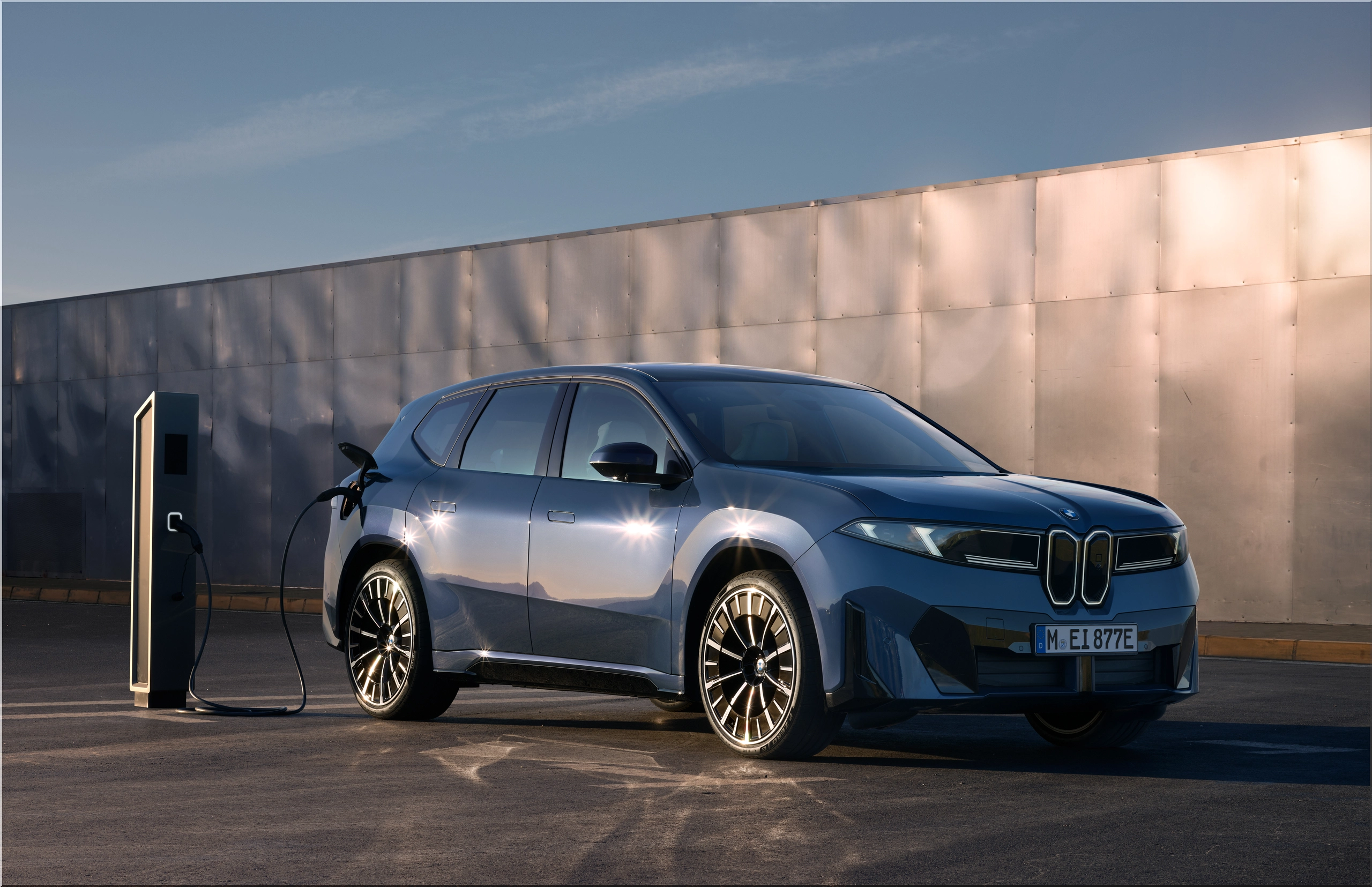
In addition, both versions keep the same 21-minute 10-80 percent fast-charge window. The difference sits in peak intake and range recovery: the iX3 40 can add up to 300 km in 10 minutes, while the iX3 50 xDrive can add up to 372 km in 10 minutes on a suitable 800V charger.
Image
Neue Klasse Dimensions and Practicality
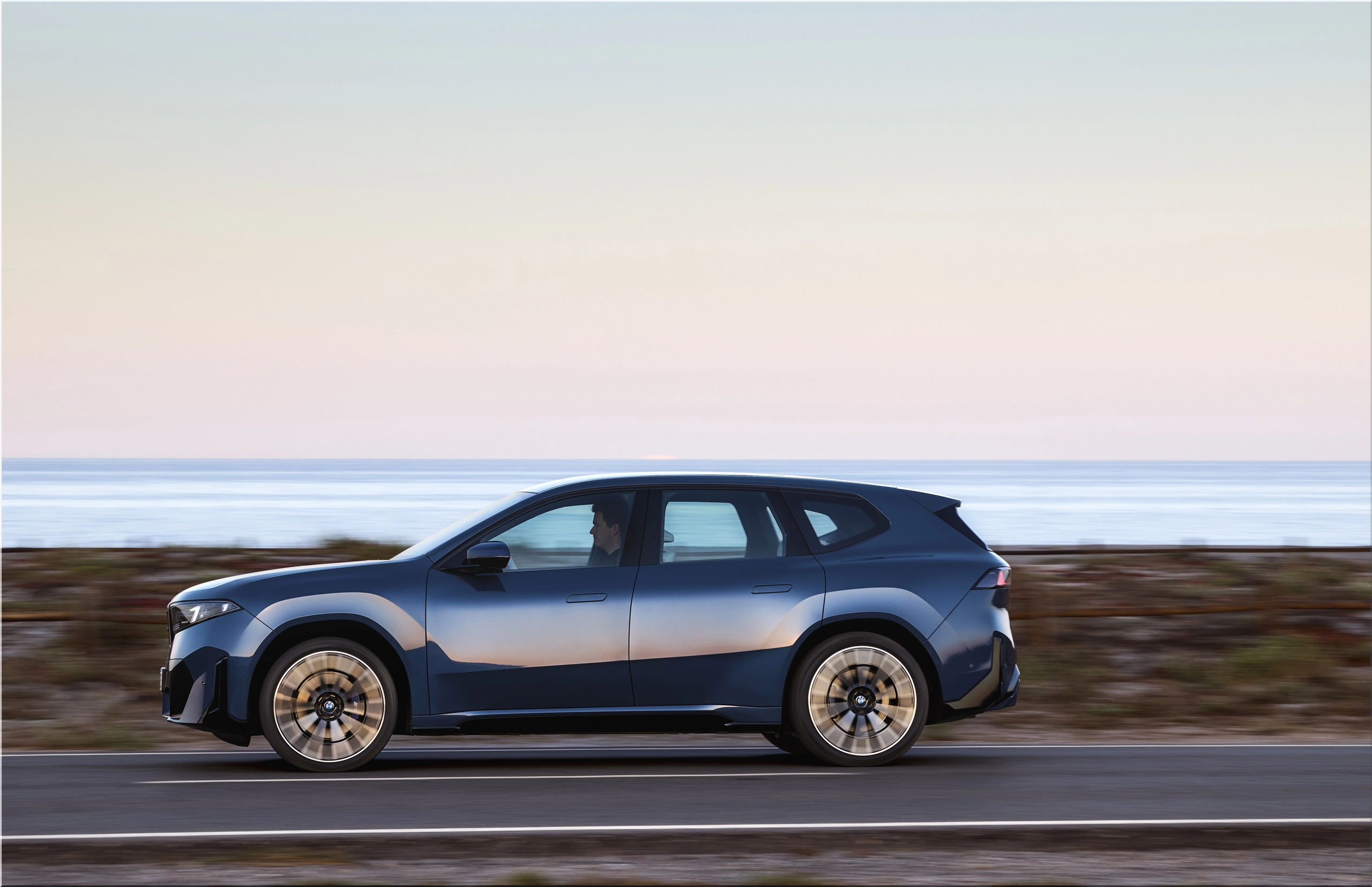
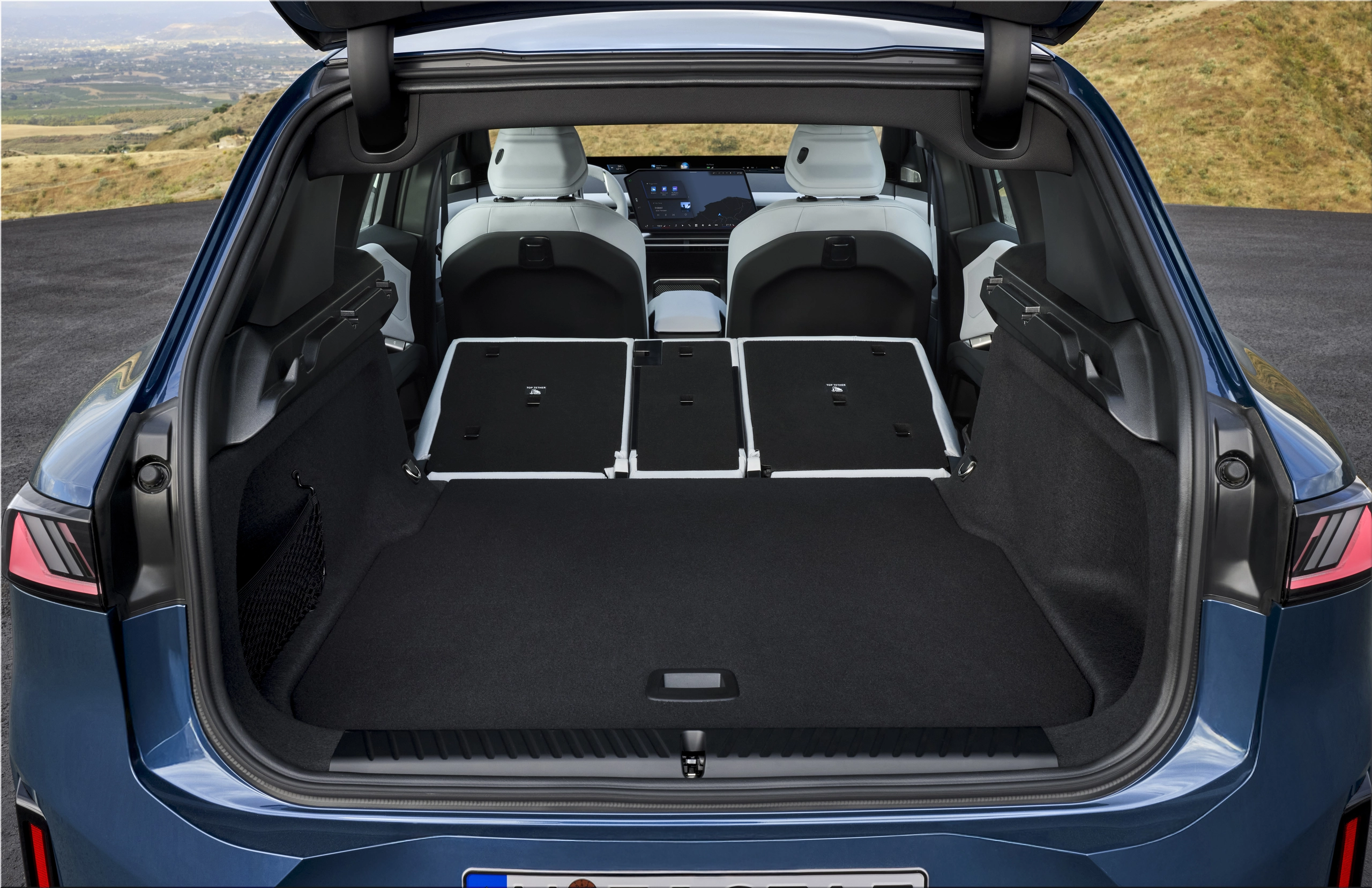
The new iX3 measures 4,782 mm long, 1,895 mm wide, and 1,635 mm tall, with a 2,897 mm wheelbase. Those numbers place it firmly in the premium midsize electric SUV class, not in the compact crossover zone. The footprint also explains why BMW can package five seats, a large boot and long-range battery hardware without turning the car into a full-size SUV.
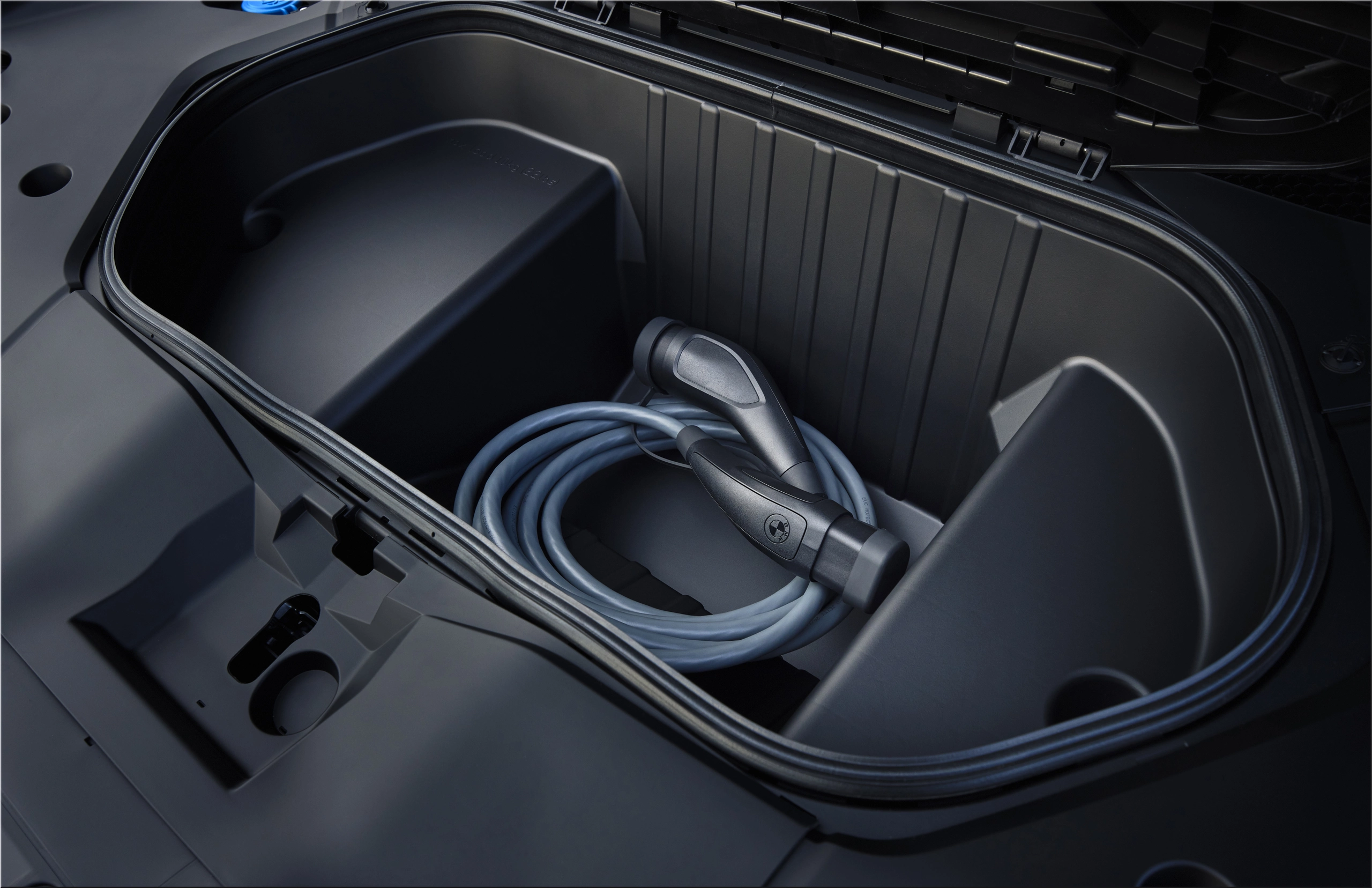
Boot space starts at 520 litres and expands to 1,750 litres with the rear seats folded. A 58-litre front storage compartment adds useful cable space, which matters because premium EV buyers do not want wet charging leads eating into the main cargo area.
What Is Neue Klasse?
Neue Klasse refers to BMW's new vehicle generation, built around Gen6 electric drive, a new software and electronics architecture, 800V charging capability, BMW Panoramic iDrive and a cleaner design language. In plain terms, it gives BMW one technical base for future EVs rather than another adapted combustion-era platform.
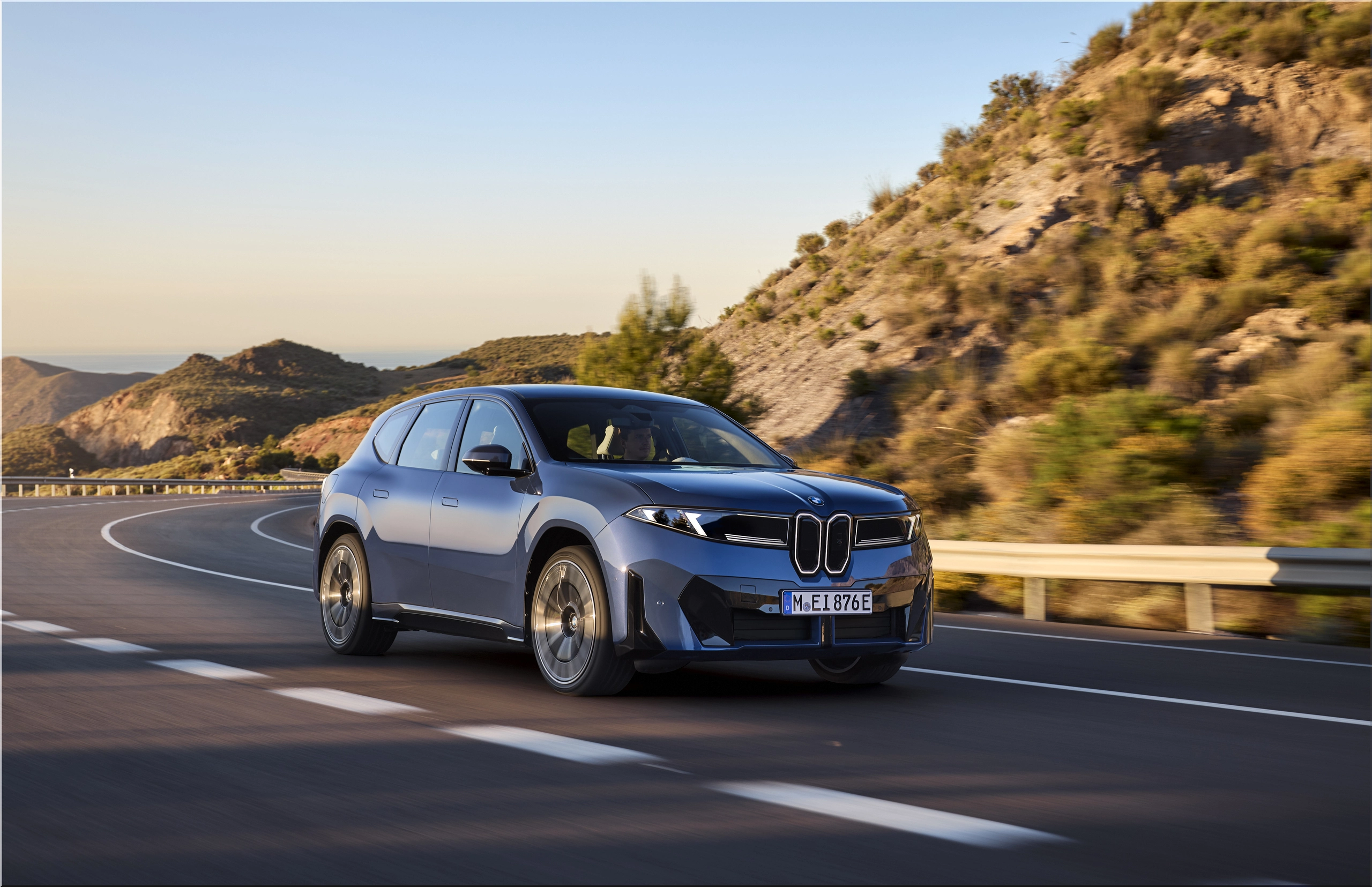
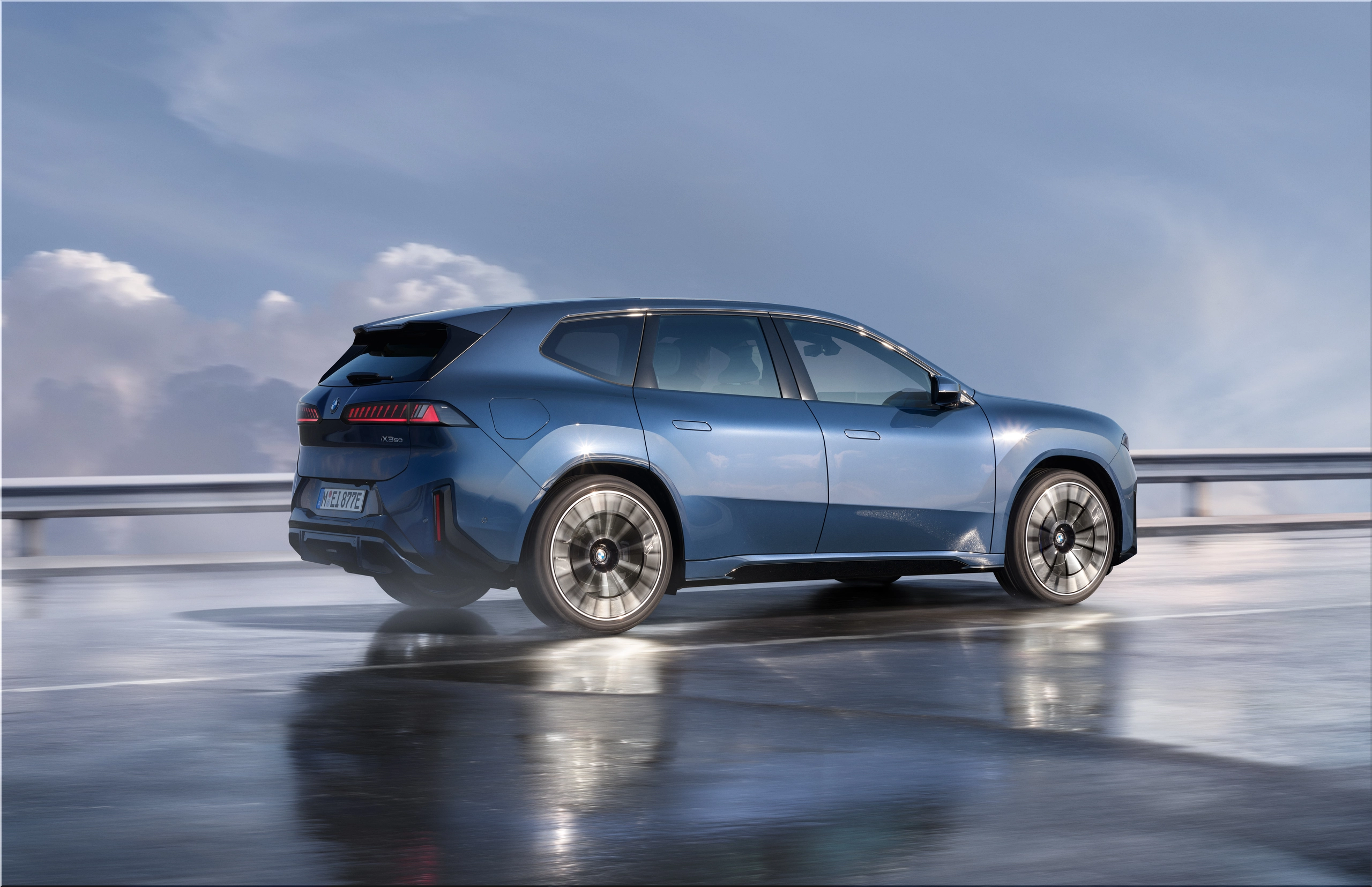
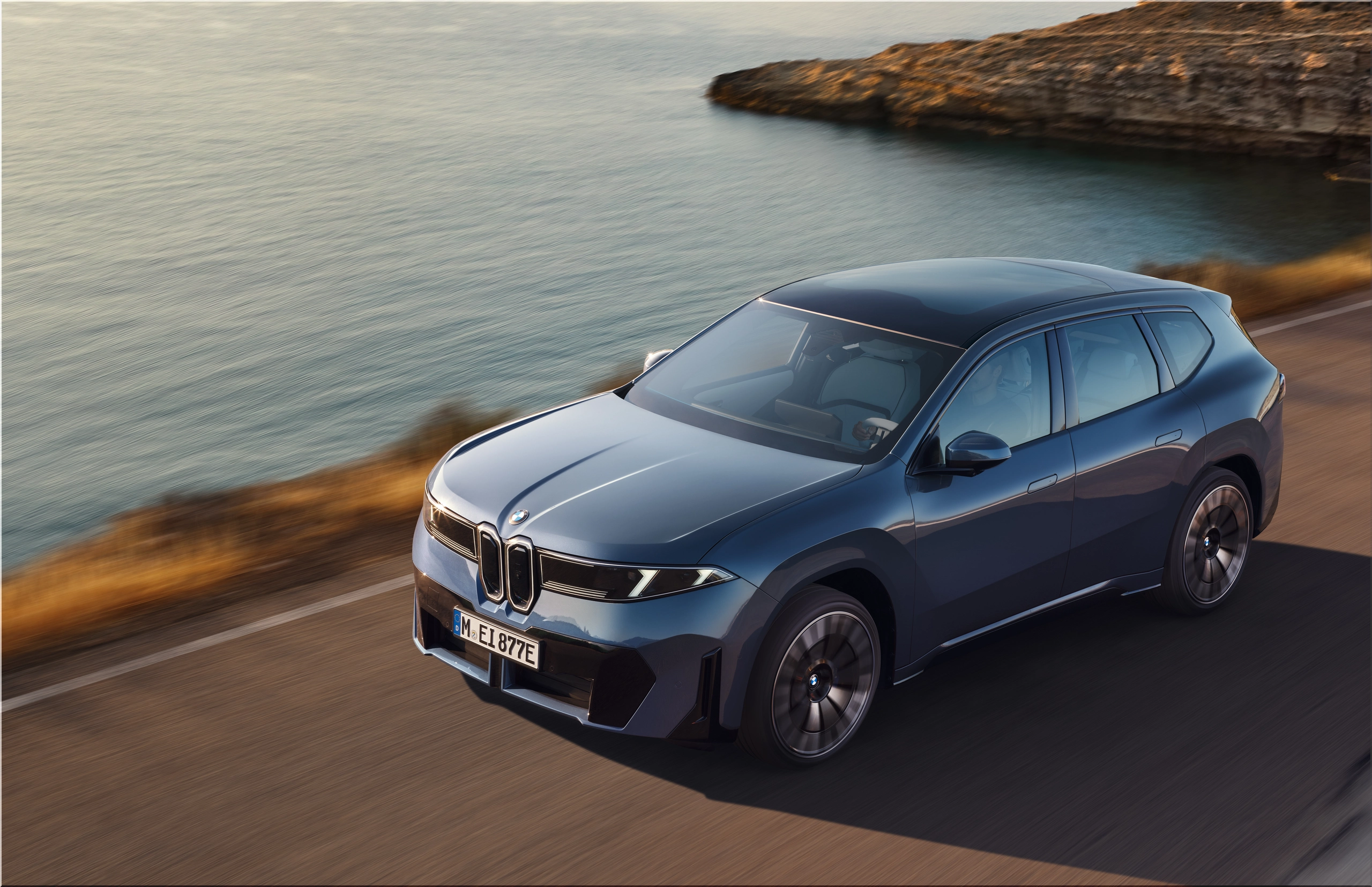
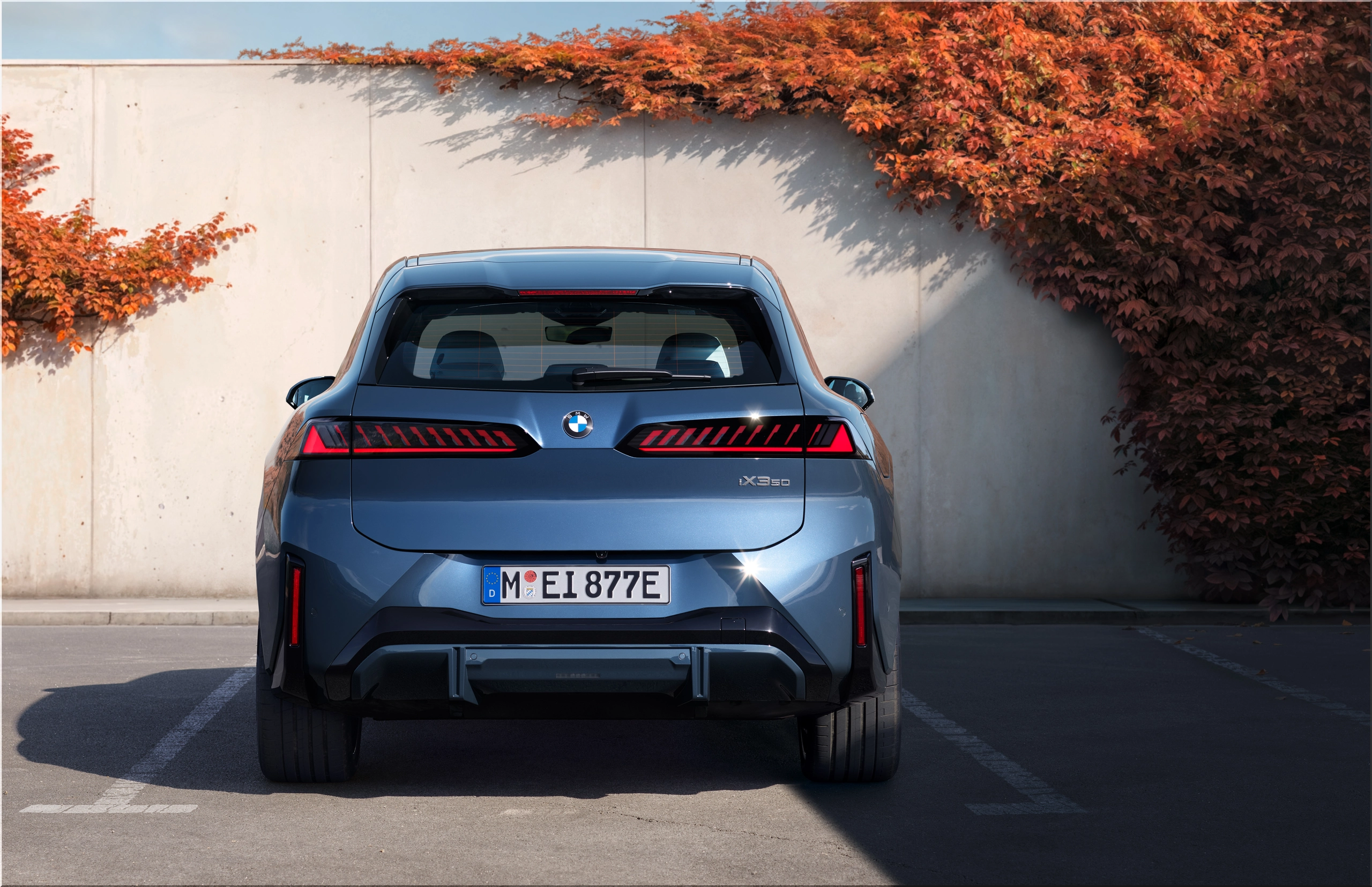
BMW Panoramic iDrive and Heart of Joy: Why the Software Stack Matters
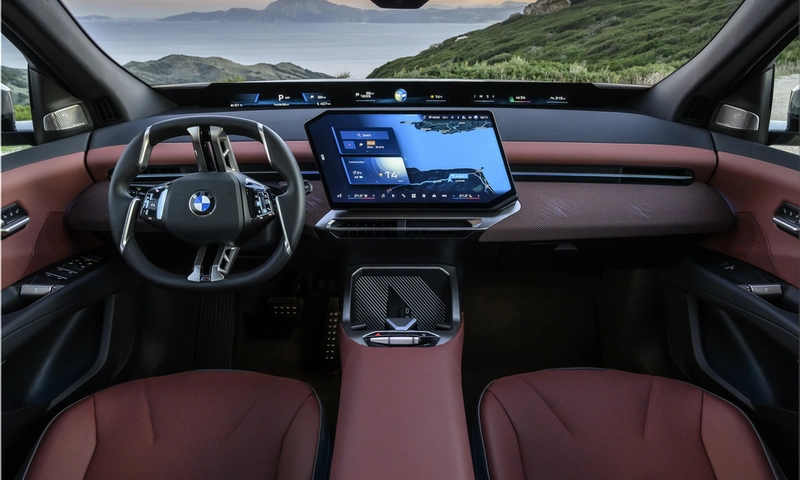
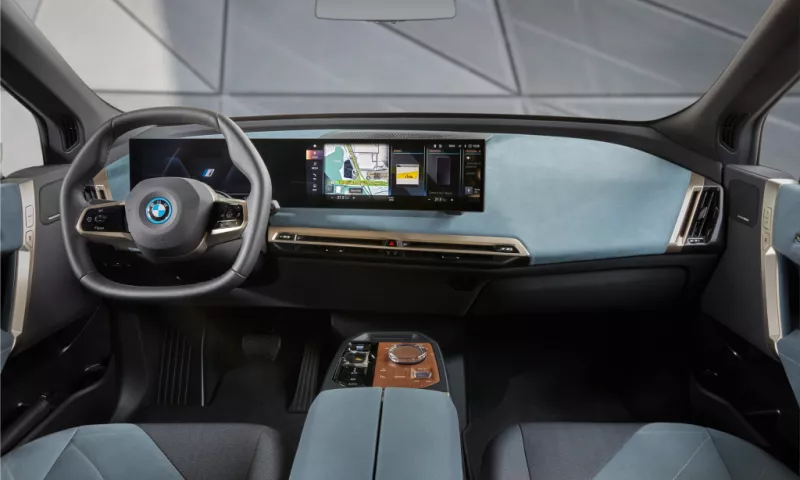
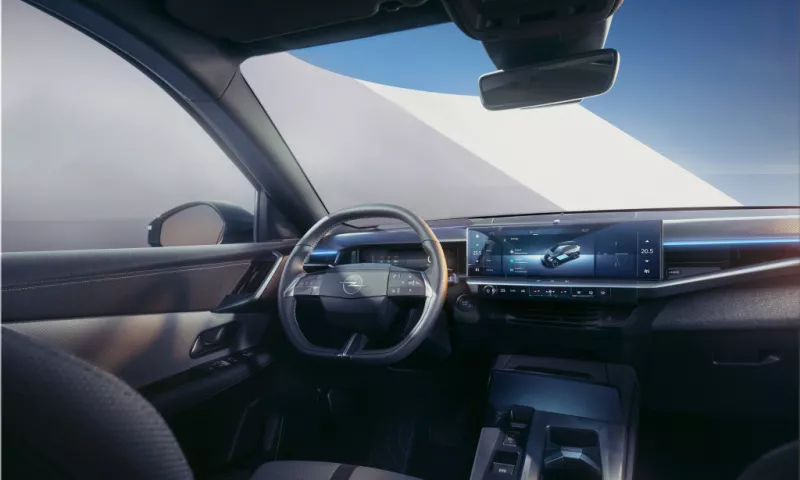
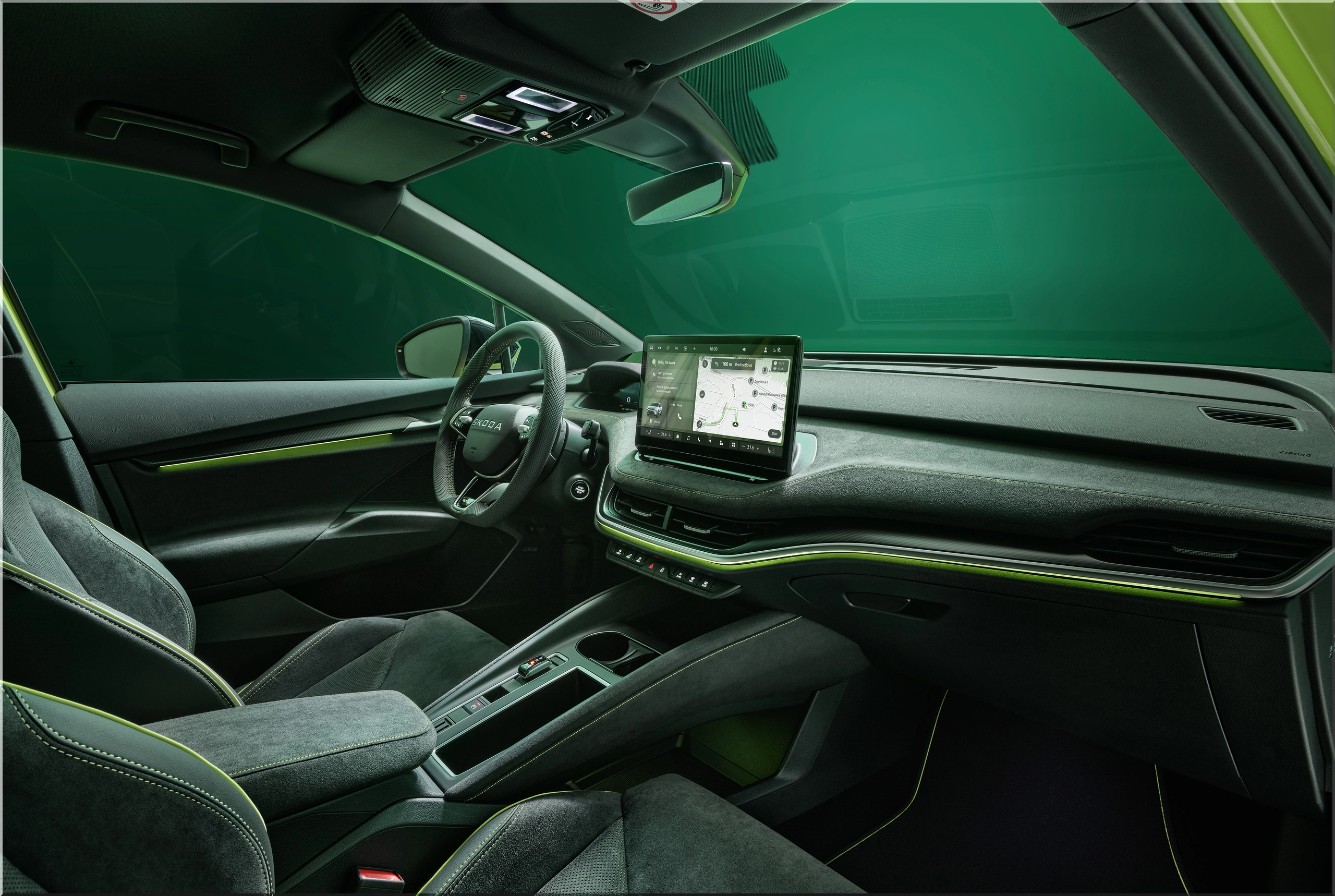
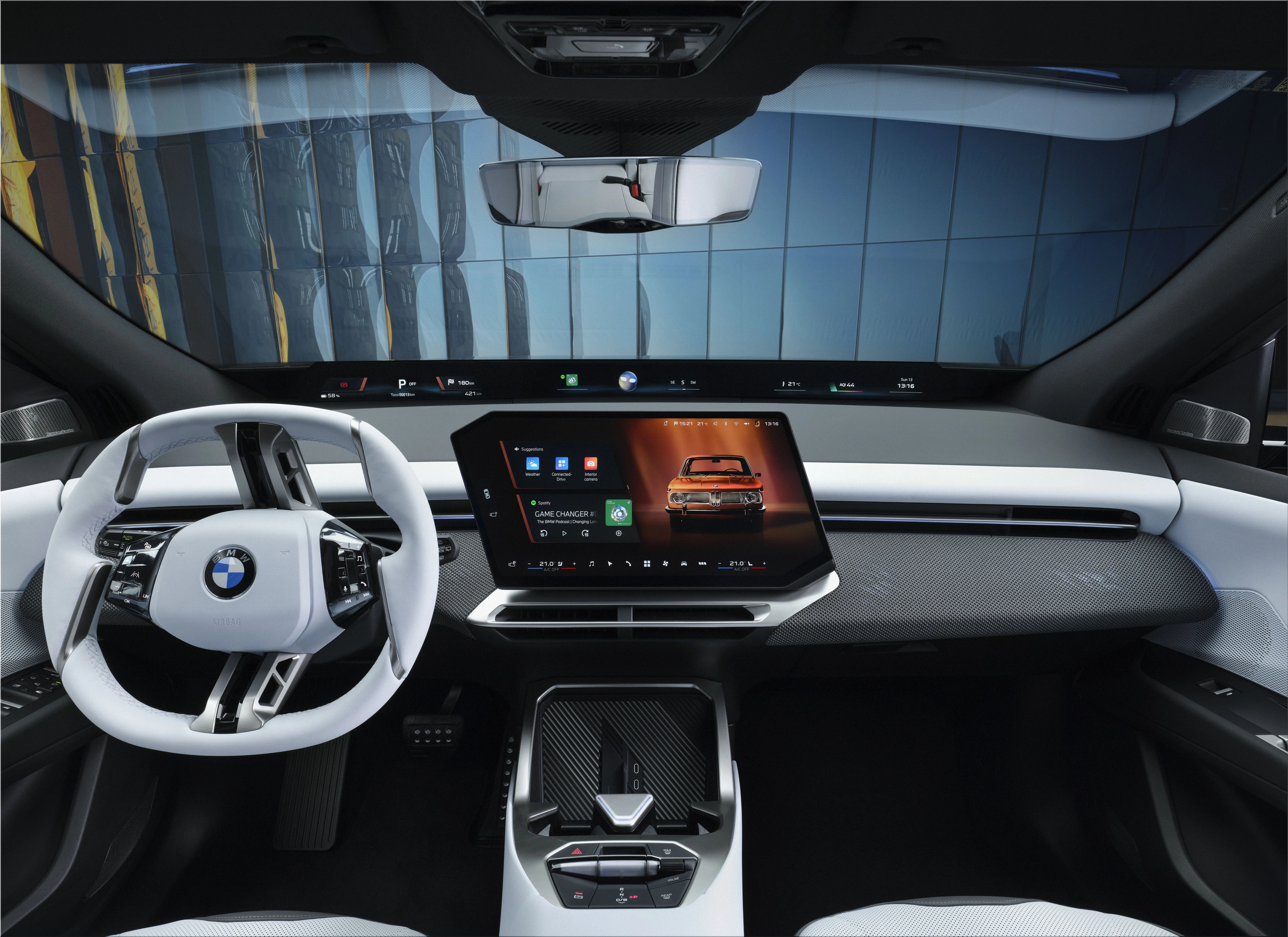
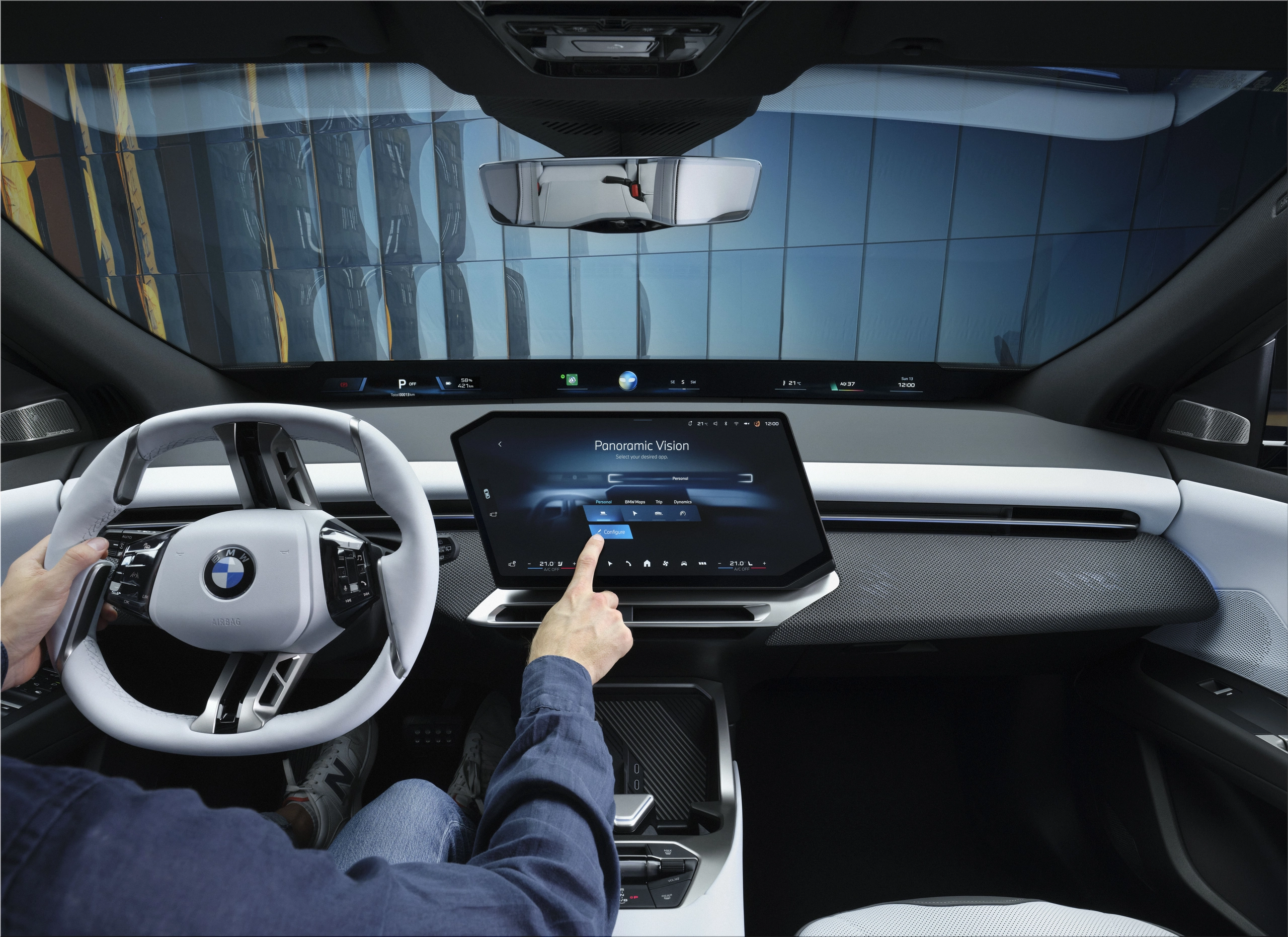
The iX3 introduces BMW Panoramic iDrive with BMW Operating System X, a 17.9-inch central display and a windscreen-width projection concept called BMW Panoramic Vision. BMW keeps physical controls for core tasks such as indicators, wipers, mirrors, volume, gear selection and the parking brake, which feels like a quiet admission that touch-only cabins can annoy real drivers.
Consequently, the bigger engineering story sits in the electronics. BMW uses four high-performance computers, called "superbrains", to manage infotainment, automated driving, comfort systems and vehicle dynamics. The Heart of Joy computer controls drive, braking, energy recuperation and steering logic up to ten times faster than older control units.
From an expert perspective, that matters because EV performance now depends on control precision as much as motor output. Smooth regenerative braking, torque split, pedal feel and stop-start refinement all come from software timing, not brochure horsepower.
Image
BMW iX3 40 vs Electric SUV Rivals
By comparison, the iX3 40 sits between efficiency-focused rear-drive SUVs and higher-output premium AWD models. It does not chase the Tesla Model Y on price. It targets buyers who want long WLTP range, fast European motorway charging and a more traditional premium cabin feel.
| Model | Battery / Range | Power | DC Charging | 0-100 km/h | Key Win |
|---|---|---|---|---|---|
| BMW iX3 40 | 82.6 kWh / up to 628 km | 235 kW | 300 kW | 5.9 sec | Strong range-to-battery ratio |
| Audi Q6 e-tron performance | 94.9 kWh / up to 661 km | 225 kW | 260 kW | 6.7 sec | Longest WLTP claim here |
| Mercedes-Benz GLC 400 4MATIC Electric | 94 kWh / 652 km | 360 kW | 330 kW | 4.3 sec | Strongest output |
| Tesla Model Y Long Range RWD | Long Range / up to 603 km | Not listed by Tesla NL | Adds up to 266 km in 15 min | 5.6 sec | Lower price in many markets |
Pro-Tips: Should You Choose the BMW iX3 40 or iX3 50 xDrive?
Choose the BMW iX3 40 if you mainly drive on motorways, charge at home and care about WLTP efficiency, purchase price and long-distance range. Its 14.7-15.2 kWh/100 km figure looks strong for a premium SUV of this size.
Choose the BMW iX3 50 xDrive if you tow, drive in poor winter conditions or want the fastest range recovery on high-power 800V chargers. Its all-wheel drive, 645 Nm torque output and optional electric tow bar with up to 2,000 kg towing capacity give it a clear utility advantage.
The iX3 40 makes the Neue Klasse argument cleaner. It proves BMW can sell its new EV architecture on efficiency, charging and software, not only on power.
- Add new comment
- 132 views