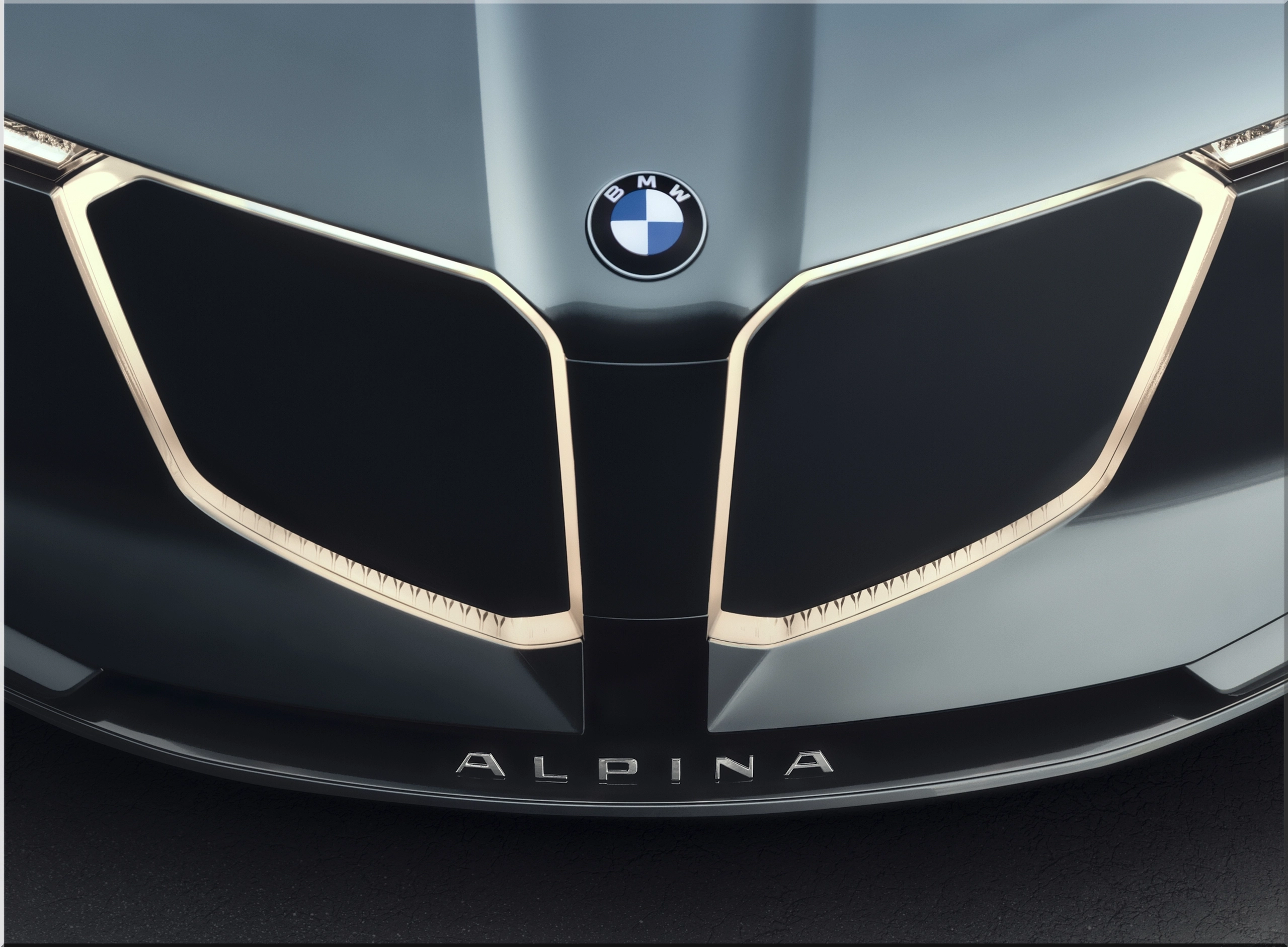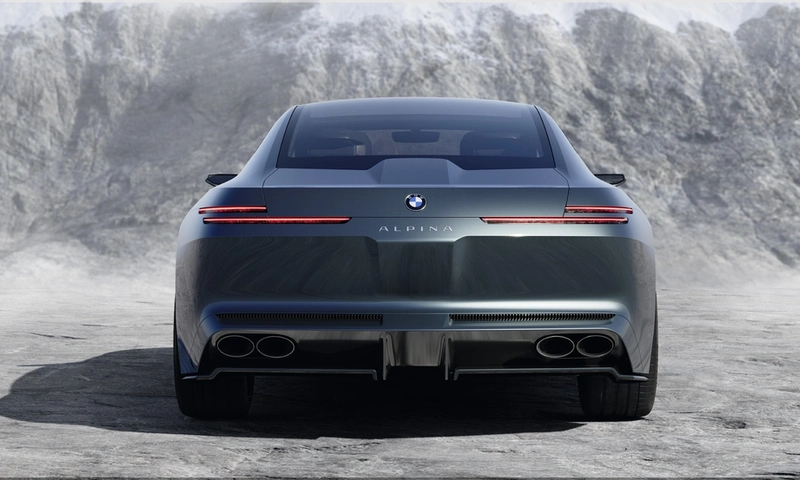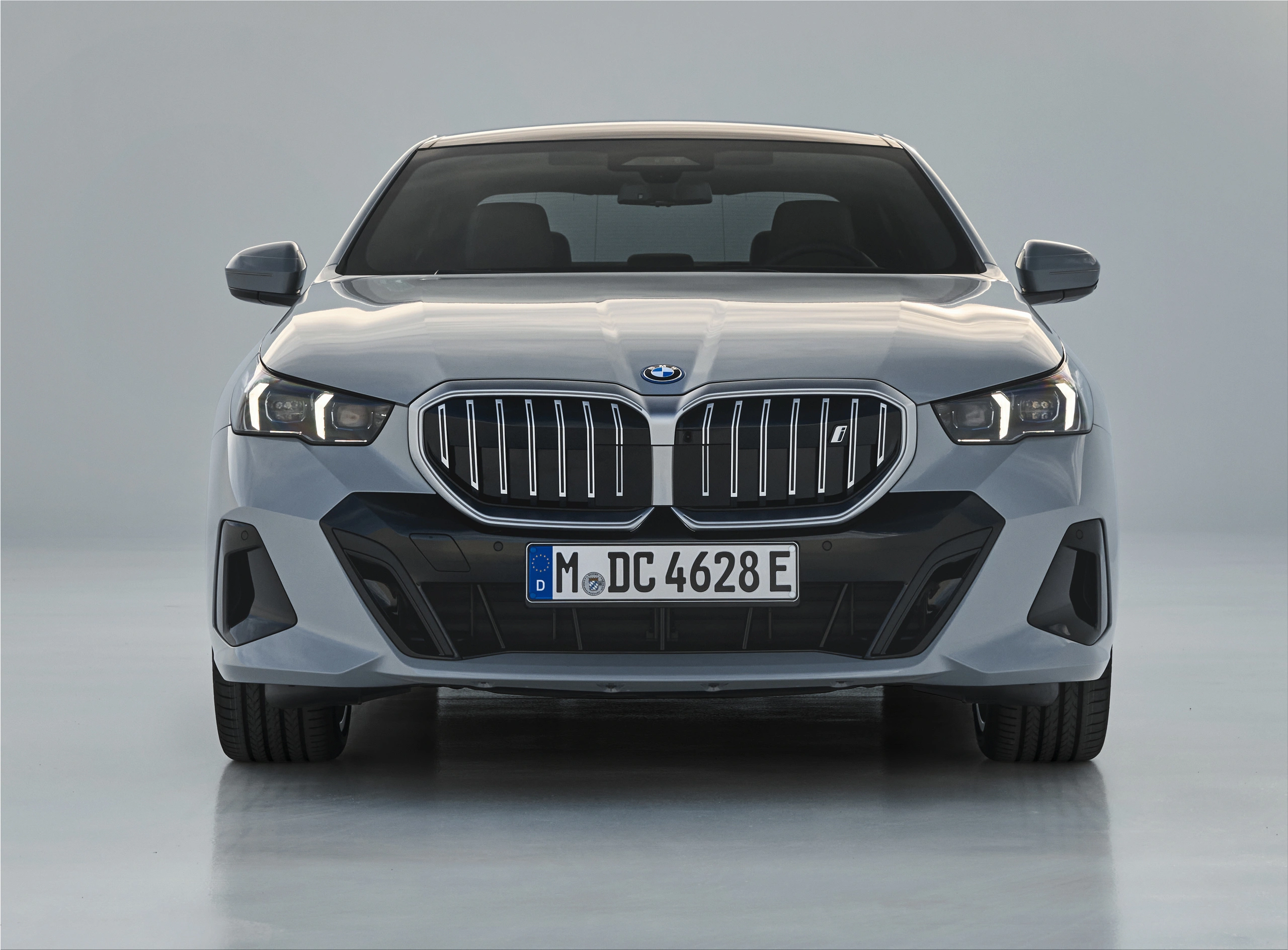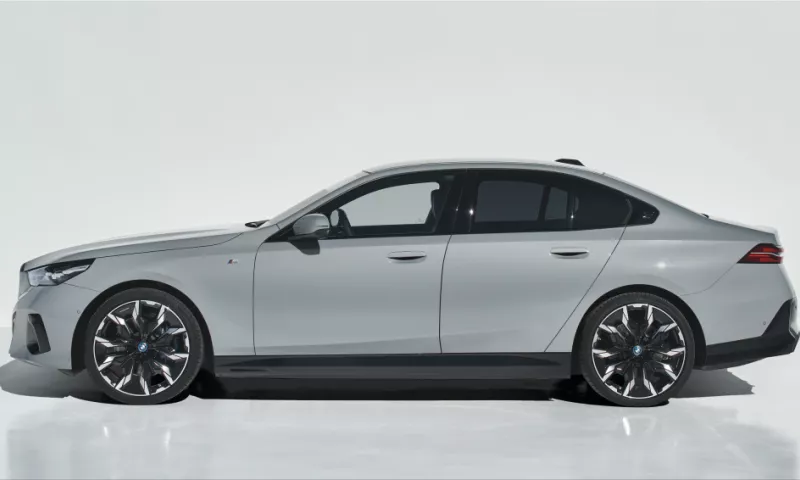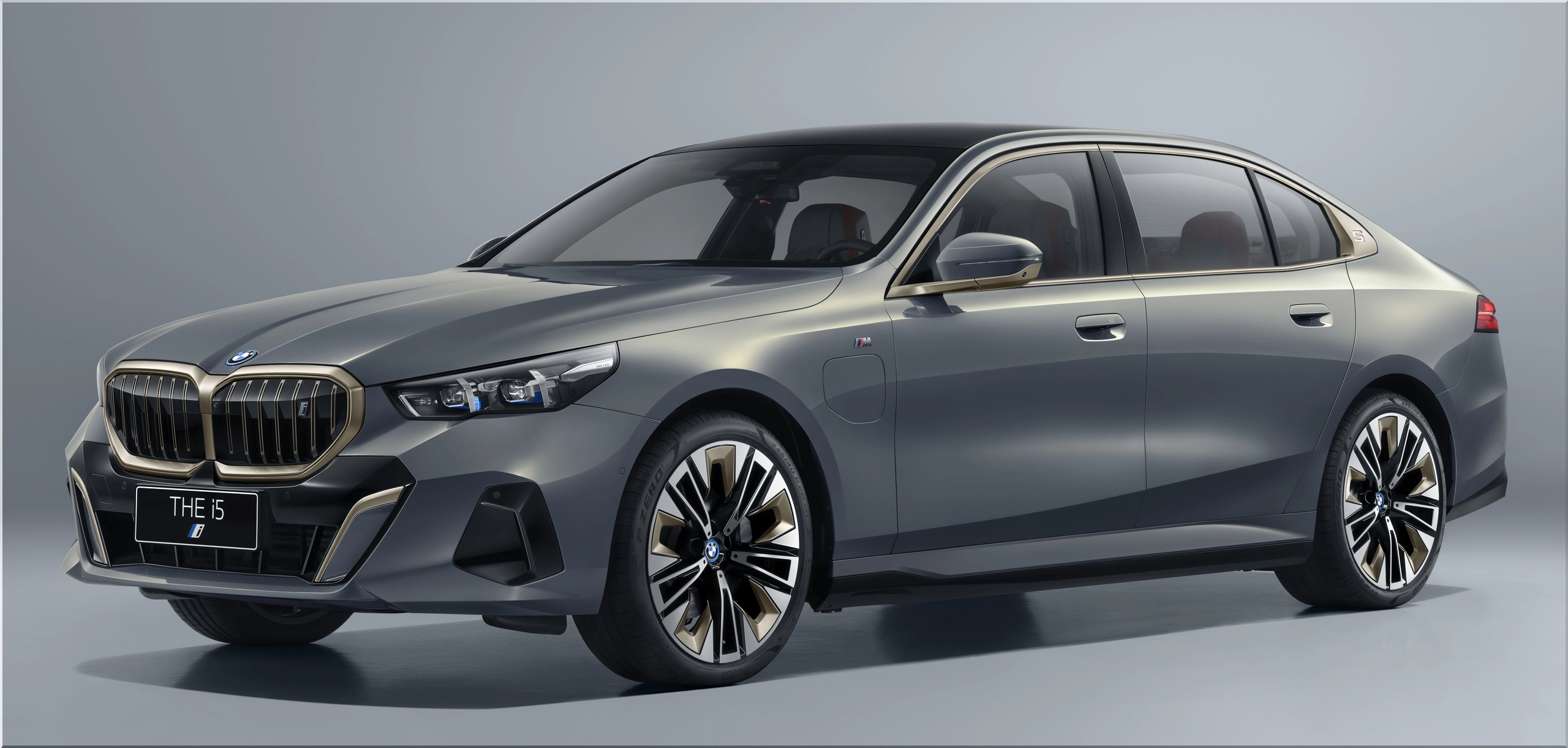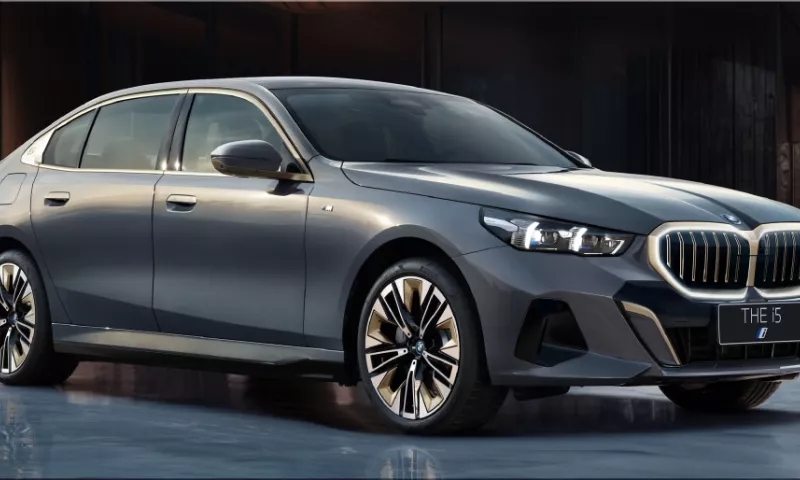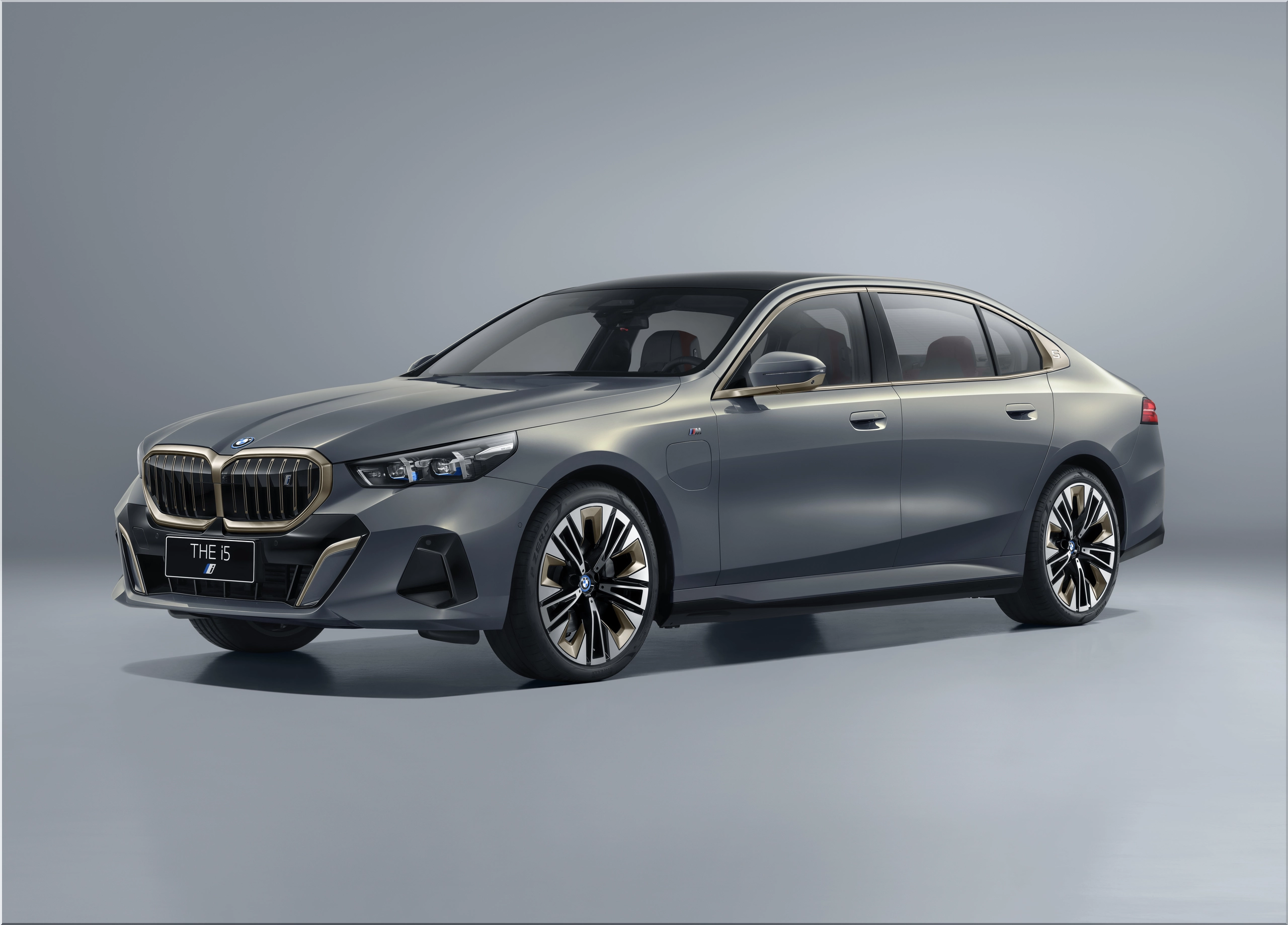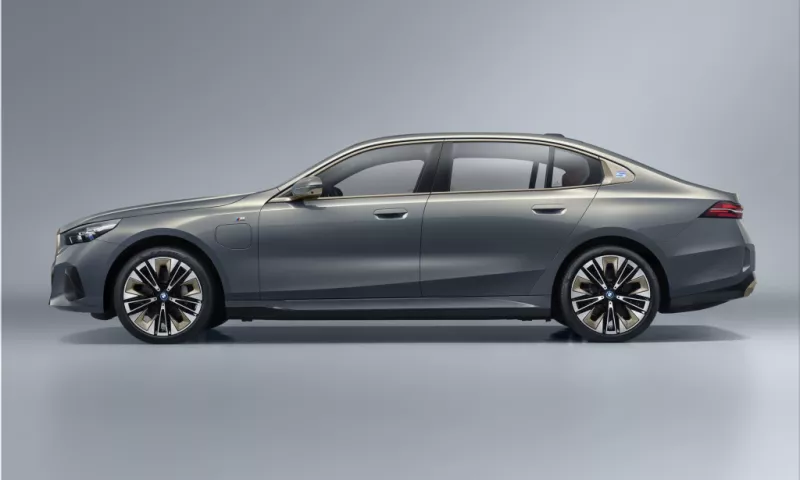
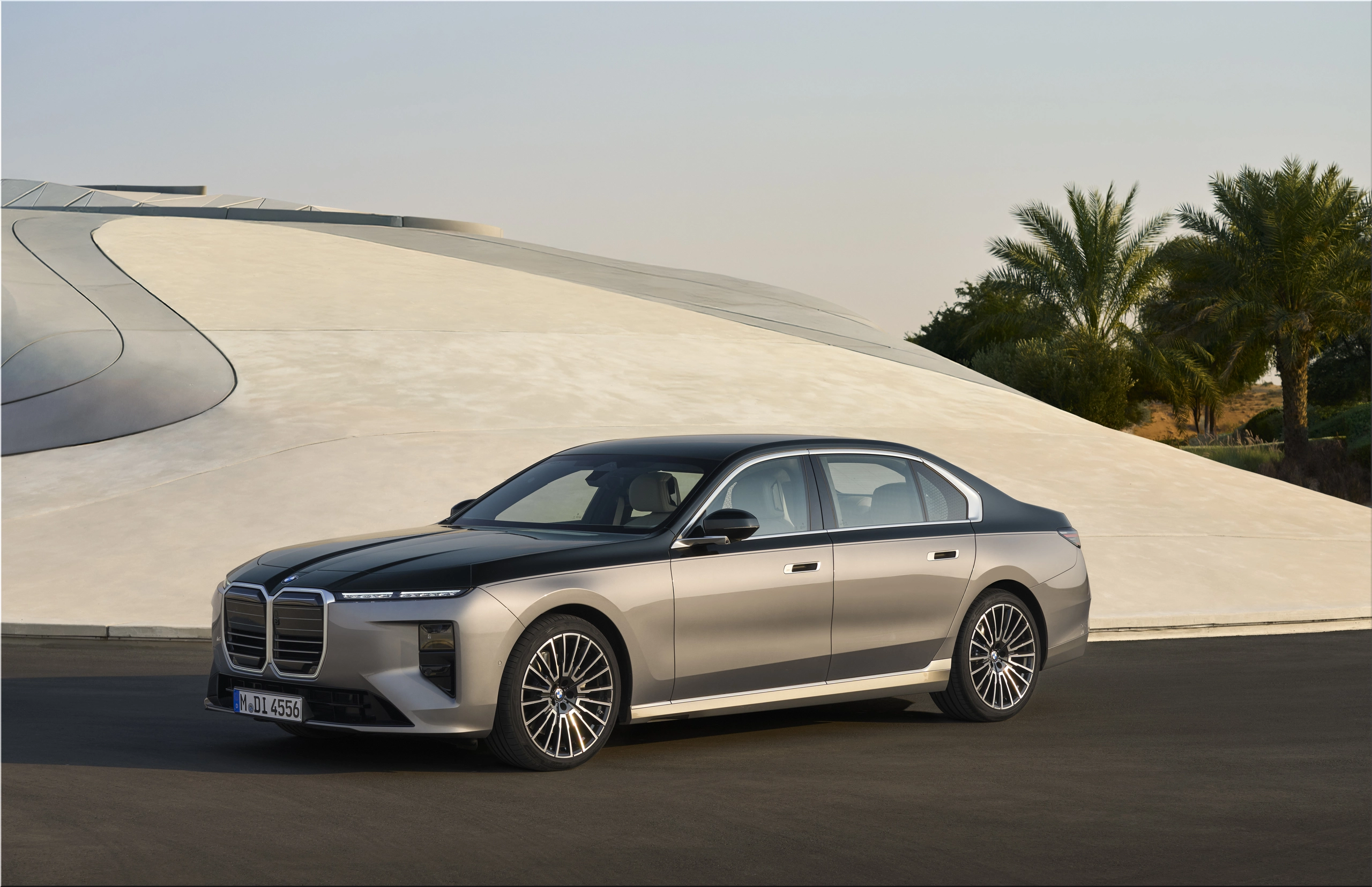
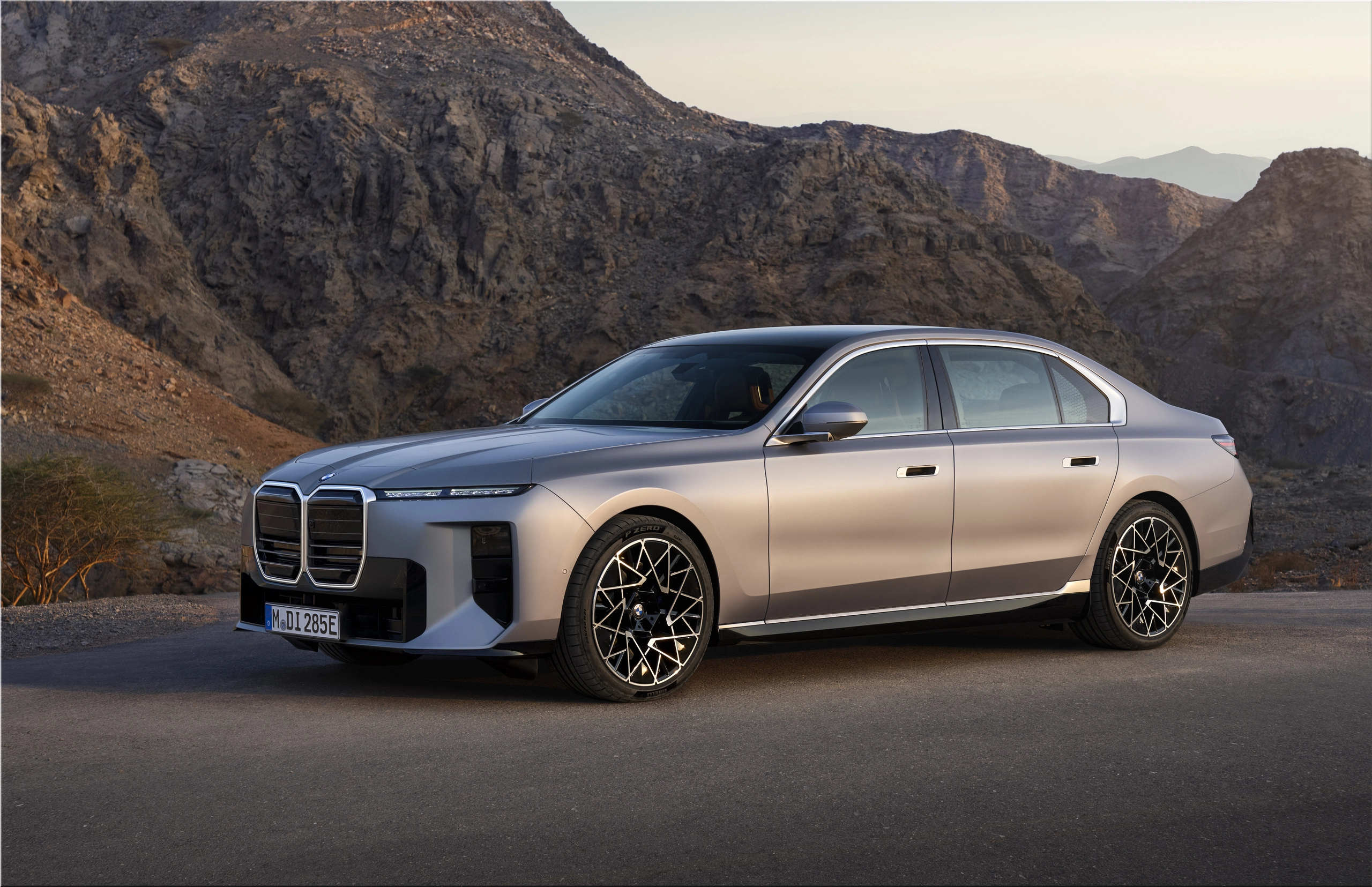
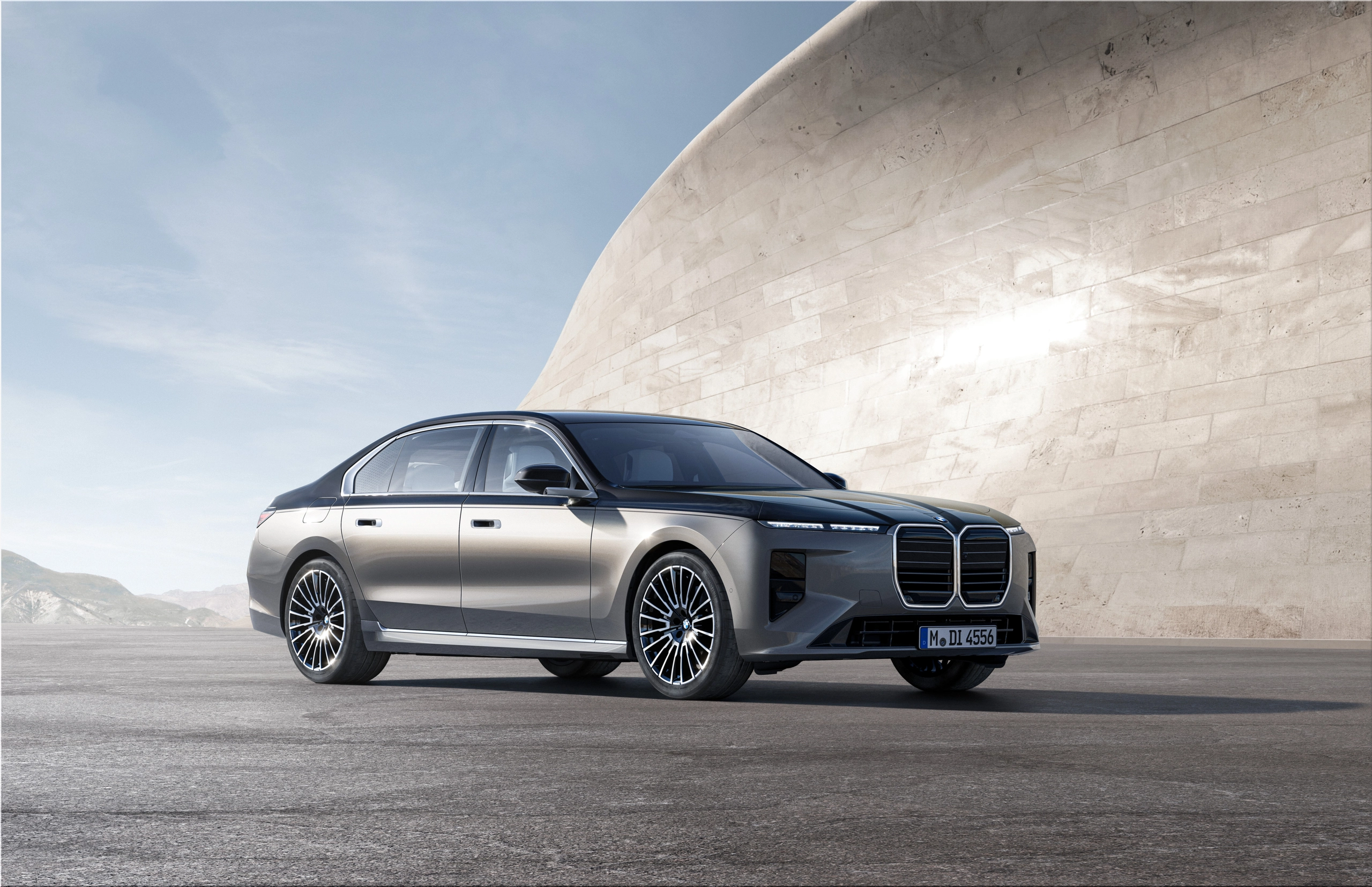
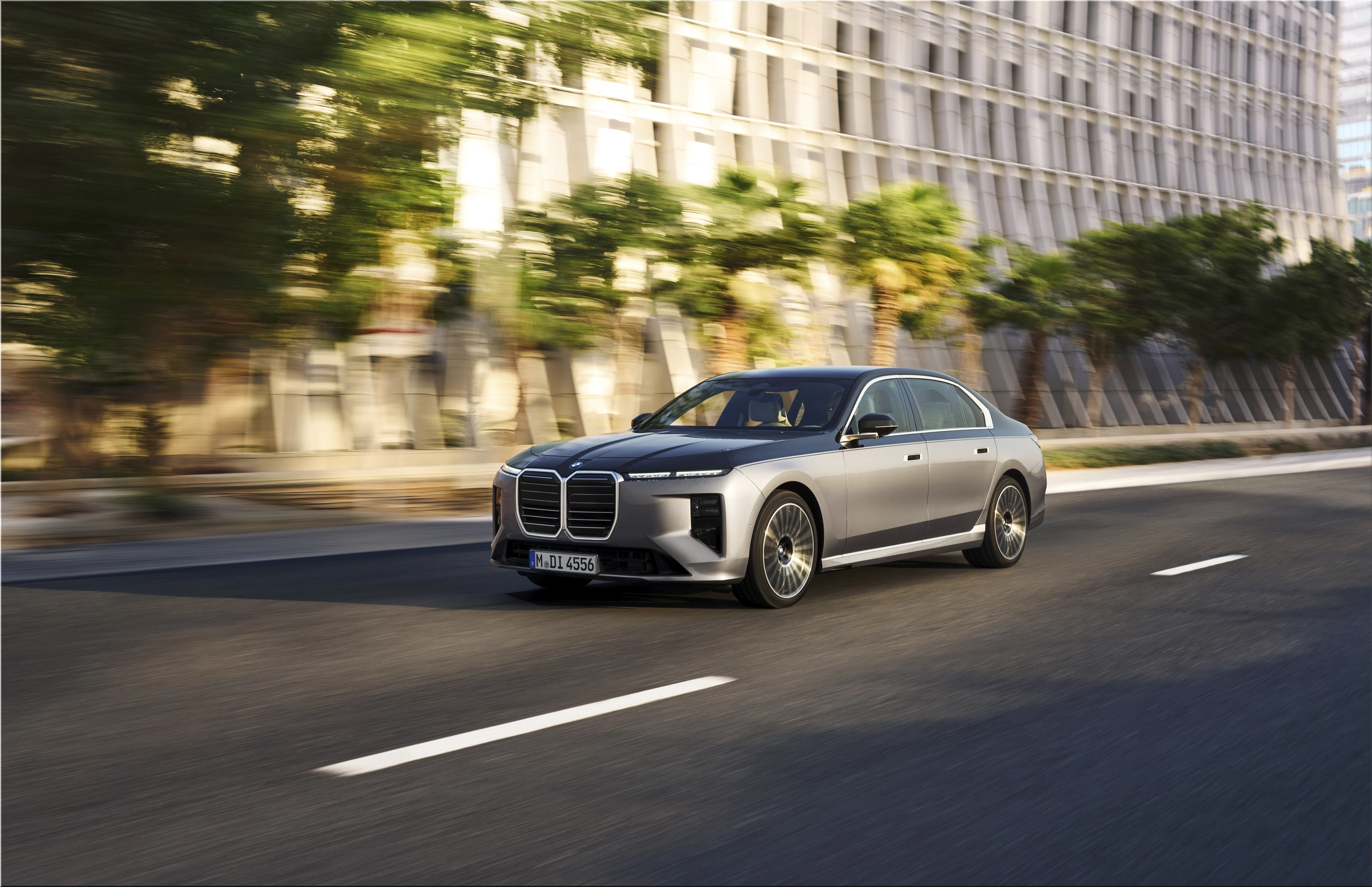
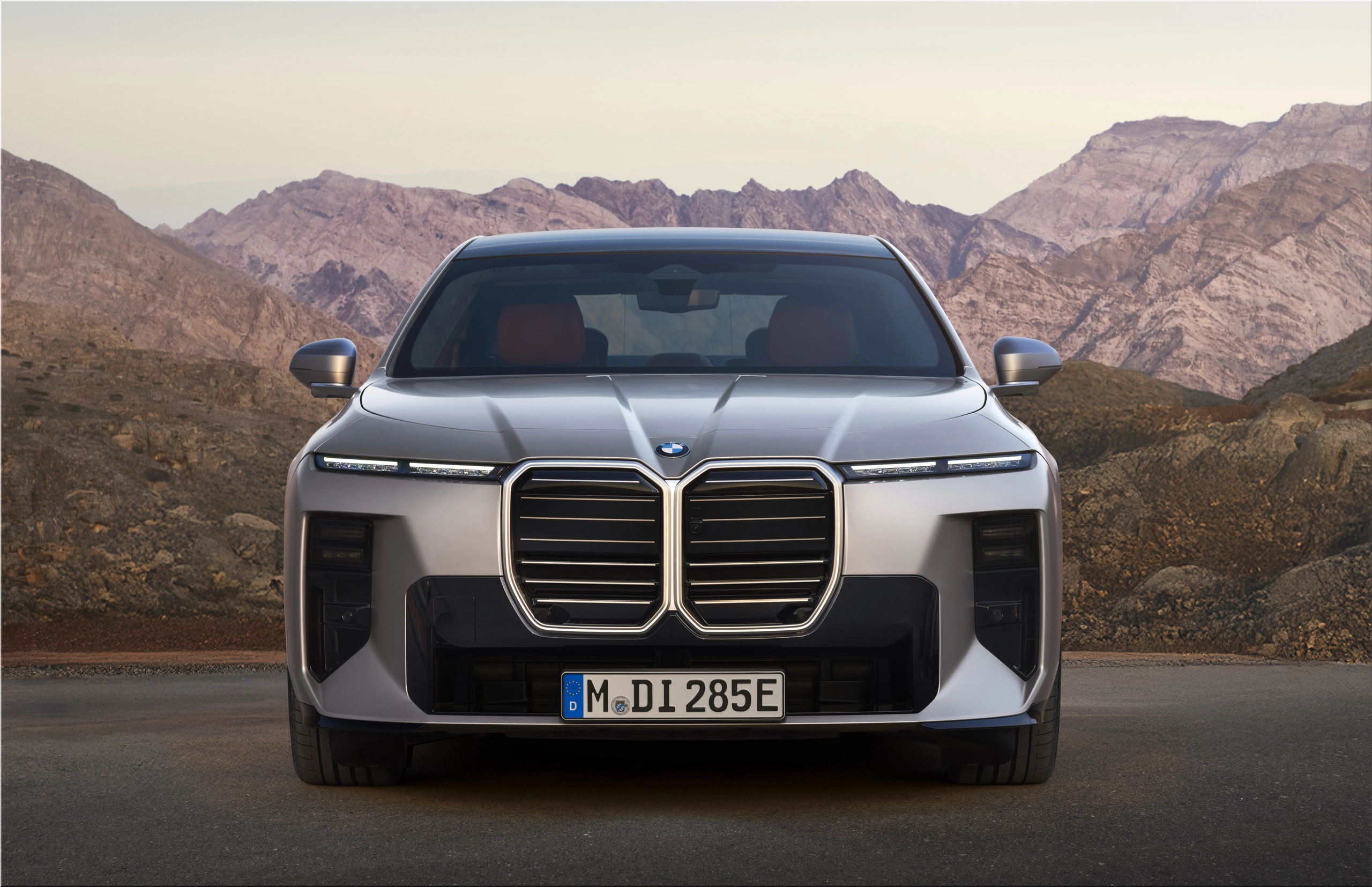
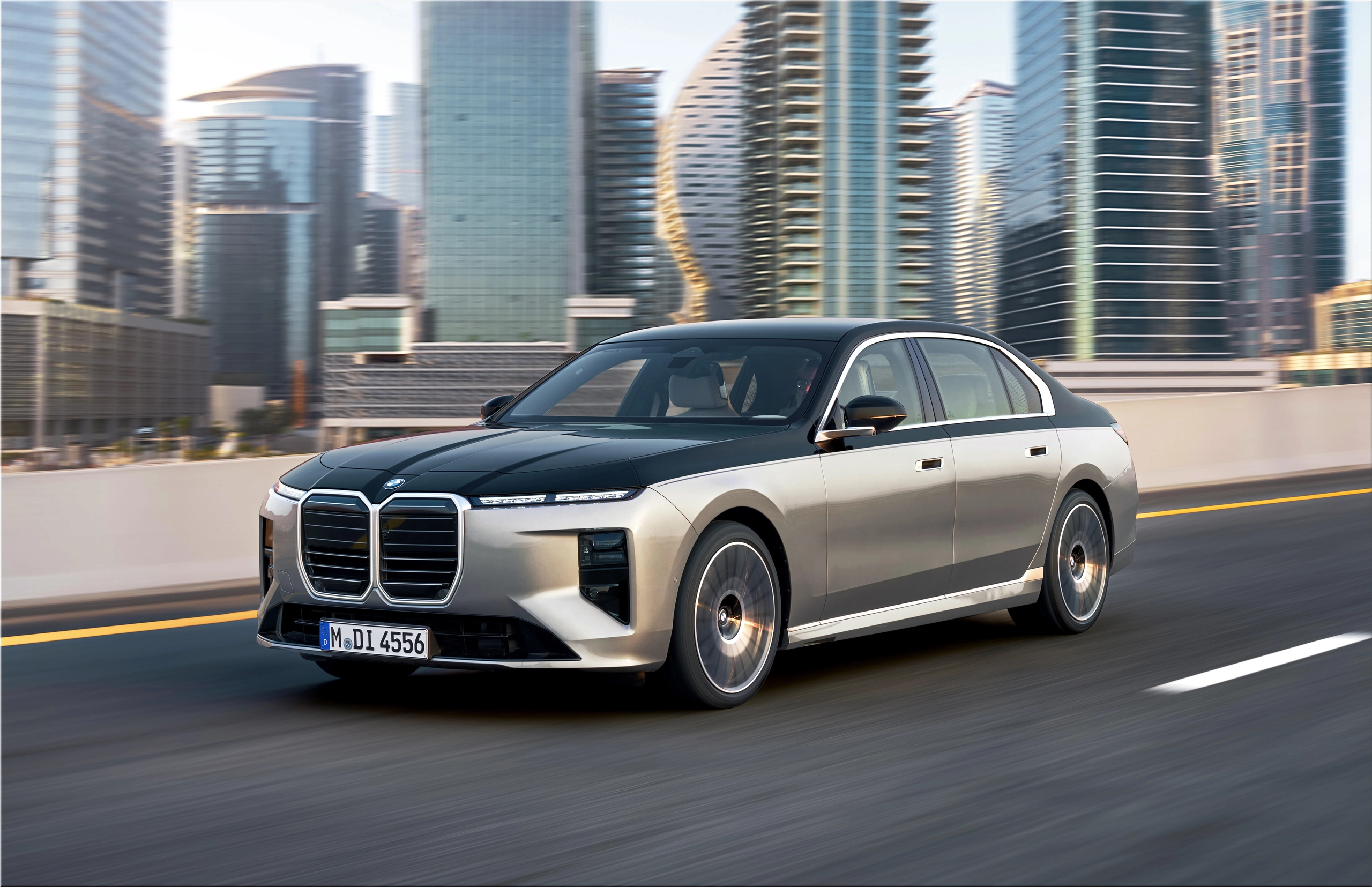
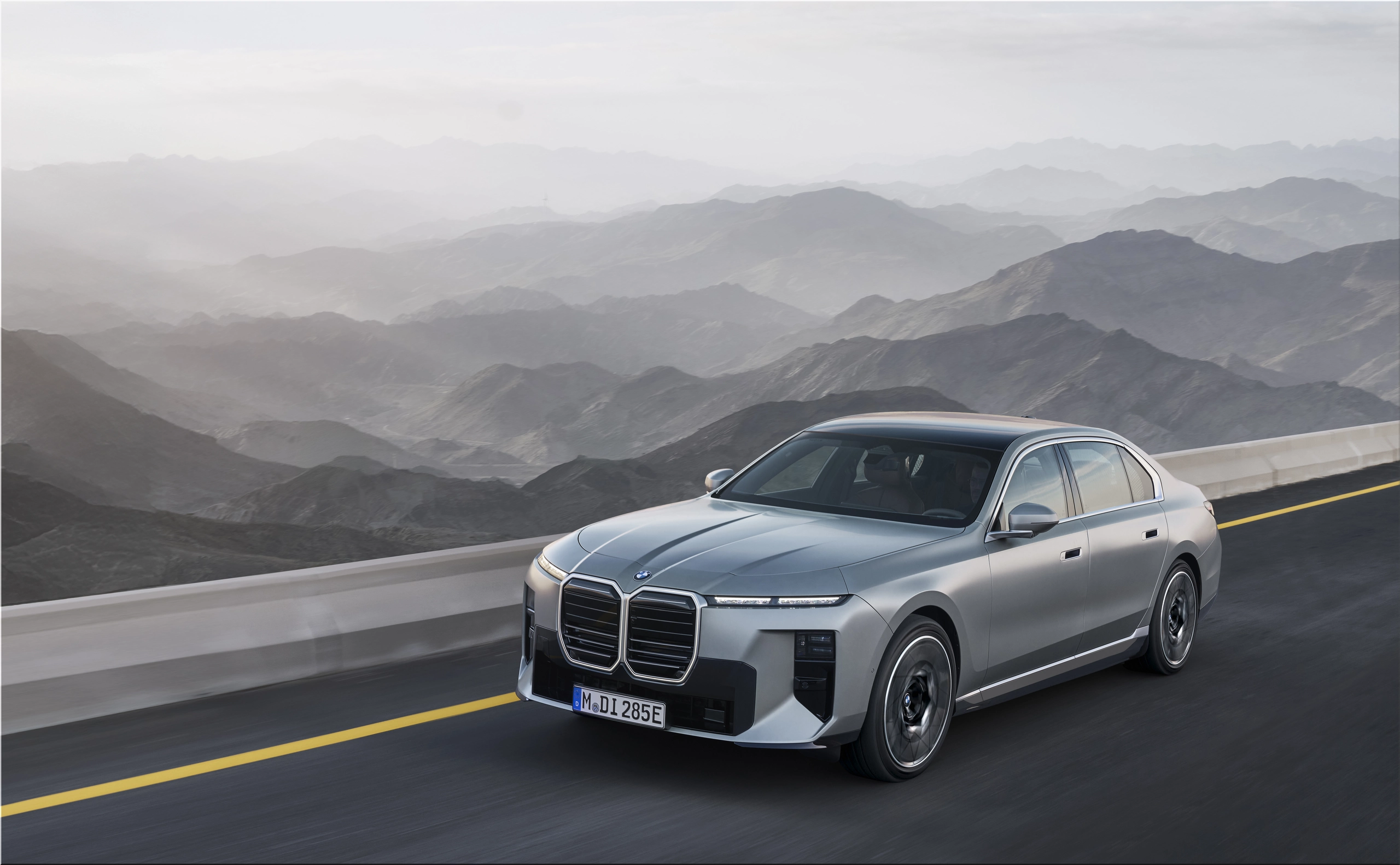
The new BMW 7 Series lands with a clear strategic brief: move Neue Klasse hardware, software, and sustainability thinking into BMW's flagship sedan before the next full-generation change. That makes this update far bigger than a facelift. BMW calls it the most extensive model update it has ever applied, and the technical sheet backs that up with Gen6 battery cells, BMW Operating System X, Panoramic iDrive, Level 2 driver assistance upgrades, and a wider powertrain spread covering petrol, diesel, plug-in hybrid, and fully electric i7 models.
Image
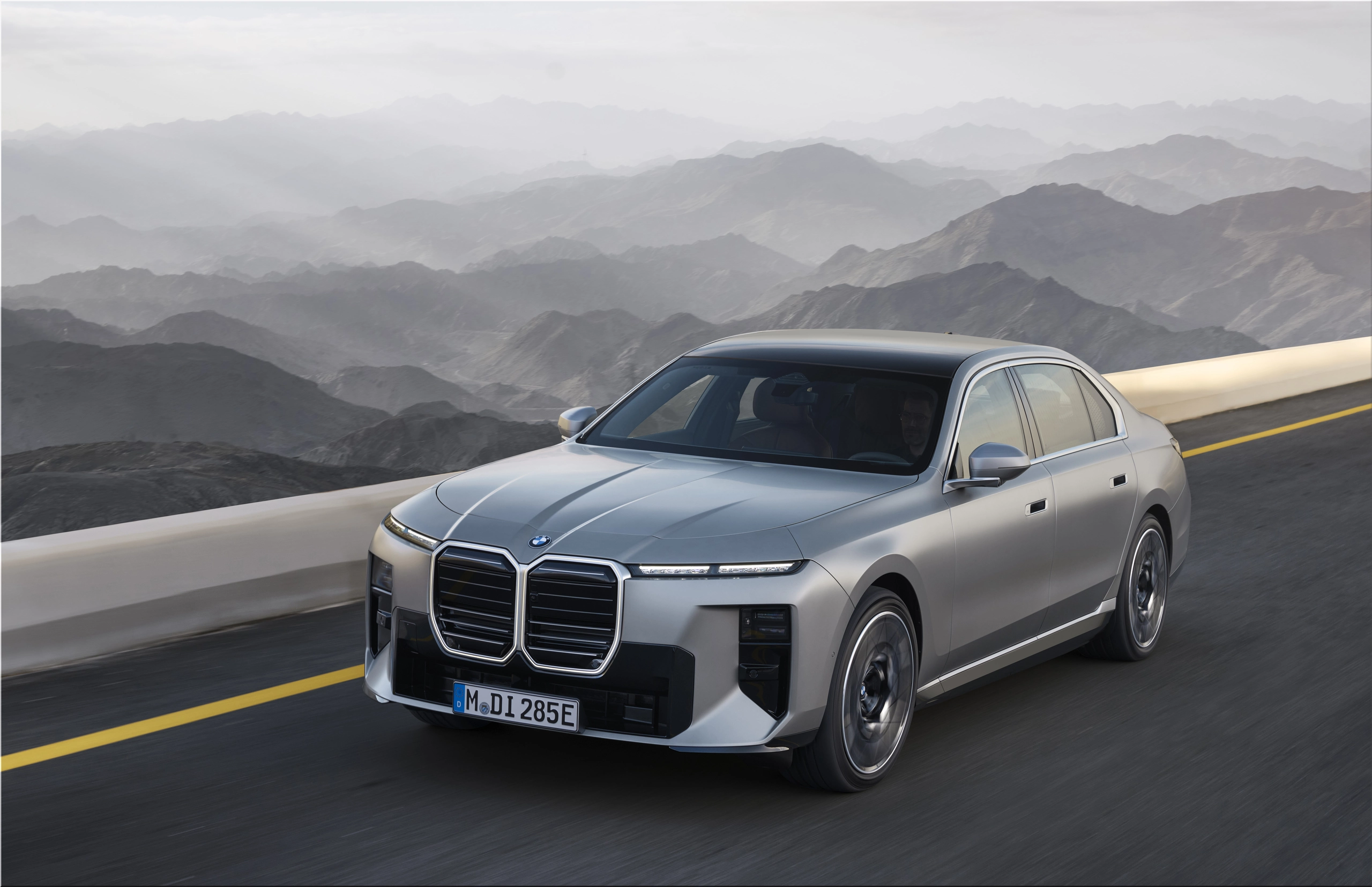
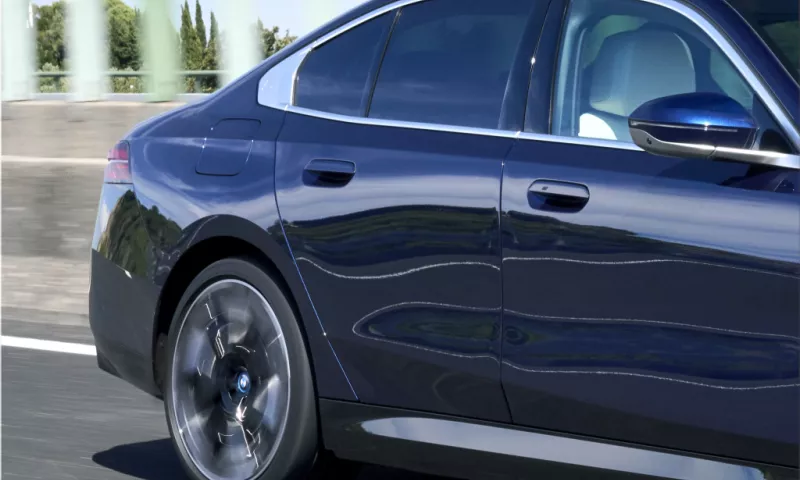
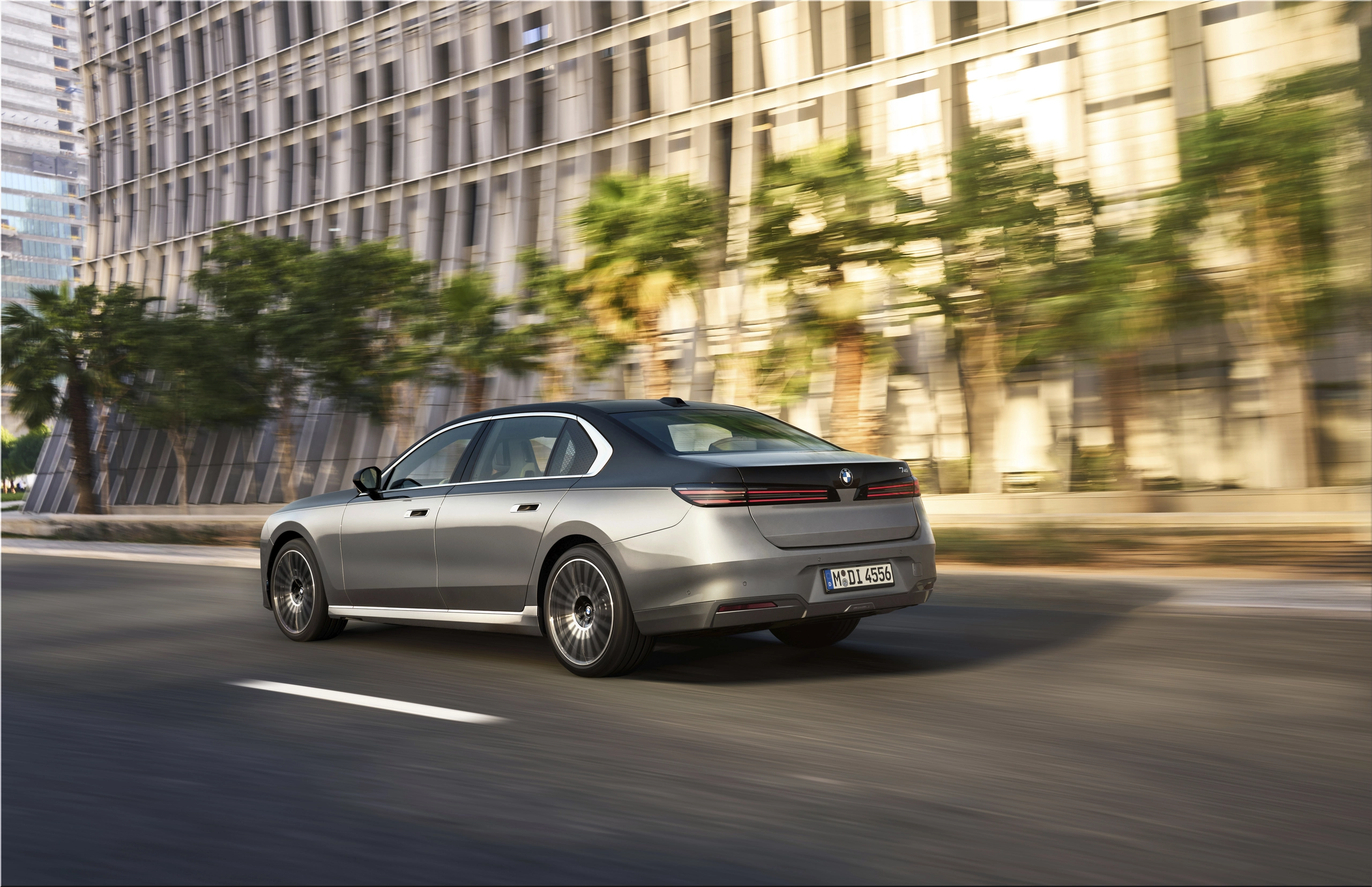
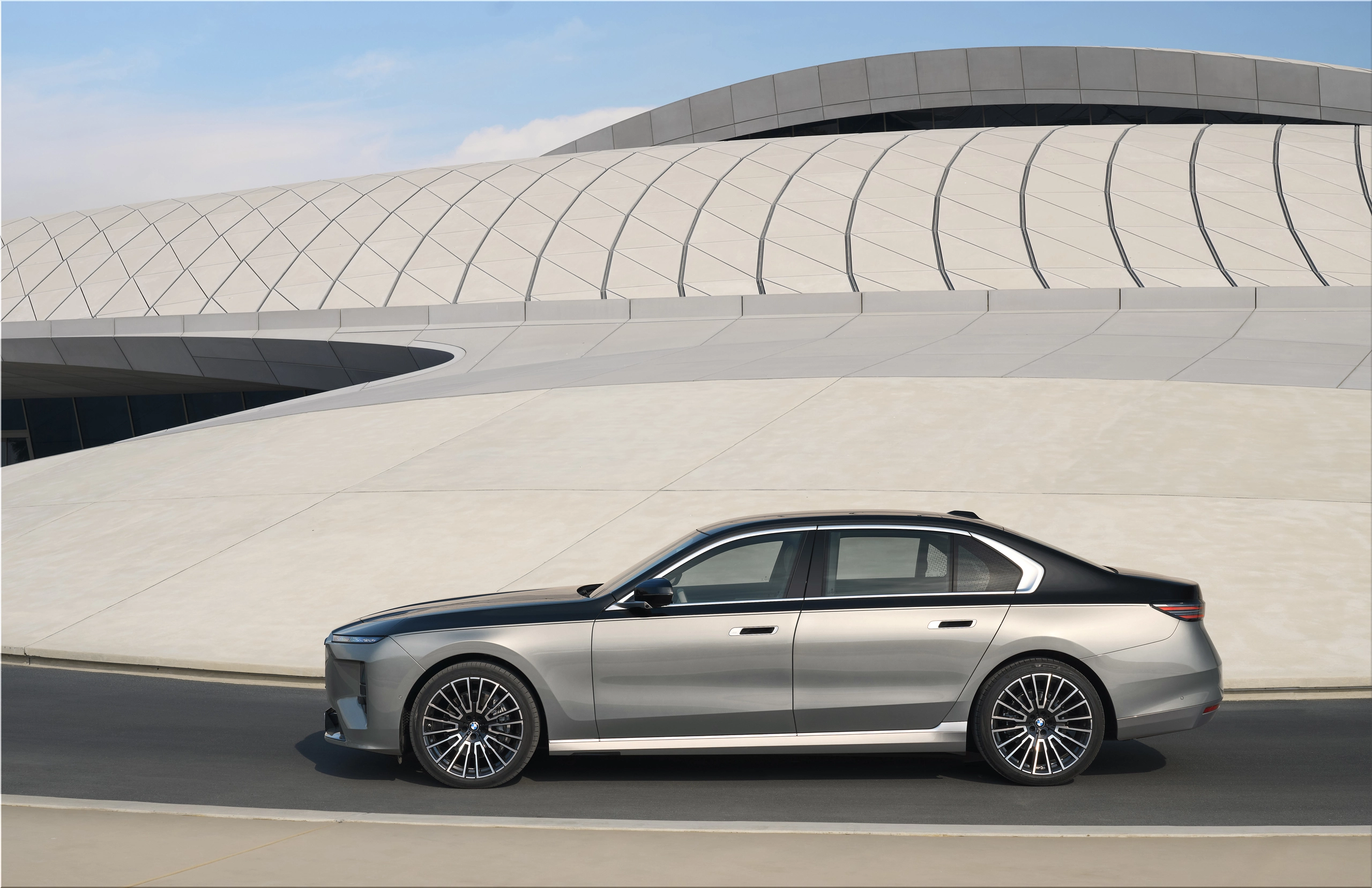
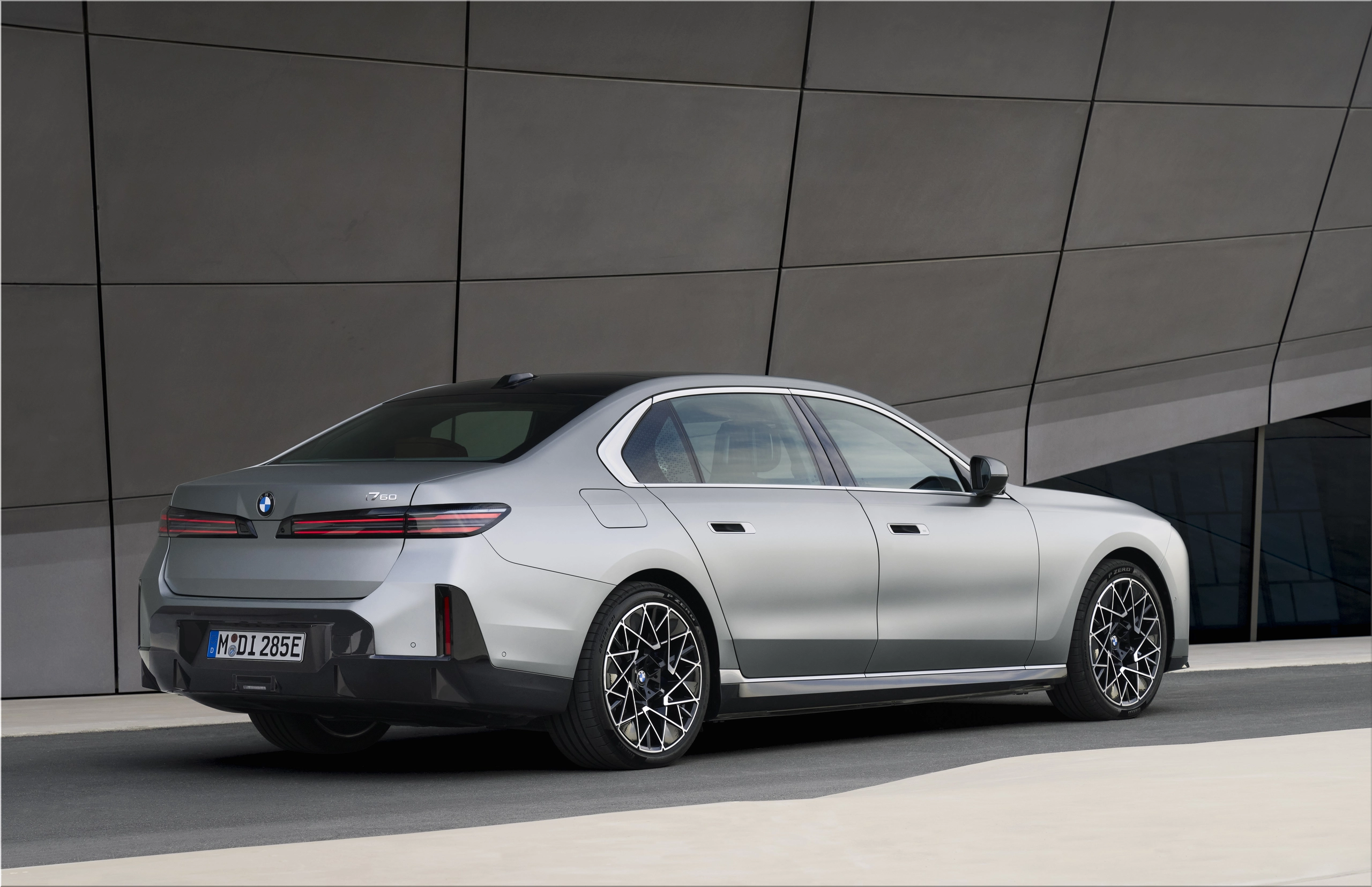
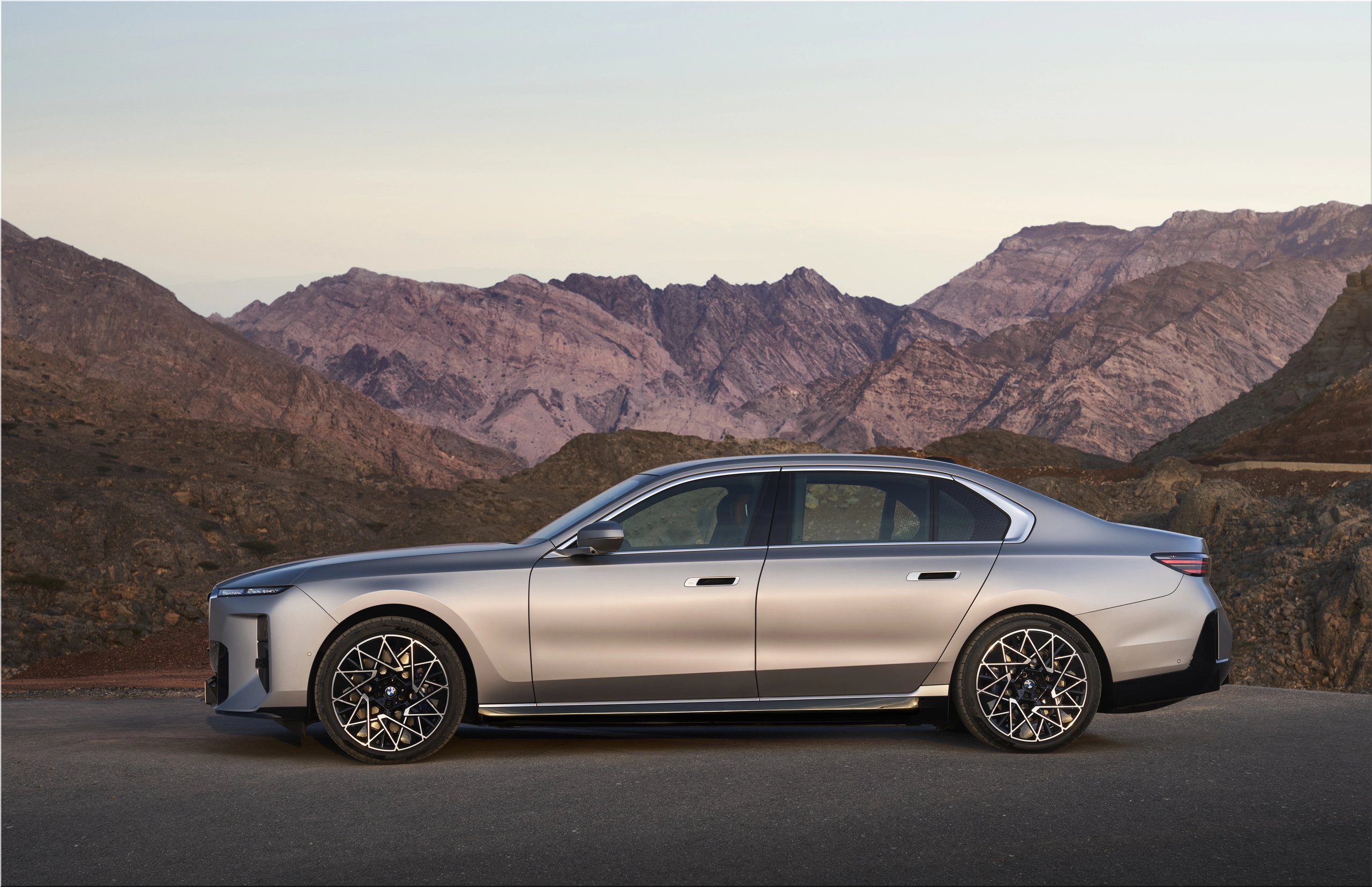
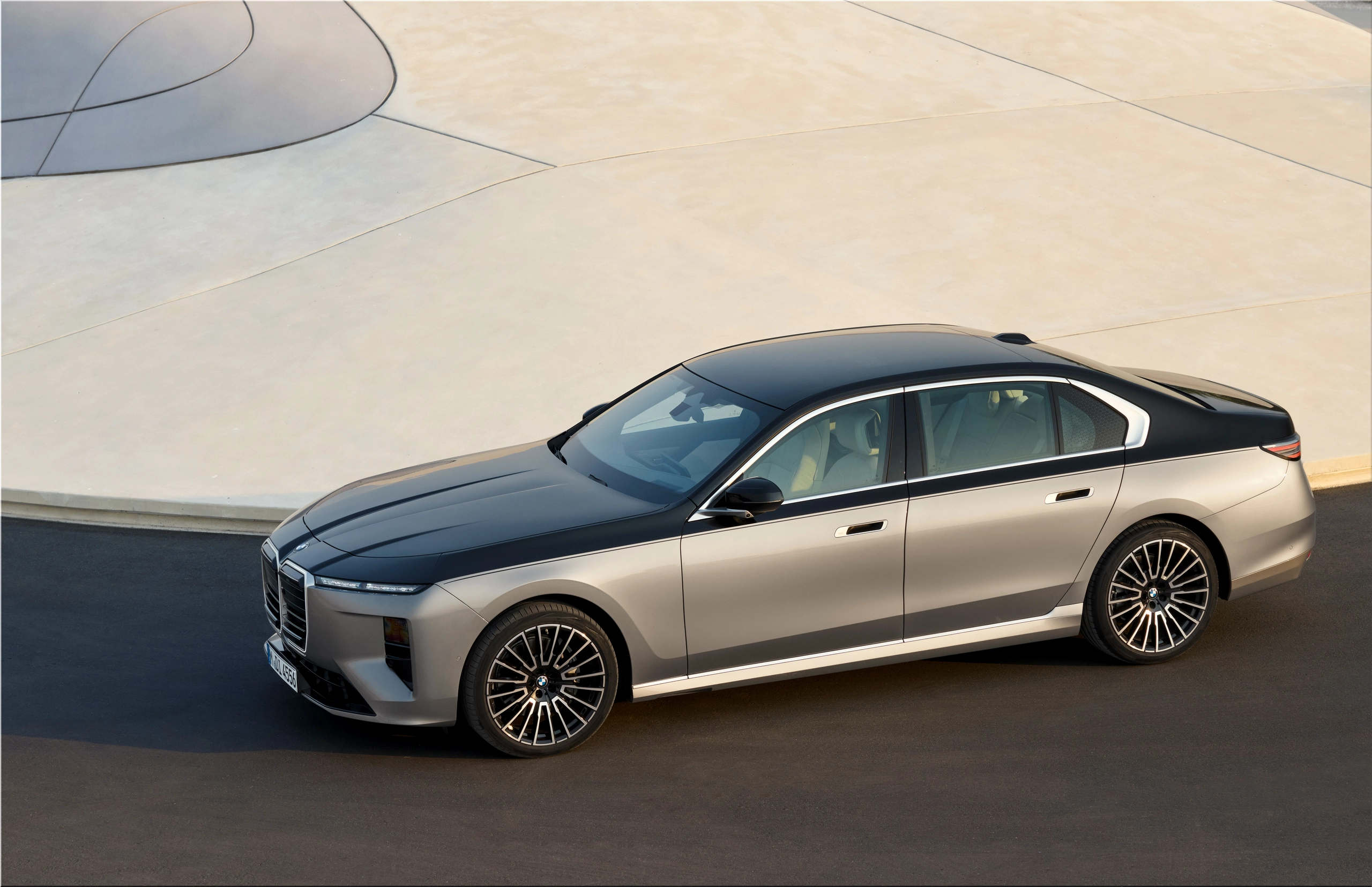
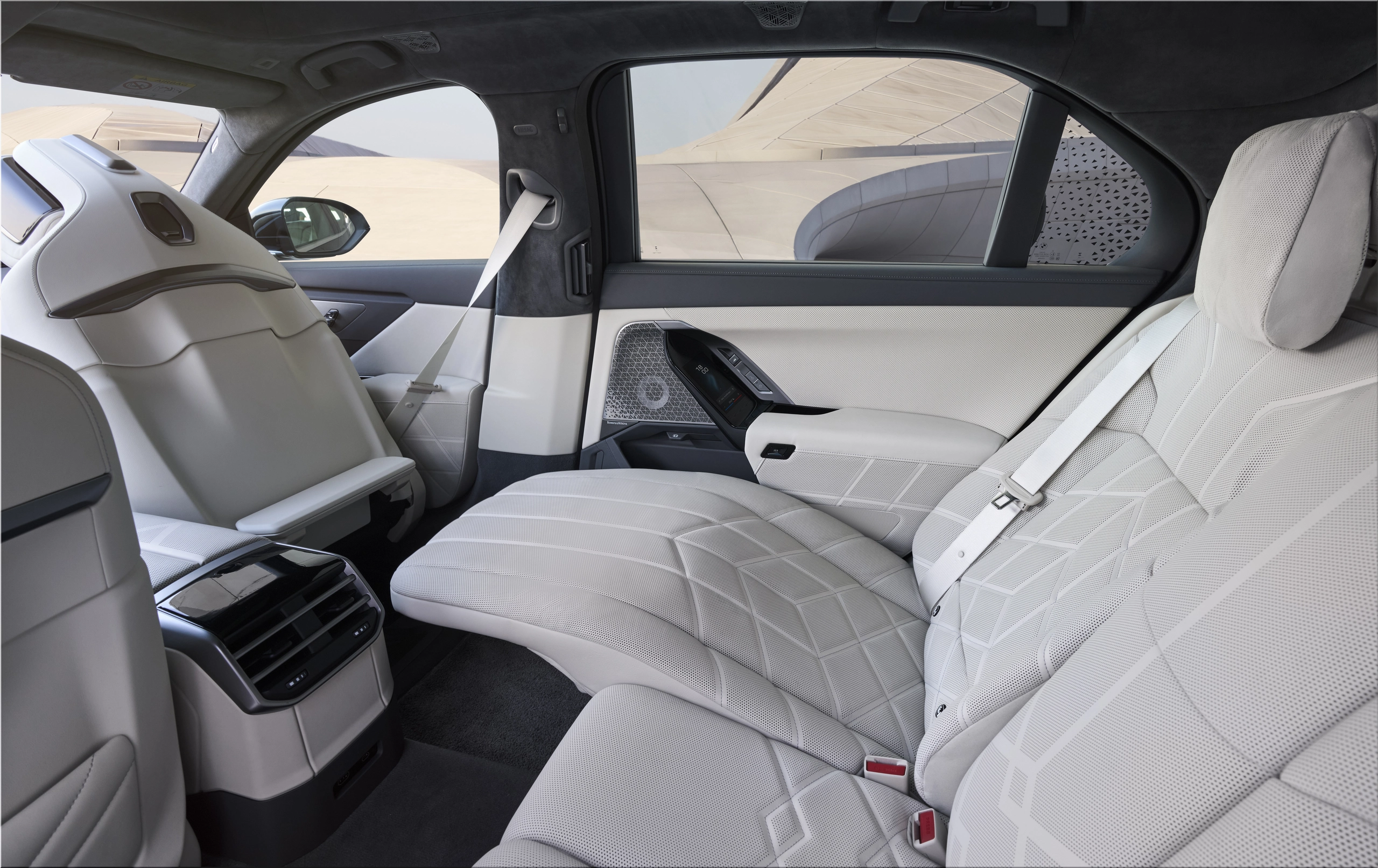
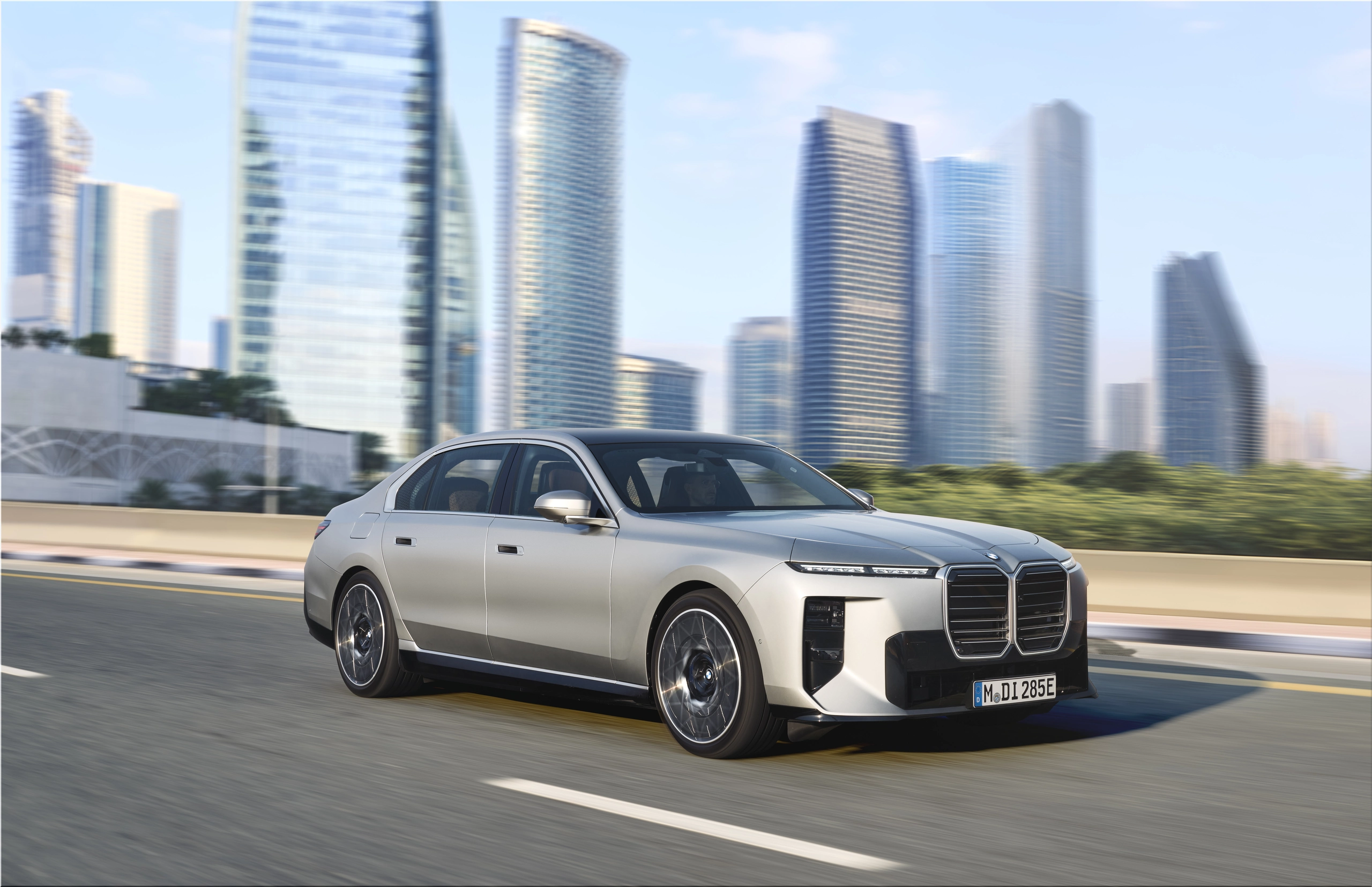
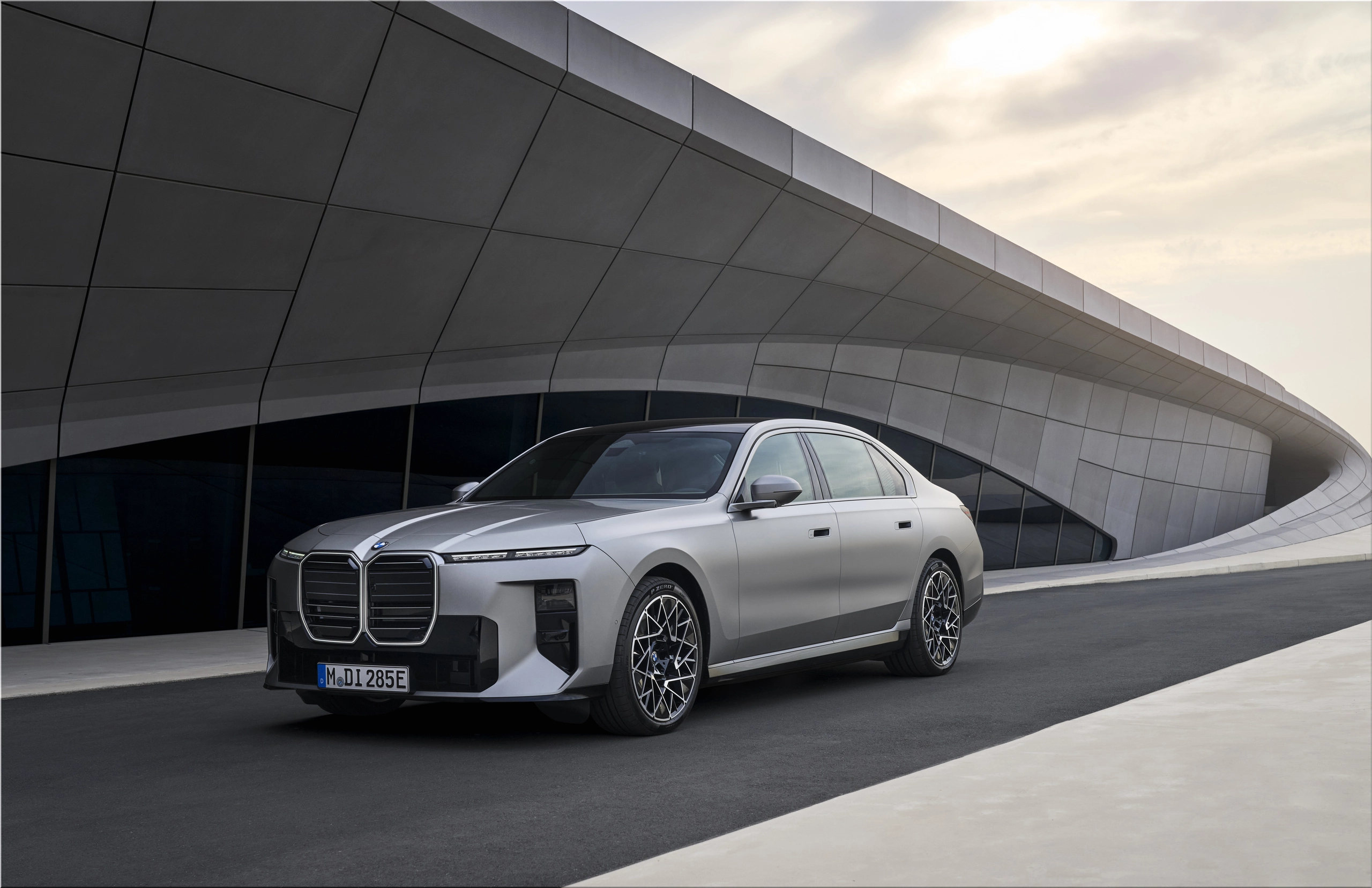
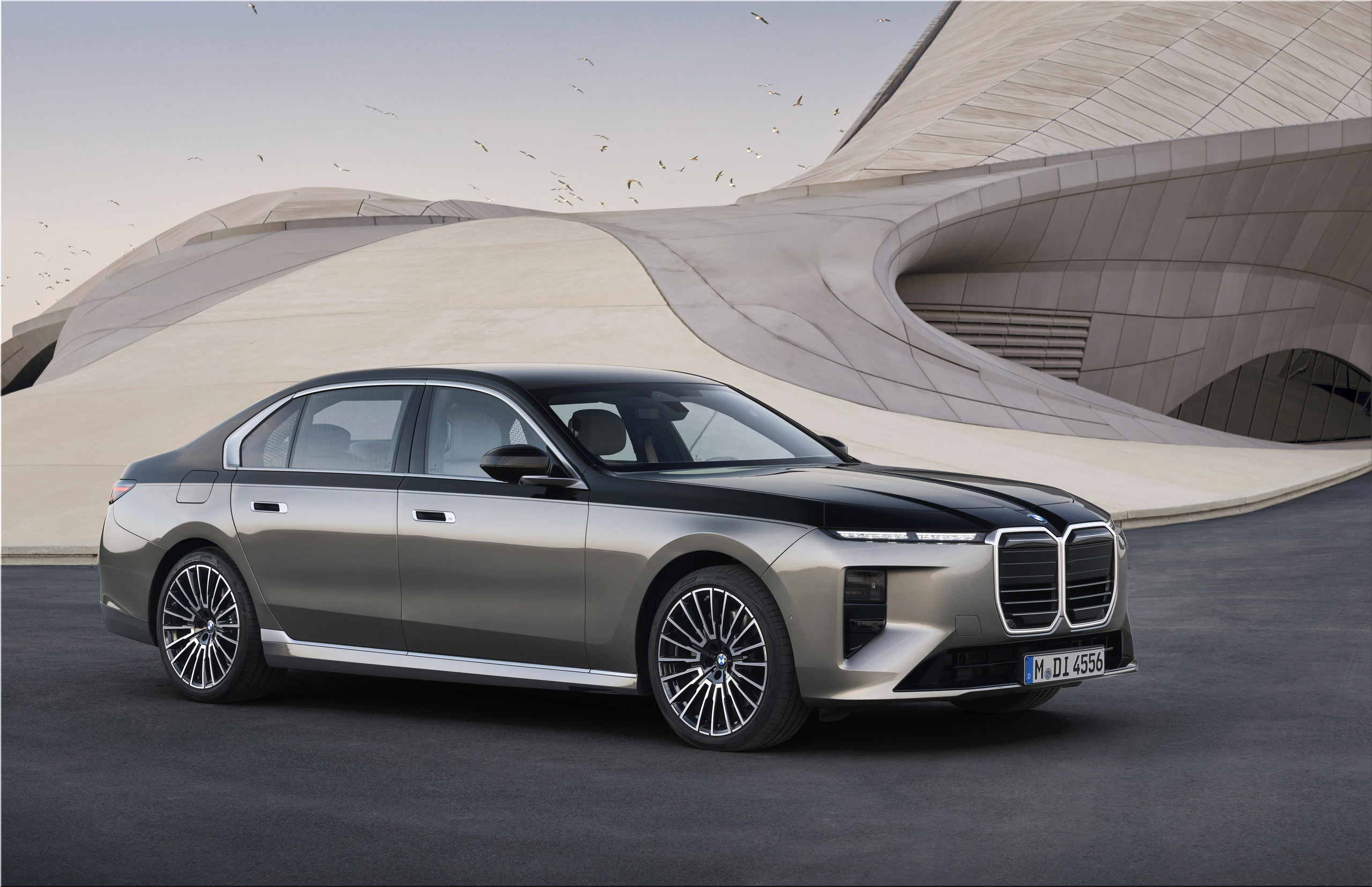
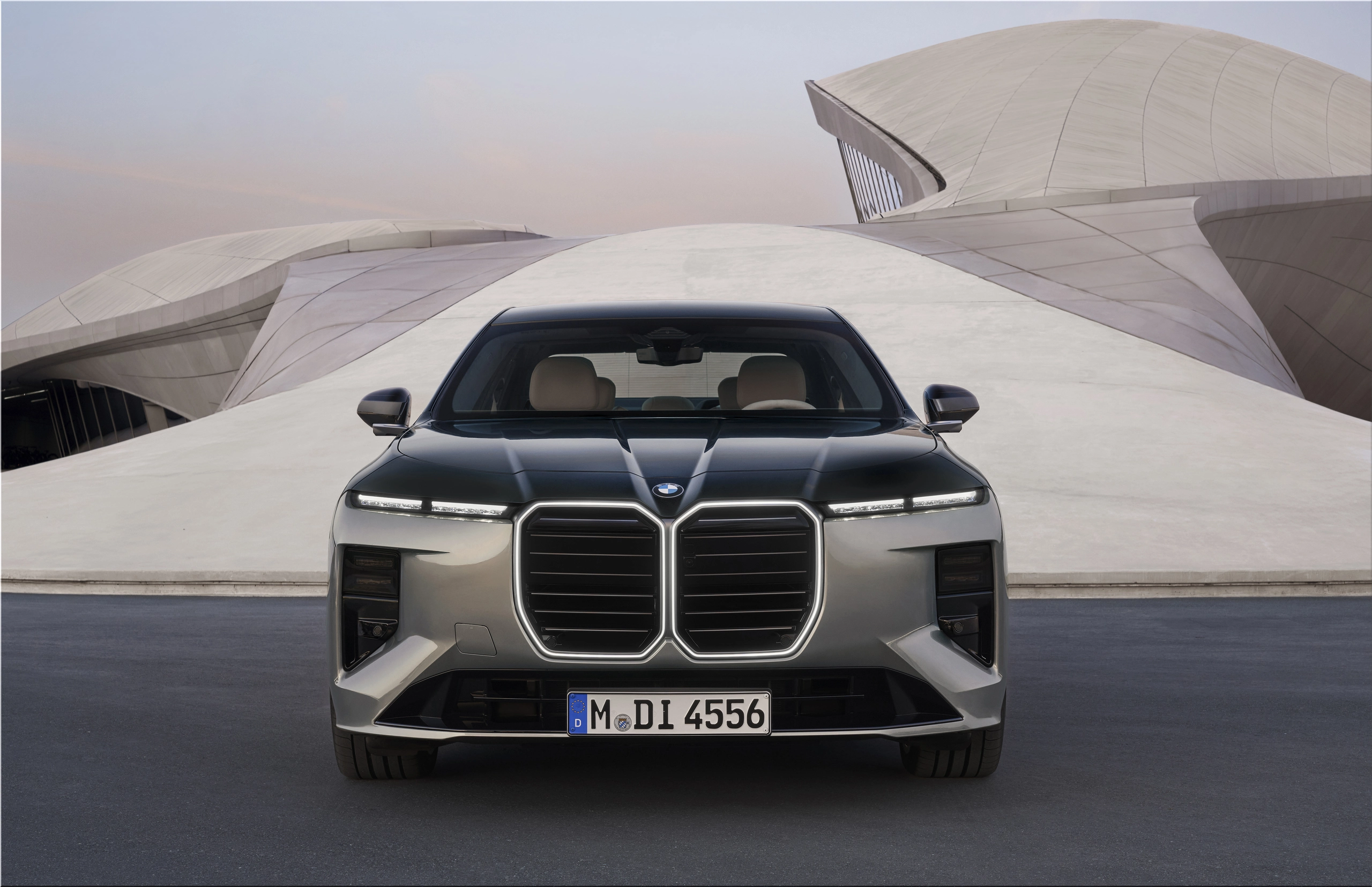
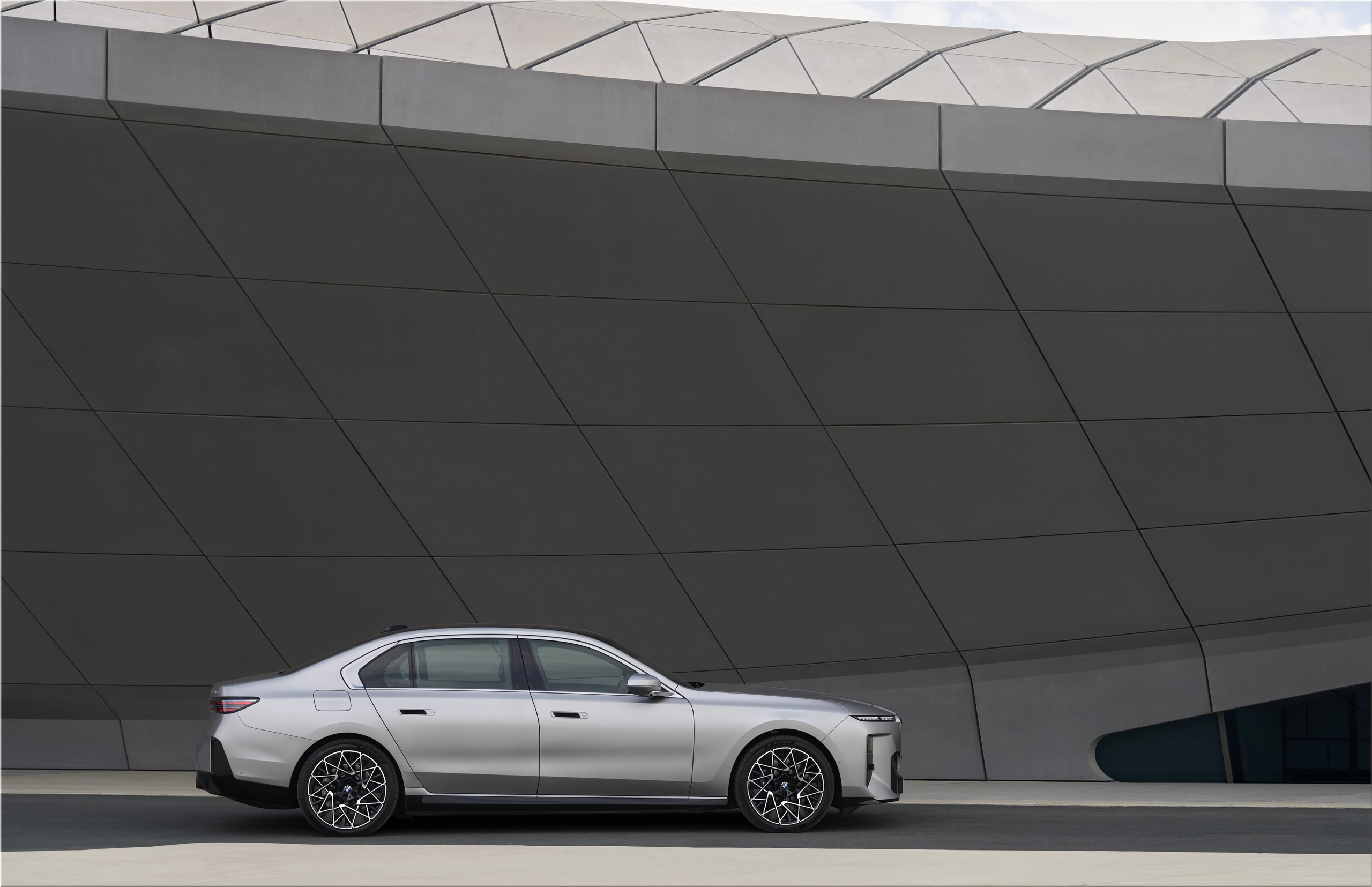
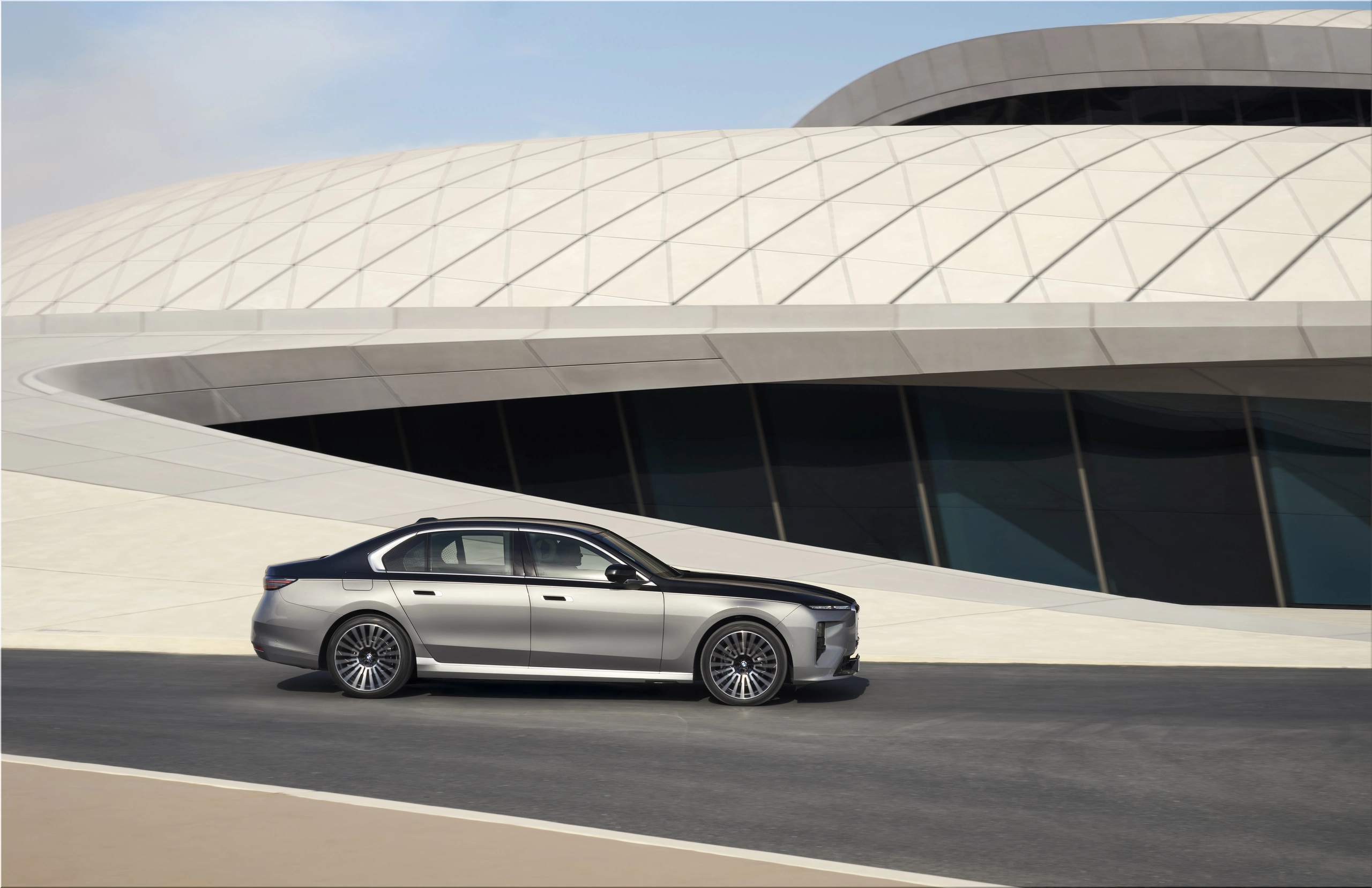
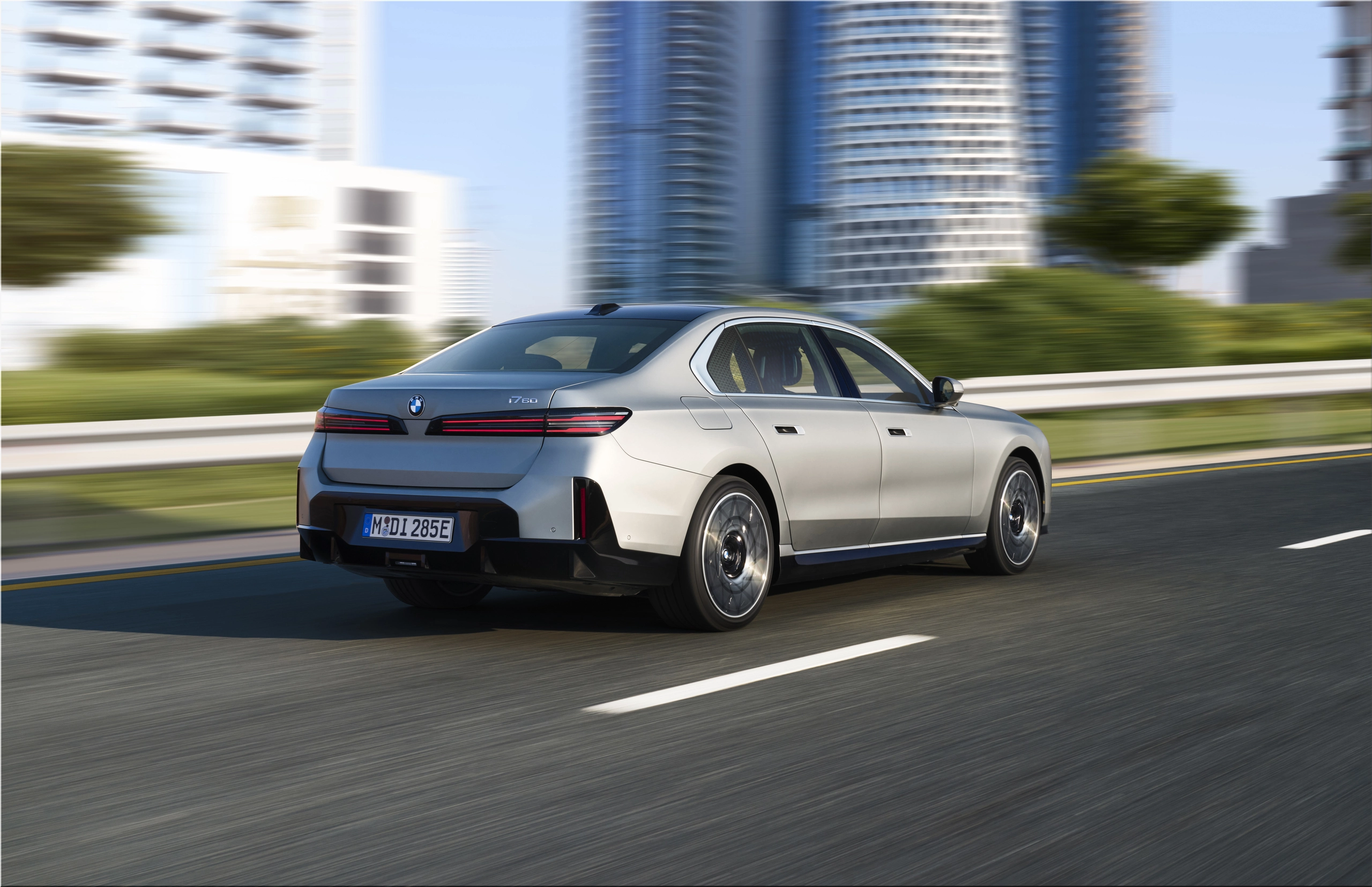
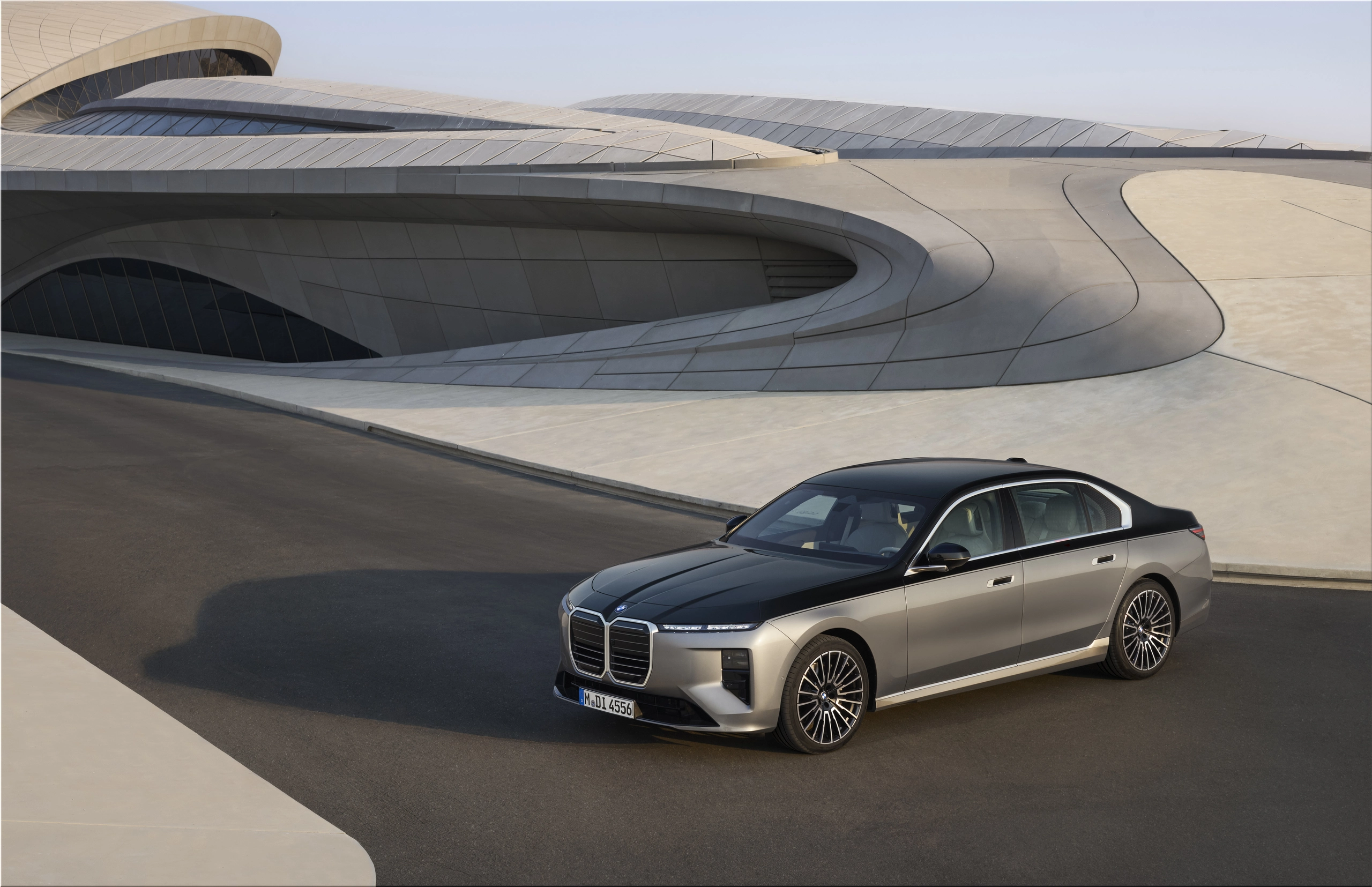
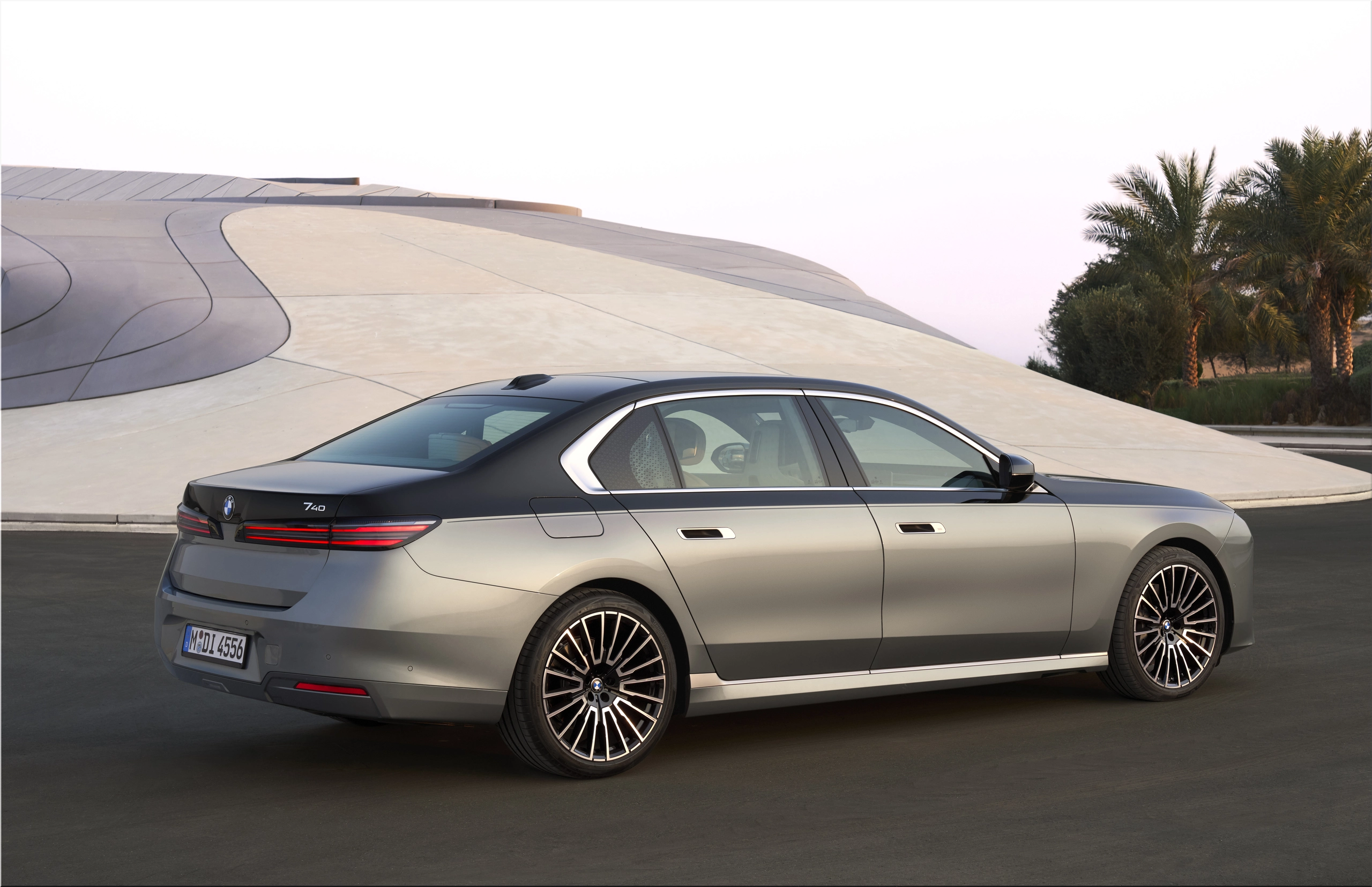
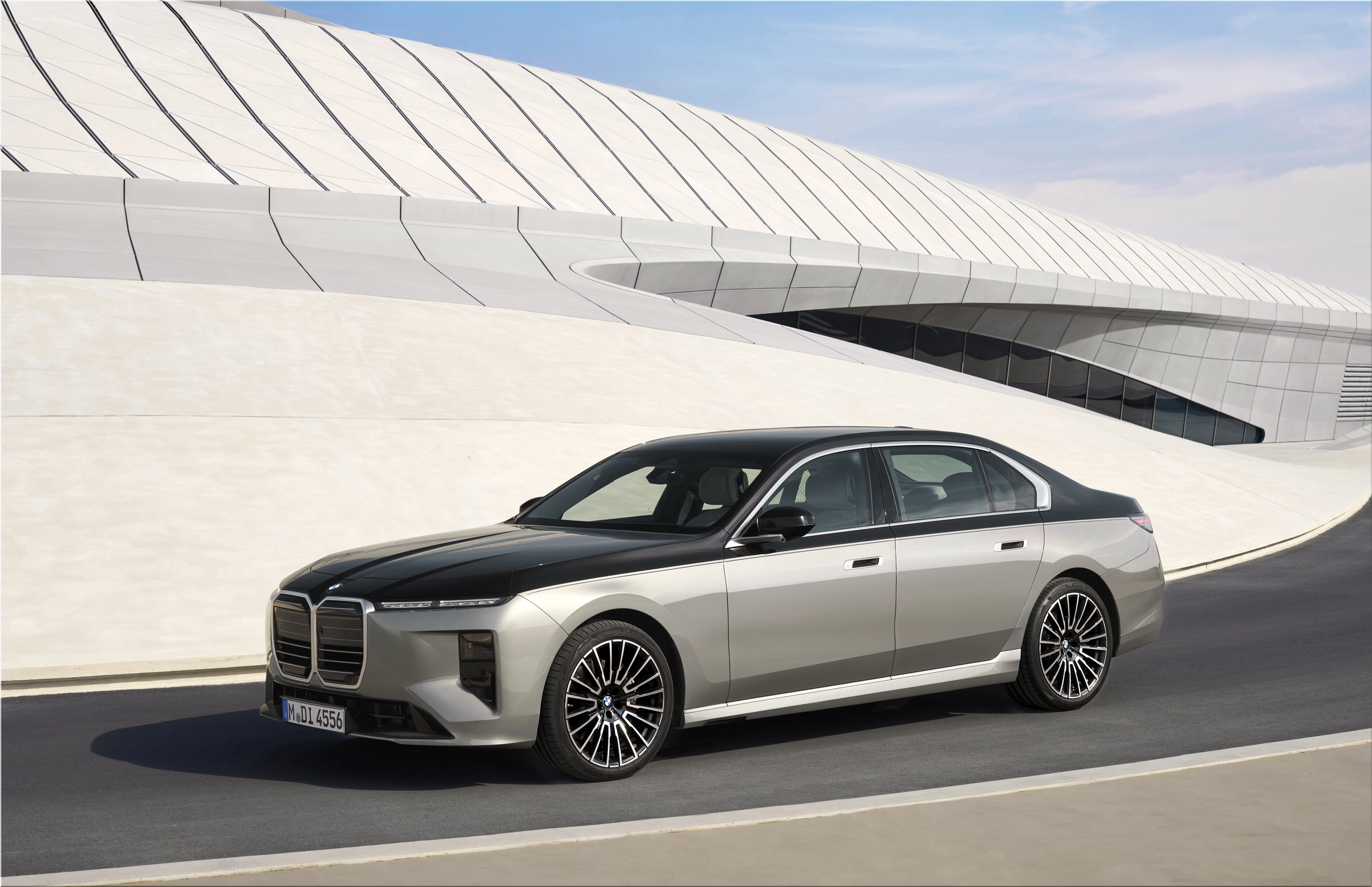
Looking at the data, the 2026 BMW 7 Series still uses the limousine-sized G70 package: 5,395 mm long, 1,950 mm wide, 1,550 mm tall, and 3,215 mm between the axles. Converted for US readers, that equals 212.4 inches long, 76.8 inches wide, 61.0 inches tall, and a 126.6-inch wheelbase. That wheelbase drives the real product logic. BMW can sell the same car to owner-drivers in Europe, rear-seat executives in China, and tech-first EV buyers who want a luxury saloon with more range than drama.
BMW 7 Series Dimensions and Platform Strategy
| Measurement | New BMW 7 Series | Why It Matters |
|---|---|---|
| Length | 5,395 mm / 212.4 in | Full-size luxury sedan footprint |
| Width | 1,950 mm / 76.8 in | Broad stance for cabin space and stability |
| Height | 1,550 mm / 61.0 in | Tall enough for battery packaging and rear comfort |
| Wheelbase | 3,215 mm / 126.6 in | Key to rear-seat legroom and ride quality |
| Luggage volume, i7 | 500 litres / 17.7 cu ft | EV packaging preserves usable boot space |
| Luggage volume, 740 xDrive | 540 litres / 19.1 cu ft | Combustion model gains extra cargo volume |
| Turning circle with Integral Active Steering | 12.3 m / 40.4 ft | Rear-wheel steering reduces parking effort |
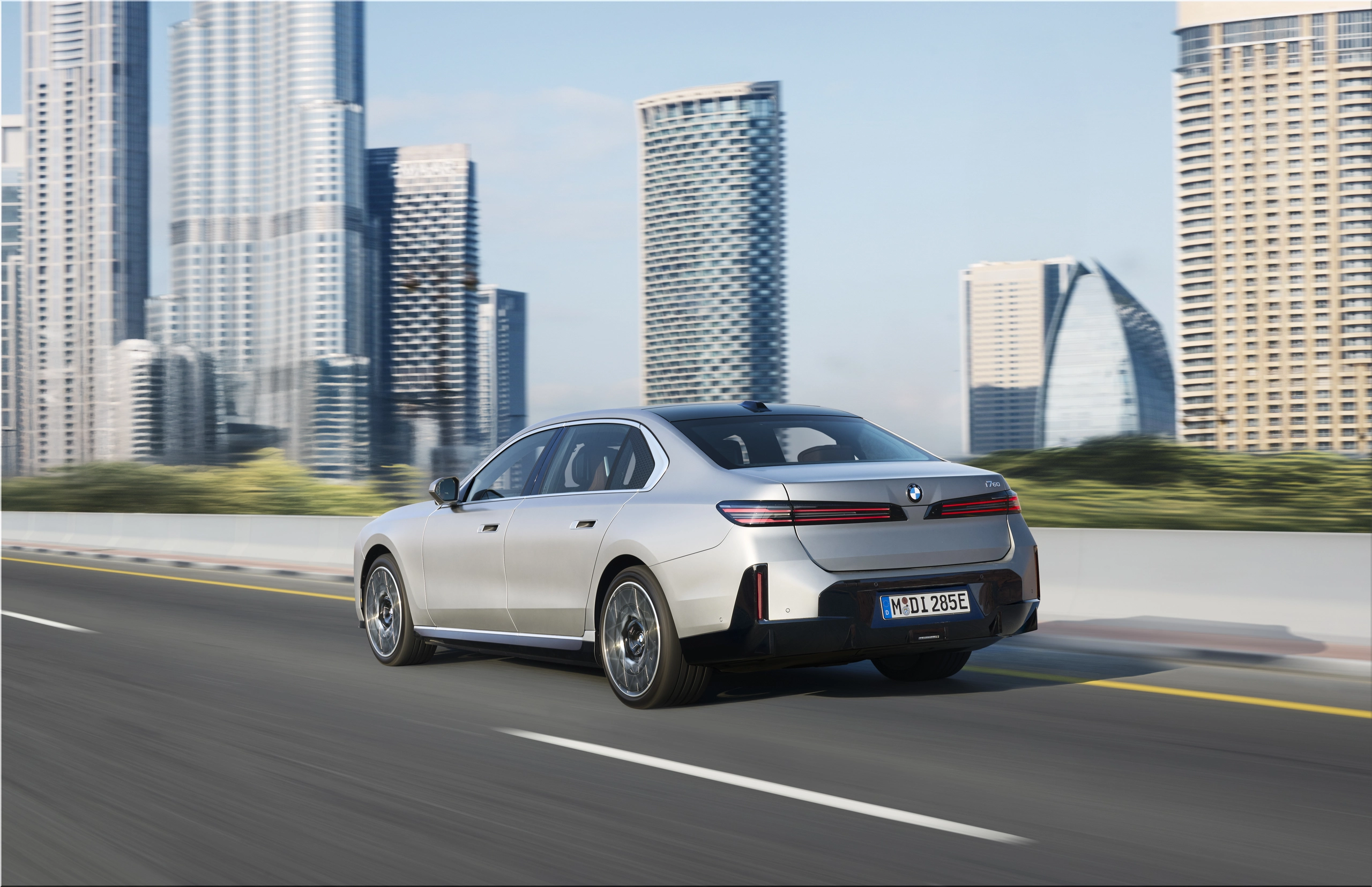
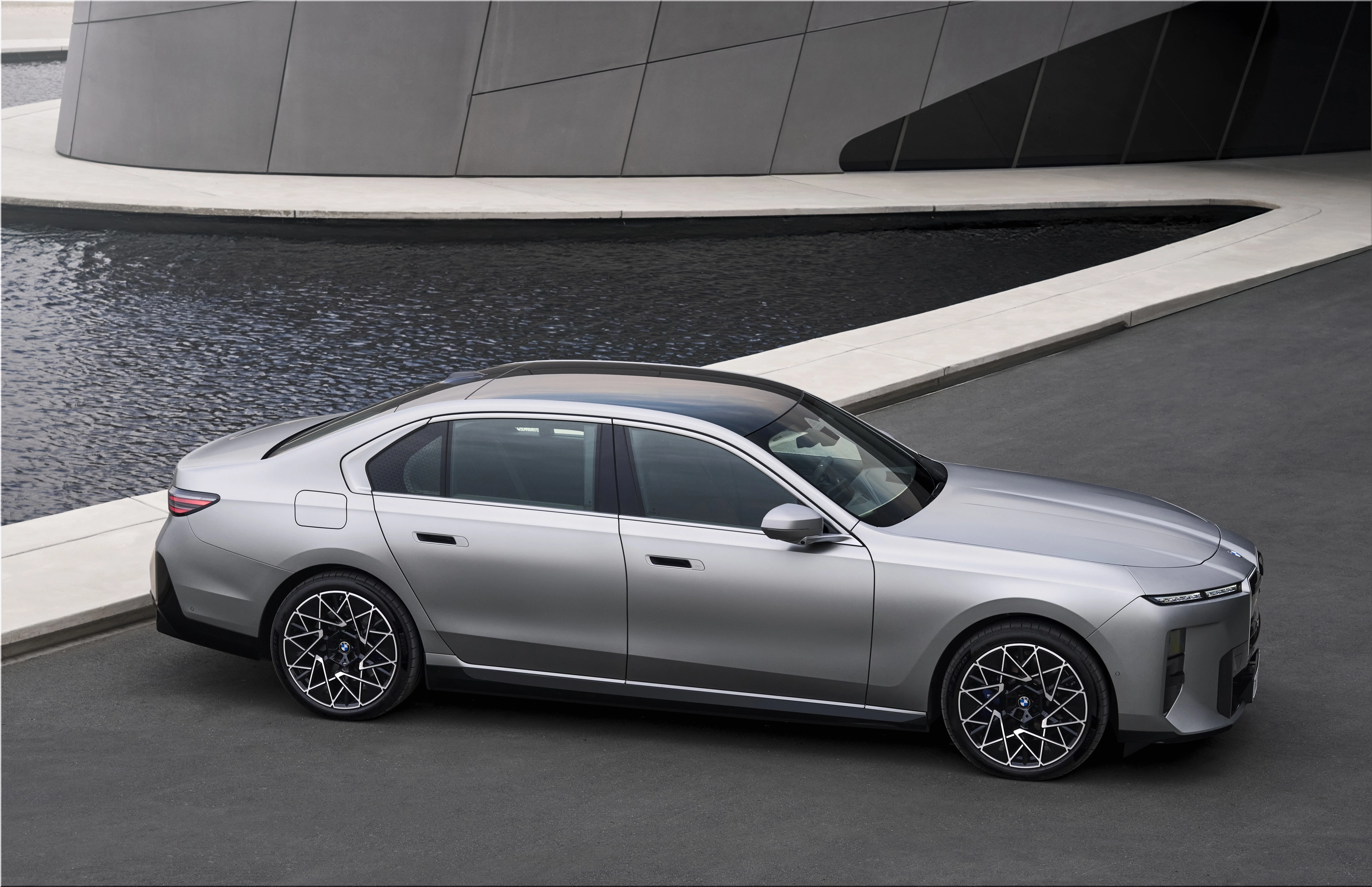
In addition, BMW fits adaptive two-axle air suspension as standard, then adds optional Integral Active Steering and active roll stabilisation for buyers who want a large car to feel smaller. That matters in European cities, where a 5.4-metre luxury sedan can turn into an expensive mistake in a tight hotel garage.
Image
Powertrains: i7, Plug-In Hybrid, Petrol, and Diesel
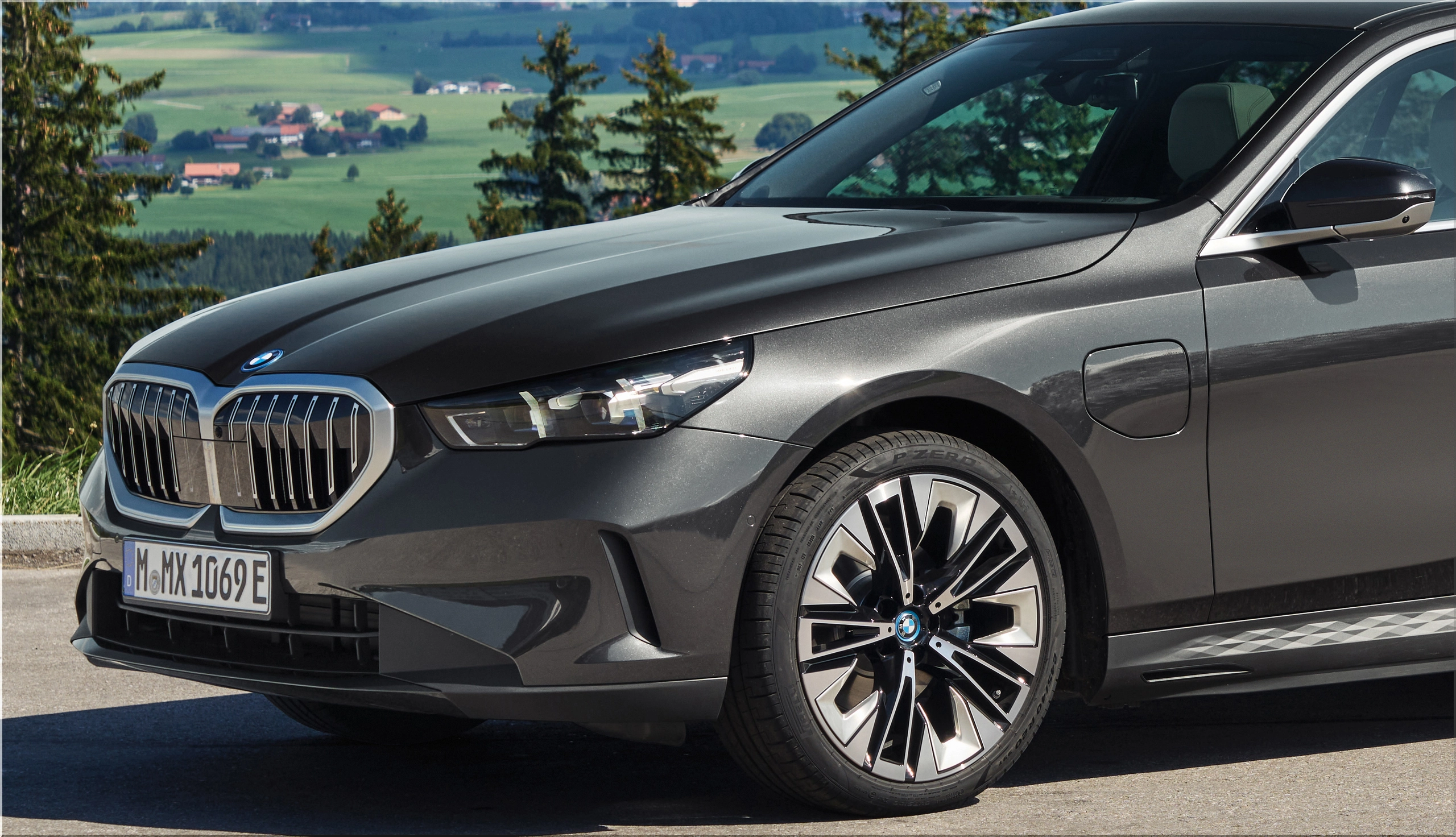
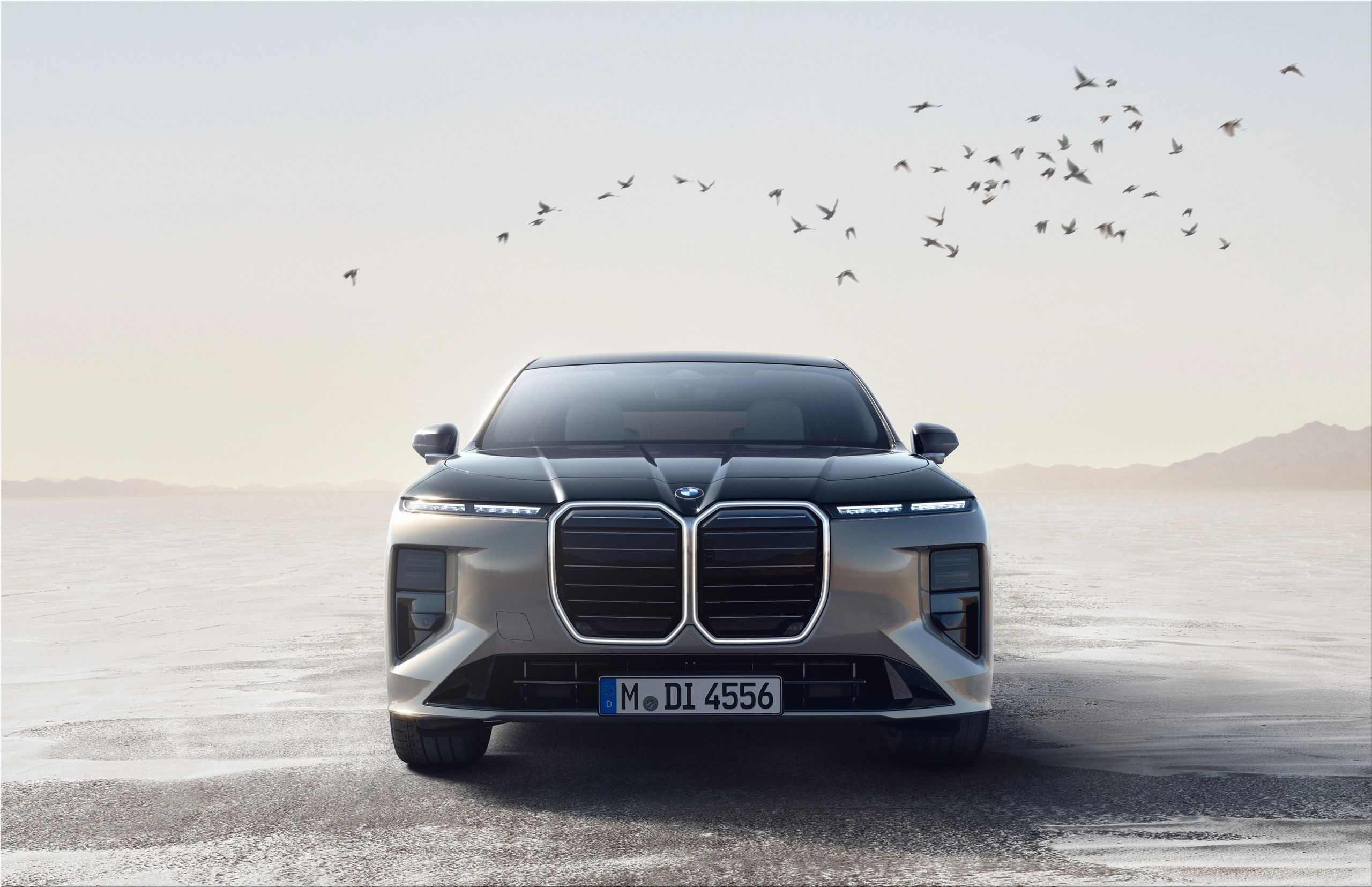
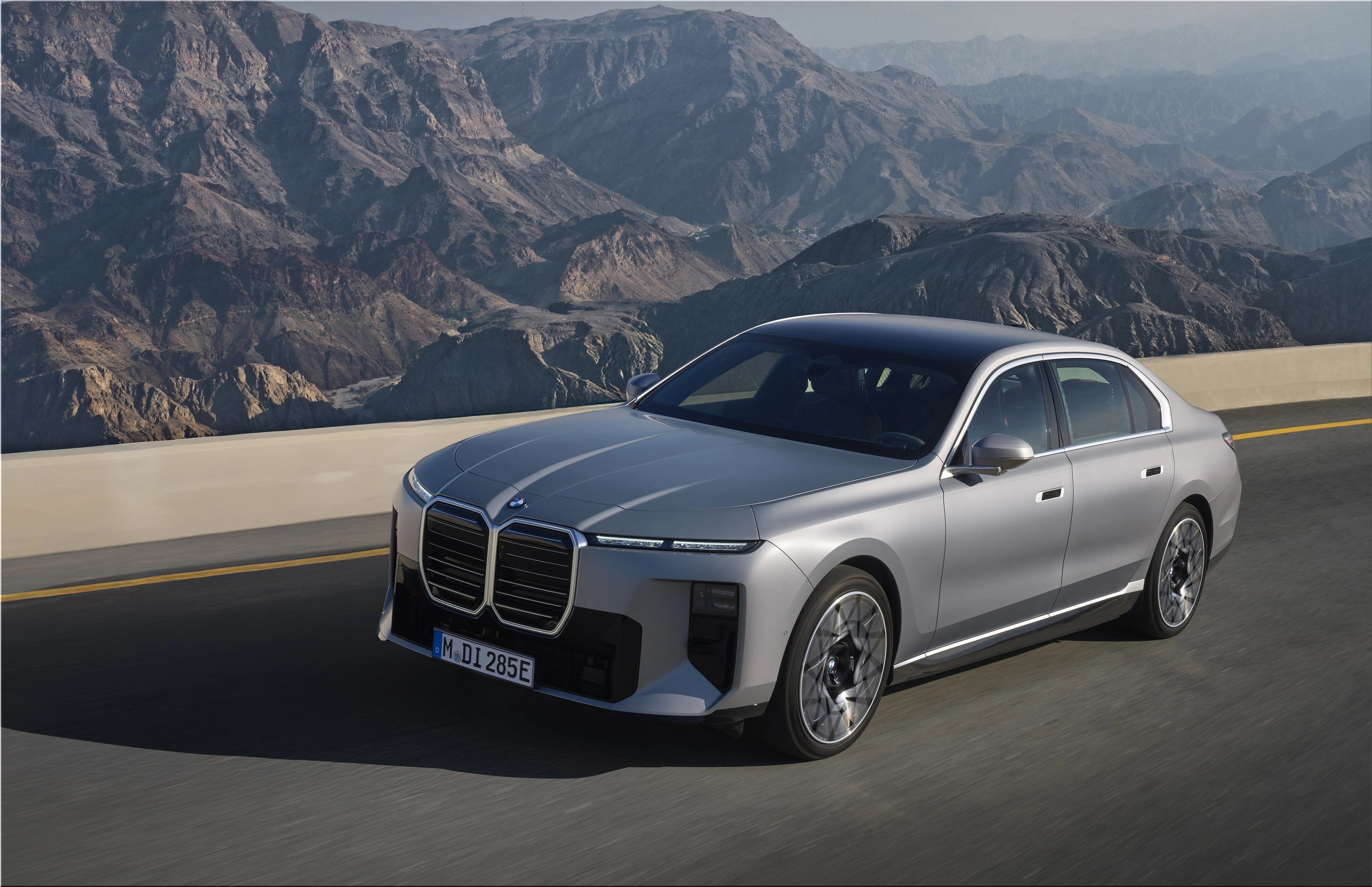
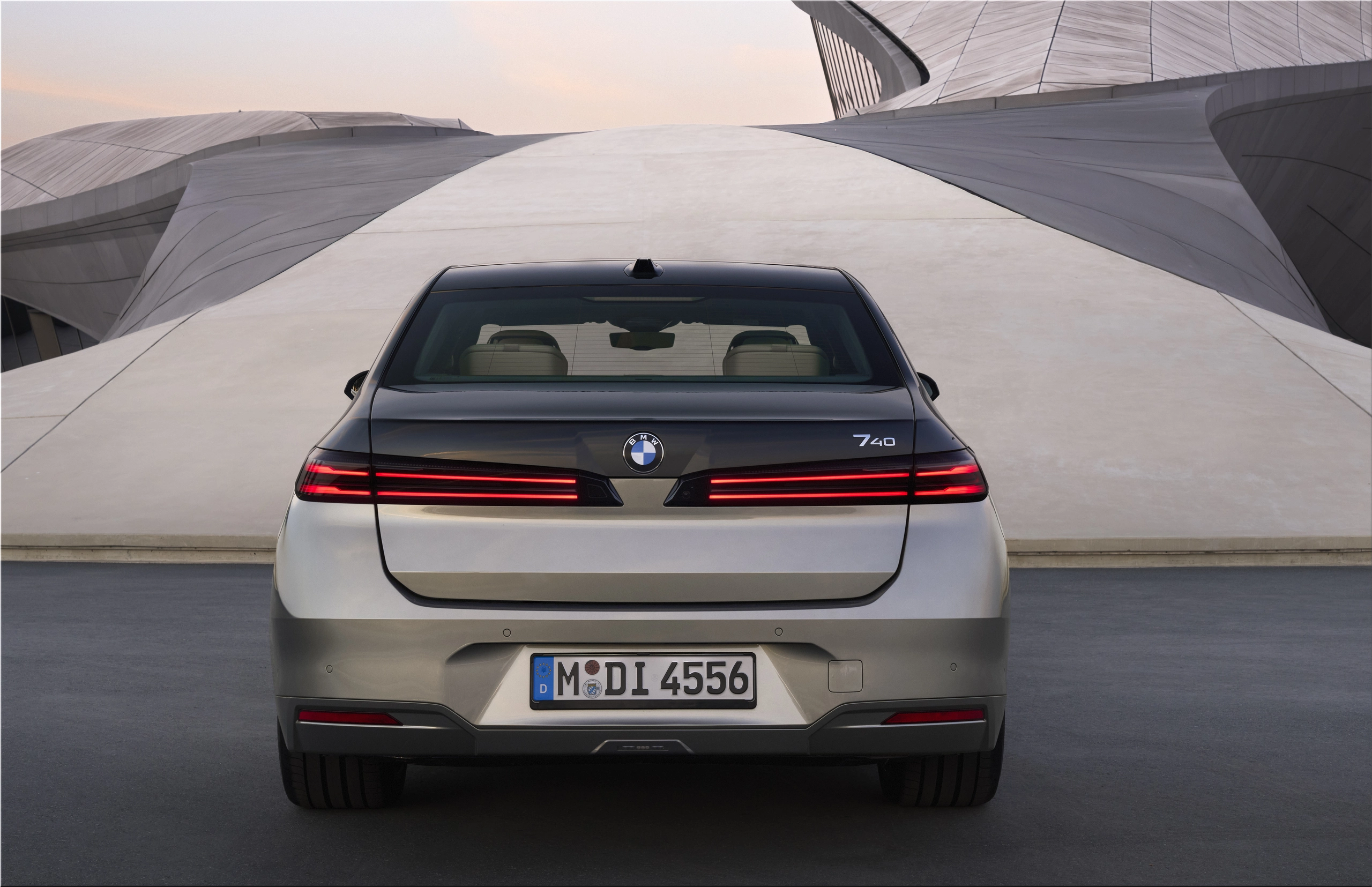
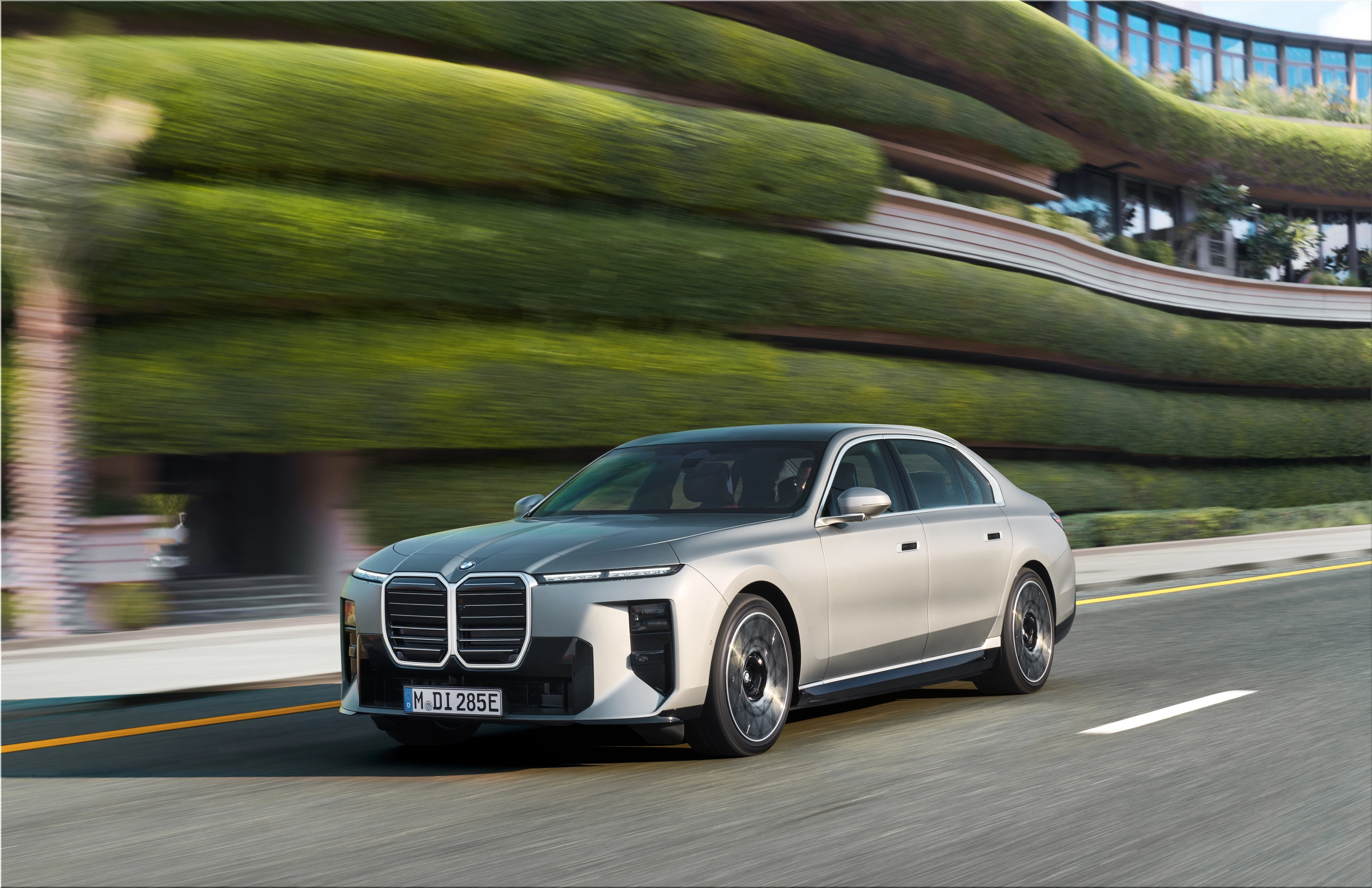
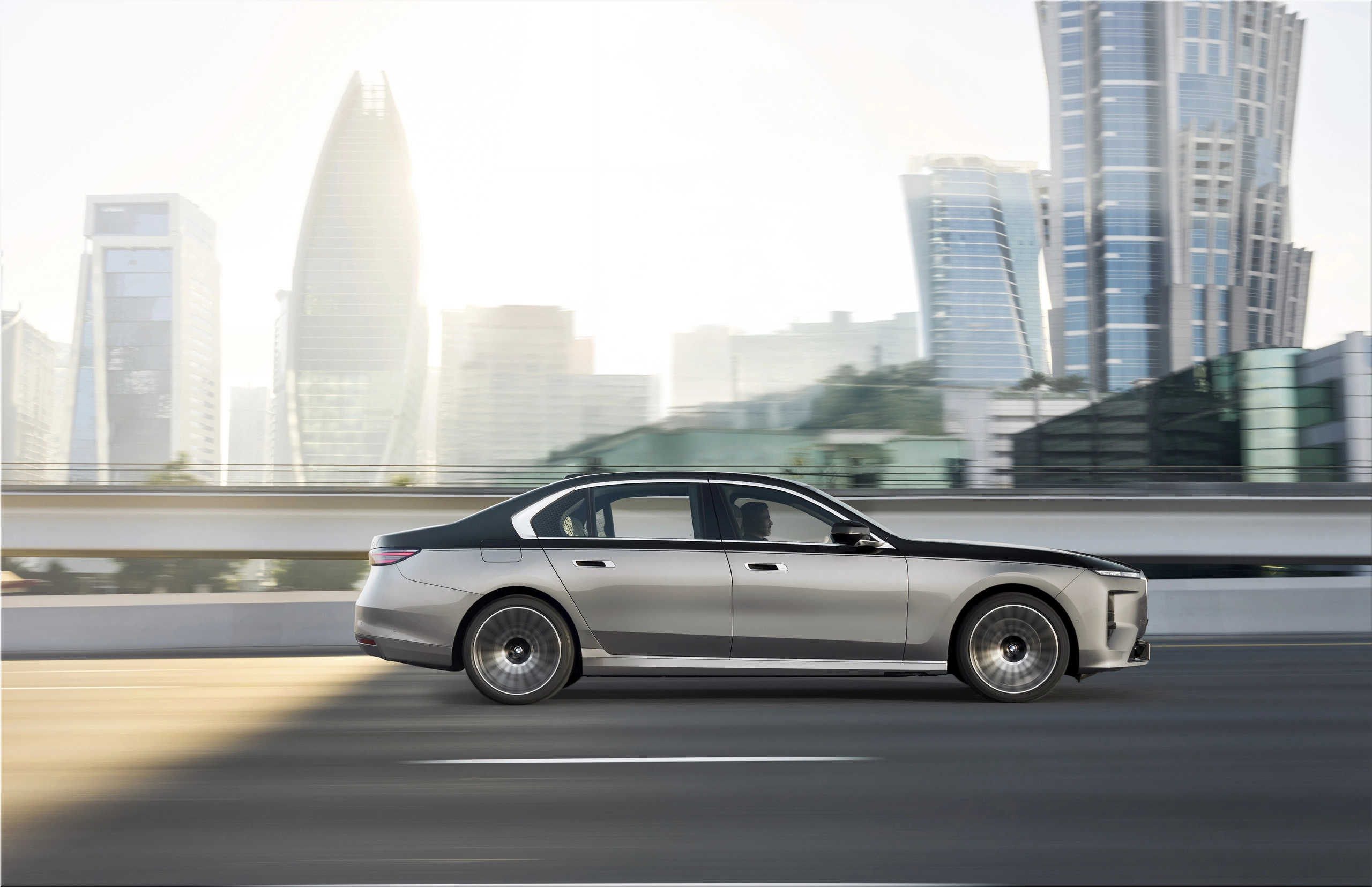
The BMW i7 60 xDrive now carries a 112.5 kWh net battery and uses Gen6 cylindrical cell technology inside an upgraded BMW eDrive system. Output reaches 400 kW / 544 hp and 745 Nm, while 0-100 km/h takes 4.8 seconds. Range reaches 581-727 km WLTP, or 361-452 miles, depending on configuration. That gives BMW a strong answer to luxury EV buyers who care about motorway range, not only 0-100 km/h theatre.
Video file
Video title
BMW 7 Series 2026
The BMW i7 M70 xDrive pushes harder. It delivers 500 kW / 680 hp and up to 1,100 Nm when launch functions apply, cutting 0-100 km/h to 3.8 seconds, or 3.5 seconds with one-foot rollout. It still uses the same 400-volt battery layout and charges from 10-80 percent in 28 minutes at up to 250 kW DC.
| Model | Output | Torque | 0-100 km/h | WLTP / Fuel Data |
|---|---|---|---|---|
| BMW i7 60 xDrive | 544 hp | 745 Nm | 4.8 sec | 581-727 km WLTP, 21.9-18.2 kWh/100 km |
| BMW i7 M70 xDrive | 680 hp | 1,015-1,100 Nm | 3.8 sec | 22.9-19.7 kWh/100 km |
| BMW 750e | 489 hp | 700 Nm | 4.8 sec | 70-82 km electric WLTP, 6.1-5.0 l/100 km |
| BMW M760e xDrive | 612 hp | 800 Nm | 4.2 sec | 69-80 km electric WLTP, 6.8-5.6 l/100 km |
| BMW 740 xDrive | 400 hp | 580 Nm | 5.1 sec | 9.3-8.3 l/100 km, 211-189 g/km CO2 |
| BMW 740d xDrive | 313 hp | 670 Nm | 5.7 sec | 7.2-6.5 l/100 km, 191-172 g/km CO2 |
Specifically, the plug-in hybrids use a 3.0-litre inline-six, an electric motor integrated into the eight-speed Steptronic transmission, and an 18.7 kWh net battery. BMW gives the electric motor a pre-gearing stage, which lifts effective torque delivery through the transmission and lets the petrol engine avoid wasteful operating zones during low-speed work. From an expert perspective, that setup suits Europe: many drivers can cover urban commutes electrically, then run long motorway trips without charging anxiety.
Neue Klasse Technology Moves Inside
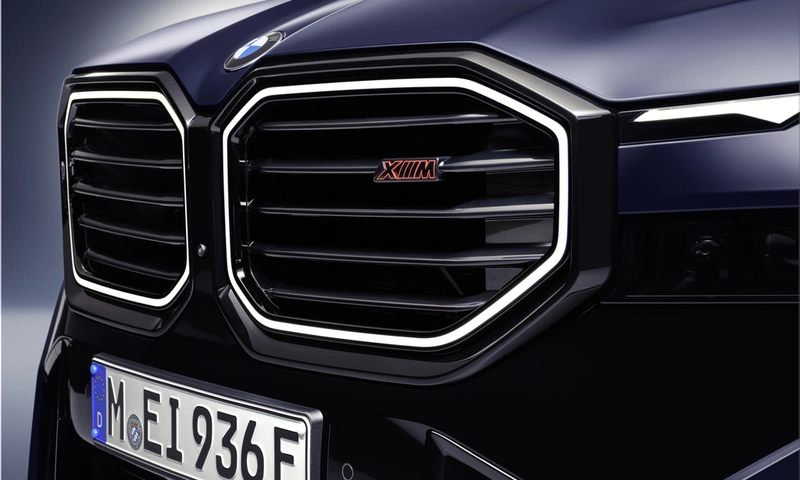
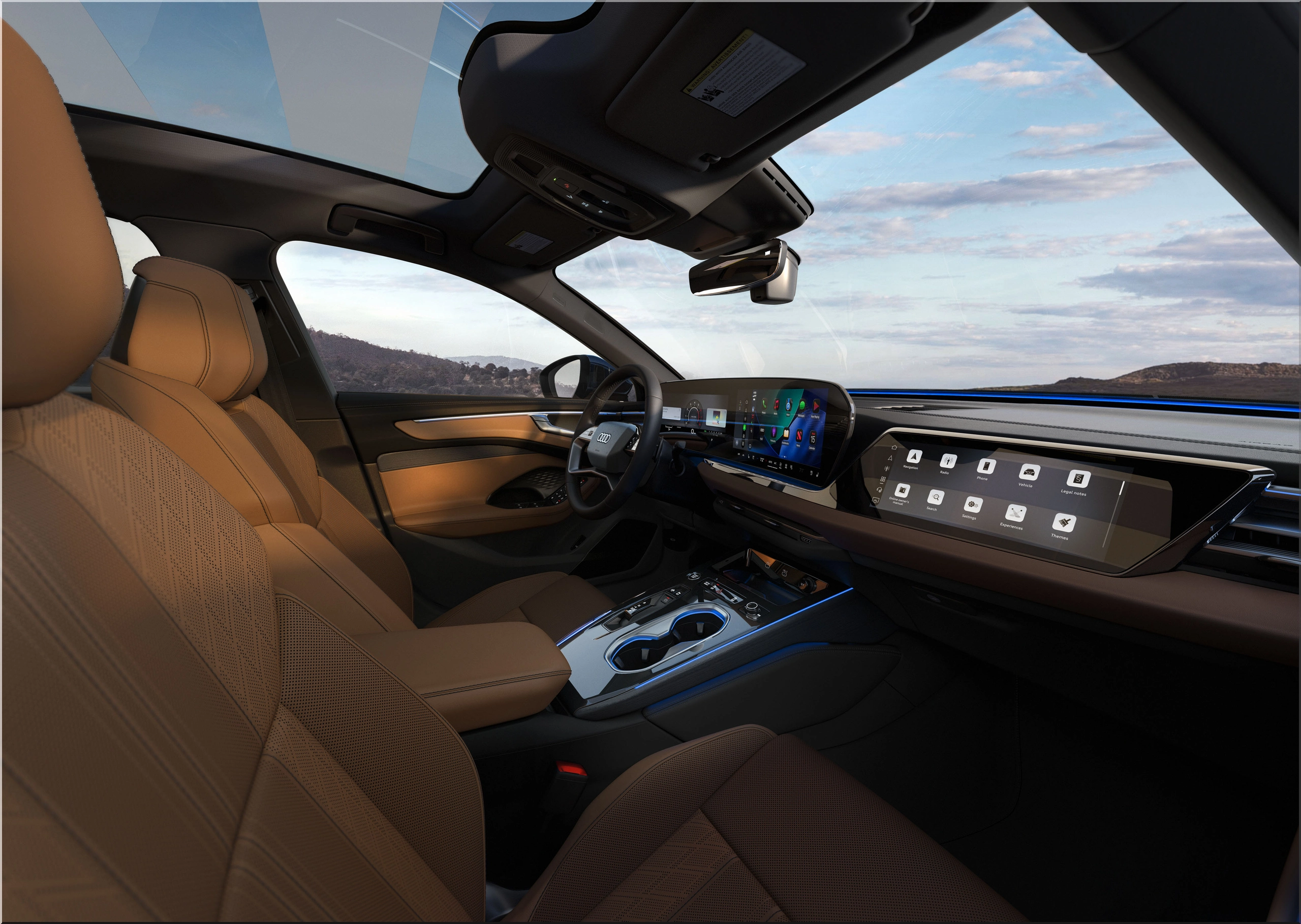
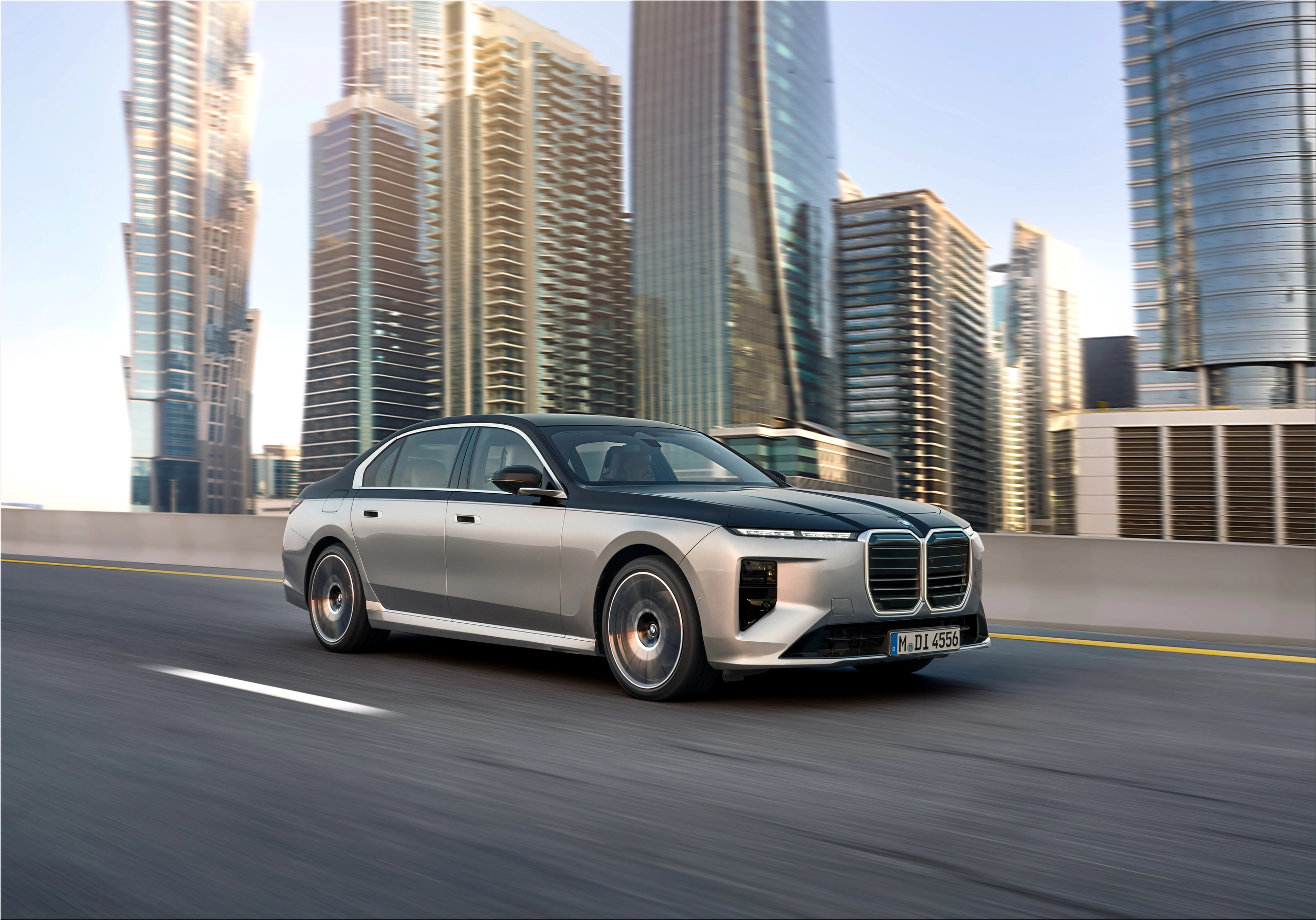
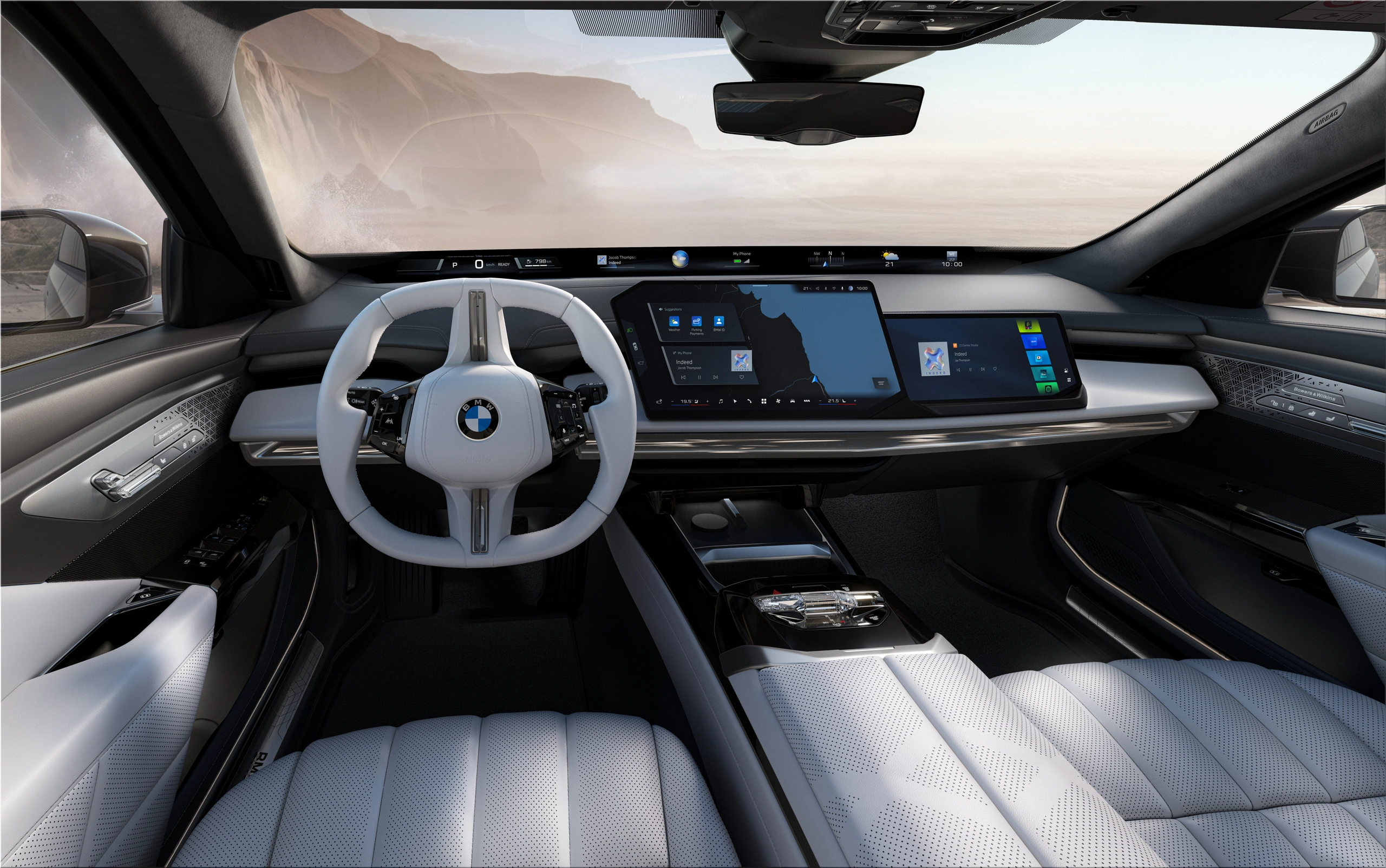
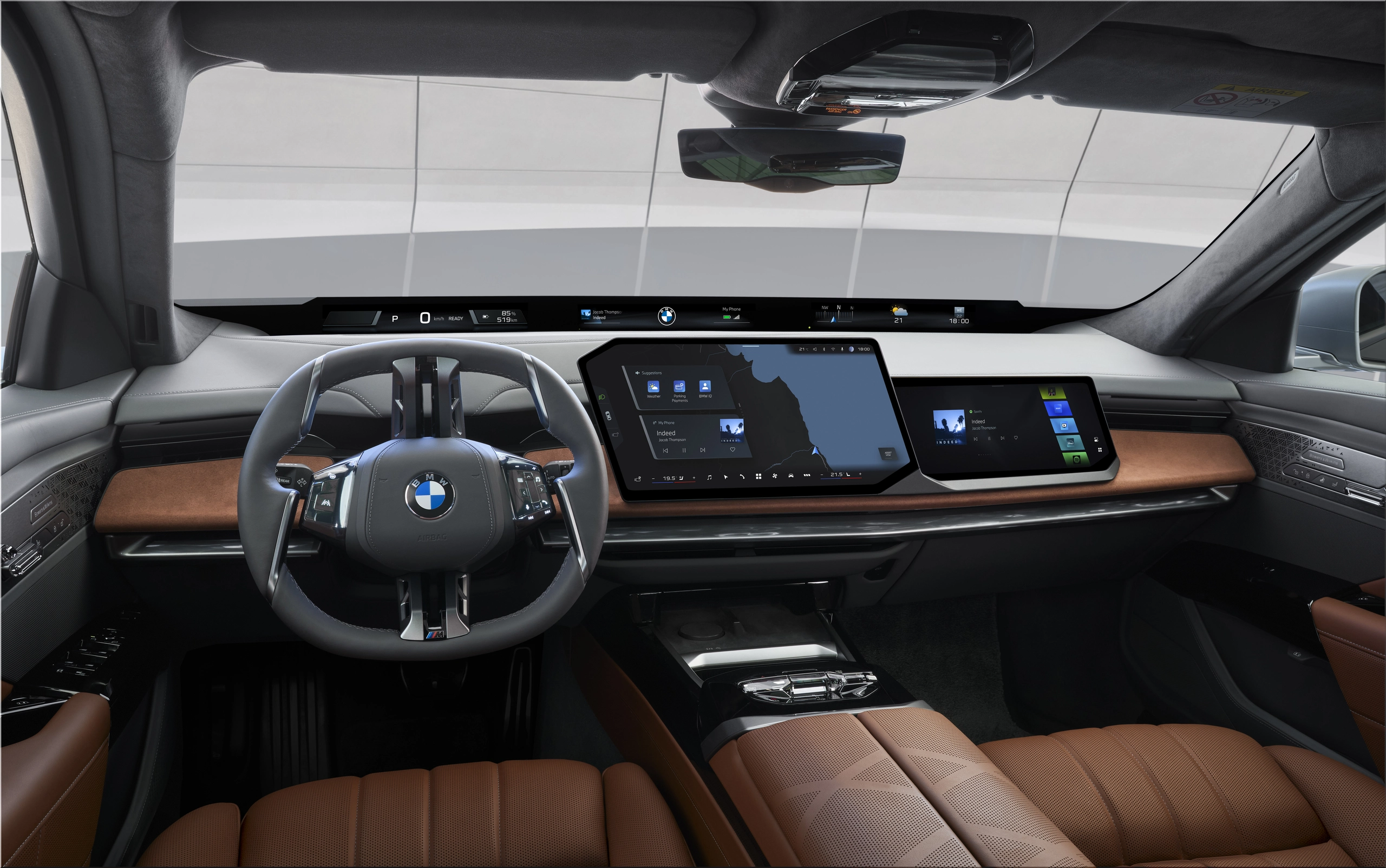
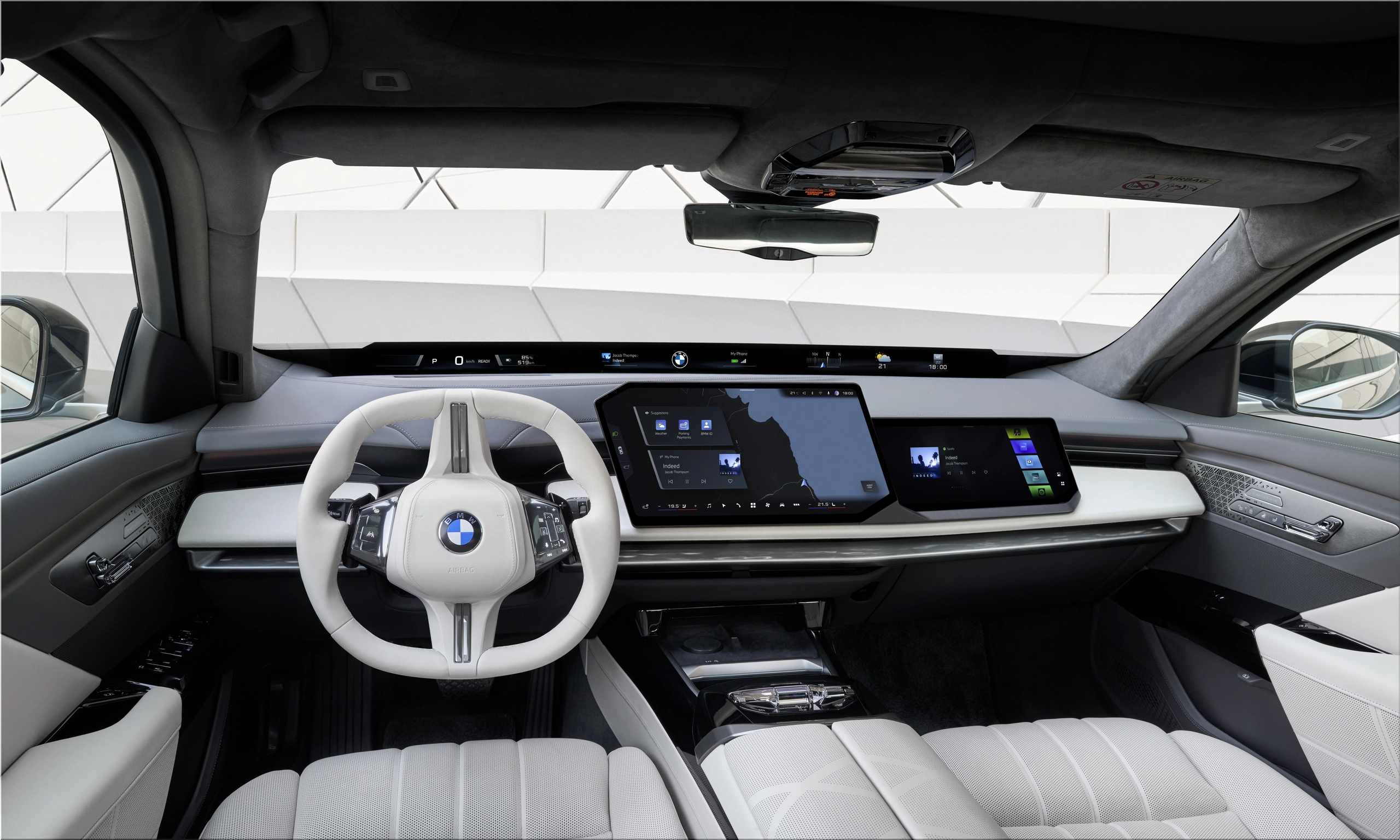
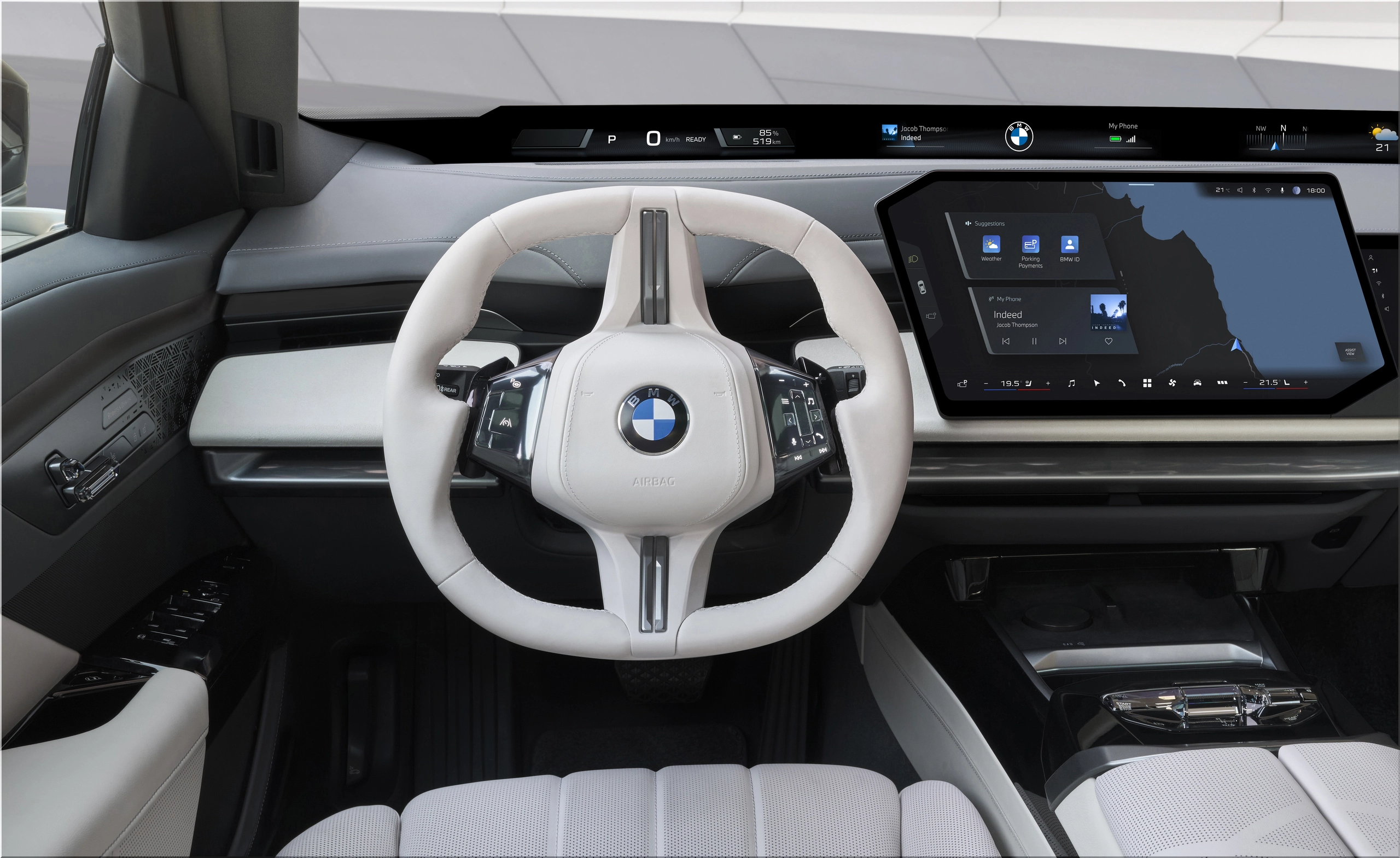
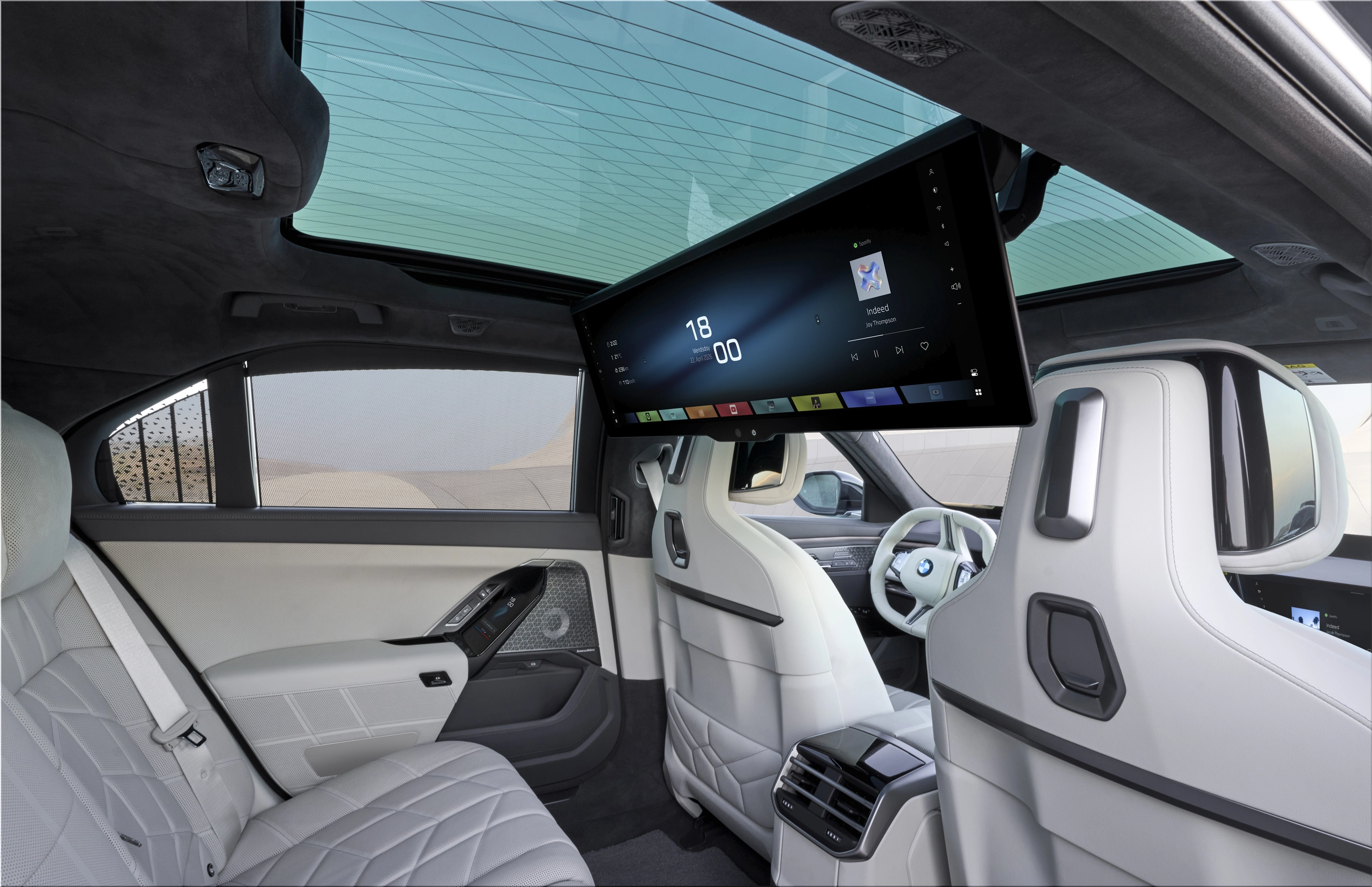
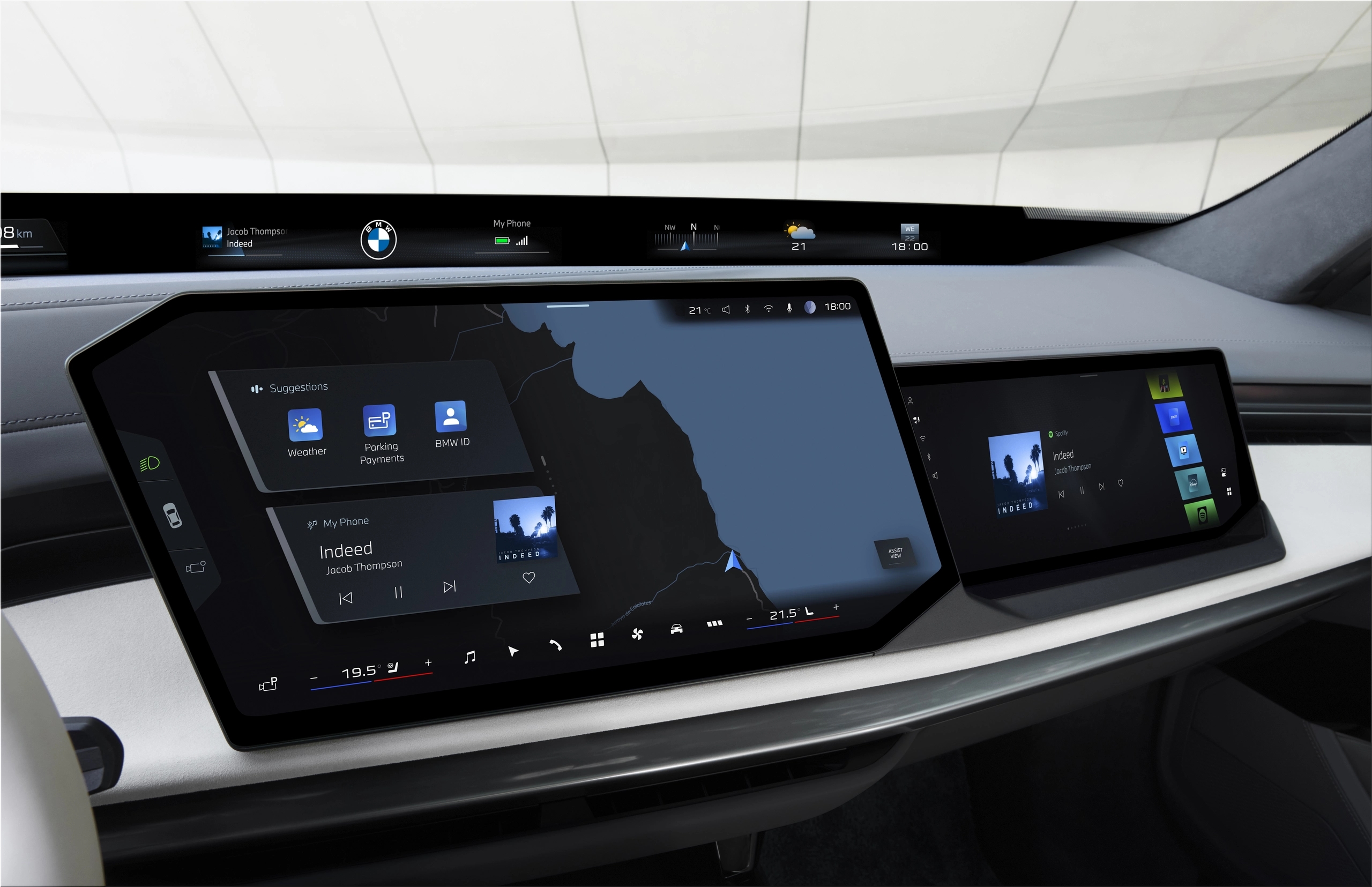
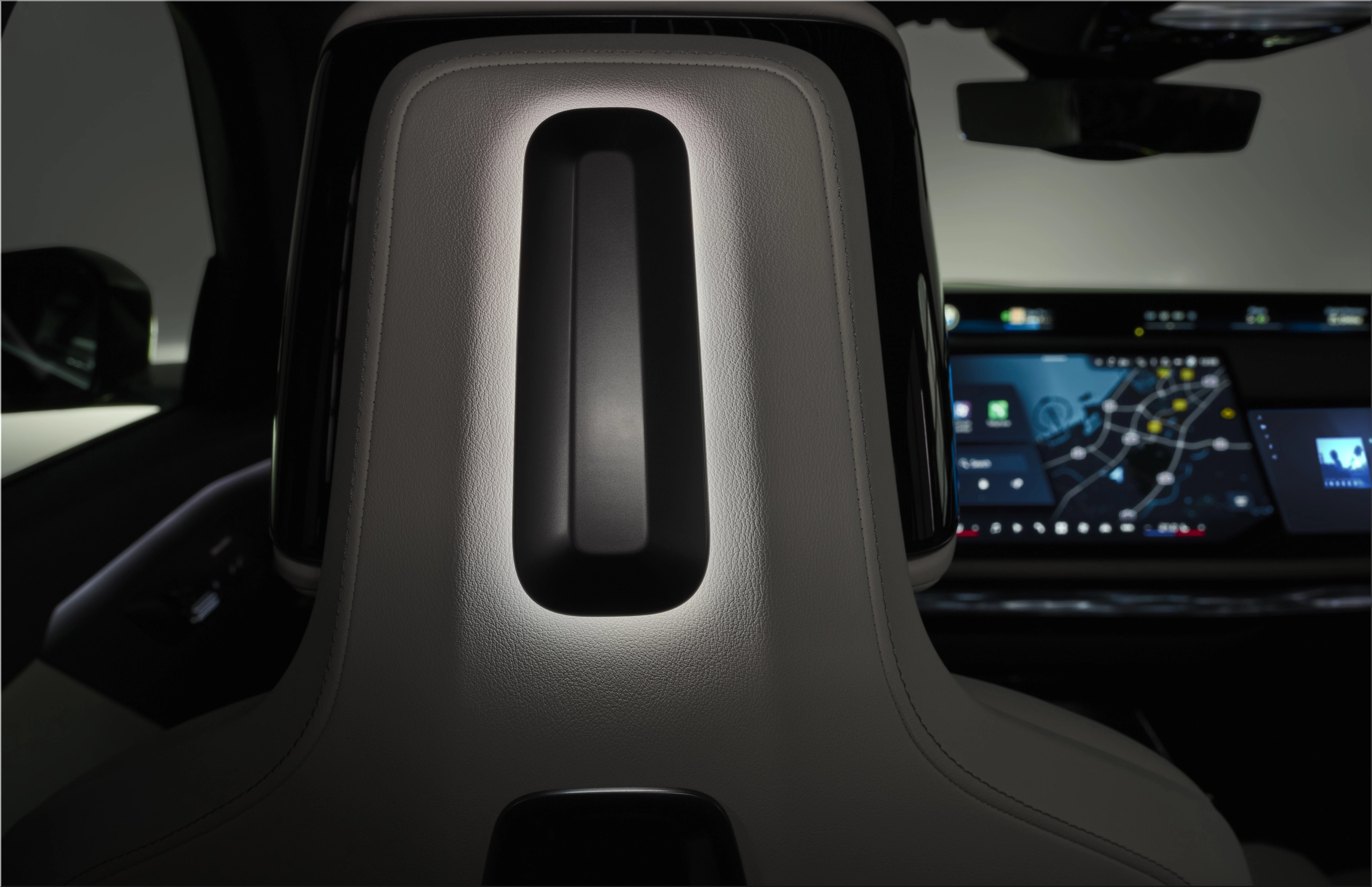
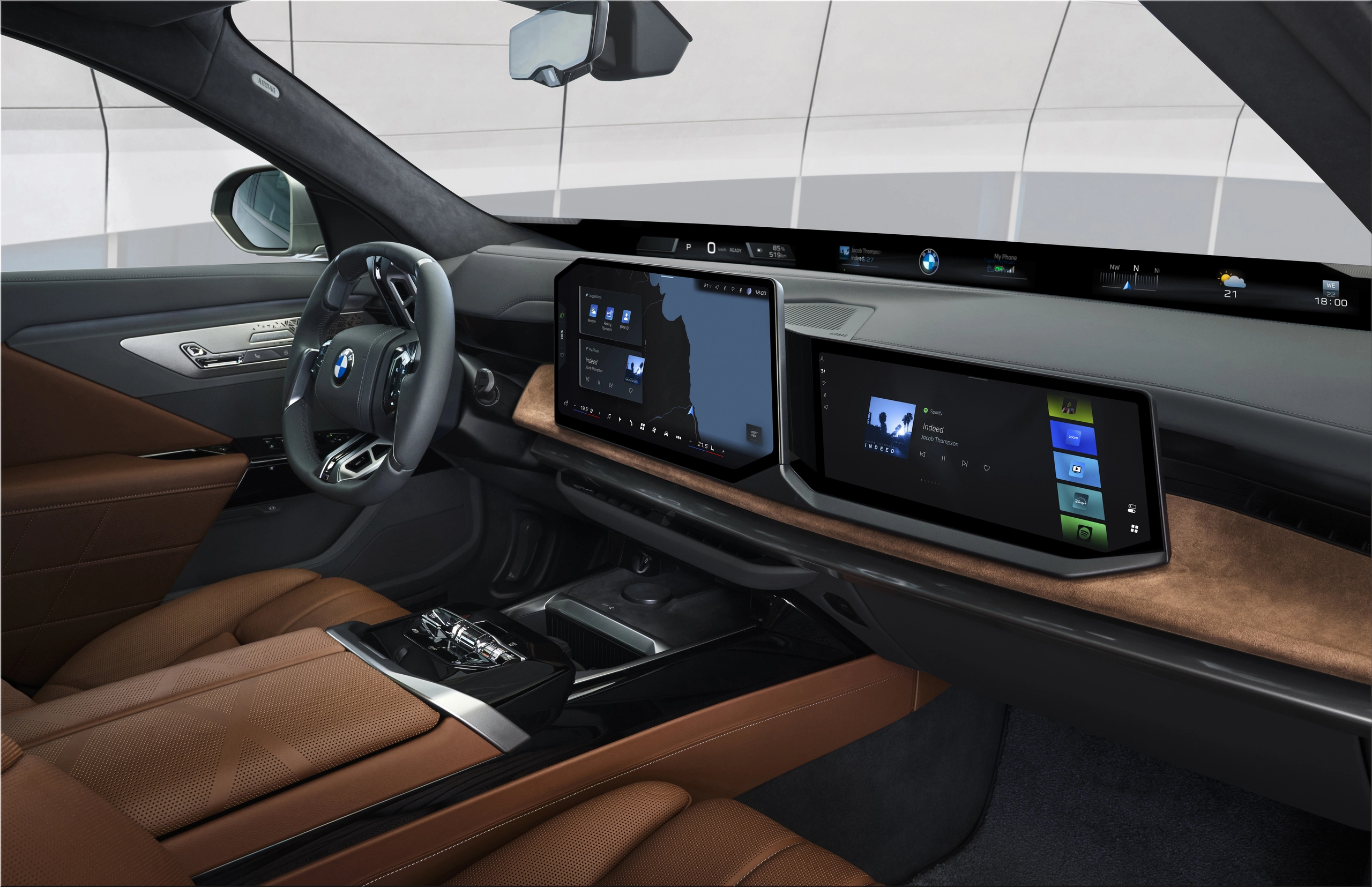
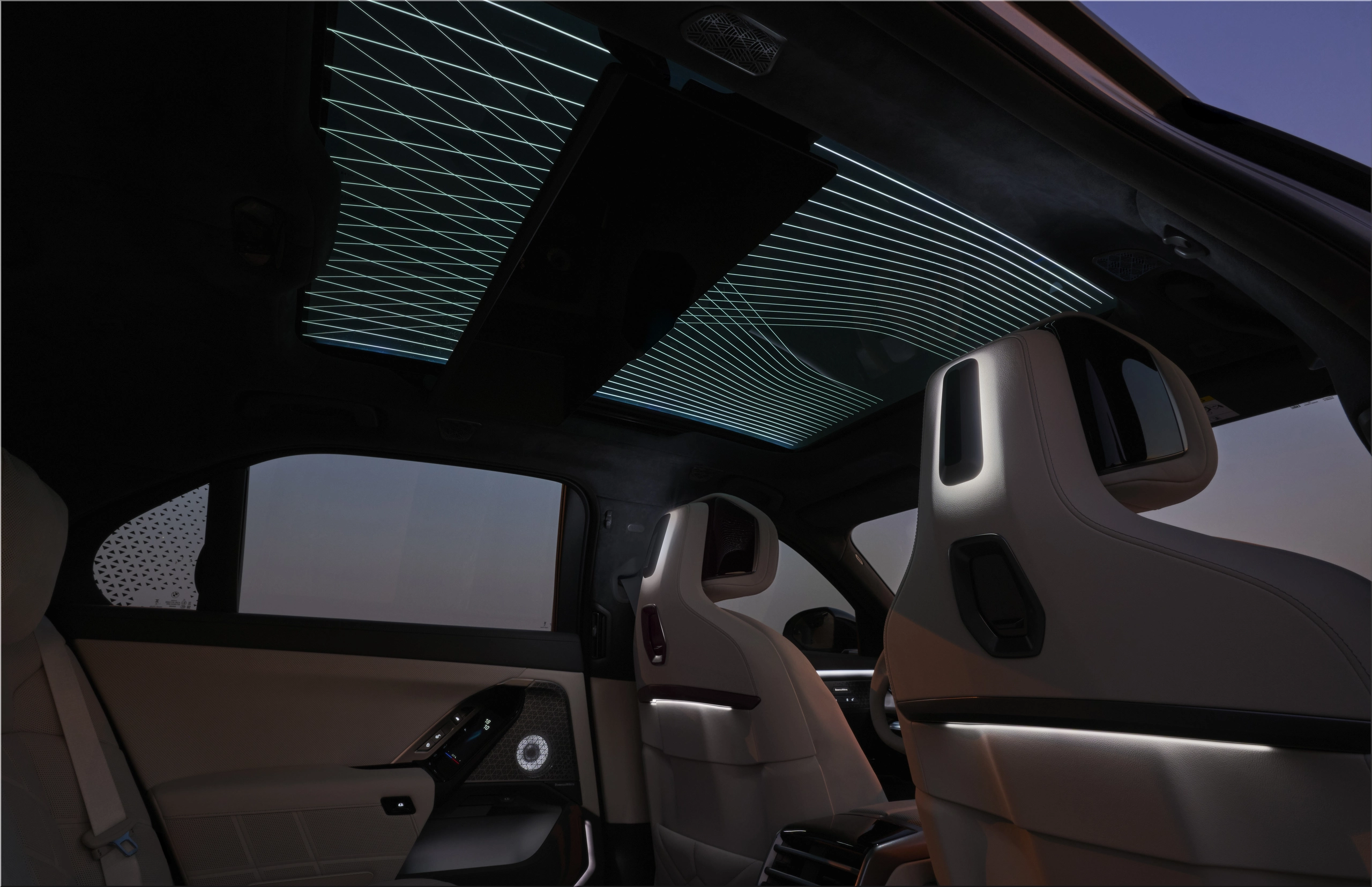
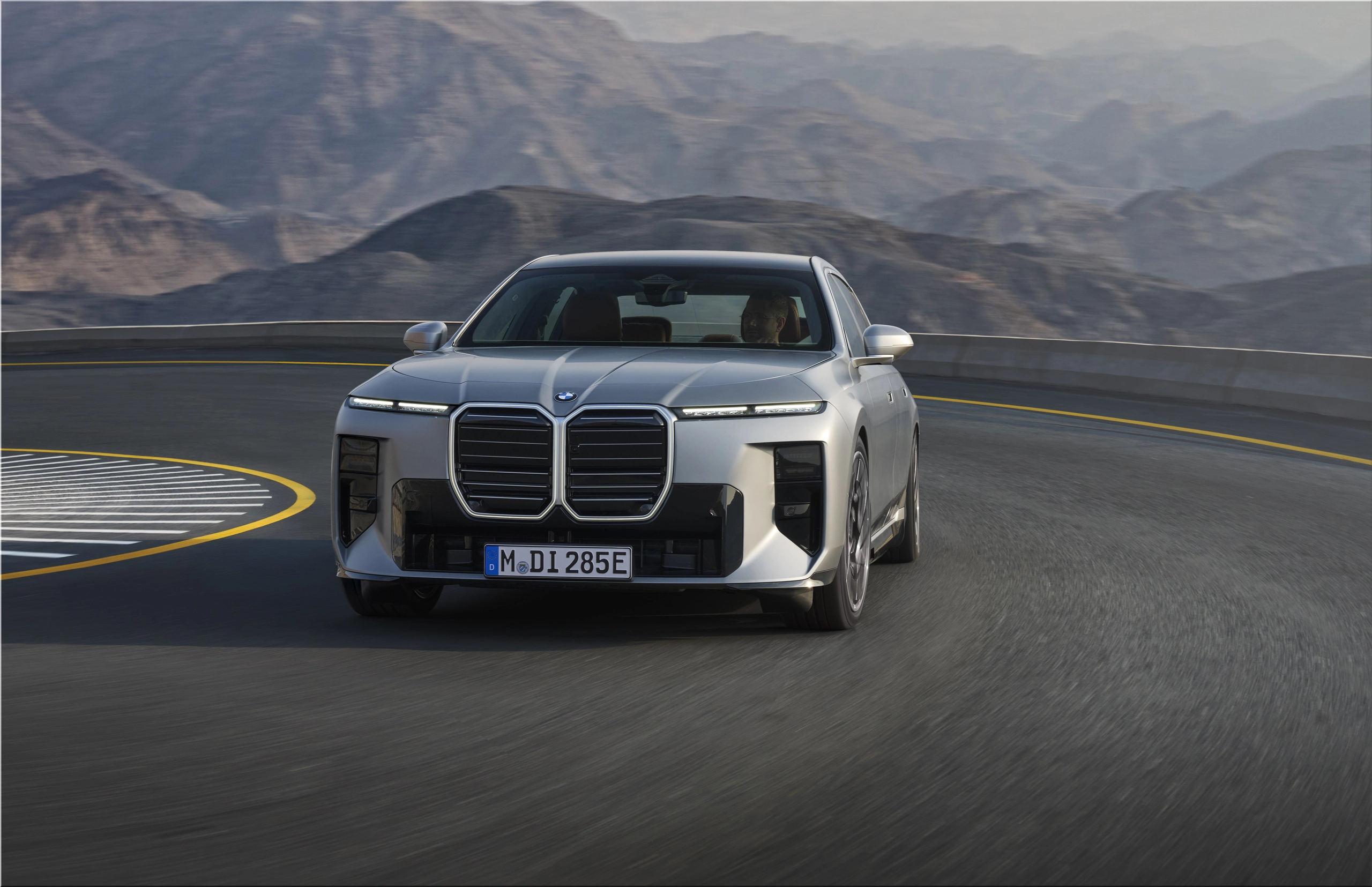
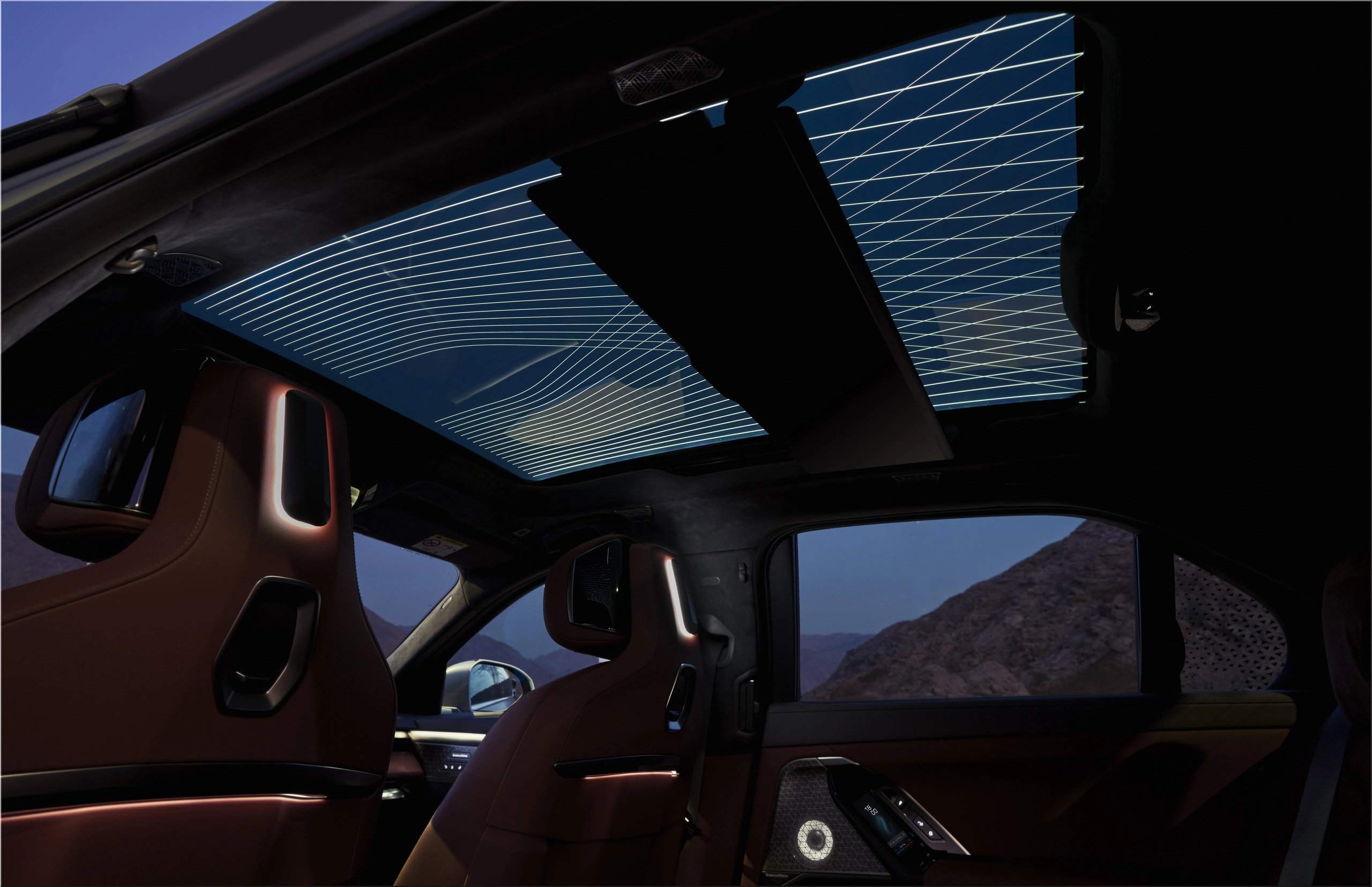
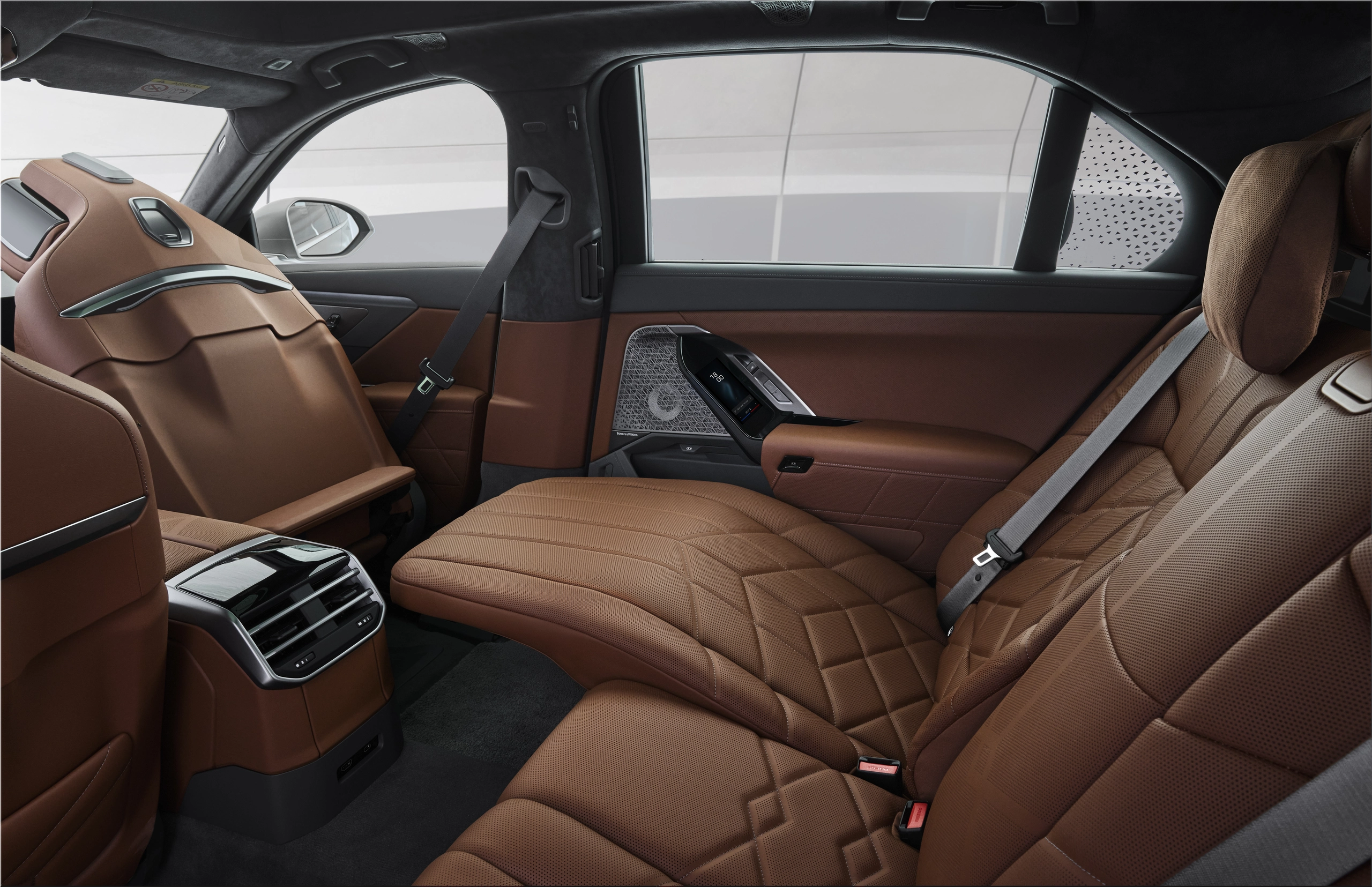
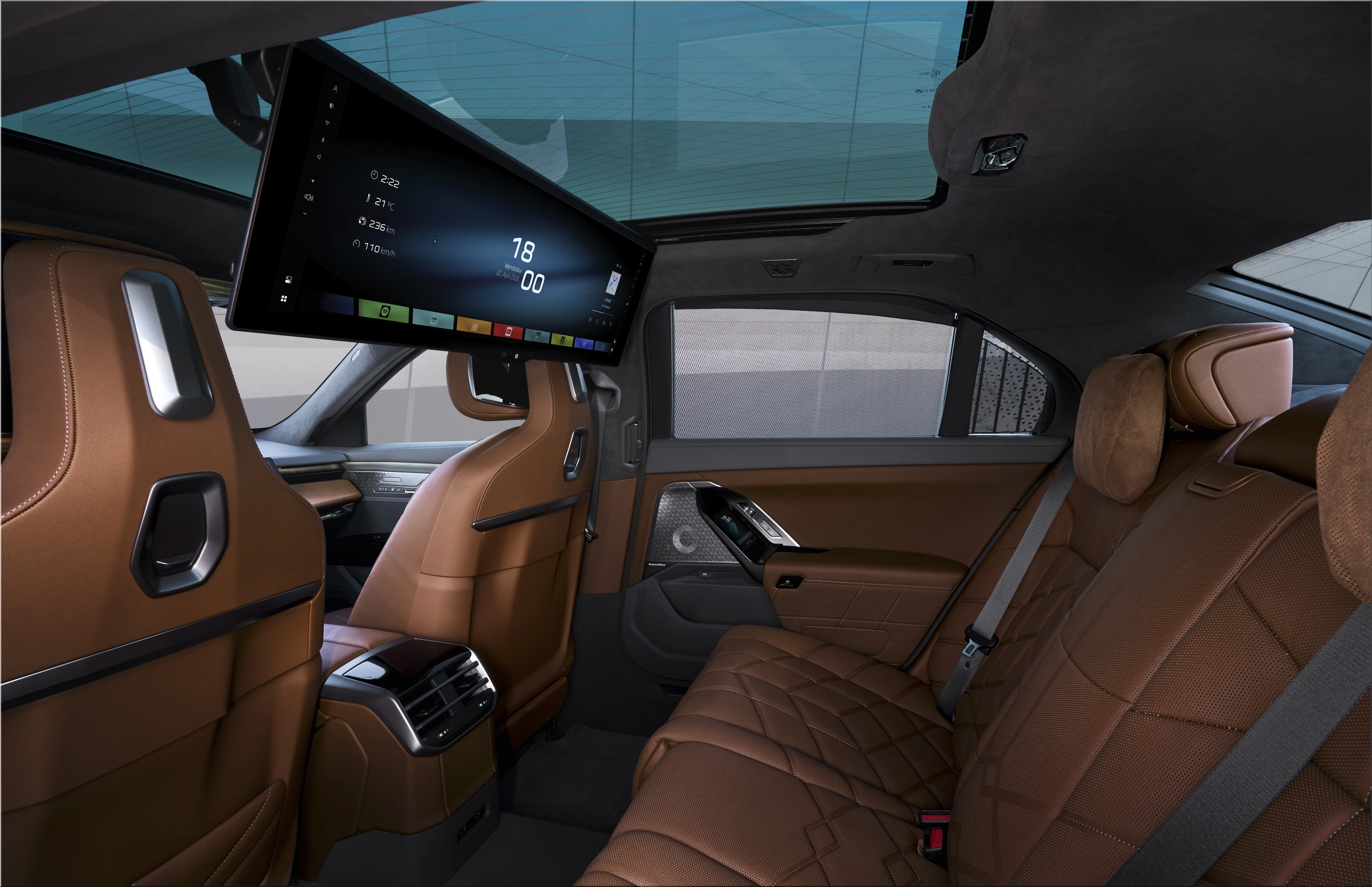
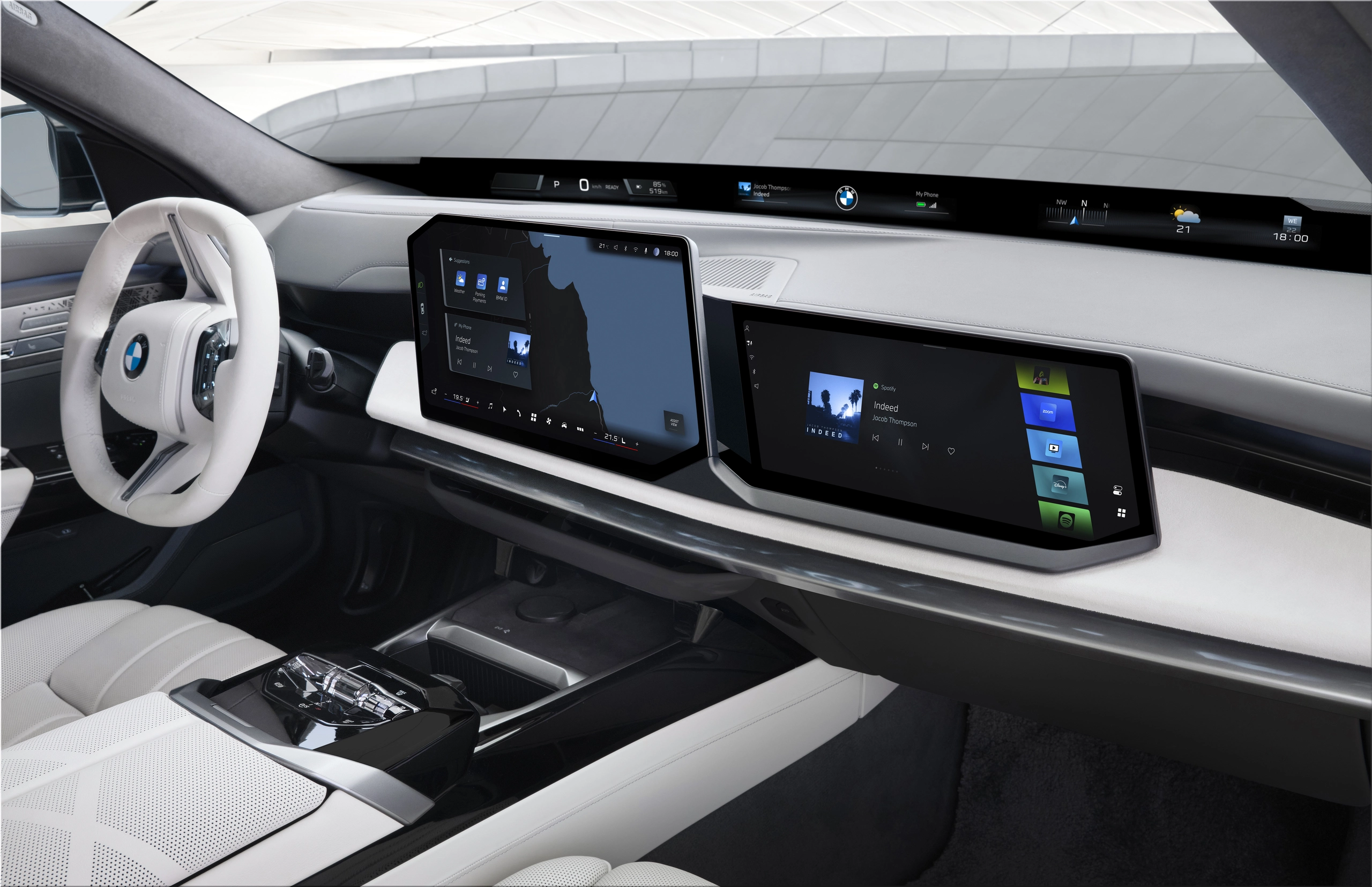
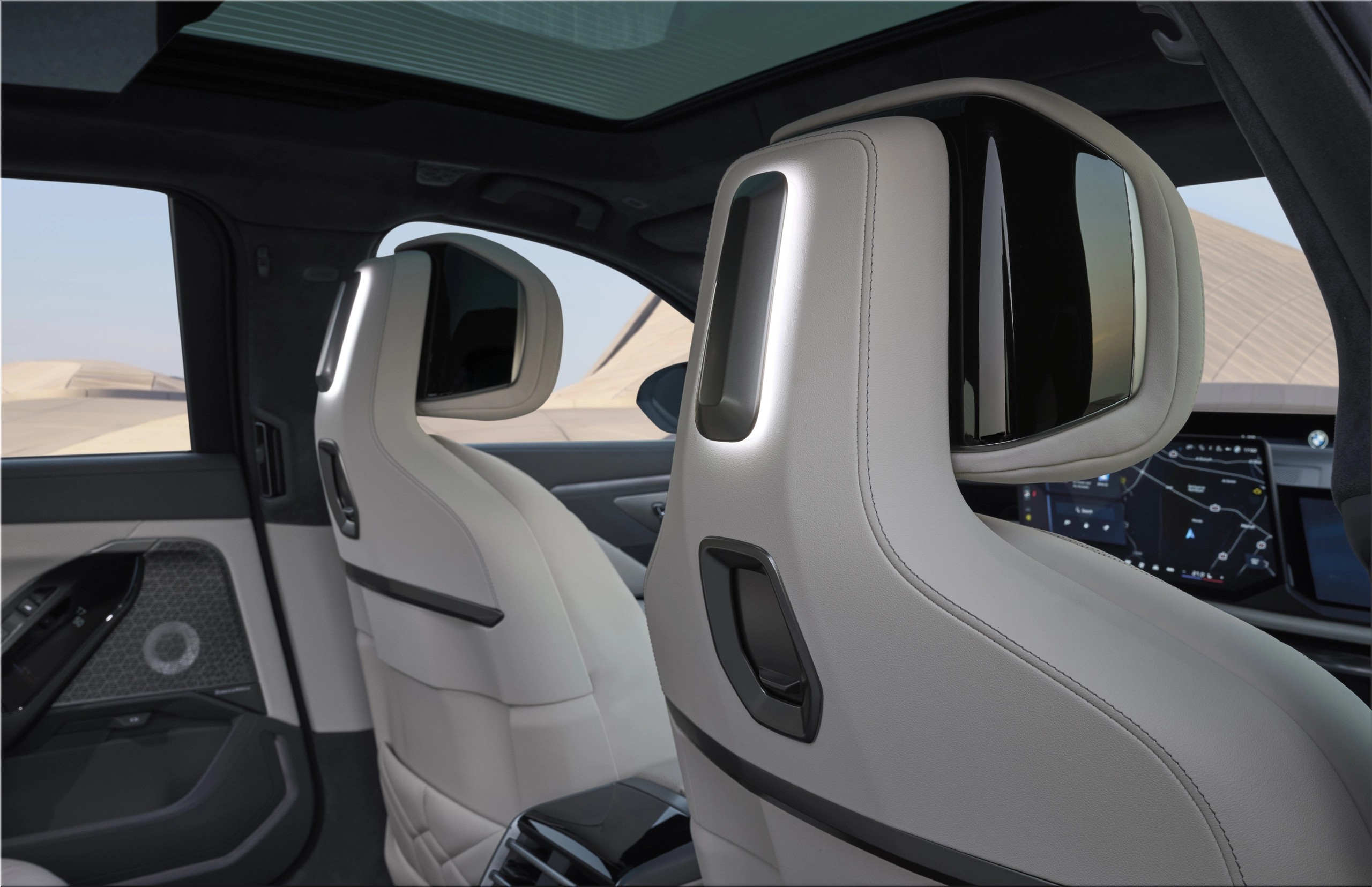
BMW gives the new 7 Series its first luxury-class interpretation of BMW Panoramic iDrive with BMW Operating System X. The system uses a wide driver-facing display concept, a standard BMW Passenger Screen, and the optional BMW Theatre Screen for rear-seat 8K streaming, gaming, and video calls. This setup turns the sedan into a software product without making the cabin feel like a tablet showroom.
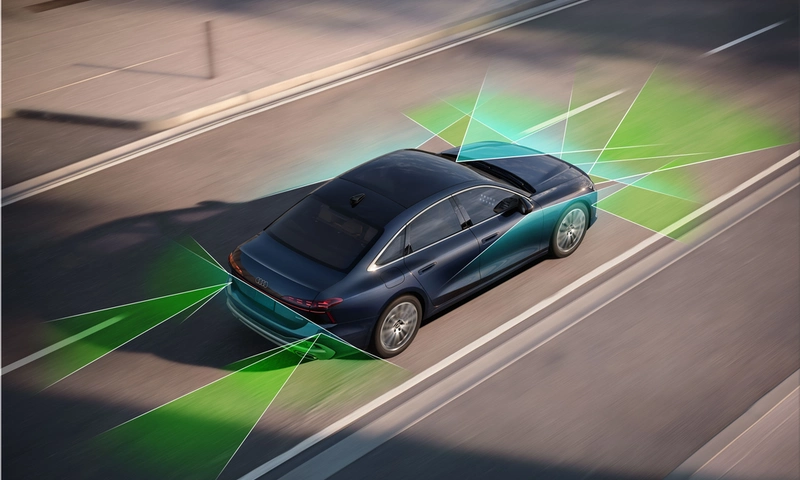
The assistance stack also moves forward. The Motorway Assistant supports hands-off driving up to 130 km/h in multiple European countries, while the City Assistant supports navigation-guided address-to-address urban driving. Consequently, BMW positions the 7 Series as a test bed for assisted driving that still keeps the driver in charge under SAE Level 2 rules.
Image
Key tech upgrades include:
- BMW Panoramic iDrive with Operating System X
- Standard BMW Passenger Screen
- Optional BMW Theatre Screen
- BMW Digital Key Plus
- Over-the-air software updates
- Motorway Assistant up to 130 km/h
- AI-supported parking space detection and manoeuvre planning
- Digital tyre conditioning monitoring with AI
Sustainability: The i7 Gets the Real Engineering Story
BMW's sustainability work now reaches deeper than recycled trim talk. The BMW i7 60 xDrive uses Gen6 cells with a supply-chain CO2e footprint reduced by about 33 percent versus the previous Gen5 cell. BMW sources renewable energy for cell manufacturing and for the production of anode and cathode active materials, while selected battery materials include secondary lithium, cobalt, and nickel.
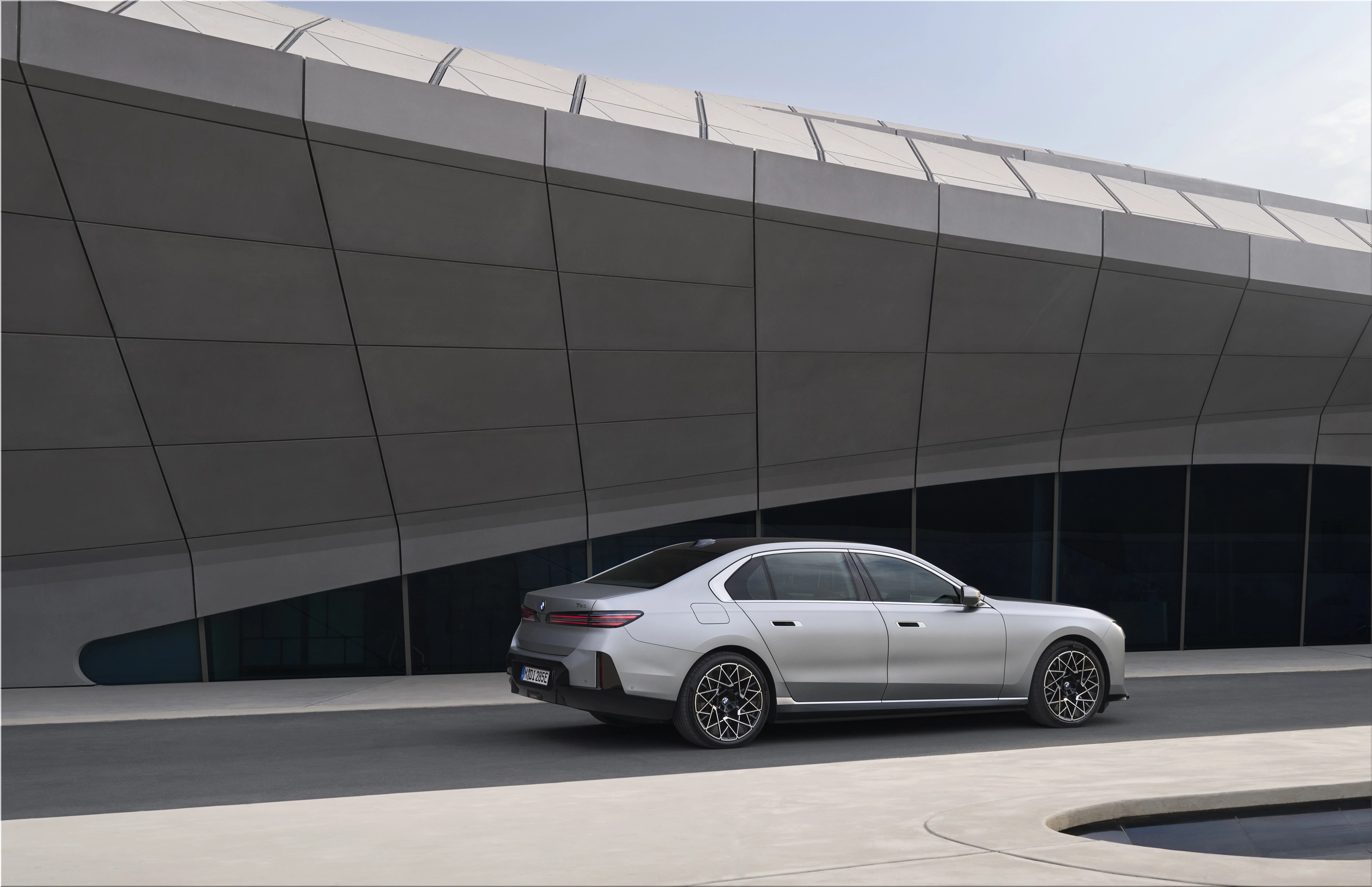
In addition, selected i7 wheel designs use 70 percent secondary aluminium from 2026. Plant Dingolfing also supports the strategy with 100 percent renewable external electricity, an approximately 100,000-square-metre rooftop photovoltaic array rated at nearly 11 MWp, and a biomass heating plant.
Image
Pro-Tip: Which BMW 7 Series Should Buyers Watch?
Choose the BMW i7 60 xDrive for the best balance of range, power, and charging speed. Pick the M760e xDrive only when you need high-output plug-in hybrid performance and regular long-distance petrol flexibility. The 740d xDrive still makes sense for high-mileage European motorway users, but Euro 7-era policy pressure will keep diesel resale values under scrutiny.
What Now for Luxury Sedan Buyers?
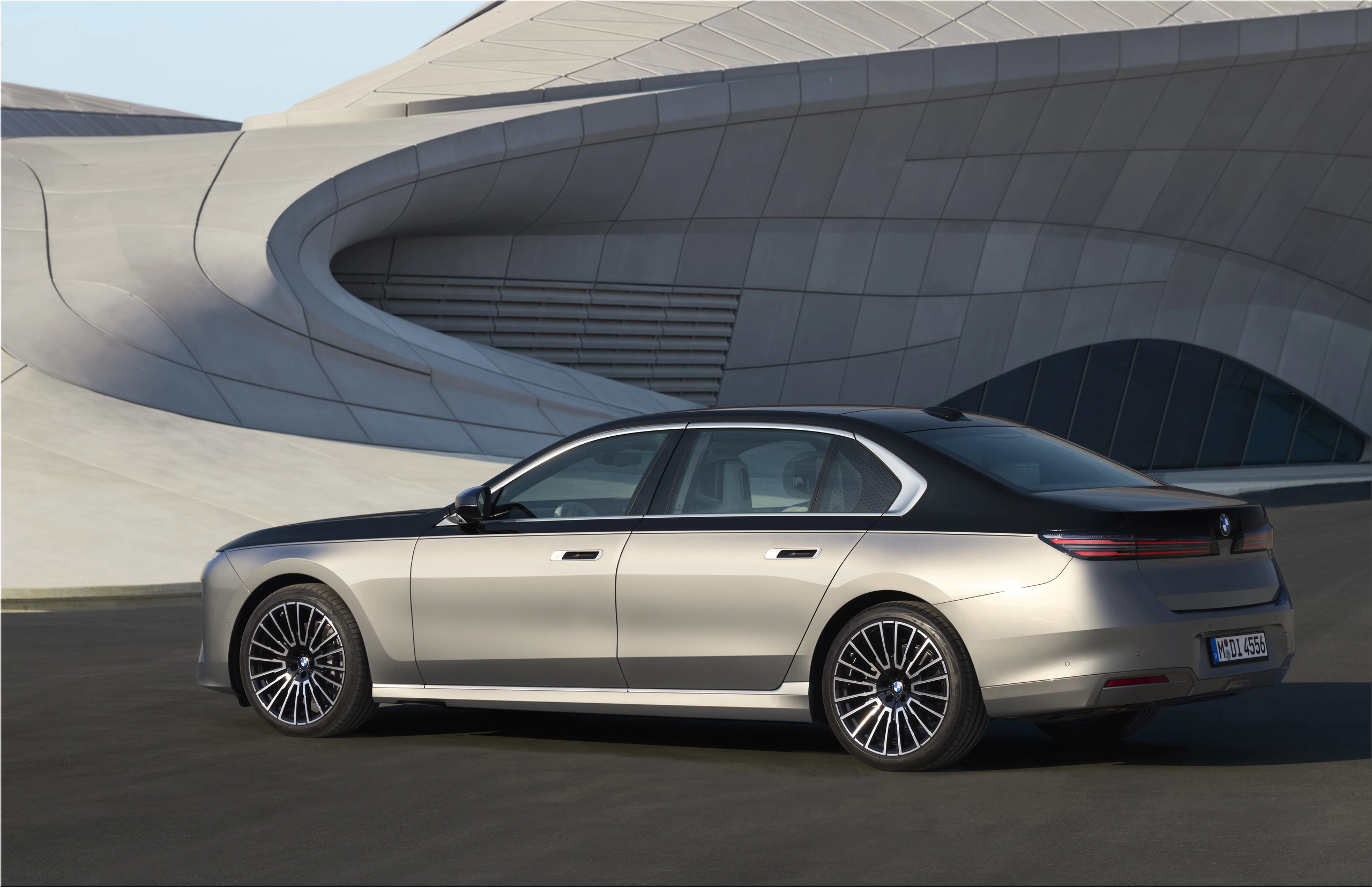
By comparison with the old formula, the new BMW 7 Series shifts the flagship sedan away from chrome-and-cylinders theatre and toward software, charging speed, battery transparency, and regulated emissions performance. That fits 2026 Europe. Luxury buyers face tighter city rules, rising energy costs, and pressure to justify fleet CO2, but many still refuse to give up long-distance comfort.
The smart move: shortlist the BMW i7 60 xDrive first, then compare the M760e only against your actual charging access and weekly motorway mileage. If you can charge at home or work, the i7 gives the cleaner technical case. If your driving pattern includes frequent 800 km days with limited charging stops, the plug-in hybrid still earns a serious look.
- Add new comment
- 169 views