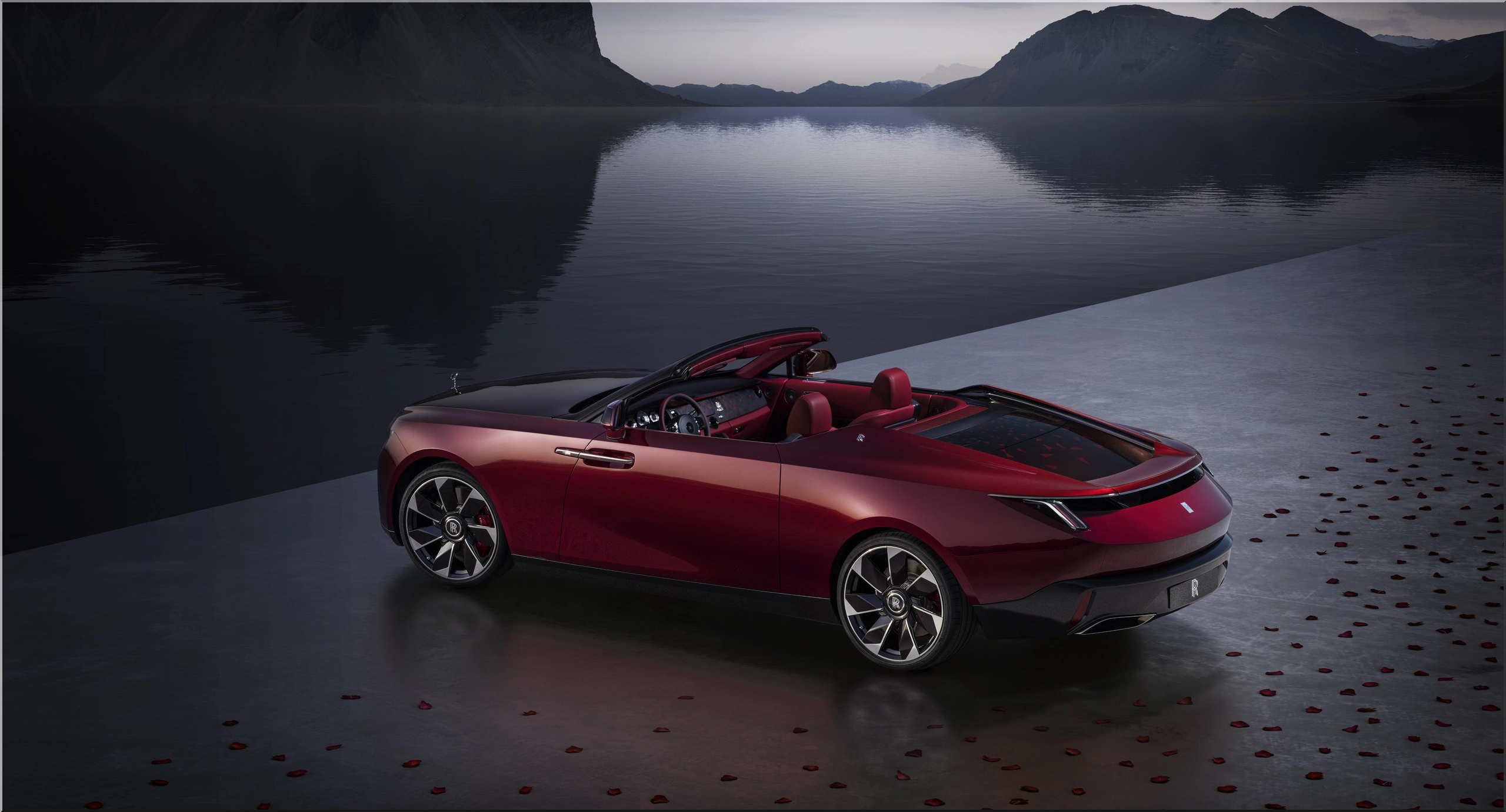
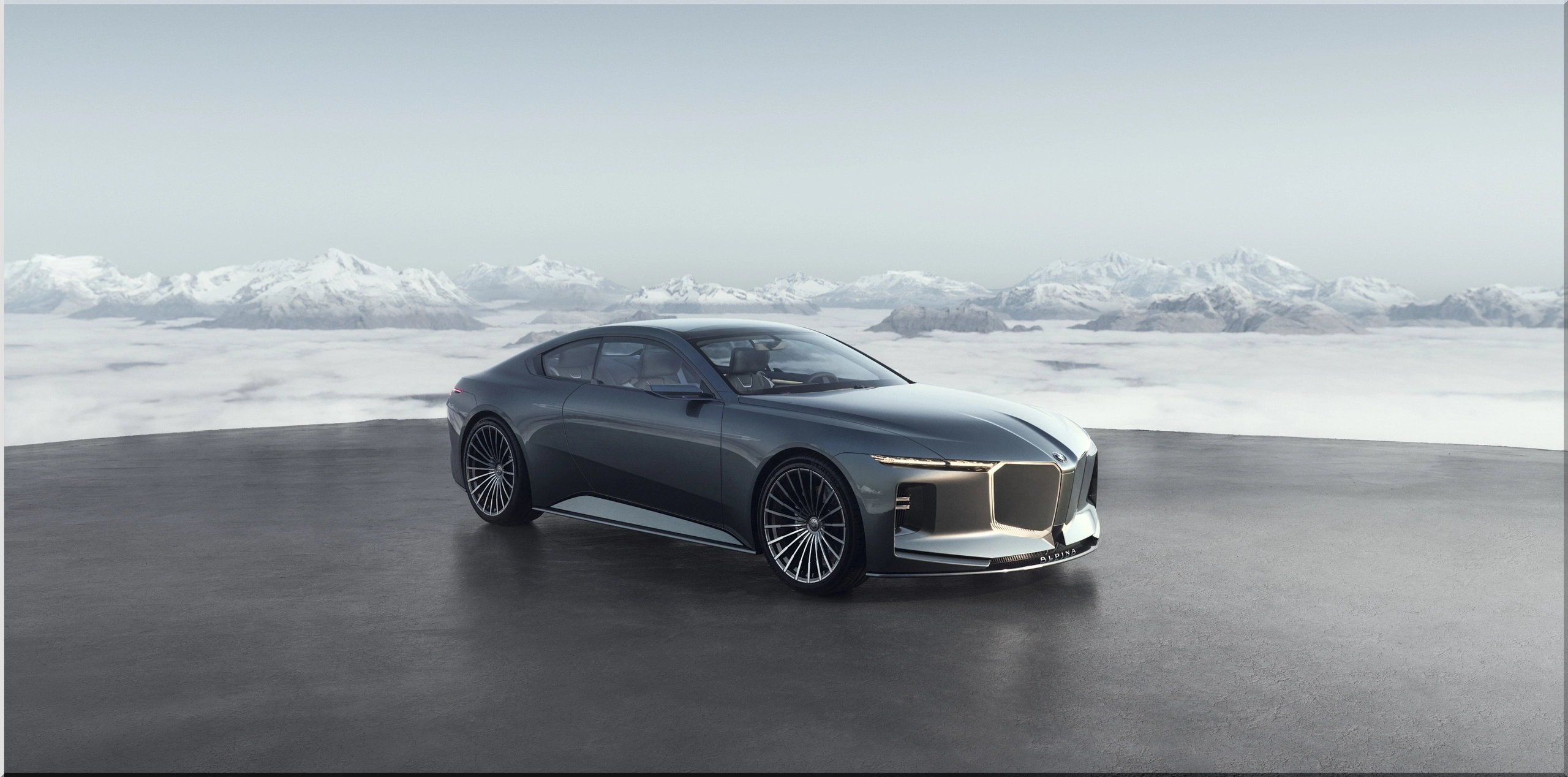
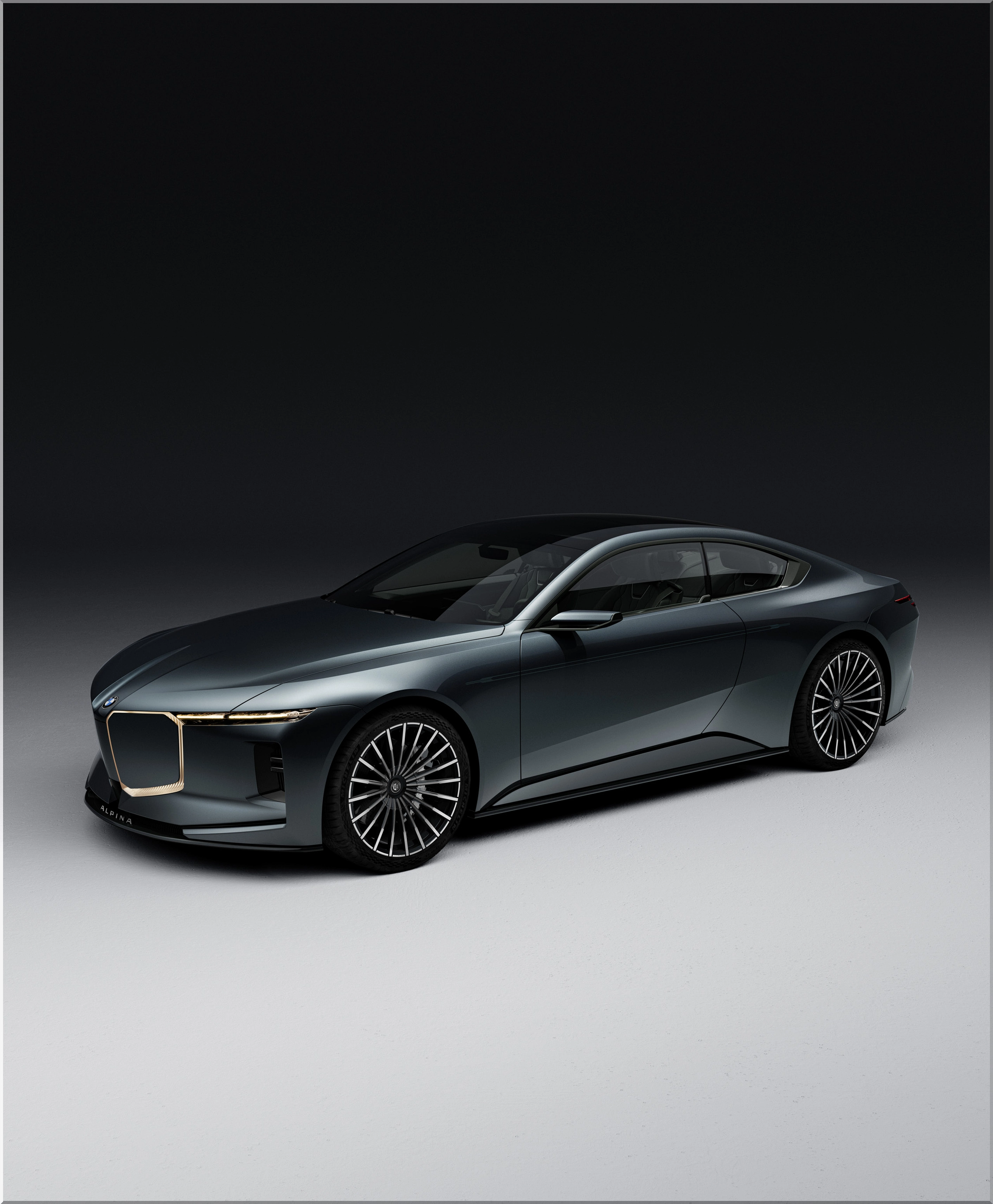
BMW has given Vision BMW ALPINA a clear job: show how the Buchloe performance-luxury brand will work inside the BMW Group without losing its core identity. The design study made its public debut at the 2026 Concorso d'Eleganza Villa d'Este, and it points toward the first new BMW ALPINA production model arriving next year with influence from the BMW 7 Series.
Image
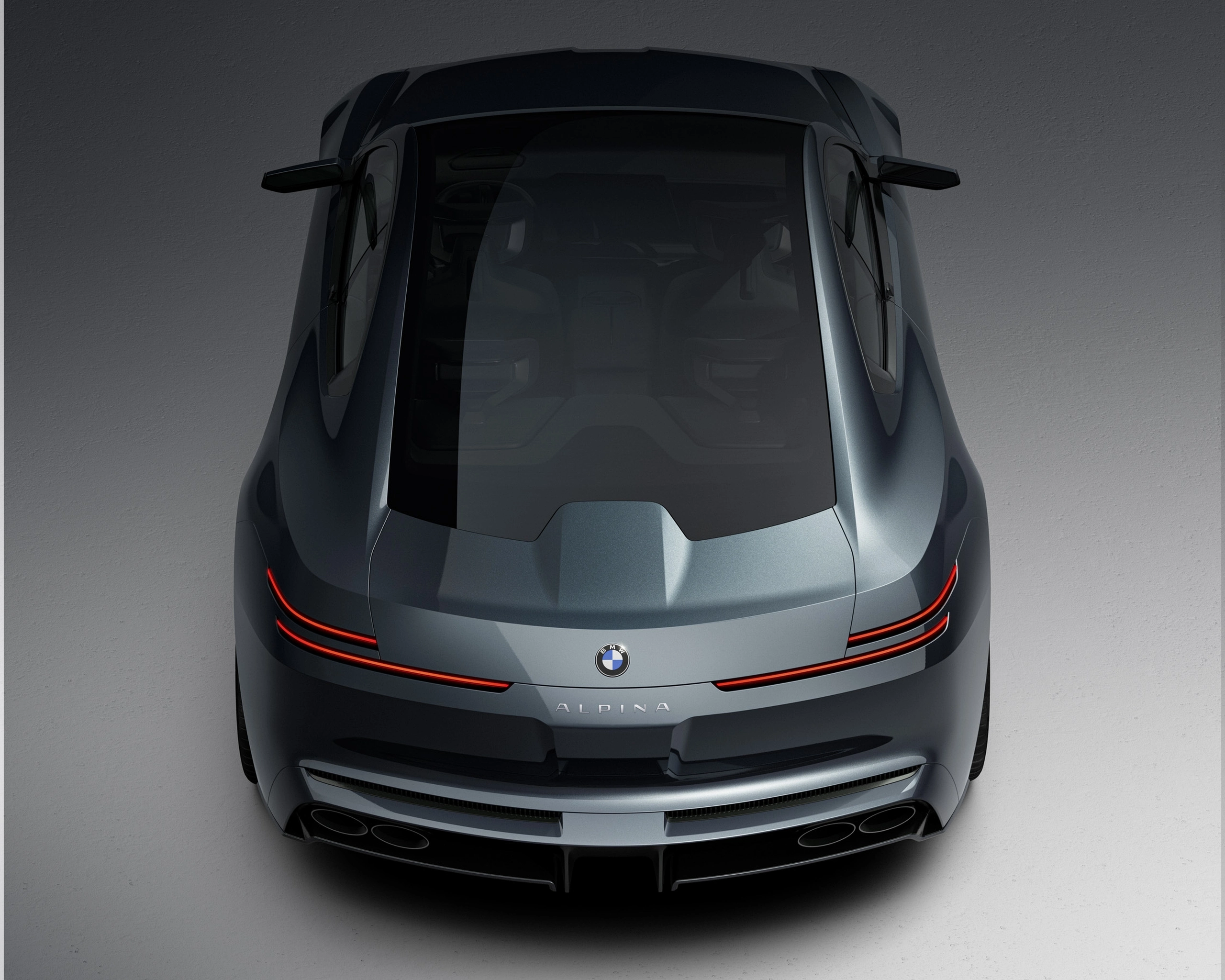
This concept does not chase loud aggression. It uses length, stance, surfacing, leather, crystal, and a V8 soundtrack to define a more controlled type of high-speed luxury. From an expert perspective, that choice fits ALPINA better than a track-first performance car because the brand built its reputation around fast long-distance travel, stable high-speed composure, and comfort that keeps the driver sharper for longer.
Vision BMW ALPINA Key Specifications
| Data Point | Vision BMW ALPINA Detail |
|---|---|
| Vehicle type | One-of-one design study |
| Public debut | 2026 Concorso d'Eleganza Villa d'Este |
| Length | 5,200 mm |
| Length in inches | 204.7 inches |
| Body style | Four-seat luxury coupe |
| Powertrain concept | V8 |
| Front wheels | 22-inch |
| Rear wheels | 23-inch |
| Wheel design | Classic 20-spoke ALPINA layout |
| First related production model | Due next year, inspired by BMW 7 Series |
Why The 5,200 mm Body Matters
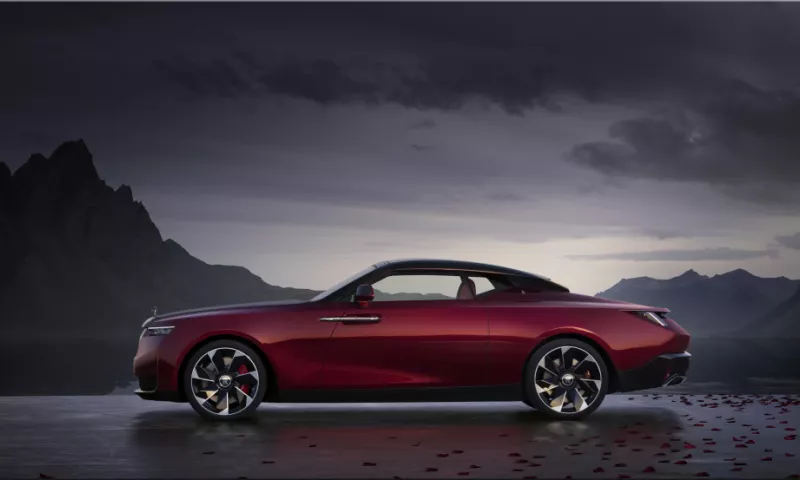
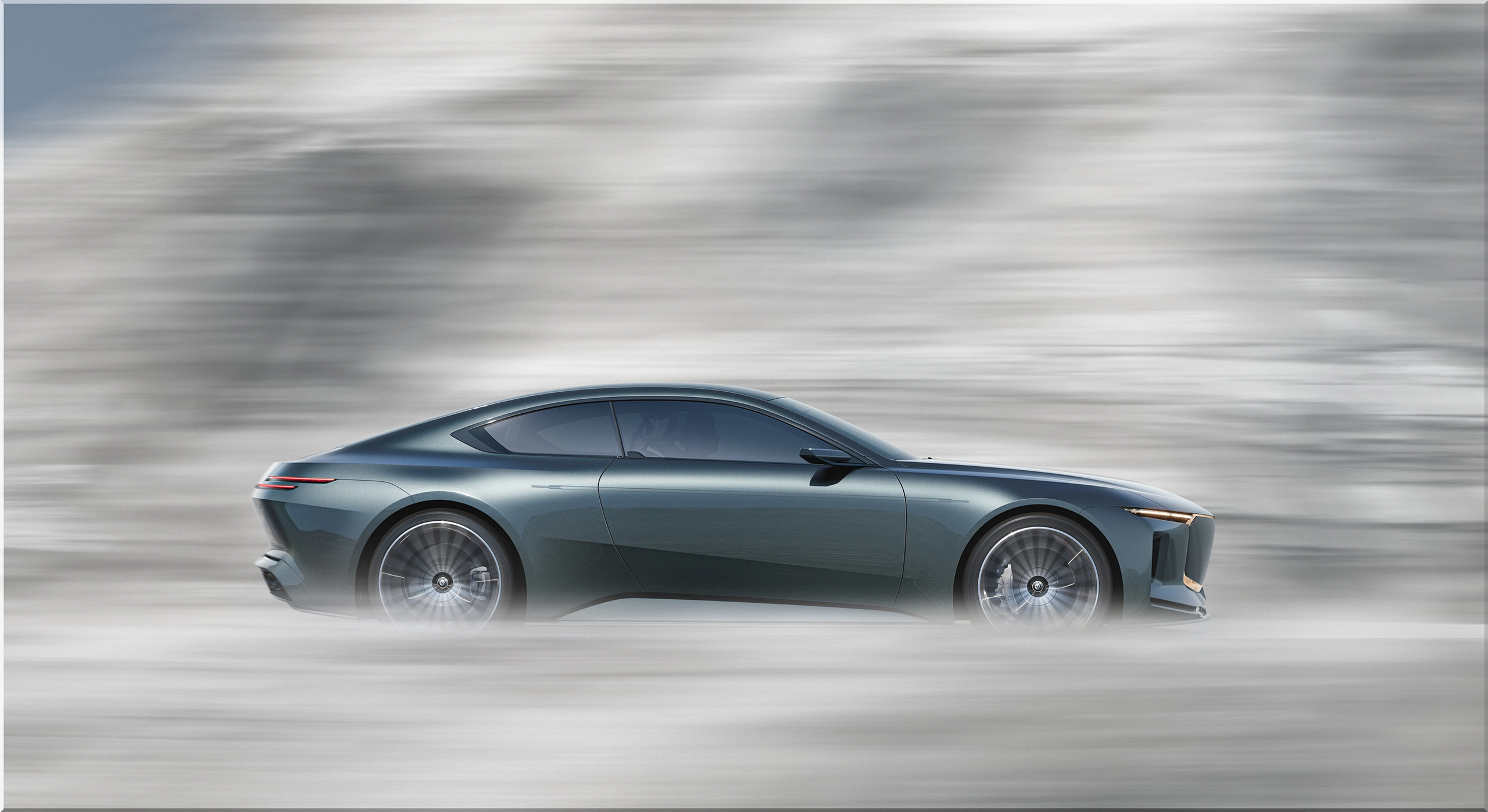
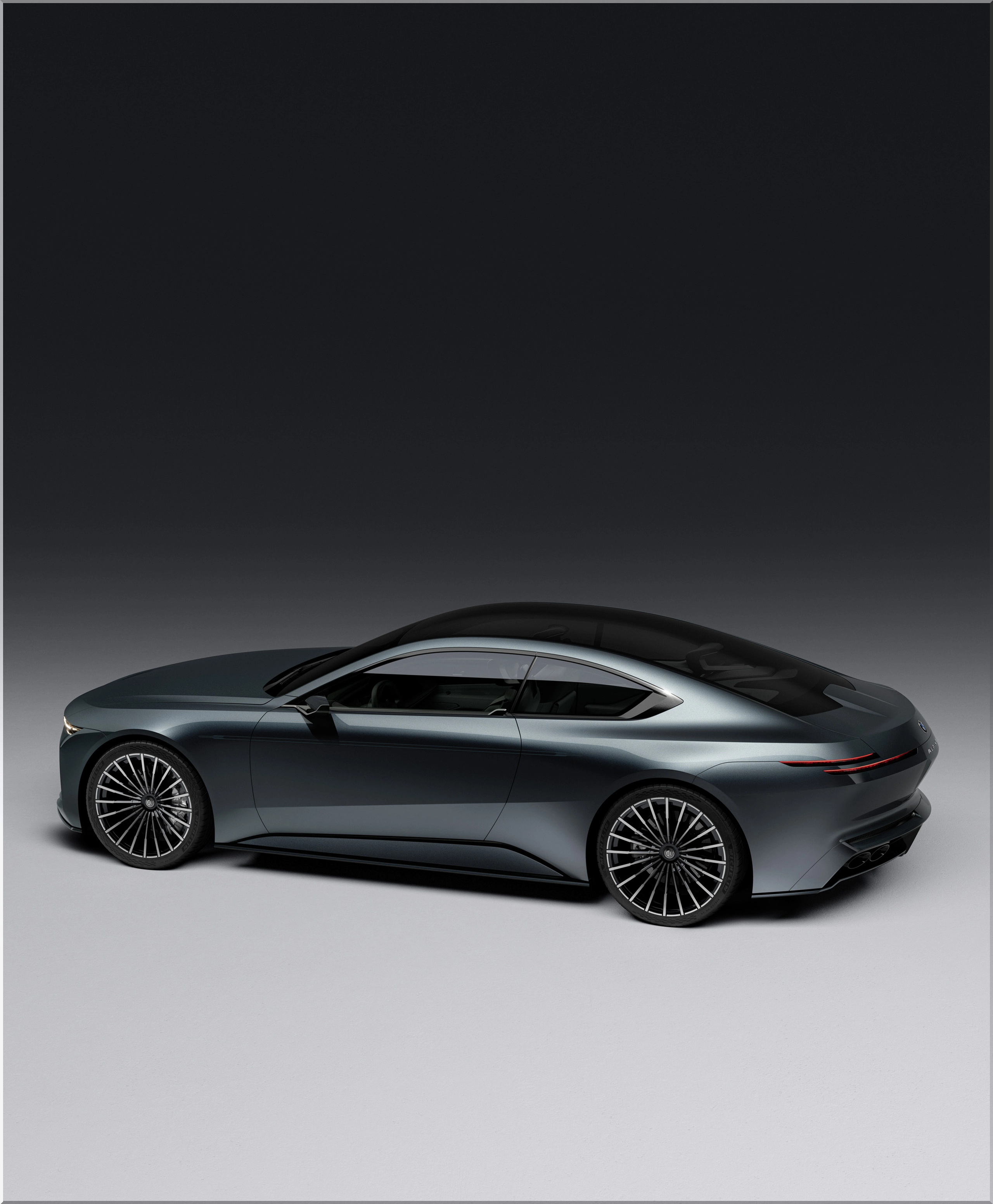
The Vision BMW ALPINA concept measures 5,200 mm long, or roughly 204.7 inches. That places it in full-size luxury territory, yet BMW uses a long raked coupe roofline rather than a traditional saloon profile. Consequently, the concept communicates speed without deleting the four-adult usability that defined historic ALPINA grand tourers.
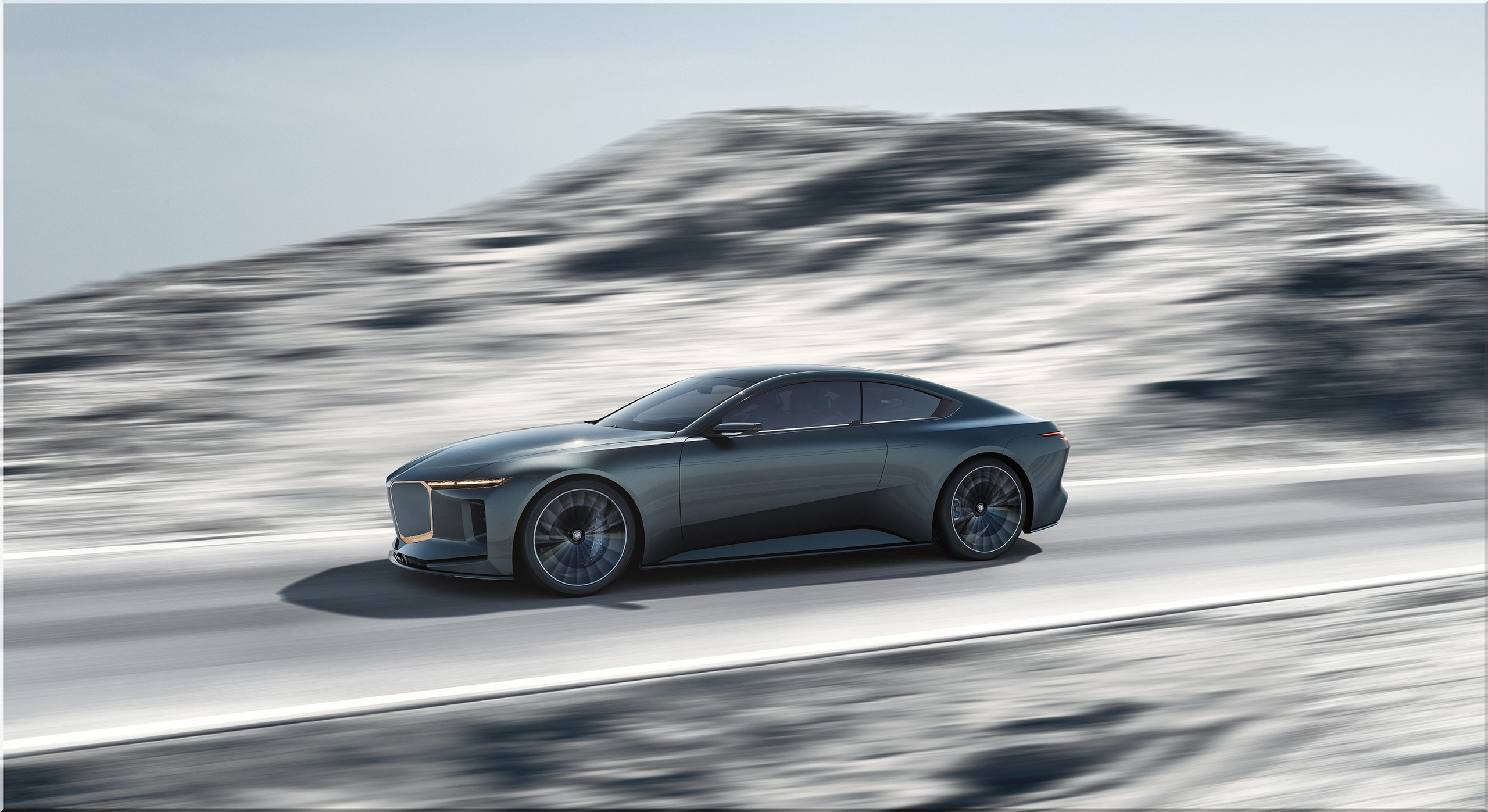
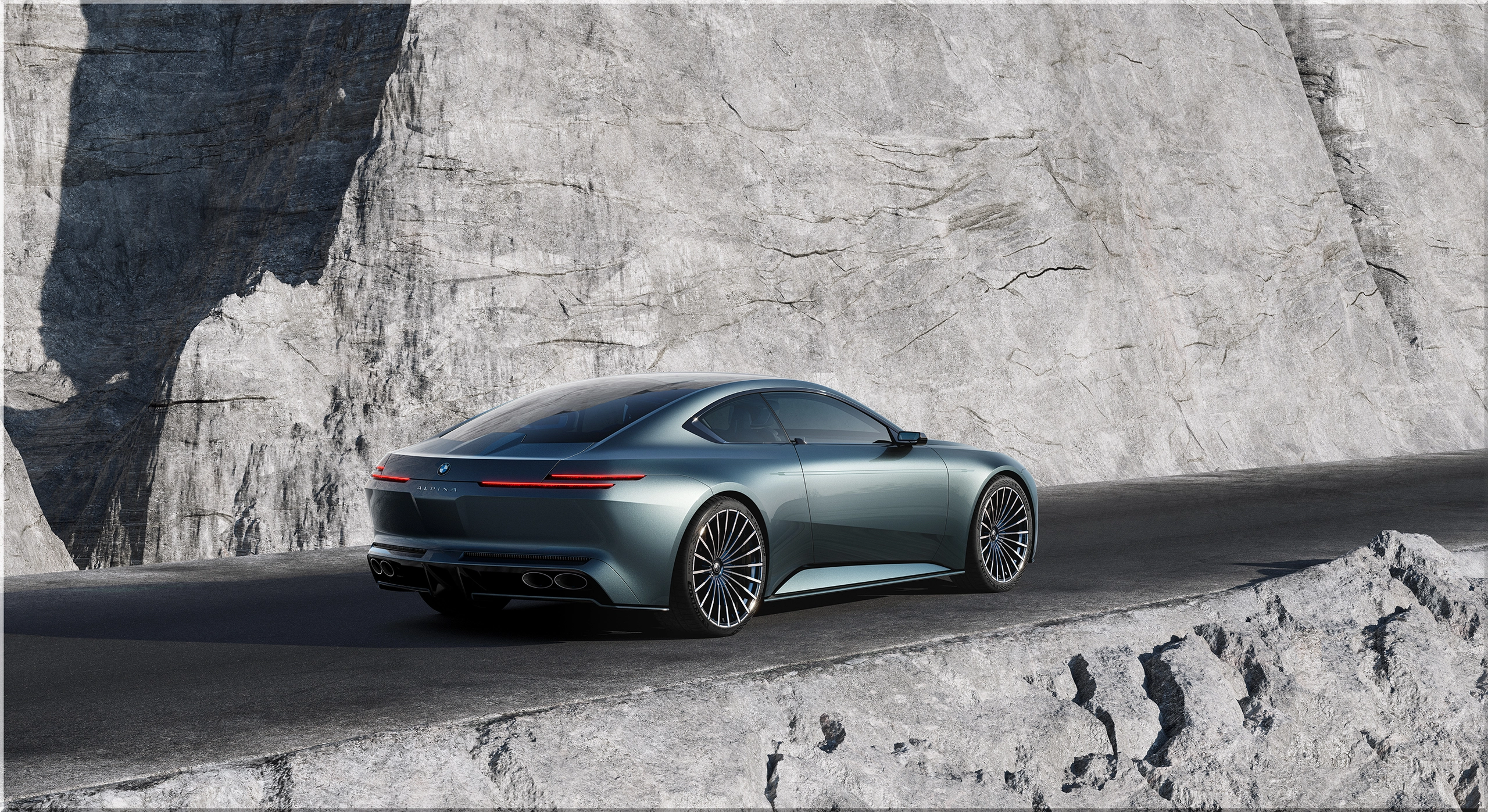
Specifically, the long bonnet, low visual mass, and wide stance reference the late-1970s ALPINA B7 coupe, which used the BMW E24 6 Series as its foundation. That link matters because ALPINA earned credibility by turning refined BMW platforms into faster, calmer, more capable road cars. The new concept repeats that logic with modern proportions and more precise surfacing.
Video file
Video title
Vision BMW ALPINA
Design Details: Shark Nose, Six-Degree Line, 20-Spoke Wheels
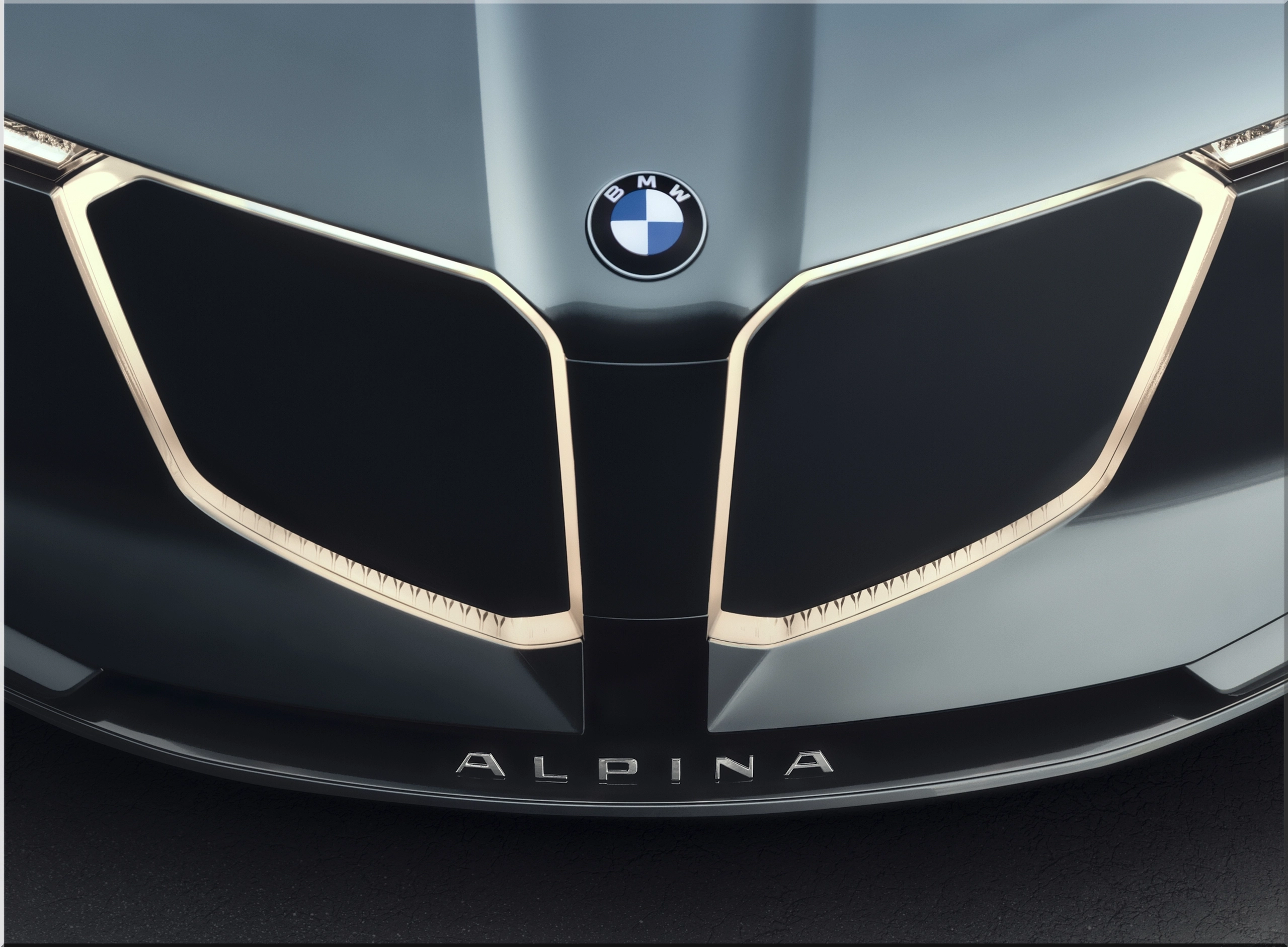
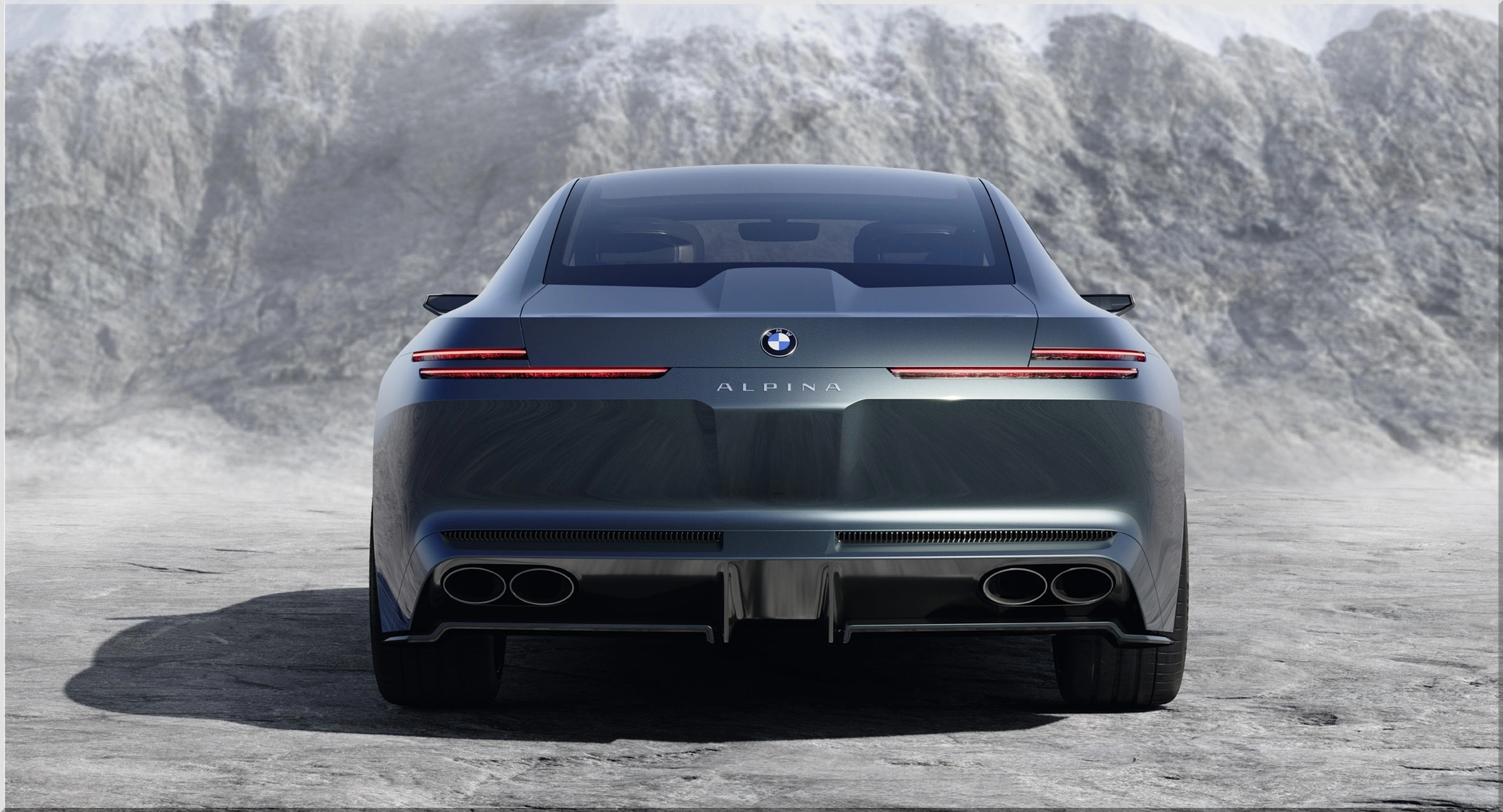
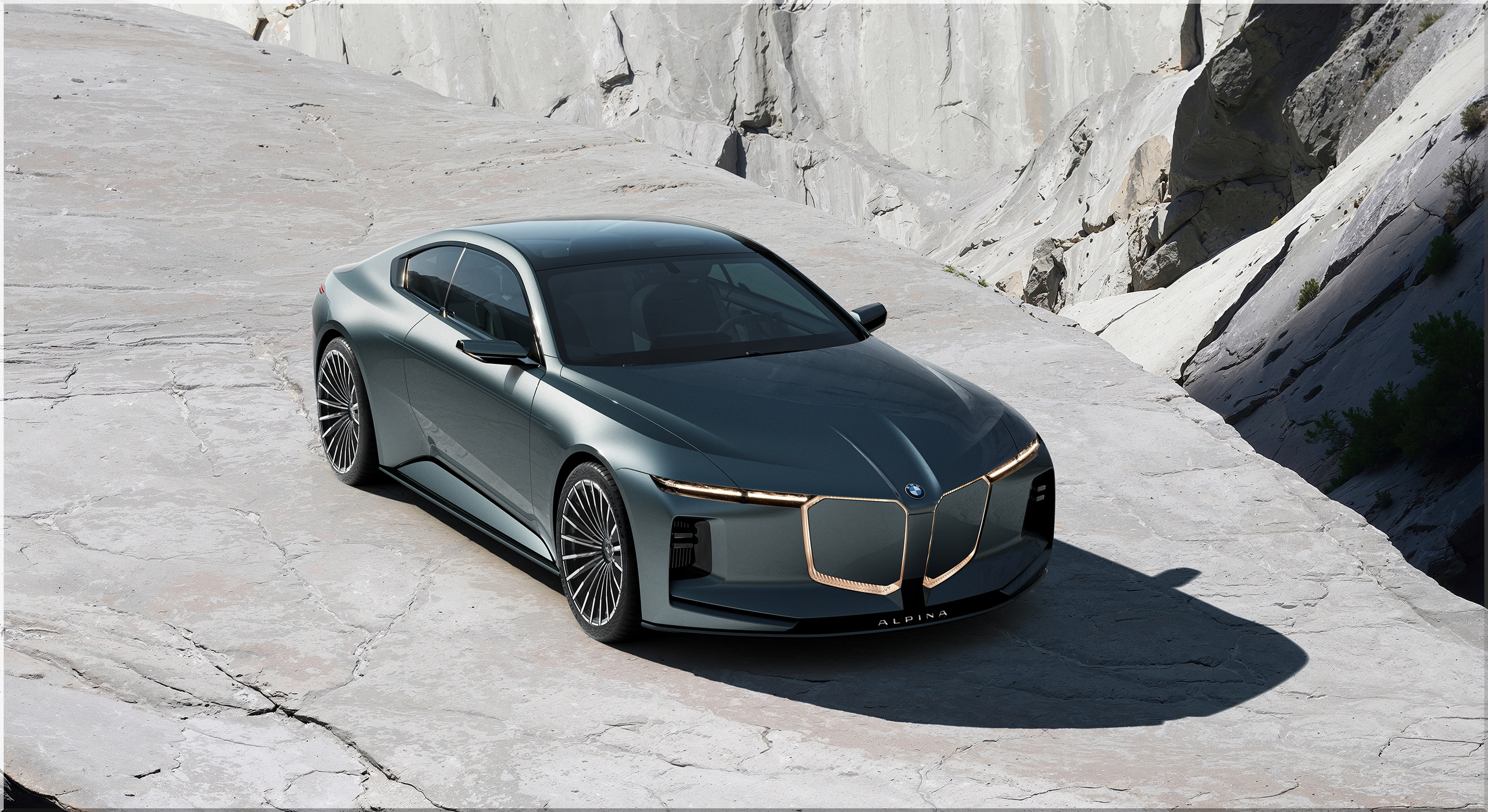
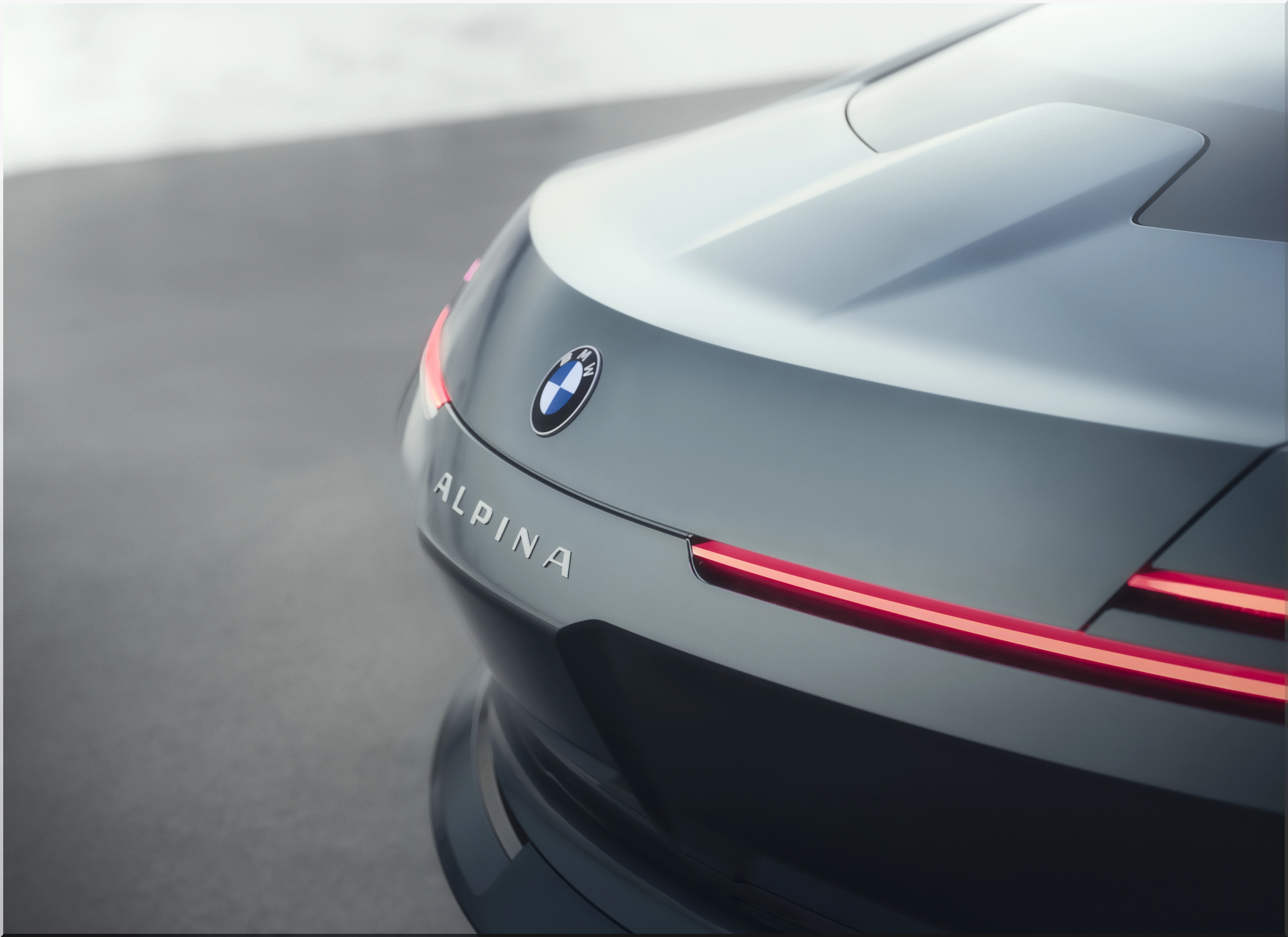
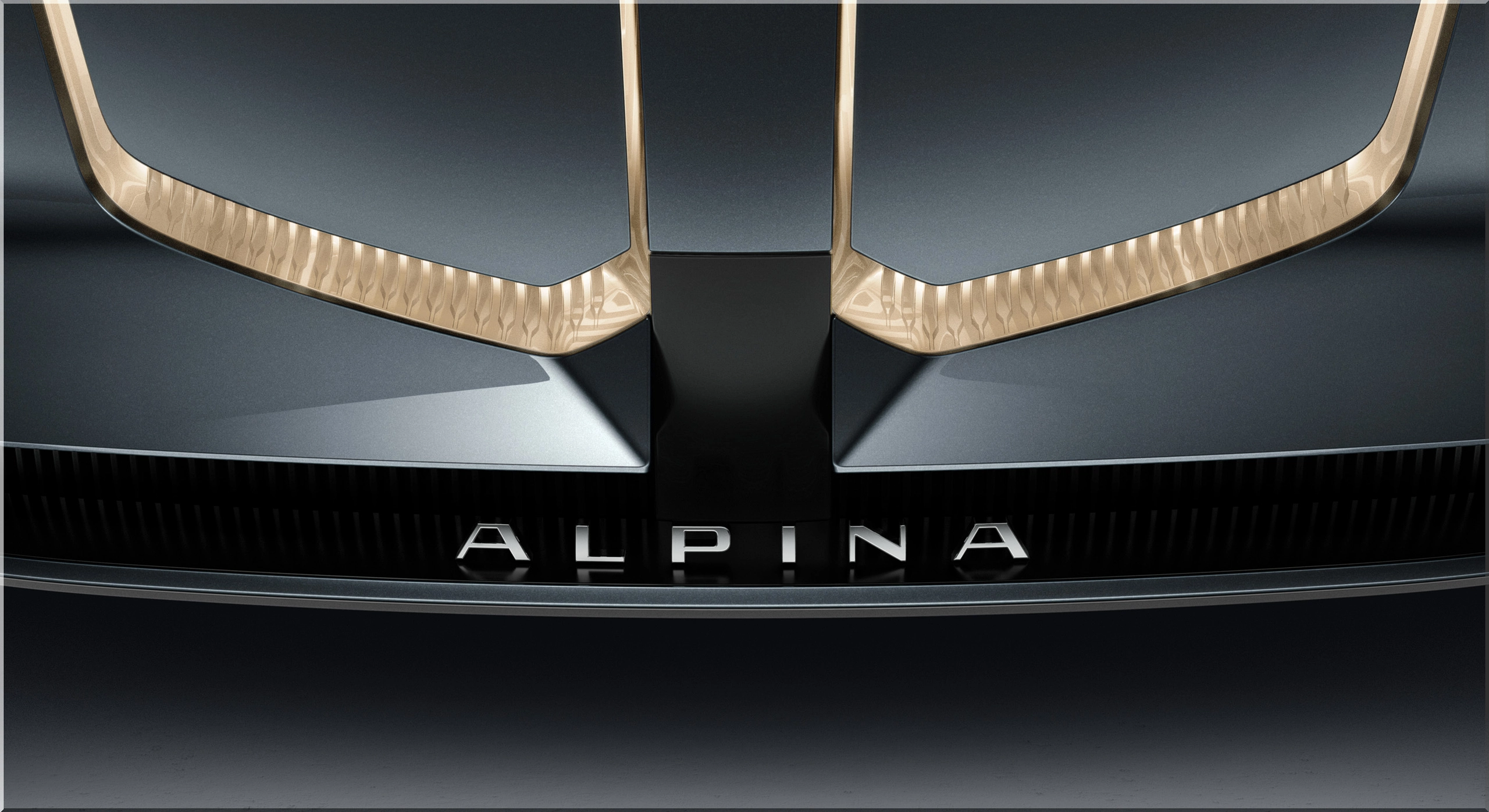
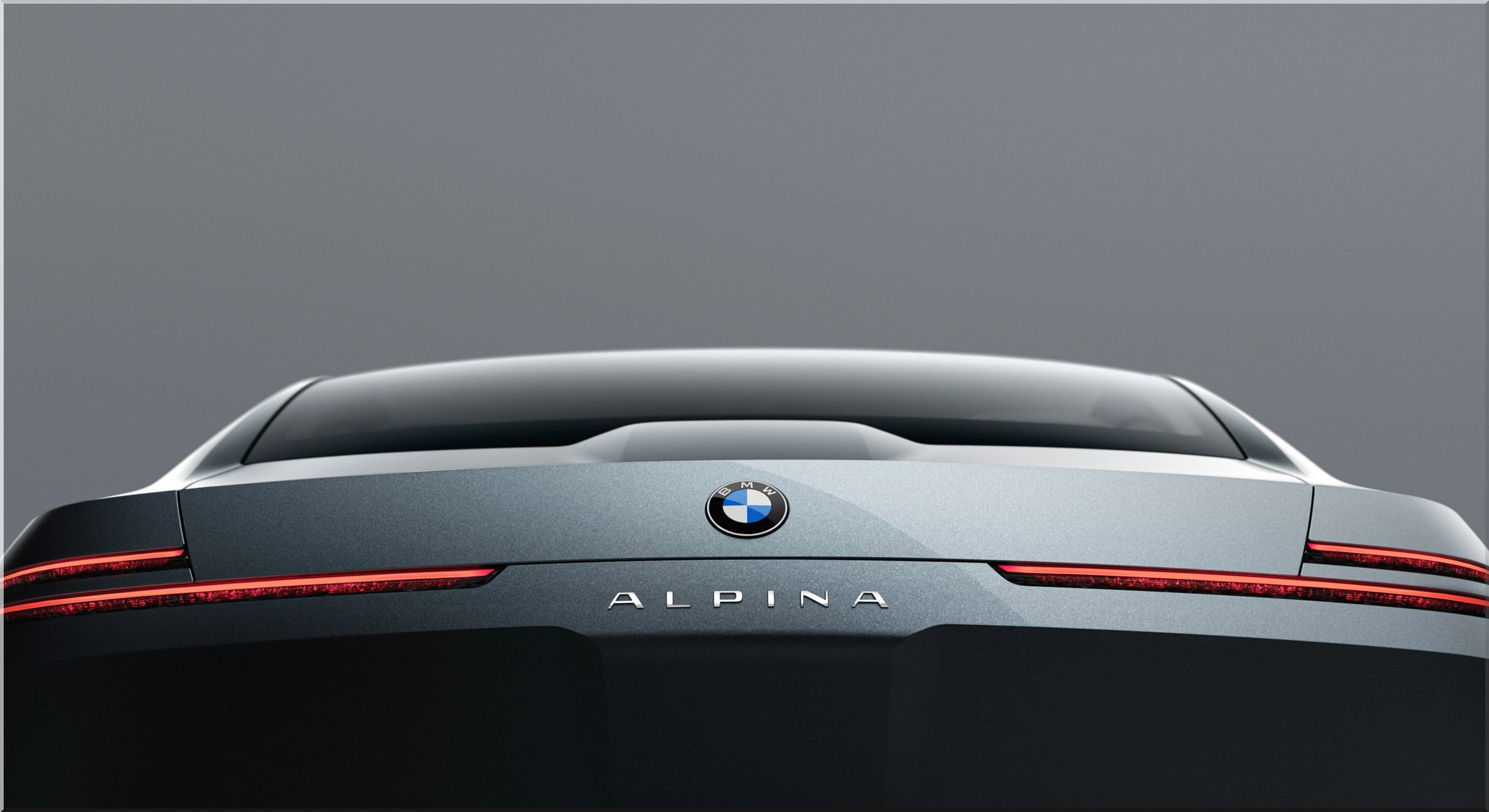
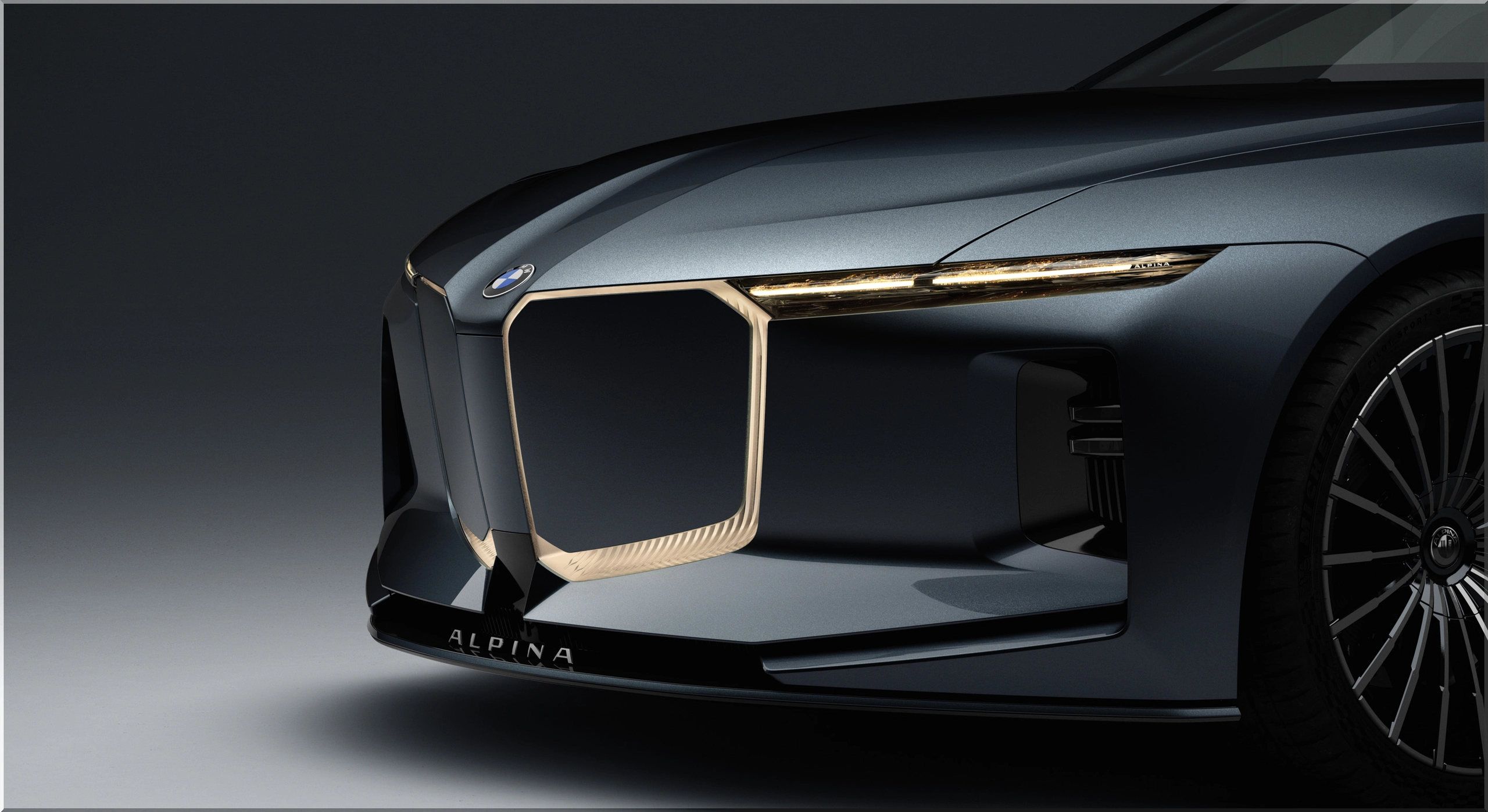
BMW builds the front around a forward-leaning shark nose that turns the kidney grille into a sculptural lead element. The car then uses a six-degree speed feature line that starts at the lower front corners, runs across the side body, and wraps around the rear. Looking at the data, the six-degree motif carries into the cabin and even the glassware, which gives the concept a disciplined design code rather than random ornamentation.
Key exterior signals include:
- Modern ALPINA deco-lines painted beneath the clear coat
- Warm white daytime running lights around the kidney surrounds
- Elliptical four-pipe exhaust outlets
- Machined ALPINA lettering on the lower front apron
- 22-inch front and 23-inch rear wheels with the 20-spoke theme

Vision BMW ALPINA Design Logic
| Feature | Engineering Or Brand Logic |
|---|---|
| V8 powertrain concept | Maintains ALPINA's high-speed grand touring character |
| Comfort+ mode | Adds a softer calibration for long-distance control |
| Six-degree feature line | Gives exterior and interior one visual rule |
| Deco-lines under clear coat | Preserves heritage with a cleaner modern finish |
| 20-spoke wheels | Connects the concept to ALPINA design dating back to 1971 |
| Crystal drive controls | Places tactile value on the driving interface |
Cabin Strategy: Comfort Makes Speed Sustainable
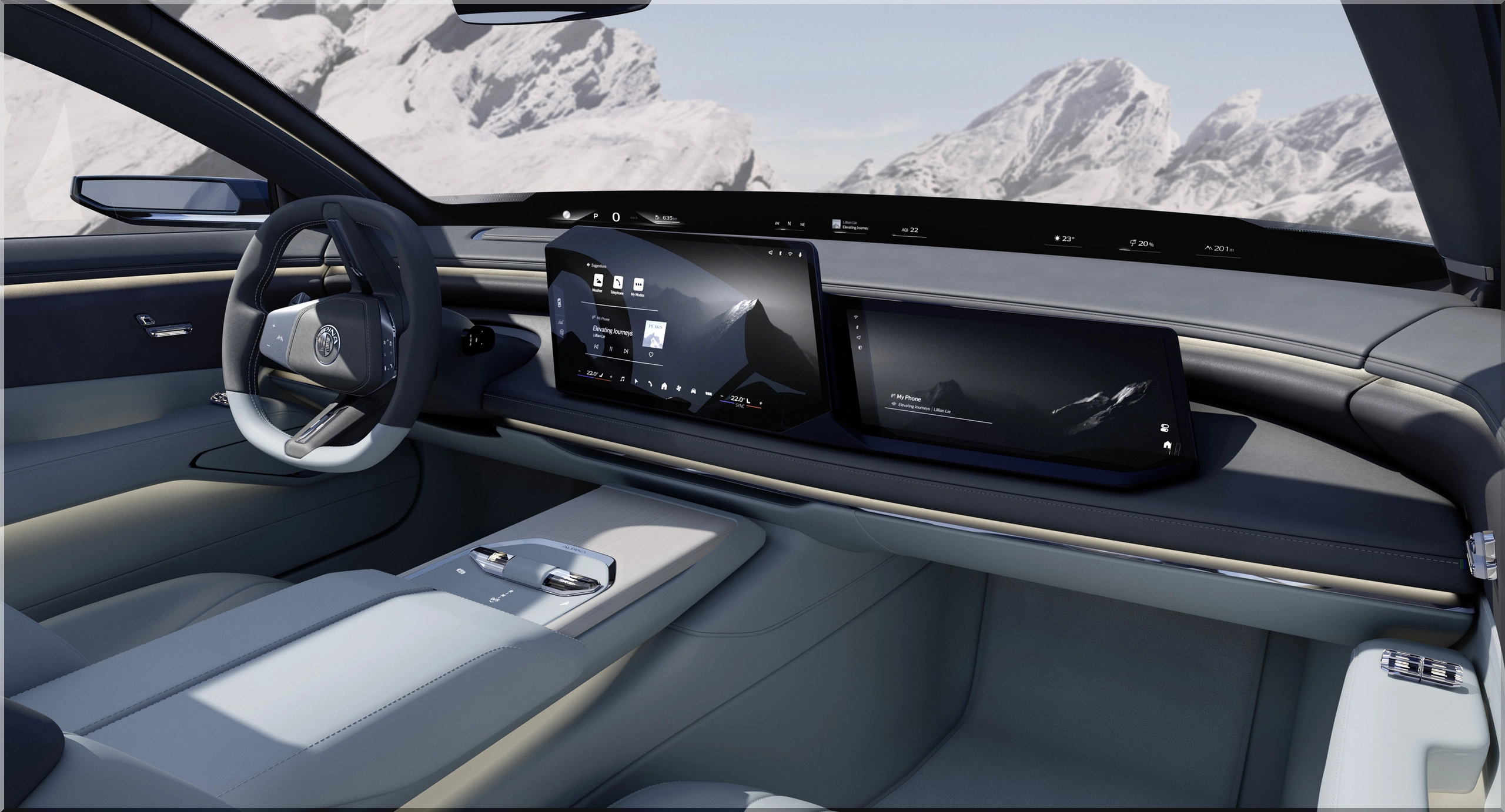
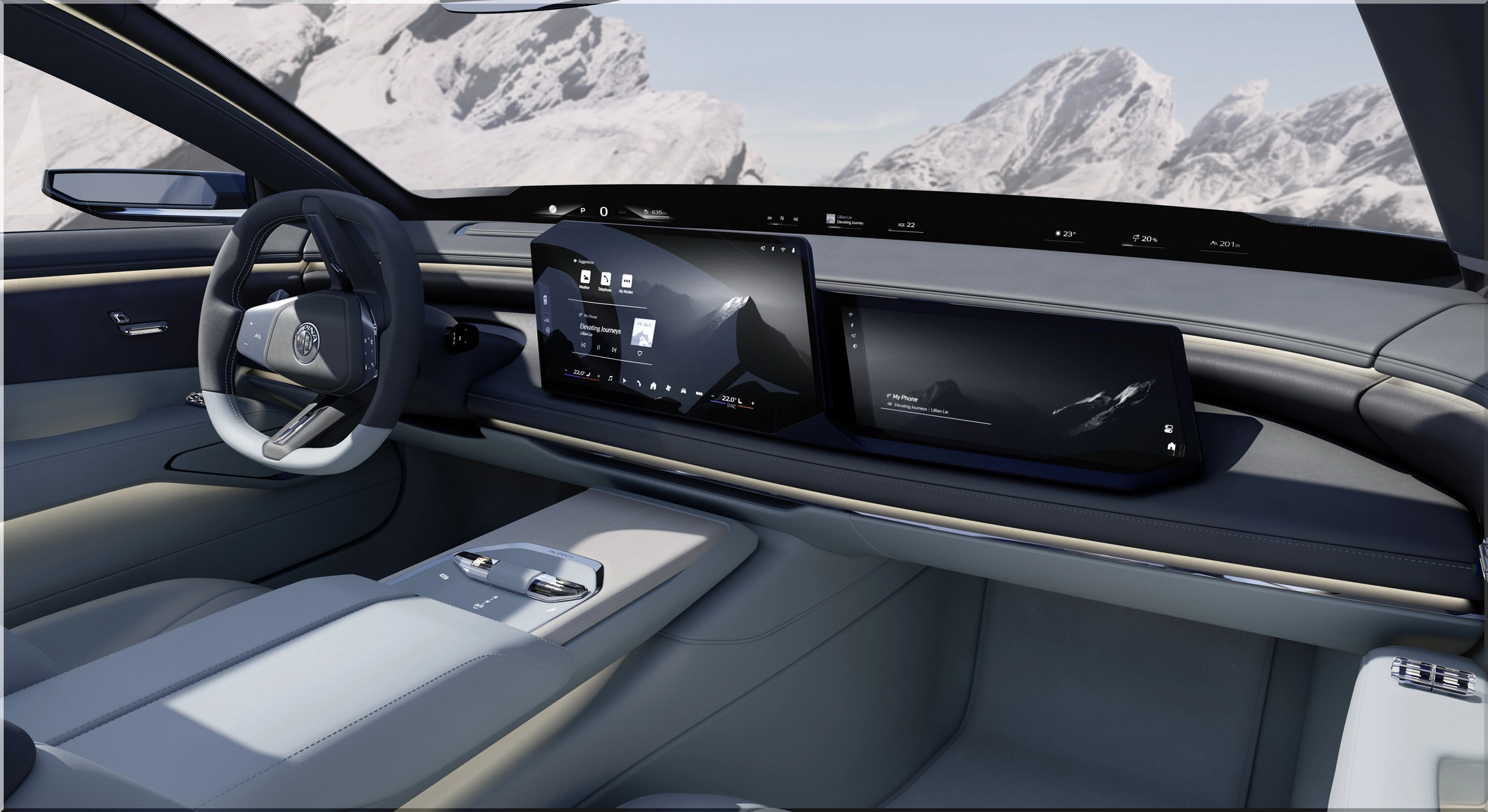
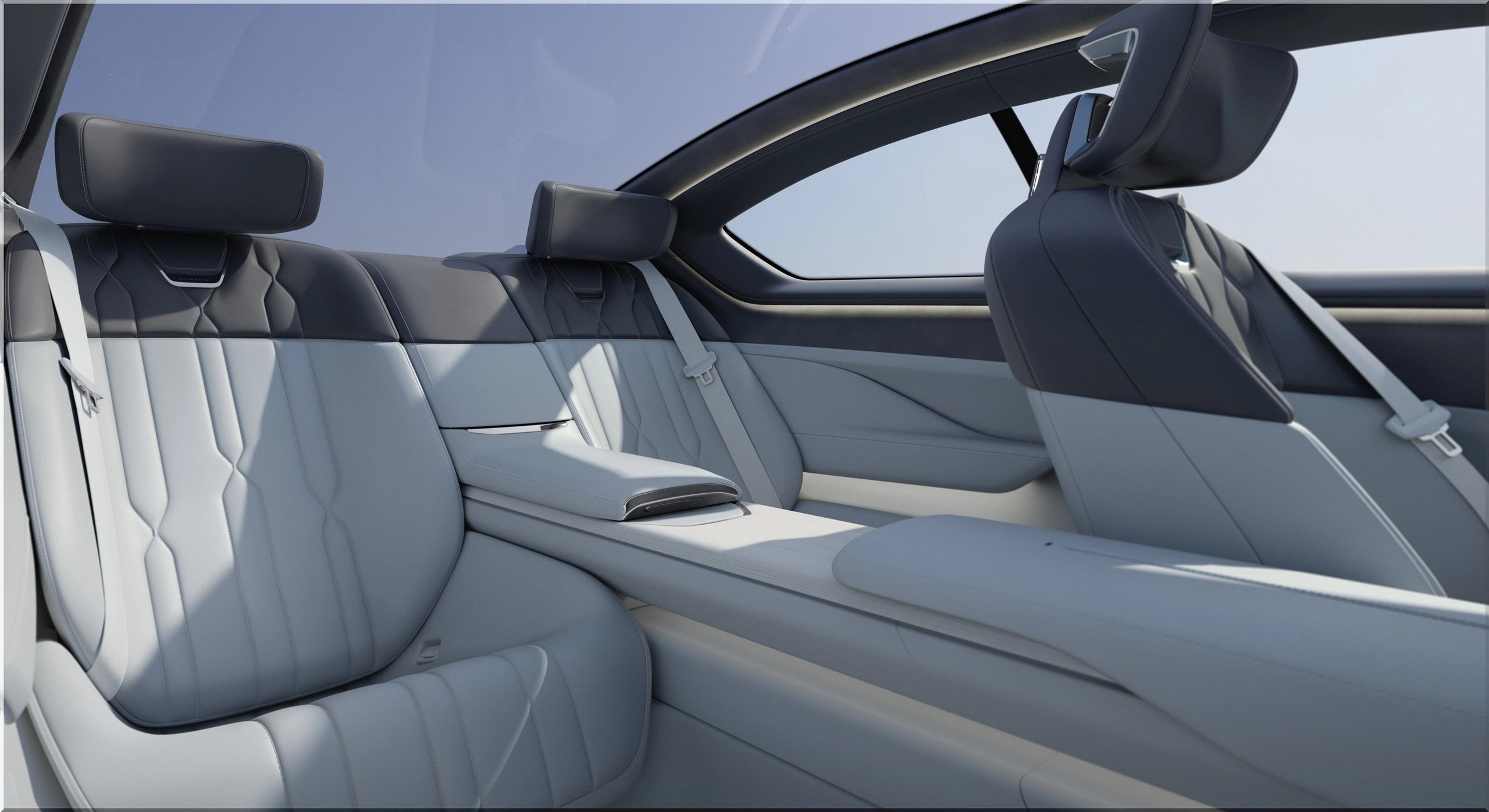
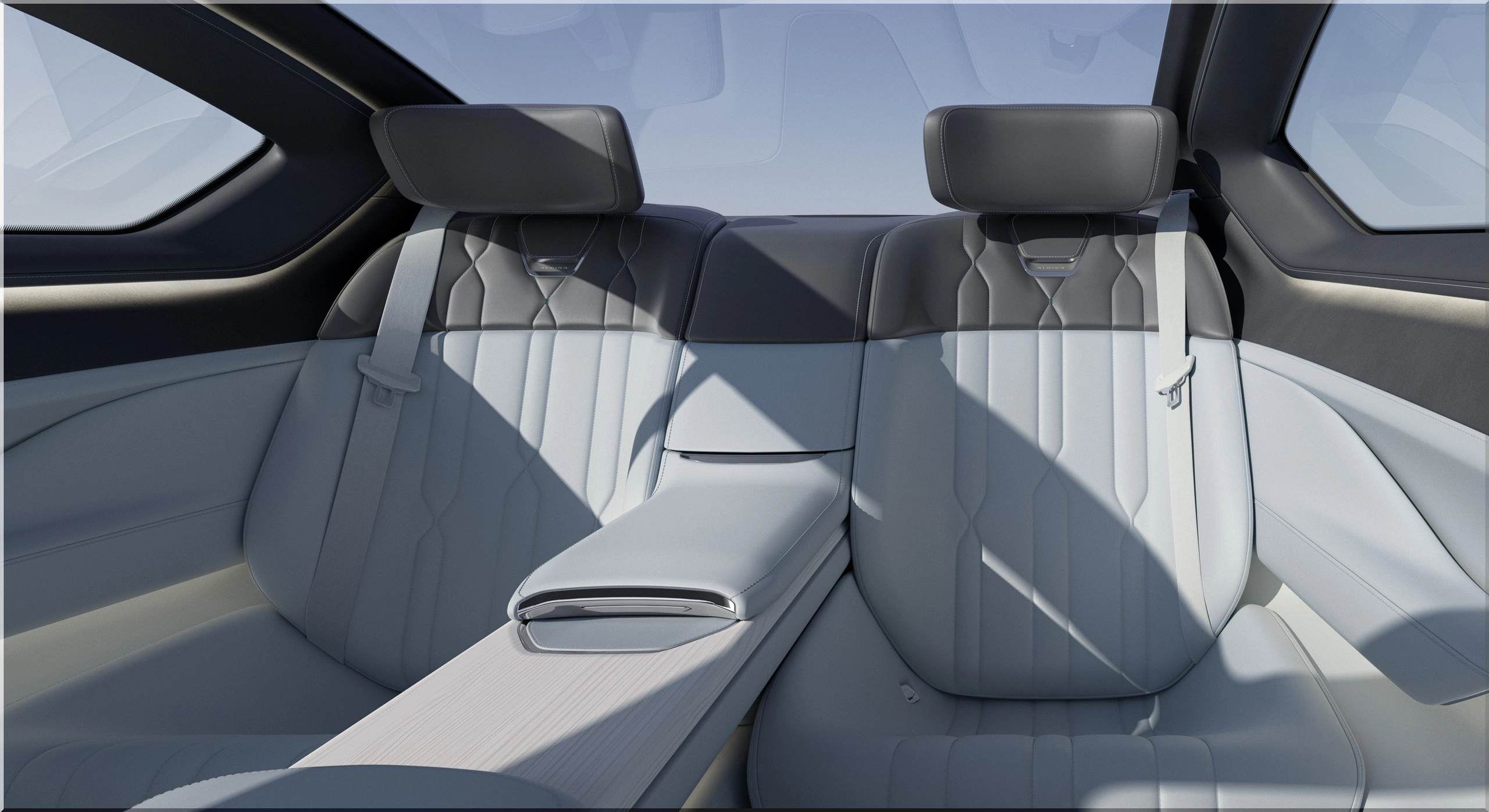
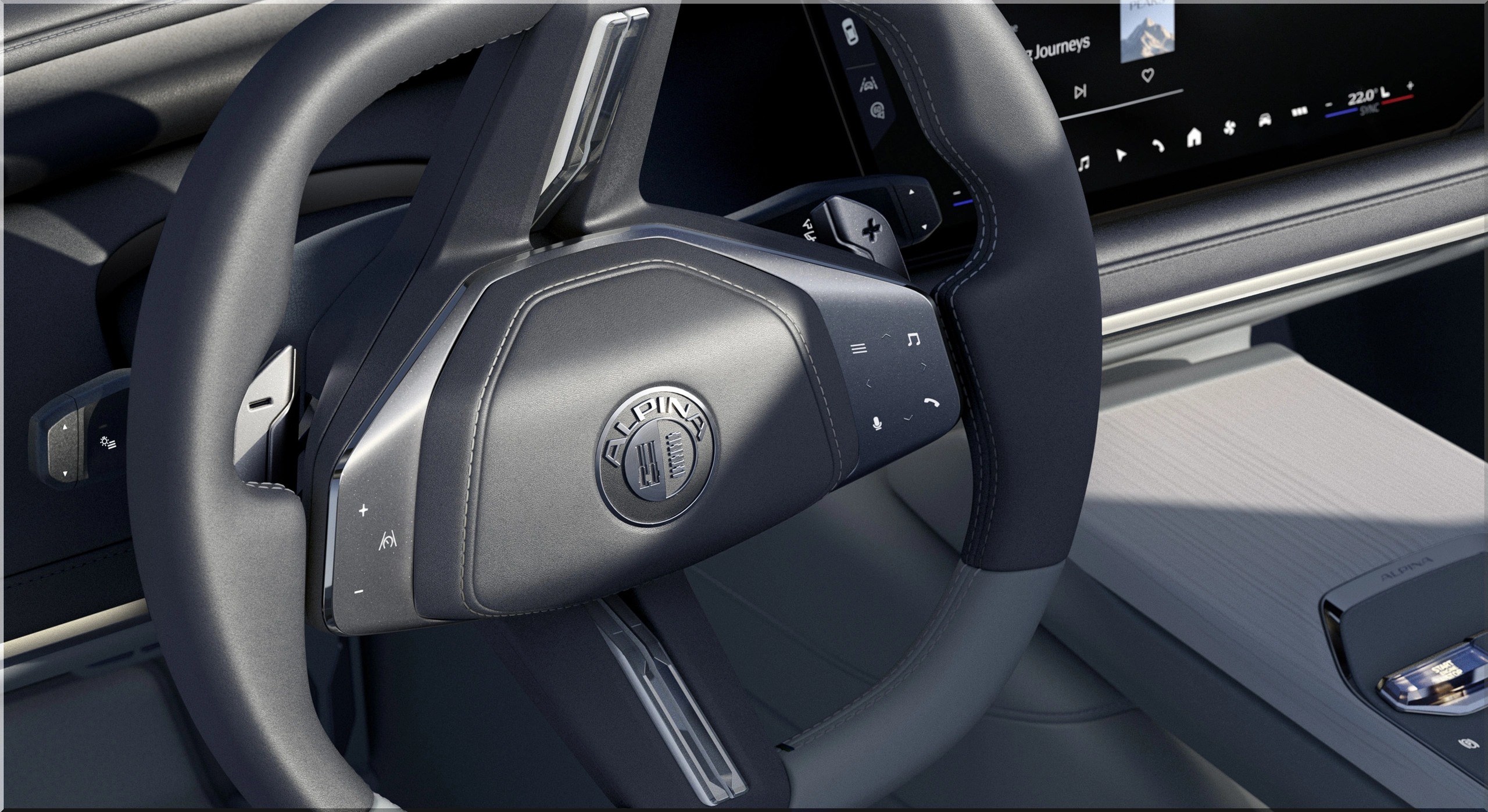
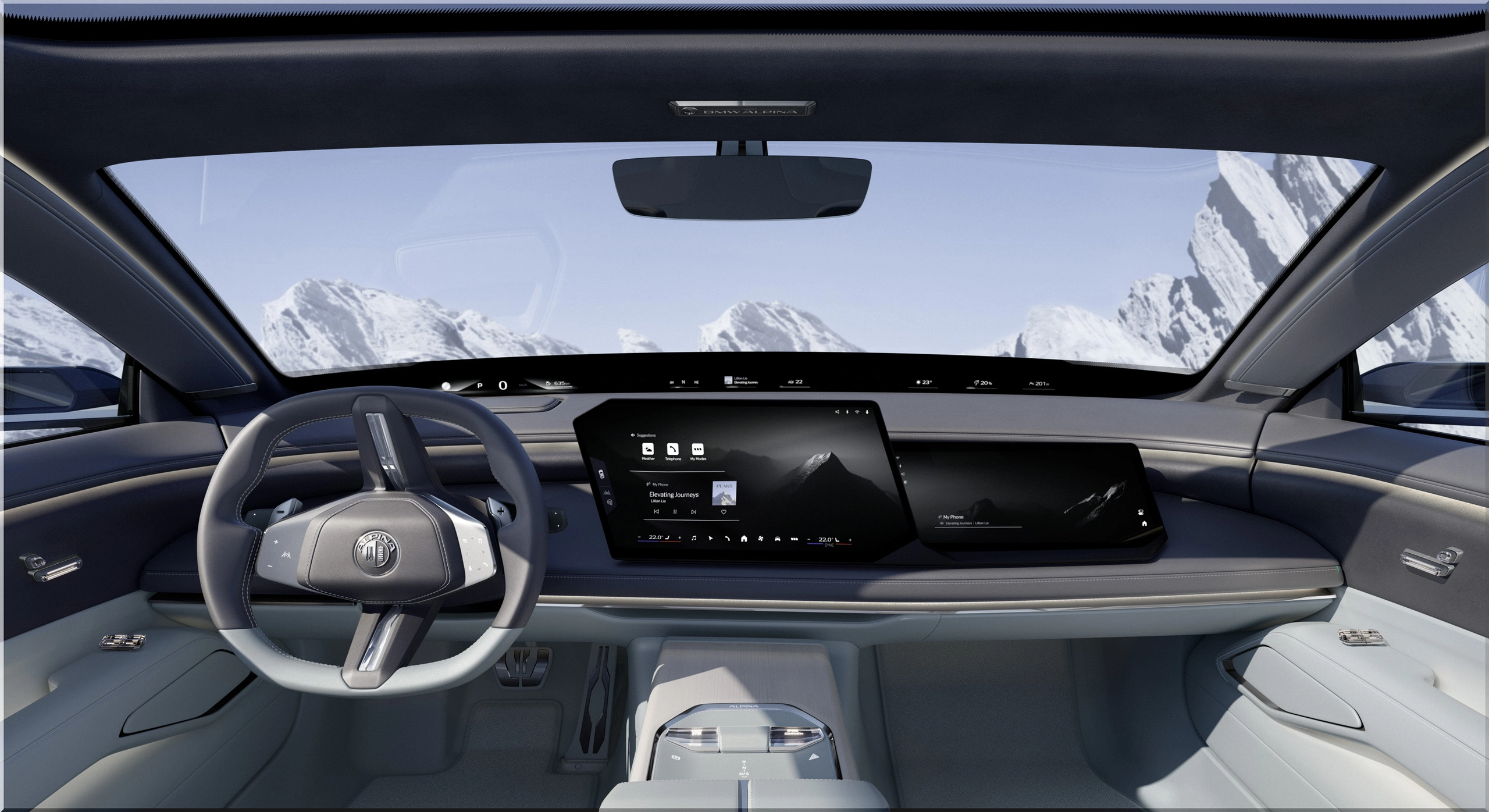
The interior places BMW Panoramic iDrive across the dashboard and adds a passenger screen, but BMW avoids turning the cabin into a flat-screen showroom. Instead, architectural shapes separate the darker upper zone from the lighter lower zone, while full-grain leather from Alpine-region suppliers adds physical depth. In addition, heritage blue and green appear with restraint, then intensify when the driver moves from Comfort+ to Speed mode.
Image
The most ALPINA detail sits behind the rear console. A glass water bottle pairs with crystal glasses that rise from a self-deploying mechanism, each engraved with 20 deco-lines and shaped with a six-degree rim profile. That sounds theatrical, but it supports the concept's mission: speed with ceremony, comfort, and old-money restraint.
Pro-Tip: What Buyers Should Watch Next
Track the first production BMW ALPINA 7 Series-inspired model closely. If BMW keeps Comfort+ calibration, V8 character, and ALPINA-specific digital graphics, the brand can occupy the narrow space between BMW M's sharper edge and Rolls-Royce's chauffeur-grade luxury.
The Strategic Signal For BMW ALPINA
BMW ALPINA became an exclusive brand within the BMW Group in 2026. That changes the business model. BMW now controls the future product cadence, design language, and high-end positioning, while ALPINA brings the heritage BMW lacks in ultra-refined high-speed touring.
By comparison, BMW M sells motorsport energy. Rolls-Royce sells maximum luxury isolation. BMW ALPINA can sell the middle ground: fast, quiet, expensive, discreet, and tuned for drivers who cover distance rather than chase lap times.
Image
Should You Care About Vision BMW ALPINA?
Yes, if you follow luxury performance cars. The Vision BMW ALPINA previews more than a design exercise; it shows how BMW plans to grow its high-end portfolio without turning every fast car into an M product. The smartest move comes from restraint. BMW keeps the V8, the four-seat comfort brief, the ALPINA deco-line heritage, and the long-distance grand touring philosophy, then wraps it in a cleaner, more digital package.
The first production result arrives next year. That car will show how much of this concept survives contact with regulations, production cost, and customer expectations.
- Add new comment
- 86 views