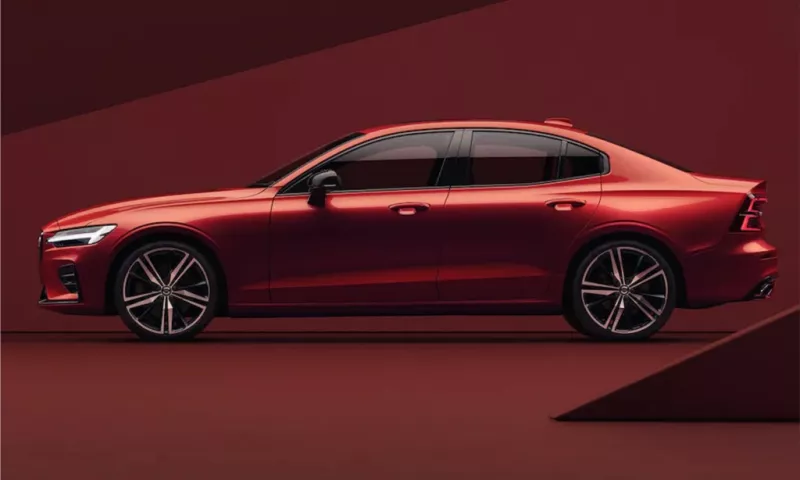

Why one million PHEVs matters right now
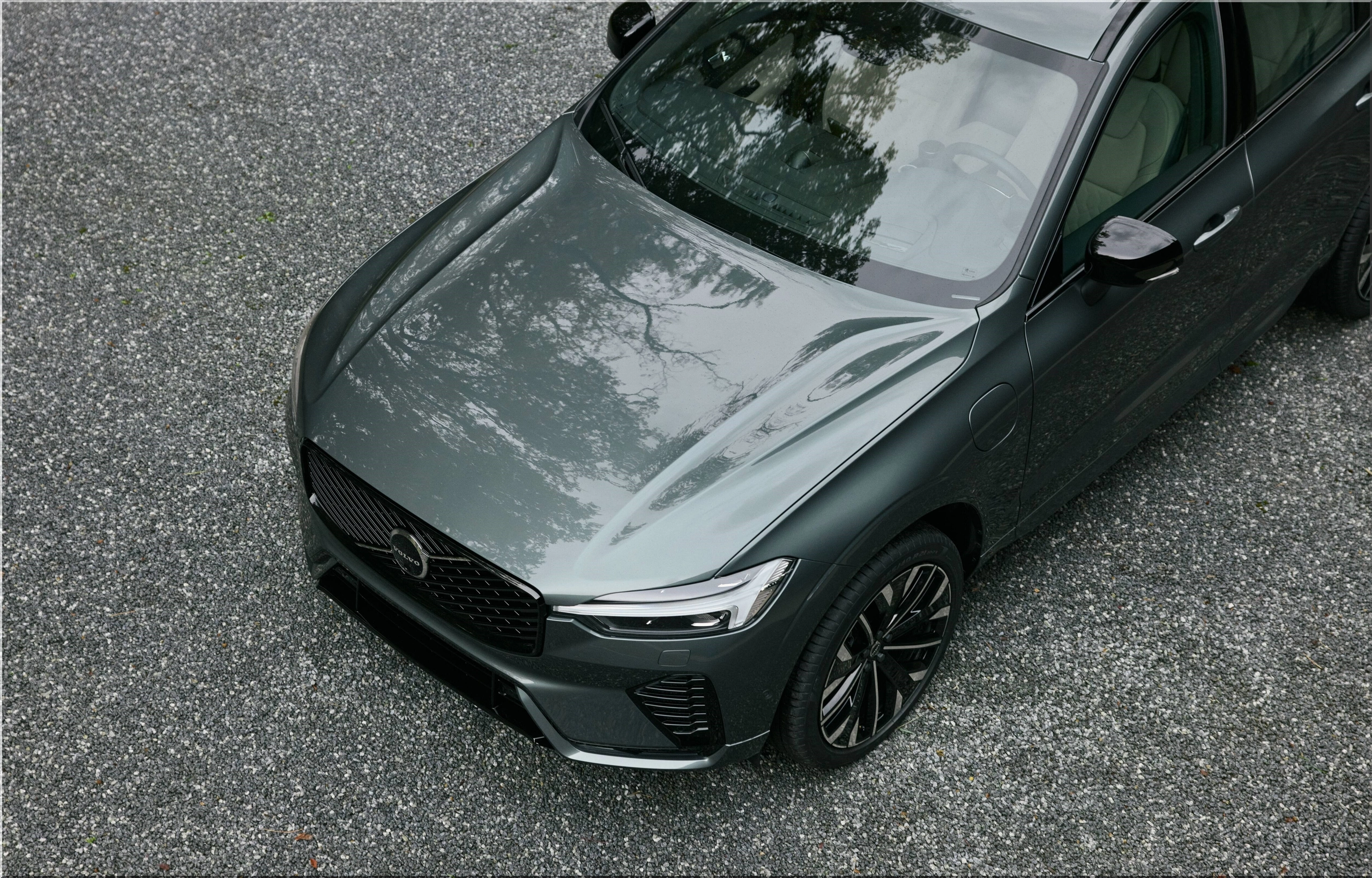
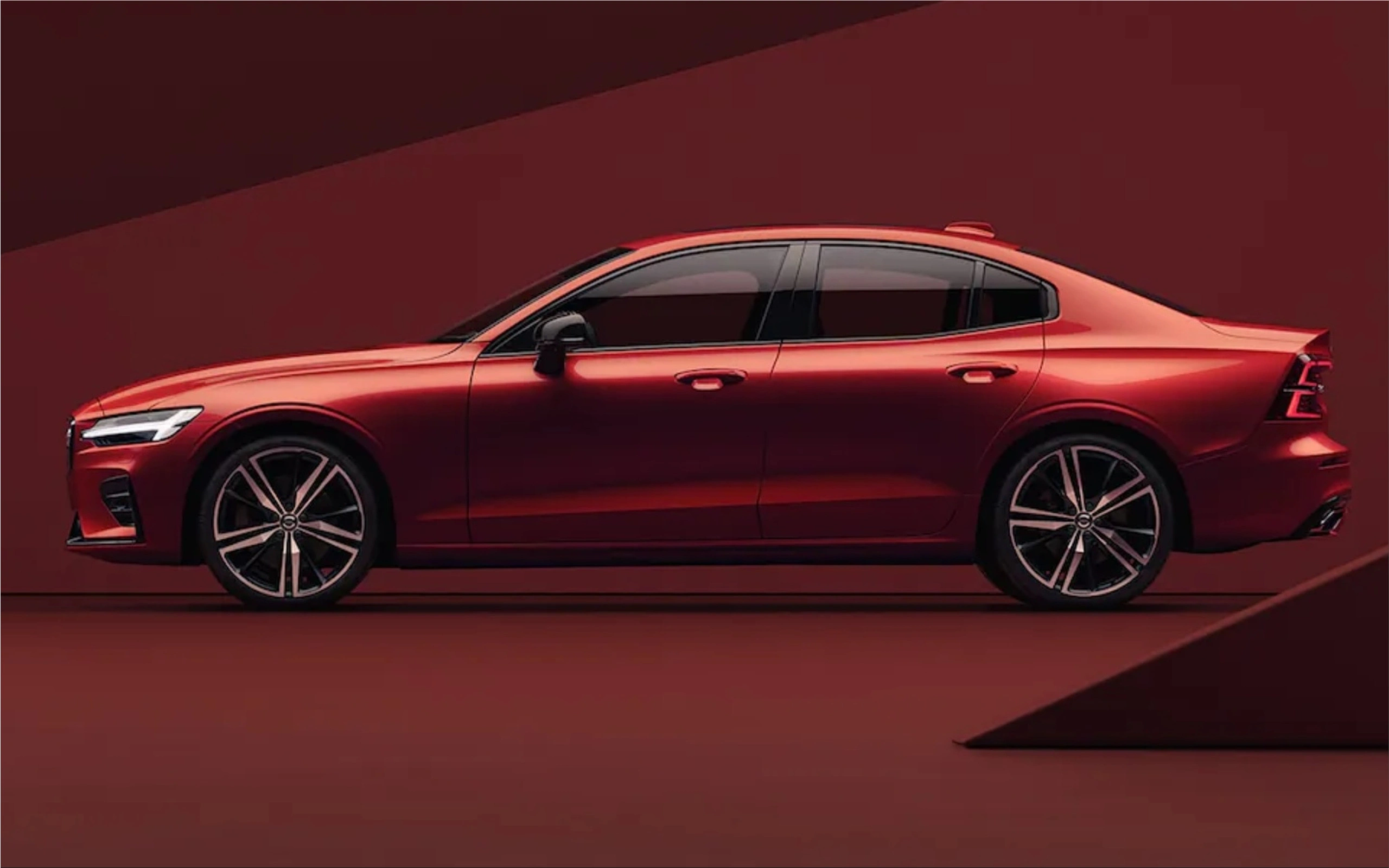
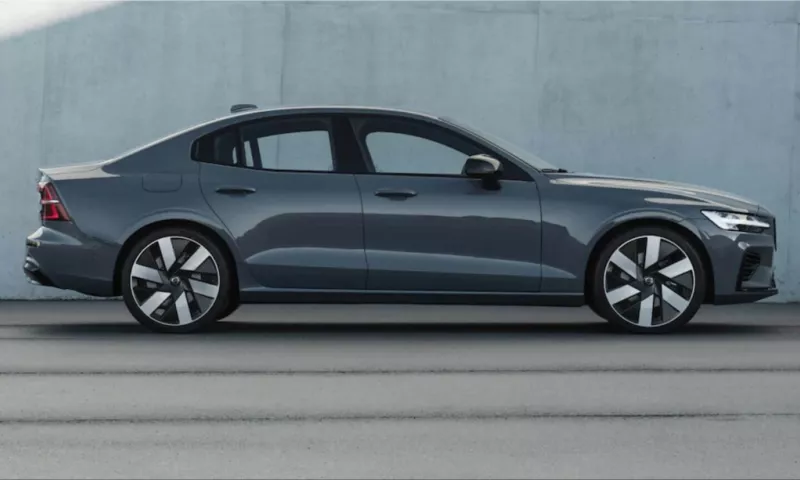
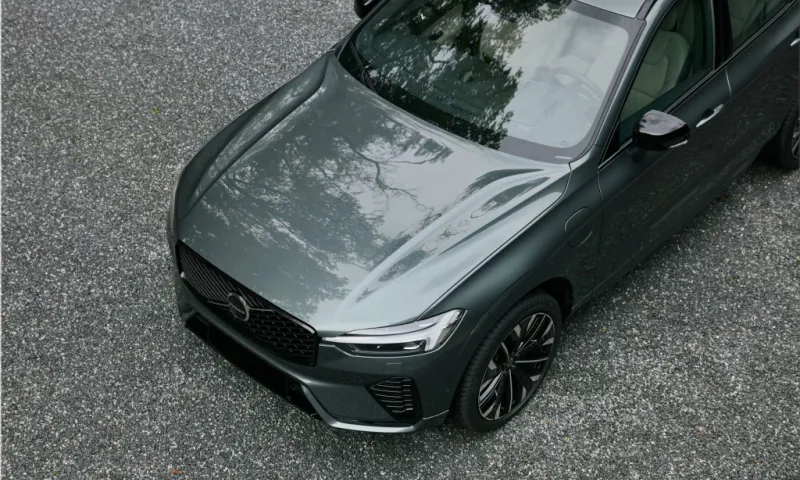
Volvo crossed one million plug-in hybrid deliveries. That scale changes buyer behavior. It also pressures rivals. It gives dealers a clear script. Volvo backs both PHEV and EV lines. That dual path expands reach across regions with mixed charging access. It also smooths production planning and inventory.
The milestone sends a direct message. Shoppers want electric miles with simple ownership. PHEVs meet that need today. Full EVs meet it too, for the right use case.
The numbers that matter
Volvo’s PHEV volume grew from ~46,000 units in 2019 to ~177,000 units in 2024. That equals about 3.8x growth in five years.
PHEVs took roughly 23% of Volvo’s global sales in the first half of 2025. That share proves sustained demand across regions.
Short product cycles supported the climb. New batteries and software raised electric range and efficiency. Availability improved. Showrooms kept momentum.
Volvo PHEV growth snapshot
| Metric | Value |
|---|---|
| Cumulative PHEVs on the road | 1,000,000+ |
| Global PHEV share, H1 2025 | ~23% |
| Annual PHEV volume, 2019 | ~46,000 |
| Annual PHEV volume, 2024 | ~177,000 |
| 2019→2024 growth multiple | ~3.8x |
What unlocked growth:
- More trims with larger battery capacity.
- Wider charging access at home and work.
- Focused packaging that removes complexity.
- Consistent marketing around daily electric use.
Model mix: XC60, XC90, and long-range XC70
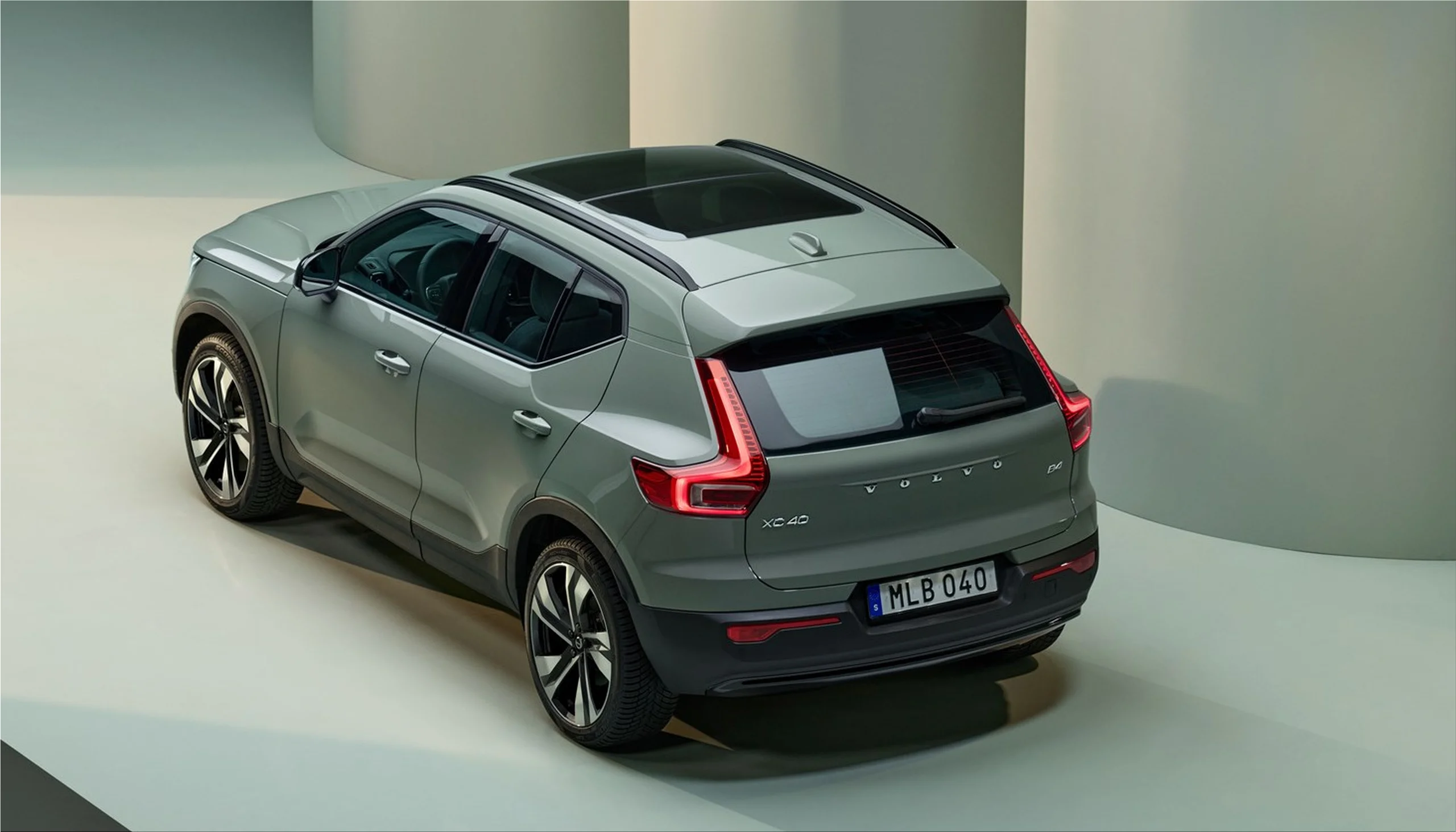
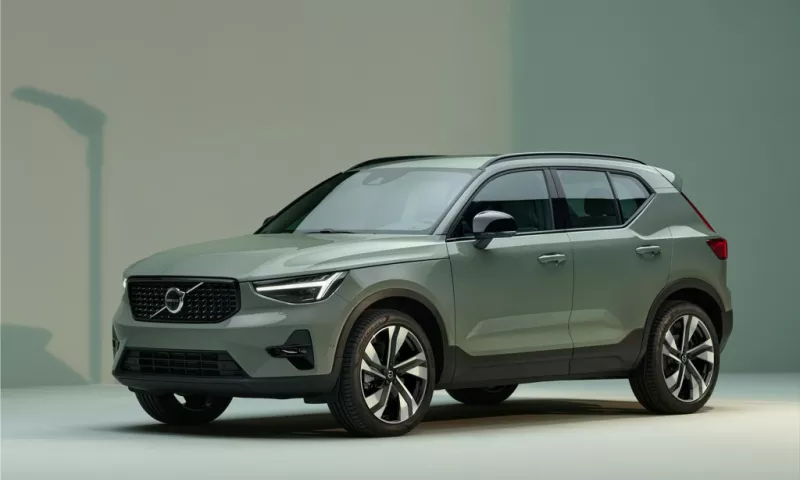
Volvo’s XC60 and XC90 carry much of the volume. Each model targets a clear role. Each model hits a clear buyer need.
XC60 PHEV: two-row volume leader
The XC60 PHEV anchors the lineup. It attracts commuters and small families. It offers strong electric-only range for daily trips. It fits garages and charging setups in cities and suburbs.
Buyers value the balance. You drive on electric power most weekdays if you charge nightly. You still have gasoline backup for longer routes.
XC90 PHEV: three-row road unit
The XC90 PHEV adds a third row. It suits larger families and executive fleets. It also supports long-distance highway duty with fuel backup.
Charging at home turns most weekday trips electric. A single vehicle can cover school runs and cross-state drives. That combination sells.
XC70 PHEV: range benchmark setter
The XC70 PHEV introduces a long-range concept for a plug-in hybrid. Volvo claims over 200 km of electric range on CLTC. That equals about 124 miles.
CLTC runs optimistic versus WLTP and EPA procedures. Expect lower official figures outside China. The claimed number still raises the PHEV bar. It sets a new target for range-driven shoppers.
Quick roles and buyer profiles
| Model | Role | Buyer profile | Why it wins |
|---|---|---|---|
| XC60 PHEV | Two-row staple | Commuters, small families | Strong electric-only coverage, easy charging habits |
| XC90 PHEV | Three-row hauler | Larger households, fleets | Space, highway comfort, fuel backup |
| XC70 PHEV | Long-range PHEV | Range-sensitive buyers | High electric range headline, fewer fuel stops |
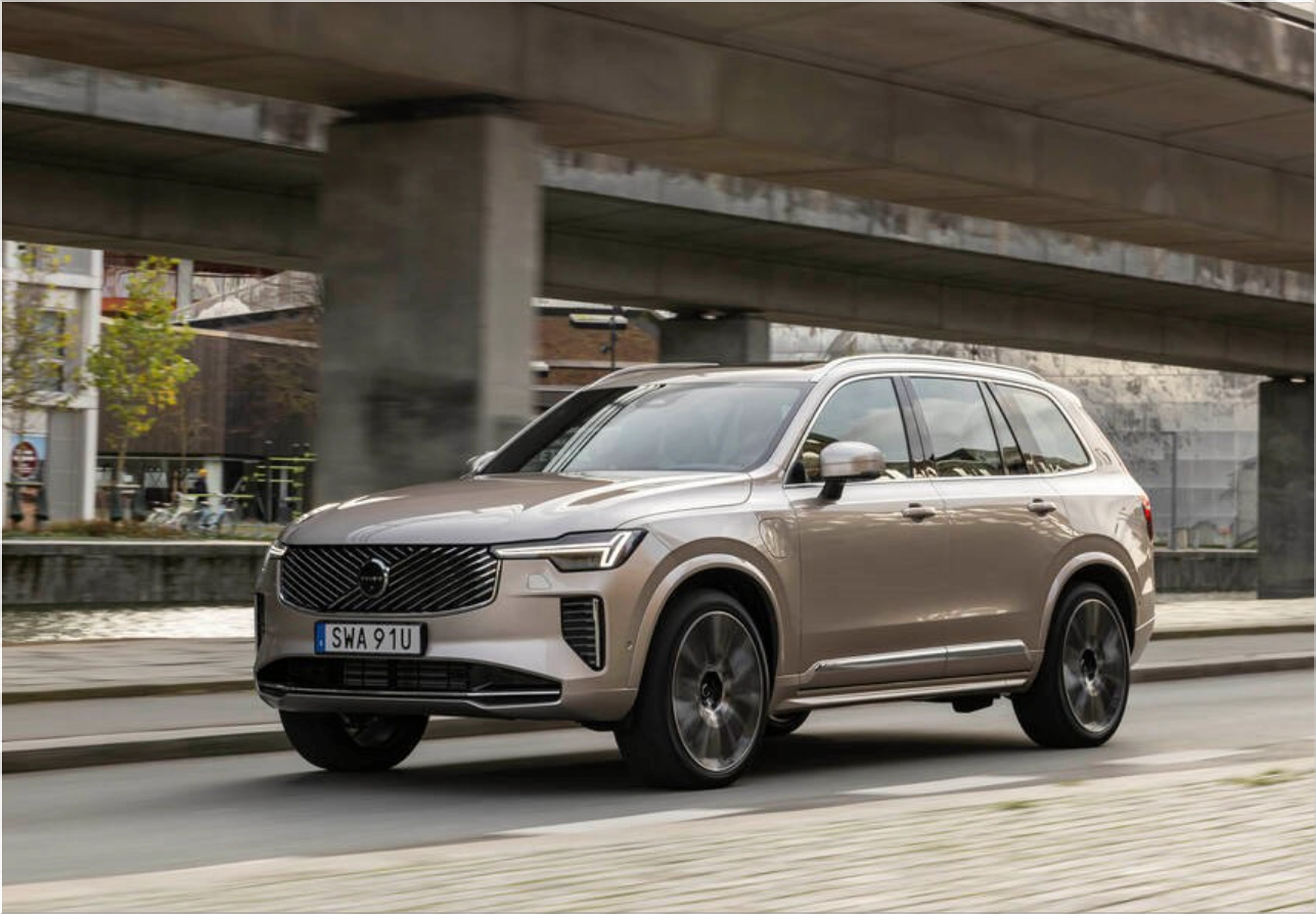

How owners use Volvo PHEVs day to day
Owner data shows a consistent pattern. Many drivers operate PHEVs with the engine off for about half of total drive time. That share rises with home Level 2 access and predictable commutes.
Electric miles replace fuel miles on short trips. Preconditioning improves comfort and reduces energy spikes. Routine overnight charging keeps the battery ready each morning.
What boosts electric share:
- Level 2 home installation and simple scheduling.
- Larger battery packs with usable capacity disclosures.
- Worksite outlets and employer charging policies.
- Driver coaching inside the infotainment system.
Buyer playbook: cut fuel spend with a PHEV
Shoppers want lower running costs without range planning stress. PHEVs give that mix right now. Use this quick, math-first approach.
Step 1: Map your daily miles.
List your average weekday round trip. If it sits under 60 miles, you will likely drive mostly electric once you install Level 2.
Step 2: Install home Level 2.
Set a 240V circuit near your parking spot. Pick a smart charger. Use a schedule to target off-peak hours.
Step 3: Track cost per mile.
Log kWh added at home and fuel used at stations. Divide each by miles driven. That shows your real costs.
Step 4: Optimize habits.
Charge to 80–90% for daily use. Precondition while plugged in on cold mornings. Use brake regen modes in heavy traffic.
Step 5: Plan long trips.
Use the PHEV’s fuel backup. Set the car to save battery for city segments at your destination. Avoid deep battery drains when chargers are scarce.
Daily charging checklist
- Confirm outlet location and cable reach.
- Mount the wall unit at a reachable height.
- Set departure timers in the app.
- Check the breaker rating and labeling.
- Keep the cable off the ground with hooks.
When a full EV serves better
Pick a full EV if your household has consistent home charging. Pick it if your routes stay urban. Pick it if you want zero tailpipe emissions and fewer service visits.
Pick a PHEV if you split time between city and highway. Pick it if you have one vehicle for road trips. Pick it if your region has long gaps between fast chargers.
Dealer actions that convert PHEV shoppers
Dealers win with a simple process. The goal is clarity and speed. The right steps reduce doubt and shorten time to close.
Five moves that work:
- Run a five-question use-case screen before the test drive.
- Present a one-page charging plan with timing and costs.
- Show a 12-month energy bill estimate in three scenarios.
- Demo preconditioning, charge timers, and trip planner.
- Bundle Level 2 hardware and installation at delivery.
What to show on the lot:
- A live charge session on a display unit.
- Battery health and usable kWh screens.
- Drive modes that favor electric operation in cities.
- Cost-per-mile comparisons across trims.
Fleet actions for fast CO2 cuts
Fleets need fuel savings without uptime risk. PHEVs can deliver quick gains when drivers plug in daily. Policy and incentives drive behavior.
Five steps for fleet managers:
- Spec vehicles with high electric range claims and strong real-world results.
- Pay drivers for verified charge sessions.
- Use geofencing to switch to electric drive in dense zones.
- Track engine-off miles per route and per driver.
- Rotate assignments to maximize daily electric miles.
Data to monitor:
- Electric mile share by vehicle and week.
- Missed charge sessions and reasons.
- Fuel consumption outliers and causes.
- Battery state-of-health over time.
Charging reality in 2025 and near term
Public charging networks keep growing, but coverage still varies by corridor. PHEVs bridge gaps with gasoline backup. That reduces trip risk in sparse regions.
Owners should focus on home Level 2 first. Public AC charging helps at the office or gym. DC fast charging matters less for PHEVs. Keep the focus on daily recovery at home.
Owner tips for grid-friendly charging:
- Use off-peak windows when possible.
- Set charge limits to protect battery longevity.
- Precondition cabin while plugged in.
- Avoid repeated deep discharges on short trips.
Manufacturing and supply footprint
Volvo runs a global footprint that supports demand swings. Europe hosts major plants in Gothenburg and Ghent. China adds capacity in Chengdu, Daqing, and Taizhou. The United States contributes output from South Carolina.
Design and R&D centers sit in Gothenburg and Shanghai. That split shortens cycles and supports regional tuning. It also reduces shipping time for components.
Parts sourcing supports both EV and PHEV lines. Battery supply contracts cover volume and chemistry changes. Software updates roll out over-the-air in most regions.
Financial footing in USD
Strong finances fund batteries, software, and factory upgrades. They also support supplier capacity for cells and power electronics.
2024 results with USD approximations
| Metric | USD (approx) |
|---|---|
| Revenue | ~$38.1 billion |
| Core operating profit | ~$2.6 billion |
| Global vehicle sales | 763,389 units |
Healthy cash flow supports PHEV and EV development in parallel. It also funds charging programs with delivery bundles.
KPIs to watch each quarter
Track these signals to spot market direction. The mix will guide your buying window and your product bets.
- PHEV share of Volvo global sales.
- Certified electric range vs. real-world owner reports.
- XC60, XC90, XC70 mix by region and trim.
- Average engine-off drive time from telematics programs.
- Home charger bundle take rates at delivery.
- Battery usable kWh disclosures and inverter specs.
- Price walk between PHEV and EV trims in USD.
- Days-to-turn for PHEV inventory across dealers.
What rivals need to do next
Rivals need longer electric range and simpler charging experiences. They also need clear battery data and cleaner pricing.
Action items for competitive nameplates:
- Target 60–100 miles EPA-style electric range.
- Add heat pumps to protect winter results.
- Publish usable kWh and onboard charger details.
- Add city-first drive modes that favor electric operation.
- Package Level 2 hardware and installation credits.
- Train sales teams on cost-per-mile conversations.
Pricing strategy:
- Keep a simple walk between gas, PHEV, and EV trims.
- Offer loyalty cash tied to charger installation.
- Use transparent destination and doc fees.
- Show total cost over 36 months, not MSRP alone.
Practical Q&A for shoppers
How many electric miles will I get daily?
Match your commute to certified electric range. Plan for weather and terrain. Aim to charge nightly.
What if I skip a charge session?
The PHEV runs on fuel. Your cost per mile rises that day. Resume charging the next night.
Do I need public charging for a PHEV?
Home Level 2 covers most needs. Public AC helps at work. DC fast matters little for PHEVs.
How do I track savings?
Use the app’s energy logs. Record kWh, gallons, and miles weekly. Review the cost-per-mile trend.
Bottom line for buyers, rivals, dealers, and fleets
For buyers:
Pick the PHEV that matches your daily miles. Install Level 2 at home. Track cost per mile and adjust habits.
For rivals:
Push longer electric range, clear battery specs, and simple pricing. Package charging with delivery.
For dealers:
Lead with a use-case screen and a charger plan. Close with a one-page total-cost sheet.
For fleets:
Pay for verified charge sessions. Track engine-off miles. Assign high-range PHEVs to dense routes first.
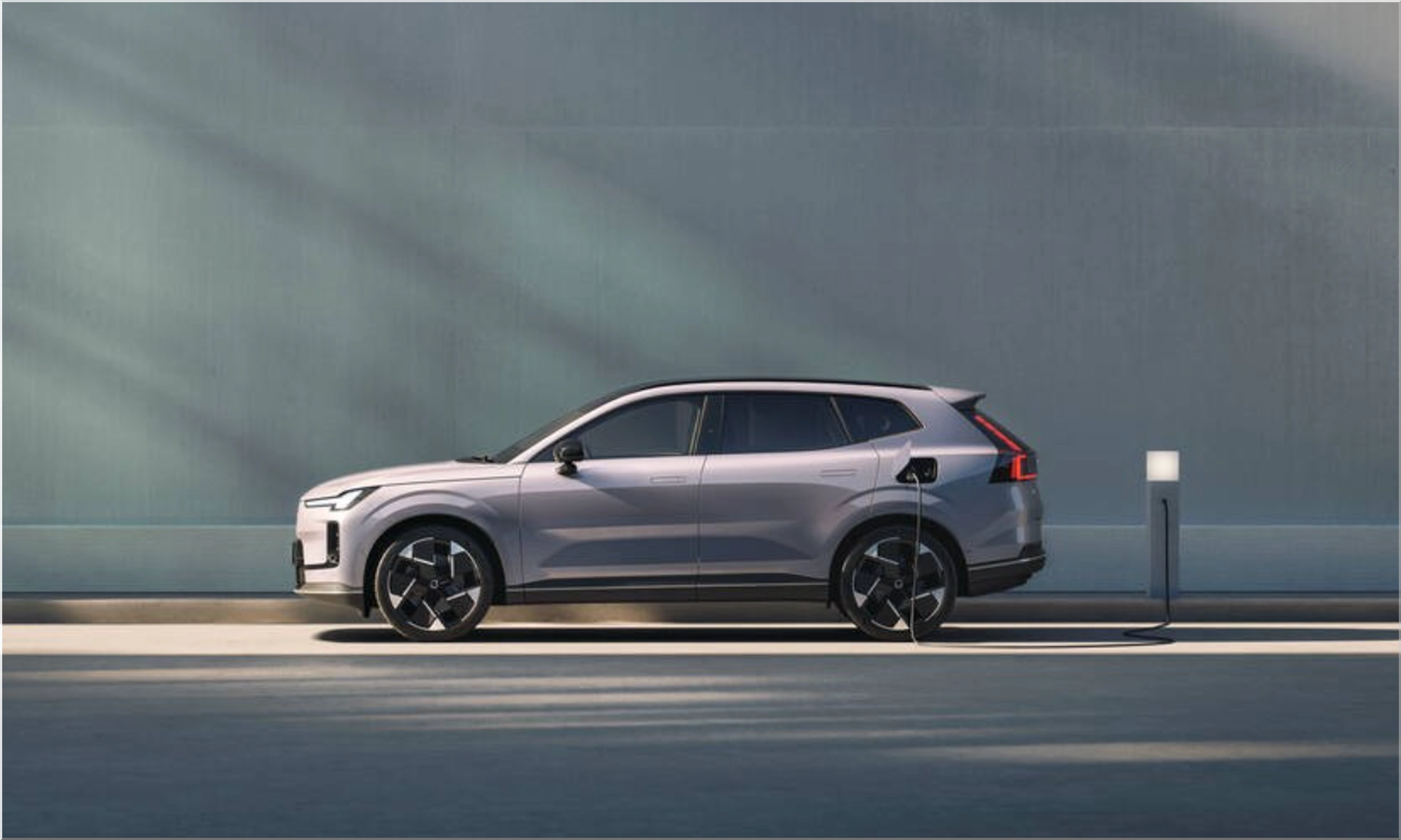
What to watch next
Expect steady PHEV demand as EV adoption grows across markets. Watch range claims, certified results, and owner data. One million plug-in hybrids signals a stable bridge. The next million will test charging policy, pricing discipline, and battery supply.
- Add new comment
- 58 views