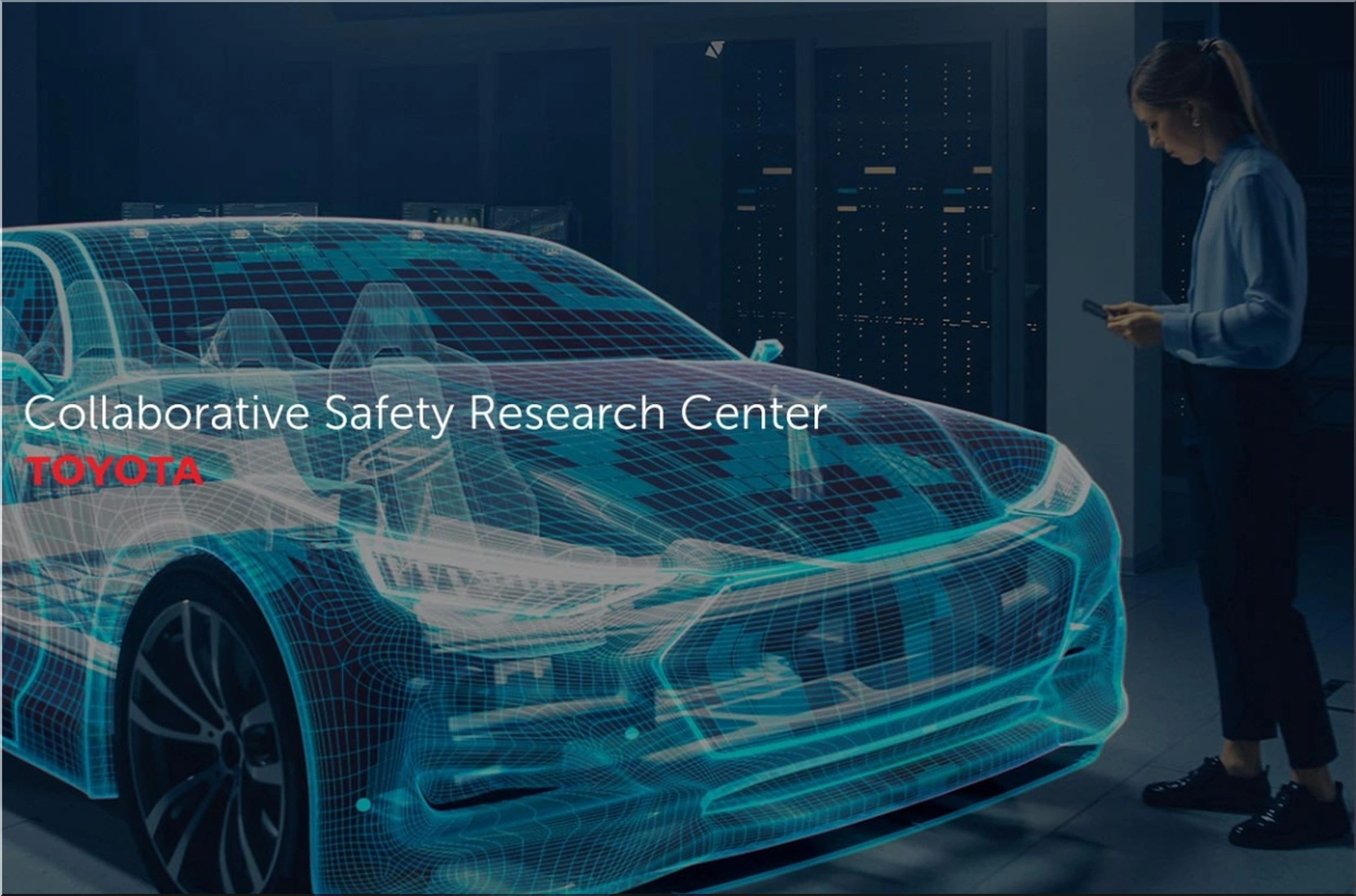
Toyota is not only a leader in producing reliable and efficient vehicles but also a pioneer in advancing mobility safety for the benefit of society. Through its Collaborative Safety Research Center (CSRC), Toyota has been conducting cutting-edge research on various aspects of traffic safety, human factors, and automated driving since 2011. The CSRC works with universities, hospitals, and other institutions to share its findings and insights with the automotive industry and the public. In this article, we will take a closer look at some of the latest projects that the CSRC has launched or expanded as part of its current five-year research phase.
Human-Centric Safety
One of the main goals of the CSRC is to understand and address the diverse safety needs of different groups of road users, especially those who are at risk or vulnerable. For example, the CSRC has partnered with the Children's Hospital of Philadelphia to study how children interact with advanced driver assistance systems (ADAS) and how to design these systems to be more child-friendly. The CSRC has also collaborated with the University of Massachusetts-Amherst to investigate how older drivers cope with cognitive decline and how to support their safe mobility.
Another project that the CSRC has recently expanded is the development of a virtual reality (VR) platform that can simulate various driving scenarios and measure drivers' physiological and behavioral responses. The VR platform can be used to test the effects of different factors, such as fatigue, distraction, or impairment, on driving performance and safety. The CSRC hopes that this platform can help identify the best ways to intervene and assist drivers in critical situations.
Safety Assurance and Assessment
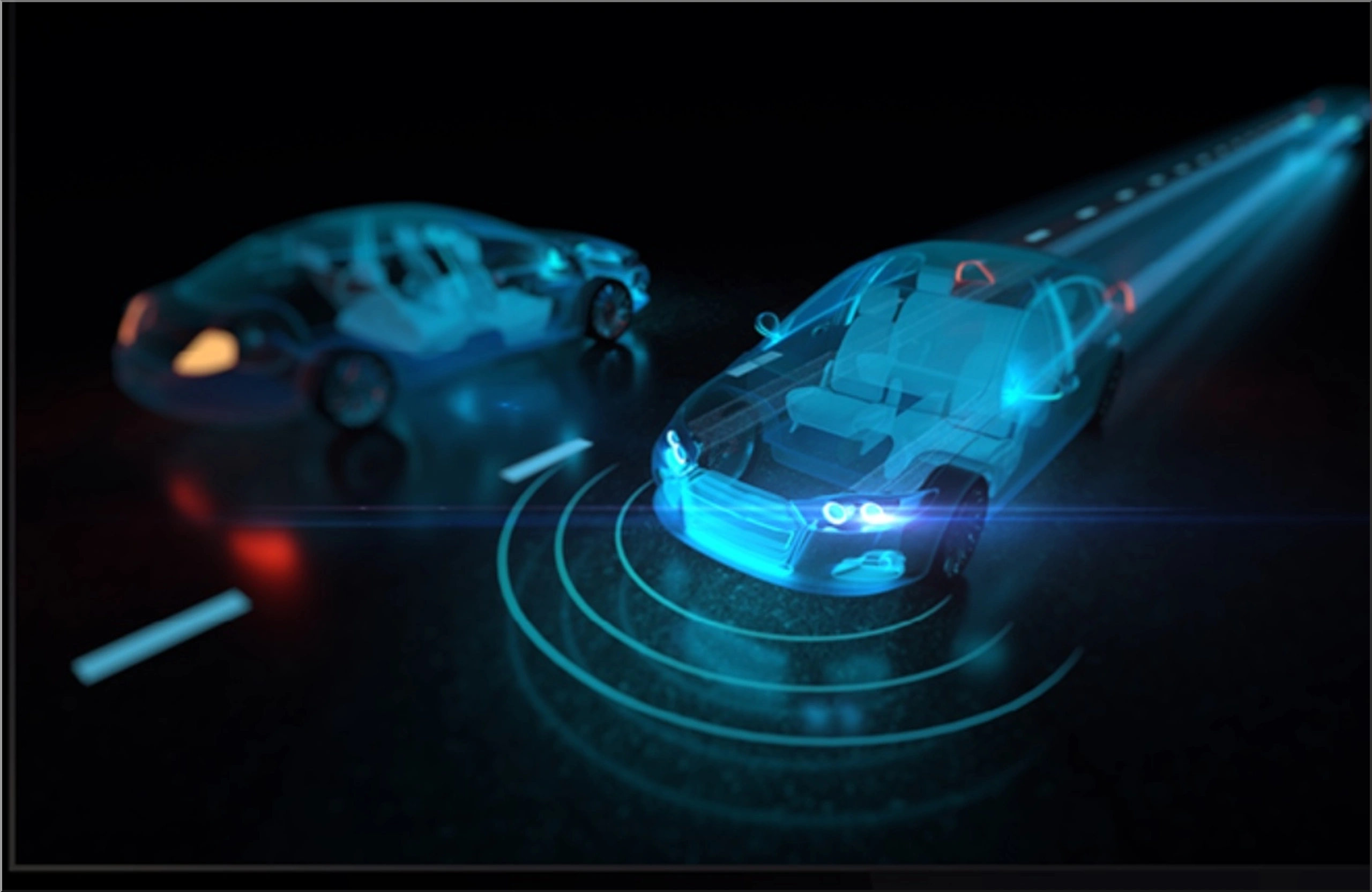
Another key focus of the CSRC is to develop and validate methods and tools for evaluating the safety of emerging technologies, such as automated driving systems (ADS) and connected vehicles. For instance, the CSRC has teamed up with the University of Michigan Transportation Research Institute to create a framework for assessing the safety impact of ADS on various traffic scenarios. The framework uses simulation, field testing, and data analysis to estimate ADS deployment's potential benefits and risks.
The CSRC has also joined forces with the Massachusetts Institute of Technology to explore how to measure and improve the trust between human drivers and ADS. The project aims to understand how drivers form expectations and perceptions of ADS performance and behavior and how these factors influence their willingness to use and cooperate with ADS. The project also seeks to design interventions that can enhance trust and communication between human drivers and ADS.
Data-Driven Safety
A third area of interest for the CSRC is to leverage data science and artificial intelligence (AI) techniques to discover new insights and solutions for mobility safety. For example, the CSRC has worked with the University of Iowa to develop a natural language processing (NLP) system that can analyze crash narratives from police reports and extract relevant information for safety analysis. The system can help identify common patterns and causes of crashes and potential countermeasures.
The CSRC has also initiated a new project with Virginia Tech to apply machine learning (ML) methods to predict driver behavior and intention based on vehicle sensor data. The project aims to create models to anticipate driver actions, such as lane changes, turns or stops, and provide timely warnings or assistance. The project also intends to investigate how driver behavior changes in response to different levels of automation.
Inclusive Safety for All
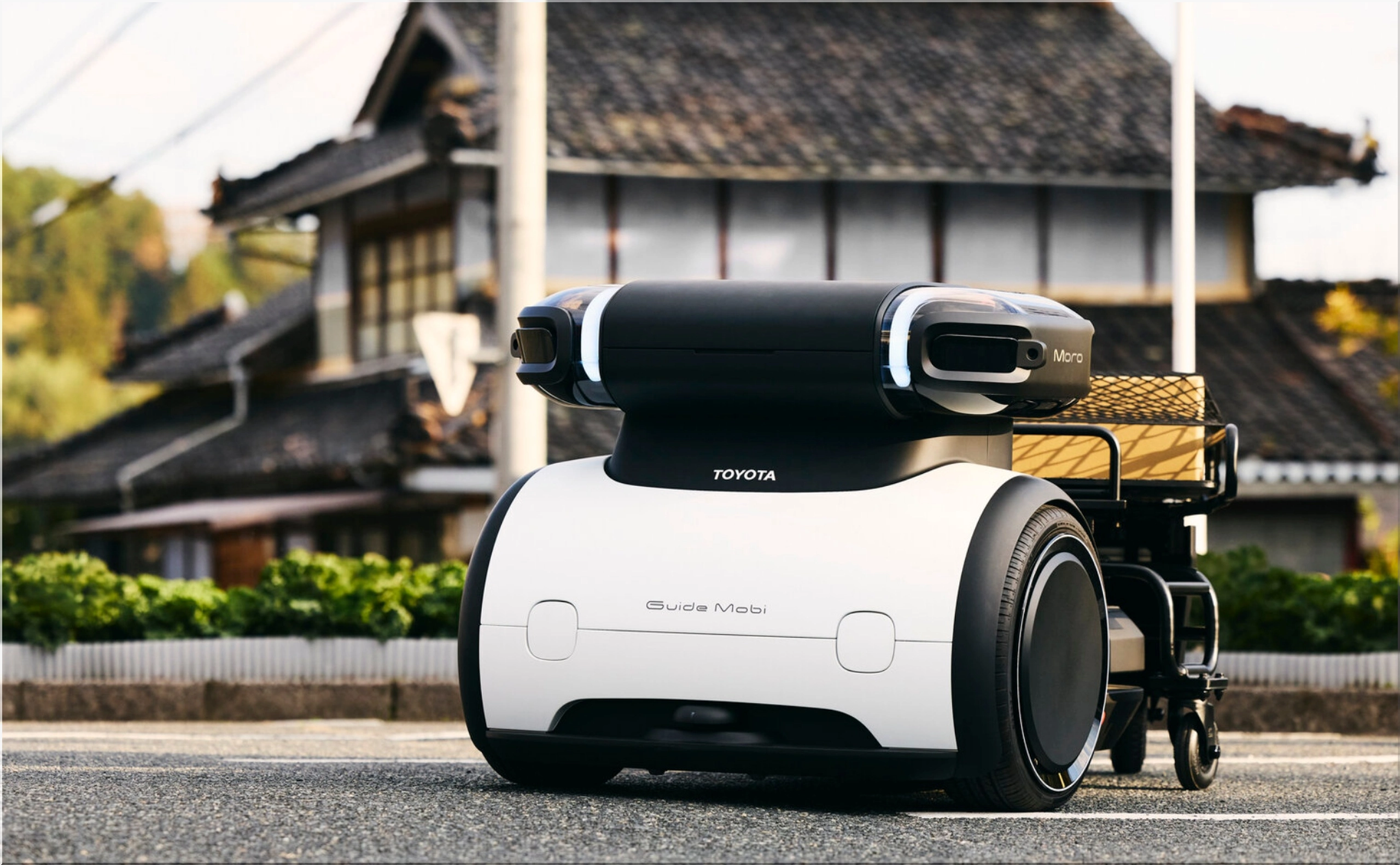
The CSRC is committed to advancing mobility safety for everyone, regardless of age, ability, or background. One of the new projects that the CSRC has launched is a collaboration with Indiana University – Purdue University Indianapolis to study how people with disabilities use mobility devices, such as wheelchairs or scooters, and how to improve their accessibility and safety in various environments. The project will also examine how mobility devices interact with other road users, such as pedestrians, cyclists, or drivers.
The CSRC believes that inclusive safety is a moral obligation and a business opportunity. By understanding and addressing the diverse needs of different segments of society, Toyota can create products and services that are more appealing and satisfying for its customers. As Danil Prokhorov, director of Toyota's CSRC and Future Research Department (FRD), said: "As we explore inclusive safety technologies for meeting unique and ever-evolving needs in our pursuit of mobility for all, we'll also continue to publish our CSRC research discoveries for others to help foster societal benefit."
Toyota's Collaborative Safety Research Center is an example of how Toyota is making mobility safer for everyone through open partnerships and innovation. By researching human-centric, data-driven, and inclusive safety topics, Toyota is contributing to the advancement of automotive safety industrywide. If you want to learn more about Toyota's safety research projects, visit their website here.
- Add new comment
- 189 views