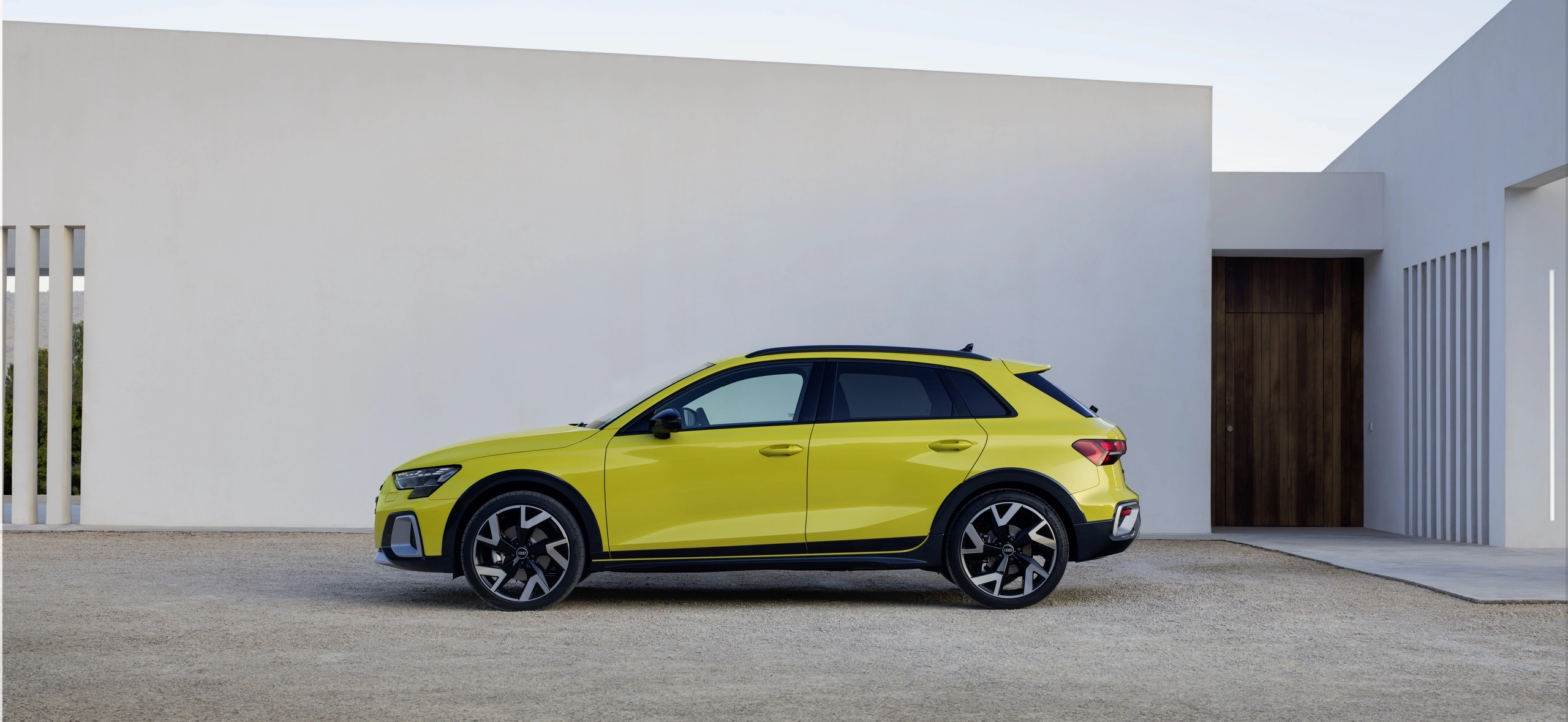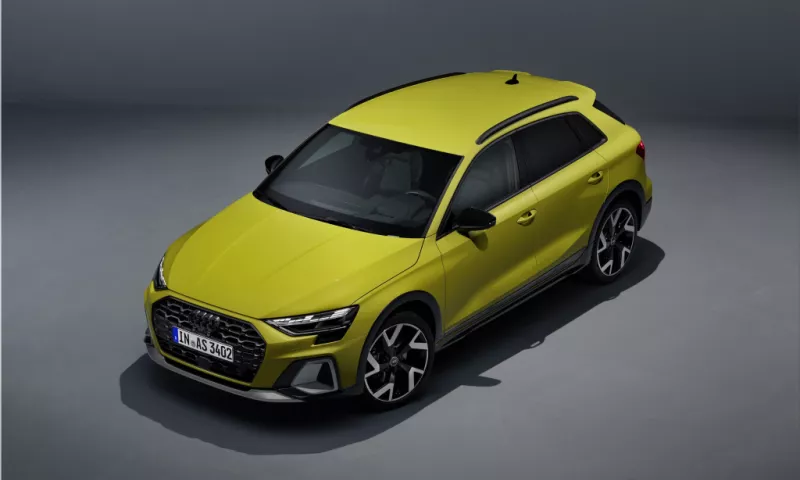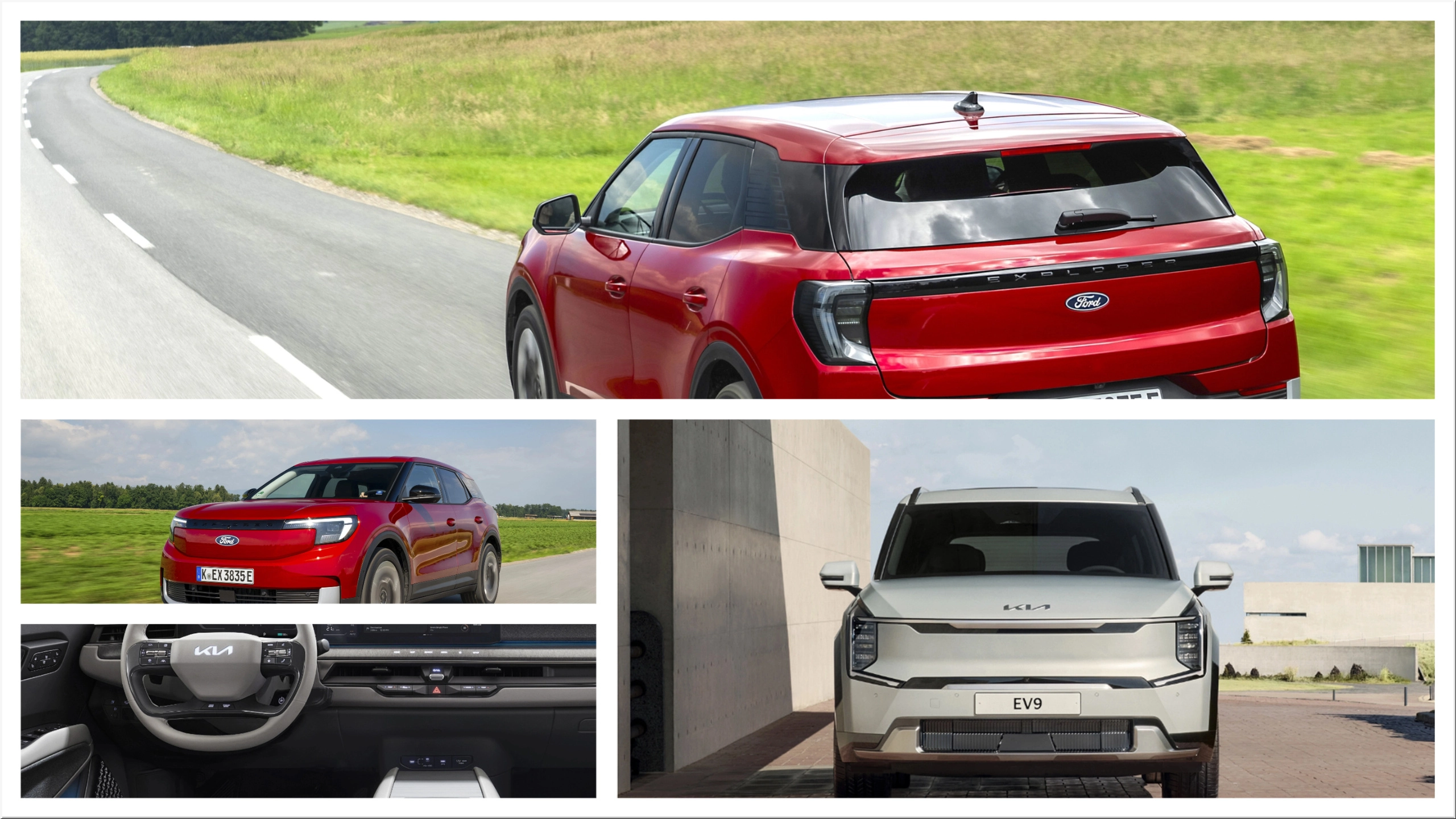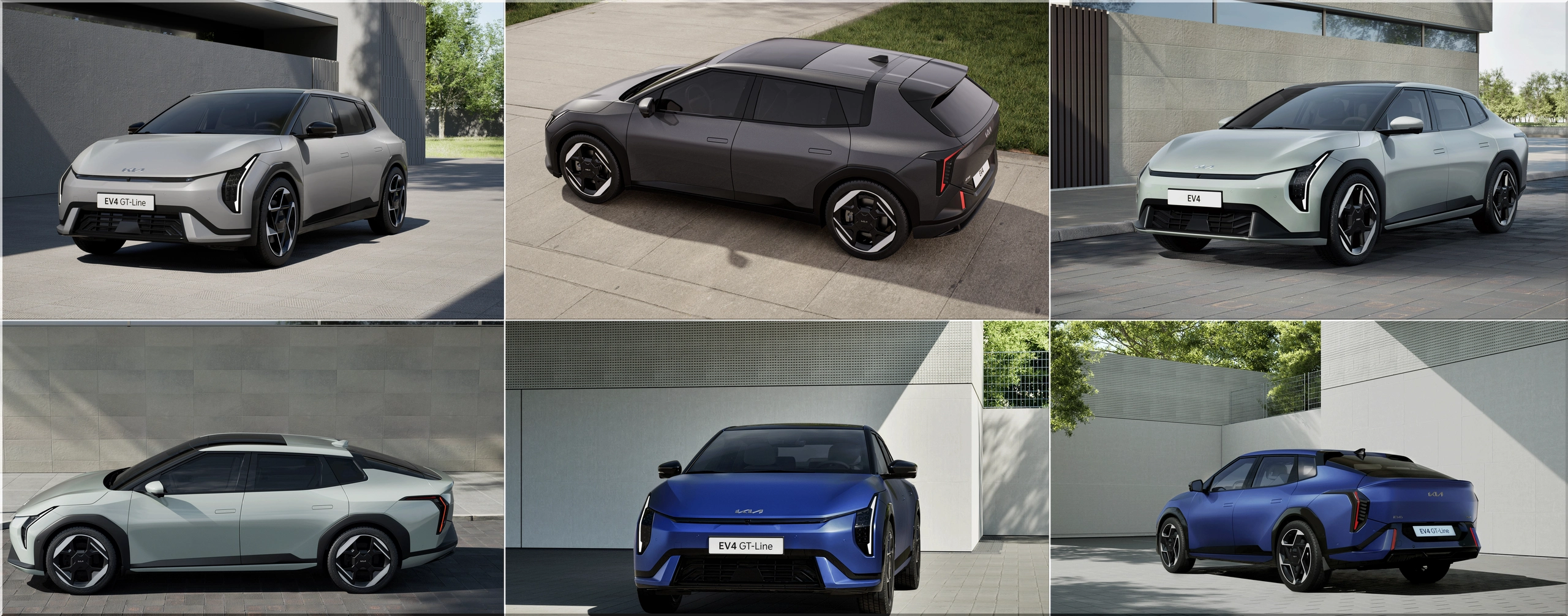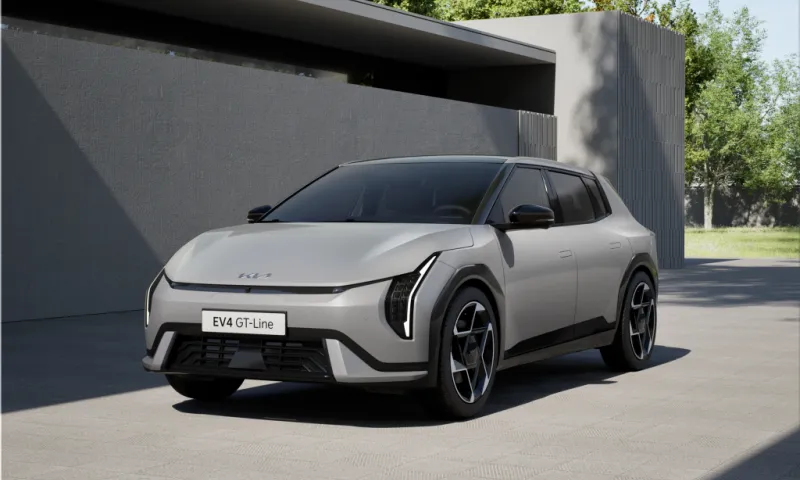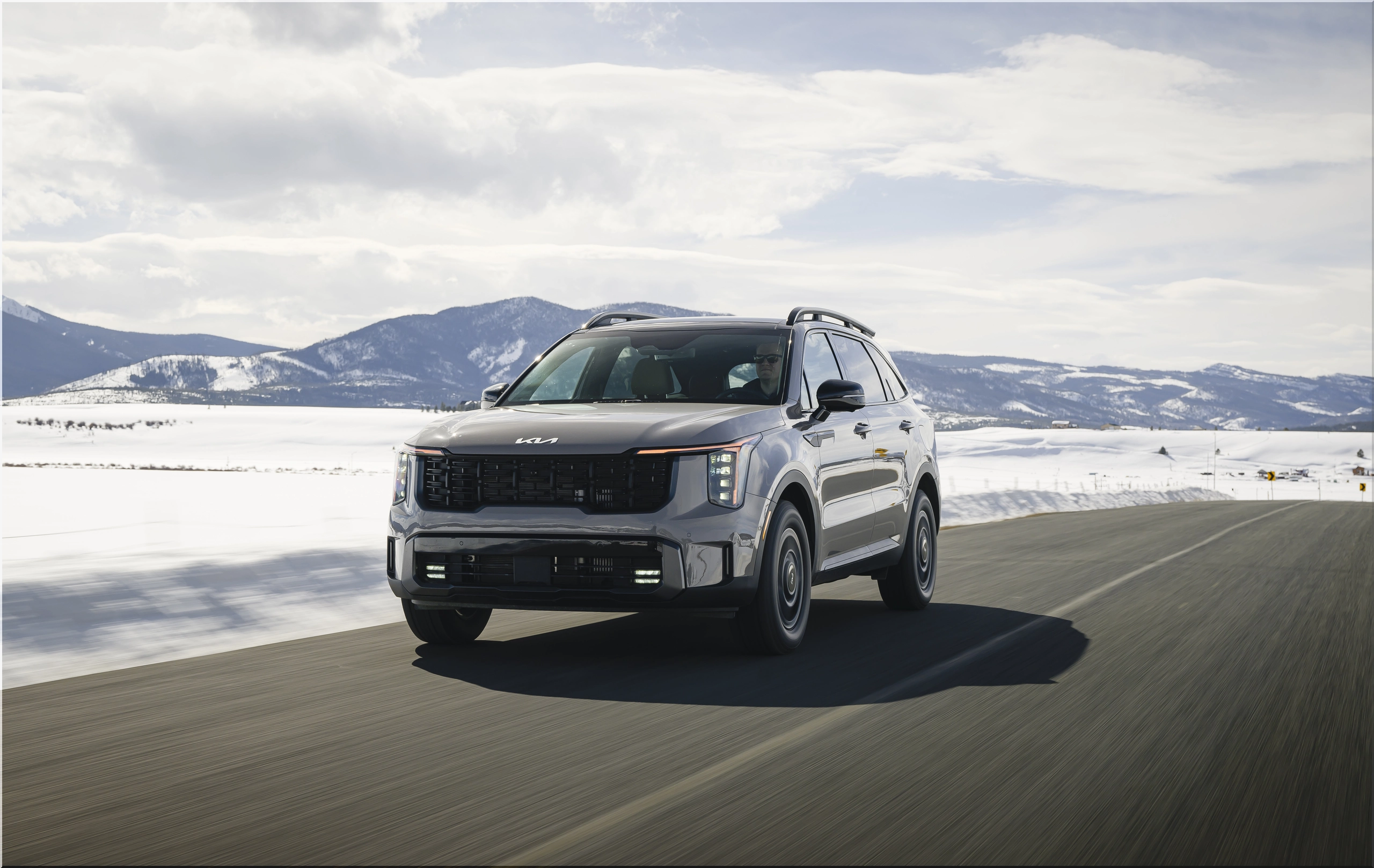
The 2027 Kia XCeed has received a second facelift at a strange moment. Kia now sells newer compact models, stronger electric SUVs, and sharper hybrid crossovers across Europe, yet the XCeed still fills a useful gap between a conventional hatchback and a taller SUV.
That gap matters. The XCeed gives buyers a raised driving position, manageable dimensions, and a familiar combustion-led powertrain line-up without forcing them into a full EV. Looking at the data, Kia has chosen a low-risk update rather than a full replacement, and that decision says a lot about the current European market.
2027 Kia XCeed Design: Familiar Shape, Newer Kia Face
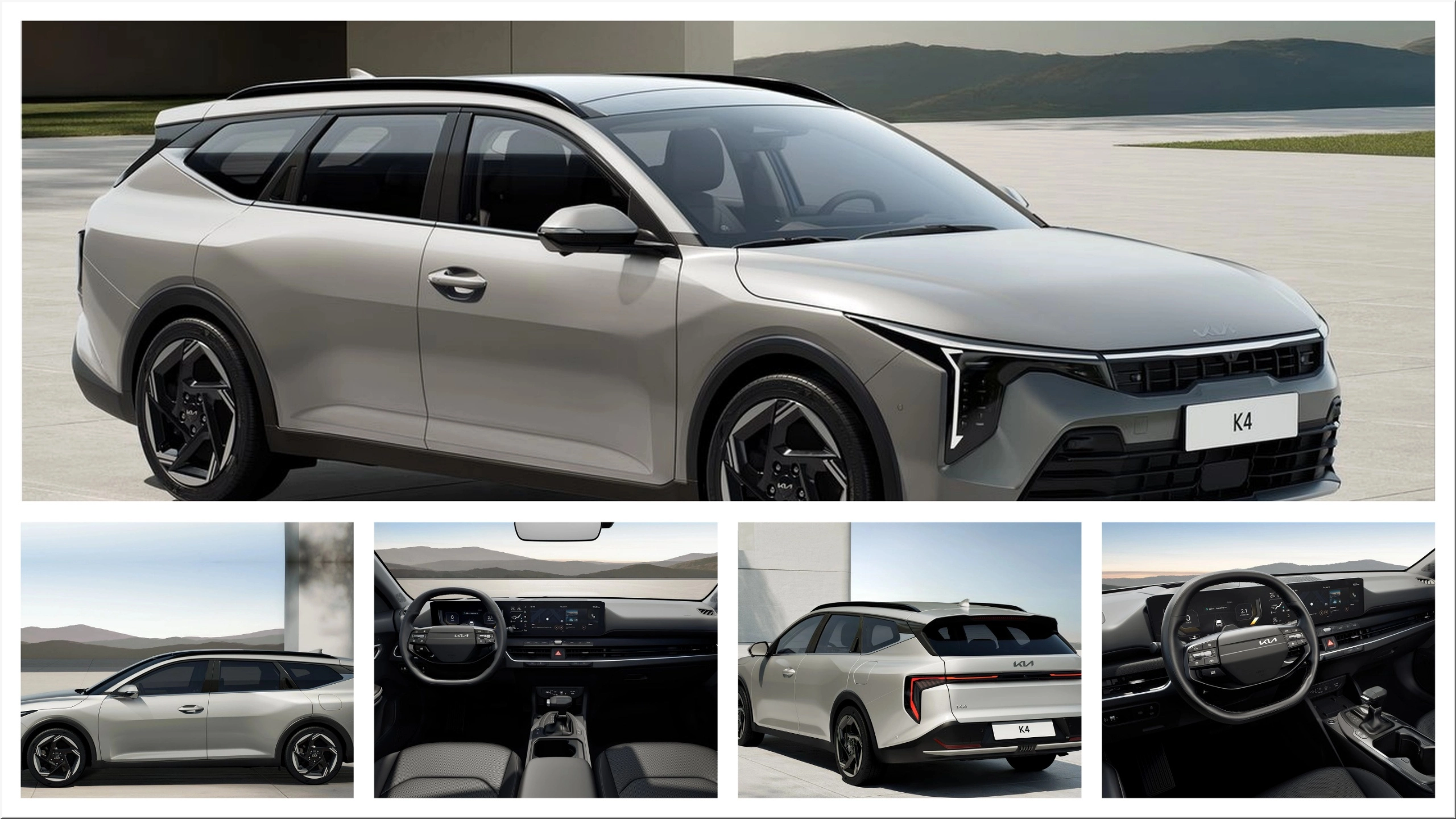
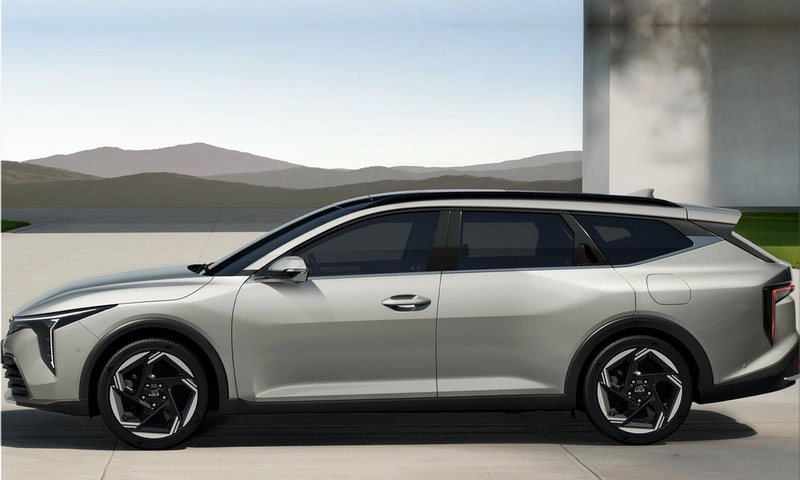
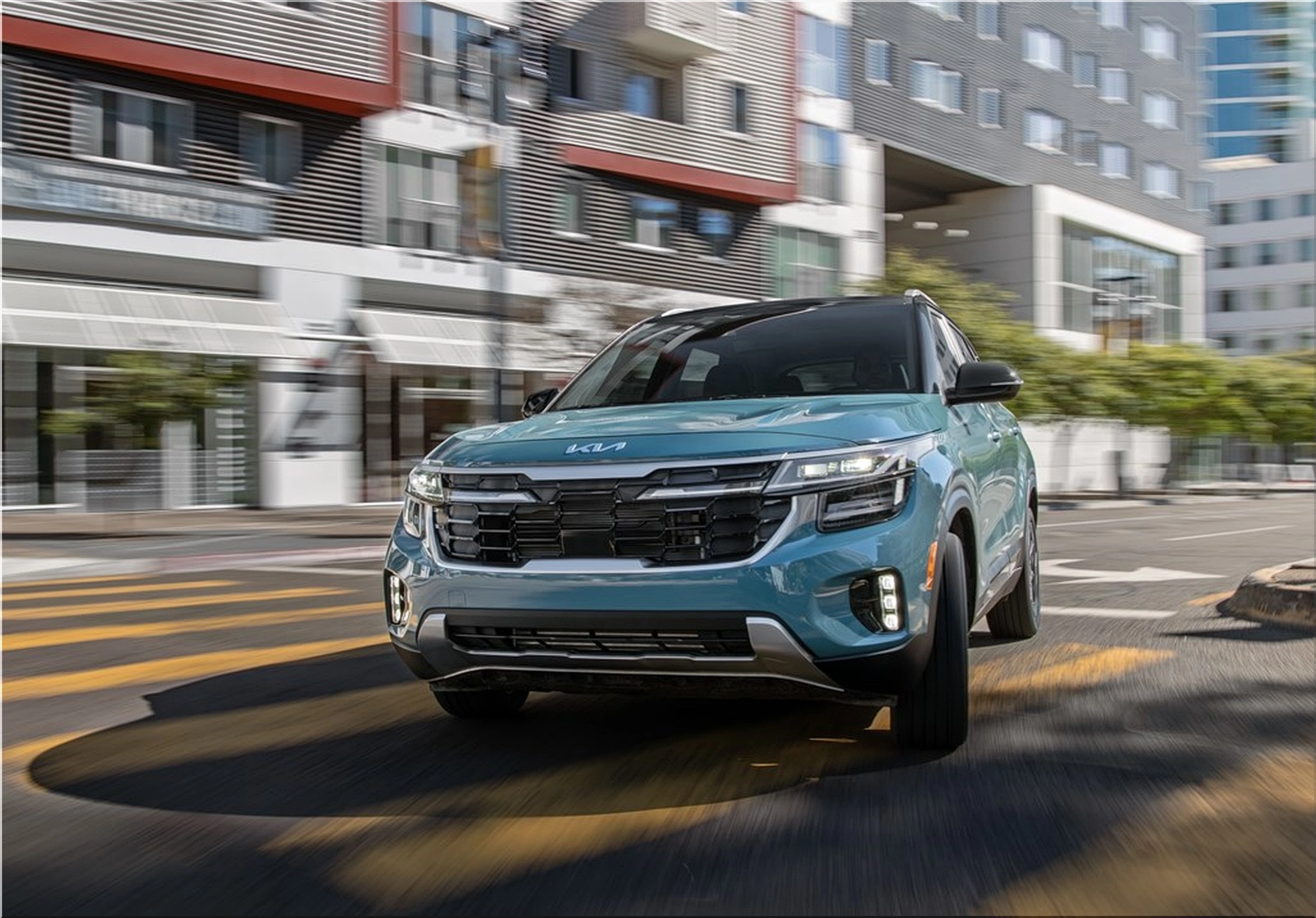
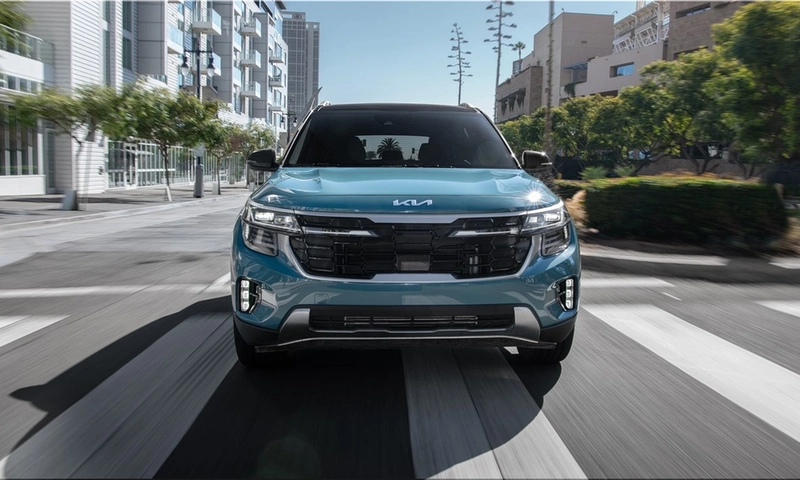
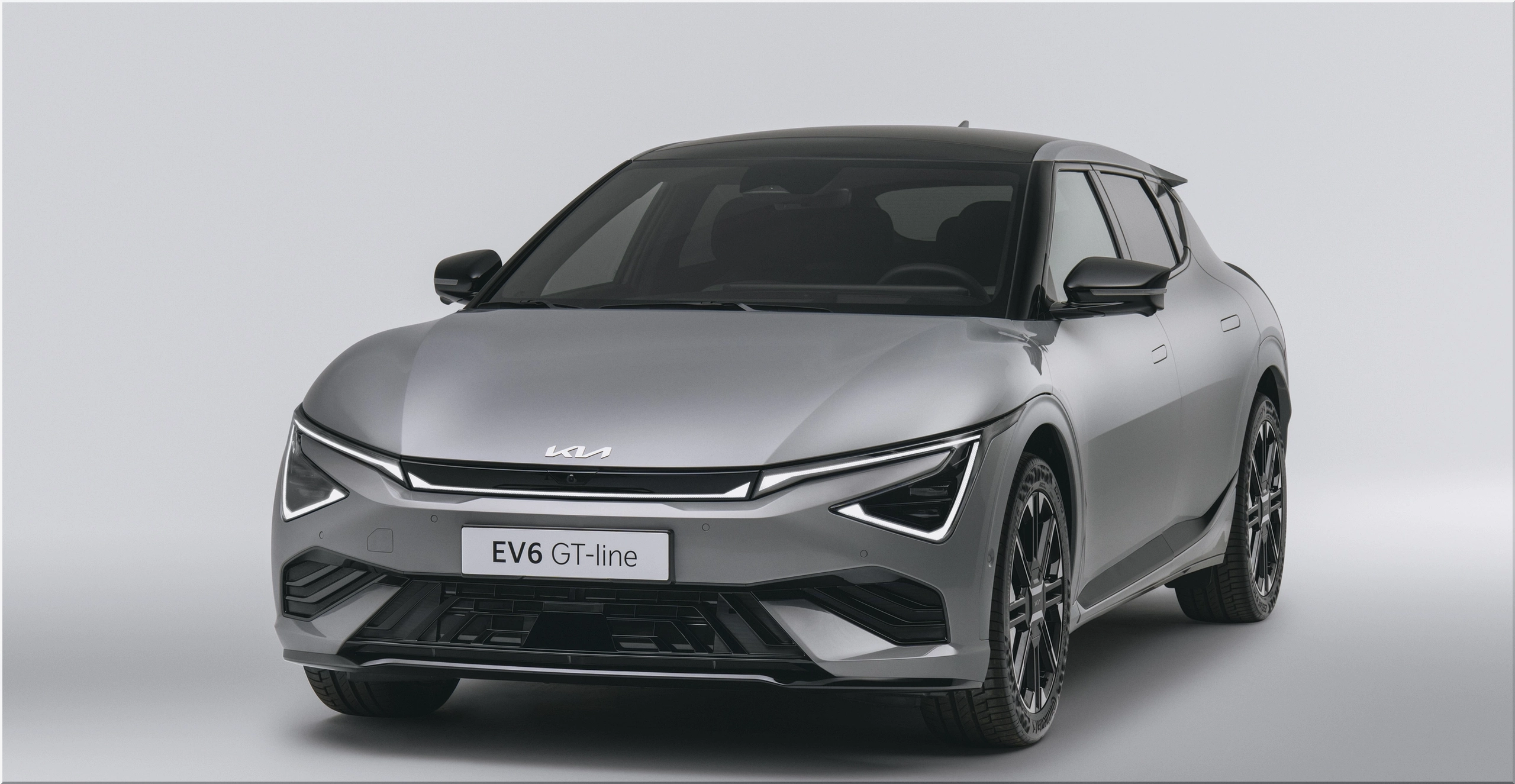
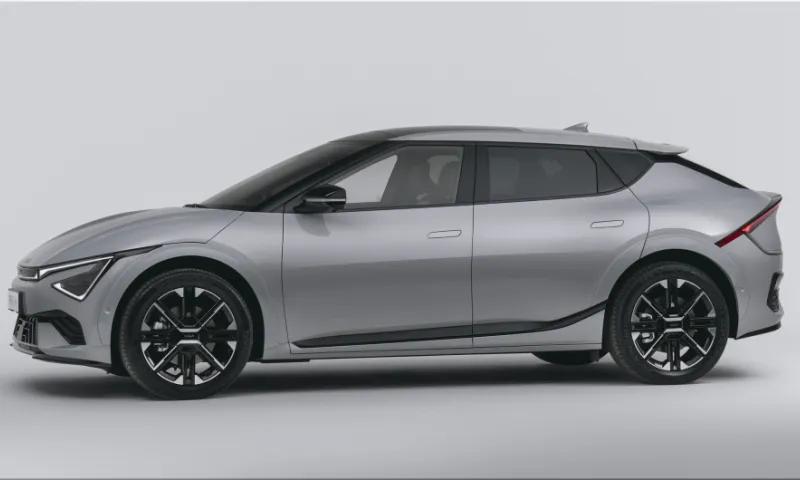
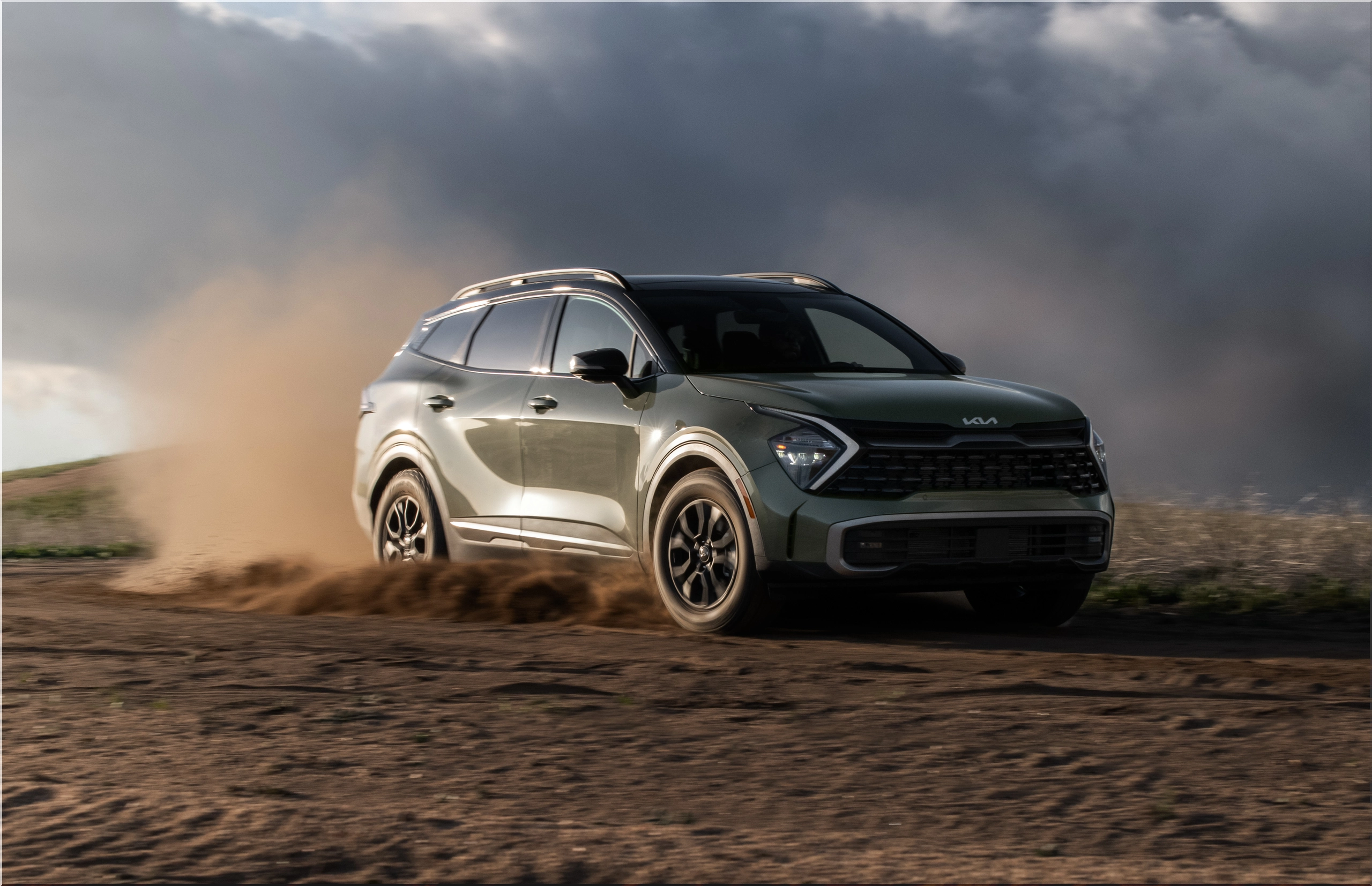
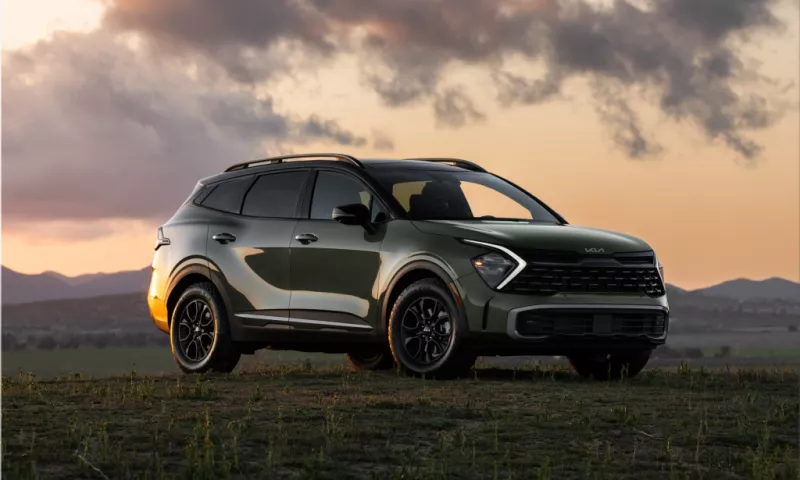
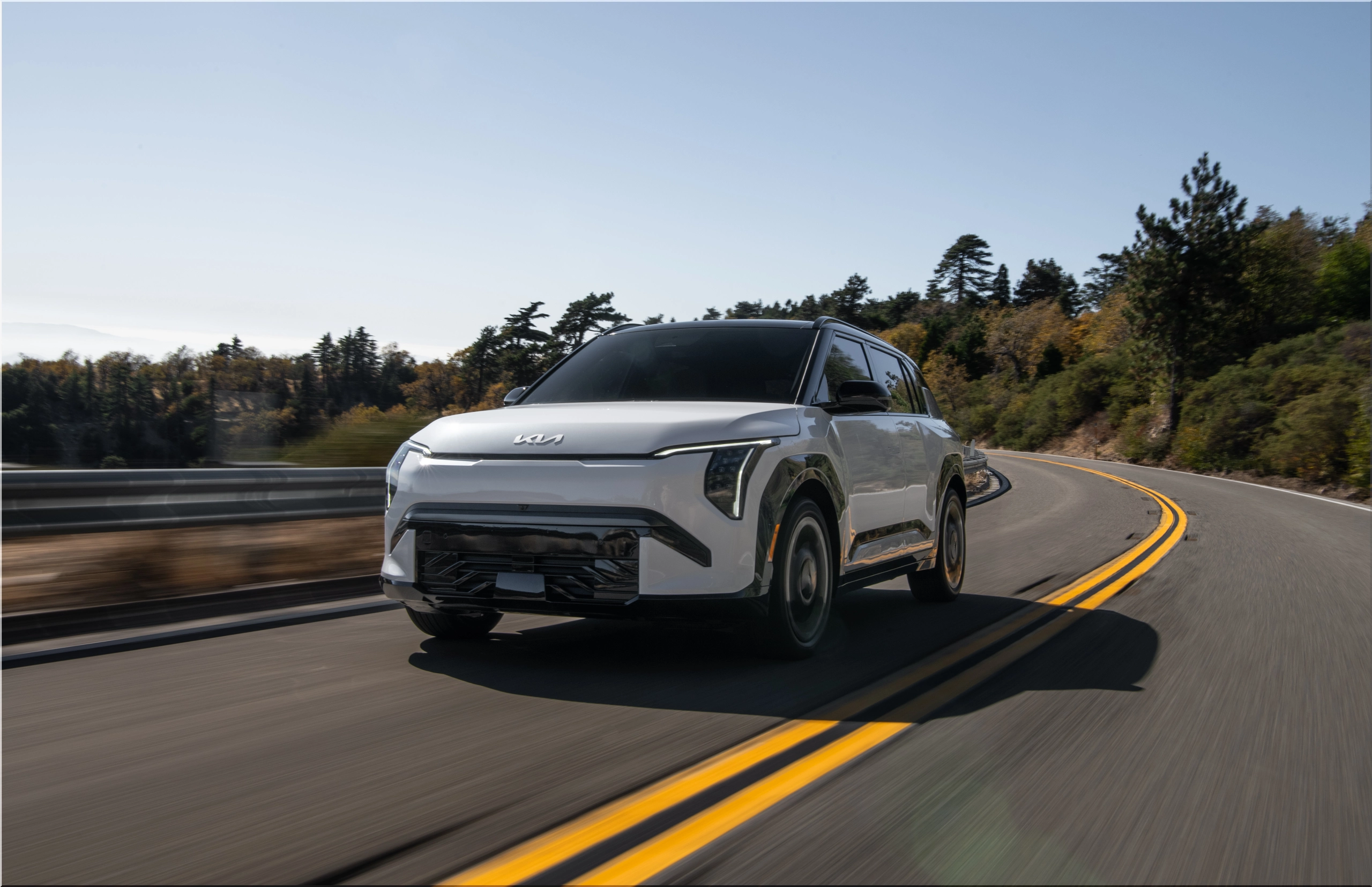
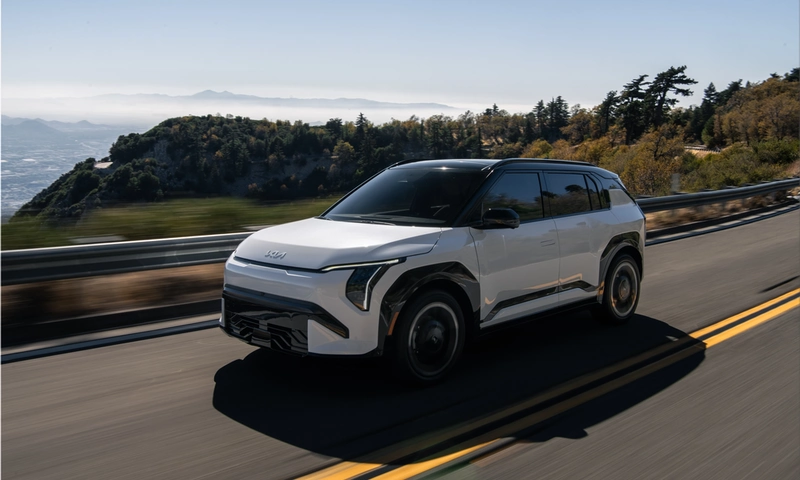
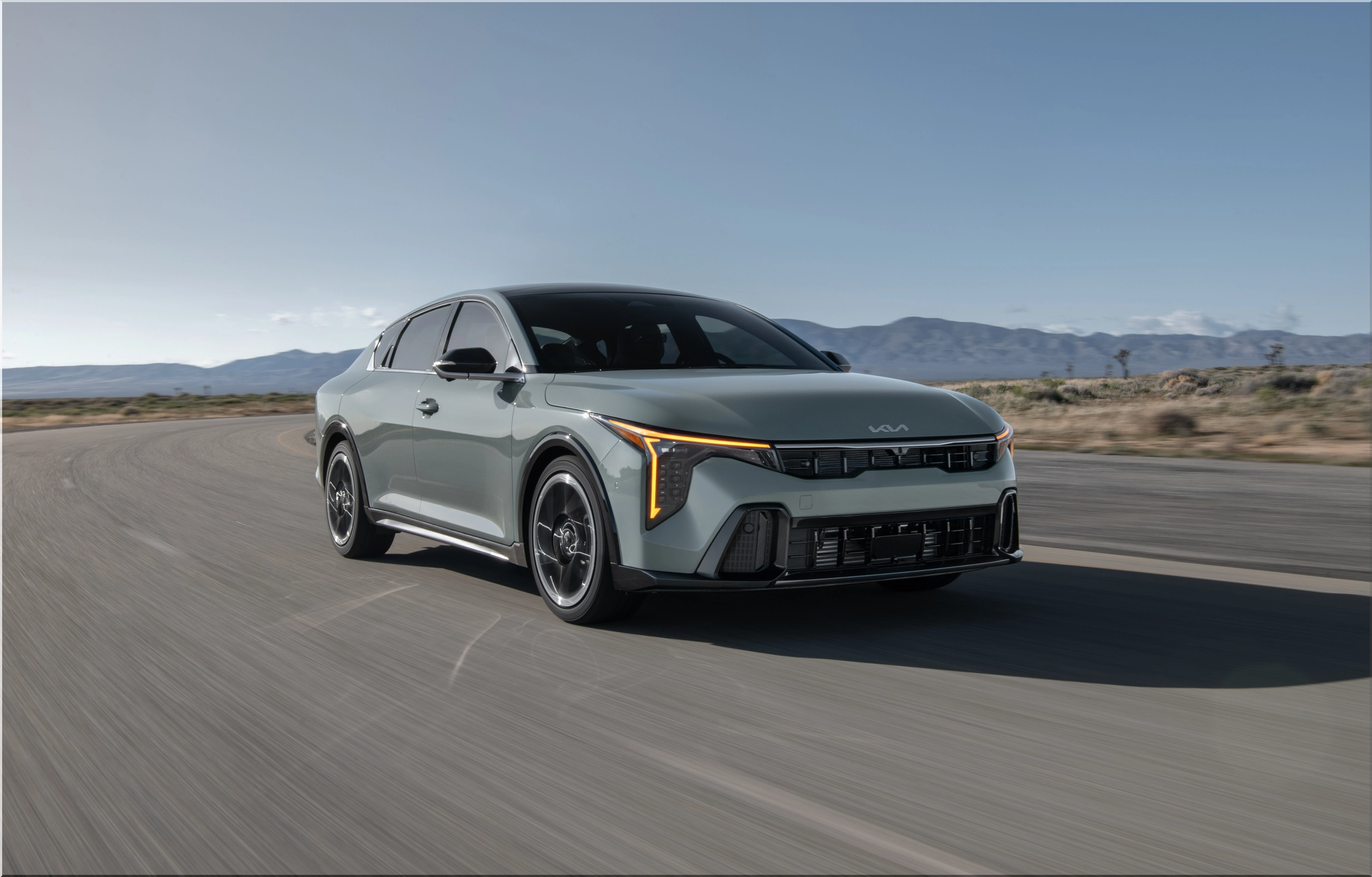
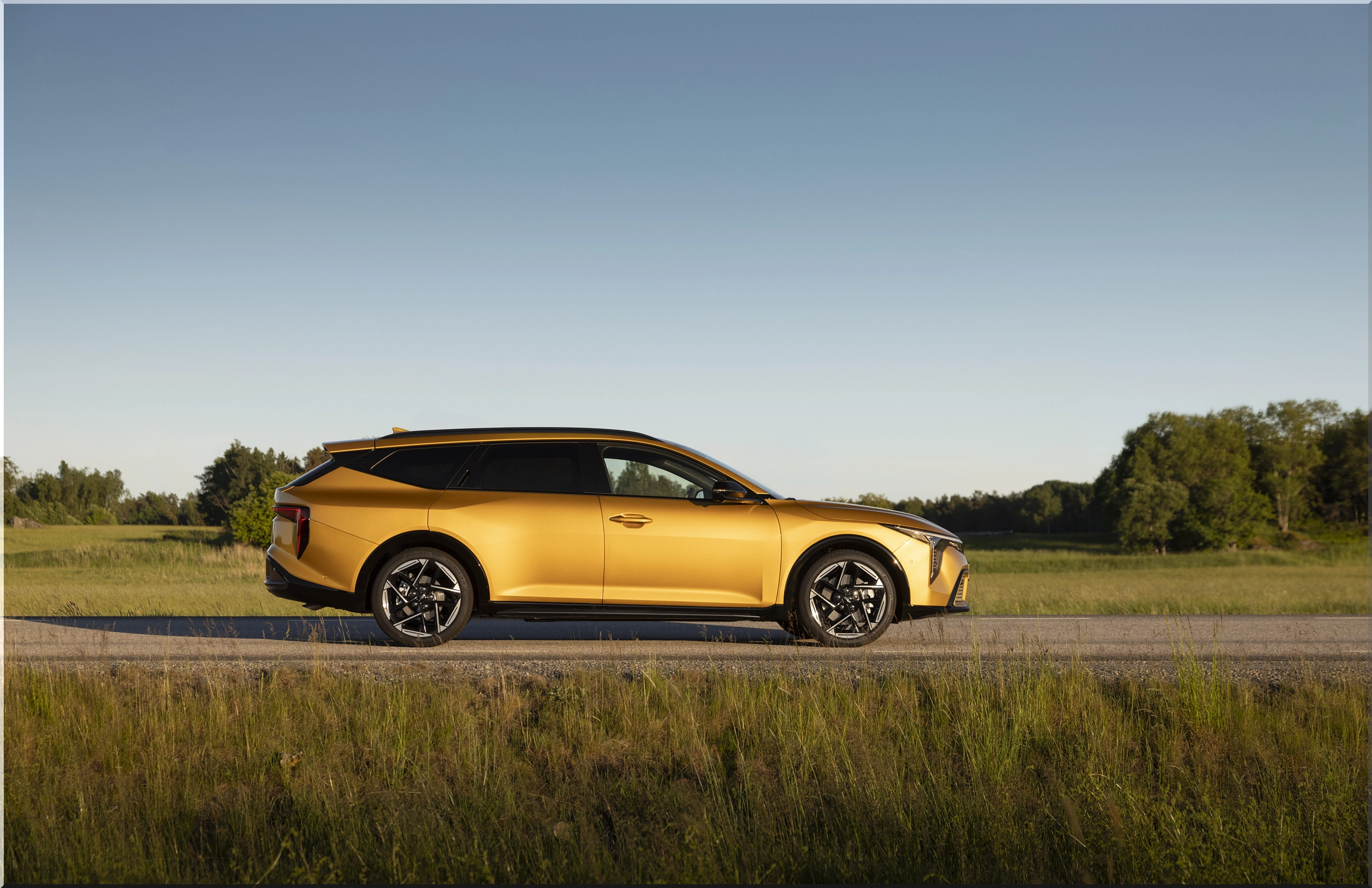
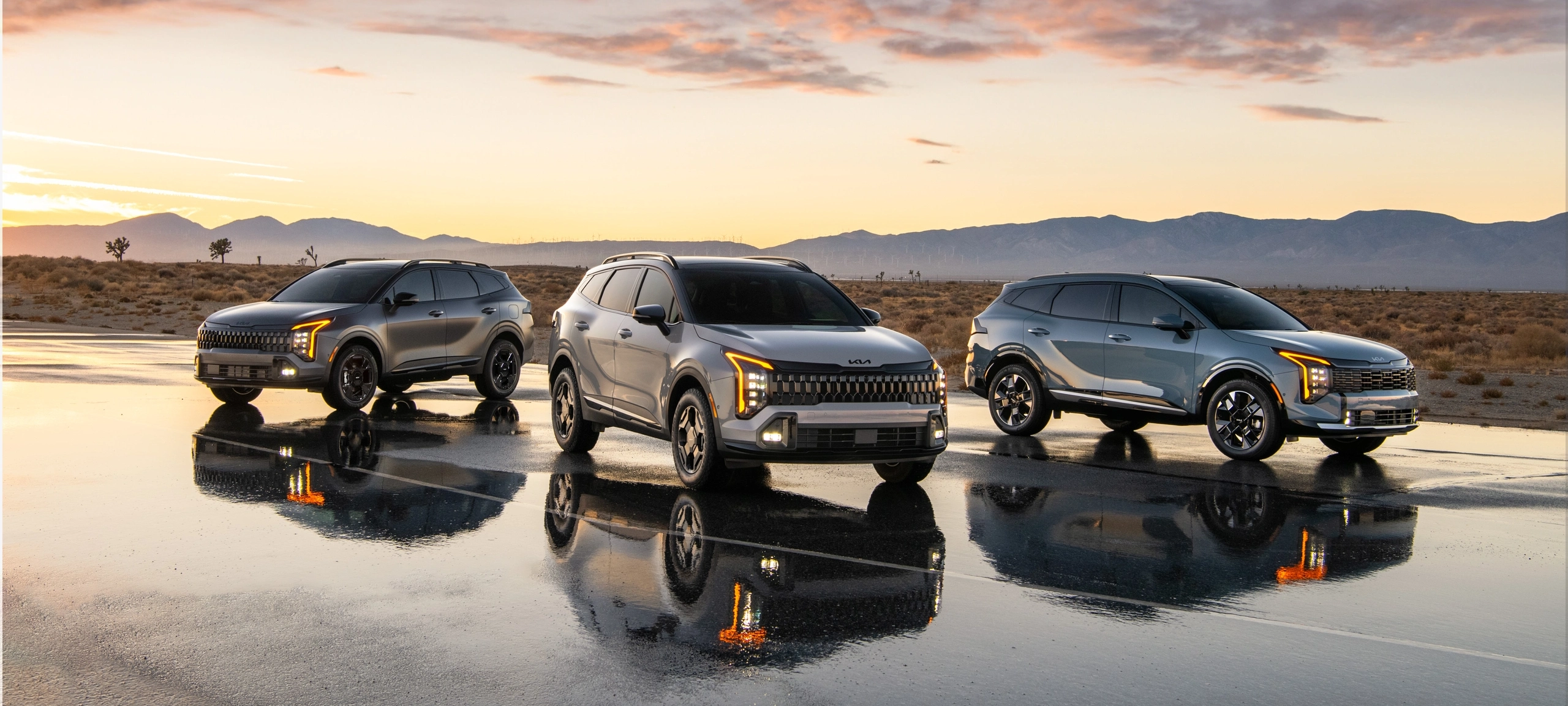
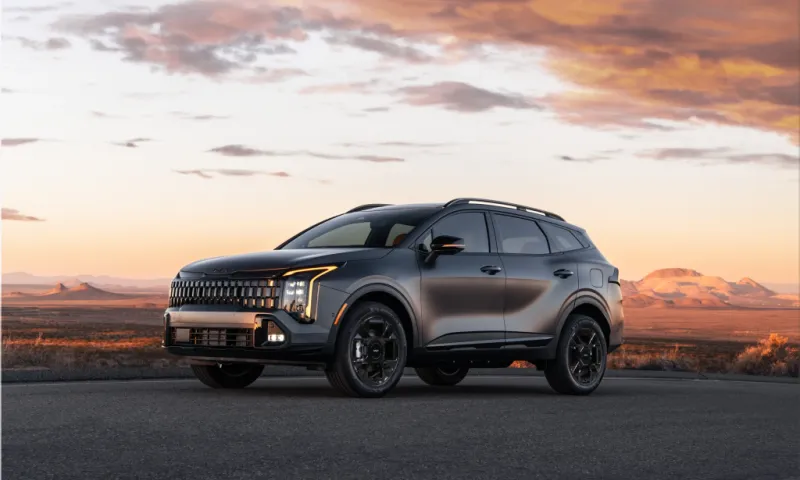
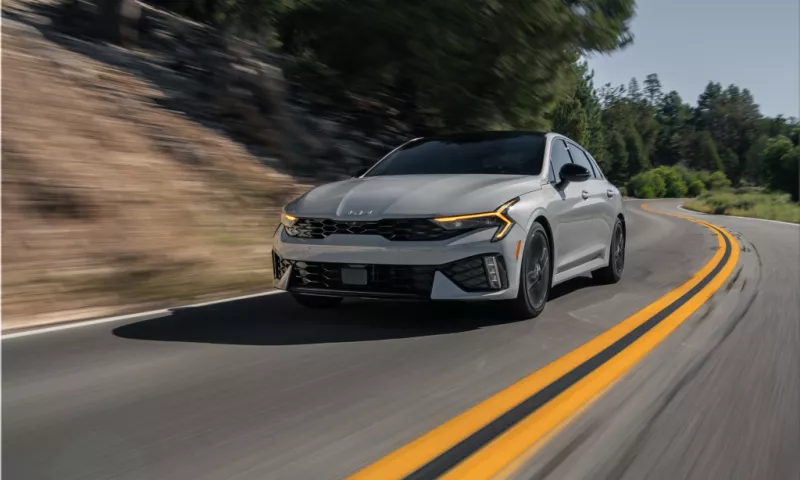
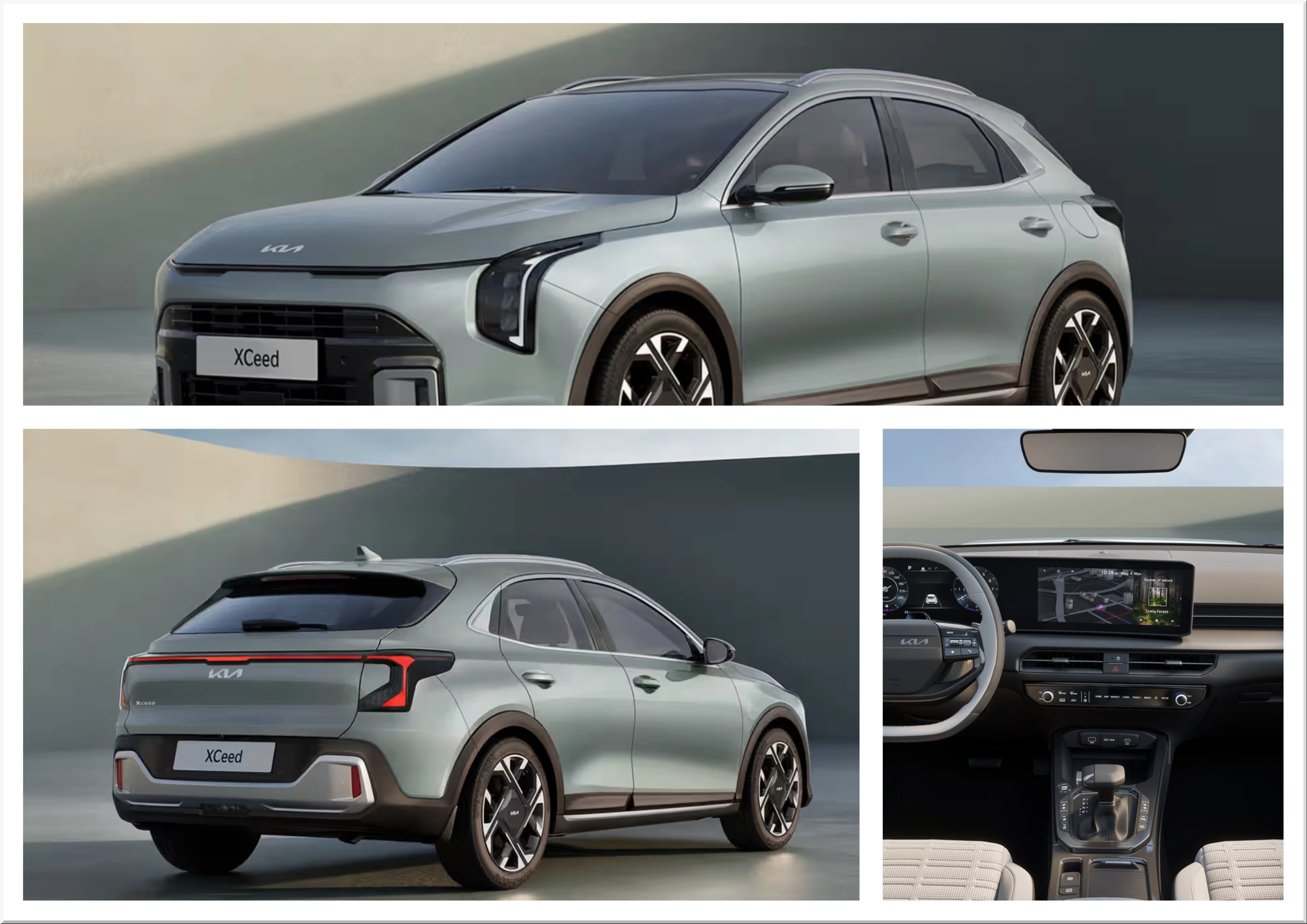
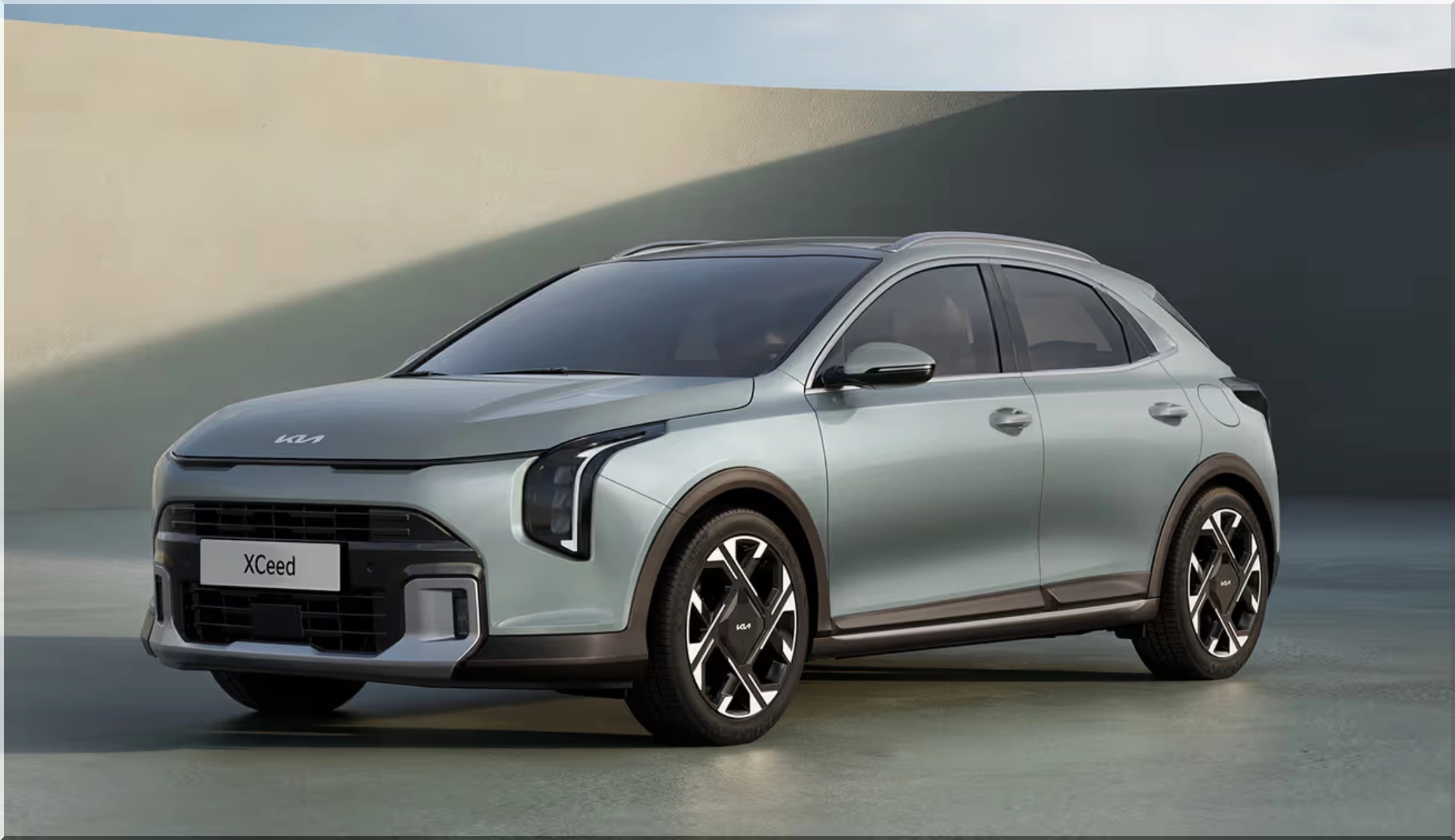
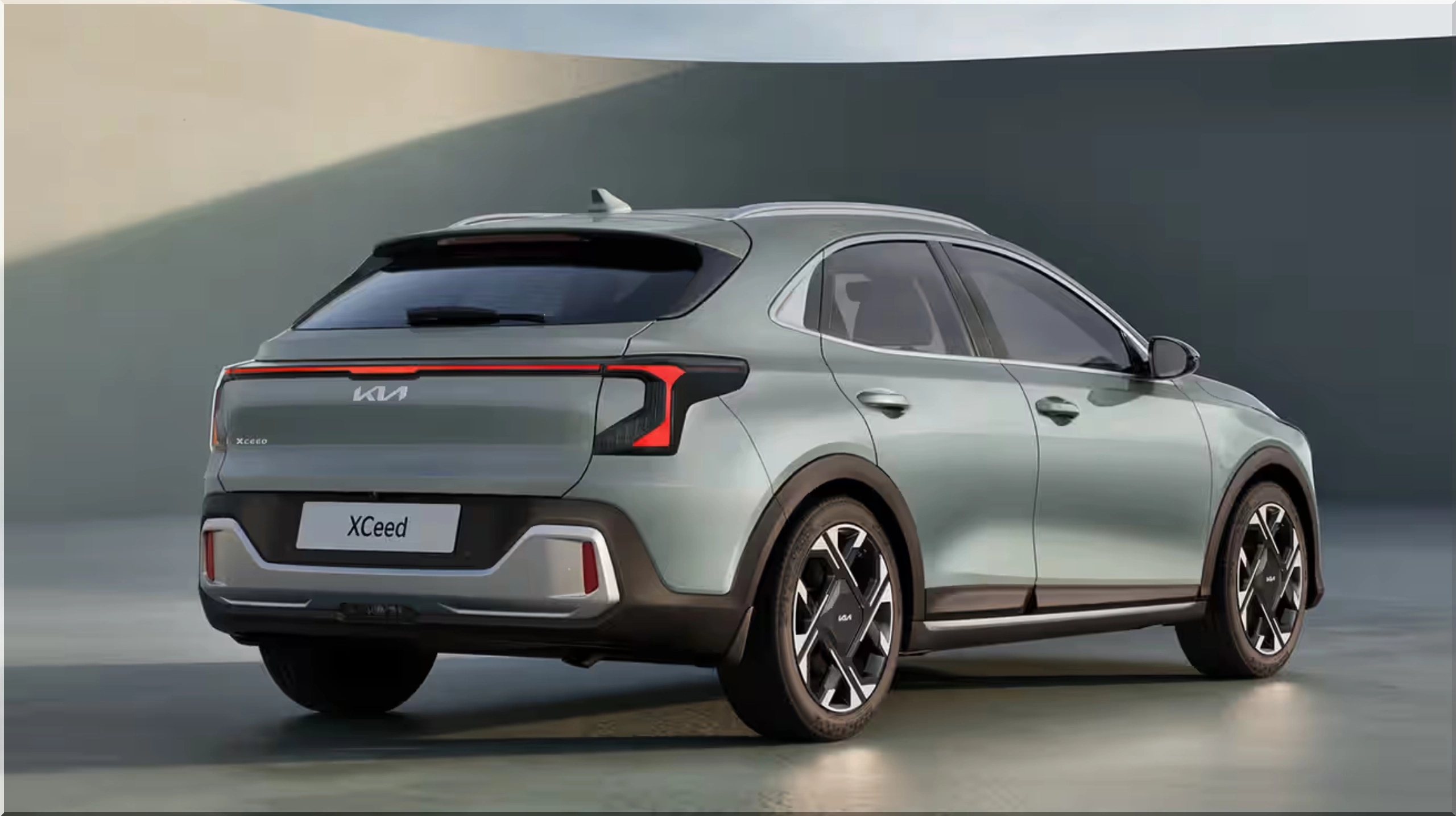
The new Kia XCeed facelift keeps the same core silhouette: part hatchback, part crossover, with a coupe-like roofline and a slightly higher hip point than a Ceed hatchback. Specifically, the update moves the car closer to Kia's latest design language with a redesigned front end, sharper lighting, revised alloy wheels, and a cleaner rear treatment.
From an expert perspective, this makes sense. Kia does not need to reinvent the XCeed. It needs to keep it visually current next to the EV3, EV4, Sportage, Niro, and K4.
Exterior Data
| Data Point | 2027 Kia XCeed Position |
|---|---|
| Body style | Compact crossover hatchback |
| Doors | 5 |
| Wheelbase | 2,650 mm |
| Length | About 4,395 mm |
| Width | About 1,826 mm |
| Height | About 1,495 mm |
| Turning circle | About 10.4 m |
| Wheel options | Up to 18-inch alloys |
In addition, the XCeed still targets buyers who want urban usability without the bulk of a larger SUV. That matters in European cities where parking spaces remain tight, fuel costs stay high, and buyers still want practical boot space.
Powertrains: Petrol First, Mild Hybrid Support
The biggest mechanical shift comes from the engine range. The 2027 Kia XCeed engines focus on petrol and mild-hybrid options, with no confirmed return for the plug-in hybrid version that left the line-up earlier.
The entry 1.0 T-GDi 48V mild hybrid produces 113 bhp and 200 Nm of torque. Buyers can pair it with a six-speed manual gearbox or a seven-speed dual-clutch automatic. By comparison, the stronger 1.6 T-GDi petrol engine produces 177 bhp and 265 Nm, uses the seven-speed DCT only, and gives the XCeed a 0-62 mph time of 8.5 seconds.
Engine Comparison
| Engine | Power | Torque | Gearbox | 0-62 mph | Top Speed |
|---|---|---|---|---|---|
| 1.0 T-GDi 48V | 113 bhp | 200 Nm | 6-speed manual or 7-speed DCT | Not confirmed | Not confirmed |
| 1.6 T-GDi | 177 bhp | 265 Nm | 7-speed DCT | 8.5 seconds | 130 mph |
| Previous 1.5 T-GDi | 158 bhp | 253 Nm | Manual or DCT | Market-dependent | Market-dependent |
Consequently, Kia has split the XCeed into two clear roles. The 1.0 T-GDi suits cost-focused drivers who want efficiency and lower running costs. The 1.6 T-GDi serves buyers who want stronger overtaking response and fewer compromises on motorway trips.
Image
Interior: Dual Screens Push the XCeed Into 2027
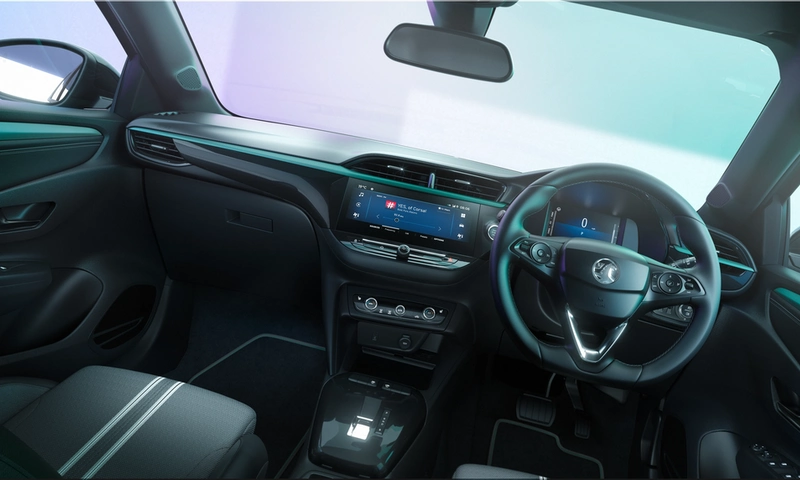
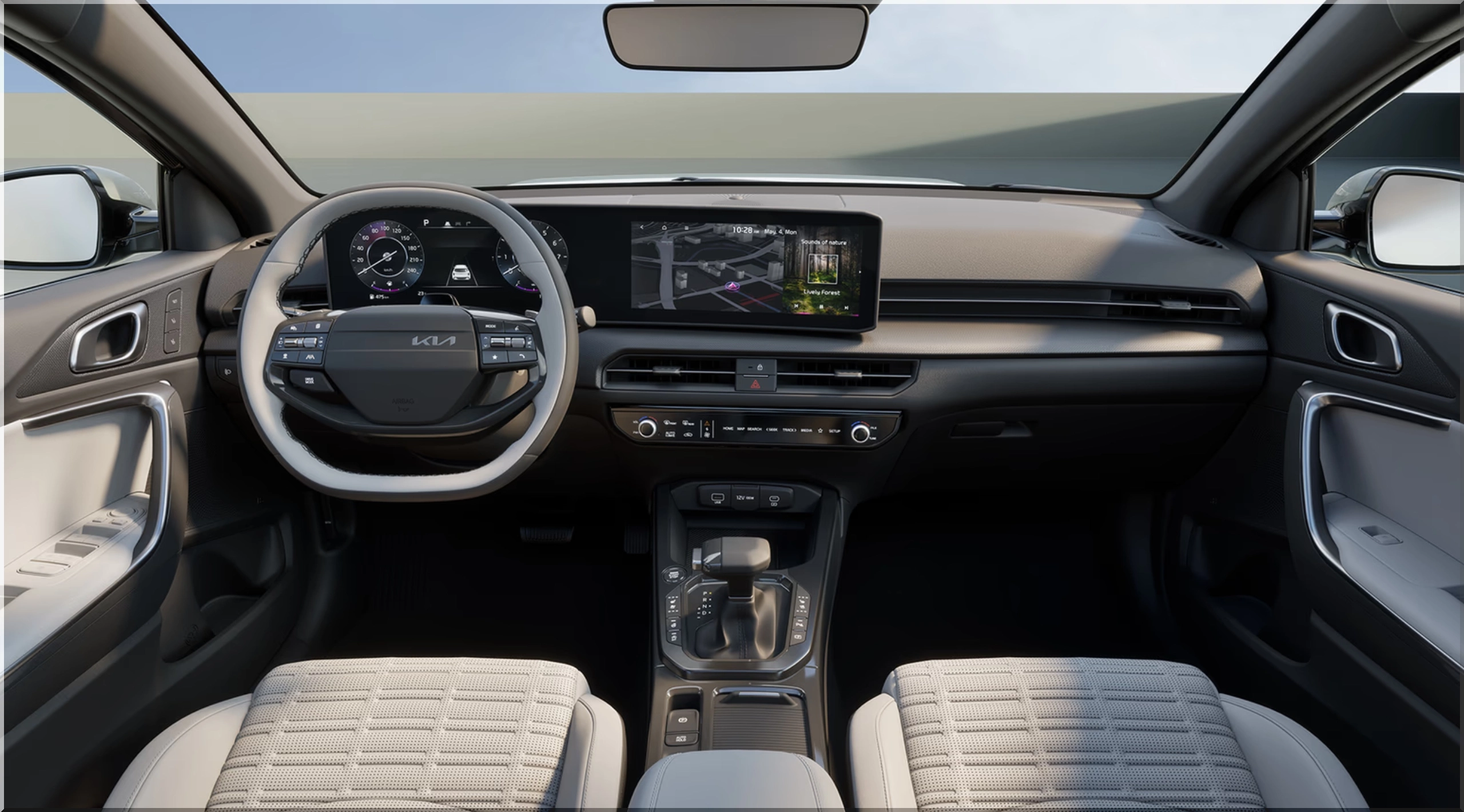
The cabin receives the update it needed most. The 2027 Kia XCeed interior adds a dual-screen layout with two 12.3-inch displays, creating a cleaner driver interface and a more modern dashboard. Kia also adds updated connectivity features, including Digital Key 2.0 on markets and trims that support it.
This matters because the XCeed competes in a segment where perceived tech can influence buying decisions as much as engine output. A compact crossover with old screens feels dated quickly. A dual-display cockpit gives the XCeed a stronger showroom argument against newer rivals.
Key cabin strengths include:
- Dual 12.3-inch digital display layout
- Available heated front seats
- Available heated steering wheel
- Automatic air conditioning
- USB charging points
- Available smart power tailgate
- 60:40 or 40:20:40 split rear seats, depending on trim
Practicality: Why the XCeed Still Works
The XCeed still makes sense because it offers useful space without SUV excess. Boot capacity reaches 426 litres with the rear seats up on selected versions and 1,378 litres with the rear seats folded. Lower-spec versions list 380 litres and 1,332 litres, depending on powertrain and trim.
That difference matters. Buyers who want maximum cargo space should check exact trim and engine data before ordering, because battery systems, wheel sizes, and rear-seat hardware can affect usable volume.
Practicality Data
| Practical Feature | Figure |
|---|---|
| Boot capacity, seats up | 380 to 426 litres |
| Boot capacity, seats folded | 1,332 to 1,378 litres |
| Kerb weight | 1,381 to 1,419 kg |
| Braked towing capacity | Up to 1,410 kg |
| Tow ball limit | 75 kg |
| Seats | 5 |
What Now? Should European Buyers Wait for the 2027 Kia XCeed?
Buyers should wait for the 2027 Kia XCeed only if they want a compact petrol crossover with fresh tech, a raised driving position, and no need for full-electric charging. The 1.0 T-GDi 48V should suit city and suburban drivers, while the 1.6 T-GDi fits higher-mileage drivers who need stronger performance.
However, anyone considering a company car or low-emission urban use should compare the XCeed with the Kia Niro Hybrid, EV3, EV4, and Sportage Hybrid before signing. The lack of a confirmed PHEV limits the XCeed's tax and low-emission appeal in some European markets.
From an expert perspective, Kia has not built a revolution here. It has extended the life of a practical, profitable crossover while Europe decides how quickly mainstream buyers will move from petrol and mild hybrid power to full EVs.
- Add new comment
- 107 views