The Japanese logistics sector faces a massive labor shortage. Data from the Ministry of Economy, Trade and Industry shows a shortfall of 240,000 drivers by 2027. By 2030, analysts expect 34% of logistics demand to go unmet. This means 900 million tonnes of goods will lack transport. In a country where 51% of municipalities are depopulated, the situation is dire. Seniors who gave up their licenses often cannot reach grocery stores just one kilometer away.
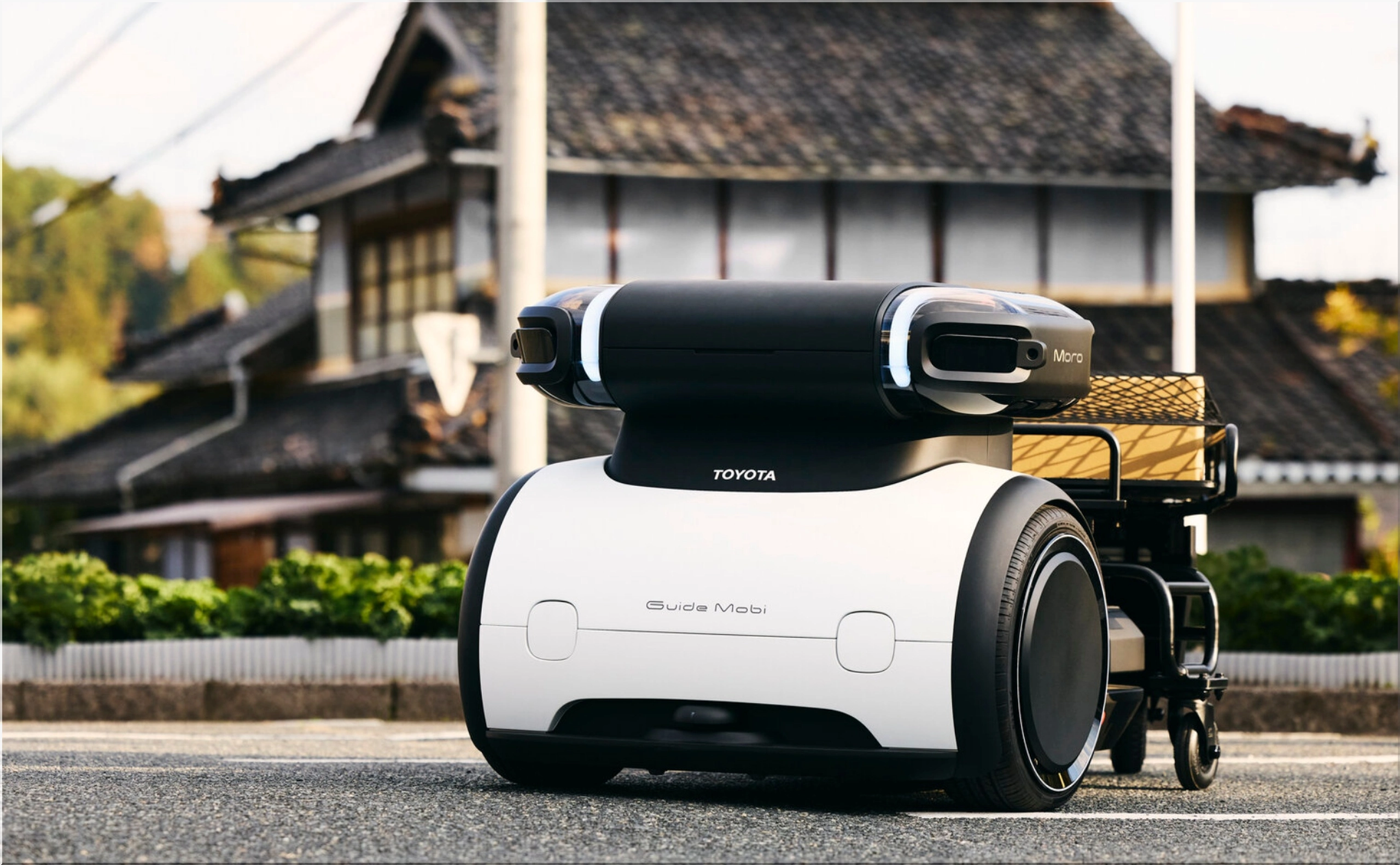
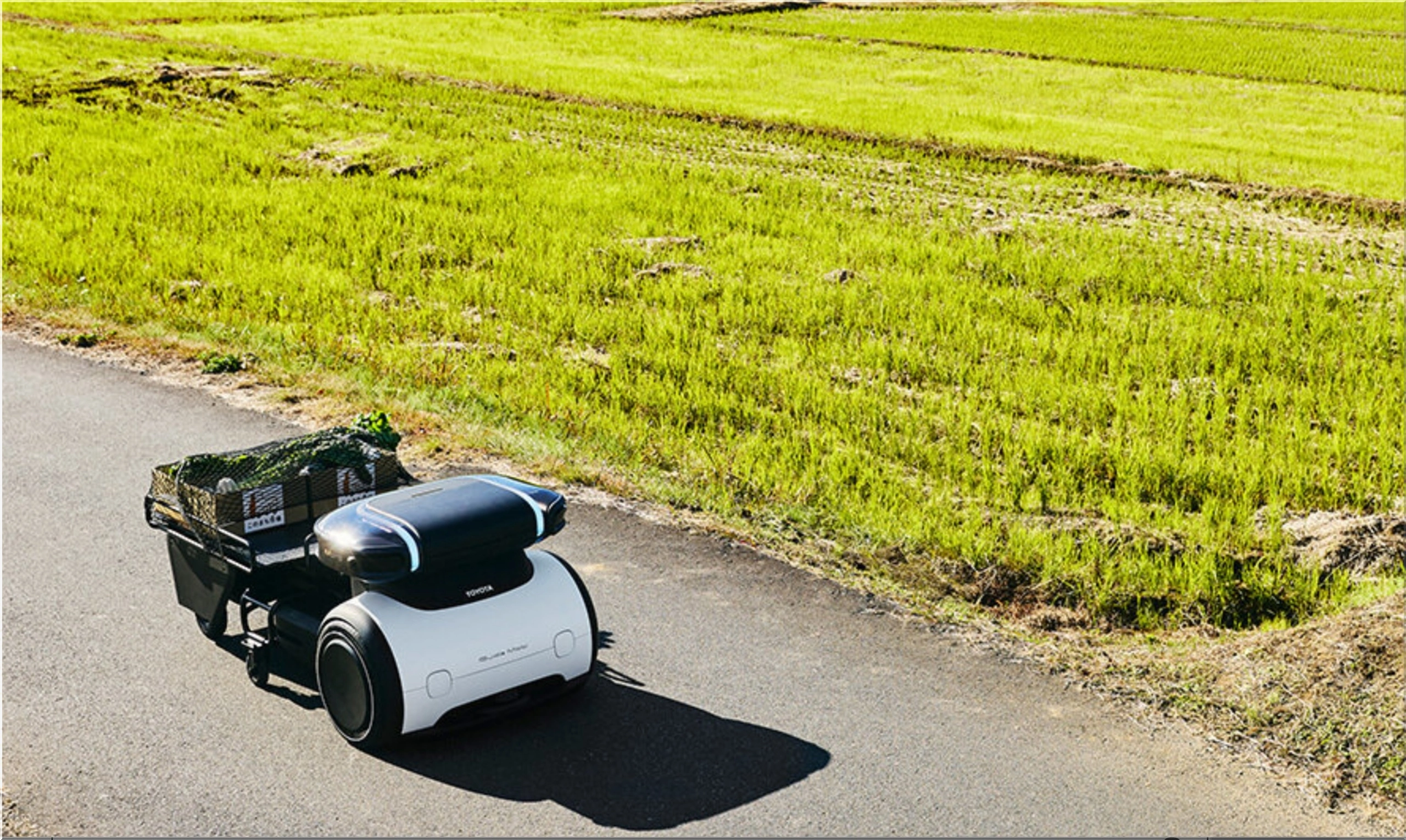
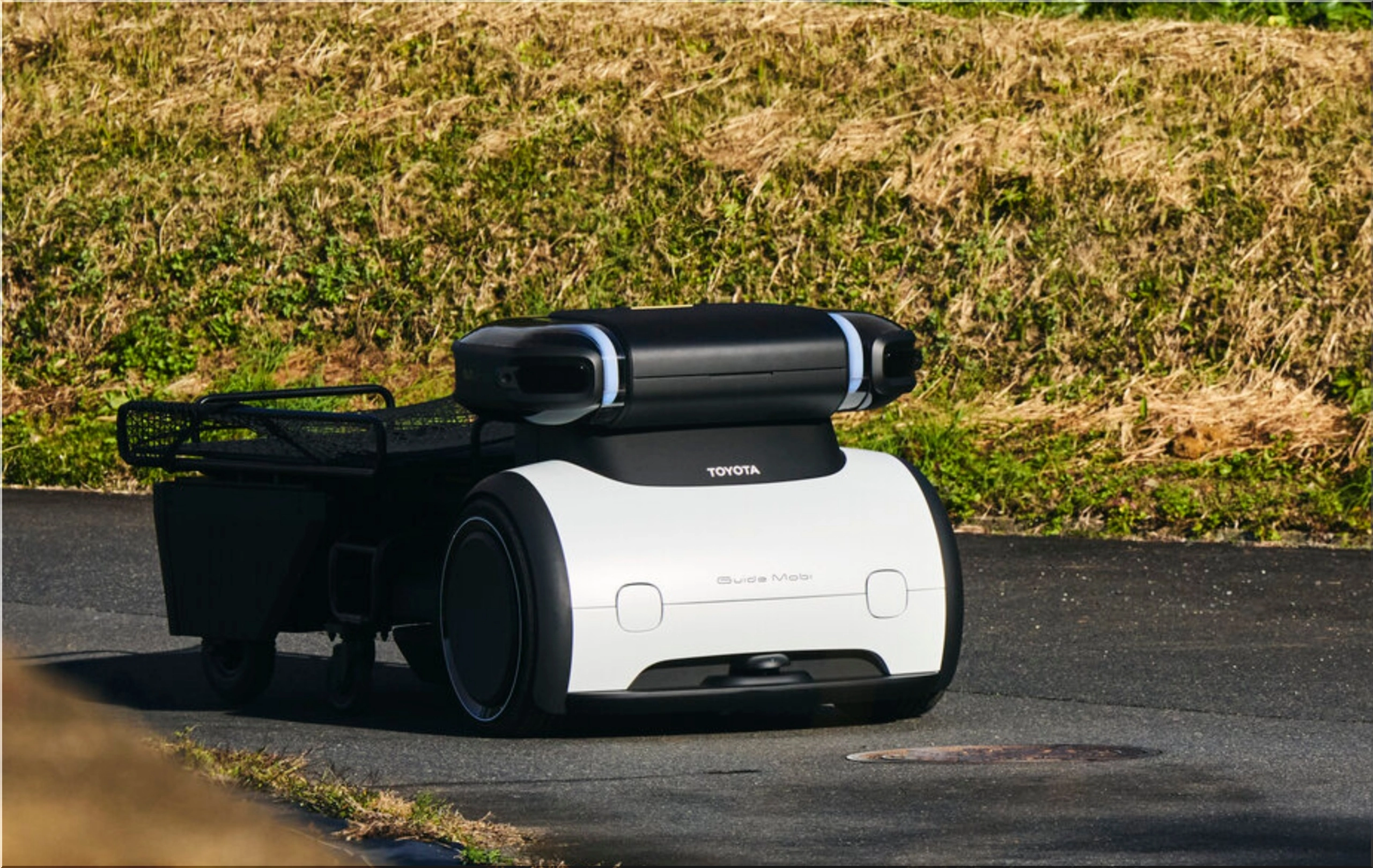
Toyota is developing a solution: the Guide Mobi. This medium-sized, mid-speed autonomous transport robot targets the gap between small sidewalk bots and full-sized trucks. While many companies focus on urban deliveries, Toyota is testing in mountainous areas like Shoo in Okayama Prefecture. These trials address the "last mile" in regions where the bus only runs three times a day.
The Toyota Difference in Autonomous Delivery
Toyota’s approach to autonomous mobility differs from competitors in three specific ways:
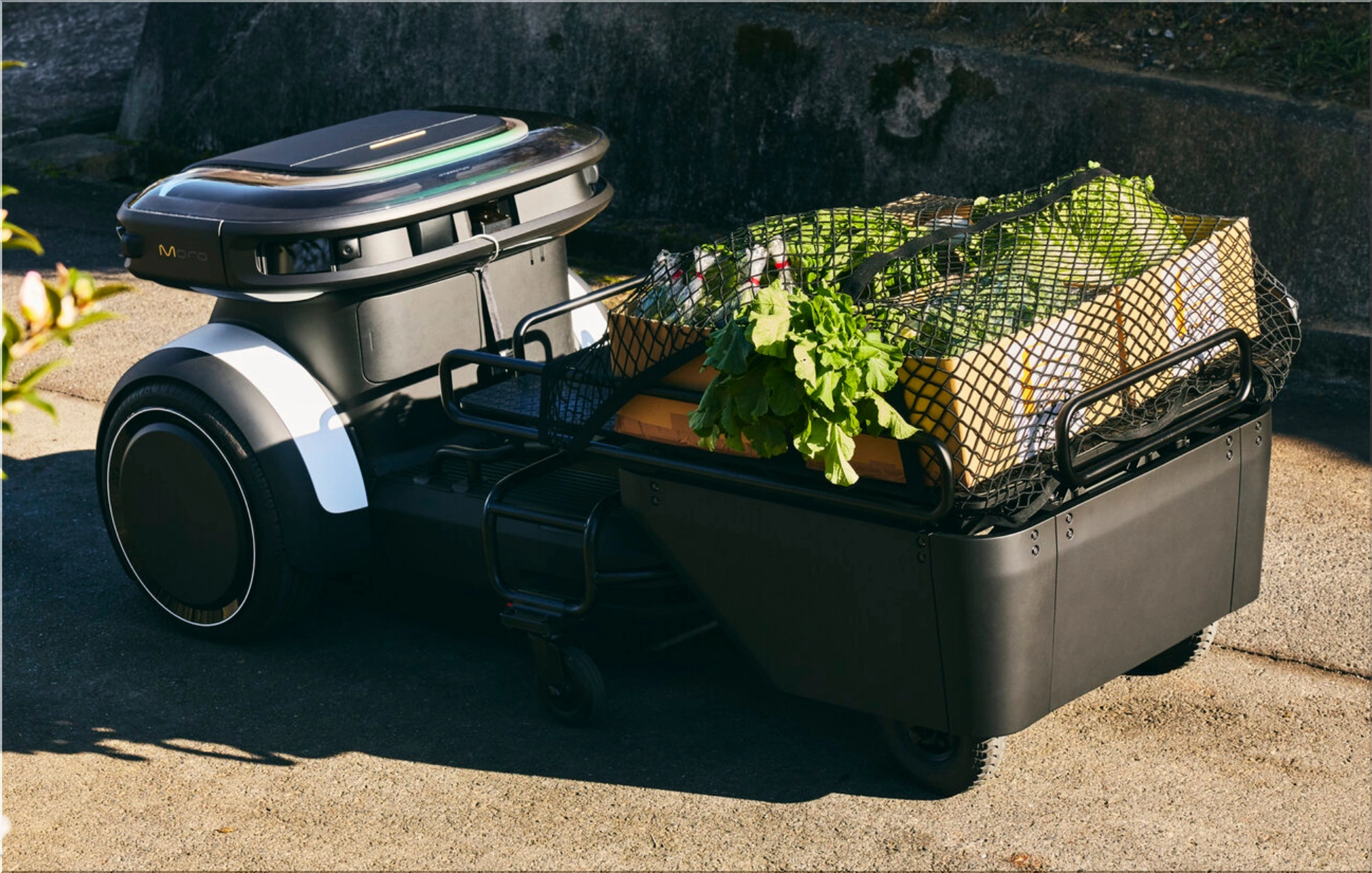
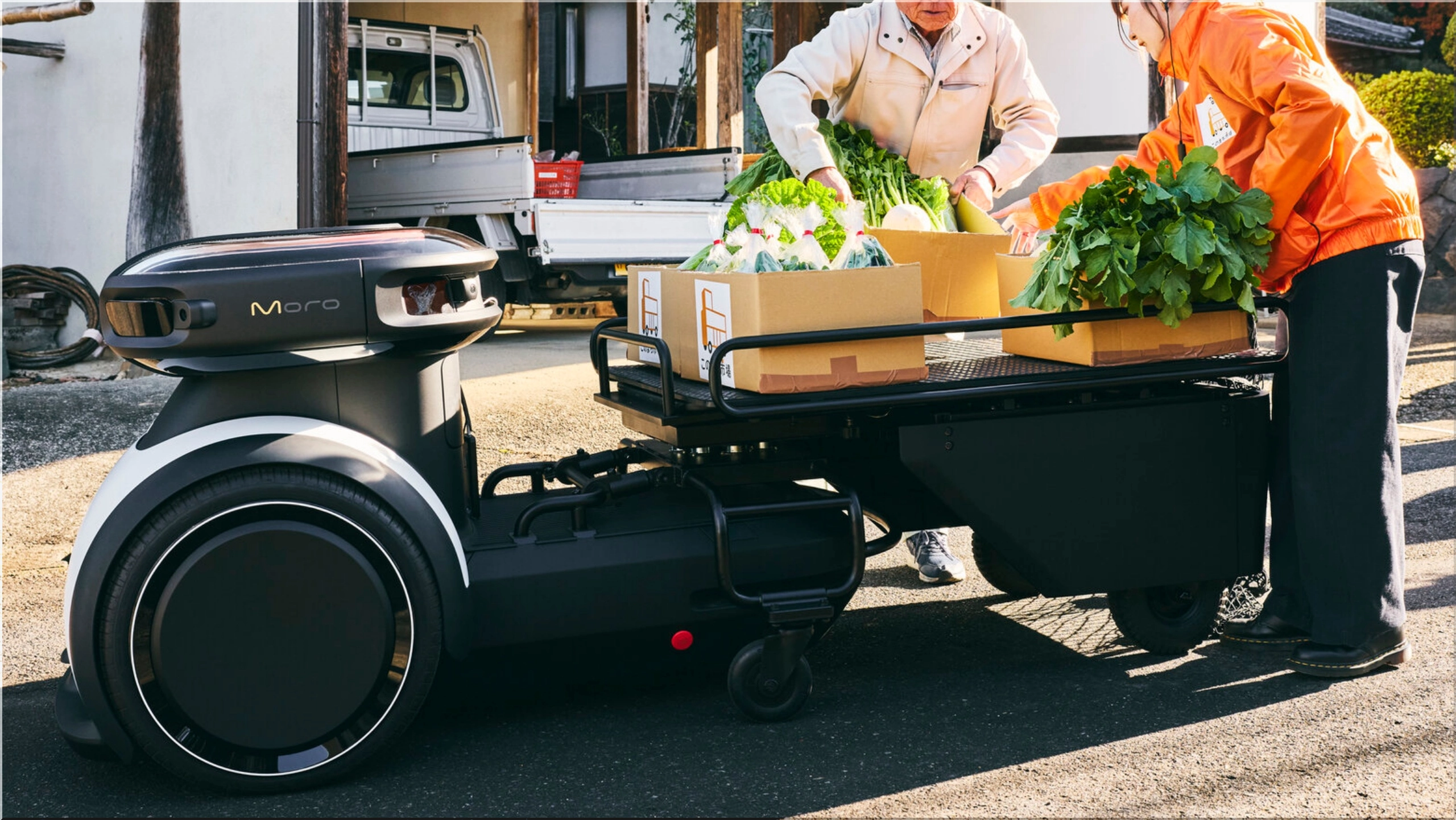
- Versatile Hardware: The Guide Mobi features a detachable cargo bed. Most robots have fixed containers. Toyota’s design allows the robot to drop off a trailer of vegetables for a farmer and immediately move to another task. This increases operational time and cost-effectiveness.
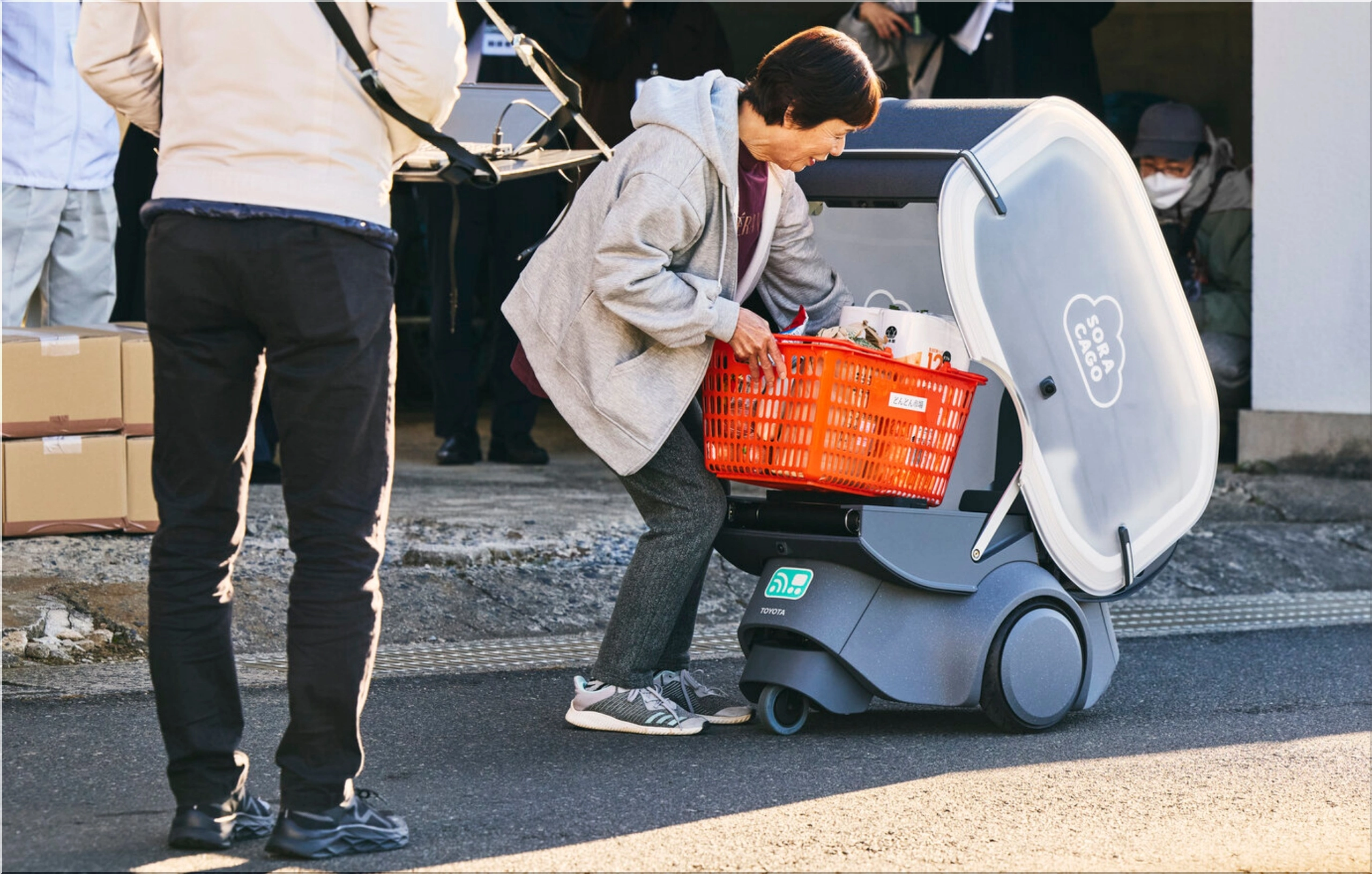
- Infrastructure Integration: Toyota integrates these robots with parcel drop boxes. This enables autonomous delivery without requiring the recipient to be home. It eliminates the need for people to "watch over" the machine, following the Toyota Production System philosophy.
- Scalable Capacity: While small robots carry 20 kg (about 44 lbs), the Guide Mobi handles 200 kg (about 441 lbs). It hits speeds of 15 km/h (9.3 mph), though trials often cap it at 8 km/h (5 mph) for safety.
Image
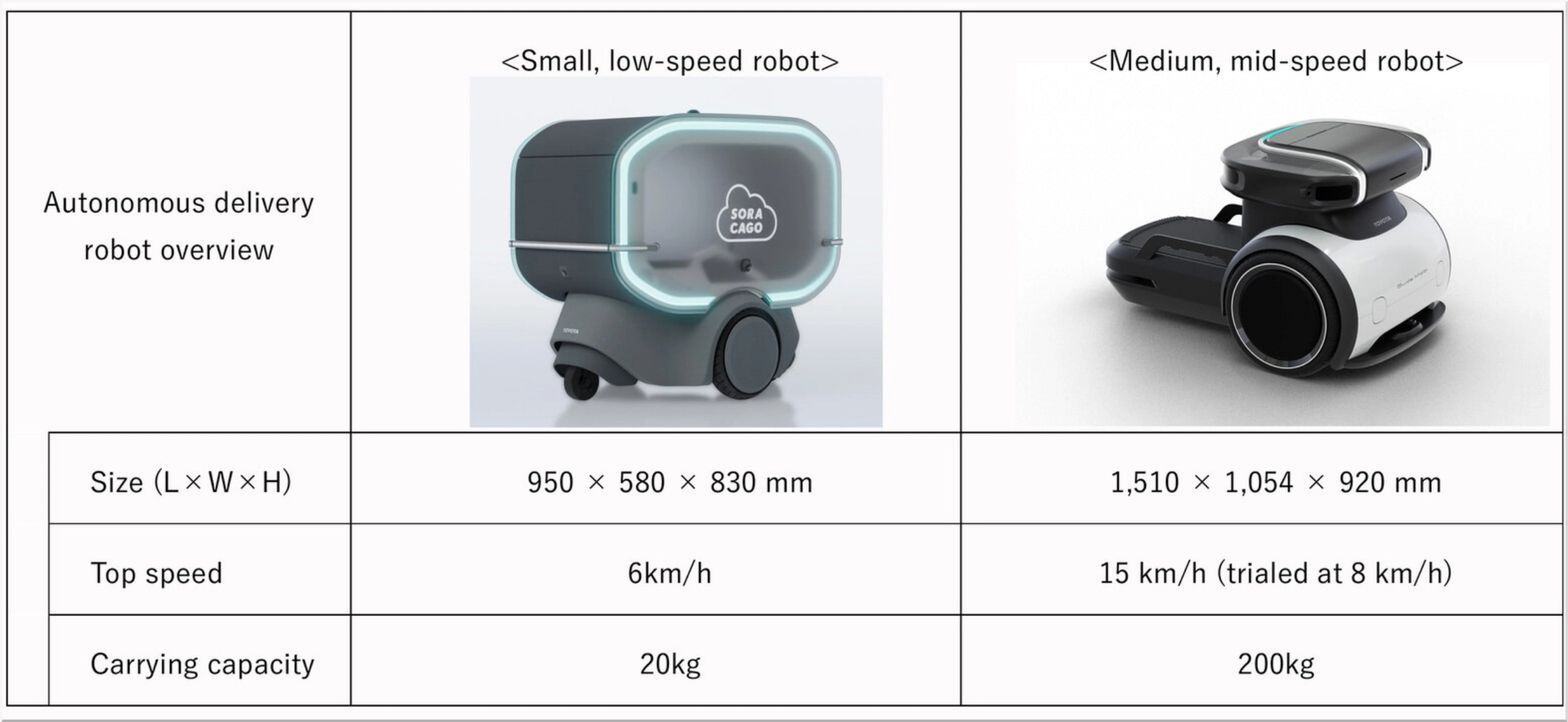
Technical Specifications: Small vs. Medium Robots
| Feature | Small Robot (SORA) | Medium Robot (Guide Mobi) |
|---|---|---|
| Dimensions (mm) | 950 x 580 x 830 | 1,510 x 1,054 x 920 |
| Top Speed | 6 km/h (3.7 mph) | 15 km/h (9.3 mph) |
| Payload Capacity | 20 kg (44 lbs) | 200 kg (441 lbs) |
| Primary Use | Sidewalk delivery | Regional logistics / Heavy goods |
Honed on Rural Roads
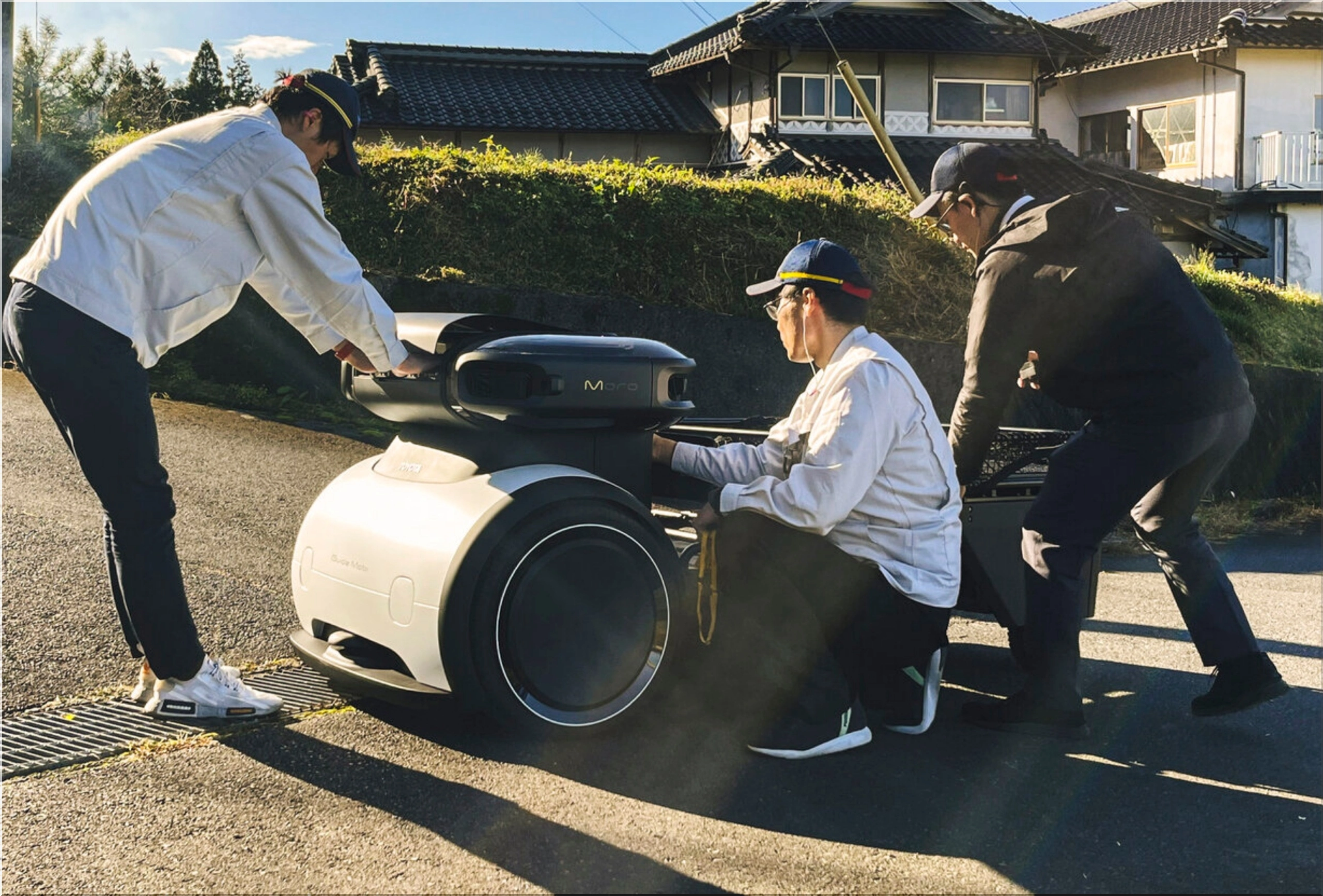
The Guide Mobi began development in Woven City, Toyota's prototype city of the future. However, developers realized that "roads build cars." Moving from controlled environments to rural Okayama revealed new technical hurdles.
In mountainous terrain, the robot's safety sensors initially misidentified steep hills as obstacles. Engineers had to recalibrate the collision-prevention systems. These systems are sensitive enough to detect a child lying on the ground. Testing in heavy rain and at night is also a priority. Autonomous transport provides the most value when human drivers prefer not to work.
Local business operators, like Tsutomu Takigami of DonDon Market, participate in these trials. Over 90% of his customers are locals, mostly women over 60. When shops close and residents lose their licenses, mobile vending becomes a lifeline. Takigami sees the robot as a way to sustain the community. He even suggested adding cameras to the robots so operators could talk to residents, maintaining social interaction.

Logistics and the "2024 Problem"
The Japanese government recently capped yearly overtime for truck drivers at 960 hours. This regulation, known as the "2024 Problem," accelerated the need for automation. There are roughly 880,000 truck drivers in Japan. This is nearly the same number of people with the surname "Kato." However, the average age of drivers is rising. Younger workers are not entering the field fast enough to replace retirees.
Toyota’s vision for a mobility network includes:
- Small robots for short-distance sidewalk deliveries.
- Medium robots like Guide Mobi for regional logistics and medical goods.
- Large autonomous vehicles for highway transport.
The Ministry of Economy, Trade and Industry aims for a full public rollout of these systems by 2027. This isn't just about moving packages. It is about Mobility for All.
Expanding Use Cases
The Guide Mobi is not limited to grocery delivery. Toyota is exploring several high-demand applications:
- Agricultural Support: Carrying harvested crops from the field to collection points.
- Factory Automation: Automatically picking up and moving parts within production plants.
- Medical Logistics: Delivering medicine and supplies in depopulated areas.
- Mobile Stores: Serving as small, refrigerated vending units for fresh produce.
The goal is to create a growth industry that generates jobs while solving the driver shortage. Developers like Daisuke Sato and Masatoshi Kakutani are driven by personal experiences. Both saw their own grandparents struggle with shopping in their later years. They want to ensure that even in the most remote regions, no one is left behind.
Summary of Regional Impact
The transition to autonomous systems is a necessity for Japan. With 51% of municipalities facing depopulation, traditional delivery models are no longer viable. The Guide Mobi represents a shift toward versatile, high-capacity robotics.
By focusing on mountainous areas, Toyota is solving the hardest problems first. If a robot can handle the steep slopes and unpredictable weather of rural Okayama, it can handle a city sidewalk. The project is currently in the refinement stage, gathering the data needed for a full-scale social rollout.
Toyota’s commitment to producing happiness for all means ensuring that mobility remains a right, not a privilege, regardless of where someone lives or how old they are. @ toyotatimes.
- Add new comment
- 212 views