106
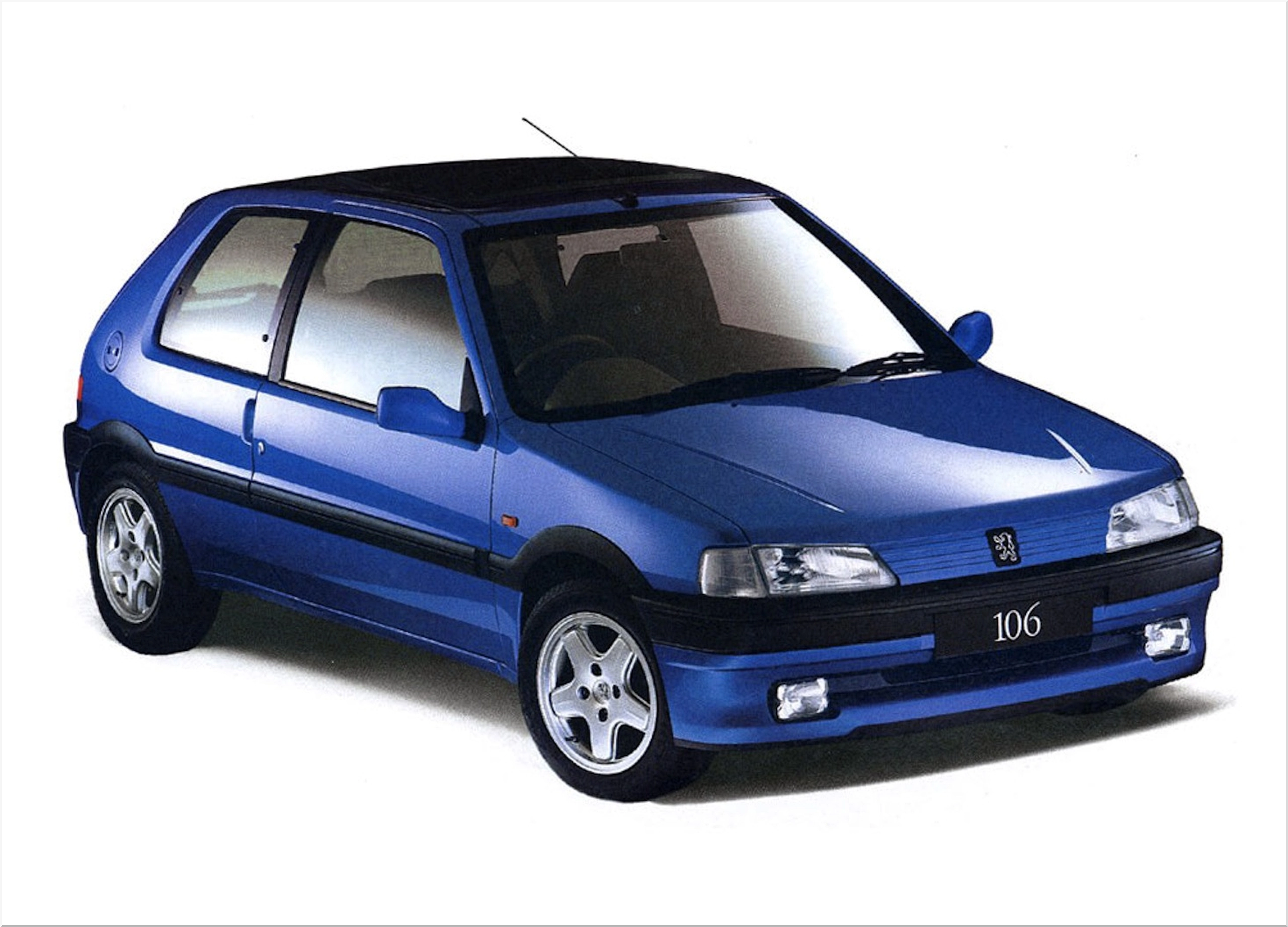
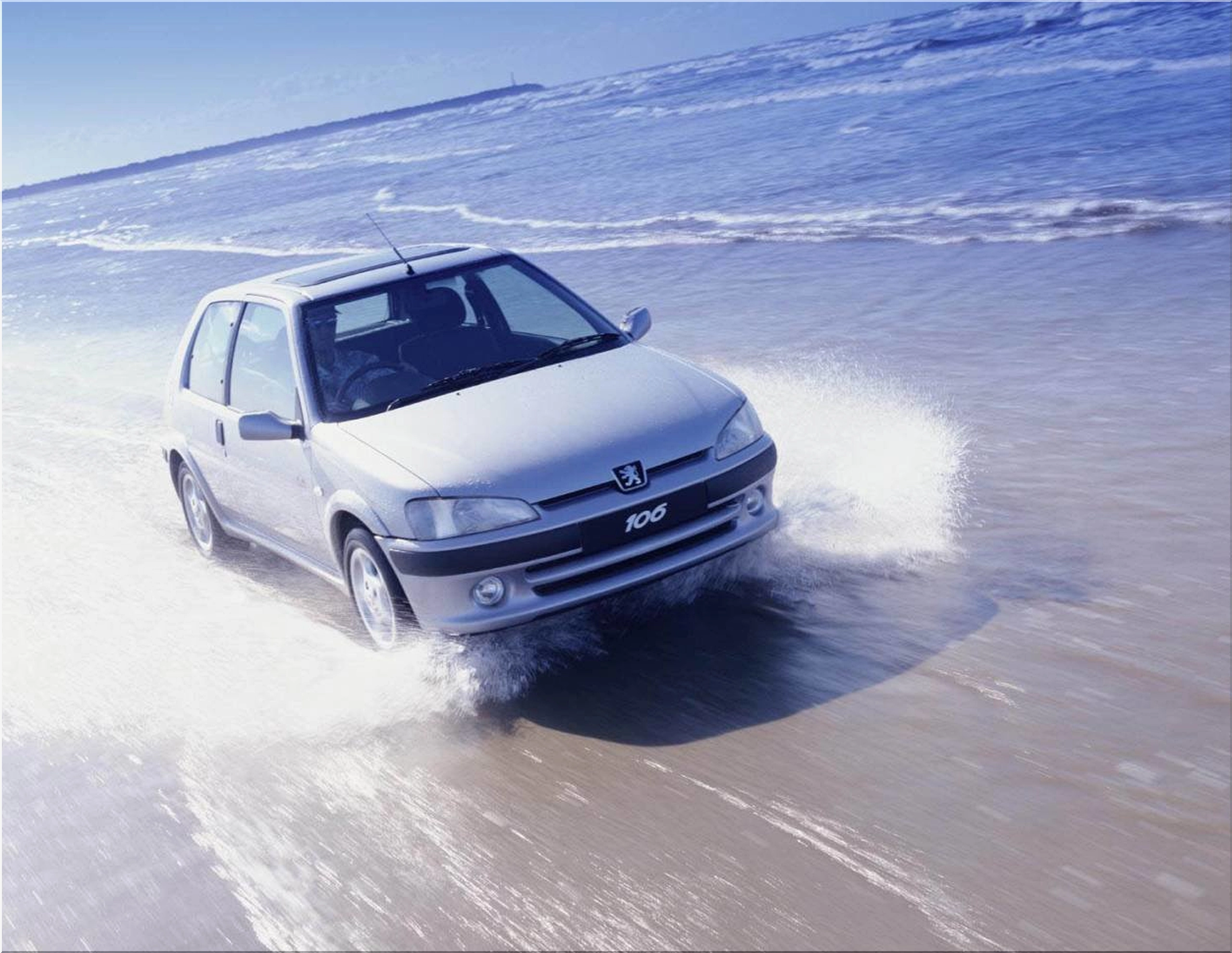
The Peugeot 106 XSi and 106 Rallye defined an era of compact performance. Launched in the 1990s, these lightweight hatchbacks offered responsive handling, accessible pricing, and a direct link to Peugeot's motorsport ambitions. Today, they remain reference points for enthusiasts seeking affordable driving excitement.
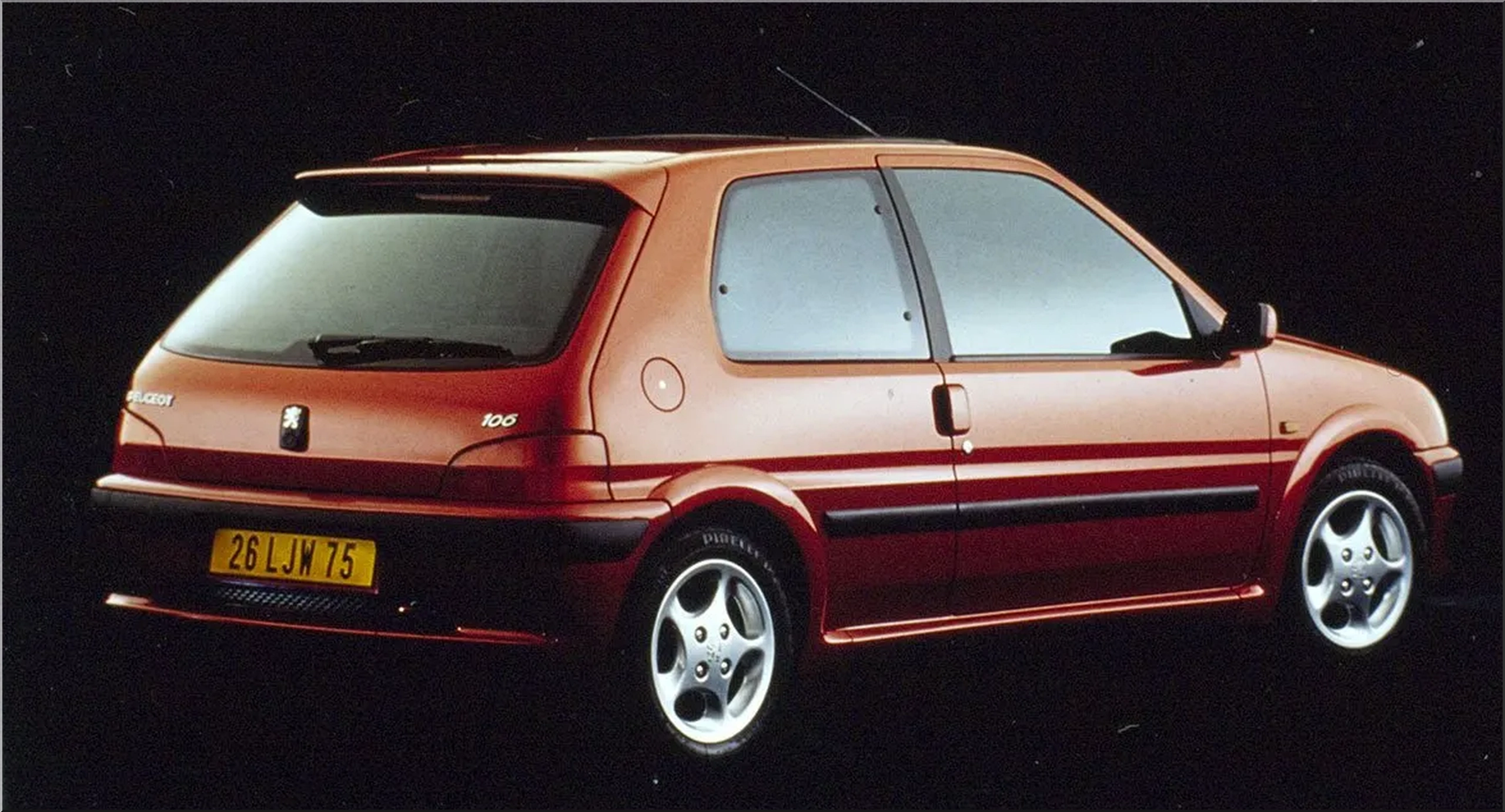
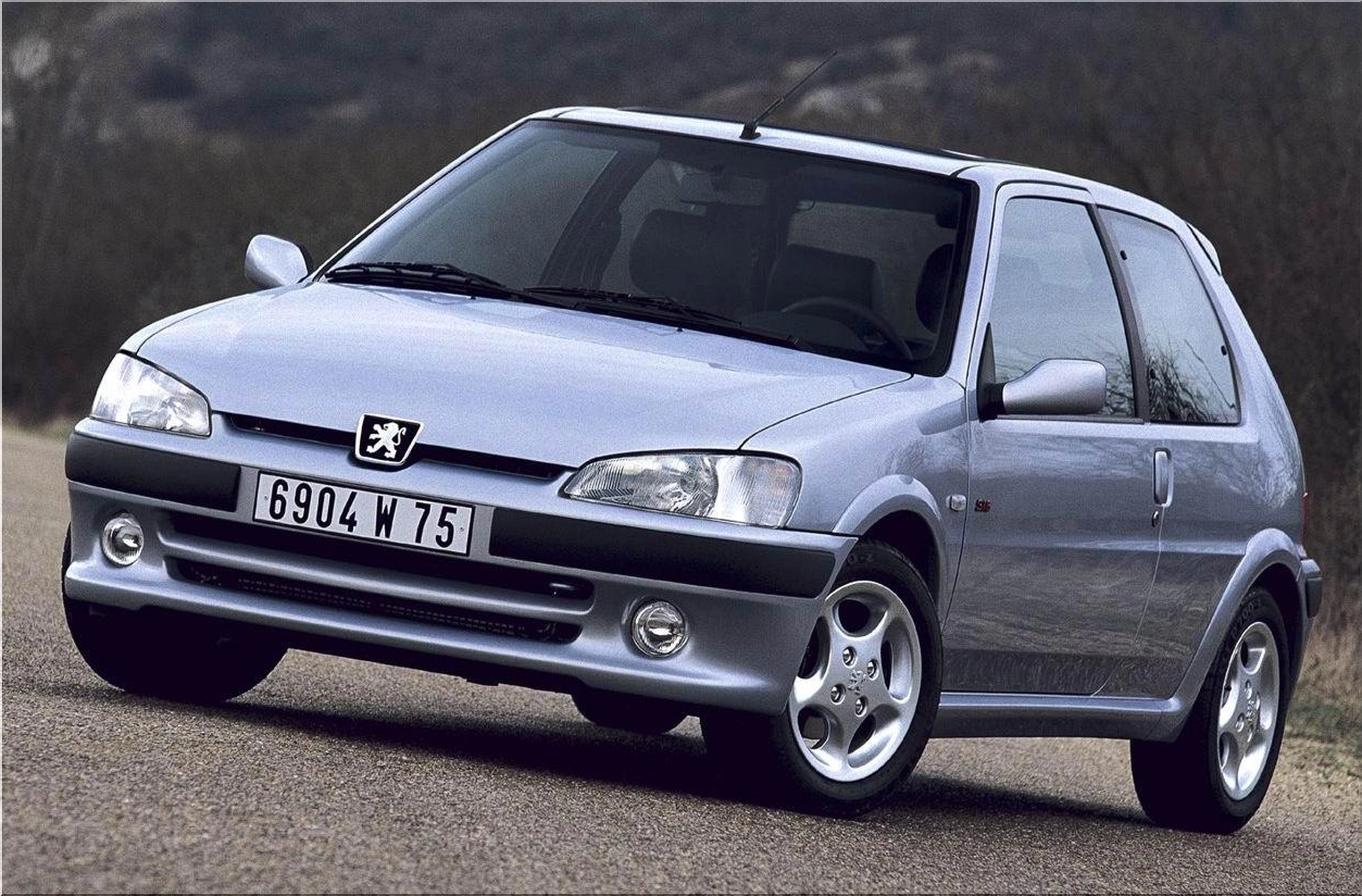
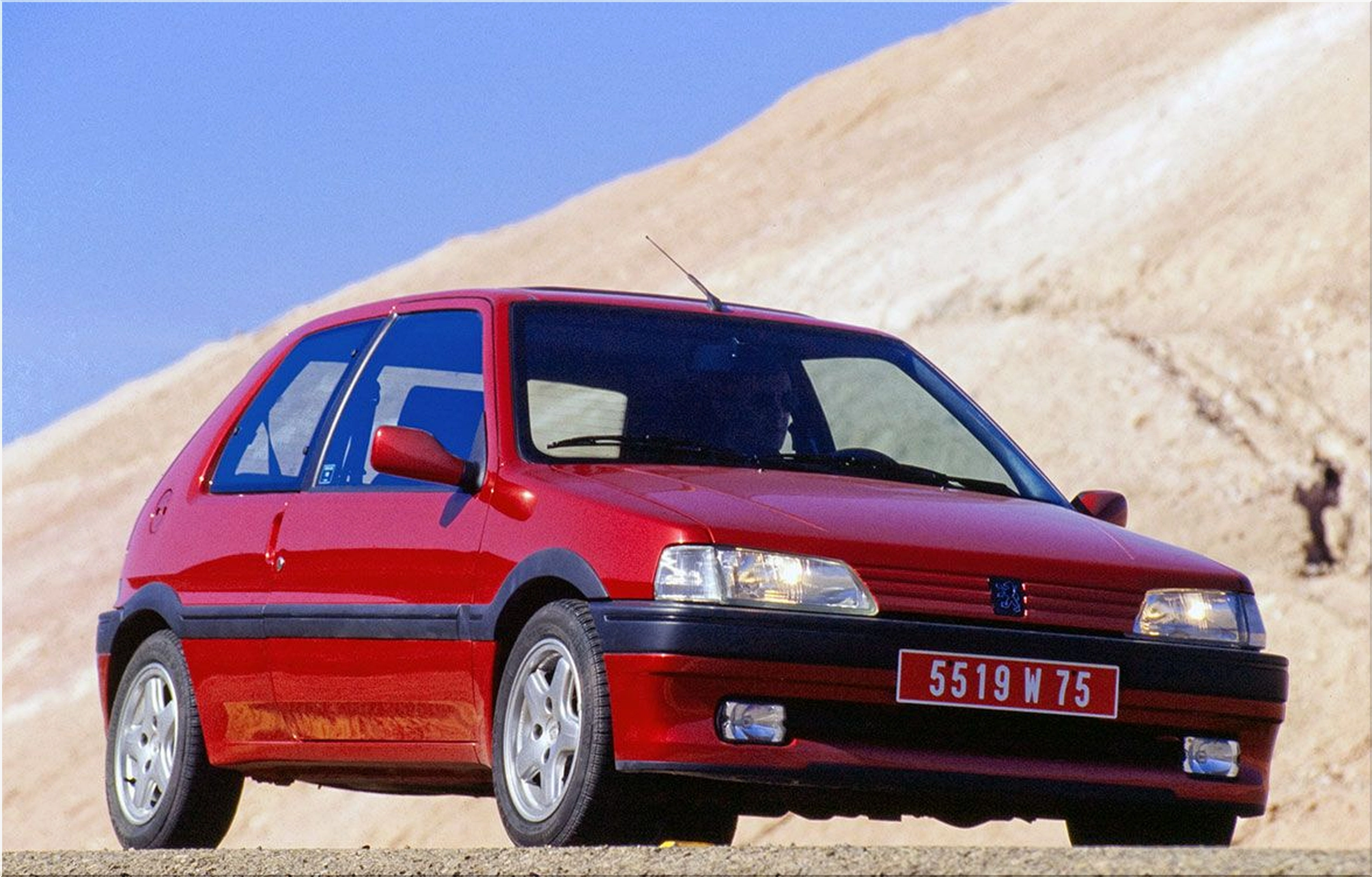
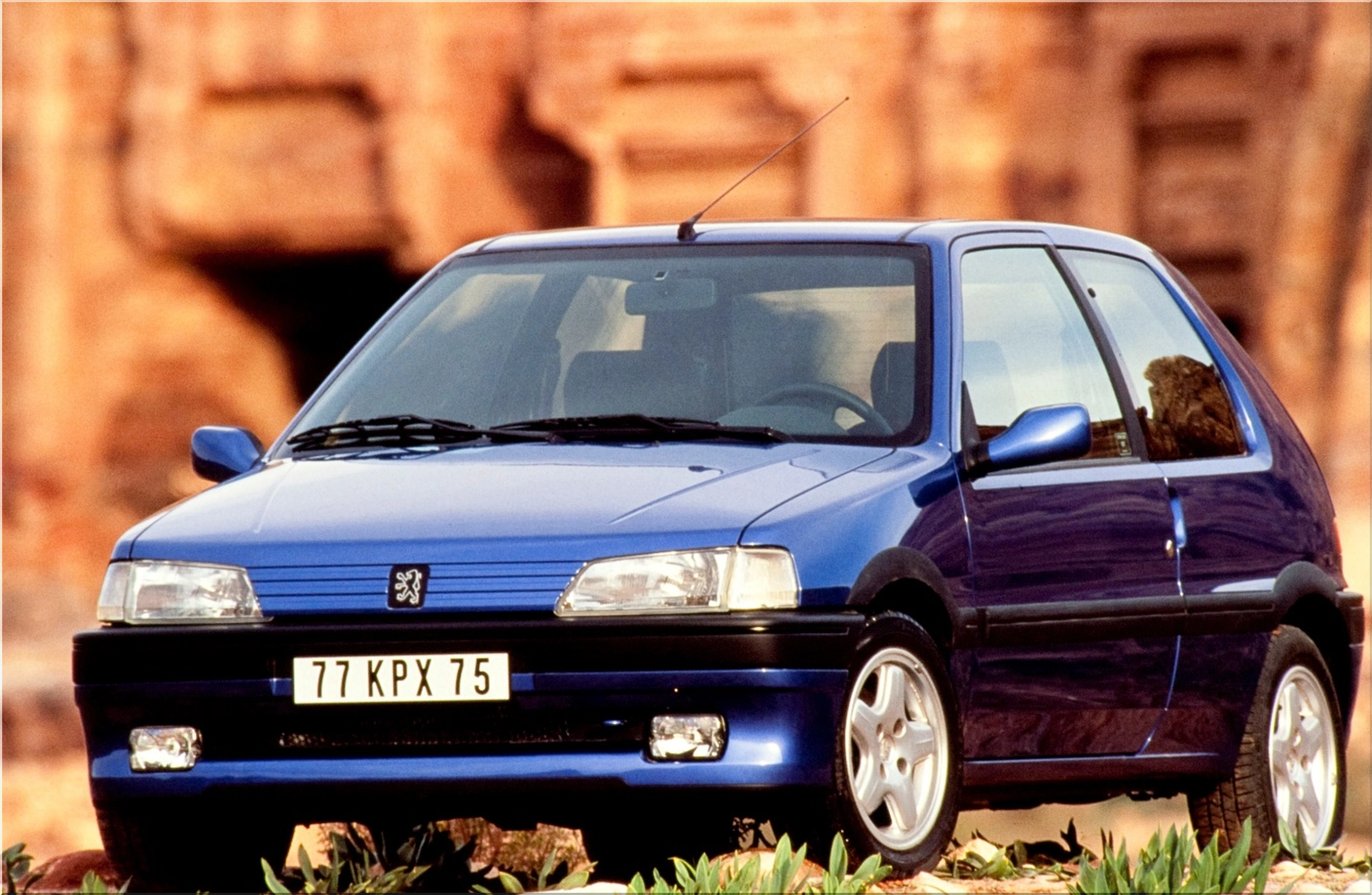
Peugeot 106 XSi: A Practical Performance Option
Engine and Performance
Peugeot introduced the 106 XSi with two engine options:
- 1.4-liter petrol engine producing 94 hp.
- 1.6-liter petrol engine with 102 hp.
Both engines paired with a five-speed manual transmission. The car reached 0-62 mph in around 9.8 seconds with the larger engine.
Top speed: 118 mph.
Curb weight: 880 kg (1,940 lbs).
The low weight produced sharp handling. Peugeot tuned suspension with front MacPherson struts and rear trailing arms. This made the car agile in corners while remaining practical for everyday driving.
Pricing and Market Position
At launch, the 106 XSi started at around $15,000 USD (adjusted for inflation, approximately $32,000 USD today). Peugeot targeted younger drivers who wanted performance without moving to larger models.
Features and Equipment
Standard equipment included:
- Sport seats
- Leather steering wheel
- Alloy wheels
- Optional sunroof
Safety equipment was minimal compared to modern standards. Airbags and ABS became available later in its life cycle.
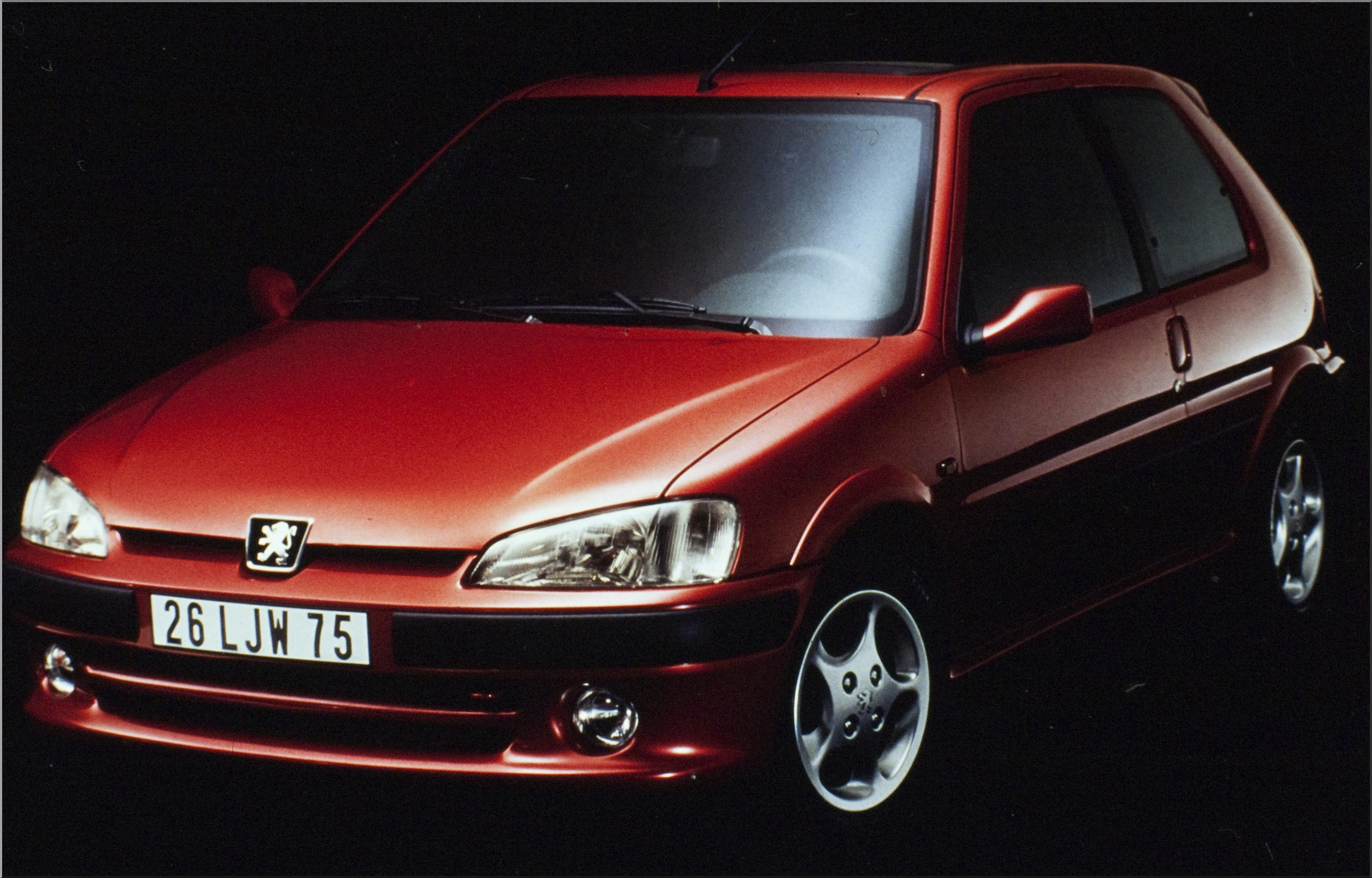
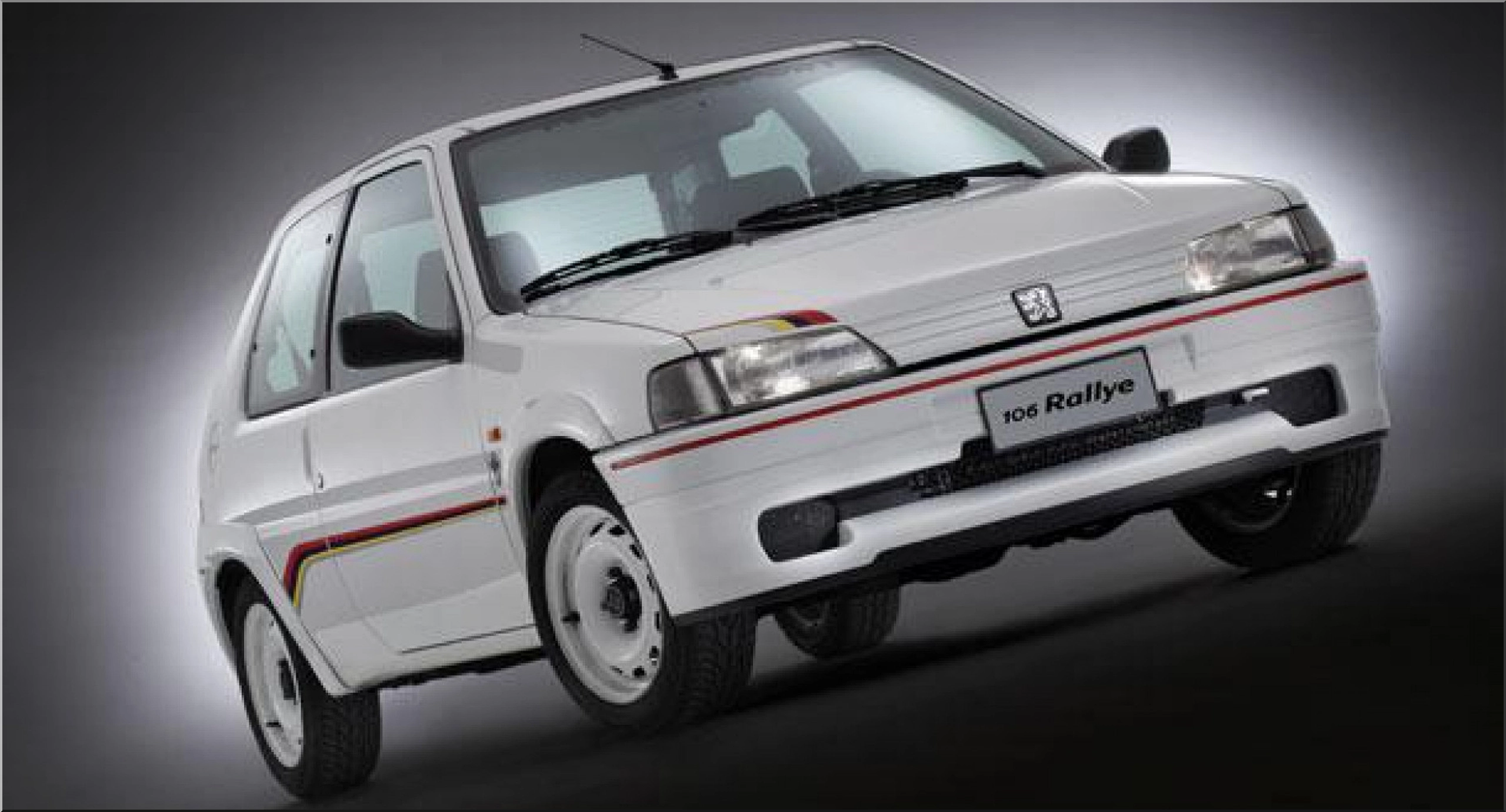
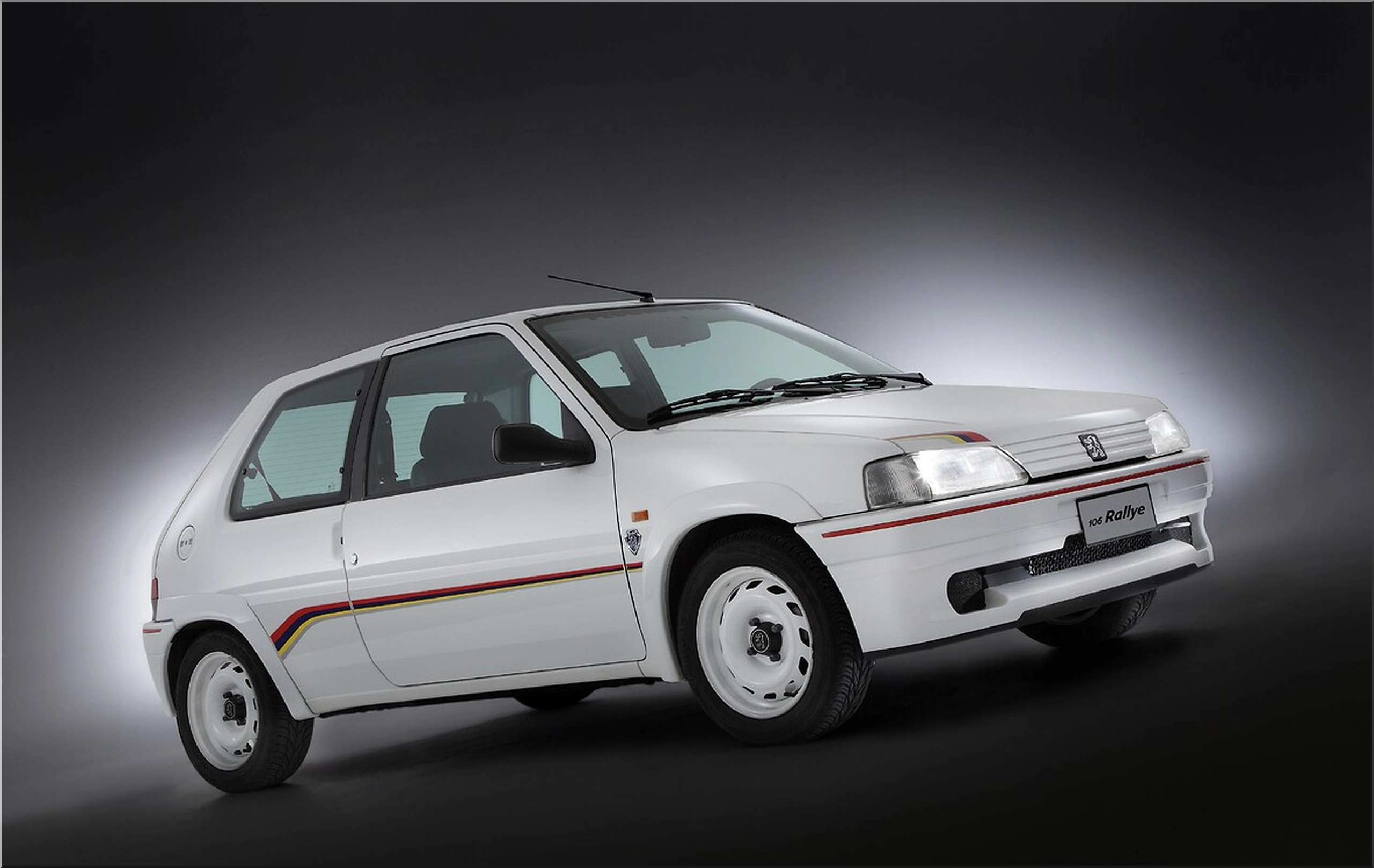
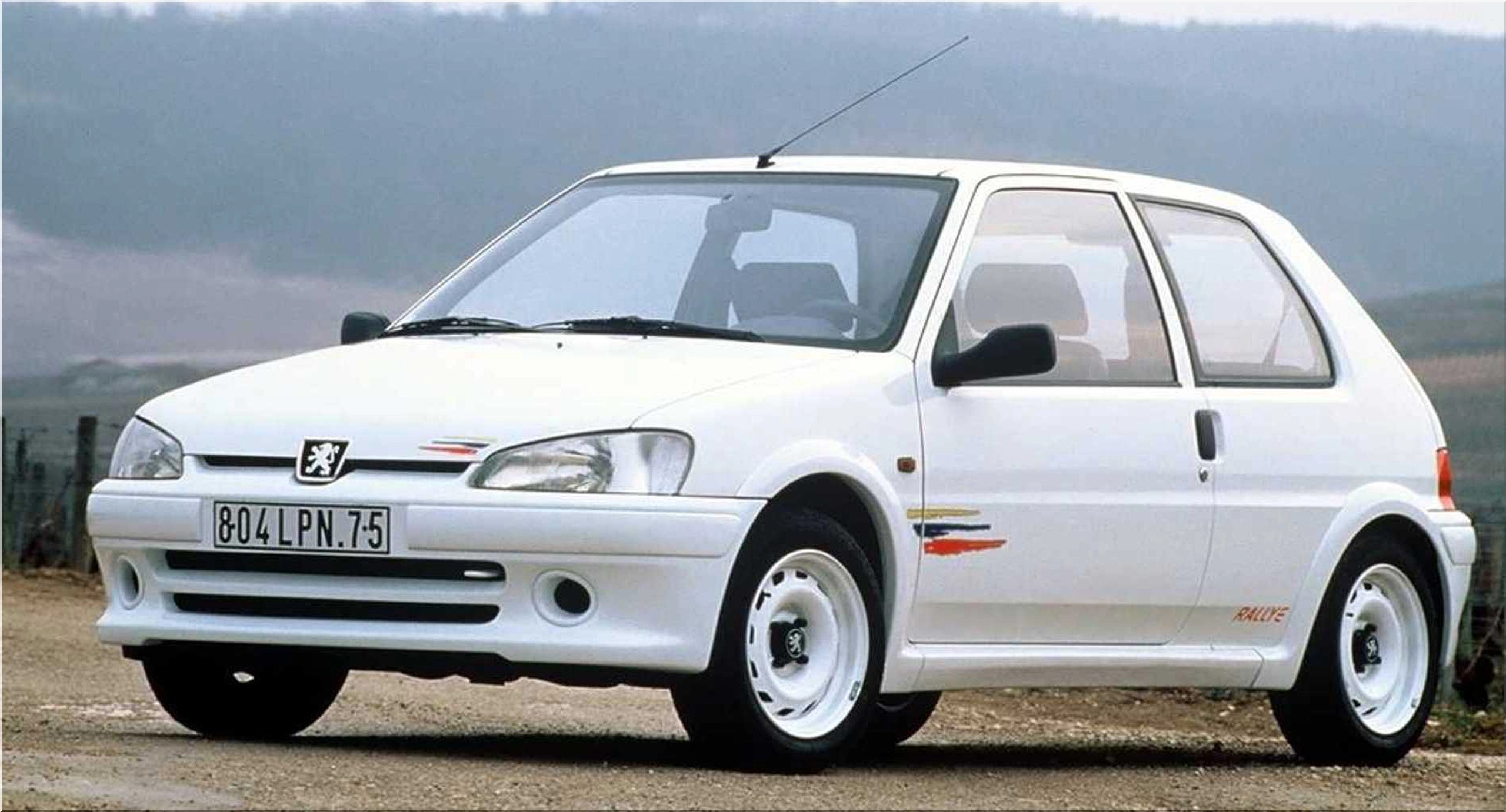
Peugeot 106 Rallye: A Motorsport-Derived Hatchback
Engine and Performance
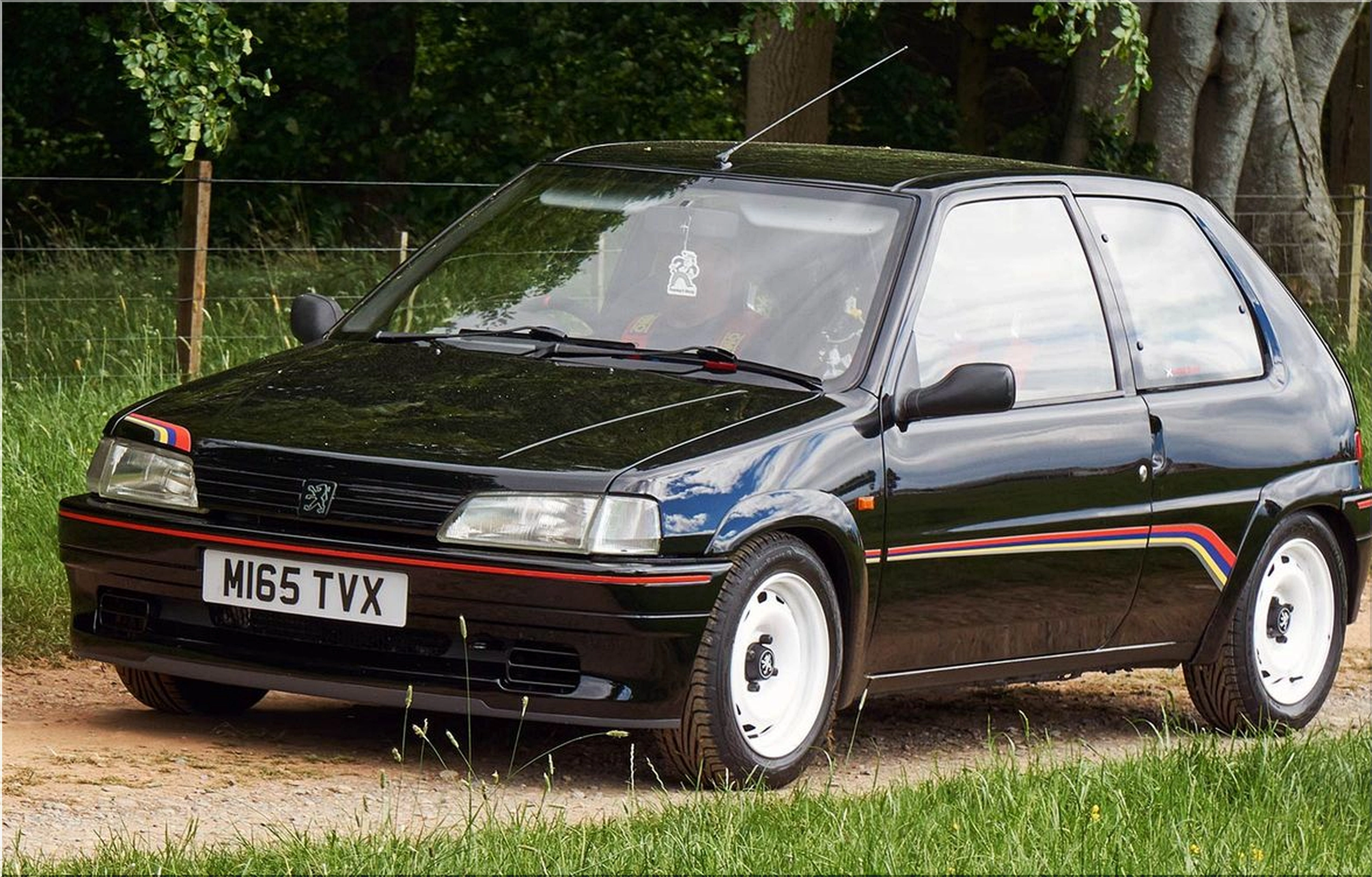
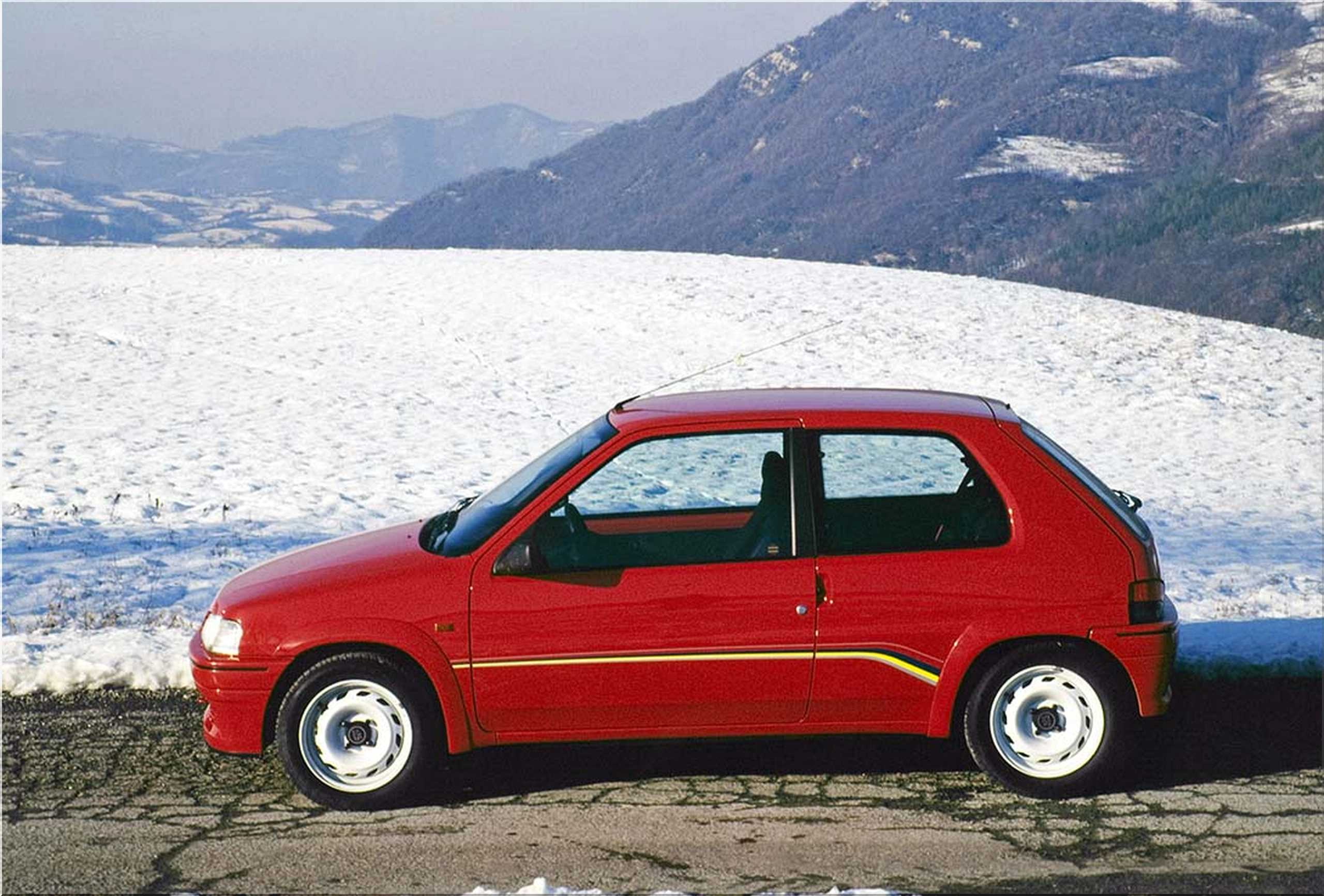
The 106 Rallye arrived as a purist's alternative to the XSi. Peugeot stripped out excess weight and prioritized simplicity.
Key specs:
- 1.3-liter four-cylinder engine with 100 hp.
- 0-62 mph in 9.6 seconds.
- Top speed of 116 mph.
- Weight: 825 kg (1,818 lbs).
The car's short gear ratios delivered strong acceleration at low and mid-range speeds. Steering feedback was direct, making the Rallye a favorite on tight roads and autocross courses.
Pricing and Positioning
At launch, the Rallye cost around $13,500 USD (approx. $29,000 USD today). It offered less equipment than the XSi but appealed to drivers focused on performance.
Features and Equipment
Peugeot removed many comfort features to save weight:
- No power steering
- No air conditioning
- Steel wheels instead of alloys
The spartan cabin reinforced its motorsport connection.
Comparing Peugeot 106 XSi and Rallye
| Specification | Peugeot 106 XSi | Peugeot 106 Rallye |
|---|---|---|
| Engine | 1.4L (94 hp) / 1.6L (102 hp) | 1.3L (100 hp) |
| Weight | 880 kg (1,940 lbs) | 825 kg (1,818 lbs) |
| 0-62 mph | ~9.8 sec | ~9.6 sec |
| Top Speed | 118 mph | 116 mph |
| Equipment | Sport seats, alloys, optional luxuries | Stripped, basic interior |
| Price (USD) | $15,000 | $13,500 |
The XSi aimed at daily usability with performance. The Rallye targeted enthusiasts who valued raw driving response over comfort.

Motorsport Influence
Peugeot developed the 106 Rallye with Group N and Group A rally competition in mind. The lightweight construction and close-ratio gearbox gave private teams an affordable entry into rallying.
The XSi, while less track-focused, still provided a strong base for club racing and autocross. Both models reinforced Peugeot's performance credibility in the 1990s.
Market Impact
The 106 XSi and Rallye competed with models such as the Renault Clio 16V, Citroën Saxo VTS, and Volkswagen Polo GTI. Peugeot's advantage came from:
- Lower weight
- Sharper steering
- Competitive pricing
These strengths helped Peugeot carve out a loyal following among enthusiasts.
Legacy and Collector Value
Today, both the XSi and Rallye are sought by collectors. Values depend on condition and originality:
- Peugeot 106 XSi: $8,000 to $15,000 USD.
- Peugeot 106 Rallye: $12,000 to $25,000 USD.
Original Rallye models command a premium due to rarity and motorsport pedigree.
Key Takeaways for Enthusiasts
- Peugeot 106 XSi delivered balance between daily usability and spirited driving.
- Peugeot 106 Rallye offered motorsport DNA in road-going form.
- Both models remain reference points for lightweight hot hatch design.
Conclusion
The Peugeot 106 XSi and 106 Rallye proved that performance does not require size or complexity. By keeping weight low and focusing on sharp dynamics, Peugeot created small cars that left a lasting mark on enthusiasts and motorsport.
Their legacy remains relevant as modern cars grow heavier and more complex. The 106 XSi and Rallye remind us of a simple truth: driving engagement depends on focus, not excess.
- Add new comment
- 245 views