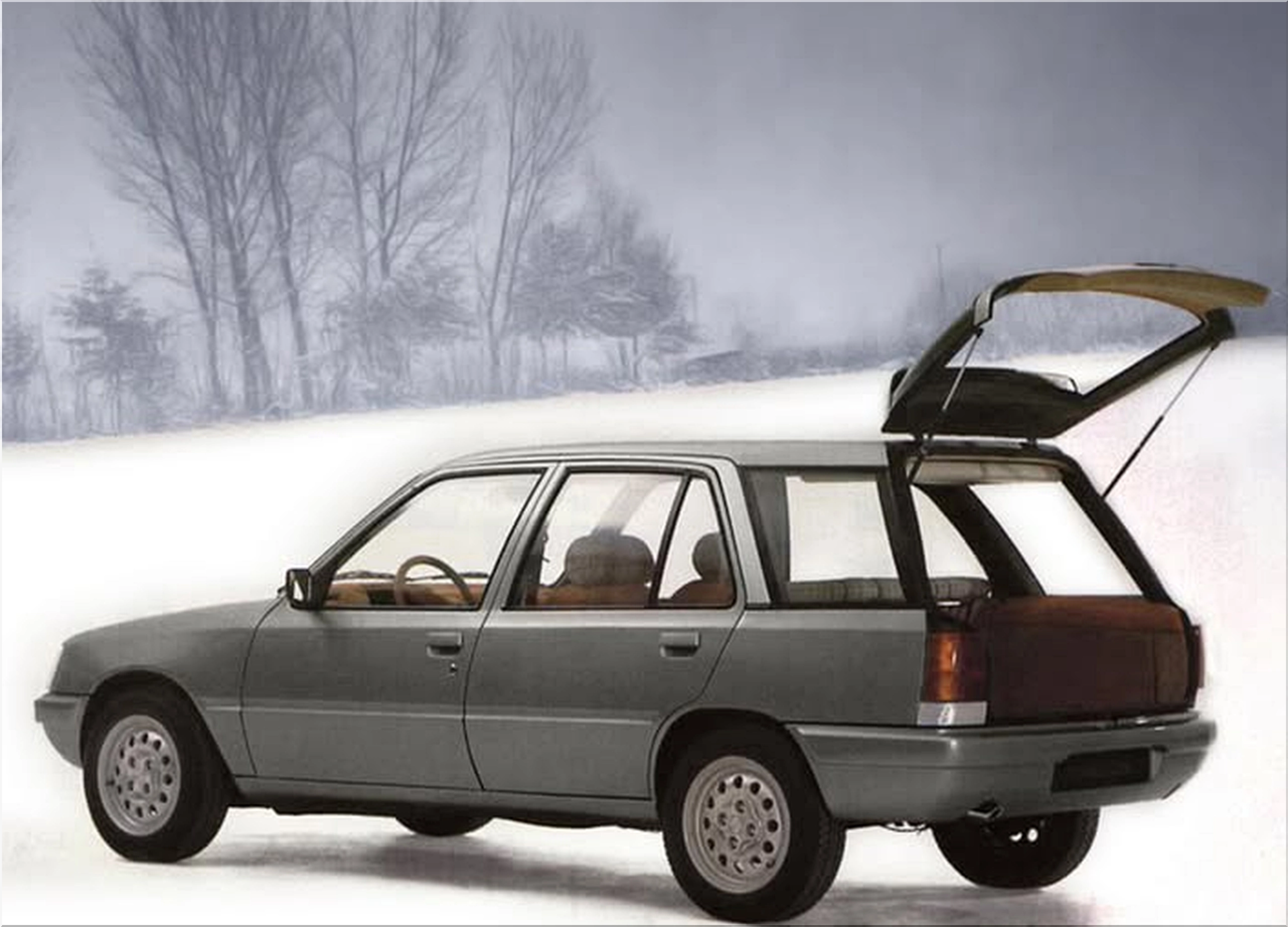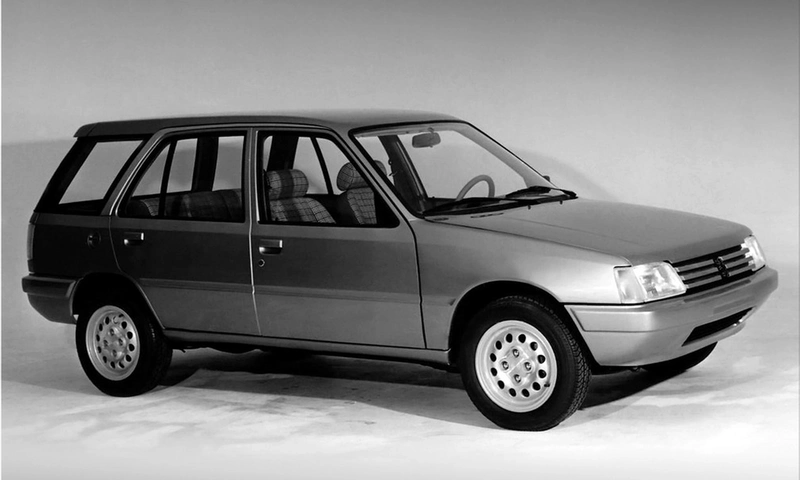
A Forgotten Hero from the 1980s
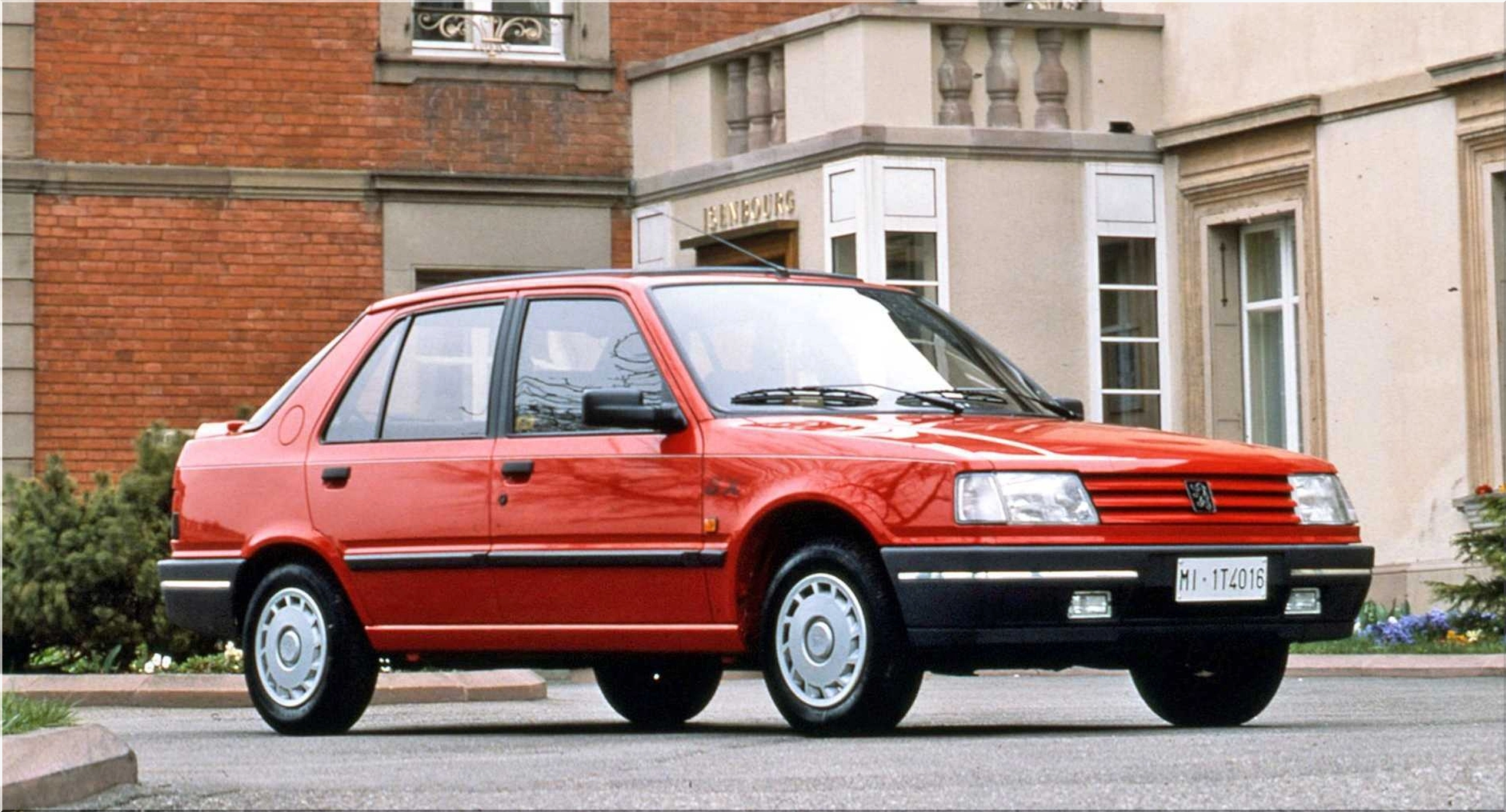
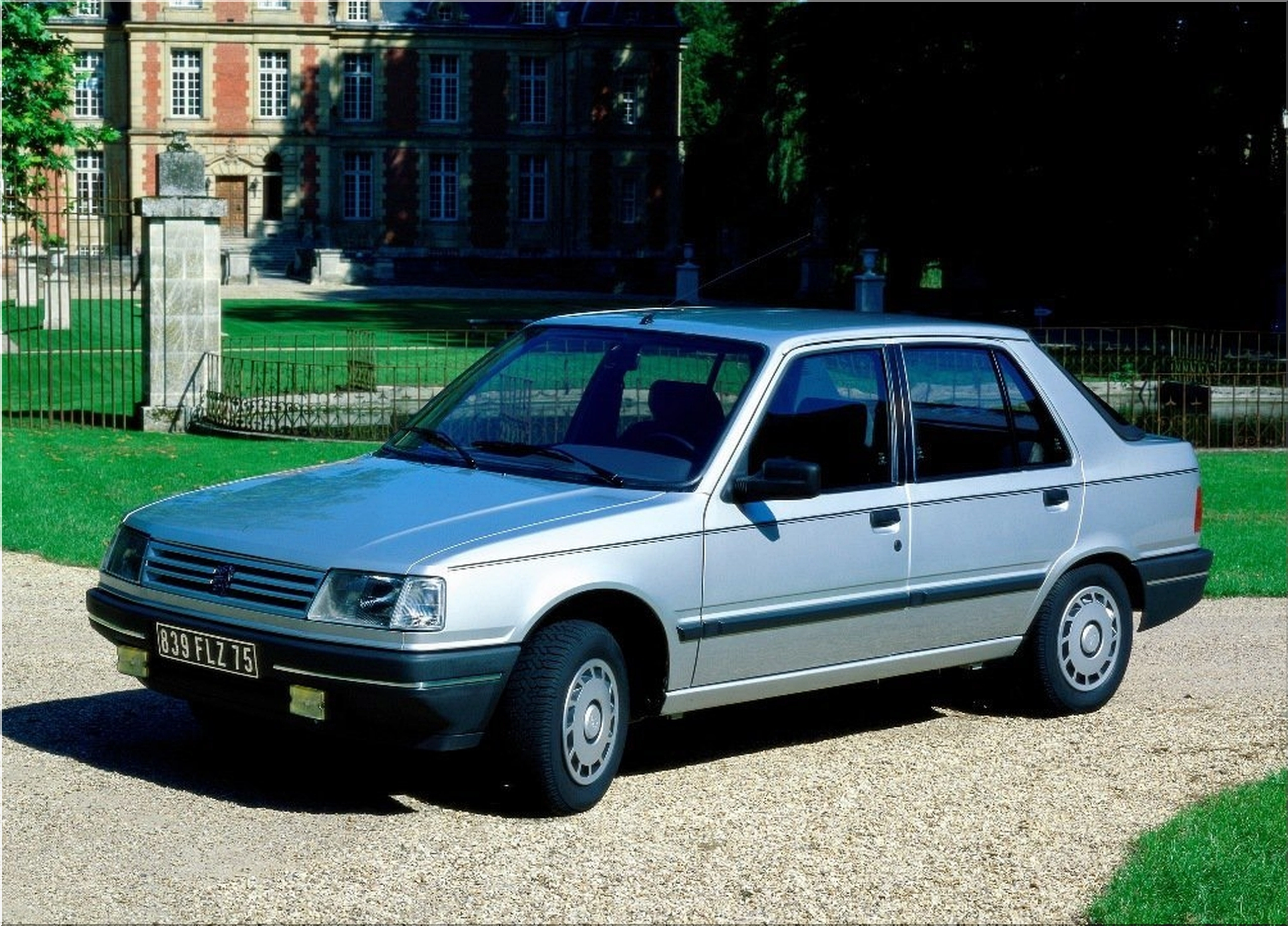
When Peugeot launched the 309 on October 17, 1985, the brand was at a crossroads. The global auto industry was shifting fast, and Peugeot needed a new volume car to anchor its European lineup. The 309 wasn’t born as a Peugeot at all—it was conceived as the Talbot Horizon’s successor, known internally as Project C28. But as Talbot faded, Peugeot took control, fitted the car with the lion badge, and moved forward.
Between 1985 and 1993, Peugeot sold over 1.6 million units of the 309, positioning it as a bridge between the 205 and the 405. It was never the flashiest car on the road, but it represented a turning point in Peugeot’s history—where practicality, efficiency, and aerodynamics came together to define the next era of the brand.
Image
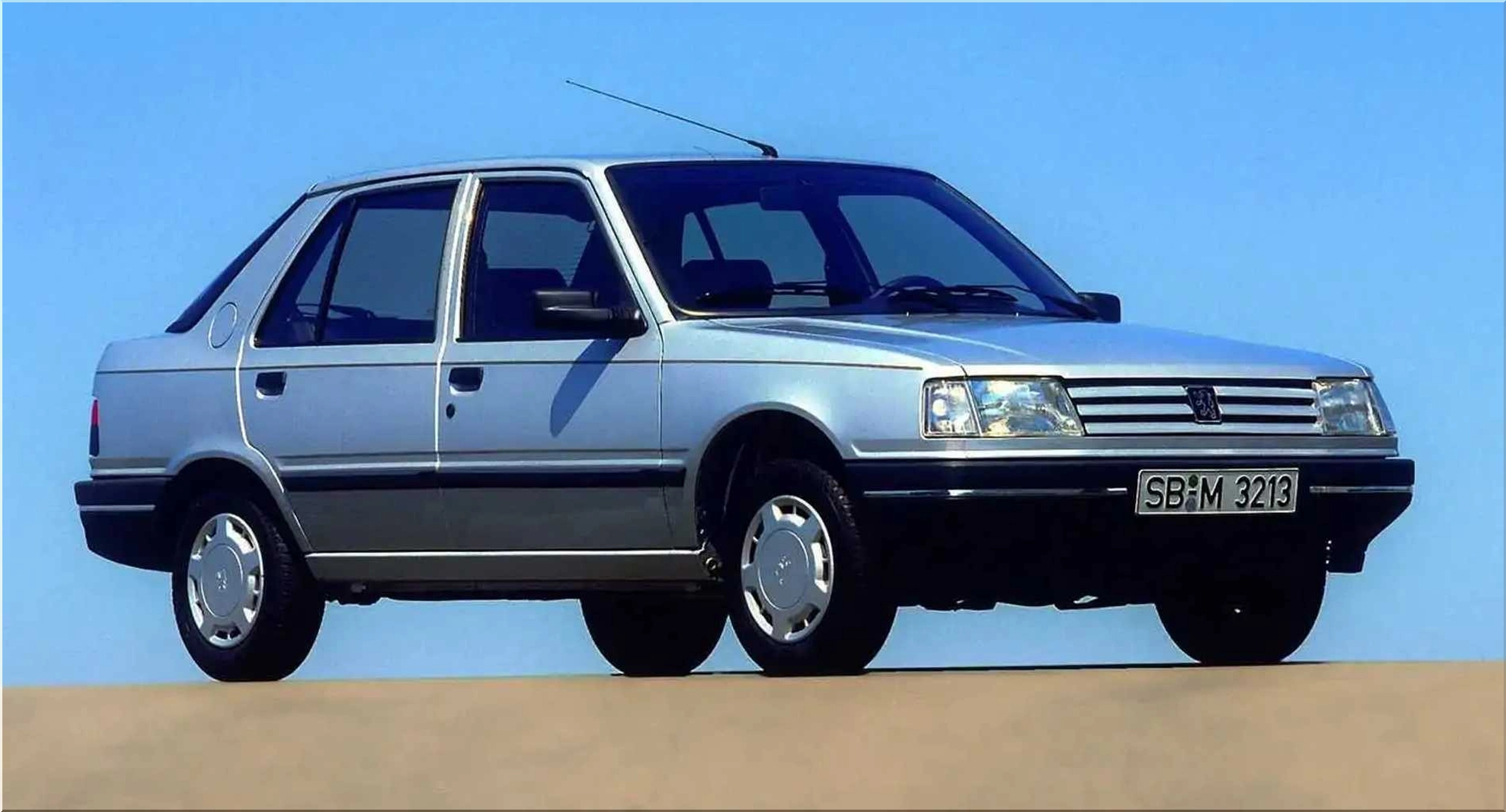
How the 309 Borrowed from the 205 and Shaped Peugeot’s Design DNA
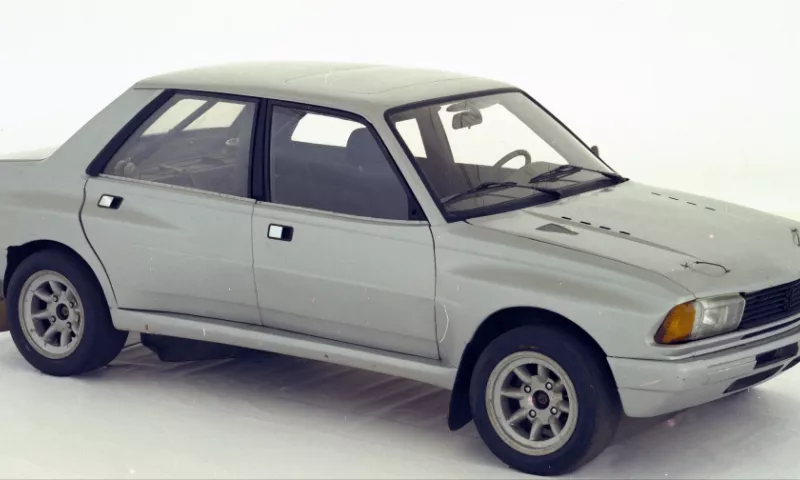
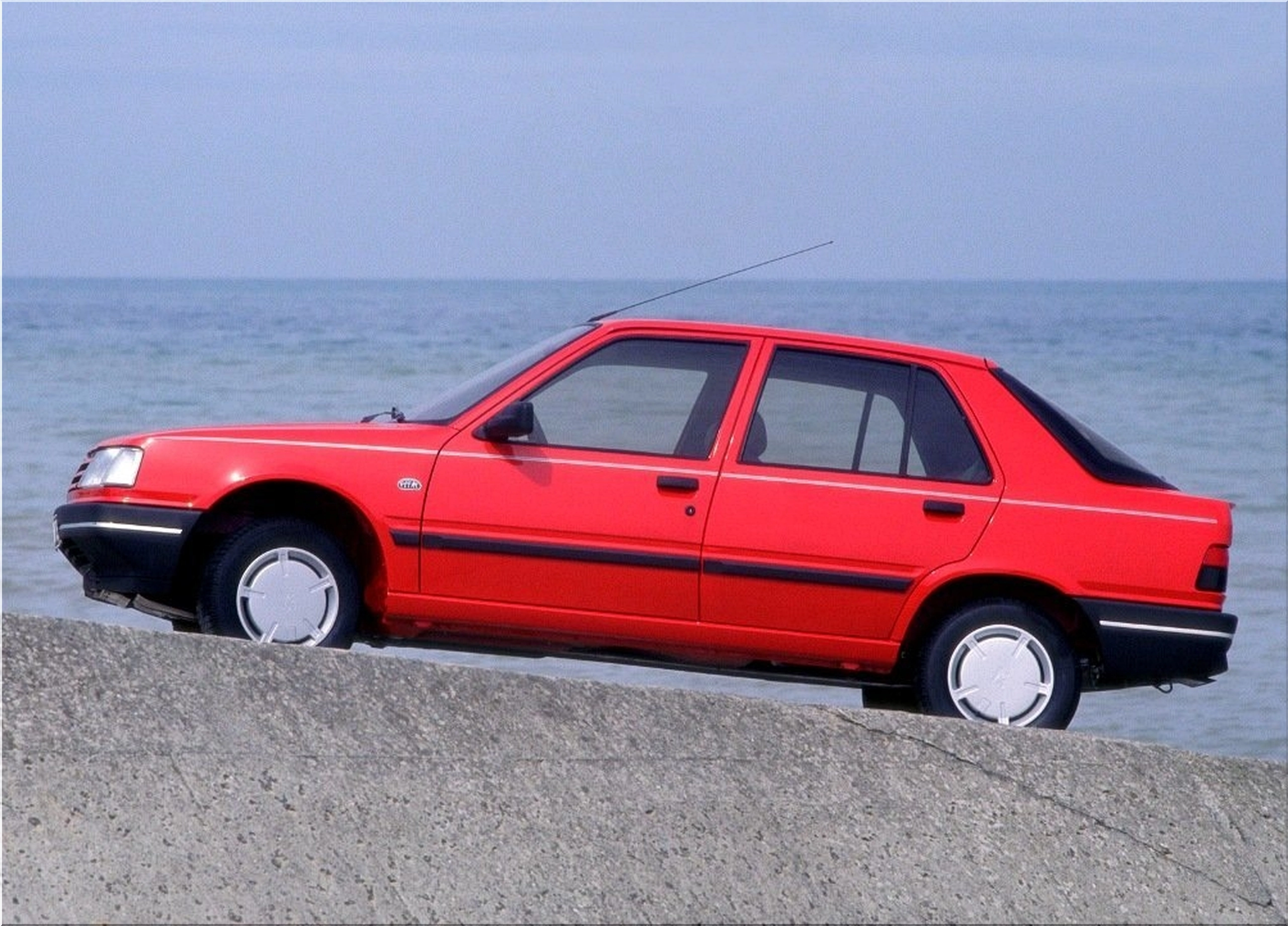
The Peugeot 309 shared much of its underpinnings with the Peugeot 205, one of the brand’s biggest hits of the 1980s. Engineers used the 205’s platform and doors, but stretched the body into a two-and-a-half-box design—a shape popular in Europe during that decade.
This design choice wasn’t about style—it was about aerodynamics. With a drag coefficient as low as 0.30 in the special GL Profil version, the 309 was more aerodynamic than the 205. That translated into lower fuel consumption and quieter highway performance—metrics that mattered to Peugeot’s target buyers.
The interior reflected the company’s focus on space and practicality. It had one of the roomiest cabins in its class, offering comfort levels that rivaled larger sedans. Peugeot’s engineers designed the 309 to deliver maximum utility without unnecessary weight, keeping the curb weight low and performance lively.
Engine Lineup: Simple, Reliable, and Varied
At launch, the Peugeot 309 came with four gasoline engines ranging from 1.1 liters (55 hp) to 1.9 liters (105 hp). Each was tuned for simplicity and low operating costs—critical factors in an era defined by high fuel prices and strict emissions standards.
By July 1986, Peugeot expanded the range with a 1.9-liter diesel producing 65 hp, marking the brand’s growing commitment to fuel-efficient models. The diesel’s three trim levels gave buyers options without complexity.
The five trim levels at launch—spanning from base models to more refined versions—reflected Peugeot’s goal of appealing to both private owners and fleet buyers. But the real excitement arrived in 1987, when Peugeot released the GTI.
Image
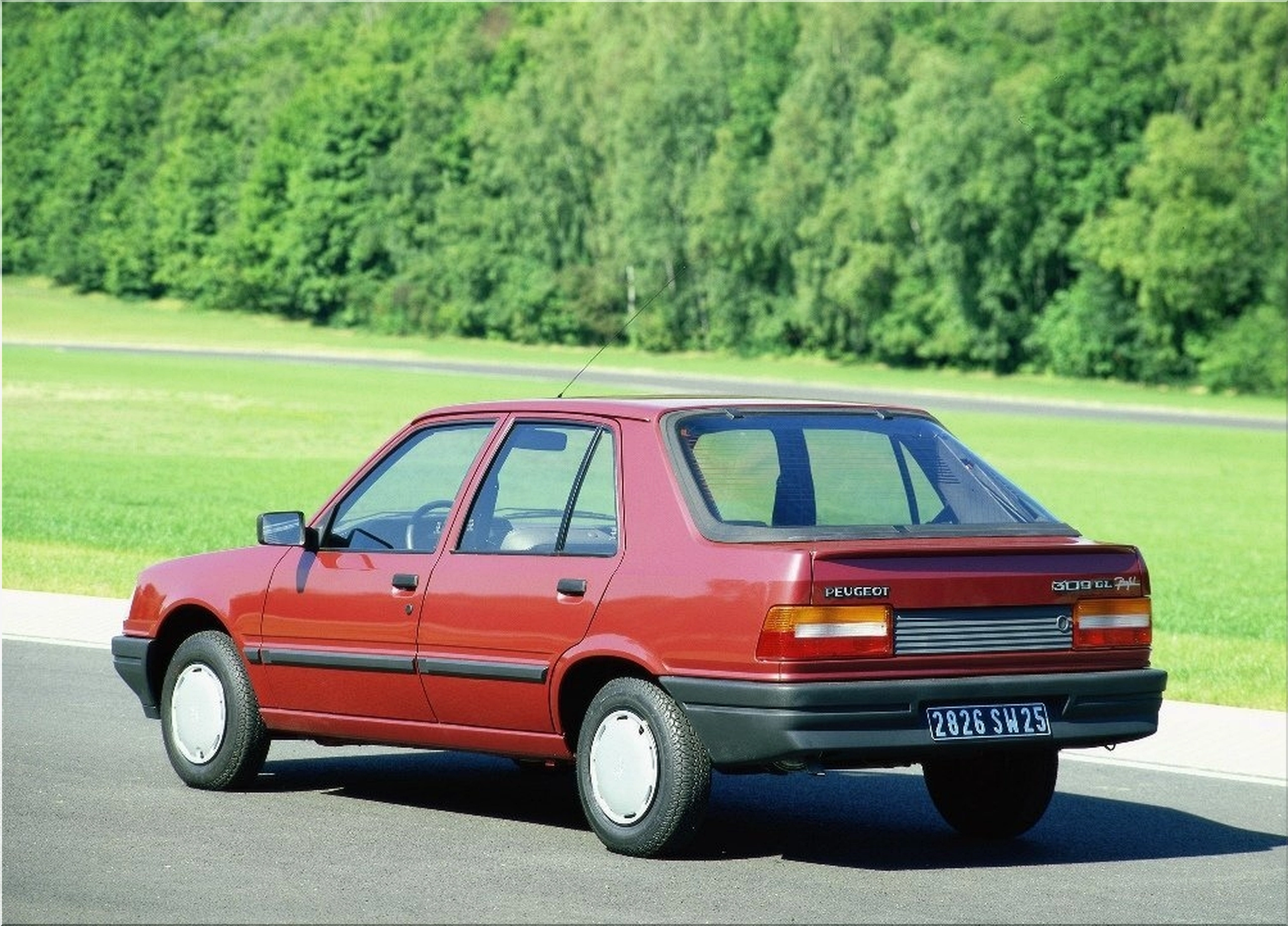
The GTI Era: Peugeot Finds Its Edge
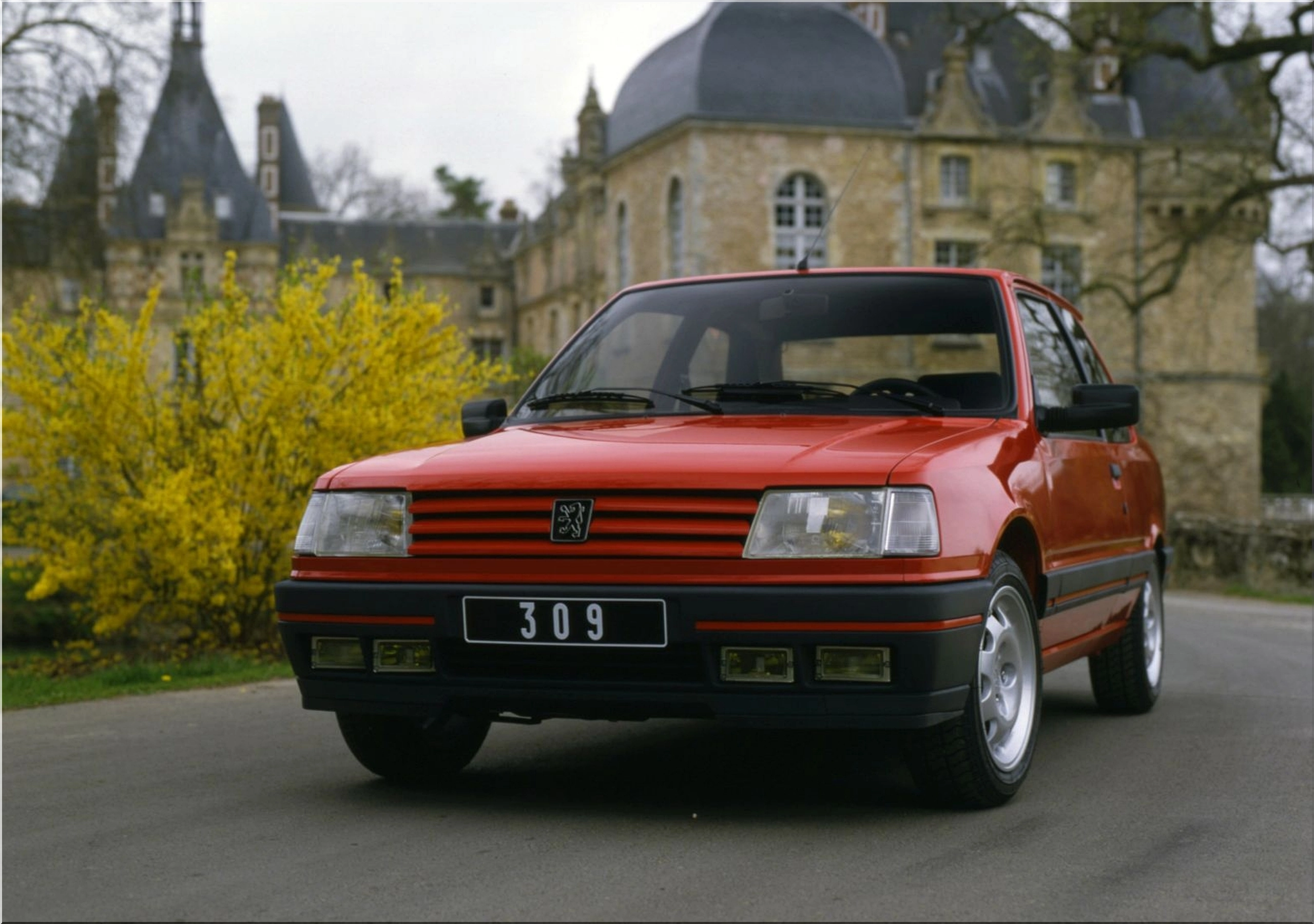
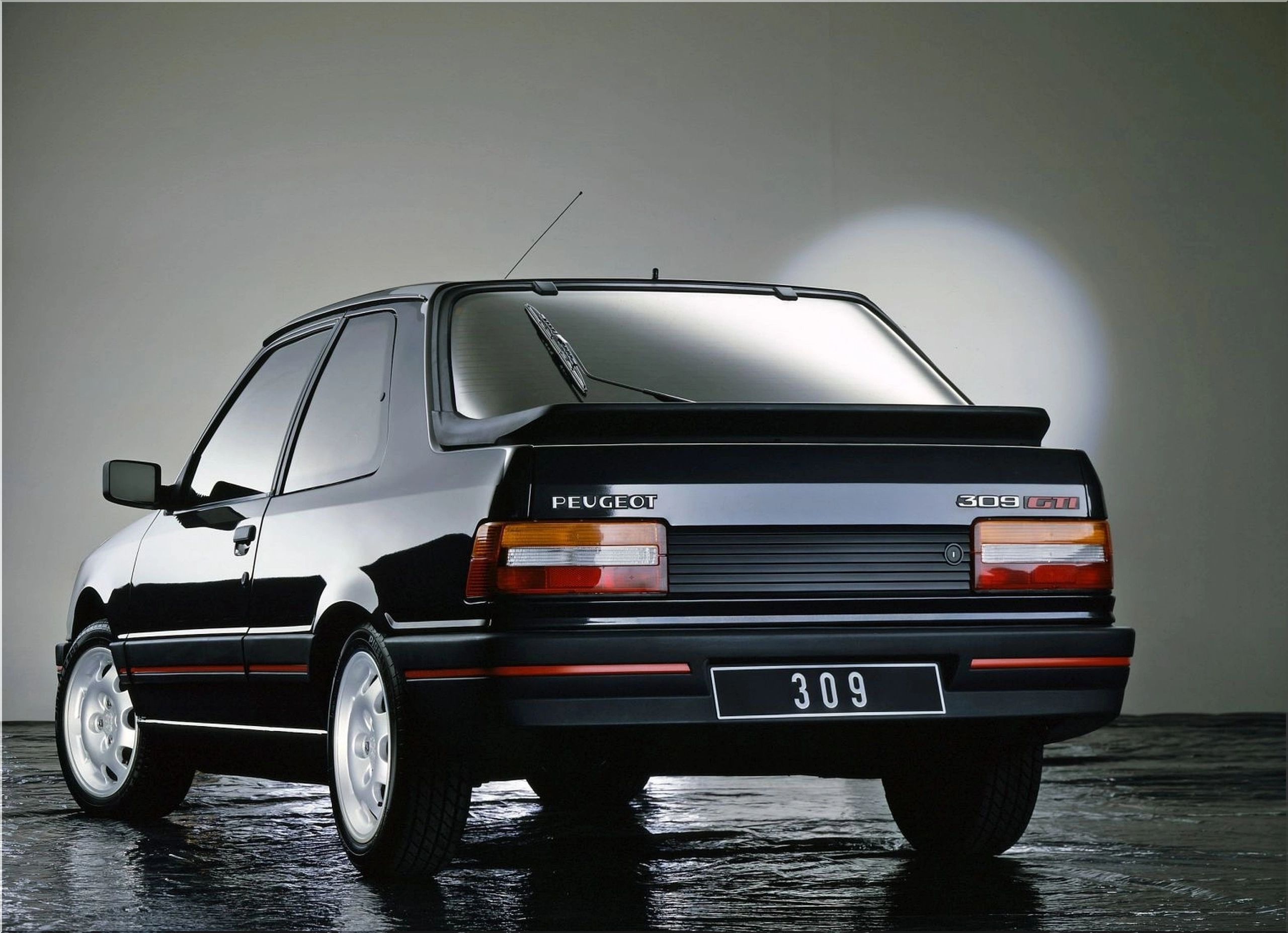
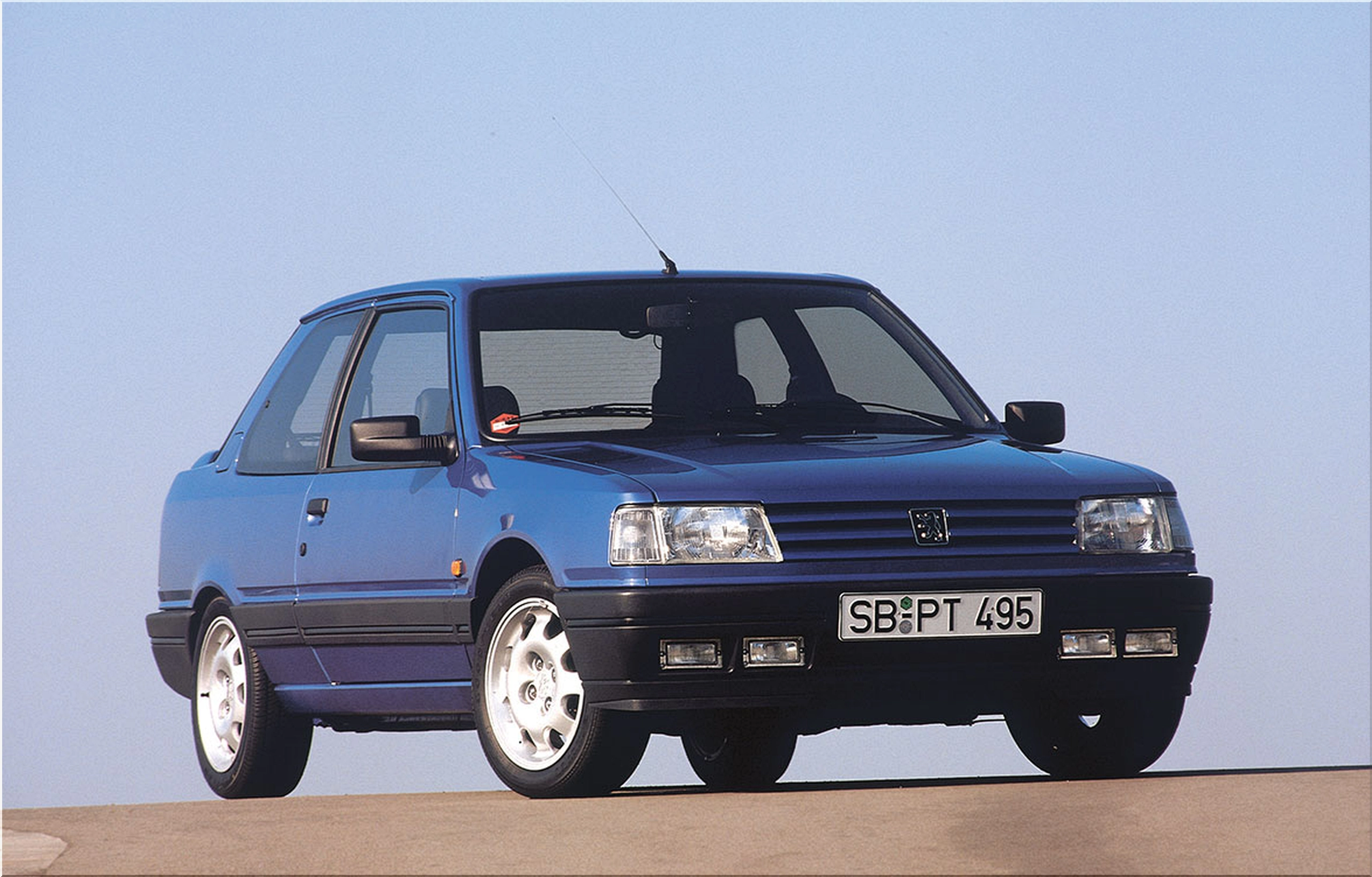
The Peugeot 309 GTI, powered by the 1.9-liter fuel-injected engine with 130 hp, shared much with the legendary 205 GTI. But it delivered a slightly different experience—more stable, slightly larger, and better suited for longer drives.
That engine gave the 309 GTI a top speed around 128 mph (206 km/h) and a 0–60 mph time of about 8.0 seconds. It was quick for its size and price—around $18,000 USD at the time, adjusted for today’s exchange rates. The 309 GTI became a cult favorite in Europe, offering hot-hatch performance with family-car practicality.
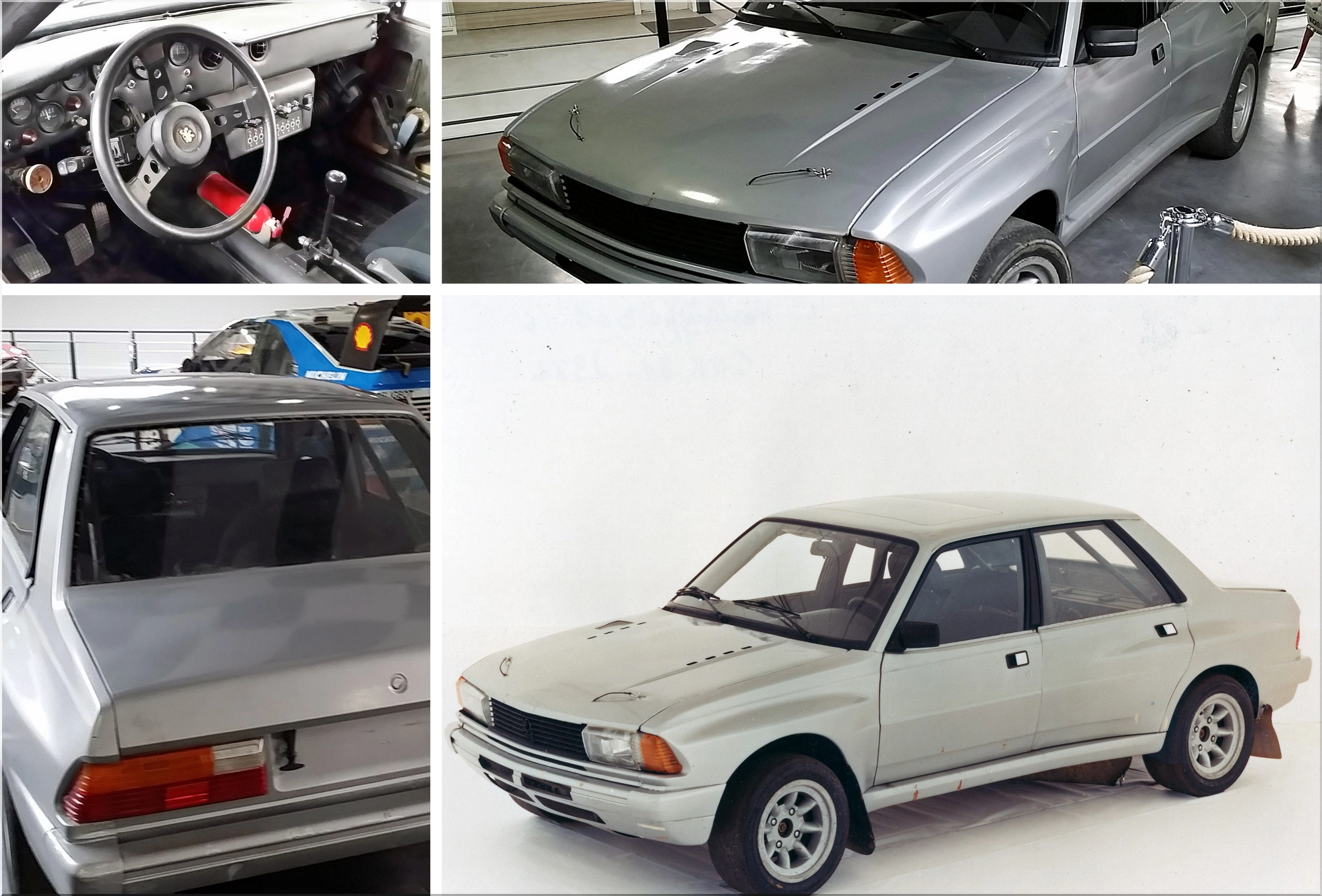
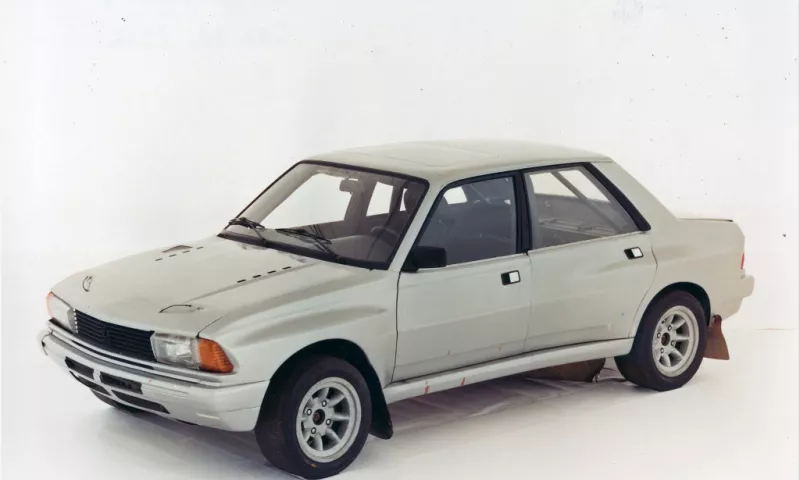
Enthusiasts remember the 309 GTI 16V, introduced in 1989, as the pinnacle. It used the 160-hp twin-cam 1.9-liter engine from the Peugeot 405 Mi16, giving it serious pace. Available only as a three-door, the GTI 16V cemented Peugeot’s reputation for building affordable driver’s cars.
The 1989 Facelift: Refinement Over Reinvention
By 1989, Peugeot gave the 309 a mid-cycle refresh to keep it competitive against rivals like the Volkswagen Golf, Opel Kadett, and Renault 19.
Key updates included:
- A revised front grille and new taillight design, aligning it more closely with the 205 and 405.
- A redesigned dashboard and steering wheel, improving ergonomics and perceived quality.
- Better materials across the interior, addressing earlier complaints about finish.
Peugeot’s strategy was clear: update the car’s feel without spending heavily on new tooling. It worked. Sales remained strong through the early 1990s, until production ended on December 31, 1993.
How the 309 Helped Peugeot Regain Its Momentum
The Peugeot 309 played a strategic role in stabilizing the brand after a turbulent early 1980s. Following the collapse of Chrysler Europe and Talbot, Peugeot faced internal fragmentation. The 309 unified development efforts and helped Peugeot build momentum that carried into the 1990s.
The 309 wasn’t flashy—it was efficient, functional, and profitable. For Peugeot, that mattered more than headline-grabbing innovation. The company learned valuable lessons in platform sharing, aerodynamics, and interior packaging that later defined its compact and mid-size vehicles.
Its success also gave Peugeot confidence to expand into new markets and refine its front-wheel-drive architecture, setting the stage for cars like the 306, 406, and later the 308 series.
Key Specifications: Peugeot 309 Range (1985–1993)
| Specification | Detail |
|---|---|
| Production years | 1985–1993 |
| Total units built | Over 1.6 million |
| Body styles | 3-door hatchback, 5-door hatchback |
| Engines (gasoline) | 1.1L (55 hp), 1.3L (65 hp), 1.6L (80 hp), 1.9L (105–130 hp) |
| Diesel engine | 1.9L NA (65 hp) |
| Top performance | 309 GTI 16V: 160 hp, top speed 137 mph (220 km/h) |
| Transmission | 4- and 5-speed manual, 4-speed automatic (select models) |
| Drag coefficient (CX) | 0.33 standard / 0.30 (GL Profil) |
| Production end date | December 31, 1993 |
Legacy: The 309’s DNA Lives On
Four decades later, Peugeot celebrates the 309’s anniversary not as a nostalgia exercise but as recognition of how much this compact hatchback influenced modern Peugeot design. The focus on aerodynamics, the balance between practicality and performance, and the commitment to accessible driving enjoyment remain core to Peugeot’s brand identity.
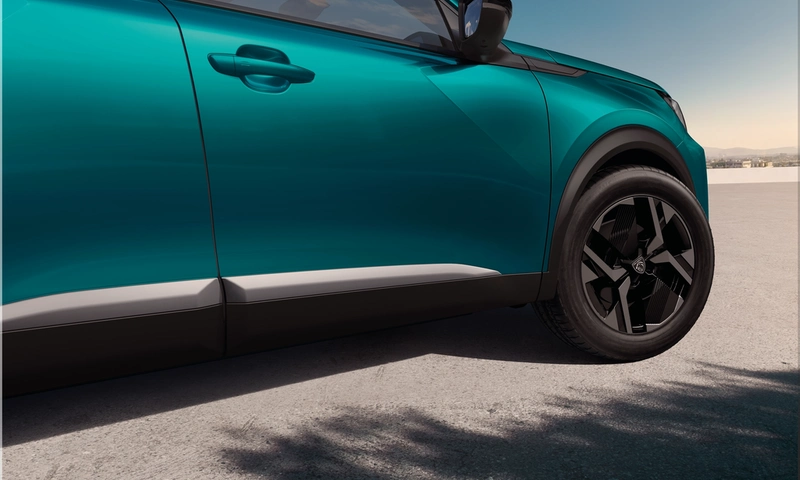
Modern models like the Peugeot 308, 408, and E-208 still carry that DNA. The aerodynamic efficiency that defined the GL Profil lives on in today’s electric and hybrid models, where every drag coefficient point affects range.
Peugeot’s design language has evolved, but the 309’s understated functionalism continues to shape the brand’s engineering philosophy: make cars that are efficient, durable, and rewarding to drive.
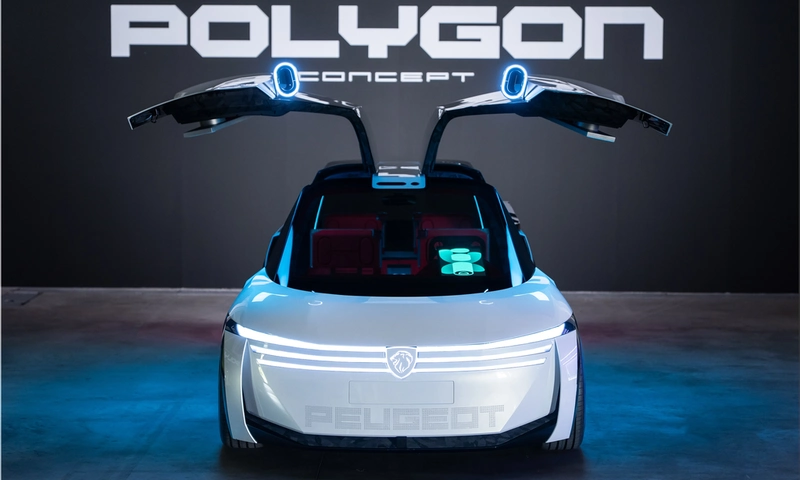
Peugeot’s Modern Direction: Electrification and Innovation
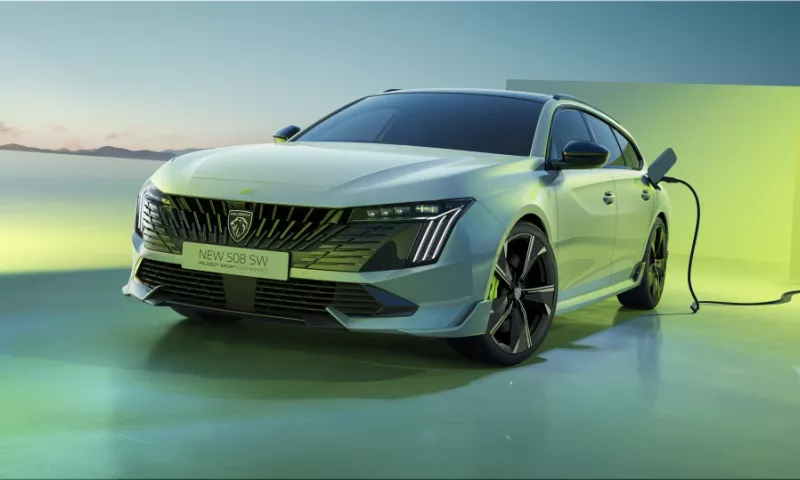
Today, Peugeot offers the widest range of electric vehicles among major European brands—from compact cars to light commercial vans. In 2024, the brand sold nearly 1.1 million vehicles worldwide and now provides 12 models, including 9 passenger cars and 3 light commercial vehicles.
Key facts about Peugeot’s electric lineup:
- 8-year/160,000 km Peugeot Care warranty covers both battery and vehicle.
- On-the-go Pass available across all electric models for simplified charging.
- Panoramic i-Cockpit and ChatGPT integration standard on new models.
The 309’s 40th anniversary offers perspective: Peugeot has transitioned from small family hatchbacks to cutting-edge electric mobility, yet its roots in practicality, performance, and smart engineering remain intact.
Conclusion: The Peugeot 309’s Quiet Impact
The Peugeot 309 didn’t make headlines for radical design or luxury—it helped Peugeot survive, refocus, and grow. It laid the foundation for decades of innovation. Its 40th anniversary isn’t just about a model—it’s about a turning point in Peugeot’s history that made everything after possible.
- Add new comment
- 170 views