Introduction: The Blueprint for Utility Meets Comfort
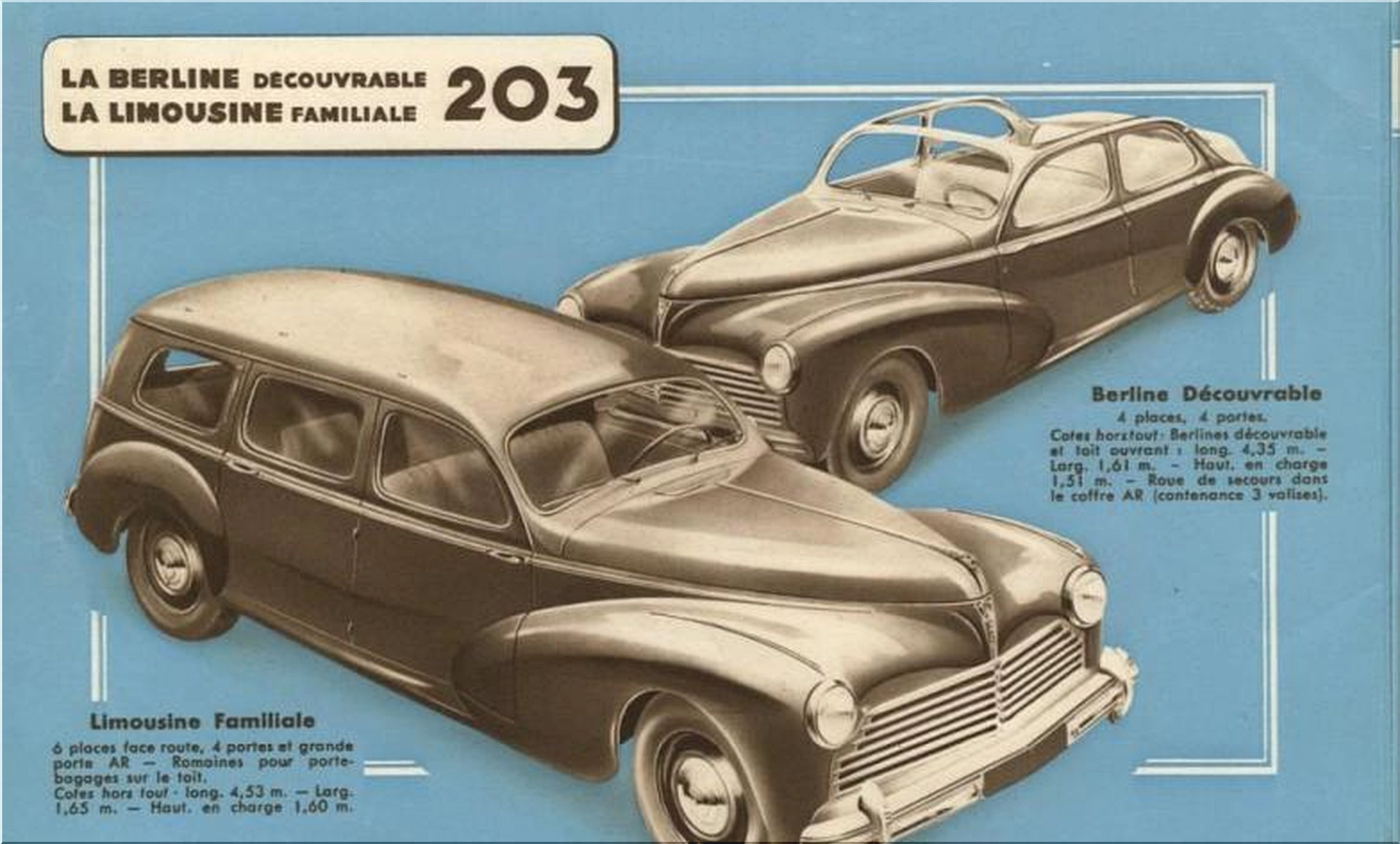
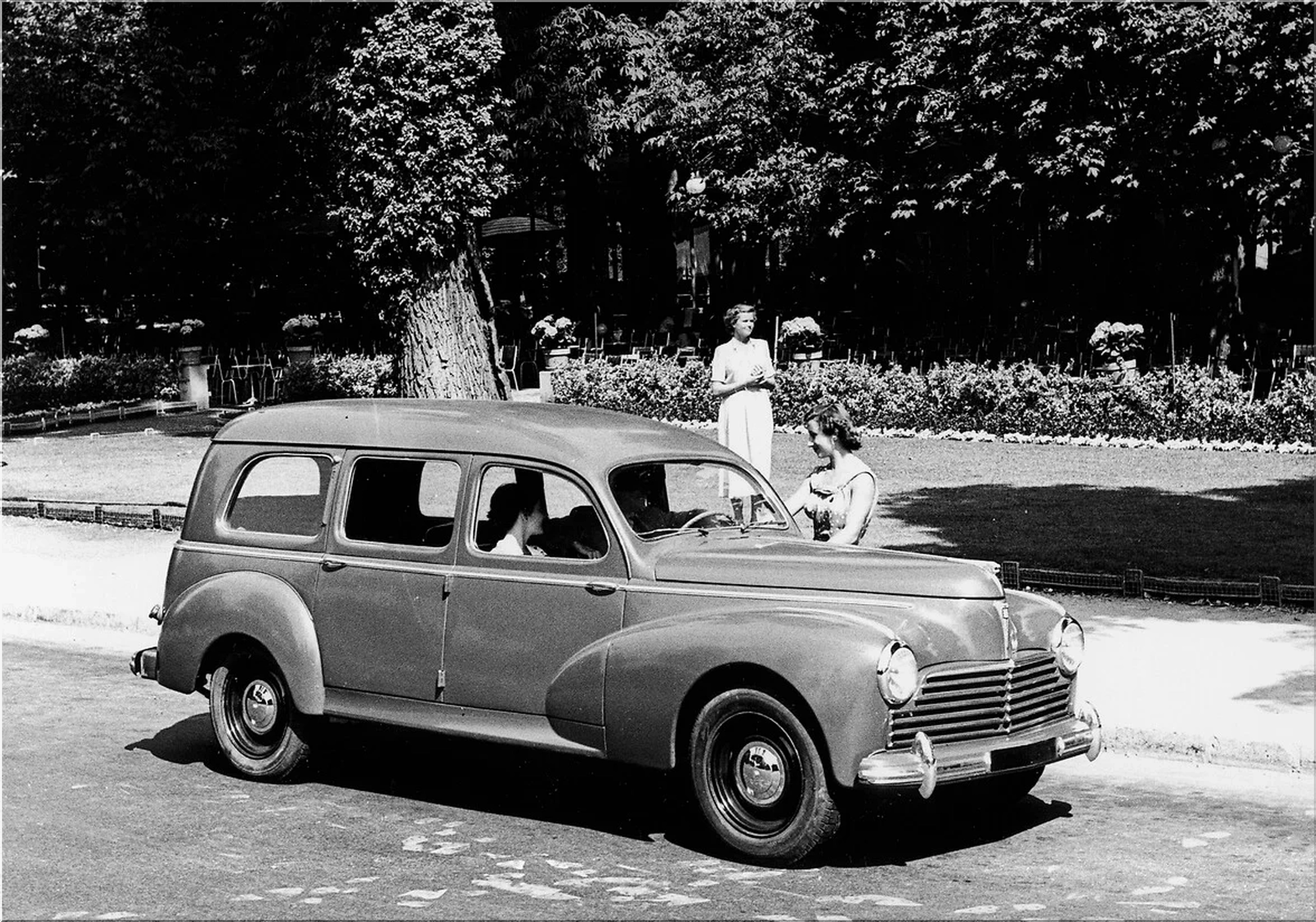
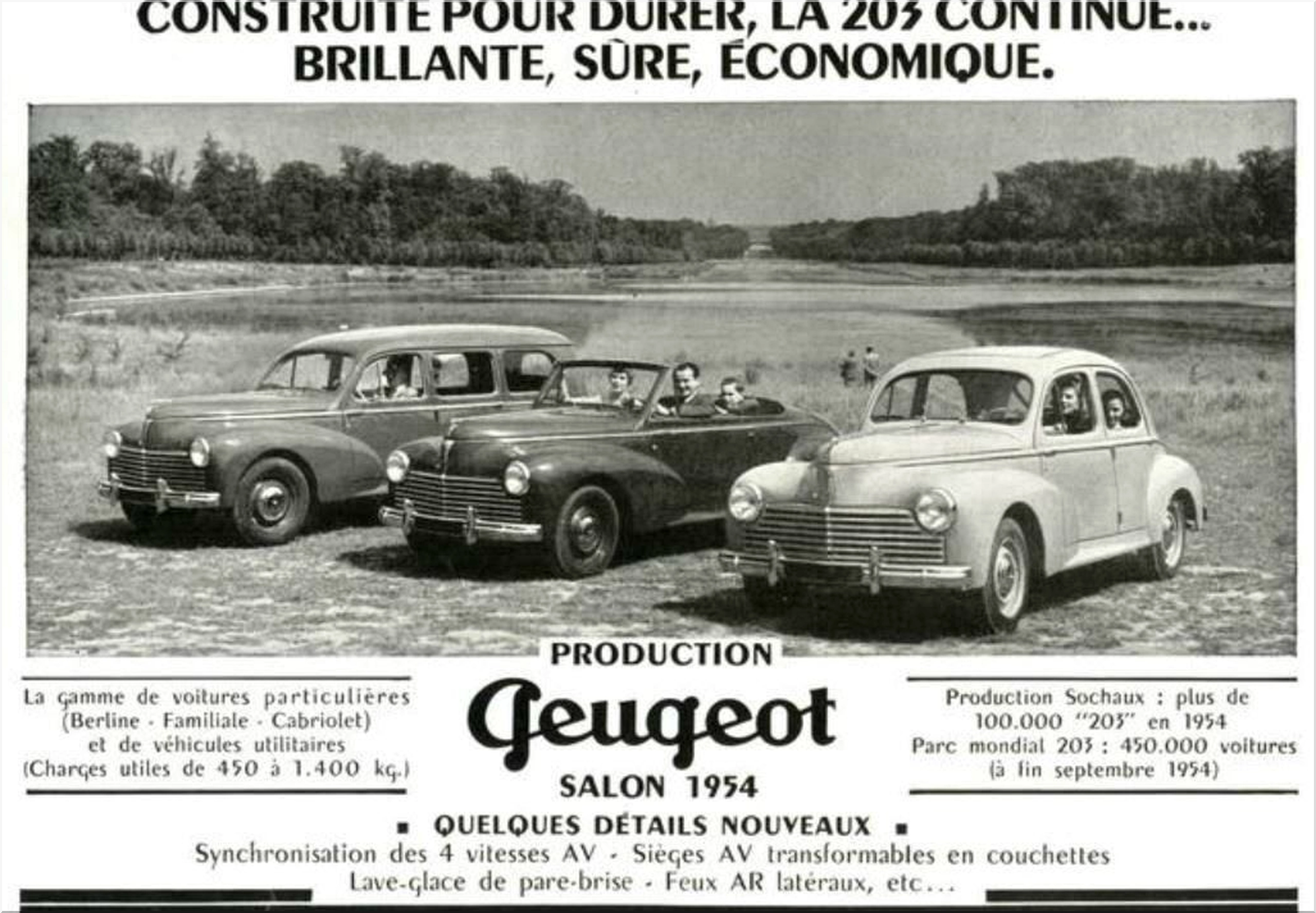
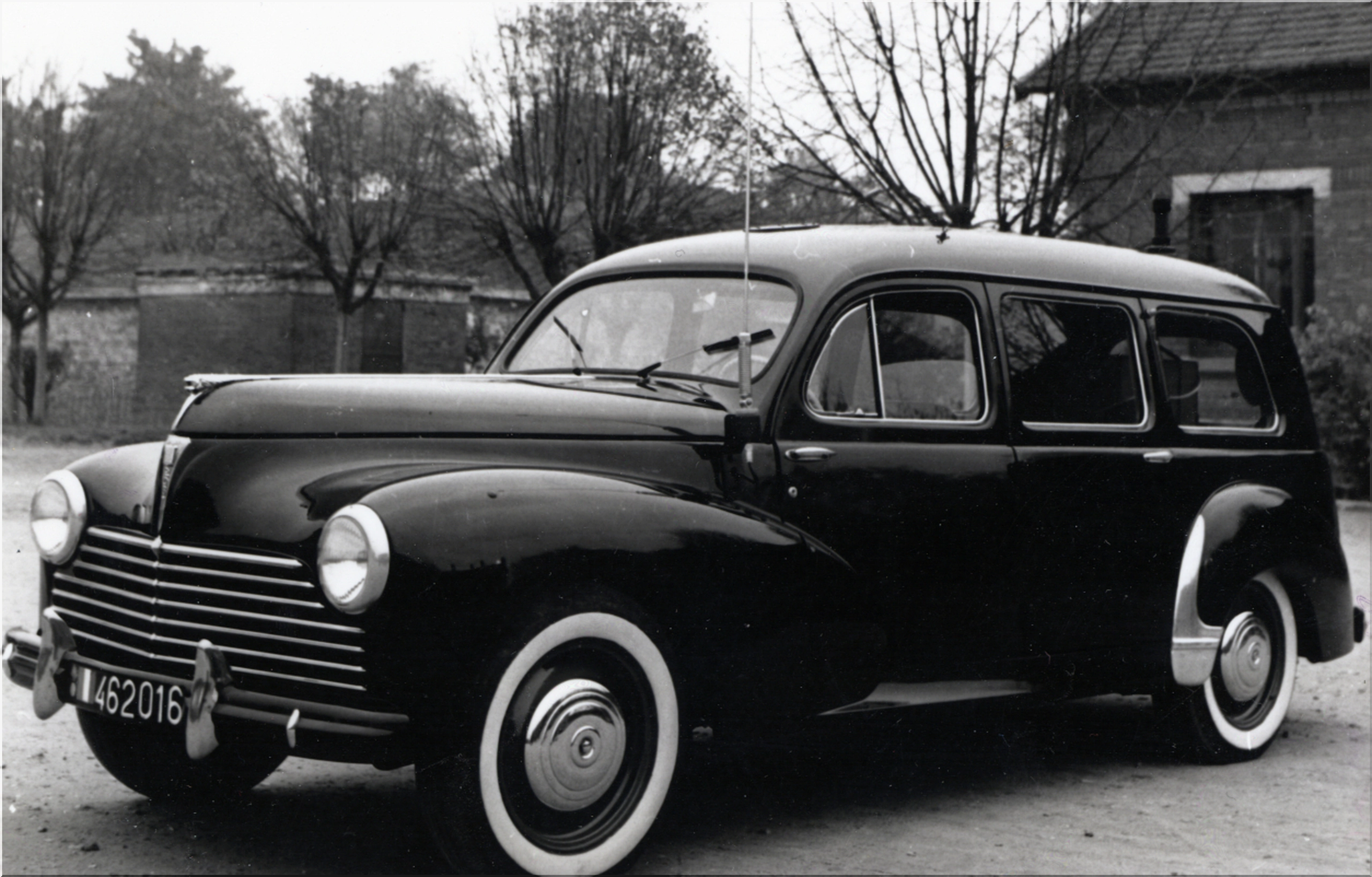
In 1950, Peugeot launched the Peugeot 203 Familiale, effectively creating the blueprint for the European station wagon segment. While American manufacturers had already begun experimenting with long-roof passenger vehicles, Peugeot was the first to engineer a solution that catered to the unique demands of European families and tradespeople. The 203 Familiale merged passenger car dynamics with cargo-hauling practicality in a way that Europe had not seen before.
This wasn’t a modified sedan with a stretched roof. It was a purpose-built vehicle with a distinct mission: to provide flexibility for both private family use and commercial transport without compromising drivability or affordability.
Design and Engineering: Purpose-Built From the Chassis Up
Extended Wheelbase and Cabin Flexibility
The Peugeot 203 Familiale was based on the successful 203 sedan, but featured an extended wheelbase of approximately 20 centimeters (7.87 inches). This allowed engineers to fit three rows of seats, making it one of the first mass-market European vehicles to carry up to eight passengers. The rear-most seats could be folded, significantly increasing the usable cargo space.
Monocoque Construction
Unlike many of its contemporaries, the 203 was Peugeot’s first monocoque-bodied car. This unibody structure offered several advantages:
- Reduced vehicle weight, improving fuel efficiency and handling.
- Greater torsional rigidity, which enhanced ride quality and passive safety.
- Lower manufacturing complexity, allowing for more consistent panel alignment and fewer vibration-related issues.
Engine and Mechanical Setup
The 203 Familiale was powered by a 1.3-liter inline-four engine, producing approximately 42 horsepower. It delivered reliable and predictable power, ideal for the vehicle’s dual-purpose use. The engine used an overhead valve design and was paired with a four-speed manual transmission. The top speed hovered around 75 mph (120 km/h).

Market Impact: Meeting Europe’s Post-War Mobility Demands
A Vehicle for Rebuilding Economies
Europe in the early 1950s faced a transportation gap. Families grew larger, but few could afford multiple cars. Businesses needed practical delivery options. The Peugeot 203 Familiale filled this gap by offering:
- Large families transport for children and luggage.
- Craftsmen and traders room for tools and goods.
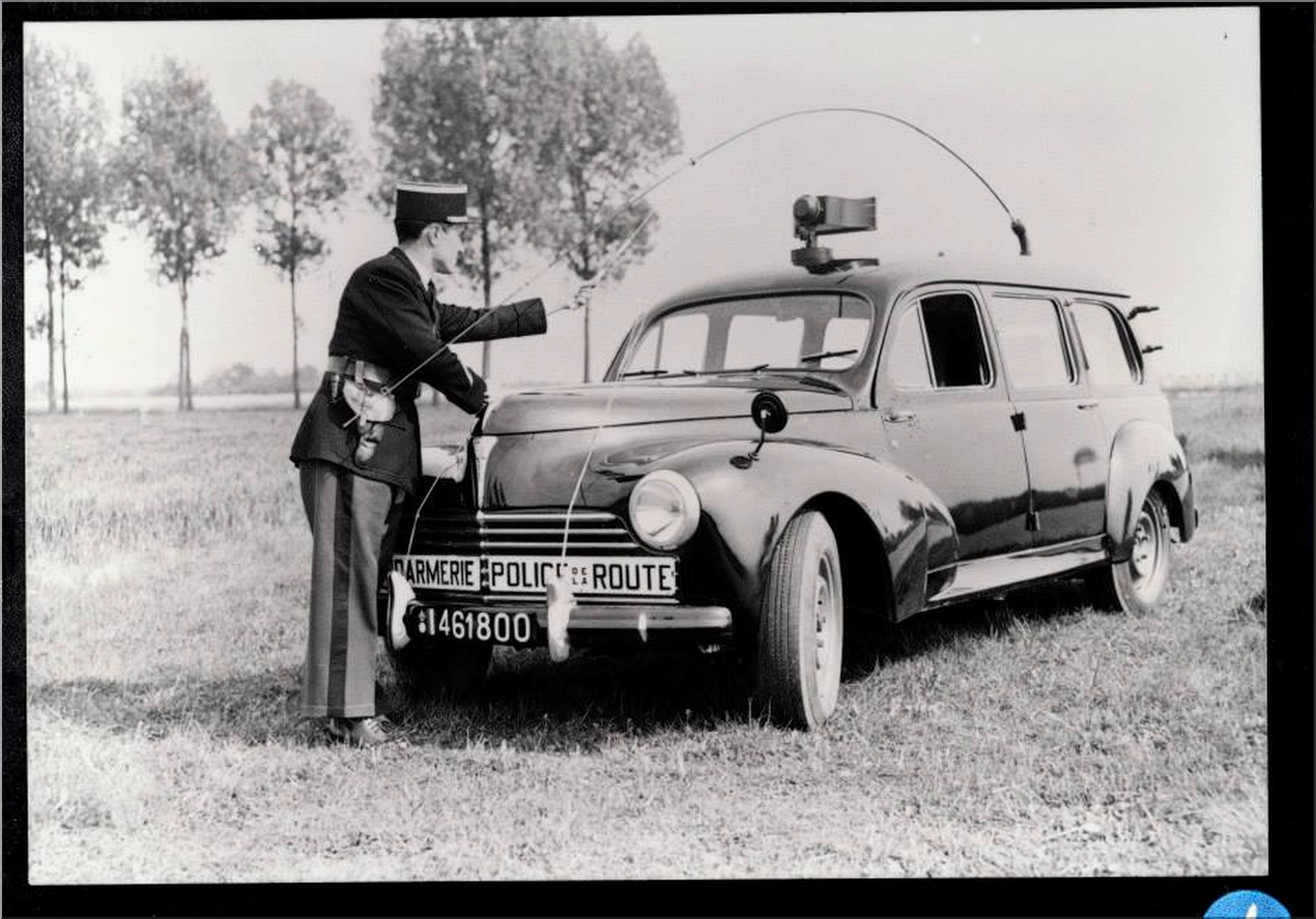
- Municipal services in small towns a light utility option.
European and International Reach
The model gained popularity across Western Europe and in French African territories. Its rugged simplicity and easy-to-service engine made it suitable for poorly maintained roads. The strong steel body and basic suspension outperformed more complex alternatives in harsh environments.
Legacy: The 203 Familiale’s Long Shadow
The success of the 203 Familiale influenced future Peugeot station wagons. Here's a comparison table of key models:
| Model | Years | Notable Improvements | Use Case |
|---|---|---|---|
| Peugeot 403 Familiale | 1955–1966 | Larger 1.5L engine (65 hp), improved comfort, refined styling | Family and commercial |
| Peugeot 404 Break | 1962–1975 | Diesel option, better reliability, improved handling | Urban and rural transport |
| Peugeot 504 Break | 1968–1983 | Stronger frame, independent rear suspension, Africa-focused variants | Global utility |
Engineering as Strategy: Lessons from the 203
The 203 Familiale was engineered for the realities of post-war Europe:
- Simple engine for low maintenance.
- Durable monocoque body for long-term use.
- Fuel-efficient powertrain suited to limited resources.
This approach reinforced Peugeot’s brand as one focused on reliability and practicality.
Comparative Pricing and Value
In 1950, the 203 Familiale cost about 870,000 French francs, or roughly $3,500 USD at the time (around $43,000 USD today). This made it accessible for middle-class buyers and competitive in the growing light utility vehicle market.
Conclusion: Peugeot 203 Familiale’s Place in Automotive History
The Peugeot 203 Familiale wasn’t a derivative product—it was a deliberate response to a specific set of market needs. Its impact on the European station wagon segment was direct and measurable. It introduced design and engineering principles that other automakers would later follow. Even decades later, the 203’s influence is still felt across Peugeot’s vehicle range and in Europe’s enduring love for practical, long-roofed vehicles.
- Add new comment
- 326 views


![The 5 Best Scrap Car Removals in Toronto [2023] – Ultimate Guide](/sites/default/files/styles/medium/public/images/Scrap-Cars-2023-012.webp "The 5 Best Scrap Car Removals in Toronto [2023] – Ultimate Guide")