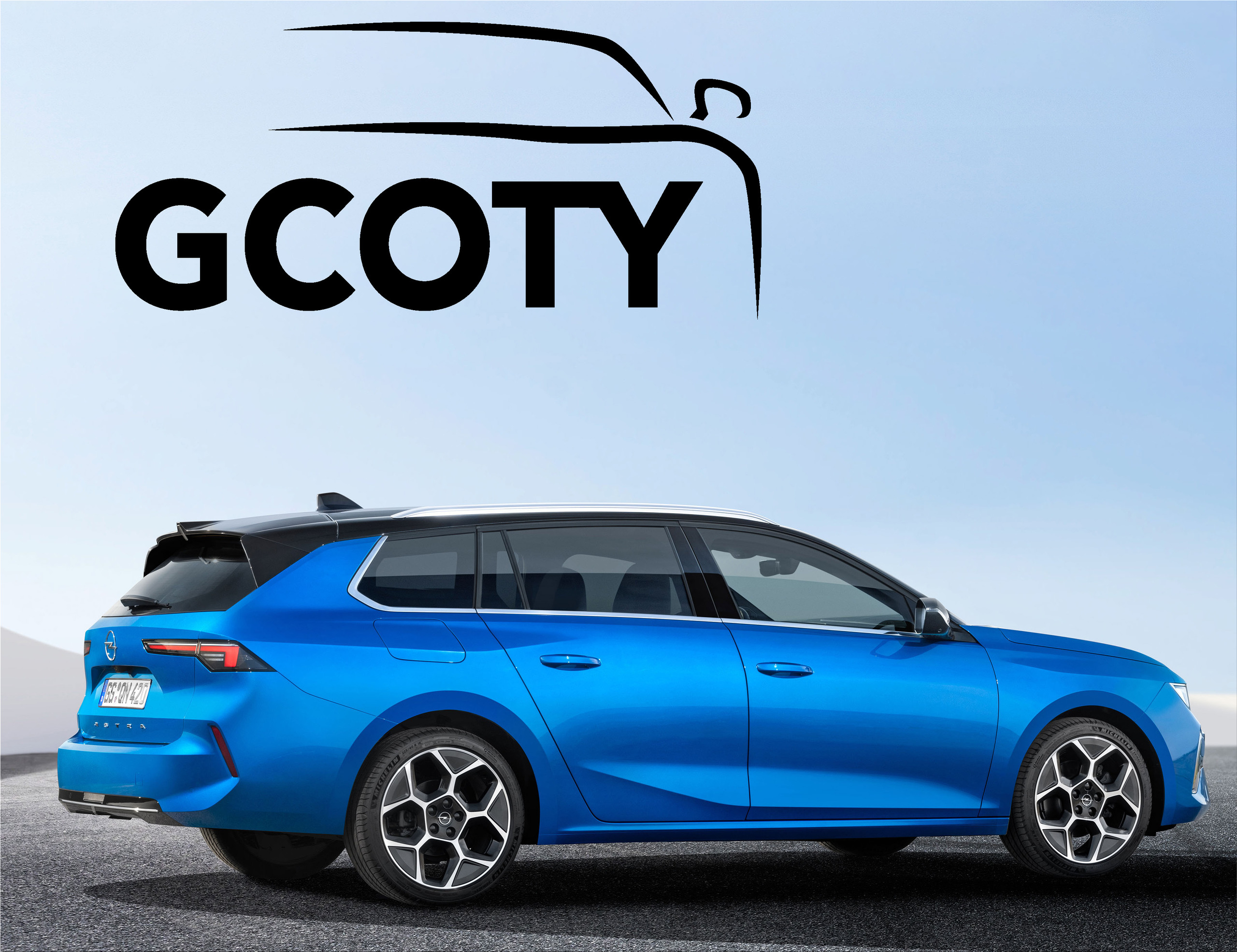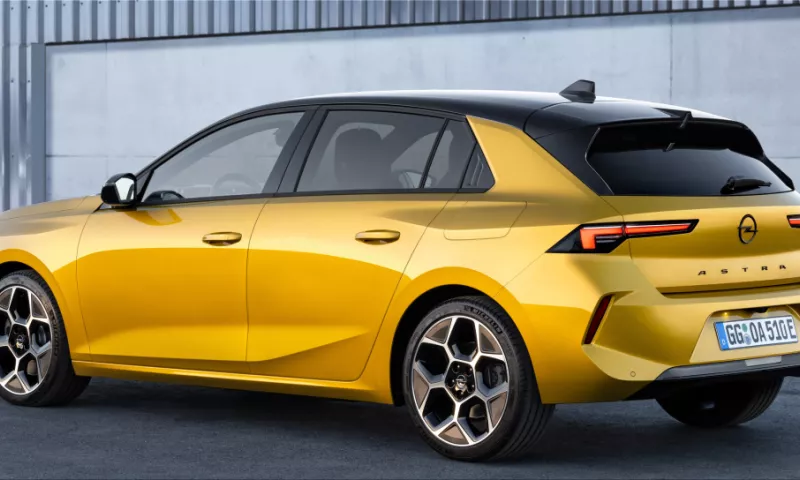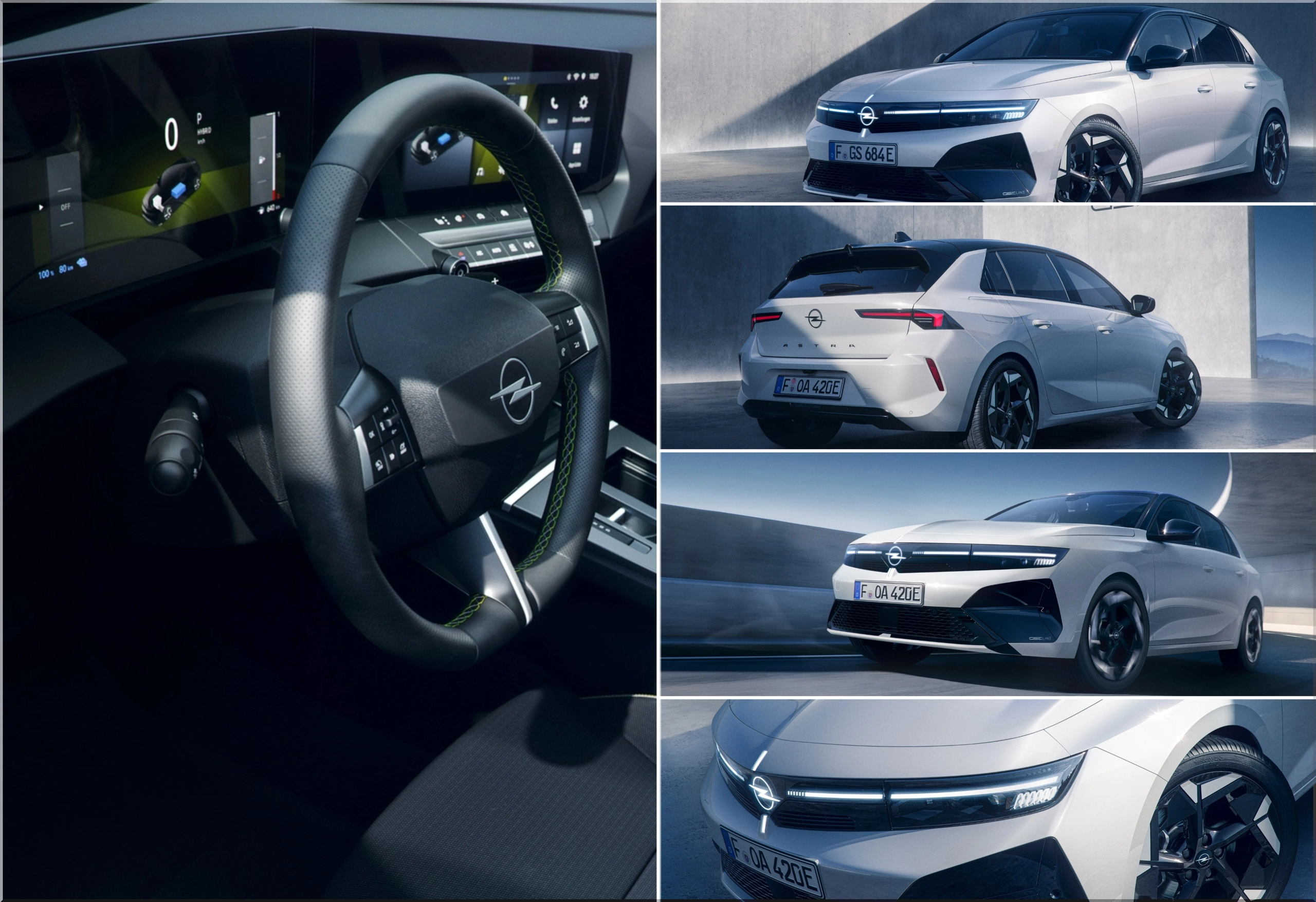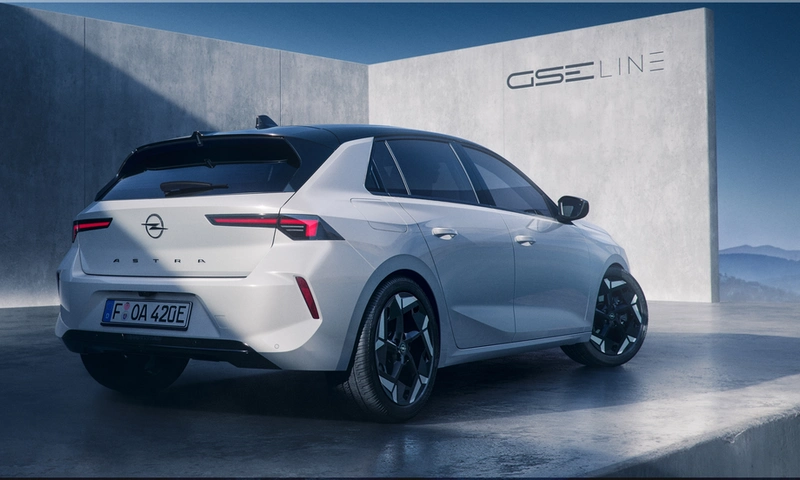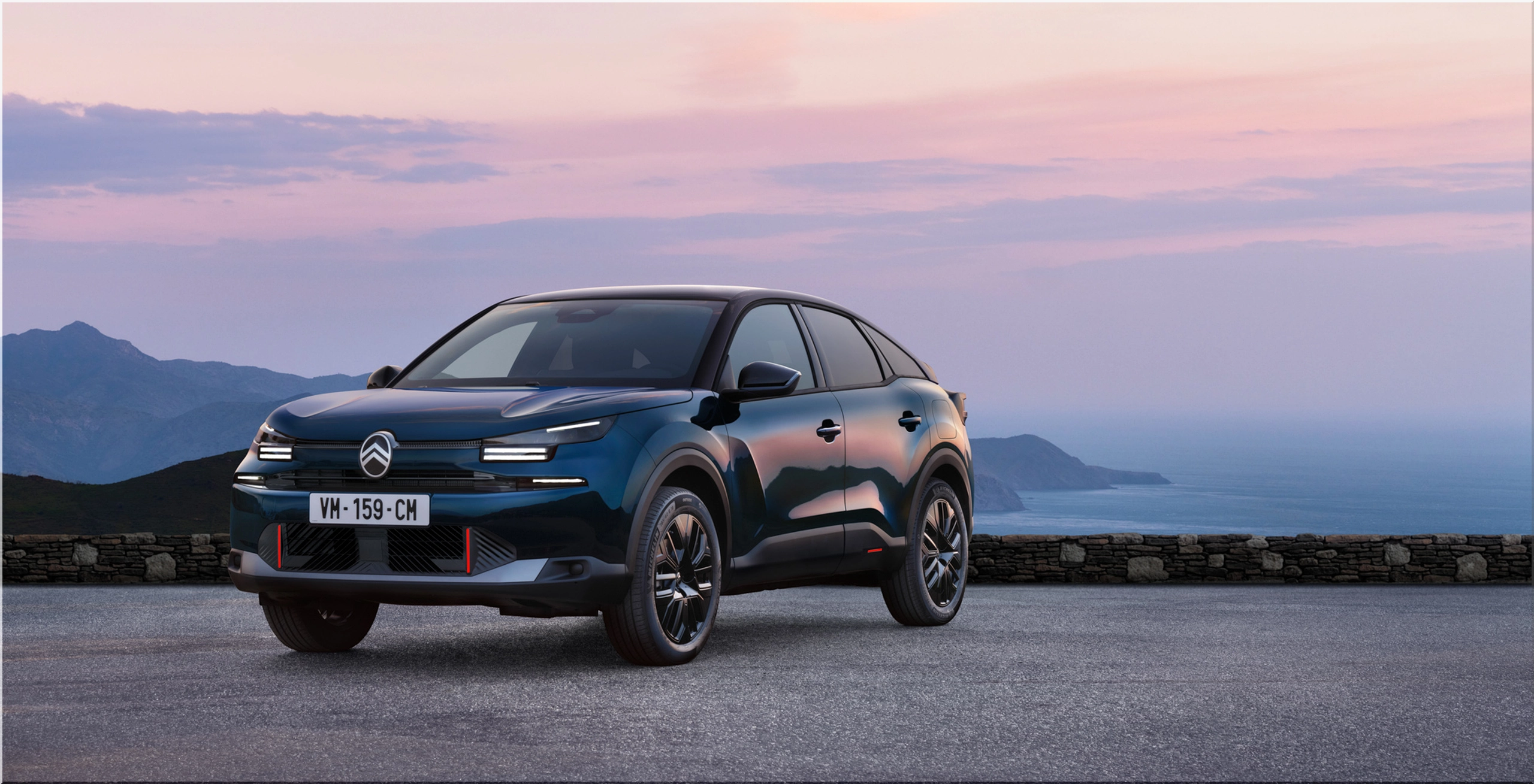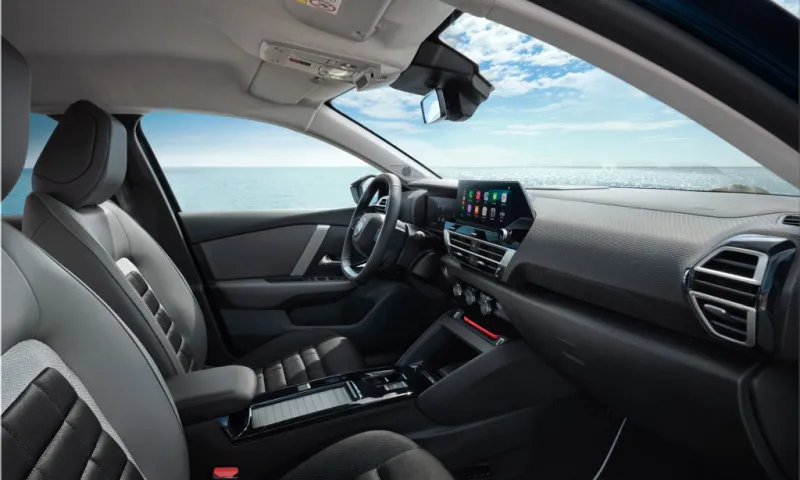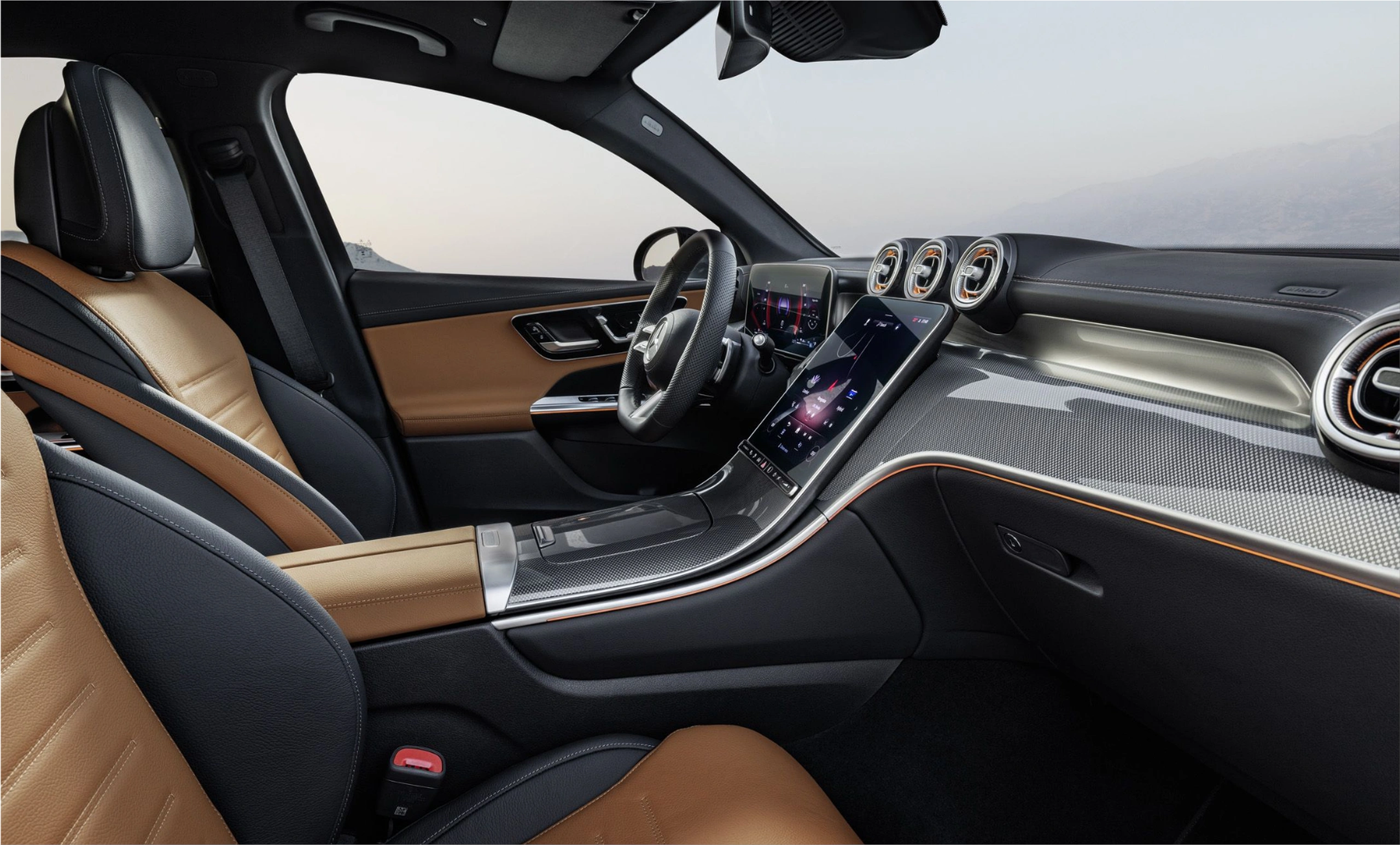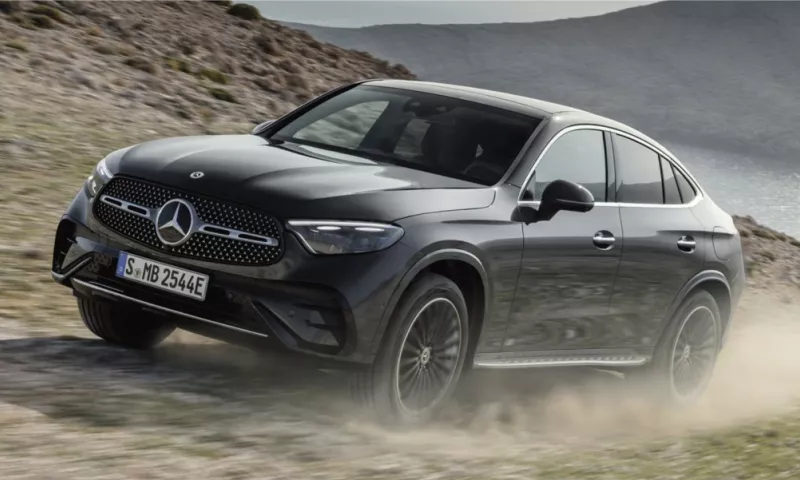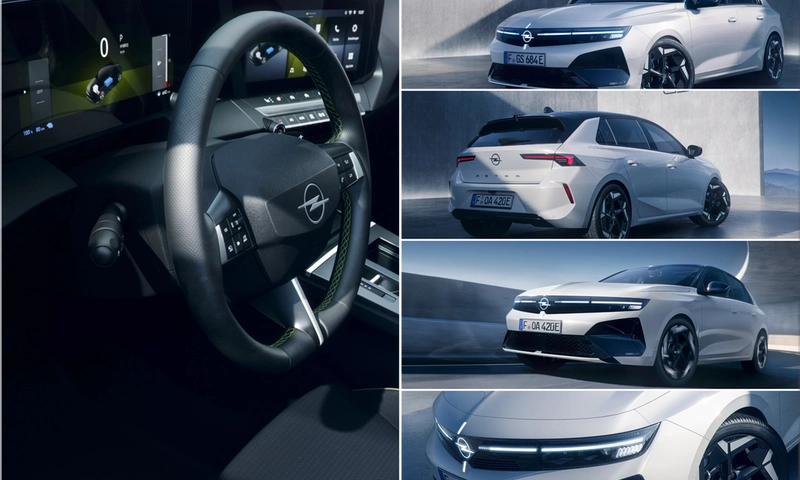
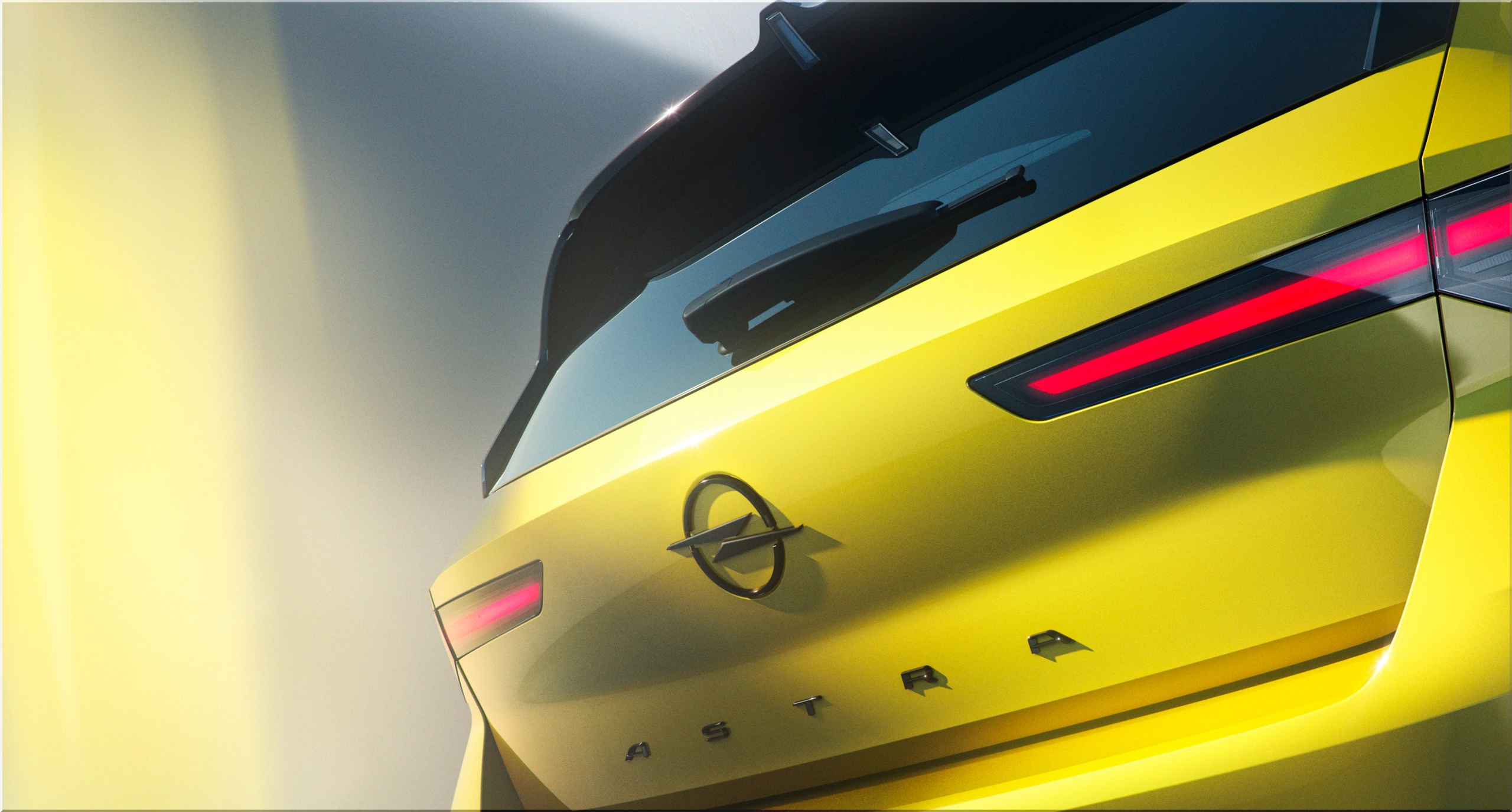
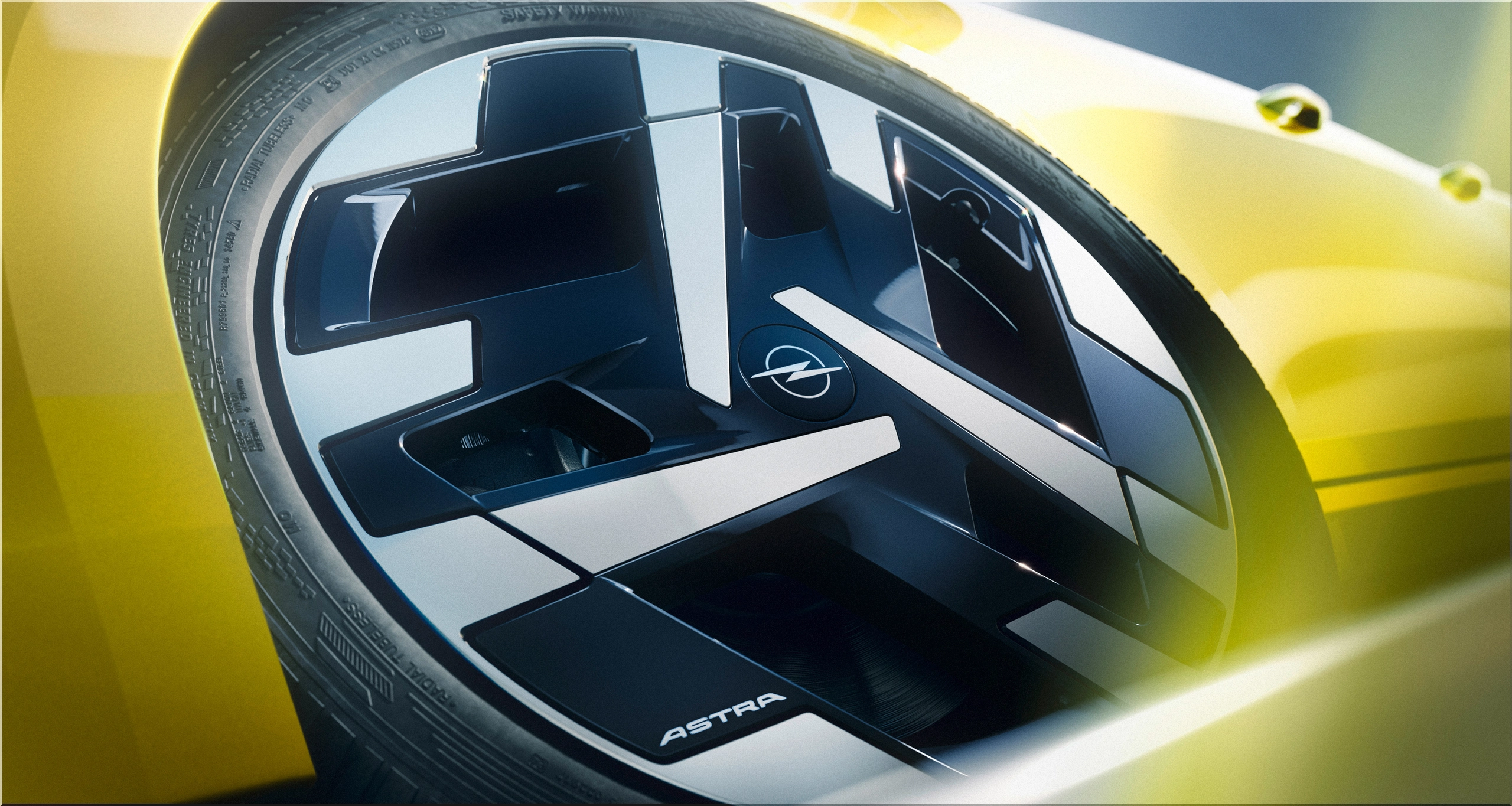
The new Opel Astra arrives with a sharper focus on efficiency, electrification, and real-world usability. Opel used the Brussels auto show to reset its compact car playbook with visible changes inside, outside, and under the skin.
This update targets buyers who want lower running costs, modern lighting tech, and flexible powertrain choices without moving up to a crossover. The Astra stays in the compact segment. It sharpens its value proposition.
Image
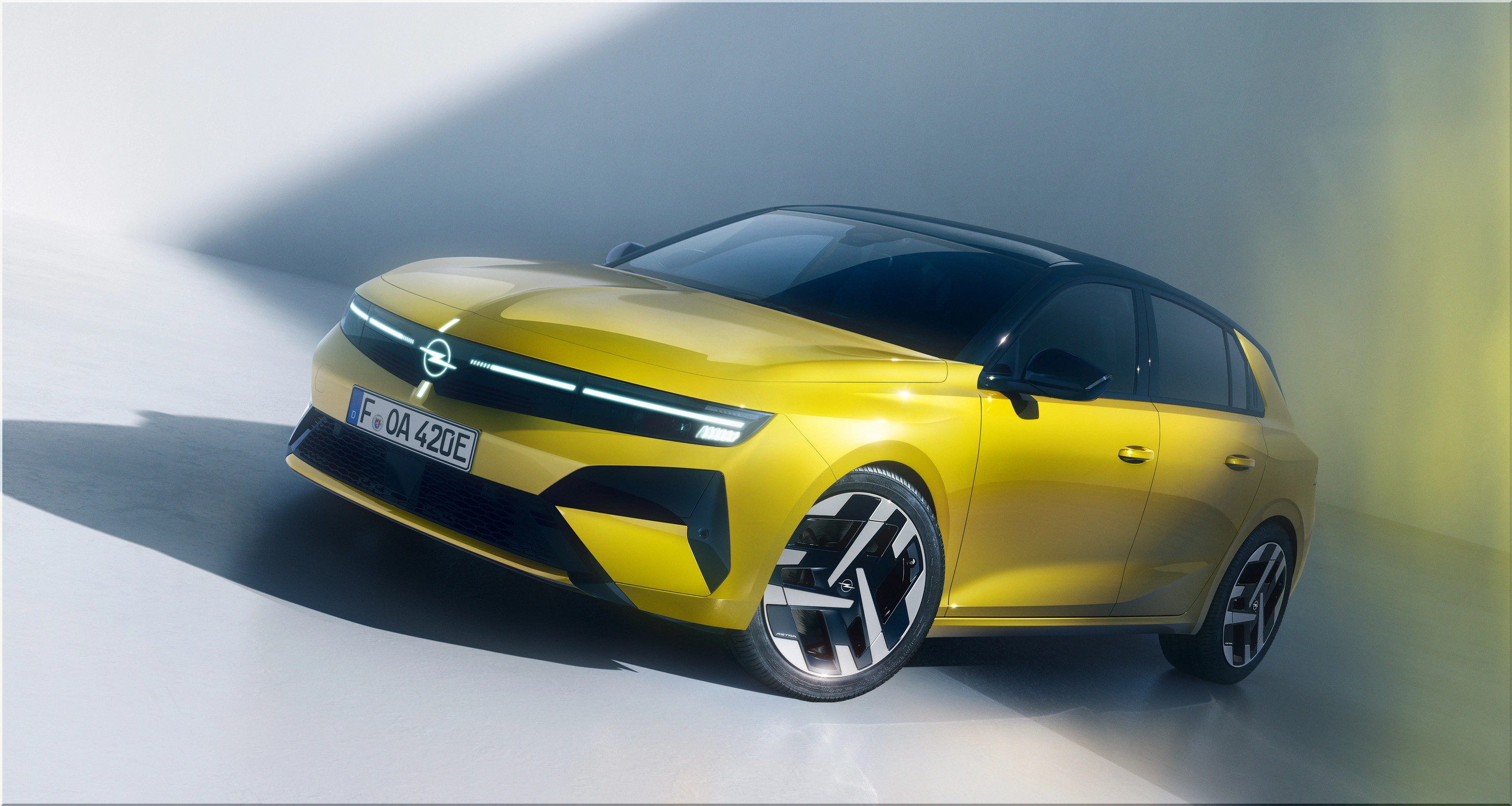
Opel Positions the Astra as a Core EV Transition Model
Opel Automobile GmbH treats the Astra as a volume driver. Leadership used the world premiere to reinforce that point.
The brand wants customers to switch to electrified driving without friction. The Astra supports that shift with multiple drivetrains and longer electric range.
Exterior Updates Focus on Light, Not Chrome
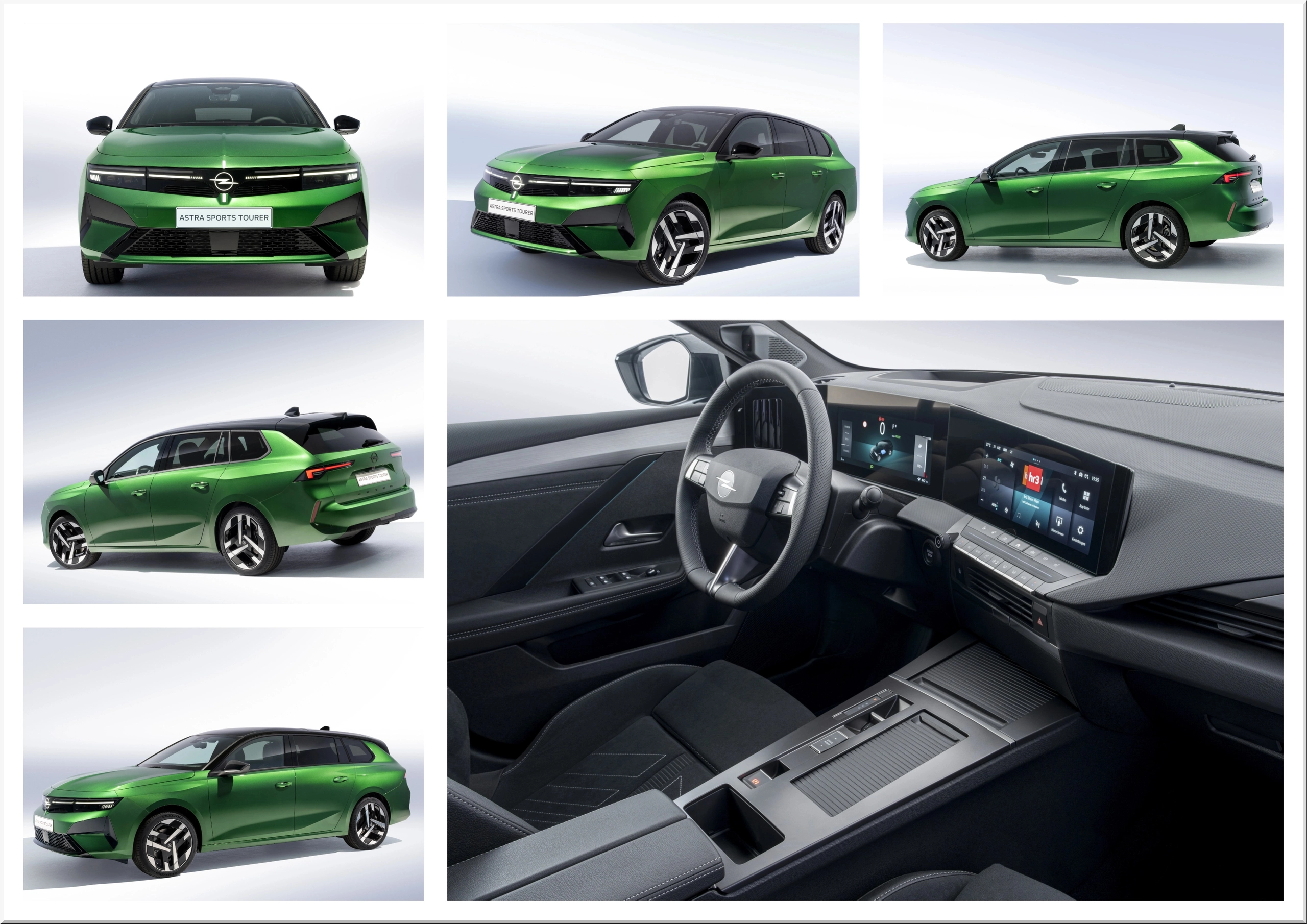
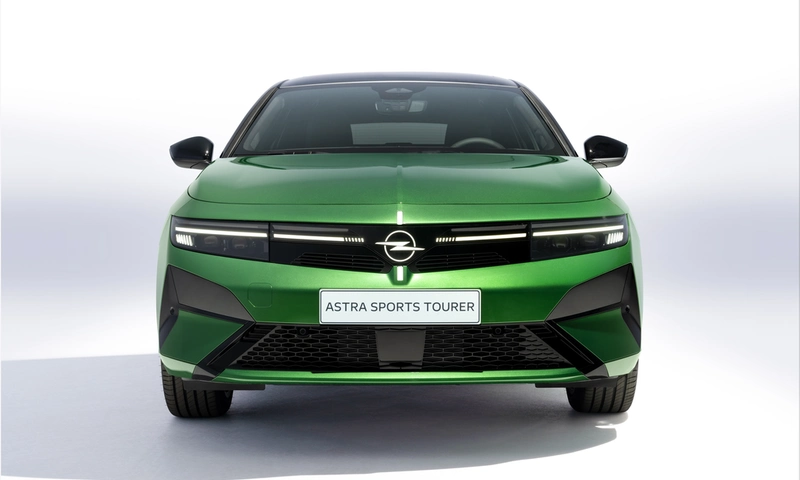
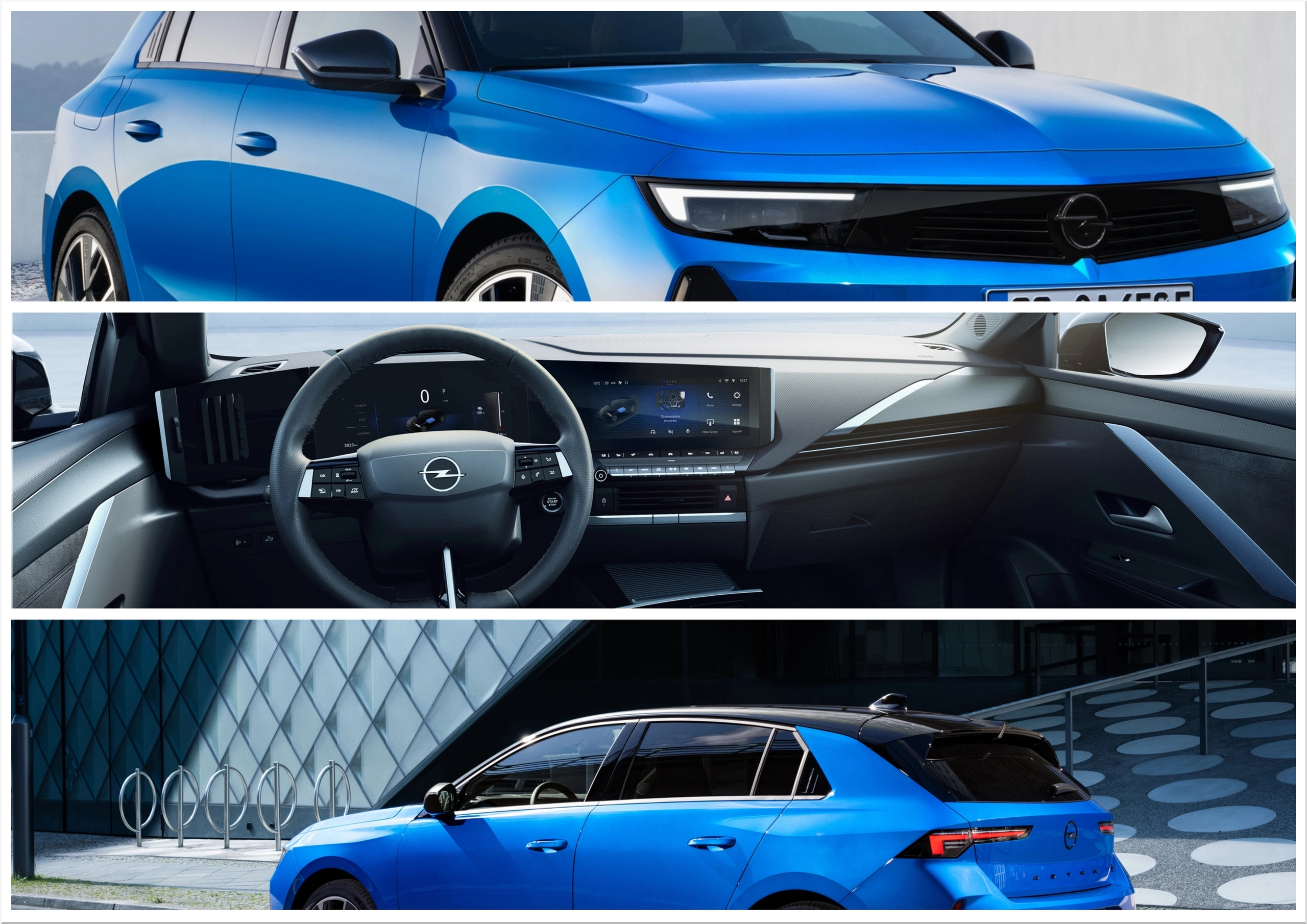
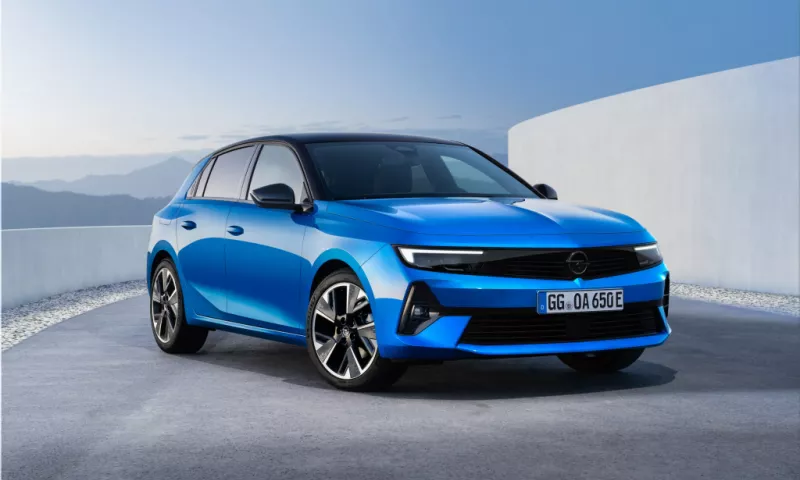
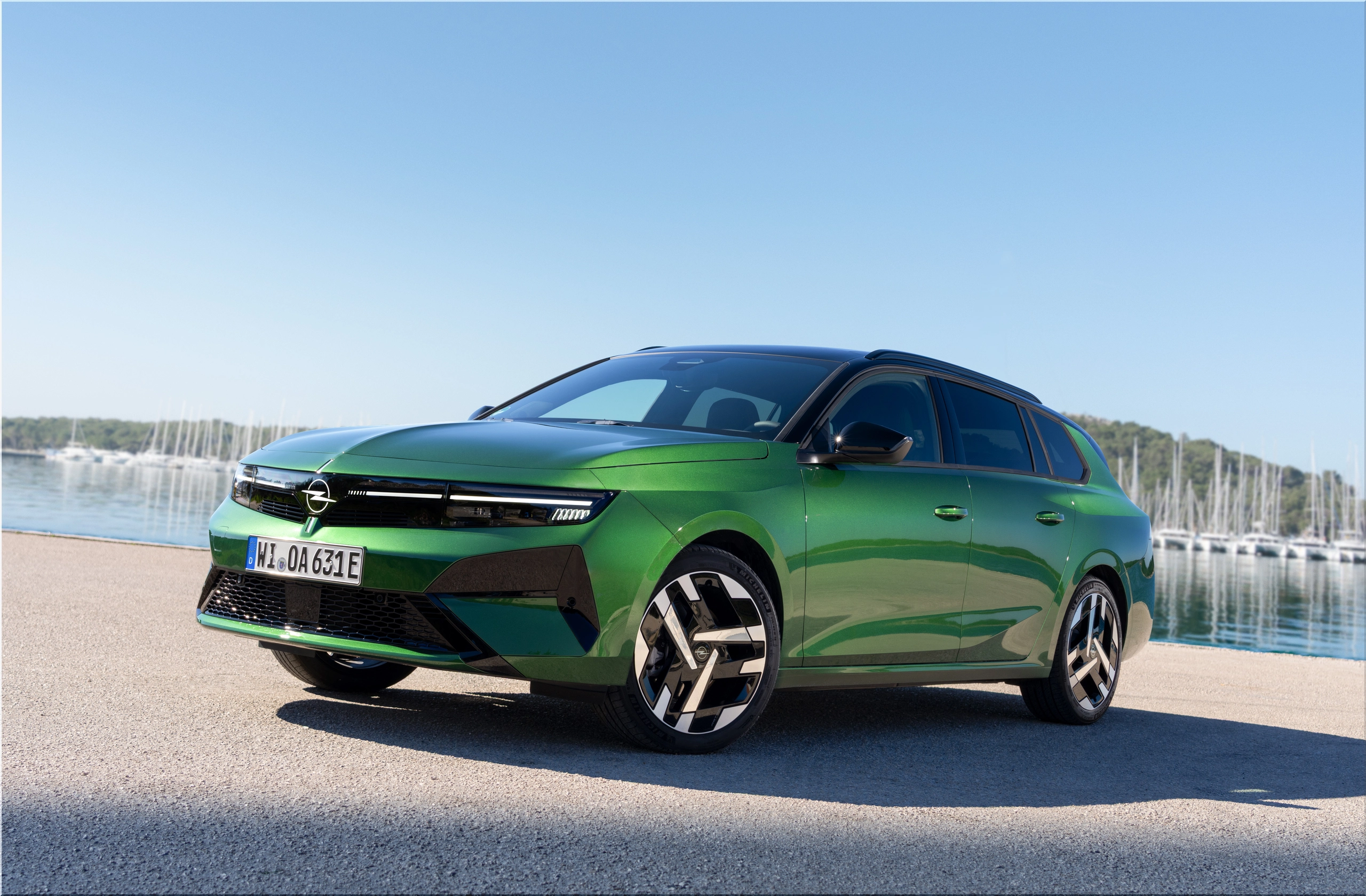
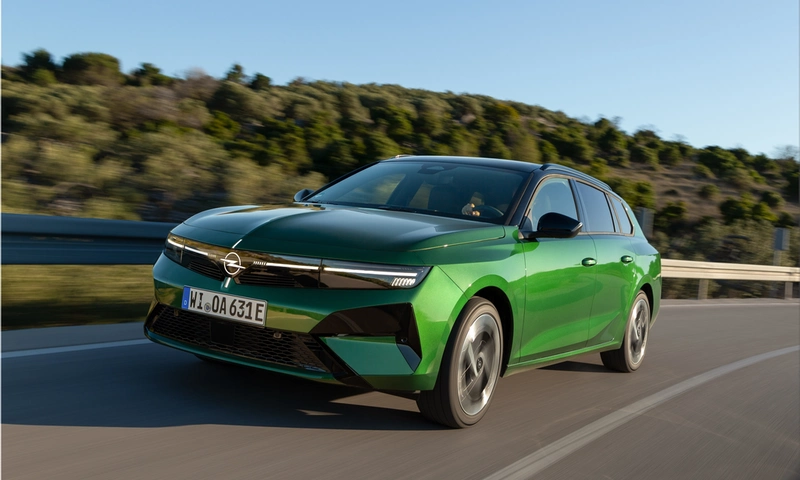
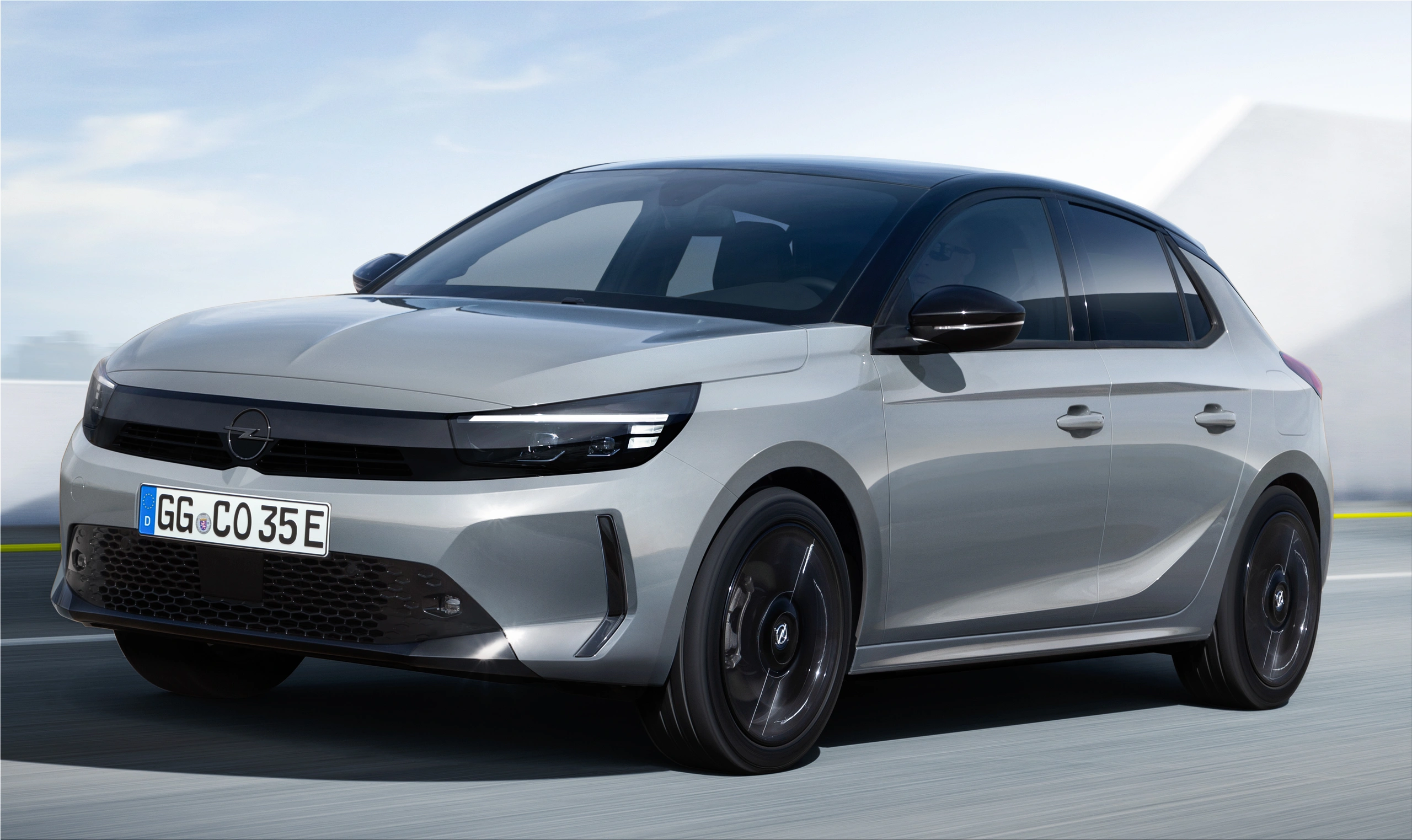
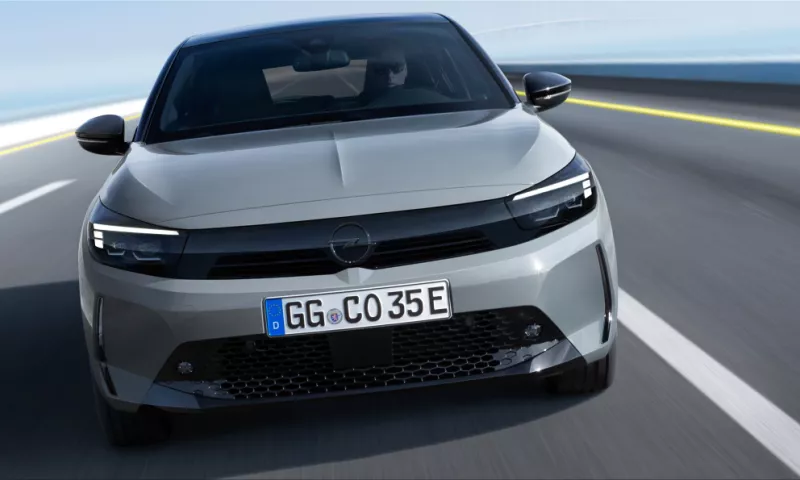
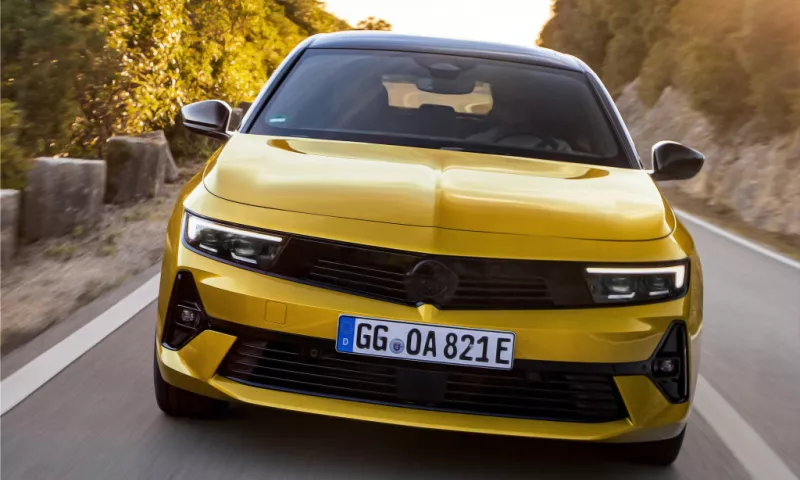
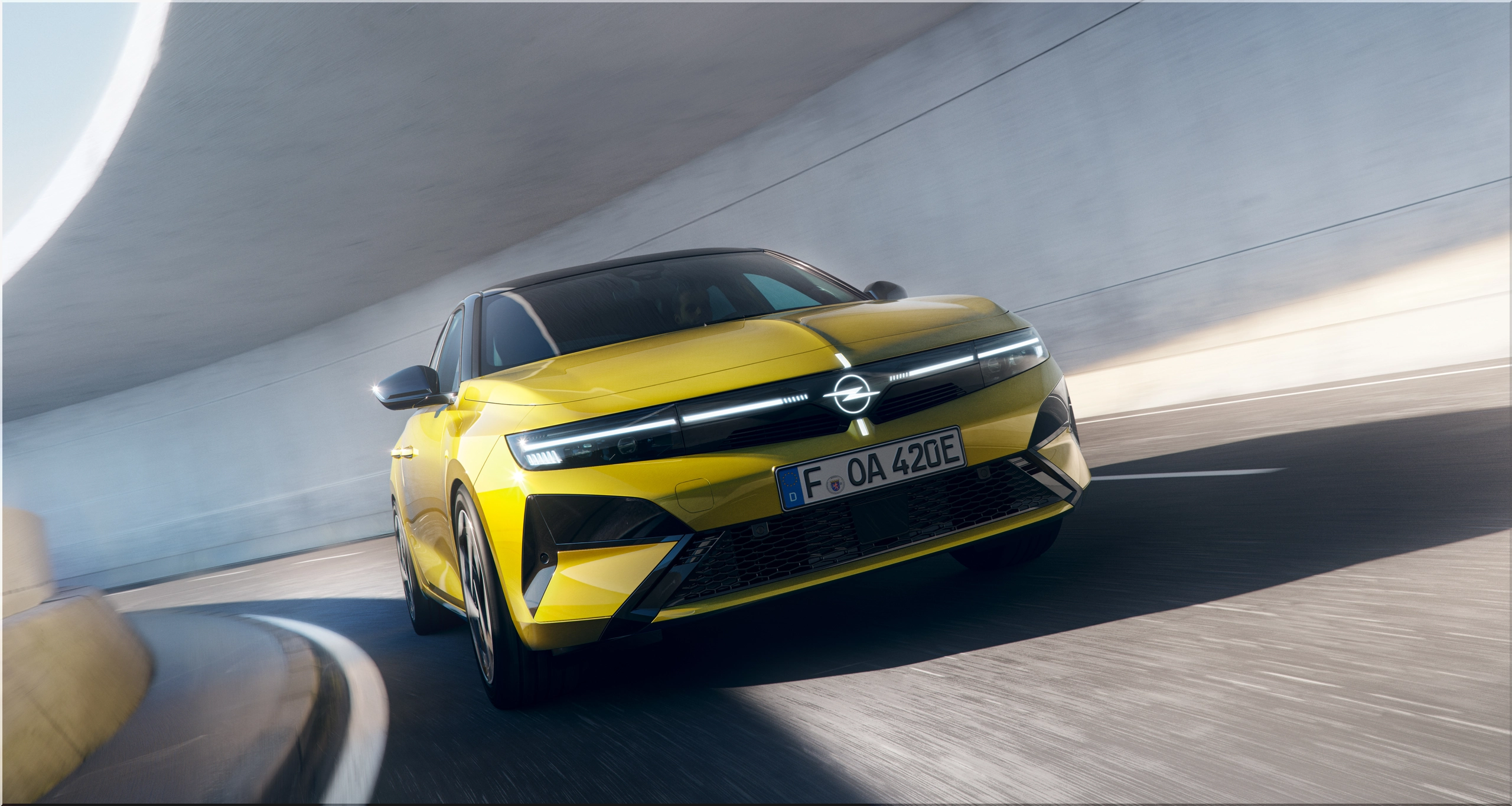
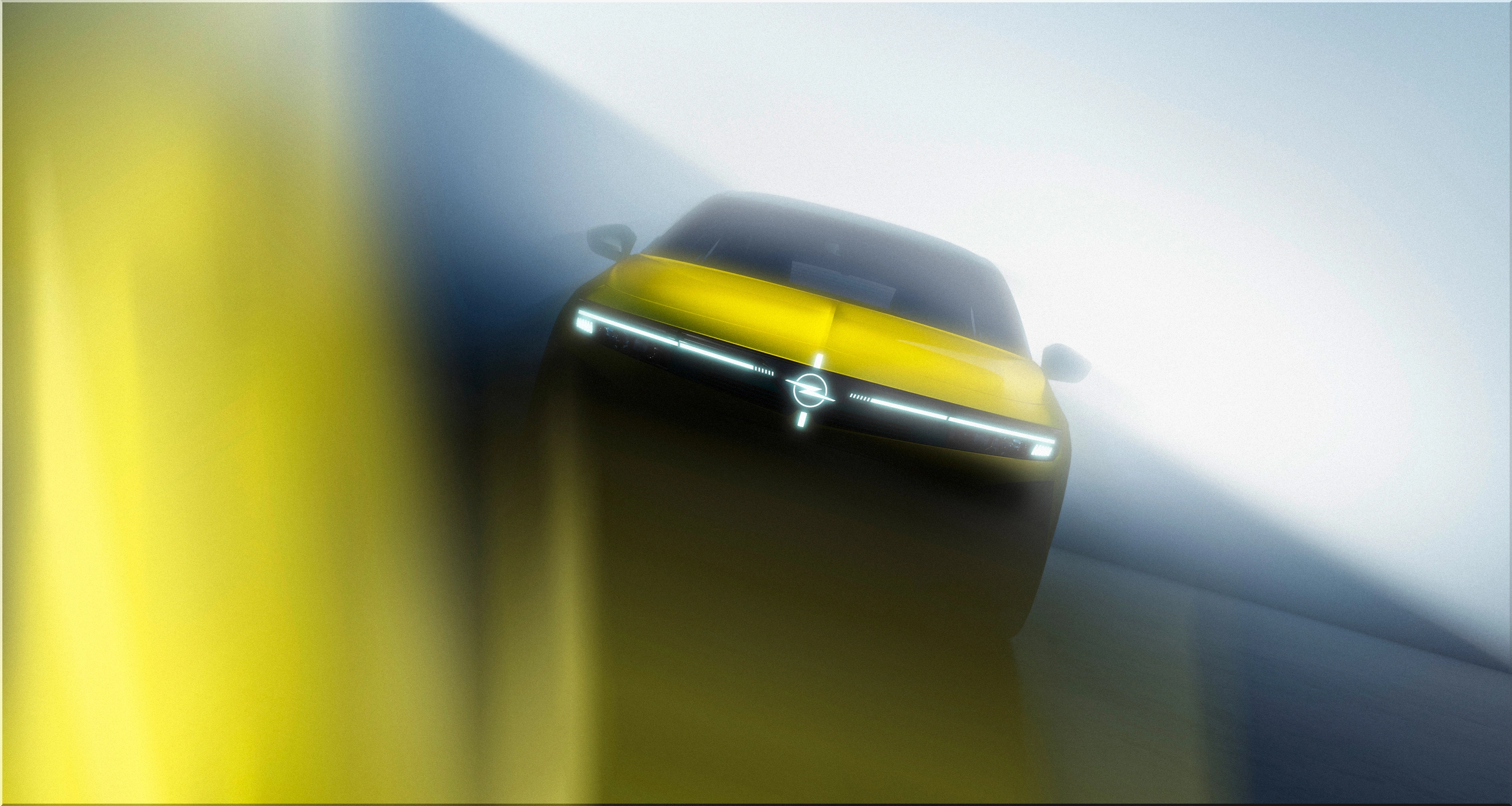
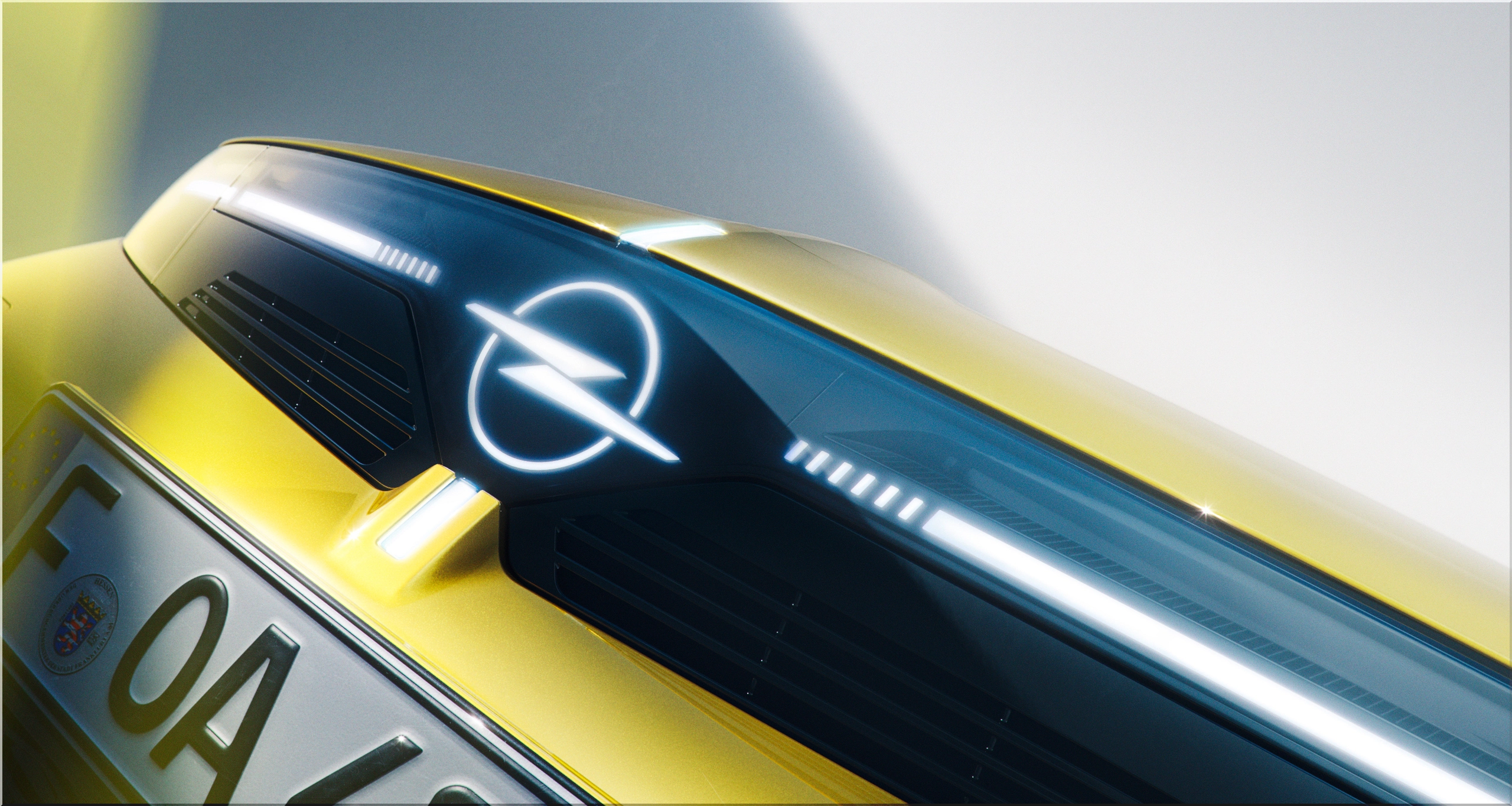
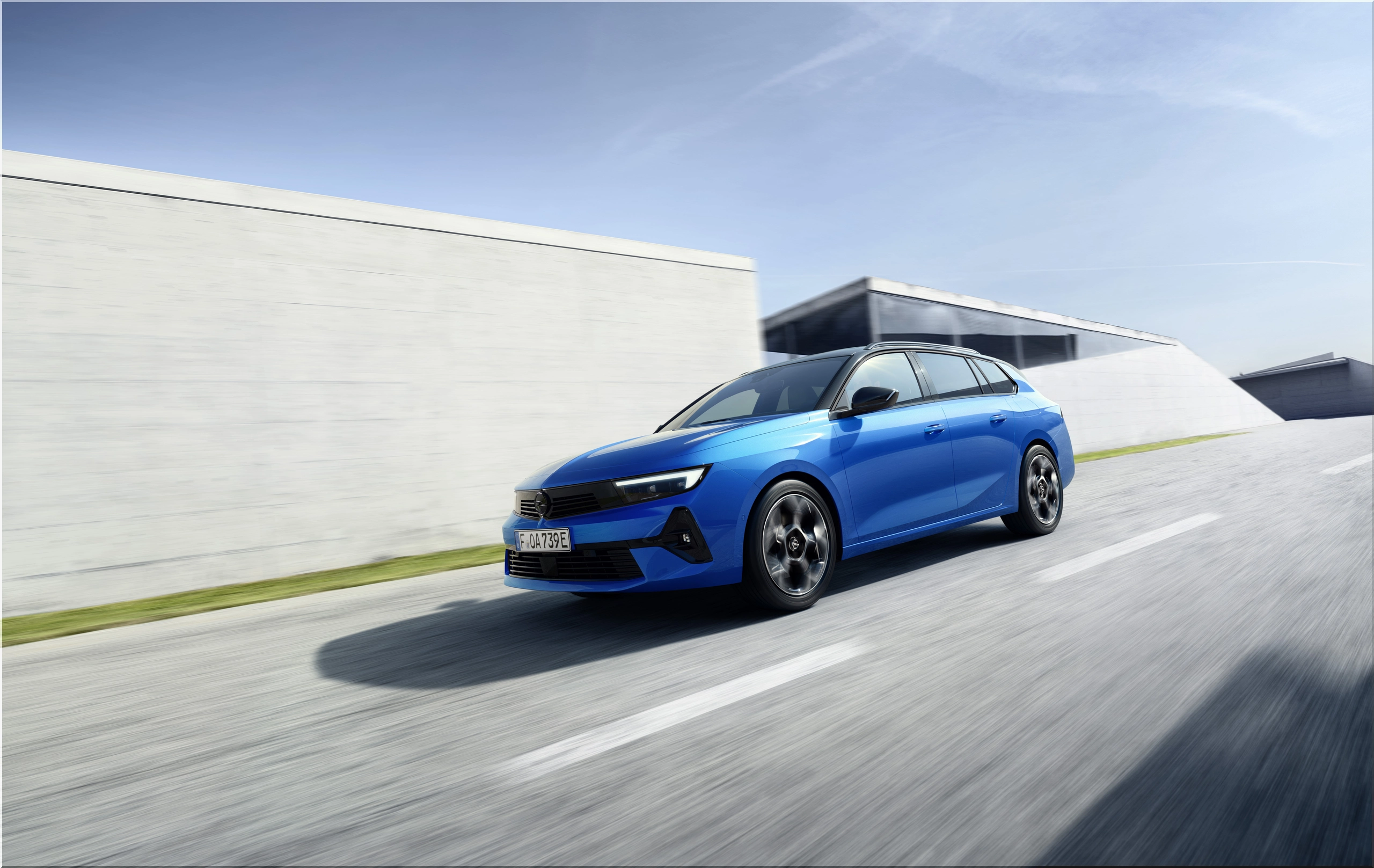
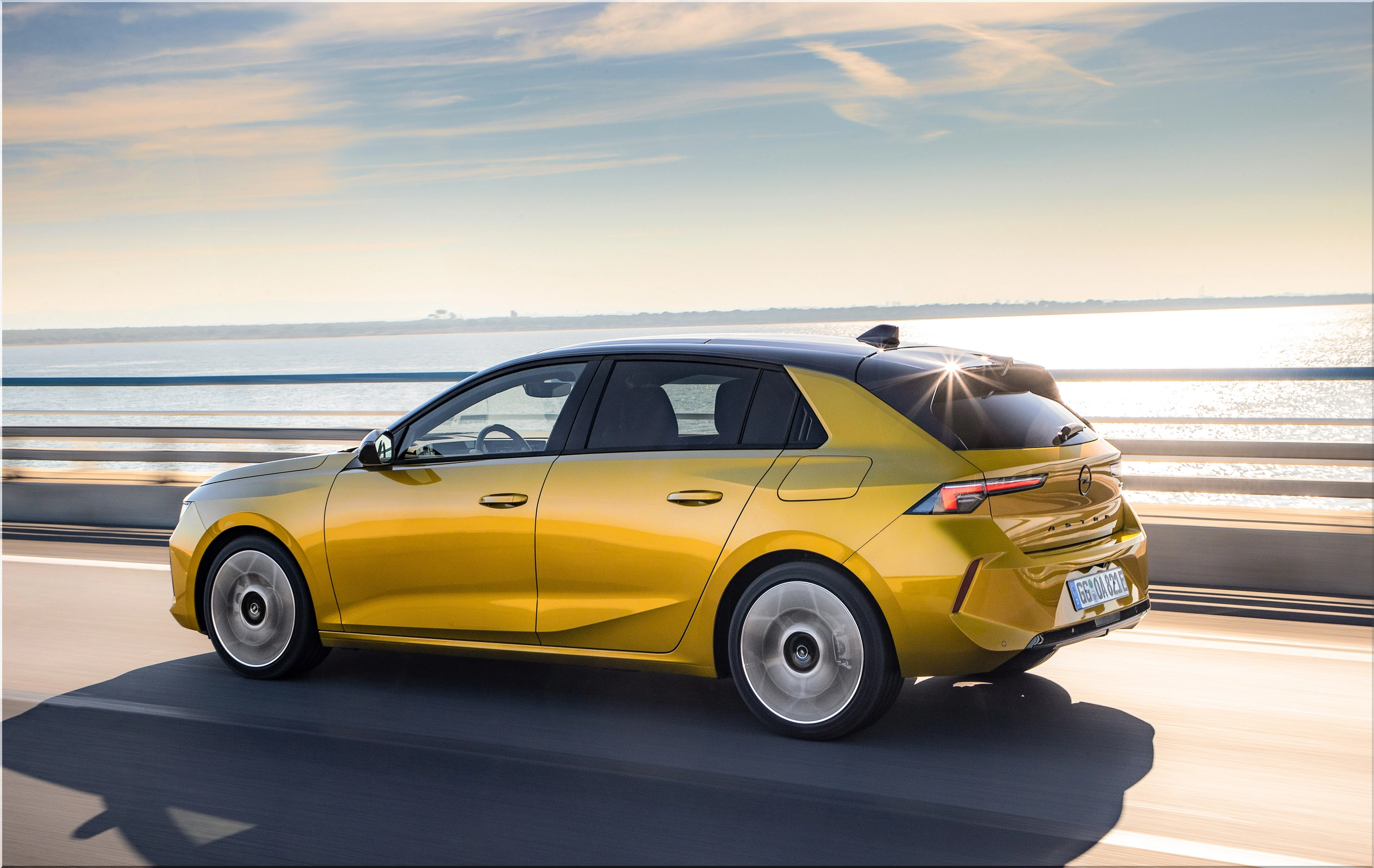
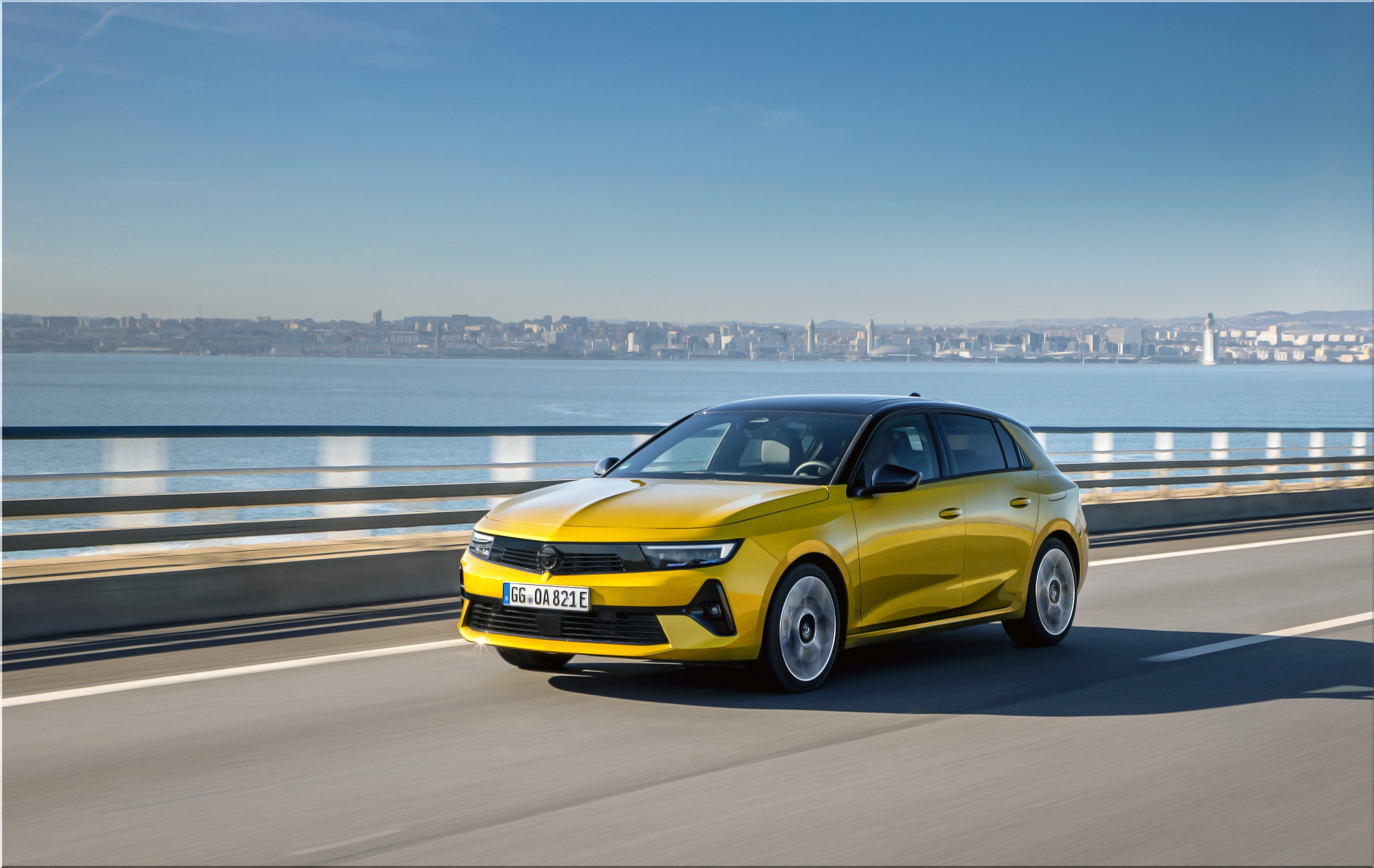
The front end sets the tone. Opel removes exterior chrome completely and replaces it with illuminated elements.
Key exterior changes include:
- Illuminated Opel Blitz logo
- Lit Opel Compass light signature
- Revised Opel Vizor front fascia
- Intelli-Lux HD matrix headlights
The headlights do most of the work. Each unit packs over 50,000 individual light elements. That allows precise beam control for traffic, pedestrians, and road edges.
Definition: Intelli-Lux HD Matrix Headlights
Intelli-Lux HD uses adaptive LED segments to shape the beam in real time. The system keeps high beams active while avoiding glare for other drivers.
Interior Materials Shift to Recycled Inputs
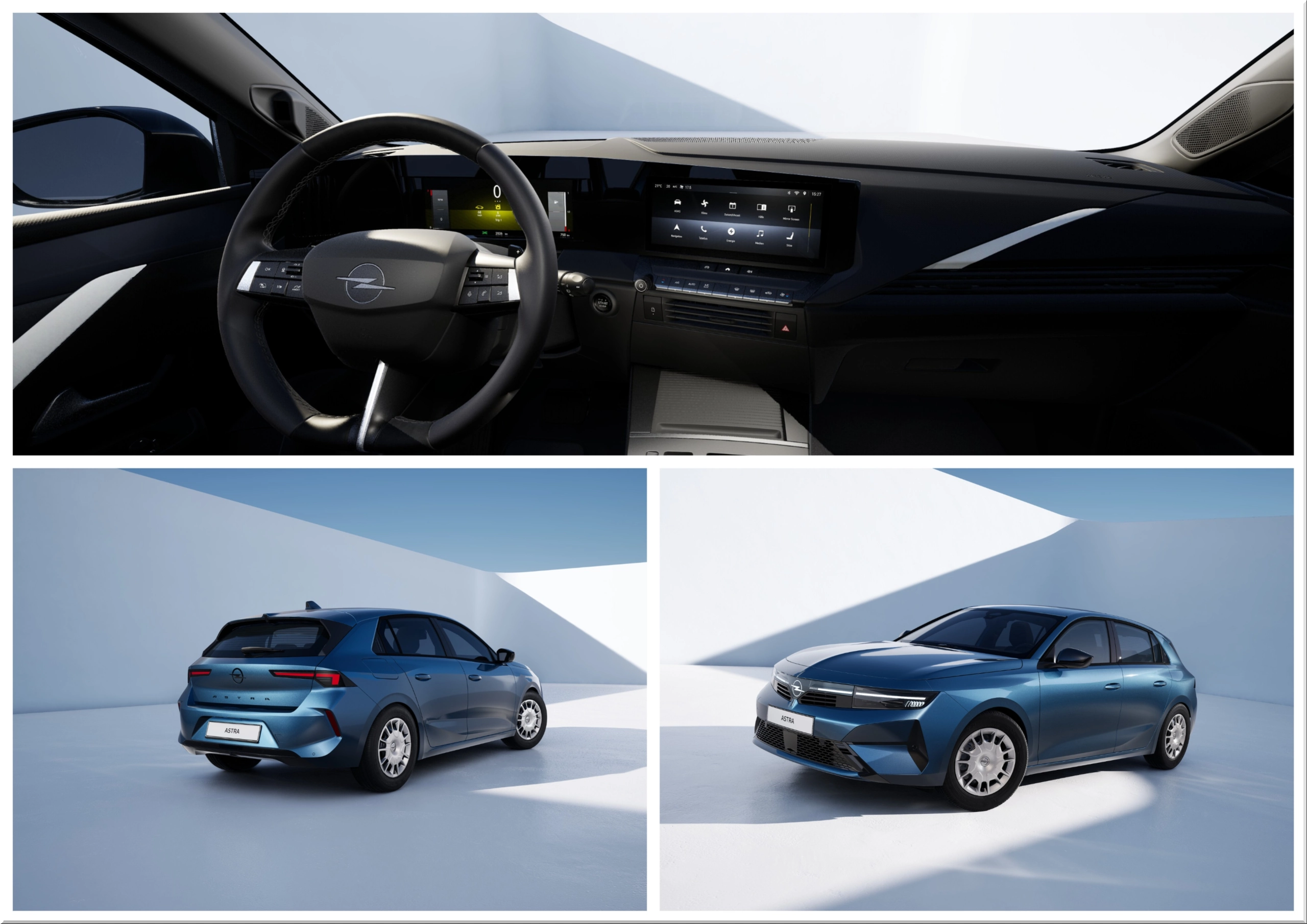
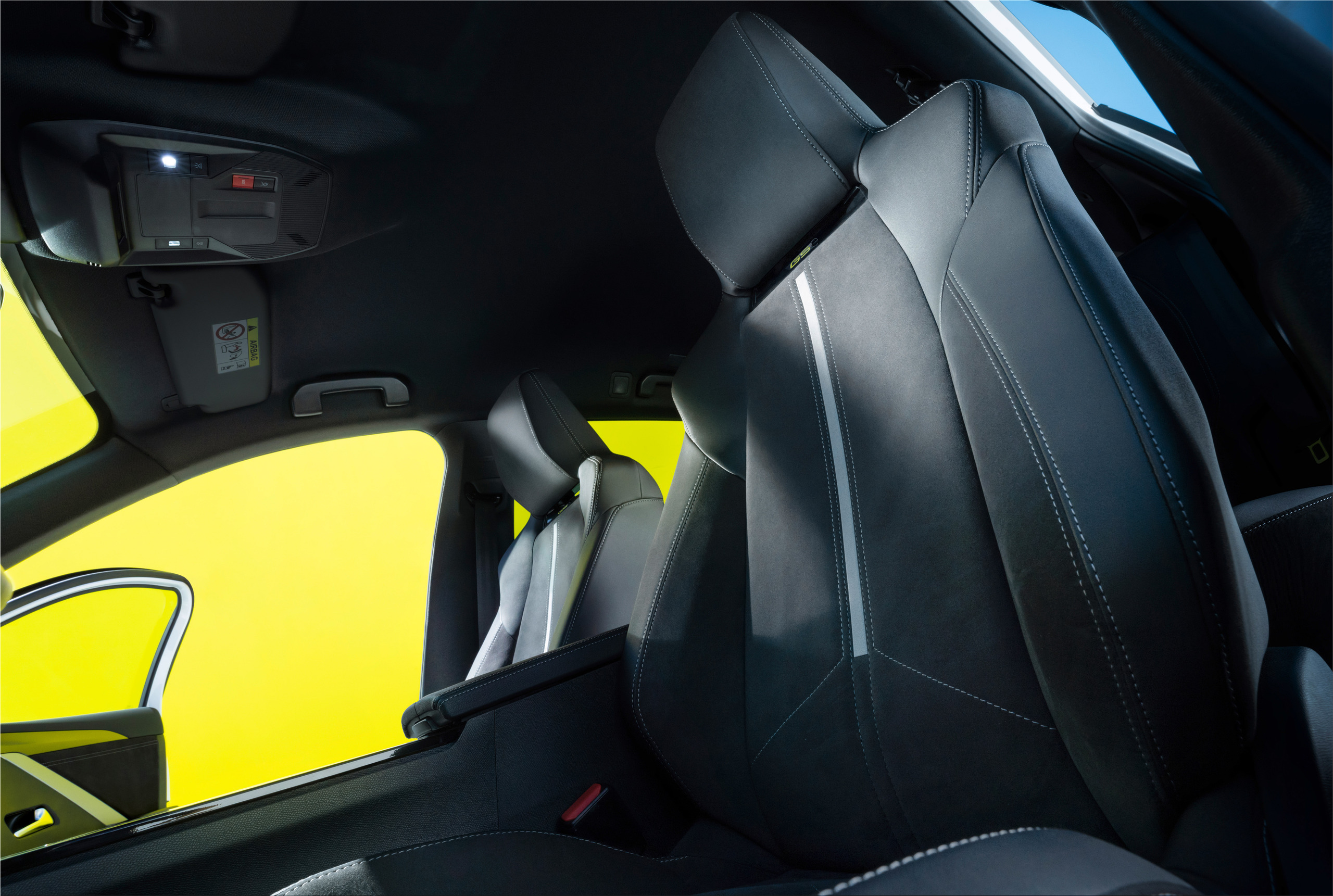
Opel pushes sustainability inside the cabin. All seats now use recycled materials. This change applies across the lineup.
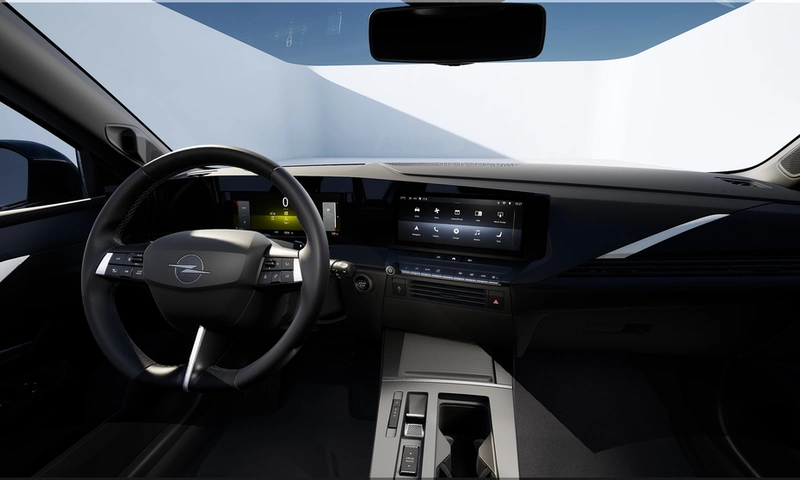
The Astra also keeps comfort front and center. Intelli-Seats come standard, including on entry trims. These seats use a central ergonomic recess to reduce pressure on long drives.
Interior priorities stay clear:
- Ergonomic seating as standard
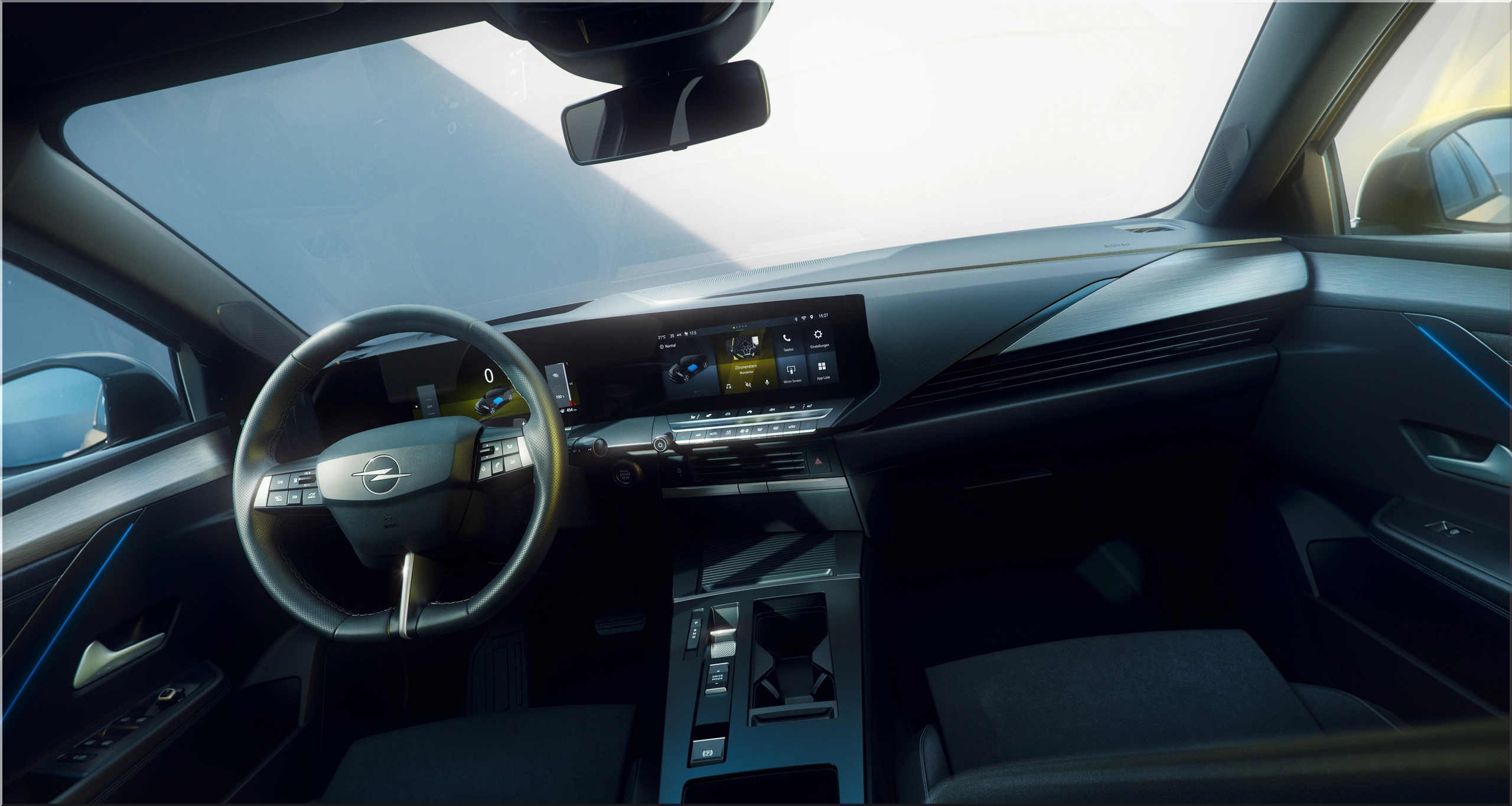
- Cleaner dash layout
- Reduced visual clutter
- Focus on visibility and controls
No gimmicks. The cabin aims at daily use.
Powertrain Lineup Covers Every Buyer Type
The new Opel Astra offers one of the broadest driveline menus in its class. Buyers can choose based on budget, usage, and charging access.
Available options include:
- Efficient gasoline engines
- 48-volt mild hybrid
- Plug-in hybrid
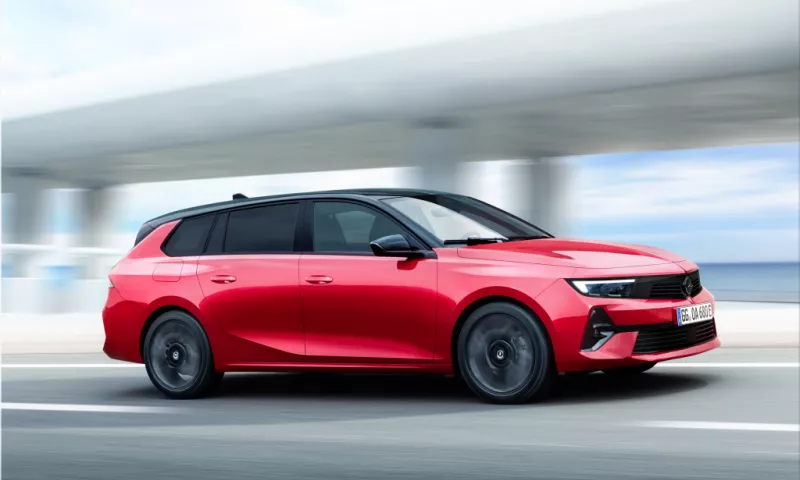
- Fully electric Astra Electric
The electric version pushes range higher than before. Opel quotes up to 454 kilometers of WLTP range, which converts to about 282 miles.
That number places the Astra Electric in line with segment expectations for 2026.
Image
Pro-Tip for EV Shoppers
Range matters less than charging speed and efficiency. Compact EVs like the Astra benefit from lighter weight, which helps real-world consumption.
Eight-Year Battery Coverage Reduces Ownership Risk
Opel continues to offer an eight-year battery warranty on its electric models. This coverage extends into 2026.
That matters for buyers weighing depreciation and long-term reliability. Battery replacement fears still slow EV adoption in this segment. Opel addresses that head-on.
Astra Sports Tourer Expands Practical Appeal
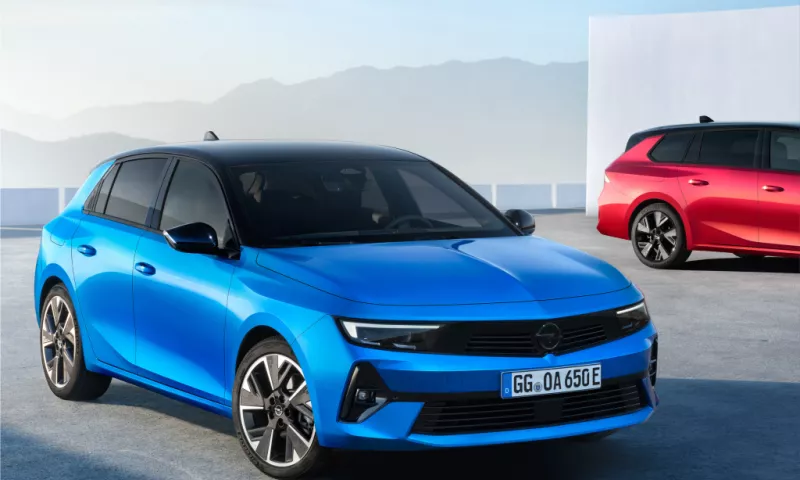
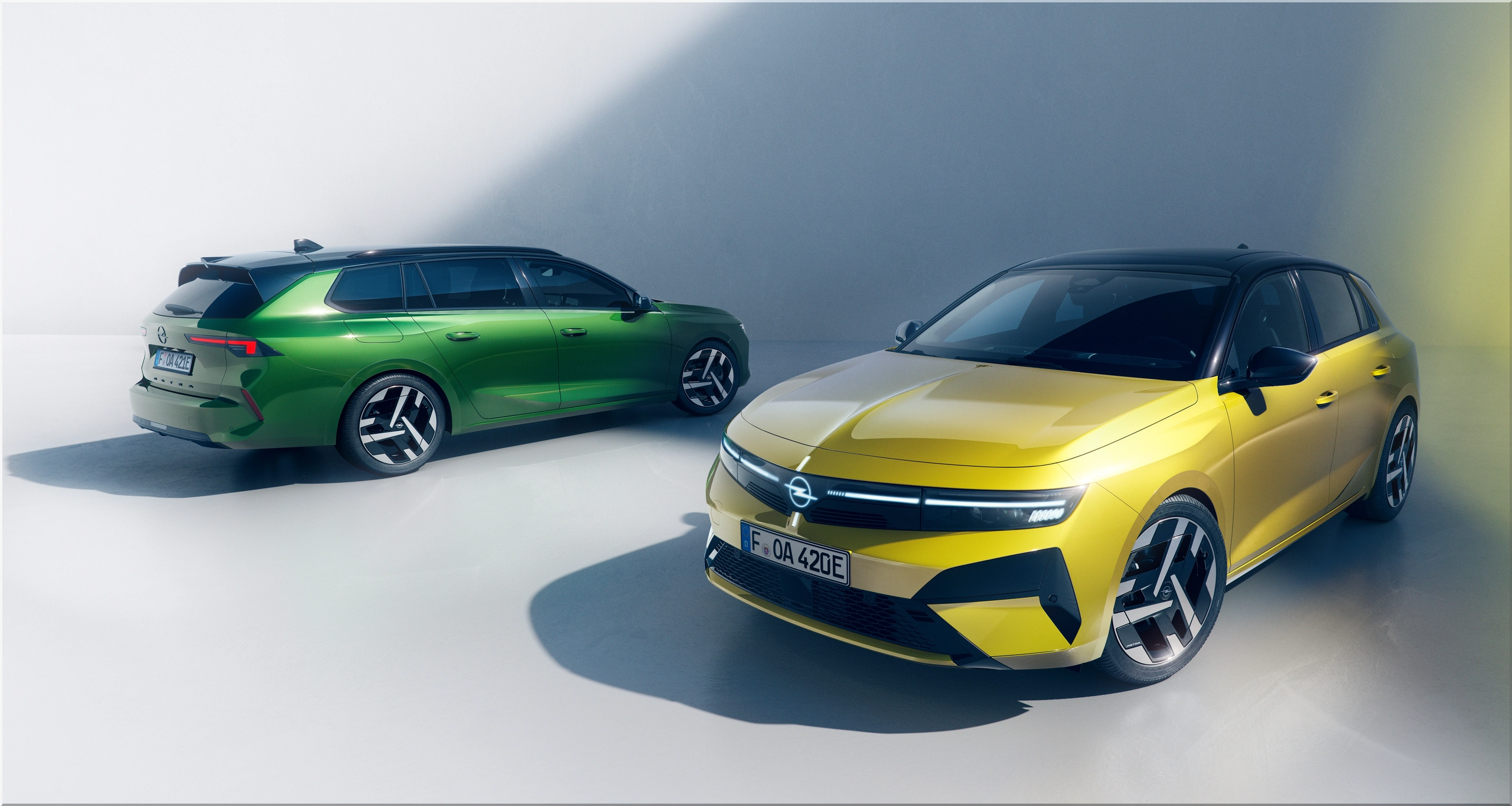
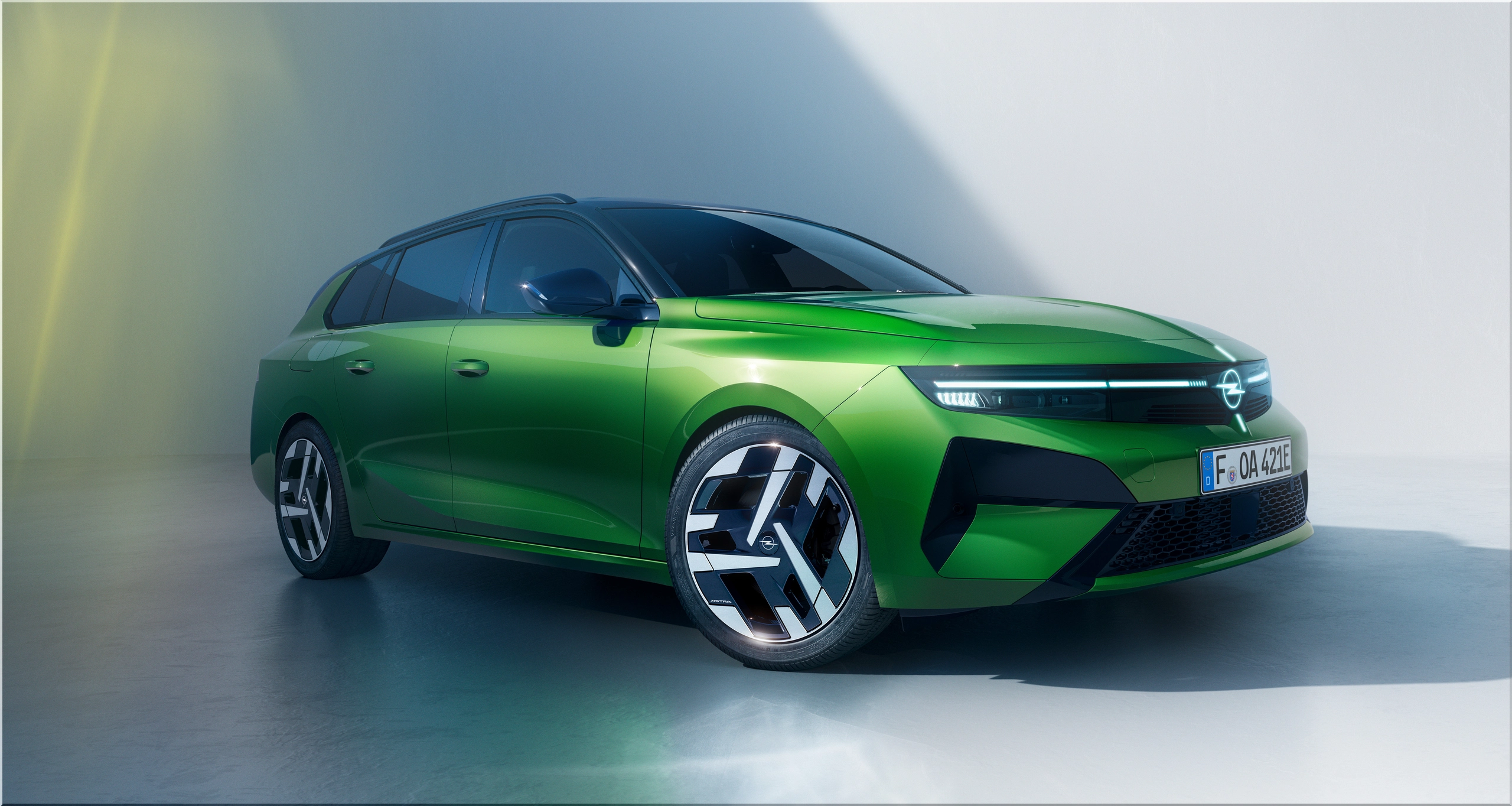
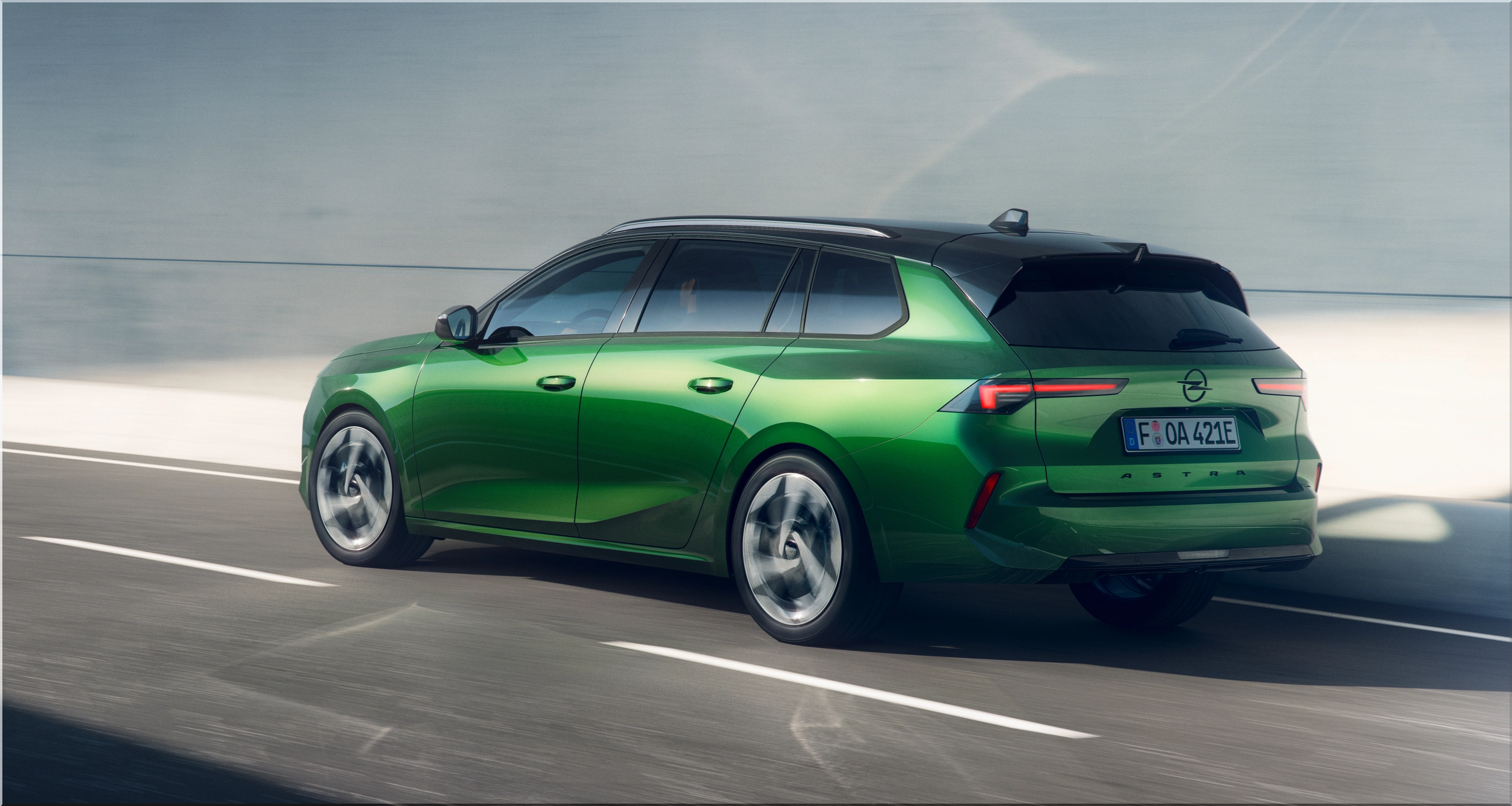
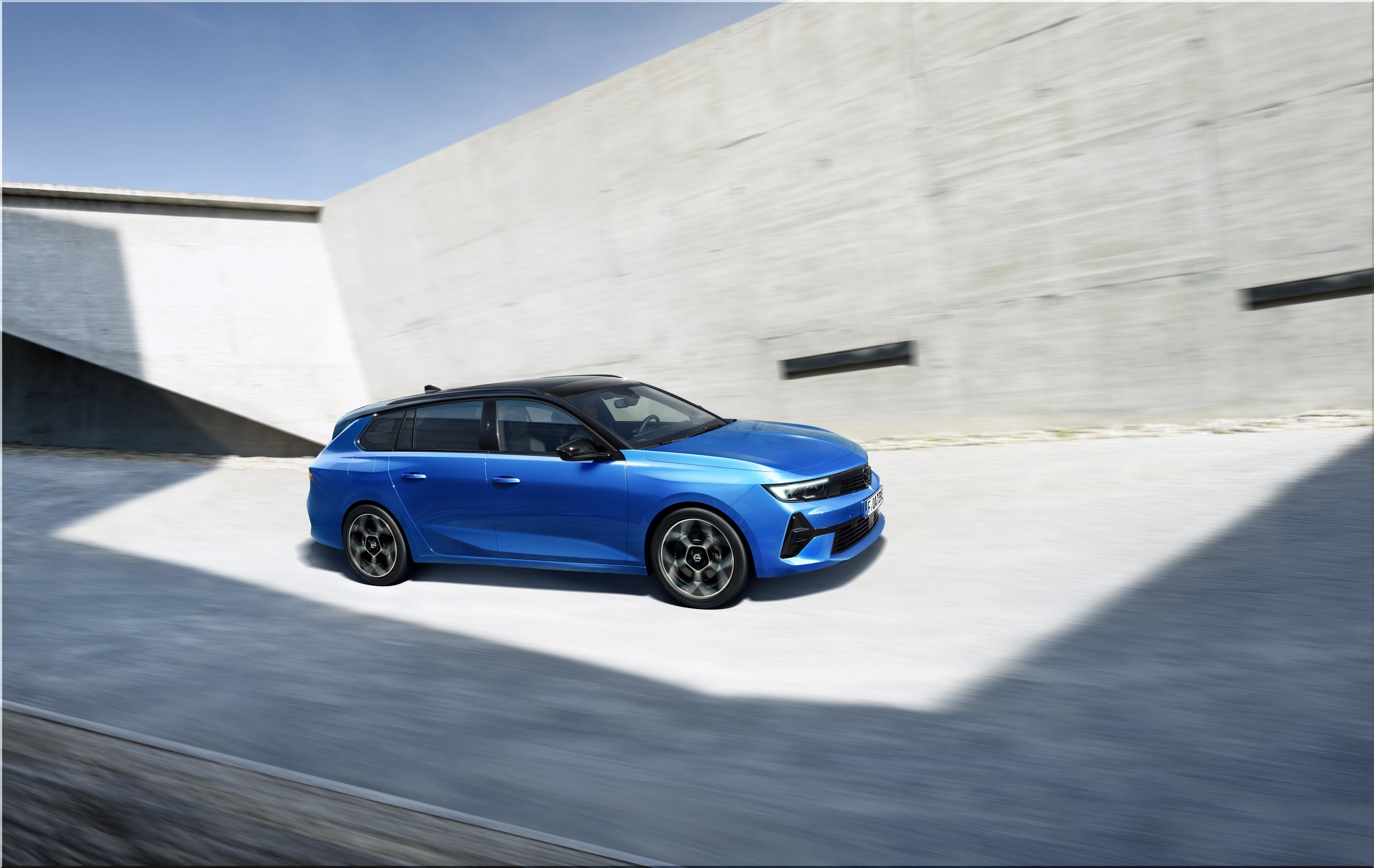
The Astra Sports Tourer launches alongside the hatchback. It targets buyers who want cargo space without moving to an SUV.
Key benefits include:
- Longer roofline
- Expanded cargo volume
- Same electrified options
- Identical tech and lighting
This keeps fleet buyers and families in the Opel ecosystem.
Market Context: Compact Cars Still Matter
Compact cars continue to anchor European volume. Opel reinforces that message with sales data shared at the show.
The brand reports strong demand for electric variants across its lineup. Roughly 40 percent of Grandland sales now come from EVs. Nearly half of Frontera orders follow the same path.
The Astra slots into this trend as a bridge model.
Competitive Comparison: Where the Astra Stands
The compact segment remains crowded. Buyers compare specs closely. Below is a market snapshot with approximate US pricing conversions.
| Model | Powertrain Options | Electric Range (WLTP) | Approx Starting Price (USD) |
|---|---|---|---|
| Opel Astra Electric | BEV | ~282 miles | ~$43,000 |
| Volkswagen ID.3 | BEV | ~265 miles | ~$45,000 |
| Peugeot e-308 | BEV | ~255 miles | ~$44,000 |
| Renault Megane E-Tech | BEV | ~280 miles | ~$46,000 |
The Astra competes on balance. It does not chase extremes. It focuses on cost control, lighting tech, and drivetrain choice.
Design Strategy Reflects Brand Direction
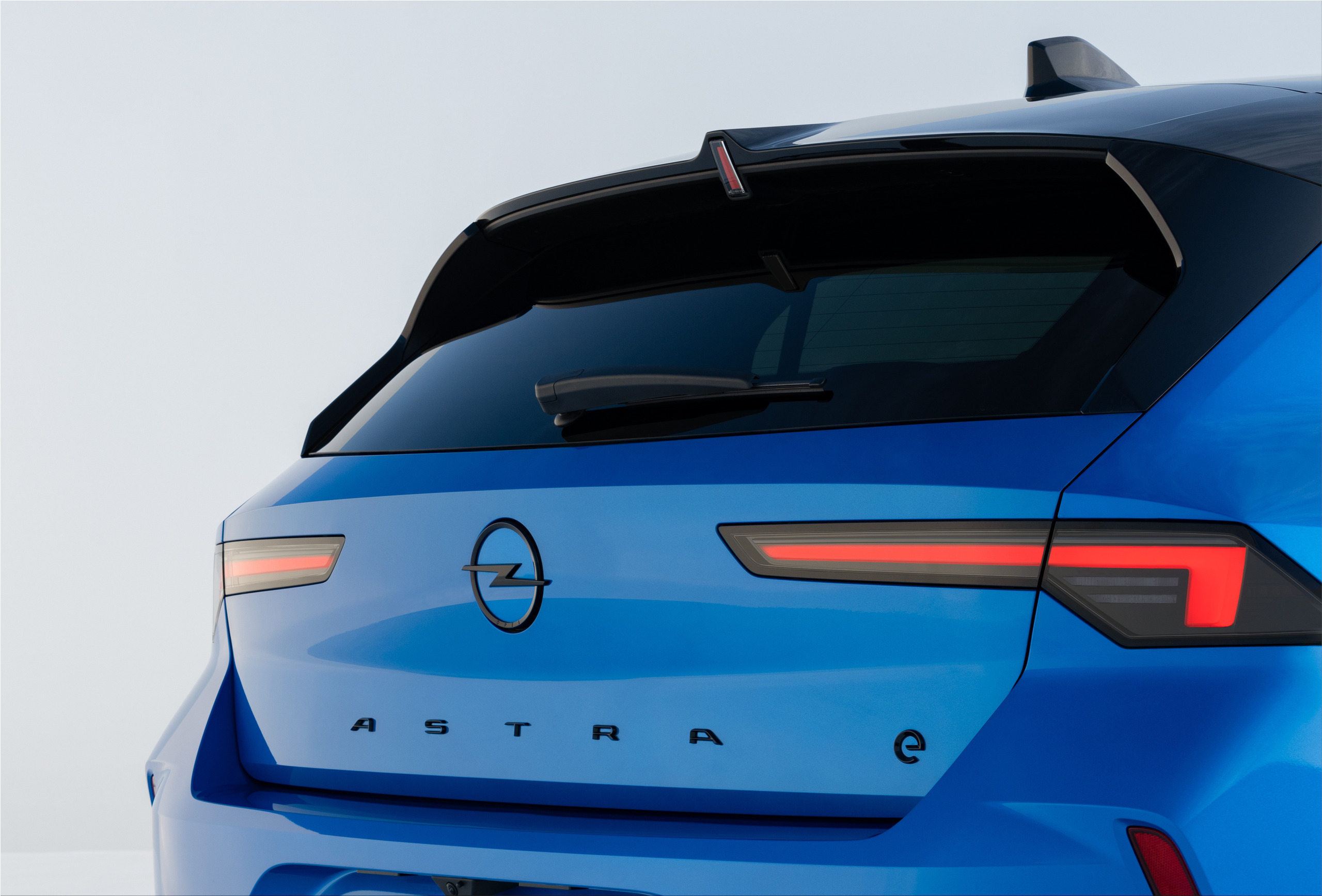
Opel uses light as a brand signature. The illuminated Blitz and Compass replace visual noise with function.
This strategy also supports efficiency goals. Removing chrome reduces material complexity and production impact.
Design serves a purpose here.
What This Means for Buyers
The new Opel Astra targets buyers who want:
- Electrification without forced change
- Strong lighting and safety tech
- Familiar compact proportions
- Lower long-term ownership risk
It avoids chasing trends. It refines what already works.
What Now
Buyers should watch final EPA-equivalent range figures and charging specs once Opel releases US-market data. Fleet managers should focus on total cost of ownership and warranty coverage.
For compact car shoppers, the Astra stays relevant. It proves the segment still evolves.
- Add new comment
- 143 views