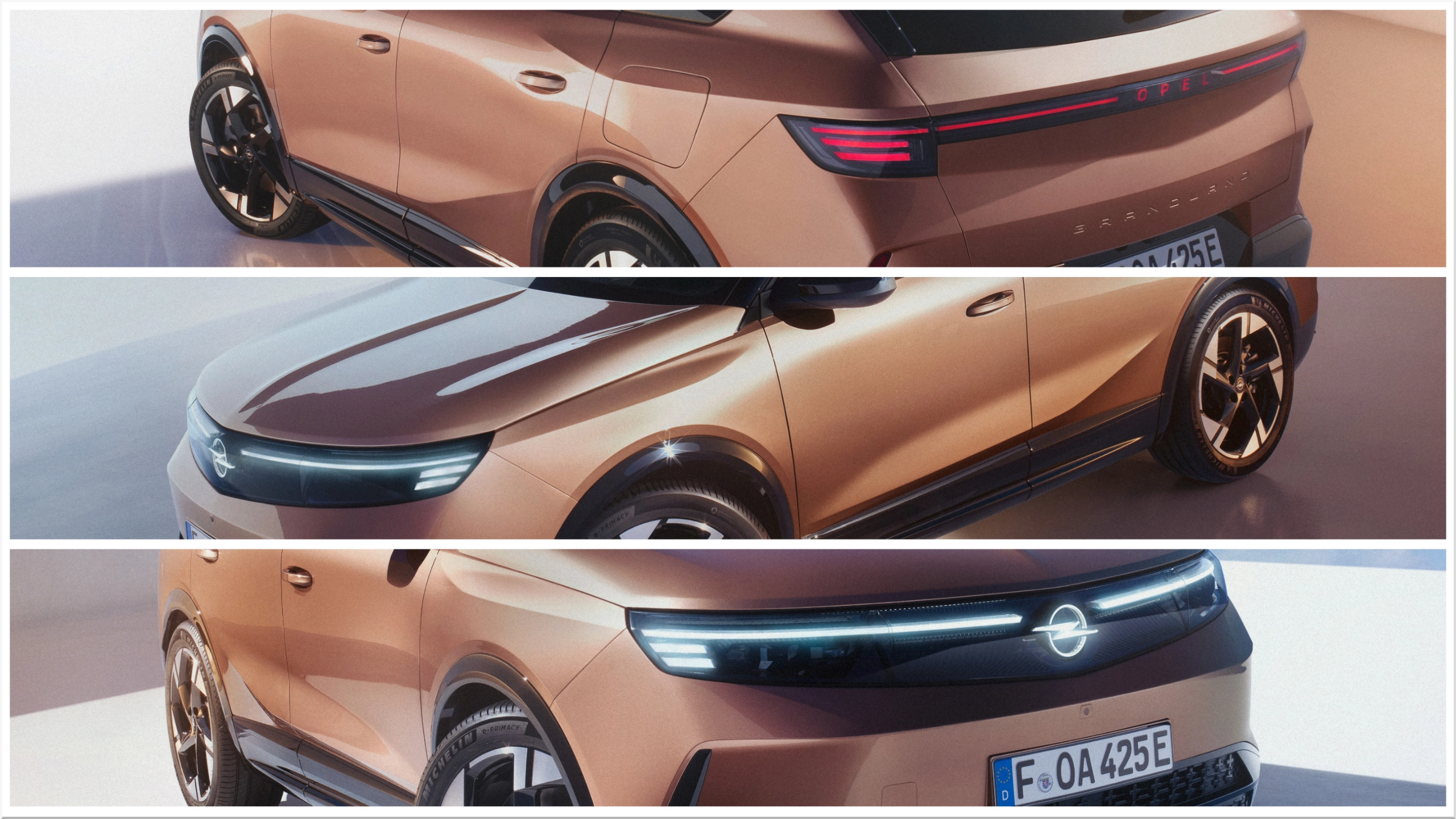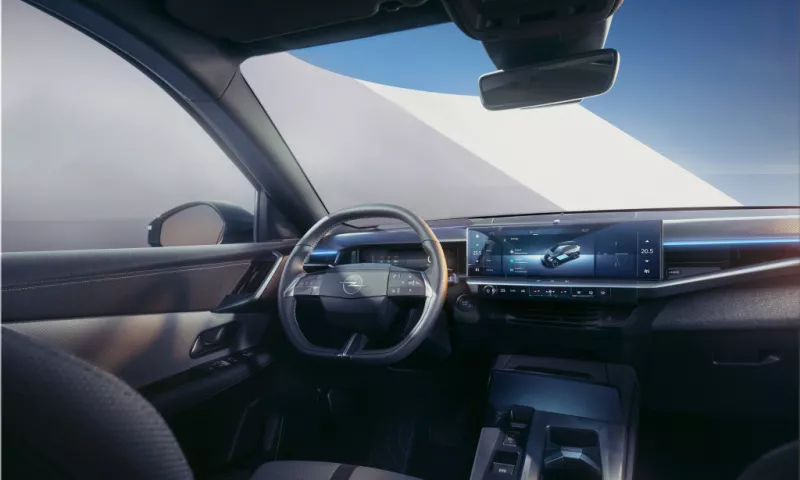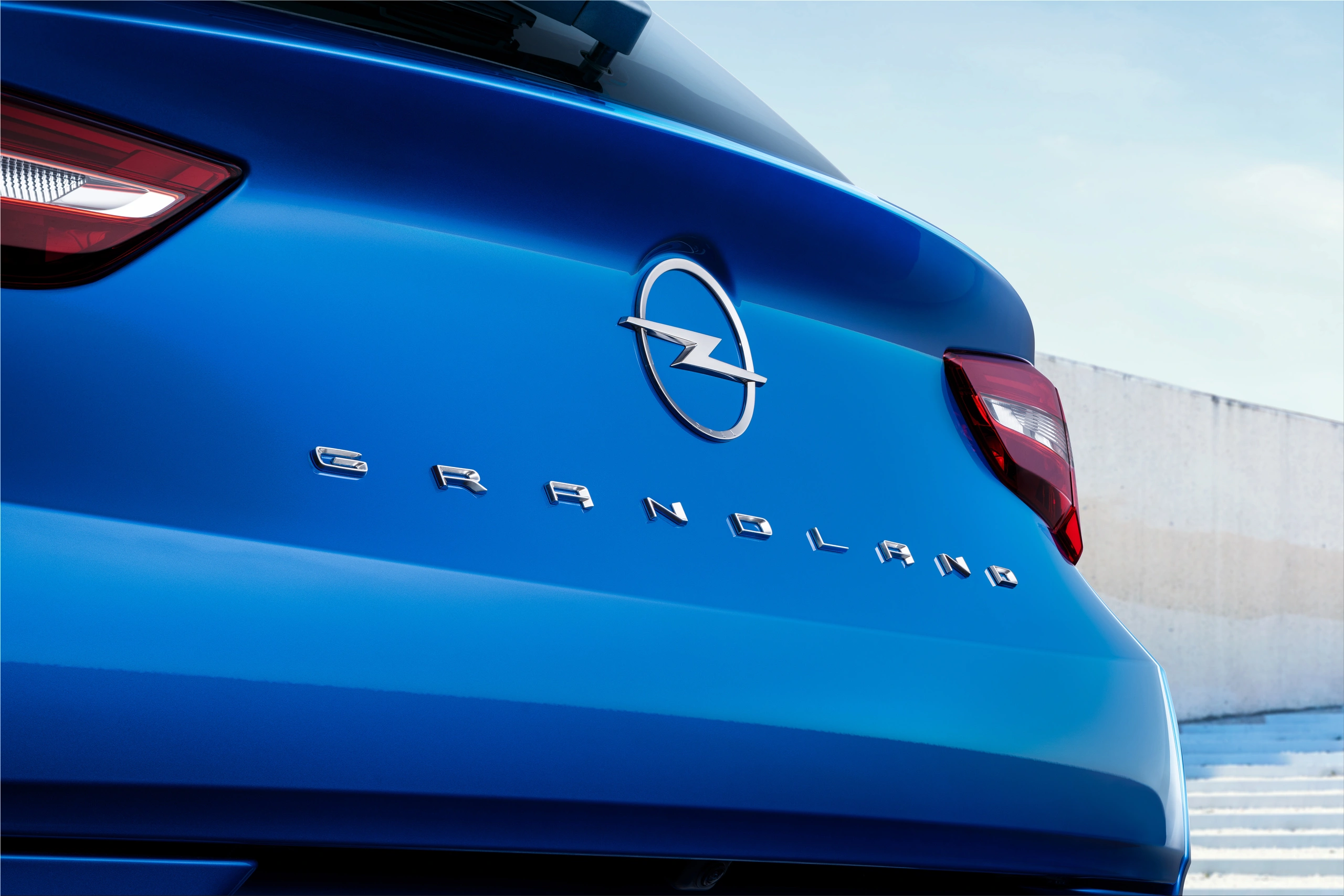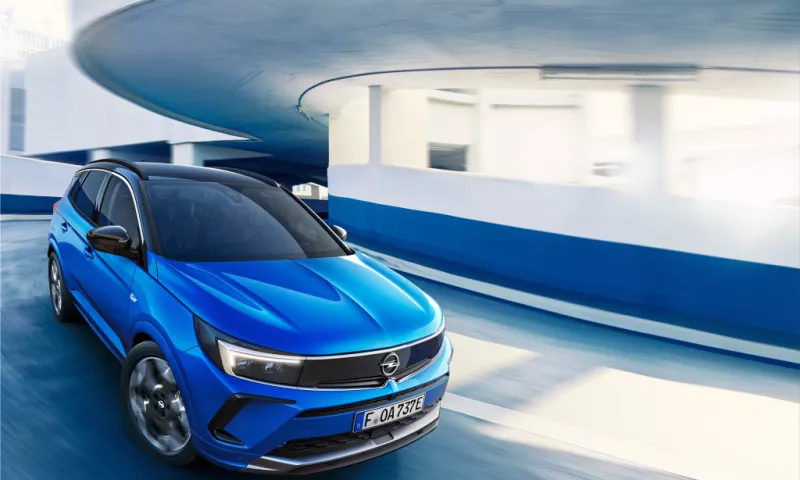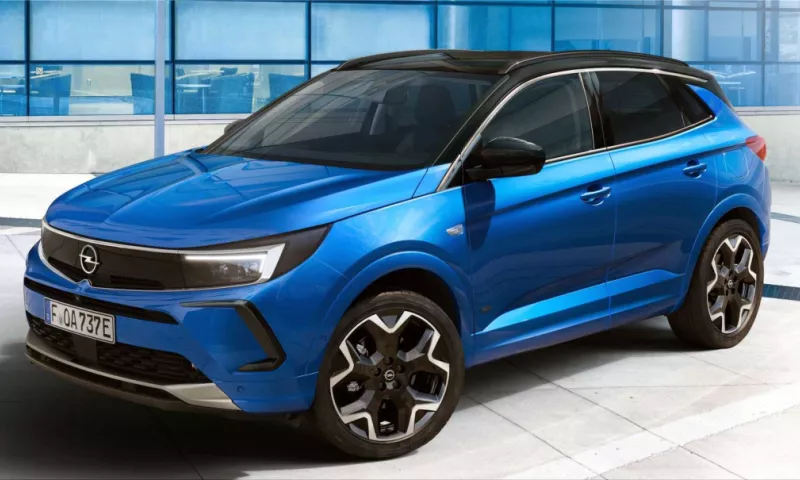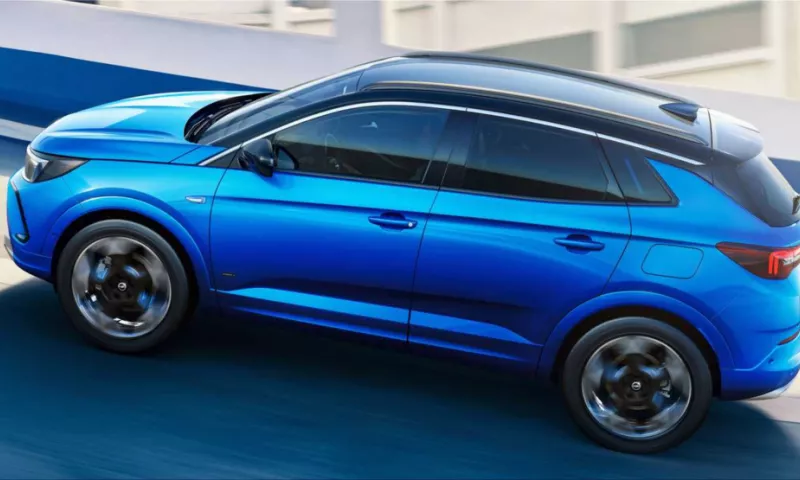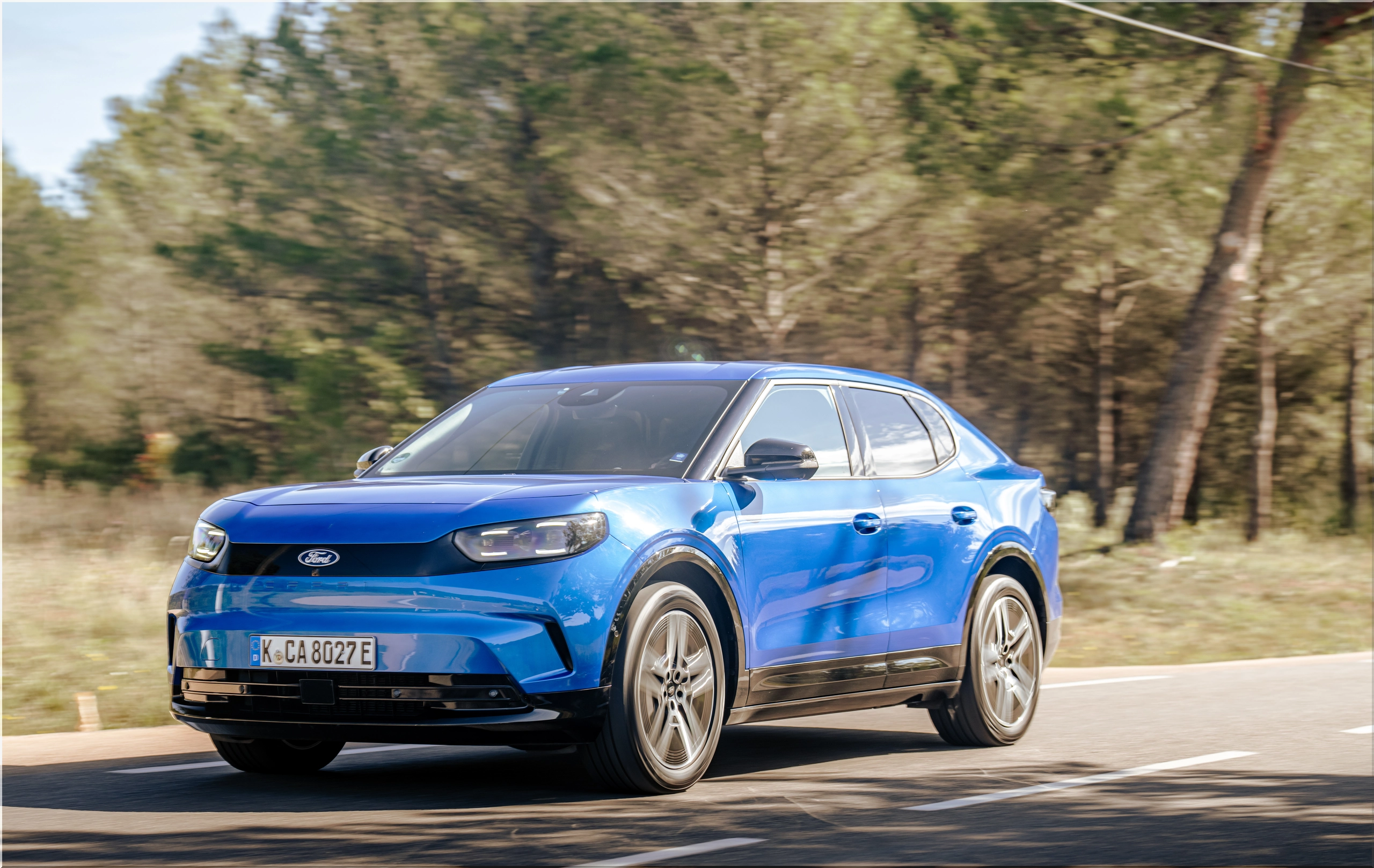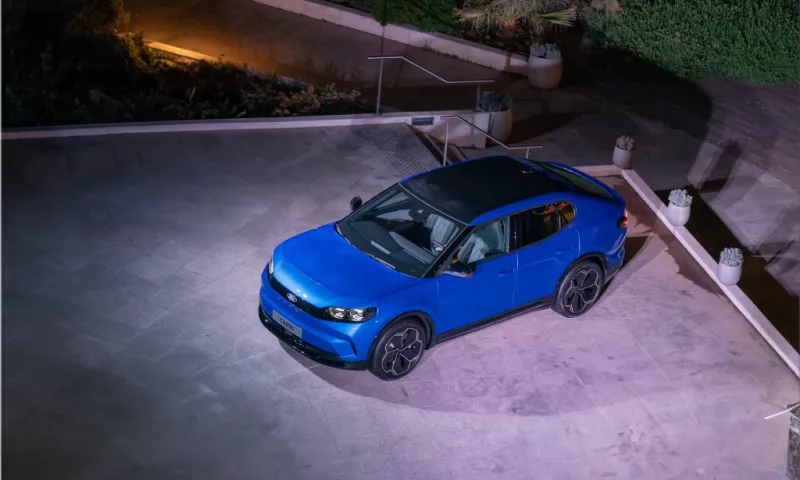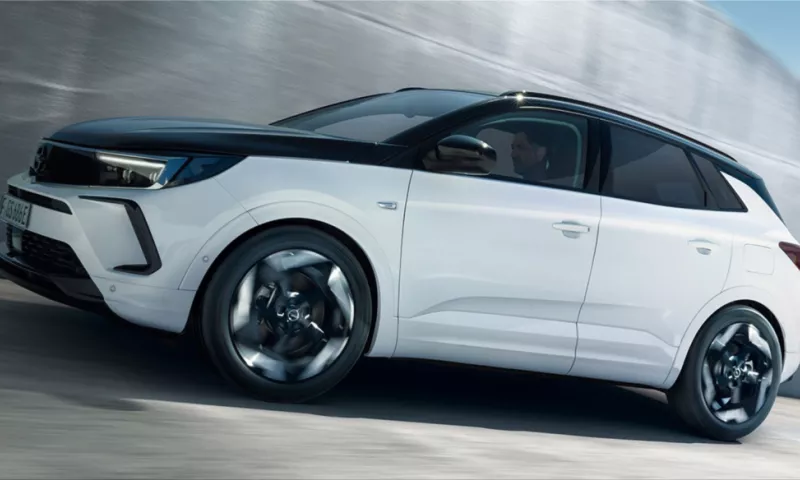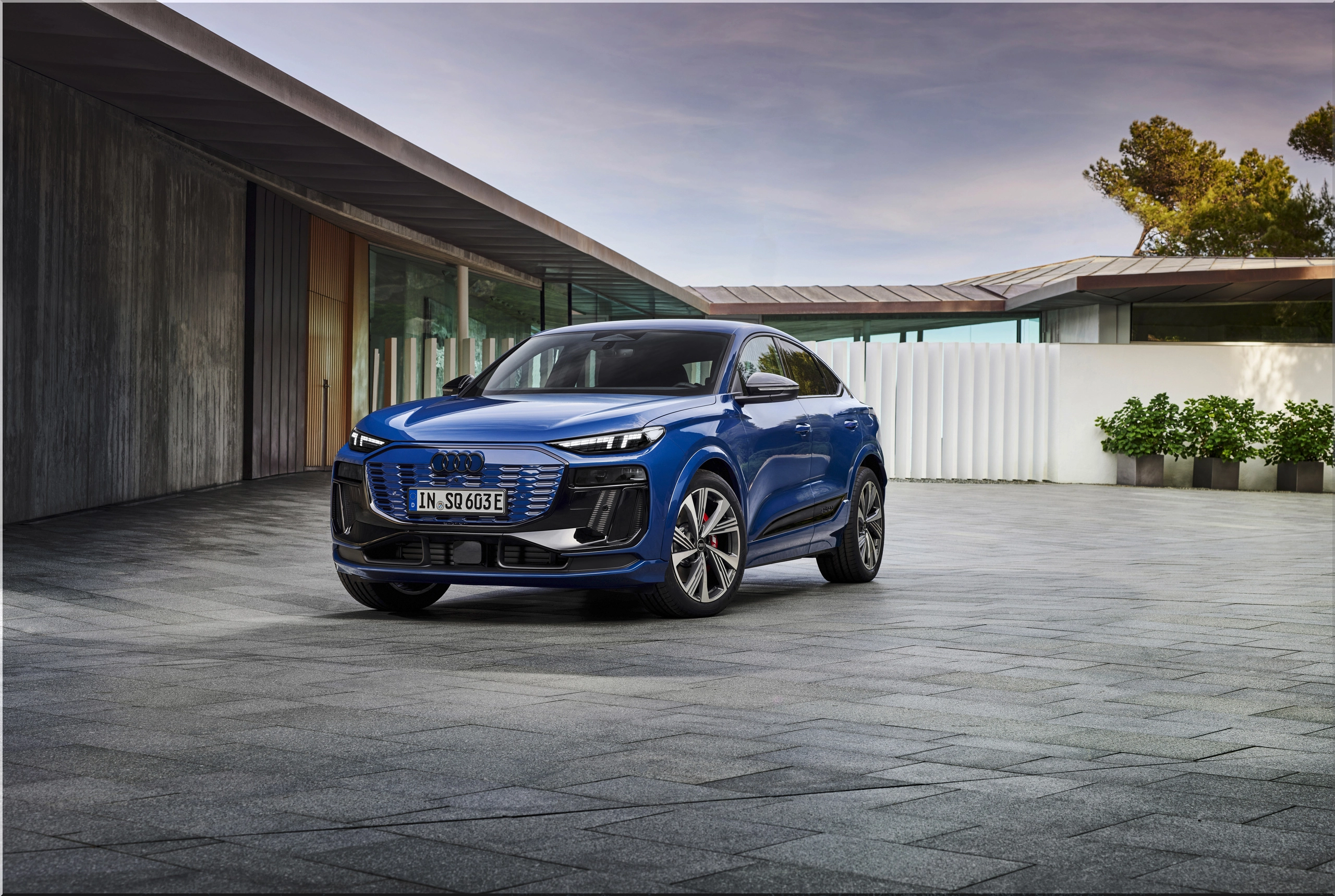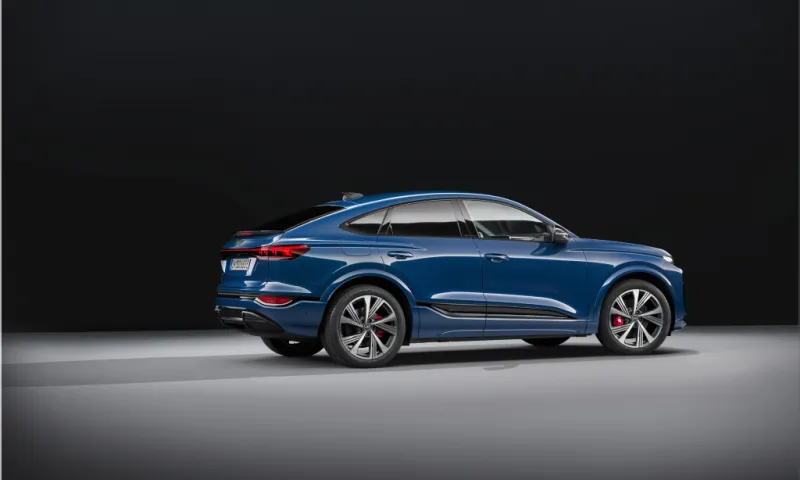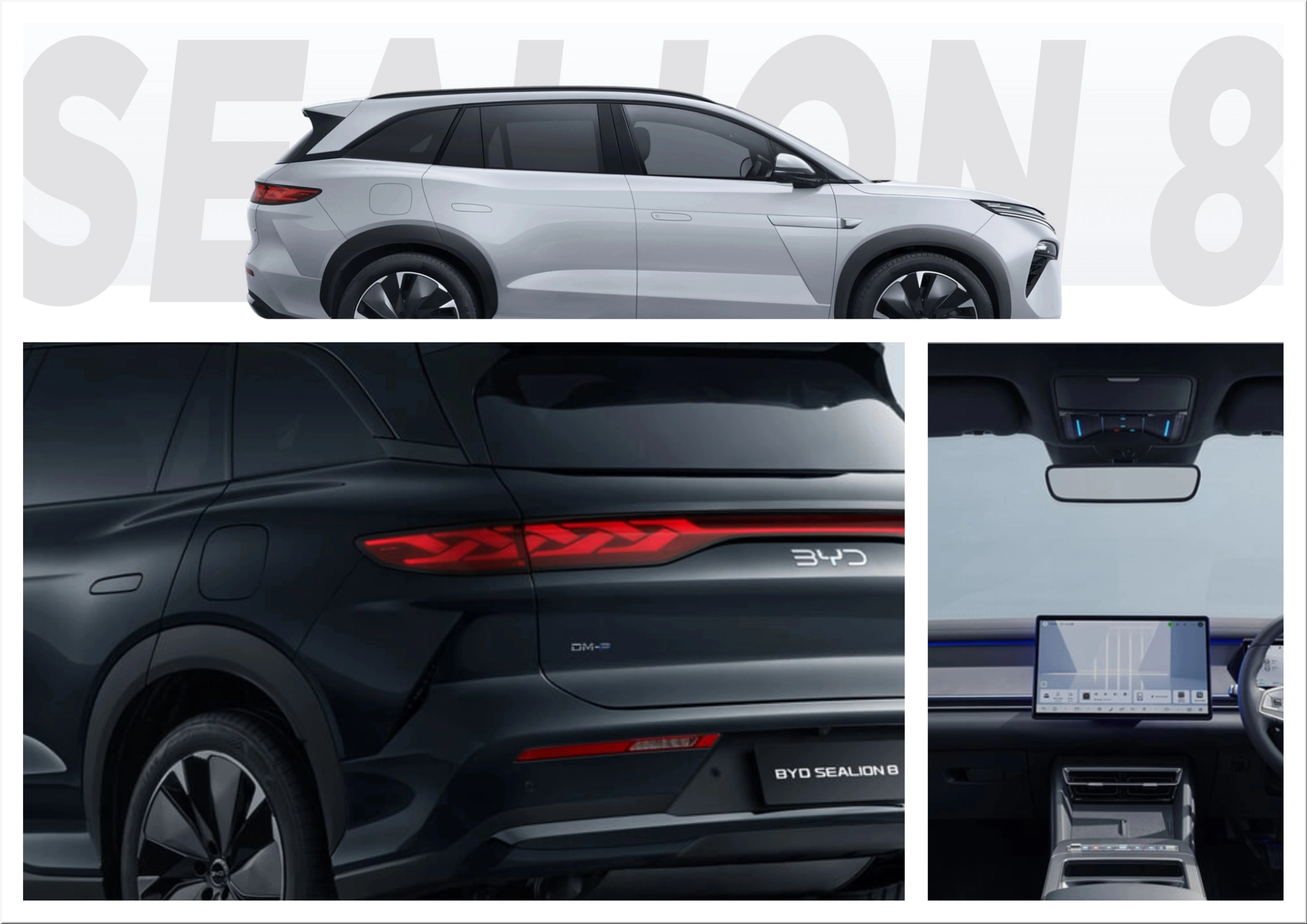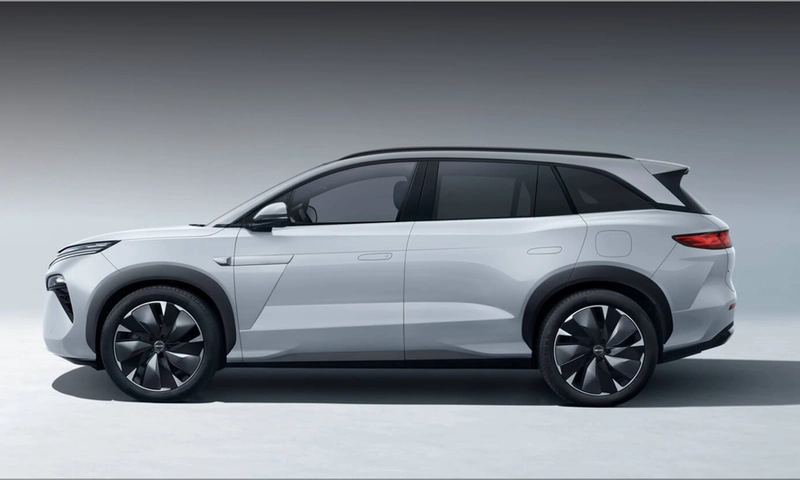
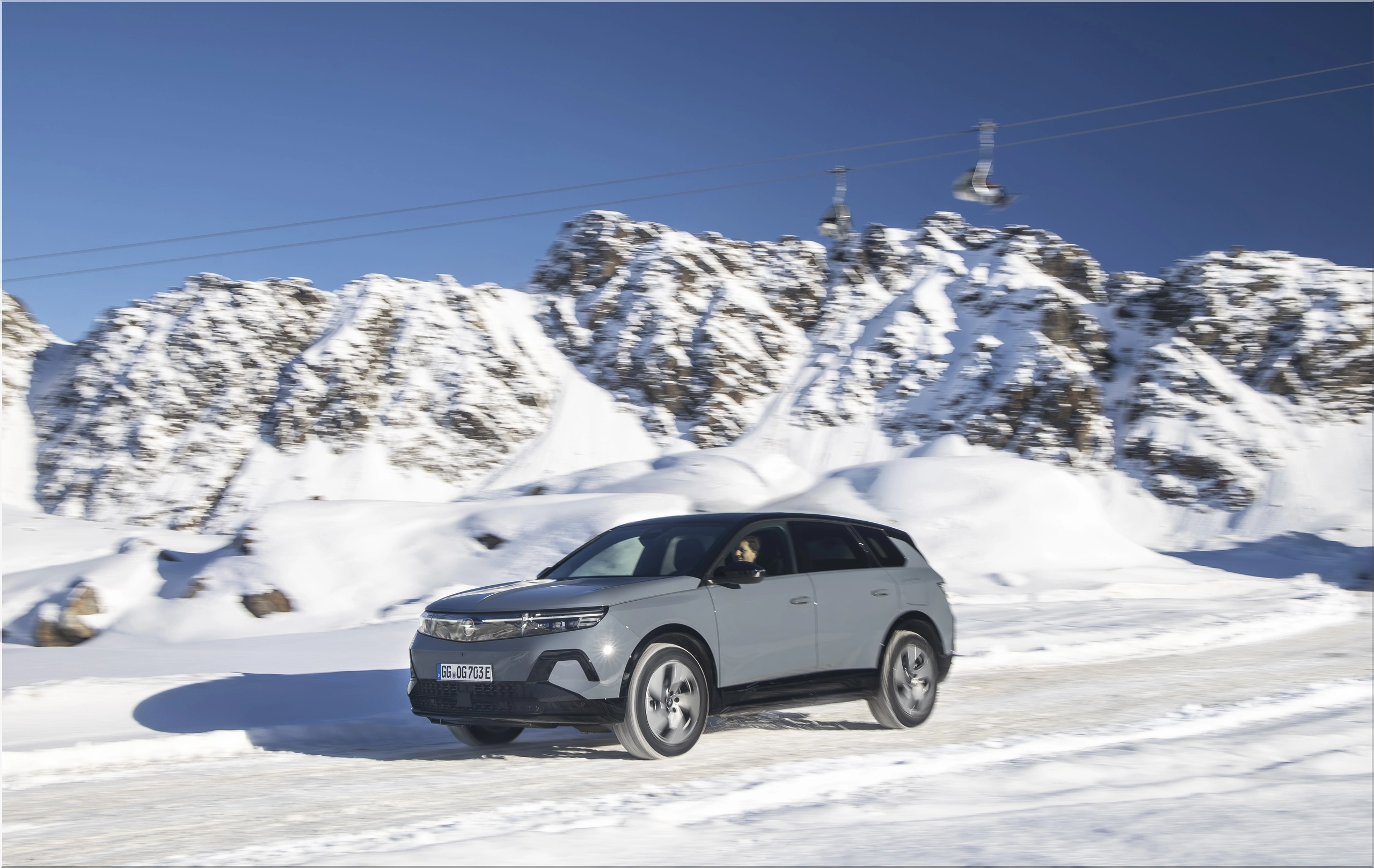
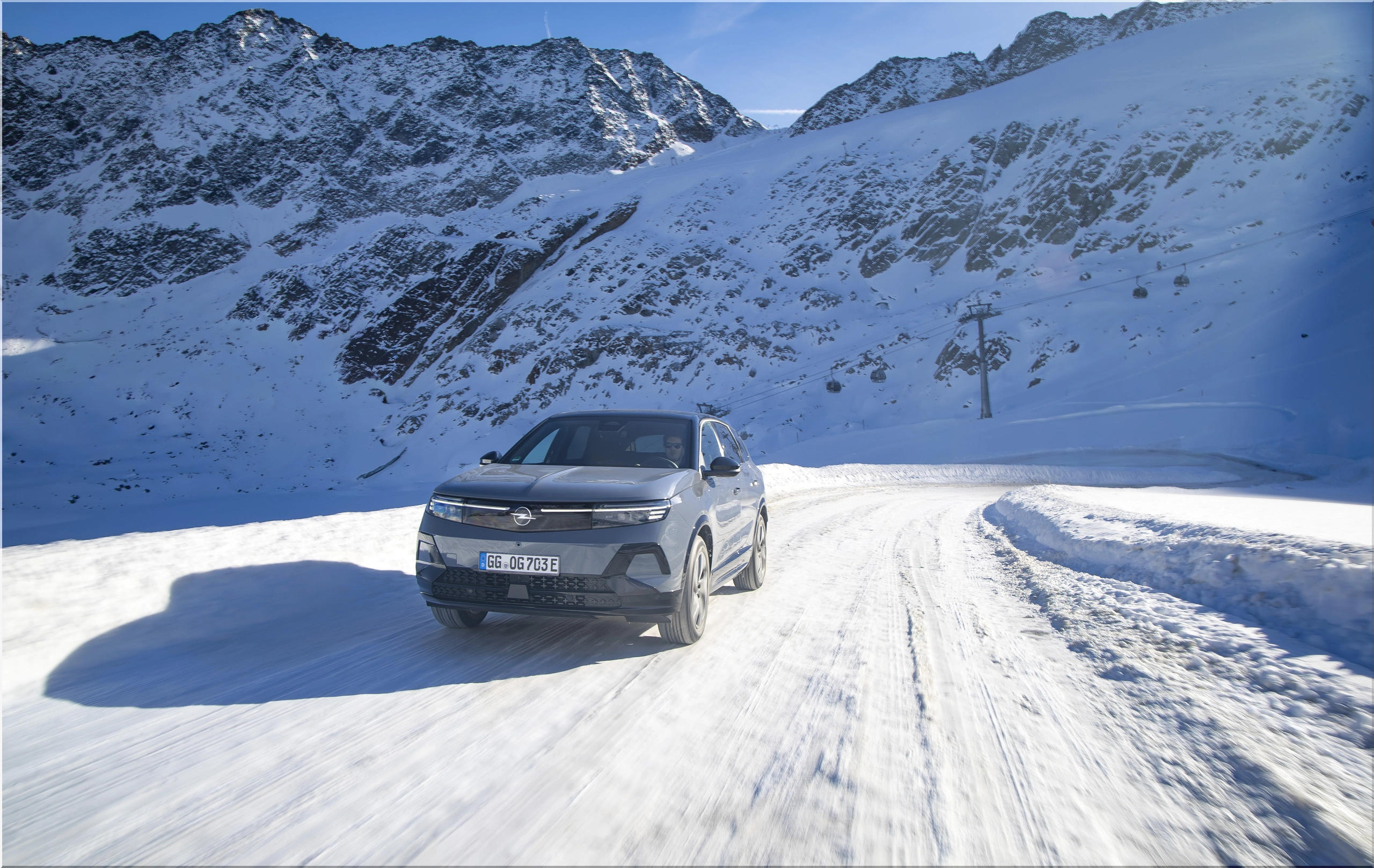
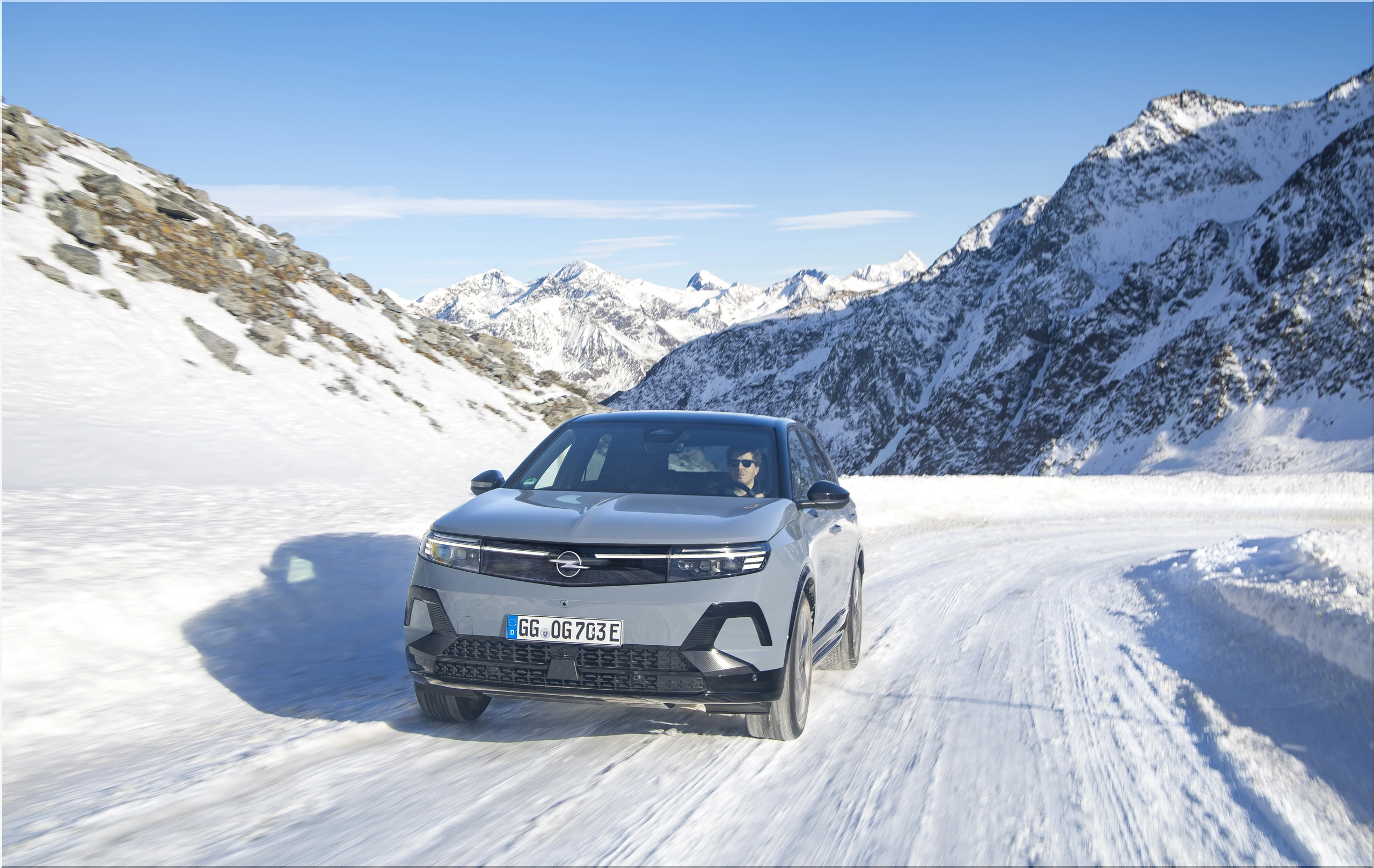
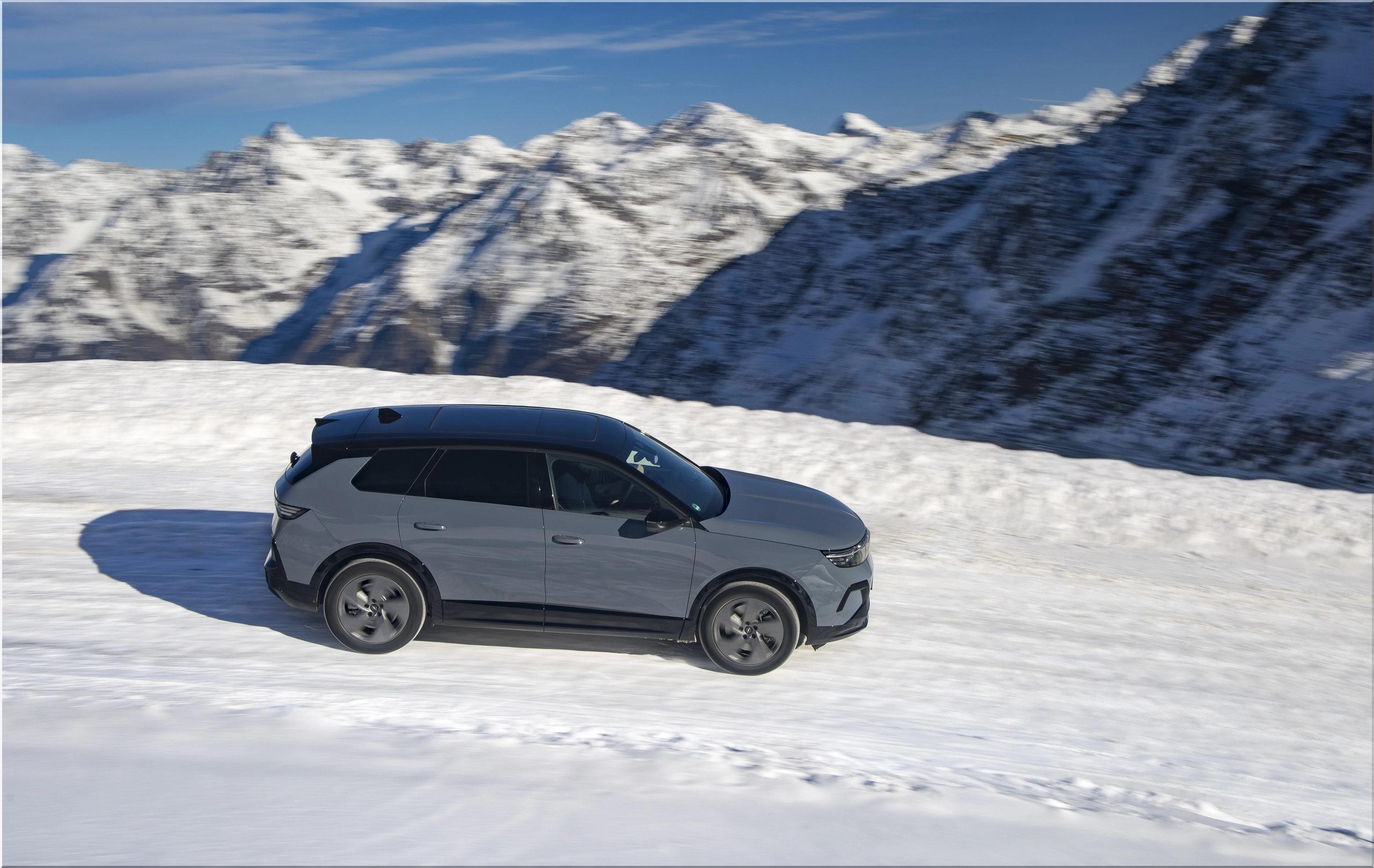
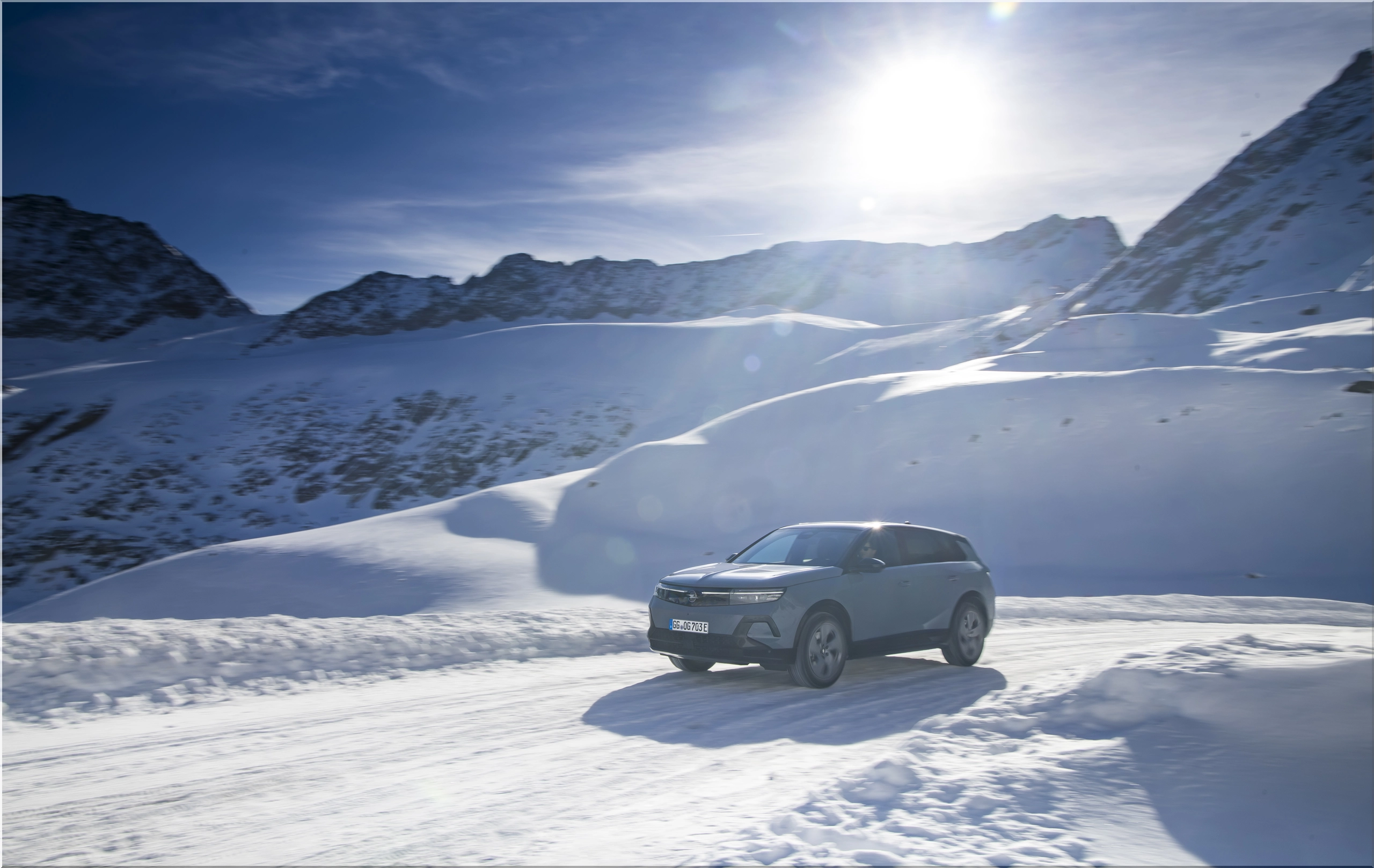
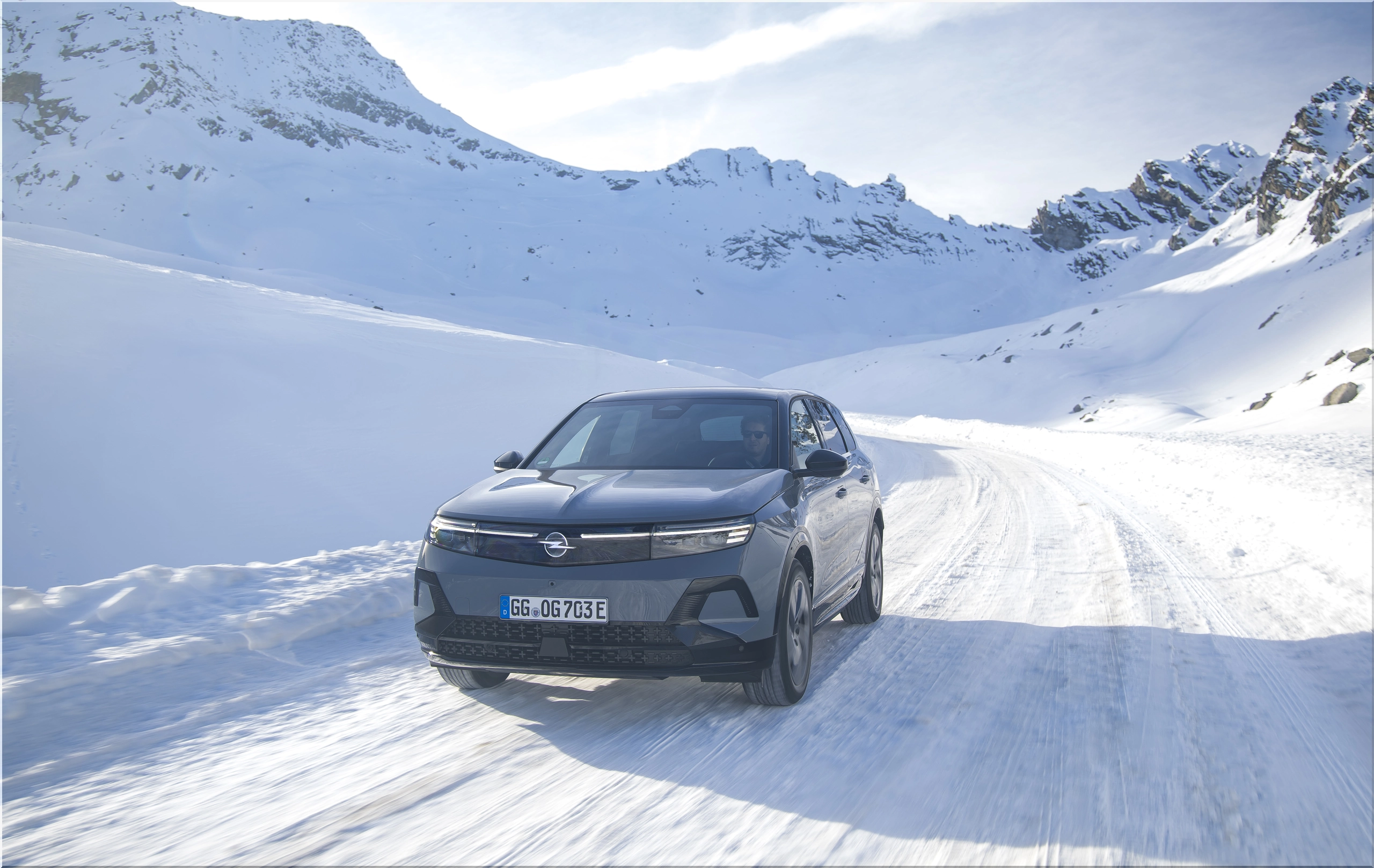
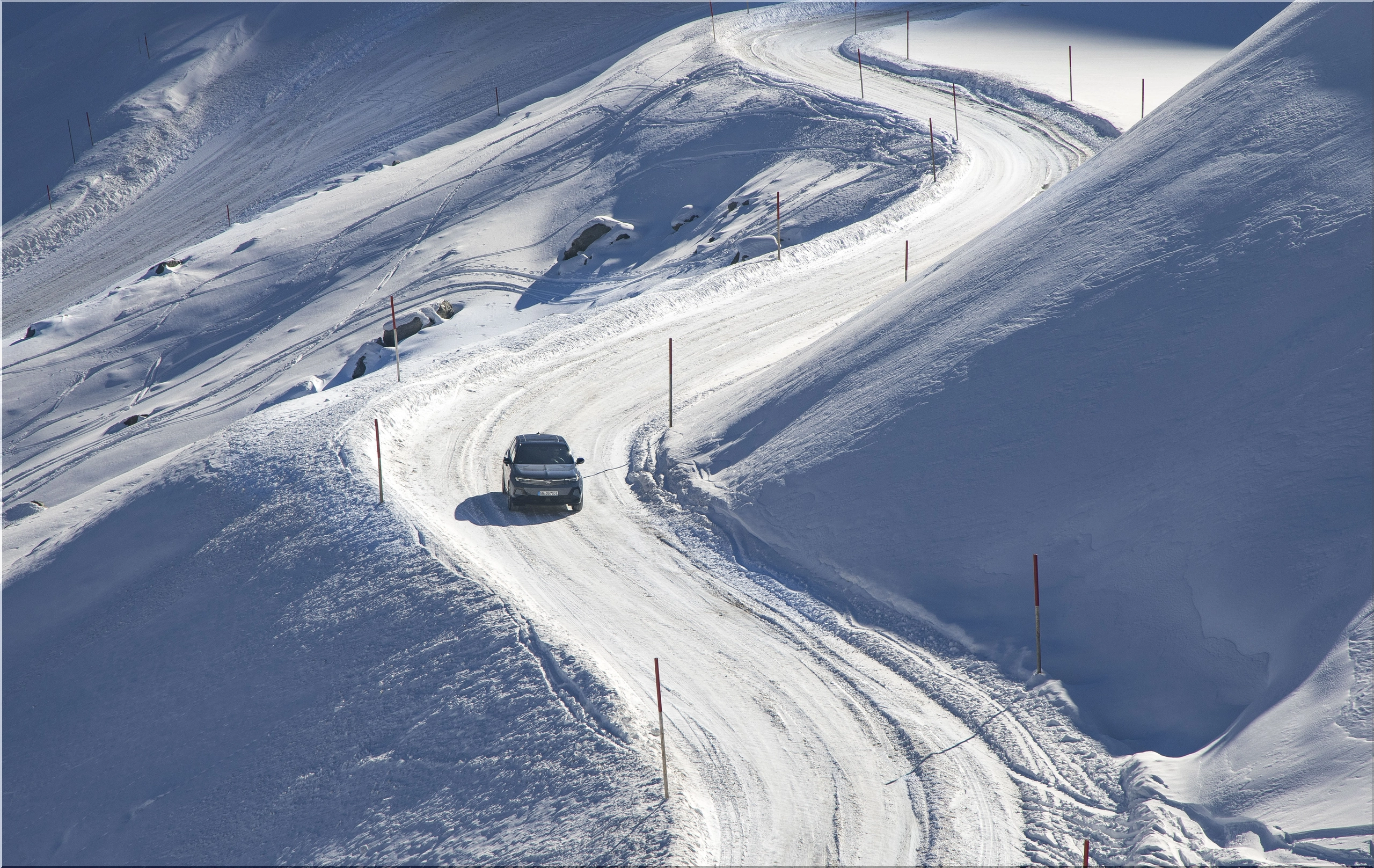
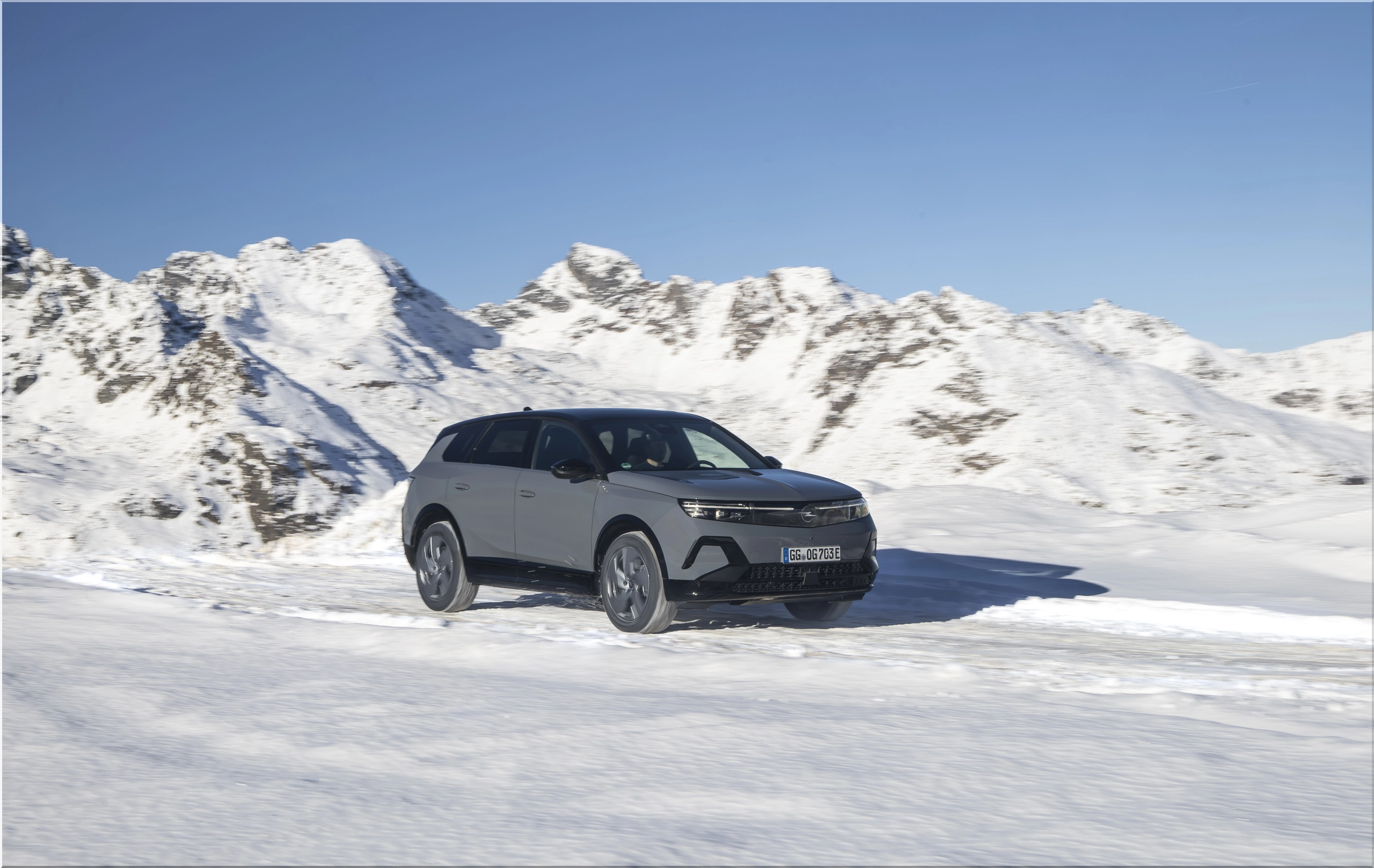
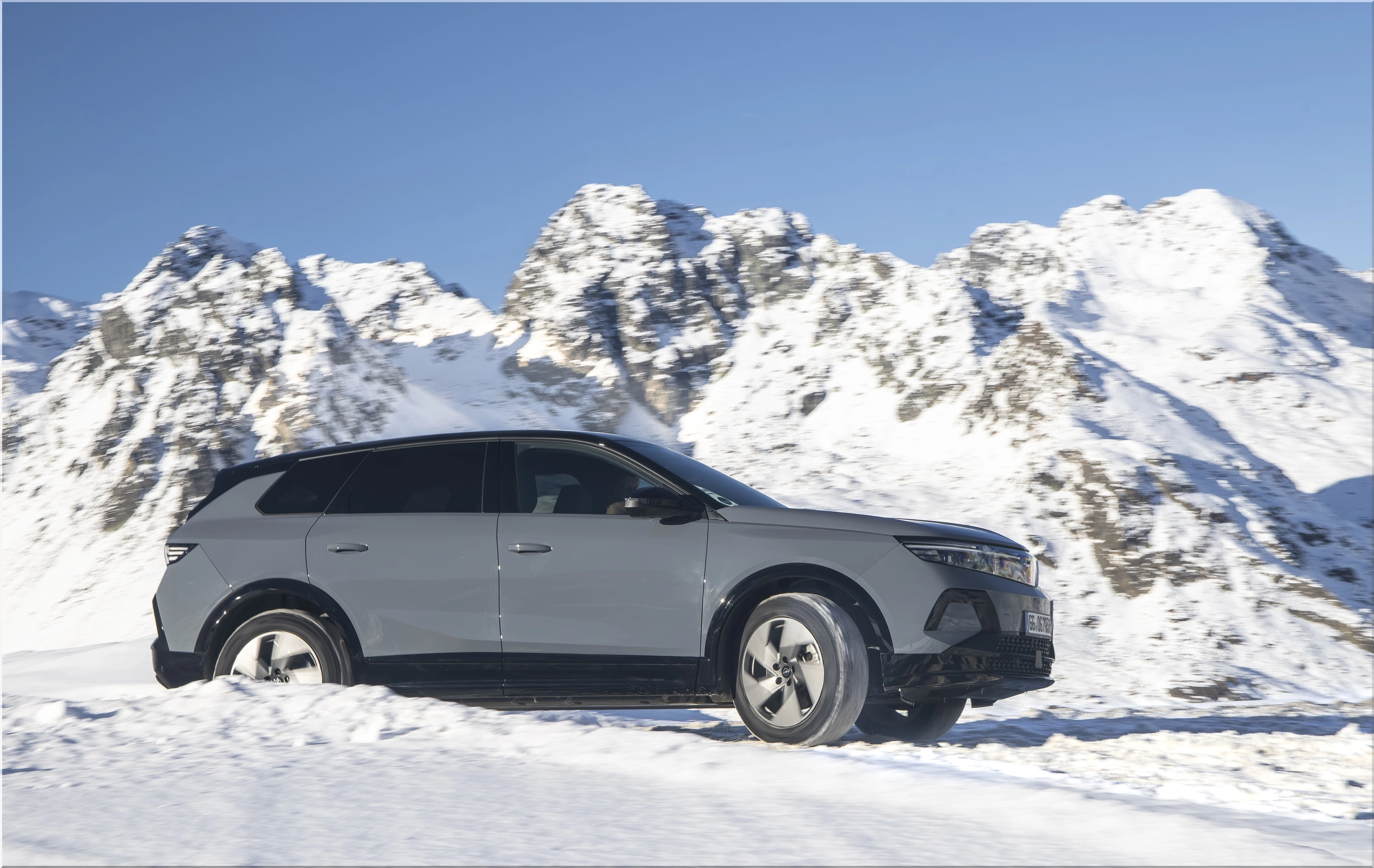
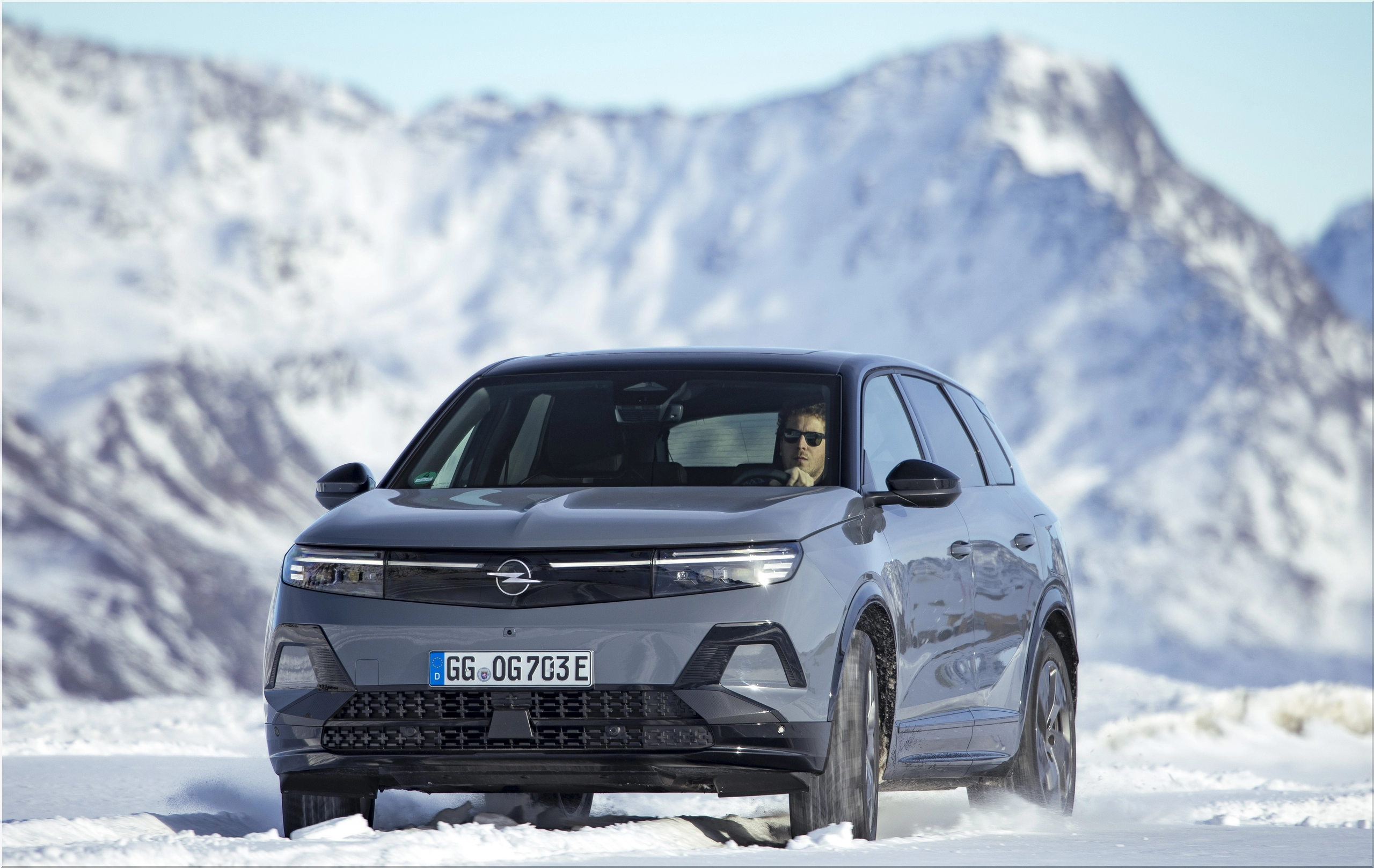
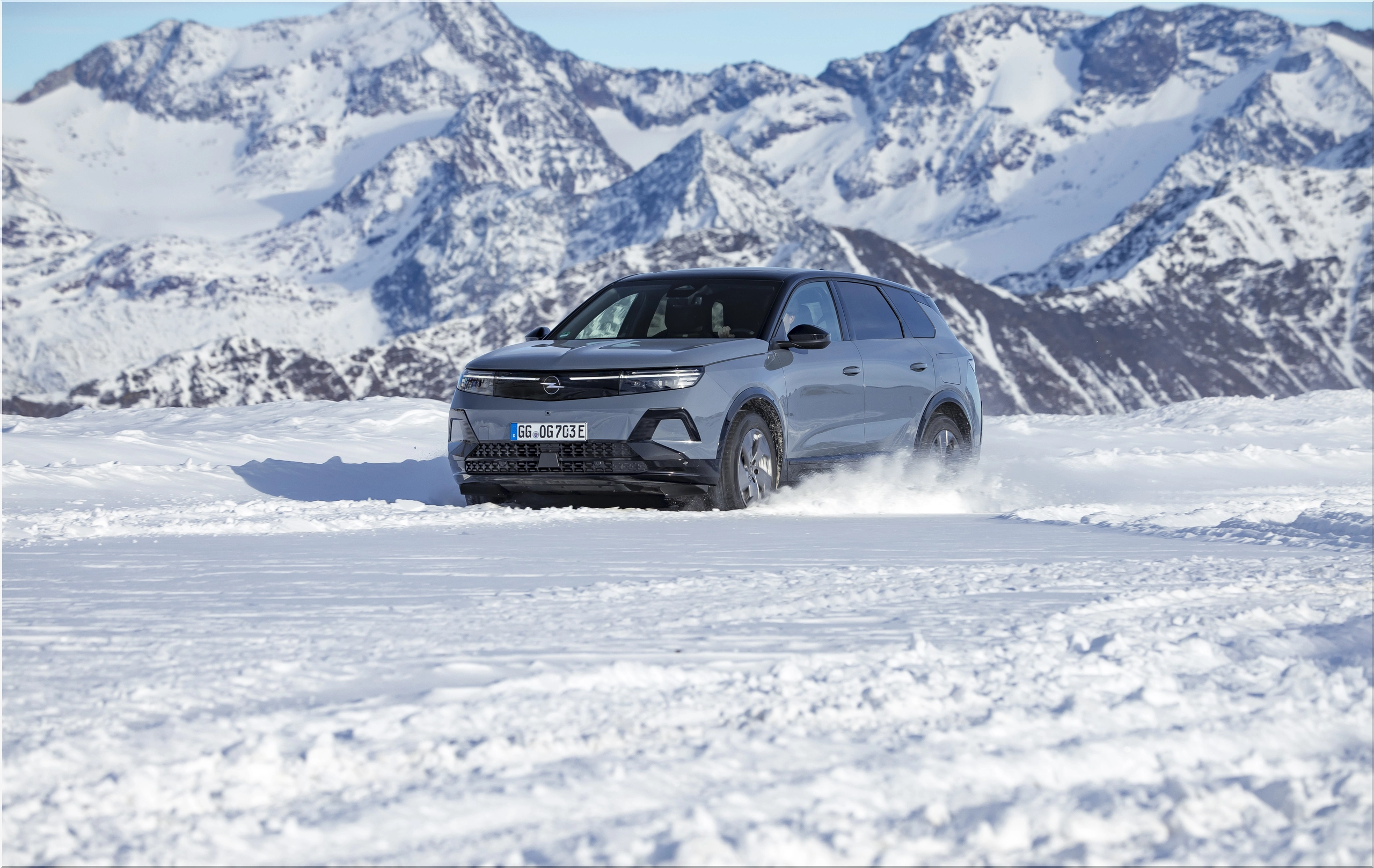
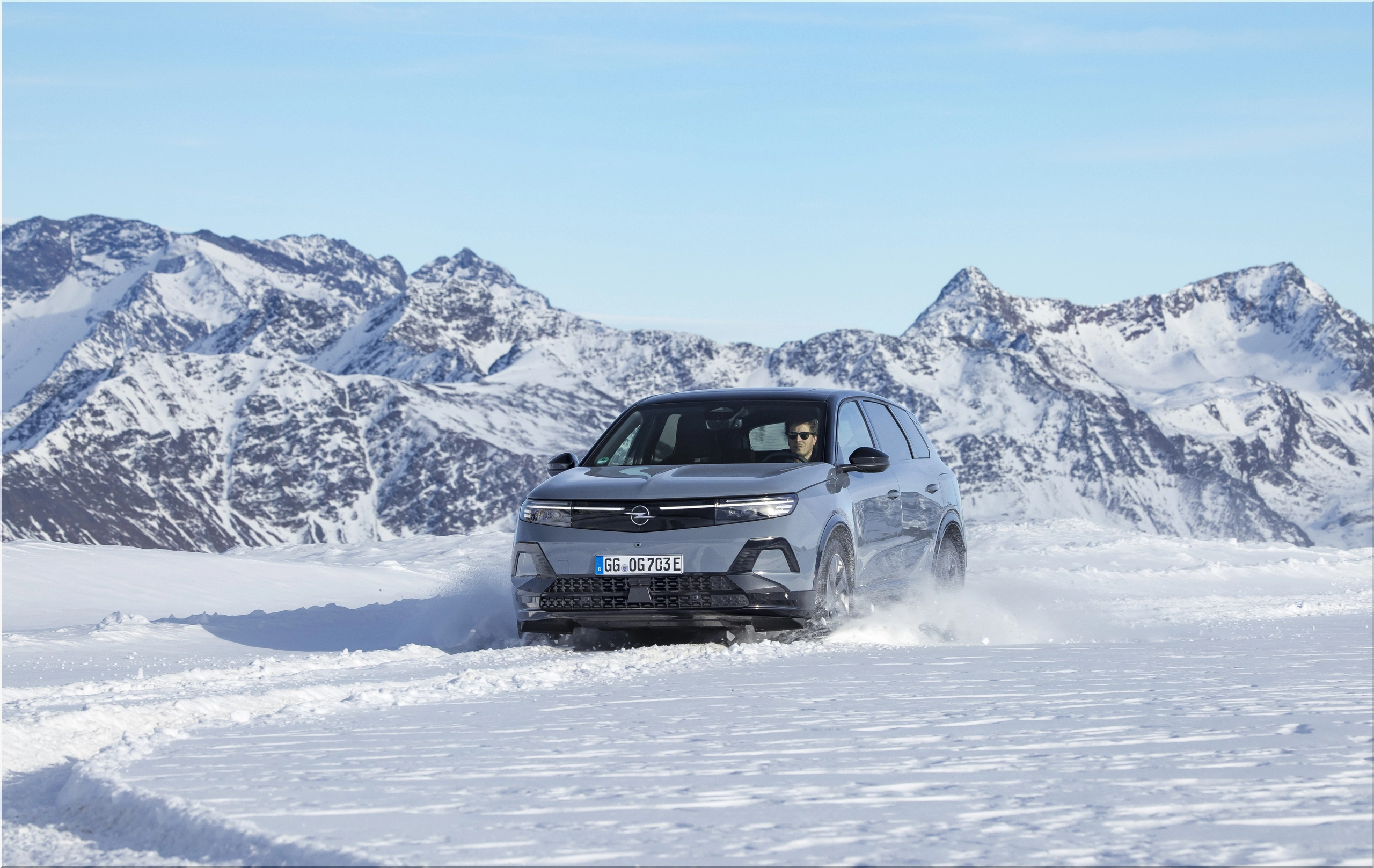
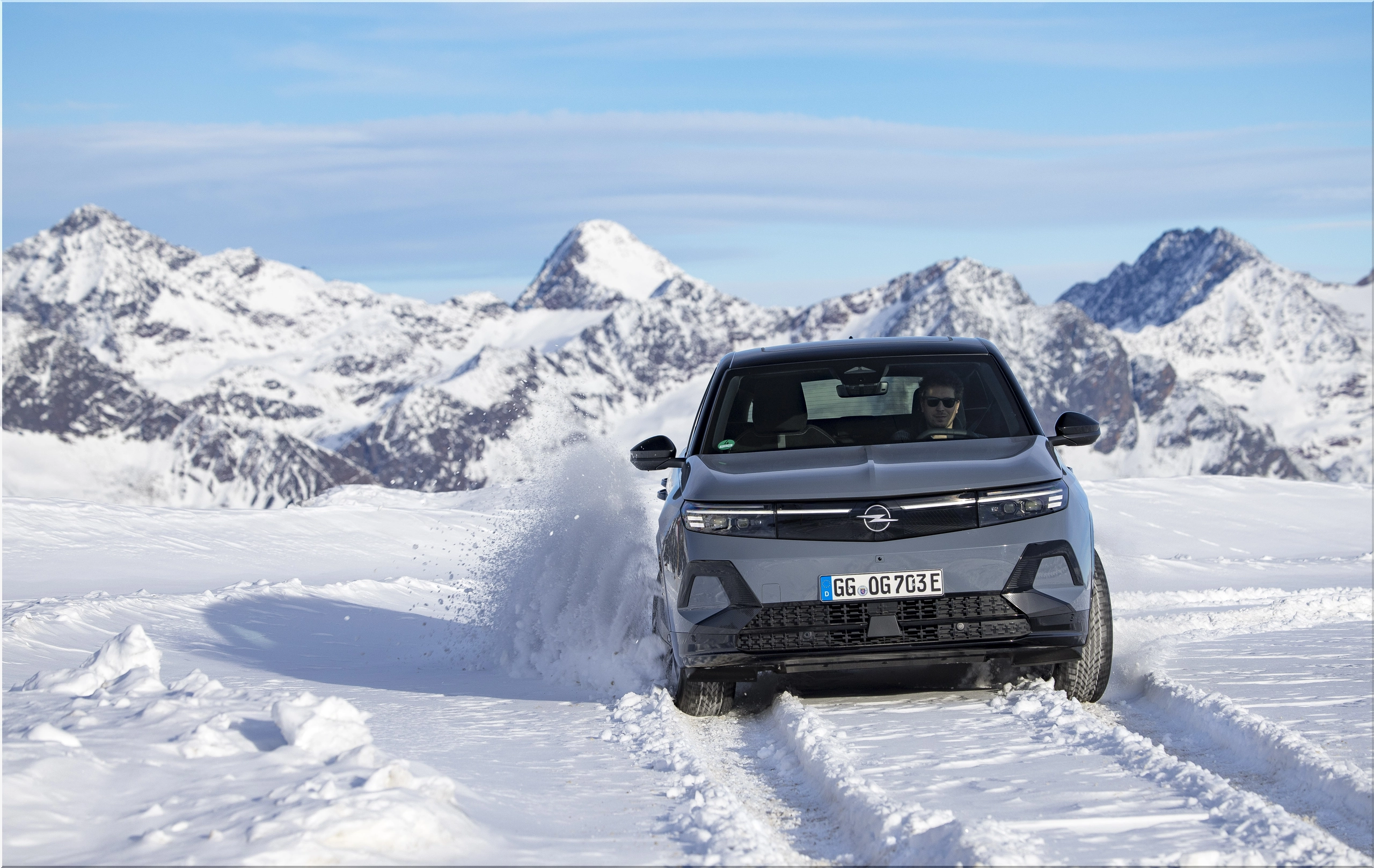
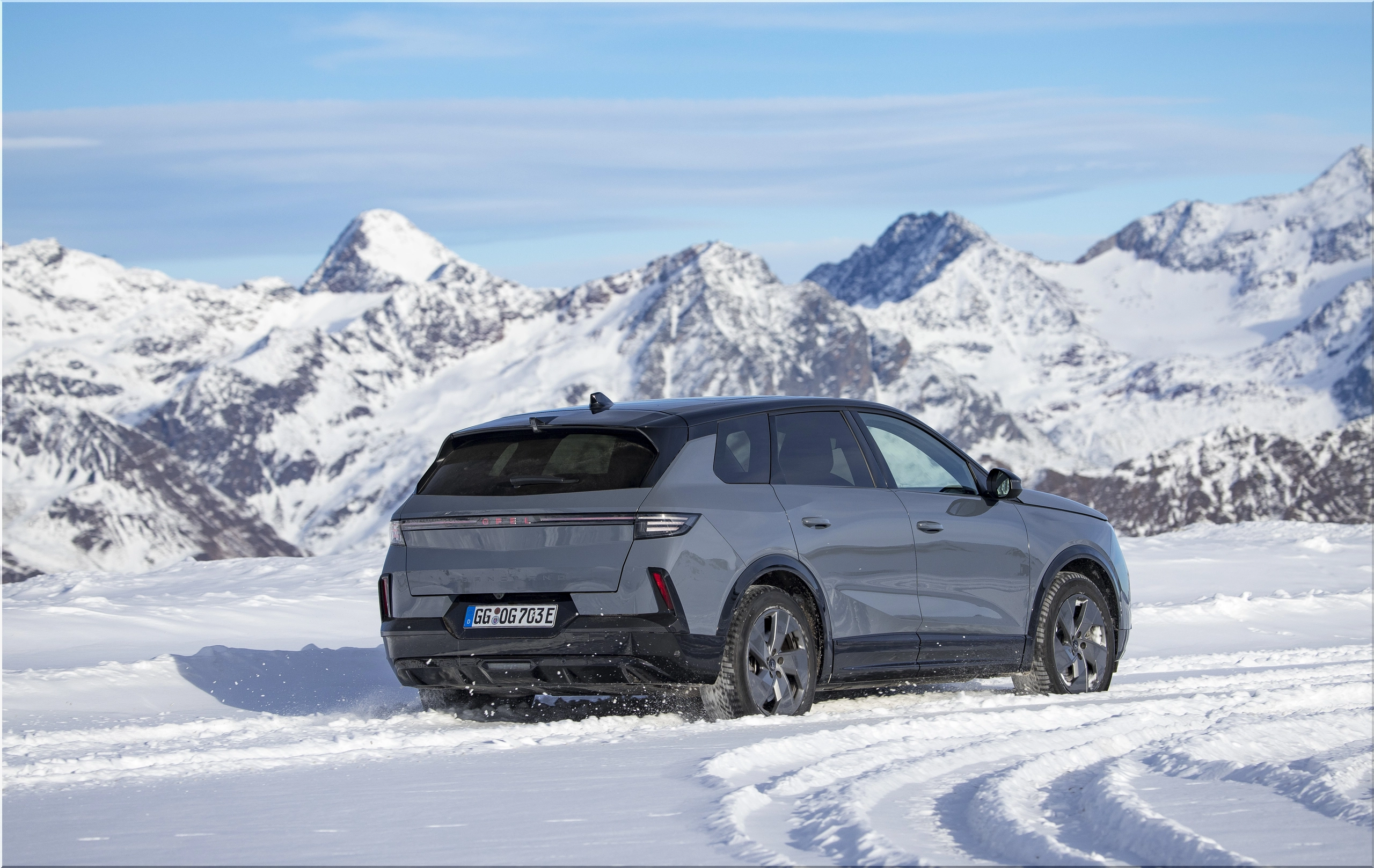
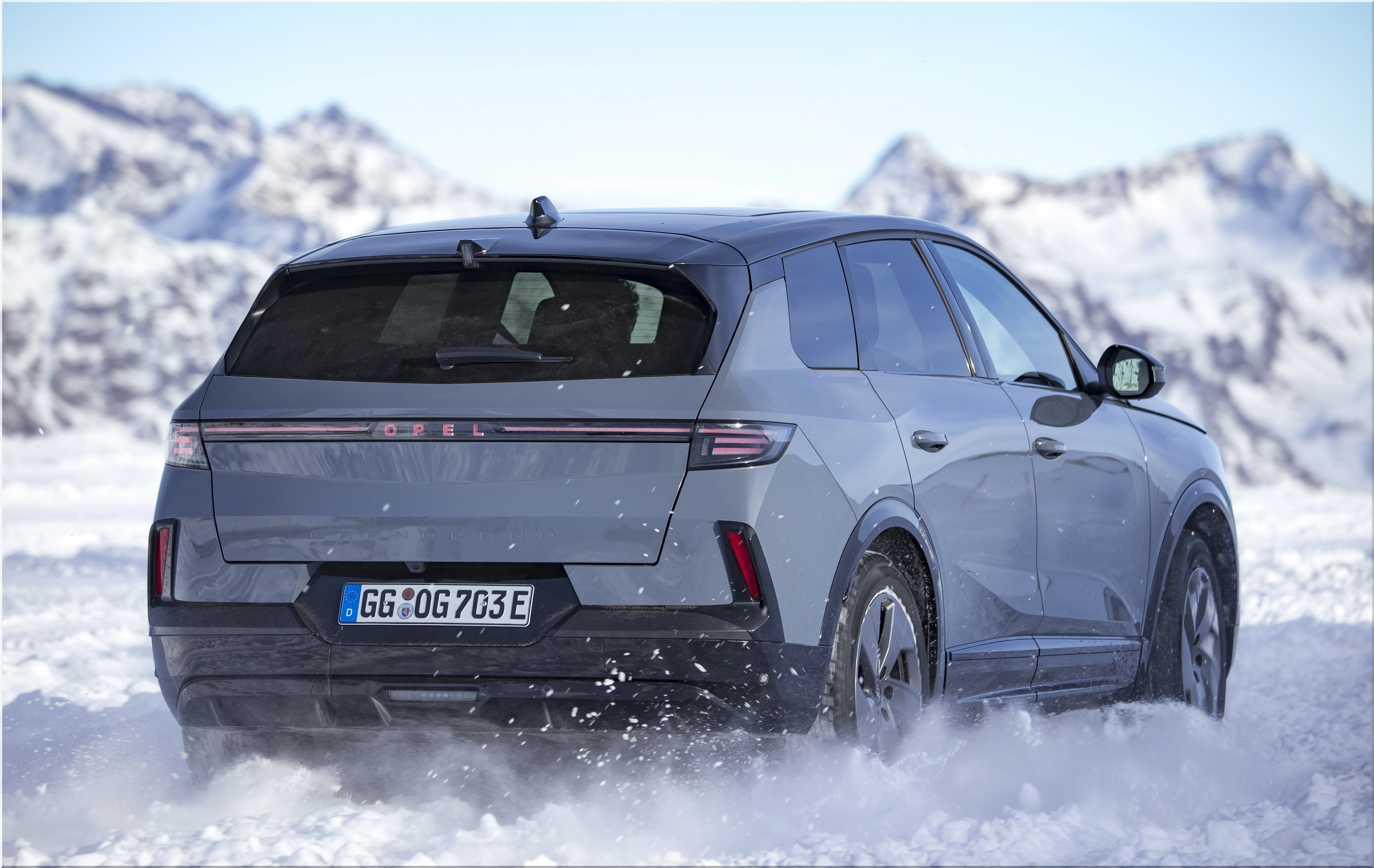
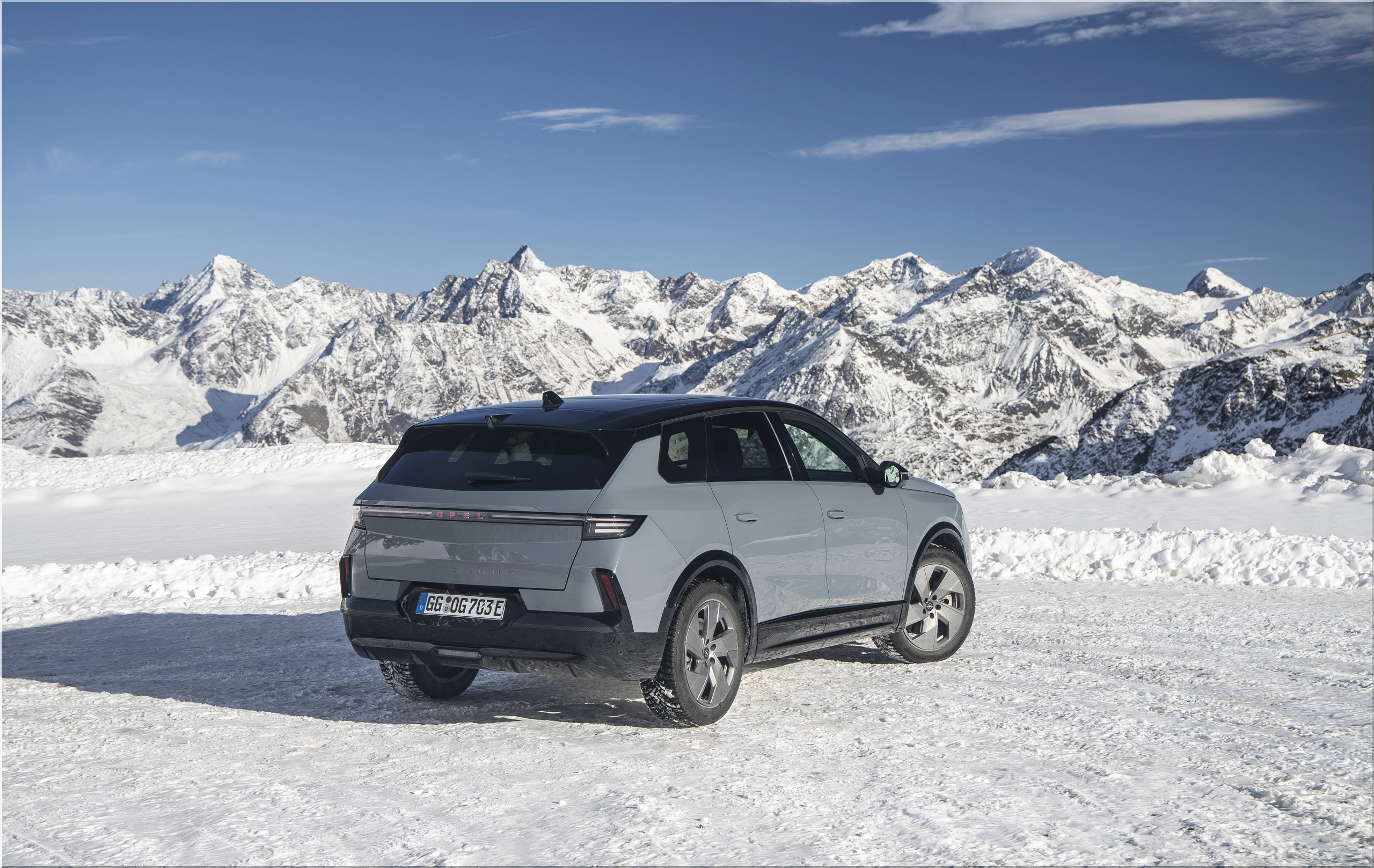
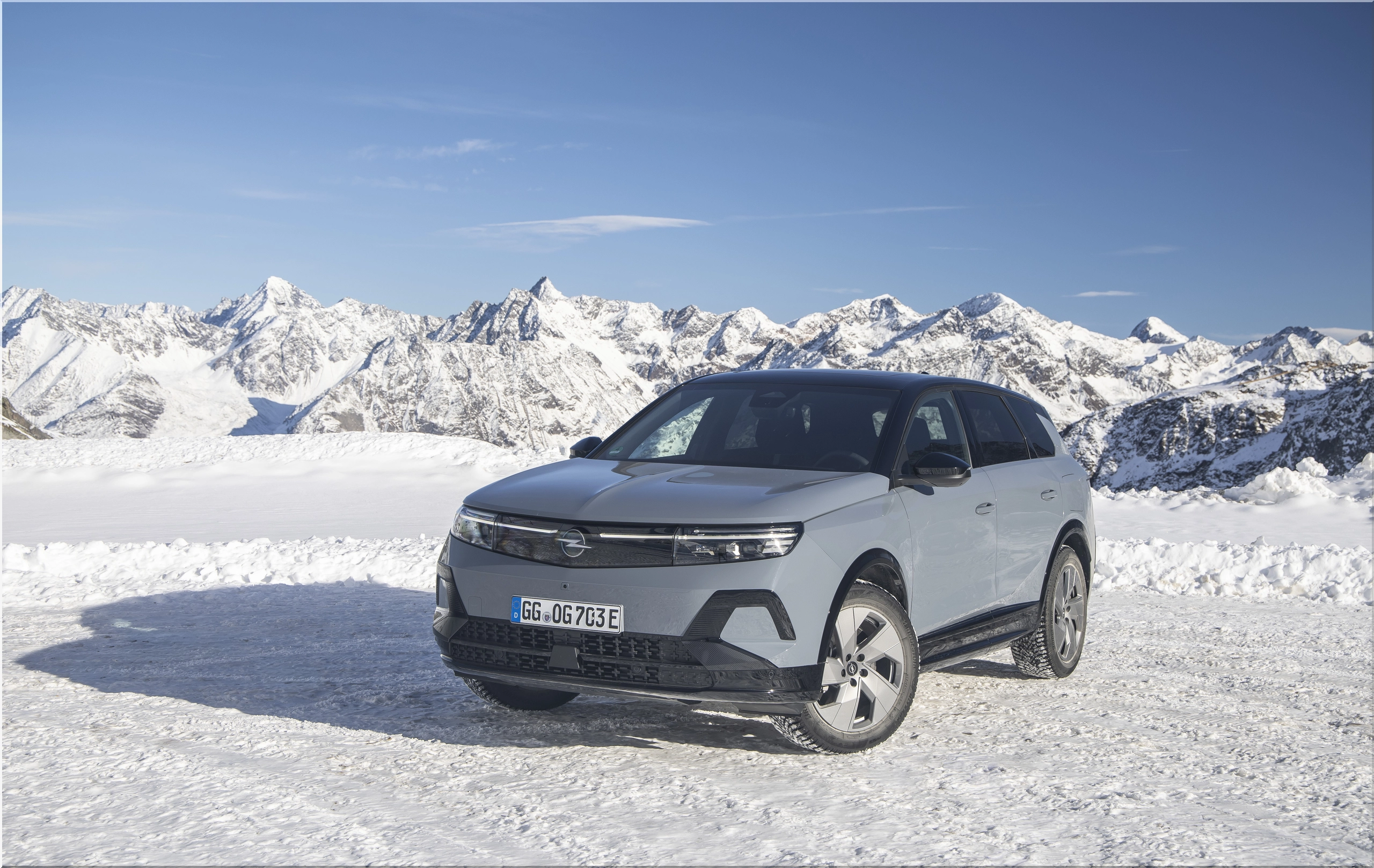
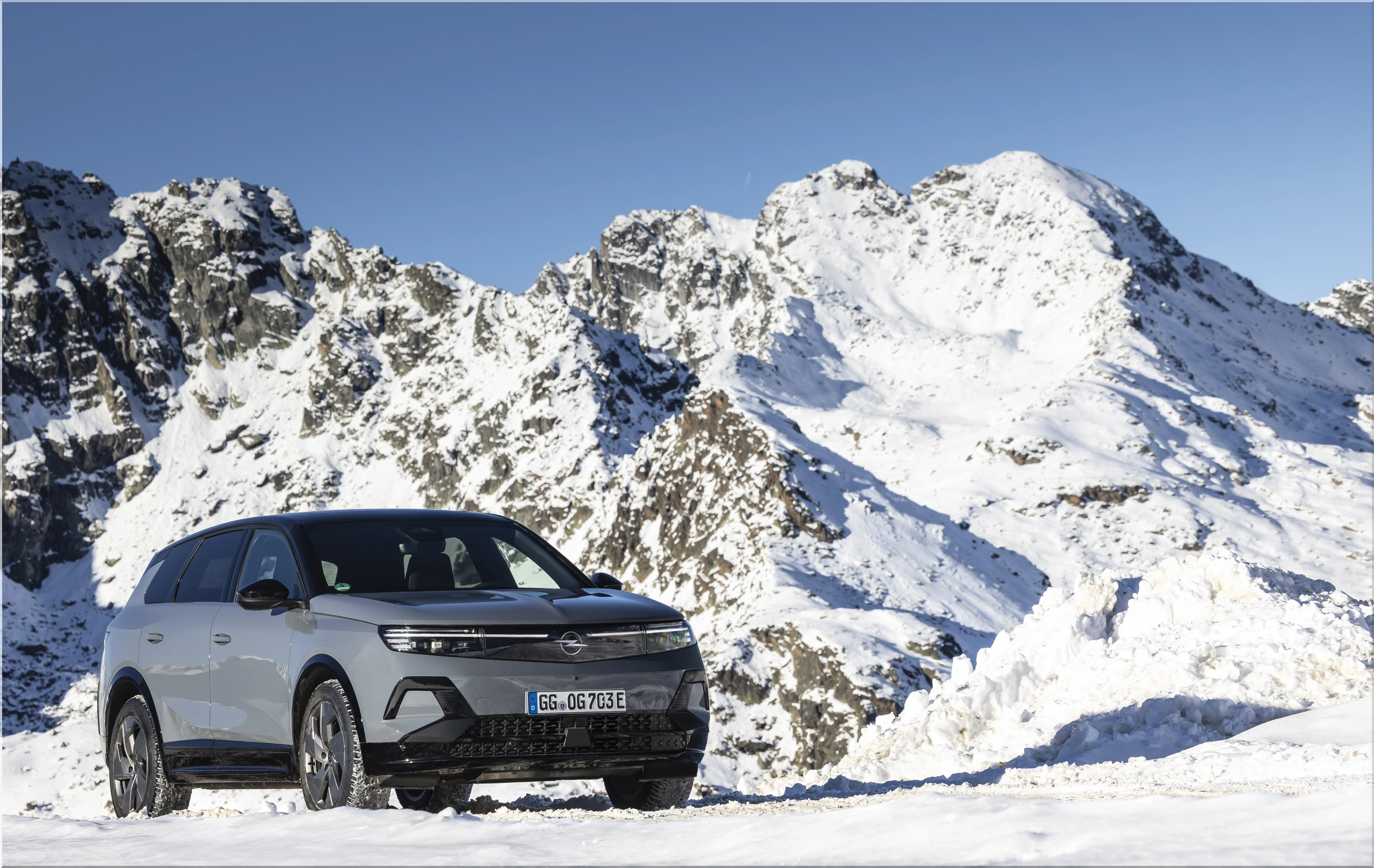
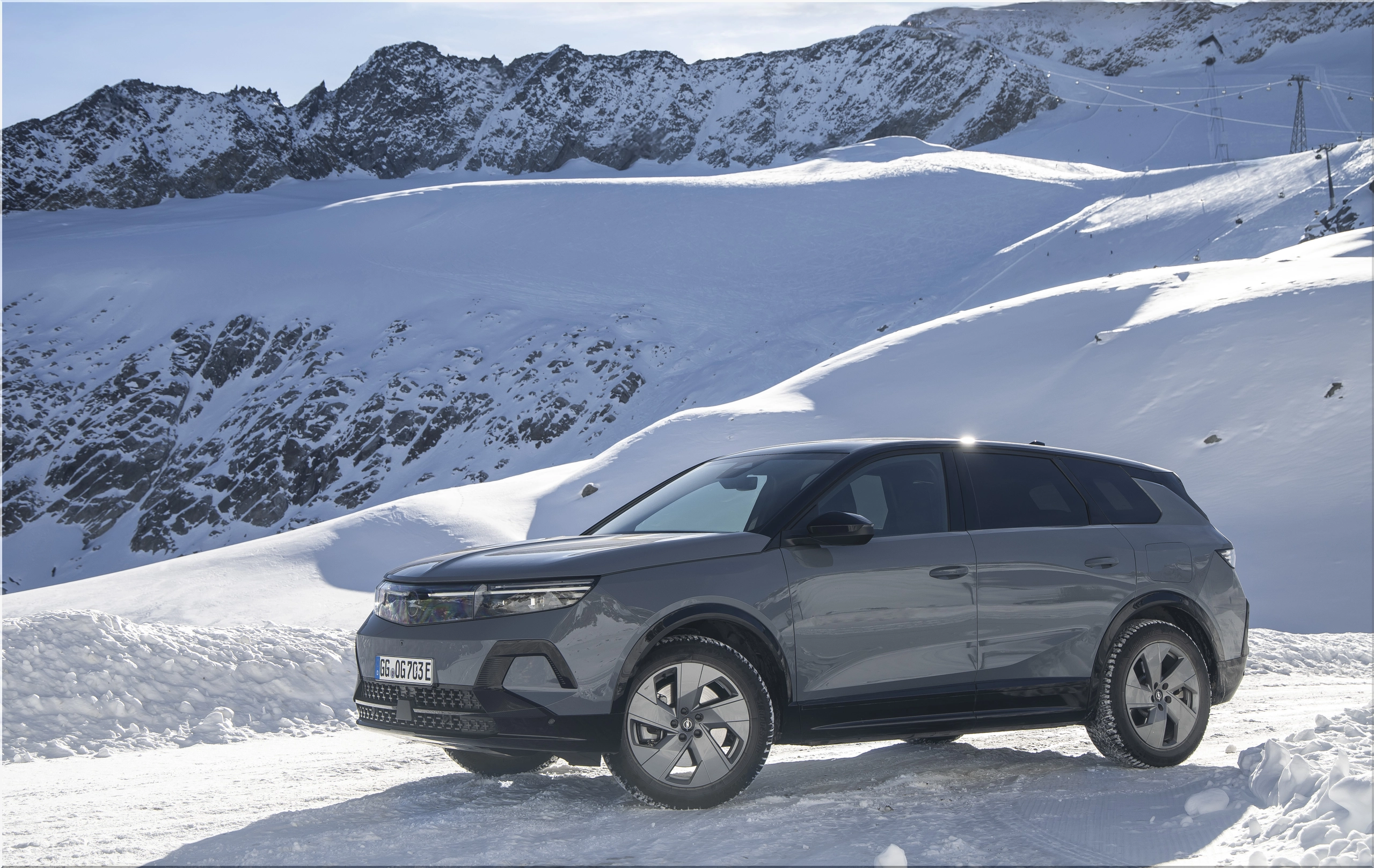
Cold weather exposes weak drivetrains fast. Snow, ice, and low grip punish delayed torque delivery and confused stability systems. The Opel Grandland Electric AWD enters this space with a clear pitch: predictable traction, fast response, and usable winter range.
Opel builds this model to answer one question. How does a compact electric SUV behave when conditions turn bad. The answer depends on hardware, software, and tuning discipline. On paper, the Grandland Electric AWD checks all three.
Electric AWD That Prioritizes Grip Over Gimmicks
The Grandland Electric AWD uses a dual-motor electric all-wheel-drive system. One motor sits on each axle. The front unit delivers 157 kW. The rear adds 83 kW. Combined output reaches 239 kW (325 horsepower) with 509 Nm of torque.
That torque arrives instantly. Electric motors do not wait for revs or turbo pressure. On snow, that immediacy matters. Opel tempers it with software that controls slip before it turns into wheelspin.
Key drivetrain facts:
- Dual electric motors with independent axle control
- Electric AWD active full-time in 4WD mode
- Instant torque delivery from standstill
- Torque split managed electronically, not mechanically
This setup avoids mechanical delays common in on-demand AWD systems. No clutches wait to engage. The system reacts in milliseconds.
Image
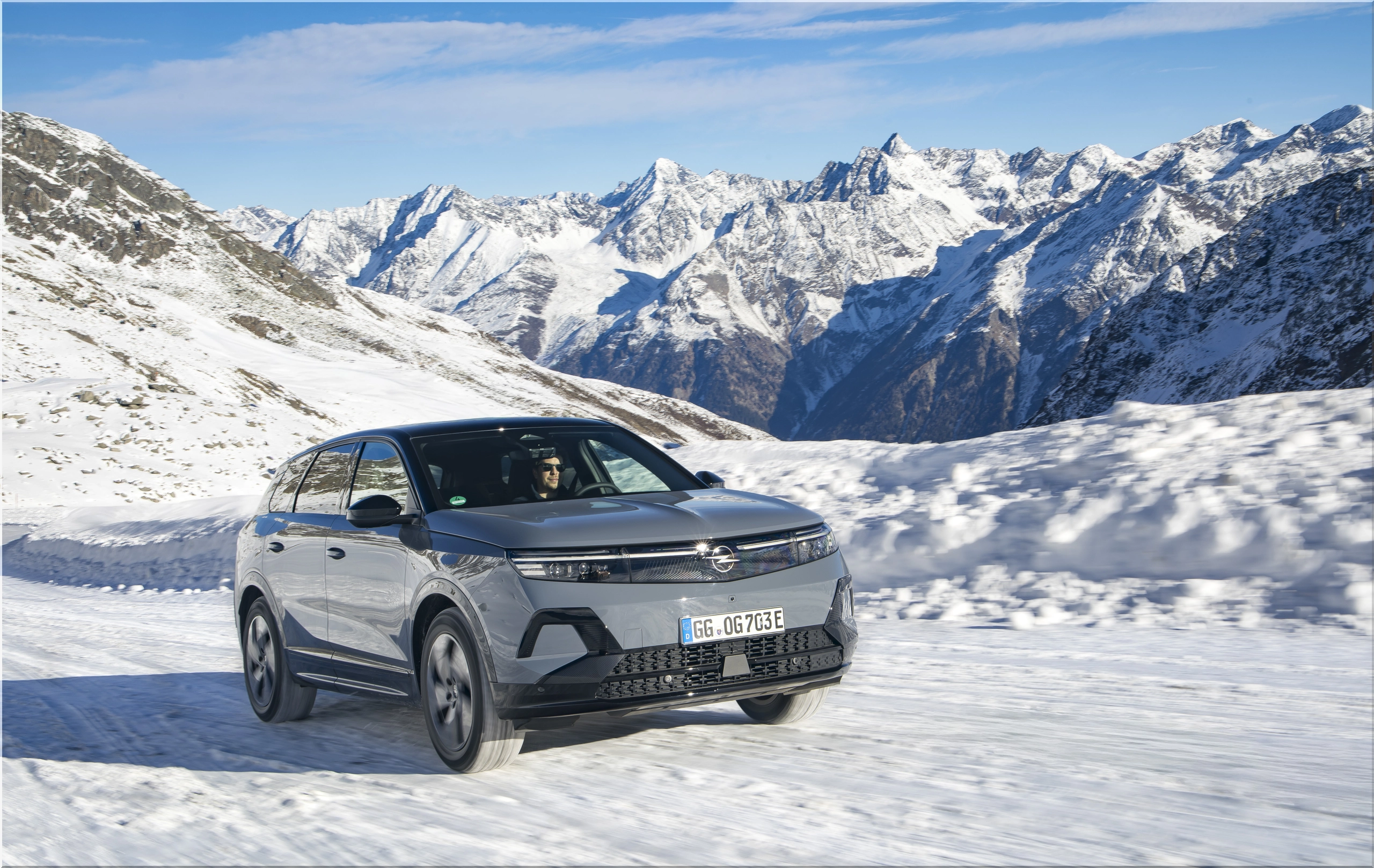
Four Drive Modes That Actually Change Behavior
Drive modes often sound like marketing. Here, they change power delivery, torque distribution, and stability thresholds.
4WD Mode
This mode targets snow, ice, and slick surfaces. Both motors run continuously. Power distributes evenly across all four wheels. Stability and traction systems adopt winter-specific logic.
Results:
- Maximum grip on low-friction surfaces
- Full power and torque available
- Reduced intervention delays
Normal Mode
Normal mode favors efficiency. The front motor handles most driving. The rear motor engages when needed, such as during hard acceleration or loss of grip.
Limits apply:
- Output capped at 230 kW (313 horsepower)
- Torque capped at 450 Nm
Sport Mode
Sport mode keeps both motors active at all times. Opel sets a 60:40 front-to-rear torque bias. Throttle response sharpens. Steering weight increases.
Eco Mode
Eco mode focuses on range. The system prioritizes the front motor. Output drops to 157 kW (213 horsepower). The rear motor activates only under heavy throttle.
Pro-Tip: In winter, 4WD mode delivers the most predictable behavior. Eco mode saves energy but reduces immediate traction response on slippery roads.
Chassis Tuning Designed for Bad Roads
Winter roads punish suspension setups. Ice hides bumps. Snow masks potholes. Opel responds with frequency-selective damping as standard on this model.
This system adjusts damping force based on input frequency:
- High-frequency impacts like rough pavement soften for comfort
- Low-frequency movements like cornering stiffen for control
The result stays simple. The vehicle remains stable under braking, calm in corners, and composed at highway speeds. Opel also retunes springs, anti-roll bars, steering, and ESC logic for AWD duty.
This matters because winter safety depends on predictability. Sudden weight transfer causes loss of grip. The Grandland Electric AWD minimizes that risk.
Winter Performance Numbers That Matter
Specs only matter if they translate to real behavior. These numbers explain winter confidence.
- 0 to 100 km/h: 6.1 seconds
- Drag coefficient: 0.278
- Battery: 73 kWh usable lithium-ion NMC
- WLTP range: up to 502 km
- DC fast charging: 20 to 80 percent in under 30 minutes
Cold weather reduces range. Aerodynamics help offset that loss. The low drag coefficient supports efficiency at highway speeds, where winter driving often happens.
Image
Cold-Weather Range and Charging Reality
Electric vehicles face scrutiny in winter. Heating drains energy. Batteries accept charge slower when cold. Opel counters both issues with thermal management and charging capability.
The Grandland Electric AWD preconditions its battery. That helps maintain charging speed at DC fast chargers. Short charging stops reduce downtime during winter trips.
Battery preconditioning warms or cools the battery before charging. This allows faster energy transfer and protects cell longevity.
In real use, winter drivers benefit from:
- Faster DC charging in cold conditions
- More stable energy consumption on highways
- Reduced range volatility during temperature swings
Lighting and Visibility Add Real Safety Value
Winter driving reduces visibility early. Opel equips the Grandland Electric AWD with adaptive HD matrix headlights. These headlights adjust beam patterns dynamically and avoid glare for oncoming traffic.
Benefits include:
- Wider illumination on dark roads
- Better visibility during snowfall
- Reduced driver fatigue
This feature matters during long winter drives when daylight disappears early.
Interior Practicality for Cold Climates
Winter vehicles must handle gear, wet clothing, and frequent temperature changes. The Grandland Electric AWD supports that use case with:
- Flat rear floor for passenger comfort
- Rear motor packaging that does not intrude on cargo space
- Efficient cabin heating tuned for EV operation
Opel focuses on function rather than novelty here.
Competitive Comparison: Electric AWD Compact SUVs
Buyers compare electric AWD SUVs across price, power, range, and traction behavior. The table below places the Grandland Electric AWD in context.
| Model | Power (hp) | Torque (Nm) | WLTP Range (km) | AWD Type | Approx Price USD |
|---|---|---|---|---|---|
| Opel Grandland Electric AWD | 325 | 509 | 502 | Dual-motor electric | ~$53,500 |
| Tesla Model Y Long Range AWD | 384 | 510 | 533 | Dual-motor electric | ~$54,990 |
| Volkswagen ID.4 GTX | 299 | 460 | 480 | Dual-motor electric | ~$52,000 |
| Skoda Enyaq Coupe RS iV | 299 | 460 | 500 | Dual-motor electric | ~$55,000 |
SEO Insight: Buyers searching for electric AWD SUVs value winter traction, real-world range, and charging speed more than peak acceleration figures.
Pricing and Market Position
The Opel Grandland Electric AWD launches in Europe at €49,450. Converted, that equals roughly $53,500 USD before local taxes or incentives.
This pricing places it directly against:
- Tesla Model Y Long Range AWD
- Volkswagen ID.4 GTX
- Skoda Enyaq RS variants
Opel positions the Grandland Electric AWD as a practical choice rather than a performance statement.
What This Means for Winter-Focused Buyers
Electric AWD solves traction. Software tuning decides whether that traction helps or hurts. Opel approaches this with restraint.
Key takeaways:
- Electric AWD reacts faster than mechanical systems
- Winter-specific drive modes reduce driver workload
- Chassis tuning supports stability on uneven surfaces
- Charging behavior supports cold-weather travel
This vehicle targets drivers who face snow regularly. It prioritizes control over flash.
What Now: How Buyers Should Evaluate It
If winter conditions shape your purchase decision, evaluate the Grandland Electric AWD on these points:
- Test 4WD mode on low-grip surfaces.
- Observe throttle response at low speeds.
- Check DC charging behavior in cold weather.
- Compare real-world range against your commute.
This approach cuts through spec sheet noise.
Final Assessment
The Opel Grandland Electric AWD delivers what winter drivers ask for. Traction arrives immediately. Stability systems intervene early and smoothly. Range remains usable in cold conditions.
Opel avoids exaggeration. The result feels deliberate. For drivers in snow-heavy regions, that focus makes sense.
- Add new comment
- 163 views