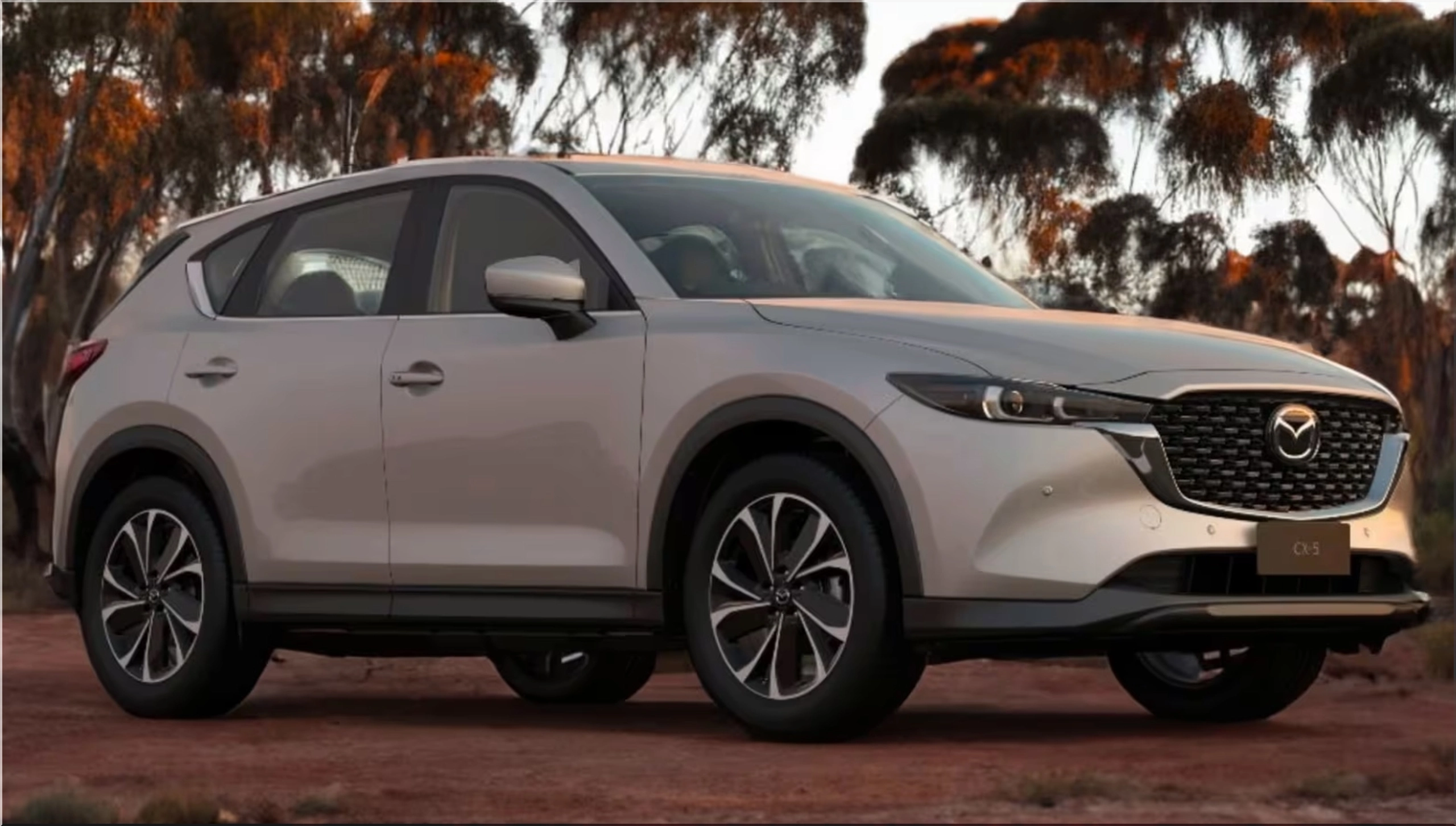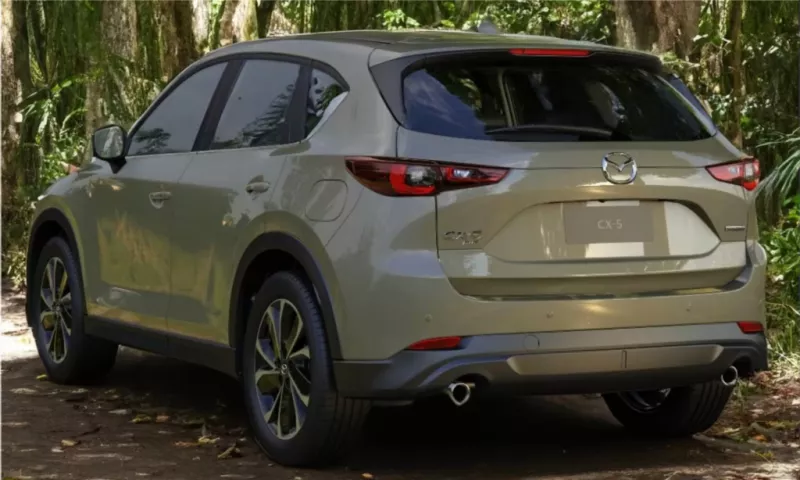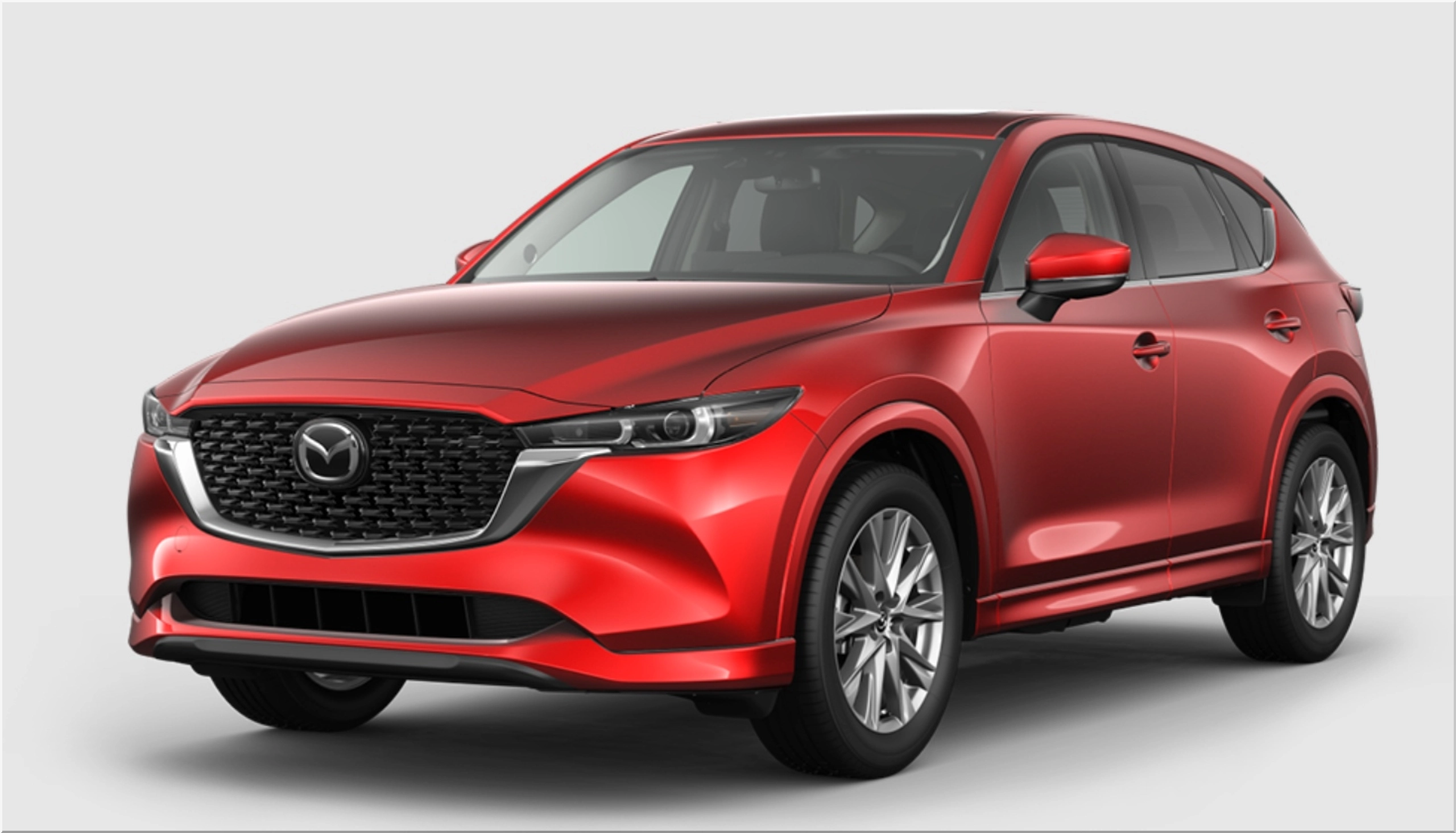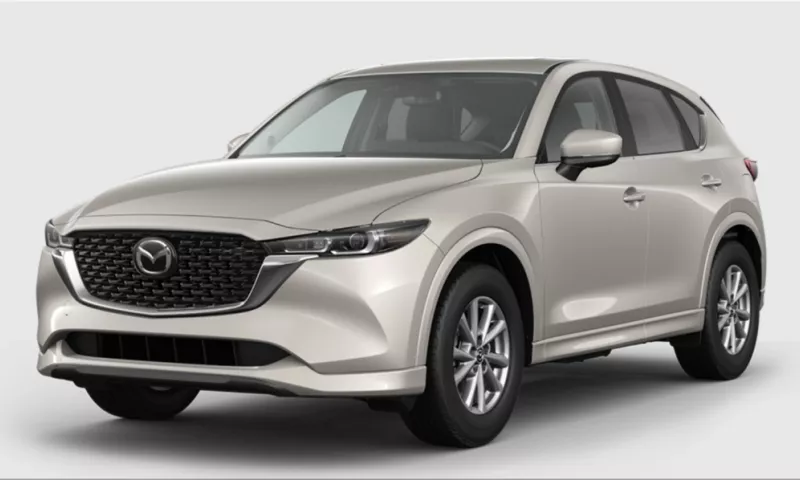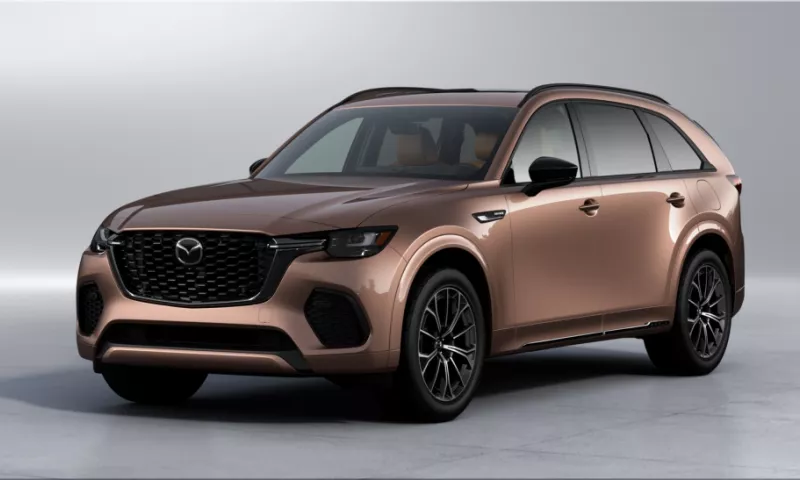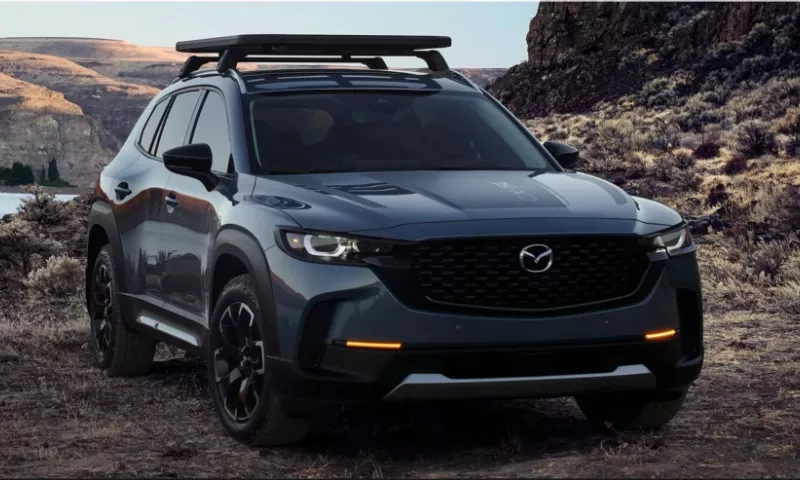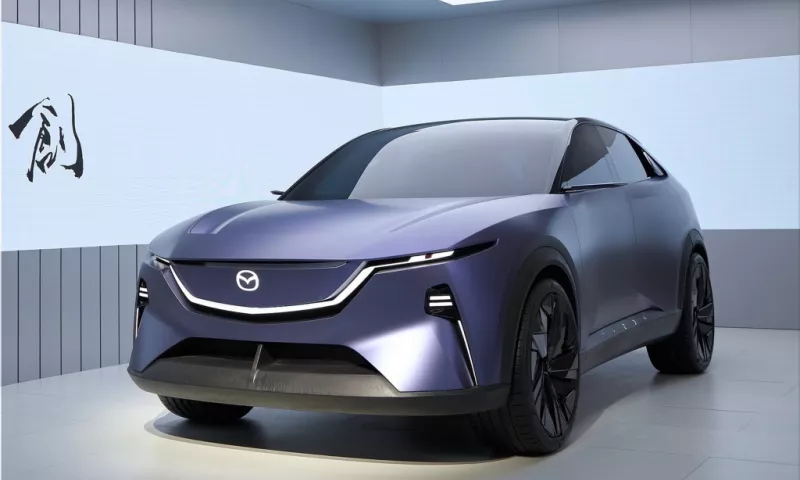
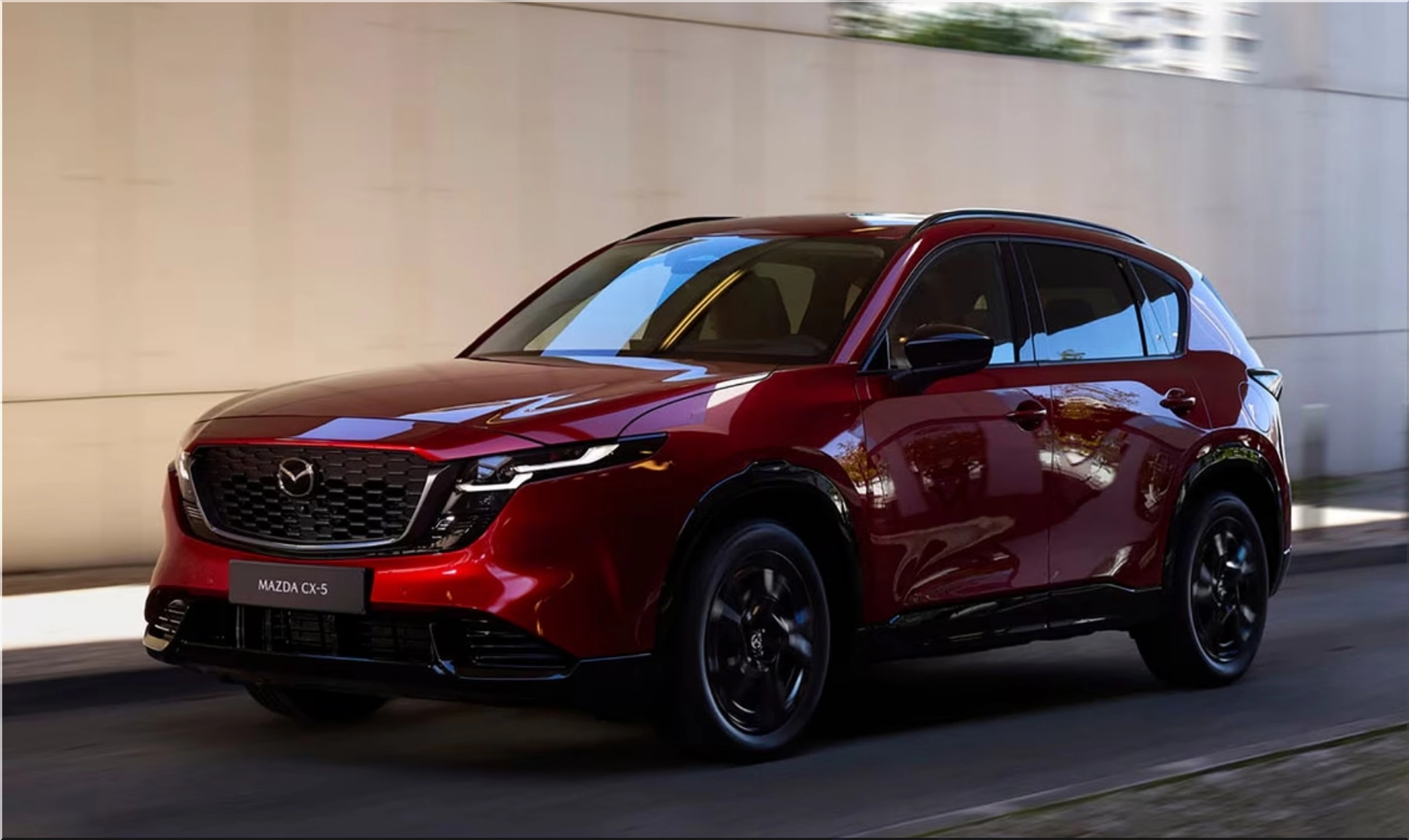
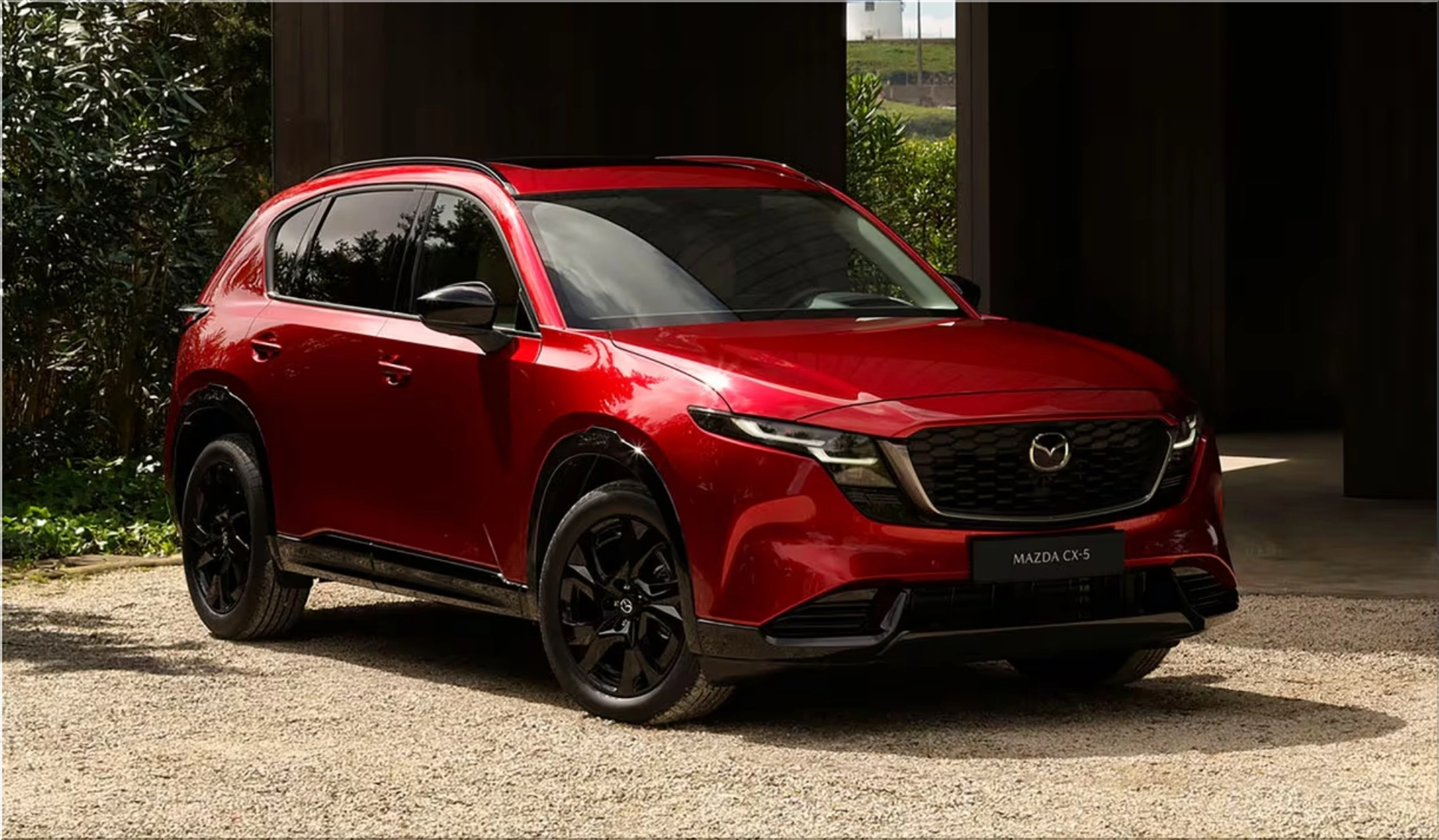
The numbers are in. As of late 2025, the Mazda CX-5 reached a staggering milestone: five million units produced and sold globally. Since its 2011 debut, this crossover SUV transformed from a newcomer into the bedrock of the Mazda brand. It is now the third Mazda nameplate to cross the five-million mark, following the Mazda3 and the veteran Mazda323. Notably, the CX-5 hit this target faster than any other model featuring Skyactiv Technology and Kodo design. It currently accounts for roughly one-third of the brand's total annual volume, maintaining a consistent, refined driving experience that attracts a broad buyer base across 100 countries.
Image
The Evolution of a Best-Seller: From 2011 to 2026
Mazda launched the first-generation CX-5 at the 2011 Frankfurt Motor Show. It arrived with a clear mission: prove that a functional SUV can handle like a sport sedan. By 2015, production hit one million units. The second generation arrived in late 2016, adding i-Activ AWD as a core component and refining the interior to compete with entry-level luxury brands. This generation introduced G-Vectoring Control, a software-based system that adjusts engine torque in response to steering input to improve cornering stability.
By the end of 2025, the global tally hit 5,000,000. This growth is supported by a massive manufacturing footprint. While production started at Ujina Plant No. 2 in Hiroshima, it quickly expanded to Ujina Plant No. 1 and the Hofu Plant. Local assembly in Malaysia and Vietnam, along with production at Changan Mazda in China, further solidified its dominance. The second-generation model proved so popular that it remained the brand's top seller even as newer "CX" models entered the lineup.
Mazda CX-5 Global Production Milestones
| Milestone | Year Reached | Context |
|---|---|---|
| Global Production Start | 2011 | Ujina Plant No. 2 |
| 1 Million Units | 2015 | Record pace for Mazda |
| 2nd Generation Launch | 2016 | Refined Kodo Design |
| 3rd Generation Reveal | 2025 | European debut in July |
| 5 Million Units | 2025 | Cumulative global total |
Looking Ahead: The 2026 Third-Generation Redesign
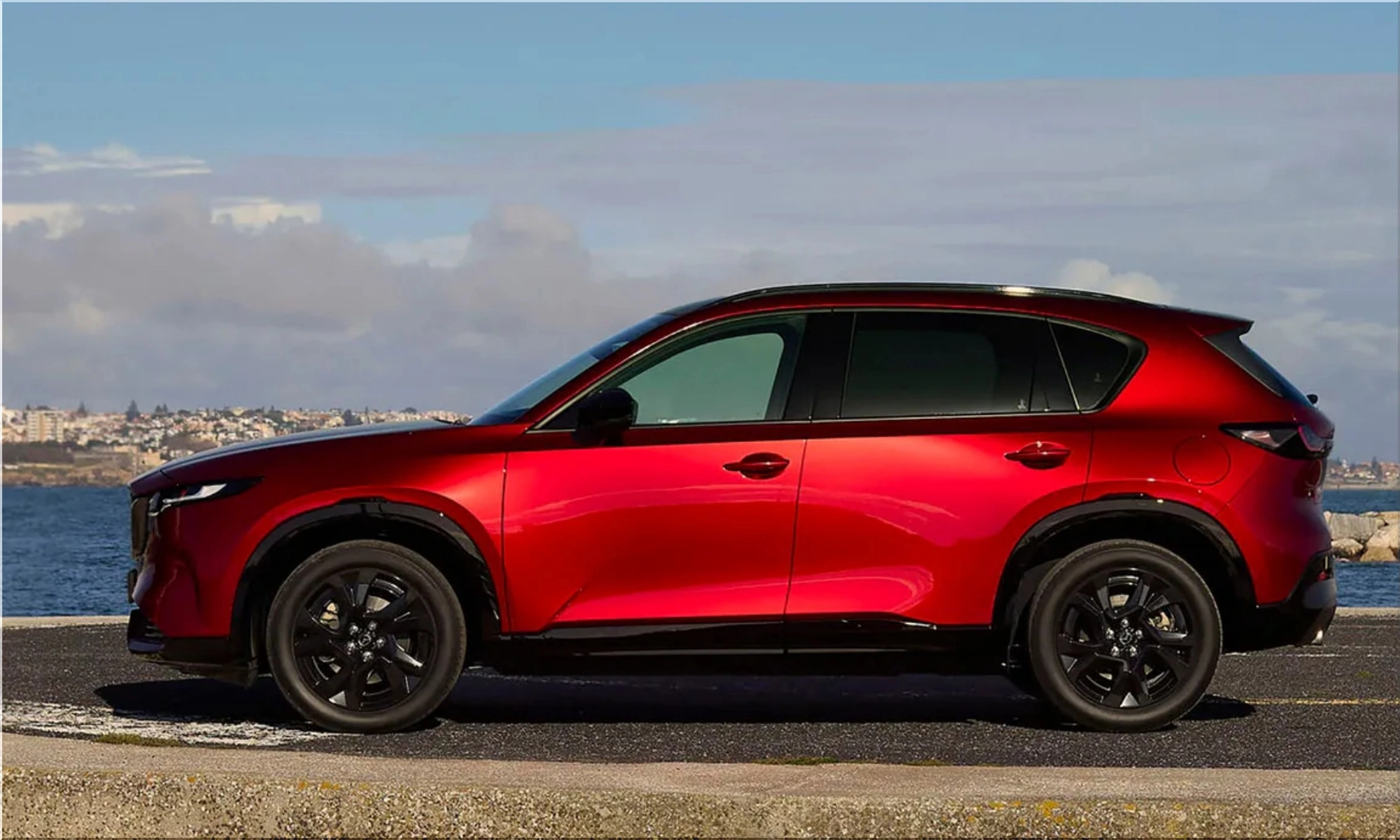
The all-new CX-5 unveiled in Europe in July 2025 marks a total overhaul. While the outgoing model remains a strong seller, the third generation targets specific market shifts in interior space and smart technology. Production of the second-generation model is slated to end in March 2026 to make room for the new version. This transition is timed to meet stricter Euro 7 emissions standards and updated IIHS crash test protocols in the United States.
Image
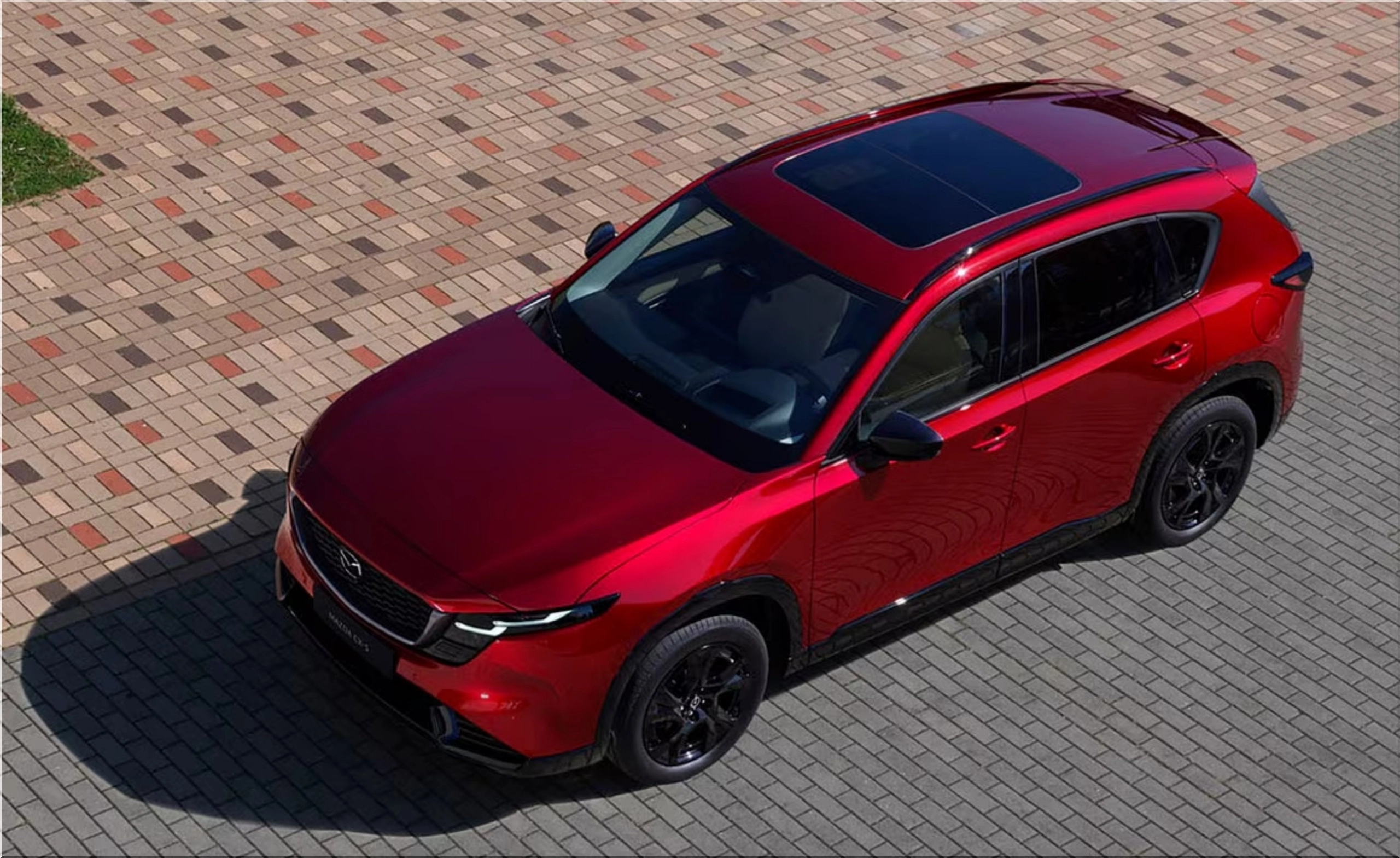
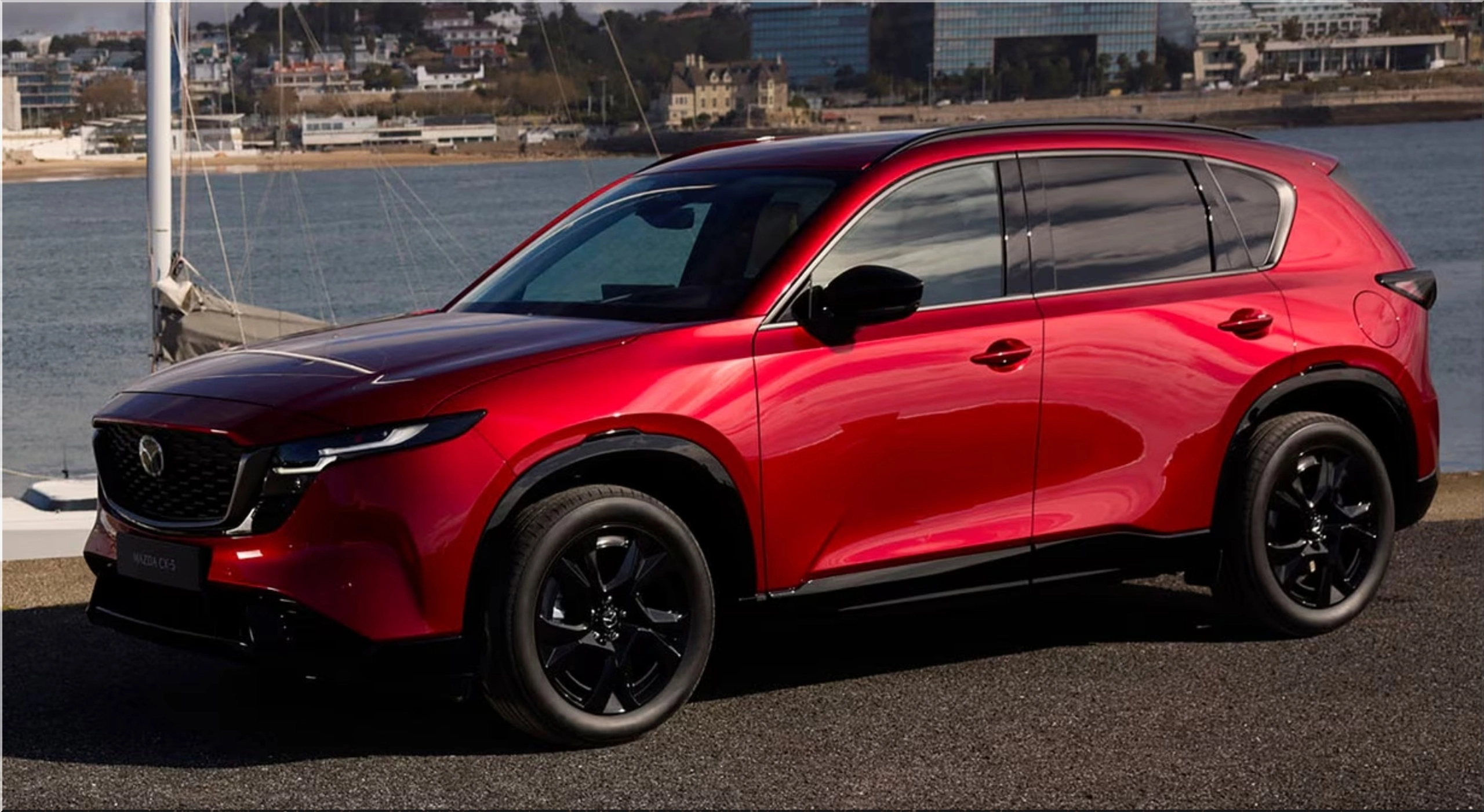
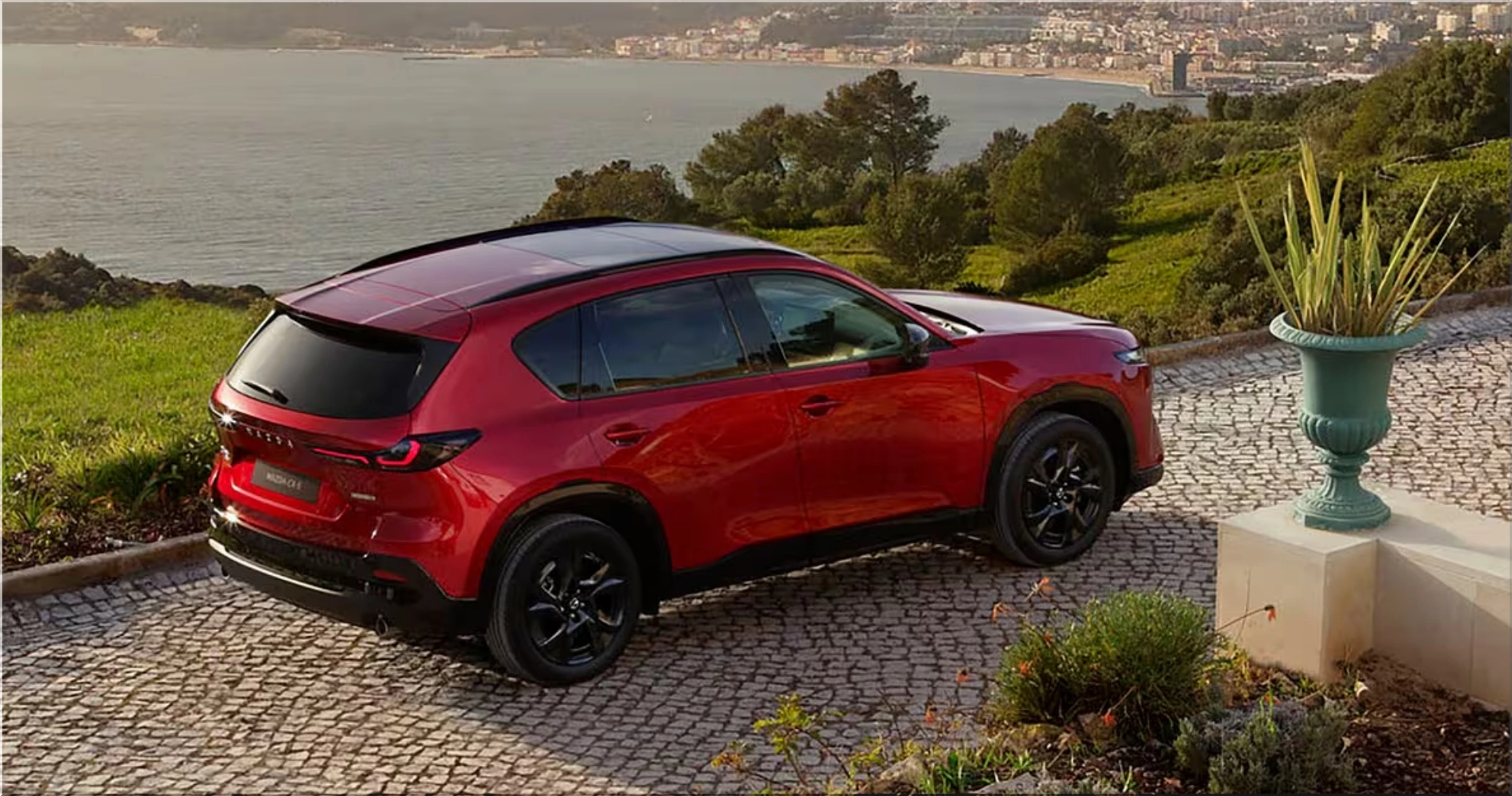
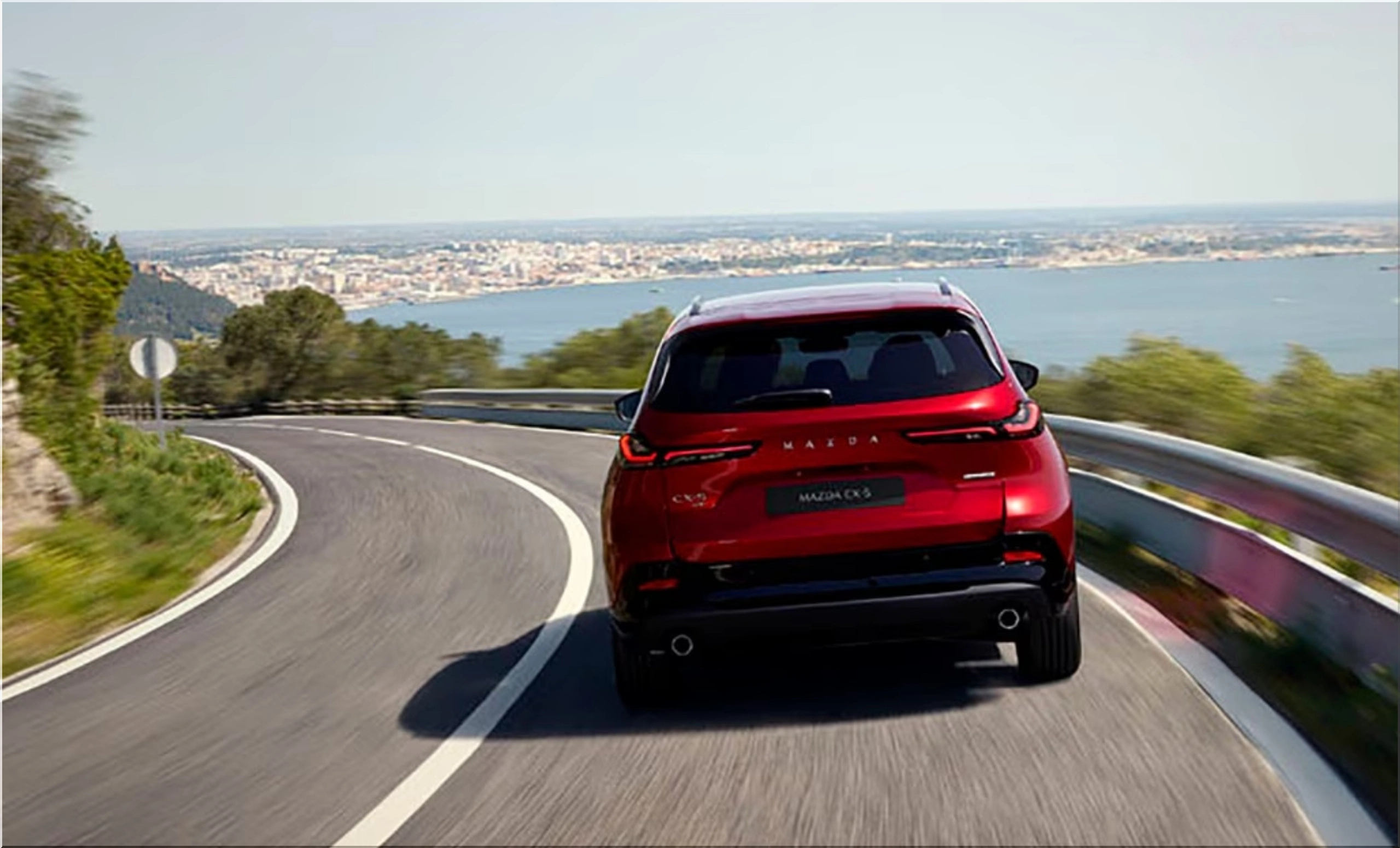
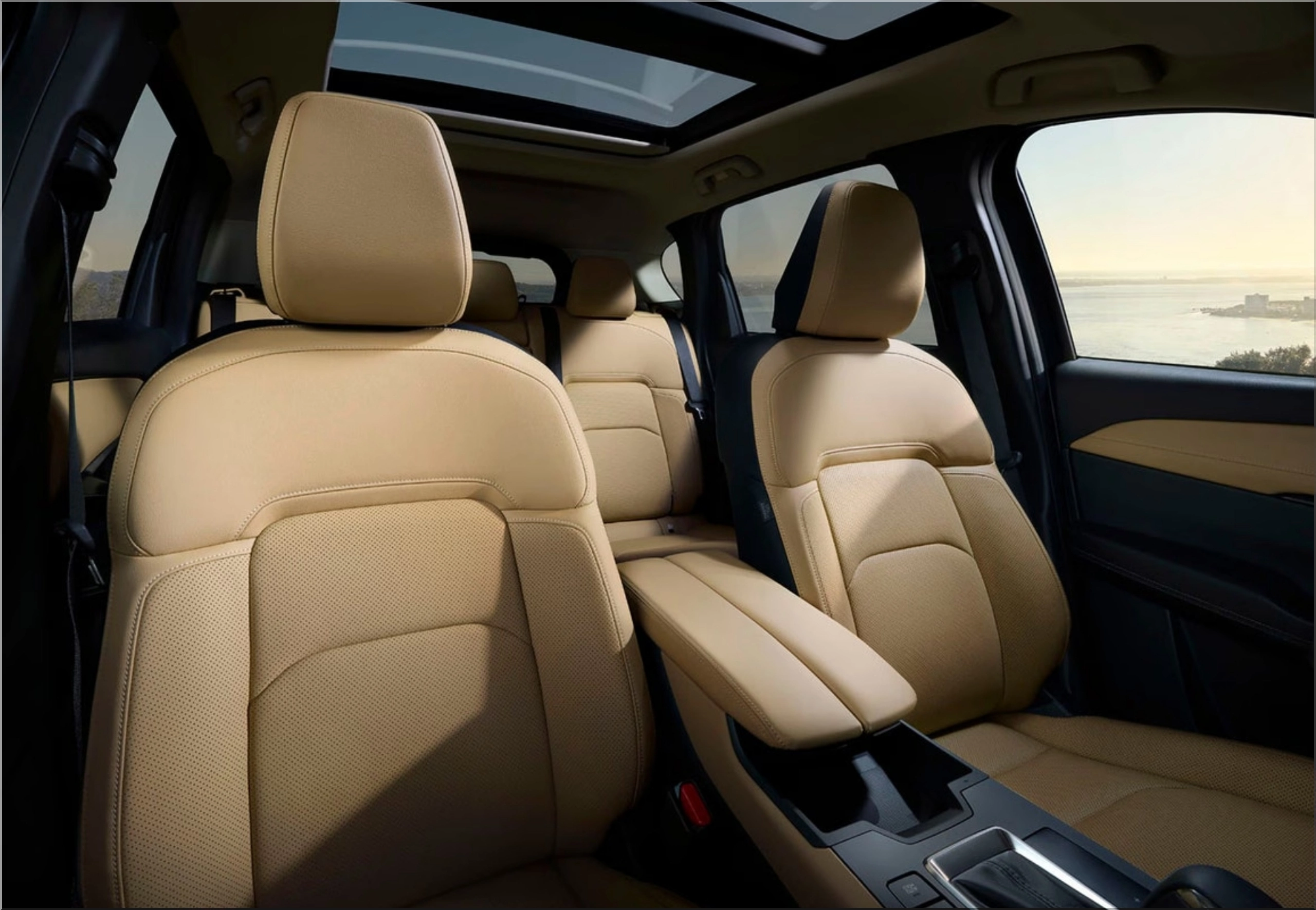
The 2026 Mazda CX-5 sits on a stretched wheelbase, gaining 4.5 inches. This length translates directly to the cabin. Passengers get more legroom and knee room, addressing the primary complaint of the previous model. The cargo floor is also lower, making loading easier for families. Mazda engineers also focused on NVH (Noise, Vibration, and Harshness) reduction, using acoustic glass and expanded sound-deadening material in the wheel wells to create a quieter highway ride.
UX Design: The Cockpit Evolution
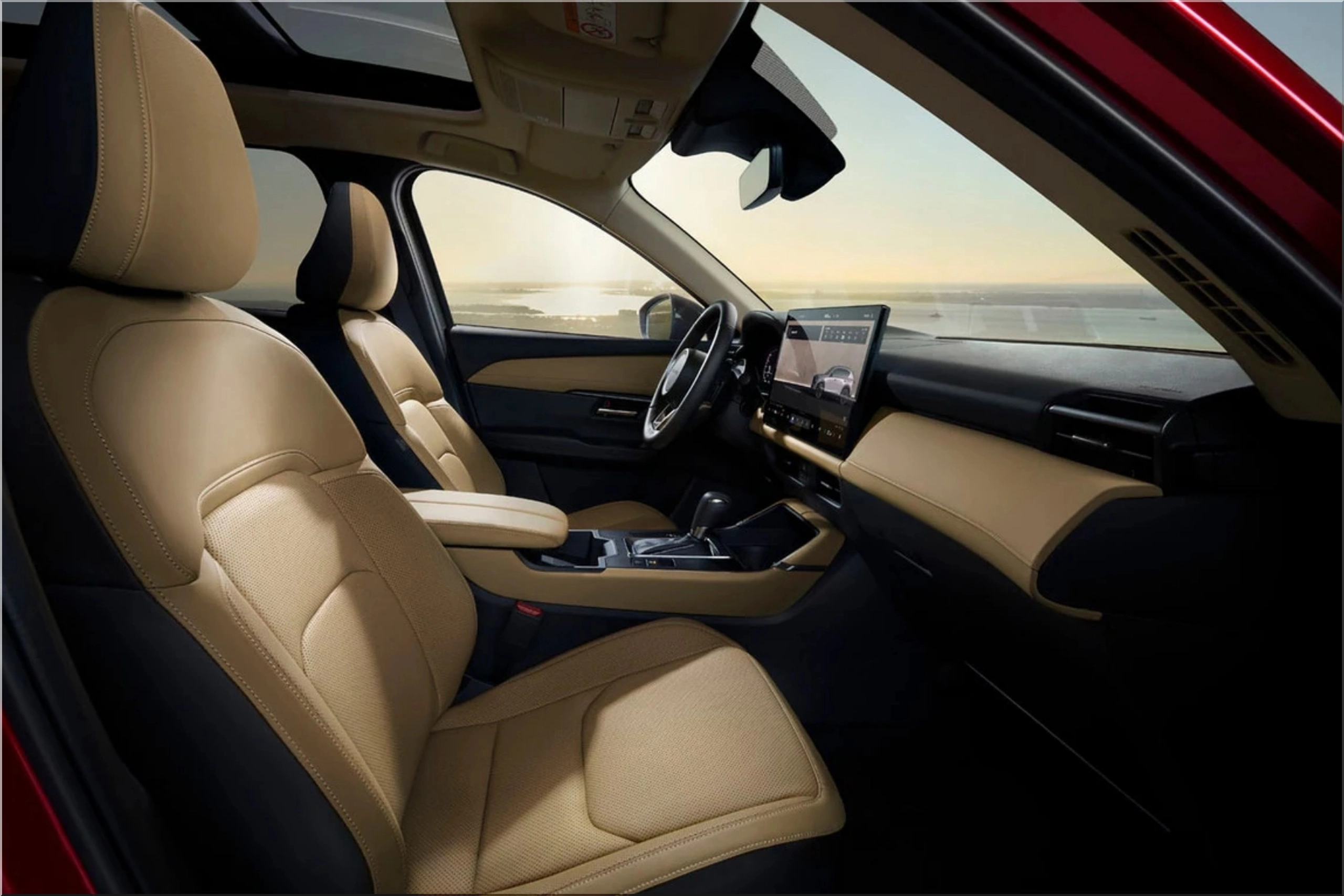
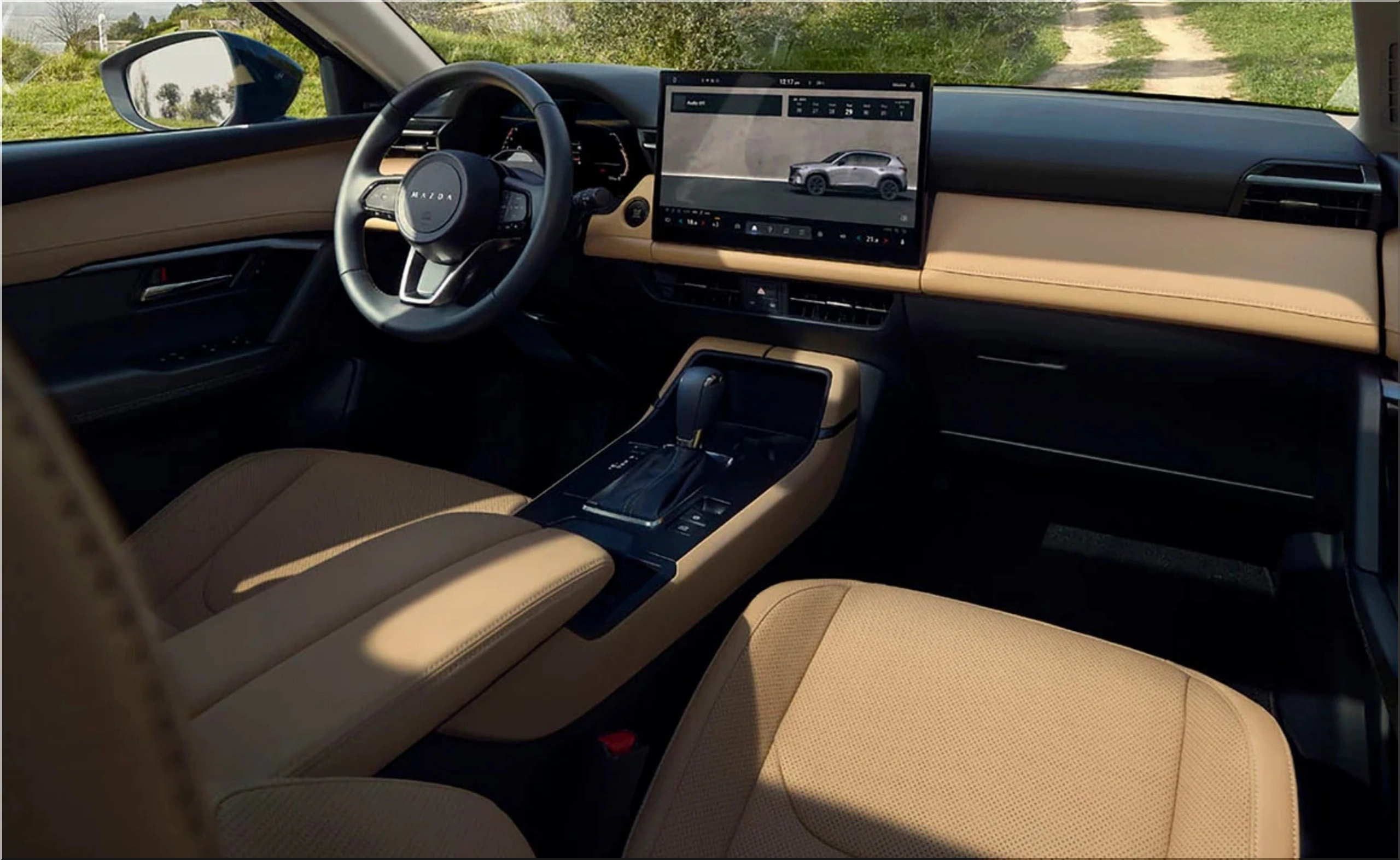
The interior undergoes a massive digital transformation. A 15.6-inch touchscreen—the largest ever in a Mazda—is available on higher trims. Lower trims feature a 12.9-inch display. Both systems integrate Google built-in, providing native access to Google Maps and Google Assistant. This is a major pivot for Mazda, which traditionally favored physical controls over touch interfaces. The new HMI (Human-Machine Interface) uses a "heads-up" philosophy to keep the driver’s eyes on the road.
Mazda employs Conversion Rate Optimization principles within the cabin by simplifying the control layout. They removed unnecessary buttons to reduce cognitive load. The center console is higher, placing the gear selector and commander knob within a more natural reach. This ergonomic focus reduces driver fatigue during long commutes. High-quality materials like Nappa leather and genuine wood trim remain available, maintaining the "premium-plus" feel that defines the brand's upward market move.
Behavioral Economics: The Logic of Selection
Why does the CX-5 win? It uses Loss Aversion. Buyers fear making the "wrong" choice when spending $35,000. Mazda positions the CX-5 as the "safe" bet that feels like a luxury upgrade. By offering i-Activ AWD as standard equipment, Mazda simplifies the decision-making process. Buyers do not have to weigh the cost-benefit of adding traction; it is already there. This "choice architecture" leads to higher customer satisfaction and faster sales cycles on dealership lots.
The brand also utilizes Social Proof. With five million units on the road, the CX-5 is a visible success. Potential buyers see these vehicles in their neighborhoods and office parking lots. This visibility reduces the perceived risk of the purchase. Mazda’s high resale value acts as another "nudge," convincing pragmatic buyers that their investment is protected. The vehicle appeals to both the emotional desire for a "vibrant" design and the rational need for a reliable SUV.
Tech and Performance: Powering the Next Million
Mazda is not ceding its mechanical soul to the competition. The 2026 model launches with the reliable 2.5-liter four-cylinder engine producing 187 hp and 186 lb-ft of torque. Every unit comes standard with a six-speed automatic transmission. Mazda confirmed an in-house hybrid system will follow in 2027. This hybrid powertrain will pair the 2.5-liter engine with an electric motor and a small battery pack to increase fuel efficiency without sacrificing throttle response.
For those seeking more power, the 2.5 Turbo variant continues. It delivers up to 256 hp and 320 lb-ft of torque on premium fuel. This engine utilizes a Dynamic Pressure Turbo to eliminate lag at low RPMs. The 2026 CX-5 also features an updated version of Mi-Drive, allowing drivers to toggle between Normal, Sport, and Off-Road modes. Each mode adjusts the AWD torque distribution and transmission shift points to match the environment.
Safety as a Standard: The IIHS Track Record
Buyers prioritize crash safety, and the CX-5 delivers. The model earned the IIHS TOP SAFETY PICK+ rating for nine consecutive years. The 2026 redesign doubles down on this reputation with an expanded i-Activsense suite. Standard features now include:
- Automated Emergency Braking with pedestrian and cyclist detection.
- Lane-Departure Warning with Lane-Keeping Assist.
- Adaptive Cruise Control with Stop & Go functionality.
- Blind Spot Monitoring with Rear Cross-Traffic Alert.
- Traffic Jam Assist, which provides steering assistance at low speeds.
Manufacturing Precision: The Hiroshima Heritage
The CX-5 is a product of Takumi craftsmanship. Mazda engineers in Hiroshima utilize clay modeling before digital rendering to ensure the Kodo design lines catch light naturally. The production process at the Ujina Plant involves high-tensile steel and advanced bonding techniques that improve body rigidity by 30% compared to the first generation. This rigidity is the secret behind the vehicle's sharp handling and long-term durability.
Mazda’s "Large Product Group" platform strategy allows for shared components with the CX-60 and CX-90, but the CX-5 remains on its own optimized chassis. The introduction of the Navy Blue Mica paint color involves a multi-layer application process that adds depth and reflection. This focus on the "small details" is why Mazda maintains a higher brand loyalty rate than many larger competitors. It is a car built with a "human-centric" philosophy.
Pricing and Market Positioning (Estimated USD)
To maintain its competitive edge, Mazda keeps pricing aggressive. The base 2.5 S trim starts just under $30,000. This places it directly against the Toyota RAV4 and Honda CR-V but with a higher level of standard equipment. The Turbo Signature trim tops the range at approximately $42,500, offering a legitimate alternative to luxury crossovers like the BMW X3 or Audi Q5 for thousands of dollars less.
- 2.5 S: $29,990
- 2.5 S Select: $31,990
- 2.5 S Preferred: $34,250
- 2.5 S Premium: $36,900
- 2.5 S Premium Plus: $38,990
- 2.5 Turbo Signature: $42,500
The "Joy of Driving" Retention Strategy
Mazda uses Behavioral Economics to foster a connection between the driver and the machine. They call it Jinba-ittai, or "horse and rider as one." By tuning the suspension to mimic human walking gait—keeping the head level during movement—Mazda creates a more comfortable and intuitive ride. This reduces the "mental friction" of driving in heavy traffic.
This strategy pays off in Customer Lifetime Value (CLV). Owners who enjoy the "feel" of their vehicle are more likely to return to the brand for their next purchase. Mazda’s focus on the tactile feel of the steering wheel and the weight of the pedals is a deliberate UX choice. It differentiates the CX-5 from the "numb" electric-assisted steering found in many rivals. This visceral connection is a primary driver of the five million units sold.
Strategic Global Distribution
Mazda’s success is not tied to a single country. While North America remains the largest region—selling 435,000 units in the US alone during the last fiscal year—the CX-5 thrives in Europe, Japan, and Australia. In the UK, it makes up 25% of total sales. This diversification protects Mazda from regional economic downturns and changing consumer tastes in specific markets.
The spring 2026 launch in North America and Japan will be the ultimate test. Early indicators suggest the increased cabin volume and updated HMI will drive another wave of sales. Mazda is betting that by fixing the space issues while keeping the sporty design, they can reach the six-million mark even faster. The transition to the third generation is a calculated move to capture a more tech-savvy audience without alienating the loyalists.
- Add new comment
- 408 views