
BEV
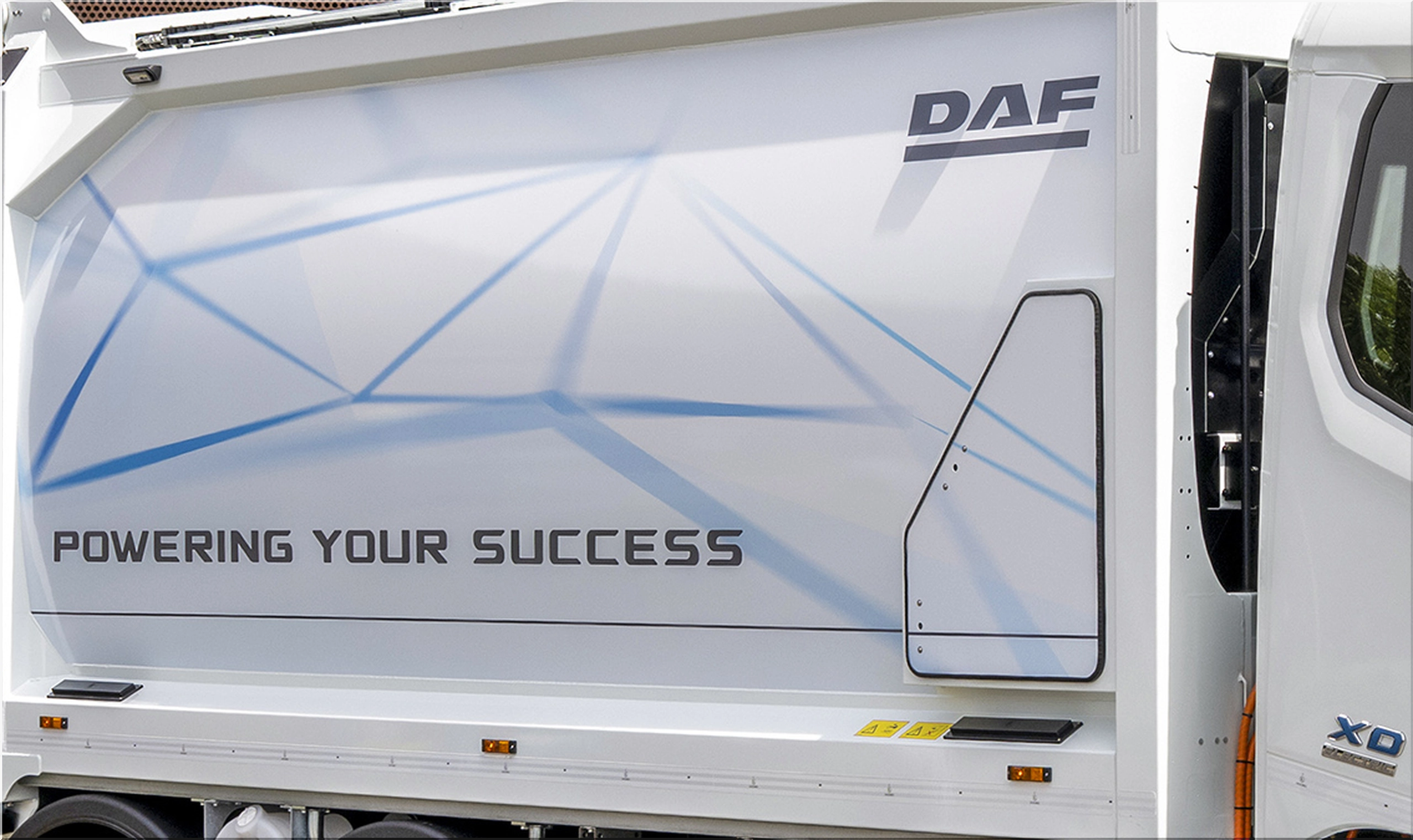
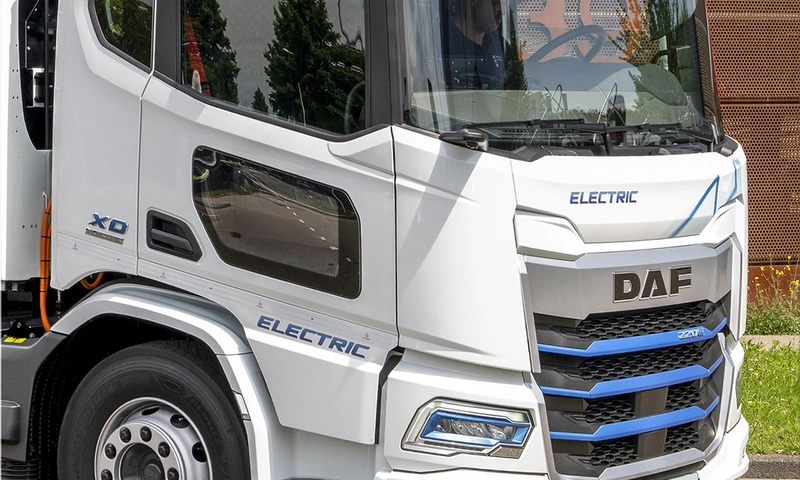
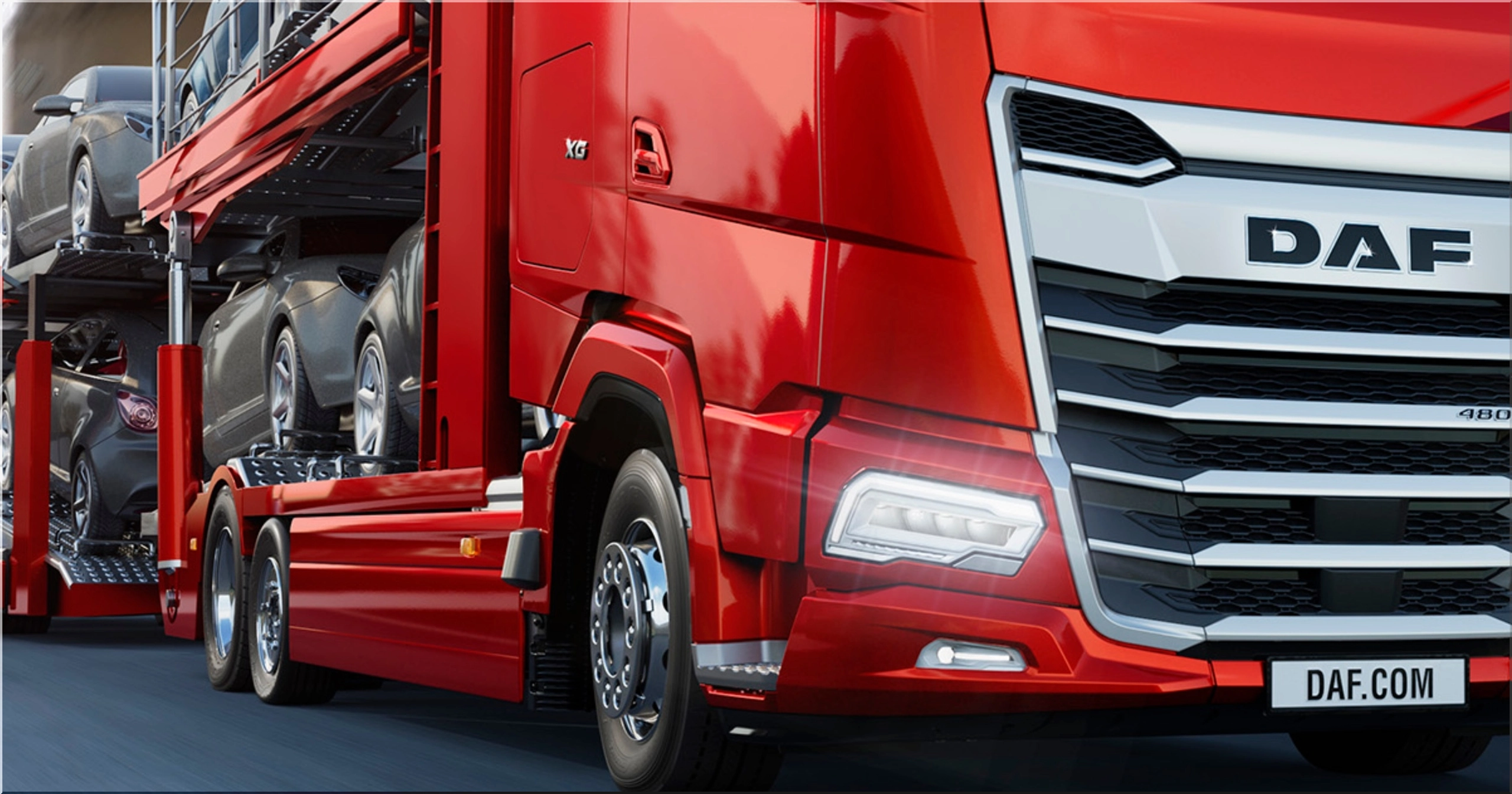
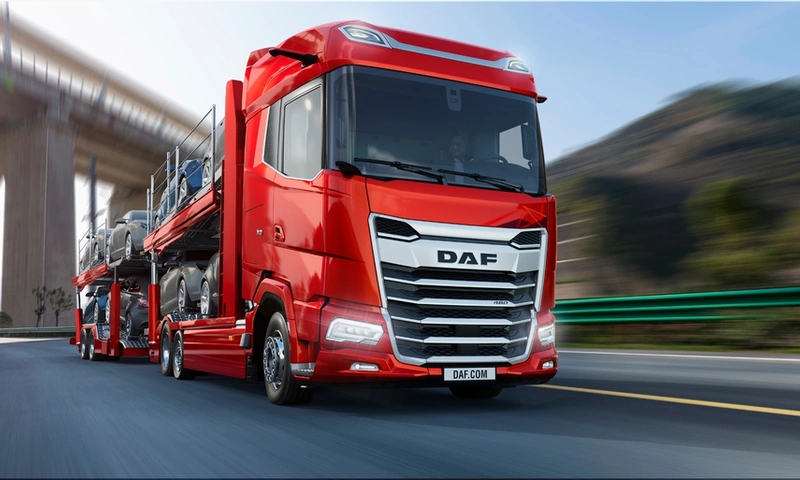
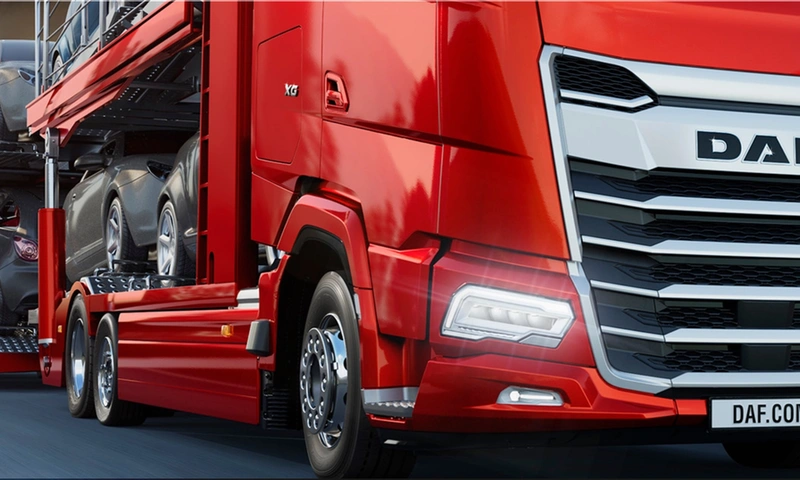
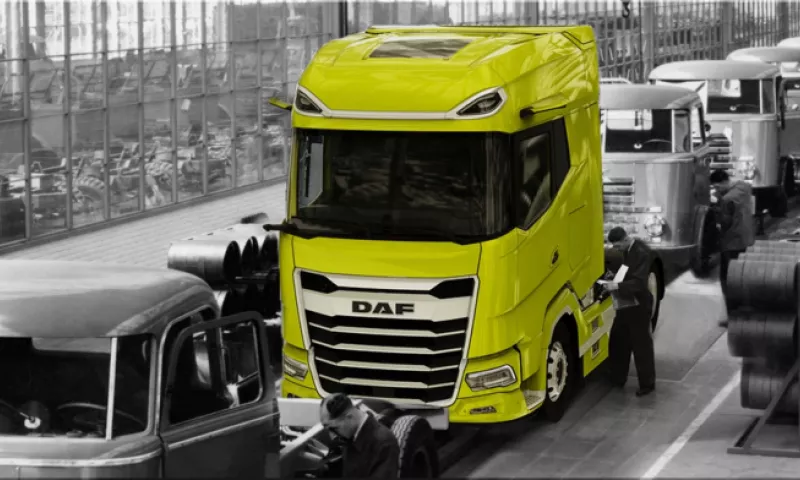
DAF Trucks is scaling up. The company is moving from pilot fleets to series production of its XD, XF, and XB Electric trucks. The timing is deliberate. Europe’s regulatory deadlines for carbon reduction are tightening, and operators need solutions that balance payload, range, and charging speed. With production set to expand in late 2025, DAF is positioning itself as a central player in the transition from diesel to battery-electric heavy transport.
This report examines the new electric line-up, the factory ramp-up in Eindhoven, and the support systems that DAF has built around the trucks. It cuts through technical specs to highlight what operators can expect in real terms: range, charging times, and operating conditions.
Series Production: A Strategic Move
DAF has already delivered hundreds of field-test trucks to operators across Europe. Feedback has been clear: range performance exceeds expectations, drivers value the torque and quiet operation, and customers see electric as viable for daily operations.
- Production timeline: mass production of the XD and XF Electric begins in Q4 2025.
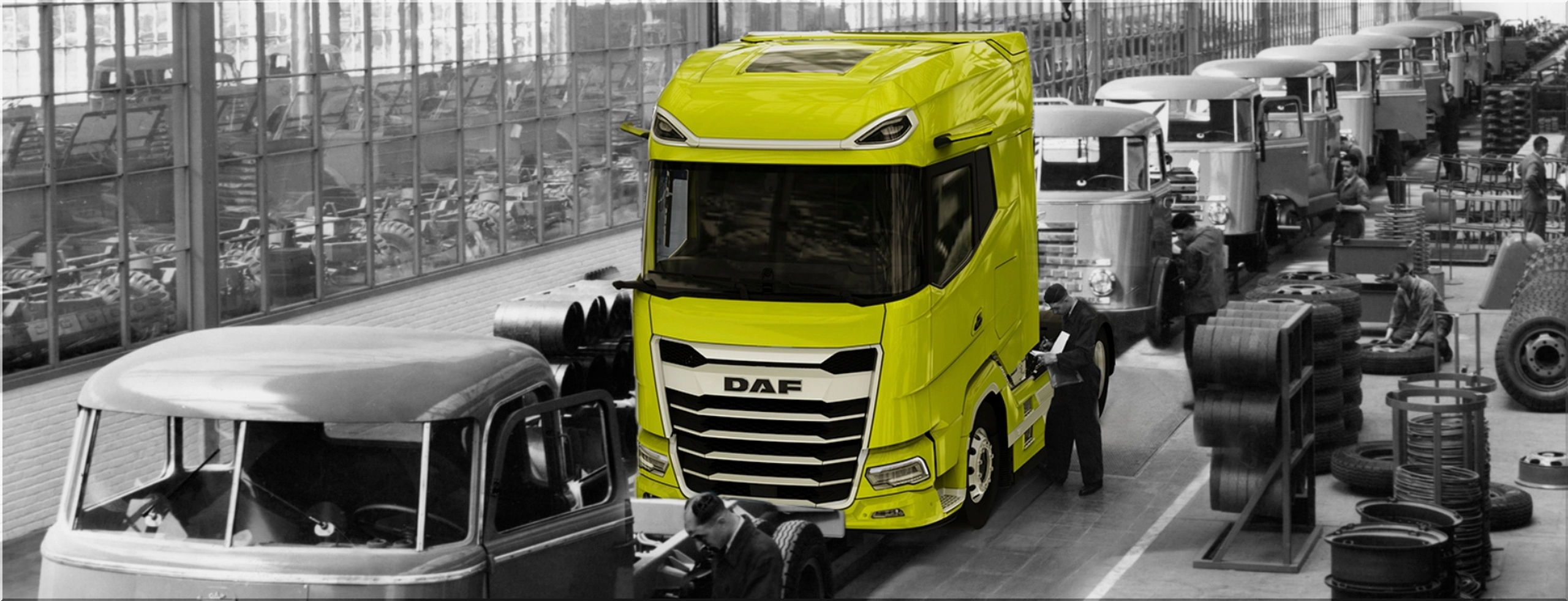
- Plant capacity: the new 5,000 m² Electric Truck Assembly in Eindhoven can scale to thousands of units per year.
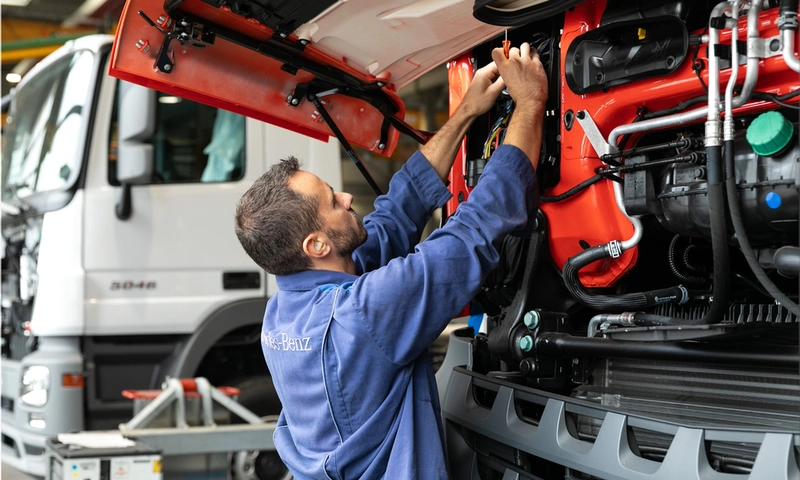
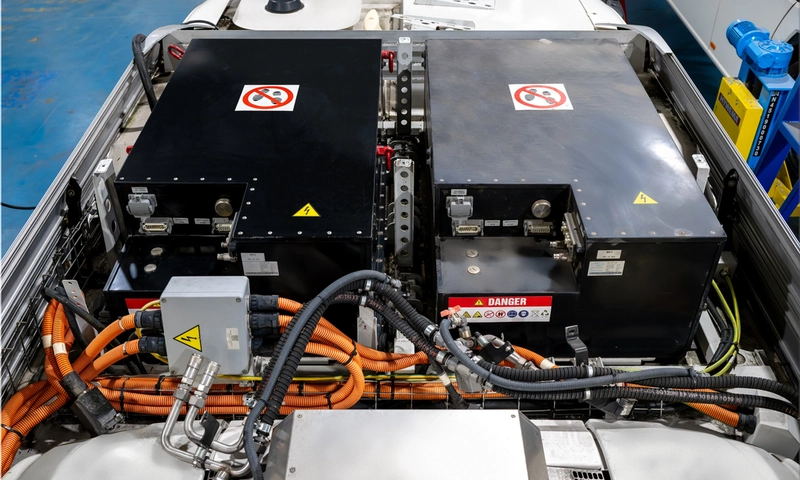
- Component assembly: the facility integrates battery packs, electric drive modules (EDM), and the e-motor with transmission on a 150-meter main line.
This production shift is not symbolic. It’s a signal that zero-emission trucks are moving from pilot to mainstream supply.
Electric Line-Up: XB, XD, and XF
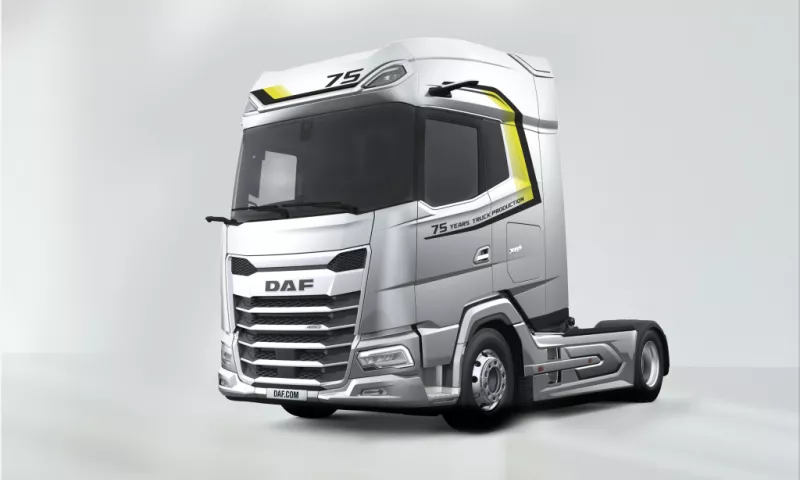
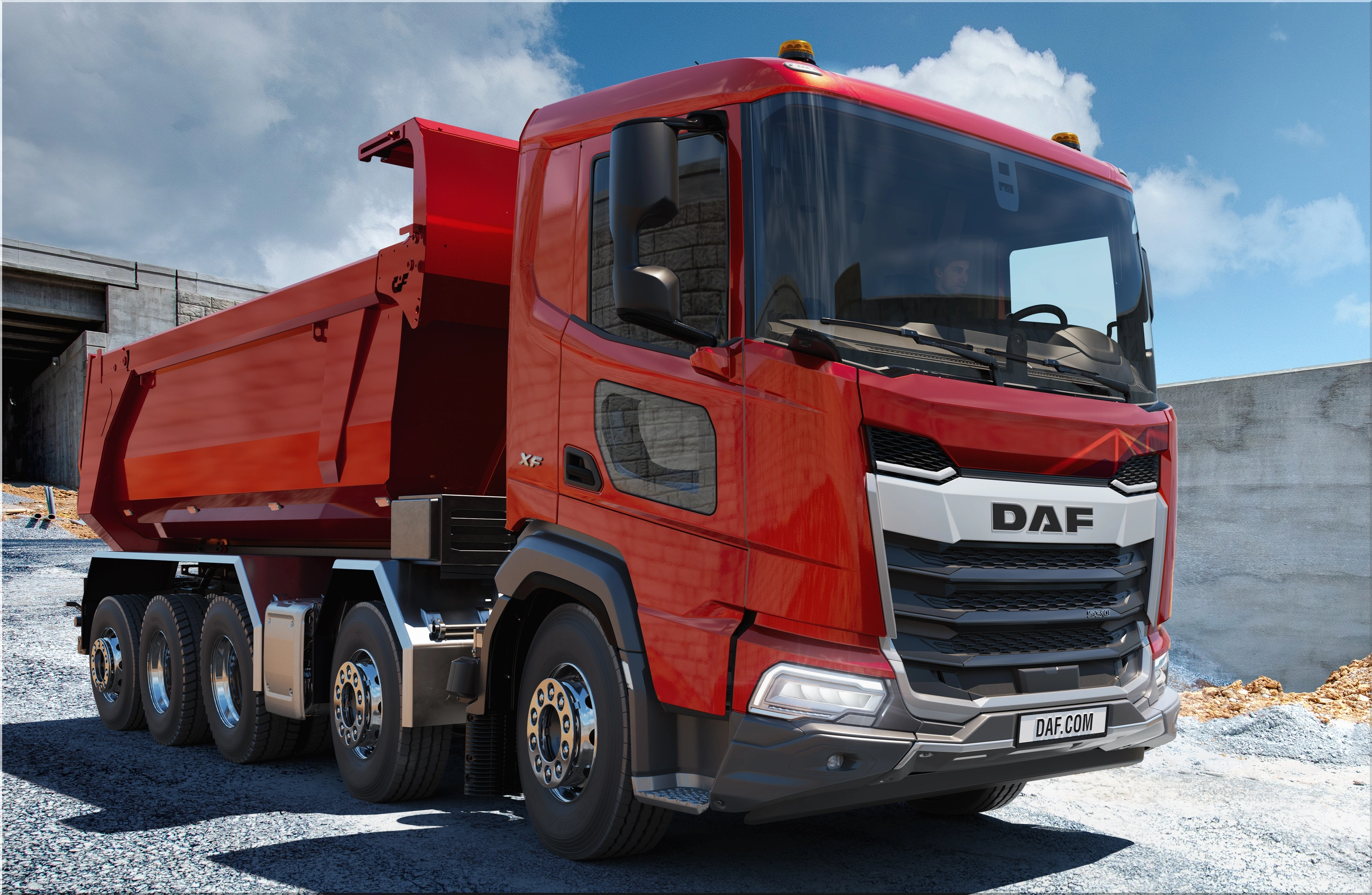
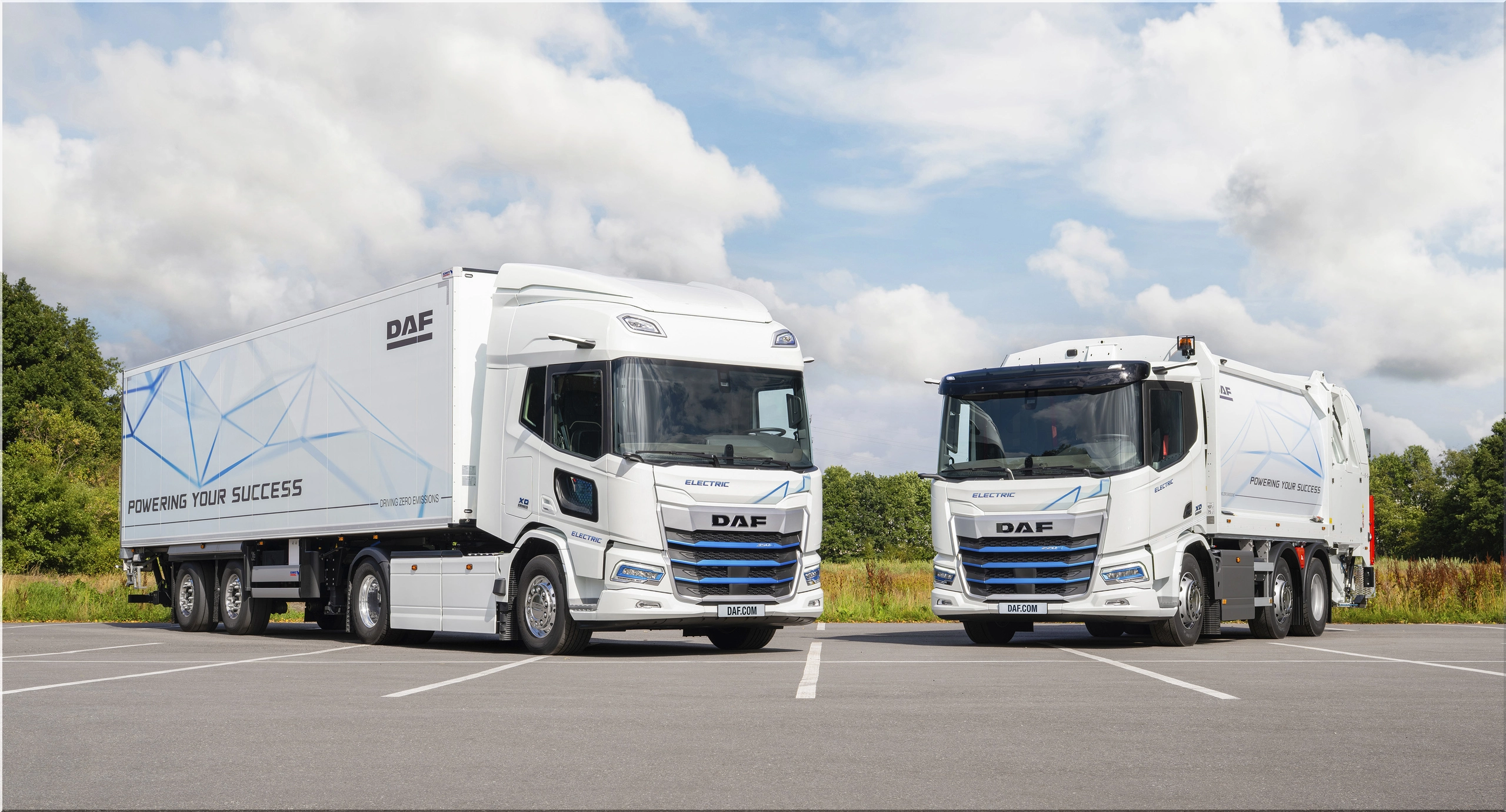
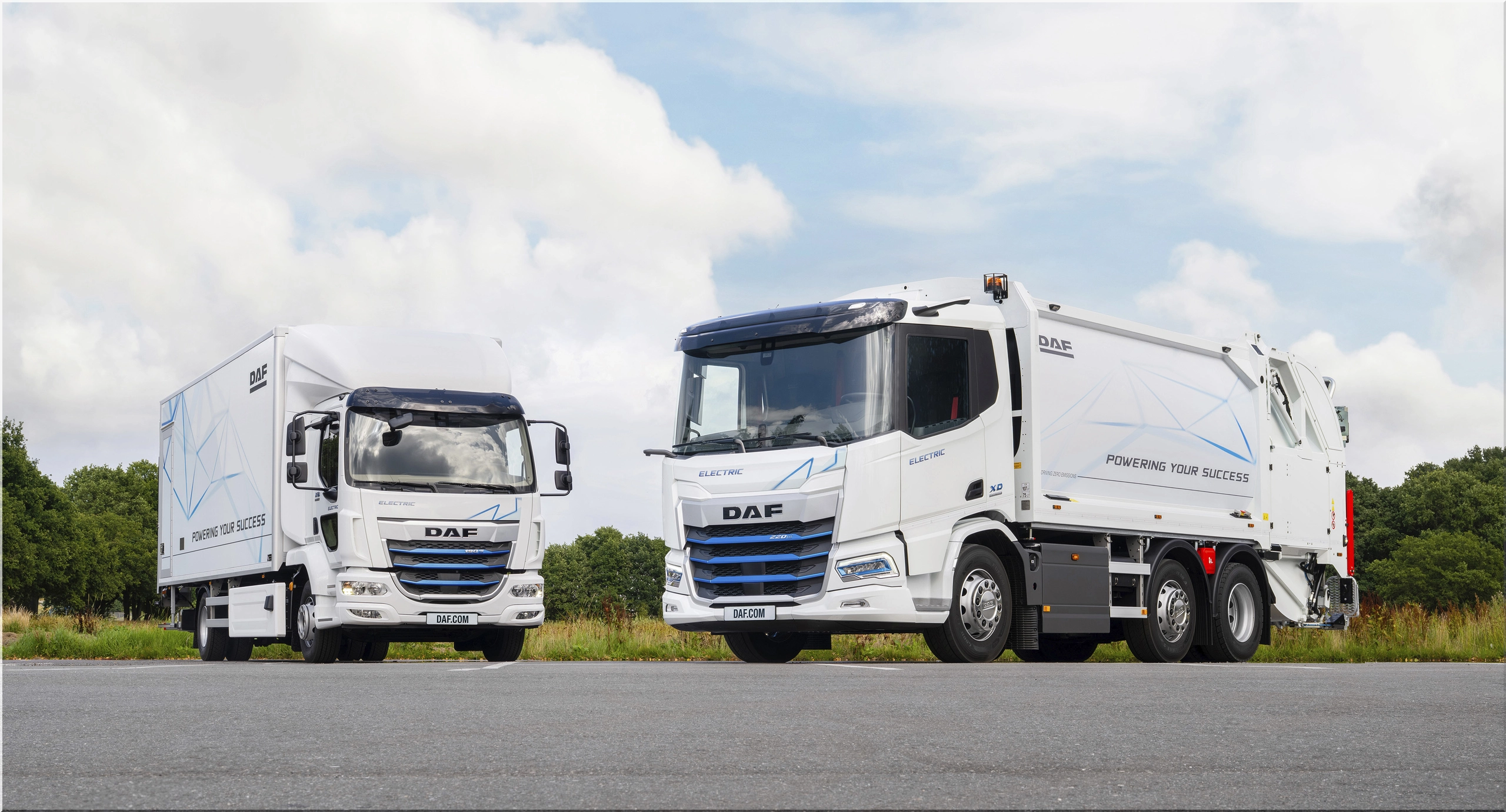
DAF has built a three-tier strategy: urban distribution (XB), regional (XD), and long-haul (XF).
DAF XB Electric: Urban and Regional
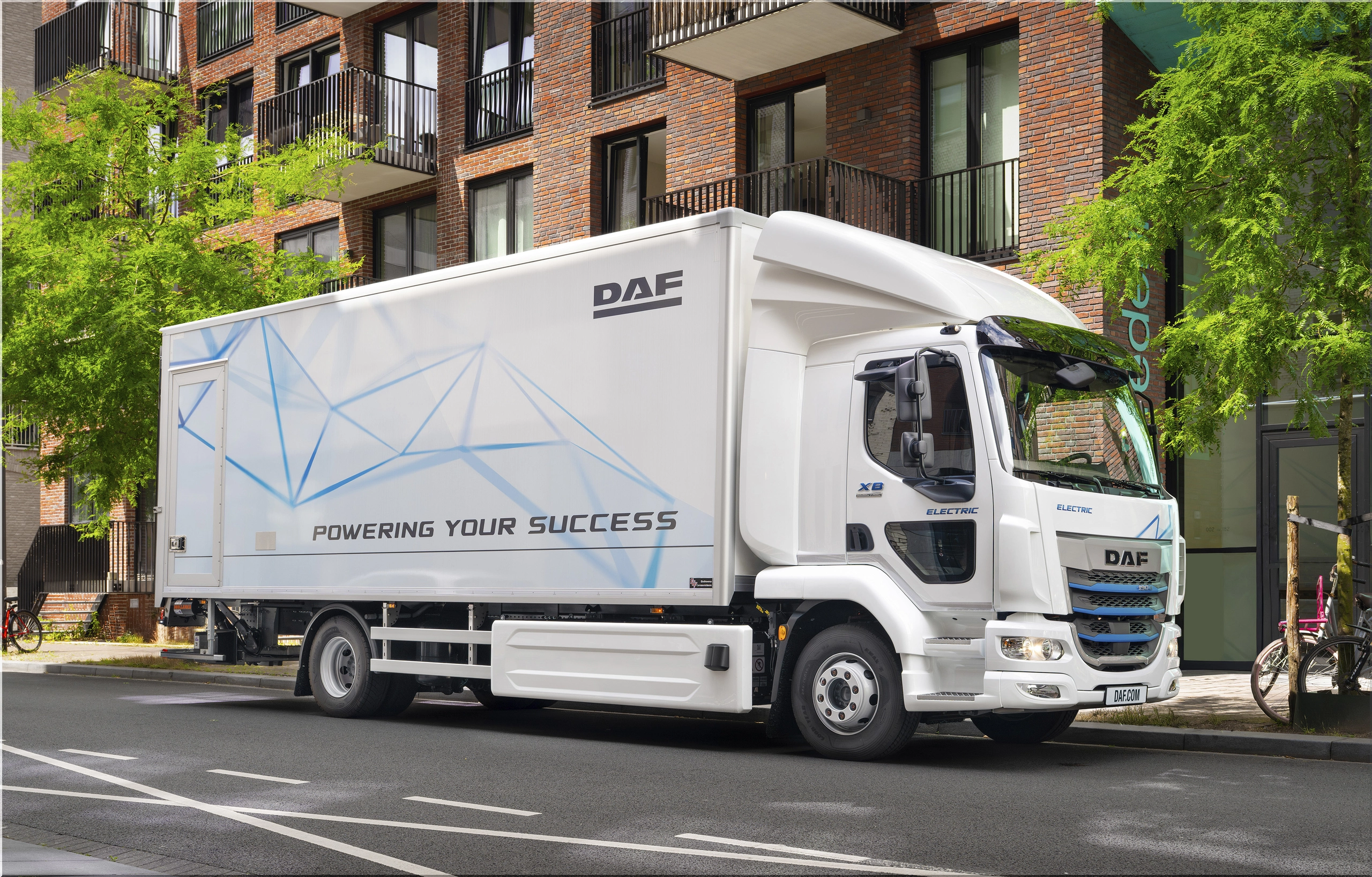
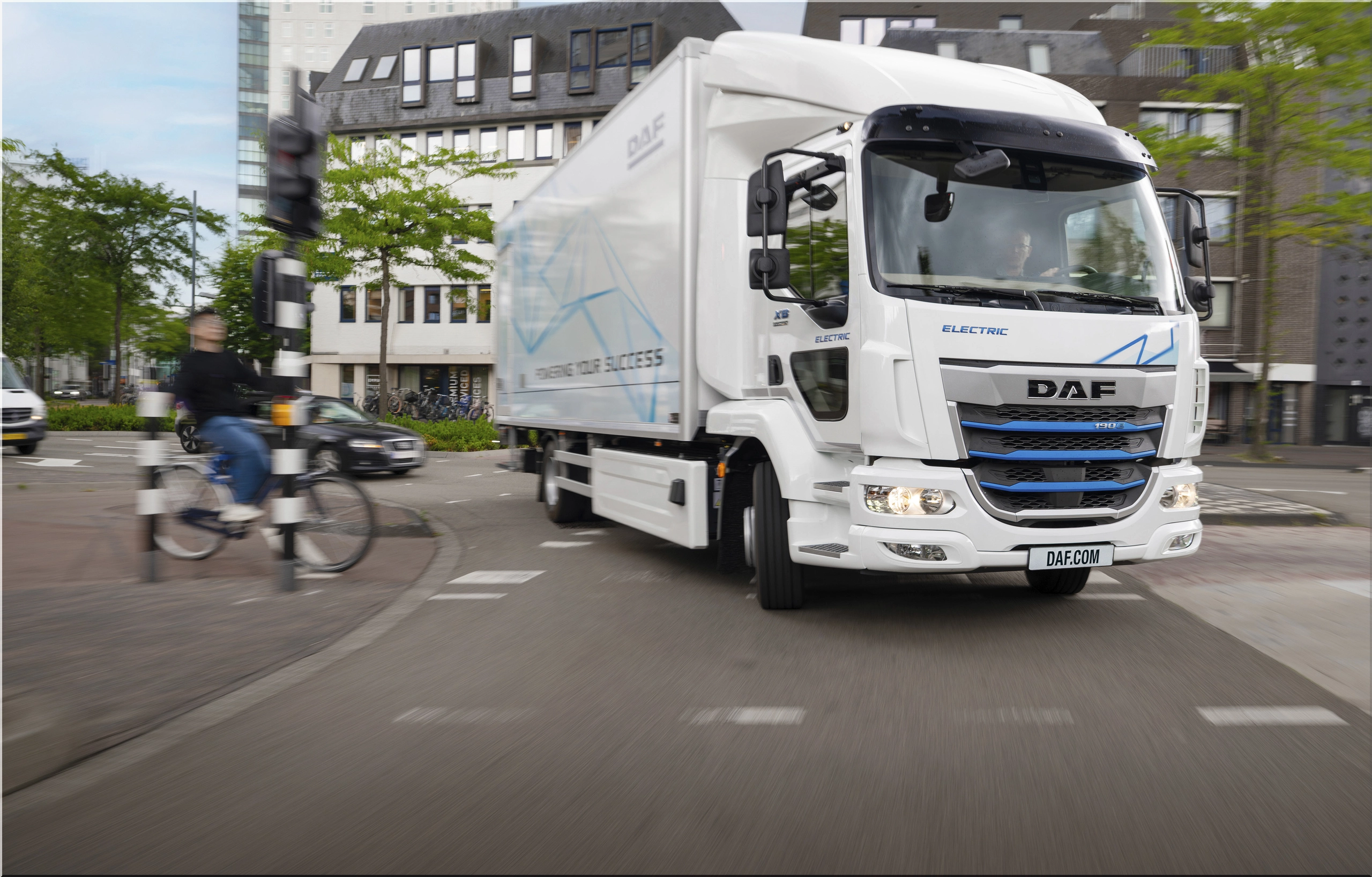
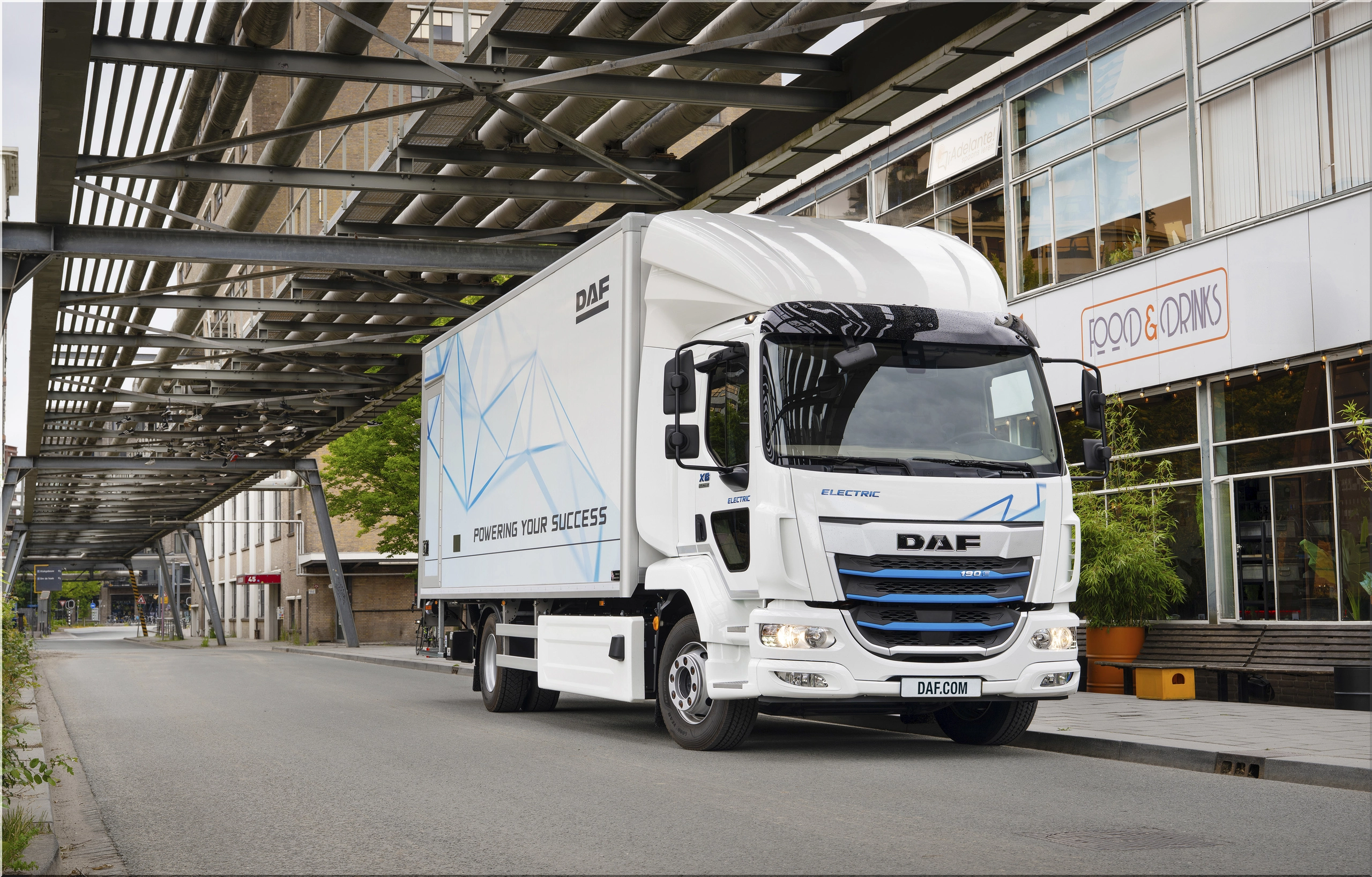
The XB Electric is aimed at operators running 12t, 16t, and 19t GVW distribution trucks. Built in Leyland, UK, it targets city logistics and short regional routes.
- Powertrains: PACCAR EX-M1 (120 kW) and EX-M2 (190 kW).
- Battery capacity: 141 kWh to 282 kWh (1–2 packs).
- Range: up to 350 km on a single charge.
- Charging:
- AC (22 kW) standard.
- DC (150 kW) charges 20–80% in 40–70 minutes.
- Safety: Advanced Emergency Braking, Turn Assist, Lane Departure Warning, and Drowsiness Detection are standard.
The XB offers body builder-friendly chassis layouts and an optional 650V e-PTO for refrigeration units.
DAF XD Electric: Regional Distribution
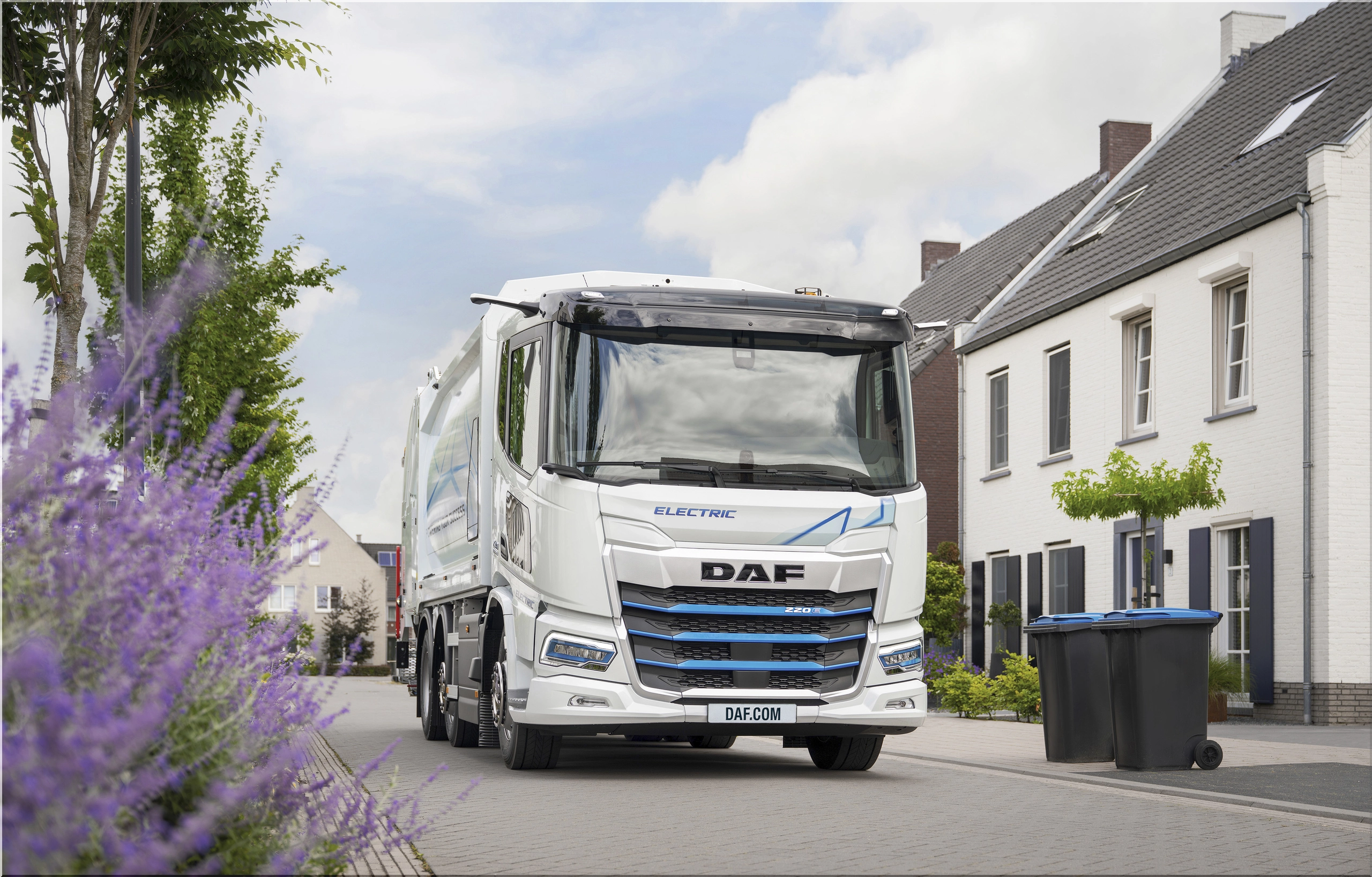
The XD Electric scales up to 29 tonnes GVW, bridging urban distribution and regional haulage.
- Motors: PACCAR EX-D1 (170–270 kW).
- Battery options: 210 to 525 kWh (2–5 packs).
- Range: 200–500+ km.
- Daily potential: with route planning and mid-day charging, up to 1,000 km/day is feasible.
- Fast charging: 325 kW DC brings 3-pack trucks from 0–80% in ~45 minutes.
DAF XF Electric: Long Haul
The XF Electric is designed for GCWs up to 50 tonnes. It shares the EX-D2 driveline with the XD but targets longer distances.
- Motor output: 270–350 kW with 2,400 Nm torque.
- Battery capacity: 315–525 kWh.
- Range: up to 500 km per charge.
- Charging speed: full recharge of 5 packs in under 2 hours at 325 kW DC.
DAF Electric Truck Line-Up: Key Specifications
| Model | Power Output (PACCAR e-Motor) | Battery Capacity (kWh) | Range (km) | Charging (20–80%) | GVW / GCW | Application |
|---|---|---|---|---|---|---|
| DAF XB Electric | 120 kW (EX-M1) / 190 kW (EX-M2) | 141 / 210 / 282 | Up to 350 | AC 22 kW (6.5 hrs) / DC 150 kW (40–70 min) | ≤ 19t GVW | Urban and regional distribution |
| DAF XD Electric | 170 / 220 / 270 kW (EX-D1) | 210–525 | 200–500+ | DC 325 kW (0–80% in ~45 min) | ≤ 29t GVW, up to 50t GCW | Regional haulage |
| DAF XF Electric | 270 / 310 / 350 kW (EX-D2) | 315–525 | 240–500+ | DC 325 kW (full recharge ≤ 2 hrs) | Up to 50t GCW | Long-distance and heavy-duty |
Battery Technology and Durability
DAF uses LFP (Lithium Iron Phosphate) batteries across all models.
- Cycle life: over 4,000 cycles with daily 100% charging.
- Warranty: 8 years standard.
- Chemistry: cobalt- and nickel-free for cost and sustainability.
- Safety: excellent thermal stability and compact packaging.
This chemistry trades higher energy density for durability and safety, which is key in heavy-duty operations.
Charging Infrastructure: The Weak Link
DAF is blunt: the trucks are ready, but infrastructure is not.
By 2030, Europe will need:
- 400,000 depot chargers.
- 50,000 public fast chargers (35,000 of them megawatt scale).
- 42 TWh of annual electricity, equal to the output of 9 large offshore wind farms.
Today’s installation pace is too slow to match truck production.



PACCAR Power Solutions
DAF does not only sell trucks. It is packaging chargers, microgrids, and energy services.
- AC chargers: 7–22 kW.
- DC fast chargers: 120–400 kW.
- Mobile chargers: 24–40 kW for temporary operations.
- Microgrid integration: solar, battery storage (BESS), and Energy Management Systems.
Operators can buy turnkey energy solutions to stabilize costs and meet grid limits.
Fleet Management and Driver Training
Every electric DAF includes PACCAR Connect telematics.
- Live range tracking.
- Battery state of charge and charging status.
- Predictive maintenance alerts.
- Integration with route planning and charger locations.
Drivers receive training vouchers with vehicle delivery. The program covers smart charging, regenerative braking, and eco-driving techniques.
Real-World Feedback
Early adopters highlight two consistent themes: range confidence and driver satisfaction.
- Oegema Transport (NL): 500 km per charge, up to 1,000 km/day with one recharge.
- E. van Wijk Logistics (NL): drivers value quiet operation and instant torque.
- Cornelissen Transport (NL): XB and XF Electric perform well in supermarket delivery and offer superior urban visibility.
Competitive Edge: Efficiency, Comfort, and Safety
DAF is betting on a total package rather than trucks alone:
- Efficiency: aerodynamic cabs, modular drivetrains, predictive software.
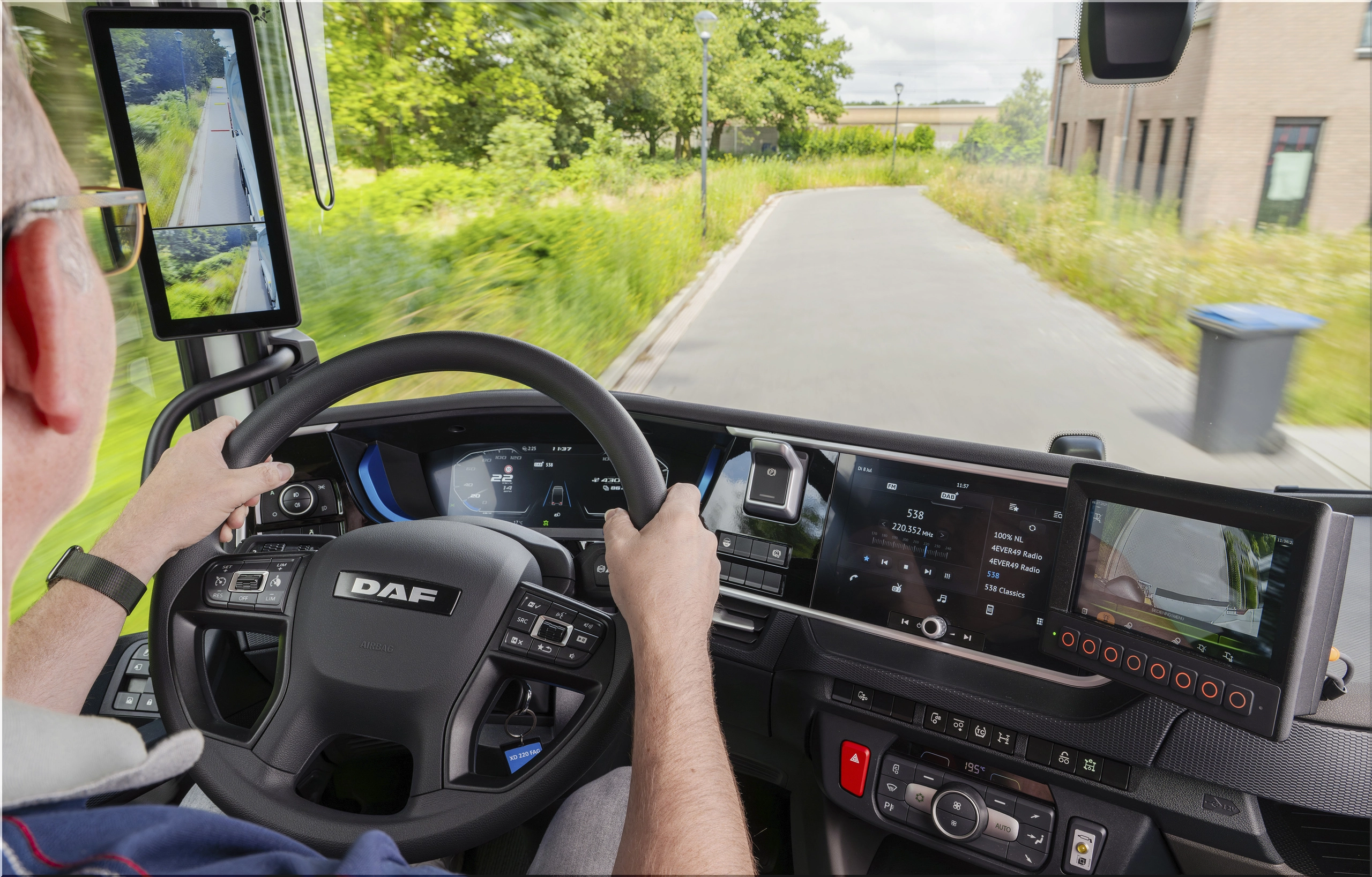
- Comfort: spacious cabs, low noise, one-pedal driving, digital displays.
- Safety: direct vision, radar-based assists, and optional camera mirrors.
This makes DAF’s electric portfolio a comparable replacement for diesel across distribution and regional haulage.
Market Impact and Outlook
The move to mass production in late 2025 is a clear pivot point. DAF expects volumes to scale to thousands per year in line with demand.
But adoption hinges on:
- Public fast-charging deployment.
- Grid upgrades to handle 42 TWh demand.
- Operator willingness to adapt route planning.
The trucks themselves are ready. The bottleneck is infrastructure.
Frequently Asked Questions About DAF Electric Trucks
What is the range of the DAF XF Electric?
The DAF XF Electric offers a range of up to 500 km on a single charge. With careful charging schedules, operators can cover up to 1,000 km per day.
How long does it take to charge a DAF electric truck?
Charging times depend on the model and battery size. Using a 325 kW DC fast charger, XD and XF Electric trucks can reach 80% charge in about 45 minutes. The XB Electric charges from 20–80% in 40–70 minutes at 150 kW DC.
What battery technology does DAF use?
DAF uses LFP (Lithium Iron Phosphate) batteries. They are cobalt- and nickel-free, support daily 100% charging, and offer a long lifespan of over 4,000 cycles with an 8-year warranty.
What is the difference between the DAF XB, XD, and XF Electric?
- XB Electric: up to 19 tonnes GVW, range up to 350 km, designed for urban and regional distribution.
- XD Electric: up to 29 tonnes GVW, range of 200–500+ km, for regional transport.
- XF Electric: up to 50 tonnes GCW, range of 240–500+ km, built for long-haul and heavy-duty work.
Can DAF electric trucks use AC charging?
Yes. All models support AC charging up to 22 kW, making them flexible for depot and overnight charging when DC fast charging is unavailable.
When does DAF start series production of electric trucks?
Series production of the XD and XF Electric starts in Q4 2025 at DAF’s Eindhoven Electric Truck Assembly facility. Production volumes are expected to scale into the thousands per year.
Conclusion
DAF’s new electric trucks are not experiments. They are production-ready solutions with daily ranges competitive with diesel in distribution and regional haulage. The company’s factory expansion, LFP battery strategy, and PACCAR service ecosystem strengthen its position as a leader in Europe’s zero-emission transition.
But the success of the XD, XF, and XB Electric will depend less on truck engineering and more on how fast Europe builds charging capacity.
- Add new comment
- 731 views