The Citroen Jumper is not just a van. It is a mobile office, a workshop, a transporter, and a companion for professionals who need a reliable and adaptable vehicle. For 30 years, the Jumper has been evolving to meet the changing needs and expectations of its customers, from artisans to large fleets. In this article, we will look at the history, the features, and the future of the Jumper, the successor to the iconic TUB and Type H.
The Jumper: A Modern Van with a Rich Heritage
The Jumper was launched in January 1994, bringing a new level of modernity to the van market. It inherited the design, comfort, ergonomics, and driving pleasure of passenger cars while offering a robust and spacious body that could accommodate up to 17 m3 of loading volume and 1,900 kg of payload. It also introduced innovative solutions such as the sliding side door, the rear swing doors, and the modular cabin.
The Jumper was the result of a joint venture between PSA Peugeot Citroën and Fiat, which also produced the Peugeot Boxer and the Fiat Ducato. The three models shared the same platform and engines but had different front-end designs and brand identities. The Jumper was produced in the Sevel plant in Val di Sangro, Italy, where it still is today.
The Jumper was a success from the start, selling more than 800,000 units in its first generation, which lasted until 2006. It was also exported to many countries, including Brazil, where it was renamed as the Citroën Jumper. In 2006, the second generation of the Jumper was unveiled, featuring a more dynamic and expressive design, improved comfort and safety, and new engines and transmissions. It also expanded its range of configurations, offering four lengths, three heights, and various body styles, such as panel van, combi, chassis cab, and motorhome.
The second generation of the Jumper was updated in 2014 with a refreshed front end, new headlights and grille, and a more ergonomic and connected cabin. It also introduced new technologies, such as the Stop&Start system, which reduced fuel consumption and emissions by up to 0.5 l/100 km in urban driving, and the Grip Control, which enhanced traction on slippery surfaces. The Jumper also became more efficient and economical, with engines ranging from 110 to 180 hp and complying with the Euro 6 emission standards.
The New Jumper: More Style, Connectivity, and Practicality
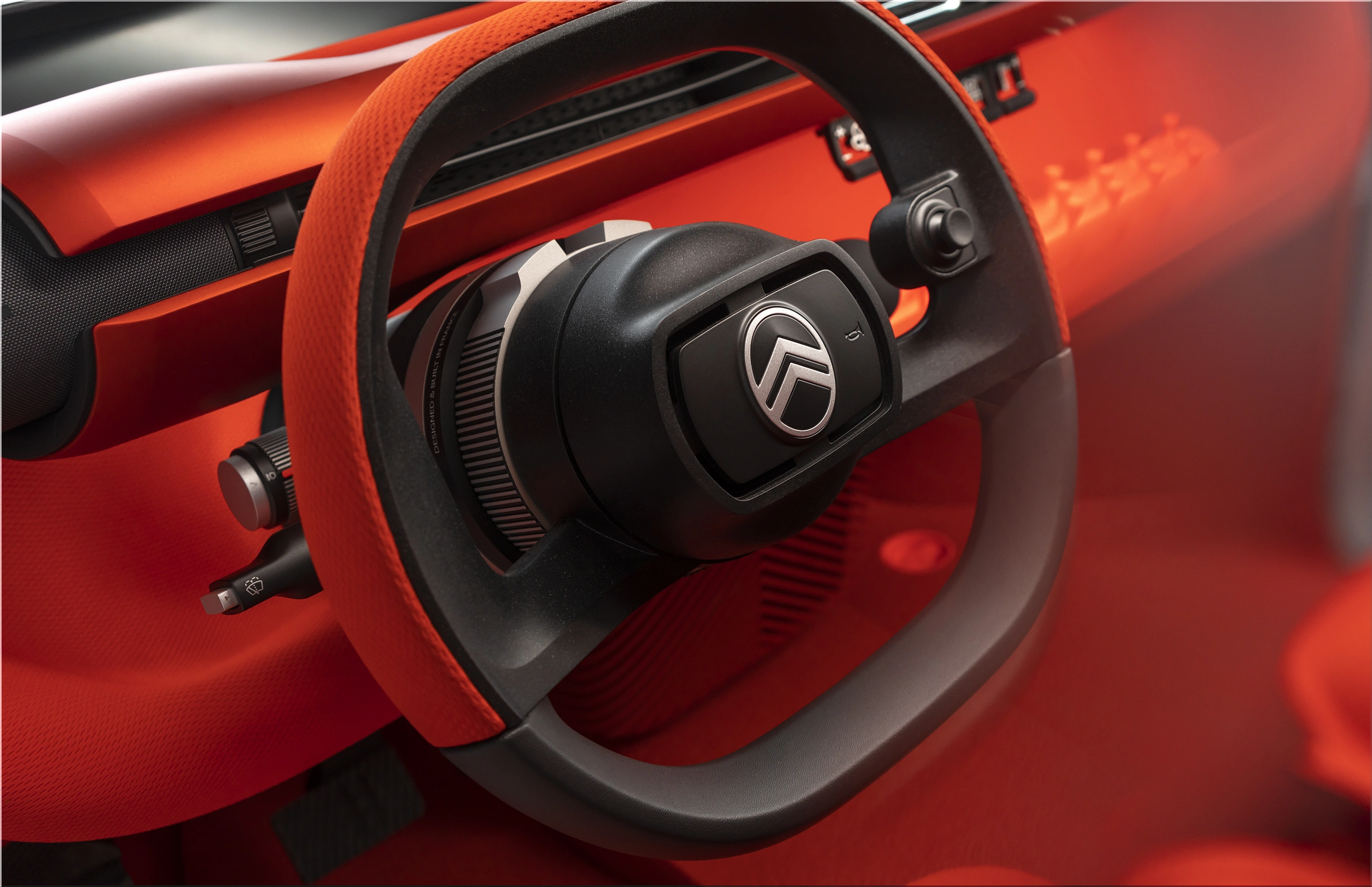
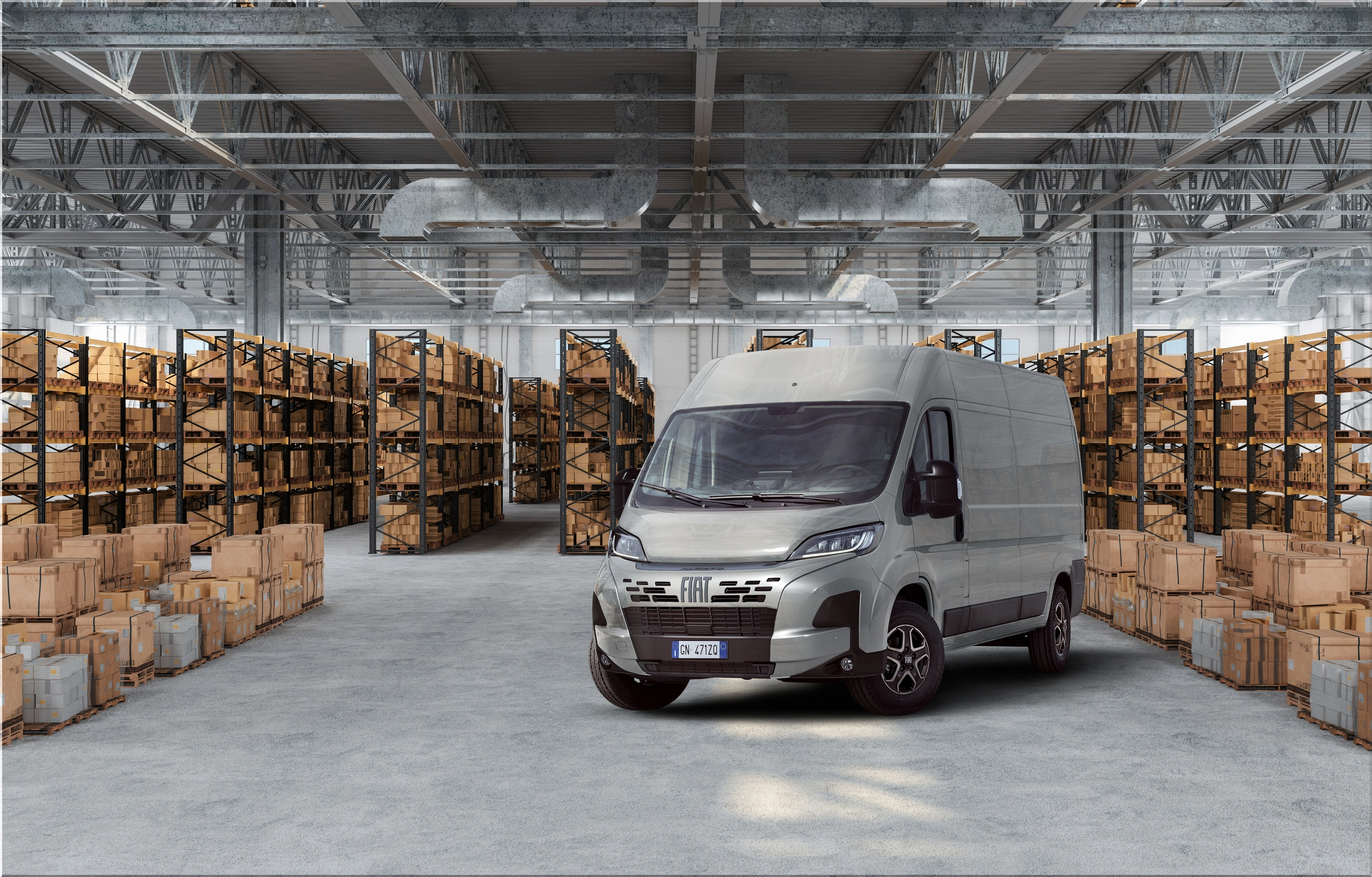
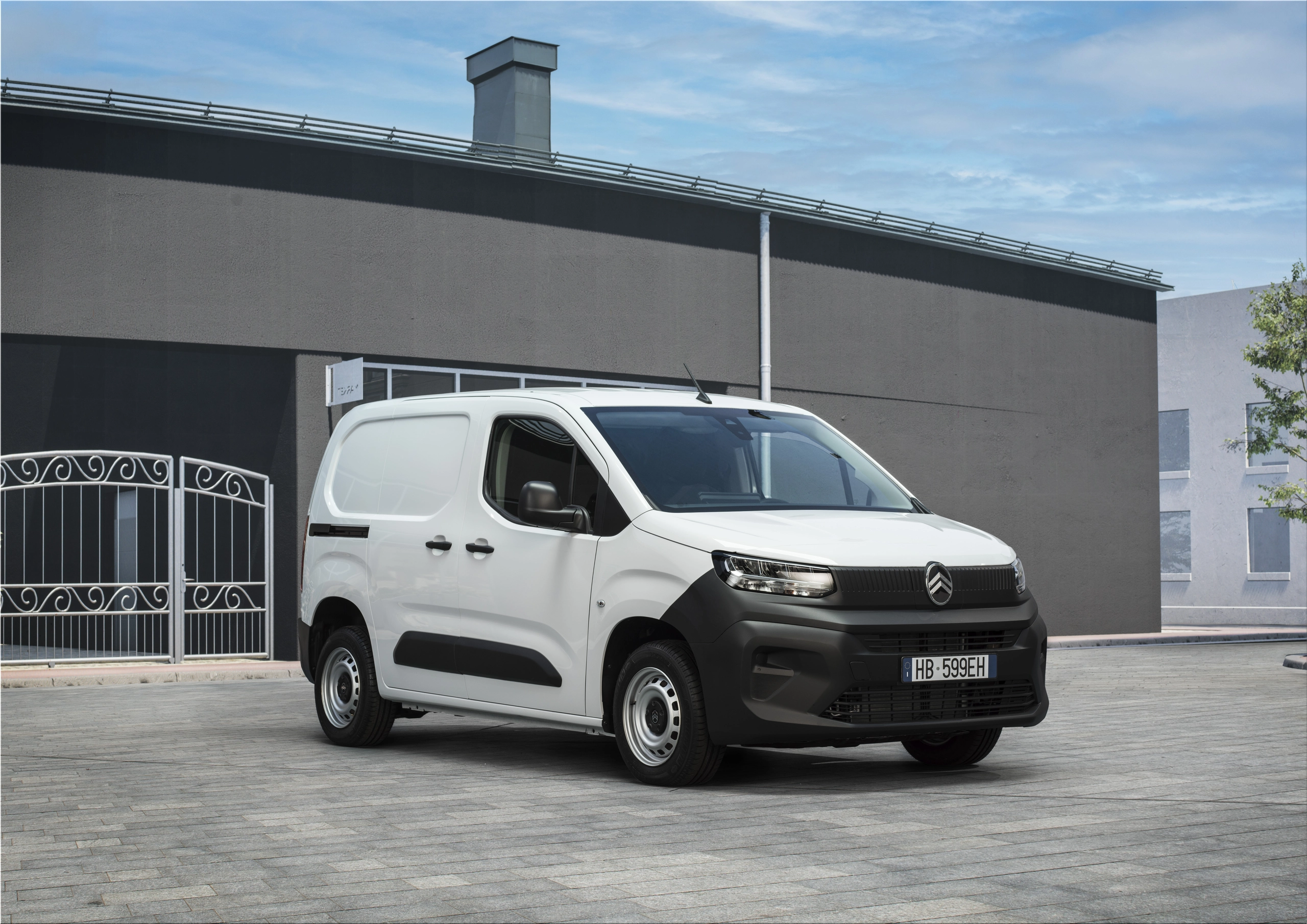
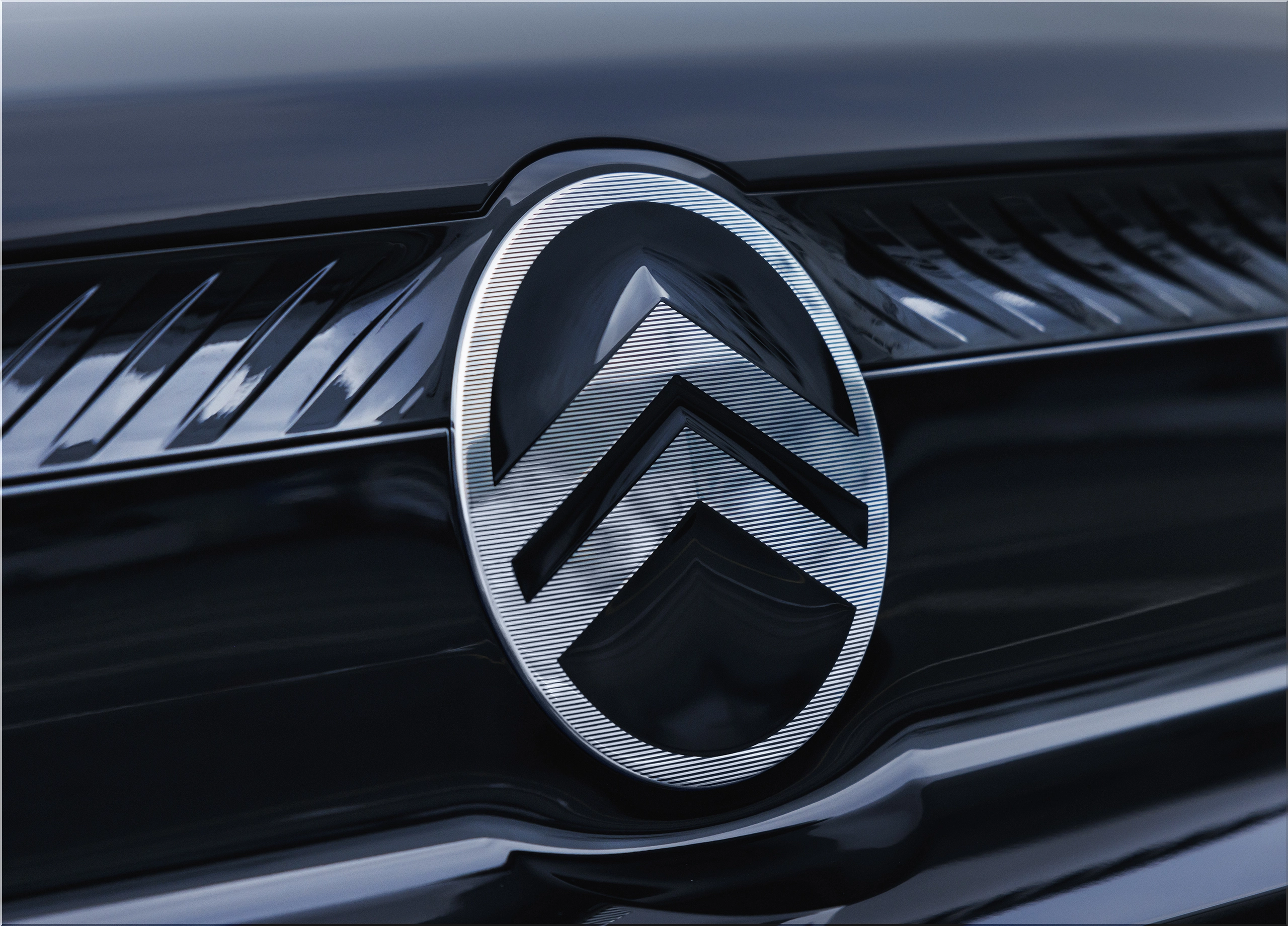
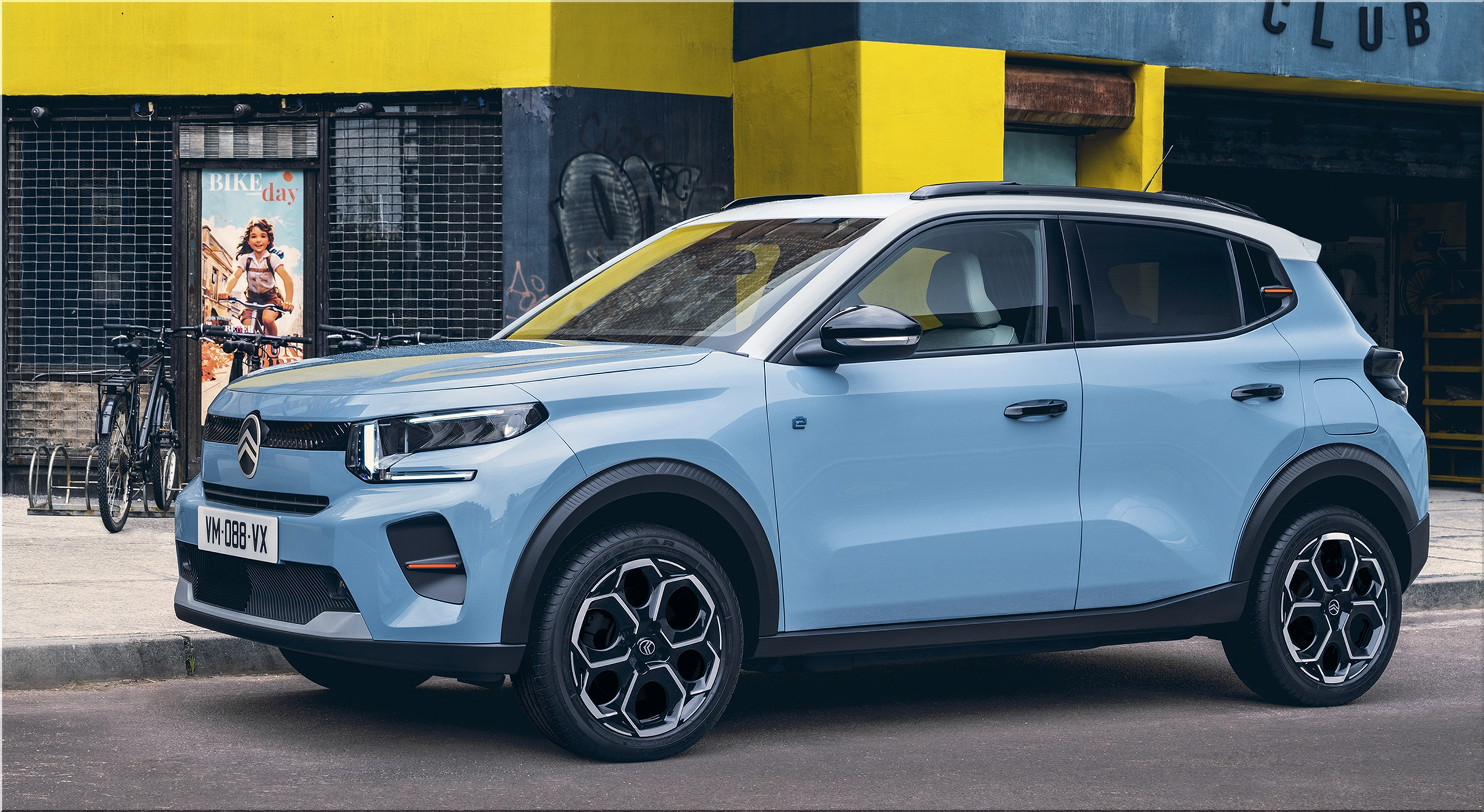
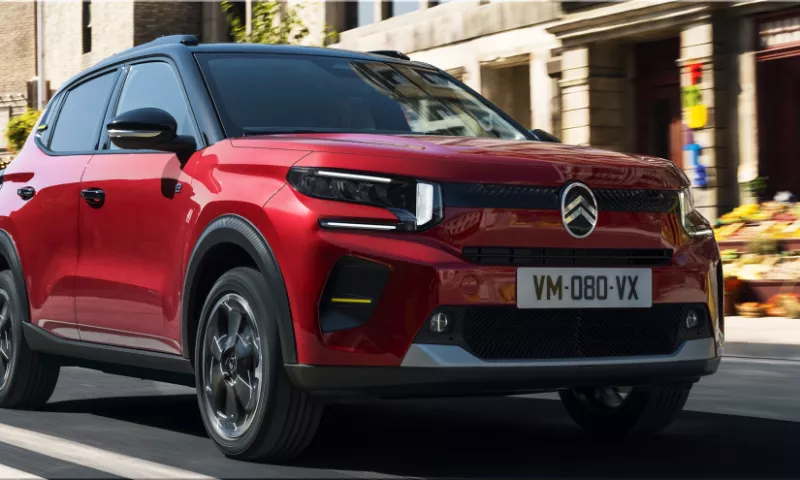
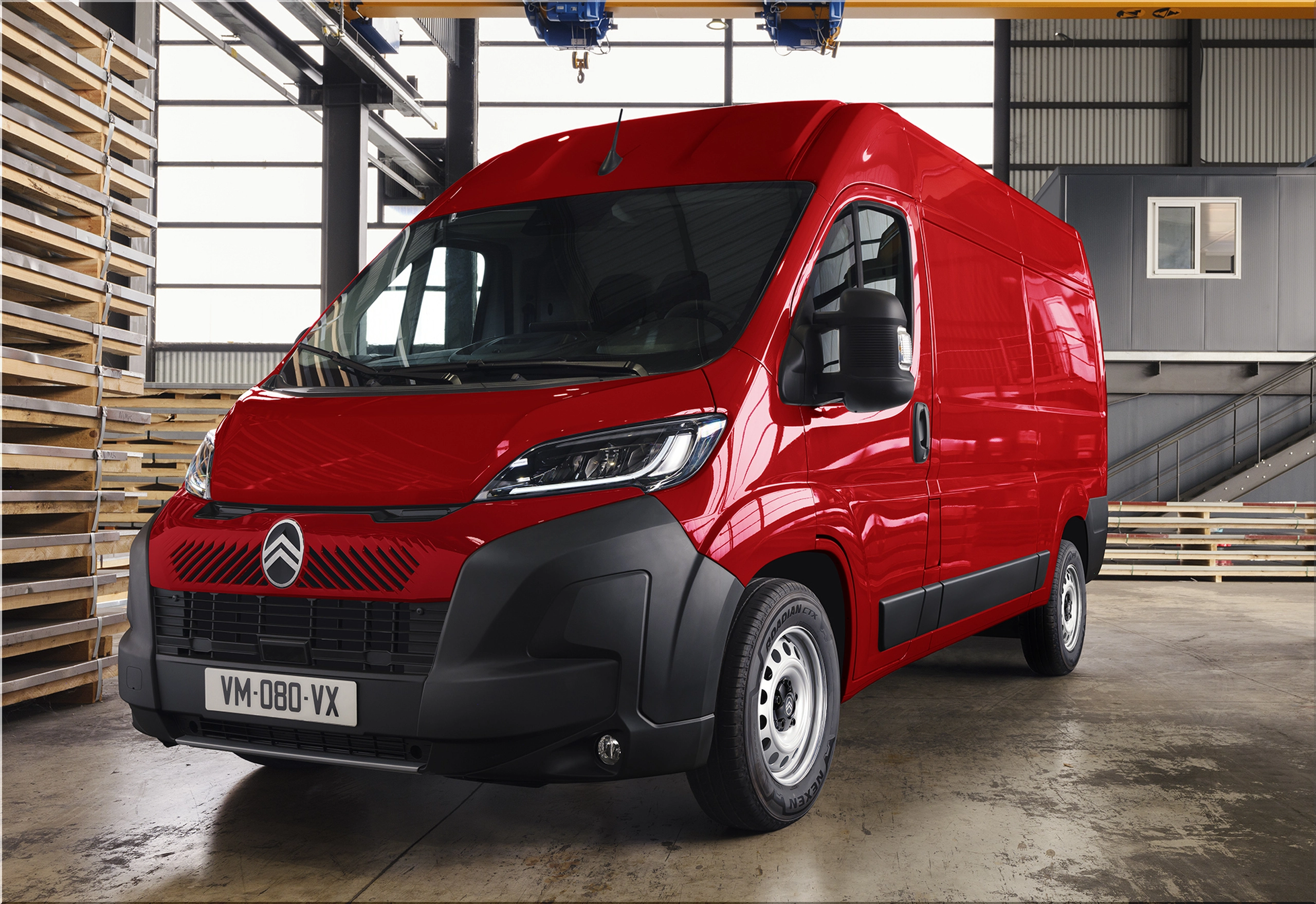
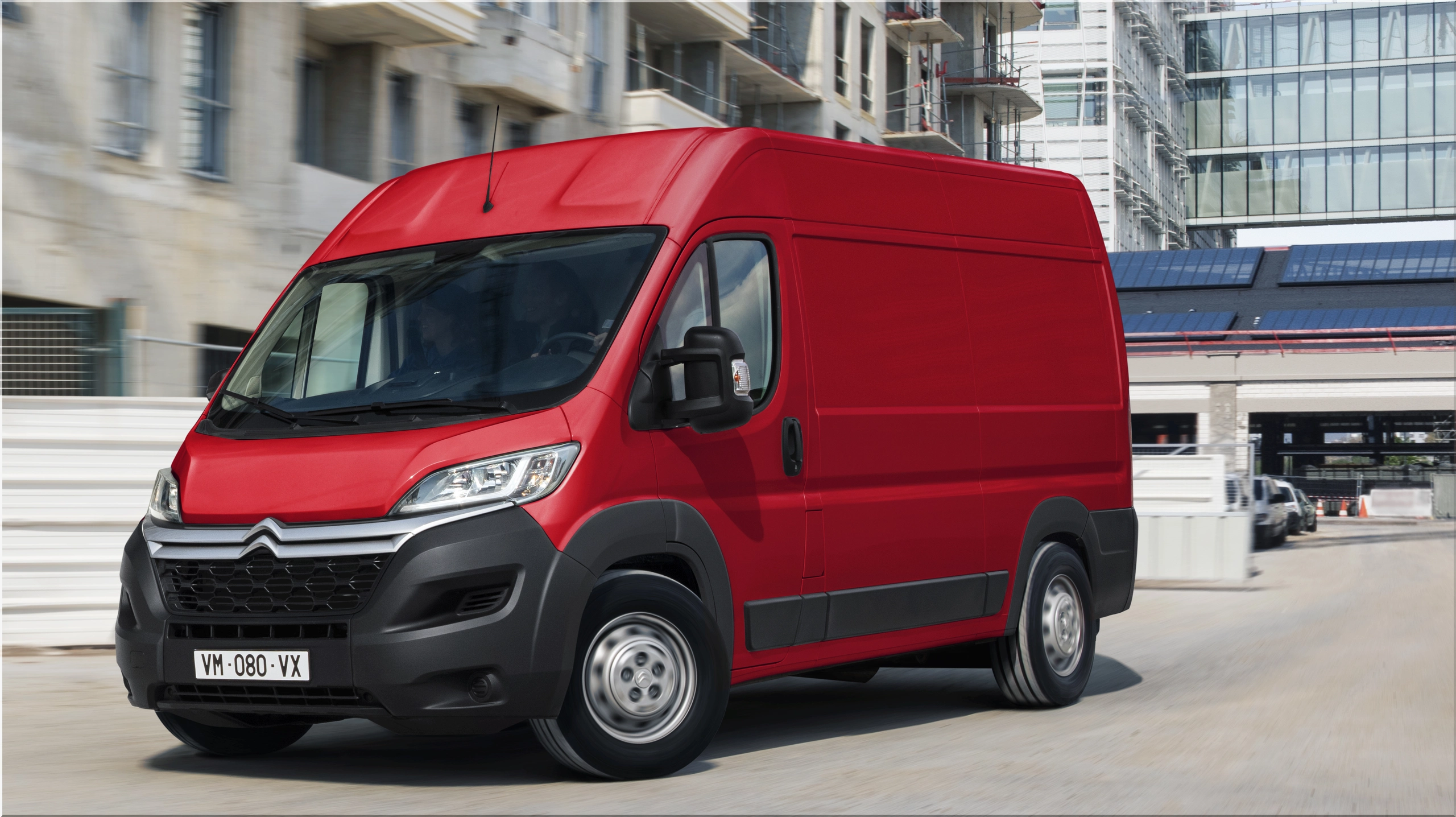
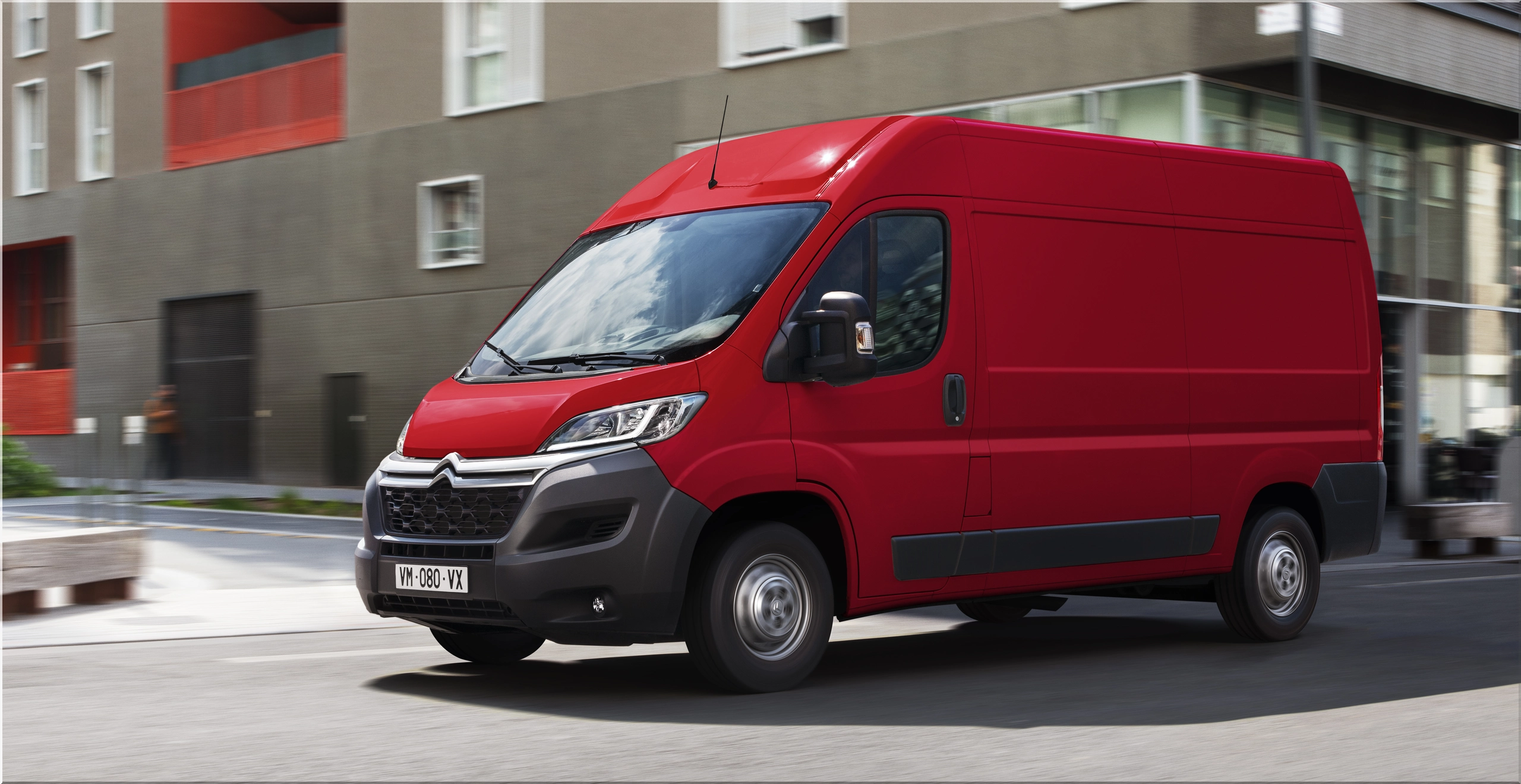
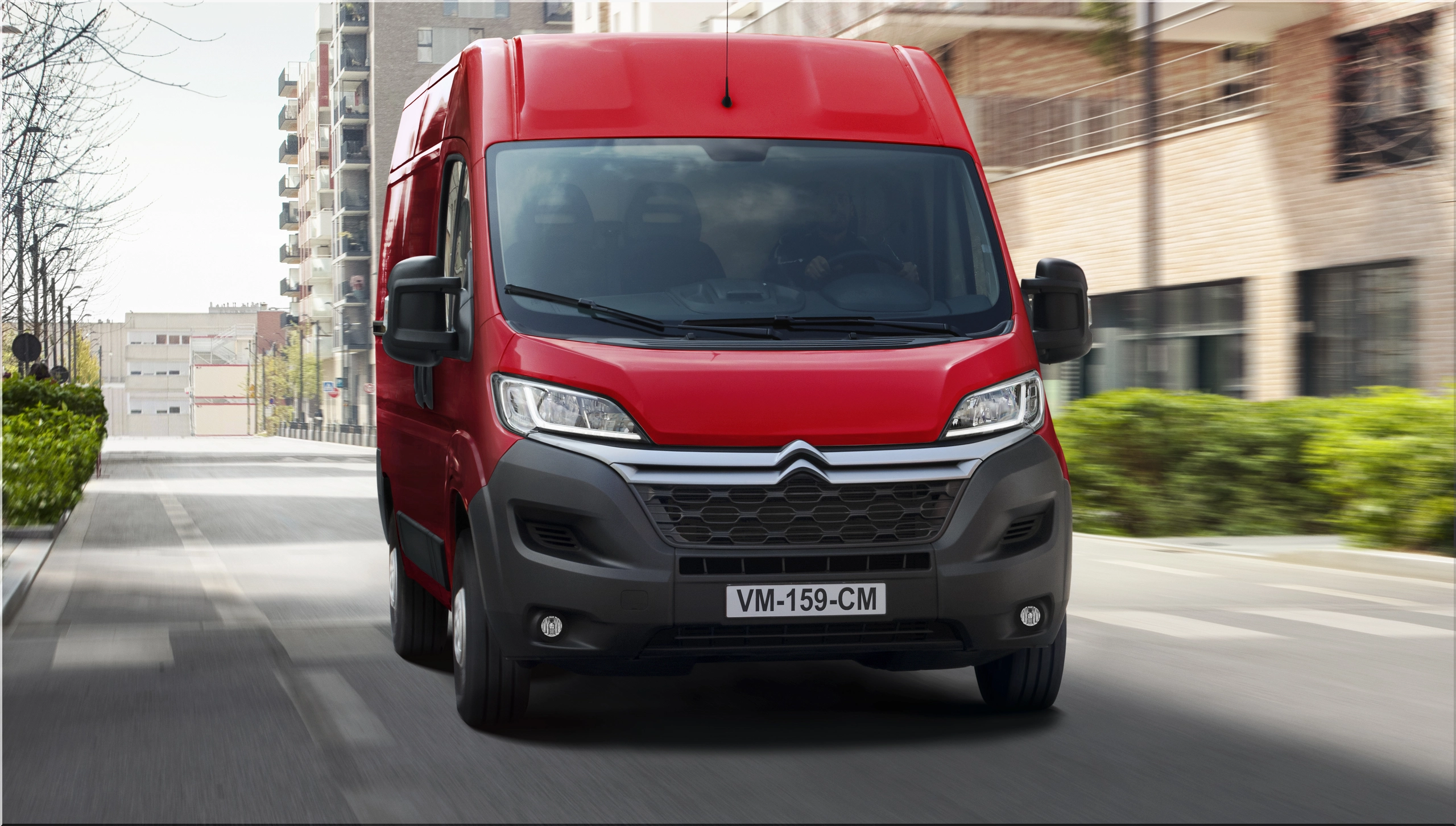
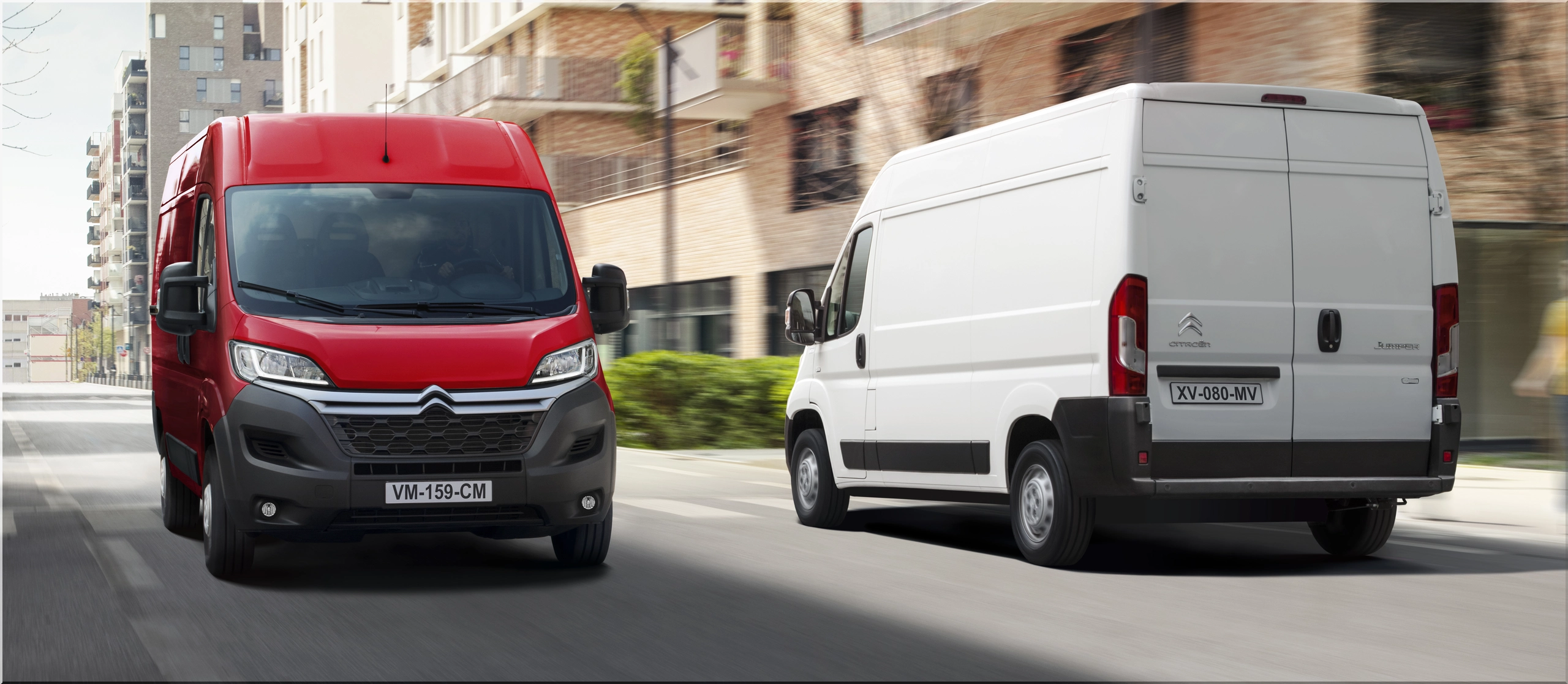
In 2024, Citroen celebrates the 30th anniversary of the Jumper by introducing a new generation that is more modern and attractive than ever. The new Jumper features a redesigned front-end, with a new bumper, a new grille, and new LED daytime running lights that give it a distinctive and expressive look. The new Jumper also adopts the Citroën logo, which was updated in 2023 to mark the brand’s centenary.
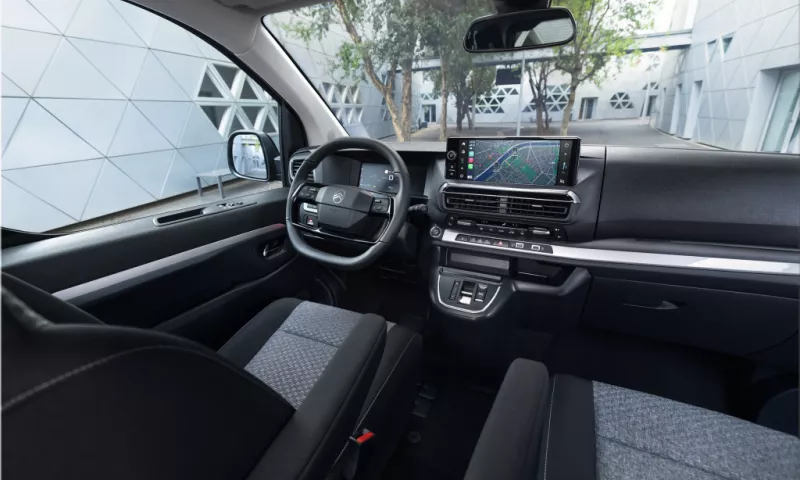
The new Jumper also offers more connectivity and driving aids, making it a smart and safe vehicle for professionals. It features a new infotainment system with a 10-inch touchscreen, compatible with Apple CarPlay and Android Auto, and offers various services, such as navigation, traffic information, and online radio. It also features up to 17 driving assistance technologies, such as adaptive cruise control, lane departure warning, blind spot monitoring, rearview camera, and emergency braking.
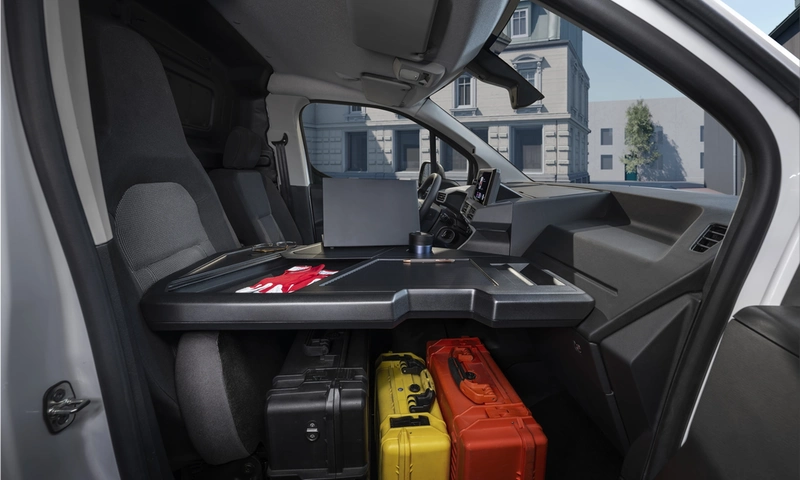
The new Citroen Jumper also retains its practicality and versatility, offering a wide range of configurations and solutions to suit every need. It offers up to 18 m3 of loading volume and 2,100 kg of payload, and can tow up to 3,000 kg. It also offers a modular cabin with swiveling front seats, a removable table, and various storage compartments. It also offers a retractable roof, which can be used as an extra loading space or a sleeping area.
The new Jumper also features efficient and eco-friendly powertrains, including thermal, electric, and soon-to-come hydrogen options. The thermal versions are equipped with diesel engines ranging from 120 to 210 hp, and complying with the Euro 7 emission standards. The electric versions are powered by a 90 kW electric motor and a 70 kWh battery, offering a range of up to 280 km and a fast charging time of 45 minutes. The hydrogen versions are expected to be launched in 2025, offering a range of up to 400 km and a refueling time of 10 minutes.
The Jumper: A Leader in the Van Market
The Citroen Jumper is one of the best-selling vans in Europe, with more than 2.5 million units sold since its launch in 1994. It is also one of the most awarded vans, having received numerous accolades, such as the Van of the Year in 1995, the Best Large Van in 2015, and the Ecobest in 2024. The Jumper is also popular for motorhome conversions, with more than 50% of the European market share.
The Jumper is not only a leader in the van market but also a leader in innovation and customer satisfaction. It is constantly evolving to meet the needs and expectations of its customers, offering them a robust, versatile, comfortable, and efficient vehicle. The Jumper is also a vehicle that reflects the Citroën values of boldness, creativity, and optimism and its expertise in the commercial vehicle segment.
The Jumper is more than a van. It is a symbol of 30 years of evolution at the service of professionals.
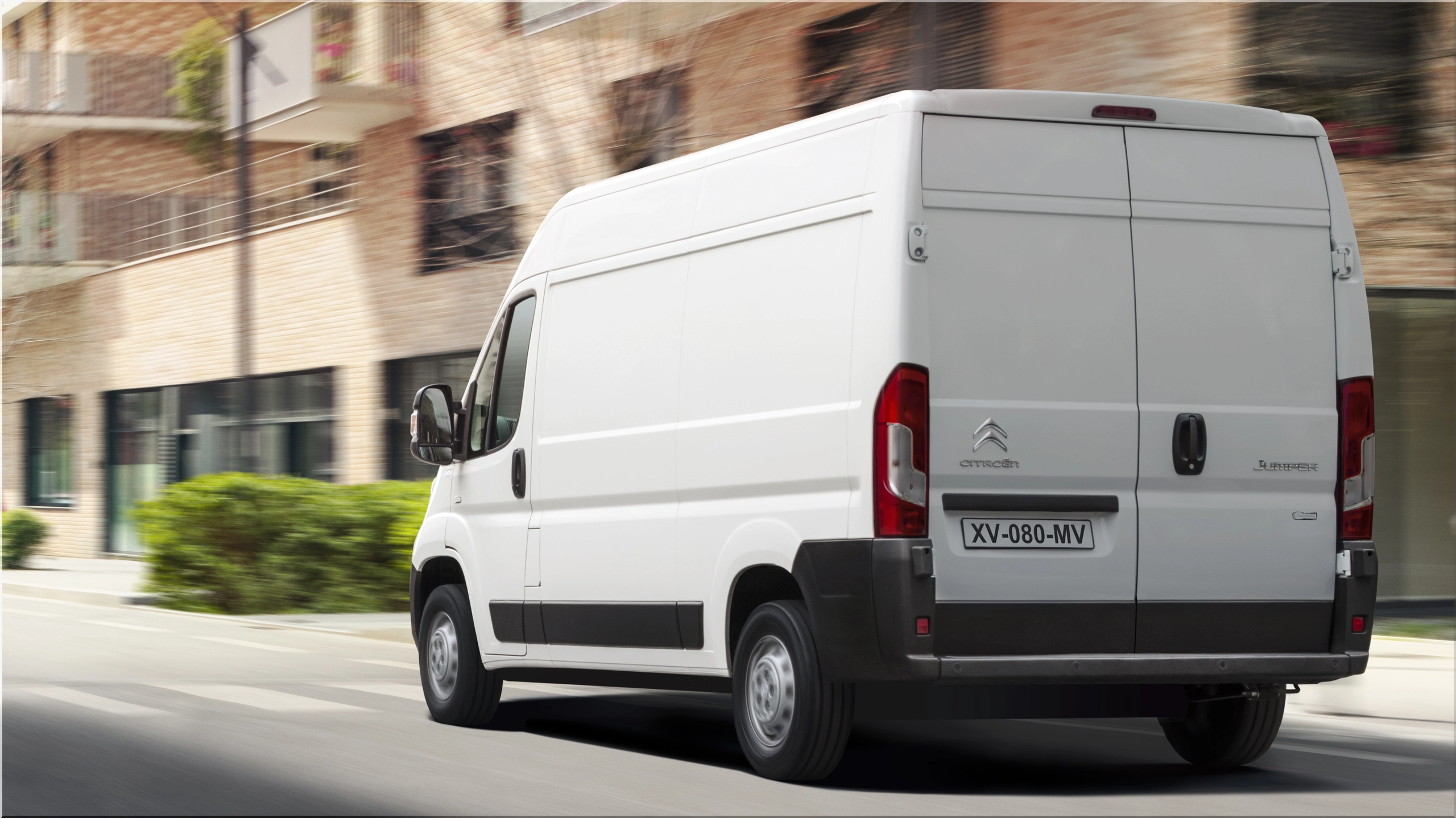
How the Citroen Jumper Compares to Its Competitors
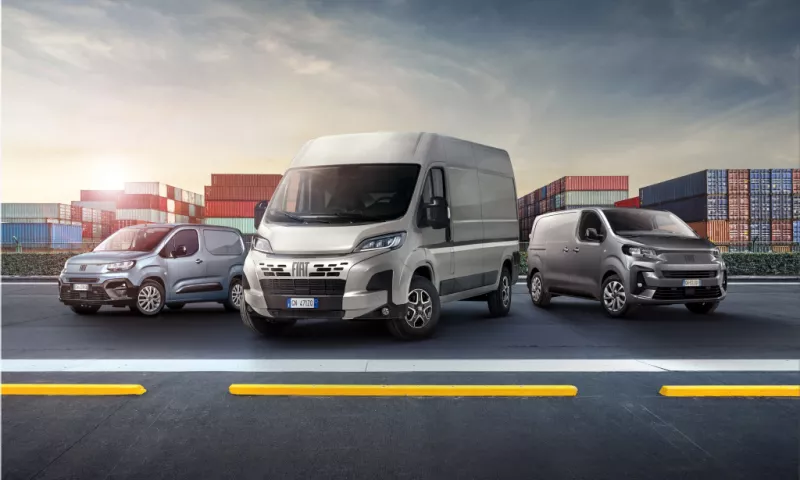
The Citroen Jumper faces strong competition in the van market, especially from its cousins, the Peugeot Boxer and the Fiat Ducato, which share the same platform and engines. However, the Jumper stands out with its distinctive design, its comprehensive connectivity, and its wide range of powertrain options. Here is a comparison table of the main features and specifications of the Jumper and its competitors:
| Feature | Citroën Jumper | Peugeot Boxer | Fiat Ducato |
|---|---|---|---|
| Design | New front-end with LED lights and Citroën logo | Similar to Jumper, but with Peugeot logo | Different front-end with horizontal grille and Fiat logo |
| Connectivity | 10-inch touchscreen with Apple CarPlay and Android Auto | 9-inch touchscreen with Apple CarPlay and Android Auto | 7-inch touchscreen with Apple CarPlay and Android Auto |
| Driving aids | 17 technologies, including adaptive cruise control and emergency braking | 16 technologies, including adaptive cruise control and emergency braking | 15 technologies, including adaptive cruise control and lane departure warning |
| Loading volume | Up to 18 m3 | Up to 17 m3 | Up to 17 m3 |
| Payload | Up to 2,100 kg | Up to 1,900 kg | Up to 2,100 kg |
| Towing capacity | Up to 3,000 kg | Up to 3,000 kg | Up to 3,000 kg |
| Powertrains | Diesel, electric, and hydrogen | Diesel and electric | Diesel and electric |
| Diesel engines | 120 to 210 hp | 120 to 180 hp | 120 to 180 hp |
| Electric motor | 90 kW | 90 kW | 90 kW |
| Electric battery | 70 kWh | 70 kWh | 70 kWh |
| Electric range | Up to 280 km | Up to 280 km | Up to 280 km |
| Hydrogen range | Up to 400 km | N/A | N/A |
| Price (USD) | From $32,000 to $56,000 | From $31,000 to $55,000 | From $30,000 to $54,000 |
As you can see, the Jumper offers more advantages than its competitors, such as a larger loading volume, a more powerful diesel engine, a more advanced infotainment system, and a hydrogen option. The Jumper is also competitively priced, offering a good value for money. Therefore, the Jumper is the best choice for professionals who need an innovative, versatile, and efficient van
- Add new comment
- 394 views