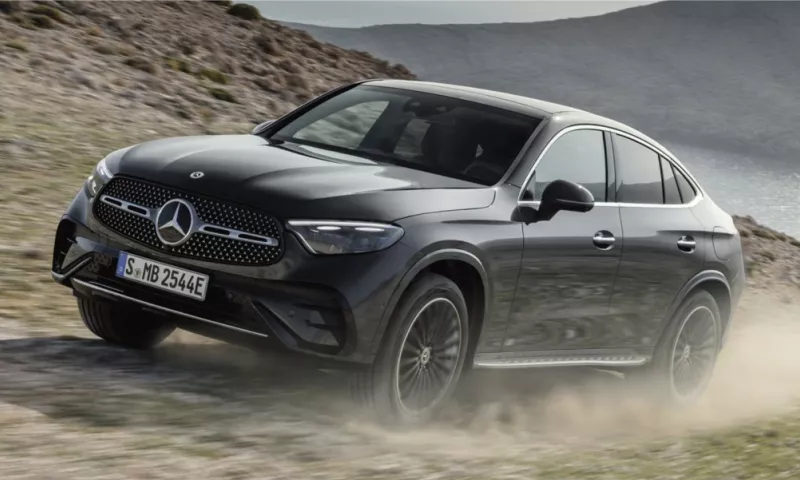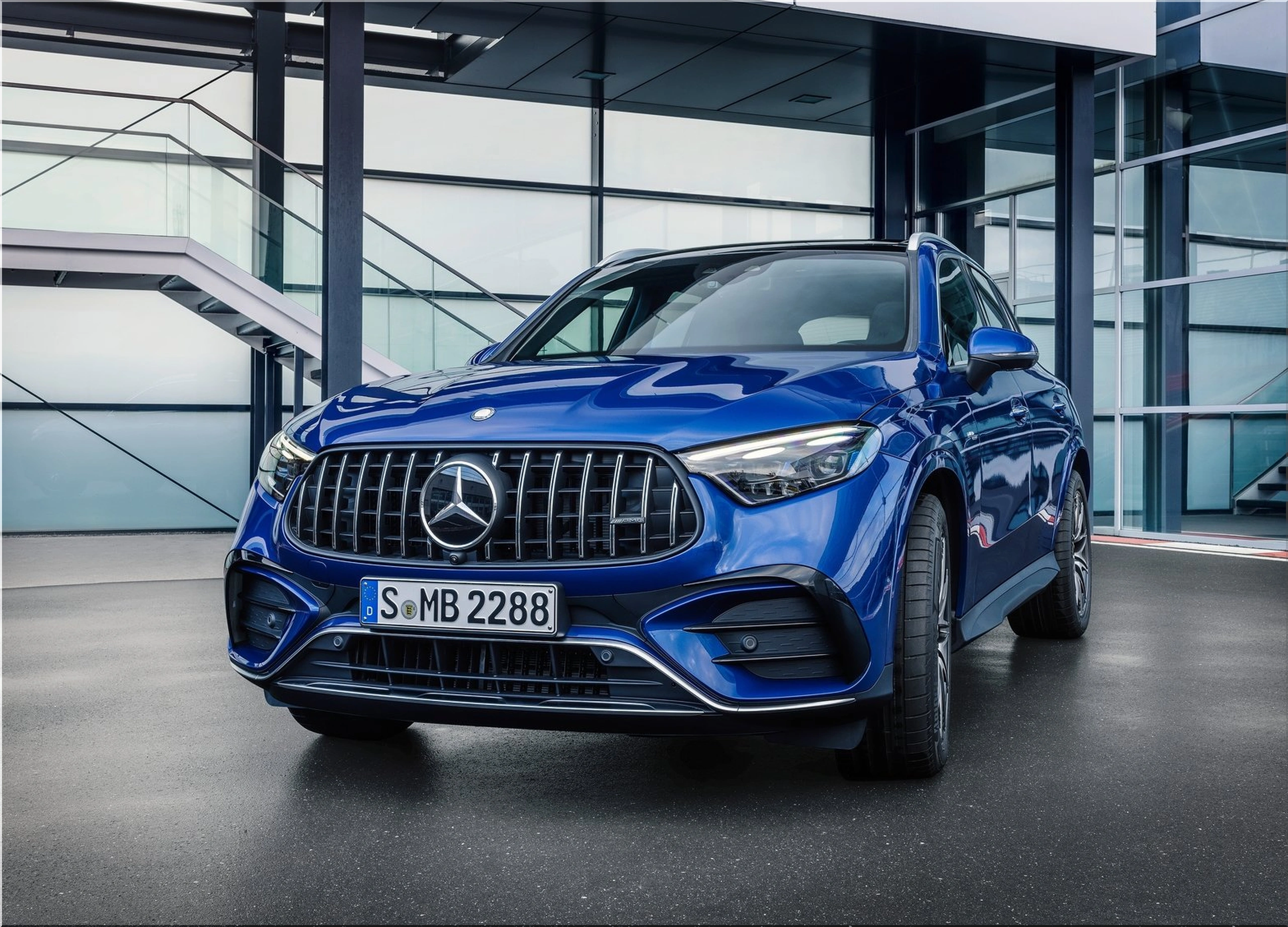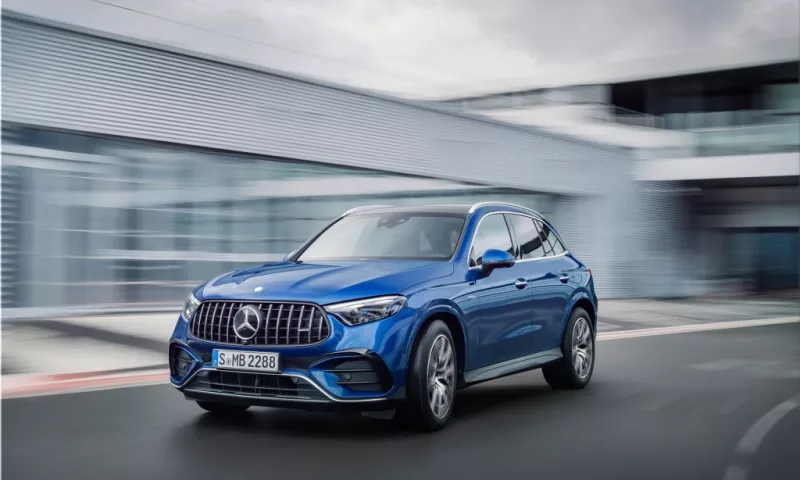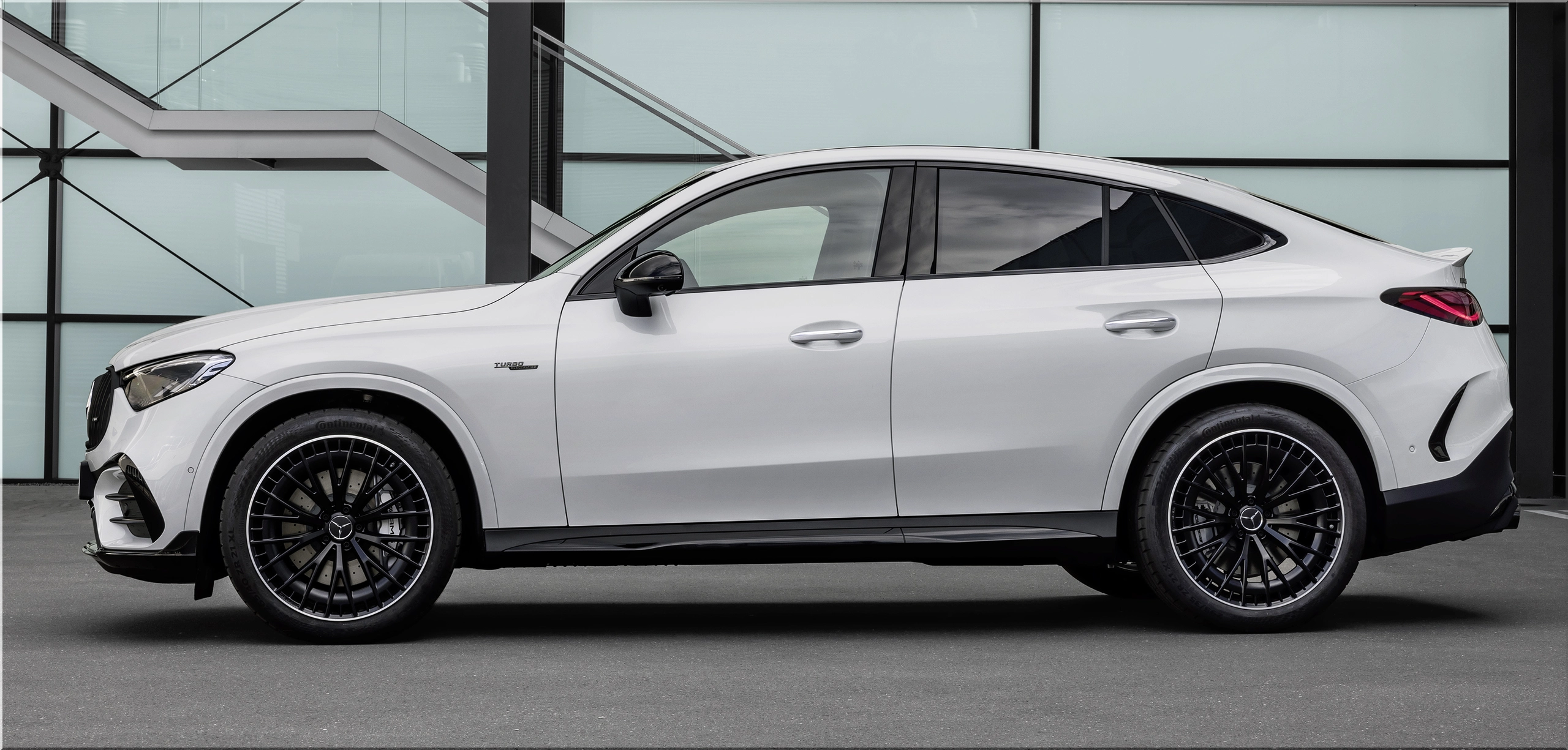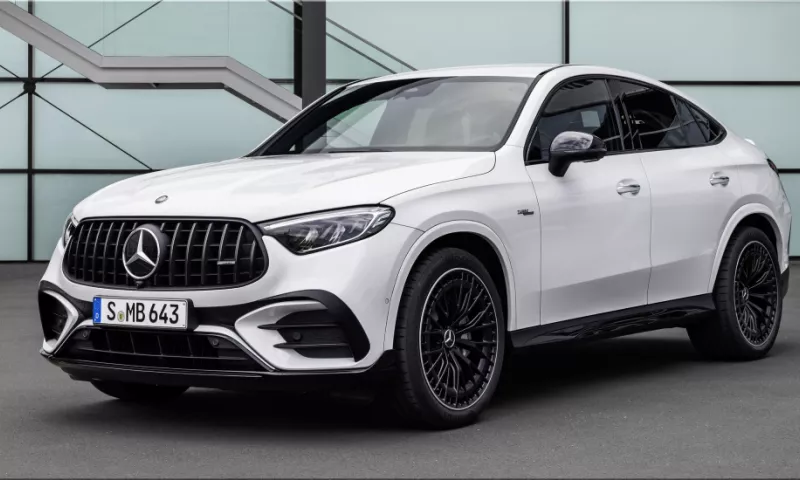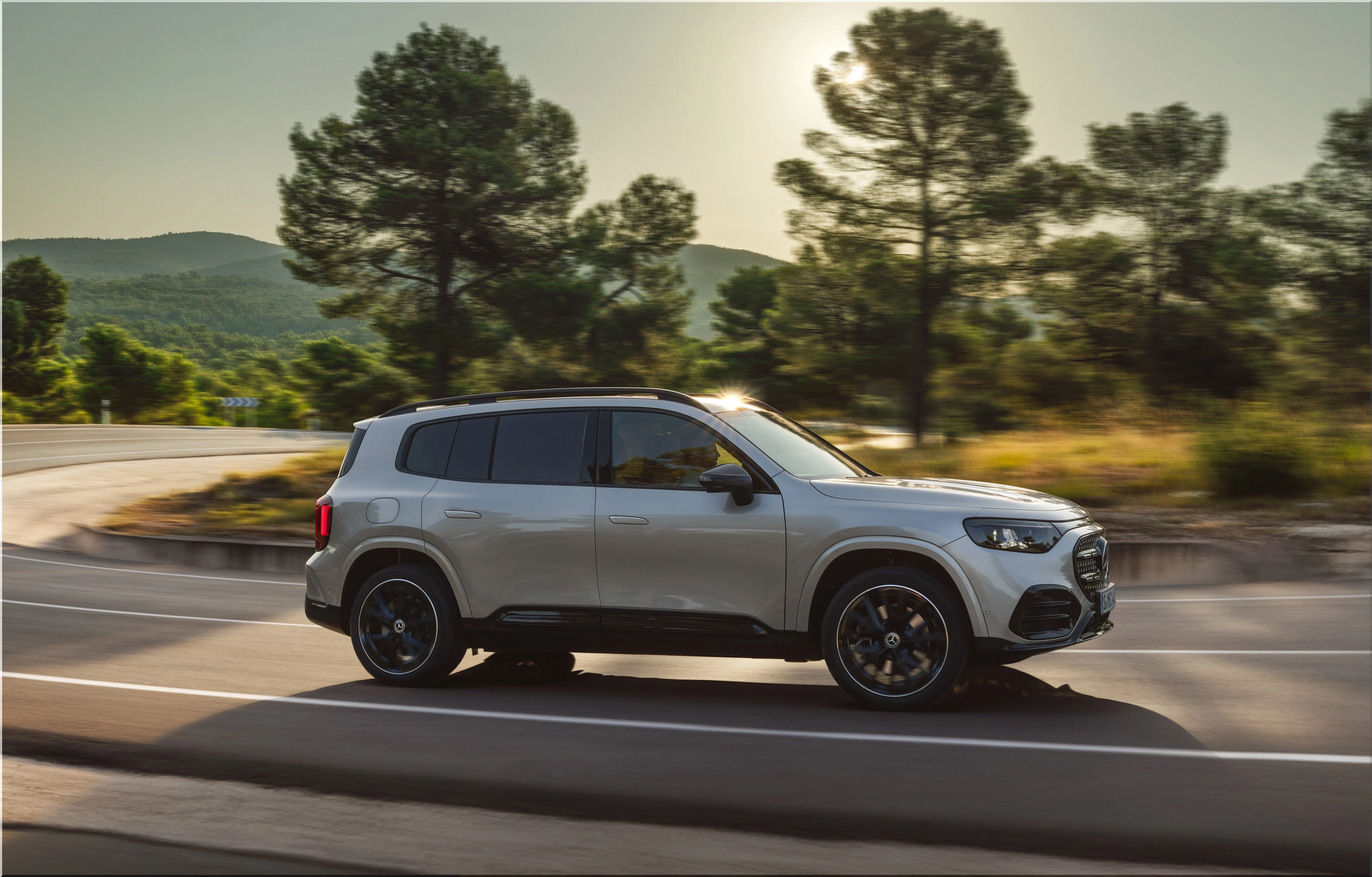
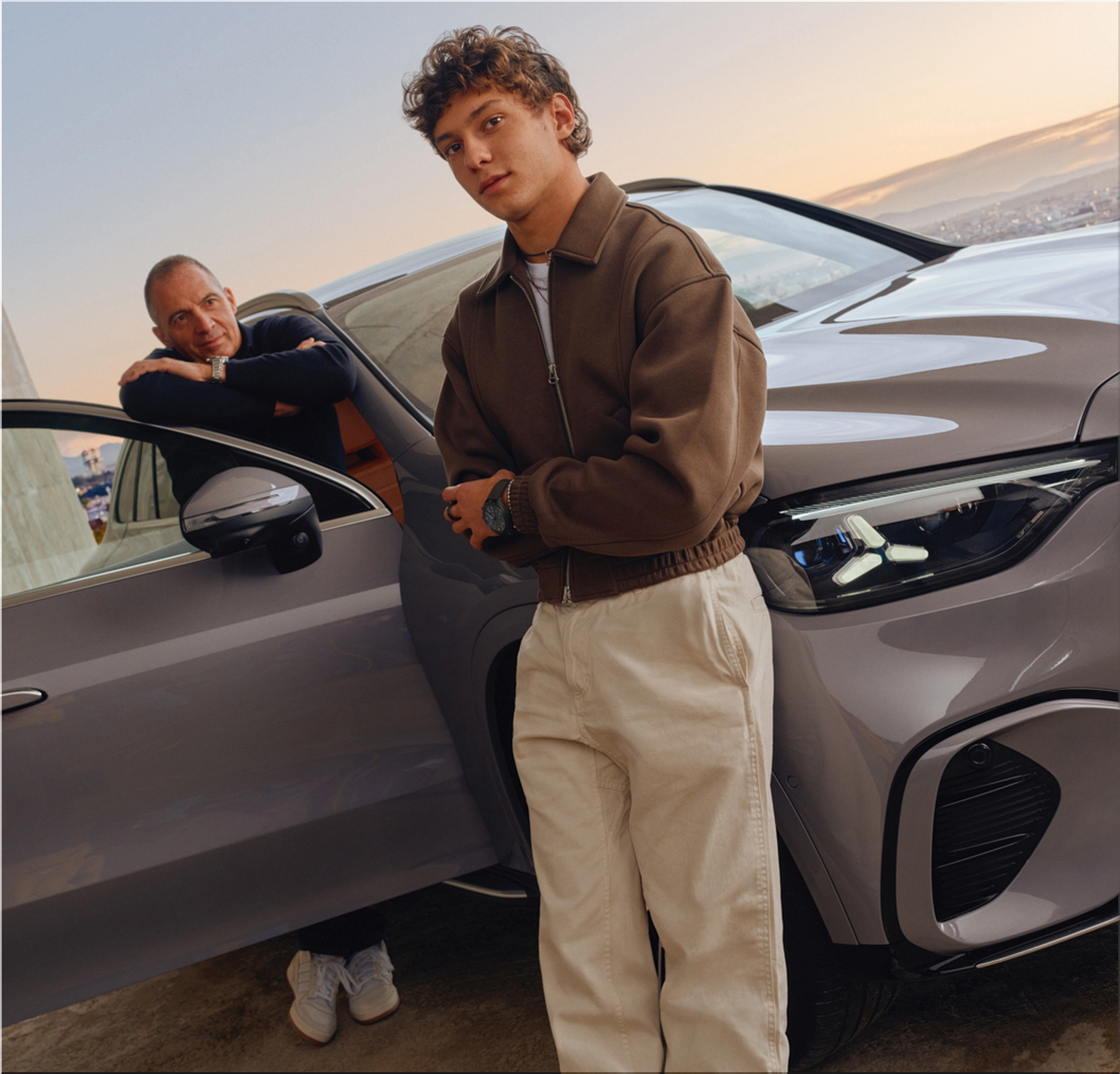
Most car ads still do the same old dance: glossy paint, dramatic music, a tight corner, and a voiceover trying very hard to sound deep. Mercedes-Benz took a smarter route with its new campaigns for the all-new electric GLC and all-new electric GLB. Instead of shouting specs, it tells two small, warm stories people can actually picture in their own lives.
That choice says a lot about where electric SUV marketing is heading. Buyers do not need another lecture. They want proof that a vehicle fits real days, real moods, and real people.
Image
Why the new Mercedes-Benz EV campaigns work
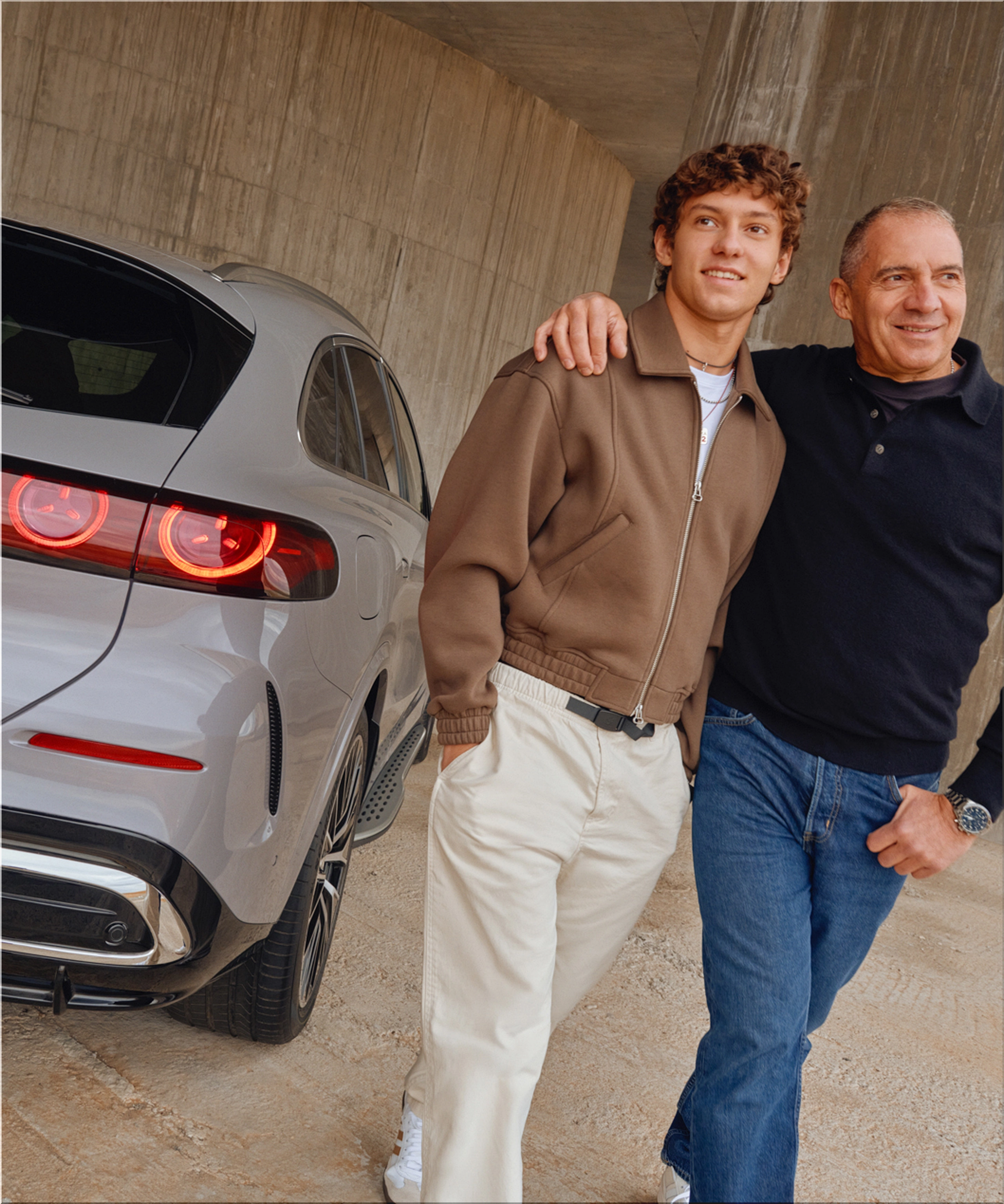
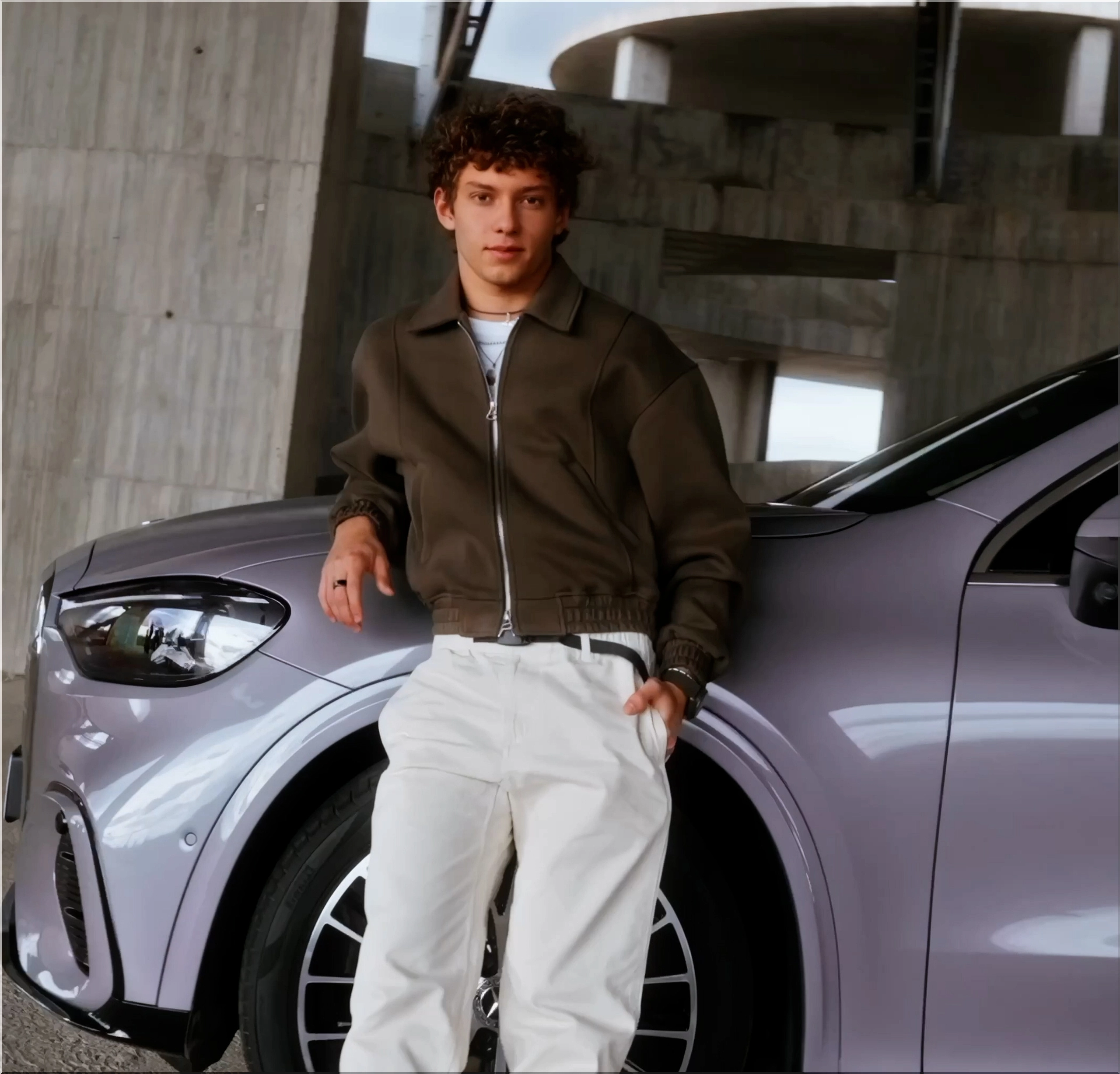
The new campaign for the electric Mercedes-Benz GLC puts Mercedes-AMG PETRONAS F1 driver Kimi Antonelli on screen with his father, Marco. That detail matters. Mercedes could have gone full speed, full swagger, full racetrack energy. It did not. It chose calm.
The result feels more grounded than flashy. Kimi is there, yes, but the real star is the shift in mood. The ad frames the GLC as a place to slow down, breathe, and reconnect. For an EV aimed at premium buyers, that is a sharp move.
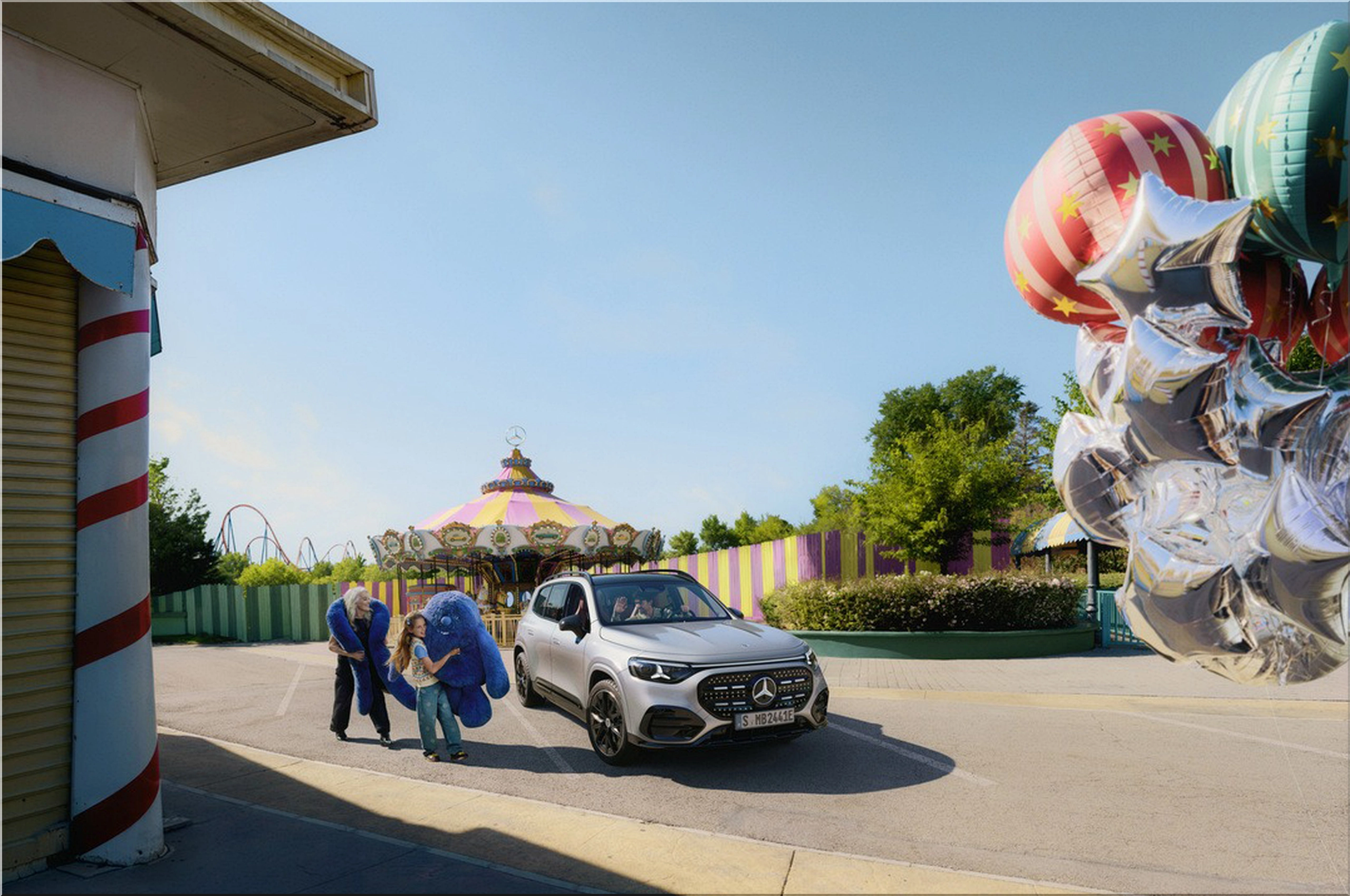
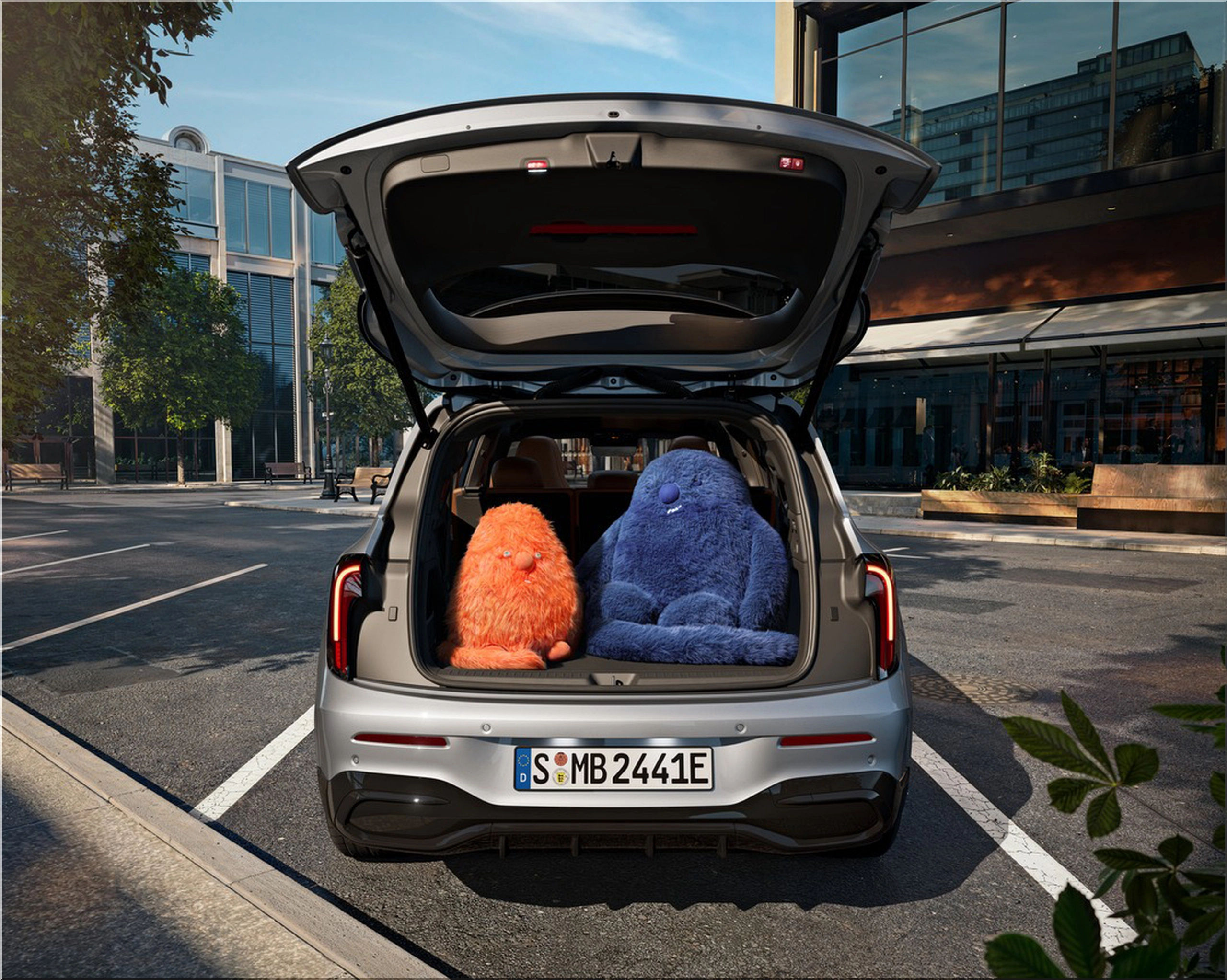
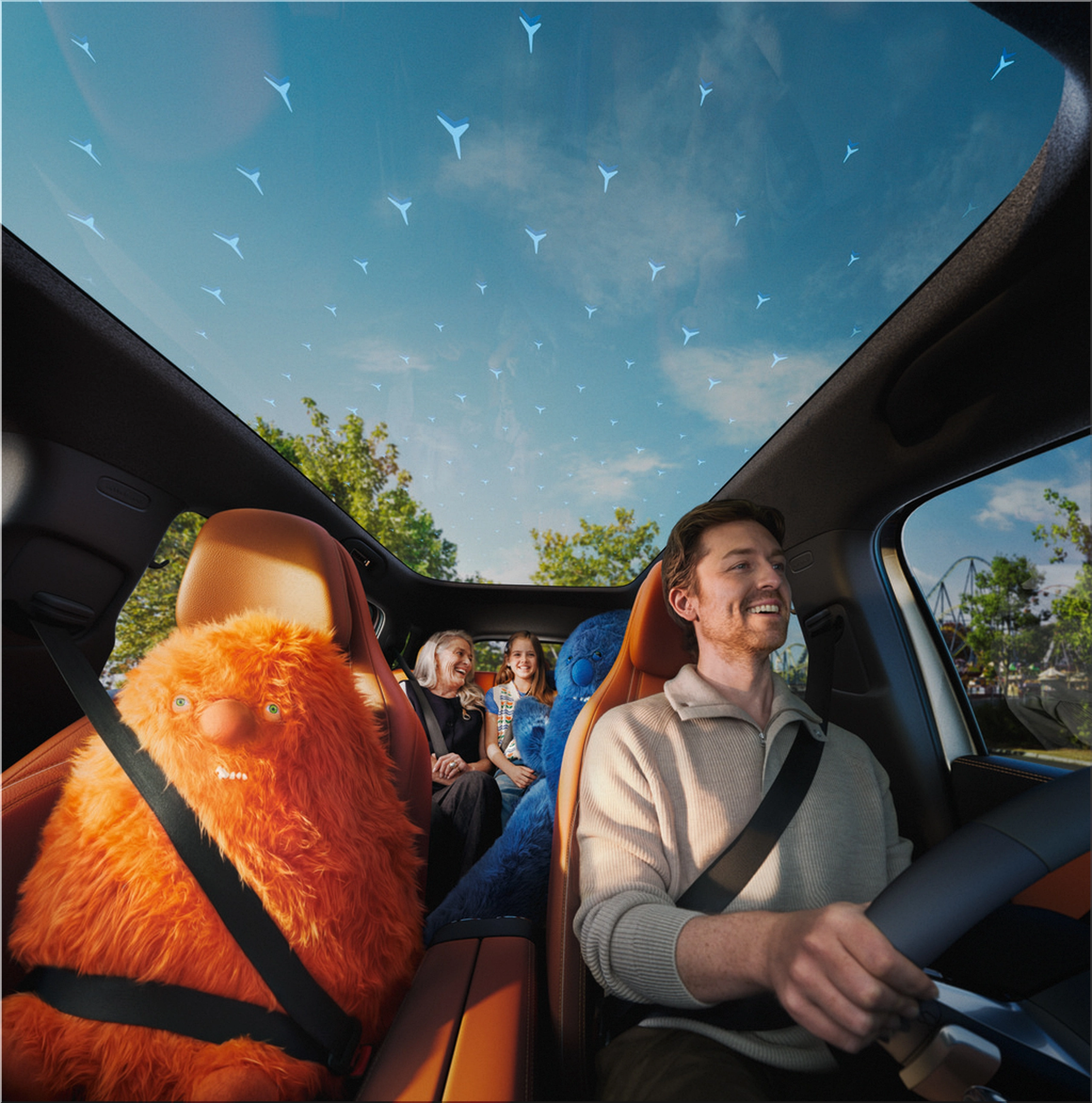
The electric Mercedes-Benz GLB campaign goes in a different direction. It centers on kids, family chaos, and two fluffy fairground prizes that somehow become urgent passengers. It is light, funny, and very easy to get. No decoder ring required.
Video file
Video title
Kimi Antonelli x Mercedes-Benz
Story beats that do the heavy lifting
Mercedes uses simple, relatable scenes to carry the message:
- A father-son drive after the pressure of racing
- A family errand that gets sillier by the minute
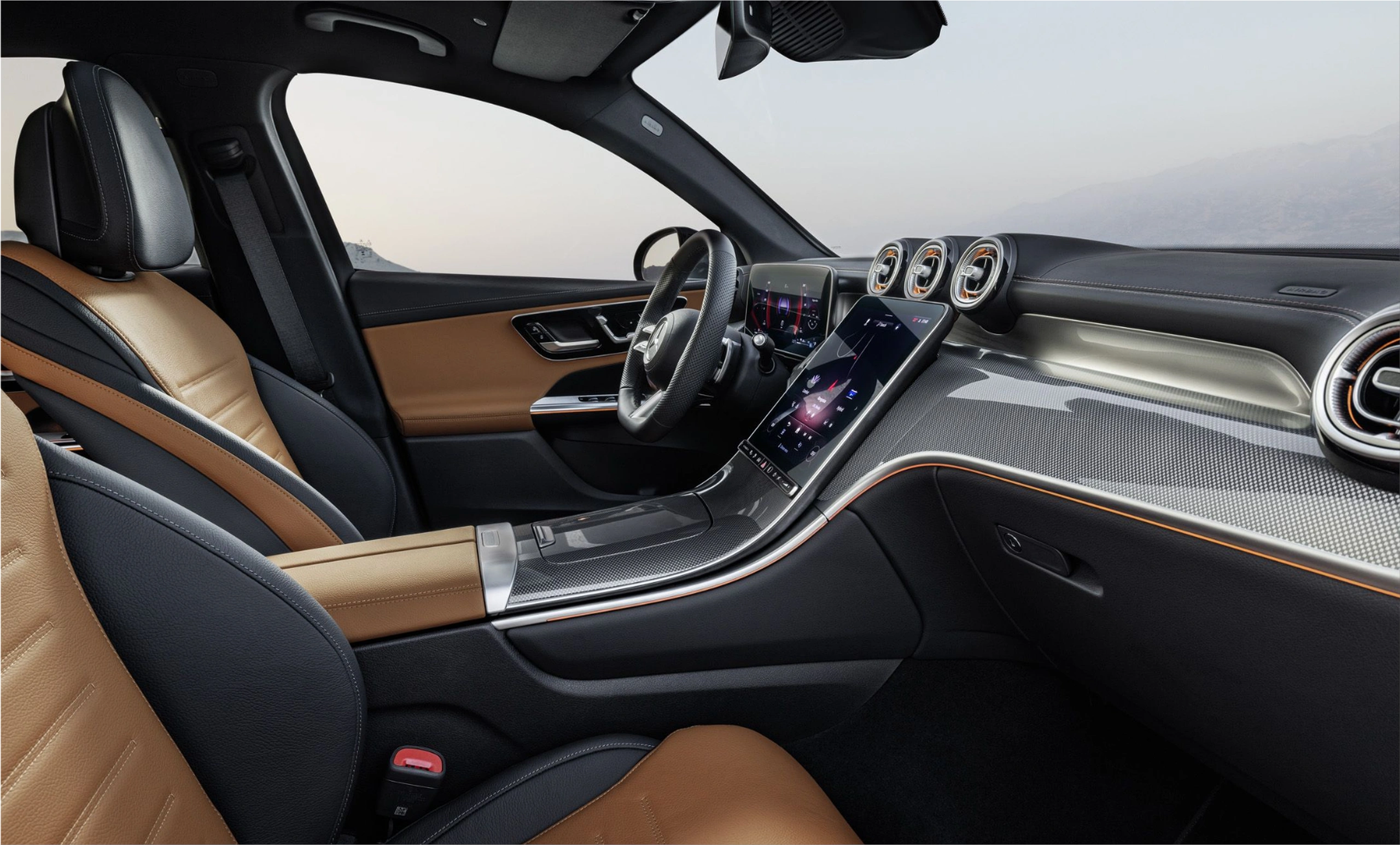
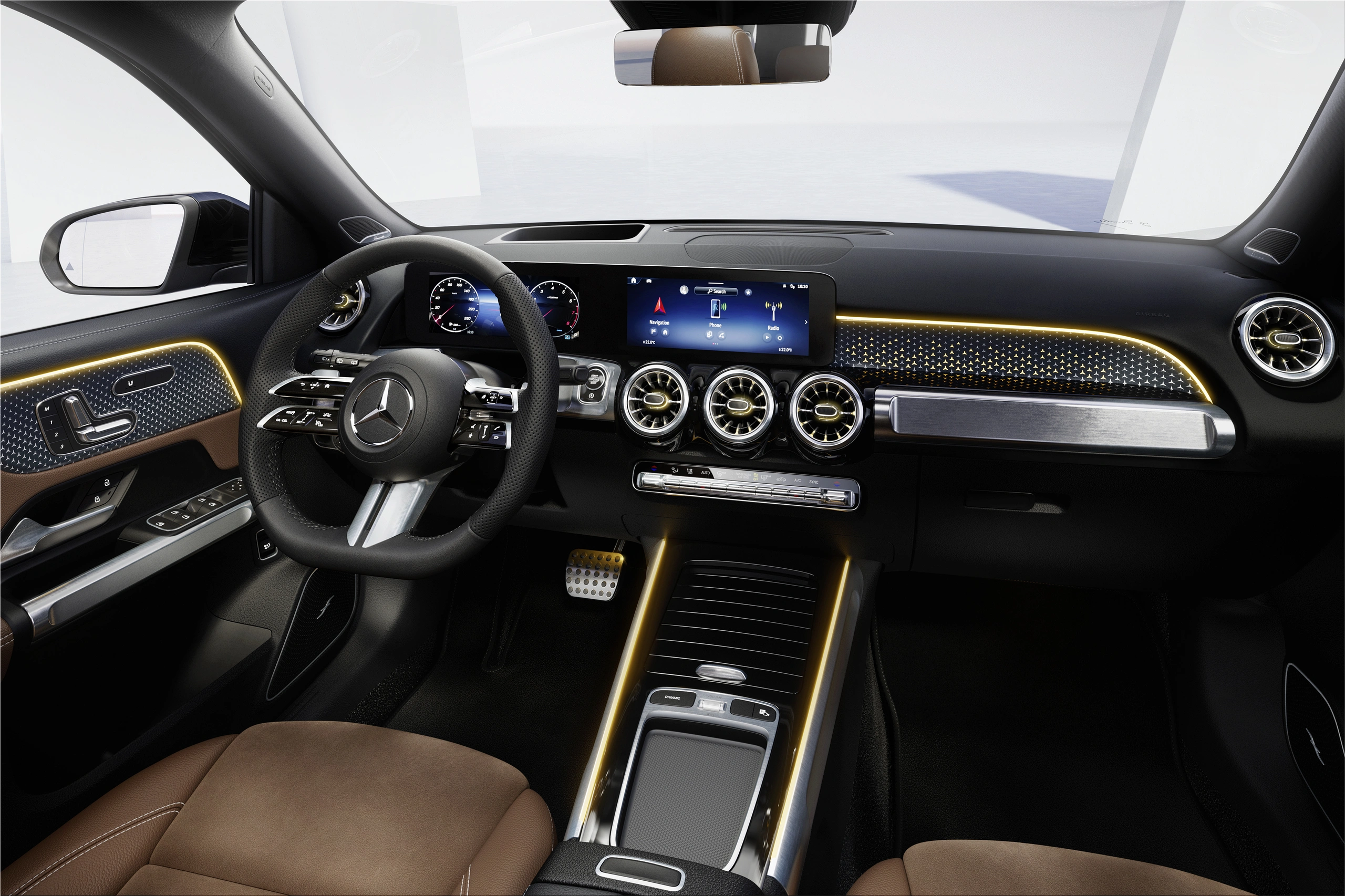
- Cabin comfort shown through use, not claims
- Driver-assistance features placed inside everyday moments
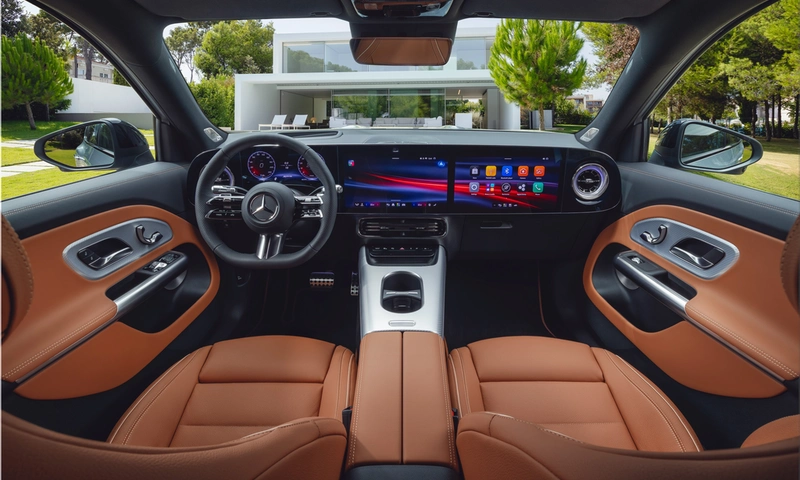
- Interior tech presented as helpful, not showy
That is good marketing. It respects the viewer's attention.
The electric GLC campaign turns performance into peace
Kimi Antonelli brings instant visibility. He is young, current, and tied to Mercedes performance cred. But the campaign does not lean on him like a crutch. It uses him to create contrast.
That contrast is the point.
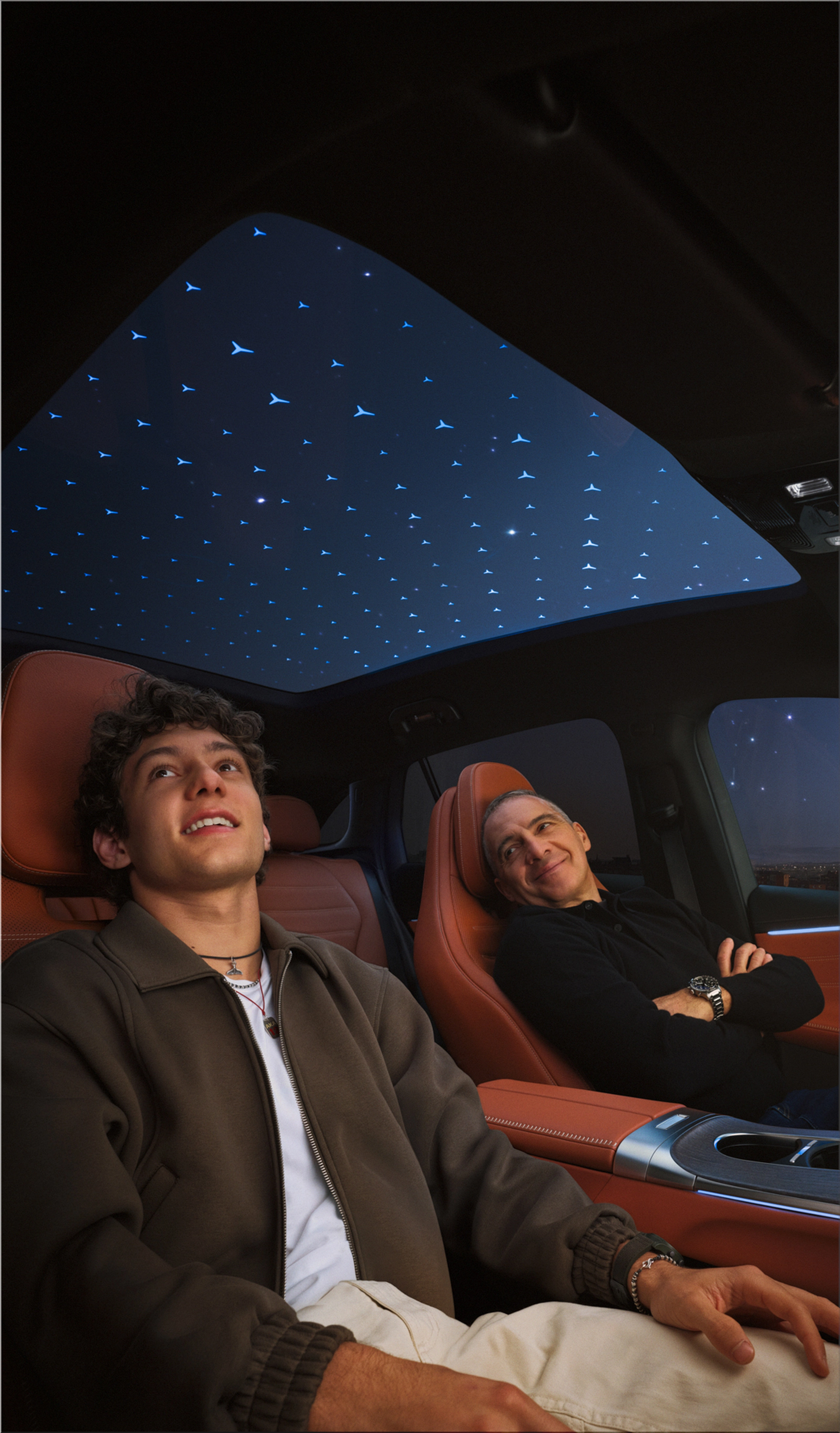
A rising Formula 1 driver usually signals speed, tension, and edge. Here, he becomes the bridge to ride comfort, acoustic calm, interior quality, and intuitive tech. Mercedes is saying the electric GLC can feel premium without acting loud about it.
Features shown in a natural way
The GLC spot works because the features show up as part of the scene, not as a checklist. Mercedes weaves in items such as:
- Blind Spot Assist
- MBUX Virtual Assistant
- Massage seats
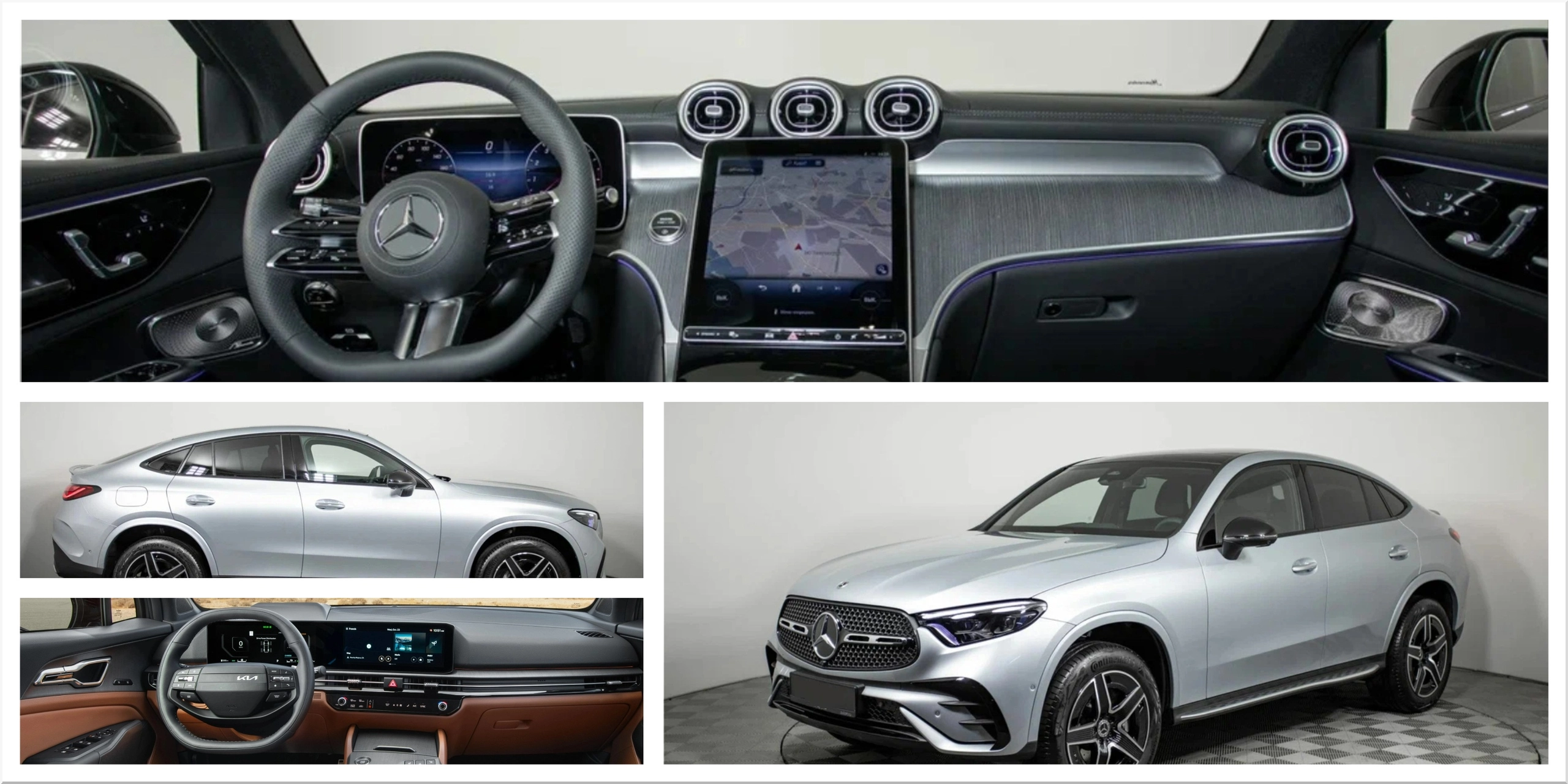
- Panoramic roof tech
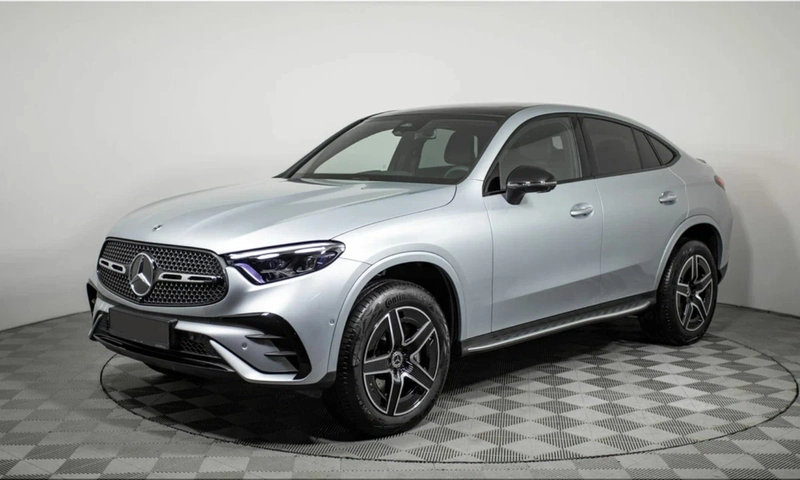
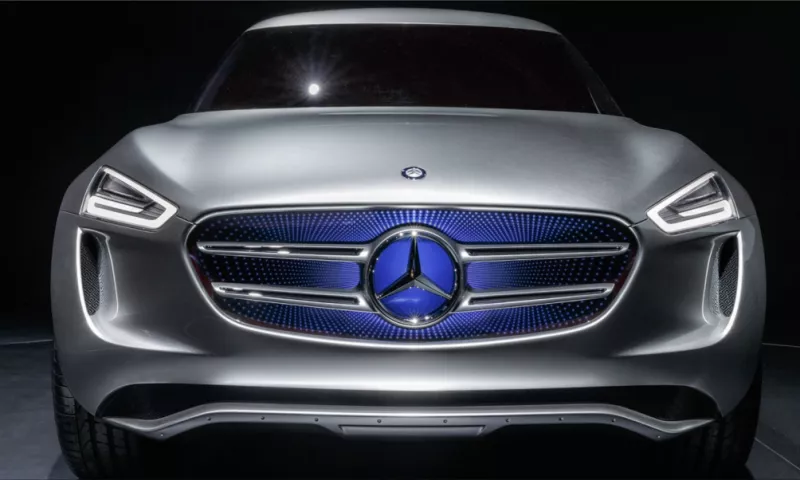
- The illuminated front grille
That makes the ad easier to trust. Viewers can spot the value without feeling cornered by a sales pitch.
The electric GLB campaign knows family life is messy
The GLB ad leans into something many automakers miss: family life is rarely polished. It is noisy, funny, slightly chaotic, and full of tiny last-minute surprises.
Mercedes uses that truth well. The fluffy toys are funny, but they are not random. They give the ad a clear memory hook. They also make the GLB's practical angle feel lighter and more human.
Why this approach fits the GLB
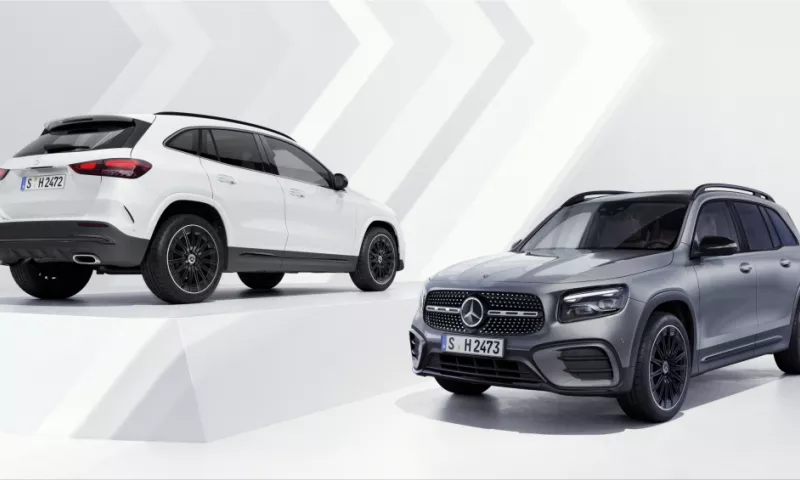
The electric GLB is positioned as the flexible one in the lineup. Space, practicality, and easy day-to-day use sit at the center. So the campaign shows a moment many parents know well: plans change, cargo multiplies, and the car has to keep up.
One feature gets special attention: Manoeuvring Assist. That is a smart pick. Fancy tech is nice. Useful tech is better.
What these ads say about premium EV marketing in 2026
Mercedes is selling feeling, not just function. That sounds obvious, yet plenty of brands still miss it.
Here is the bigger lesson: EV buyers want more than range charts and charging talk. They also want comfort, ease, confidence, and a vehicle that slips neatly into daily life.
| Campaign | Main emotional cue | Featured use case | Likely buyer takeaway |
|---|---|---|---|
| Electric GLC | Calm and connection | Quiet drive with Kimi and his father | Premium comfort with real personality |
| Electric GLB | Family humor and safety | Fairground toys, kids, daily errands | Practical EV that handles busy life well |
That table may look simple. Good. The ads are simple too, in the best possible way.
Why Mercedes-Benz picked the right time for this message
The GLC has long been one of Mercedes-Benz's strongest sellers, so moving that name into the electric era carries real weight. The company is not introducing a niche side project here. It is pushing a familiar badge into a new phase.
At the same time, both campaigns launched across global Mercedes-Benz channels in mid-March, with formats spanning social media, video, TV, and print. That broad rollout gives the message room to stick: these EVs are meant for daily life, not for a concept-video bubble.

What buyers should take from the electric GLC and GLB campaigns
If you are shopping premium electric SUVs, these campaigns offer a useful filter. Skip the cinematic fog machine. Ask better questions.
Use this quick checklist
- Does the vehicle feel calm on ordinary drives?
- Is the cabin tech actually easy to use?
- Do driver-assistance tools help in daily parking and traffic?
- Will the interior work for family life, gear, and surprises?
- Does the brand show the car in real situations, or only polished fantasy?
Mercedes makes a strong case that the all-new electric GLC and all-new electric GLB belong in real life. That may be the most persuasive move of all.
- Add new comment
- 305 views