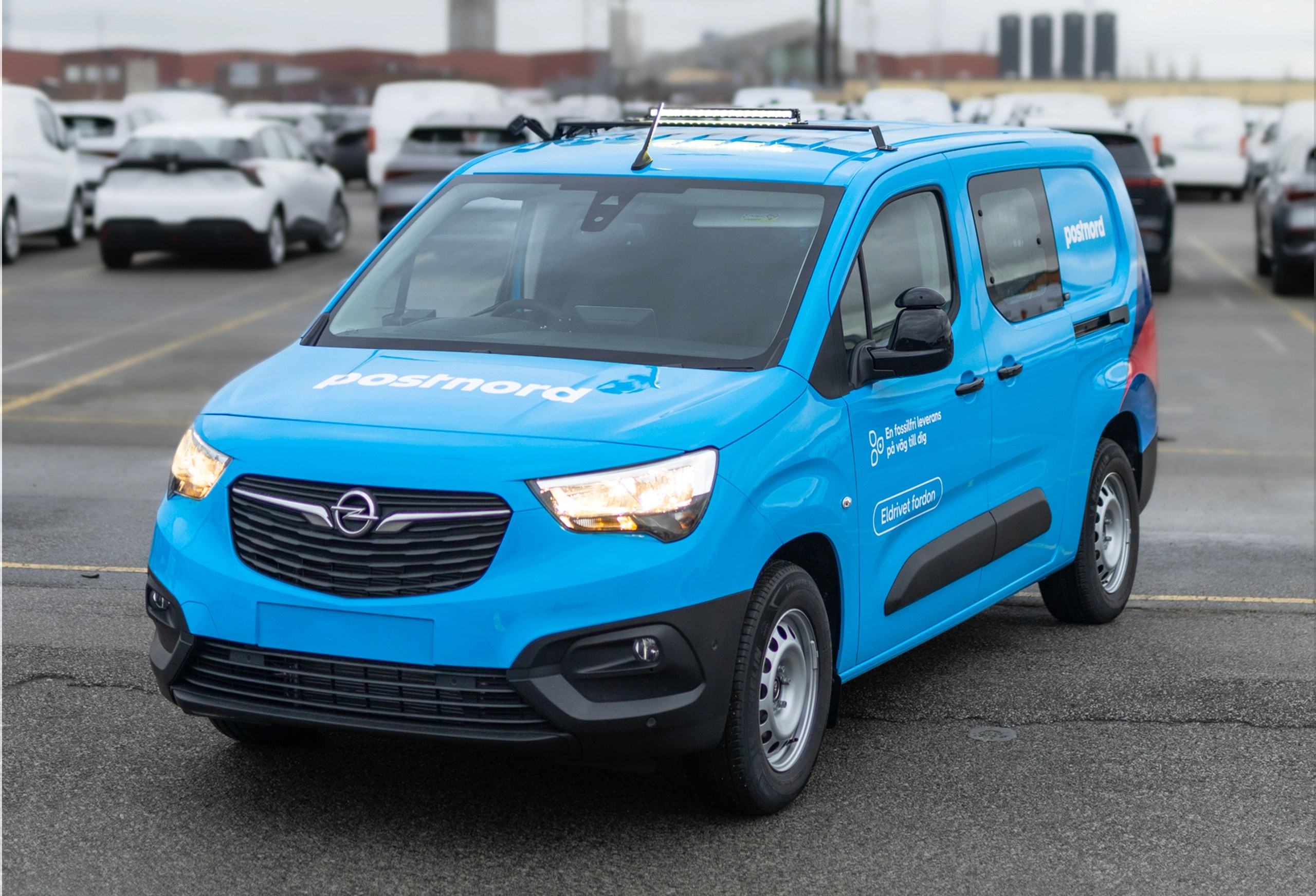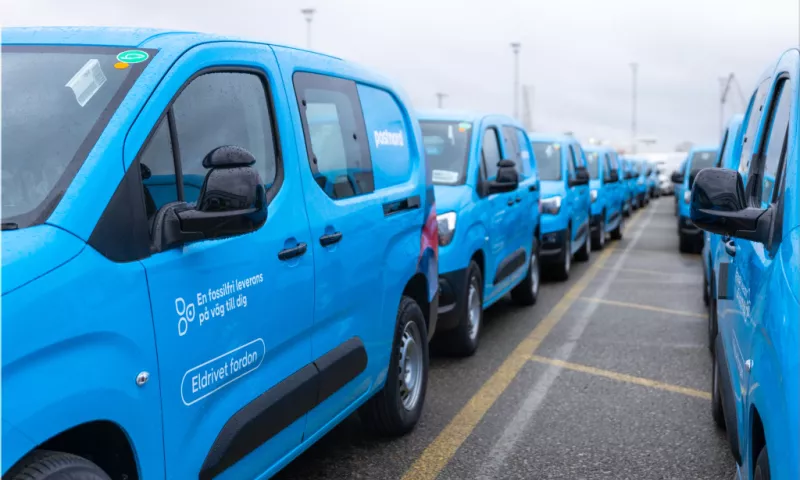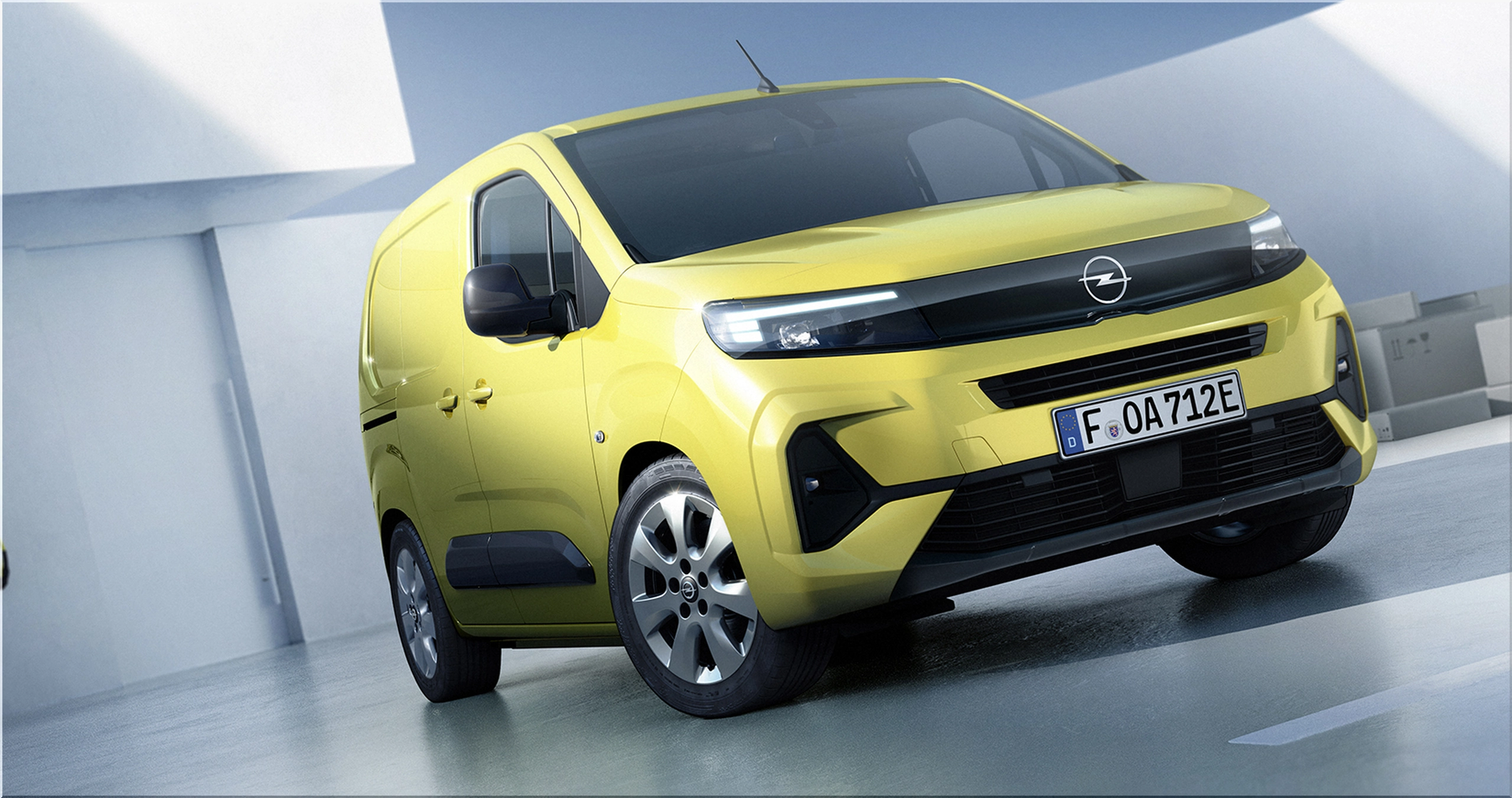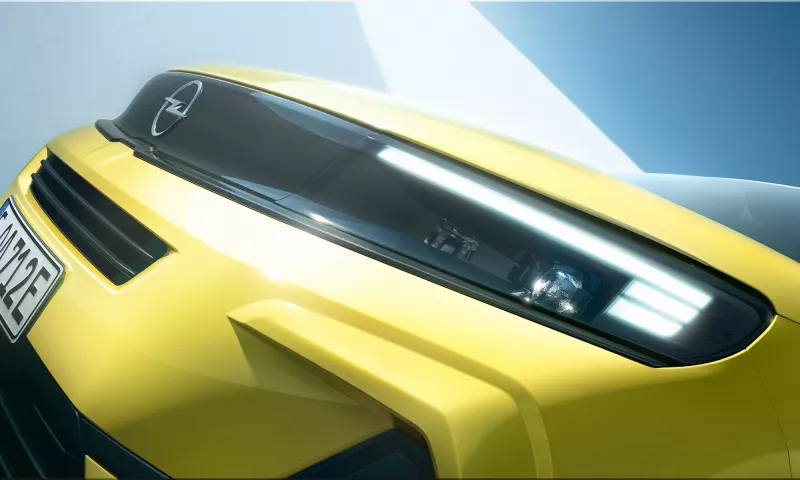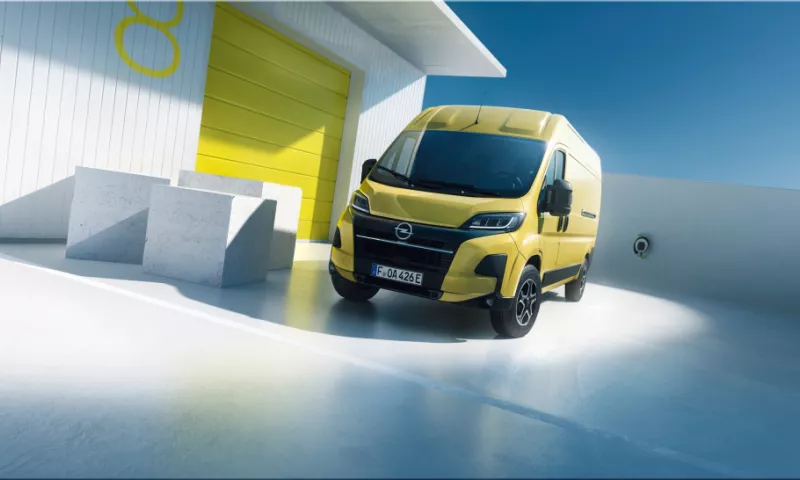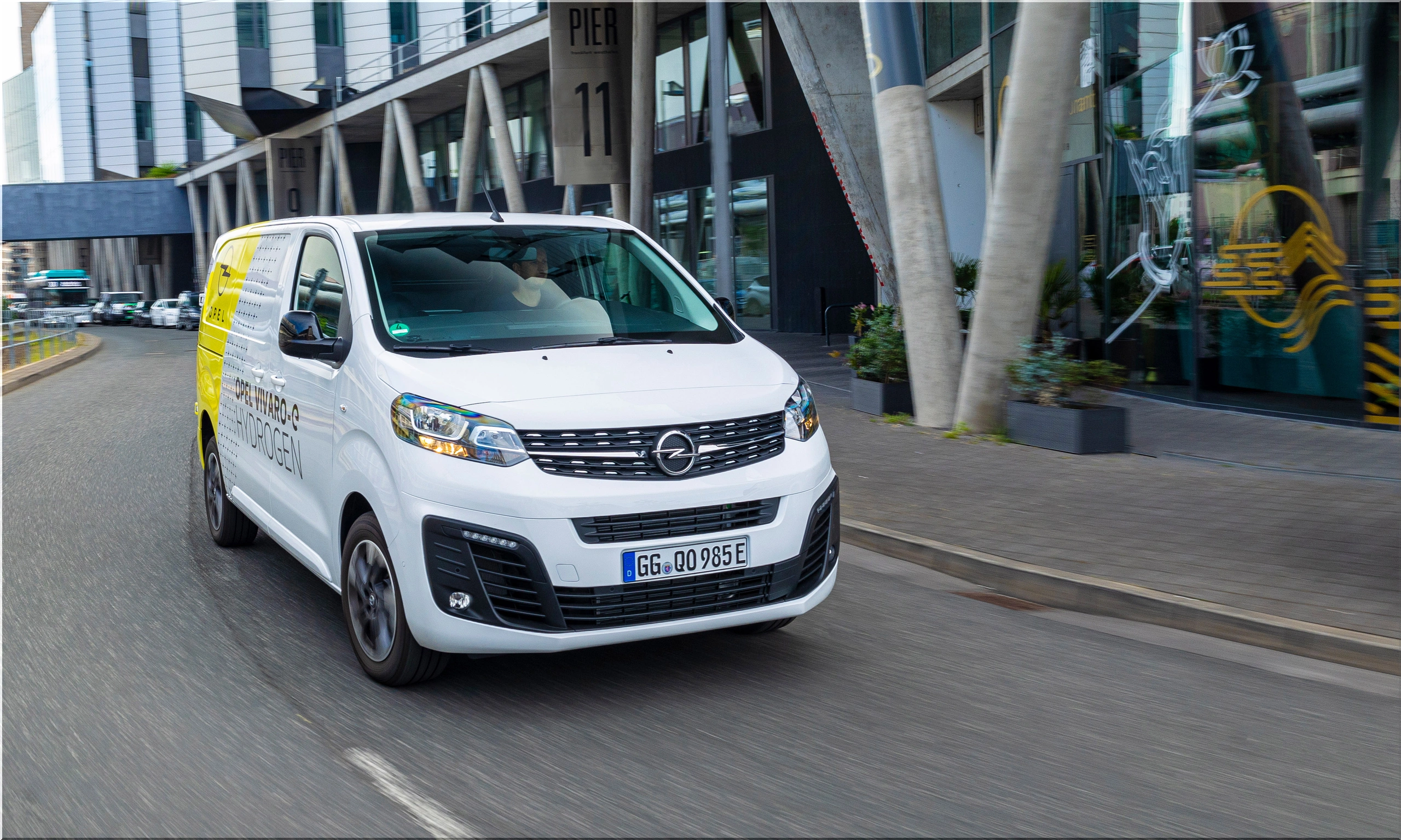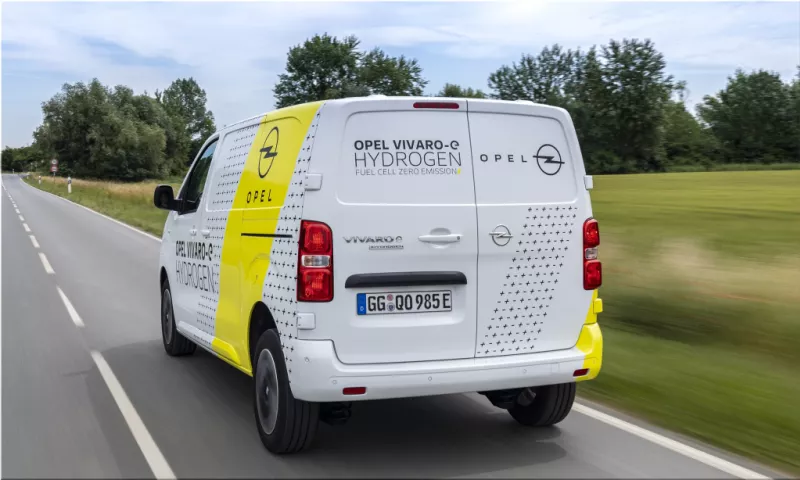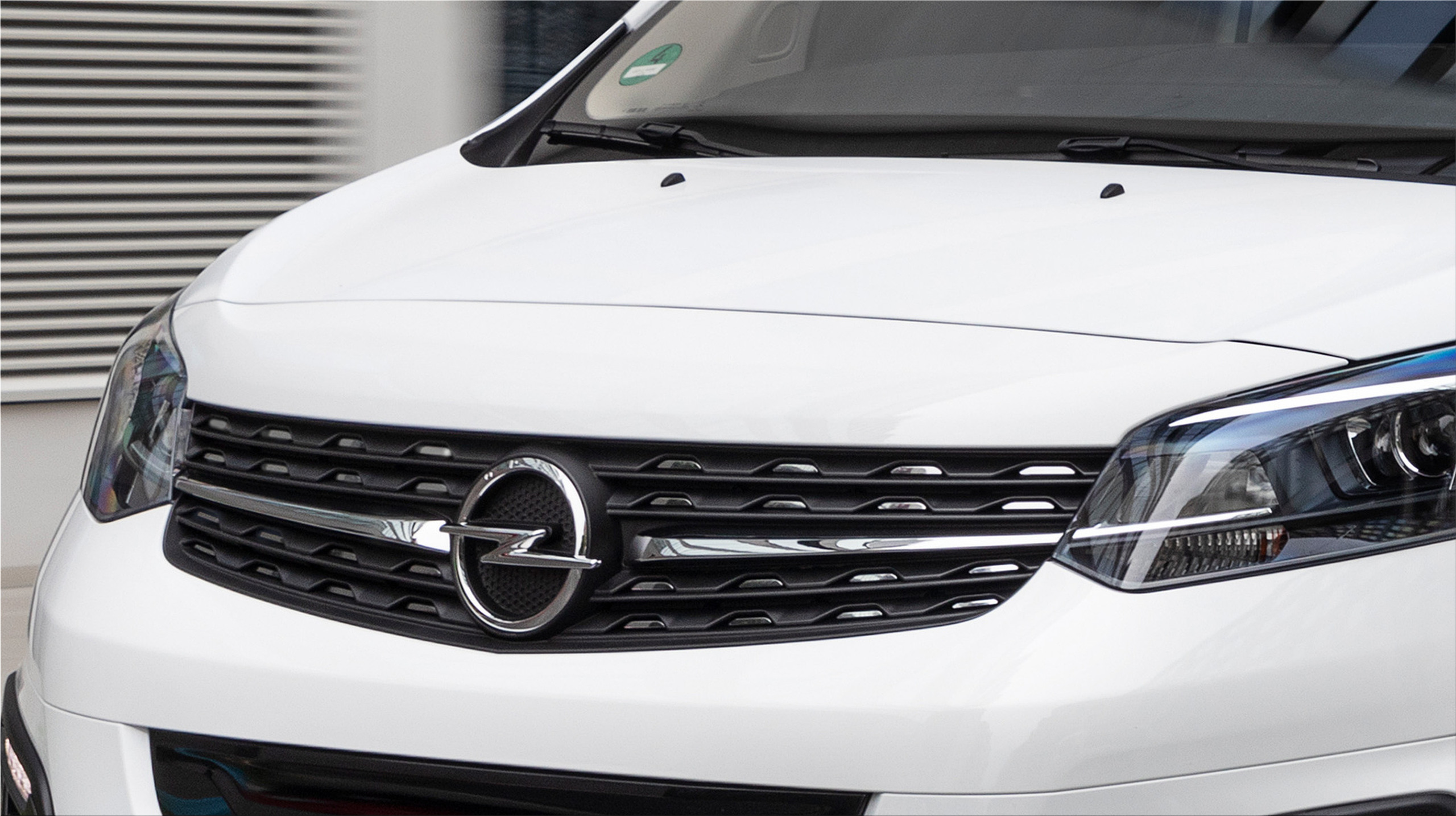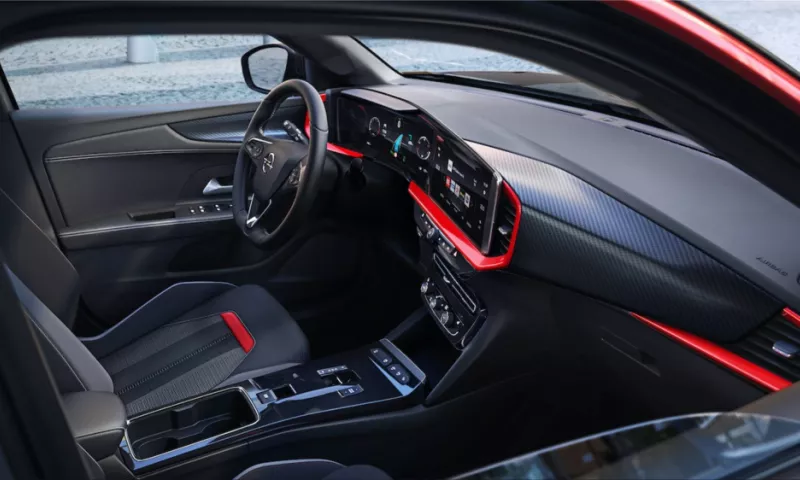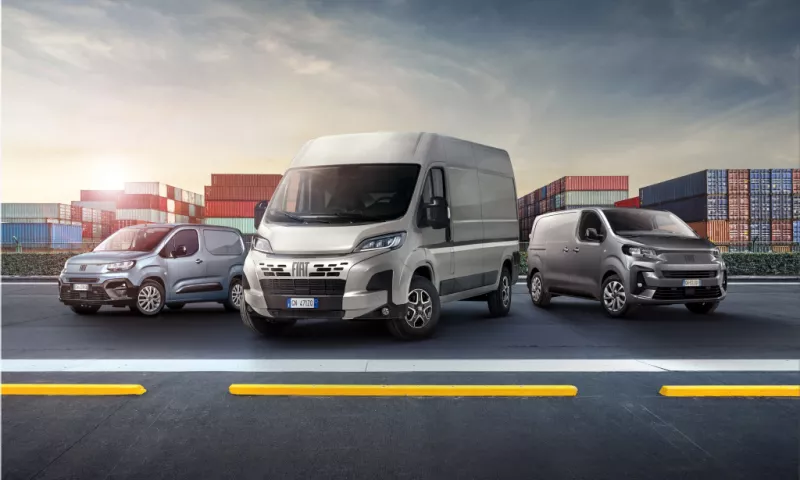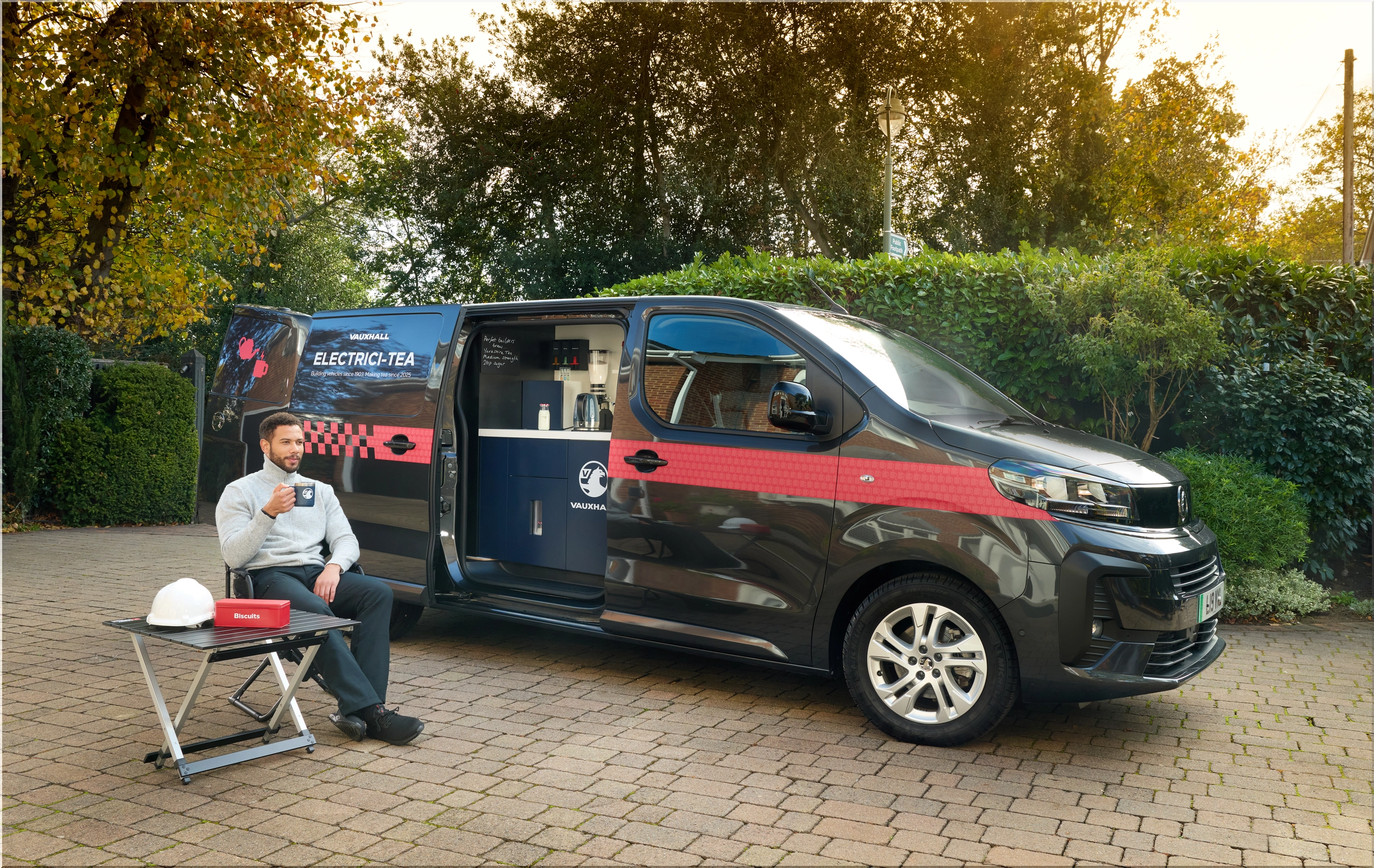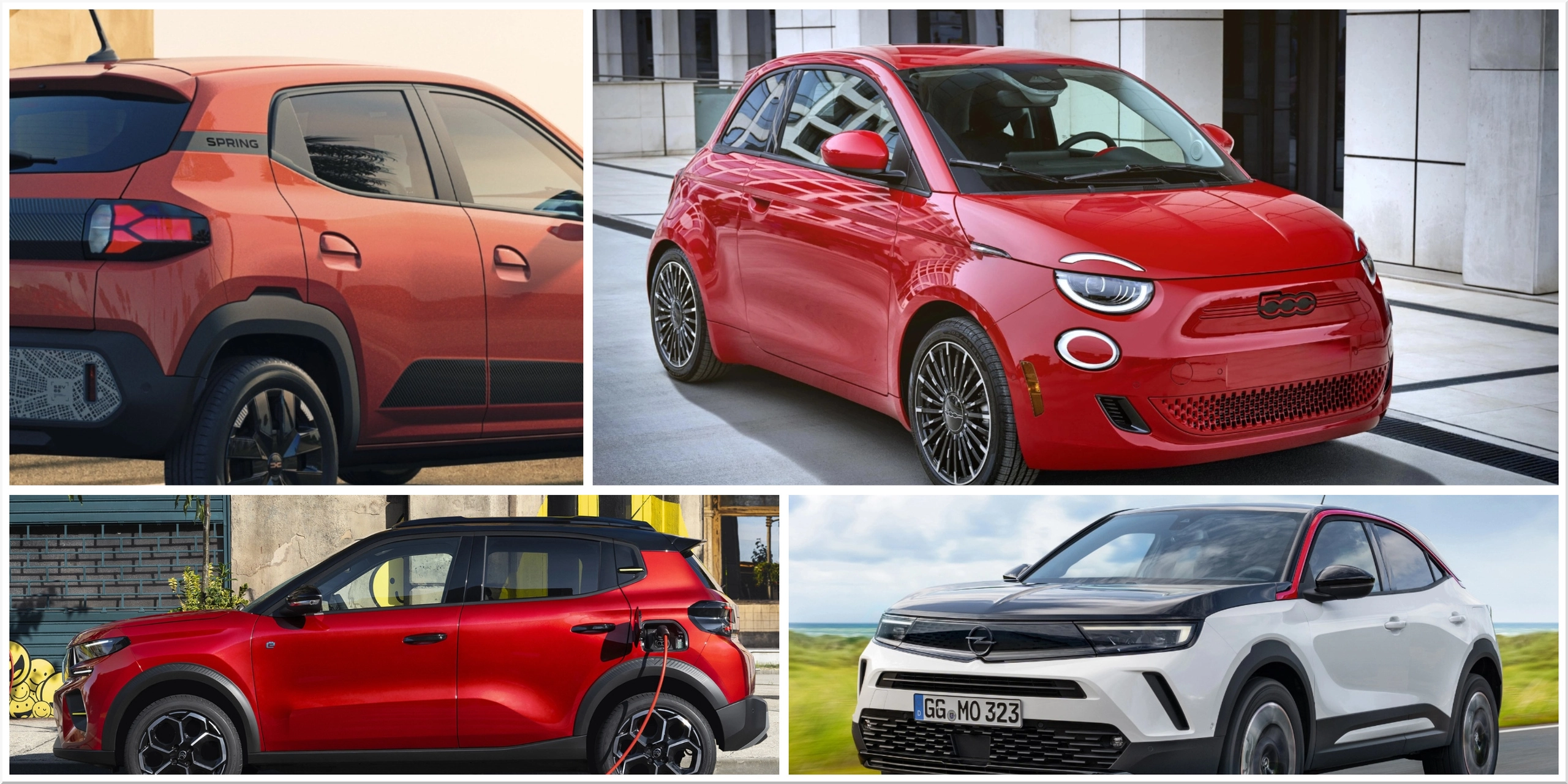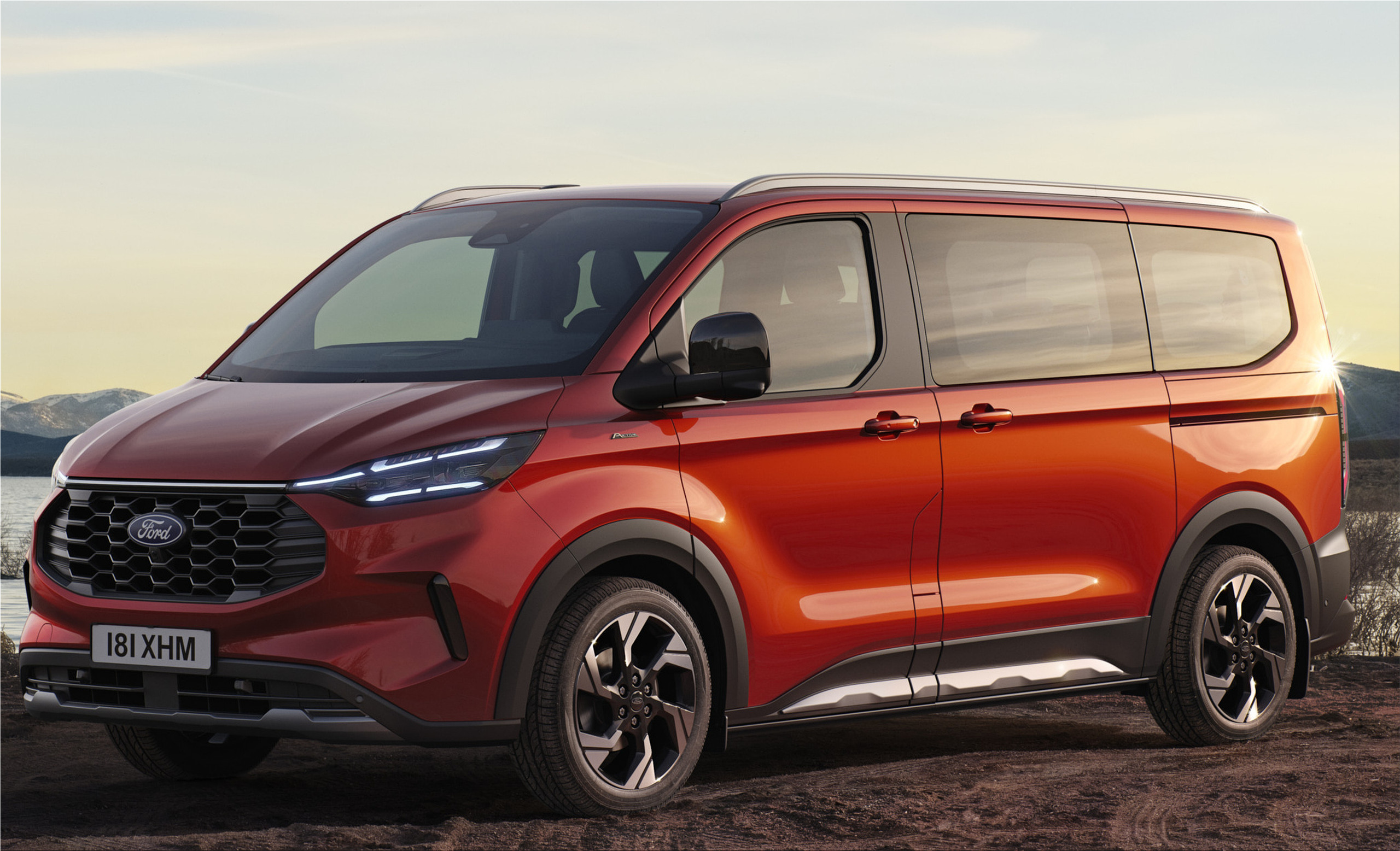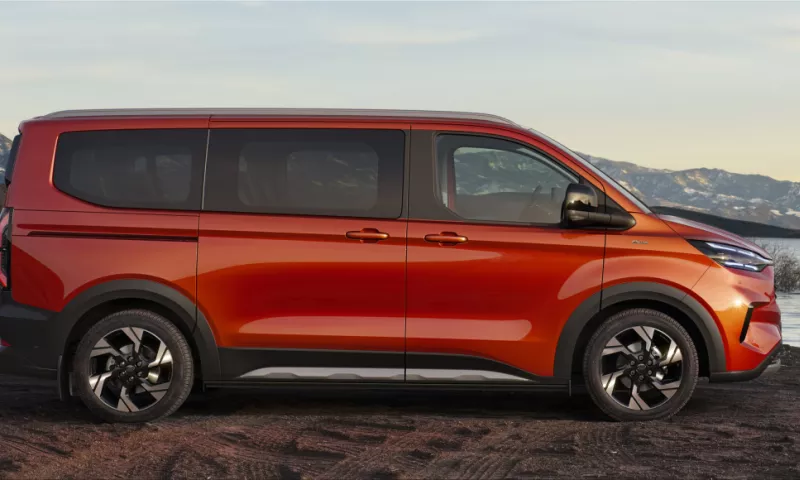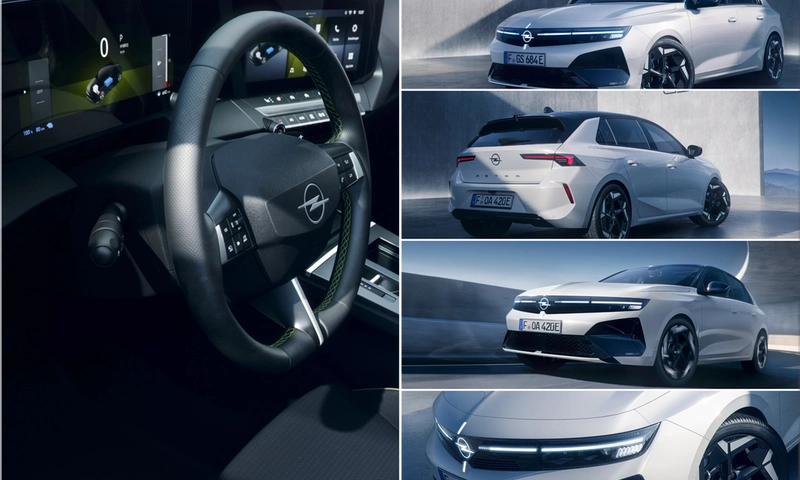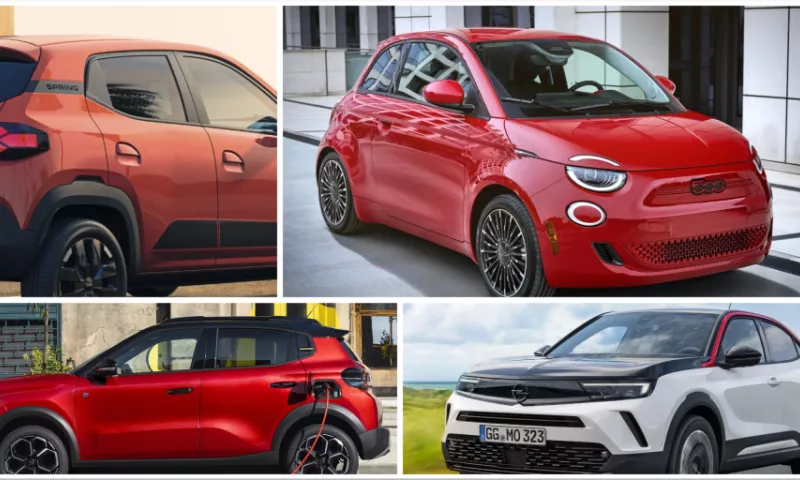
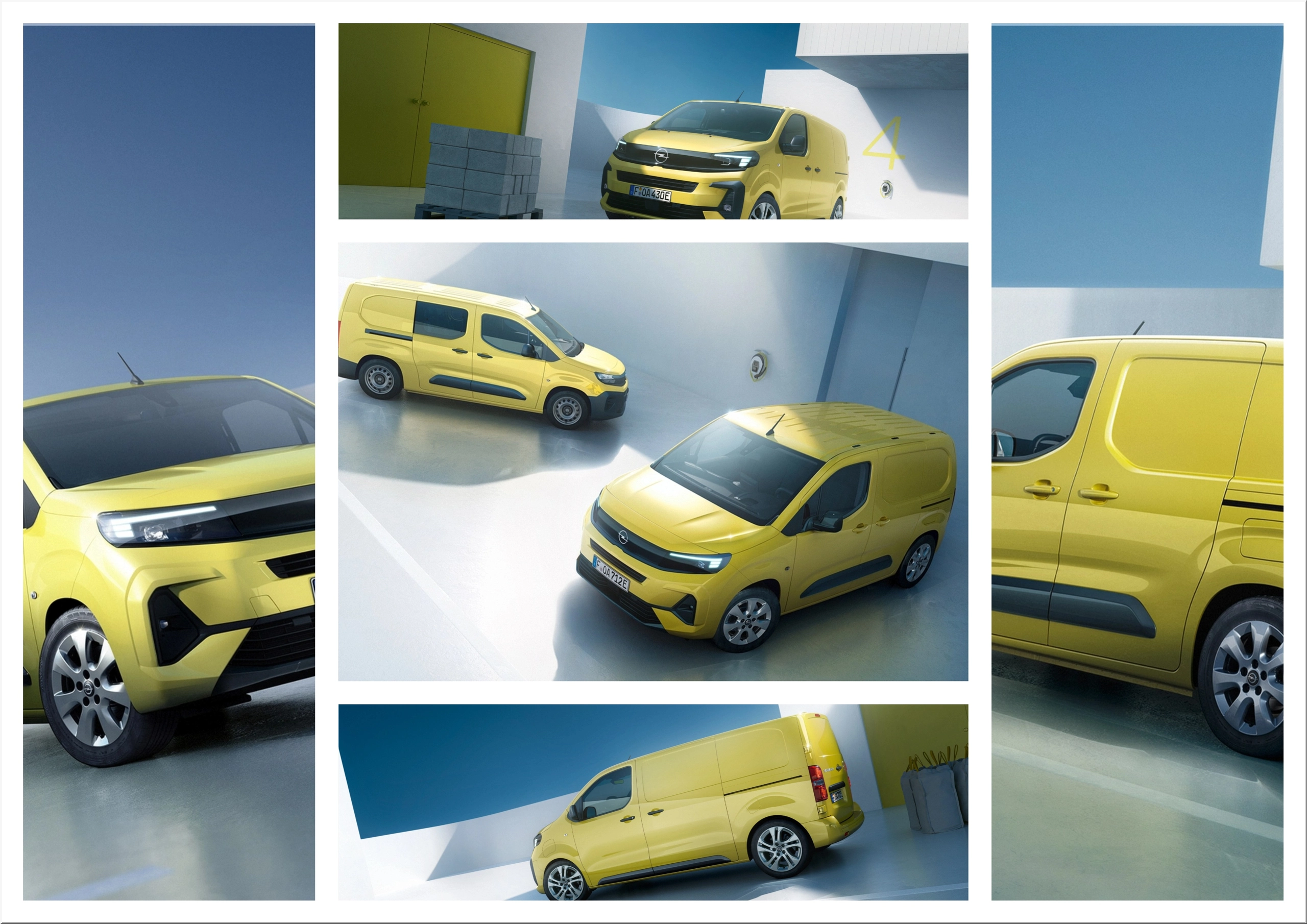
Opel has done the hard part for fleet managers. It has removed the monthly-payment penalty that usually slows electric-van adoption. For business buyers in Germany, the Opel Vivaro Electric now starts at about $365 per month, while the Opel Combo Electric starts at about $312 per month, both before VAT. Opel sets both offers over 48 months, includes 10,000 km per year or 6,214 miles, asks for $0 upfront, and keeps the campaign open through June 30, 2026. That changes the conversation from 'Can we afford the electric version?' to 'Which duty cycle fits which van?'
From an expert perspective, that is the real story. Fleet buyers rarely switch on badge value alone. They switch when the monthly outlay, operating profile, and cargo math finally line up.
What Opel Is Offering
Opel is pitching a clean, simple message: battery-electric vans at diesel lease prices. That matters because monthly lease cost often blocks EV adoption long before charging or range enters the meeting.
| Model | Lease price in USD | Contract term | Annual mileage | Upfront payment | Market scope |
|---|---|---|---|---|---|
| Opel Combo Electric panel van M | $312/month | 48 months | 6,214 miles | $0 | Germany, participating dealers |
| Opel Vivaro Electric panel van M | $365/month | 48 months | 6,214 miles | $0 | Germany, participating dealers |
A few details deserve attention. Opel adds a purchase option, excludes delivery costs, and keeps VAT separate. Specifically, excess or shortfall mileage still gets settled at contract end, so fleet planners still need route discipline and realistic annual-use forecasts.
Why This Offer Hits the B2B Sweet Spot
The usual electric-van problem starts with the monthly spreadsheet. Even when energy and service costs look better over time, many fleets still reject EVs because the lease quote lands too high on day one.
Opel cuts straight at that weak point.
- Cash flow improves immediately because the monthly payment no longer punishes the EV choice.
- Procurement gets simpler because finance teams can compare electric and diesel on similar lease terms.
- Urban operations get cleaner because the vans produce zero local tailpipe emissions.
- Driver acceptance gets easier because both vans keep strong load-space credentials instead of forcing a utility trade-off.
Looking at the data, Opel is not selling a dream here. It is selling a business case. That is far more useful.
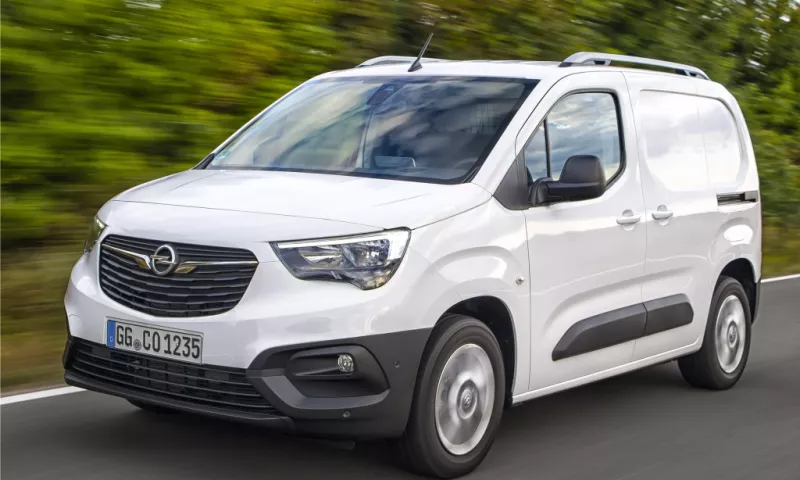
Opel Combo Electric: Compact Van, Strong Urban Fit
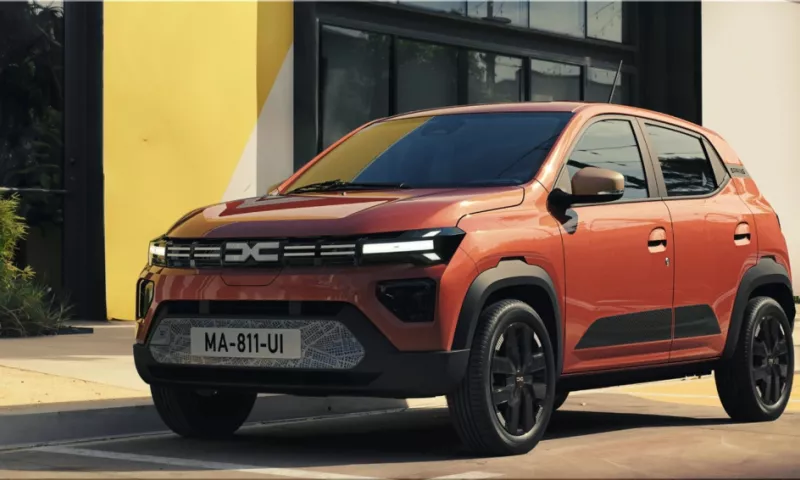
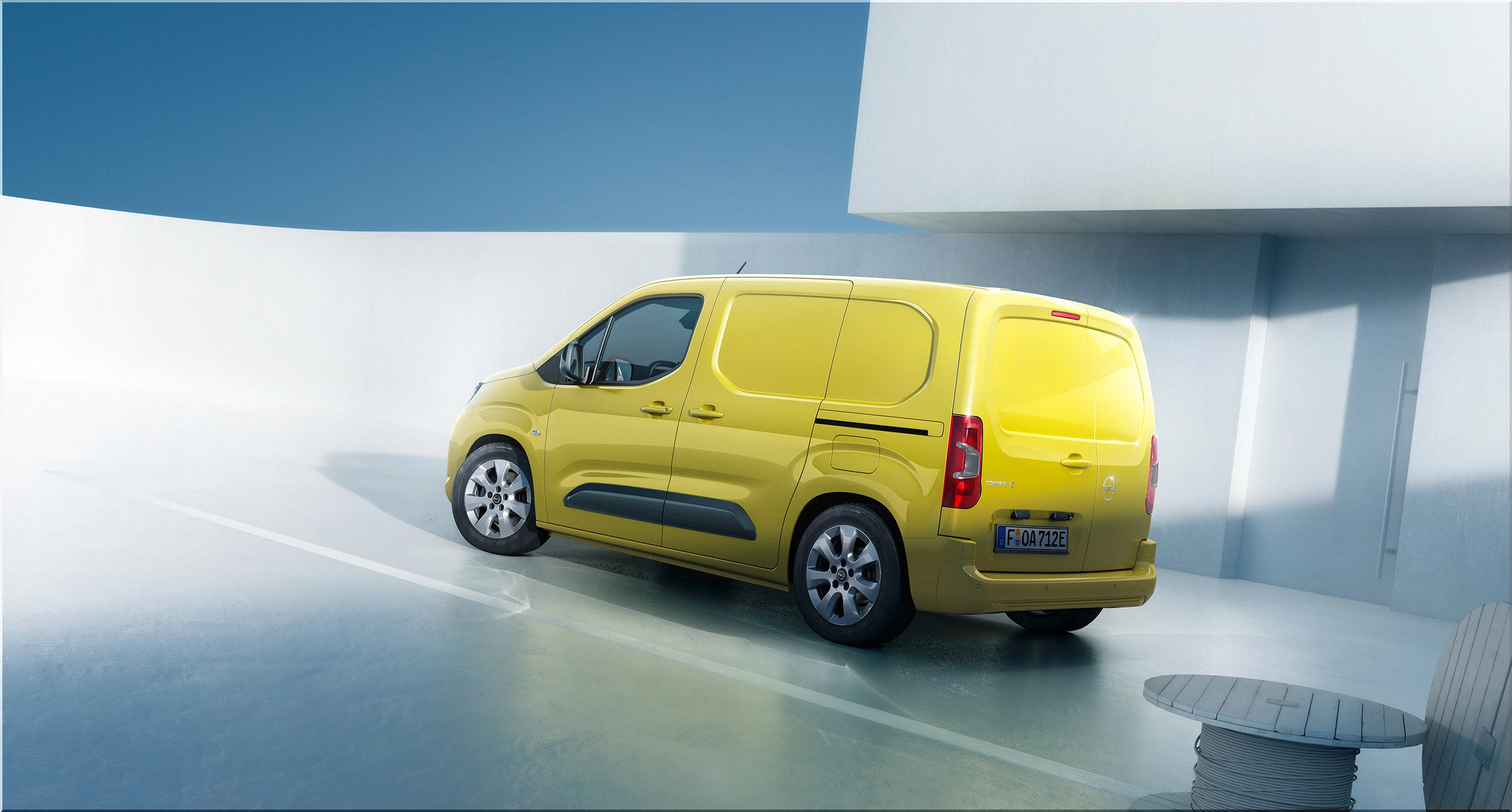
The Opel Combo Electric targets trades, couriers, service fleets, and city-based operators that need a small footprint without giving up cargo utility. Opel quotes 100 kW and 136 hp, up to 354 km or roughly 220 miles of WLTP range, up to 4.4 cubic metres or 155.4 cubic feet of load volume, and around 780 kg or 1,720 lb of payload.
Image
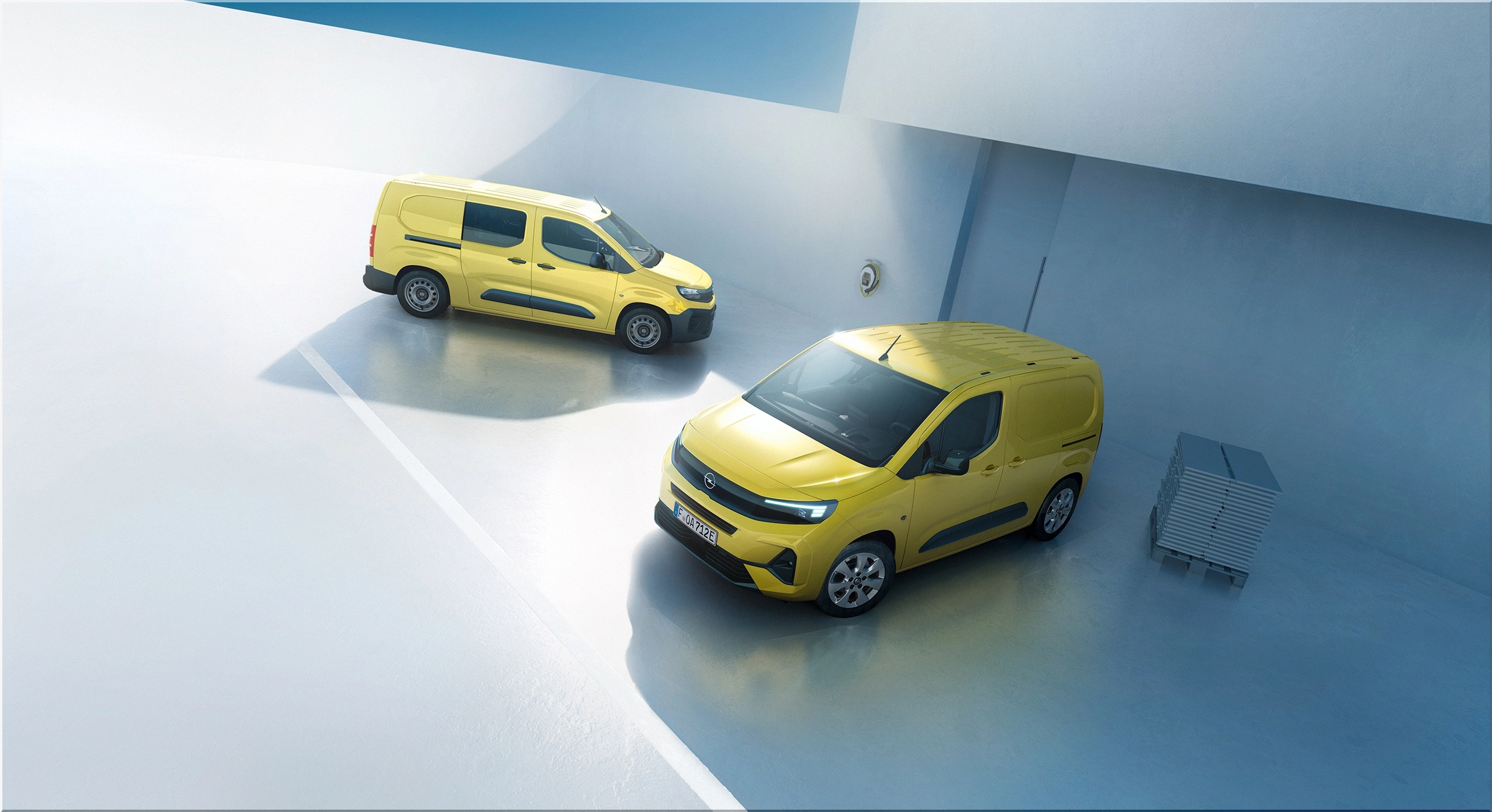
That mix makes sense. A compact van lives or dies in dense streets, loading bays, and short multi-stop routes. The Combo Electric also fast-charges to 80 percent in a little over 30 minutes, so a lunch stop or mid-shift DC session can recover a useful chunk of range instead of parking the vehicle for half a day.
Consequently, the Combo Electric looks like the sharpest tool here for urban delivery work. It keeps the body compact, keeps the monthly payment low, and still carries enough cargo for a long list of local business jobs.
Opel Vivaro Electric: Bigger Payload, Bigger Revenue Potential
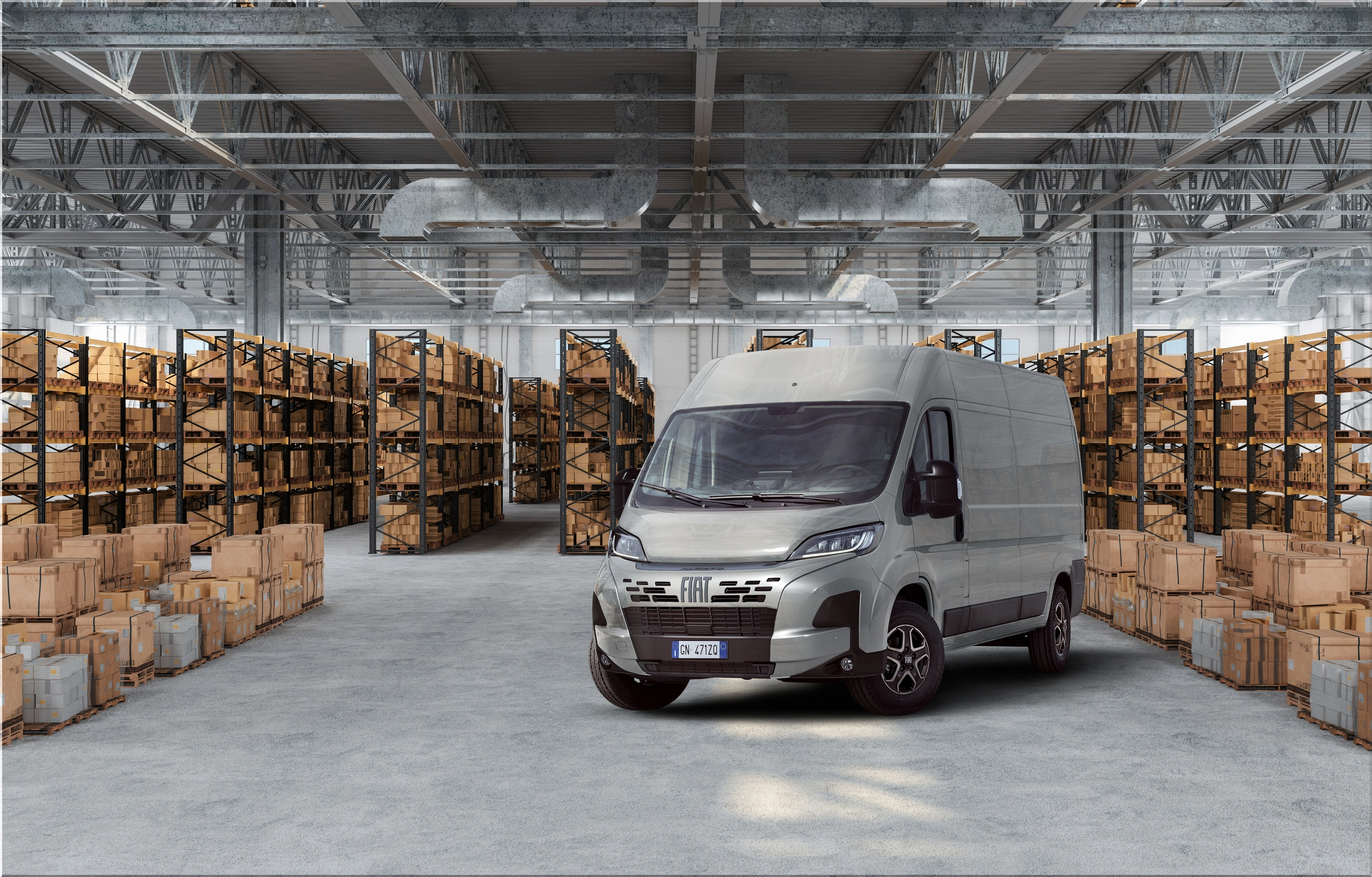
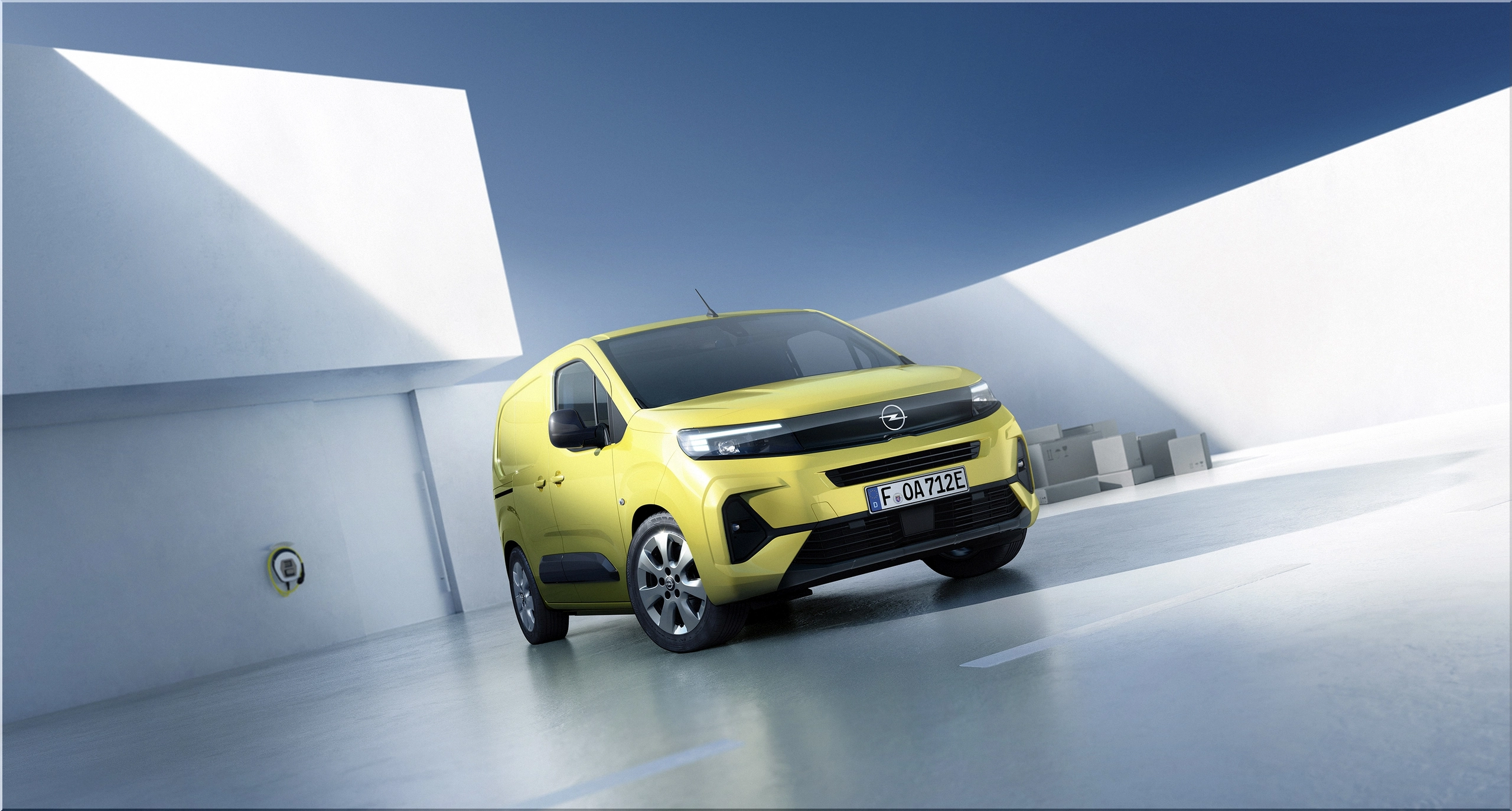
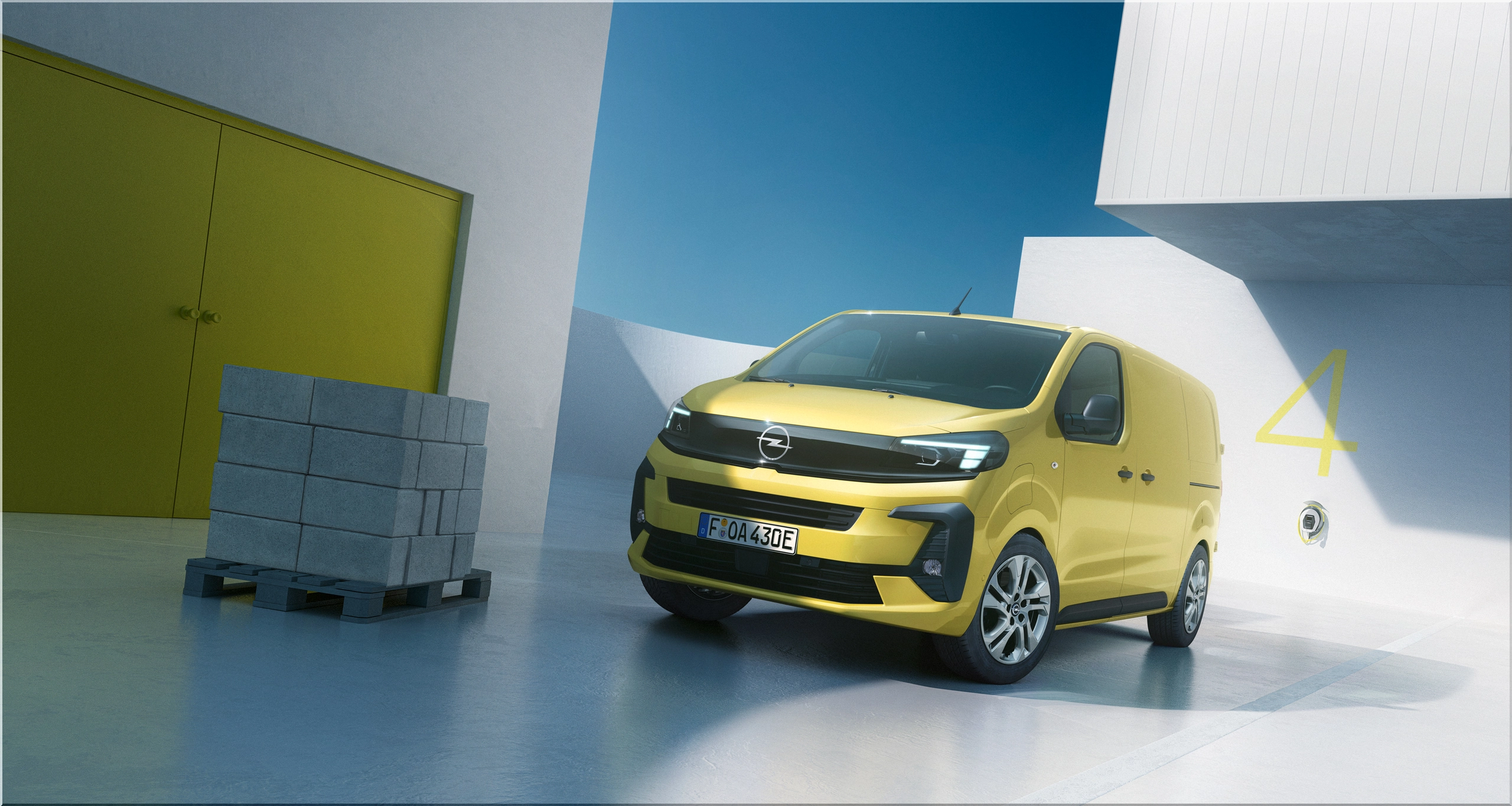
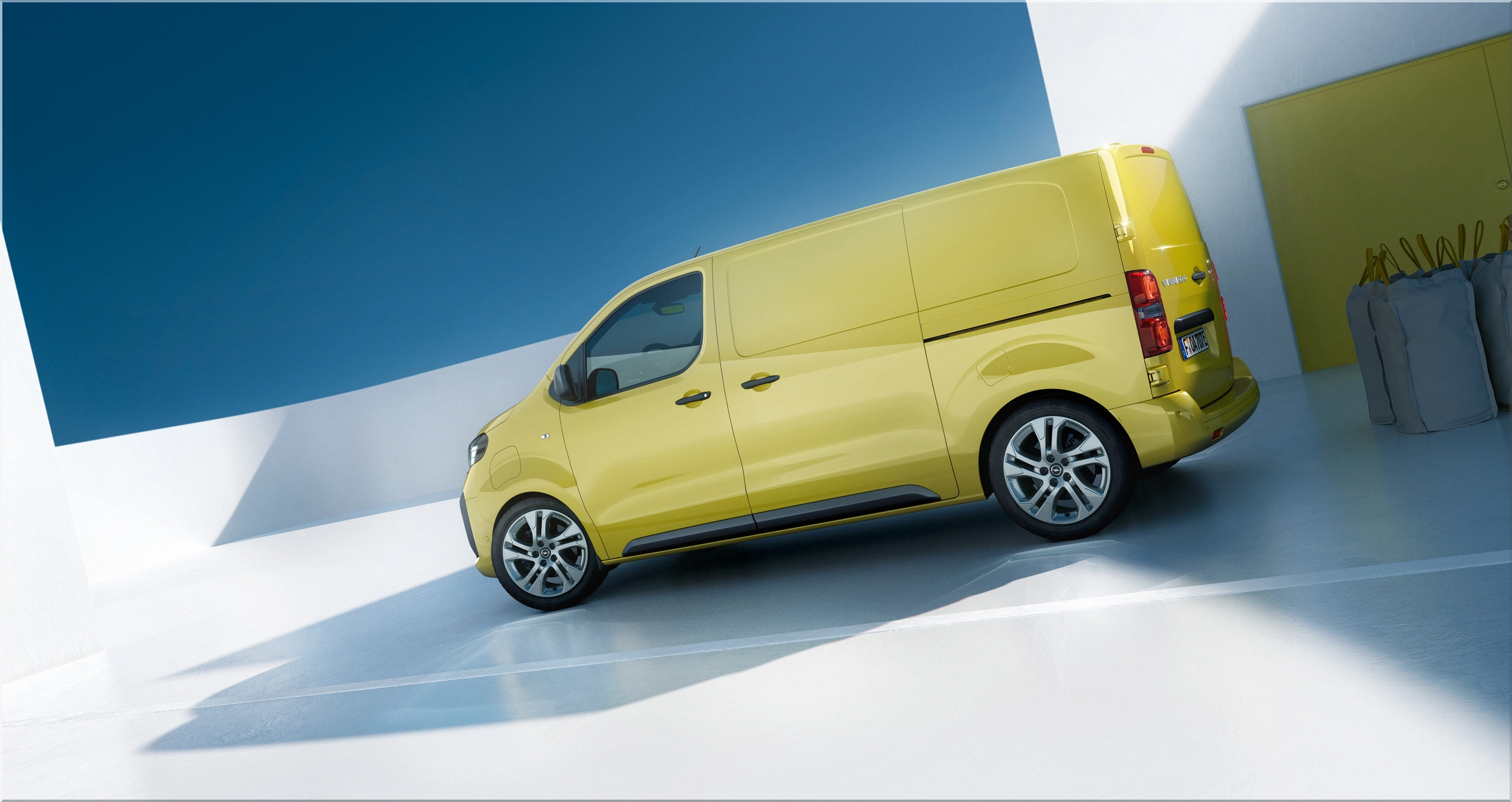
The Opel Vivaro Electric plays a different game. Opel gives buyers two battery choices: a 49 kWh pack with 42 kWh usable for up to 223 km or about 139 miles, and a 75 kWh pack with 69 kWh usable for up to 352 km or roughly 219 miles. Power stays at 100 kW and 136 hp, while maximum payload reaches 1,363 kg or about 3,005 lb and load volume climbs to 6.6 cubic metres or 233.1 cubic feet.
That is where the Vivaro Electric earns its keep. By comparison, many fleets do not need the smallest van possible. They need the van that carries more tools, more parcels, or more service stock per trip while still fitting the city.
Opel also keeps the roof height at about 1,900 mm, or 74.8 inches, which helps the Vivaro Electric access underground parking that taller vans often miss. In addition, Opel mounts the battery under the floor, so the van preserves cargo utility instead of eating into the load bay. DC charging to 80 percent in about 45 minutes adds another useful piece to the operating case.
Quick Comparison for Fleet Buyers
| Key metric | Combo Electric | Vivaro Electric |
|---|---|---|
| Power | 100 kW / 136 hp | 100 kW / 136 hp |
| WLTP range | Up to 354 km / 220 mi | 223-352 km / 139-219 mi |
| Max payload | Around 780 kg / 1,720 lb | Up to 1,363 kg / 3,005 lb |
| Max load volume | 4.4 m3 / 155.4 cu ft | 6.6 m3 / 233.1 cu ft |
| Charging to 80% | Just over 30 min | About 45 min |
| Best fit | Dense city work, small fleets, local delivery | Higher-volume trades, regional service work, heavier loads |
Pro Tips Before You Sign
A diesel-price lease does not remove every variable. It removes the first one.
Before a fleet signs, it should do four things:
- Match each van to real daily mileage, not best-case assumptions.
- Check how often payload approaches the upper limit.
- Price the charging setup at depot or driver home base.
- Review delivery fees, excess-mileage terms, and vehicle downtime rules.
That last point matters because Opel has closed the lease-price gap, not the planning gap. Fleet discipline still decides the return.
What Now for B2B Buyers?
The answer is simple. Put the Combo Electric on routes with dense stop-start work and lighter cargo. Put the Vivaro Electric on jobs that demand more cube, more payload, and more route flexibility.
If your fleet already runs diesel compact and mid-size vans, this Opel campaign gives you a rare opening. You can test electric commercial vehicles without paying a monthly finance premium for the switch. In fleet terms, that is how pilot projects turn into policy.
- Add new comment
- 94 views