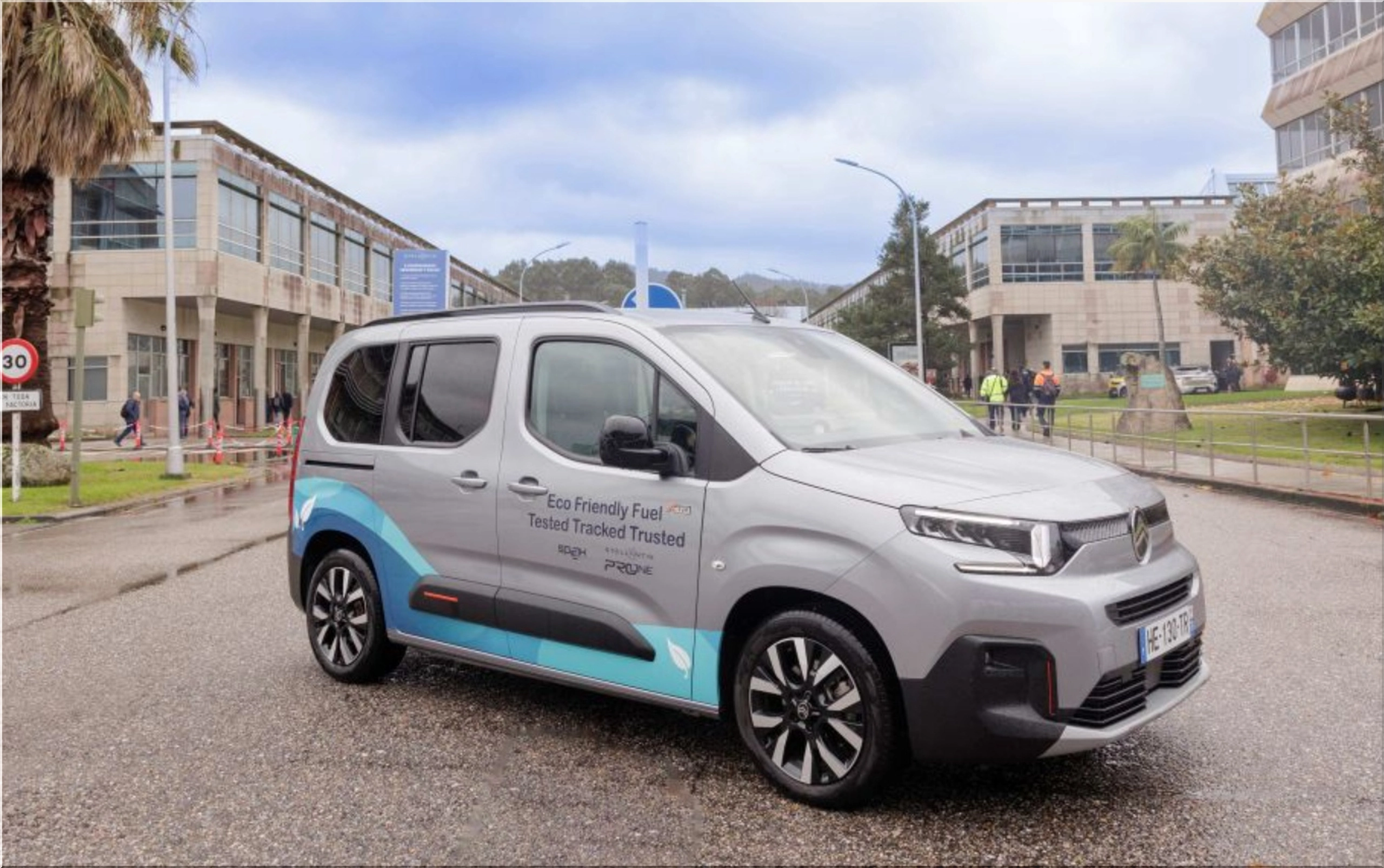
Cleaner mobility often feels abstract, delayed, and tied to future technology. This story stays grounded in present-day action. The Citroen Berlingo now operates across Europe using HVO renewable diesel fuel, delivering measurable emissions data without changing vehicles or infrastructure.
This matters because progress usually stalls at complexity. Here, progress arrives through simplicity. Drivers refuel normally. Fleets keep existing vehicles. Emissions drop without disruption.
Image
What the HVO Aurora Trial Sets Out to Prove
The HVO Aurora Trial places production vehicles into everyday driving conditions across Europe. Stellantis leads the initiative with SPH3, a French company focused on intelligent fuel-sensing technology.
The trial tracks well-to-wheel CO2 emissions, measuring impact from fuel production through vehicle operation. This method reflects real environmental cost instead of optimistic projections.
The project began inside the Stellantis Start*Up program. Employees proposed the idea internally, then tested it publicly. That origin explains the practical tone of the trial.
Why Real-World Data Changes the Conversation
SPH3 installs smart sensors inside each test vehicle. These sensors analyze fuel quality and combustion behavior continuously during normal driving.
Each Citroen Berlingo becomes a rolling data source. The system records emissions in real time without altering driving habits or routes.
Fleet operators gain verified insights instead of estimates. Policymakers gain usable evidence instead of models. Drivers gain options without disruption.
Why HVO Renewable Diesel Earns Serious Attention
HVO fuel comes from used cooking oils and animal fats. Refiners process these materials through hydrogen treatment, producing a clean-burning diesel alternative.
Unlike many low-emission fuels, HVO diesel works in existing engines. Vehicles require no mechanical changes. Fueling infrastructure stays the same.
This compatibility removes the biggest barrier to cleaner fuel adoption. Drivers change fuel, not vehicles.
Core Benefits of HVO Fuel in Daily Use
Drivers and fleet managers notice several advantages quickly:
- Lower CO2 emissions across the full fuel lifecycle
- Reduced particulate emissions during combustion
- Stable cold-start performance in winter climates
- Compliance with EN15940 diesel fuel standards
All current Stellantis diesel vehicles already support HVO fuel. That detail turns theory into action.
Why the Citroen Berlingo Fits This Trial Perfectly
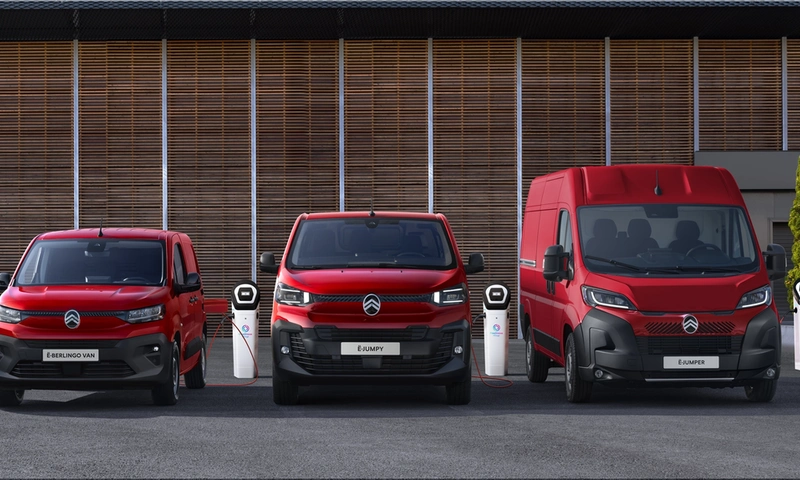
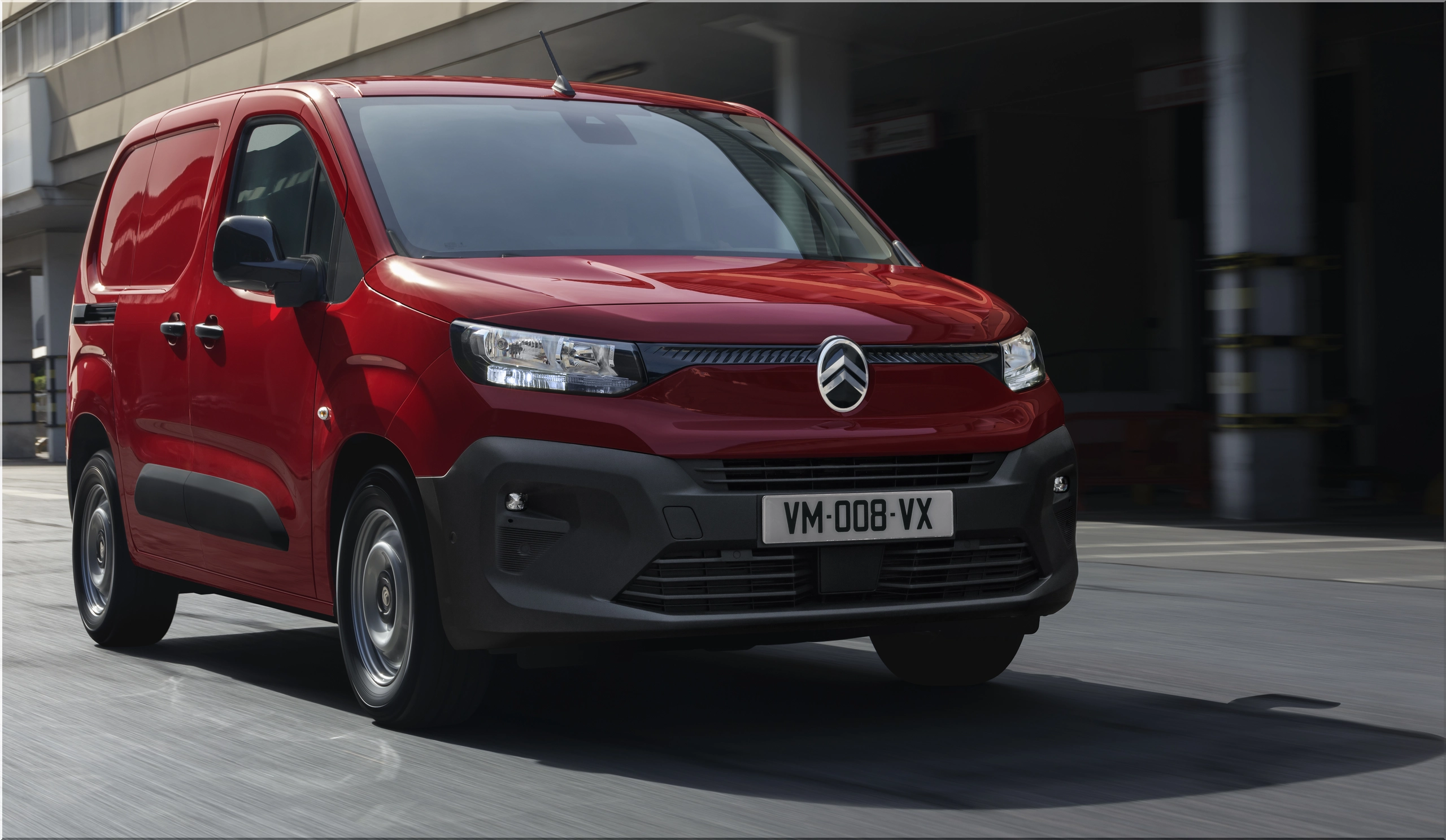
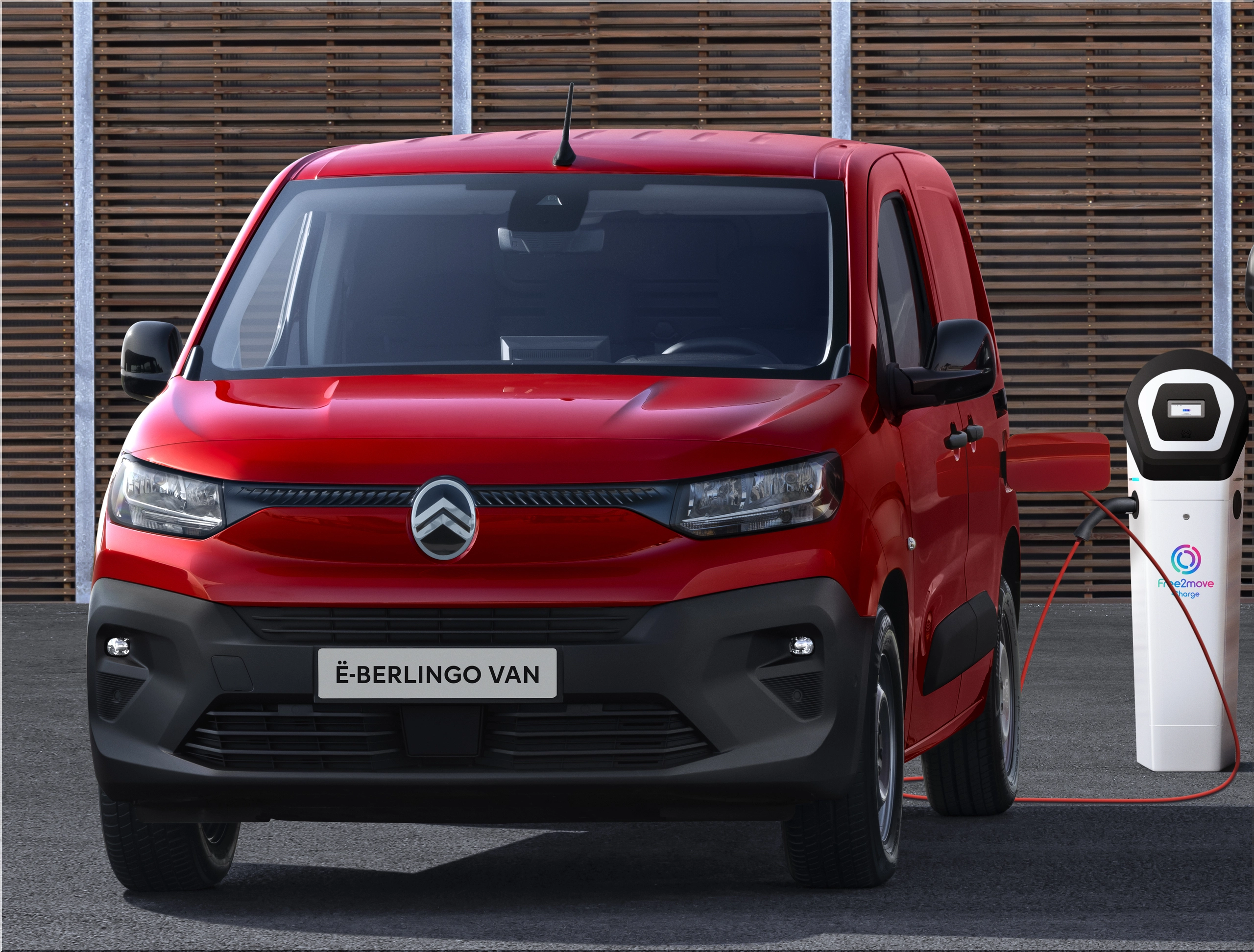
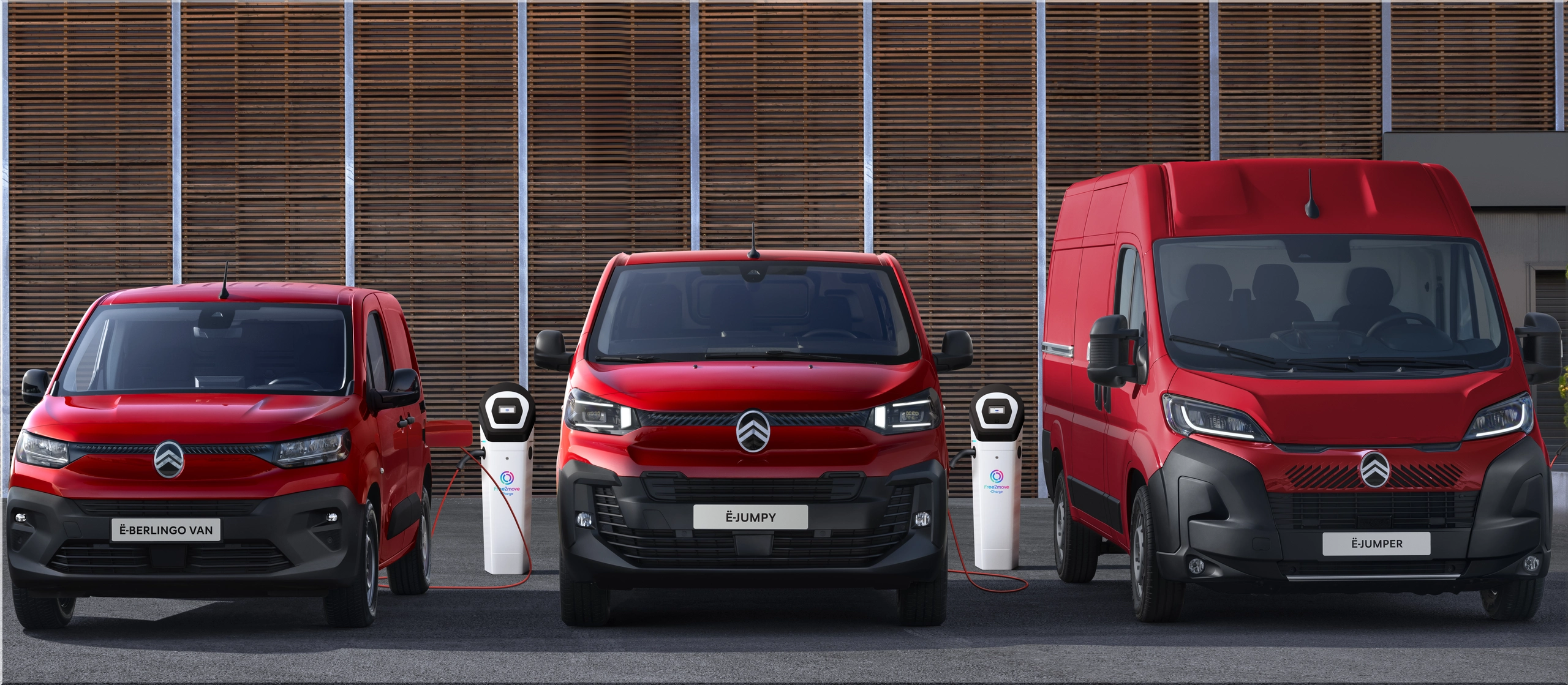
The Citroen Berlingo balances family use and commercial duty. It serves delivery fleets during the week and families on weekends.
That flexibility makes it an ideal test platform. Results apply to real households and real businesses.
The trial uses passenger versions of the Berlingo, reinforcing its everyday role. This vehicle carries kids, tools, groceries, and data.
Practical Mobility Without Lifestyle Changes
Drivers do not adjust routes or habits. Fueling feels familiar. Maintenance schedules stay unchanged.
Cleaner driving blends into daily life. That subtlety gives the trial its credibility.
Availability and Pricing Context
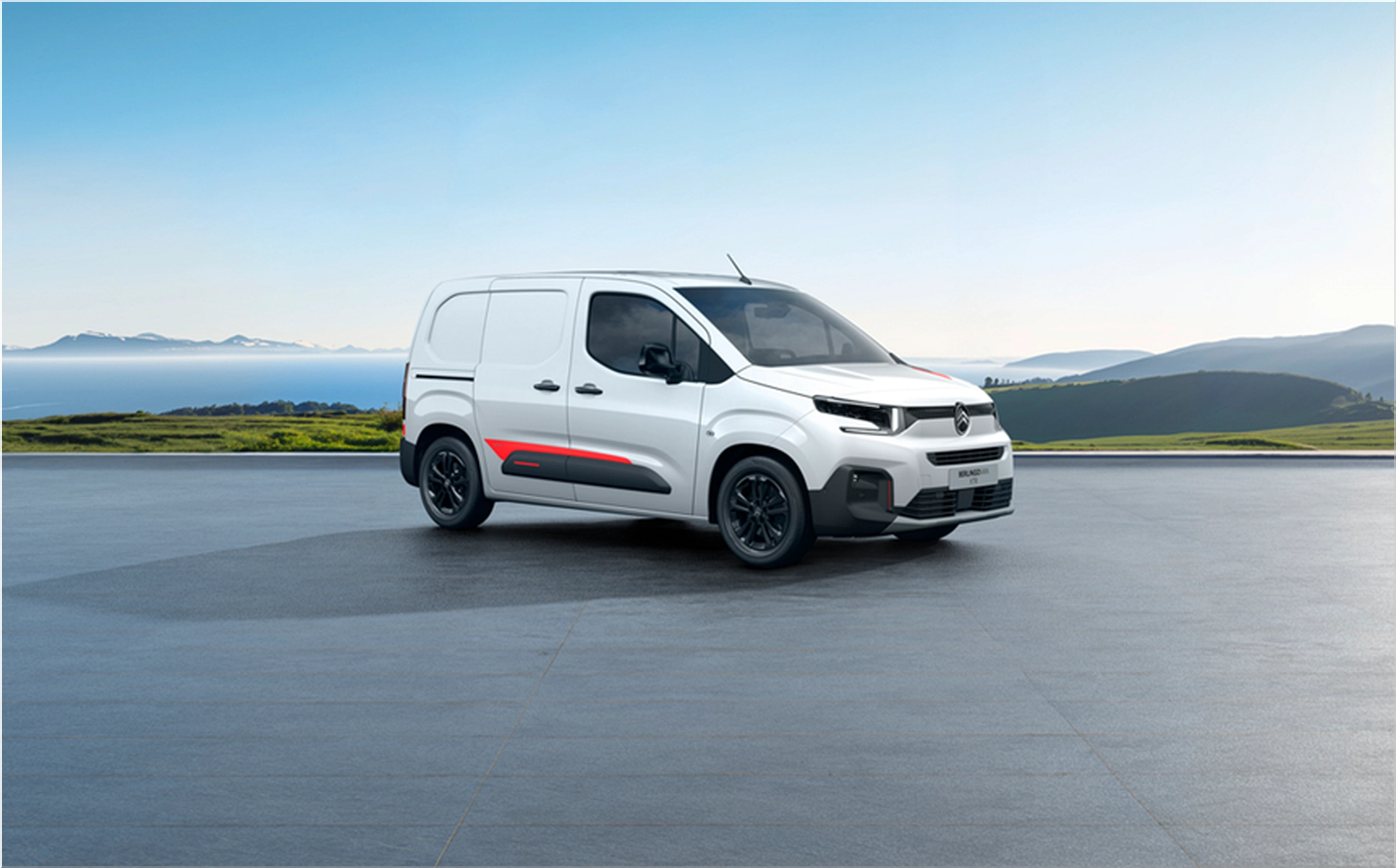
Citroen also offers the Berlingo diesel 100 horsepower with a manual transmission. The model supports both conventional diesel and HVO renewable diesel fuel.
In Europe, pricing starts around 23,900 euros with trade-in incentives. That equals approximately USD 26,000.
This price point places the Berlingo squarely within reach of families and small businesses. Cleaner fuel adoption does not demand premium pricing.
How the Berlingo Compares Within Its Segment
Buyers often compare compact vans across similar use cases. The table below outlines how the Citroen Berlingo stacks up against key competitors.
| Model | Fuel Compatibility | HVO Ready | Approx. USD Price |
|---|---|---|---|
| Citroen Berlingo | Diesel, HVO | Yes | 26,000 |
| Peugeot Partner | Diesel | Yes | 27,500 |
| Volkswagen Caddy | Diesel | Limited | 30,000 |
| Ford Tourneo Connect | Diesel | No | 29,000 |
The Citroen Berlingo stands out for verified HVO fuel compatibility and competitive pricing. That combination matters for fleets tracking emissions today.
What This Trial Signals for Fleets and Families
The HVO Aurora Trial proves that emissions reduction does not require sweeping changes. Cleaner fuel works inside existing systems.
Fleets reduce emissions immediately. Families drive cleaner without changing vehicles. Infrastructure stays intact.
This approach scales faster than most alternatives. It meets people where they already are.
Why Small Steps Add Up Faster Than Big Promises
Many mobility stories focus on distant solutions. This one focuses on available action. HVO renewable diesel exists now. Compatible vehicles already drive on public roads.
The Citroen Berlingo shows how progress looks when practicality leads. Cleaner mobility arrives quietly, one refill at a time.
That kind of progress rarely grabs headlines. It tends to work anyway.
- Add new comment
- 98 views