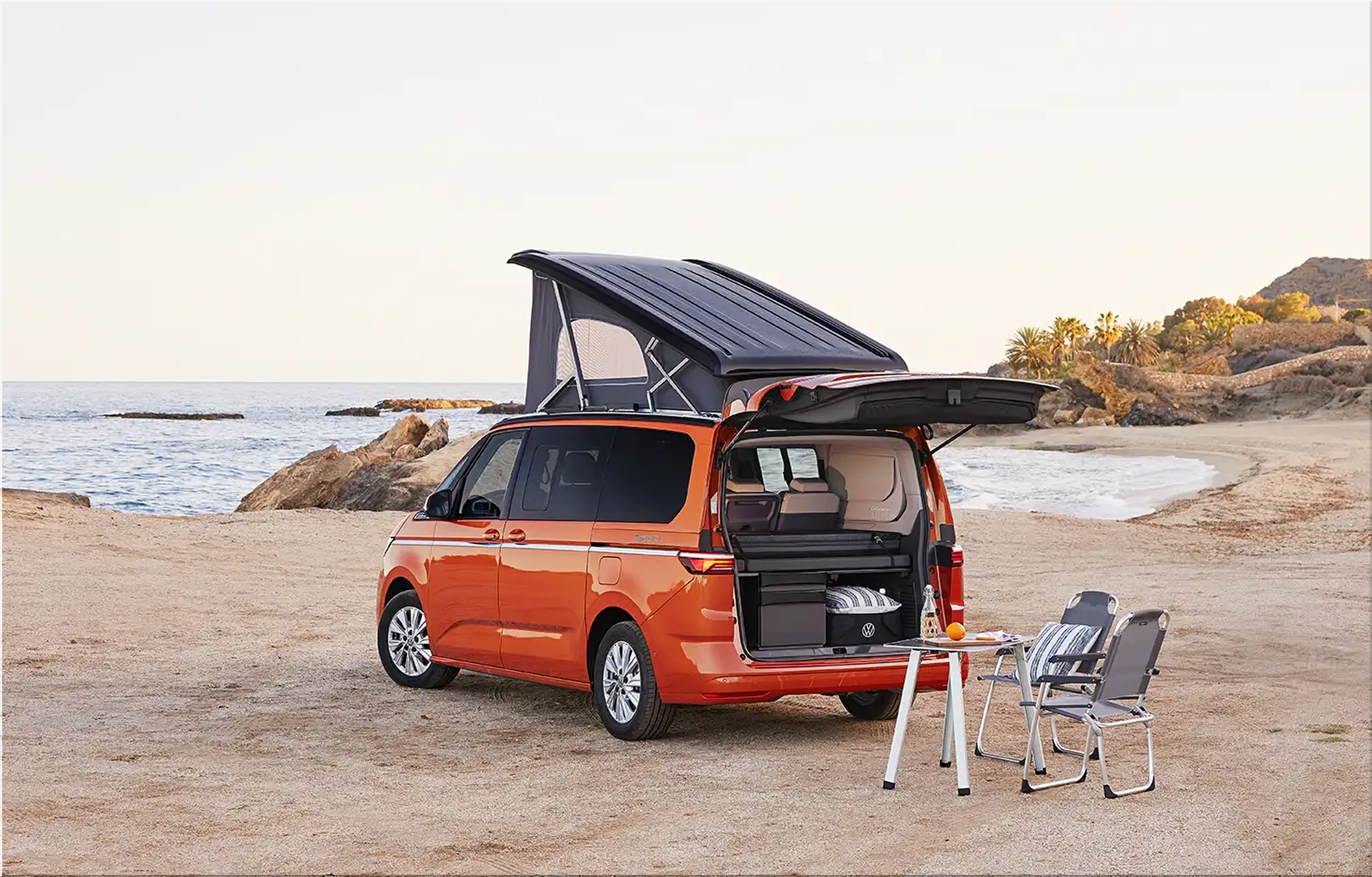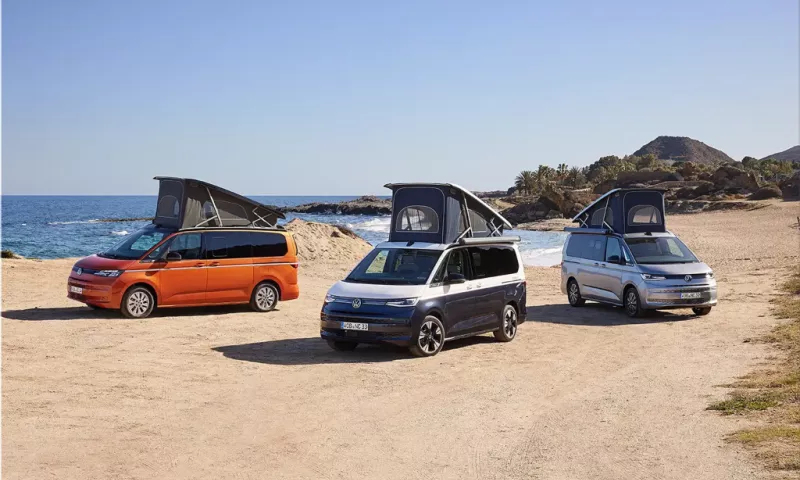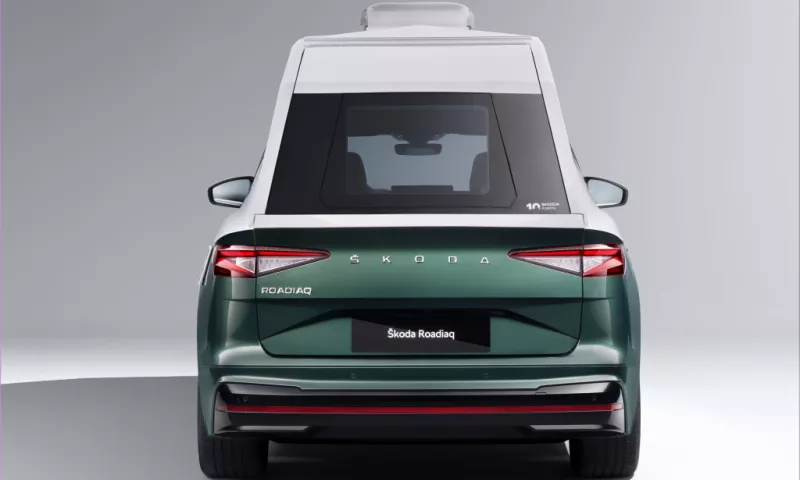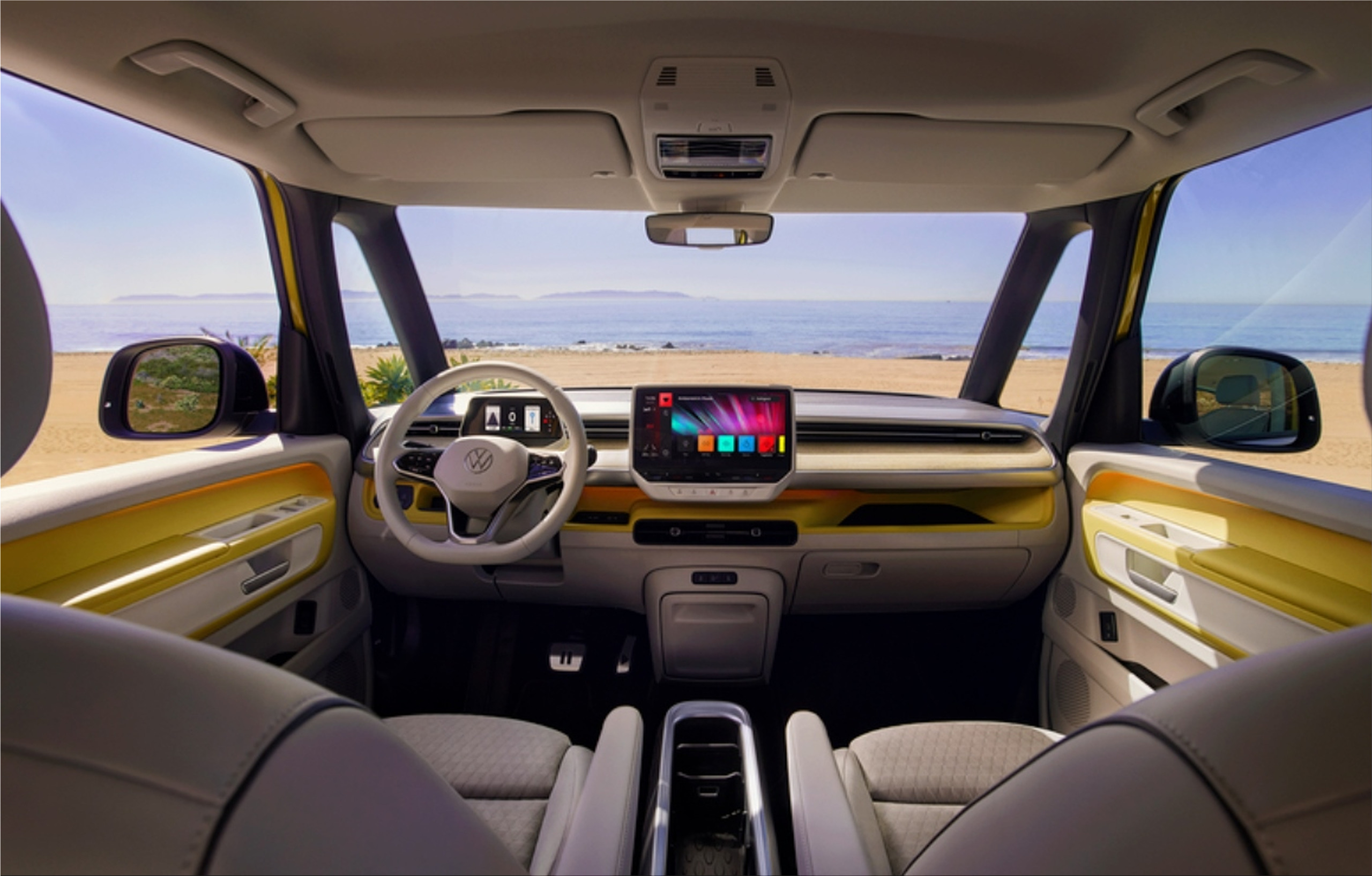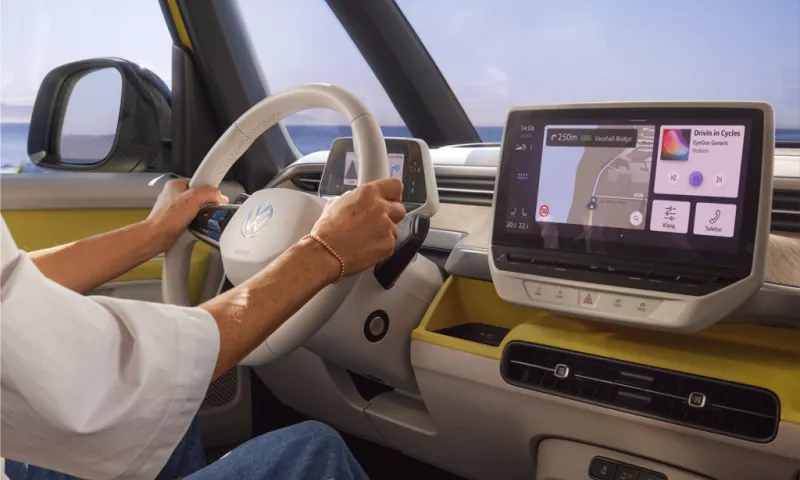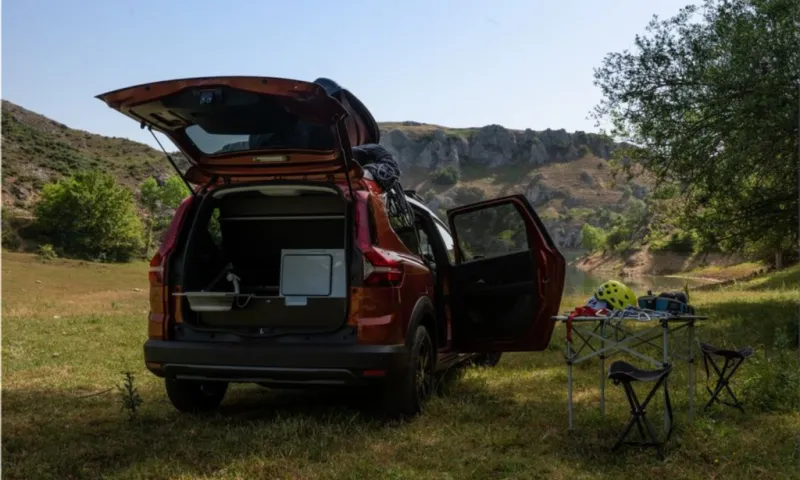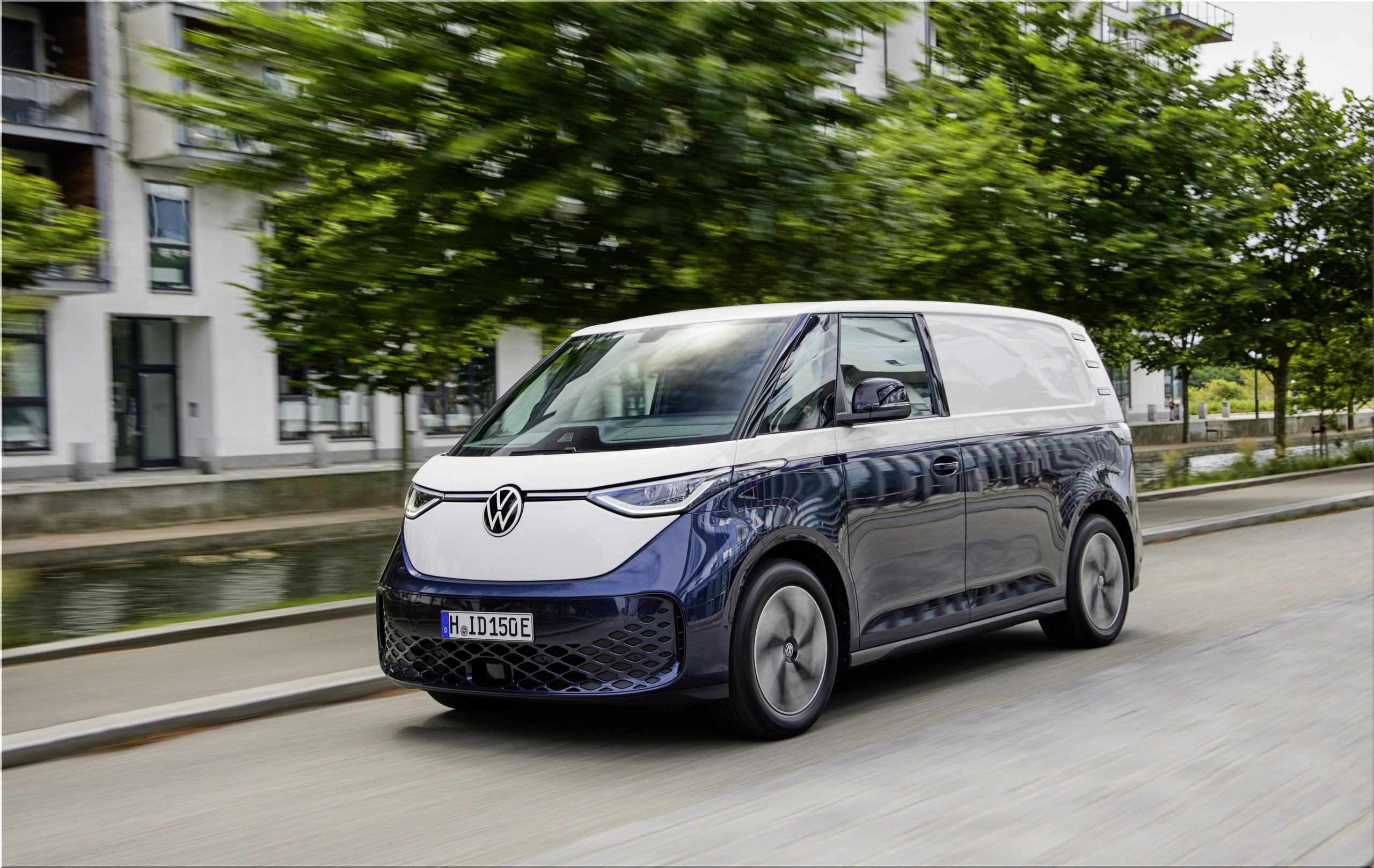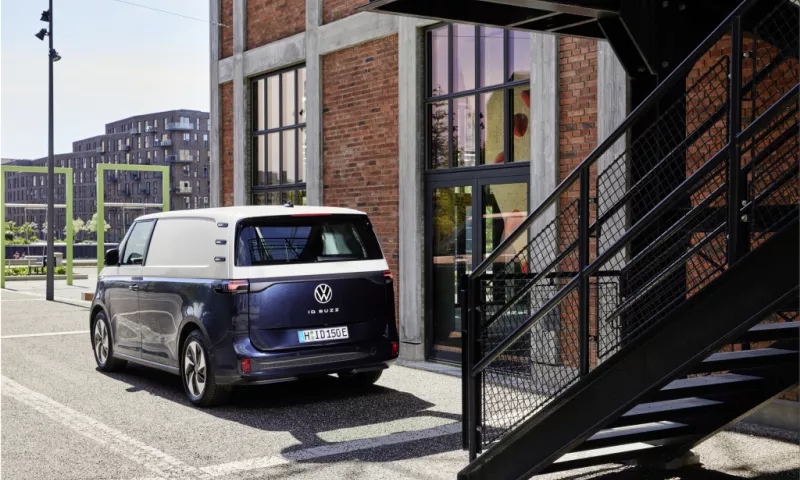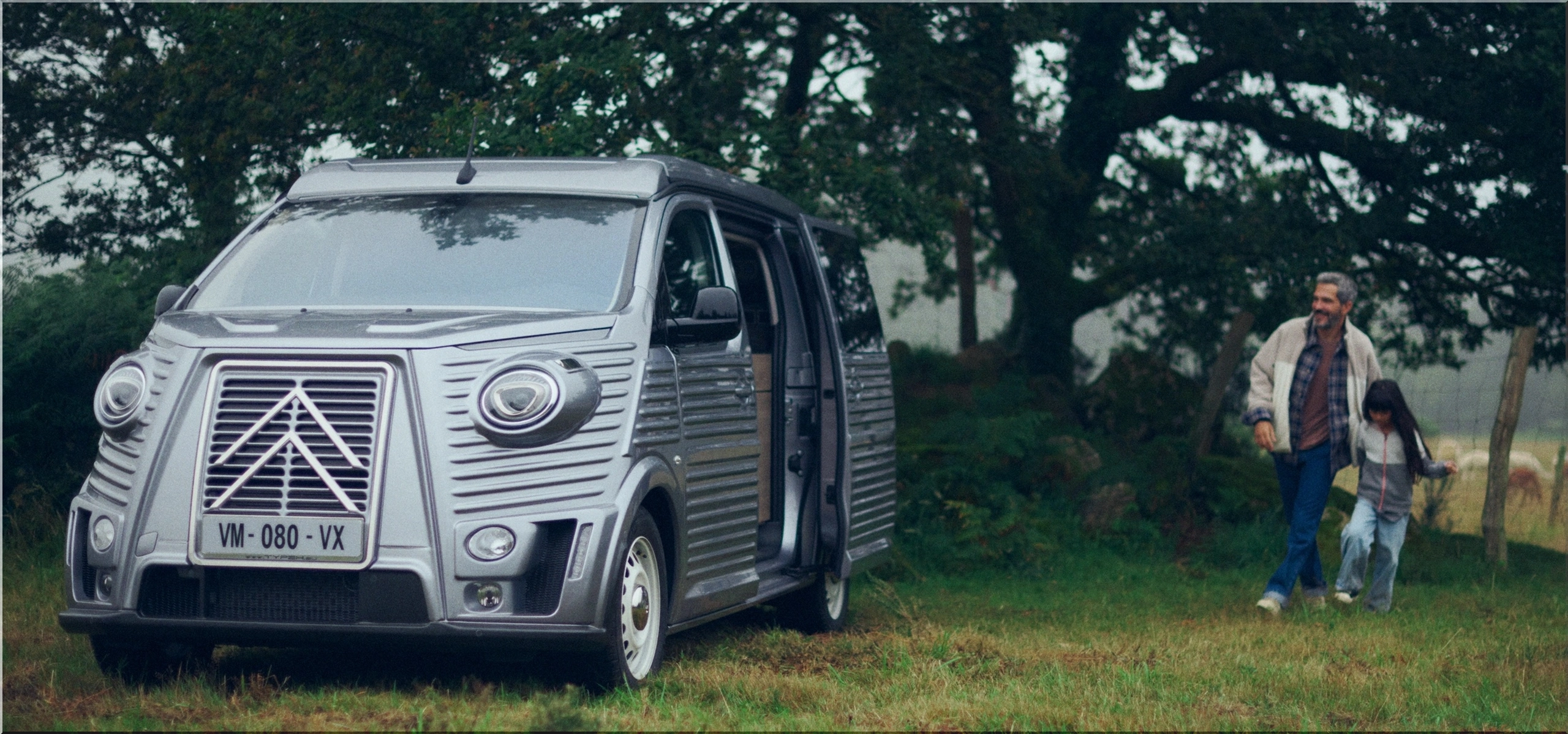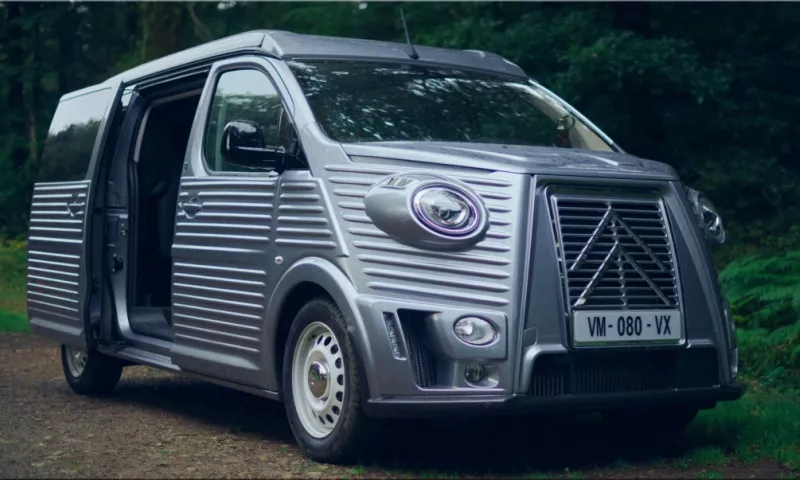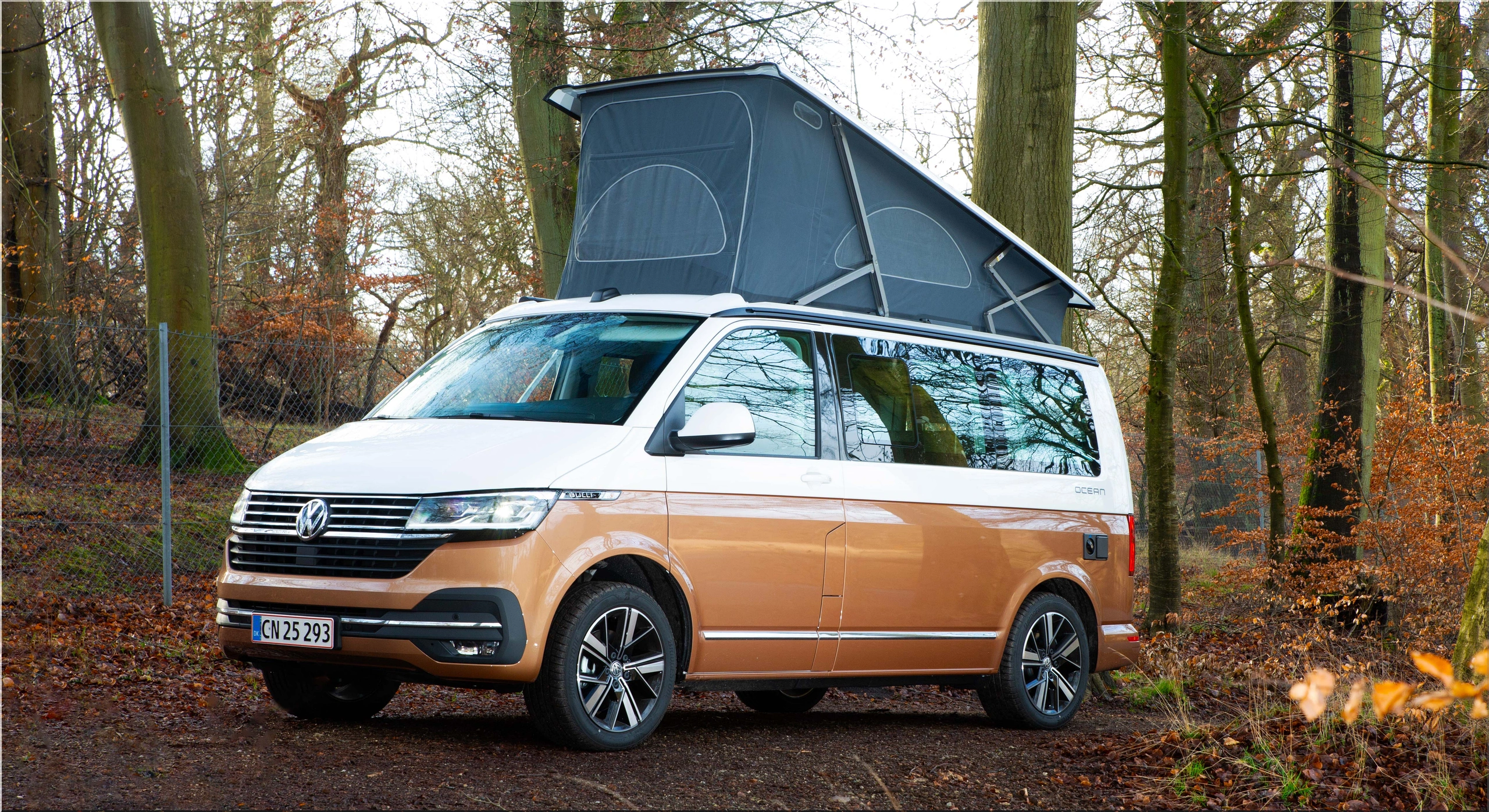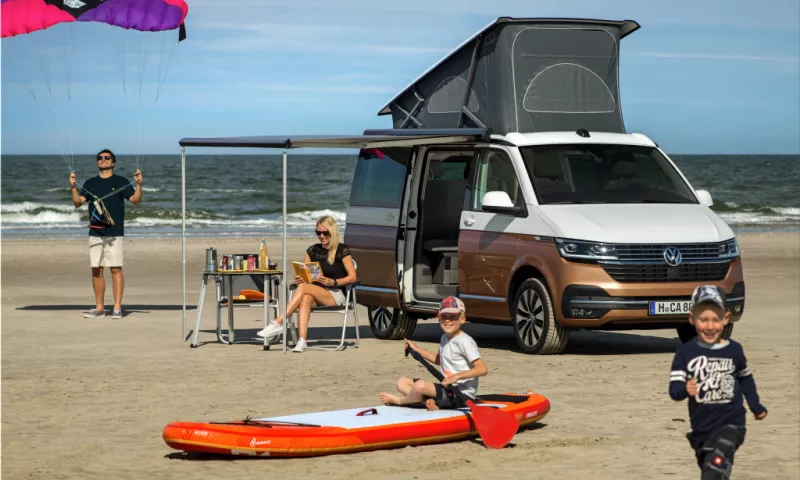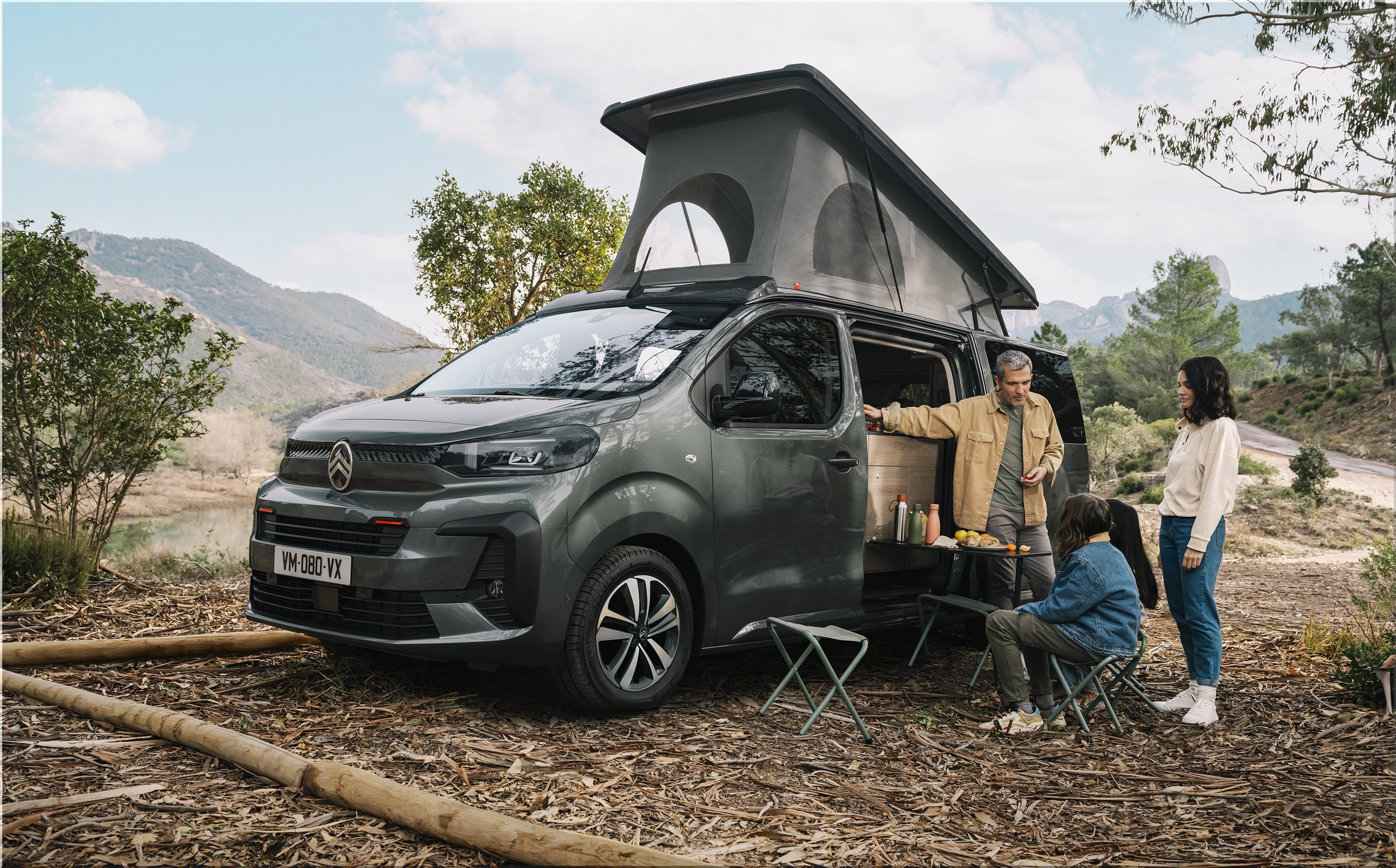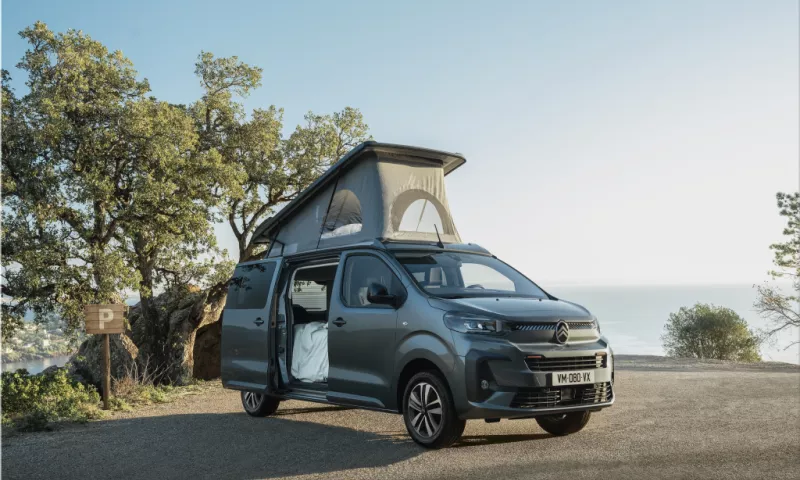

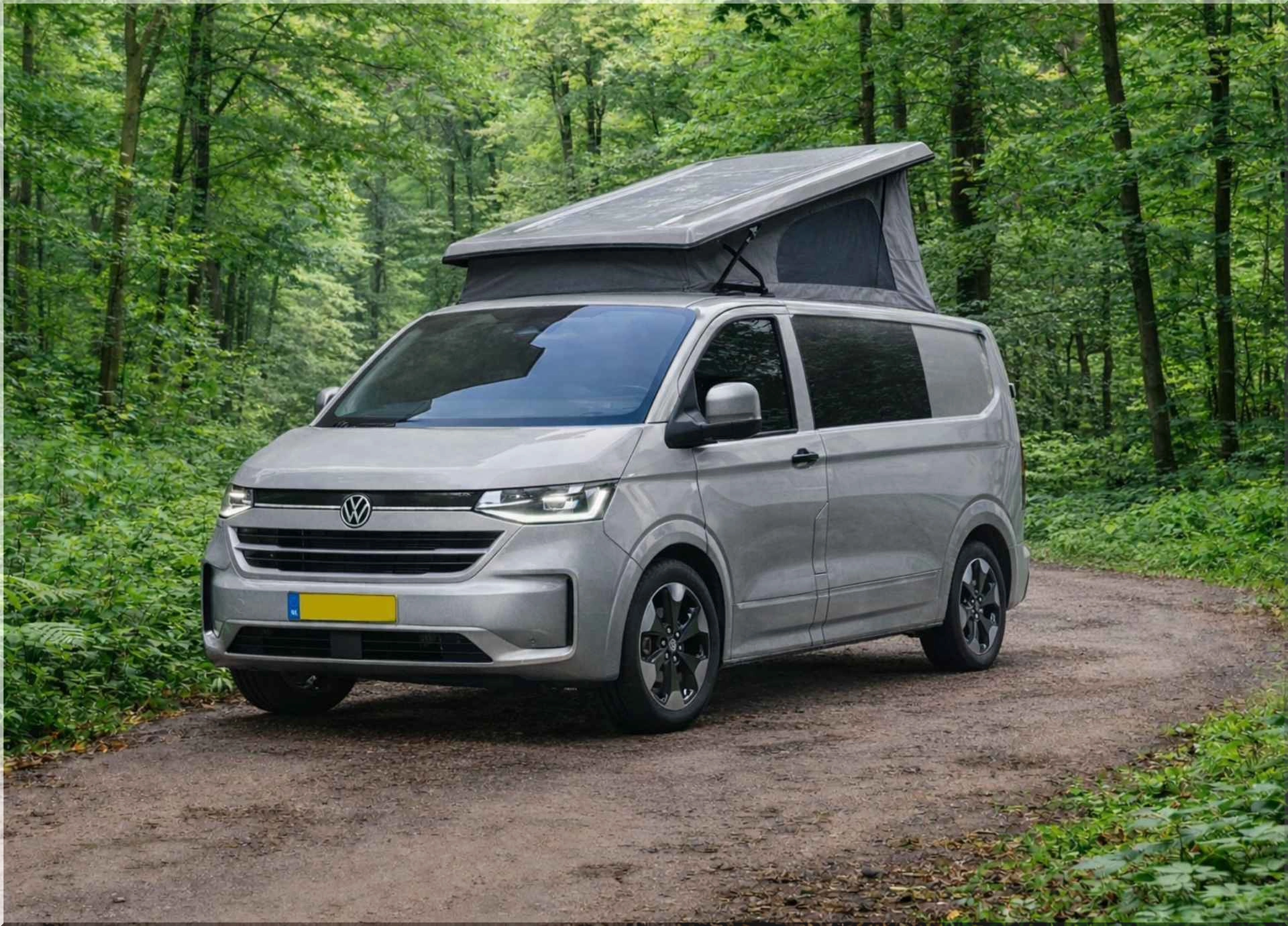
Tonke has aimed the Basecamp at buyers who want the living quality of a larger coachbuilt camper without stepping into Sprinter or Ducato bulk. That is the whole point. The Dutch builder takes the latest Volkswagen Transporter, adds a pop-top, a full indoor living layout, real washroom hardware, and serious off-grid equipment, then keeps the footprint close enough to daily-driver territory that tight village streets and normal parking routines still make sense.
Image
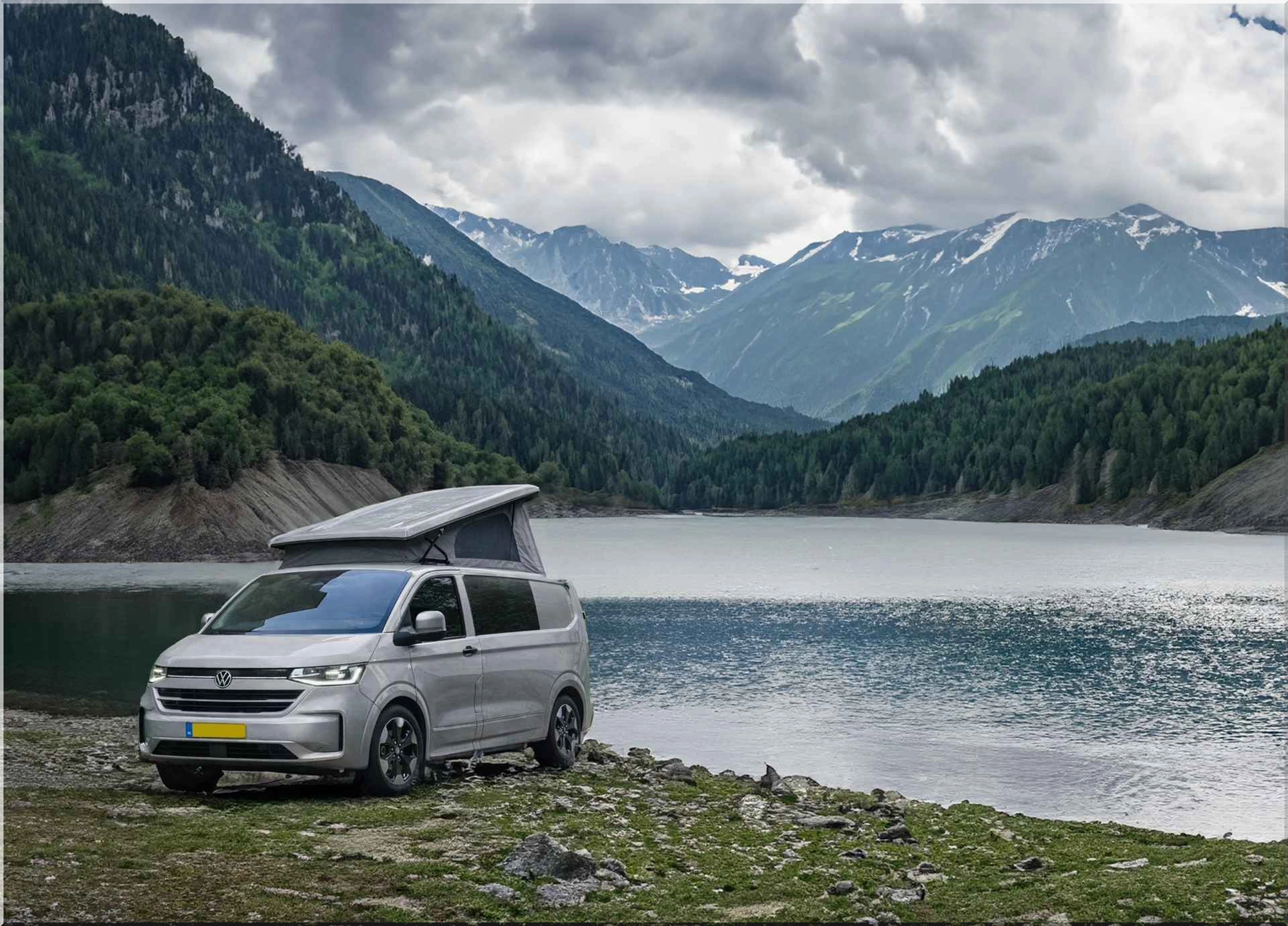
That packaging matters. A van that measures roughly 5,050 mm to 5,450 mm in overall length and 2,032 mm wide without mirrors gives Tonke far more cabin width and floor plan freedom than the previous Transporter, while still avoiding the parking and ferry headaches that come with a full-size camper. Looking at the data, Tonke's pitch is simple: give buyers big-camper comfort in a shorter, narrower, easier van.
Why the Tonke Basecamp matters
Tonke says the new VW Transporter sits 15 cm longer and 12 cm wider than the van it replaces. That sounds modest on paper. In camper packaging, it changes everything.
Those extra millimetres let Tonke install features that usually force buyers into a much larger shell:
- Sleeping for four
- A proper indoor kitchen
- An onboard toilet and shower
- Underfloor heating
- Large water capacity
- Long-stay storage
- Off-grid electrical capability
From an expert perspective, the Basecamp campervan hits a sweet spot that European buyers know well. Many camper vans feel great on a sunny weekend but start to unravel in cold weather, on longer trips, or when four adults try to live inside for more than two nights. Tonke clearly designed this van to avoid that problem.
Tonke Basecamp core specs at a glance
| Item | Tonke Basecamp spec |
|---|---|
| Base vehicle | Volkswagen Transporter |
| Launch timing | May 2026 |
| Sleeping capacity | 4 people |
| Upper bed | 120 x 230 cm |
| Lower bed | 100 x 200 cm |
| Seating | 4-person lounge with extendable table |
| Fresh water | 60 litres |
| Hot water boiler | 16 litres |
| Fridge | 80 litres |
| Cooking | 2-burner induction cooktop |
| Heating | Underfloor heating |
| Washroom | Toilet and shower |
That list tells you exactly where Tonke spent its money. The company did not chase brochure drama. It chased liveability.
The layout solves the usual camper-van compromises
The big engineering win here sits inside the cabin. Tonke claims the Basecamp campervan delivers the sense of space of a Mercedes Sprinter-based camper in a smaller van. That sounds like marketing until you look at the layout choices.
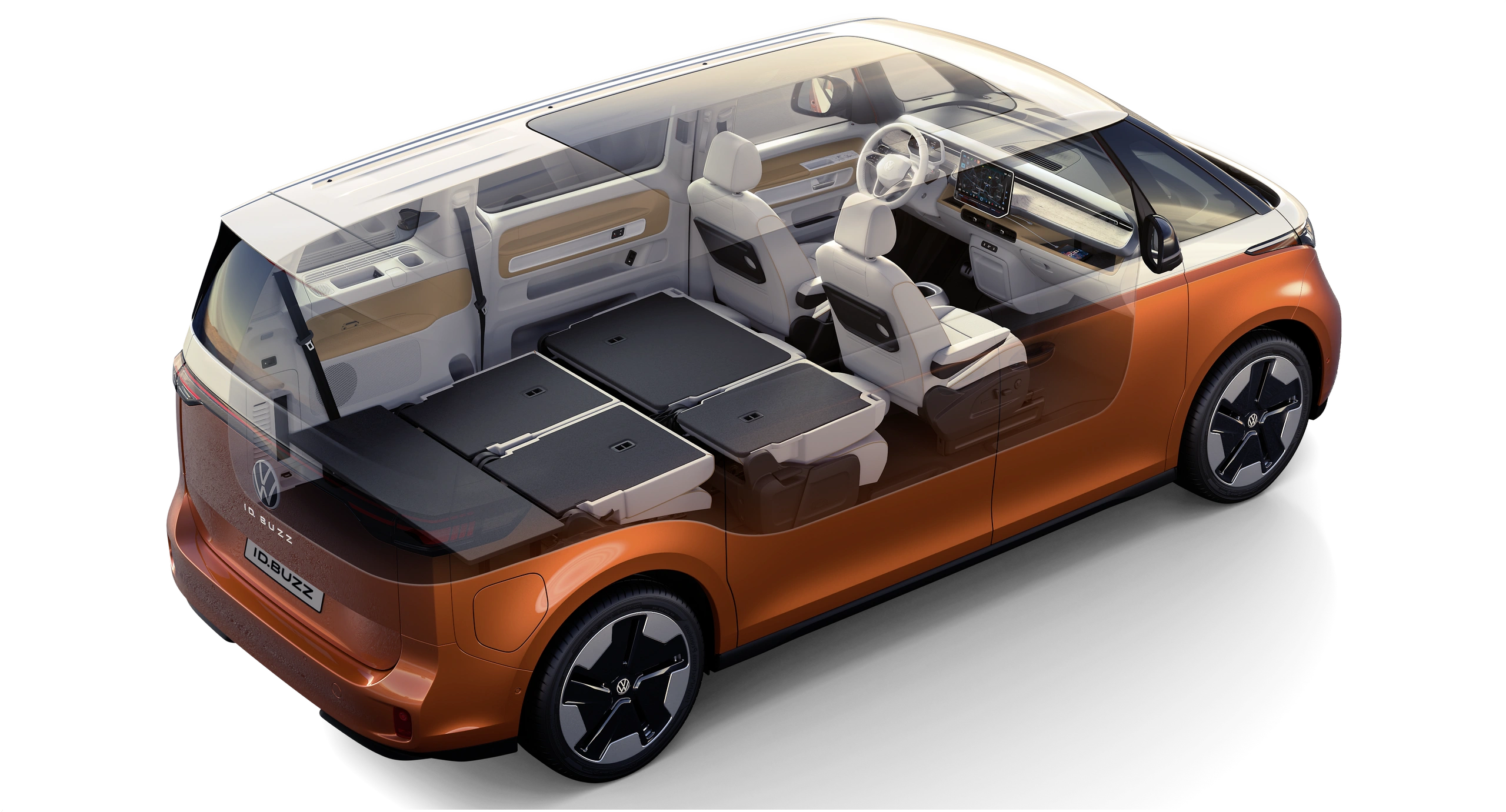
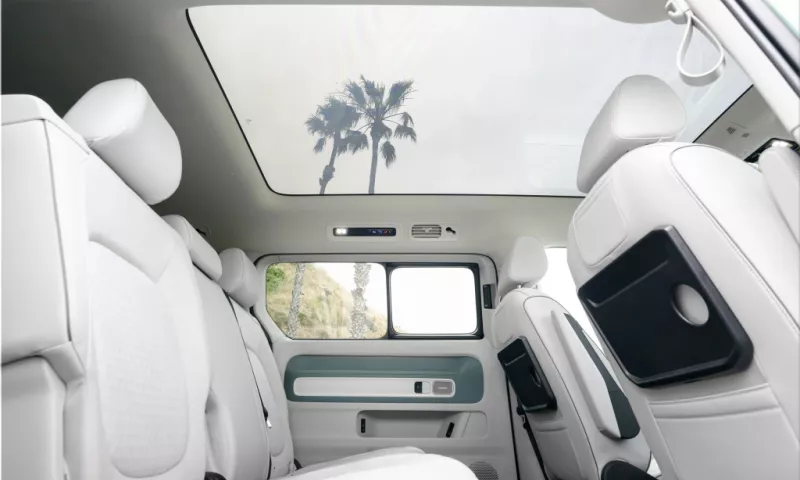
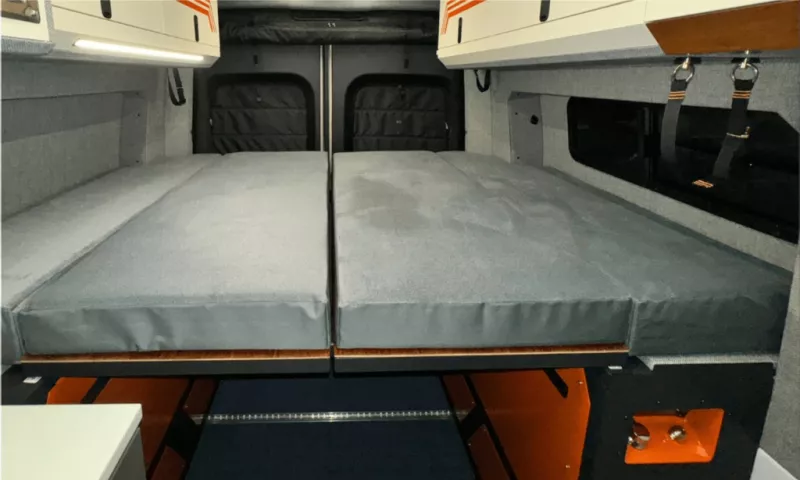
The upper bed at 120 x 230 cm runs unusually long, which helps taller occupants. The lower bed gives 100 x 200 cm, and the daytime lounge seats four adults around an extendable table. In addition, Tonke says the seating area can convert into another double bed, and the van can even carry bicycles inside.
That tells you the Basecamp leans hard into flexible volume management. Tonke appears to use modular wall concepts and multi-use furniture rather than fixed heavy cabinetry everywhere. Consequently, the van should feel less cramped than many lifestyle campers that sacrifice function for Instagram-grade trim.
Image
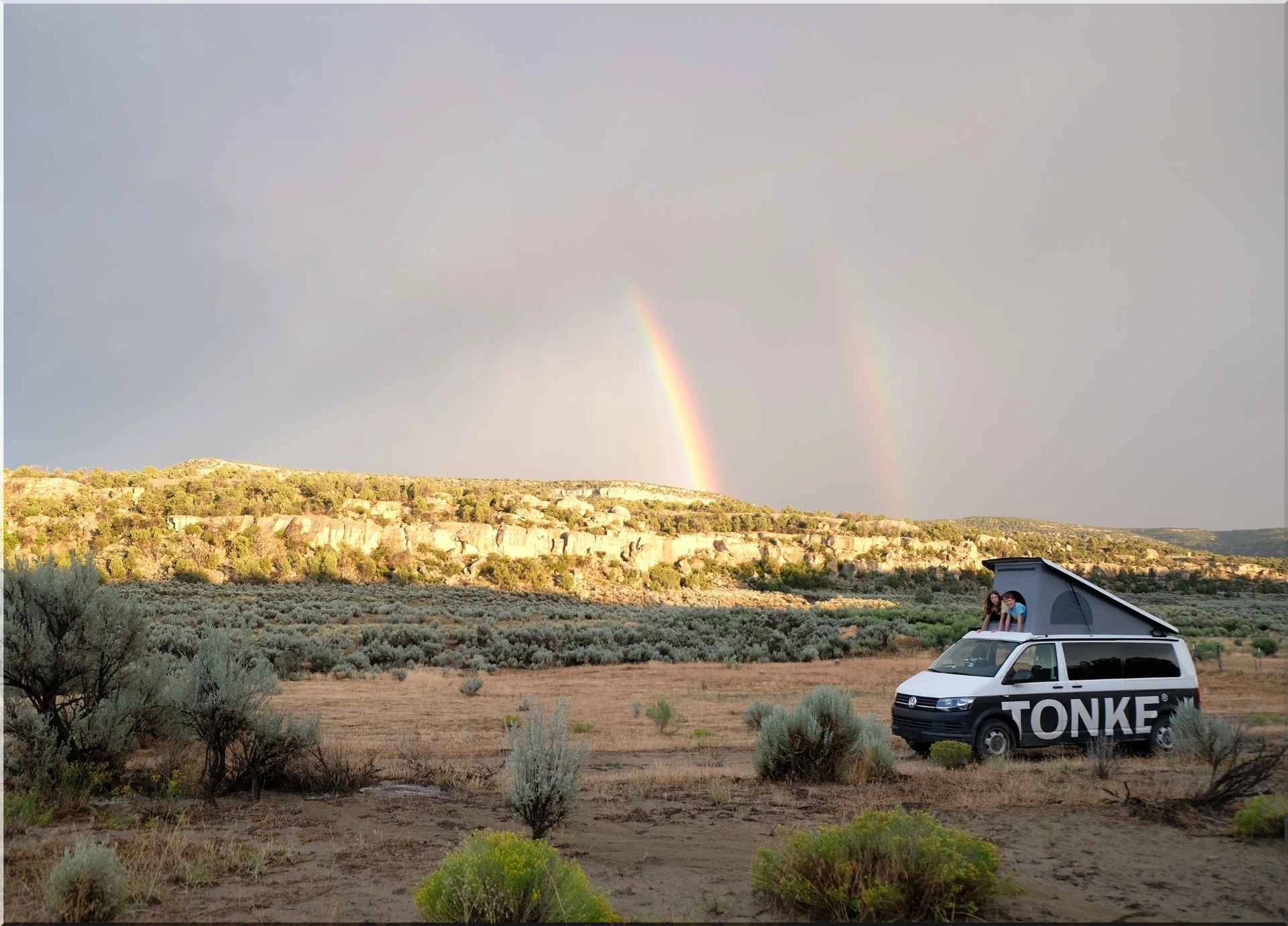
Pro-Tip
If you travel outside peak summer, prioritise heating, water storage, and indoor cooking over decorative finishes. Those three systems decide whether a camper still works in cold rain on day six.
Kitchen, water, and power: this is where the Basecamp earns its name
A lot of pop-top campers still treat the kitchen as an afterthought. Tonke did the opposite.
You get:
- A 2-burner induction hob
- An 80-litre fridge
- A 60-litre water supply
- A 16-litre hot-water boiler
- Off-grid electrical hardware
- Floor heating for year-round use
That equipment stack shifts the van from weekend toy to long-trip machine. Specifically, the induction setup suggests Tonke expects buyers to rely on the electrical system rather than bottled gas for daily cooking, which fits the company's modern premium approach and simplifies onboard energy management.
The presence of toilet and shower hardware matters just as much. Many mid-size campers force buyers into campsite dependence. The Basecamp aims at real self-contained use.
The VW Transporter platform gives Tonke more room to work
The latest VW Transporter also gives the Basecamp better fundamentals before Tonke even starts the conversion.
| Volkswagen Transporter platform data | SWB | LWB |
|---|---|---|
| Wheelbase | 3,100 mm | 3,500 mm |
| Overall length | 5,050 mm | 5,450 mm |
| Width without mirrors | 2,032 mm | 2,032 mm |
| Max load width | 1,777 mm | 1,777 mm |
| Width between wheel arches | 1,392 mm | 1,392 mm |
| Load length | 2,602 mm | 3,002 mm |
| Load volume | 5.8 m³ | 6.8 m³ |
| Turning circle | 11.9 m | 13.0 m |
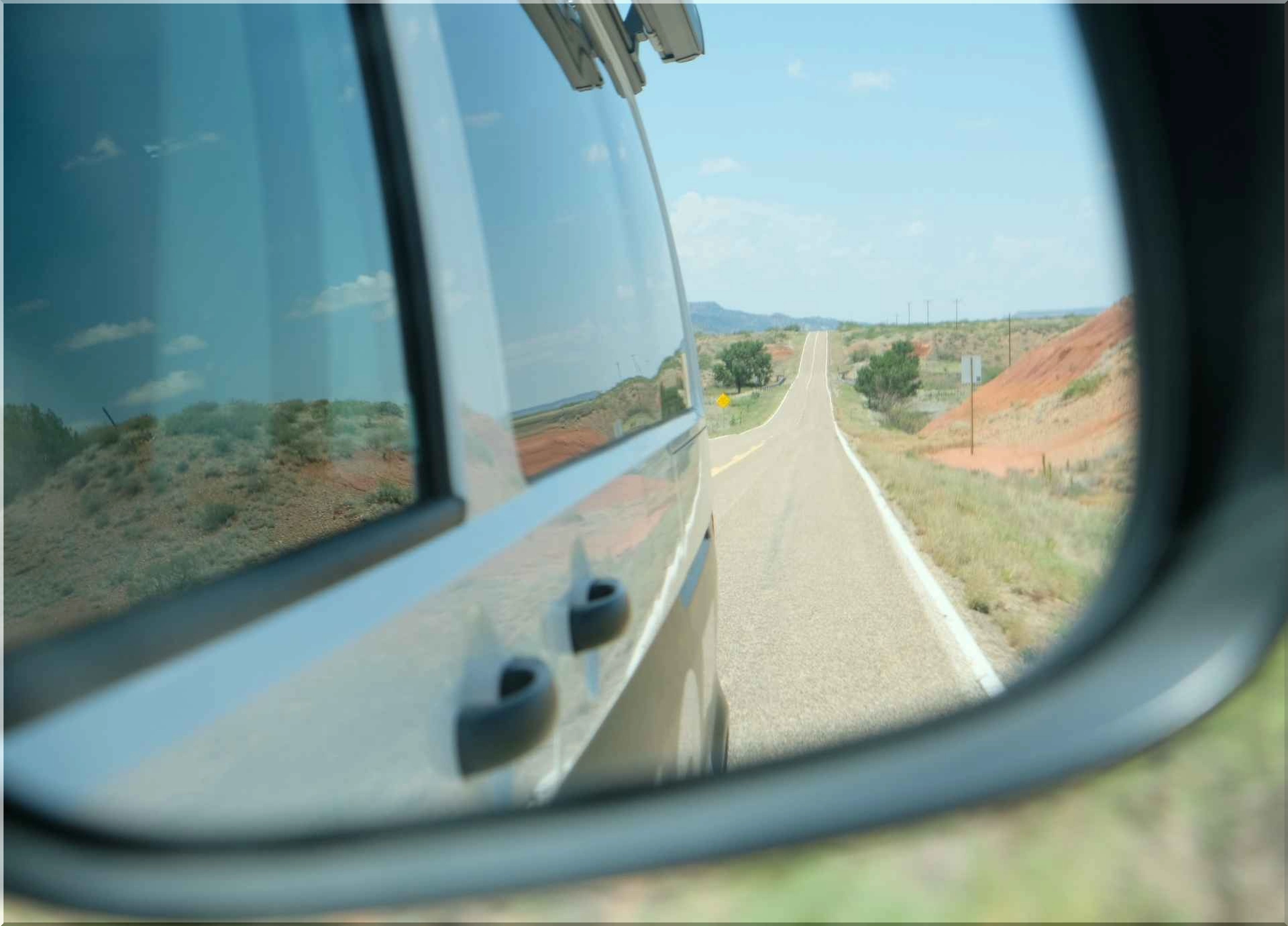
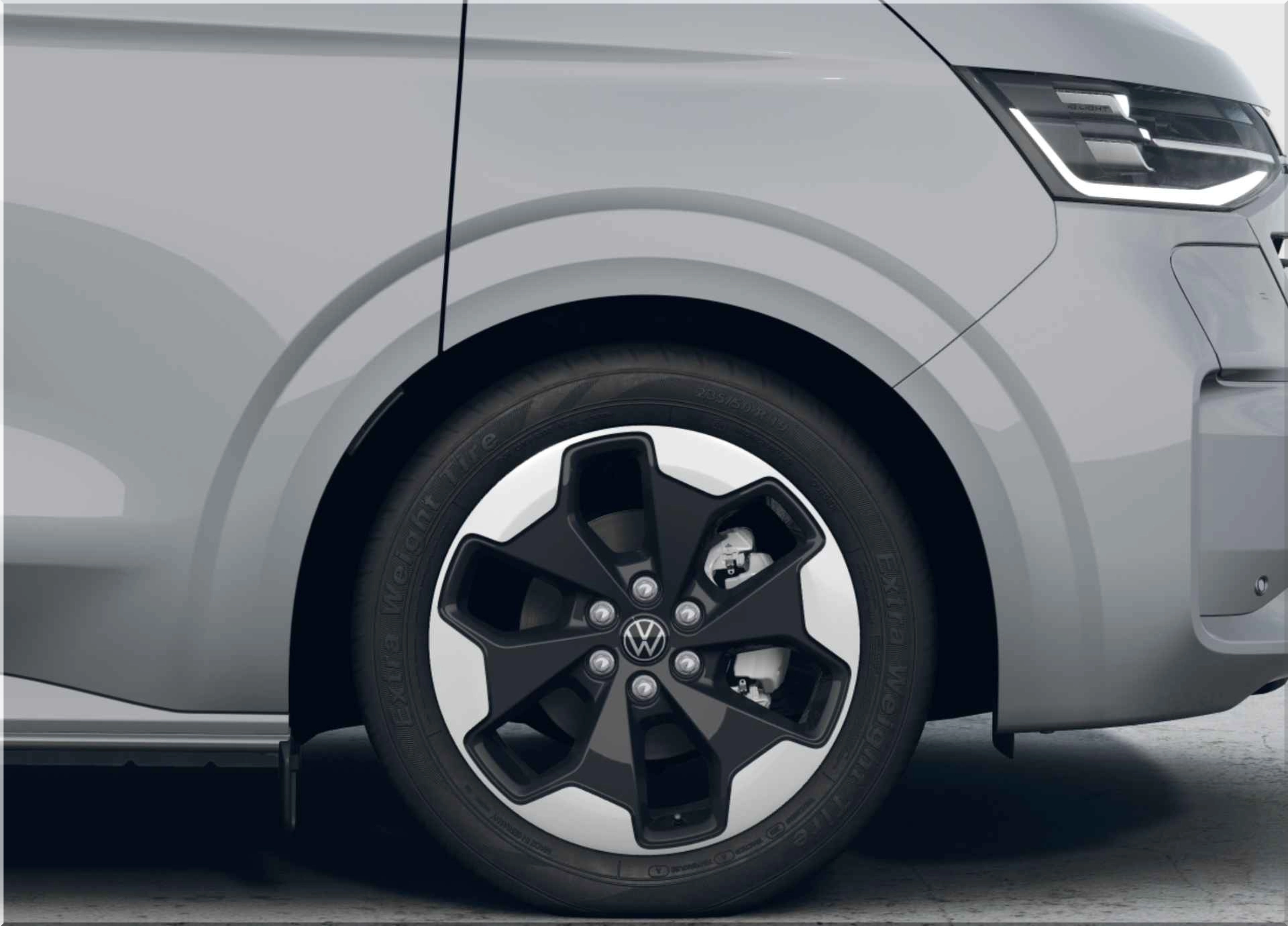
By comparison, those numbers explain why Tonke chose this van. The extra width between the body sides and the useful load-floor length help with bed placement, washroom packaging, storage depth, and traffic flow through the cabin. The 11.9 m turning circle on the short-wheelbase version also keeps the Basecamp usable in towns where larger campers become work.
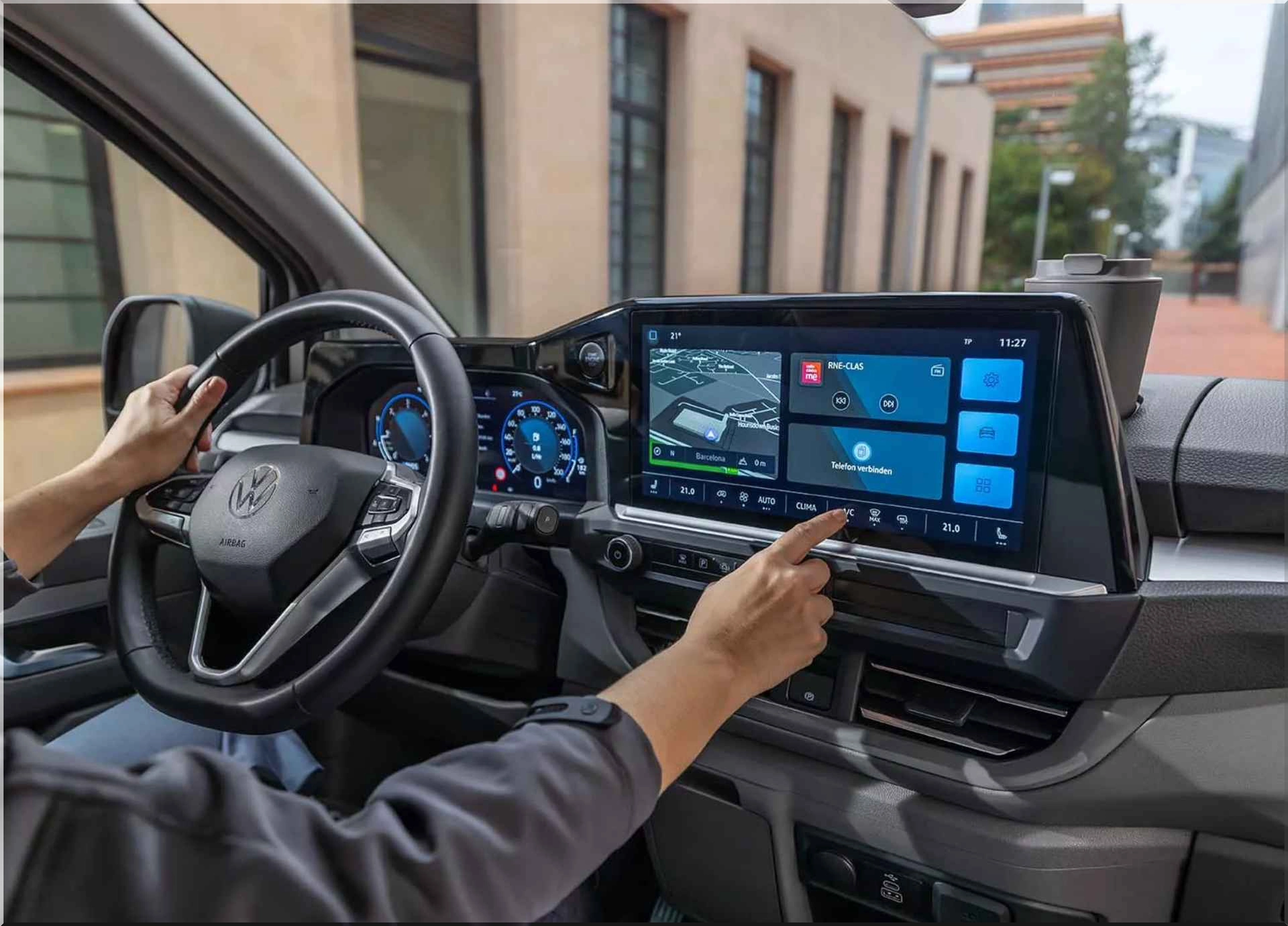

Powertrains and off-road potential
Tonke and Volkswagen both point to a broad powertrain spread. Buyers can expect turbodiesel, all-electric, and later plug-in hybrid choices on the Transporter line. Tonke's founder also says the Basecamp can take four-wheel drive, more ride height, all-terrain tyres, and recovery equipment.
That matters because camper buyers do not all want the same thing. Diesel still makes sense for long trans-European mileage and towing. Electric works better for shorter trips and quiet-site use. Plug-in hybrid could become the compromise play for buyers who want electric campsite manners with less charging pressure.

What now?
Wait for the May reveal if you need final pricing, weights, and electrical capacity figures. Those numbers will decide whether the Tonke Basecamp becomes a serious class leader or simply a very clever idea.
Right now, the fundamentals look strong. You get a premium VW Transporter camper van with four-person sleeping, a real washroom, serious kitchen hardware, floor heating, and off-grid intent in a footprint that still works in the real world. That is a sharp brief. Tonke seems to have followed it with discipline.
- Add new comment
- 206 views