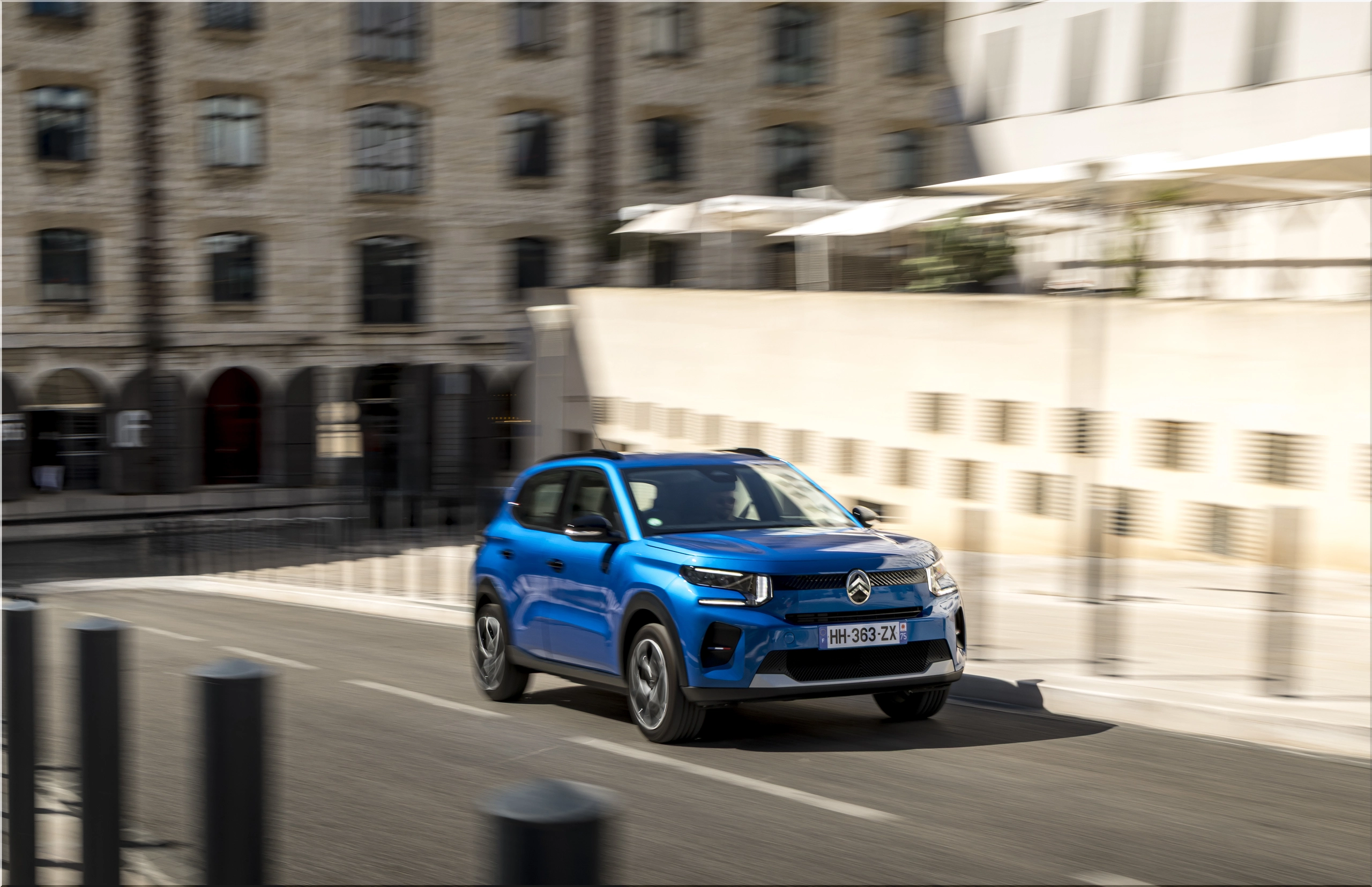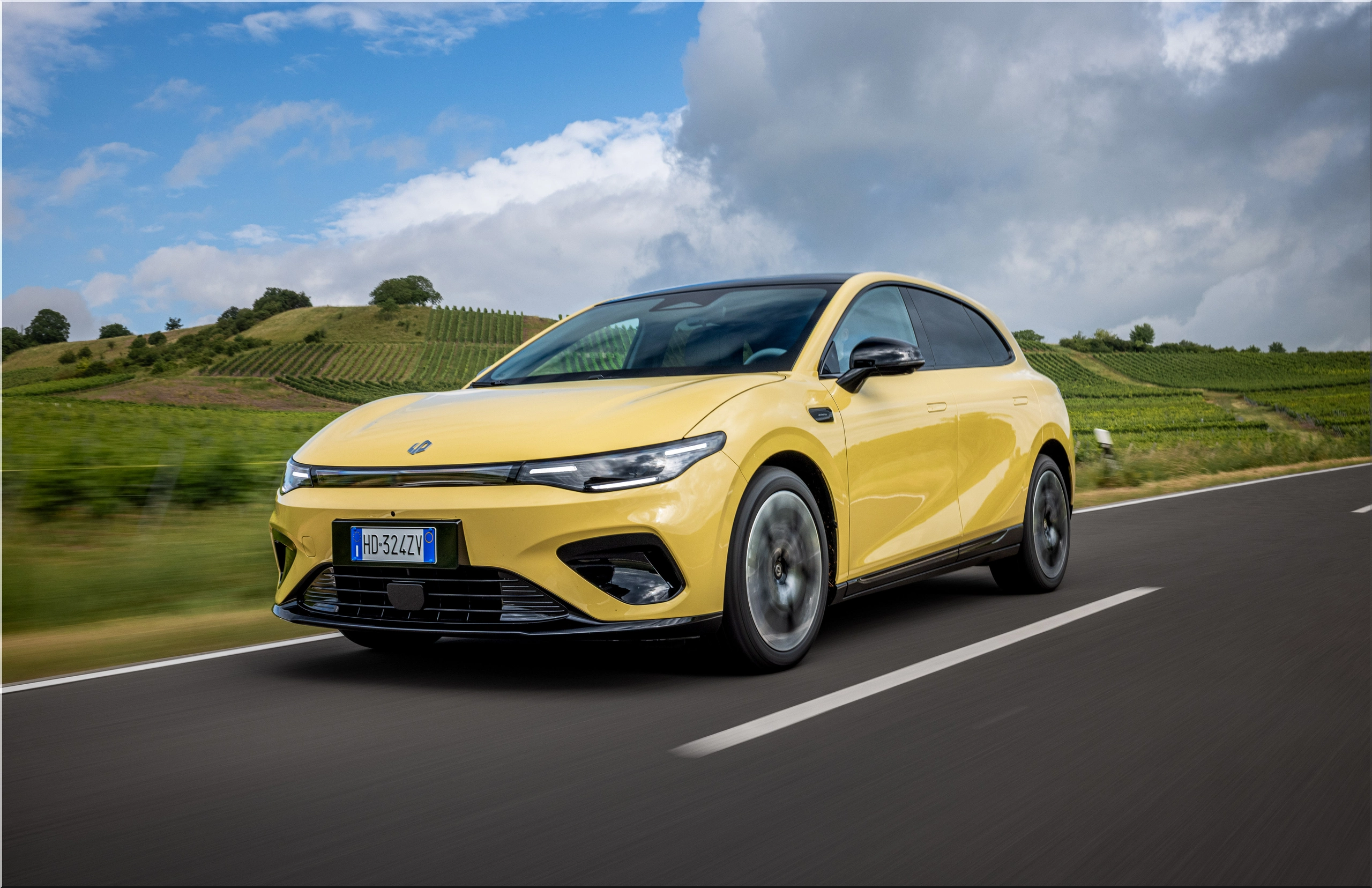
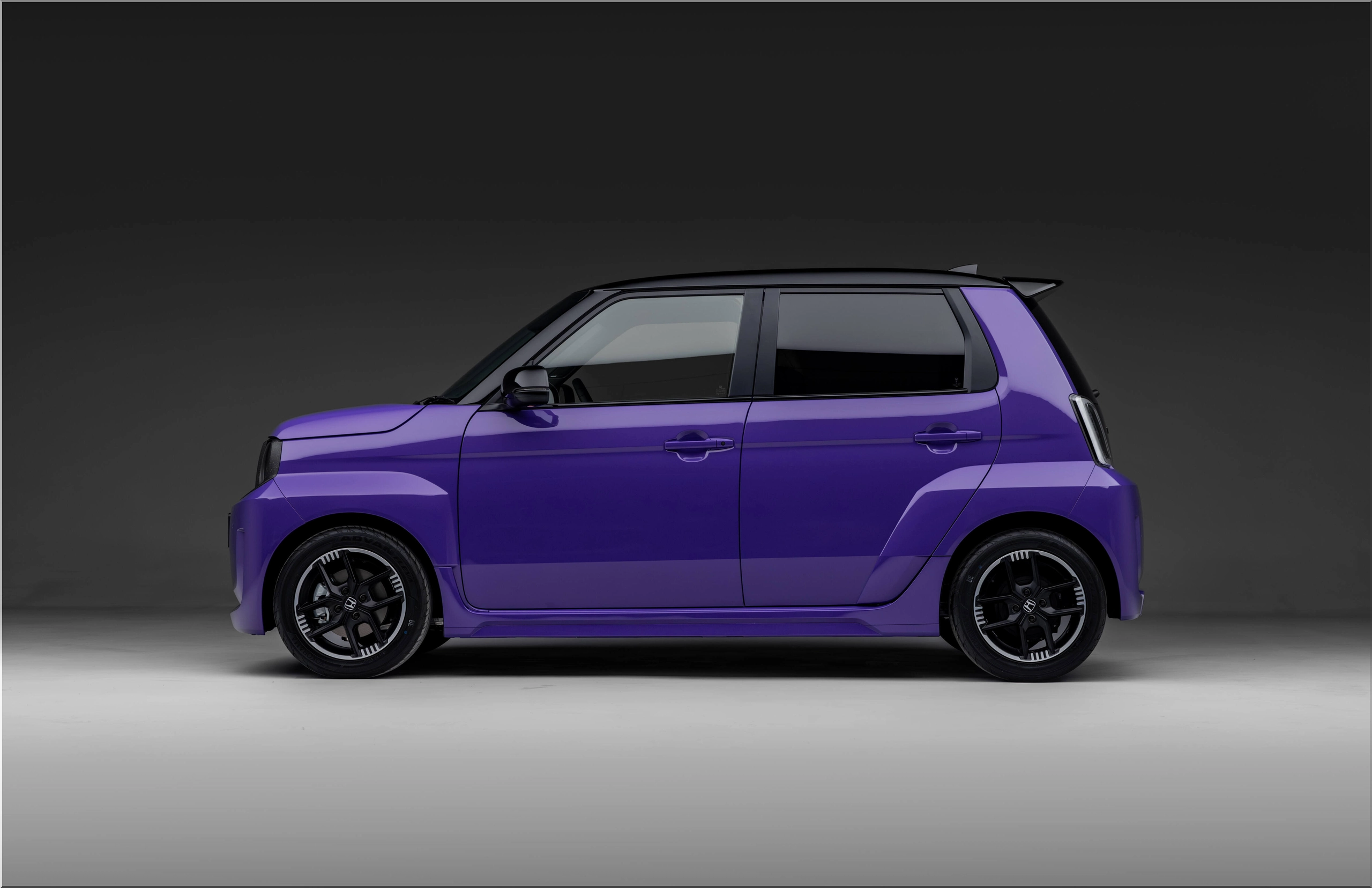
Honda has a sharp new job to do in Britain, and the Honda Super-N looks built for it. This compact electric hatch lands in the UK in July 2026 with a sub-£20,000 starting point, which translates to roughly under $26,900 at current exchange rates. Honda also says it will deliver 199 miles of city range, giving the car a practical brief instead of a halo-car excuse. That changes the conversation fast.
Image

The old Honda e sold charm first and value second. The Super-N flips that order. Honda now wants a small electric city car that can win on footprint, price discipline, daily usability, and a dose of driver engagement that many budget EVs leave on the table.
Why the Honda Super-N Matters
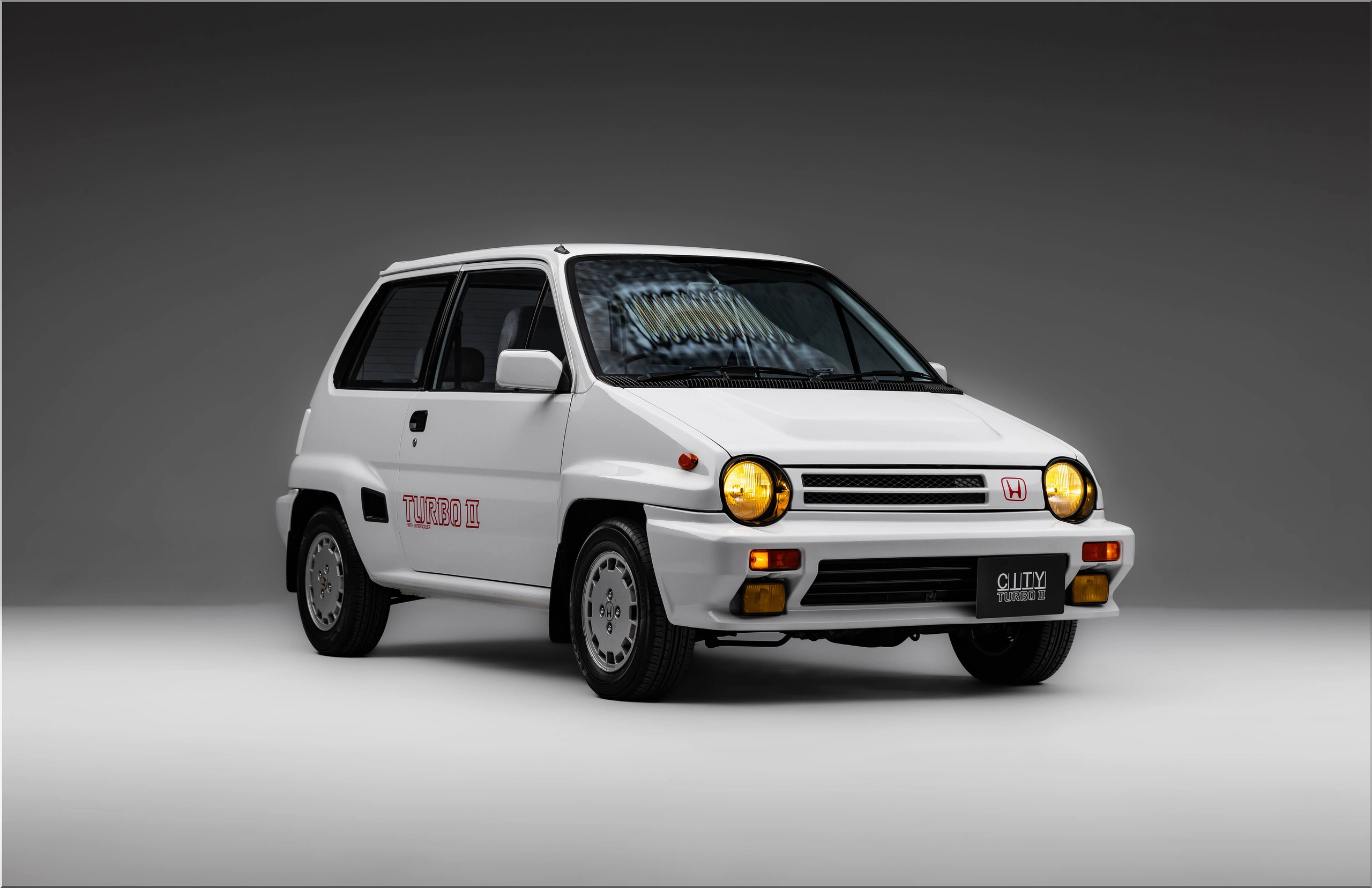
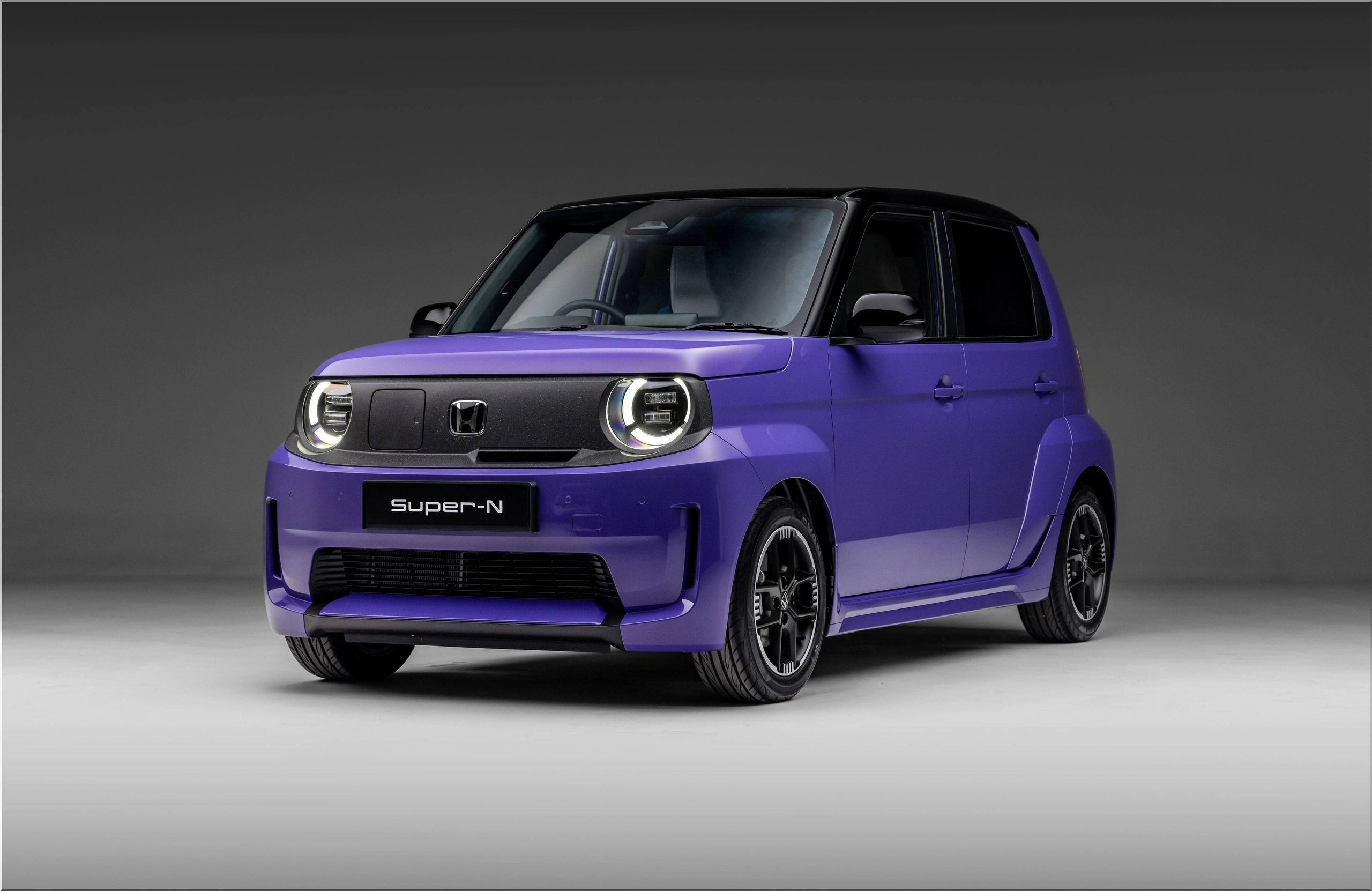
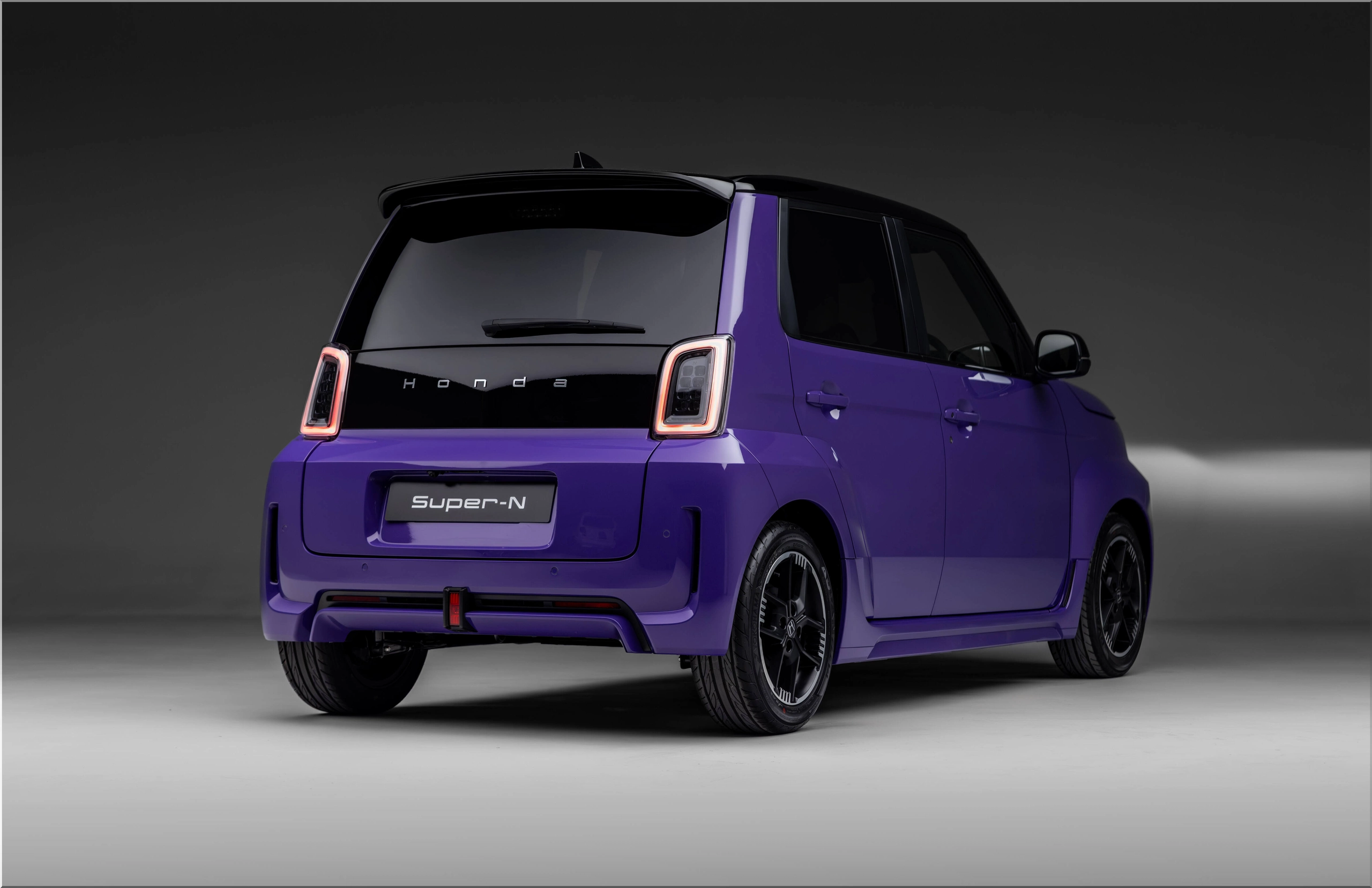
Honda has taken the lightest platform from its Japanese N Series kei-car family and then widened, sharpened, and retuned it for the UK. The result looks like a love letter to the 1980s Honda City Turbo II, but the real story sits under the nostalgia. Honda is using heritage as bait while chasing a real gap in the market: affordable EVs that still feel engineered by people who care about steering, weight, and body control.
That matters because the small-EV category often forces buyers into a dull trade. Cheap cars tend to feel cheap. Stylish cars tend to cost too much. The Honda Super-N tries to sit in the middle.
The engineering logic looks smart
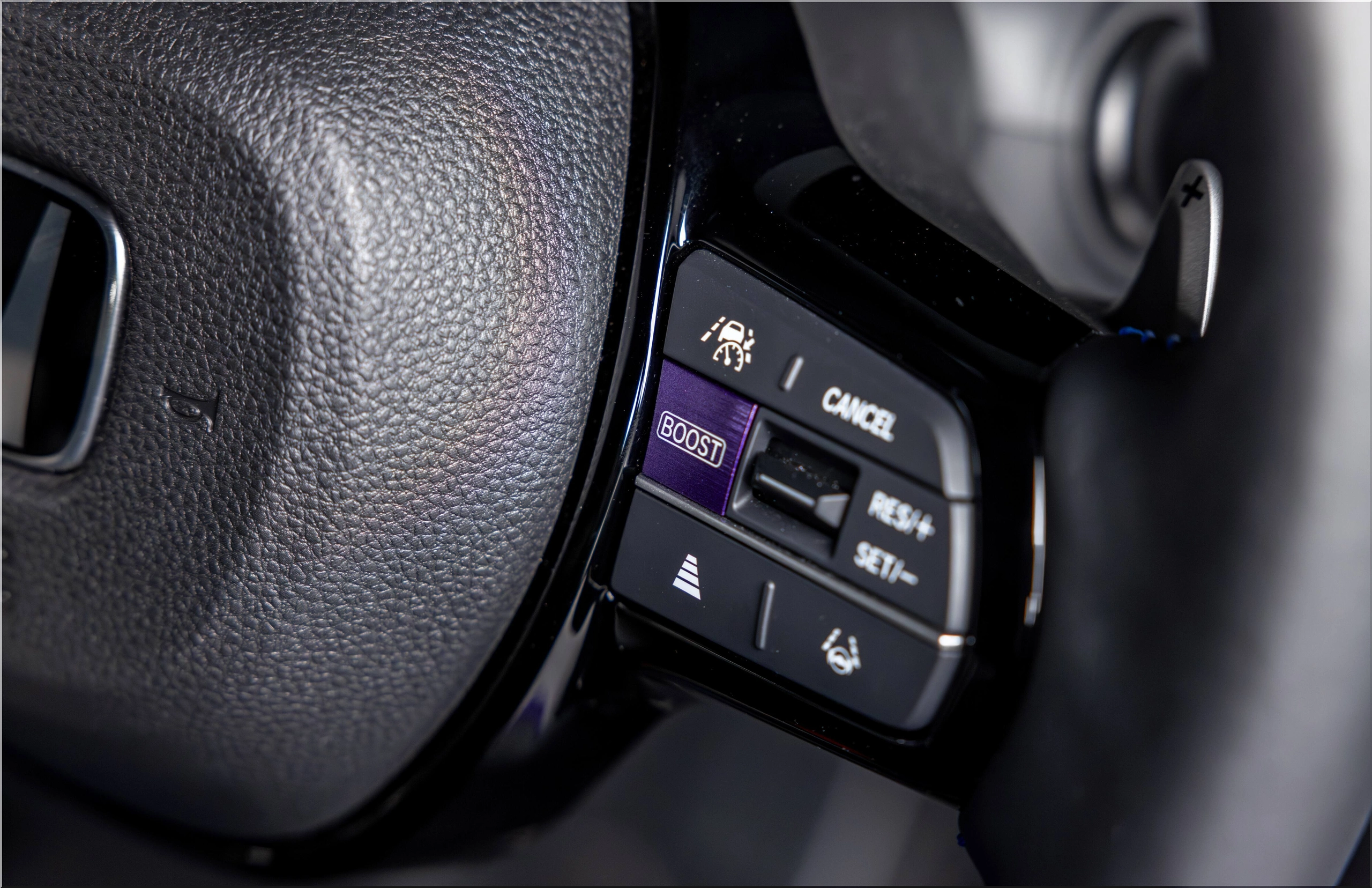
Honda's official line focuses on three points: a light platform, a wide stance, and a new BOOST Mode. That mix tells you exactly what the company wants drivers to feel.
- Light platform: lower mass helps efficiency, braking, ride response, and tyre load
- Wide stance and wider track: better lateral stability and less roll in quick direction changes
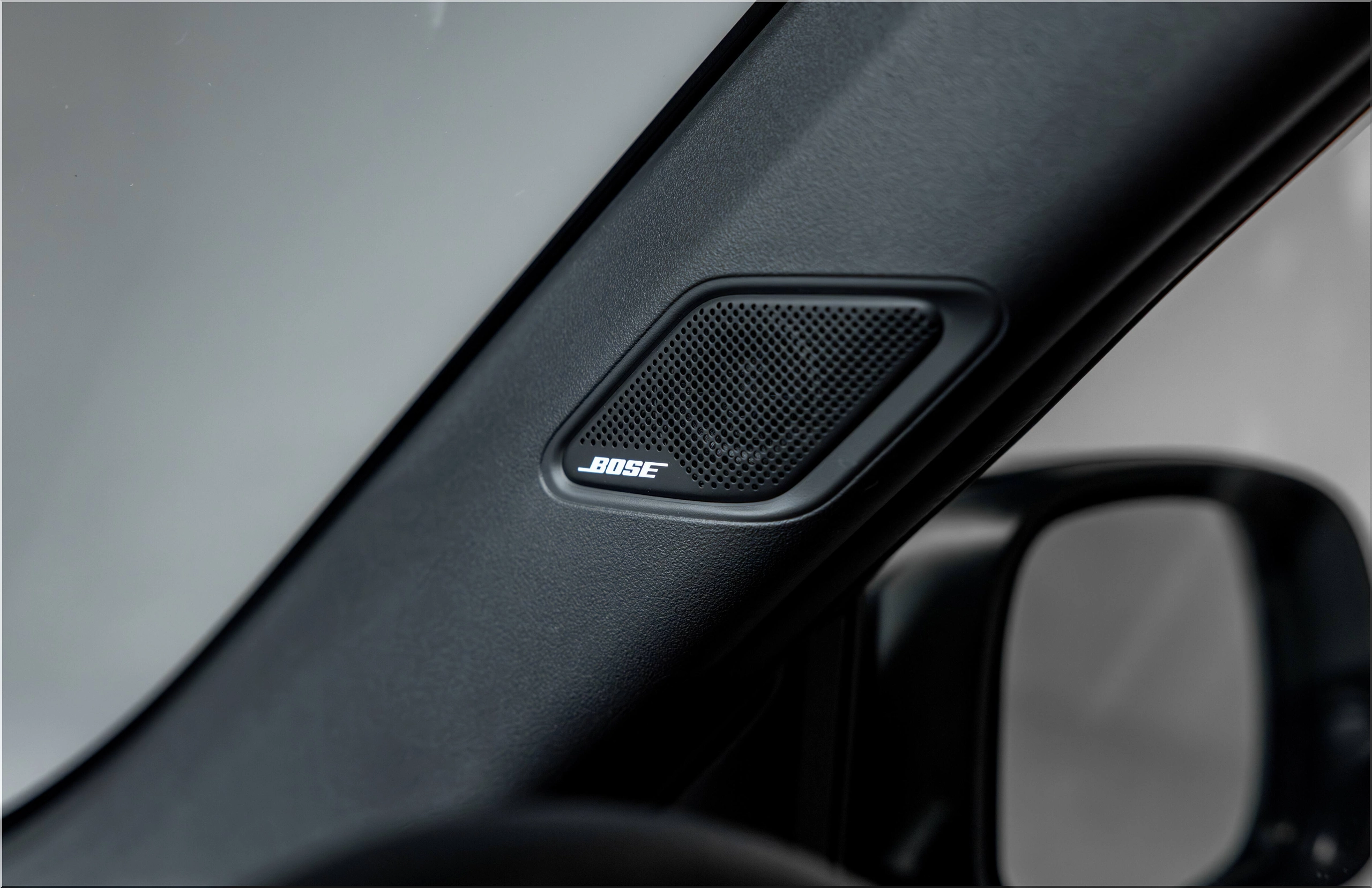
- BOOST Mode: adds theatre and response through simulated multi-gear shifts and Active Sound Control
From an expert perspective, that last part matters more than it sounds. Small EVs often deliver instant torque but little interaction. Honda's virtual shift strategy gives the driver timing cues and load changes that mimic the rhythm of a conventional performance hatch. Purists may roll their eyes. Buyers may love it.
Honda Super-N Specs and Key Facts
Honda still has not released a full technical sheet for the UK car, so several hard numbers remain under wraps. That said, the official material and early drive reports already sketch the shape of the package.
What we know now
| Item | Honda Super-N |
|---|---|
| Launch timing | UK sales from July 2026 |
| Starting price | Sub-£20,000, about sub-$26,900 |
| Official city range | 199 miles |
| Platform base | Honda N Series light platform |
| Layout | Compact 4-seat electric hatch |
| Signature feature | BOOST Mode with virtual multi-gear shift |
| Sound system feature | Active Sound Control |
| Design cue | 1980s Honda City Turbo II inspiration |
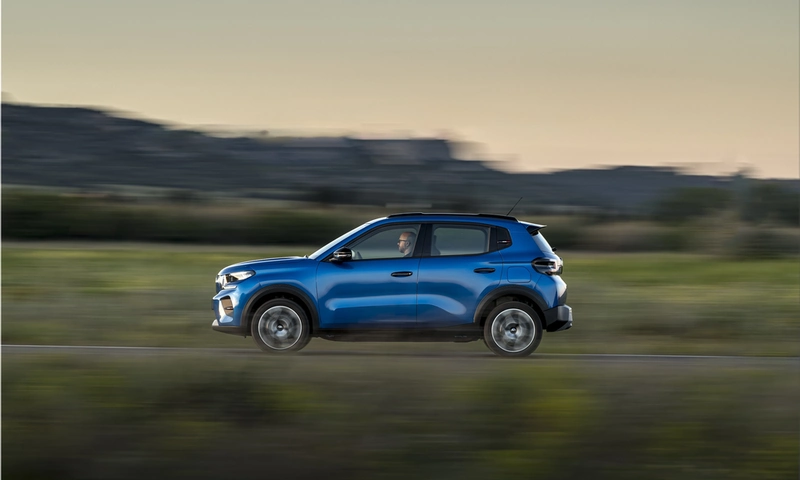
Autocar's early drive adds more useful context. It reports a car around 3.4 metres long, with a 2.5-metre wheelbase, seating for four, and curb weight a little above 1,300 kg. In imperial terms, that works out to roughly 133.9 inches long and 98.4 inches between the axles. That is tiny on the outside, yet the wheelbase tells a different story inside. Honda has pushed the wheels outward to protect cabin space and cornering stability at the same time.
Estimated dimensions and likely hardware
| Metric | Approximate figure |
|---|---|
| Length | 3,400 mm / 133.9 in |
| Wheelbase | 2,500 mm / 98.4 in |
| Seats | 4 |
| Curb weight | Slightly above 1,300 kg / 2,866 lb |
| Wheels | 15-inch alloys on prototype |
| Battery | Final UK spec not yet confirmed |
| DC charging | Final UK spec not yet confirmed |
Looking at the data, Honda appears to have chased packaging first. A 2,500 mm wheelbase in a 3,400 mm body leaves short overhangs, which helps agility and parking ease. It also gives the cabin more usable floor area than the cute-retro shape suggests.
What Honda Got Right
The Honda Super-N does not try to outgun larger EVs. It tries to feel alive in town, and that is the right target.
Specifically, Honda made four smart calls:
- It kept the body small. Urban EV buyers want easy parking, narrow-road confidence, and low-speed visibility.
- It leaned into visual identity. Retro cues pull interest without dragging the car into novelty-car territory.
- It built driver engagement into the brief. BOOST Mode and sound-shift mapping give the car a real hook.
- It attacked the price barrier. A sub-$26,900 entry point puts the Super-N much closer to mainstream city EV money.
By comparison, the Honda e asked buyers to pay premium money for limited range and boutique packaging. The Super-N looks far more disciplined.
Honda Super-N vs Key Small EV Rivals
The Super-N will not fight alone. Britain already offers buyers cheap or style-led electric runabouts, and more are arriving.
| Model | UK starting price | Positioning | Main strength | Main weakness |
|---|---|---|---|---|
| Honda Super-N | Under £20,000 | Fun-focused city EV | Driver appeal plus compact footprint | Full powertrain specs still unpublished |
| Dacia Spring | £15,990 | Lowest-cost EV entry | Price | Lower perceived quality and weaker road presence |
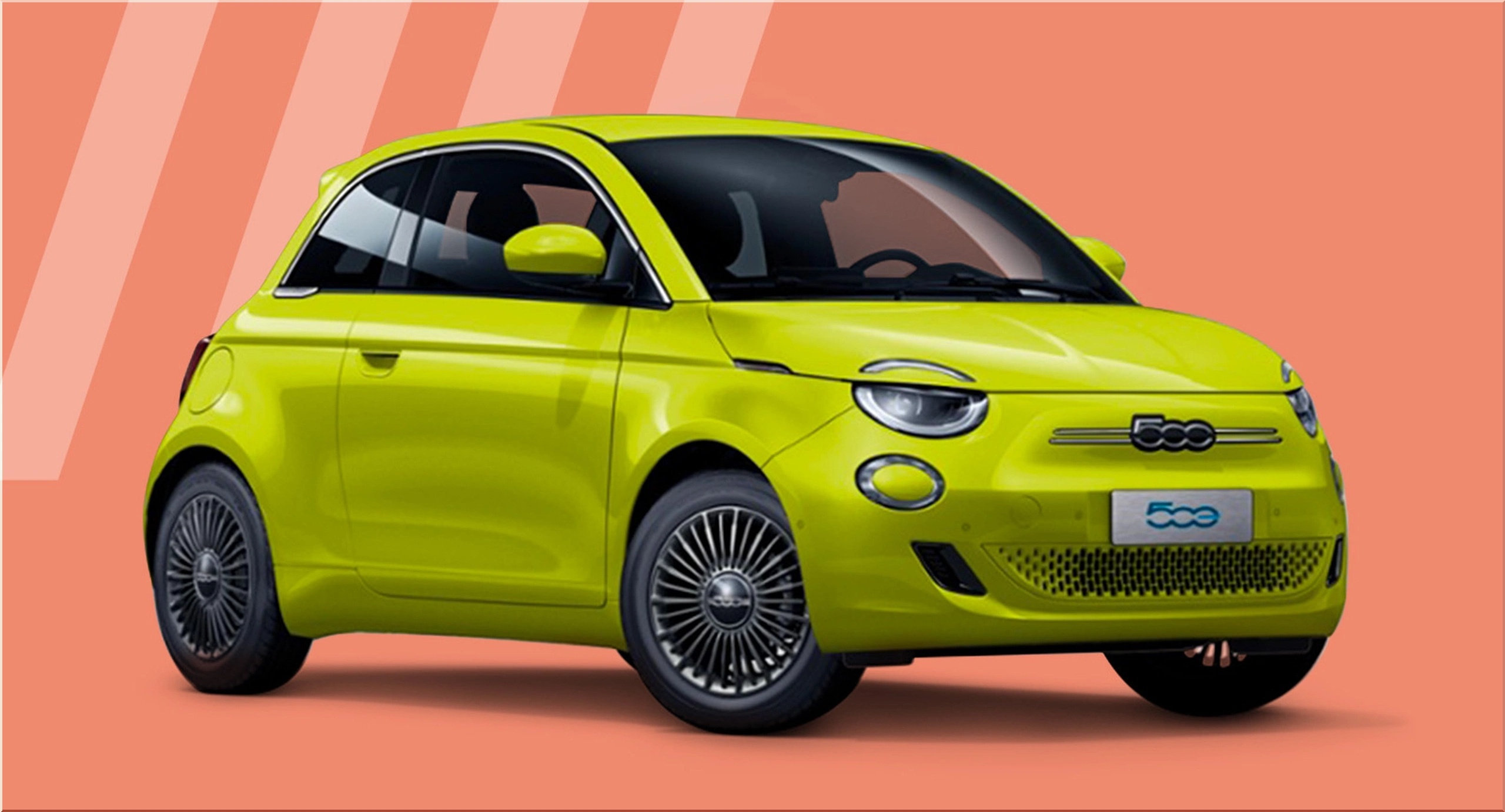
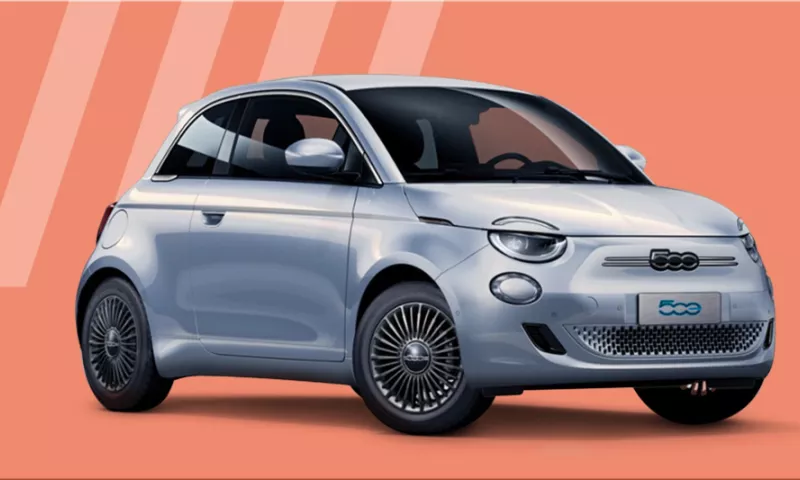
| Fiat 500e | £20,995 | Style-led premium city EV | Design and brand pull | Less value at entry point |
| Renault 5 E-Tech electric | £21,495 | Retro-tech mainstream EV | Strong tech and broader appeal | Costs more than Honda's target |
This table makes the Honda brief easy to read. The Dacia Spring wins the price war. The Fiat 500e sells fashion and brand warmth. The Renault 5 looks like the toughest all-rounder. Honda wants the space between them: cheaper than the Renault 5, likely more engaging than the Spring, and far less expensive than the old Honda e.
Cabin, Practicality, and Road Manners
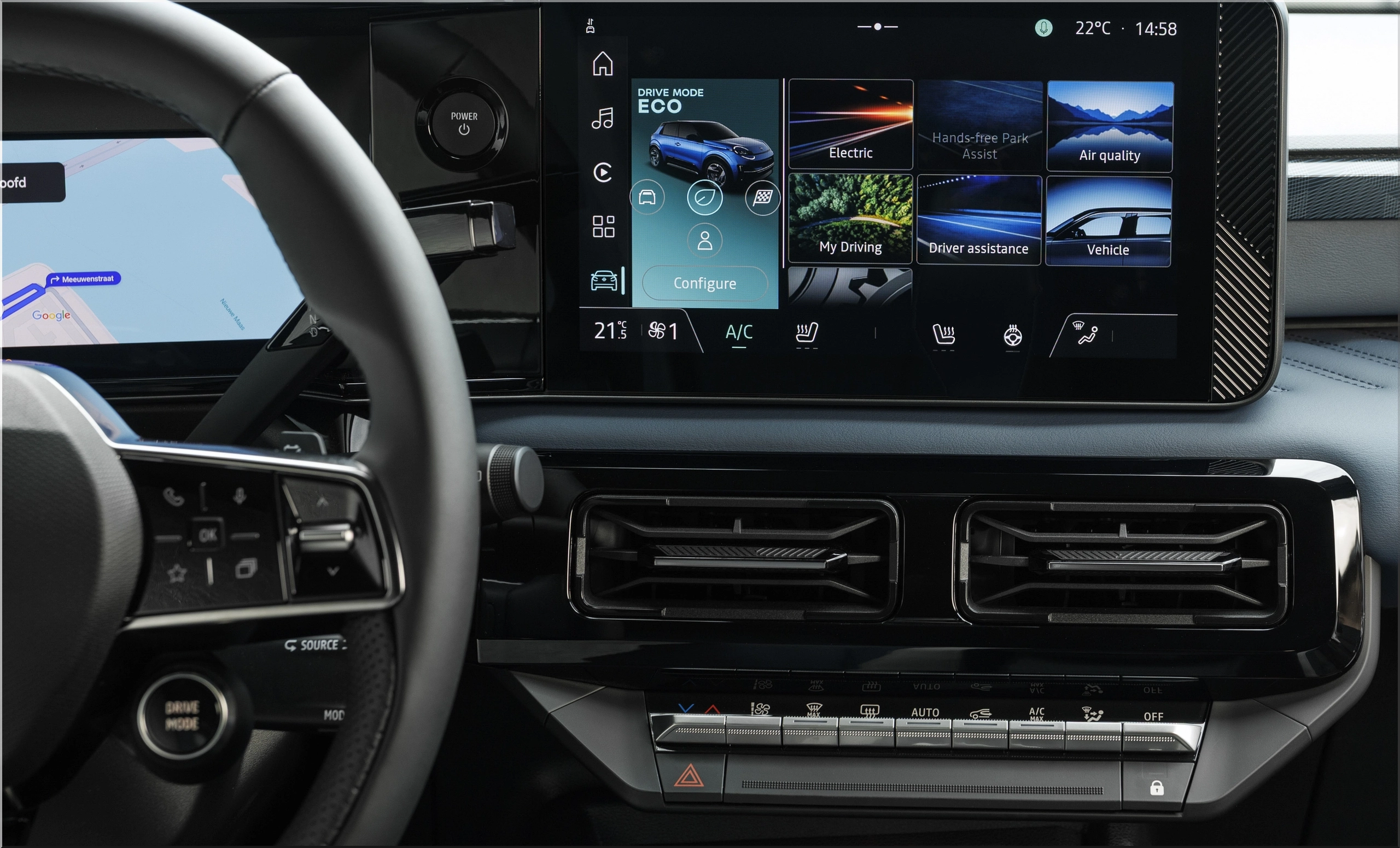
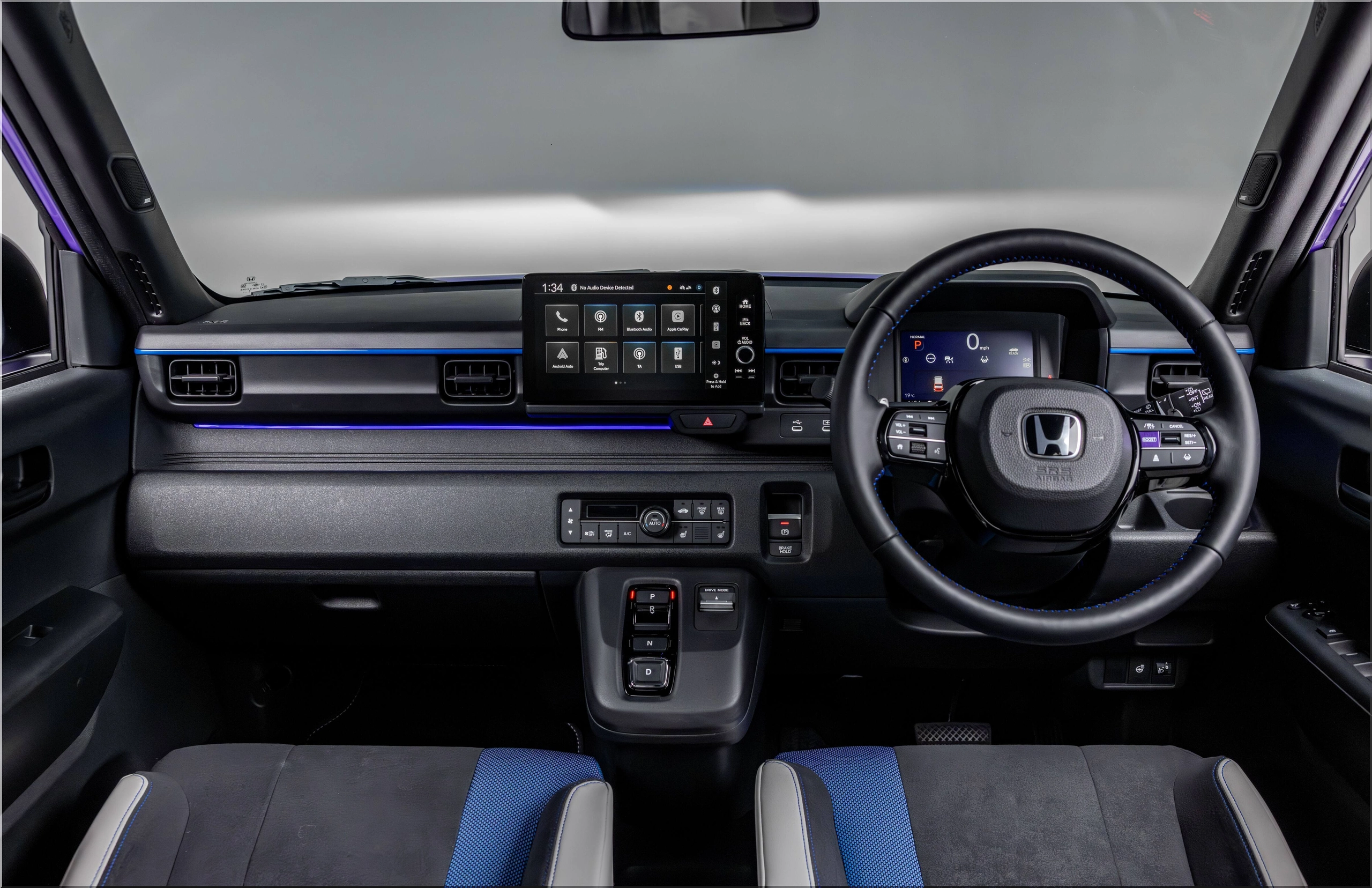
Honda's interior strategy looks clean and purposeful. Official images show a horizontal dash, asymmetrical blue-accented seats, and a simple control layout. That matters in a small EV because clutter shrinks a cabin faster than hard plastics do.
The broader engineering story also works in Honda's favour.
- Boxy roofline: better headroom and easier entry
- Short body with long wheelbase: more efficient cabin packaging
- Battery in the floor: lower centre of gravity and flatter cabin feel
- Step-through cabin layout: easier movement across the front row
Consequently, the Super-N should work well as a second household car, a commuter, or a city-first family runabout.
The Missing Numbers Still Matter
Honda still owes buyers some hard figures. Power, torque, battery capacity, peak DC charging rate, 10-80 percent timing, and final WLTP data will shape the real value case.
That is the one area where this story stays incomplete. A fun chassis and a strong entry price can pull shoppers into the showroom, but charging speed and motorway efficiency close the sale. If Honda lands respectable numbers in those areas, the Super-N could punch far harder than its size suggests.
Pro-Tips for Buyers Watching the Super-N
- Wait for the final battery and charging figures before placing too much weight on the city-range headline.
- Check real tyre size and replacement cost. Small EVs can hide pricey rubber behind sporty trim.
- Compare monthly finance against the Renault 5 and Fiat 500e, not only against the Dacia Spring.
- Look closely at rear-seat access and boot shape. Tiny cars often win or lose there.
What now?
The Honda Super-N already looks like one of the most interesting small EV launches of 2026. It has a clear design identity, a realistic market target, and a stronger value pitch than Honda's last small electric car. That alone gives it a real shot.
The next step is simple. Watch for the final UK technical sheet. If Honda confirms solid charging performance, usable motorway range, and a firm price below the psychological £20,000 line, the Honda Super-N could become one of the few affordable EVs that buyers want for reasons that go well past the monthly payment.
- Add new comment
- 103 views