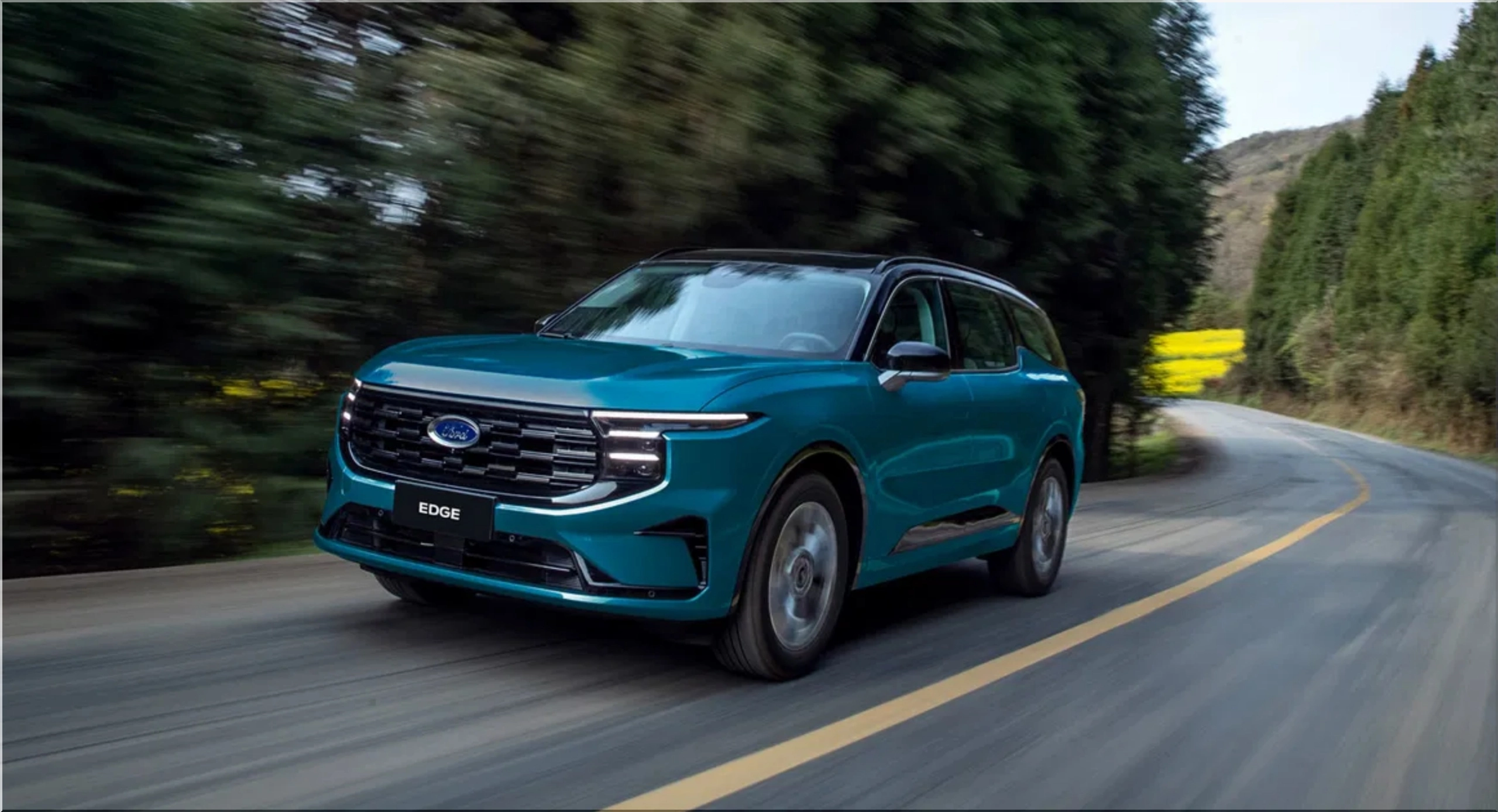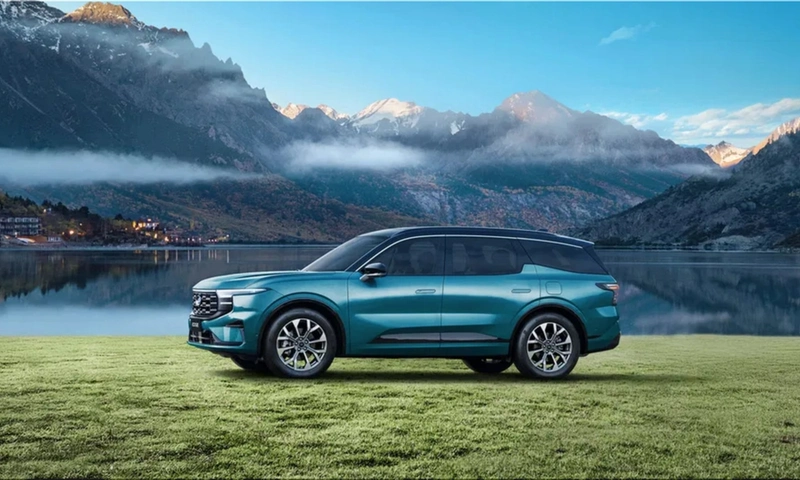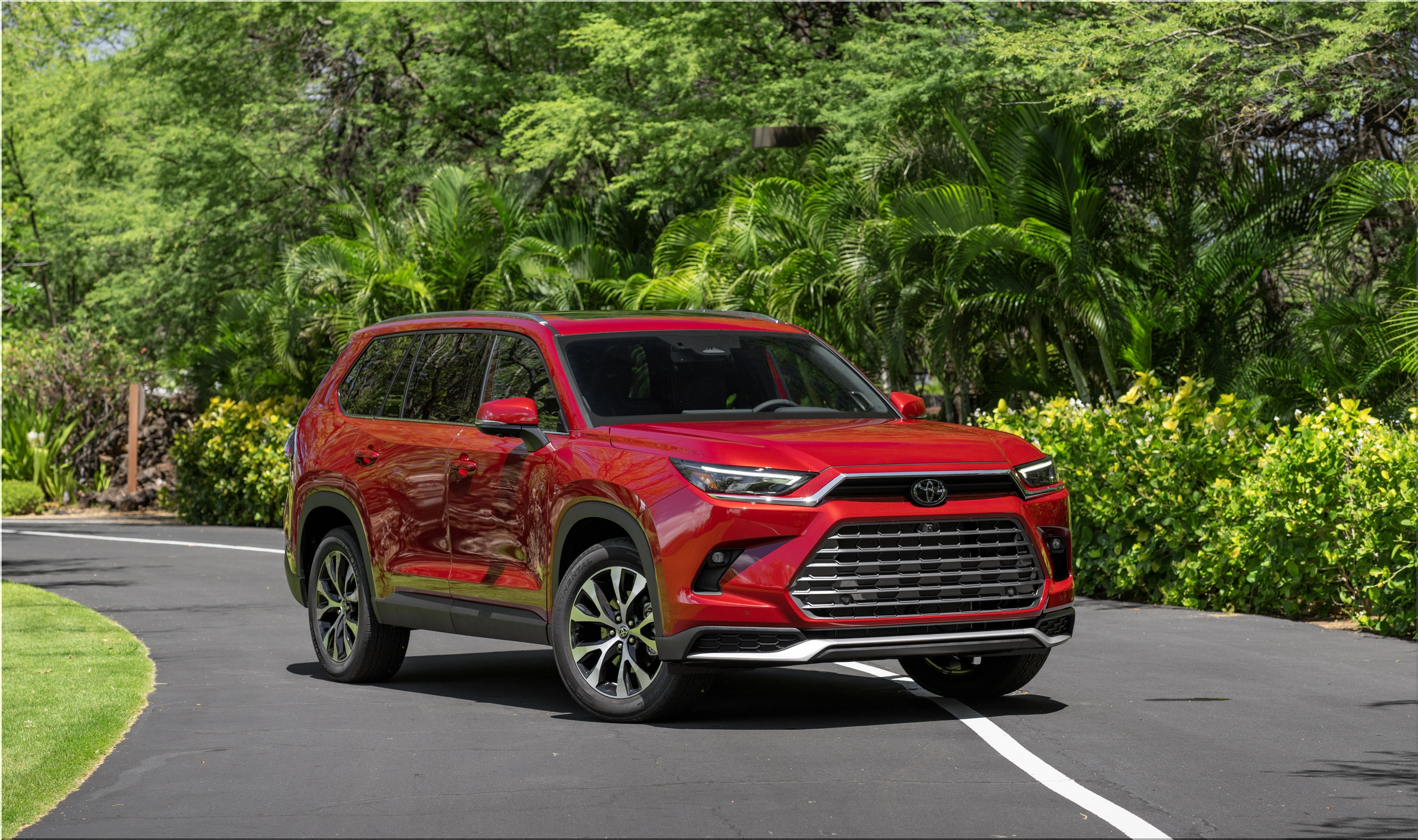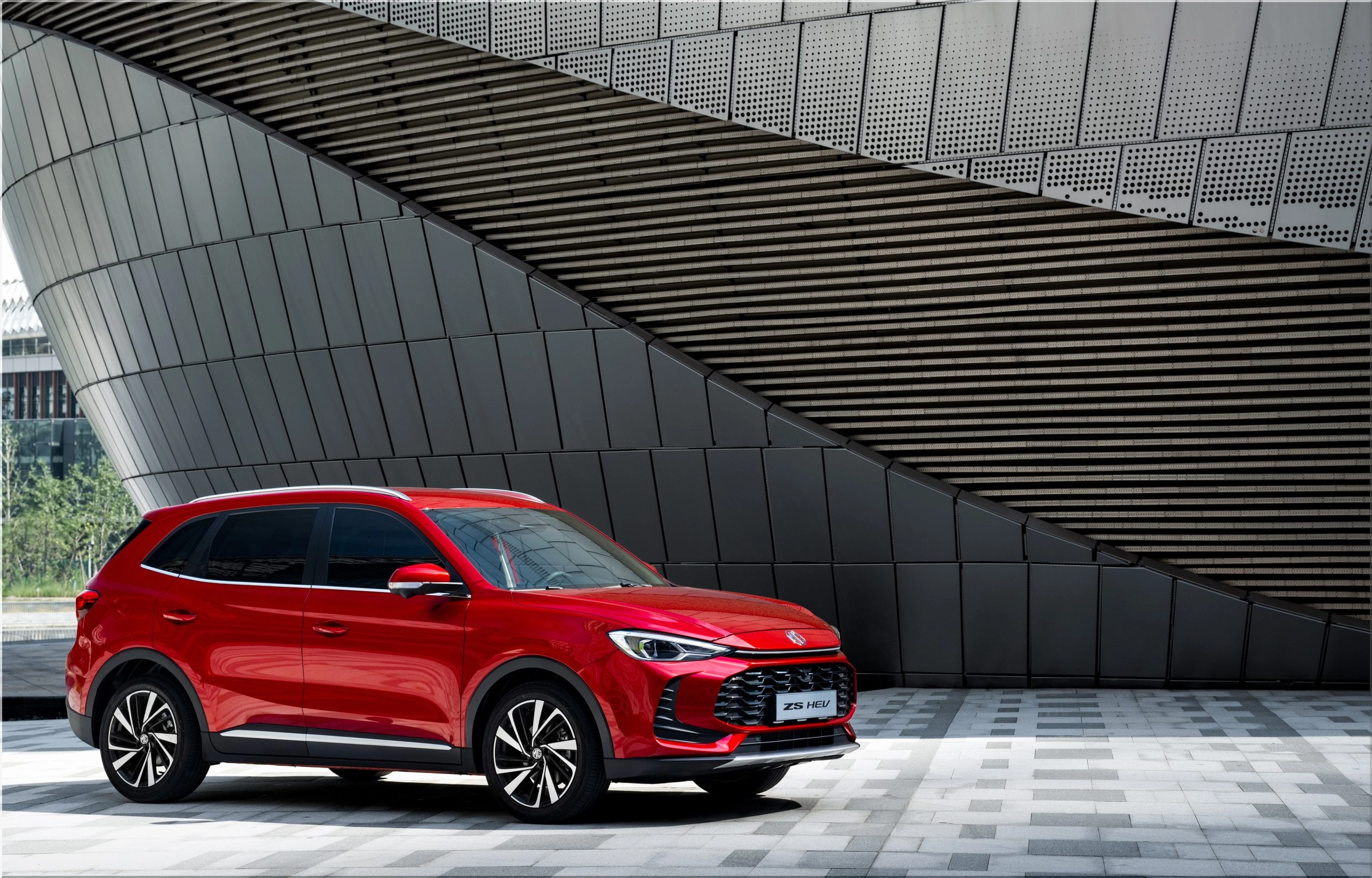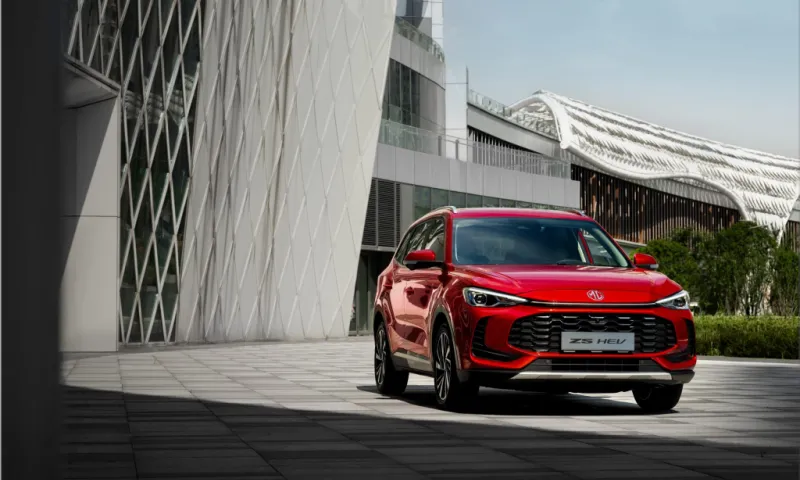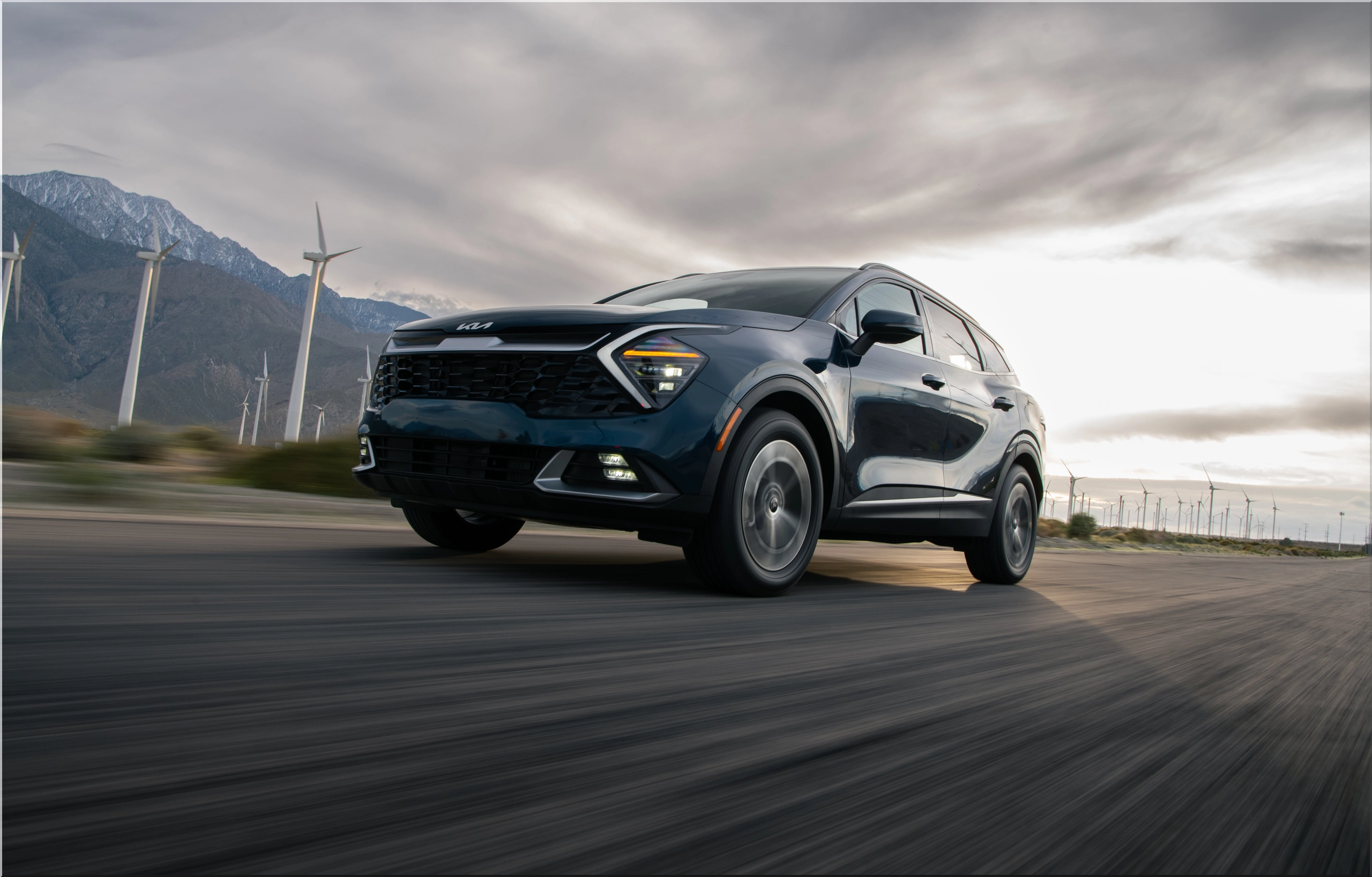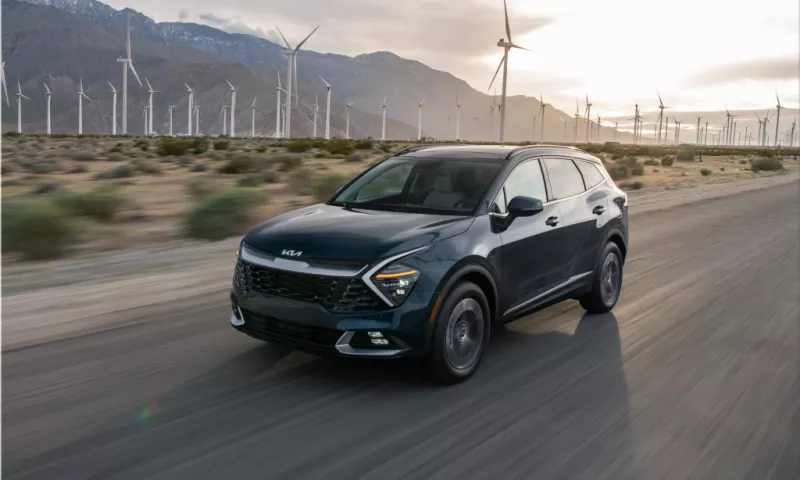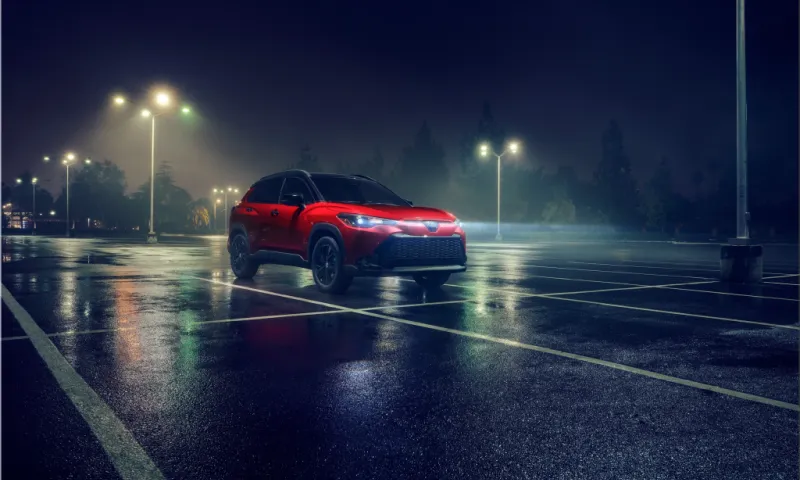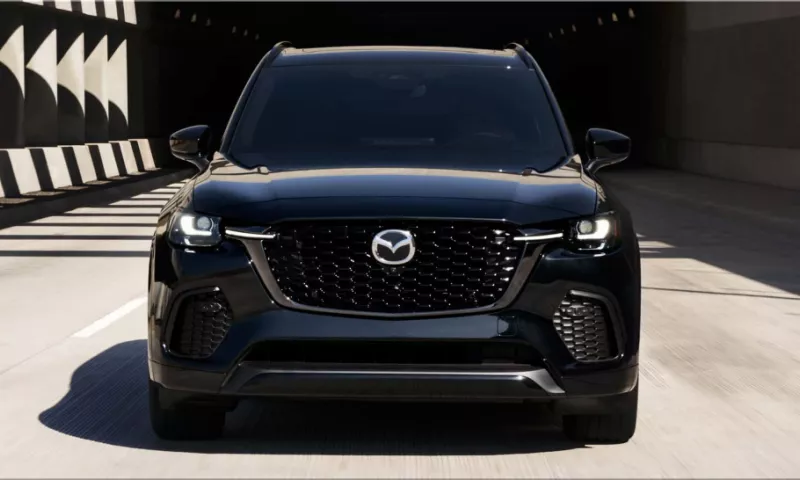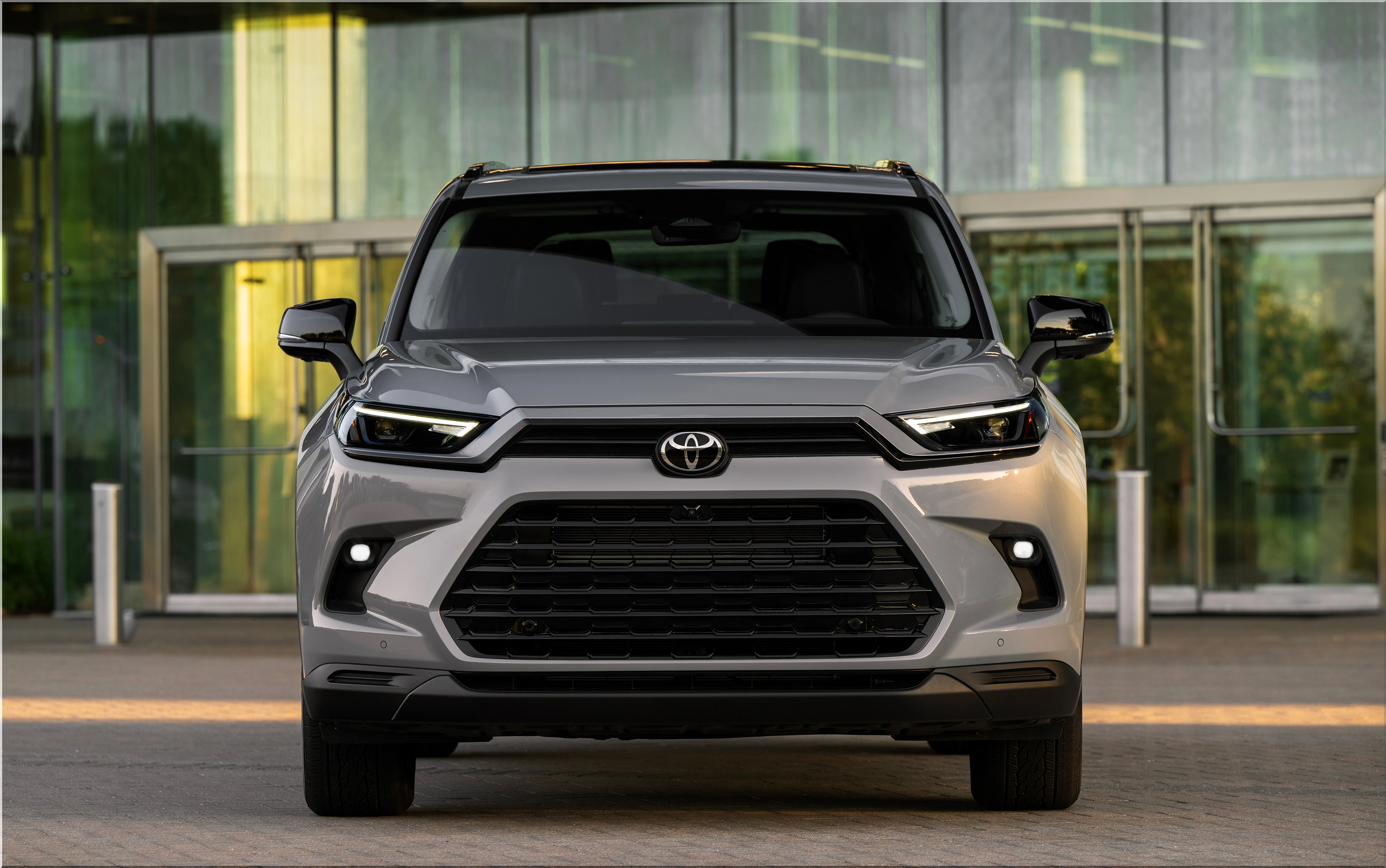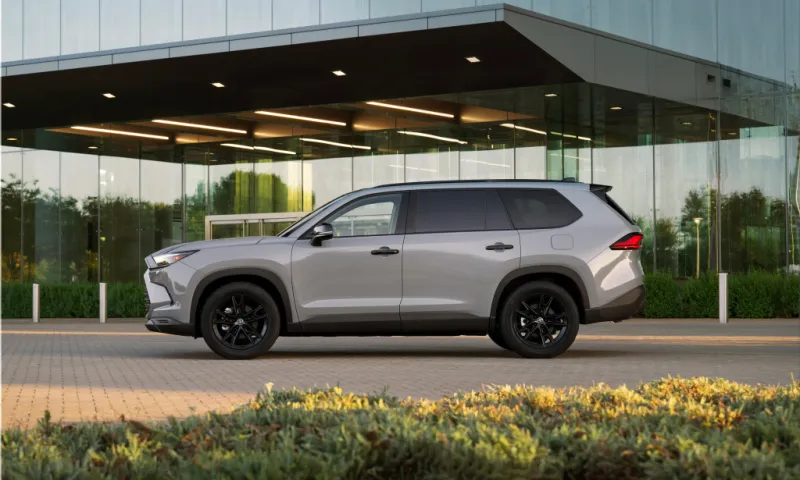
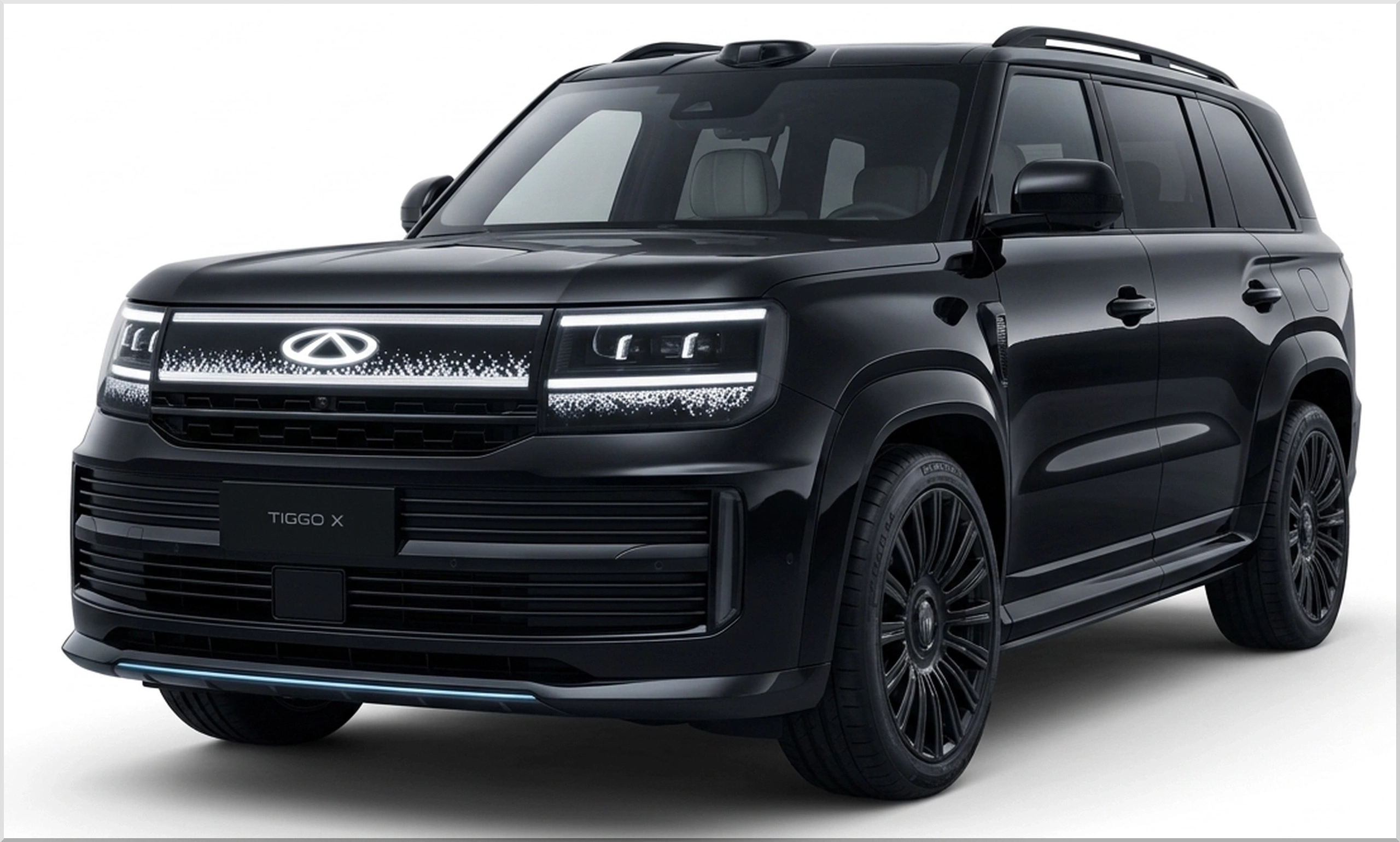
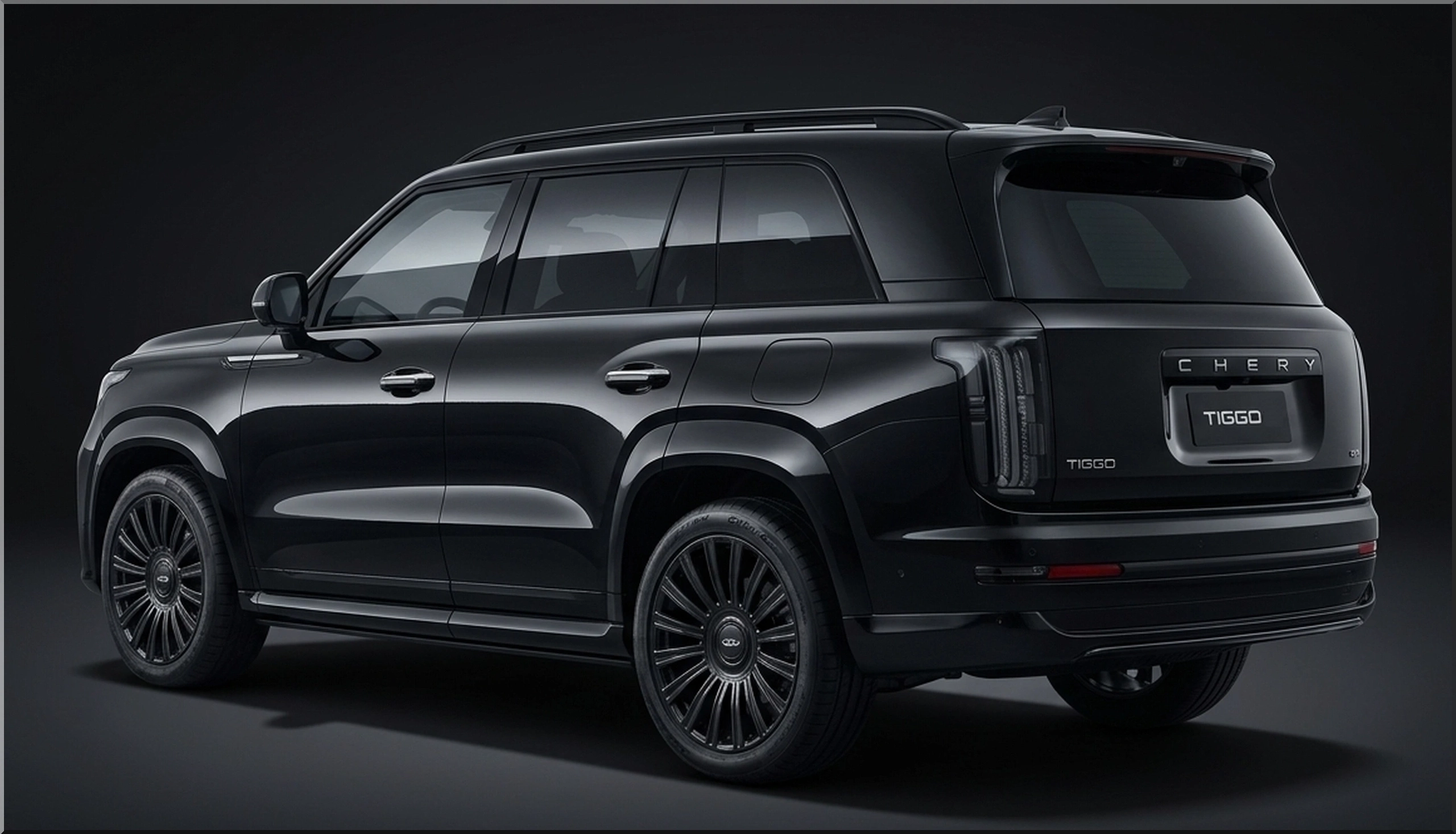
Chery has pushed the Tiggo X into the upper end of China's SUV market with a flagship model built around size, range, power, and technology. Previewed at the Beijing Auto Show, the new Chery Tiggo X flagship SUV targets buyers who want a large family vehicle with plug-in hybrid flexibility, long-distance confidence, and the kind of digital cabin now expected from high-end Chinese SUVs.
The numbers set the tone quickly. Chery's new SUV measures 5,050 mm long, 1,960 mm wide, and 1,800 mm tall, with a 2,950 mm wheelbase. That footprint moves it close to full-size family hybrid SUV territory and gives the cabin enough physical space for multiple seating layouts, large screens, rear passenger features, and a high-mounted driving position.
The headline powertrain claim makes the Tiggo X more than a design study. The plug-in hybrid version produces a reported 476 hp and 630 Nm of torque, while Chery claims around 200 km of pure-electric range and more than 1,500 km of total driving range. Those figures place the Tiggo X directly in the path of BYD, GWM, Jetour, and other Chinese brands fighting for high-value electrified SUV buyers.
Image
Chery Tiggo X Key Specifications
| Category | Chery Tiggo X Details |
|---|---|
| Vehicle type | Large flagship SUV |
| Preview event | Beijing Auto Show |
| Length | 5,050 mm |
| Width | 1,960 mm |
| Height | 1,800 mm |
| Wheelbase | 2,950 mm |
| Reported seating layouts | Five-seat, six-seat, and seven-seat formats |
| Combined output | 476 hp |
| Peak torque | 630 Nm |
| Claimed electric range | Around 200 km |
| Claimed total range | More than 1,500 km |
| Engine options | 1.5T hybrid, 2.0T hybrid, 2.0T petrol |
| Transmission | 8-speed automatic for petrol version |
| Drive system | Snow Leopard full-time 4WD |
| Suspension | MRC electromagnetic adaptive suspension |
| Driver assistance | Falcon Pilot 700 with lidar |
| Body structure | Around 85 percent high-strength steel |
Looking at the data, the Chery Tiggo X sits well above the compact SUV class that helped Chinese brands build scale. This SUV targets families that need room, range, and technology in one package. It also shows how quickly China's carmakers now move from value-led vehicles into premium-adjacent territory.
Why The Chery Tiggo X Matters
Chery already sells several SUVs under the Tiggo name, but the Tiggo X changes the role of the badge. Instead of serving only mainstream buyers, Tiggo now stretches toward flagship duty with a vehicle that carries premium-size proportions, sophisticated chassis hardware, and a long-range electrified drivetrain.
This strategy makes sense. Chinese buyers have moved rapidly toward large plug-in hybrid SUVs because they combine electric commuting with petrol-backed long-distance use. That formula gives families a practical answer to charging gaps, holiday travel, and daily urban driving.
The Tiggo X also gives Chery a stronger weapon against BYD. BYD has turned plug-in hybrid technology into a sales machine through its DM systems, battery scale, and aggressive product cadence. Chery answers with a bigger visual statement, high output, full-time 4WD, lidar-supported assistance, and a cabin that focuses heavily on passenger comfort.
Exterior Design: Big, Upright, And Flagship-Focused
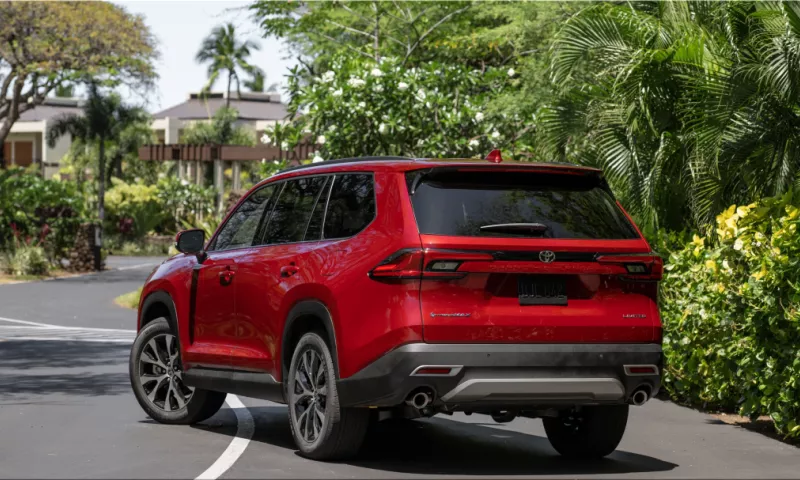
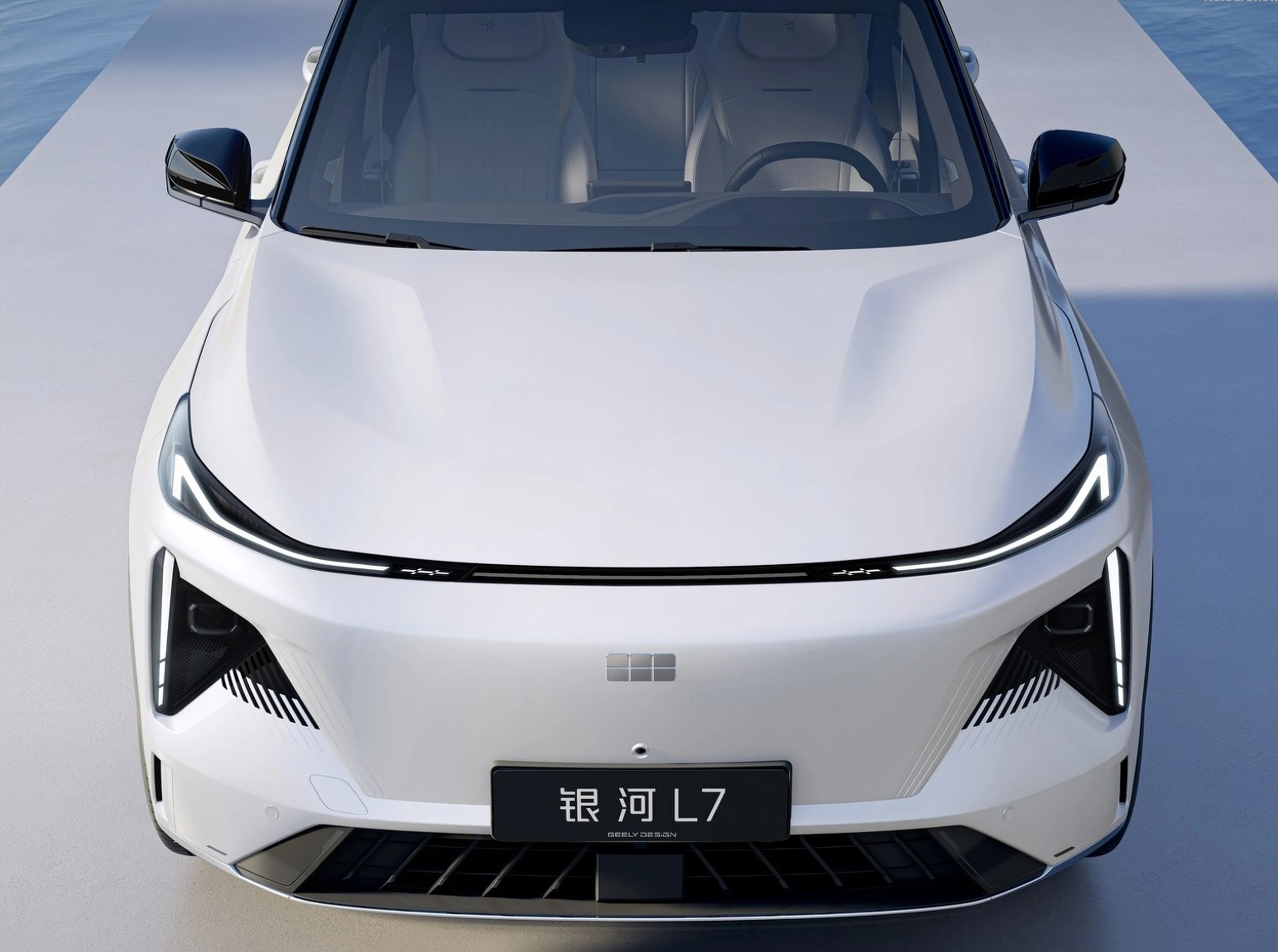
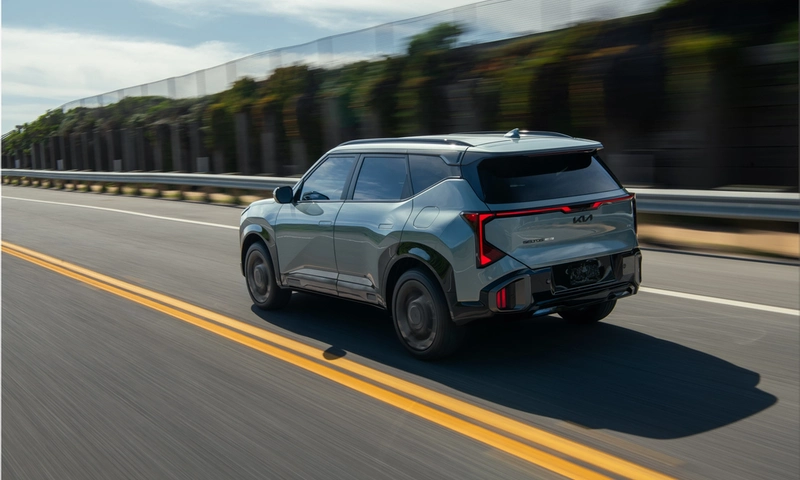
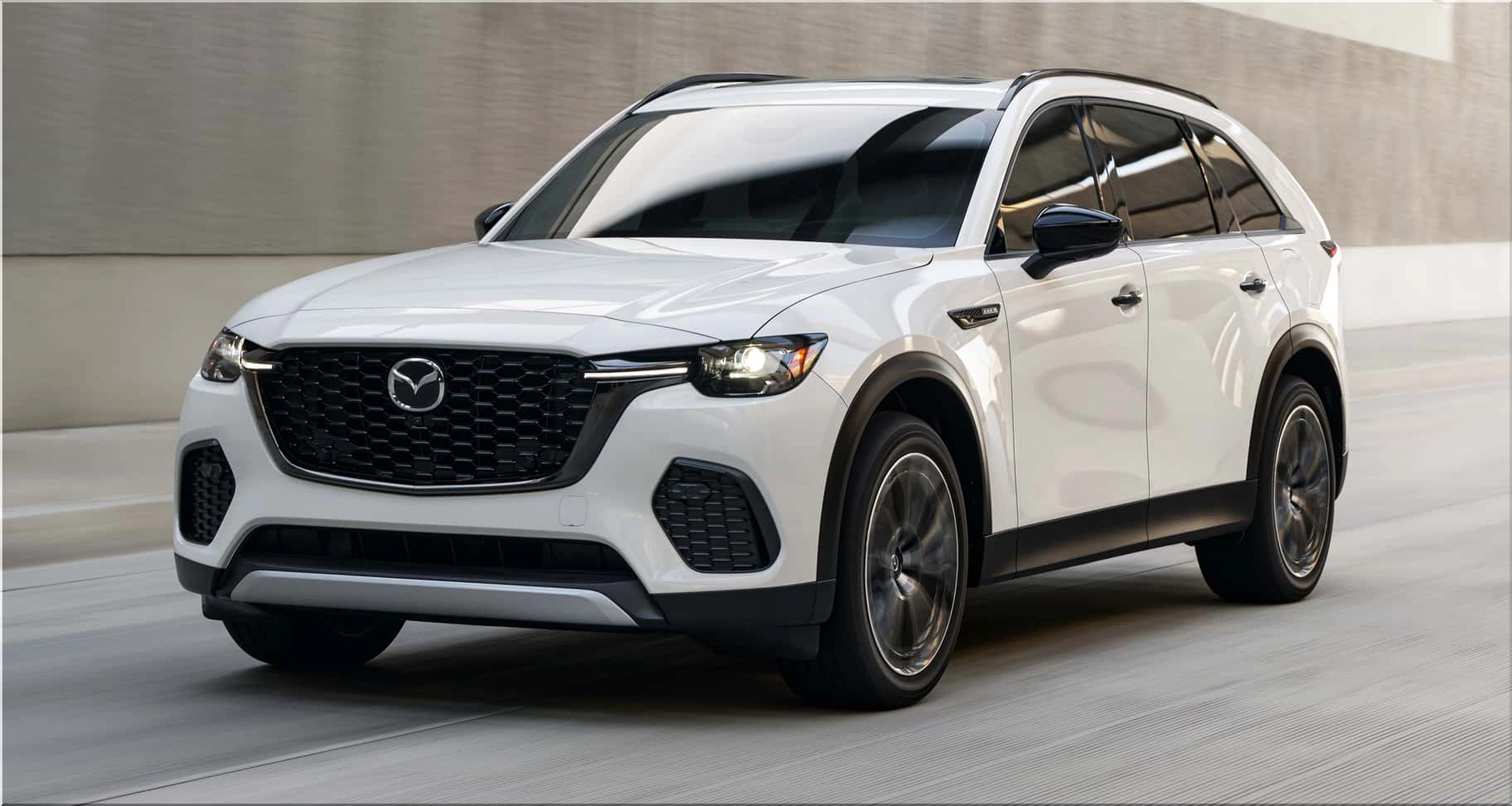
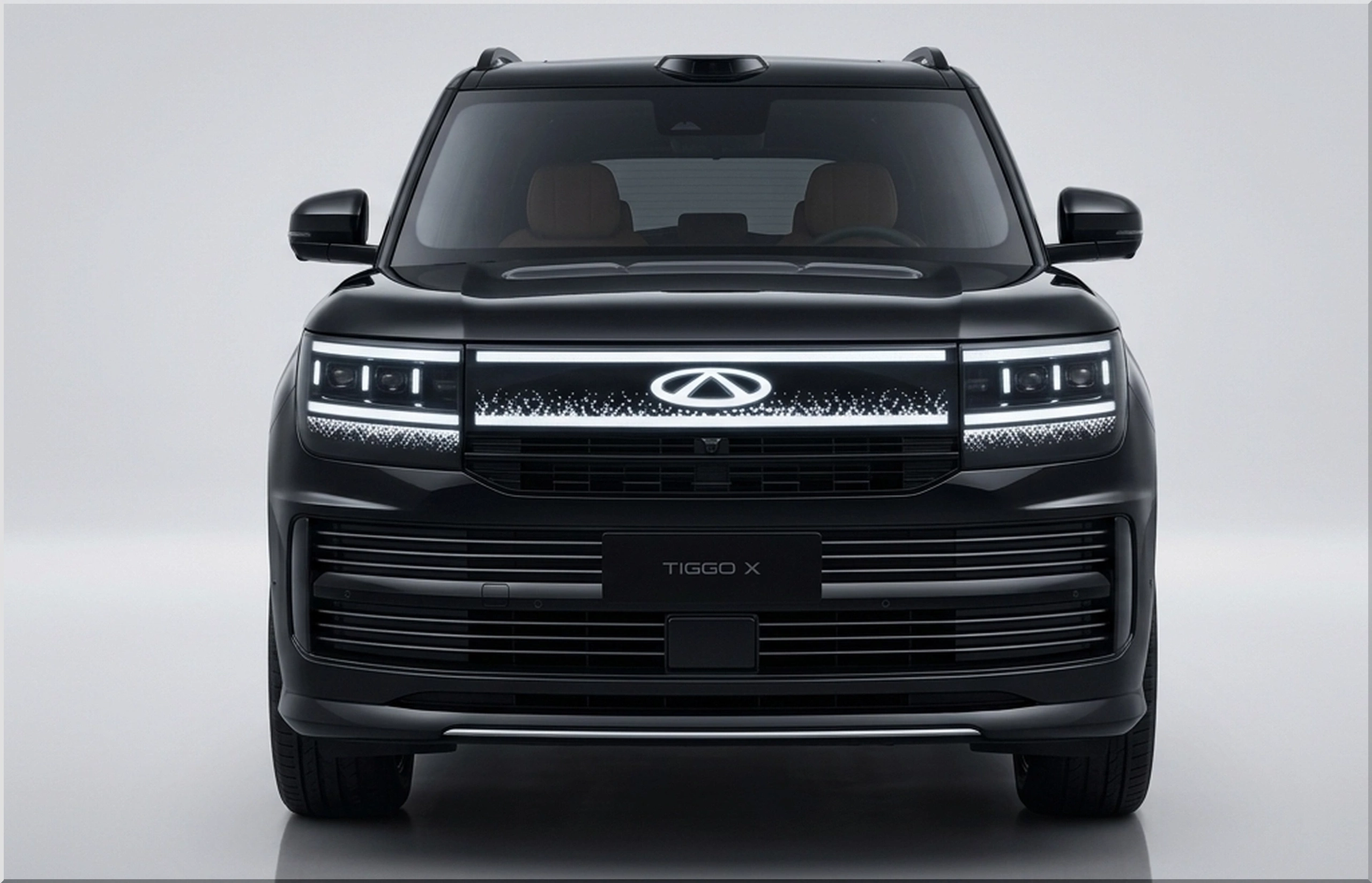
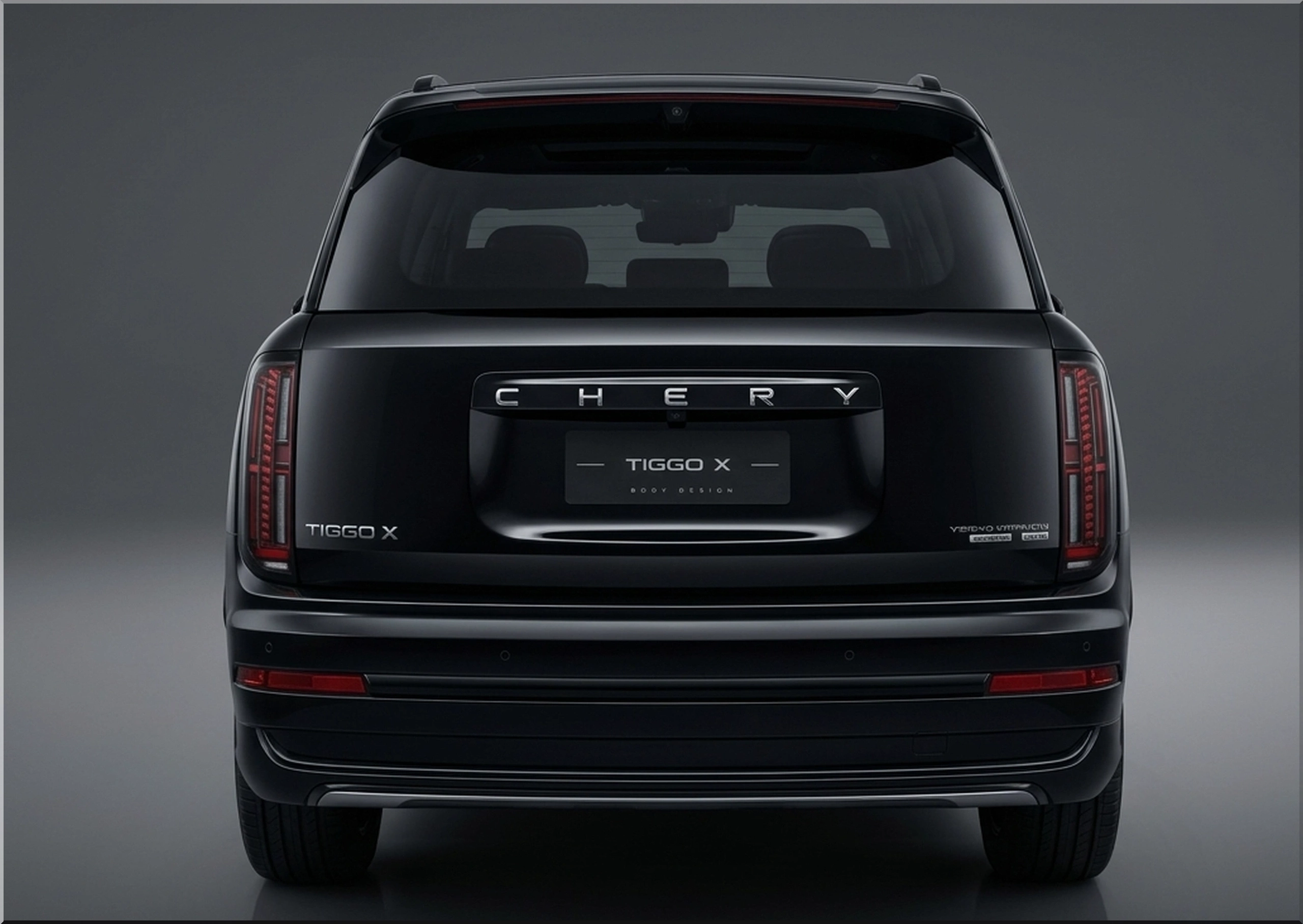
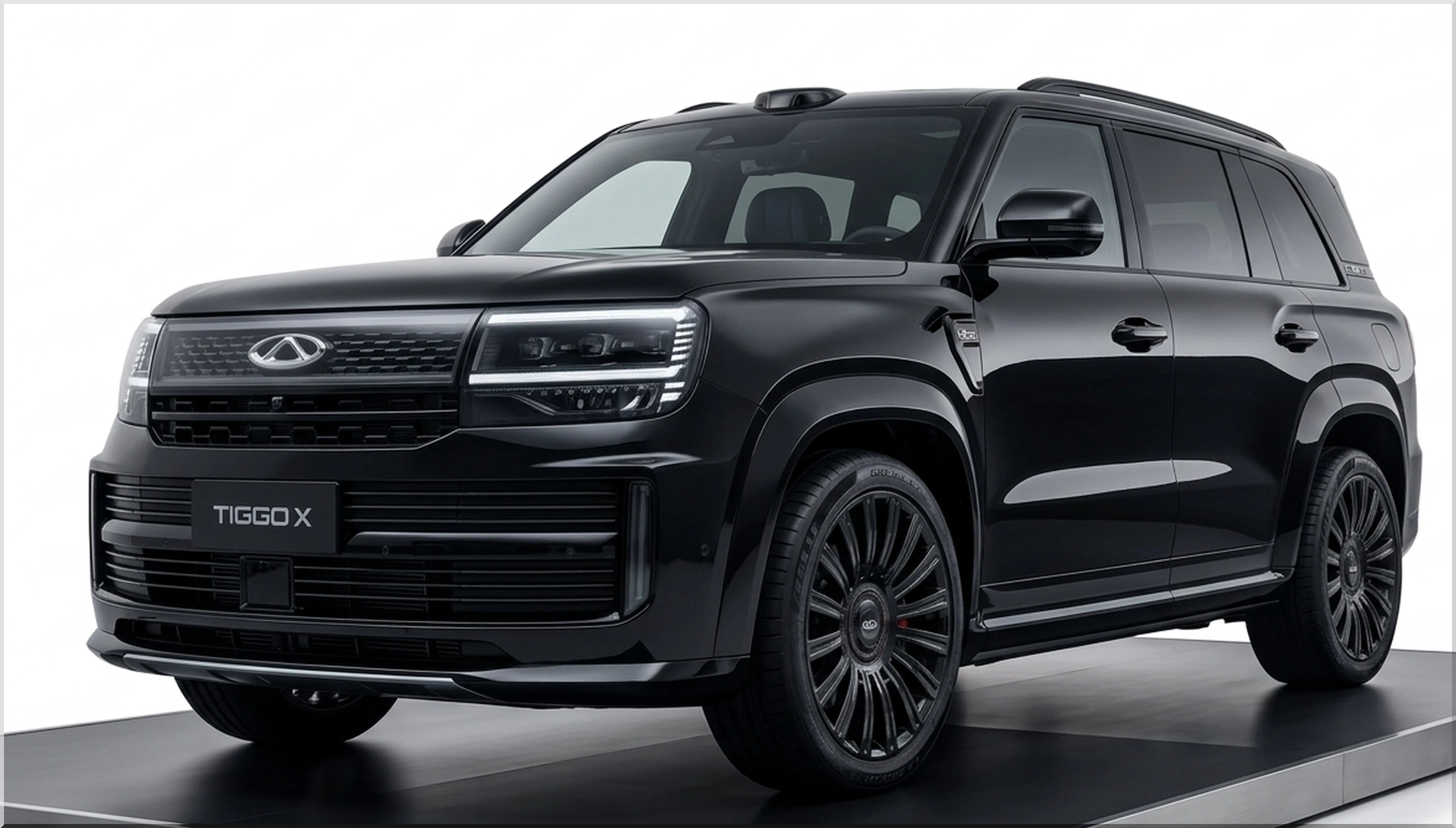
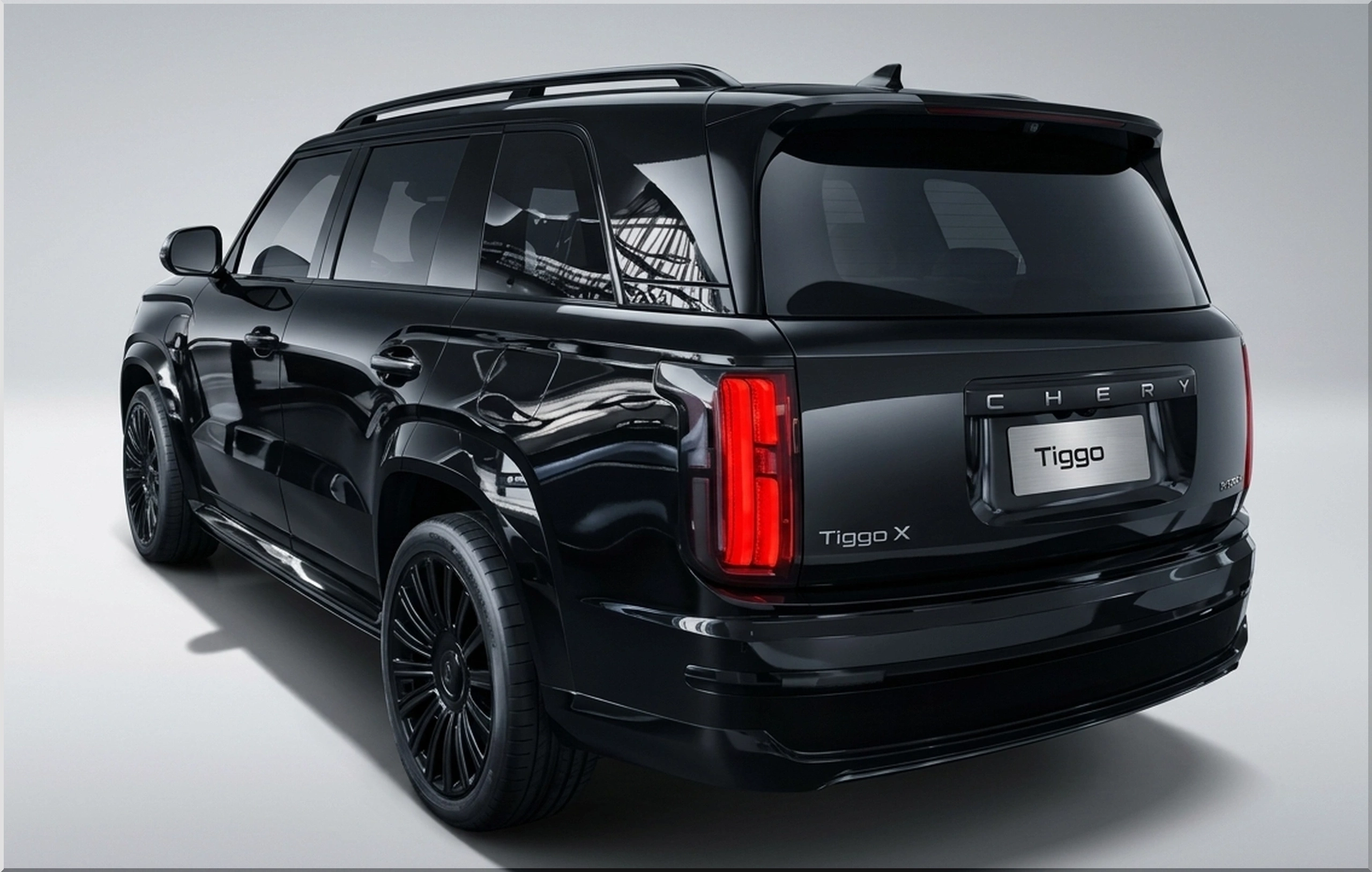
The Chery Tiggo X SUV uses a bolder and more upright design than many earlier Tiggo models. The bonnet sits high, the front end carries a wide visual signature, and the body sides use a cleaner, more solid surface treatment. Chery clearly wants the vehicle to look expensive before buyers open the door.
The proportions matter. At 5,050 mm long, the Tiggo X stretches past many European mid-size SUVs and moves close to vehicles that serve as seven-seat family flagships. The 1,960 mm width gives it a broad stance, while the 1,800 mm height supports the commanding driving position that SUV buyers still demand.
The Tiggo X also uses large wheels, with reports pointing to 22-inch rims on the show vehicle. That choice gives the SUV visual impact, though real-world comfort will depend on tyre sidewall, suspension calibration, and road surface quality. Chery's use of MRC electromagnetic adaptive suspension should help manage that compromise.
Size Comparison: Chery Tiggo X Versus Large SUV Rivals
| Model | Length | Width | Wheelbase | Main Powertrain Focus |
|---|---|---|---|---|
| Chery Tiggo X | 5,050 mm | 1,960 mm | 2,950 mm | Petrol, hybrid, plug-in hybrid |
| Kia EV9 | Around 5,010 mm | Around 1,980 mm | Around 3,100 mm | Battery electric |
| Volvo EX90 | Around 5,037 mm | Around 1,964 mm | Around 2,985 mm | Battery electric |
| Hyundai Santa Fe | Around 4,830 mm | Around 1,900 mm | Around 2,815 mm | Petrol, hybrid, plug-in hybrid |
| BYD Tang family | Around 4,870-5,040 mm | Around 1,950-1,996 mm | Around 2,820-2,950 mm | Plug-in hybrid and electric |
By comparison, the Tiggo X carries dimensions close to some of the largest modern family SUVs. Chery has not built a small crossover with big promises. It has built a large vehicle with enough physical size to support three rows, large battery hardware, and premium cabin equipment.
Hybrid Powertrain: 476 HP And 630 Nm
The most important mechanical claim sits under the bodywork. The Chery Tiggo X hybrid produces a reported 476 hp and 630 Nm of torque, giving it the output needed to move a large SUV with authority. Torque matters here because a full-size family SUV often carries passengers, luggage, and hybrid hardware at the same time.
Chery has prepared several drivetrain paths. Reports describe a 2.0T Kunpeng petrol engine with an 8-speed automatic transmission for the petrol version, along with 1.5T and 2.0T Kunpeng hybrid engines for electrified models. That spread lets Chery target different price points and buyer needs.
The plug-in hybrid version carries the strongest sales argument. With around 200 km of electric range, it could cover most daily driving without using petrol, assuming owners charge regularly. Then, with more than 1,500 km of total range, it gives long-distance drivers the safety net that many still want from a large SUV.
Why The 1,500 KM Range Claim Matters
The claimed 1,500 km range gives the Tiggo X a powerful marketing hook, but it also reflects a real buyer concern. Large electric SUVs need big batteries to travel far, and those batteries add cost, weight, and charging time. A long-range plug-in hybrid takes a different path.
In daily use, the battery handles city driving, school runs, office commutes, and low-speed traffic. On longer trips, the petrol engine removes dependence on fast chargers. That combination explains why large Chinese PHEV SUVs have gained traction so quickly.
For Europe, the Tiggo X would need strong WLTP numbers to make the same case. Buyers will want verified electric range, official CO2 figures, real motorway efficiency, and clear charging data. The claim creates interest, but official market testing would create trust.
Snow Leopard 4WD: Why Full-Time Four-Wheel Drive Fits The Tiggo X
The Snow Leopard full-time 4WD system gives the Tiggo X a stronger technical base than a front-wheel-drive family SUV. Full-time four-wheel drive lets the vehicle distribute torque across all four wheels when roads turn wet, snowy, loose, or steep. That matters in a high-torque hybrid where electric motors can deliver instant pull.
The system should also help stability during overtaking and corner exit acceleration. A vehicle with 630 Nm needs precise torque management, not only peak power. Poor calibration would create wheelspin, torque steer, or nervous responses on low-grip surfaces.
Chery's choice also supports the Tiggo X's positioning as a flagship. Buyers in this class expect all-weather capability, even if most never tackle serious off-road terrain. Full-time 4WD gives the SUV a more confident mechanical story.
MRC Adaptive Suspension: The Chassis Detail That Deserves Attention
The Tiggo X uses MRC electromagnetic adaptive suspension, a system that changes damper behaviour rapidly by using magnetically responsive fluid. In simple terms, the dampers can soften or firm up as road conditions and driving inputs change. That gives engineers more control over comfort and body movement.
A large hybrid SUV needs that flexibility. The vehicle may run empty during a short commute, then carry six or seven occupants during a family trip. It also has to manage heavy wheels, battery mass, high torque, and a tall body.
Fixed suspension would force Chery into one main compromise. Adaptive suspension gives the Tiggo X a wider operating range, with softer responses over rough roads and tighter control during faster driving. That technical choice supports the flagship message better than cosmetic luxury alone.
Cabin Design: Screens, Seating, And Rear Passenger Focus
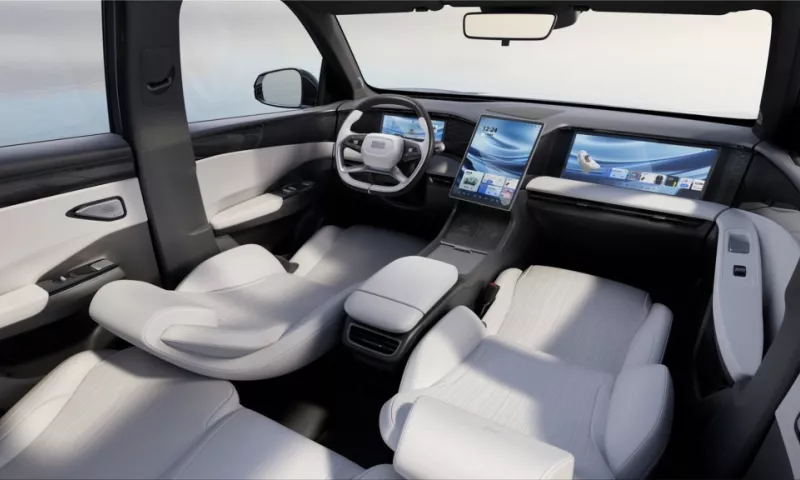
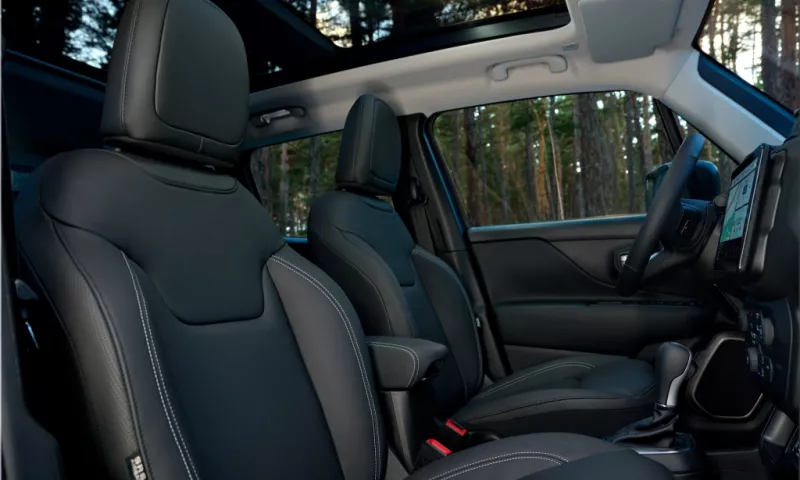
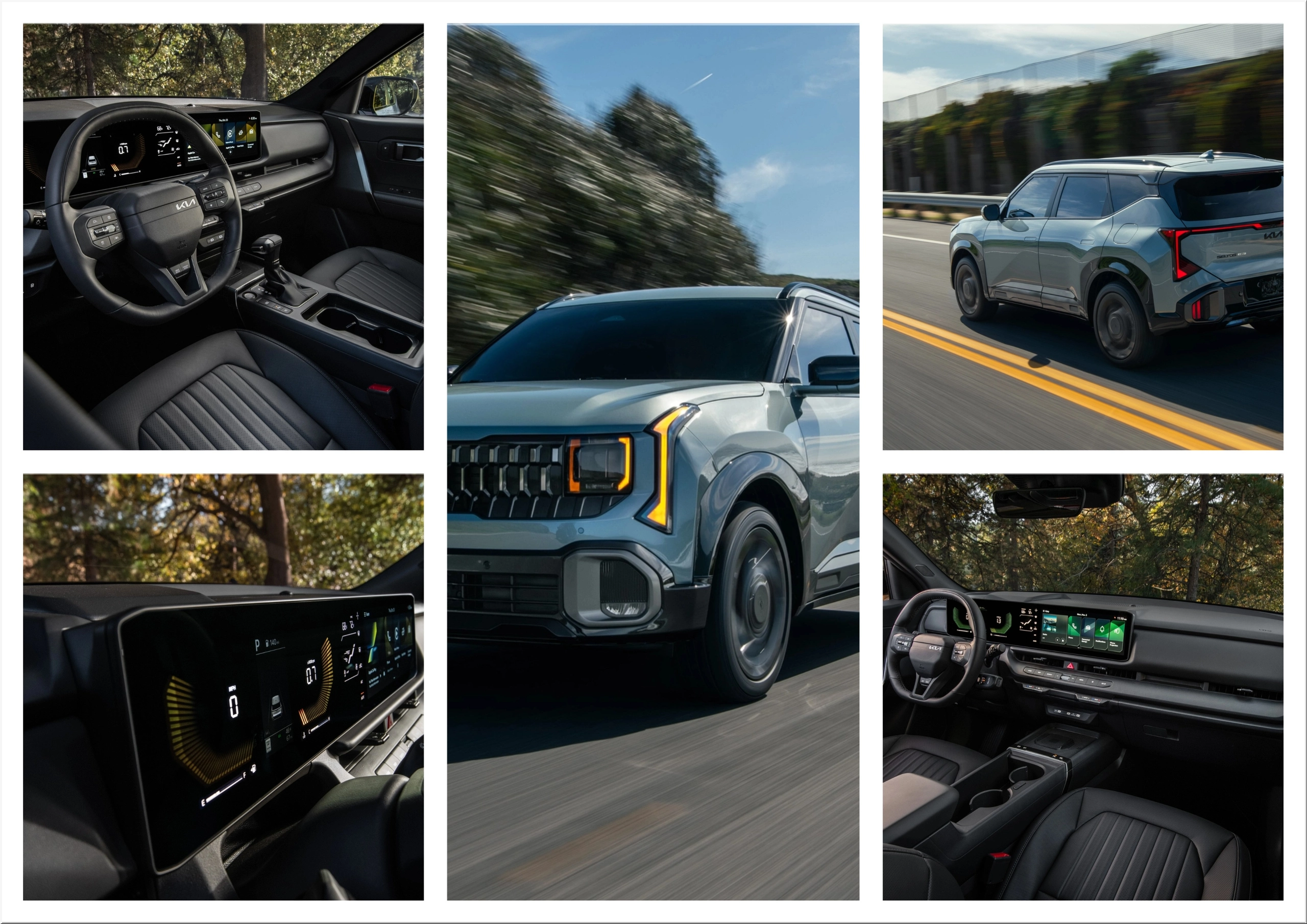
Inside, the Chery Tiggo X follows the current Chinese premium SUV formula: large screens, rear-seat features, and a cabin built around digital control. Reports describe a triple-screen dashboard with a digital instrument panel, central infotainment display, and front passenger display. Other coverage points to a large 15.6-inch central screen on the show vehicle.
The Tiggo X also adds rear entertainment screens and fold-out tray tables. Those details show that Chery wants second-row passengers to feel like key occupants rather than afterthoughts. In China, rear-seat comfort often carries major purchase weight, and the Tiggo X reflects that priority.
Seating information varies across reports, with five-seat, six-seat, and seven-seat versions mentioned. The most family-focused layout appears to use a 2+3+2 seven-seat arrangement, while a six-seat version would likely use second-row captain chairs. That spread gives Chery room to target private family buyers, business users, and comfort-focused owners.
Image
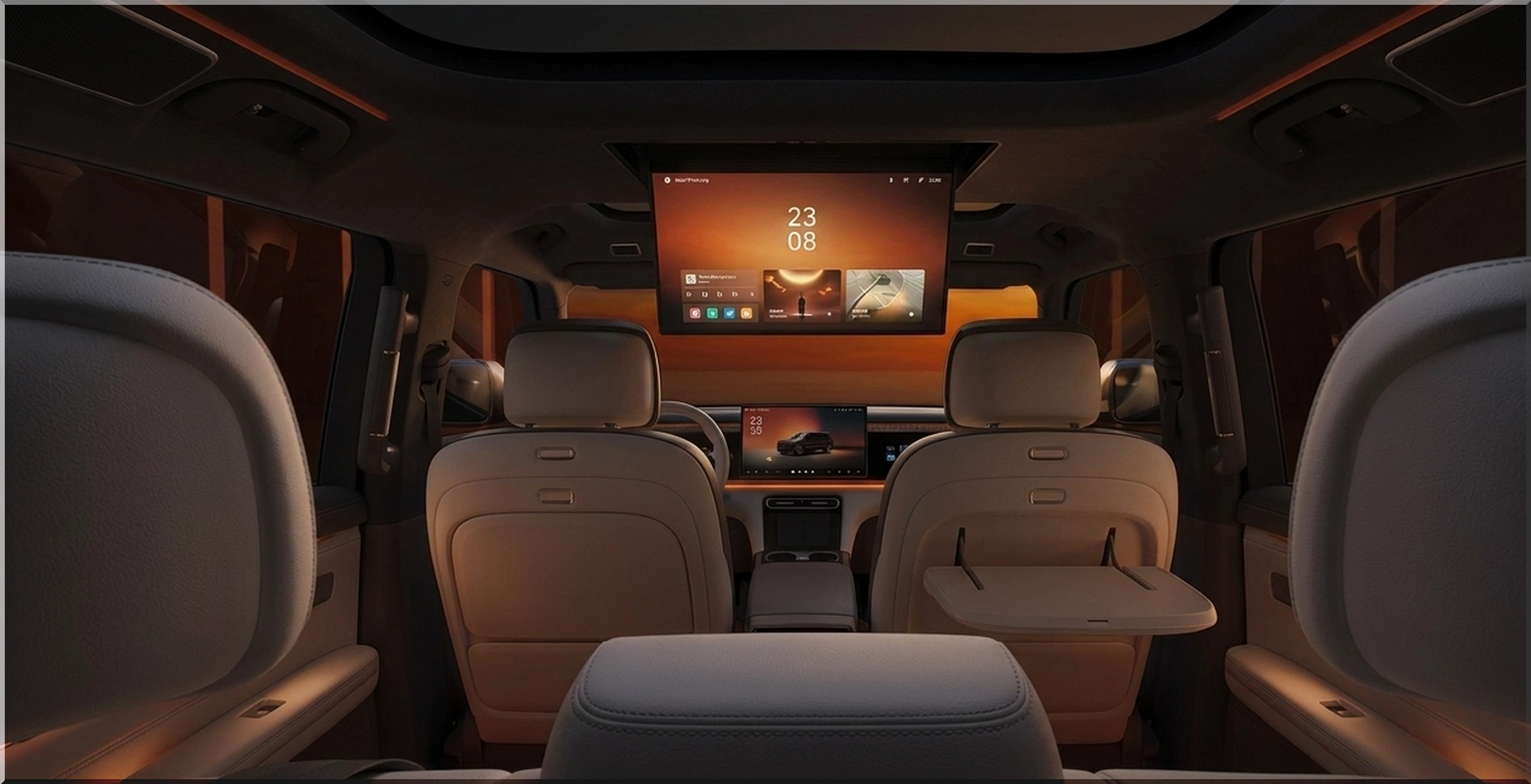
Interior Features And Buyer Value
| Interior Feature | Practical Value |
|---|---|
| Triple-screen dashboard | Separates driver, centre, and passenger digital zones |
| Large central screen | Supports navigation, media, climate, and vehicle settings |
| Rear entertainment screens | Improves long-distance passenger comfort |
| Fold-out tray tables | Adds work, dining, and device support for rear occupants |
| Six-seat format | Gives second-row passengers more personal space |
| Seven-seat format | Increases family and luggage flexibility |
| Long wheelbase | Helps legroom and cabin packaging |
| Drawer-style passenger storage | Adds useful cabin organisation |
The cabin shows how Chinese SUVs now compete. Brands no longer rely only on price and screen size. They package large cabins with comfort hardware, digital interfaces, and family-use details that many legacy brands reserve for expensive trims.
Falcon Pilot 700: Lidar Enters The Flagship Tiggo Range
The Tiggo X uses Falcon Pilot 700, a driver-assistance system backed by lidar. Reports point to L2-level assisted driving, meaning the vehicle can assist with steering, braking, acceleration, and lane positioning while the driver stays responsible. That distinction matters because Level 2 does not replace the human driver.
Lidar gives the system an added sensing layer. Cameras read lane markings, signs, lights, and objects, while radar helps track distance and speed. Lidar can add more precise object detection in certain conditions, which helps the software build a stronger picture of the road environment.
Chery also points to self-developed high-computing-power AI hardware. That matters because software has become a core product battleground. The automaker that controls more of the stack can tune driving assistance, cabin functions, and updates more tightly over time.
Safety Structure: 85 Percent High-Strength Steel
The Chery Tiggo X reportedly uses a body structure made from around 85 percent high-strength steel. That figure supports two engineering goals: crash protection and torsional stiffness. A large SUV needs a rigid passenger cell because size and mass increase the forces involved in an accident.
High-strength steel also helps driving feel. A stiffer body gives suspension components a better base to work from, which can improve steering precision and reduce unwanted cabin vibration. That benefit matters in a large hybrid vehicle, where the chassis has to isolate petrol-engine noise, electric drive hardware, road impact, and tyre roar.
Independent safety testing would still decide the final verdict in Europe. If Chery launches the Tiggo X in European markets, a strong Euro NCAP result would carry serious weight with family buyers. The steel percentage builds the technical case, but crash-test performance would prove it.
Chery Tiggo X Versus BYD: The Strategic Fight
The Chery Tiggo X enters one of China's most competitive SUV segments. BYD already dominates much of the plug-in hybrid conversation with its DM technology, strong battery supply chain, and fast product rollout. Chery answers with size, power, cabin technology, and a headline-grabbing total range claim.
The Tiggo X makes its case through hard numbers. Its 5,050 mm length, 2,950 mm wheelbase, 476 hp output, and claimed 1,500 km total range place it directly against large electrified SUVs built for families that want comfort without giving up performance. The available 200 km electric range also gives Chery a strong urban-use argument, provided real-world testing supports the claim.
By comparison, BYD still carries stronger global recognition in electrified vehicles. Chery must prove that the Tiggo X can match that confidence through software stability, battery reliability, driver-assistance calibration, and aftersales support. The fight will not come down to horsepower alone. It will come down to trust.
What European Buyers Should Watch
Chery has not confirmed a full European launch plan for the Tiggo X. Still, the SUV's specification fits several European buyer trends. Drivers want lower fuel use, electric city driving, strong range, family space, and a price that undercuts established premium brands.
The Tiggo X would need clear answers in Europe:
- WLTP electric range compared with the Chinese-market claim.
- Official CO2 rating for tax and company-car use.
- Charging speed for the plug-in hybrid battery.
- Towing capacity for caravans, trailers, and family travel.
- Euro NCAP performance for safety credibility.
- Battery warranty and service coverage.
- Parts availability through Chery's European dealer network.
The power figure will draw clicks, but running costs will shape buyer decisions. A plug-in hybrid SUV works best when owners charge it often. Without regular charging, the petrol engine carries more of the workload, and fuel savings shrink.
Pro-Tip
Buyers comparing large plug-in hybrid SUVs should focus on real electric range, charging access, service support, and battery warranty before horsepower. A powerful PHEV only delivers its best value when the electric system handles most daily driving.
Should You Wait For The Chery Tiggo X?
The Chery Tiggo X deserves attention if you want a large electrified SUV with three-row potential and long-distance range. It looks strongest for drivers who can charge at home or work, use electric power during the week, and need petrol backup for long trips.
It makes less sense for buyers who rarely charge. In that case, the large body, hybrid hardware, and petrol engine may reduce the efficiency advantage. A standard hybrid or diesel SUV could still make more sense for certain high-mileage motorway users, depending on local fuel prices and taxation.
The biggest question sits outside the spec sheet. Chery must prove long-term reliability, software quality, resale value, and European service strength. If it does, the Tiggo X could become a serious Chinese rival to established large SUVs.
Key Takeaway
The Chery Tiggo X flagship SUV brings the right ingredients for a high-impact 2026 launch story: 476 hp, 630 Nm, around 200 km of electric range, more than 1,500 km of total range, full-time 4WD, adaptive suspension, lidar-backed driver assistance, and a large three-row-ready body. It targets the same high-value space that helped BYD grow so quickly. If Chery backs the Tiggo X with strong quality, credible range data, and serious European support, this SUV could become one of the most important Chinese hybrid models to watch.
- Add new comment
- 216 views