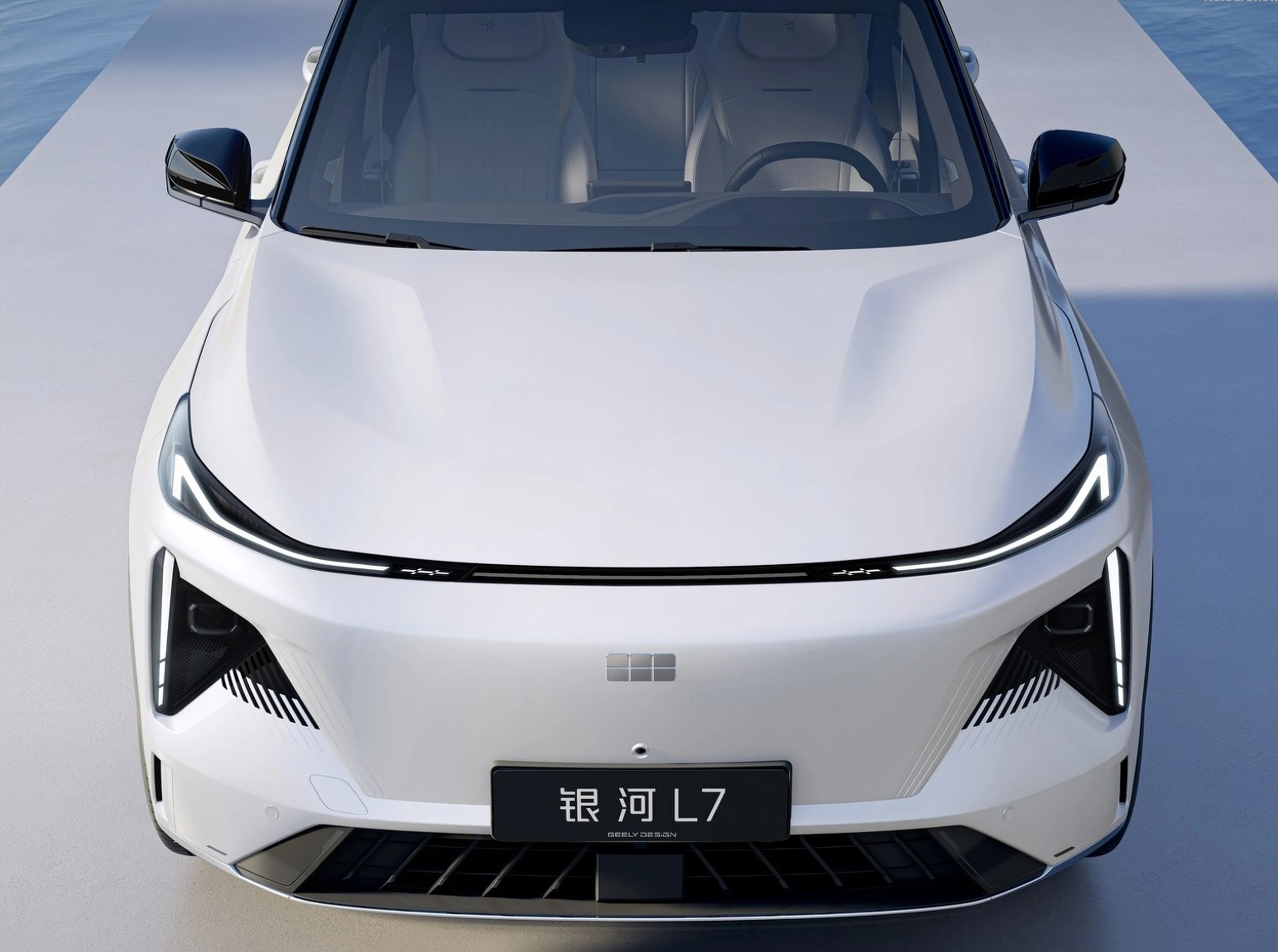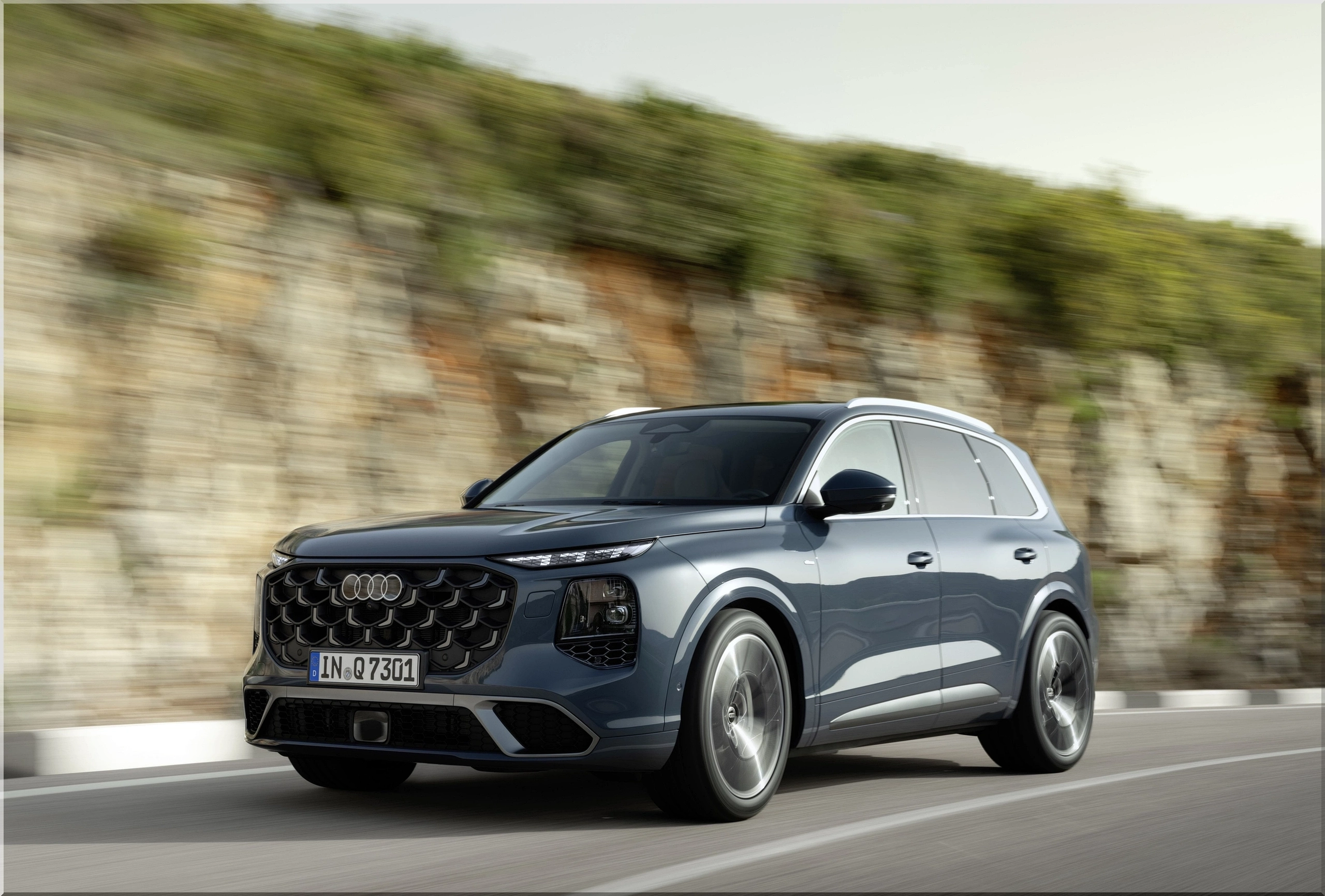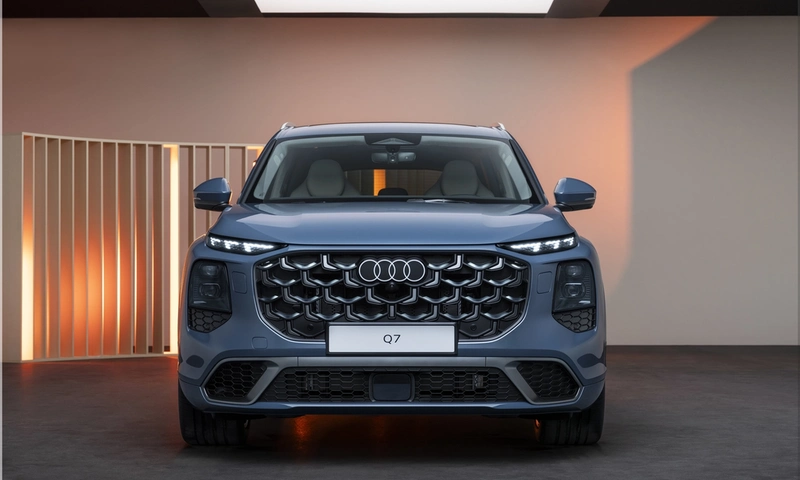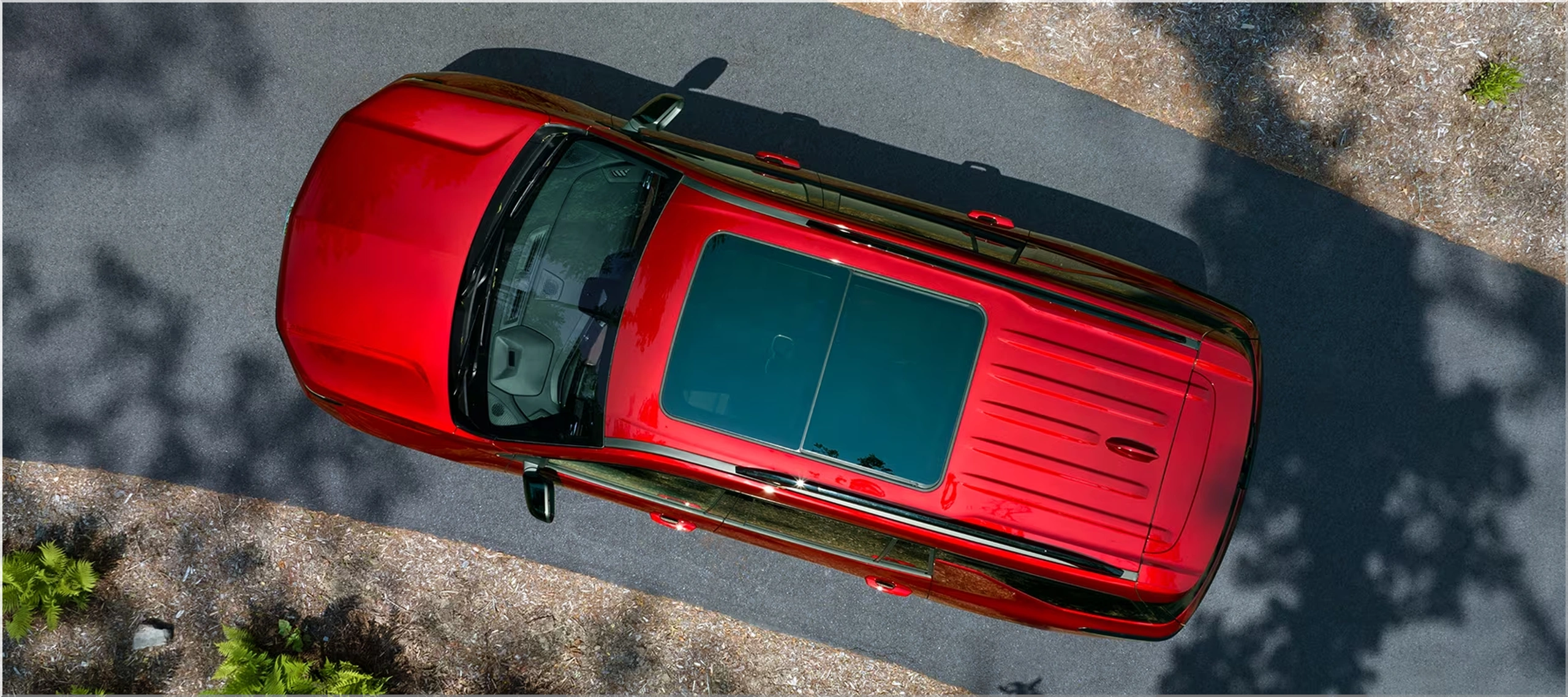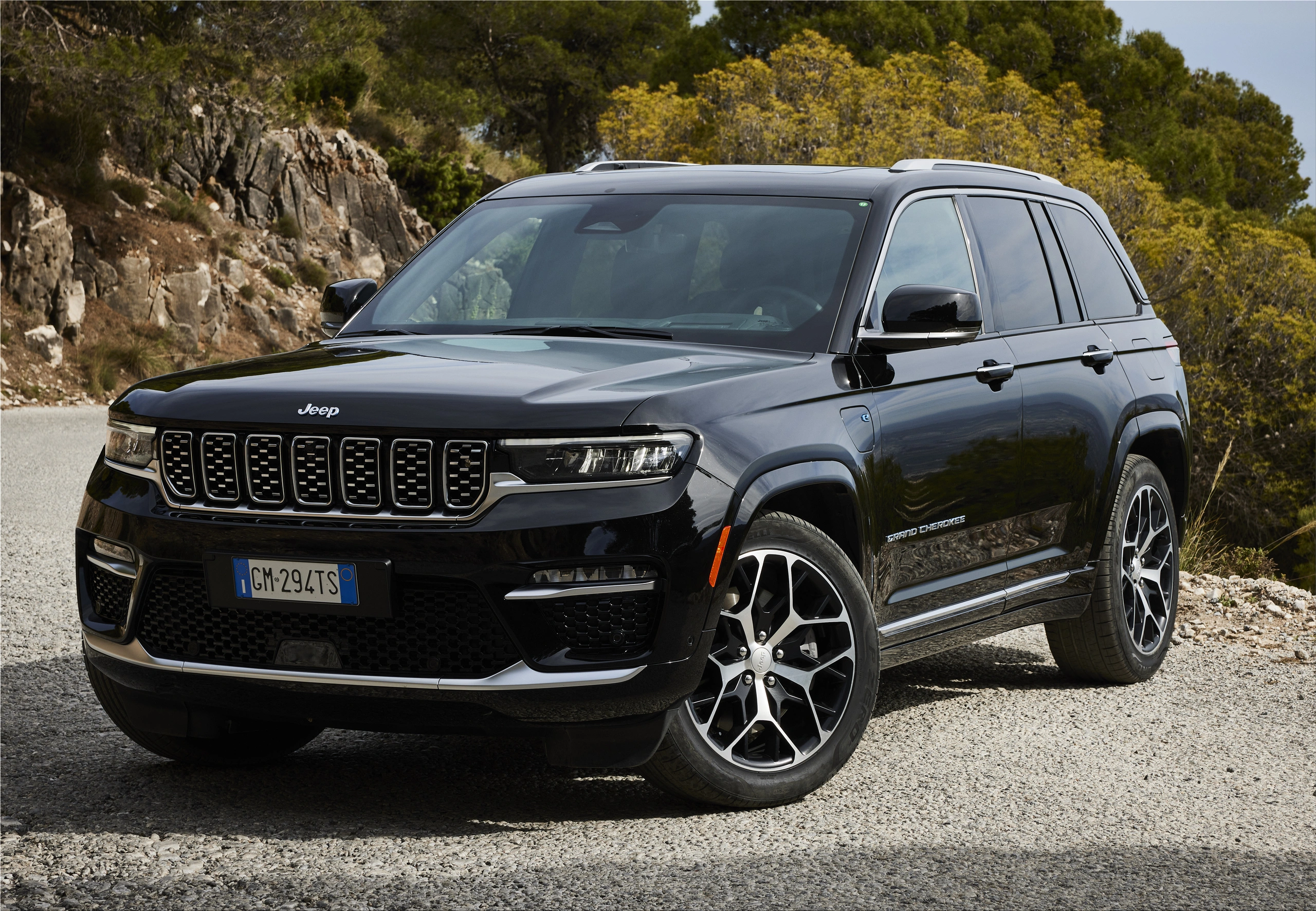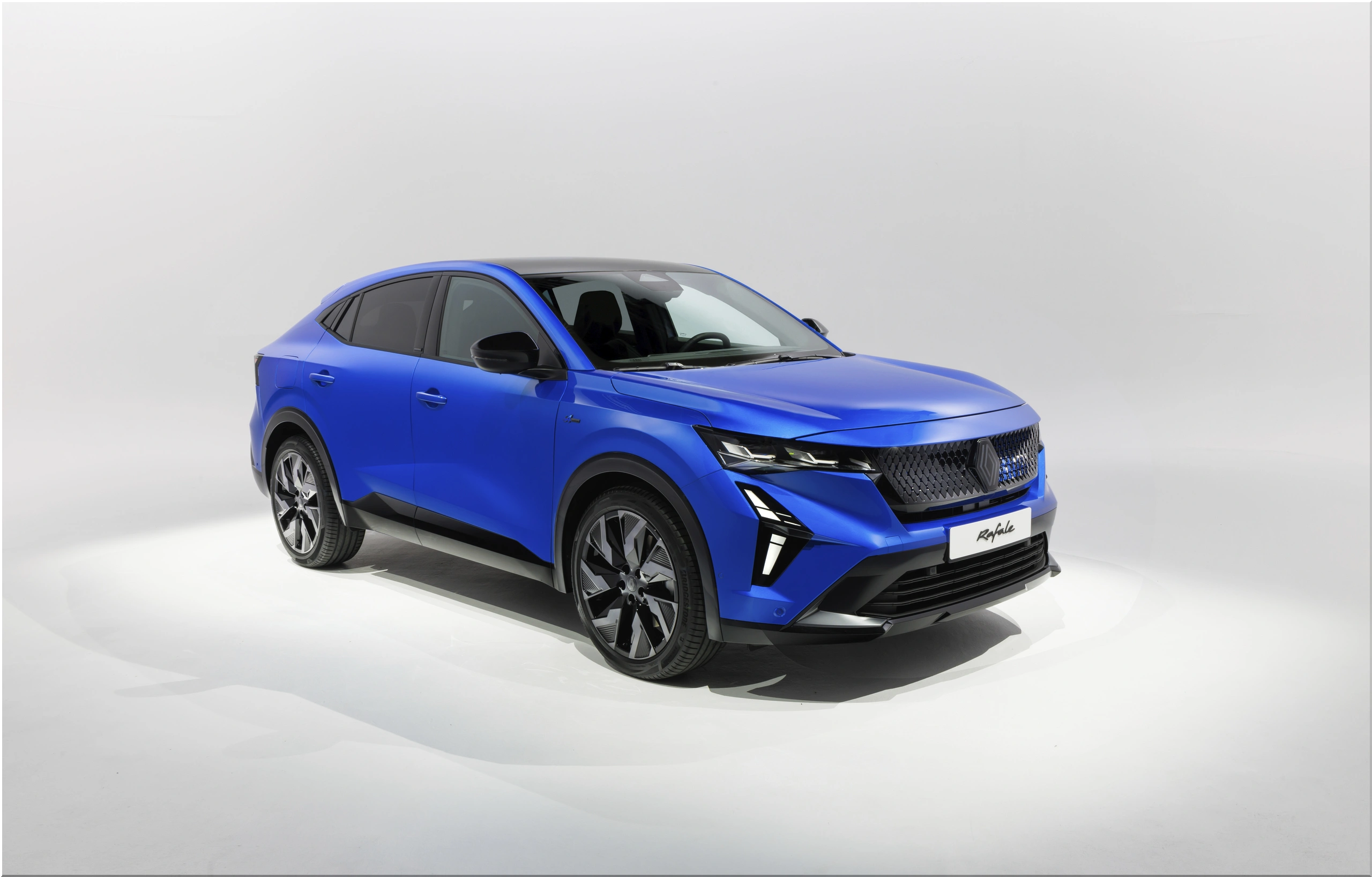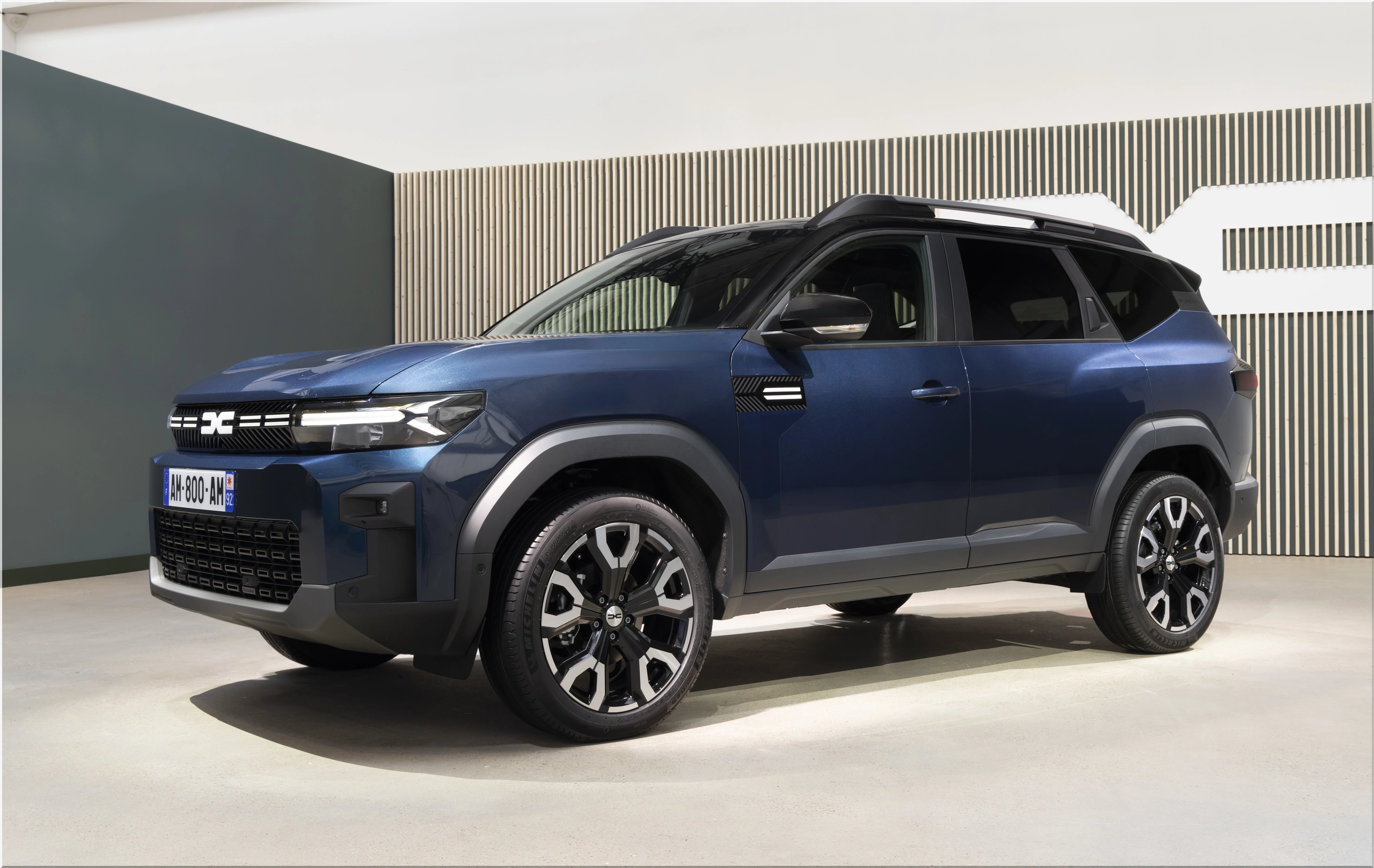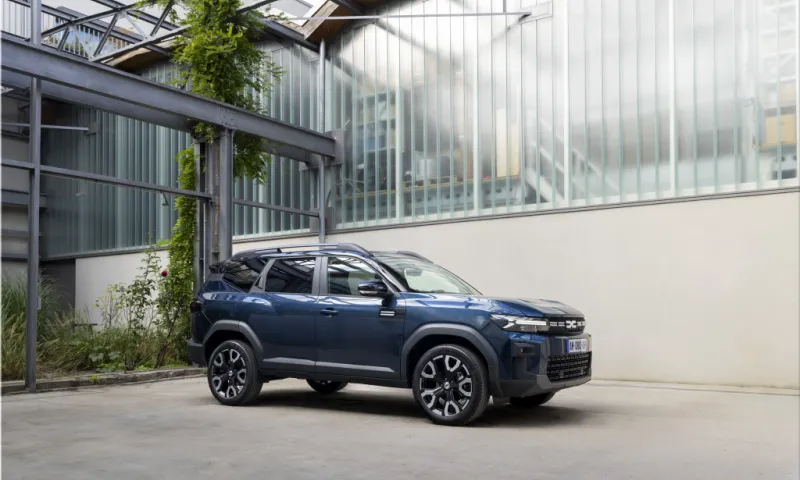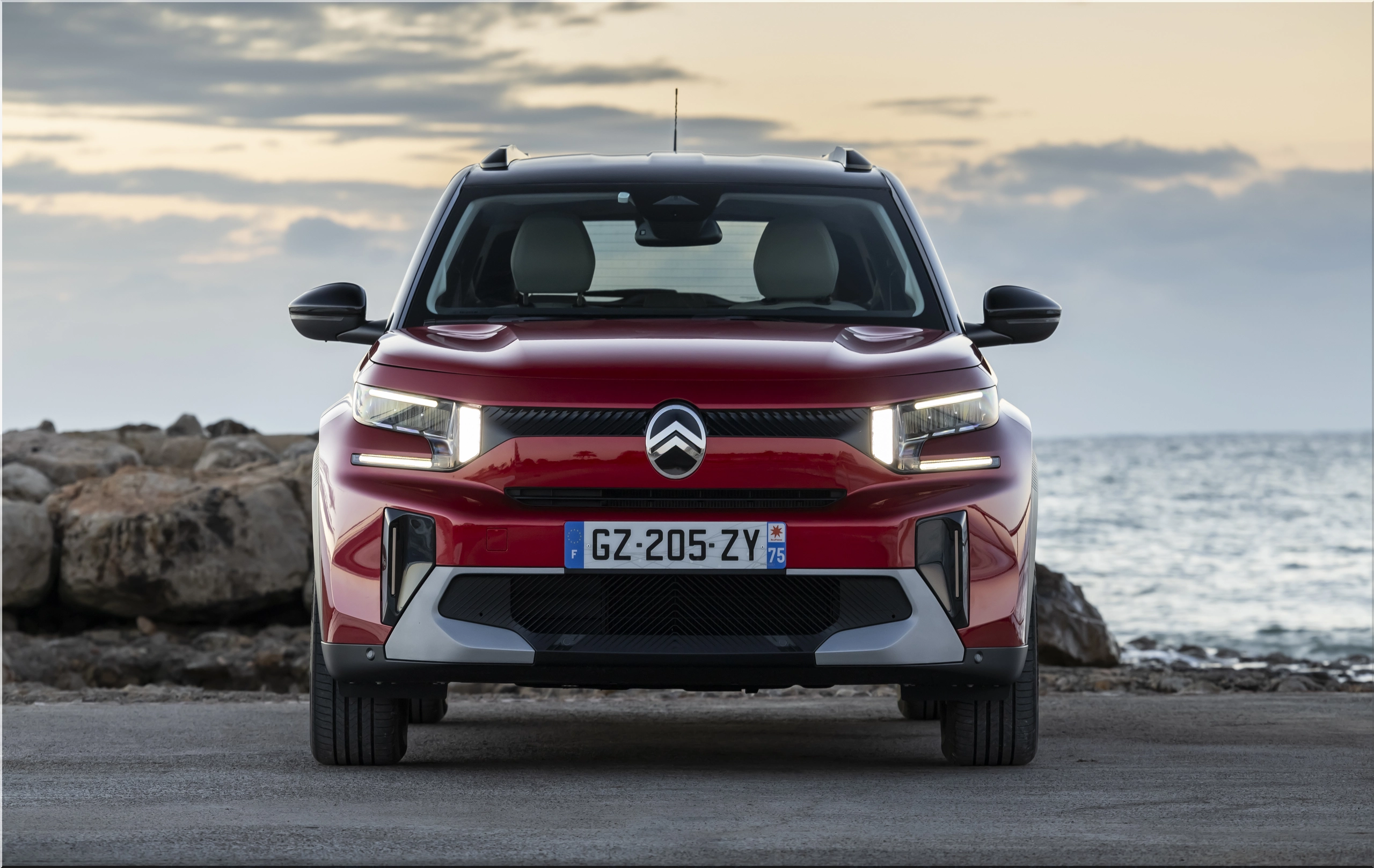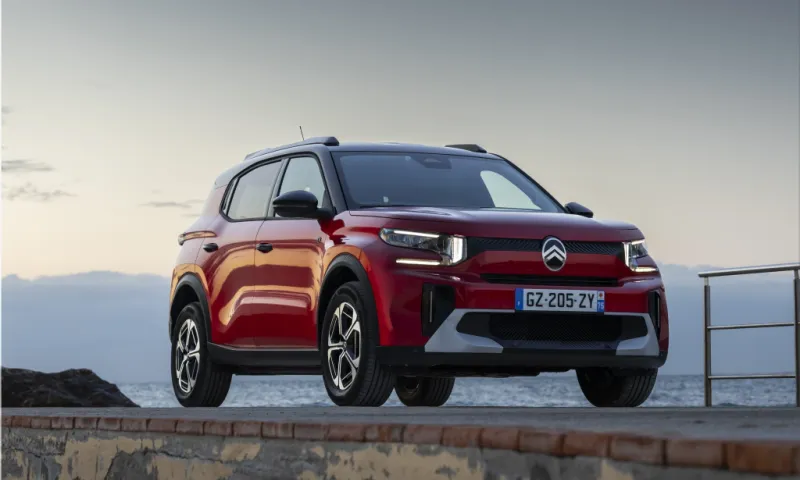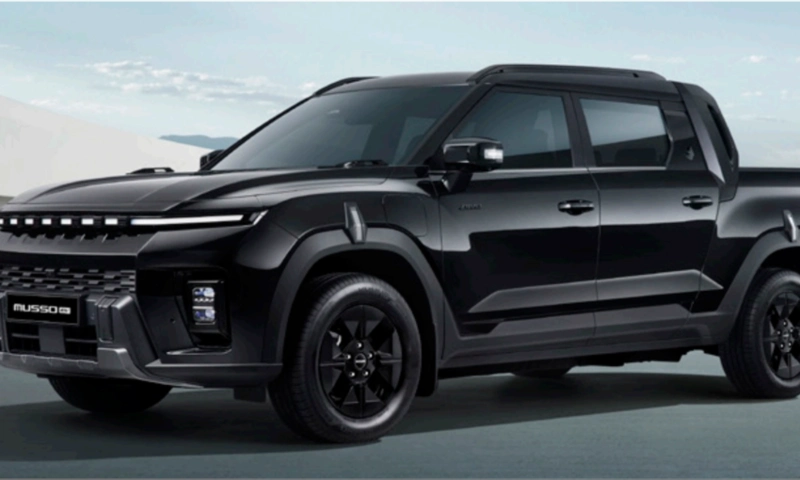
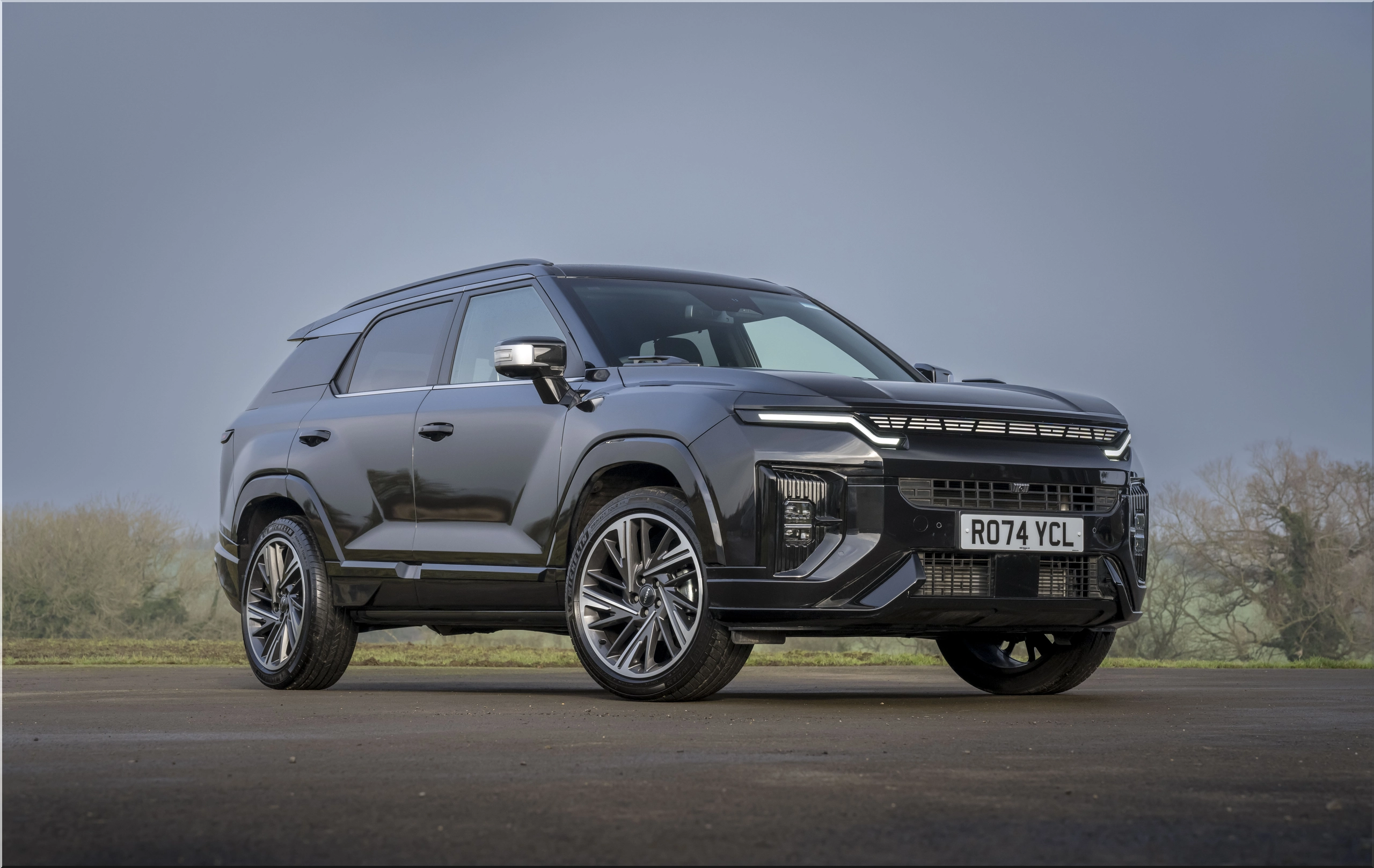
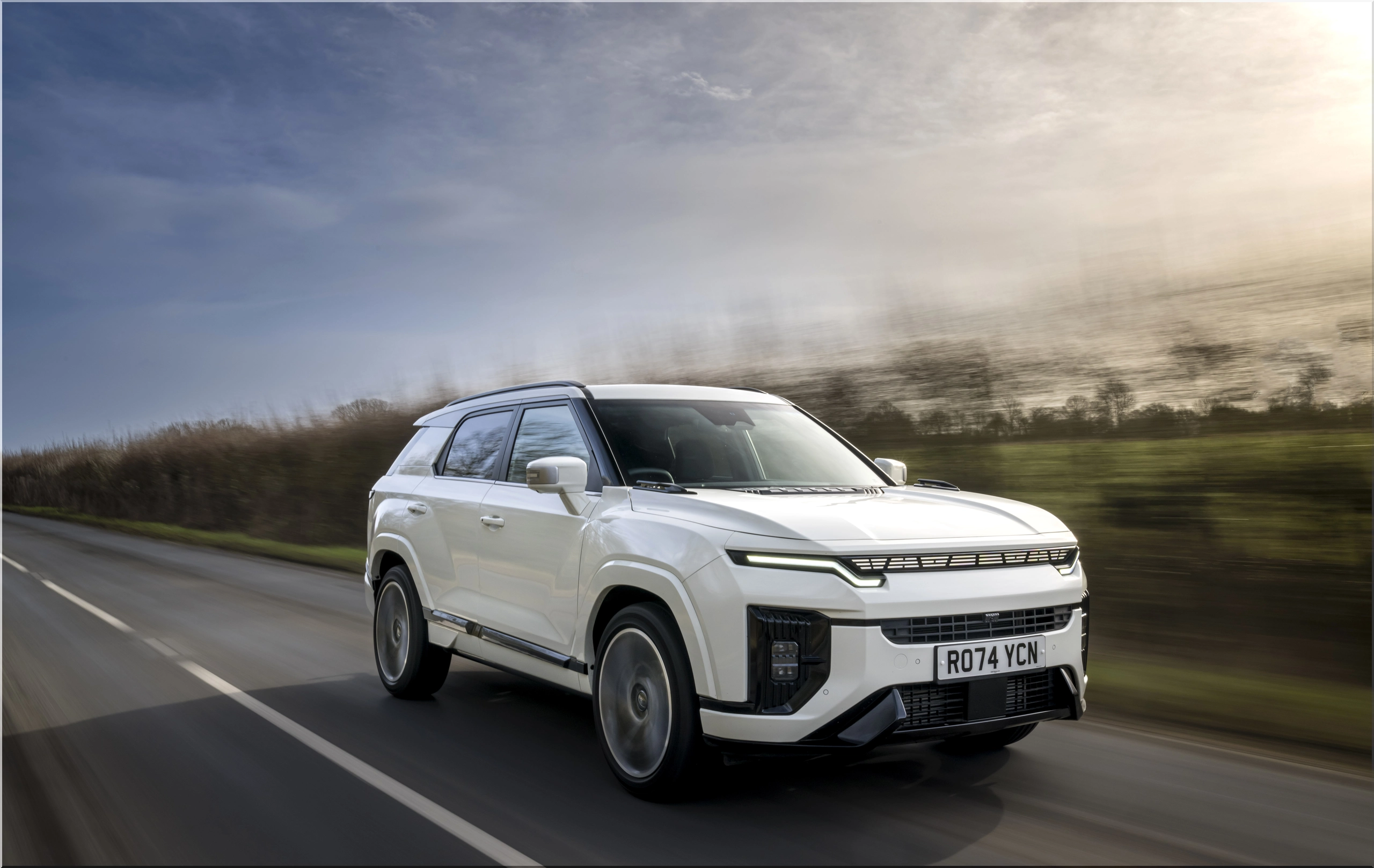
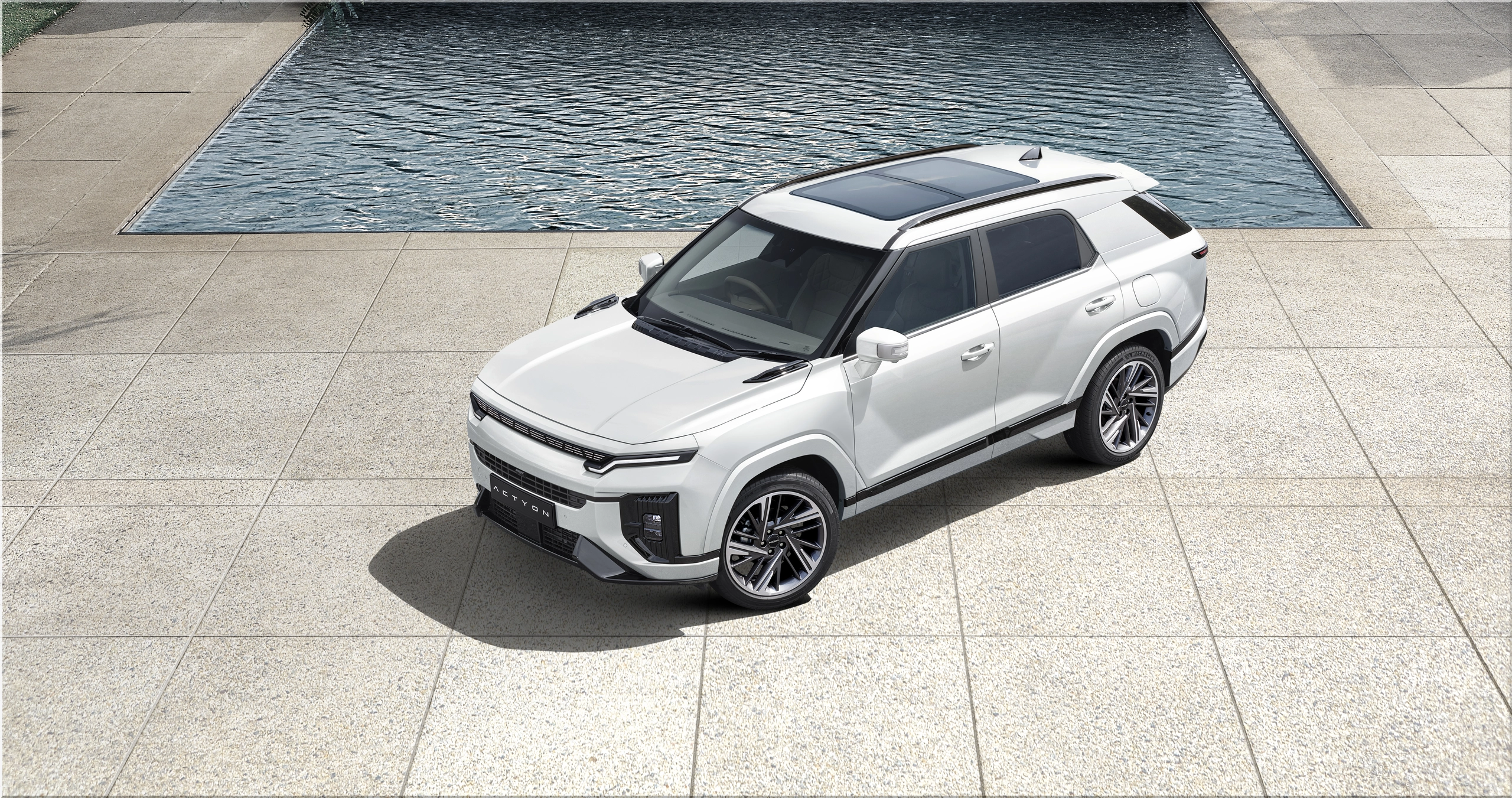
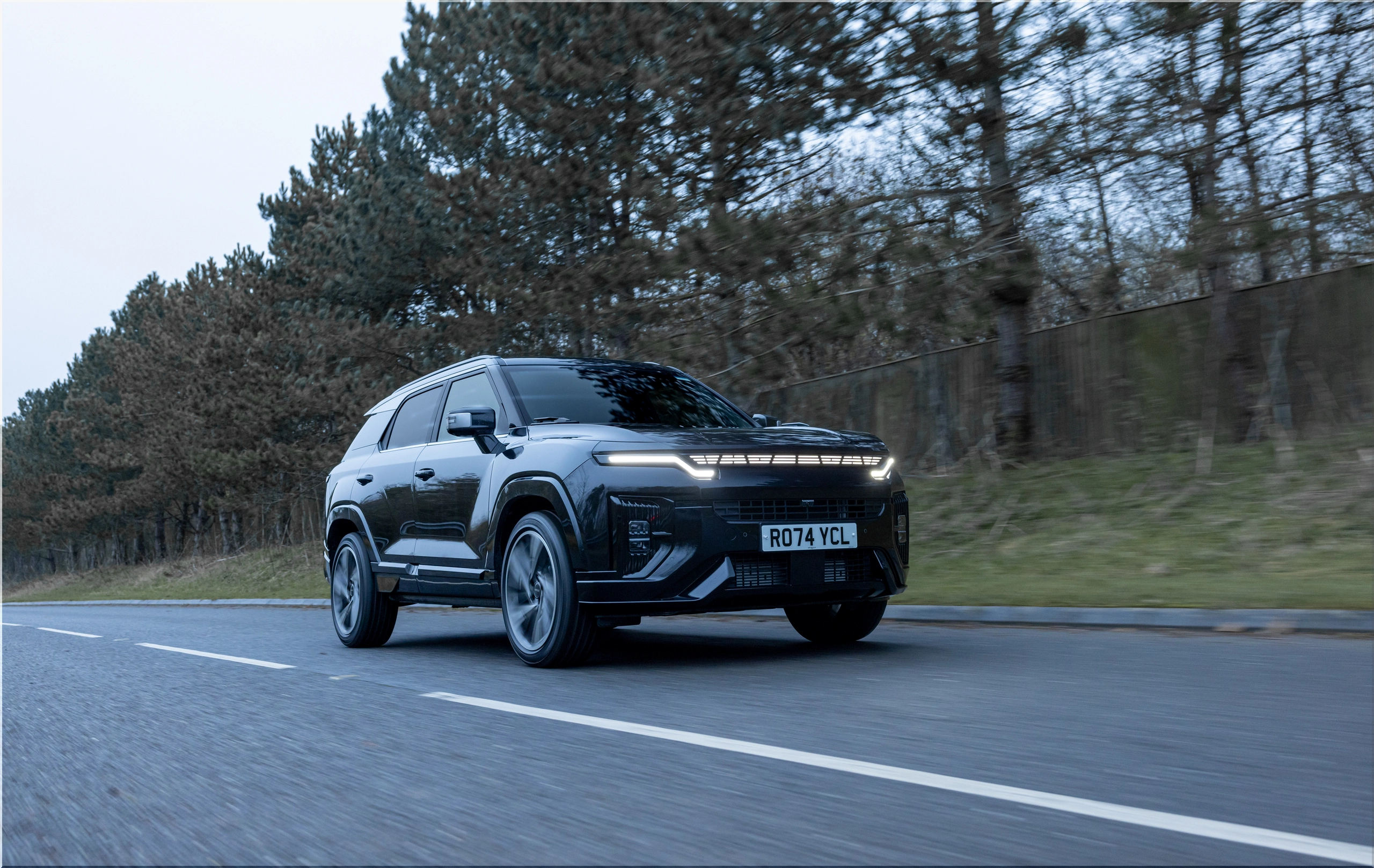
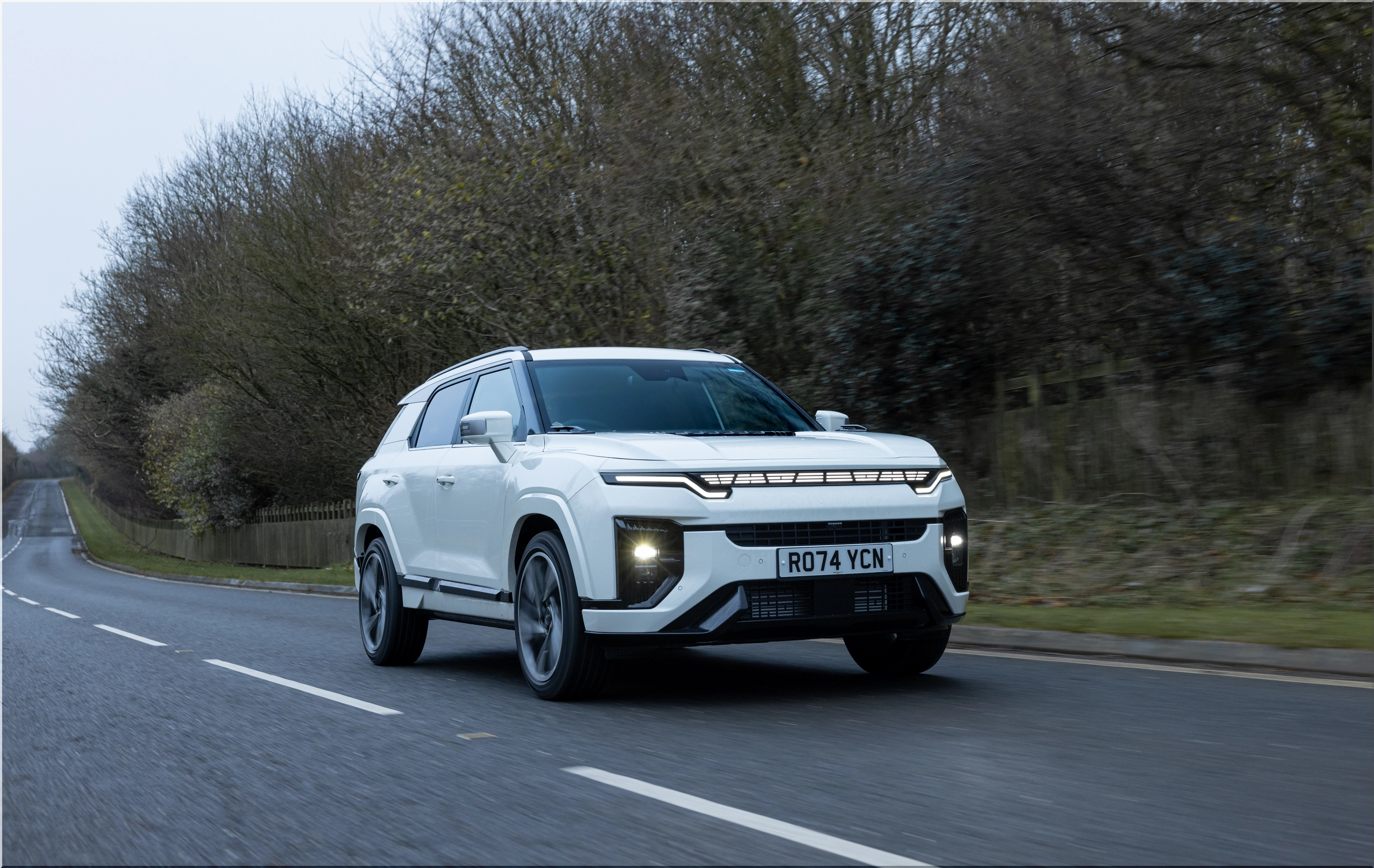
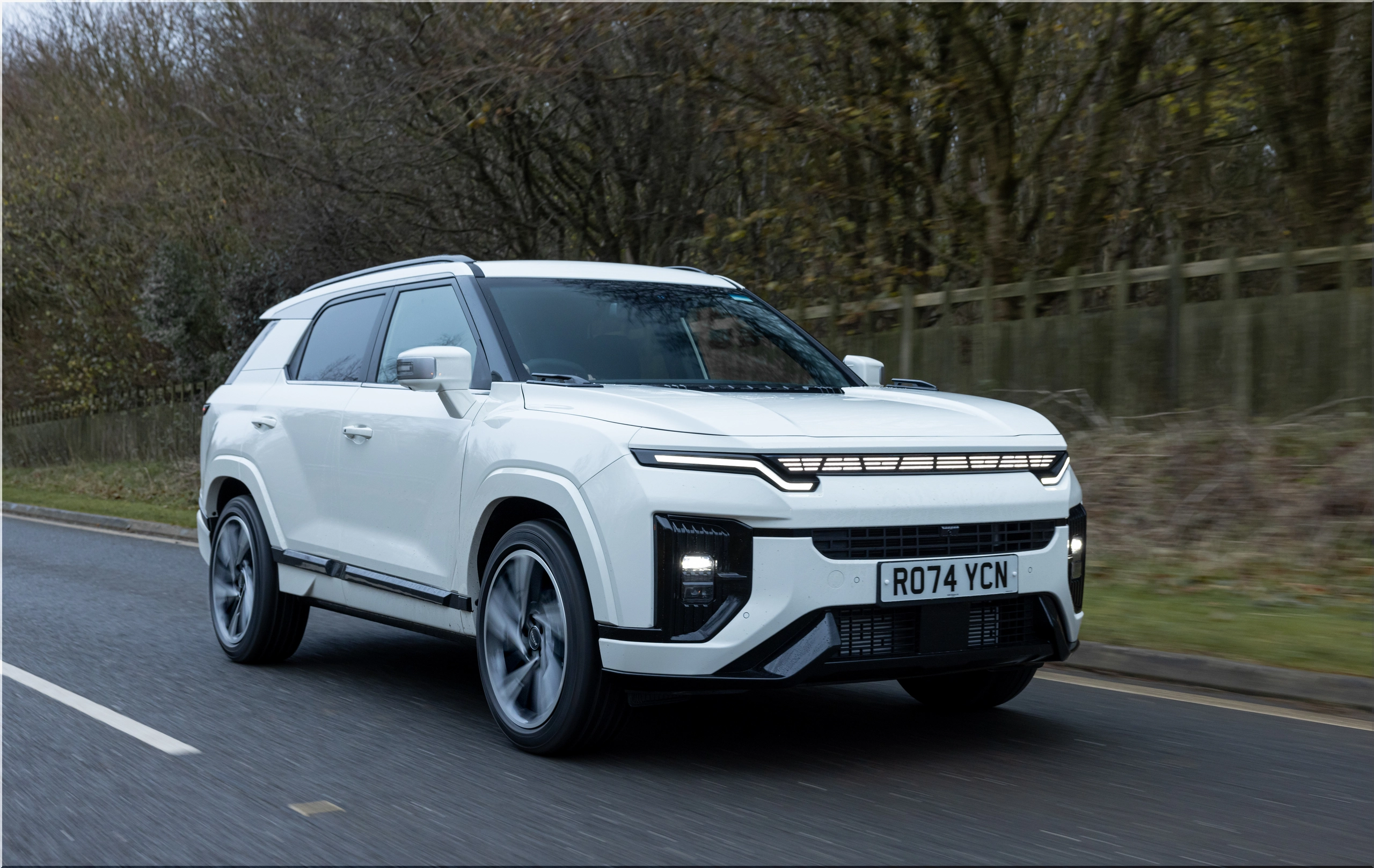
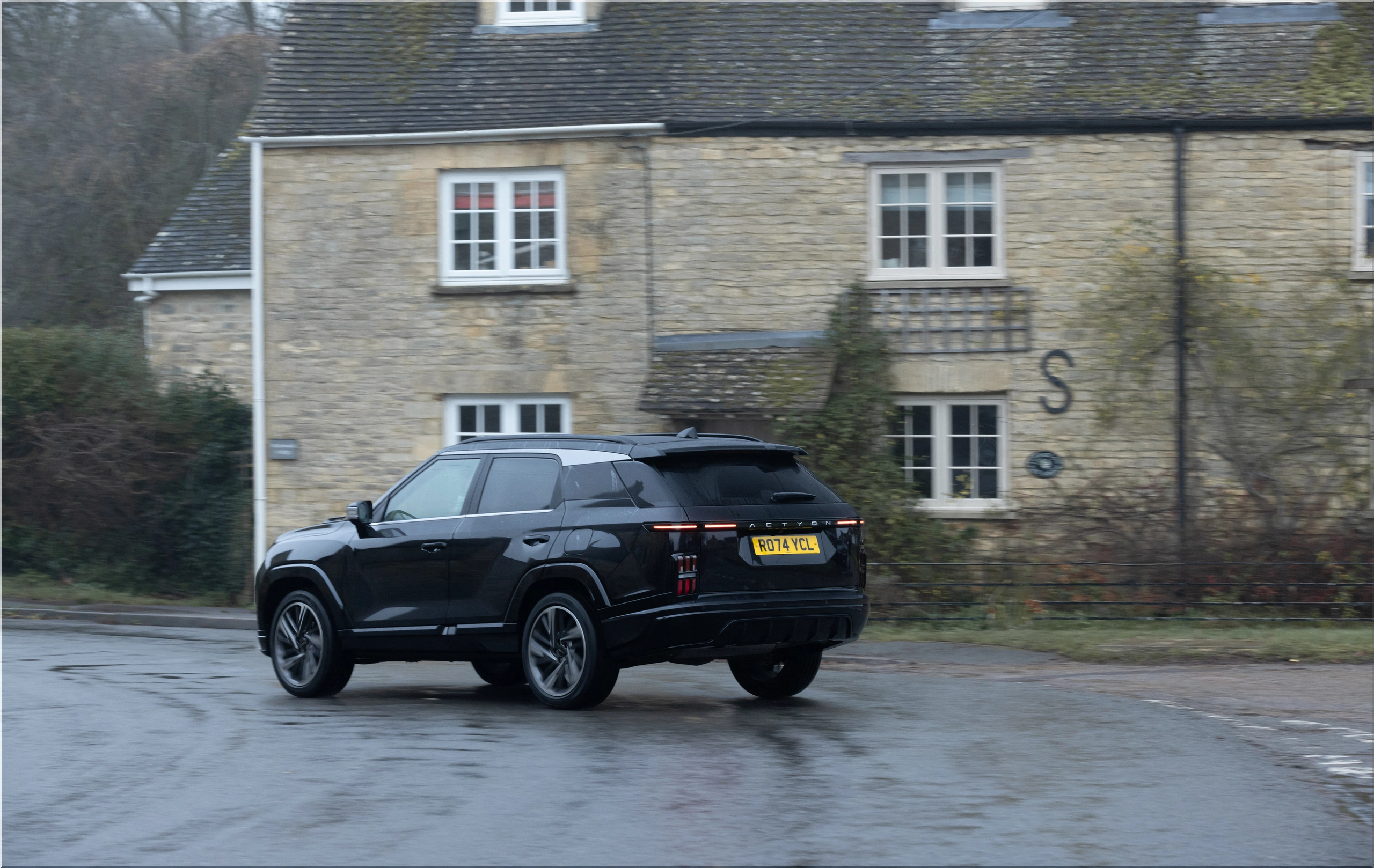
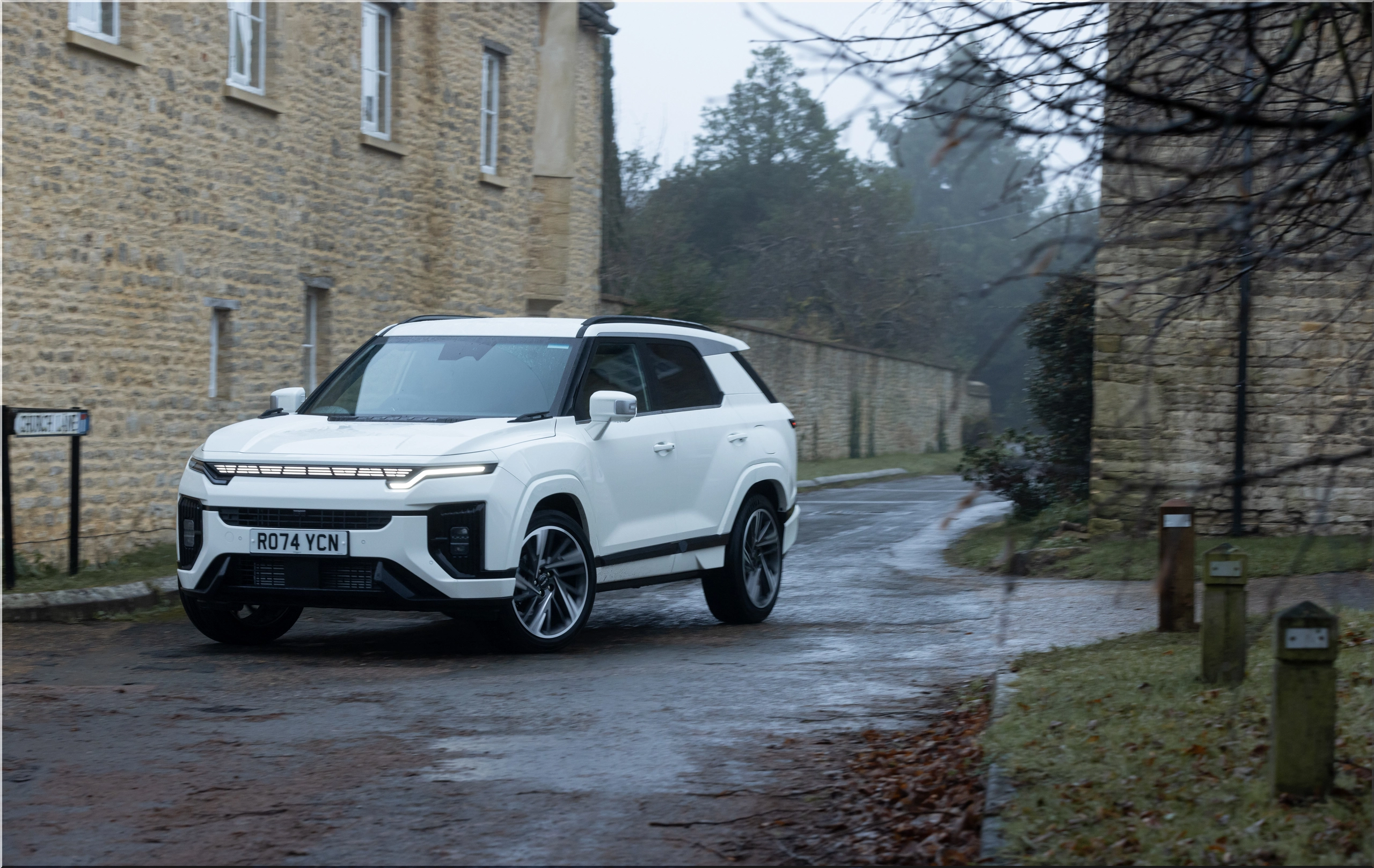
KGM opened the order book for the KGM Actyon full hybrid in Europe with a headline price of 44,890 euros, which converts to about $48,930. That number plants the Actyon Hybrid directly in the high-volume hybrid SUV space, where buyers compare monthly payment math, fuel spend, and standard equipment before they care about brand history.
Image
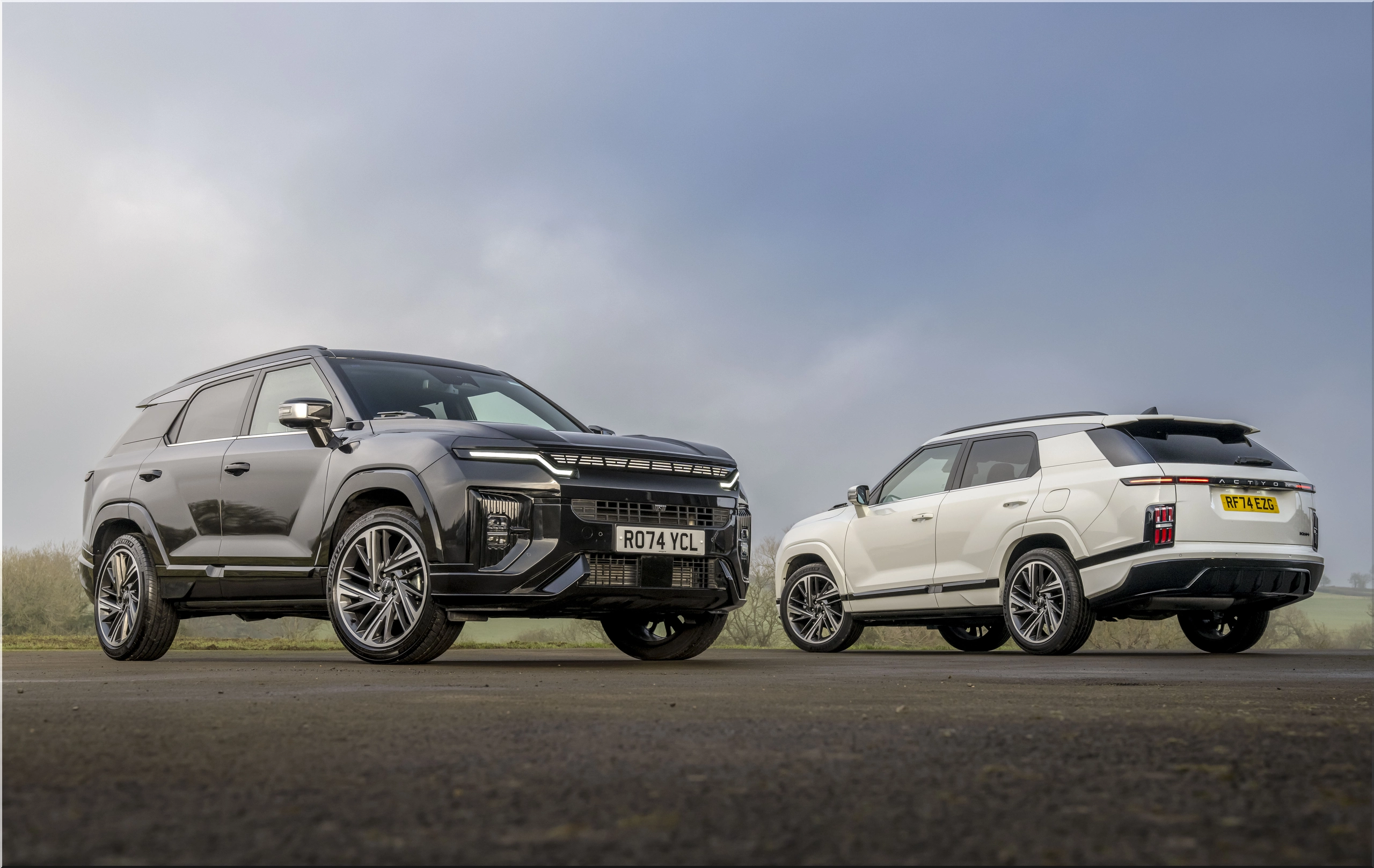
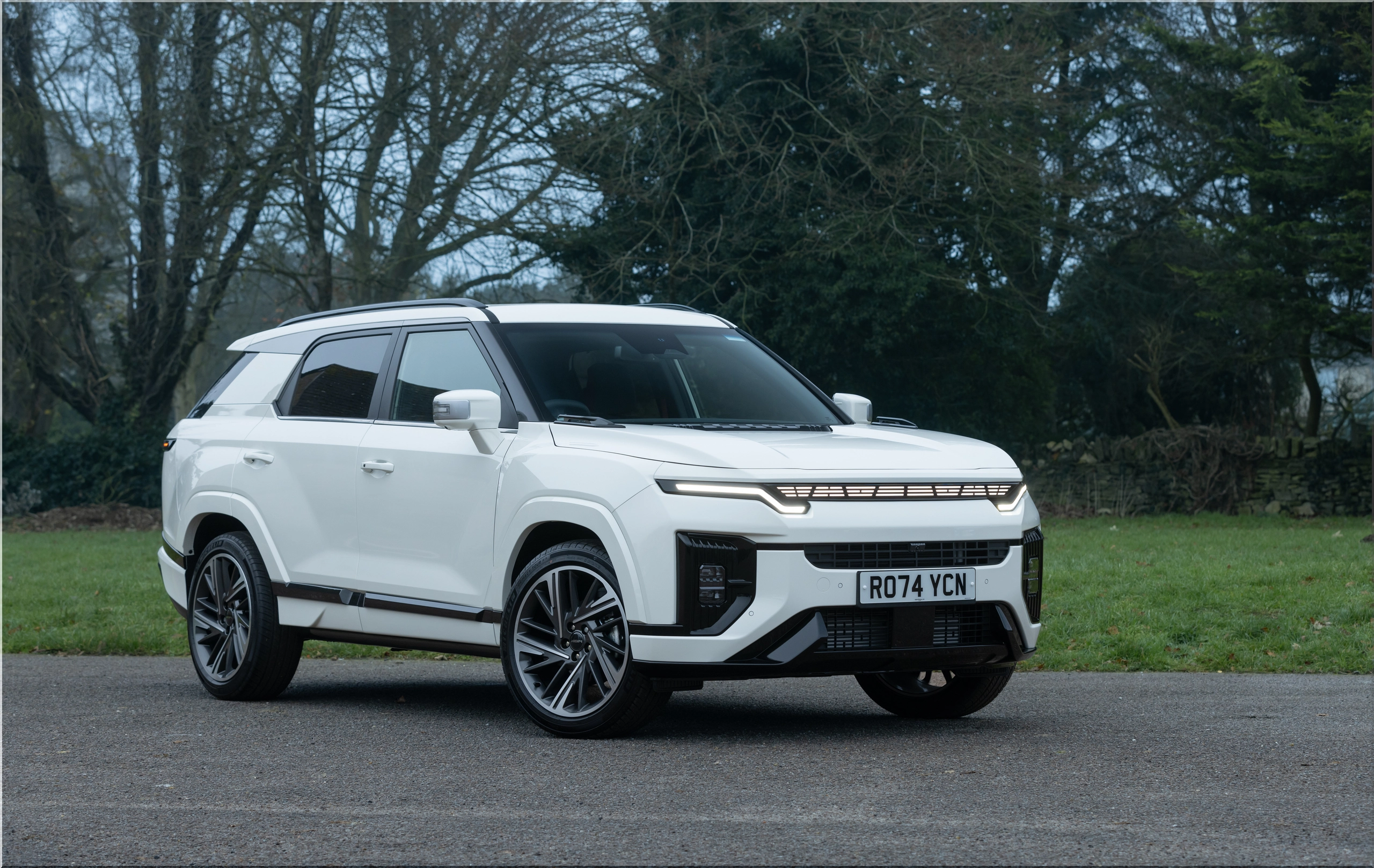
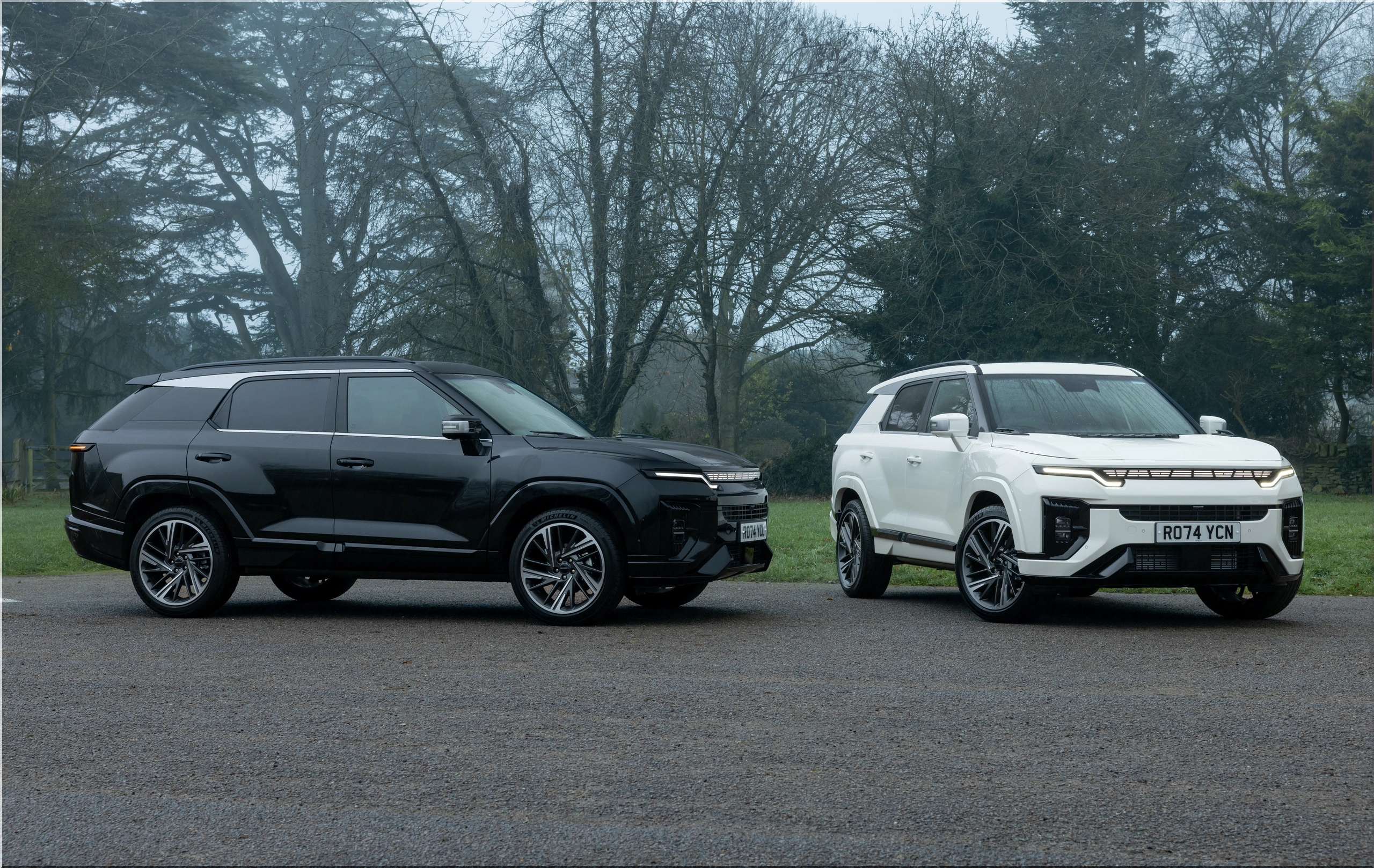
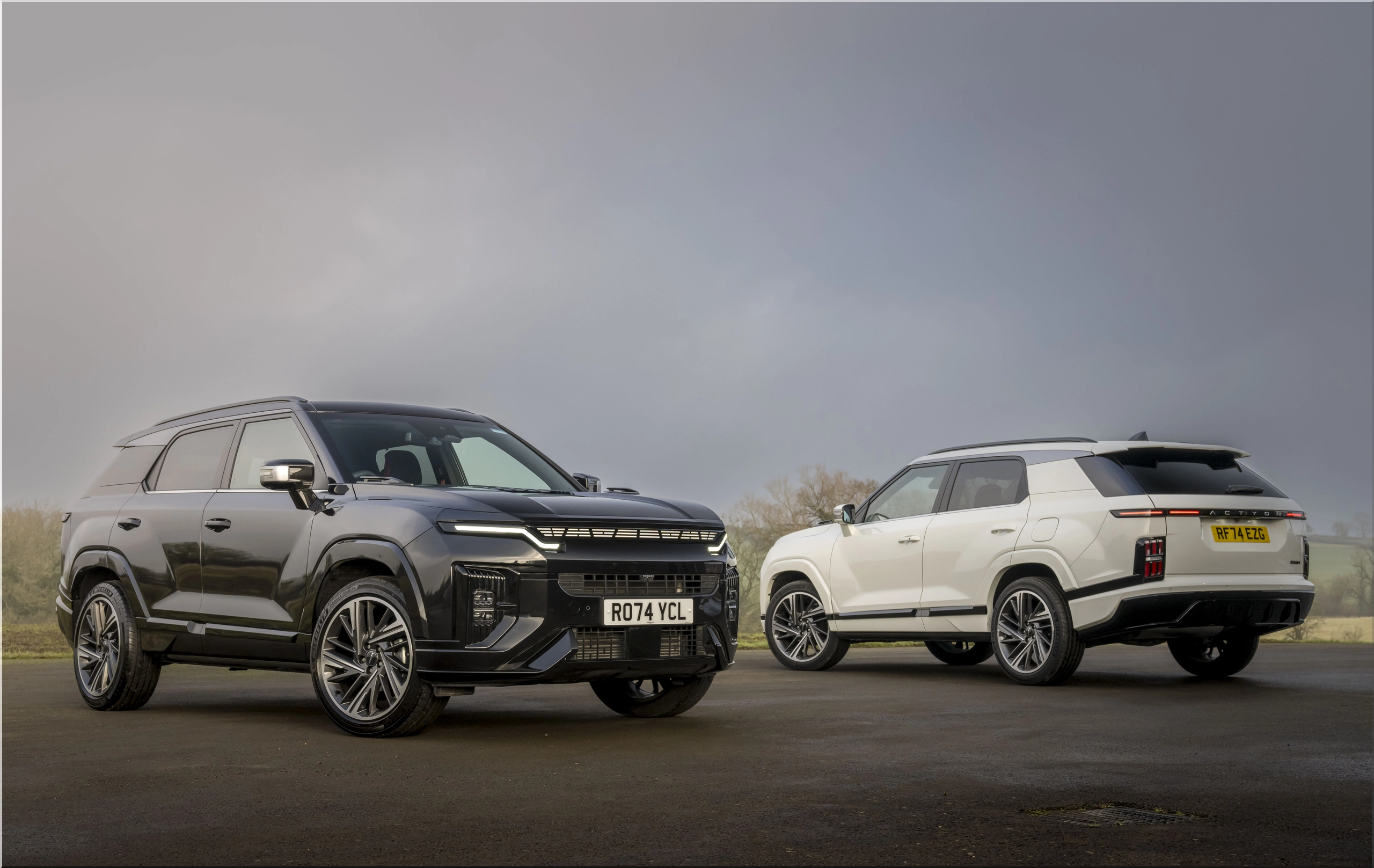
The KGM Actyon Hybrid also arrives with a clear positioning move. KGM pairs the hybrid with the Lux equipment line at launch, then keeps the options list short. That strategy aims for one thing: a loaded, ready-to-buy configuration that reduces decision friction.
Below, you get the deep technical read: how the hybrid system works, what the dimensions signal, where efficiency comes from, and which mainstream hybrids actually sit in its cross-shop lane.
Pricing in USD and what the entry number buys
At $48,930 converted, the Actyon Hybrid sits above bargain hybrids and below many premium-badged coupe-SUVs. That middle ground often wins when the standard feature set stays generous.
KGM supports that value pitch by limiting major options to a few big-ticket items:
- Electric panoramic glass sunroof
- Two-tone interior theme
- Metallic paint and two-tone paint with a black roof
Consequently, most buyers will drive home in a similarly equipped vehicle, which keeps resale comparisons cleaner and reduces the number of stripped builds in the used market.
Definition: Full hybrid vs mild hybrid
A full hybrid can move the vehicle on electric power alone for short intervals, then blend gas and electric power under load. A mild hybrid supports the gas engine but usually cannot drive the wheels on electric power by itself.
The Actyon Hybrid powertrain: what the numbers say
KGM markets the setup as a Dual-Tech hybrid with a dedicated hybrid transmission. The core outputs frame the performance story:
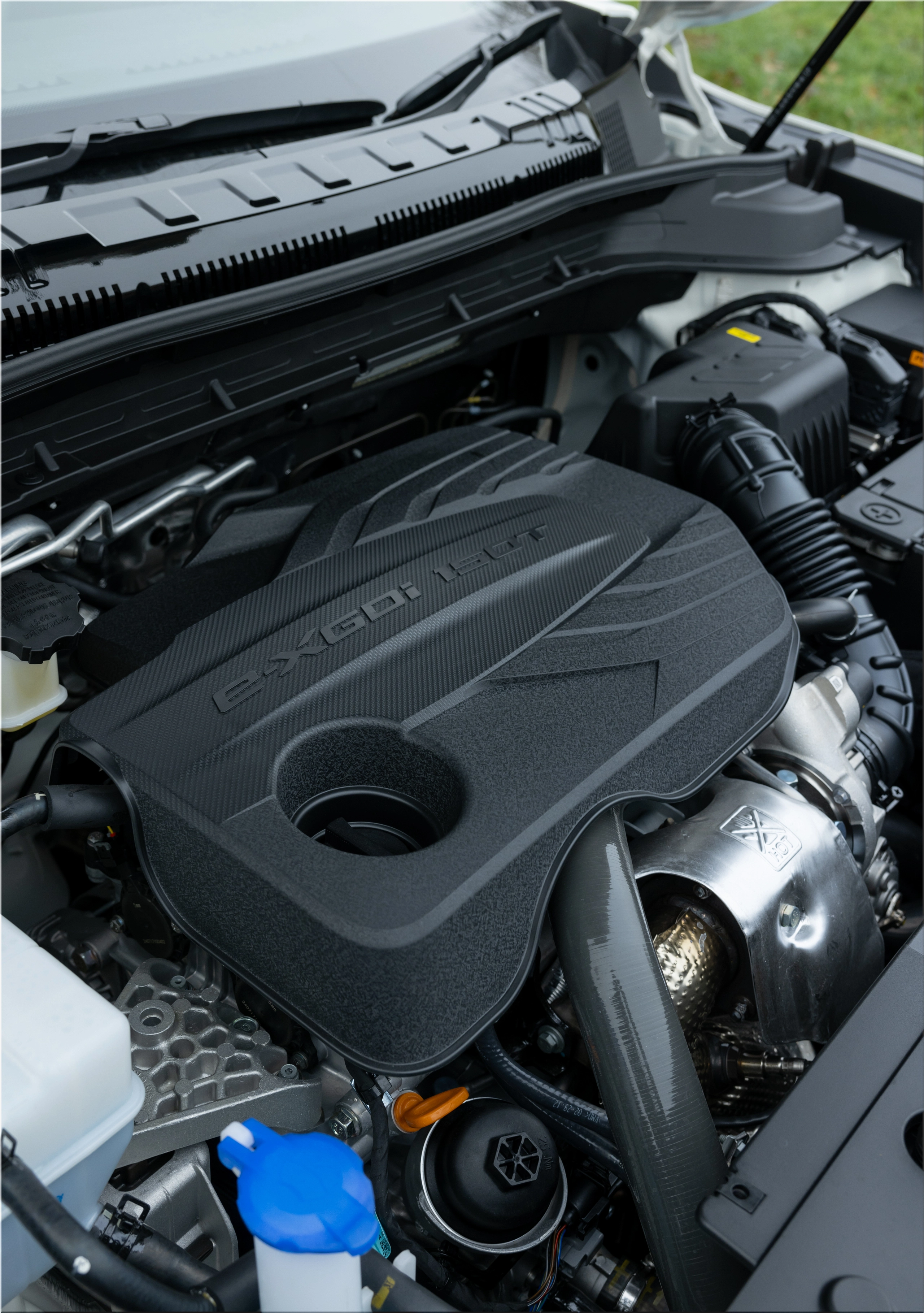
- Gas engine: 1.5-liter turbo, 110 kW (about 148 hp, commonly listed as 150 hp)
- Electric motor: 130 kW (about 174 hp, commonly listed as 177 hp)
- Peak electric torque: 300 Nm (221 lb-ft)
- System output: 150 kW (about 201 hp, marketed as 204 hp)
- Drive layout: front-wheel drive via DHT hybrid transmission
- Hybrid battery: 1.85 kWh
- EV-only operation claim: up to 100 km/h (62 mph) under light demand
A hybrid system never adds the peak hp values directly, because the gas engine and e-motor peaks do not occur at the same rpm and load point. Looking at the data, the 150 kW system figure reads like a calibration that prioritizes smooth delivery and thermal stability over a one-time dyno spike.
Pro-Tip: How to feel hybrid calibration quality in five minutes
- Roll at 20 to 30 mph, then add throttle gently. You want one clean surge, not two separate pushes.
- Repeat with medium throttle. Watch for a step-change when the gas engine joins.
- Brake to a stop three times. The pedal should feel consistent as regen hands off to friction brakes.
Why a 1.85 kWh battery makes sense here
A 1.85 kWh pack sits in the compact HEV category. It does not chase long EV range. It chases cycle frequency.
Here is the engineering logic: city driving wastes fuel because engines run in low-efficiency zones during creep, stop-and-go launches, and short bursts between lights. A small battery that charges quickly through regeneration can feed an e-motor for repeated launches and torque fill, keeping the gas engine closer to efficient load points.
Specifically, KGM pairs that battery with:
- Regeneration that kicks in immediately when the driver lifts off the accelerator
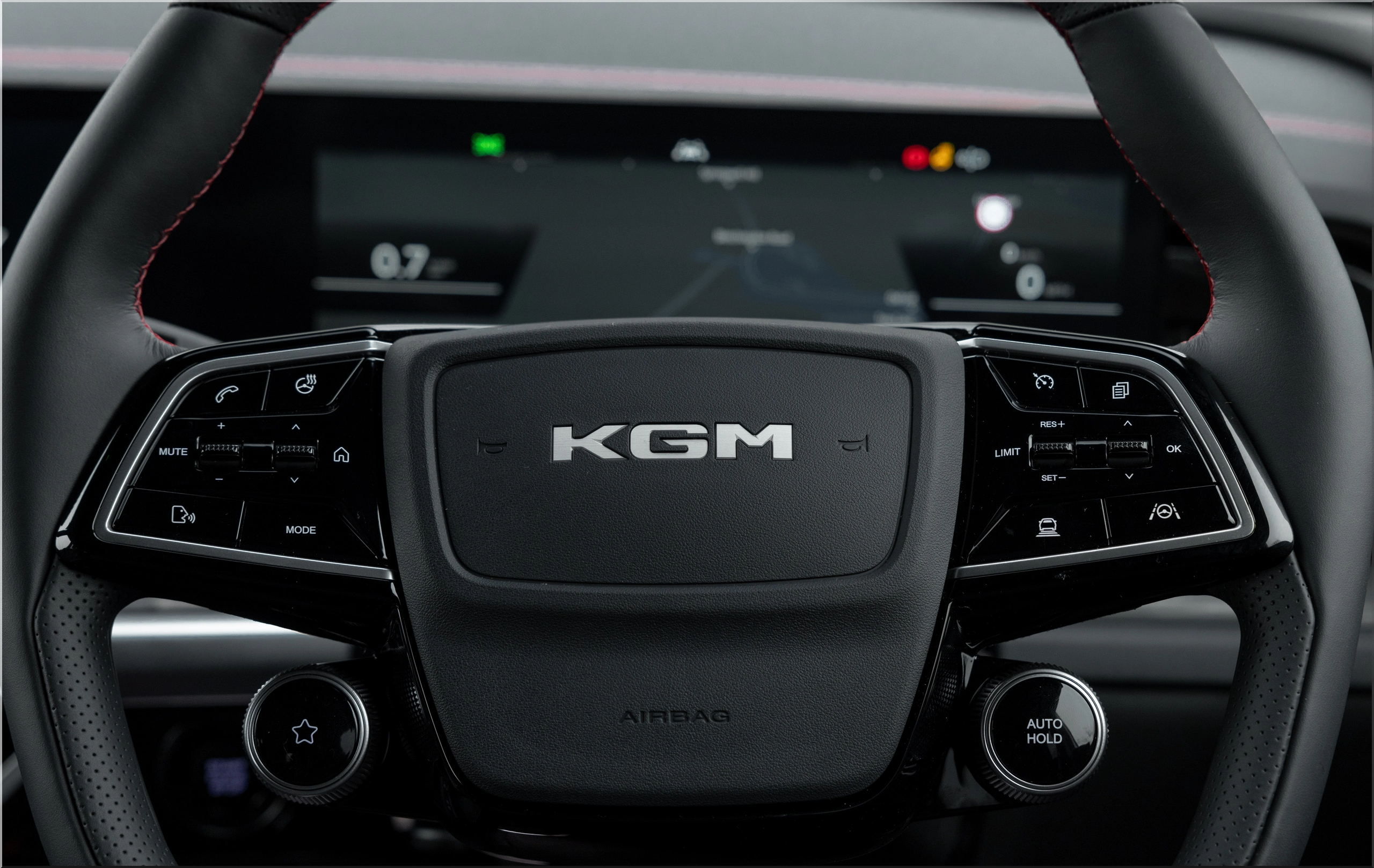
- A three-stage recuperation control via steering wheel paddles
That paddle-adjustable regen matters because it lets drivers tune the car for traffic type. Light regen suits flowing traffic. Stronger regen pulls more energy back in dense stop-start conditions.
EV mode to 62 mph: what it means and what it does not mean
KGM says the Actyon Hybrid can run in electric-only operation up to 62 mph. That sounds like a freeway number, and it can be, but only under the right load.
Aerodynamic drag rises quickly with speed. A coupe-SUV roofline helps, but the vehicle still presents a tall frontal area. So EV-only at higher speeds typically requires:
- Light throttle
- Flat road
- A healthy state of charge in the hybrid battery
By comparison, the real daily benefit shows up below 40 mph, where stop-and-go efficiency gains dominate fuel savings.
Efficiency targets: translating WLTP to usable math
KGM lists 6.1 L/100 km combined under WLTP and 138 g/km CO2. Converting consumption to a US-friendly reference gives about 38.6 mpg US equivalent.
That figure will move with temperature, tires, speed, and driving style. Still, you can use it for rough annual cost planning.
Dimensions and footprint: the Actyon sits in the right size band
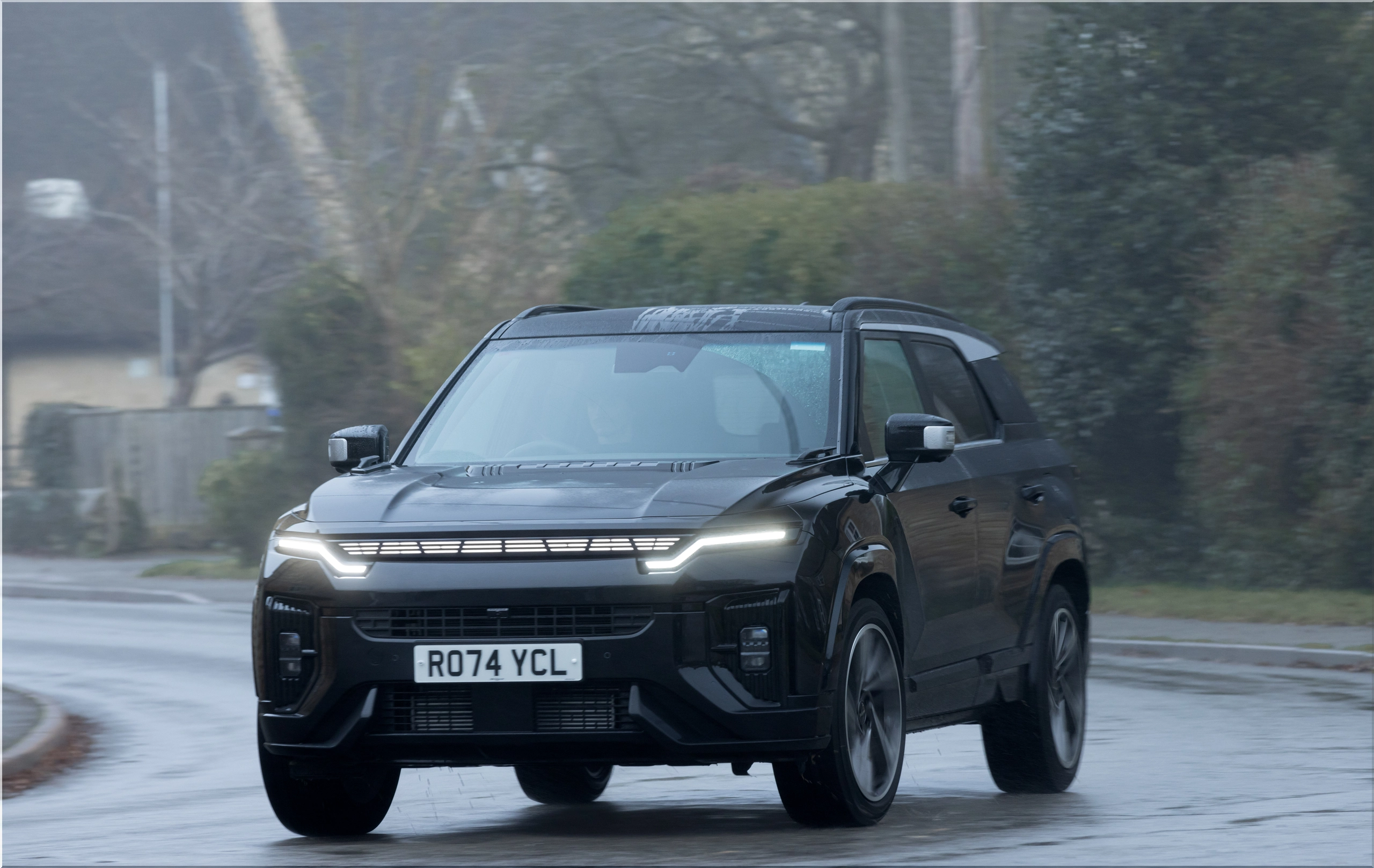
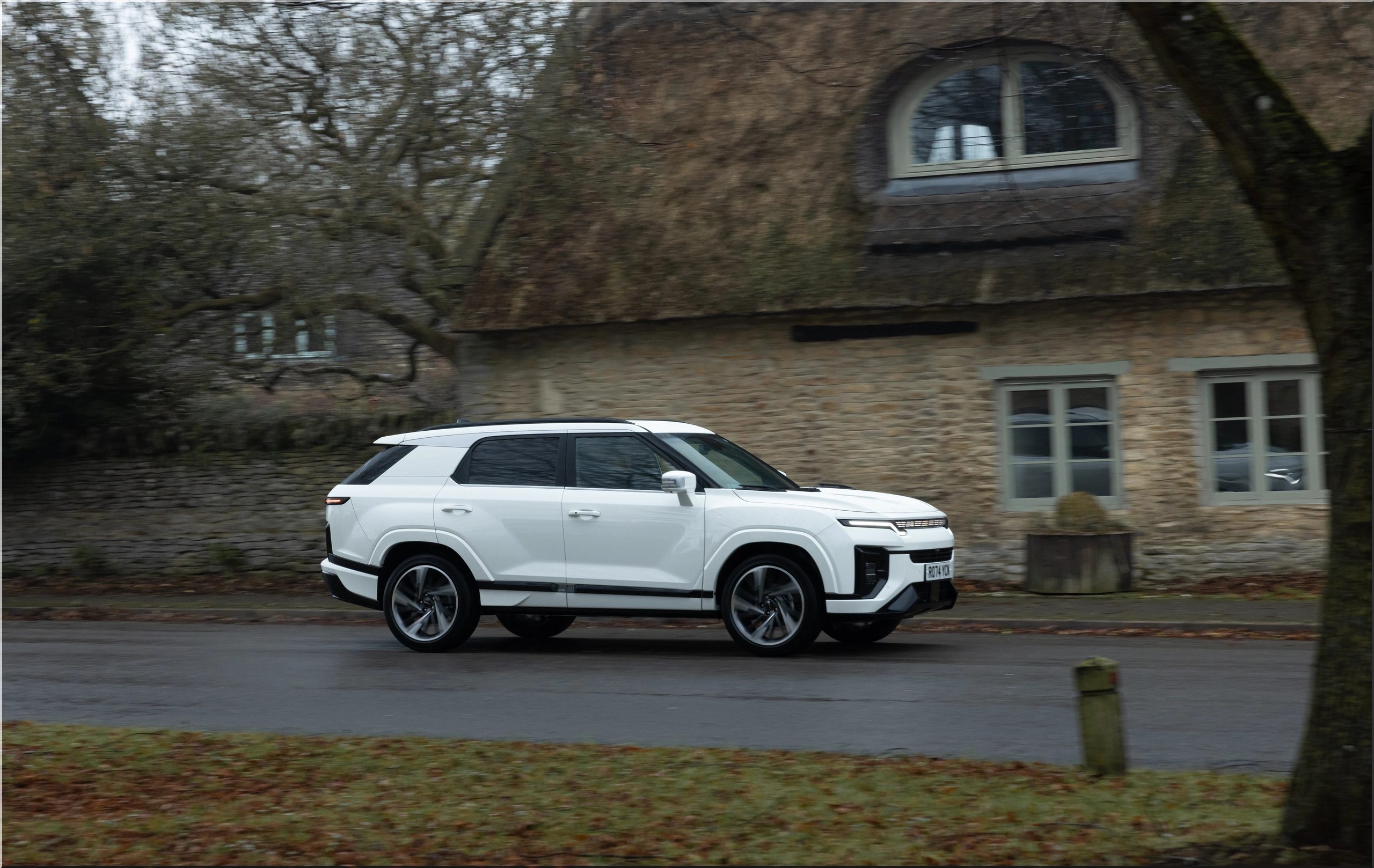
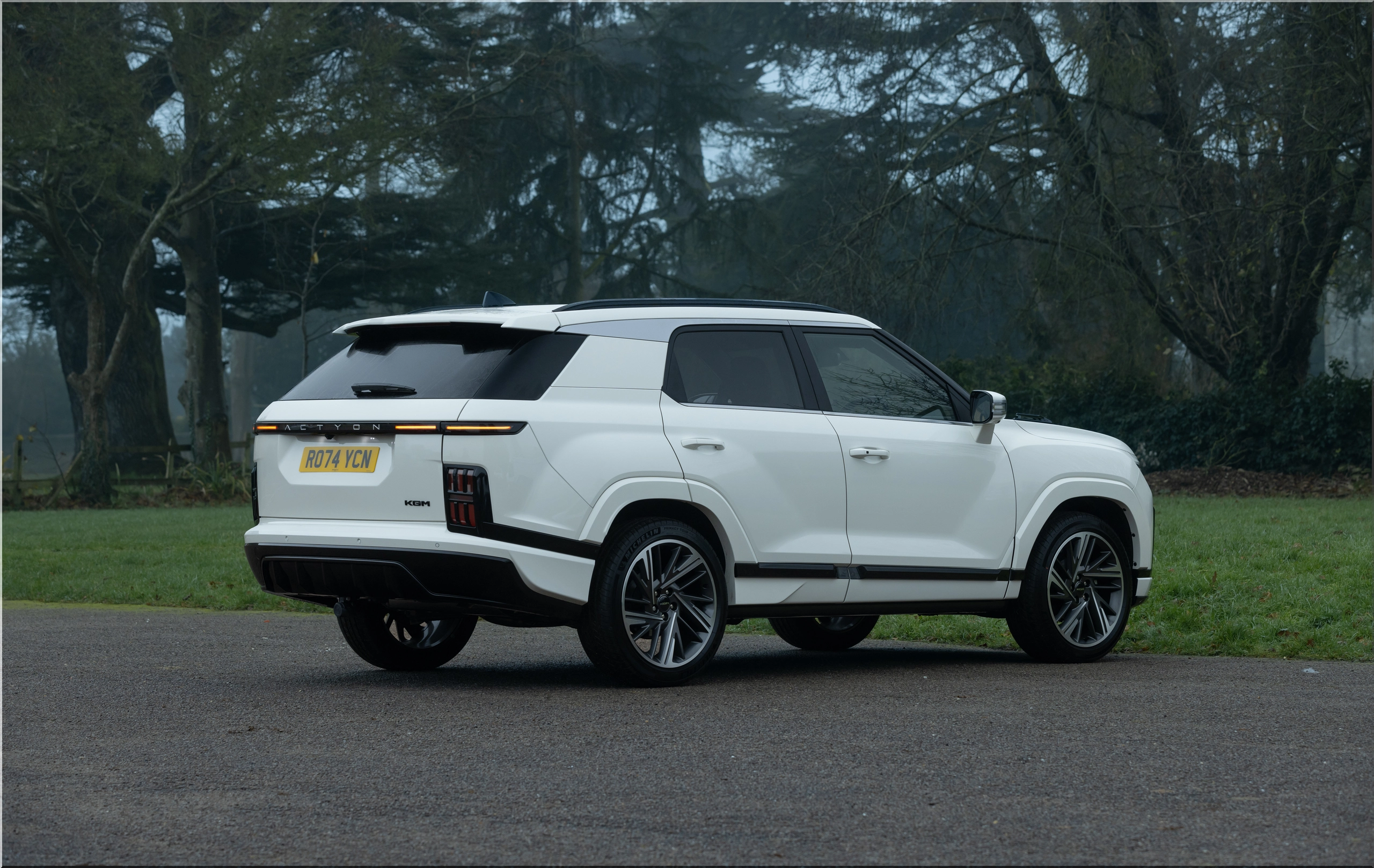
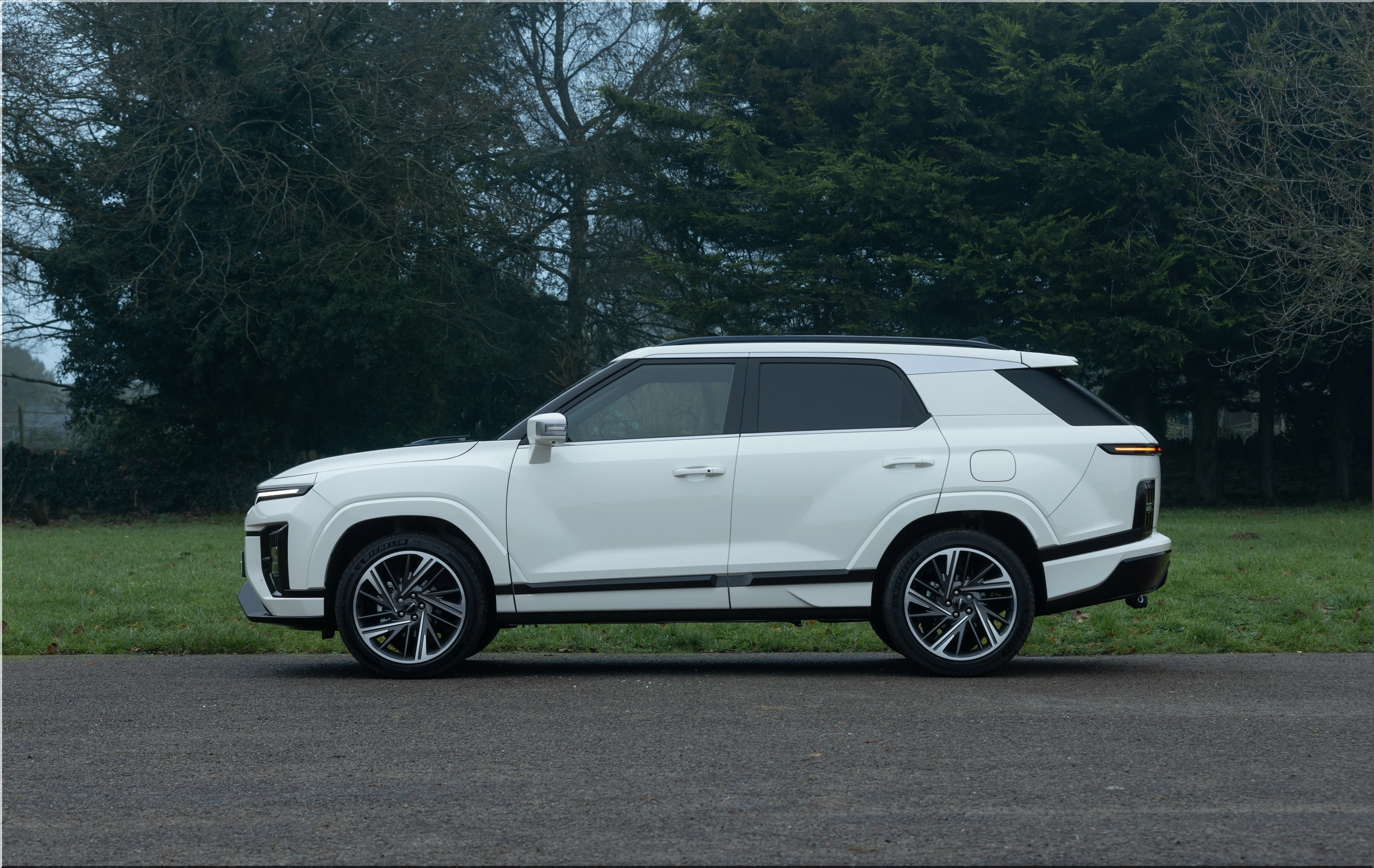
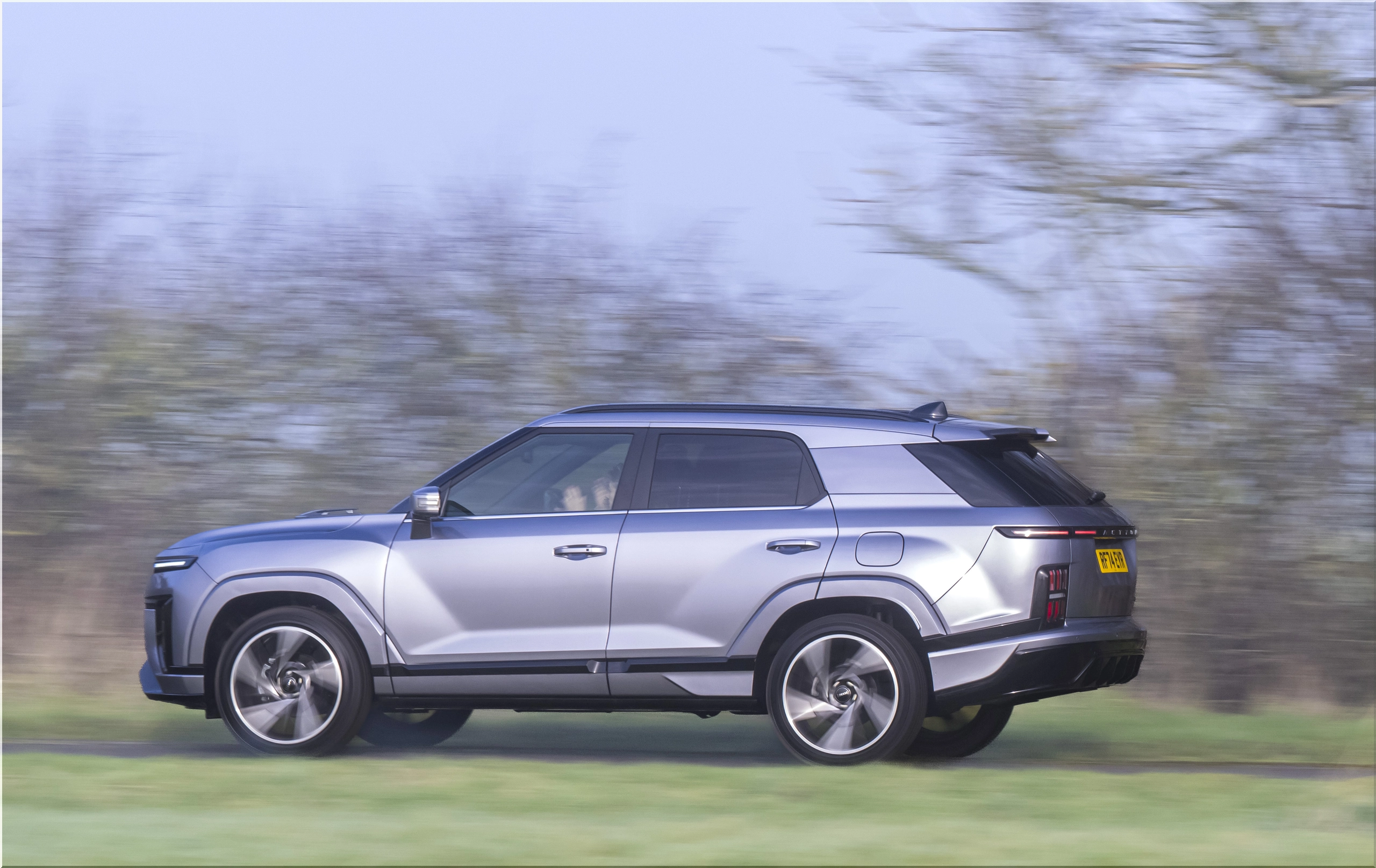
The KGM Actyon Hybrid uses a midsize-leaning footprint:
- Length: 4,740 mm (186.6 in)
- Width (including mirrors): 1,910 mm (75.2 in)
- Height (including roof rails): 1,680 mm (66.1 in)
- Wheelbase: 2,680 mm (105.5 in)
- Turning circle: 10.86 m (35.6 ft)
- Kerb weight: 1,725 kg (3,803 lb)
A 105.5-inch wheelbase usually signals stable highway behavior and usable rear legroom, assuming seat packaging stays smart. A 35.6-foot turning circle also reads city-friendly for a vehicle this long, which matters if the target buyer spends time in dense European urban cores.
Video file
Video title
KGM Actyon
Cargo capacity: KGM pushes practical numbers
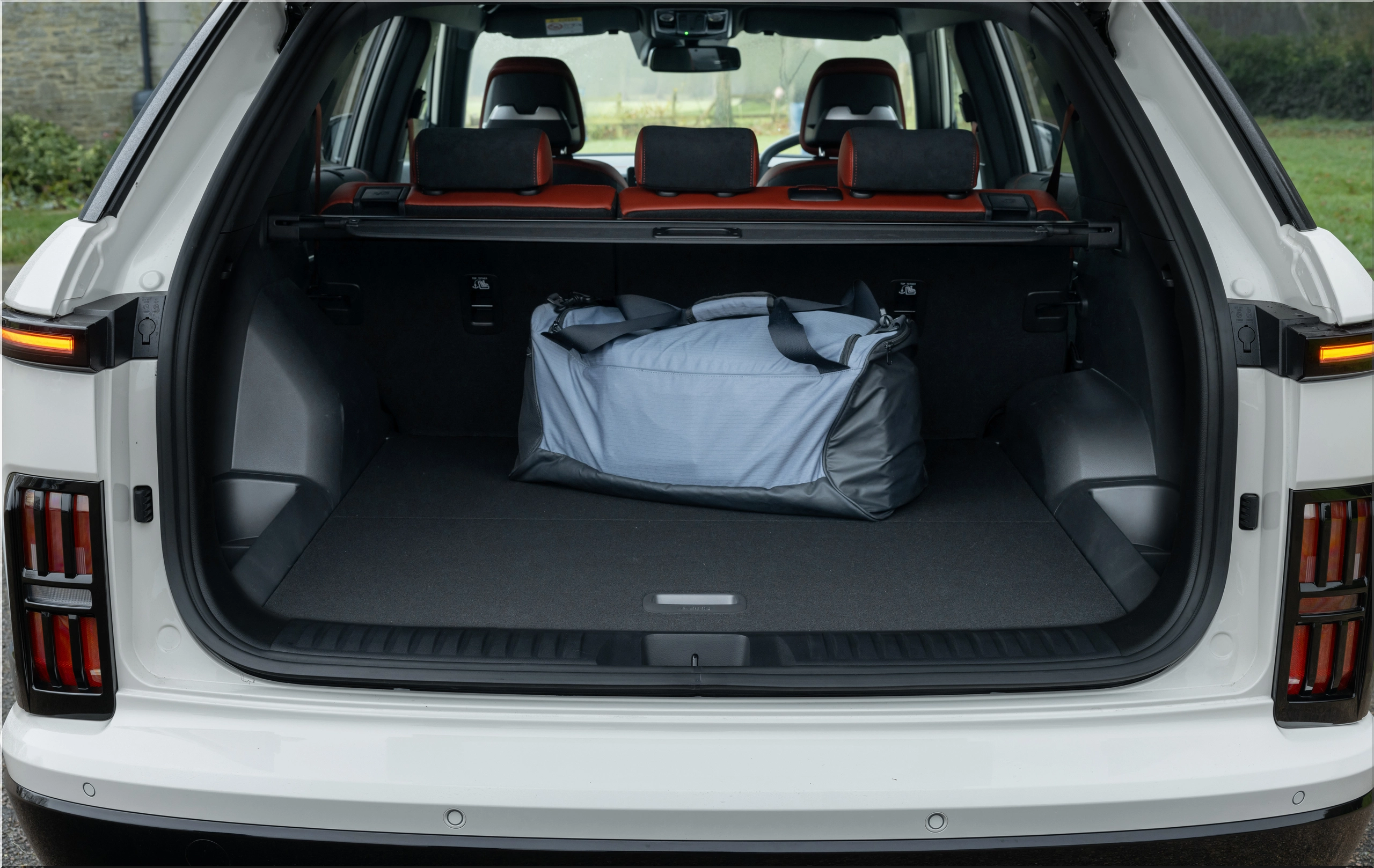
KGM publishes a detailed set of cargo volume figures. That detail helps because it shows how the space changes with split-fold seating, not only the max number.
Cargo volume table with seat configurations
| Cargo configuration | Volume (L) | Volume (cu ft) | What it fits in real life |
|---|---|---|---|
| Normal seating | 668 L | 23.6 cu ft | Weekly groceries, stroller, gym bags, carry-on cases |
| Second row folded 40% | 860 L | 30.4 cu ft | Long boxes plus one rear seat position still usable |
| Second row folded 60% | 992 L | 35.0 cu ft | Bulkier luggage sets, larger gear tubs |
| Second row folded max | 1,440 L | 50.9 cu ft | Big-box hauling, multi-bag travel loads |
That 668 L baseline stands out for a coupe-SUV profile, because many sloped-roof designs trade day-to-day load height for styling.
Towing: the number that filters real buyers
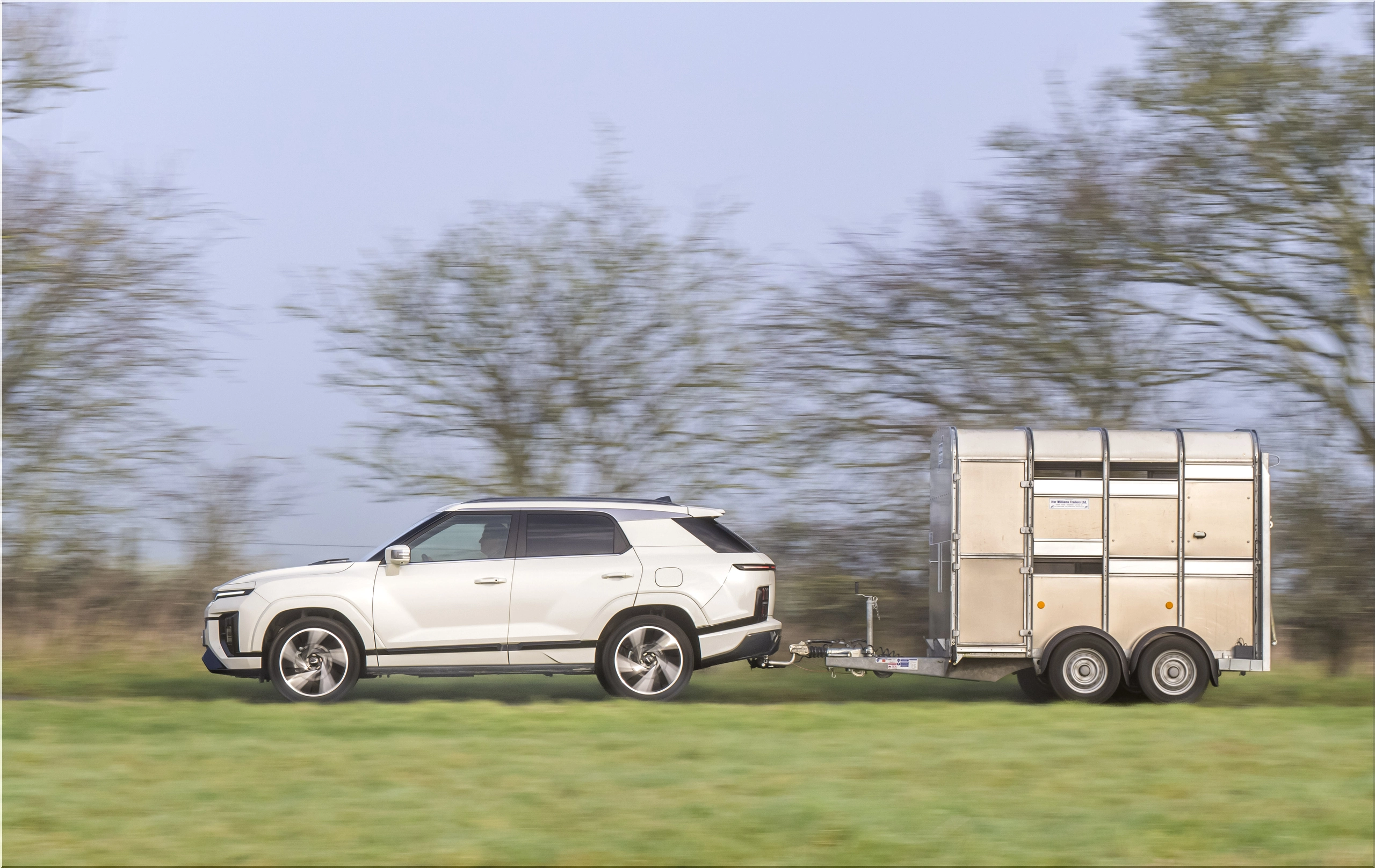
KGM lists towing capacity up to 1,300 kg (2,866 lb). That rating hits the practical middle ground for small utility trailers, compact campers, and light boat rigs.
Towing on a hybrid also raises two technical questions buyers should ask:
- How does the cooling strategy manage sustained load at low road speed?
- How does the hybrid system behave when battery state of charge drops during a long climb?
A hybrid can tow well when calibration keeps the engine in a stable power band and the transmission logic avoids gear hunting or thermal spikes.
Chassis tuning: why Smart Frequency Dampers matter
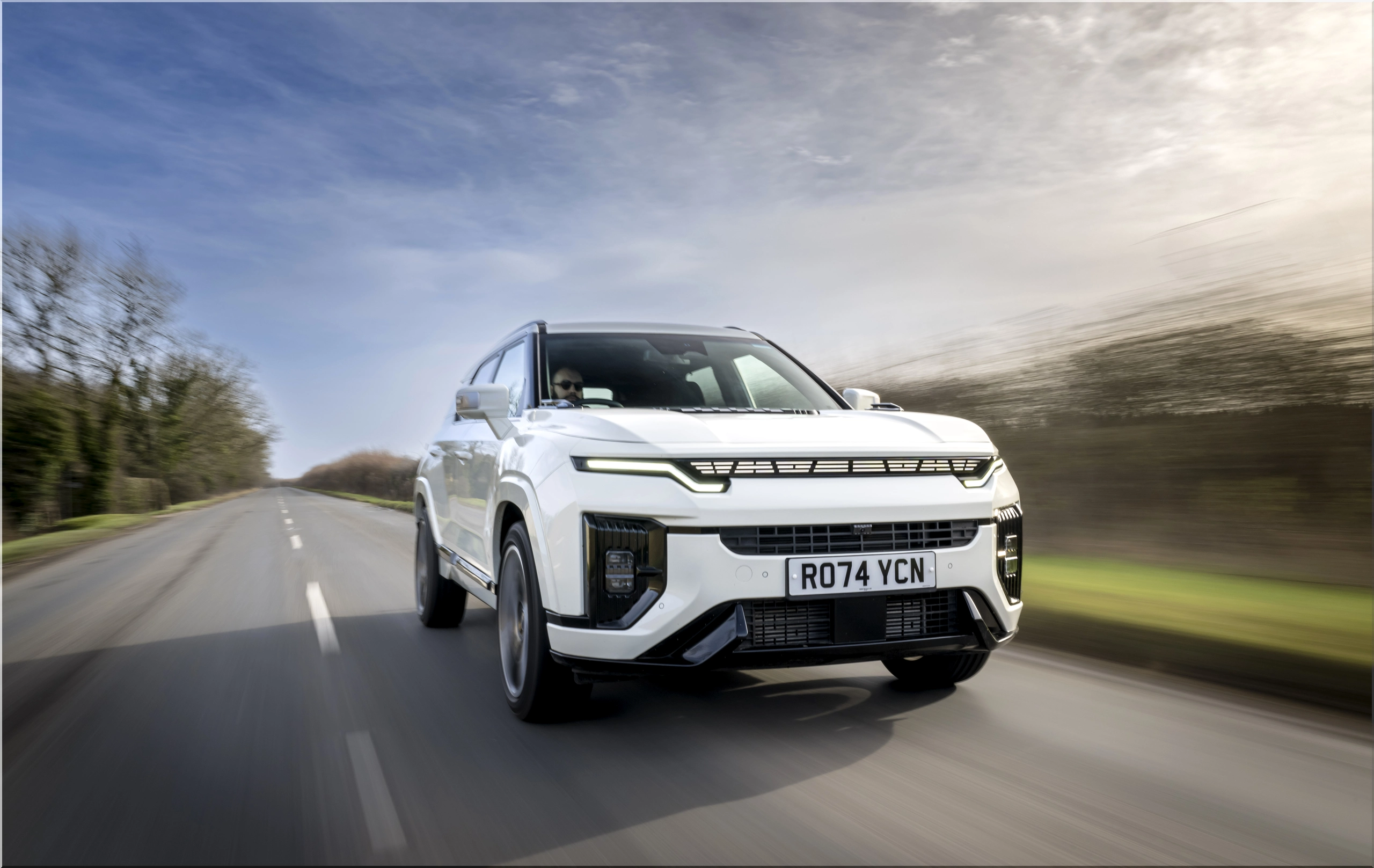
KGM calls out Smart Frequency Dampers. The key idea stays simple: road inputs arrive at different frequencies. Small surface chatter needs one damping response. Large body motions from dips and compressions need another.
A frequency-sensitive approach can improve two pain points at once:
- Reduce harshness on broken pavement
- Control body motion at highway speed
By comparison, a heavy hybrid that rides on stiff damping often feels busy in the city and numb on the highway. Better damper tuning can hide mass without resorting to punishing spring rates.
Video file
Video title
KGM Actyon
Interior and infotainment: the hardware that sells the first test drive
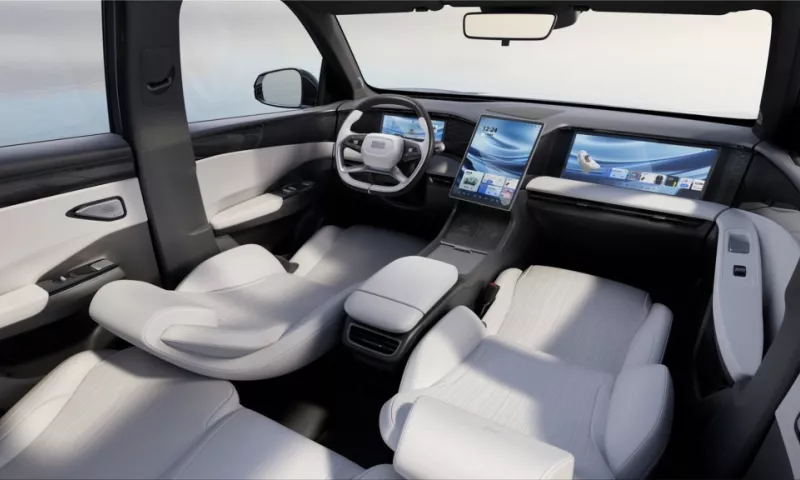
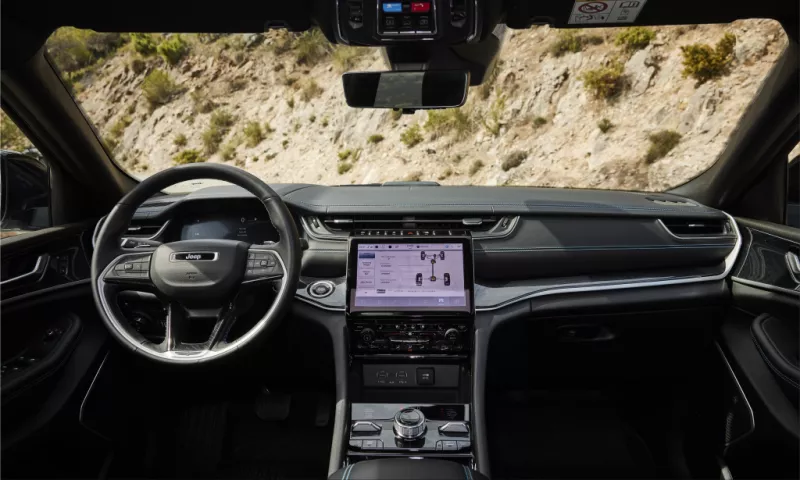
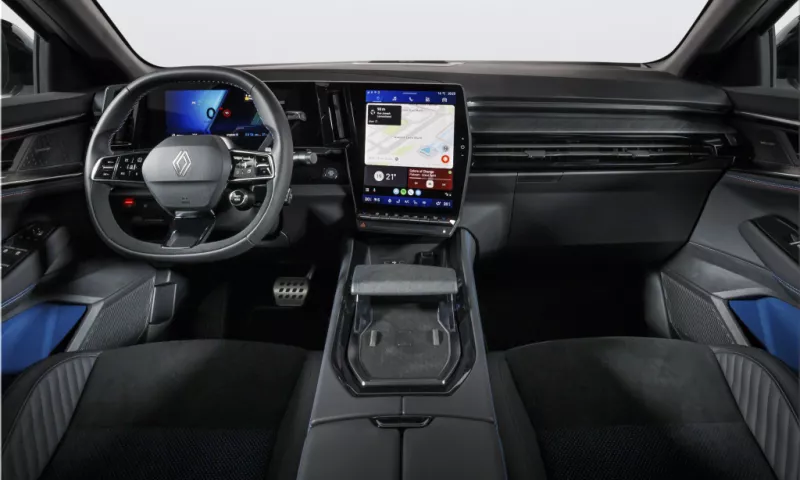
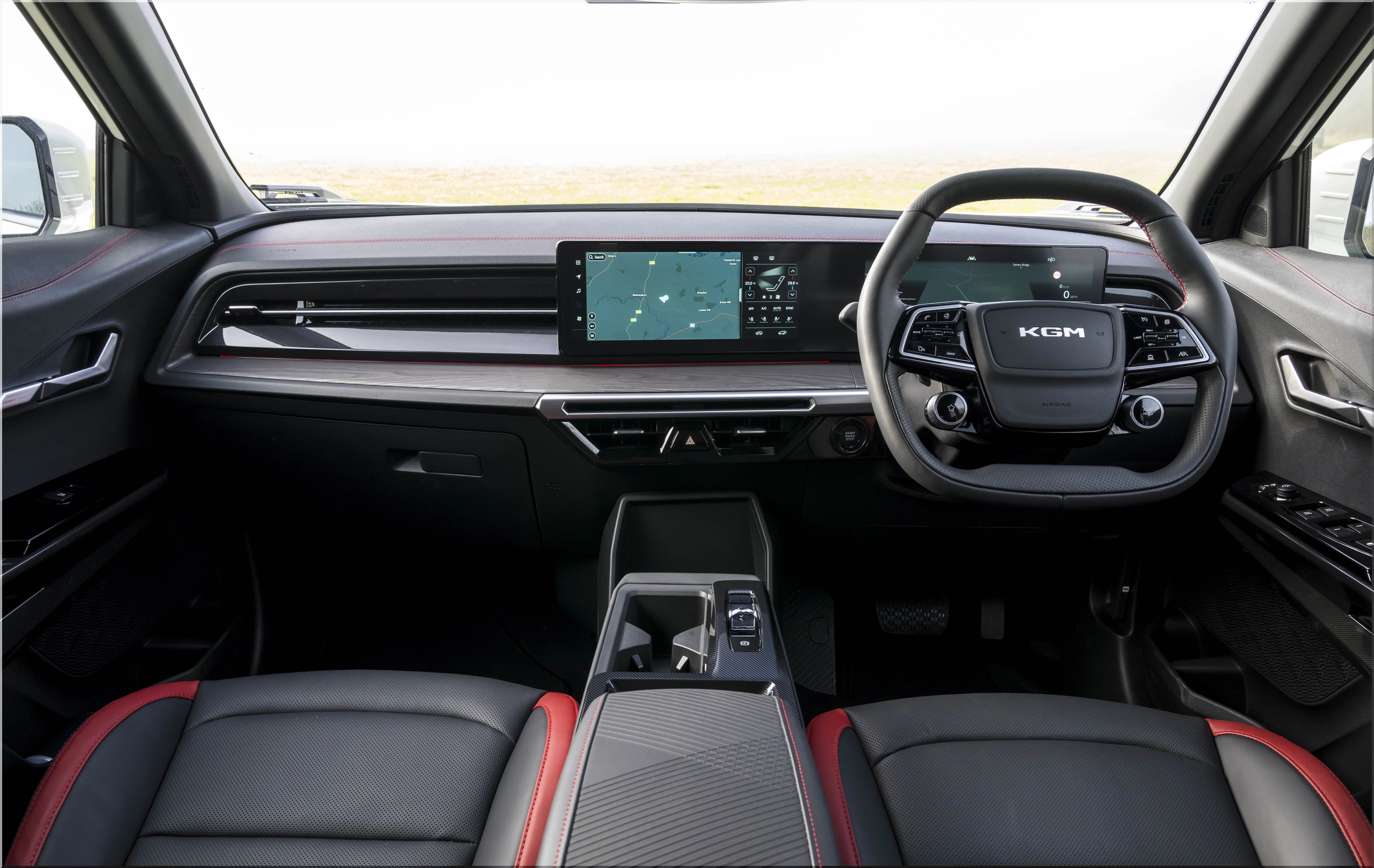
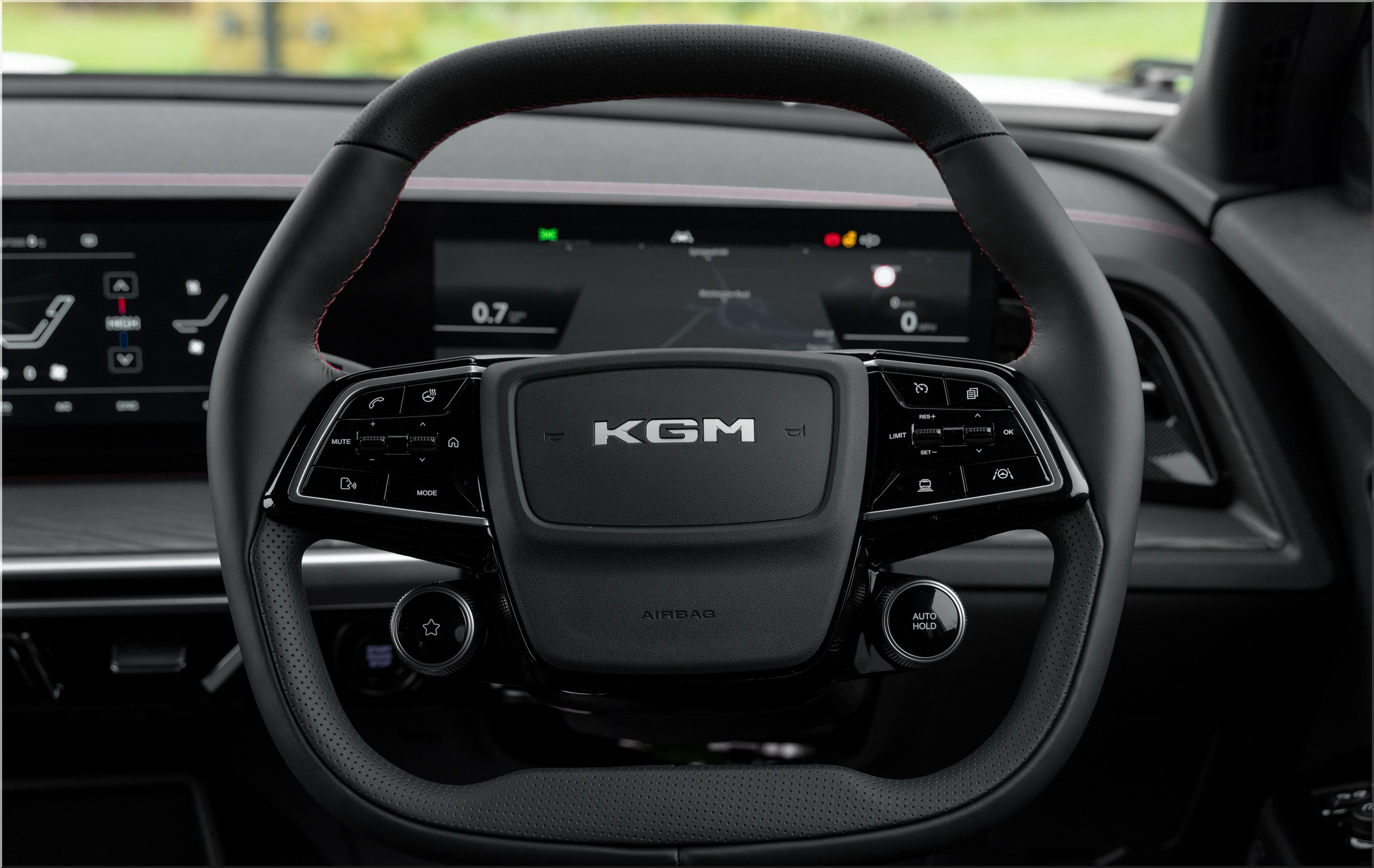
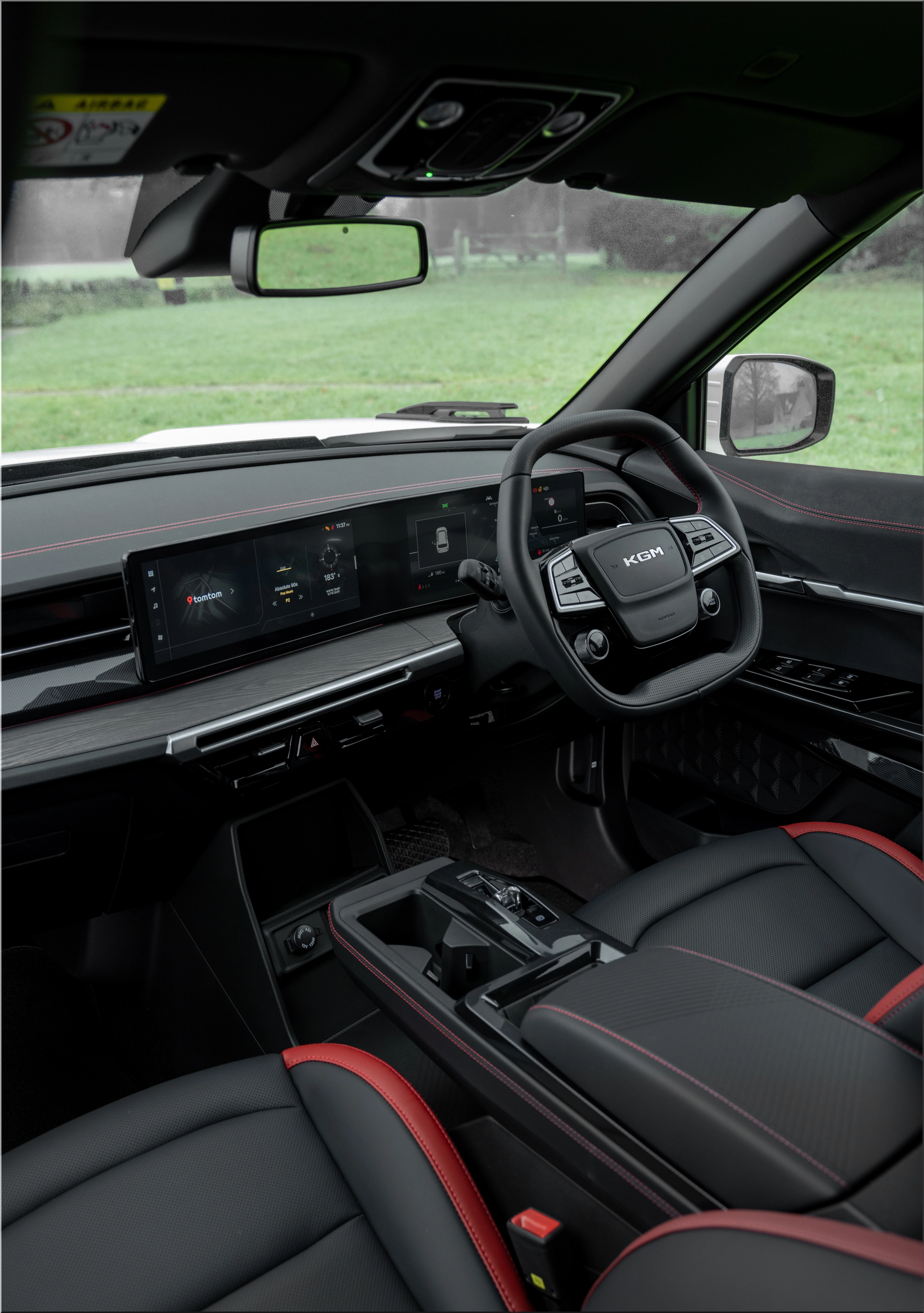
KGM builds the cabin around a dual-screen layout:
- 12.3-inch digital instrument cluster
- 12.3-inch central infotainment display
- Smartphone integration support (market-specific)
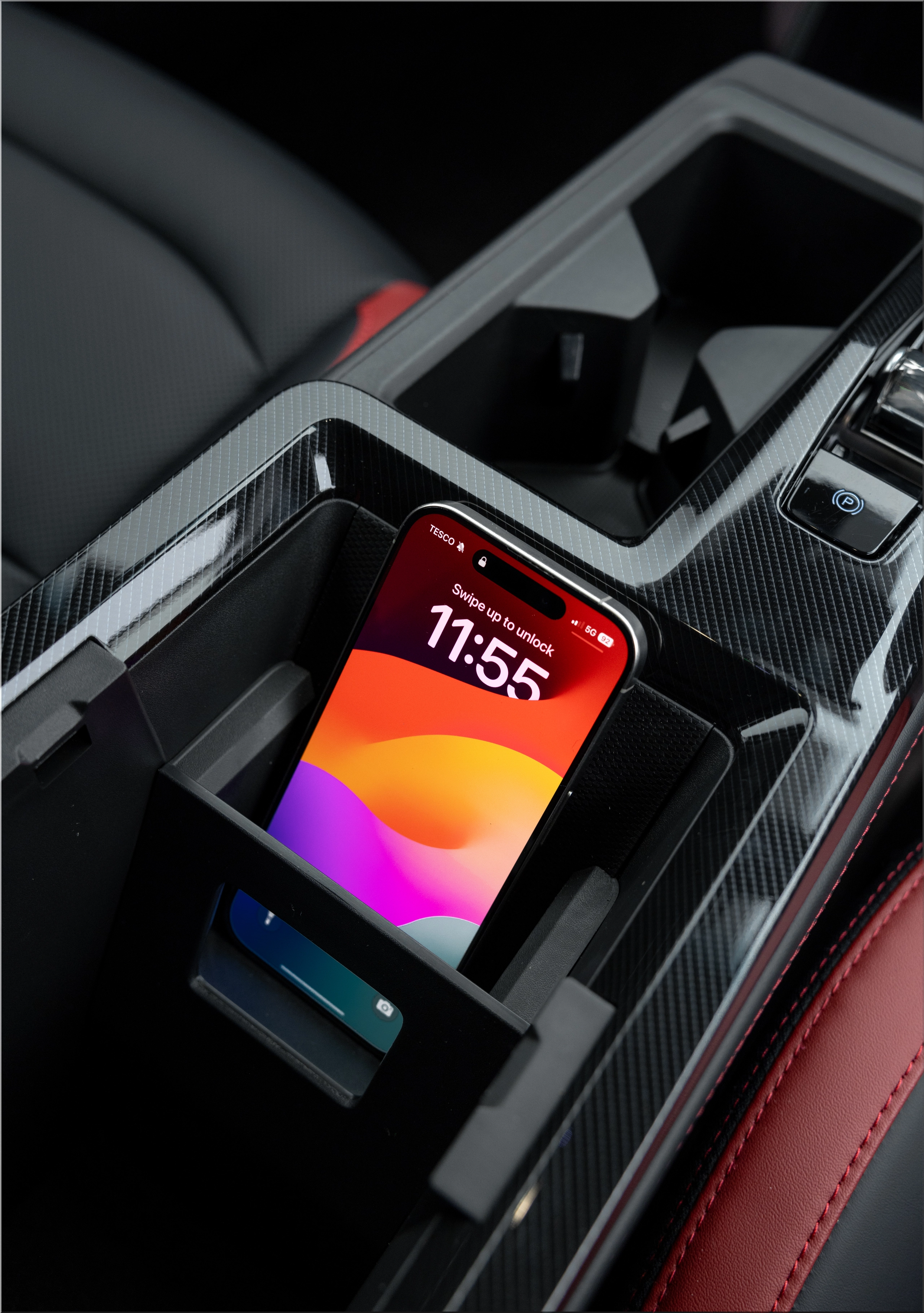
- Wireless charging
- Two-zone automatic climate control
KGM also loads comfort features that buyers notice in the first 30 seconds:
- Heated and ventilated front seats
- Heated rear seats (market and trim dependent, often cited in Lux-equivalent specs)
- Power seat adjustment with lumbar support
- Leather-trimmed steering wheel and seating surfaces (trim dependent)
It reads like a near-loaded spec. The long sentence follows: when brands pack standard comfort into a high-trim-only launch, they reduce the showroom upsell dance and simplify inventory for dealers.
Safety and driver assistance: the modern checklist, delivered
KGM lists a broad set of assistance tech and safety hardware, including:
- 8 airbags
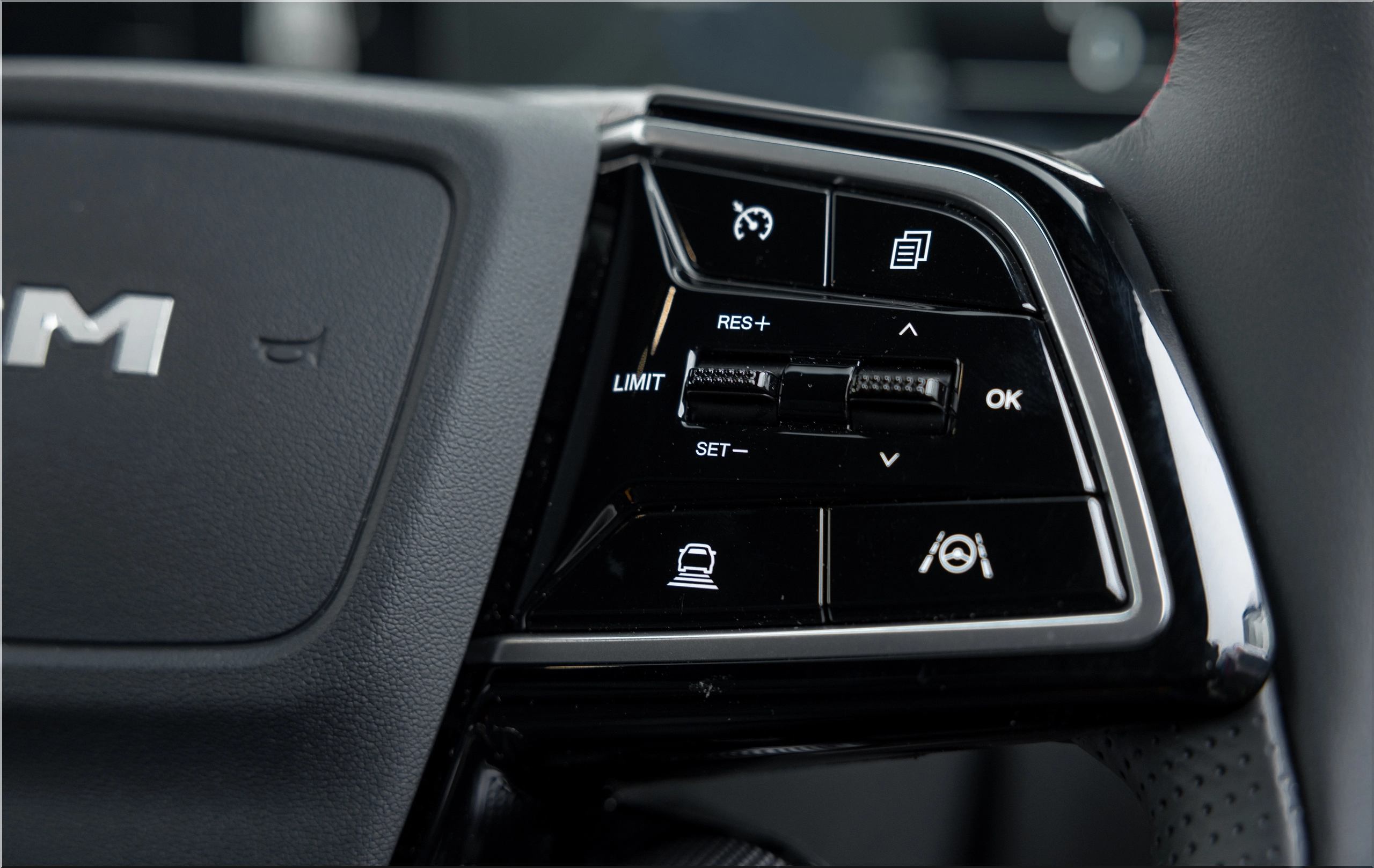
- Adaptive cruise control functions (market naming varies)
- Autonomous emergency braking
- Lane keeping support and lane departure warning
- Blind spot monitoring and blind spot collision support functions
- Rear cross-traffic alert support
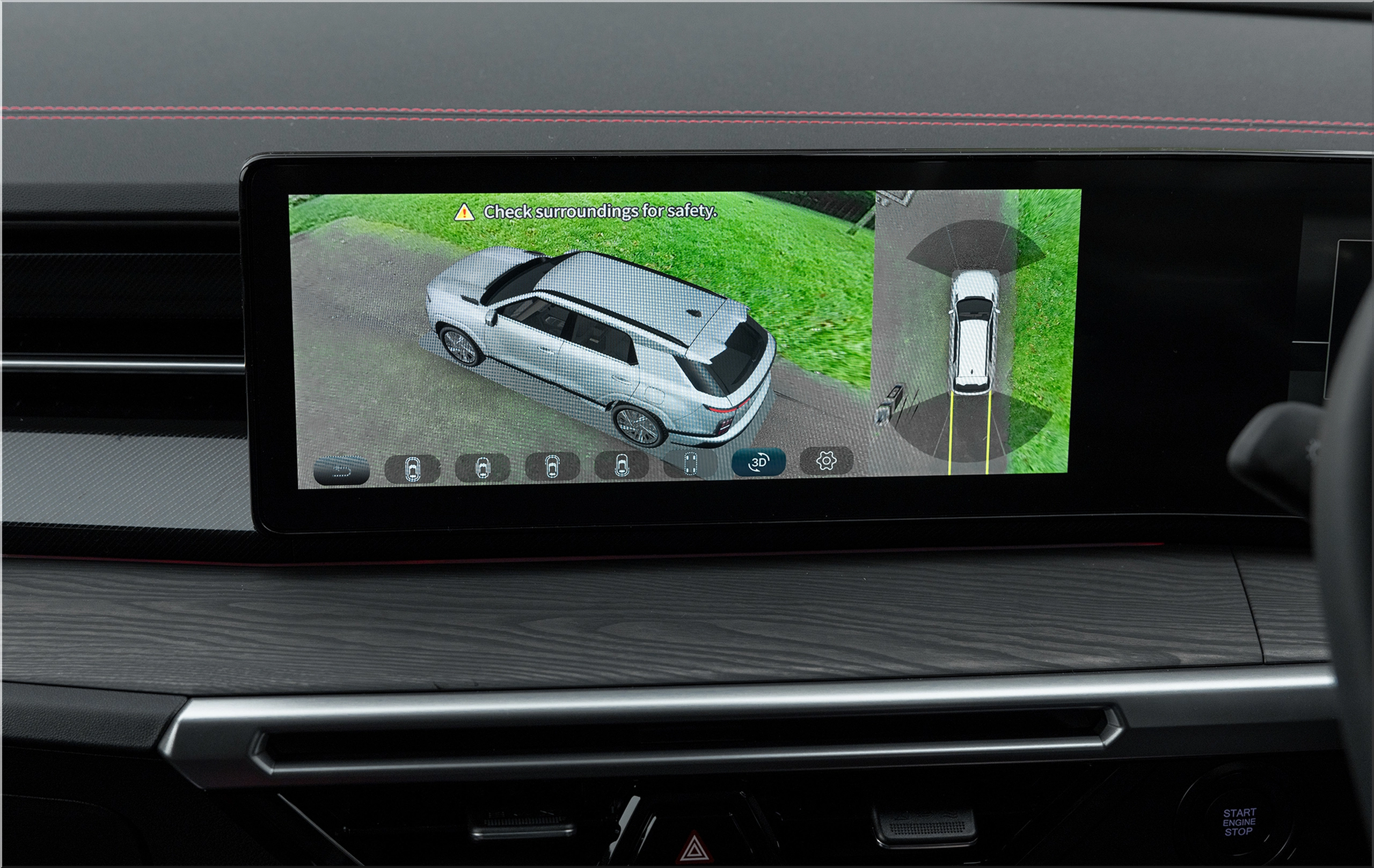
- 360-degree camera / around-view monitoring (trim dependent)
- Intelligent speed assistance functions (market dependent)
Driver assistance systems sell best when calibration stays calm. False alerts and abrupt braking turn features into distractions. So the tech list matters, but the tuning matters more.
One-page spec table: Actyon Hybrid key numbers
This table consolidates the core technical figures in one place for fast comparison.
| Category | KGM Actyon Full Hybrid figure | Converted or practical meaning |
|---|---|---|
| Starting price (EU) | 44,890 euros | About $48,930 (1 EUR = 1.09 USD) |
| System output | 150 kW | About 201 hp (often listed as 204 hp) |
| Gas engine | 1.5 turbo, 110 kW | About 148 hp |
| Electric motor | 130 kW, 300 Nm | About 174 hp, 221 lb-ft |
| Hybrid battery | 1.85 kWh | Compact HEV pack focused on frequent cycling |
| EV operation claim | Up to 100 km/h | Up to 62 mph under light demand |
| WLTP consumption | 6.1 L/100 km | About 38.6 mpg US equivalent |
| CO2 (WLTP) | 138 g/km | Emissions figure for WLTP comparison shopping |
| Drive layout | Front-wheel drive via DHT | Lower mass and complexity than AWD layouts |
| Length | 4,740 mm | 186.6 in |
| Wheelbase | 2,680 mm | 105.5 in |
| Turning circle | 10.86 m | 35.6 ft |
| Kerb weight | 1,725 kg | 3,803 lb |
| Cargo volume | 668 to 1,440 L | 23.6 to 50.9 cu ft |
| Towing capacity | 1,300 kg | 2,866 lb |
Named rivals: mainstream hybrids the Actyon will actually face
The Actyon Hybrid lands in the same buying conversation as established full hybrids and series-hybrid alternatives. These names show up because they combine hybrid efficiency, family packaging, and mainstream pricing.
- Toyota RAV4 Hybrid
- Hyundai Tucson Hybrid
- Kia Sportage Hybrid
- Renault Austral E-Tech Full Hybrid
- Honda CR-V Hybrid
- Ford Kuga Hybrid
- Nissan Qashqai e-Power (series hybrid behavior)
Real cross-shop metrics
Market specs vary by country and trim, so treat competitor figures as typical EU-spec references. The Actyon figures reflect the launch specs described in the project scope.
| Model | Hybrid type | Power (hp) | WLTP consumption (L/100 km) | Braked towing (kg) | Quick win/loss read |
|---|---|---|---|---|---|
| KGM Actyon Full Hybrid | Full hybrid | 204 | 6.1 | 1,300 | Wins if Lux equipment stays standard and hybrid handoffs feel smooth |
| Toyota RAV4 Hybrid | Full hybrid | ~218 to 222 | ~5.6 to 6.5 | 1,650 | Beats Actyon on tow rating and long-term brand trust |
| Hyundai Tucson Hybrid | Full hybrid | ~230 | ~5.6 to 6.8 | up to 1,650 (market dependent) | Beats Actyon on output; Actyon can answer with standard features |
| Kia Sportage Hybrid | Full hybrid | ~230 | ~5.6 to 5.8 (market dependent) | 1,650 | Strong tow number; Actyon needs sharper value per dollar |
| Renault Austral E-Tech Full Hybrid | Full hybrid | 200 | ~4.7 to 6.0 (version dependent) | 1,500 | Efficiency edge; Actyon counters with size and cargo claims |
| Nissan Qashqai e-Power | Series hybrid | ~190 | ~5.2 to 6.5 | ~750 to 1,400 | EV-like response in town; Actyon fights with higher output and size |
| Honda CR-V Hybrid | Full hybrid | ~184 to 204 (market dependent) | ~5.9 to 6.7 | varies by market | Comfort leader; Actyon aims for equipment density and price positioning |
Looking at the data, the Actyon Hybrid sits closest to Tucson and Sportage on power, then angles toward Austral on efficiency messaging. The risk area stays consistent across all new-to-many hybrids: brake feel, throttle mapping, and long-term support.
What now: how to shop the Actyon Hybrid like a pro
You want clear actions that reduce buyer regret. Use this checklist.
- Drive it in the exact traffic you live in. A hybrid that feels smooth on a quiet route can feel clunky in stop-start congestion.
- Test regen settings back-to-back. Run the three regen stages in the same stretch of road and judge stability and comfort.
- Force a battery-depleted scenario. Drive a sustained climb or hold 70 mph for a while, then see how the system behaves when the battery support fades.
- Verify cargo claims with your gear. Bring a stroller, luggage set, or tool cases and test the 40/60 folding practicality, not only the max volume.
- Treat towing as a validation step, not a promise. Confirm tongue load limits, tire ratings, and cooling guidance before you hitch anything.
Image
Pro-Tip: Three dealer questions that cut through sales talk
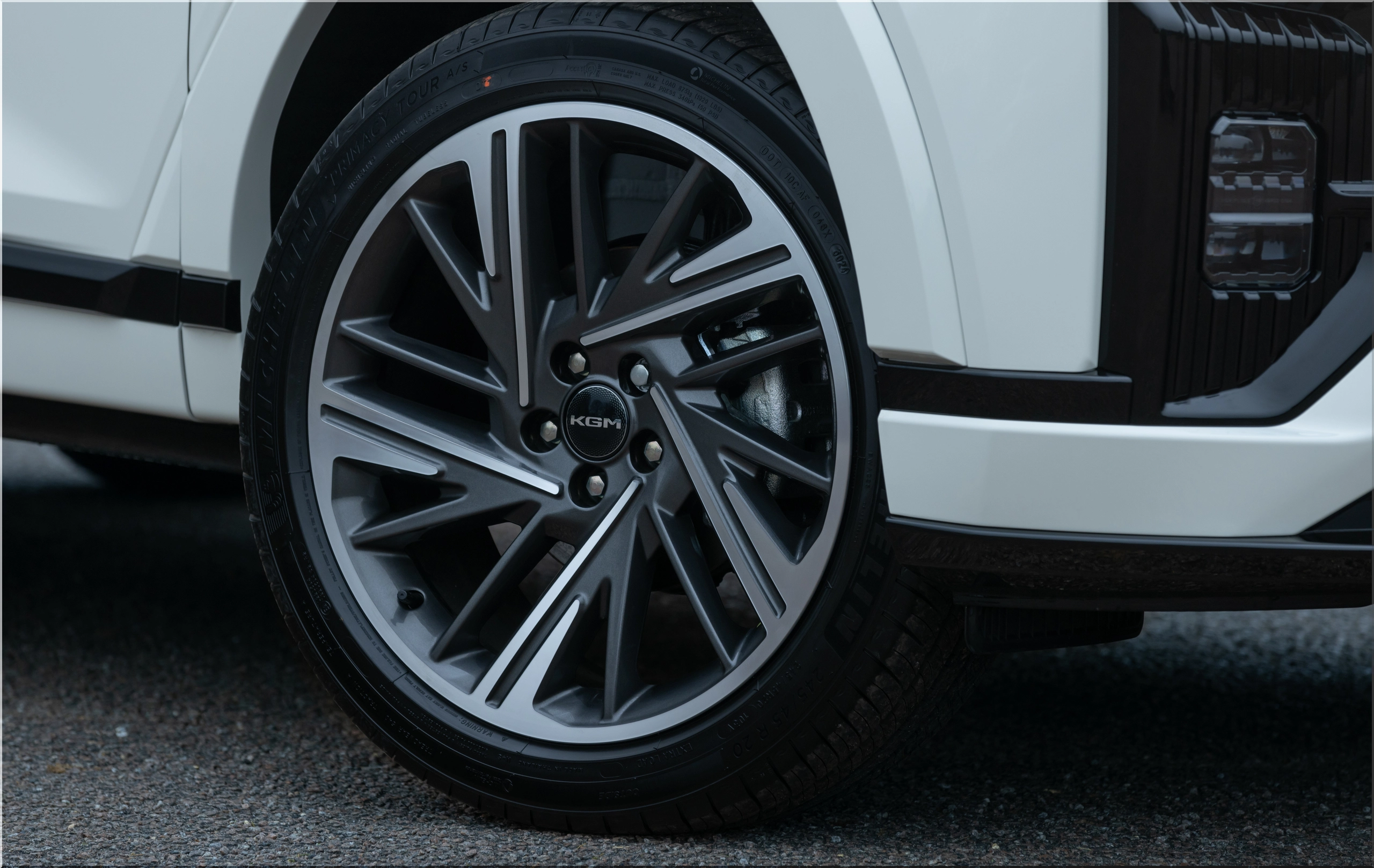
- What wheel and tire sizes come standard, and what changes with the optional wheel package?
- What does the warranty cover for high-voltage hybrid components in your market?
- Which driver assistance functions run by default, and which require activation each drive?
If those answers sound clean and consistent, the Actyon Hybrid has a real shot at converting cross-shoppers who already walked in thinking Toyota or Hyundai.
- Add new comment
- 149 views