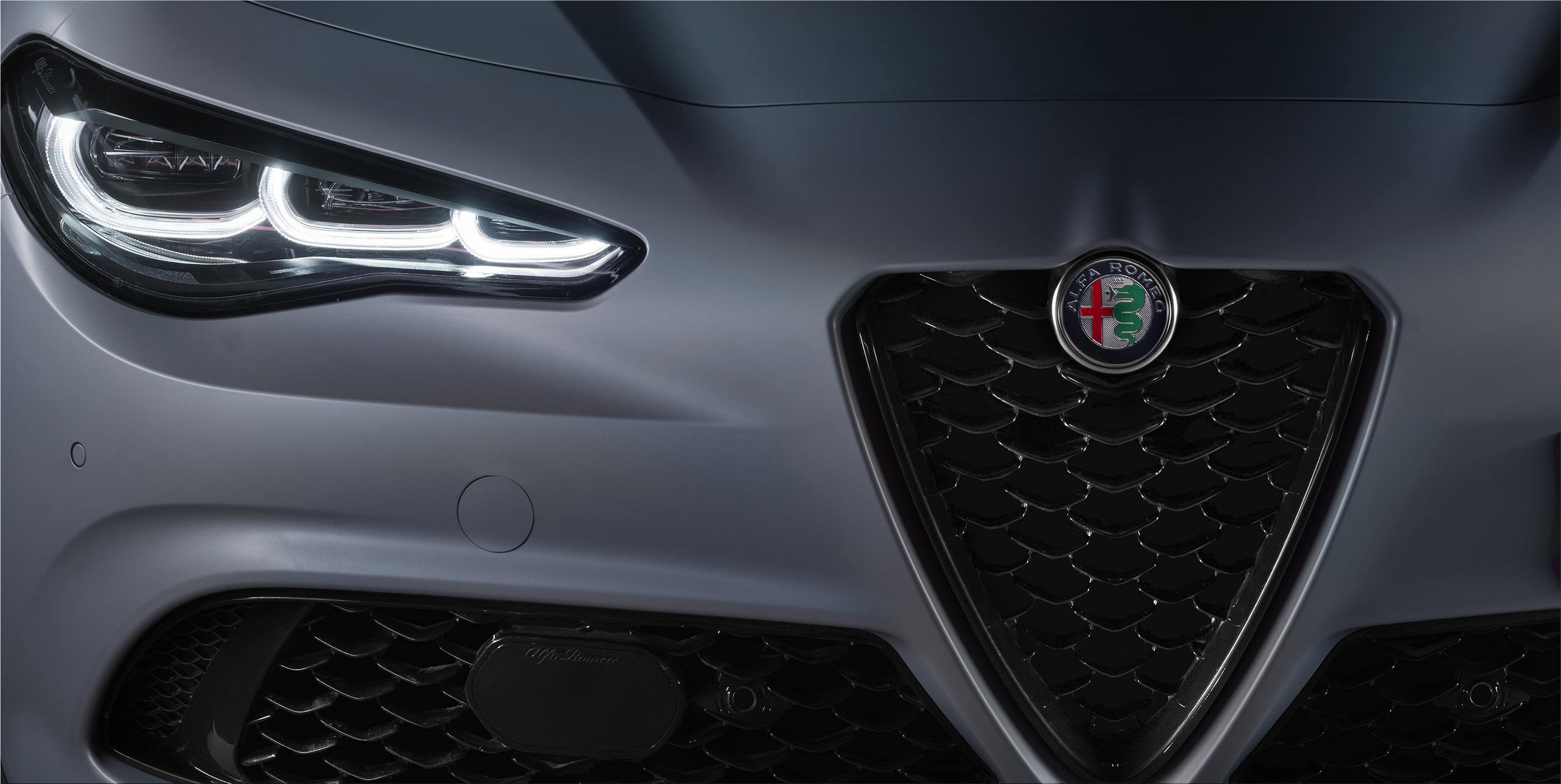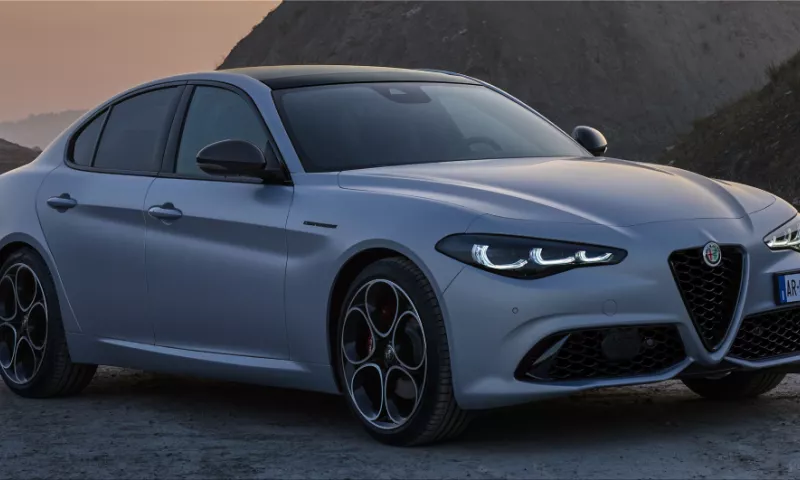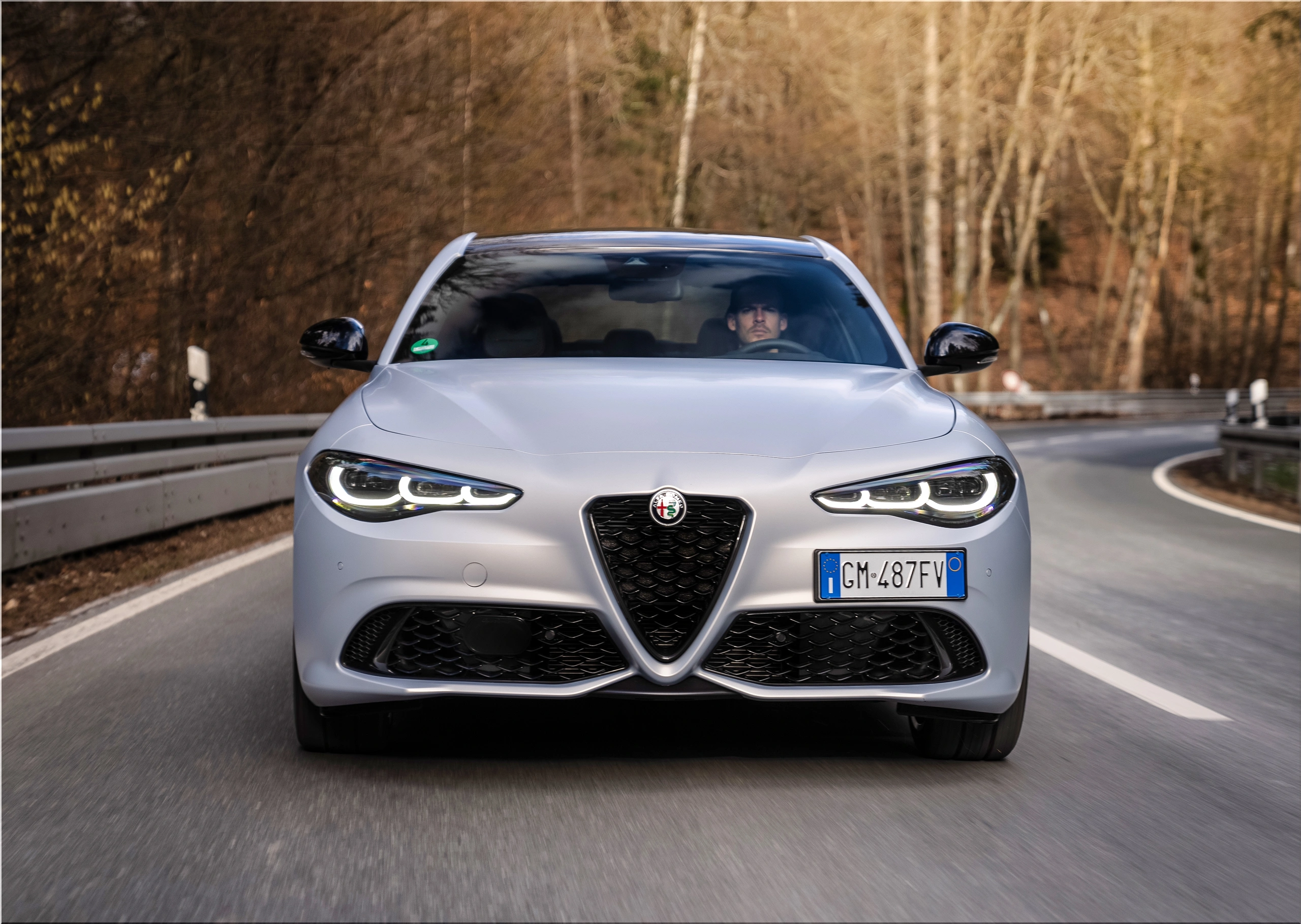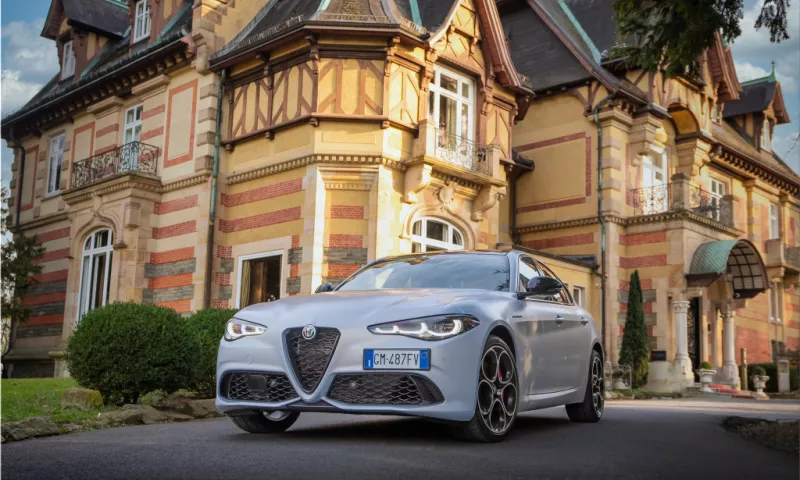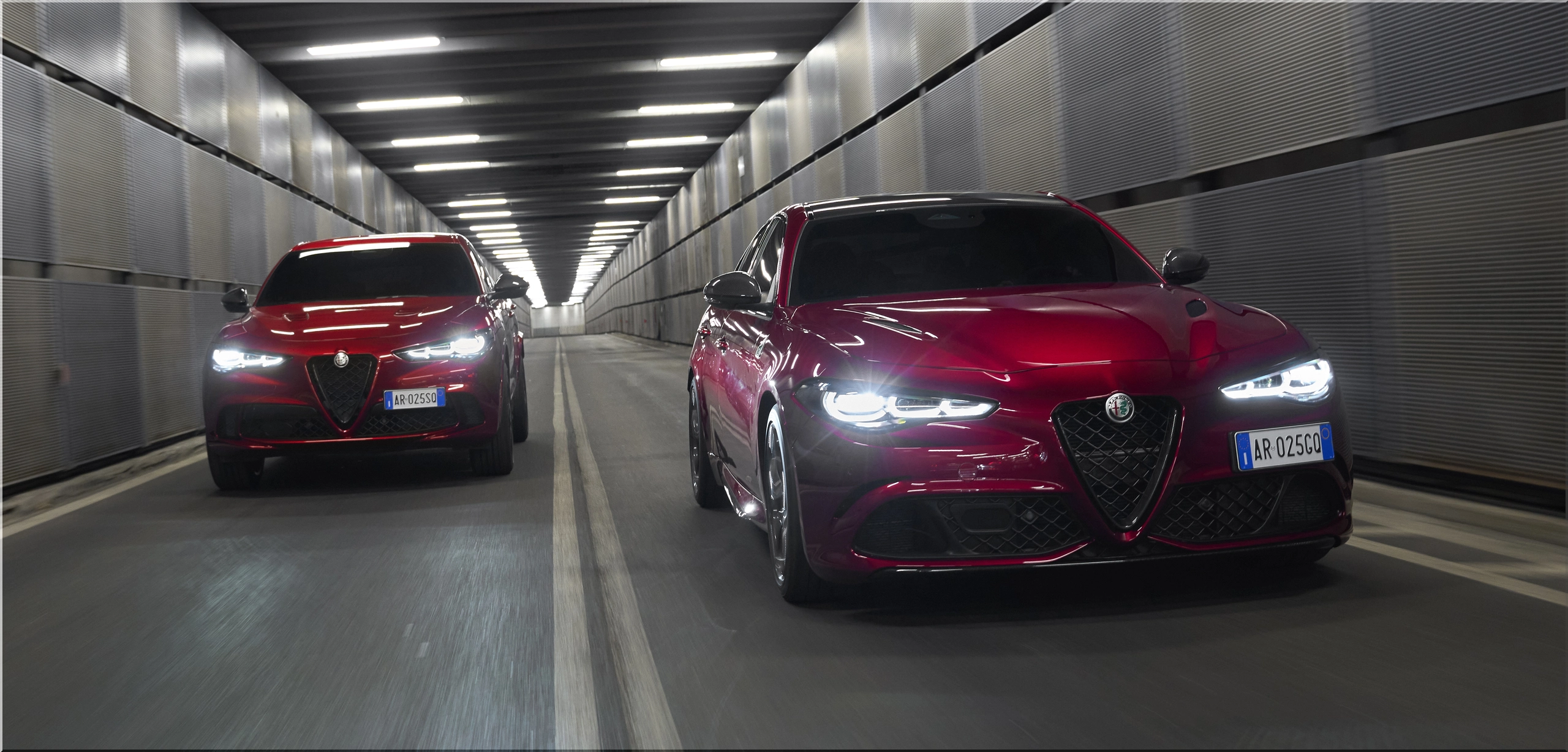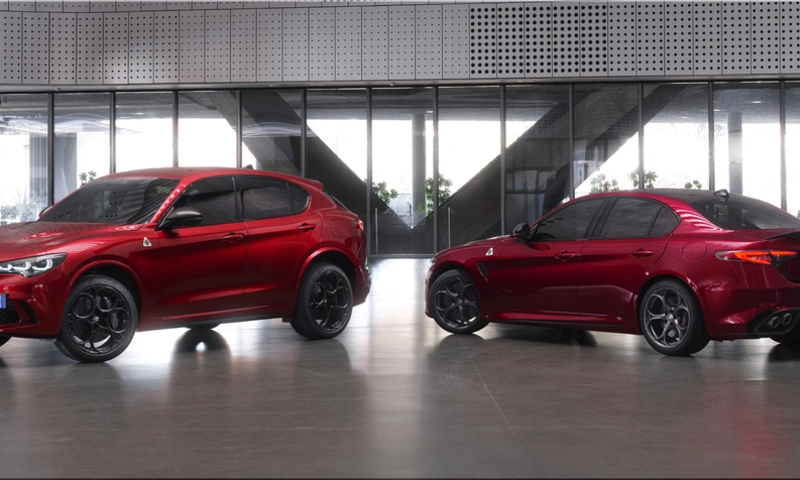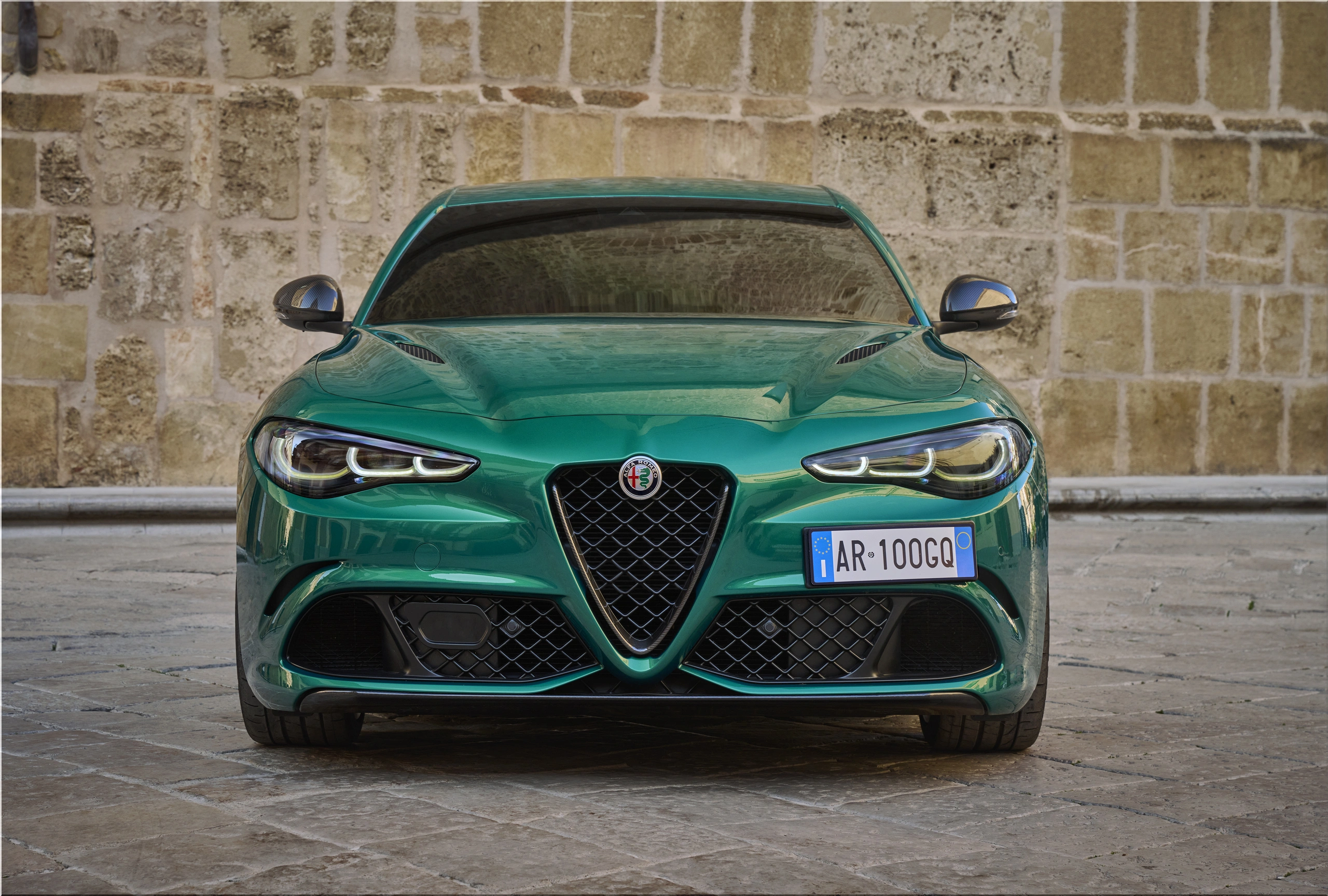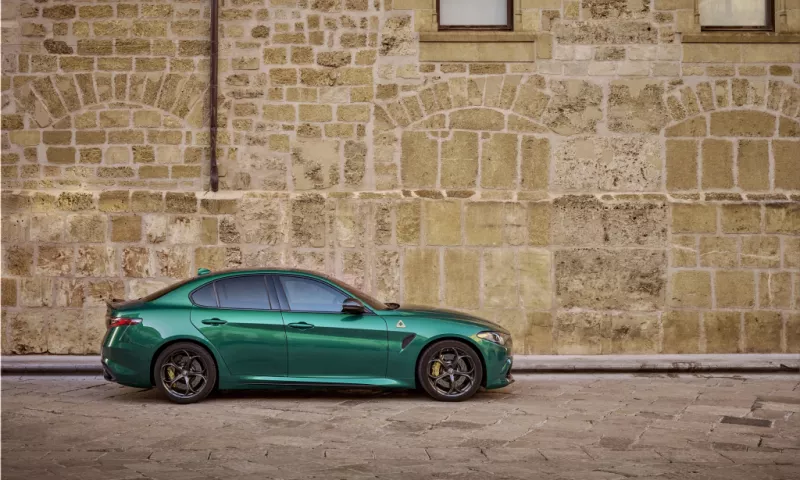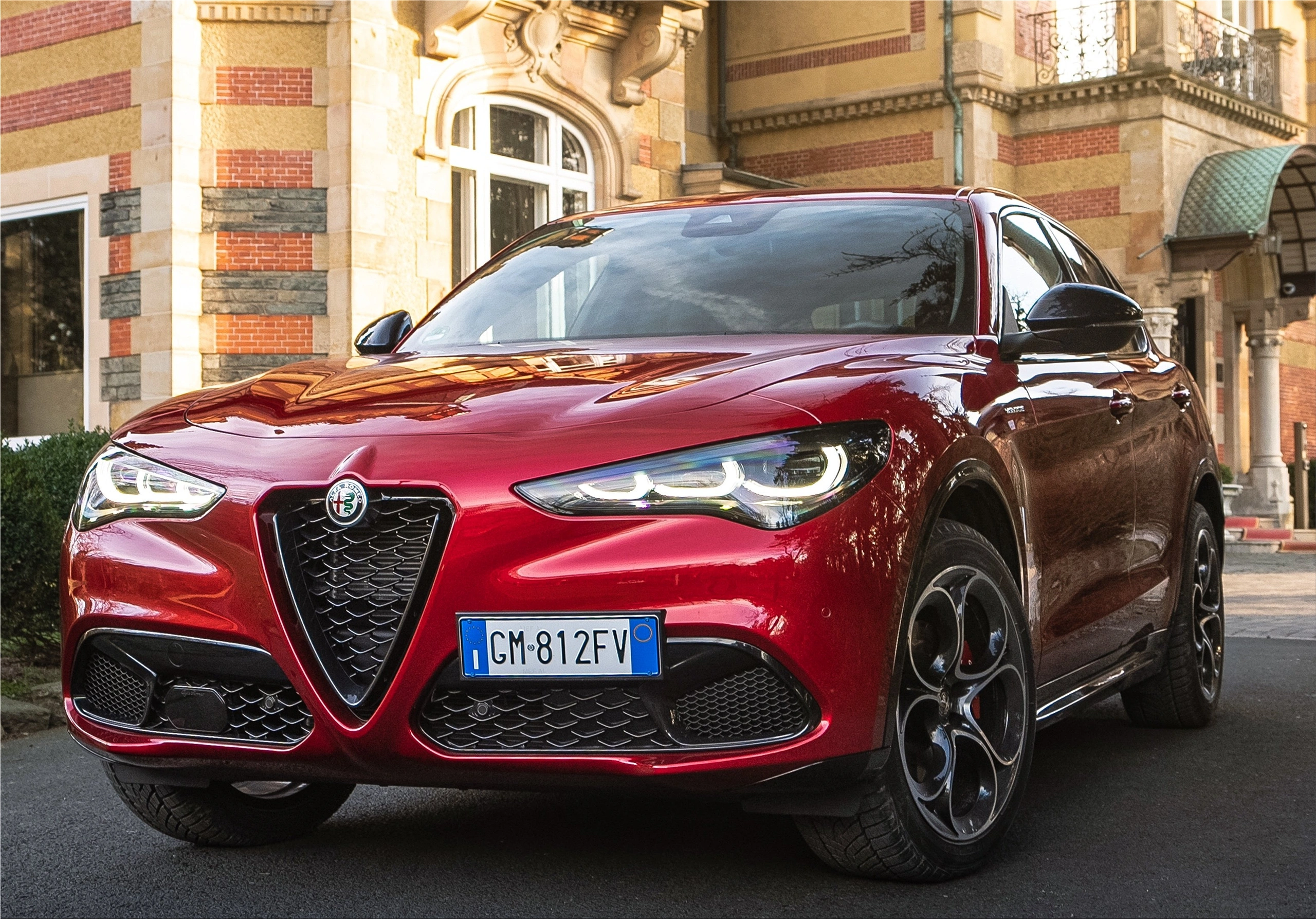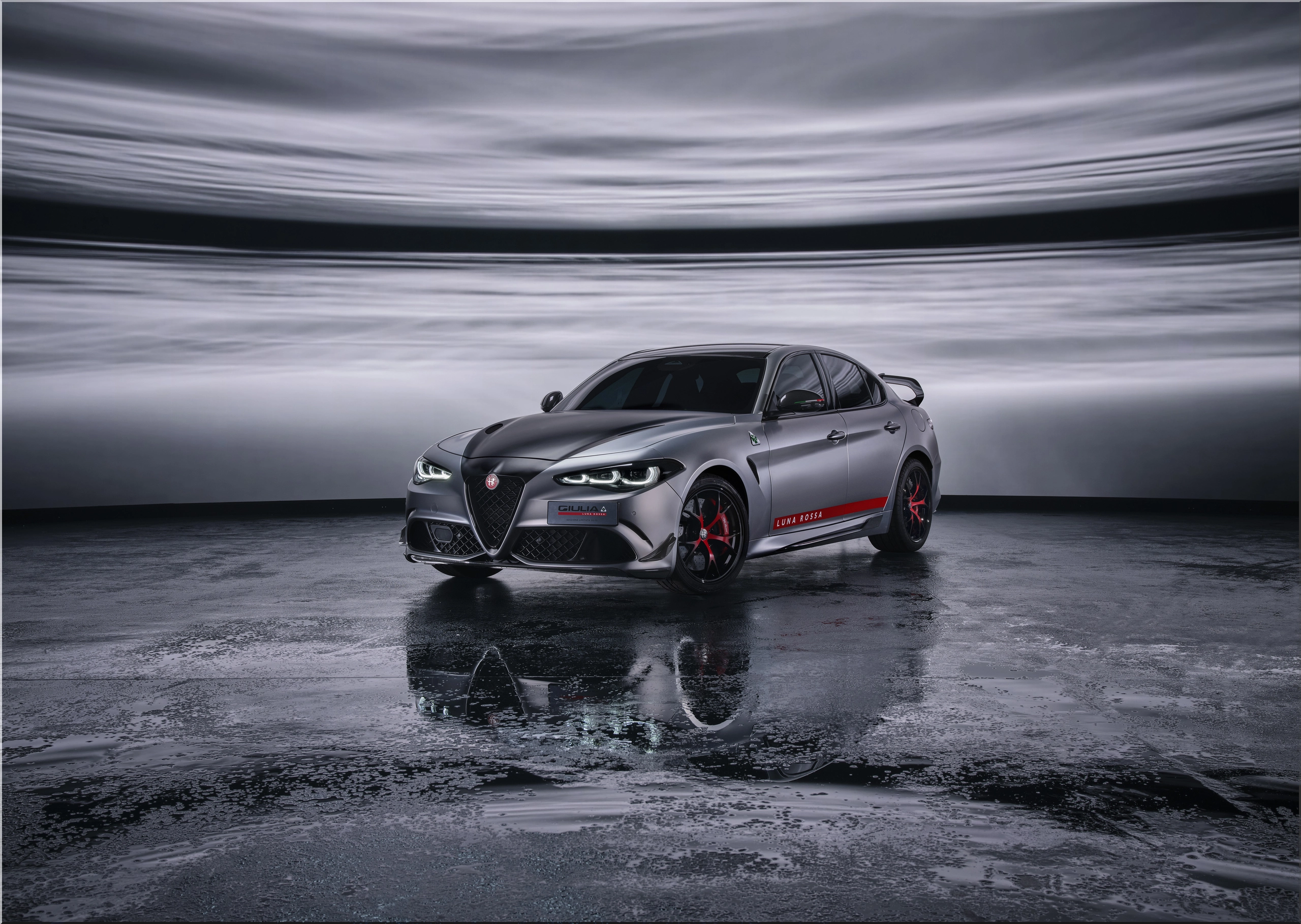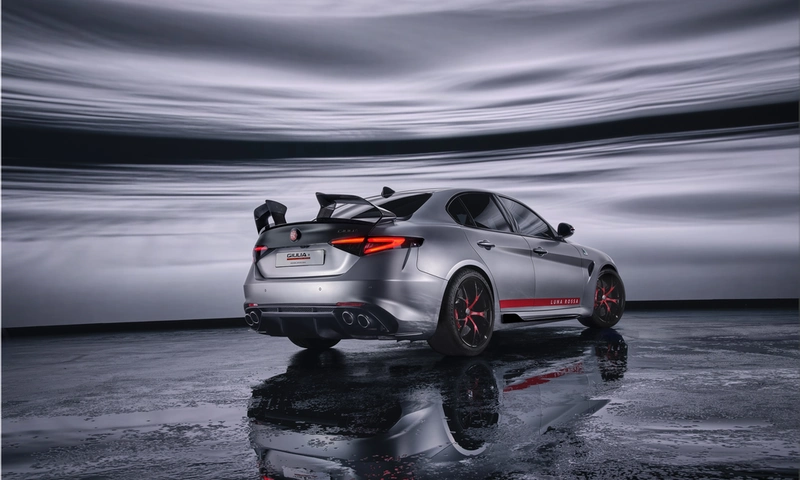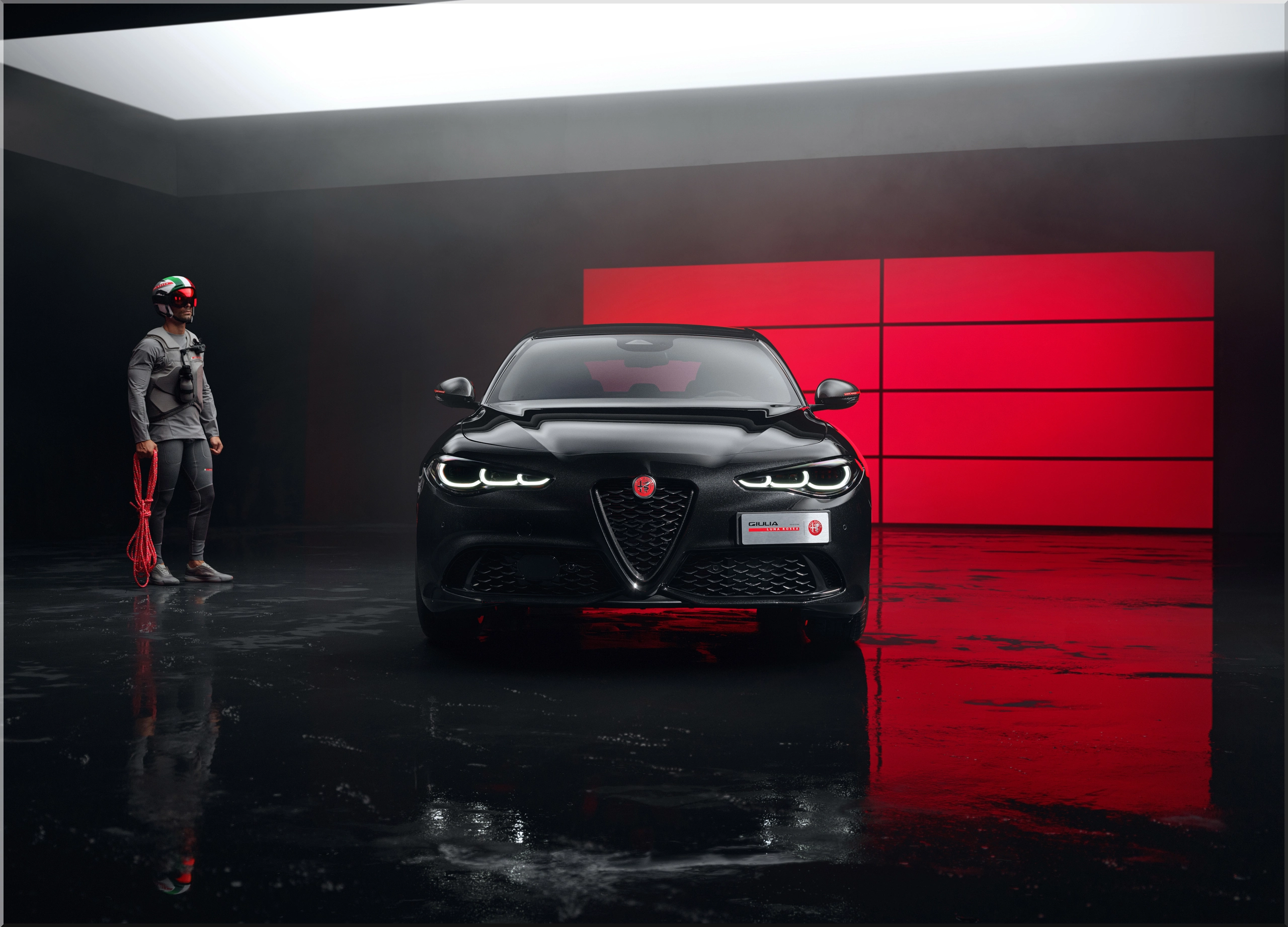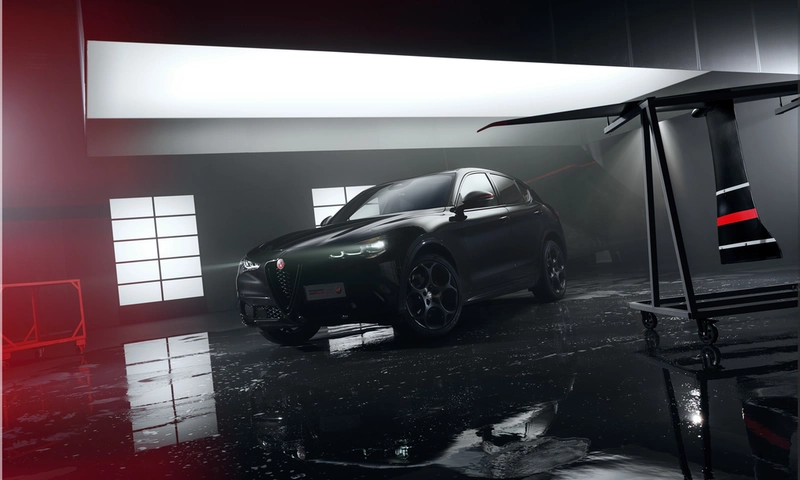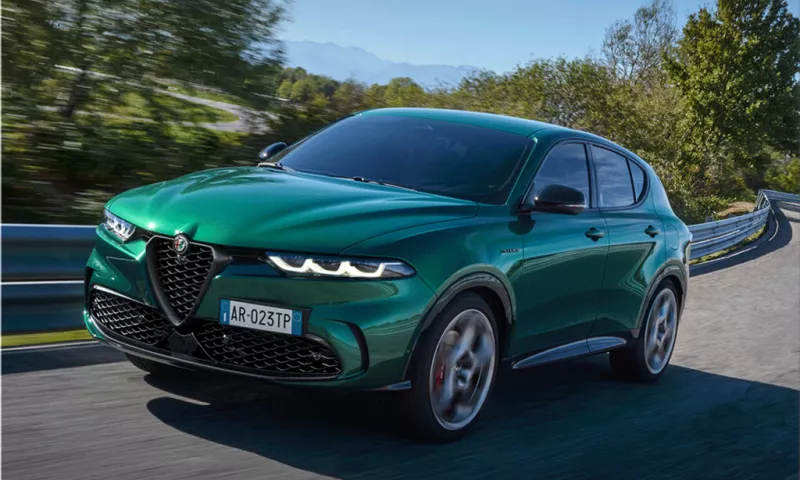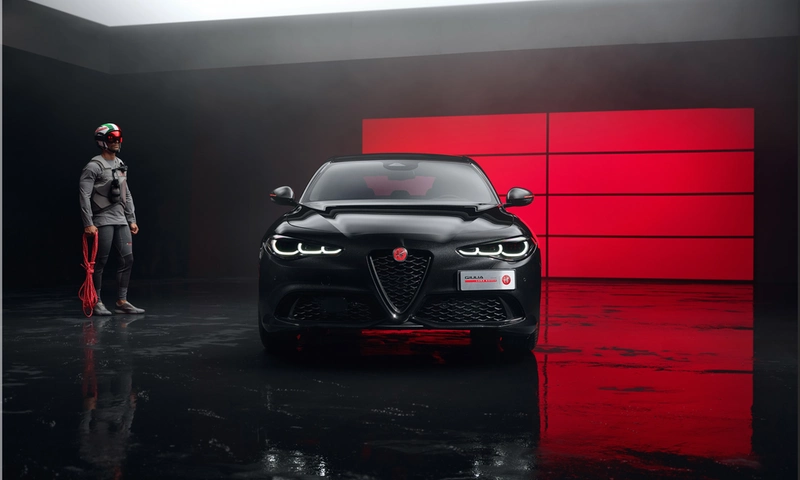
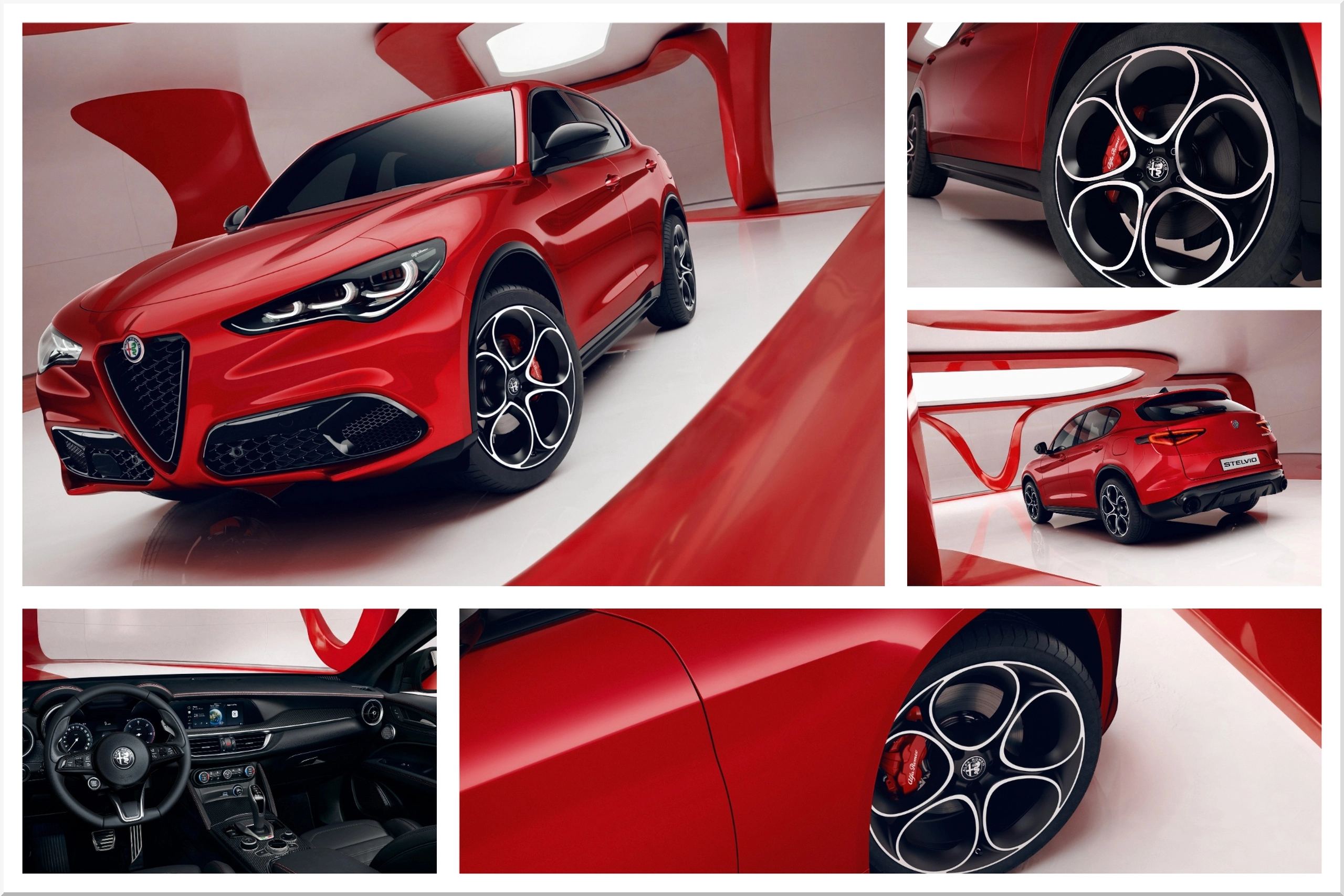
Alfa Romeo has added a new Pack Performance for Giulia and Stelvio in Europe, giving both models a sharper mix of interior hardware, premium audio, adaptive chassis control, and carbon-fiber detailing. The package targets buyers who want more than a trim upgrade. It adds equipment that changes how the car feels, how it sounds, and how it communicates grip through the chassis.
Image
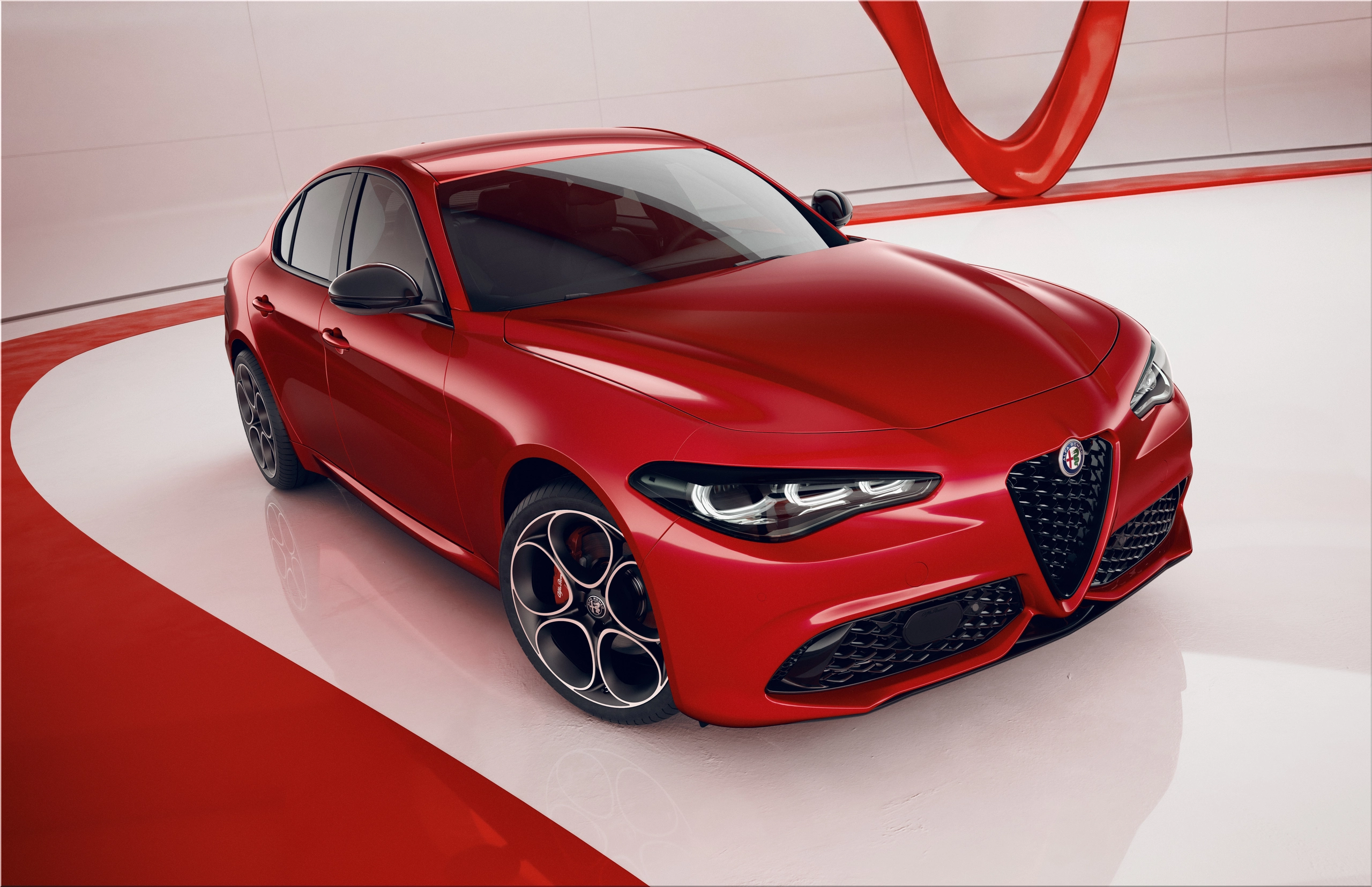
The timing makes sense. The current Alfa Romeo Giulia and Alfa Romeo Stelvio still sit on one of the most driver-focused rear-drive-based architectures in the premium segment, and this package gives Alfa Romeo a cleaner way to extend their appeal before the next generation arrives. In a market crowded with heavier electrified SUVs and digitally led saloons, the brand doubles down on steering feel, damping precision, cabin character, and mechanical honesty.
What Comes With the Alfa Romeo Pack Performance?
The Alfa Romeo Pack Performance focuses on three areas: interior finish, sound quality, and vehicle dynamics. That matters because Giulia and Stelvio already sell on feel rather than screen count. This pack makes that message more specific.
| Feature Area | Pack Performance Content | Driver Benefit |
|---|---|---|
| Cabin trim | Black leather seats with red stitching | Sportier cockpit without changing the basic seat architecture |
| Interior materials | Carbon-fiber accents and red detailing | Lower visual mass and stronger performance identity |
| Audio | 900-watt Harman Kardon system | More power, clearer staging, stronger bass response |
| Chassis | Synaptic Dynamic Control suspension | Real-time damper adjustment for comfort or precision |
| Control logic | Chassis Domain Control | Integrated management of stability, braking, suspension, and body movement |
| Traction | Self-locking differential | Better torque transfer during hard corner exit |
Specifically, Alfa Romeo has avoided the easiest route. The company could have fitted a badge package and some gloss-black trim. Instead, it added parts that support the Giulia sports saloon and Stelvio performance SUV identities at the mechanical and sensory level.
Interior: Carbon Fiber, Red Stitching, and a More Focused Cabin
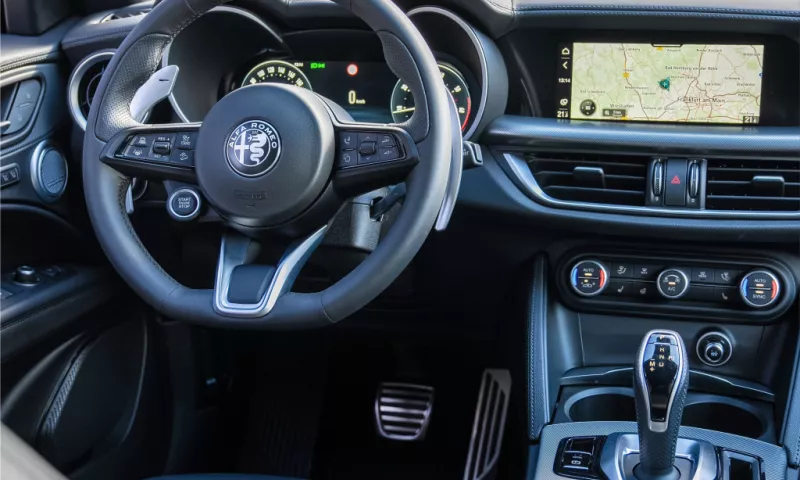
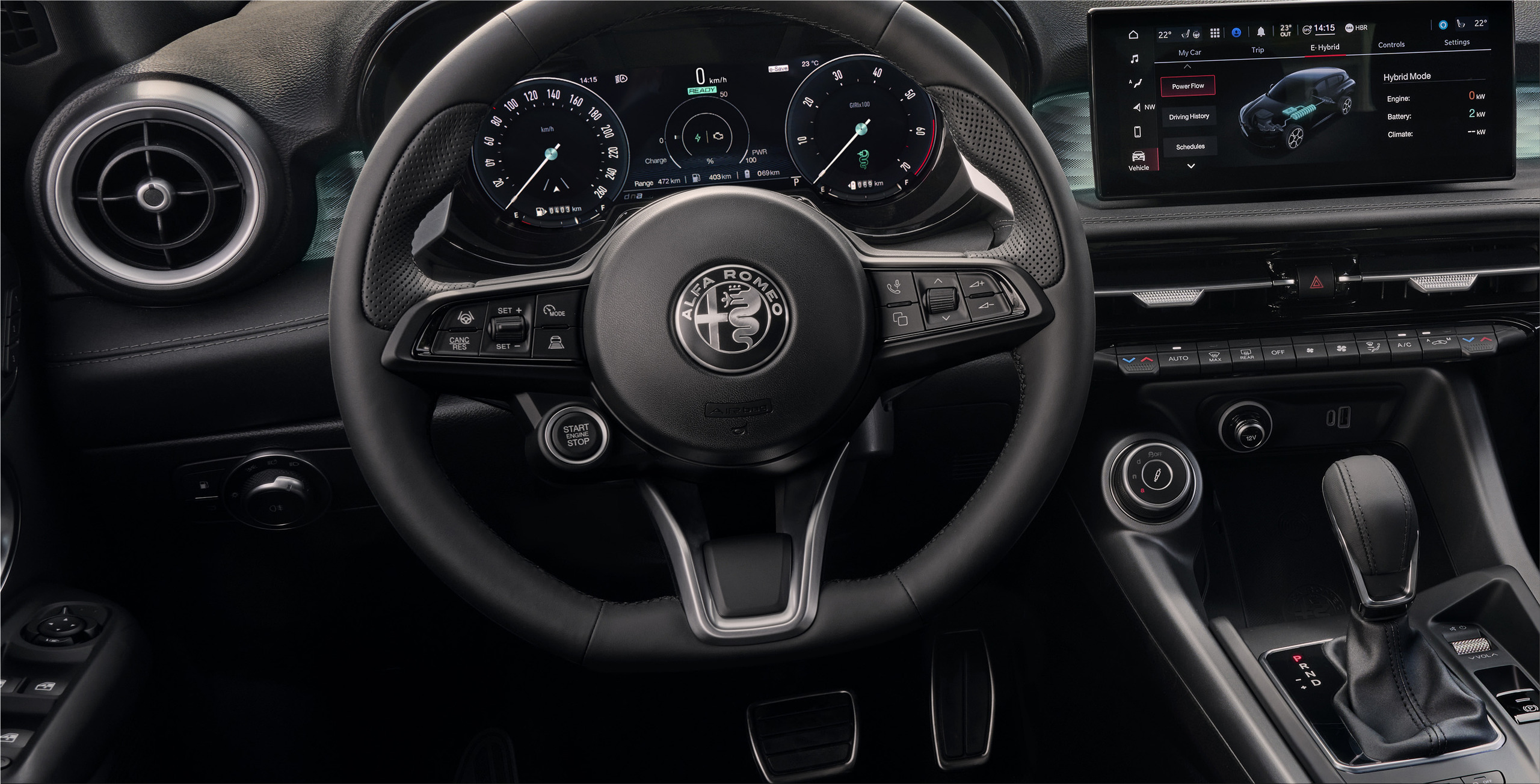
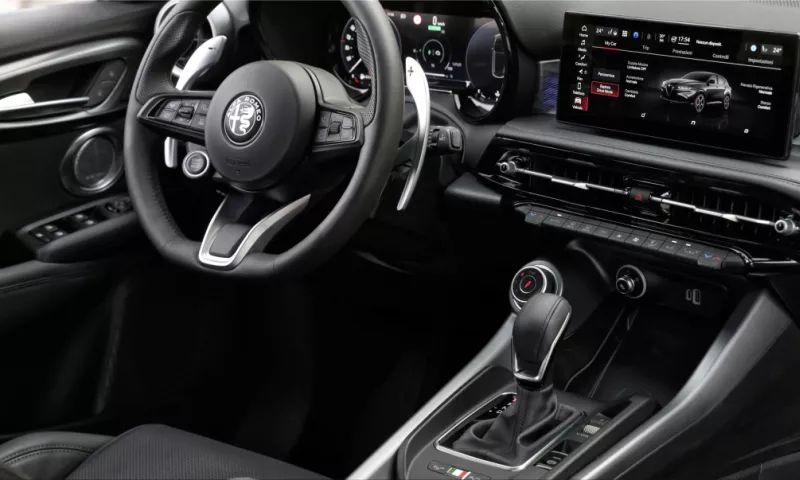
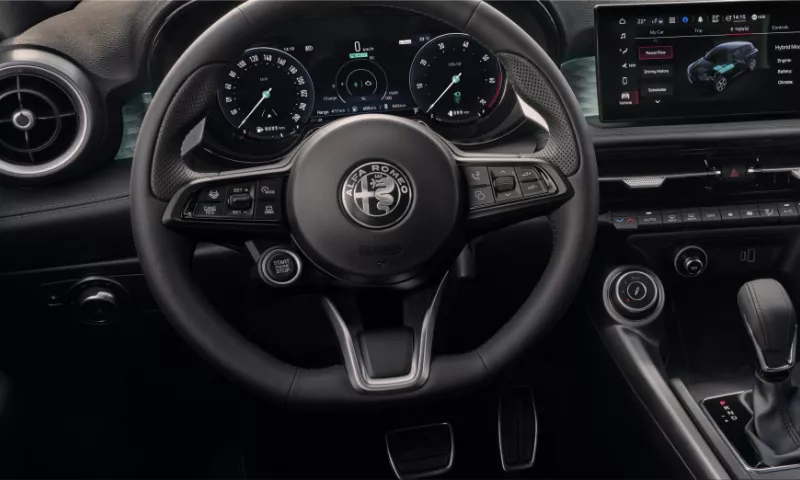
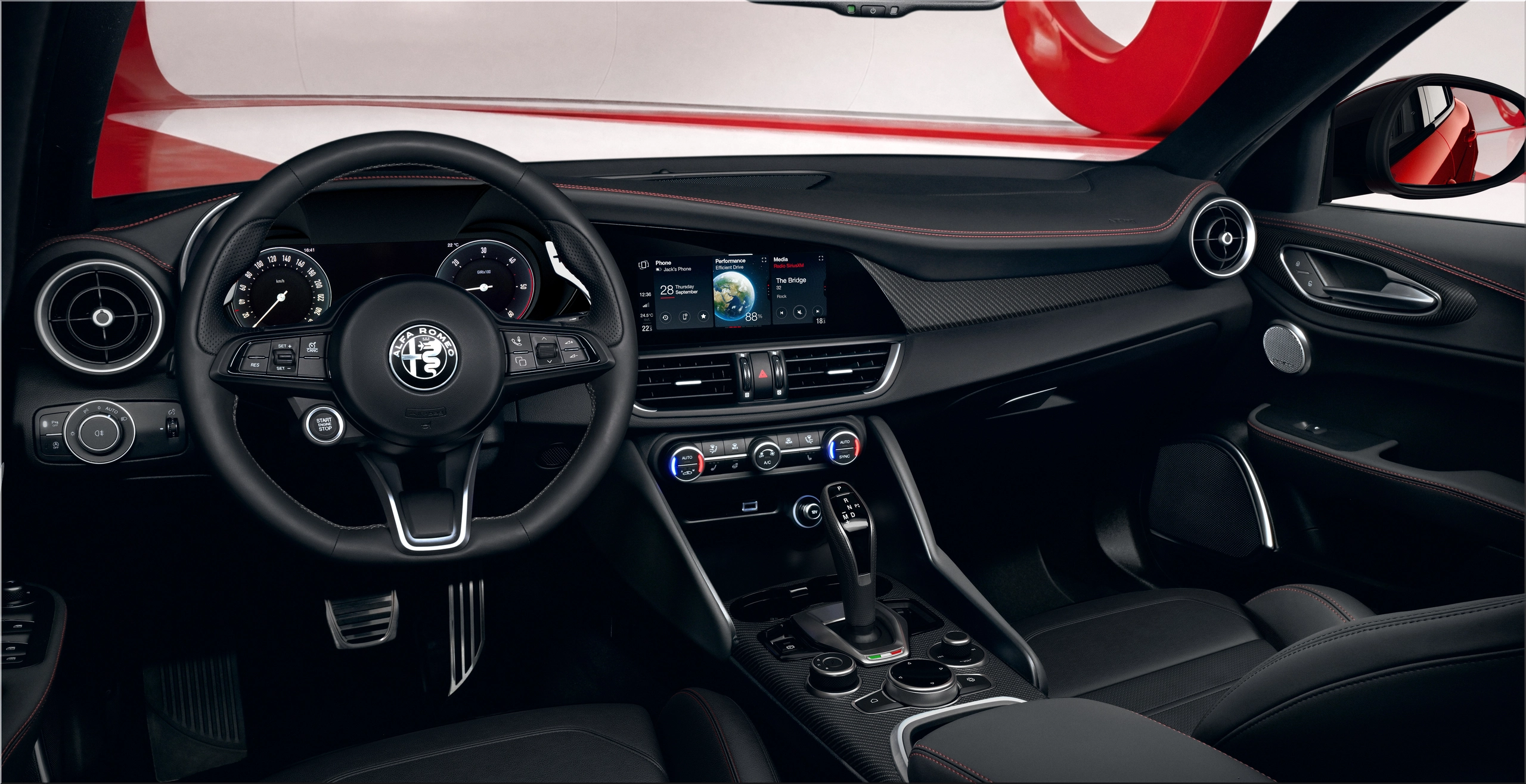
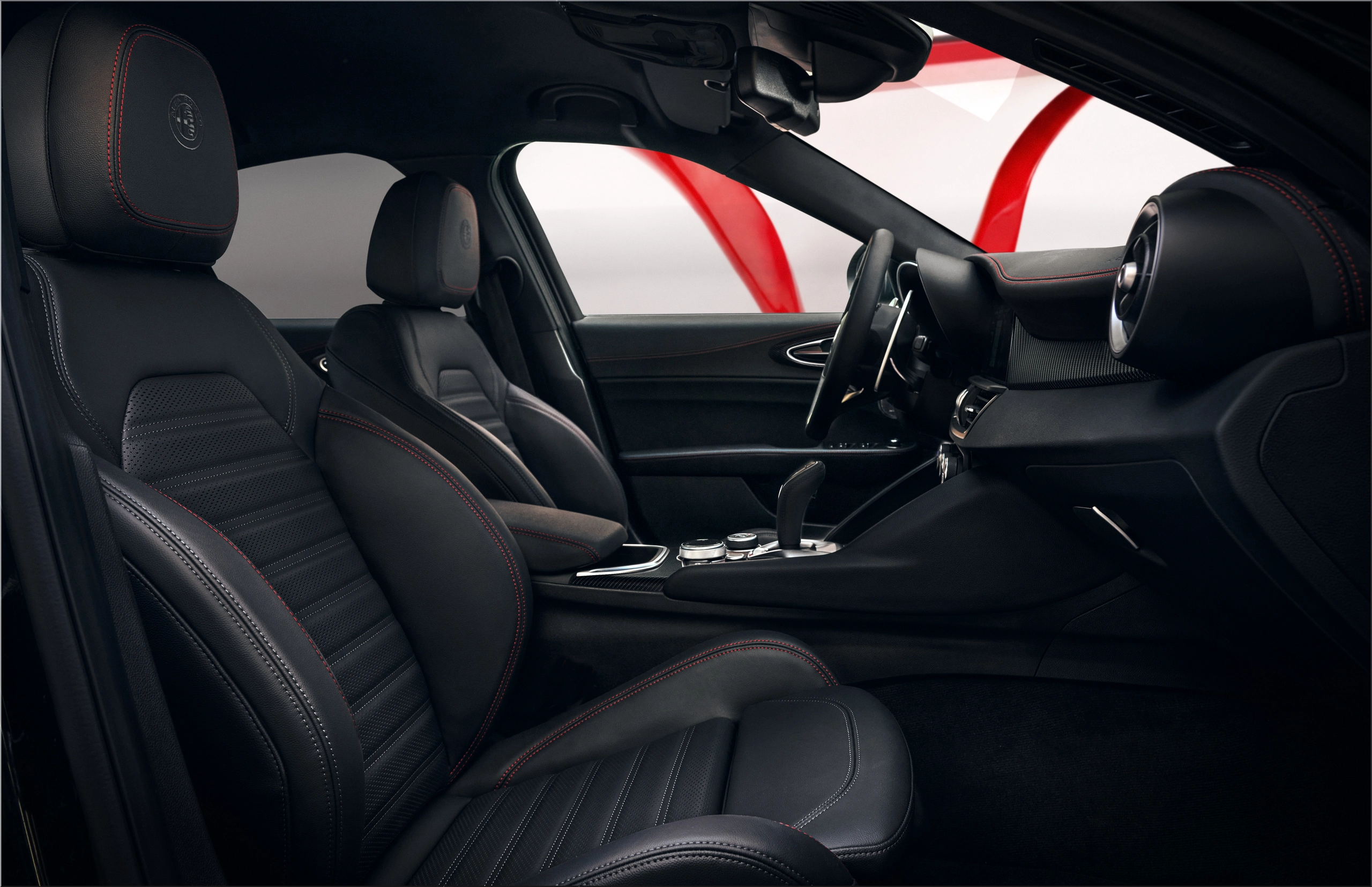
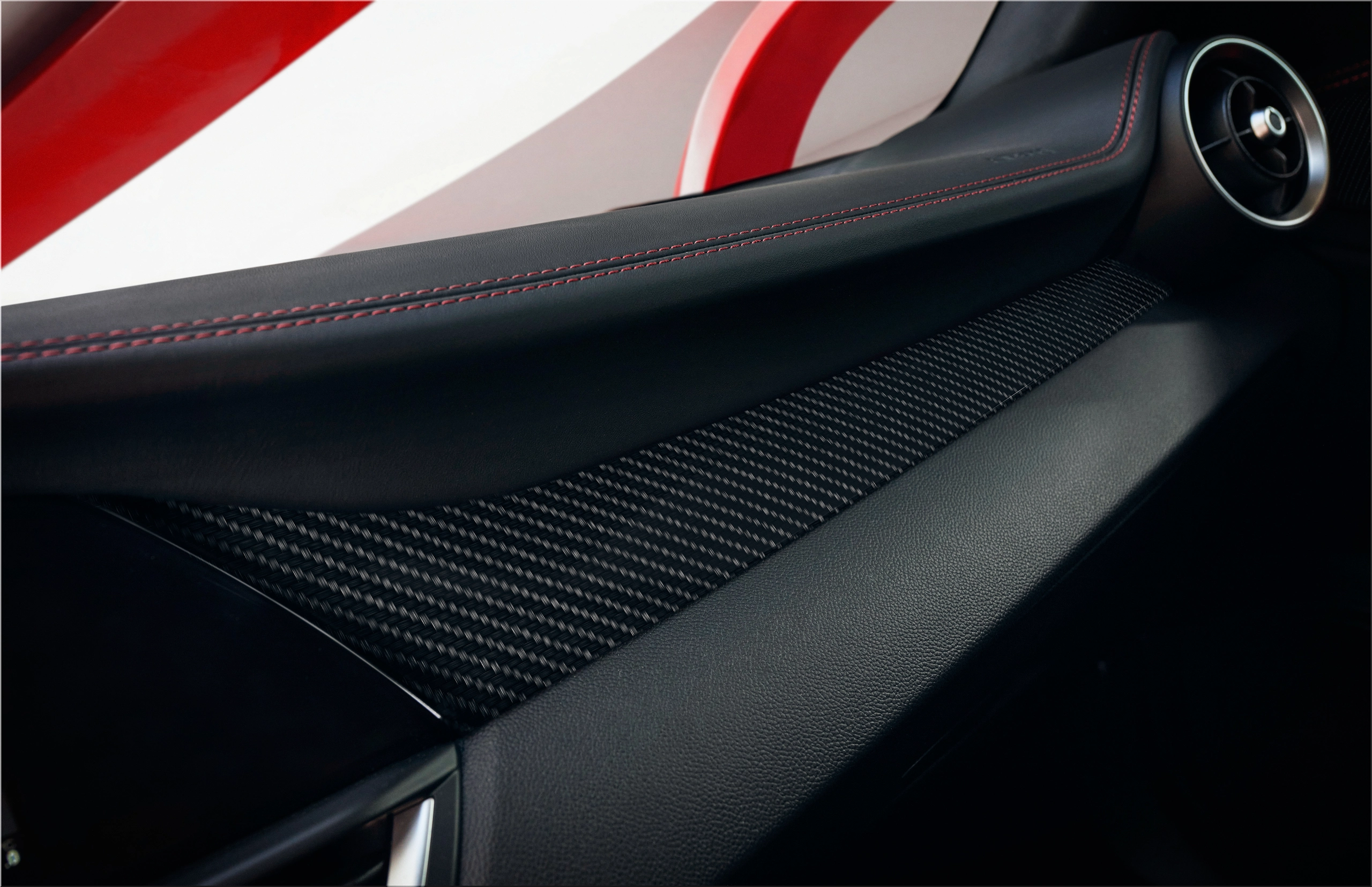
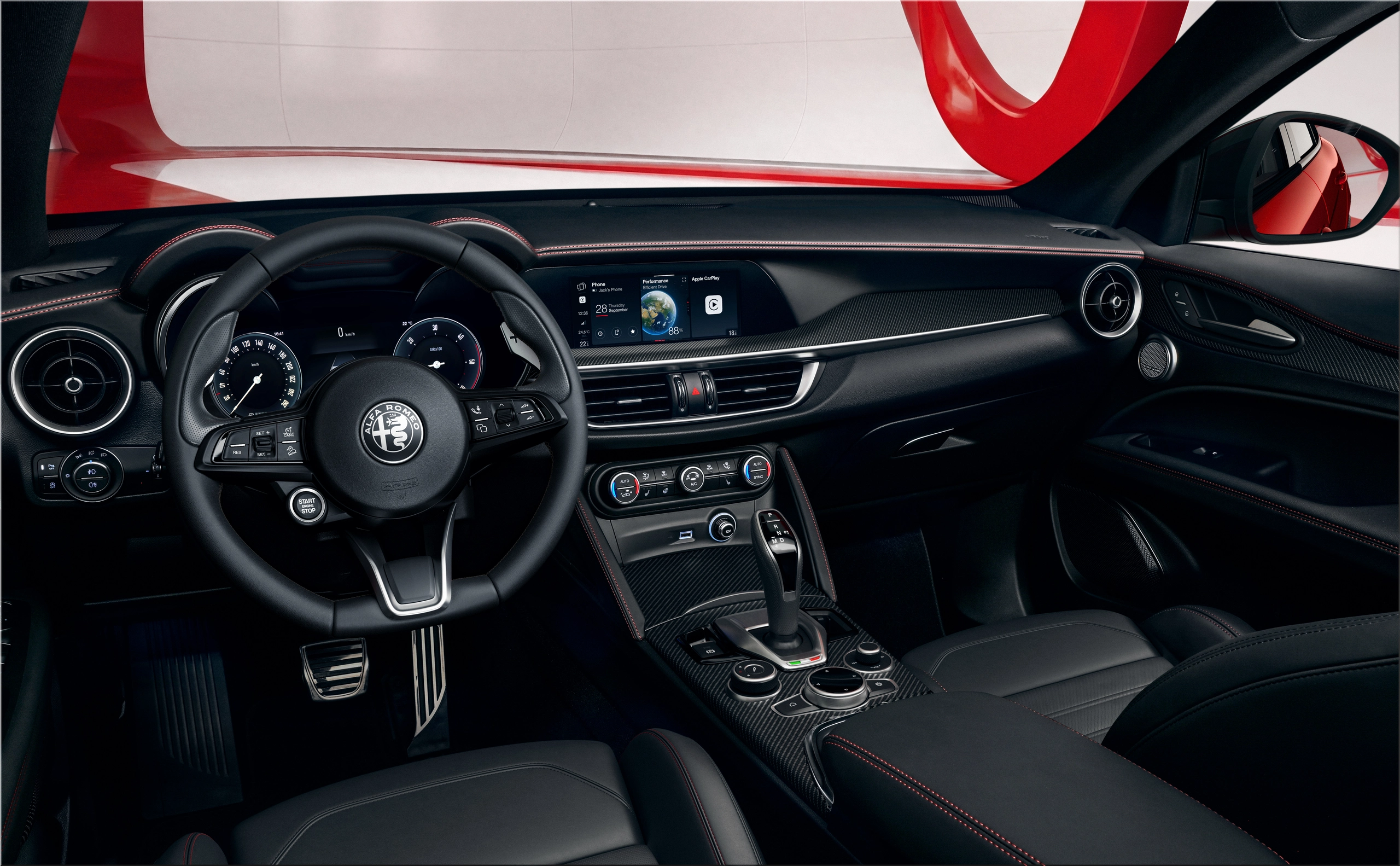
The cabin changes start with black leather seats and red stitching. That combination suits Alfa Romeo because it supports the brand's motorsport reference points without making the cabin feel theatrical. The red accents run through the dashboard, door panels, and armrest, while carbon-fiber trim gives the cabin a technical surface finish.
Image
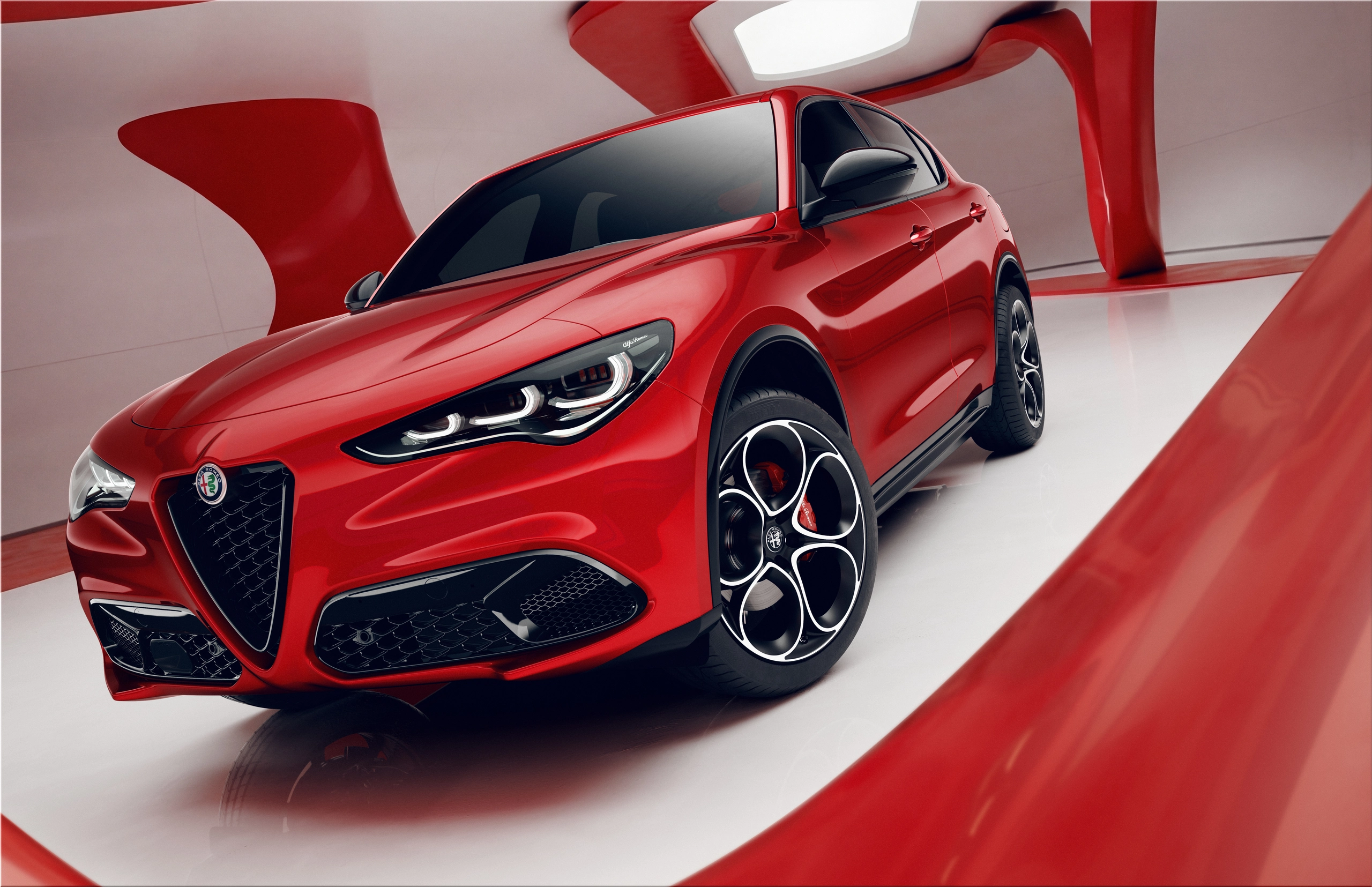
By comparison, many premium trim packs add visual drama but little functional depth. This one works better because the materials match the control points drivers use most: seat, steering wheel, armrest, and driver-facing surfaces. Looking at the data, Alfa Romeo positions the pack as a stronger bridge between everyday usability and the brand's Quadrifoglio-inspired design language.
Pro-Tip
For buyers comparing a standard Giulia Veloce or Stelvio Veloce with Pack Performance, focus less on the trim and more on the chassis hardware. The adaptive suspension and self-locking differential add more long-term value than carbon-fiber decoration alone.
Harman Kardon Audio: Why the 900-Watt System Matters
The Harman Kardon sound system uses a 900-watt, 12-channel Class-D amplifier. That amplifier manages each sound source individually, which gives the system better control over channel separation and cabin staging. The Logic 7 surround processing spreads sound through the cabin rather than forcing the front passengers to carry most of the audio image.
| Component | Giulia | Stelvio | Engineering Purpose |
|---|---|---|---|
| Amplifier | 900 watts, 12-channel Class-D | 900 watts, 12-channel Class-D | High output with efficient power management |
| Subwoofer | 180 x 270 mm | 224 mm | Low-frequency control and bass depth |
| Woofers | Four 160-mm units | Four 160-mm units | Mid-bass strength and cabin fill |
| Midrange speakers | Five 80-mm units | Five 80-mm units | Voice clarity and instrumental detail |
| Tweeters | Four 25-mm units | Four 25-mm units | High-frequency precision |
From an expert perspective, the speaker layout fits the personality of both models. Giulia benefits from a tighter cabin volume, which helps imaging and vocal focus. Stelvio gains from the larger 224-mm subwoofer, which compensates for the SUV's greater cabin volume and cargo-area air space.
Synaptic Dynamic Control: The Chassis Upgrade Buyers Should Care About
The most important part of the Pack Performance for Giulia and Stelvio sits underneath the body. Alfa Romeo's Synaptic Dynamic Control uses electronically controlled shock absorbers with electro-hydraulic valves. These valves adjust oil flow inside the dampers, which changes damping force according to road surface, driving style, and sensor inputs.
In addition, the system links to the Alfa DNA selector. In Dynamic mode, the dampers use a firmer calibration for sharper response and reduced body movement. In Natural and Advanced Efficiency modes, the calibration softens to support ride comfort and smoother daily driving.
Consequently, the system gives Giulia and Stelvio a wider operating range. A fixed sports suspension can feel precise on smooth roads and tiring on broken surfaces. Adaptive damping gives the car more bandwidth, which matters on European roads where motorway, cobblestone, mountain pass, and urban tarmac can appear in the same day.
Chassis Domain Control: The Brain Behind the Grip
Chassis Domain Control acts as the vehicle-dynamics supervisor. It processes data from acceleration and rotation sensors, then coordinates the stability control, braking system, adaptive suspension, and other chassis systems. That integration helps the car react as one system rather than as separate modules competing for control.
The self-locking differential adds another layer. Under acceleration, it helps distribute torque more effectively between the driven wheels, which improves corner-exit traction and reduces wasted wheelspin. For a rear-drive-based Alfa Romeo, that detail matters. It gives the car a more connected feel when the driver asks for power before the steering wheel returns to center.
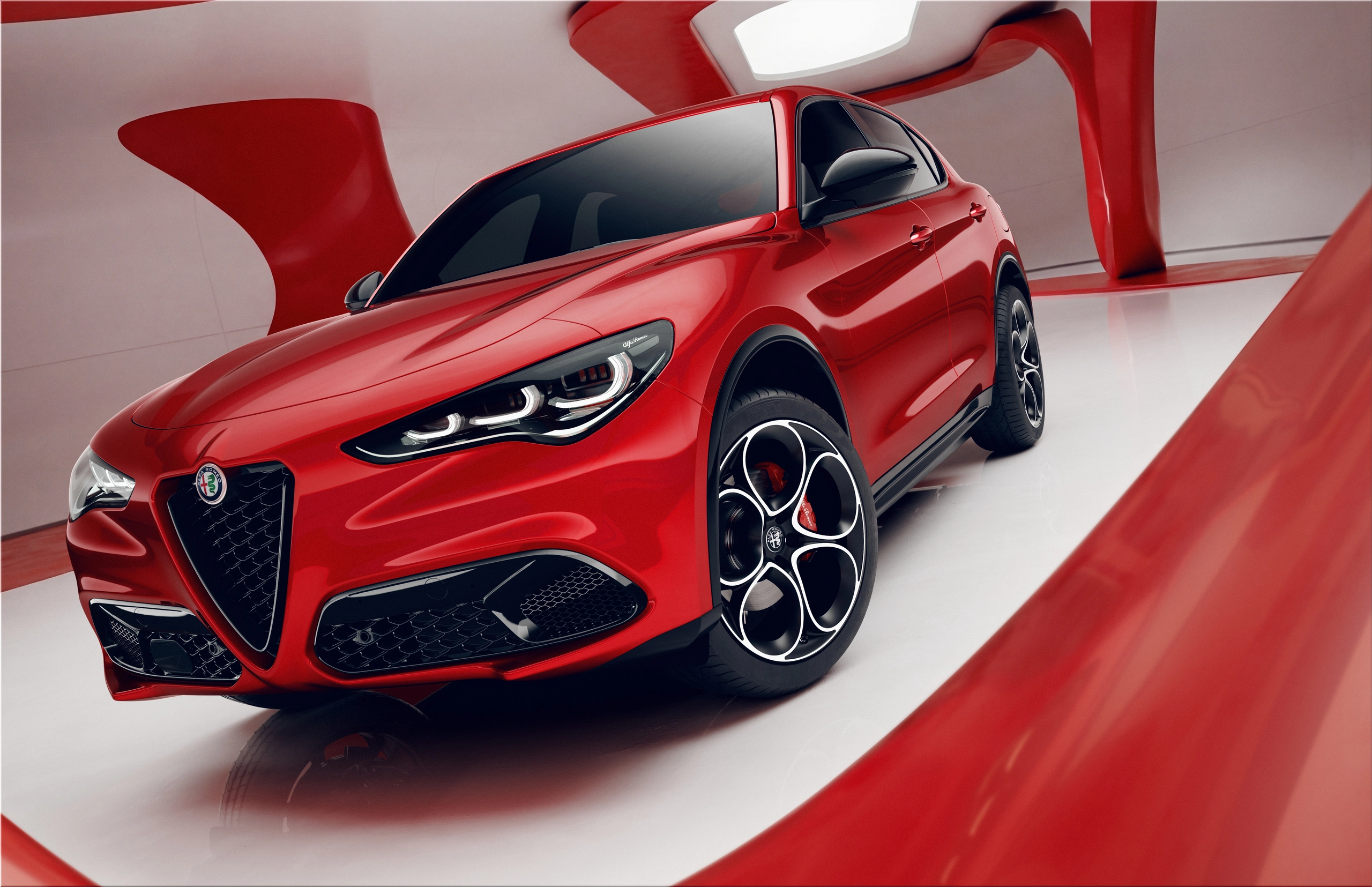
Giulia vs Stelvio: Which Model Gains More From Pack Performance?
| Metric | Alfa Romeo Giulia | Alfa Romeo Stelvio |
|---|---|---|
| Body style | Sports saloon | Performance SUV |
| Engine context | 2.0-litre turbo petrol available with 280 hp and 400 Nm in European context | 2026 model listed with up to 280 hp in current official context |
| 0-100 km/h context | 5.2 seconds for 280 hp petrol Giulia | Not the pack's main claim; SUV packaging shifts priority to traction and control |
| Length | About 4,639 mm | 184.6 inches, about 4,689 mm |
| Width | About 1,874 mm | 74.9 inches, about 1,902 mm |
| Core advantage | Lower centre of gravity and sharper saloon balance | Higher driving position, cargo space, Q4 traction focus |
| Best fit for Pack Performance | Drivers who prioritise steering precision | Drivers who want SUV usability with tighter body control |
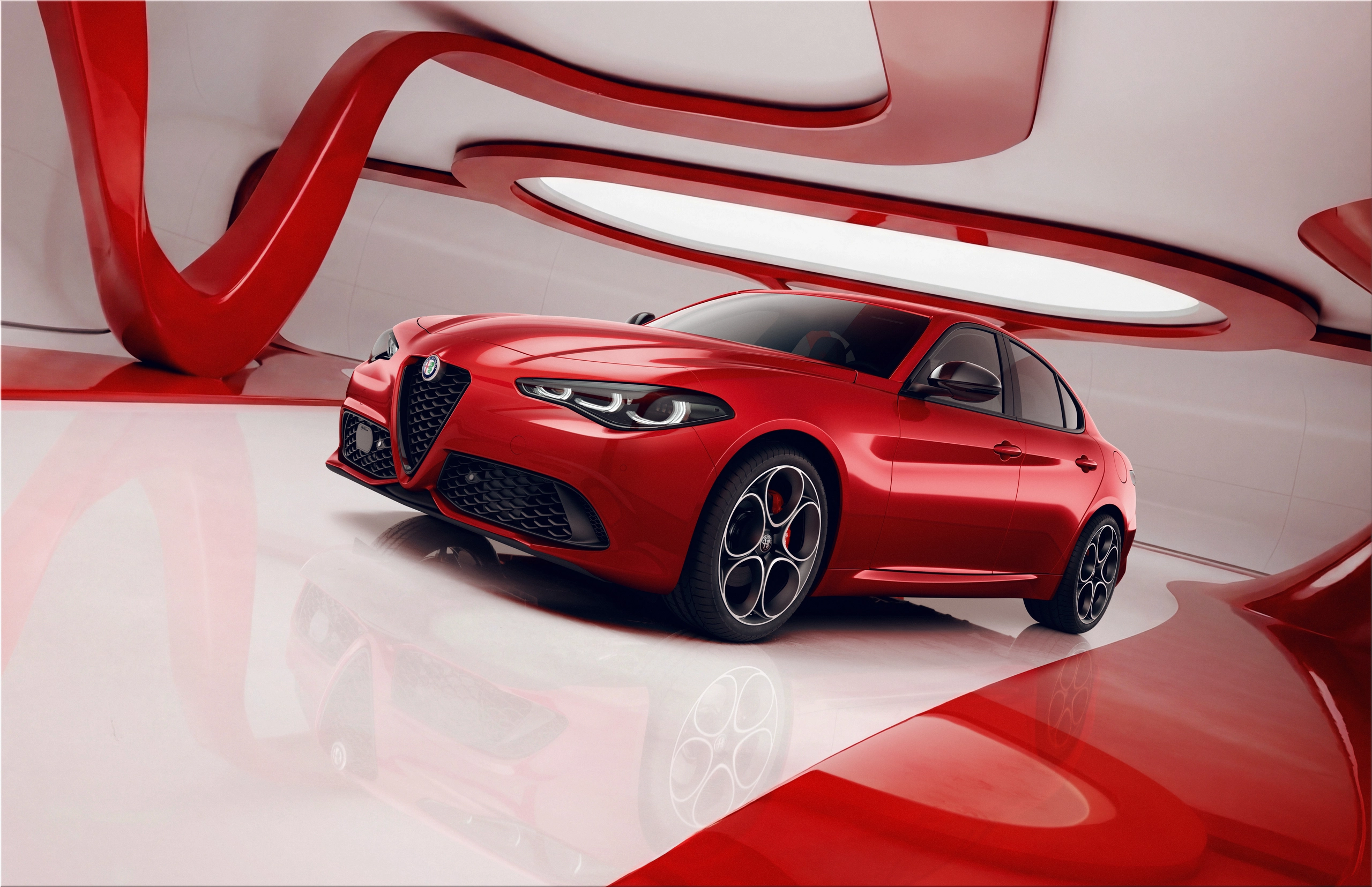
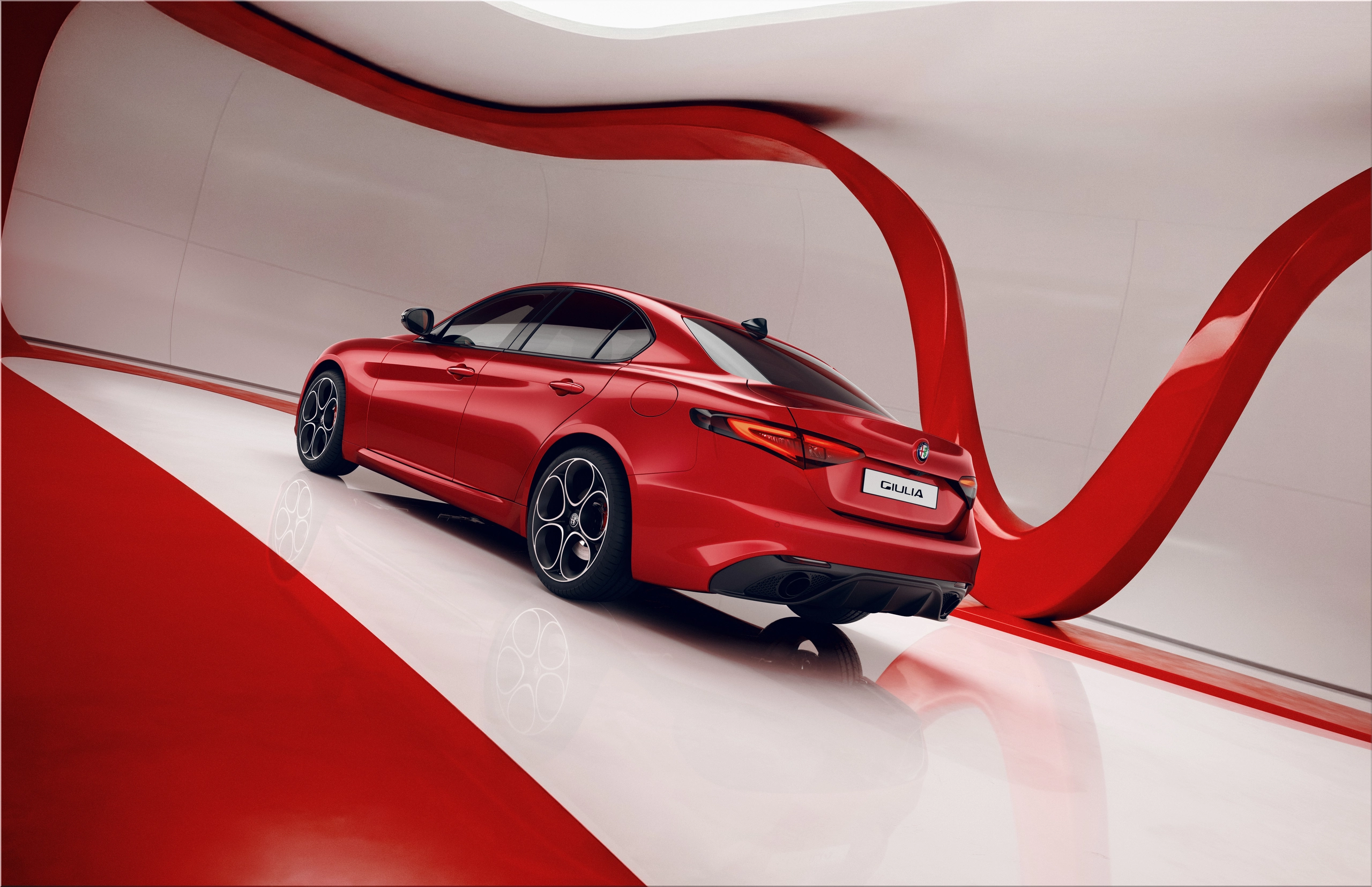
Giulia gains the purer dynamic benefit because its lower ride height and saloon proportions let the adaptive damping work with less mass transfer. Stelvio gains more day-to-day usefulness because the system helps control pitch, roll, and vertical movement in a taller body.
What Now?
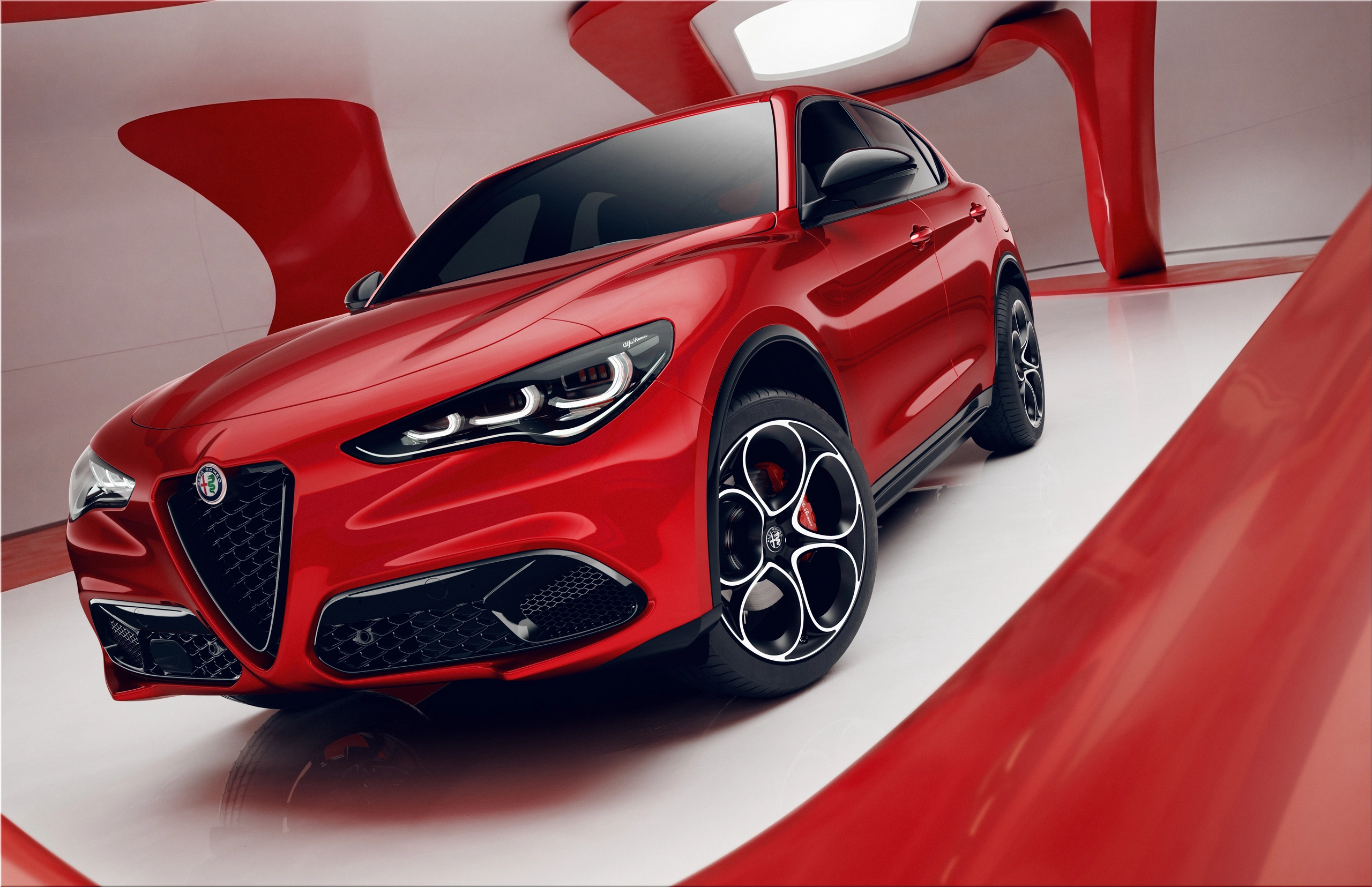
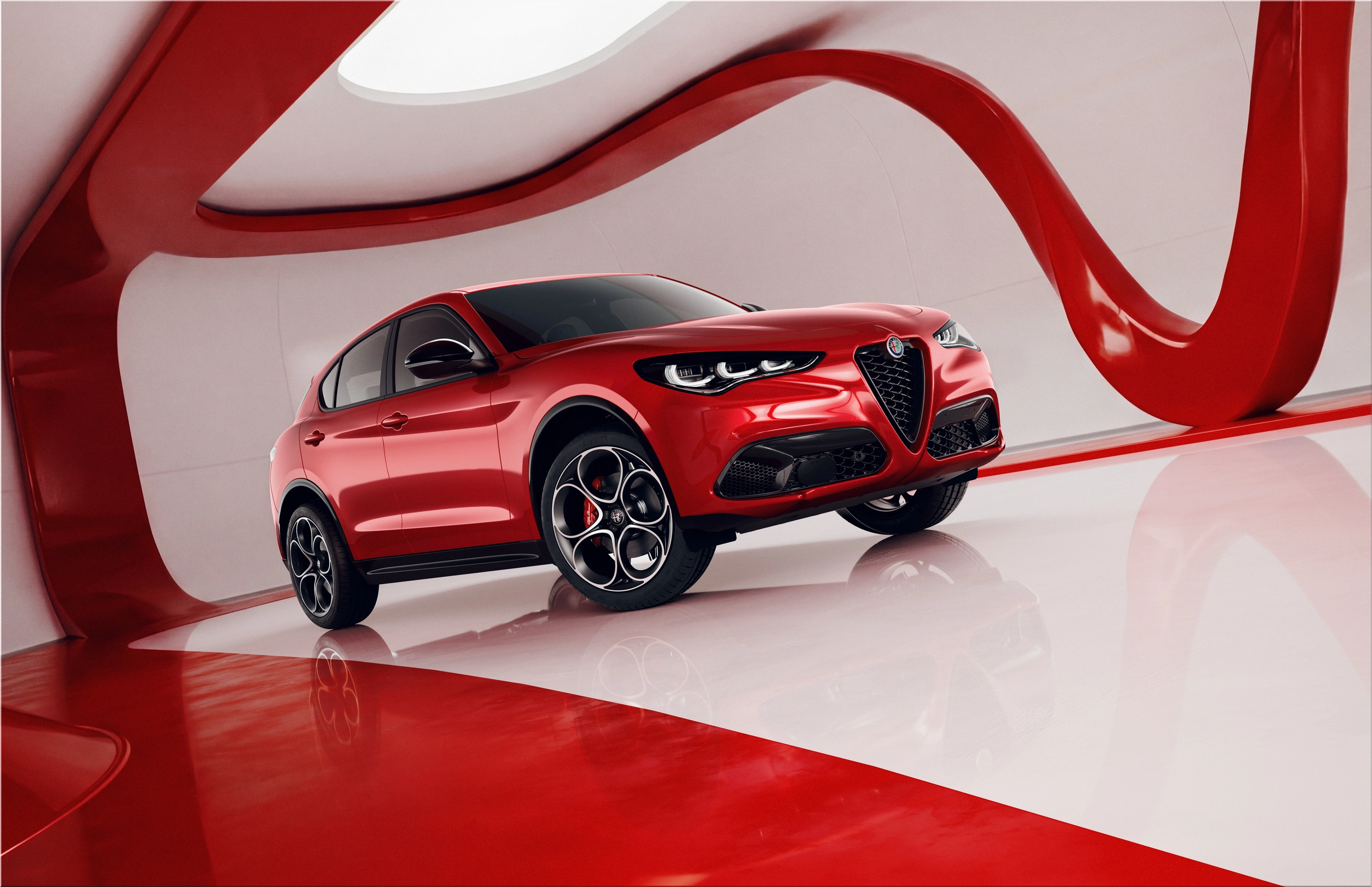
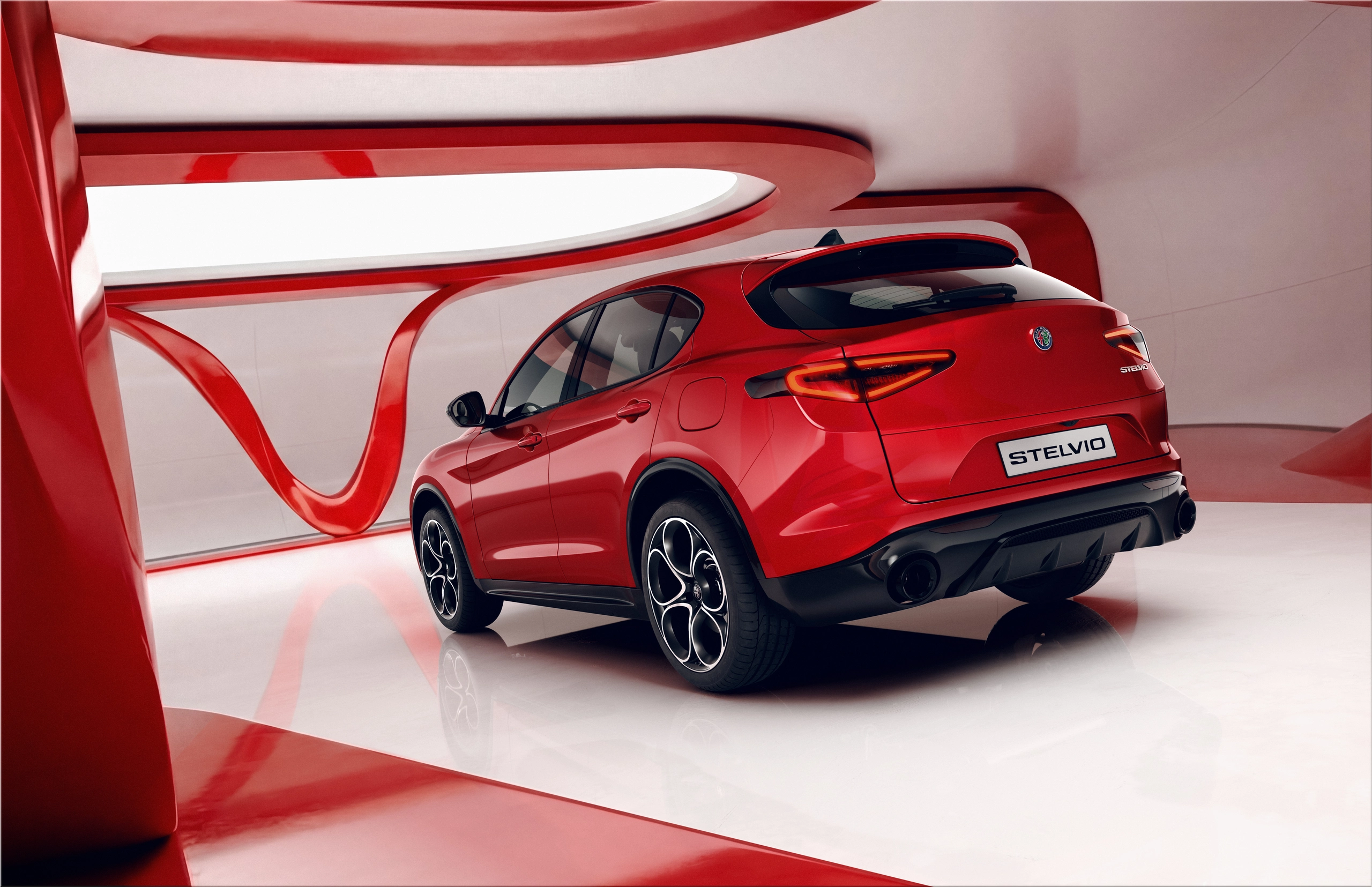
Buyers should treat Alfa Romeo Pack Performance as the sweet-spot option for Giulia and Stelvio if they want stronger driver engagement without moving into full Quadrifoglio territory. It brings meaningful chassis technology, a richer cabin, and stronger audio while keeping the familiar usability of both models.
The key takeaway stays simple: choose Giulia Pack Performance for steering purity and road feel. Choose Stelvio Pack Performance for family-friendly space with sharper suspension control. Either way, the pack makes the strongest case when the buyer values damping quality and mechanical response over cosmetic upgrades.
- Add new comment
- 152 views