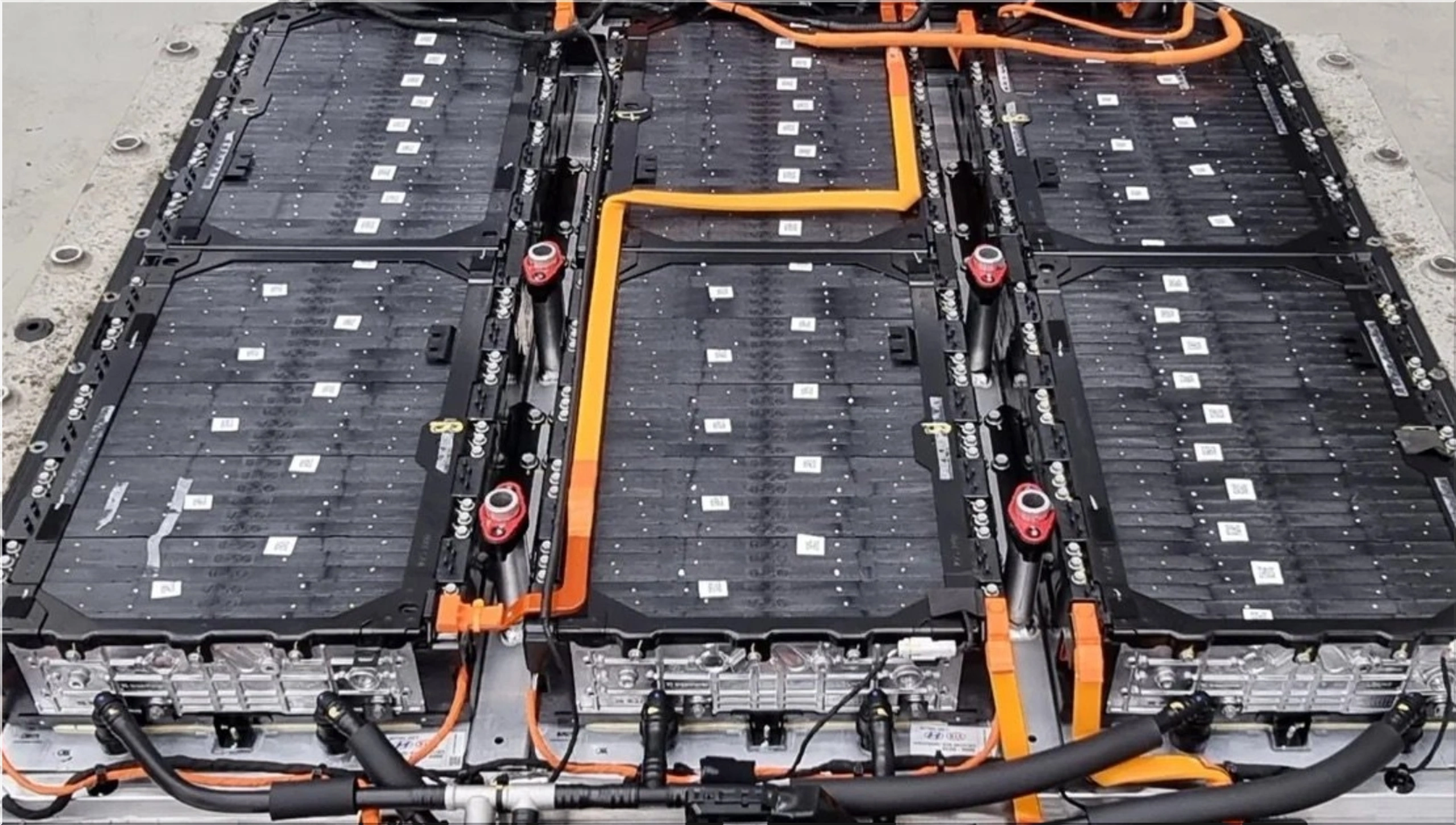
Electric vehicles (EVs) are one of the most promising solutions to reduce carbon emissions from transportation. However, EVs also pose a unique challenge: how to deal with their batteries when they reach the end of their life. EV batteries contain critical minerals like lithium, nickel, cobalt, and copper, which are limited and costly to mine and refine. Moreover, EV batteries can be hazardous to the environment and human health if not disposed of properly.
That’s why recycling EV batteries is essential for making electric vehicle production more sustainable. Recycling can recover valuable materials from old batteries and use them for new ones, reducing the need for new mining and lowering the cost of battery production.
We’ll explore the benefits, methods, and challenges of recycling EV batteries and how they can help create a circular economy for the EV industry.
The Benefits of Recycling EV Batteries
Recycling EV batteries has many benefits for both the environment and the economy. Here are some of them:
- It keeps harmful chemicals out of the environment and reduces landfill waste. EV batteries contain toxic substances such as lead, cadmium, mercury, and electrolytes, which can leach into the soil and groundwater. Recycling prevents these chemicals from polluting the environment and saves landfill space.
- It recovers non-renewable materials, such as metals and minerals, that can be used for new batteries or other products. EV batteries require large amounts of lithium, nickel, cobalt, and copper, which are scarce and expensive to mine and refine. Recycling these materials can lower the cost and increase the supply of battery production. According to a report by BloombergNEF, recycling could provide 18% of global lithium demand, 23% of cobalt demand, and 19% of nickel demand by 2030.
- It reduces the cost of new batteries by making battery production more sustainable and affordable. Recycling can lower the dependence on foreign sources of battery materials, which can be subject to geopolitical risks and price fluctuations. Recycling can also reduce the energy consumption and greenhouse gas emissions associated with mining and refining. According to a study by Argonne National Laboratory, recycling lithium-ion batteries can save 60% of energy and 86% of greenhouse gas emissions compared to primary production.
- It complies with federal laws that regulate the disposal of hazardous waste. EV batteries are classified as universal waste by the Environmental Protection Agency (EPA), which means they must be handled and transported in a safe manner to prevent environmental damage. Recycling helps comply with these regulations and avoid potential fines or penalties.
- It improves human health by preventing exposure to toxic substances. Mining and refining battery materials can pose health risks to workers and communities, such as respiratory problems, skin irritation, cancer, and violence. Recycling can reduce these risks by minimizing the need for mining and refining.
The Methods of Recycling EV Batteries
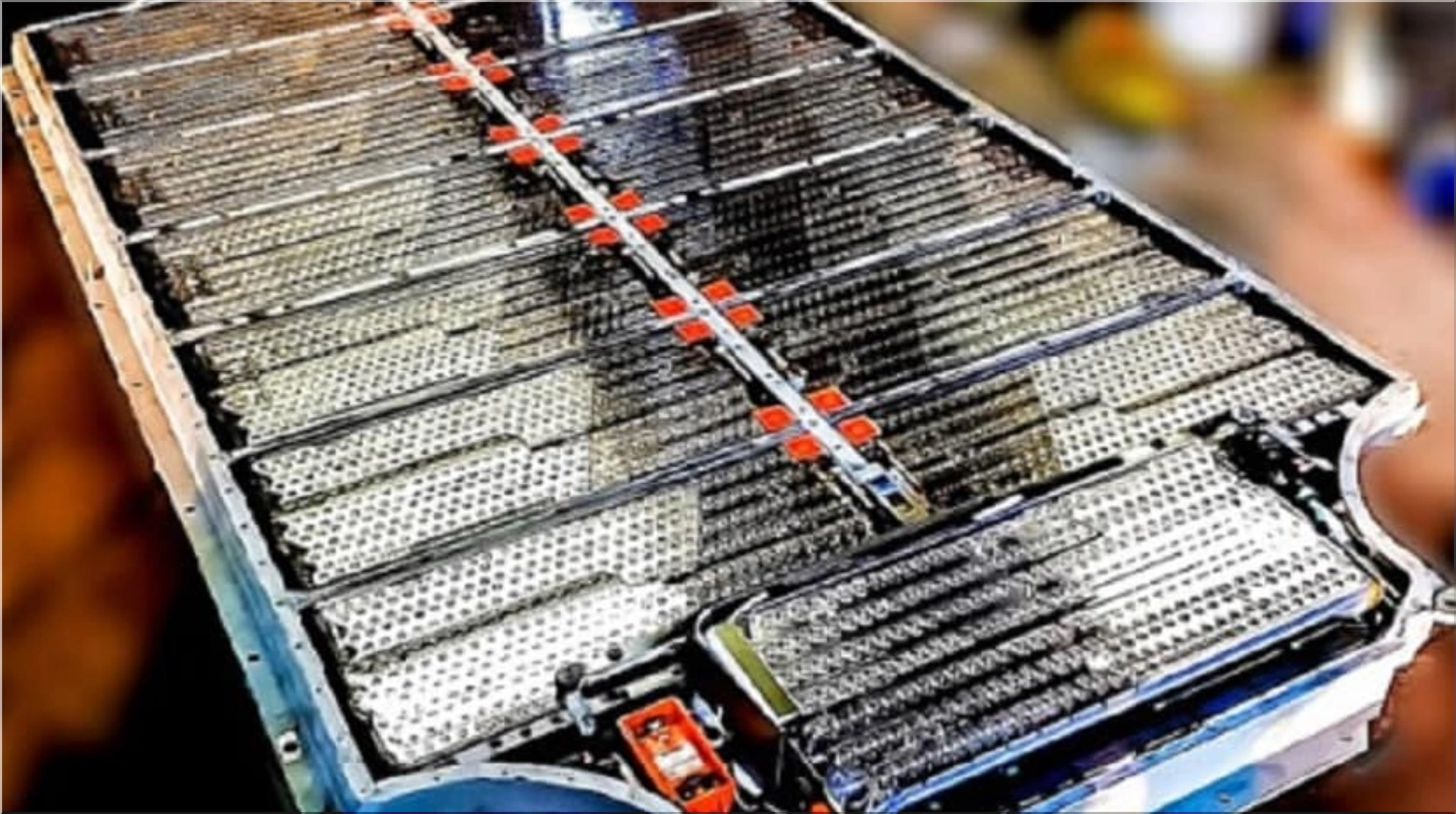
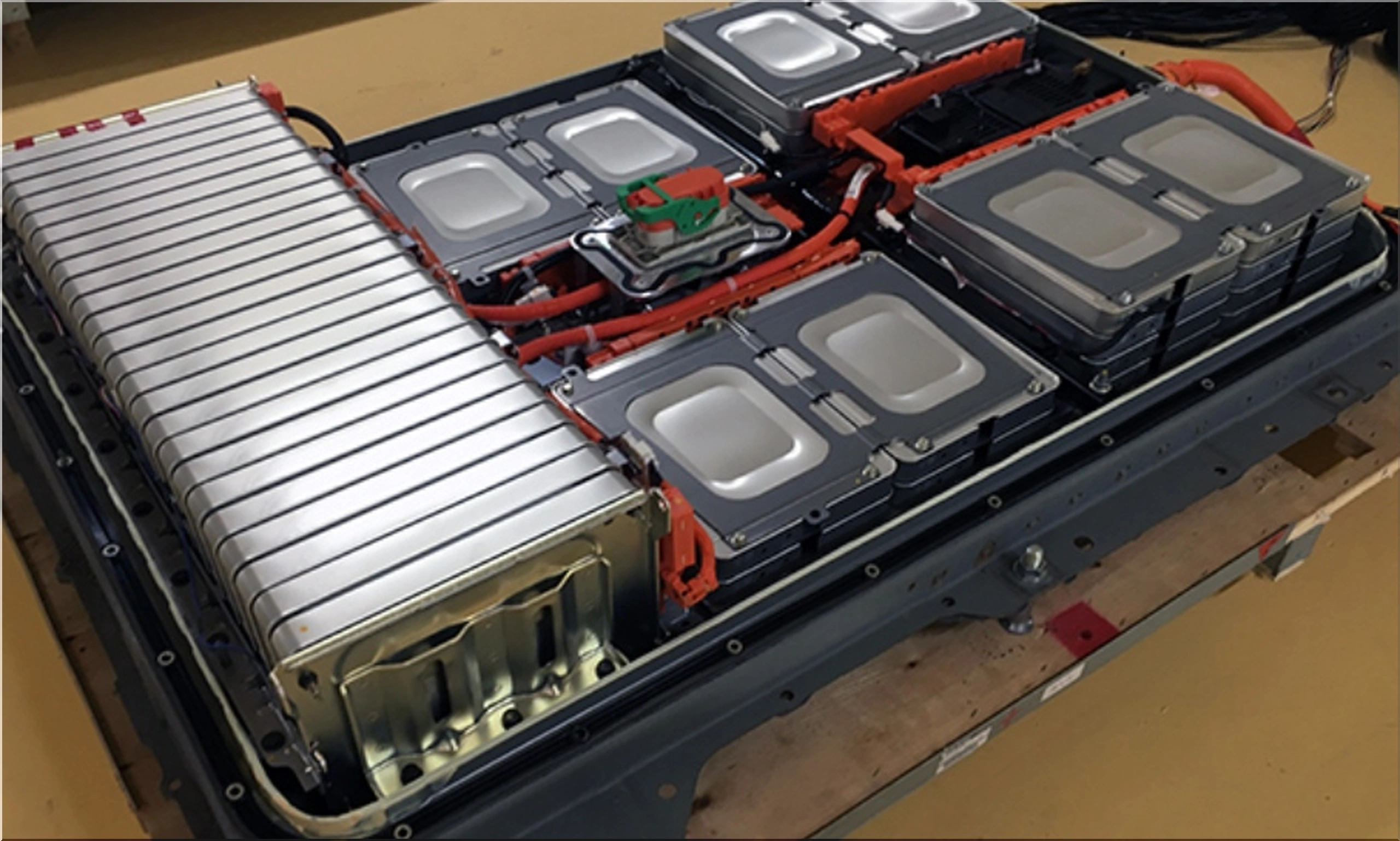
There are different methods of recycling EV batteries, depending on the type of battery and the technology used. The most common types of EV batteries are lithium-ion (Li-ion) batteries, which have different chemistries such as lithium-nickel-manganese-cobalt oxide (NMC), lithium-nickel-cobalt-aluminum oxide (NCA), lithium-iron-phosphate (LFP), or lithium-manganese oxide (LMO).
The main methods of recycling EV batteries are:
- Pyrometallurgy: This method involves burning or smelting the batteries at high temperatures to extract metals such as copper, nickel, cobalt, iron, or manganese. However, this method also destroys other valuable materials, such as lithium or aluminum, which are lost in slag or dust. Moreover, this method is energy-intensive and emits harmful gases such as sulfur dioxide or carbon monoxide.
- Hydrometallurgy: This method involves dissolving the batteries in a chemical solution (such as acid or base) and separating the metals using precipitation or solvent extraction. This method can recover more materials than pyrometallurgy, including lithium or aluminum. However, this method also generates large amounts of wastewater that need to be treated before disposal.
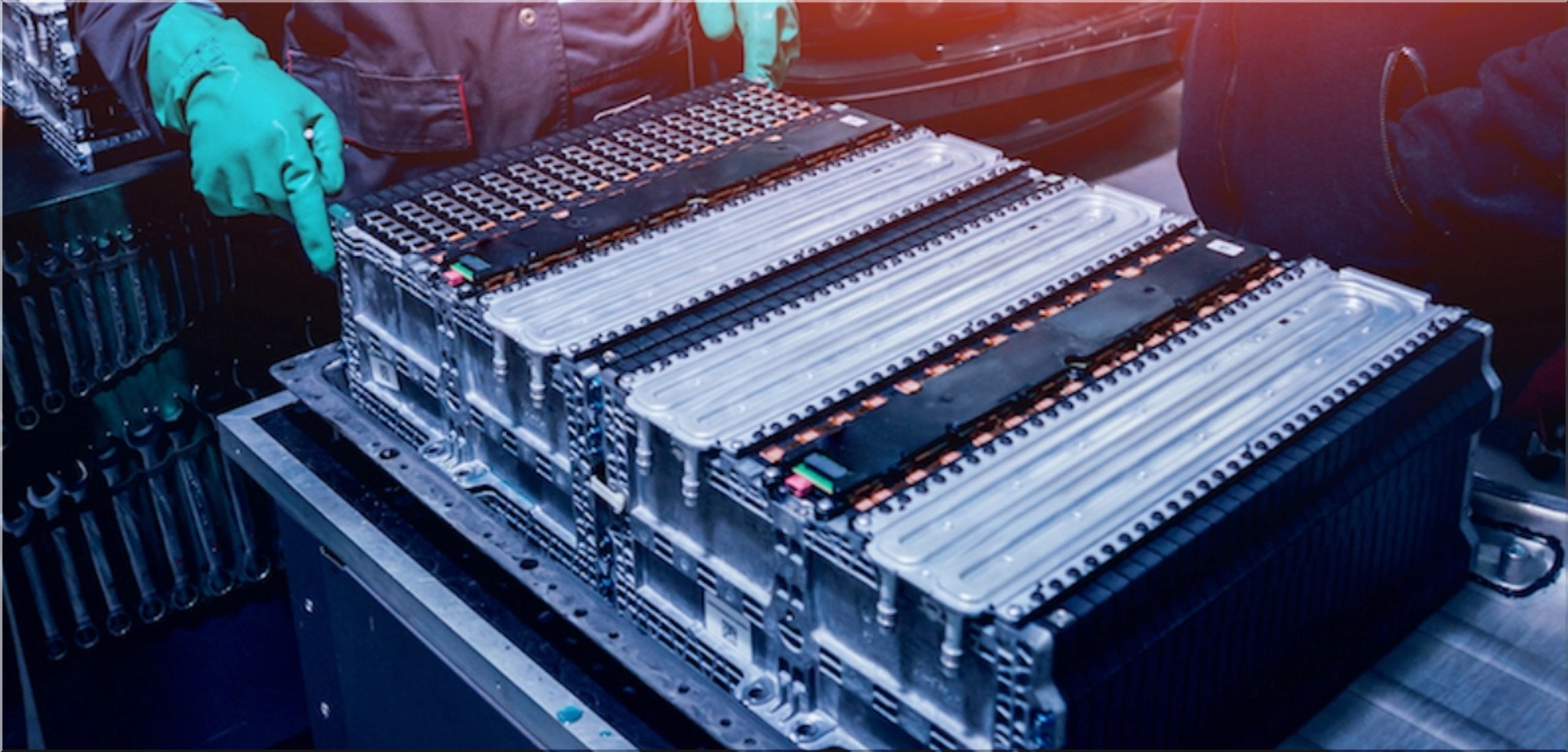
- Direct recycling: This method involves disassembling the batteries into their components (such as cathodes, anodes, separators, or electrolytes) and reusing them for new batteries without changing their chemical composition. This method can preserve more materials than pyrometallurgy or hydrometallurgy, including graphite or polymers. However, this method also requires more sophisticated equipment and processes to ensure quality and safety.
The Challenges of Recycling EV Batteries
Recycling electric vehicle batteries is challenging. Some of the main challenges are:
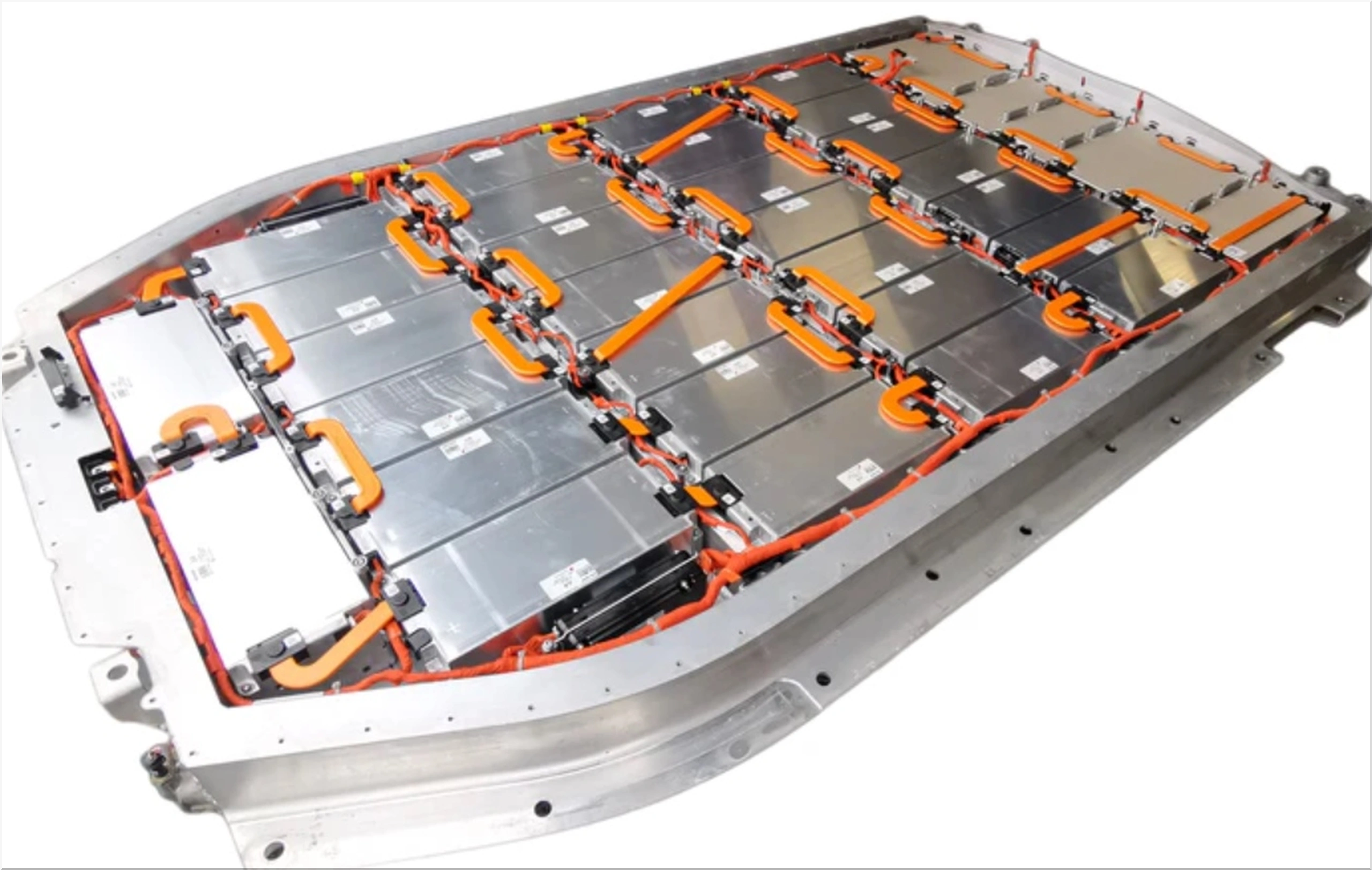
- Lack of standardization: EV batteries have different sizes, shapes, chemistries, and designs, which make them difficult to collect, sort, and process. There is no universal standard for EV battery recycling, which leads to inefficiencies and inconsistencies in the recycling industry. Moreover, some EV batteries may contain proprietary or confidential information that needs to be protected or erased before recycling.
- Lack of infrastructure: EV battery recycling requires specialized facilities, equipment, and personnel, which are not widely available or accessible. There is also a lack of transportation and logistics networks to collect and deliver the batteries to the recycling facilities. Moreover, some regions or countries may not have adequate regulations or incentives to support or promote EV battery recycling.
- Lack of economics: EV battery recycling is still not very profitable or competitive compared to primary production. The cost of recycling EV batteries is higher than the value of the recovered materials, which discourages recyclers from investing in the industry. Moreover, the demand for recycled materials is still low compared to the supply of primary materials, which reduces the market potential for recyclers.
The Future of Recycling EV Batteries
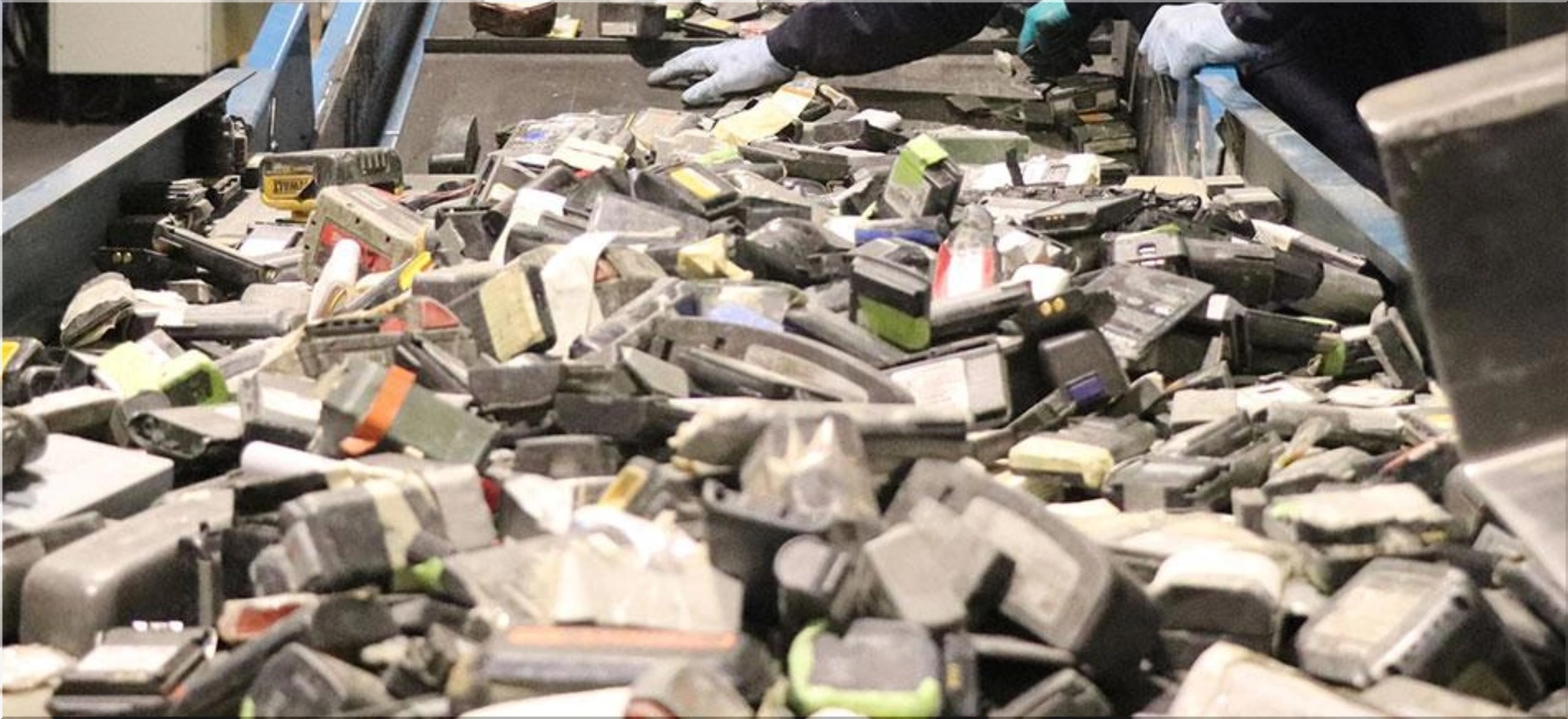
Despite these challenges, recycling EV batteries has a bright future. As the demand for EVs grows, so will the demand for battery materials and the supply of battery waste. Recycling will become more necessary and beneficial for both the environment and the economy.
To achieve this future, several actions are needed from different stakeholders, such as:
- Automakers: Automakers should design EV batteries that are easy to recycle and reuse and provide information and incentives for consumers to return their old batteries. Automakers should also collaborate with recyclers and suppliers to create a circular supply chain for battery materials.
- Recyclers: Recyclers should adopt advanced technologies and processes that can recover more materials from EV batteries with less energy and waste. Recyclers should also diversify their services and products to meet the needs of different customers and markets.
- Governments: Governments should establish clear and consistent regulations and standards for EV battery recycling and provide support and incentives for recyclers and consumers to participate in the industry. Governments should also foster innovation and collaboration among different stakeholders to advance the development of EV battery recycling.
- Consumers: Consumers should be aware of the benefits and options of recycling their EV batteries and choose products that are environmentally friendly and socially responsible. Consumers should also follow the instructions and guidelines from automakers and recyclers on how to dispose of their old batteries safely and properly.
Recycling EV batteries is not only a challenge but also an opportunity. By recycling EV batteries, we can create a more sustainable future for electric vehicles and the planet.
- Add new comment
- 325 views