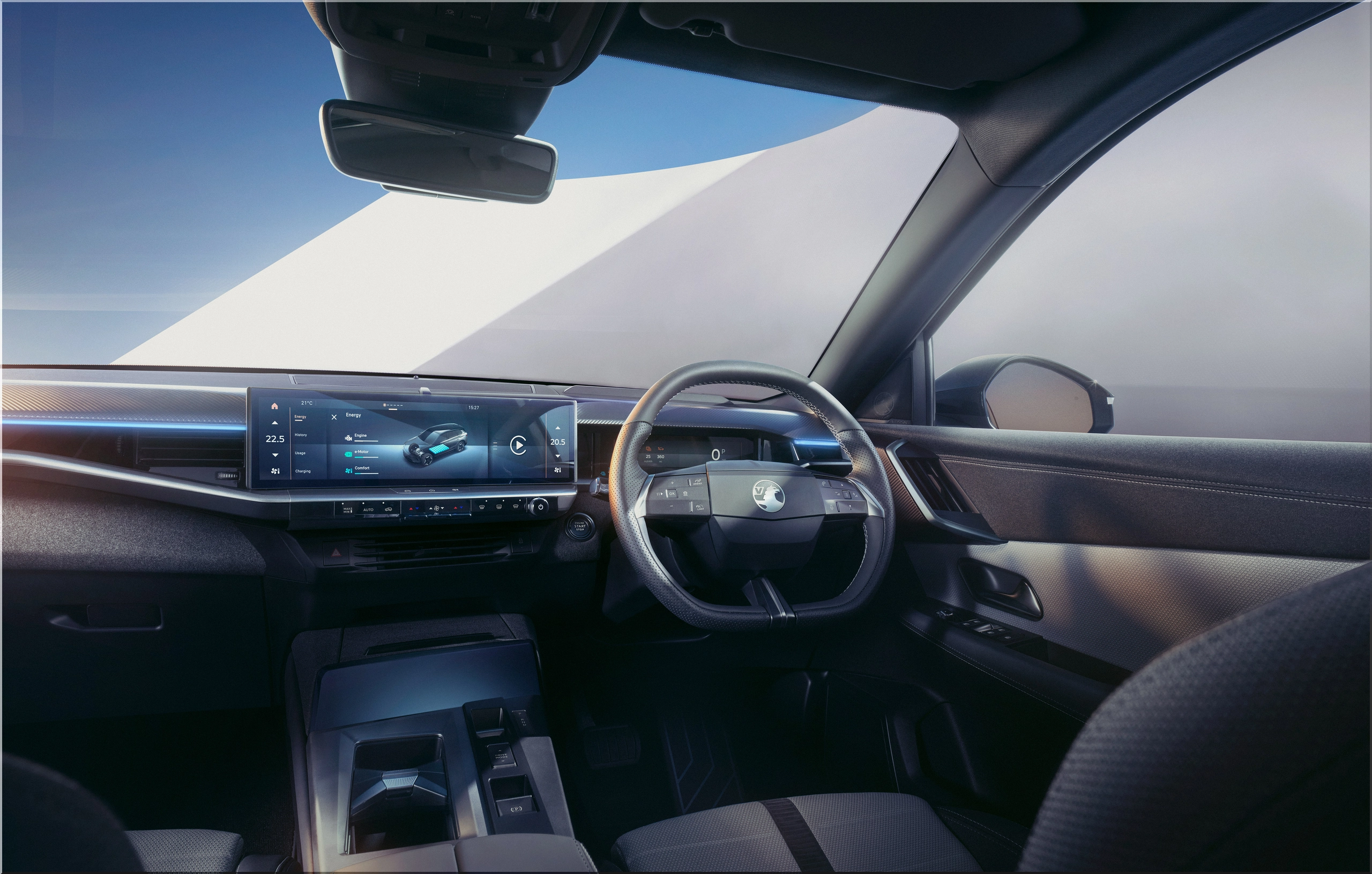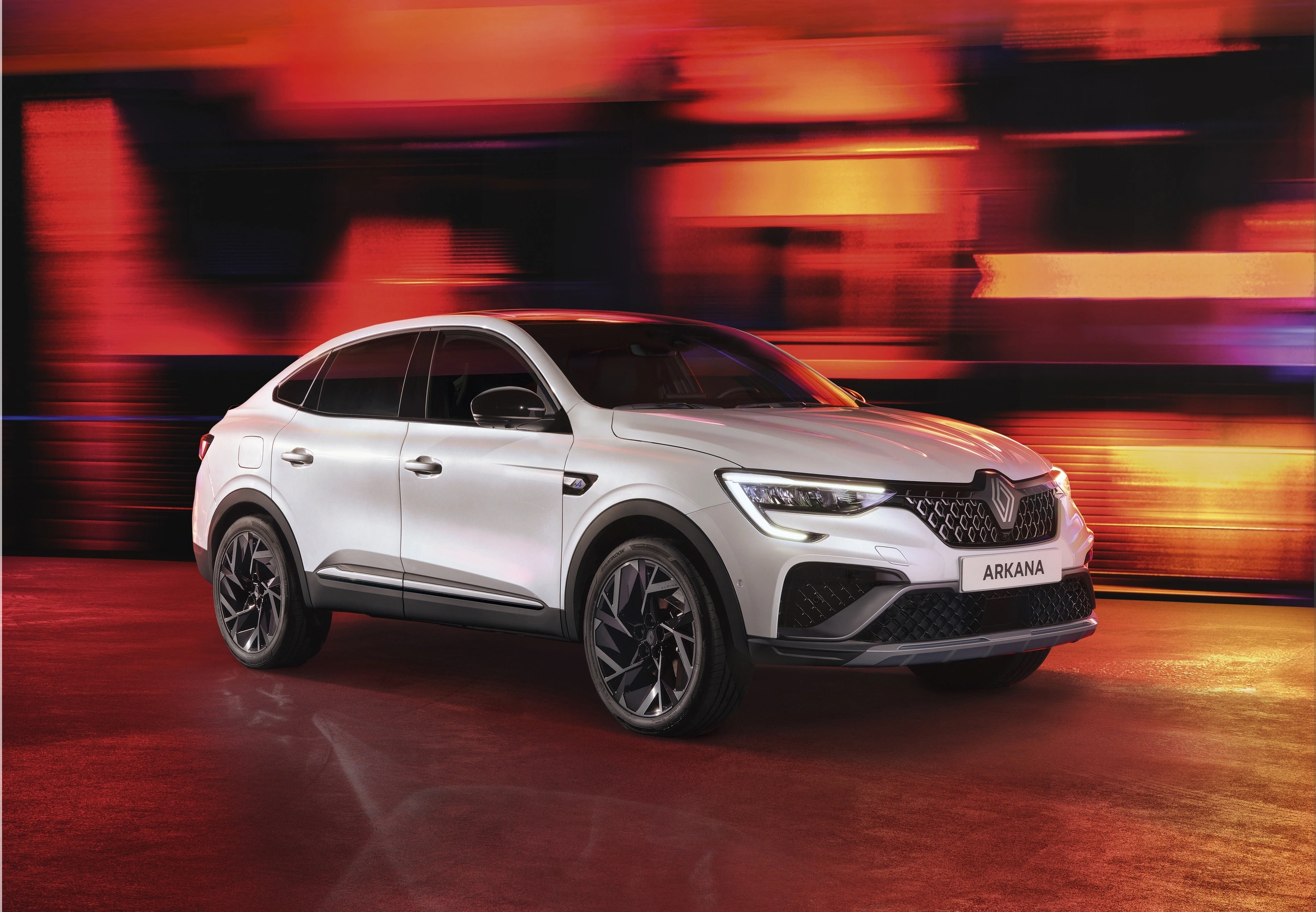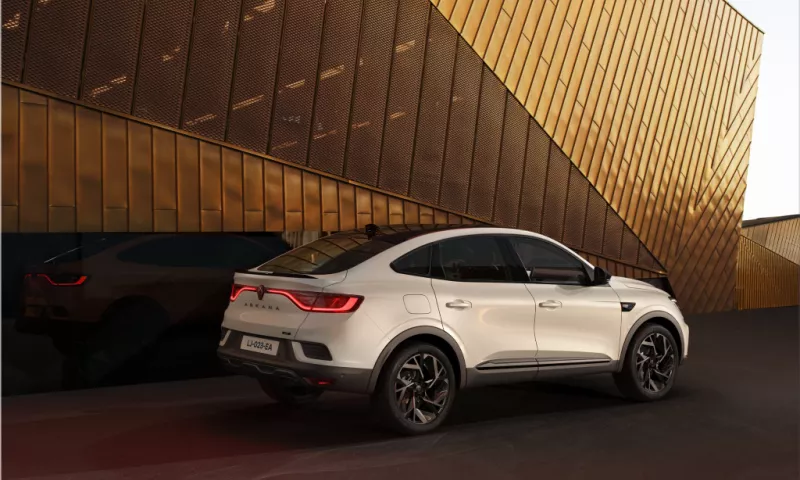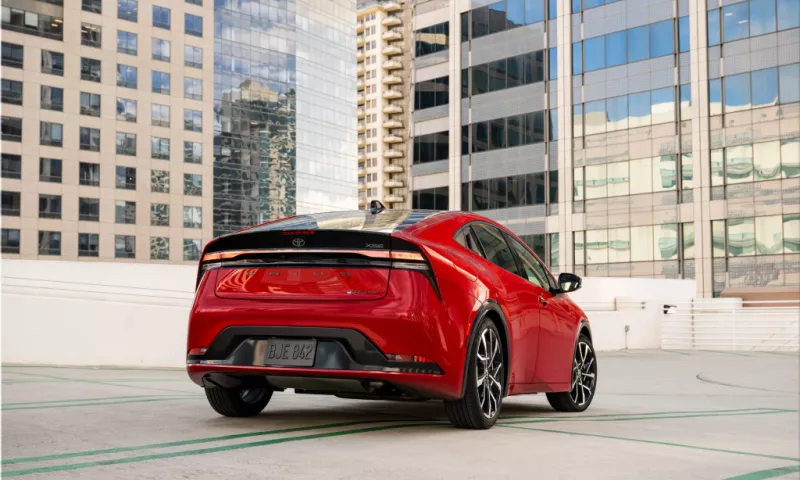
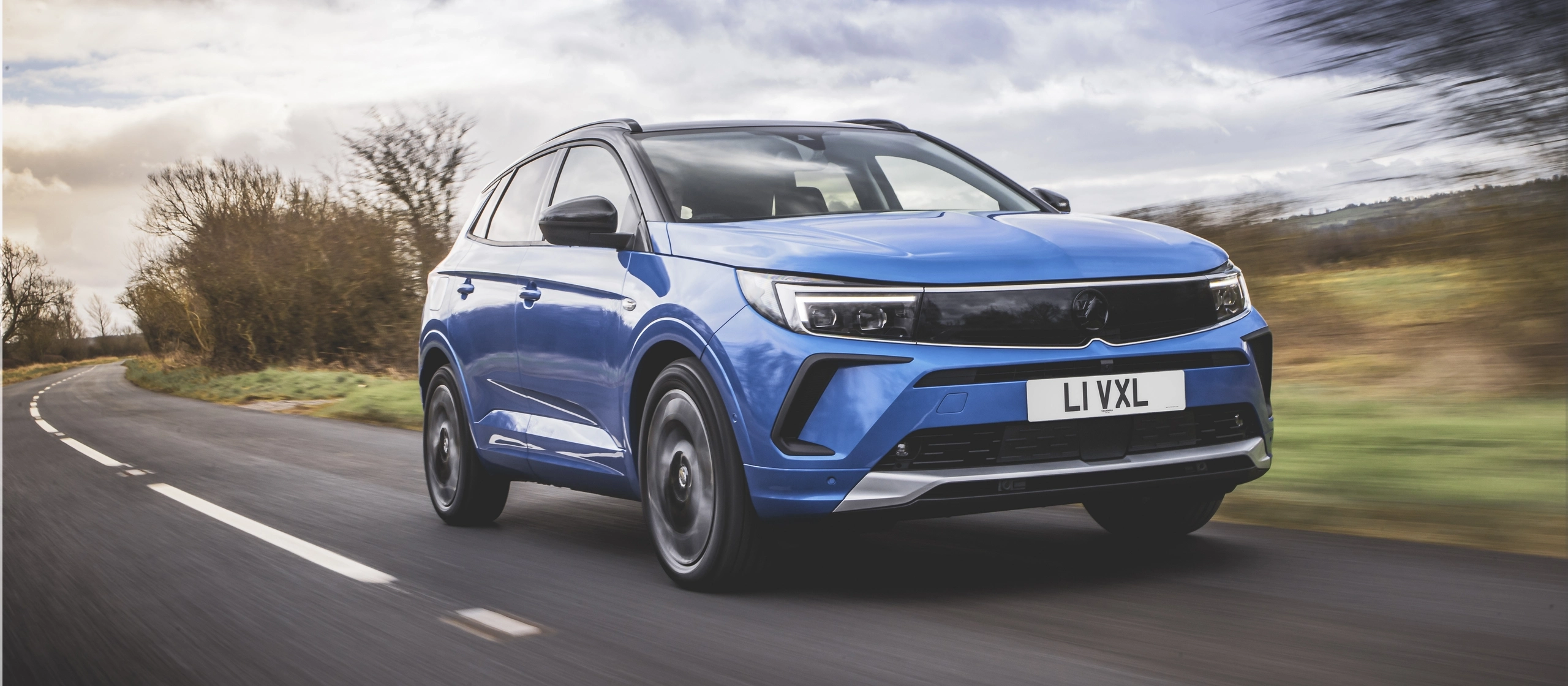
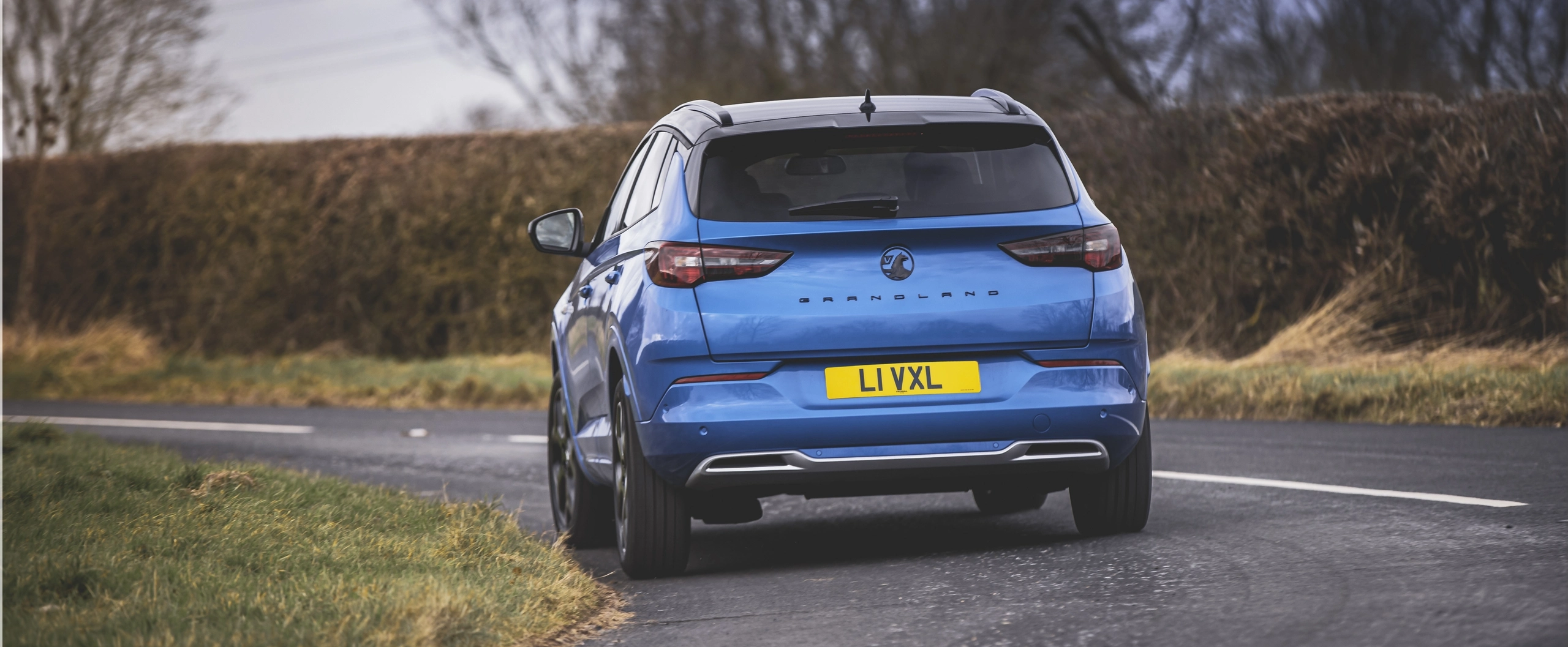
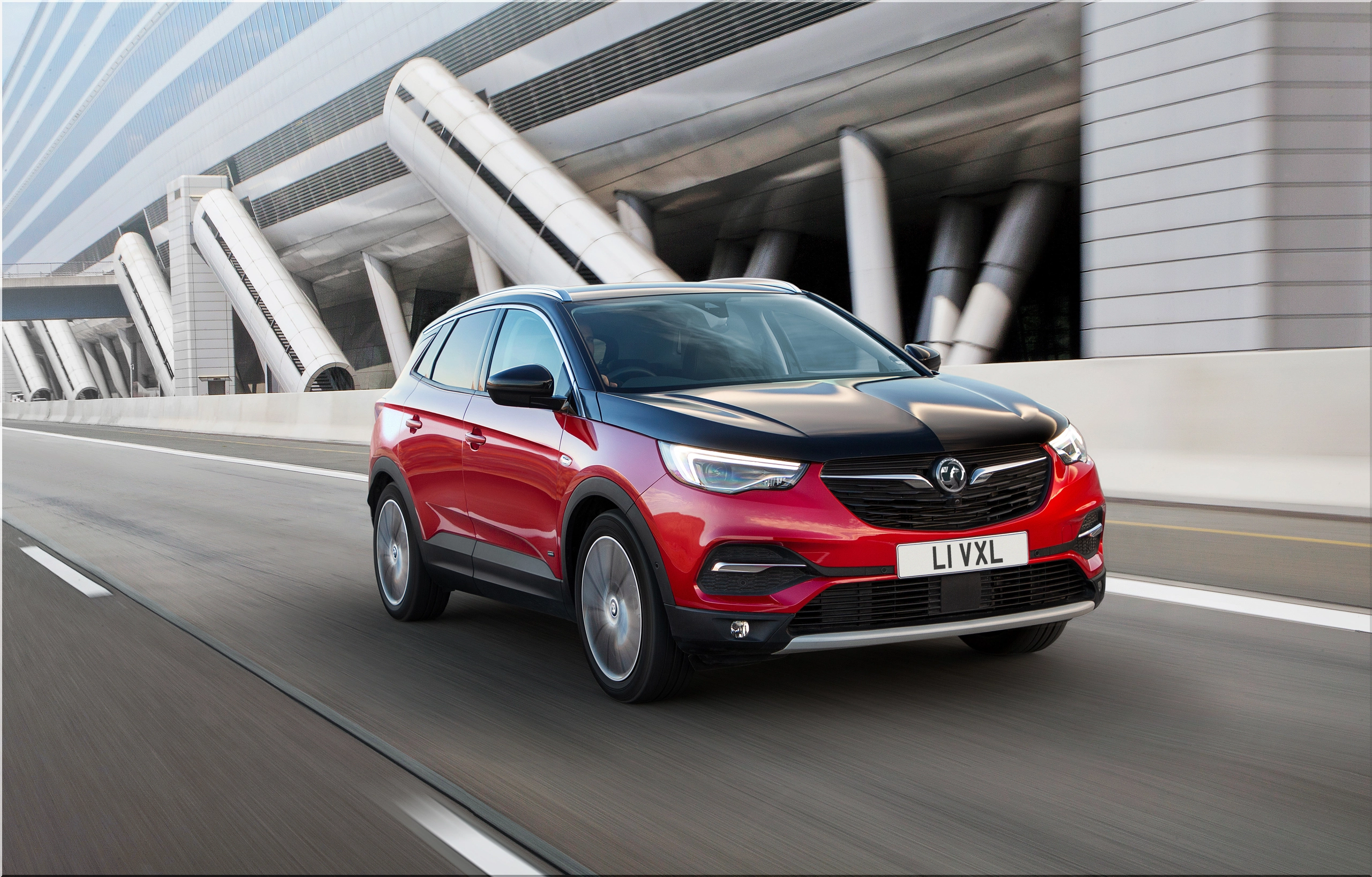
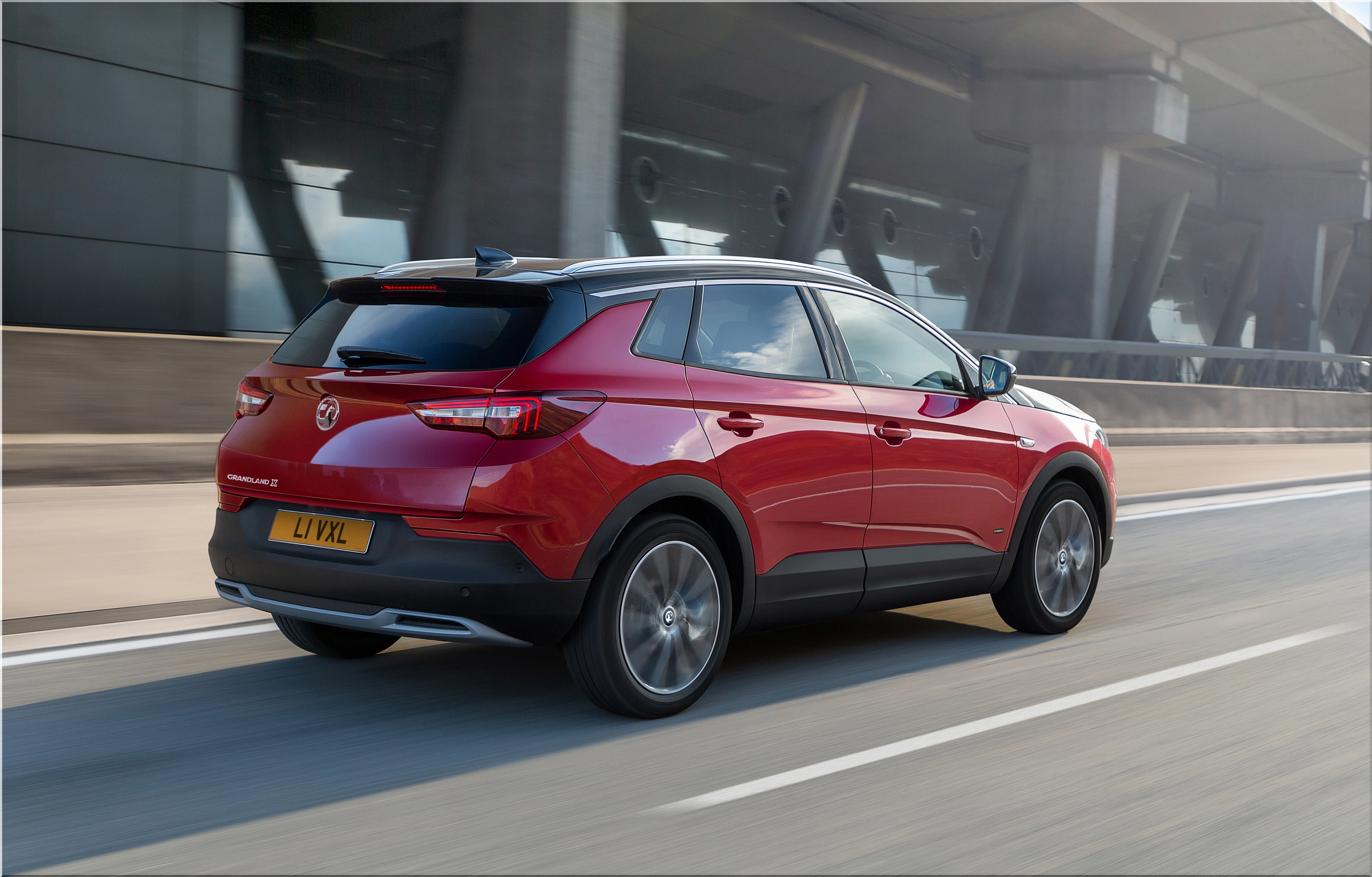
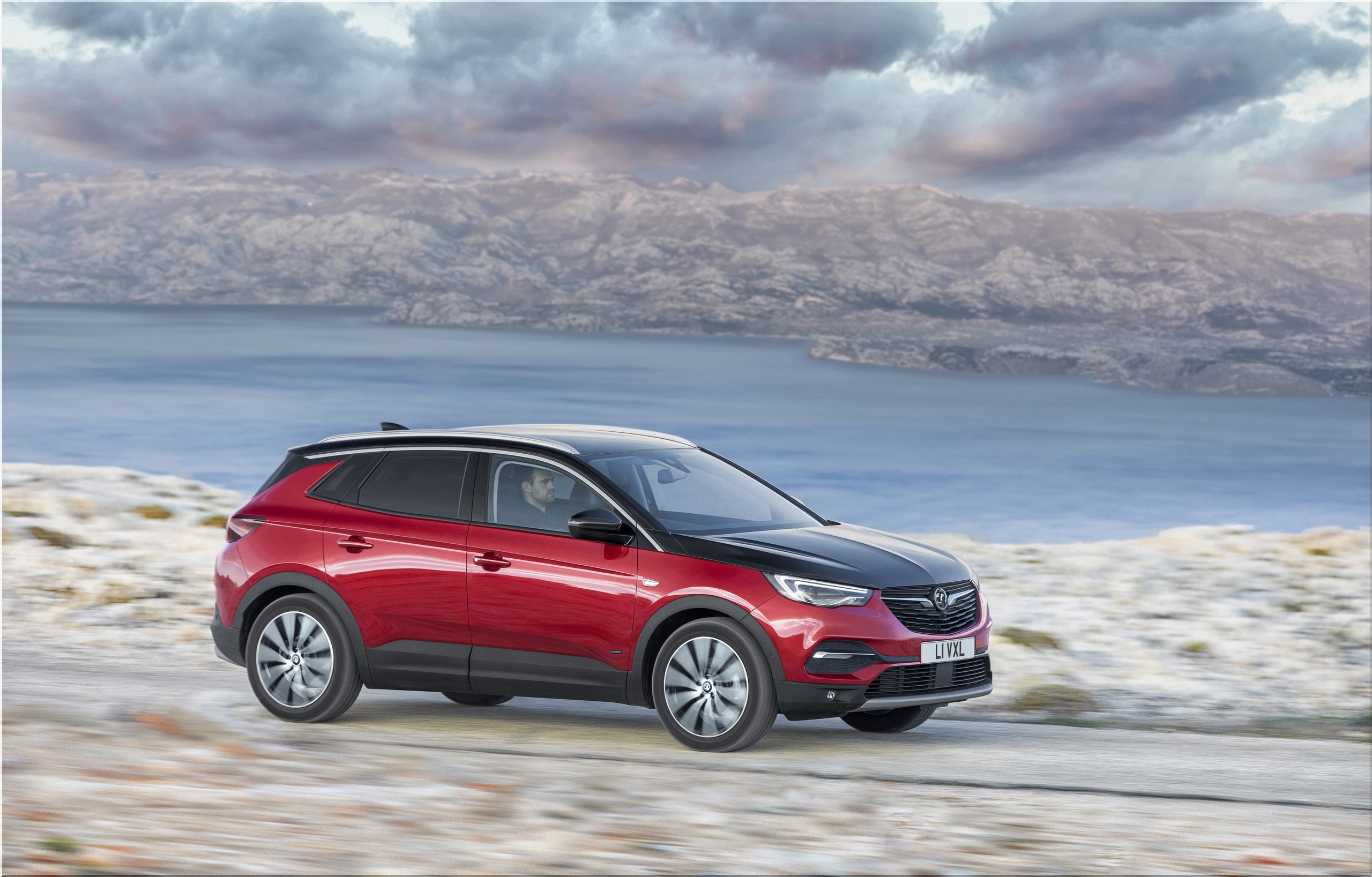
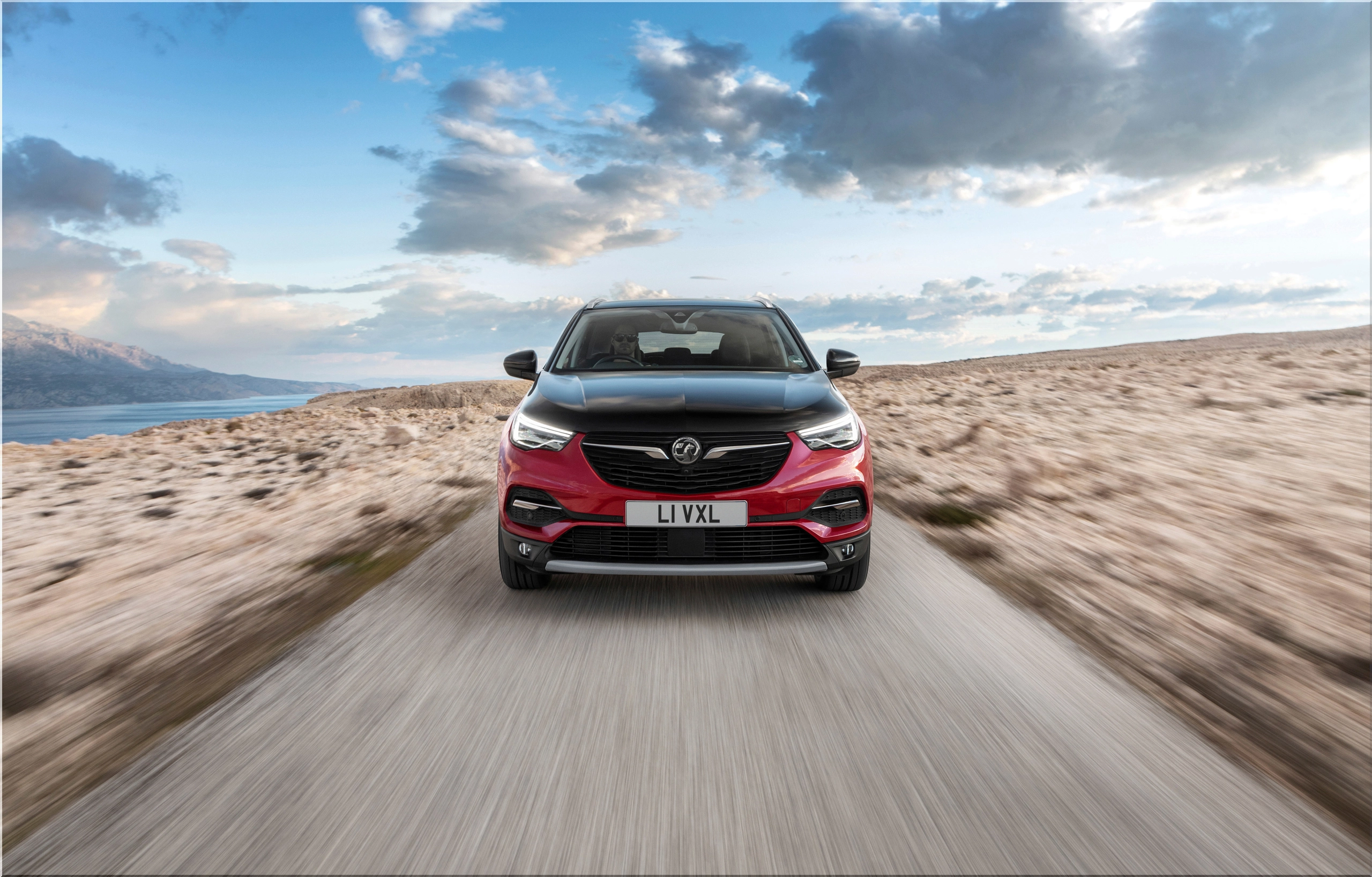
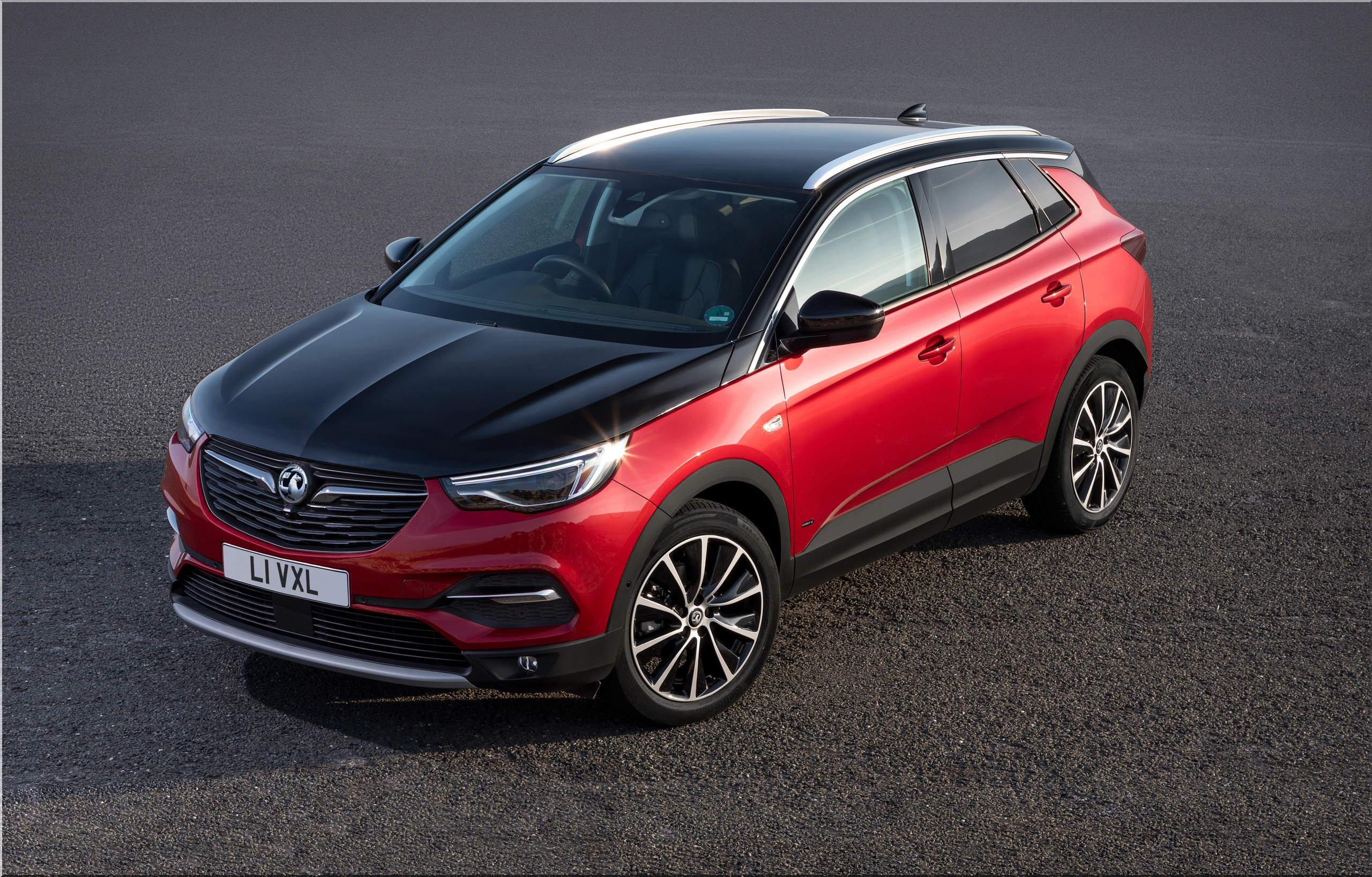
Vauxhall, the UK-based brand of Stellantis, has recently launched a new version of its Grandland SUV that features a plug-in hybrid powertrain. The Vauxhall Grandland PHEV combines a 1.6-litre turbocharged petrol engine with an electric motor and a 13.2 kWh battery to deliver impressive performance, efficiency and versatility. In this article, we will take a closer look at what makes the Grandland PHEV stand out from the crowd and how it compares to some of its rivals in the market.
What is a plug-in hybrid?
A plug-in hybrid (PHEV) is a type of vehicle that can run on both electricity and petrol. Unlike a conventional hybrid, which uses regenerative braking to recharge the battery from the engine’s waste heat, a PHEV can be plugged into an external power source to replenish its battery fully. This allows the PHEV to drive on electric mode for longer distances, reducing fuel consumption and emissions.
A PHEV typically has two types of motors: an electric motor that powers the wheels and an internal combustion engine that provides additional power when needed. The electric motor can also act as a generator to charge the battery when braking or coasting. Depending on the design, the battery can be located under the cabin or in the boot.
How does the Grandland PHEV work?
The Vauxhall Grandland PHEV has two electric motors: one on each axle. The front motor produces 110 hp and drives the front wheels, while the rear motor produces 180 hp and drives the rear wheels. Together, they deliver a combined output of 225 hp and 400 Nm of torque.
The Grandland PHEV also has a 1.6-litre turbocharged petrol engine that produces 200 hp and 300 Nm of torque. It is paired with an eight-speed automatic transmission that sends power to all four wheels via an all-wheel-drive system.
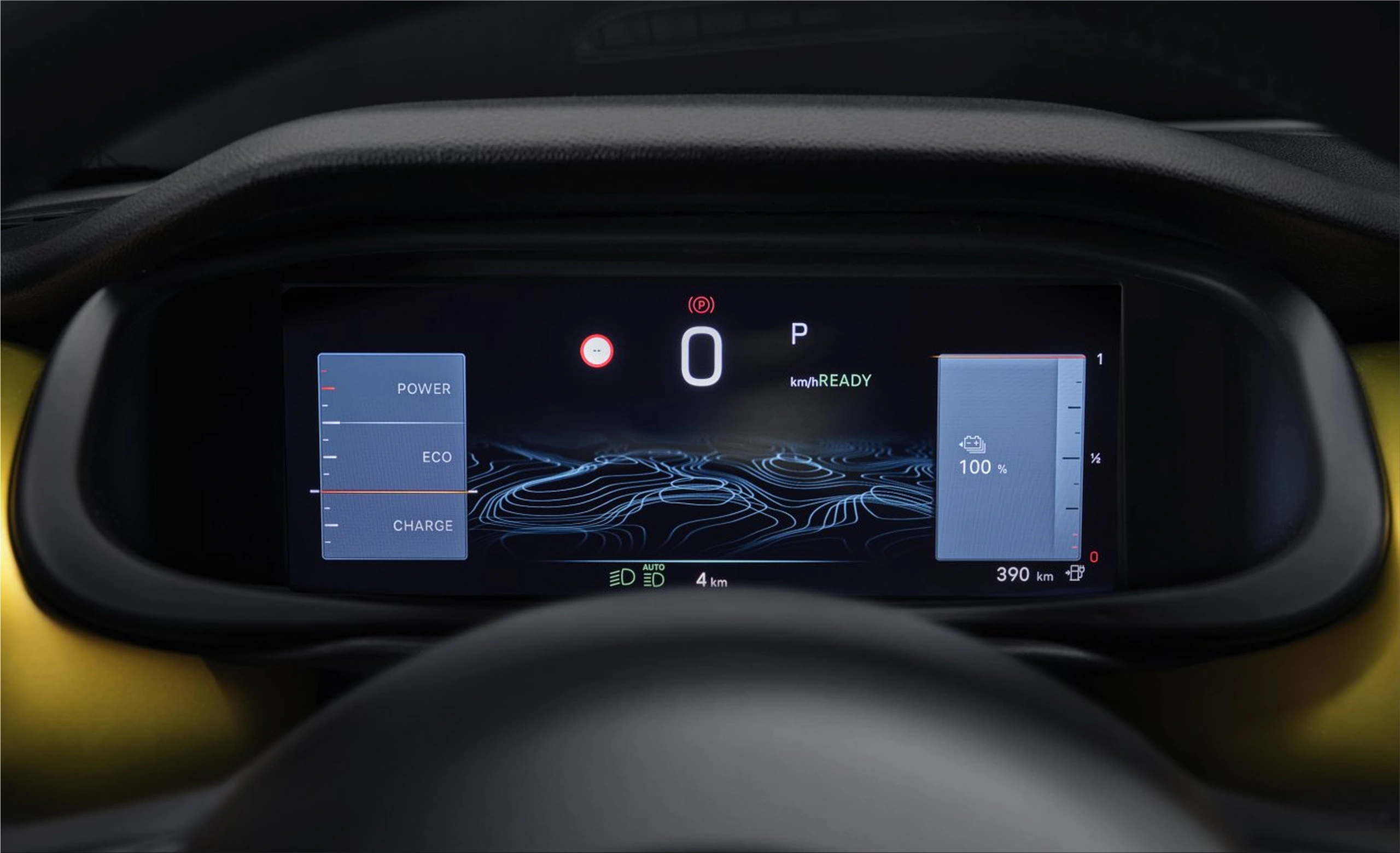
The Grandland PHEV has three driving modes: Electric, Plug-in Hybrid, and Sport. In Electric mode, it can travel up to 34 miles (WLTP - EAER) on battery power alone, thanks to its efficient aerodynamics and low rolling resistance tires. In Plug-in Hybrid mode, it switches between electric and petrol power depending on driving conditions and user preferences. In Sport mode, it boosts performance by increasing throttle response and gear shifts.
The Grandland PHEV also has regenerative braking that recovers energy from deceleration and stores it in the battery for later use.
What are the benefits of the Grandland PHEV?
The Vauxhall Grandland PHEV offers several advantages over conventional petrol or diesel SUVs:
- It is more environmentally friendly than conventional SUVs, as it emits less CO2 (95 g/km) than most diesel models (140 g/km) or petrol models (120 g/km) with similar performance.
- It is more economical than conventional SUVs, as it consumes less fuel per mile (0.4 l/100 km) than most diesel models (0.6 l/100 km) or petrol models (0.5 l/100 km) with similar performance.
- It is more versatile than conventional SUVs, as it can run on both electricity and petrol depending on driving needs.
- It is more spacious than conventional SUVs, as it offers more boot space (520 liters) than most diesel models (450 liters) or petrol models (500 liters).
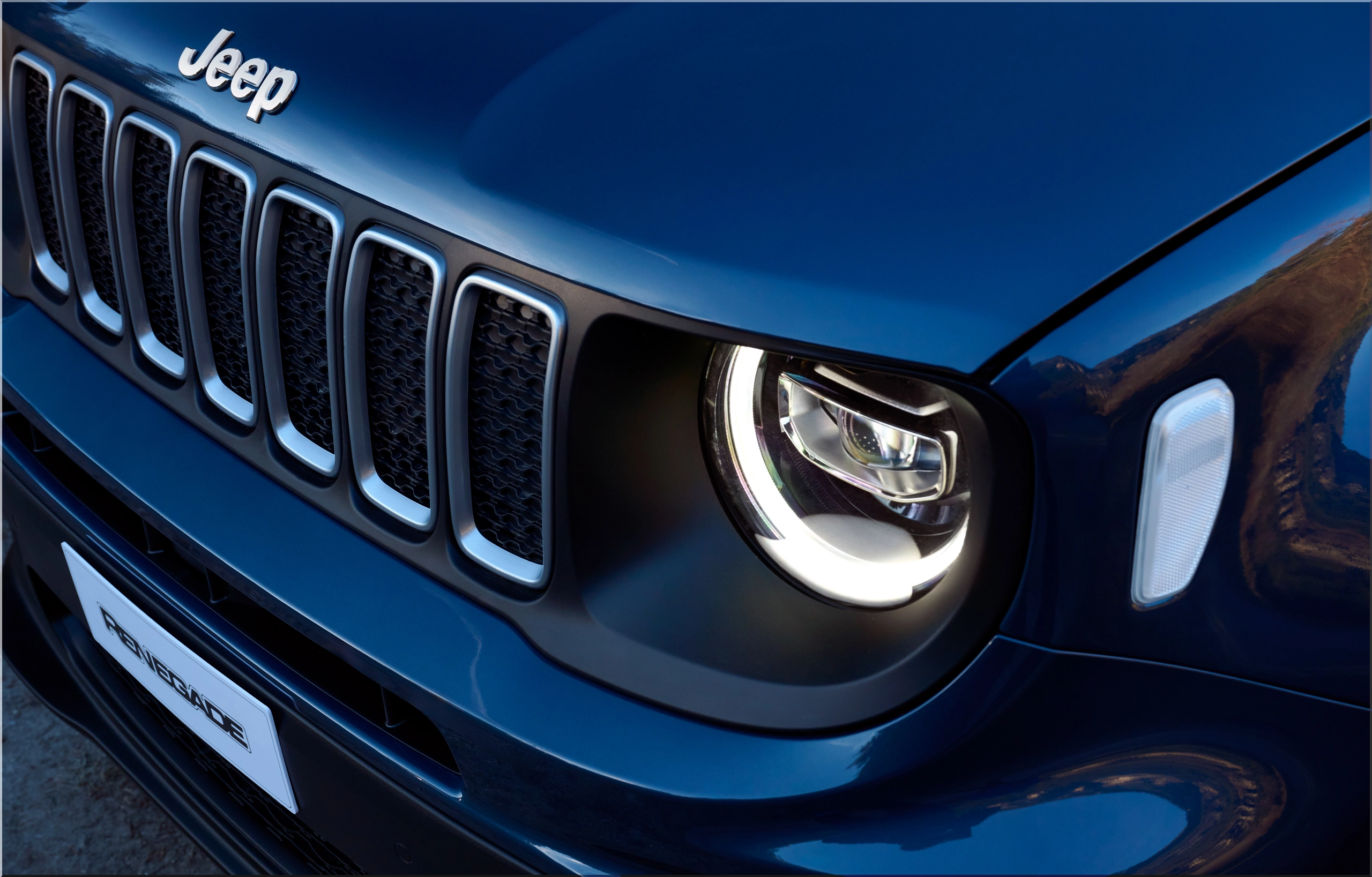
- It is more stylish than conventional SUVs, as it features Vauxhall’s latest Adaptive IntelliLux LED Pixel headlight technology that provides dynamic high-beam lighting without dazzling other road users.
How does the Grandland PHEV compare to other plug-in hybrids?
The Vauxhall Grandland PHEV is not alone in offering plug-in hybrid technology in its segment. There are several other SUVs from different brands that compete with it in terms of performance, efficiency and features:
| Model | Engine | Power | Torque | Range | Price |
|---|---|---|---|---|---|
| Vauxhall Grandland PHEV | 1.6-litre turbocharged petrol + electric motors | 225 hp + 110 hp + 180 hp | 400 Nm + N/A + N/A | Up to 34 miles (WLTP - EAER) | £34,365 |
| Nissan Qashqai e-Power | Electric motor + lithium-ion battery pack | Up to 225 hp* | N/A | Up to 62 miles (WLTP - EAER) | £37,995 |
| Skoda Karoq eHybrid | Electric motor + lithium-ion battery pack | Up to 218 hp** | N/A | Up to 50 miles (WLTP - EAER) | £33,995 |
| Peugeot 3008 Hybrid | Electric motor + lithium-ion battery pack | Up to 225 hp*** | N/A | Up to 39 miles (WLTP - EAER) | £38,655 - £42,255 |
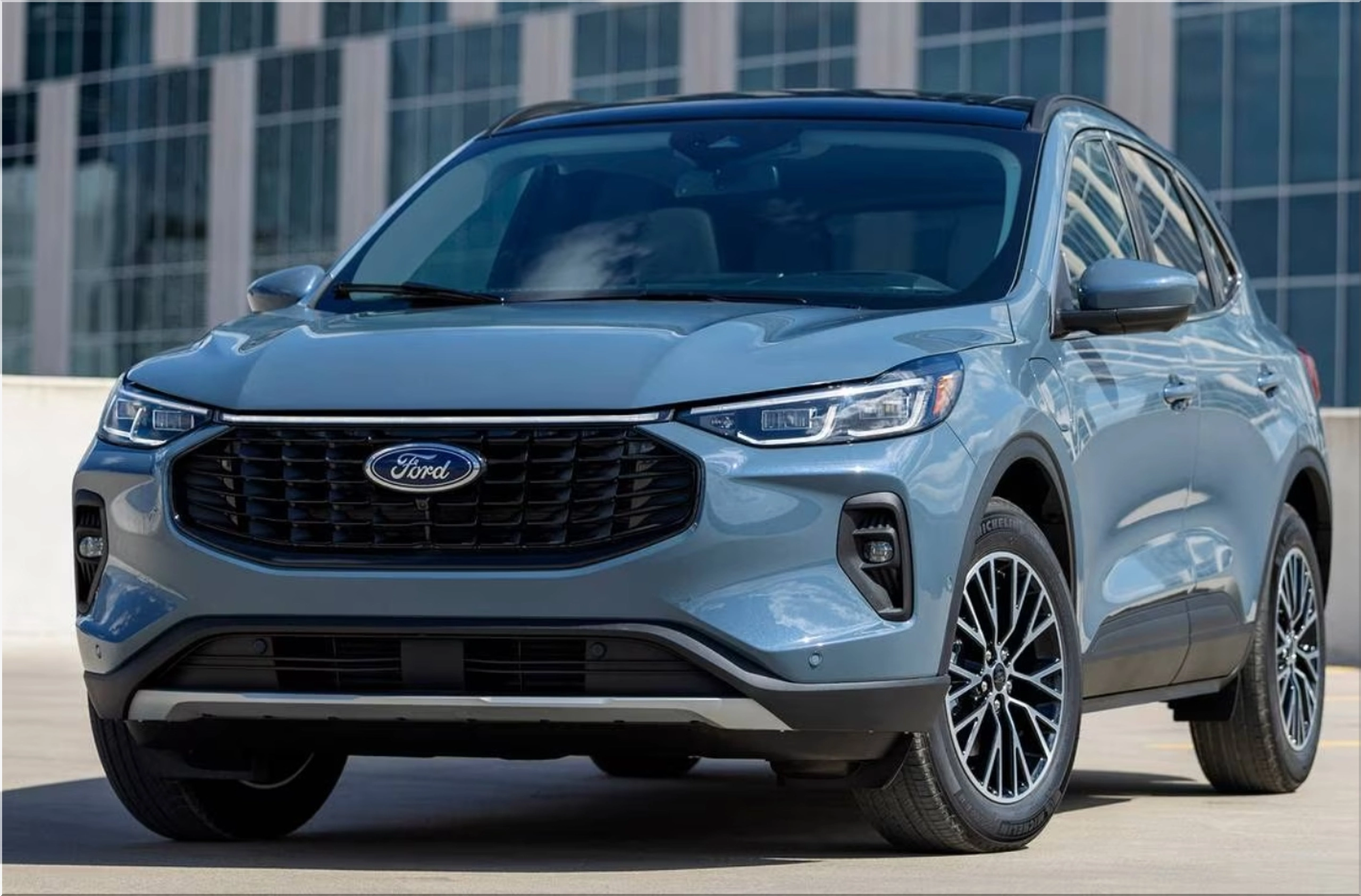
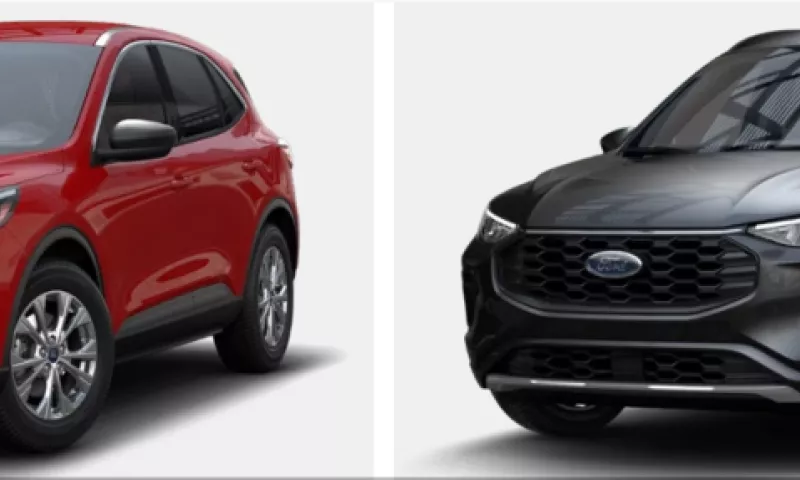
| Ford Kuga Plug-In Hybrid | Petrol engine + electric motor | Up to 225 hp**** | N/A | Up to 35 miles (WLTP - EAER) | £38,655 - £42,255 |
As you can see from the table above, the Grandland PHEV has some advantages and disadvantages compared to its rivals. Here are some of the main points of comparison:
- The Grandland PHEV has the highest power output among the plug-in hybrids, followed by the Qashqai e-Power and the Karoq eHybrid. However, this also means that it has a higher fuel consumption and CO2 emissions than some of its competitors.
- The Grandland PHEV has a decent electric range of up to 34 miles (WLTP - EAER), which is comparable to the Qashqai e-Power and the Karoq eHybrid. However, it is lower than the Peugeot 3008 Hybrid and the Ford Kuga Plug-In Hybrid, which have an electric range of up to 39 miles (WLTP - EAER).
- The Grandland PHEV has a lower price than most of its rivals, except for the Qashqai e-Power and the Skoda Karoq eHybrid. However, it also has a lower boot space than most of them.
- The Grandland PHEV has a similar design and interior quality as other Vauxhall models, which may appeal or repel buyers depending on their personal taste. It also features Vauxhall’s latest Adaptive IntelliLux LED Pixel headlight technology that provides dynamic high-beam lighting without dazzling other road users.
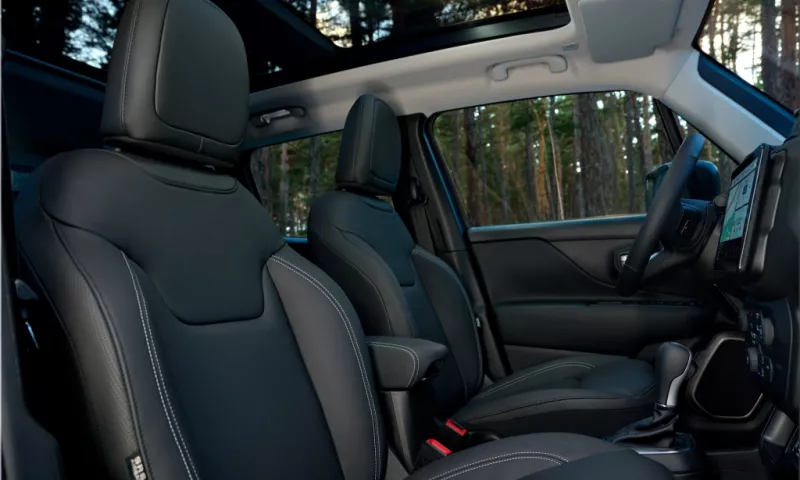
In conclusion, the Vauxhall Grandland PHEV is a good choice for buyers who want a plug-in hybrid SUV that offers more than just efficiency. It has a powerful engine that delivers impressive performance and torque. It also has a spacious interior that can accommodate five passengers comfortably. However, it may not be suitable for buyers who want a longer electric range or a lower price tag. They may want to consider other options, such as the Peugeot 3008 Hybrid or the Ford Kuga Plug-In Hybrid instead.
- Add new comment
- 189 views